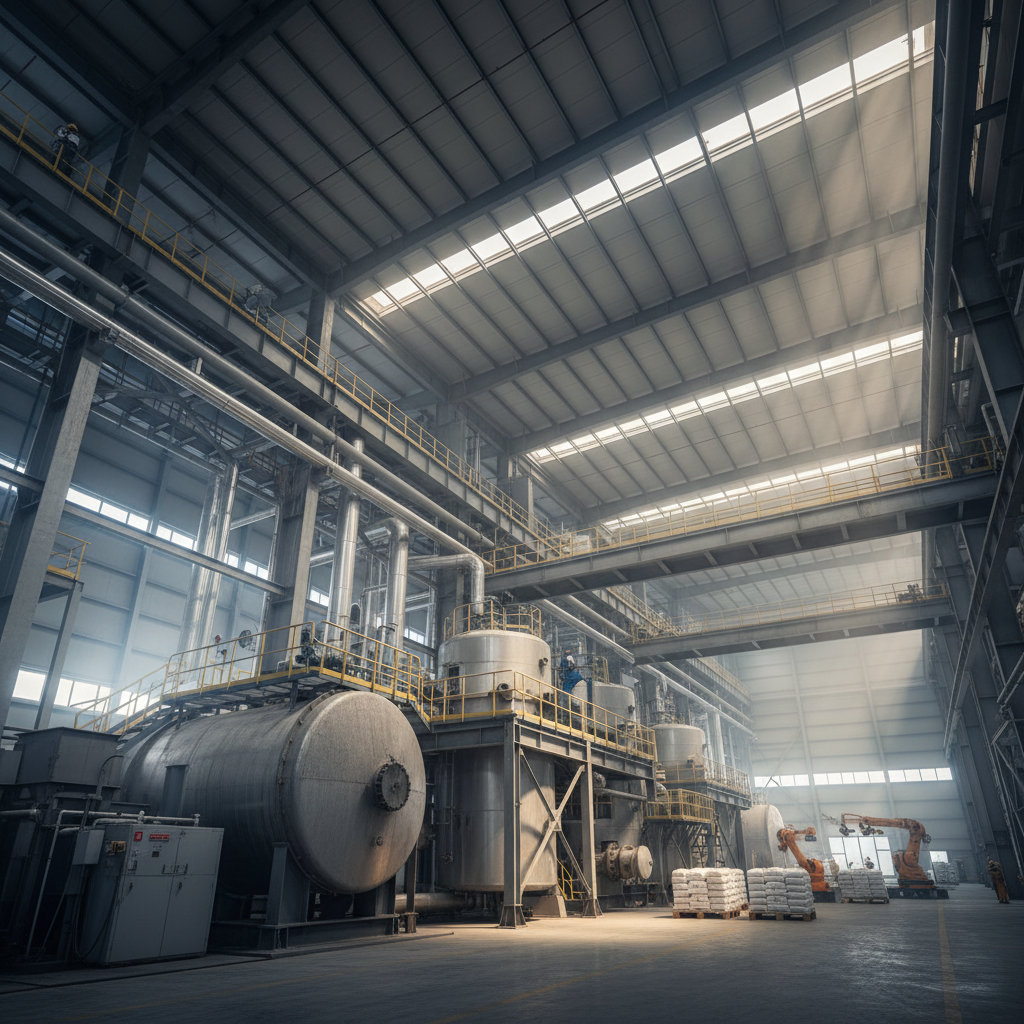
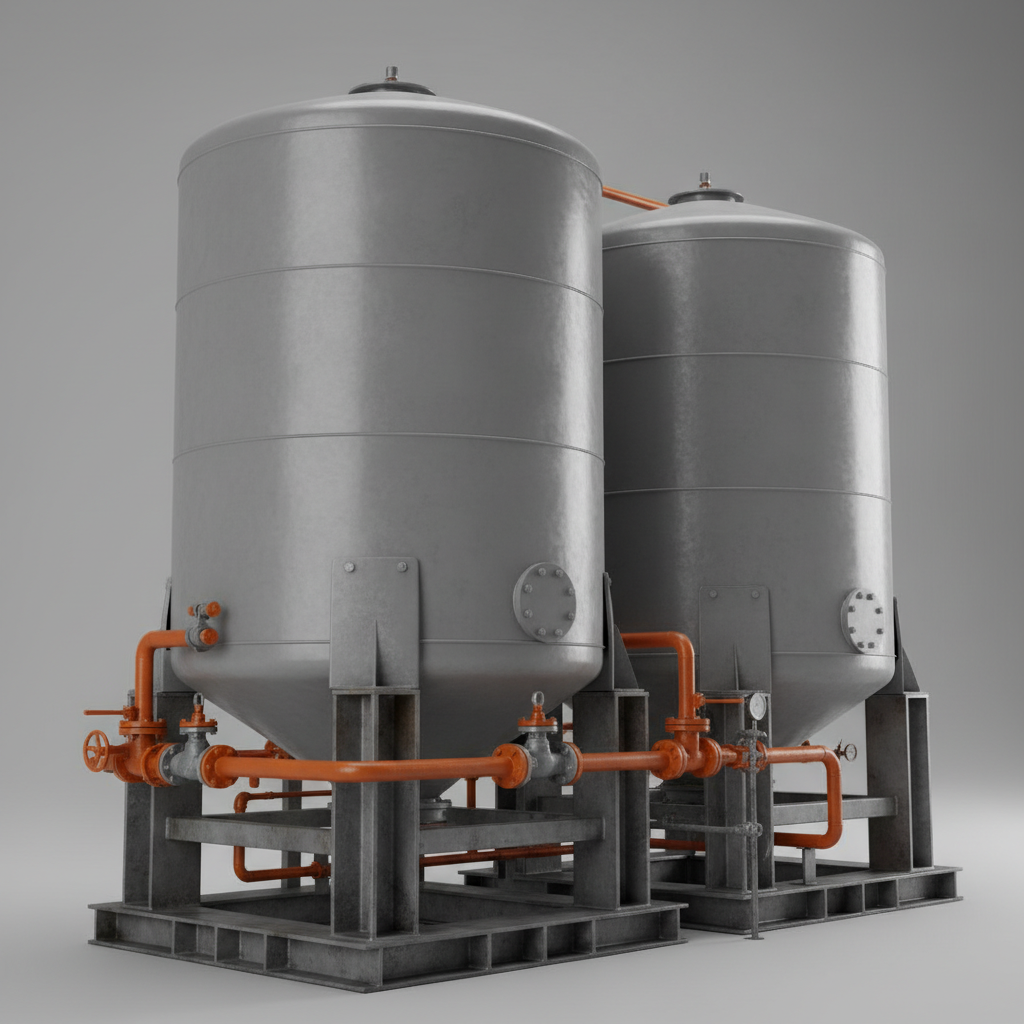
In the modern era of industrial water treatment and chemical storage, the demand for high-performance containment solutions has led to the widespread adoption of the frp tank filament winding machine. This advanced manufacturing technology allows for the creation of Fiber Reinforced Plastic (FRP) tanks that possess an extraordinary strength-to-weight ratio, ensuring that corrosive liquids are stored safely without the risk of oxidation common in metal alternatives.
Across the globe, industrial sectors are shifting toward composite materials to meet more stringent environmental regulations and safety standards. The integration of a frp tank filament winding machine into the production line enables manufacturers to produce customized, seamless vessels that can withstand extreme pressures and aggressive chemical environments, significantly reducing the long-term maintenance costs for plant operators.
Understanding the nuances of filament winding is critical for any organization looking to optimize its infrastructure for water pollution prevention and chemical processing. By utilizing an frp tank filament winding machine, companies can ensure a high degree of precision in fiber placement, which directly translates to the structural integrity and lifespan of the finished storage tanks.
Global Relevance of FRP Tank Filament Winding Technology
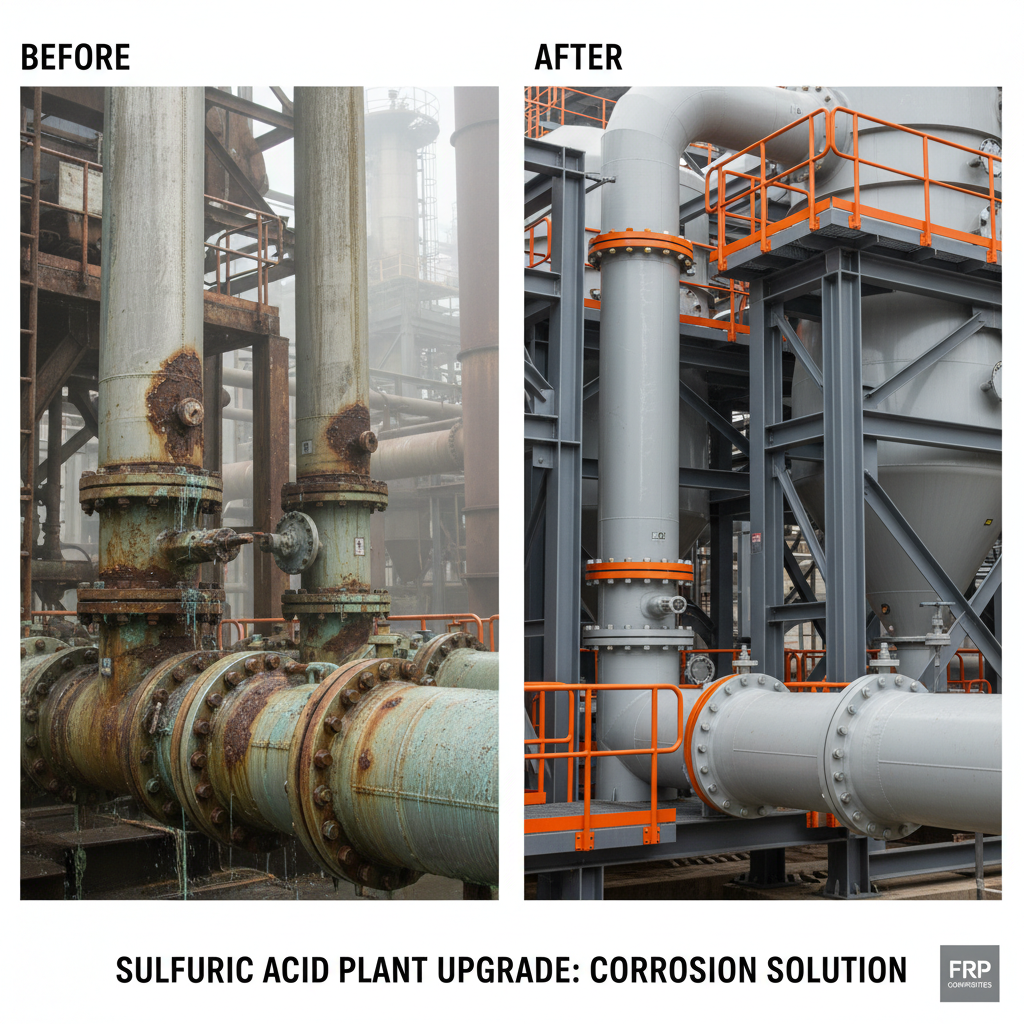
The global industrial landscape is currently facing a crisis of corrosion. According to data aligned with ISO standards and environmental reports, billions of dollars are lost annually due to the degradation of steel storage tanks in chemical and water treatment plants. The frp tank filament winding machine emerges as a pivotal solution to this challenge, providing a method to manufacture non-corrosive, lightweight, and exceptionally strong vessels that outperform traditional metals in harsh environments.
As nations strive to meet UN Sustainable Development Goals regarding clean water and sanitation, the efficiency of water pollution prevention equipment becomes paramount. By deploying high-precision winding machinery, industries can produce larger and more reliable storage systems that prevent leaks and contamination, ensuring that hazardous materials are contained and treated with absolute security.
Defining the FRP Tank Filament Winding Machine
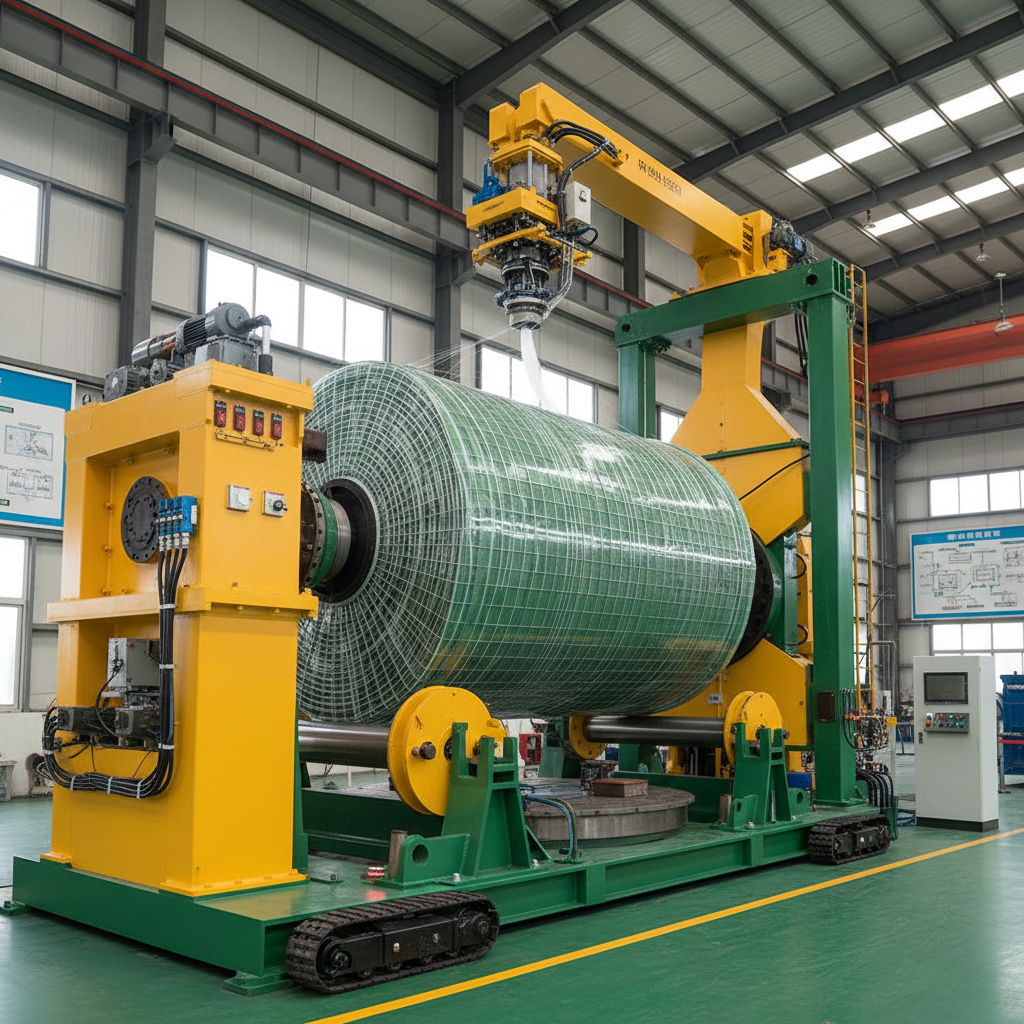
In simple terms, an frp tank filament winding machine is a specialized piece of industrial equipment that automates the process of winding continuous resin-impregnated fibers (usually glass or carbon) onto a rotating mandrel. This process creates a composite structure where the fibers are oriented in specific directions to optimize the strength of the tank according to the pressures it will encounter during its operational life.
This technology is deeply connected to modern humanitarian and industrial needs. In regions with limited infrastructure or extreme climates, the ability to quickly deploy durable, lightweight tanks for potable water or waste management is a lifesaver. Unlike concrete or steel, which require heavy machinery for transport and installation, FRP tanks produced by these machines are easily movable while remaining structurally superior.
Furthermore, the precision of the winding process ensures that the wall thickness is consistent, eliminating weak spots that could lead to catastrophic failure. This reliability makes the frp tank filament winding machine indispensable for industries ranging from aerospace and oil and gas to municipal wastewater treatment.
Core Components and Technical Factors
The efficiency of an frp tank filament winding machine depends on several critical factors, primarily the precision of the CNC control system. This system manages the movement of the delivery carriage and the rotation of the mandrel, ensuring that the fiber angle is maintained with surgical accuracy to distribute mechanical loads evenly across the tank surface.
Another vital component is the resin bath and impregnation system. A high-quality frp tank filament winding machine must ensure that every single fiber is thoroughly coated with resin without air bubbles. This uniform saturation is what gives the final FRP tank its legendary durability and prevents osmotic blistering when stored in water-rich environments.
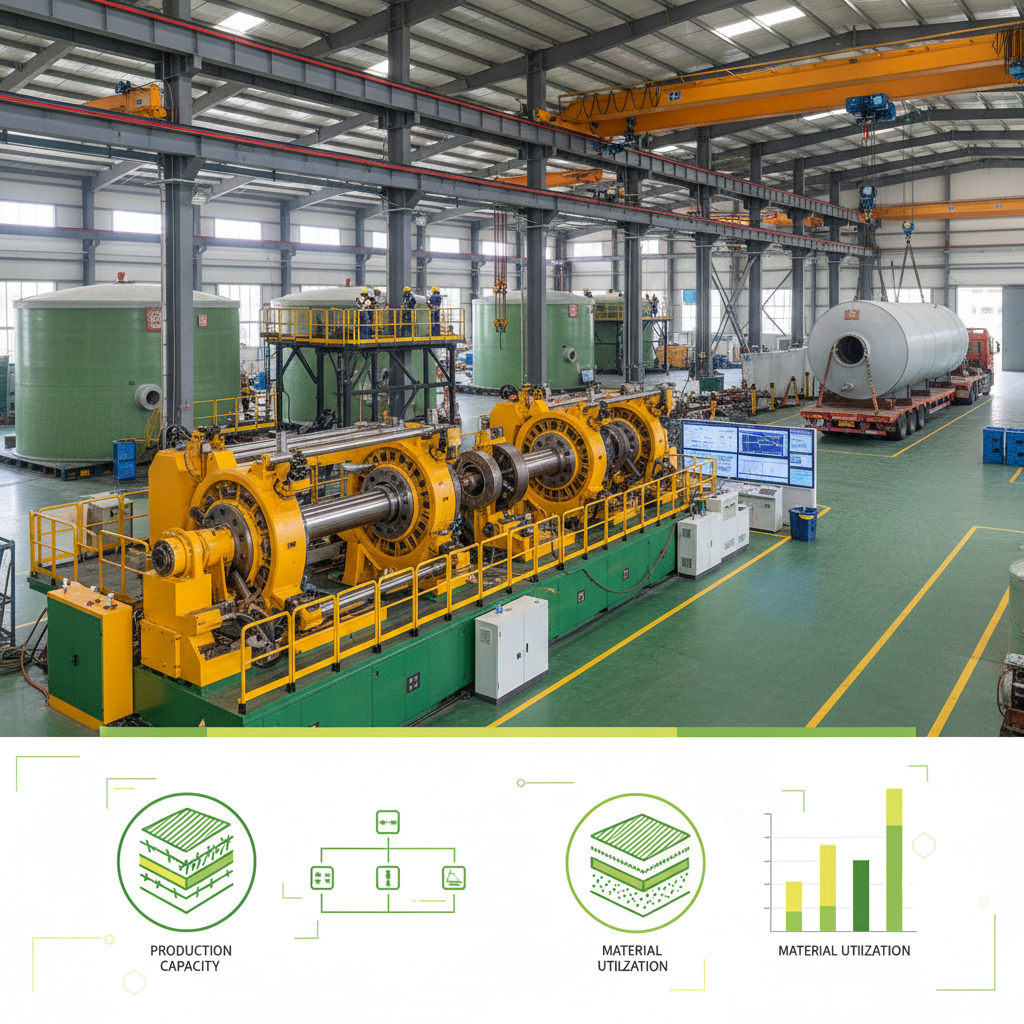
Lastly, scalability and versatility are key. Modern winding machines are designed to handle a variety of mandrel sizes, allowing manufacturers to switch from small chemical containers to massive water storage reservoirs without needing entirely new equipment. This flexibility reduces capital expenditure and allows for a more responsive manufacturing cycle.
Industrial Applications and Use Cases
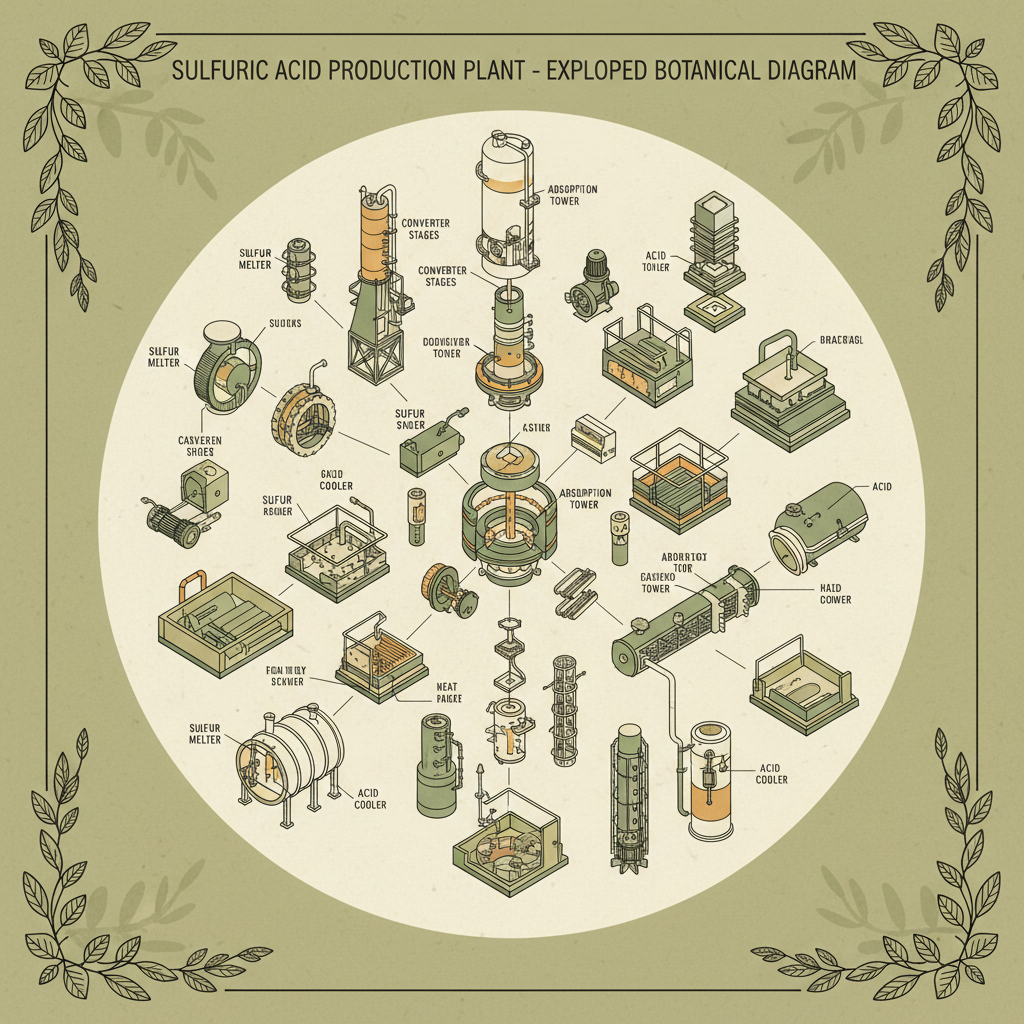
The application of the frp tank filament winding machine spans across numerous critical sectors. In the chemical industry, these machines produce tanks that can hold sulfuric acid or caustic soda without the need for expensive internal liners. In the energy sector, they are used to create high-pressure hydrogen storage tanks and wind turbine components, where weight reduction is just as important as strength.
In remote industrial zones or post-disaster relief operations, the rapid deployment of FRP storage tanks is invaluable. For instance, in areas affected by floods or earthquakes, these tanks can be used for immediate water purification and storage, providing clean drinking water to thousands of people. The lightweight nature of the product means it can be flown into inaccessible areas and assembled quickly on-site.
Performance Comparison of Tank Manufacturing Methods
Tangible Advantages and Long-Term Value
The primary advantage of investing in a frp tank filament winding machine is the drastic reduction in the total cost of ownership. While the initial machinery investment may be higher than manual methods, the resulting tanks have a lifespan that often doubles or triples that of steel. This eliminates the need for frequent painting, coating, and eventual replacement due to rust, providing an immense logical and financial advantage.
Beyond the numbers, there is an emotional value tied to safety and trust. In the event of a leak in a chemical storage tank, the consequences can be environmentally devastating and life-threatening. The structural reliability offered by the filament winding process provides plant managers and the surrounding community with peace of mind, knowing that the containment is engineered for maximum security and minimum risk.
Future Trends in Composite Winding Automation
The future of the frp tank filament winding machine is leaning heavily toward "Industry 4.0" integration. We are seeing the introduction of AI-driven quality control systems that use laser sensors to monitor fiber placement in real-time, automatically adjusting the machine's parameters to correct any deviations. This ensures zero-defect manufacturing and optimizes material usage.
Sustainability is another driving force. There is a growing trend toward using bio-resins and recycled carbon fibers in the winding process. By combining these eco-friendly materials with the efficiency of automated winding, the industry is moving toward a circular economy where high-performance tanks are produced with a significantly lower carbon footprint.
Additionally, the integration of IoT (Internet of Things) into the produced tanks—embedding sensors during the winding process—will allow for "smart tanks." These vessels can report their own structural health, pressure levels, and temperature to a central hub, transforming the frp tank filament winding machine from a production tool into the first step of a digital lifecycle management system.
Overcoming Challenges in Tank Manufacturing
Despite the benefits, challenges such as mandrel removal and curing times can slow down production. Traditional metal mandrels often require complex extraction methods. However, innovative solutions like soluble or collapsible mandrels are now being integrated into the workflow of the frp tank filament winding machine, allowing for the creation of one-piece tanks with closed ends that were previously impossible to manufacture.
Another limitation is the skill gap in operating complex CNC winding software. To solve this, manufacturers are moving toward more intuitive, GUI-based interfaces and "digital twin" simulations. This allows engineers to visualize the winding pattern and test the structural integrity of the tank in a virtual environment before a single fiber is laid, reducing waste and trial-and-error periods.
Finally, the cost of high-grade carbon fiber remains a barrier for some. The industry is responding by optimizing "hybrid winding" techniques, where the frp tank filament winding machine alternates between cost-effective glass fiber and high-strength carbon fiber in specific zones of the tank. This provides the necessary strength where it's needed most while keeping the overall cost competitive.
Analysis of Manufacturing Challenges and Solutions in Filament Winding
| Challenge Category |
Traditional Limitation |
Modern Solution |
Effectiveness (1-10) |
| Mandrel Extraction |
Difficult removal of metal cores |
Soluble/Collapsible Mandrels |
9 |
| Production Speed |
Slow curing cycles |
UV-Cured Resins |
8 |
| Material Waste |
Over-winding for safety margins |
AI-Optimized Fiber Paths |
7 |
| Operator Error |
Manual setup mistakes |
Digital Twin Simulation |
9 |
| Cost of Materials |
High price of carbon fiber |
Hybrid Glass/Carbon Winding |
8 |
| Quality Control |
Post-production inspection |
In-situ Laser Monitoring |
10 |
FAQS
A filament winding machine offers superior precision, consistency, and speed. Unlike hand lay-up, which is prone to human error and uneven resin distribution, the machine ensures that fibers are placed at exact angles and tensions. This results in a tank with significantly higher structural strength, a better fiber-to-resin ratio, and a much faster production cycle, making it more cost-effective for large-scale industrial needs.
FRP tanks produced via filament winding are designed for longevity. Depending on the resin used (e.g., vinyl ester or epoxy) and the environmental conditions, these tanks can last 20 to 50 years. Because they do not corrode like steel or crack like concrete under chemical stress, they maintain their integrity far longer, provided the design specifications match the stored chemicals.
While primarily used for cylindrical and spherical shapes, modern CNC winding machines are highly versatile. By utilizing complex mandrel movements and multi-axis carriages, they can produce conical sections and customized transition pieces. However, the most efficient use of the technology remains in the production of pressure vessels and storage tanks where rotational symmetry can be leveraged.
Yes, it is increasingly so. The process generates very little waste compared to traditional machining. Furthermore, the resulting tanks prevent hazardous leaks into the soil and water, which is a critical environmental benefit. The industry is also shifting toward bio-based resins and recyclable fibers to further reduce the ecological footprint of the manufacturing process.
You should consider your primary product size, the required pressure ratings, and your production volume. For large water tanks, a multi-spindle machine with a large mandrel capacity is essential. For high-pressure chemical vessels, prioritize machines with high-precision CNC controls and advanced tensioning systems to ensure safety and compliance with international pressure vessel standards.
Maintenance primarily focuses on the resin bath cleaning, lubrication of the carriage rails, and calibration of the CNC sensors. Ensuring the fiber tensioners are clean and functioning correctly is vital to avoid structural defects in the tanks. Regular software updates and mandrel surface inspections are also recommended to maintain peak operational efficiency.
Conclusion
The frp tank filament winding machine represents the pinnacle of composite manufacturing, bridging the gap between industrial necessity and environmental responsibility. By automating the precise placement of high-strength fibers, this technology enables the production of storage solutions that are not only more durable and corrosion-resistant than traditional materials but also safer and more sustainable for the planet.
As we move toward a future defined by smarter cities and greener industry, the role of advanced composite equipment will only grow. We encourage manufacturers and plant operators to embrace these innovations to ensure their infrastructure is resilient, efficient, and future-proof. Visit our website to learn more: www.frpgrpmachine.com