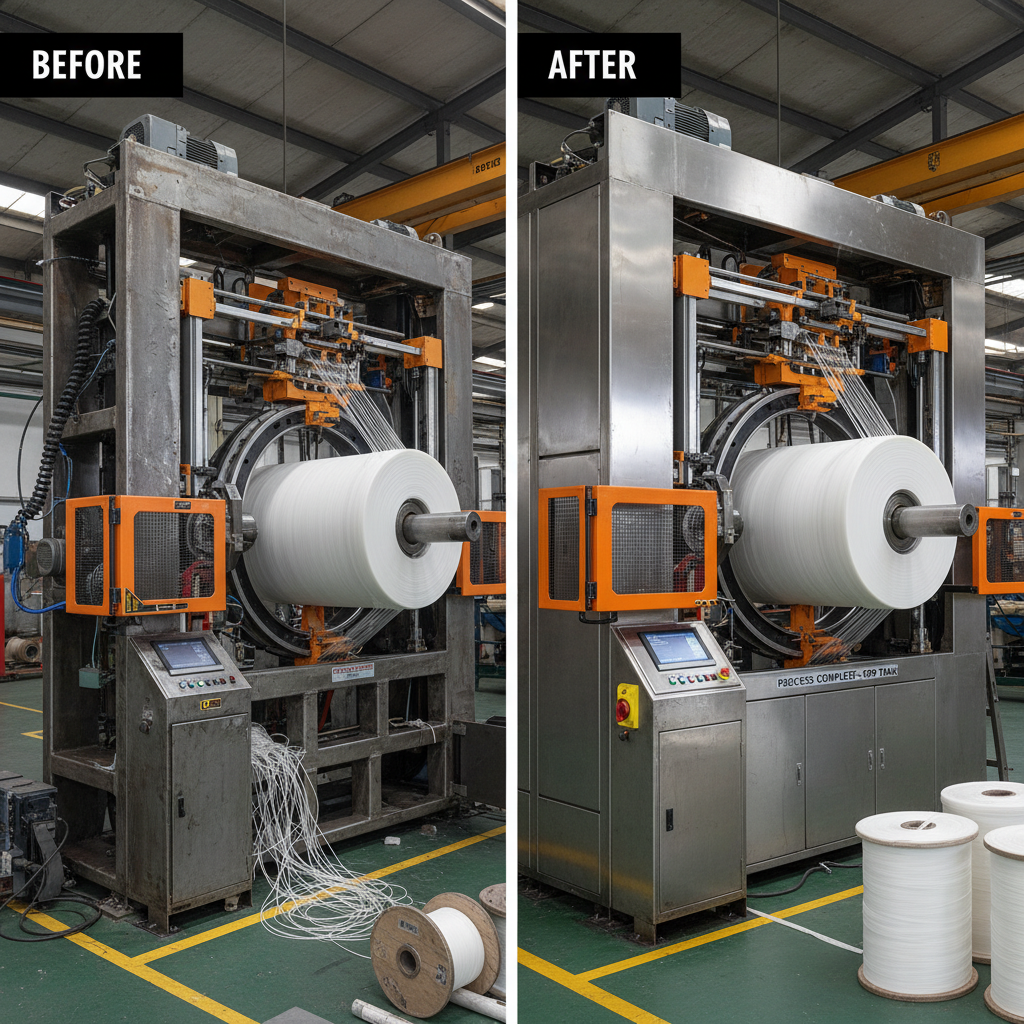
In the evolving landscape of industrial manufacturing, the grp winding machine stands as a cornerstone for producing high-performance composite structures. By precisely winding continuous glass fibers impregnated with resin onto a rotating mandrel, these machines create cylinders and vessels with unparalleled strength-to-weight ratios, essential for the most demanding environmental protection and water treatment applications.
The global shift toward sustainable infrastructure and the urgent need for corrosion-resistant materials have propelled the adoption of filament winding technology. Whether it is for large-scale water desalination pipes or specialized chemical storage tanks, the efficiency of a grp winding machine ensures that the final product can withstand extreme pressures and aggressive chemical environments without the risk of degradation seen in traditional steel.
Understanding the nuances of this equipment is critical for manufacturers aiming to optimize production cycles and reduce material waste. From the precision of the carriage movement to the chemistry of the resin bath, every element of the winding process contributes to the structural integrity of the Glass Reinforced Plastic (GRP) components, making this technology indispensable for modern civil and industrial engineering.
Global Relevance of GRP Winding Technology
The global demand for water purification and wastewater treatment has seen a sharp increase, as highlighted by UN Sustainable Development Goals regarding clean water and sanitation. In this context, the grp winding machine has become a critical asset for producing pipes and tanks that are impervious to the salts and acids typically found in contaminated water streams.
Traditional metallic conduits often fail due to oxidation and electrochemical corrosion, leading to costly leaks and environmental disasters. By utilizing filament winding, industries can deploy infrastructure that lasts decades longer than steel, significantly reducing the lifecycle cost of water quality protection projects across Asia, Africa, and Europe.
Defining the GRP Winding Machine
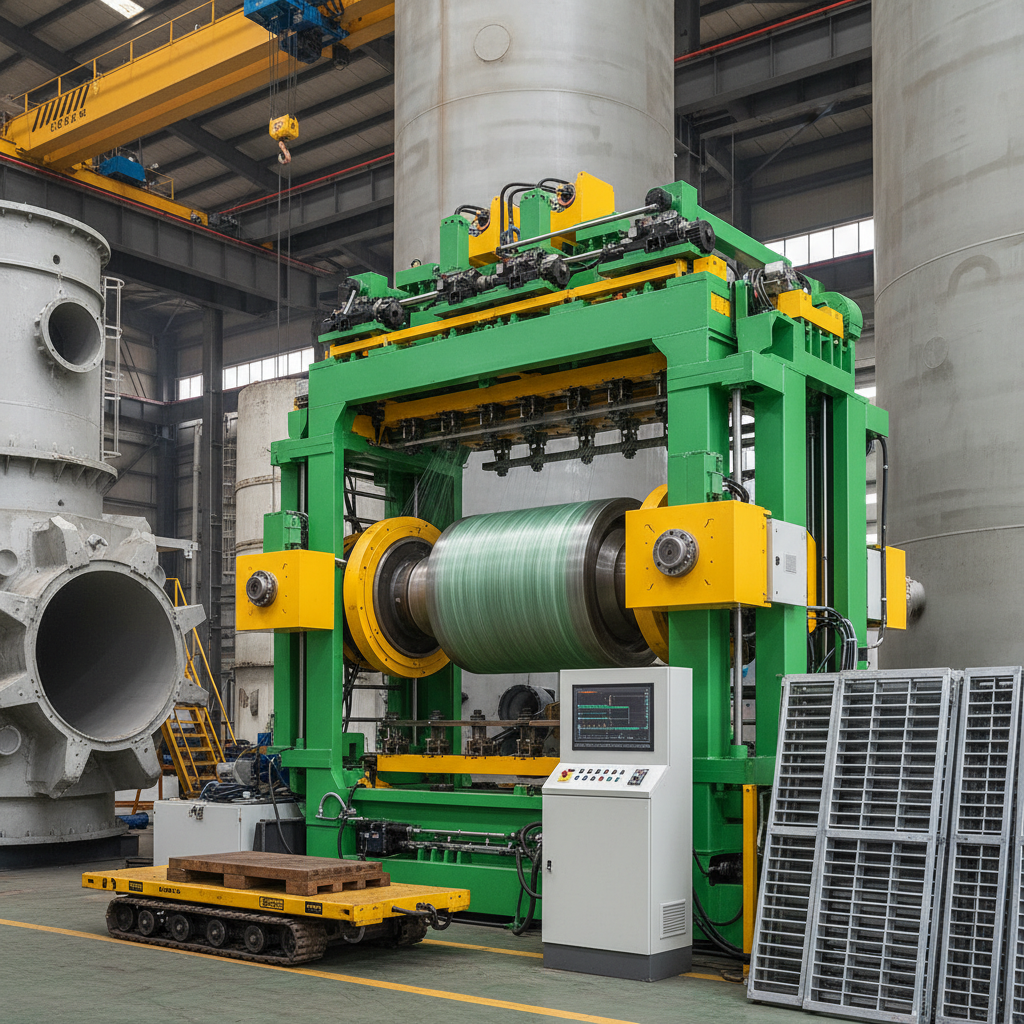
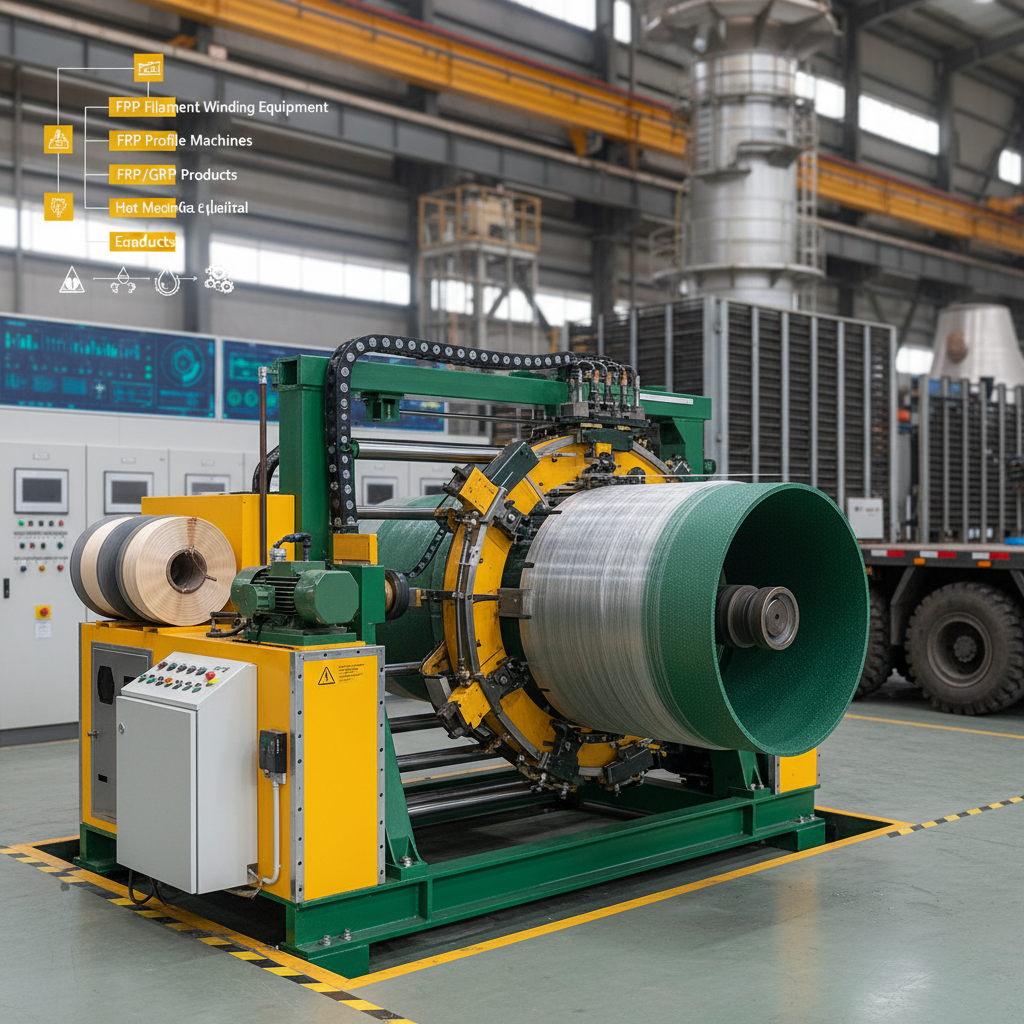
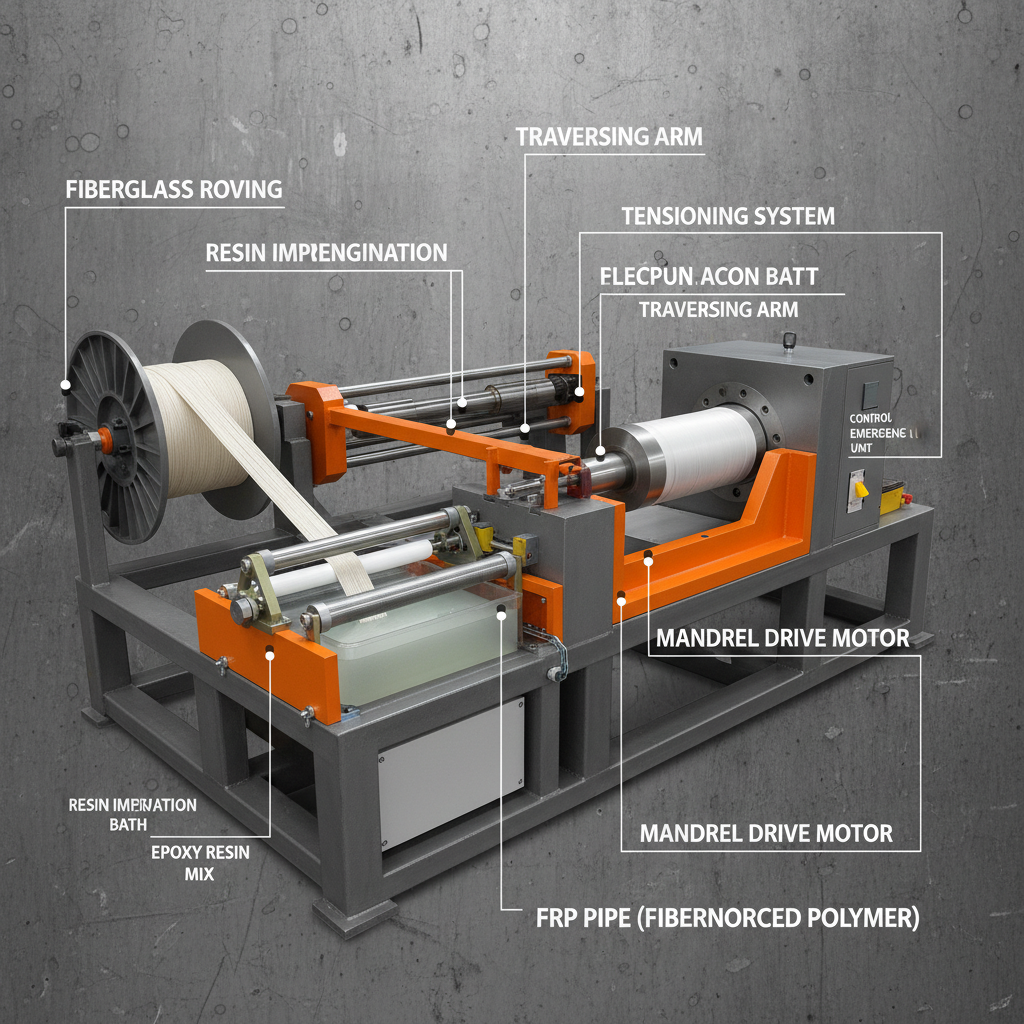
In simple terms, a grp winding machine is an automated system designed to wrap continuous strands of glass fiber—soaked in a liquid polymer resin—around a rotating mandrel. This process creates a composite structure where the fibers provide the tensile strength and the resin acts as the binder, resulting in a product that is incredibly strong yet lightweight.
This technology is deeply connected to modern humanitarian needs, particularly in providing safe drinking water to remote industrial zones. Because GRP is easier to transport than heavy concrete or steel, components manufactured by these machines can be deployed in disaster-prone areas or underdeveloped regions to quickly establish sanitation networks.
Beyond simple cylinders, advanced winding machines can produce complex geometries, allowing for the creation of high-pressure vessels and specialized chemical equipment. This versatility makes the machine a pivot point for innovation in the environmental protection equipment sector, enabling the manufacture of custom-engineered solutions for specific pollution control needs.
Core Components for Industrial Precision
The precision of a grp winding machine depends on the seamless integration of its mechanical and electronic components. The mandrel is the central core, and its rotation accuracy determines the concentricity of the final pipe, while the fiber delivery system ensures that the glass rovings are fed without tension spikes or breakage.
At the heart of the operation is the CNC carriage, which moves longitudinally across the mandrel. This component of the grp winding machine allows for the exact control of the winding angle—whether helical, polar, or circumferential—which is the primary factor in determining the burst pressure and longitudinal strength of the GRP product.
Furthermore, the resin impregnation bath must maintain a consistent temperature and viscosity to ensure full saturation of the fibers. A high-quality grp winding machine often includes integrated monitoring systems to detect air bubbles or resin voids, which could otherwise lead to structural failure under high-pressure water treatment conditions.
Technical Factors Influencing Performance
When evaluating the output of a grp winding machine, engineers focus on the synergy between fiber tension and winding speed. If the tension is too low, the fibers may wrinkle, creating weak points; if it is too high, the fibers may snap or crush the inner liner. Achieving the "golden ratio" of tension is what separates industrial-grade equipment from entry-level machinery.
Another critical factor is the resin-to-glass ratio. An optimized grp winding machine minimizes excess resin to reduce weight and cost while maximizing the fiber volume fraction to enhance mechanical properties. This balance is essential for creating lightweight yet durable components for water pollution prevention.
Performance Comparison of GRP Winding Methods
Global Applications and Use Cases
The practical application of the grp winding machine is most visible in the energy and water sectors. In the Middle East, these machines are used to produce massive saltwater conveyance pipes that resist the corrosive nature of the Arabian Gulf. Similarly, in North America, the oil and gas industry utilizes filament-wound pipes for fracking and transport due to their high pressure tolerance.
In remote industrial zones, where transporting heavy steel is logistically impossible, GRP products manufactured by a grp winding machine offer a modular and lightweight alternative. For example, in post-disaster relief operations, rapid-deploy water filtration tanks made of GRP provide immediate sanitation infrastructure without requiring heavy machinery for installation.
Long-Term Value and Sustainability
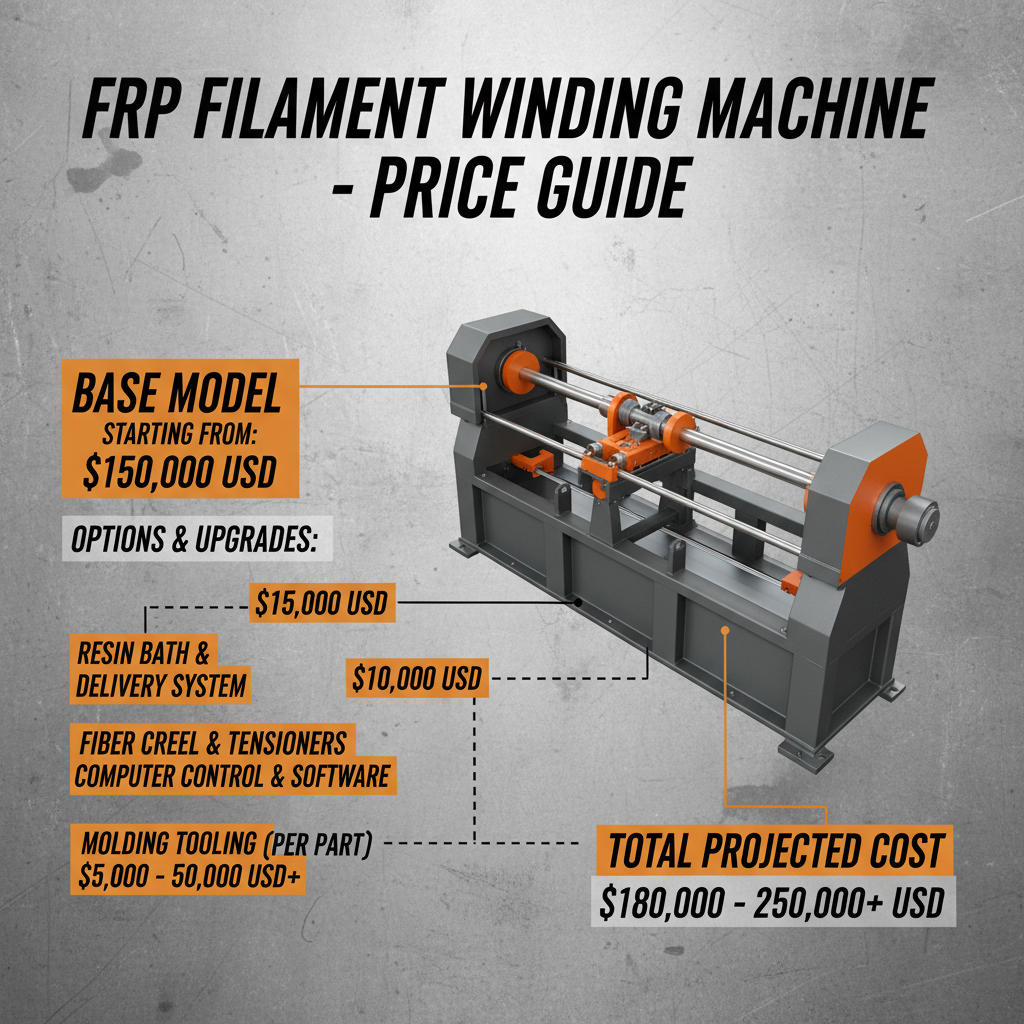
Investing in a grp winding machine provides tangible long-term economic value. While the initial setup cost may be higher than traditional molding, the reduction in maintenance costs—due to the elimination of rust and corrosion—creates a significantly lower Total Cost of Ownership (TCO) for the end-user.
From a sustainability perspective, GRP is an eco-friendly alternative to metal in many scenarios. The energy required to produce and transport GRP is often lower than that of steel or concrete. Moreover, the longevity of products created by a grp winding machine means fewer replacements and less industrial waste over a 50-year infrastructure cycle.
Beyond the logic of cost, there is a human element: safety and trust. Using a grp winding machine ensures that pressure vessels in chemical plants are built to exacting standards, reducing the risk of catastrophic failures and protecting the lives of workers and the surrounding community.
Future Innovations in Filament Winding
The future of the grp winding machine is being shaped by the digital transformation of the "Industry 4.0" era. We are seeing the integration of AI-driven tension control systems that adjust in real-time based on fiber diameter variations, ensuring a perfectly uniform wall thickness across every millimeter of the product.
Material science is also evolving, with the introduction of carbon fiber hybrids and bio-based resins. Modern grp winding machine designs are now capable of handling these high-modulus materials, allowing for the production of "ultra-light" pipes that can handle pressures previously only achievable with heavy-walled steel.
Automation and robotics are further reducing the human error associated with mandrel preparation and curing. The next generation of grp winding machine technology will likely incorporate fully automated robotic arms for mandrel extraction, creating a closed-loop manufacturing process that maximizes throughput and minimizes environmental footprints.
Comparative Analysis of GRP Winding Machine Configurations
| Machine Model |
Max Mandrel Length |
Precision Level (1-10) |
Production Speed |
| Standard Series GRP |
6 Meters |
7 |
Moderate |
| Industrial Pro GRP |
12 Meters |
8 |
High |
| Ultra-Precision GRP |
8 Meters |
10 |
Moderate |
| Heavy Duty GRP |
20 Meters |
8 |
High |
| Compact Series GRP |
3 Meters |
7 |
Fast |
| Custom Hybrid GRP |
15 Meters |
9 |
Moderate |
FAQS
A grp winding machine ensures strength by controlling the winding angle and fiber tension. By overlapping layers of glass fiber at specific angles (e.g., 54.7 degrees for optimal pressure balance), the machine distributes the stress across the composite wall, preventing bursts and deformation under high internal pressure.
Depending on the resin used and the environment, GRP pipes and tanks typically last between 30 to 50 years. Because they do not corrode like steel, they require significantly less maintenance, making them an ideal choice for water treatment and chemical processing plants.
Yes, modern machines are designed to be resin-agnostic. Whether you are using polyester, vinyl ester, or epoxy resins, the machine's bath and delivery system can be calibrated to the specific viscosity and curing time of the chosen polymer.
While often used for industrial scales, there are compact grp winding machine models designed for specialty shops. These smaller units provide the same precision for low-volume, high-value components like specialized chemical probes or small pressure vessels.
Waste can be reduced by implementing precise CNC programming to minimize "over-winding" at the ends of the mandrel and by using automated resin dosing systems that prevent overflow in the impregnation bath.
Look for manufacturers who adhere to ISO 9001 for quality management and those whose machines produce components compliant with ASTM or BS EN standards for GRP piping and pressure vessels, ensuring the equipment meets international safety norms.
Conclusion
The grp winding machine represents the perfect intersection of mechanical engineering and material science, providing a scalable solution for the world's most pressing infrastructure challenges. By transforming simple glass fibers and resin into high-strength, corrosion-resistant conduits, this technology empowers industries to build safer, more sustainable water and chemical management systems that stand the test of time.
As we look toward a future defined by green energy and circular economies, the role of filament winding will only grow. Manufacturers are encouraged to embrace digital automation and hybrid materials to push the boundaries of what is possible. To discover the right equipment for your production needs and enhance your industrial capability, visit our website: www.frpgrpmachine.com.