Selecting a storage solution for aggressive chemicals often leads to a critical crossroads: standard prefabricated units or engineered specifications. For industries handling high-corrosivity fluids, the margin for error is non-existent, as material failure can lead to catastrophic environmental contamination and operational downtime.
The shift toward composite materials has redefined how plants approach liquid containment. Unlike traditional steel or concrete, Fiber Reinforced Plastic (FRP) provides a unique balance of structural integrity and chemical inertness, allowing for designs that are specifically tuned to the pH levels, temperatures, and pressures of the stored medium.
Whether for water treatment or specialized chemical processing, investing in custom fiberglass tanks ensures that the containment system is an asset to the production line rather than a liability. Understanding the technical nuances of these systems is essential for any facility manager prioritizing long-term reliability.


Standard off-the-shelf tanks often force operators to compromise on space utilization or chemical compatibility. Customization allows for the precise alignment of tank dimensions with existing facility footprints, reducing the need for costly piping modifications.
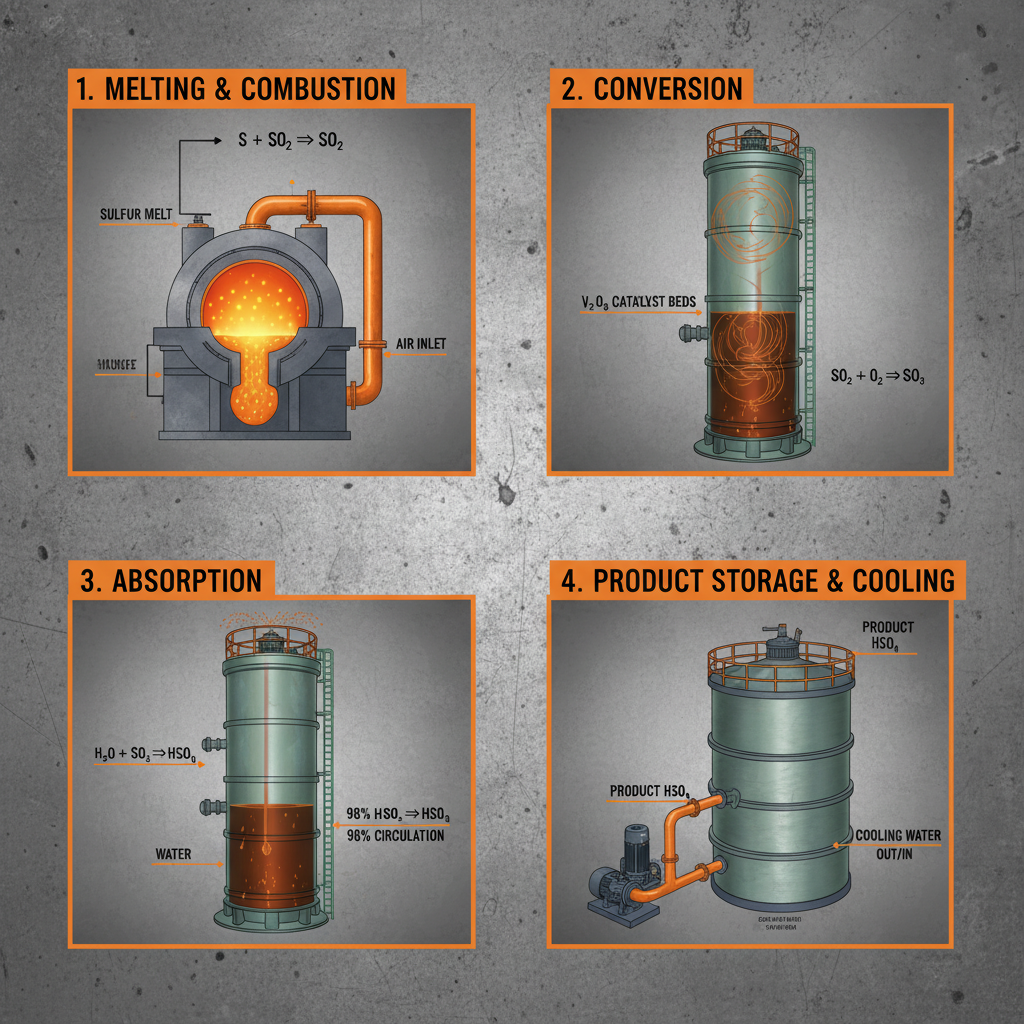
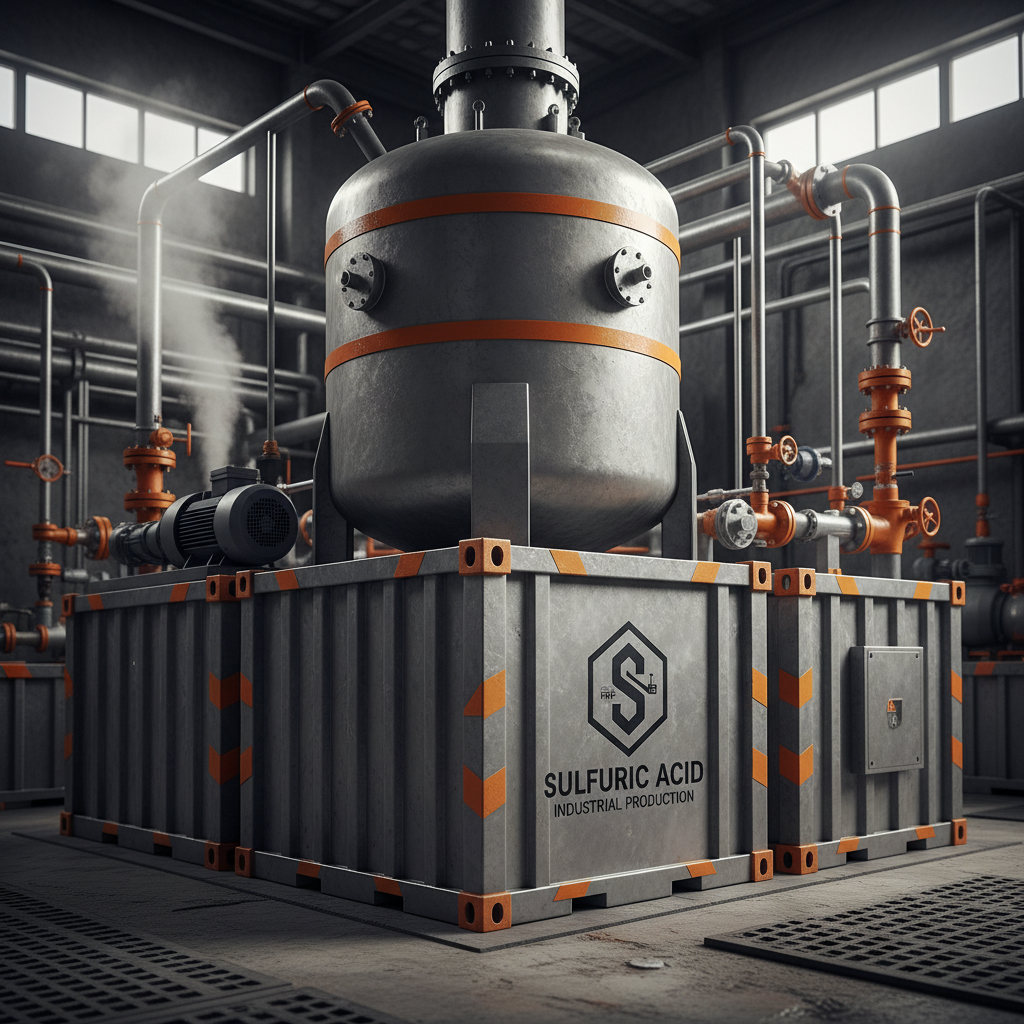
More importantly, custom engineering allows for the integration of specific nozzles, manways, and internal baffles that are not present in generic models. This ensures that the tank integrates seamlessly into a larger automated system, such as the specialized Mannheim chemical equipment used in sulfuric acid production.
The structural integrity of a fiberglass tank depends on the synergy between the glass reinforcement and the polymer matrix. Engineers must calculate the hoop stress and longitudinal stress to determine the optimal winding angle. This ensures that the tank can withstand both the hydrostatic pressure of the liquid and the external environmental loads, such as wind or seismic activity.
Another critical factor is the "corrosion allowance." While FRP is inherently resistant, the interface between the tank and its fittings can be a point of weakness. Custom designs address this by utilizing specialized flange materials and reinforced transition zones, preventing leaks at the most vulnerable connection points.
Furthermore, thermal expansion must be accounted for. Because composite materials expand differently than the steel pipes they are often connected to, custom designs include flexible couplings or specific support structures to prevent stress fractures during temperature fluctuations in industrial cycles.
Not all fiberglass is created equal. The choice of resin—whether it be polyester, vinyl ester, or epoxy—determines the tank's chemical resistance profile. For example, vinyl ester resins are typically preferred for highly acidic environments due to their superior hydrolysis resistance and mechanical toughness.
The effectiveness of a custom tank is determined not by the overall material, but by the chemical compatibility of the inner liner (corrosion barrier) with the specific molecular structure of the stored medium.
Beyond the resin, the type of glass reinforcement (E-glass, C-glass, or E-CR glass) plays a role. In environments where acid-resistant glass is required, E-CR glass is utilized to prevent "stress corrosion cracking," a phenomenon where the glass fibers themselves degrade over time despite the resin barrier.
Evaluating the viability of an FRP system requires looking beyond the initial cost. The Total Cost of Ownership (TCO) is driven by the interval between maintenance cycles and the lifespan of the material. While the initial investment for custom engineering may be higher, the reduction in corrosion-related replacements provides a clear financial advantage over a 10-to-20-year horizon.
When comparing different FRP configurations, we assess the relative performance across several key indices, including weight-to-strength ratio and ease of installation. These metrics help operators decide between lightweight above-ground units or reinforced underground storage.
In a typical industrial setting, such as a wastewater treatment plant or a chemical manufacturing facility, the deployment of custom fiberglass tanks often solves the problem of "site constraints." When a facility must add storage capacity to an existing layout, custom shapes (such as rectangular or slim-profile tanks) allow for the maximization of every square foot of available space.
Furthermore, in humanitarian or remote agricultural projects, the lightweight nature of FRP reduces the need for heavy cranes and extensive foundation work. This allows for rapid deployment in areas where infrastructure is limited, ensuring that water or chemical storage is established without the logistical burden associated with steel or concrete.
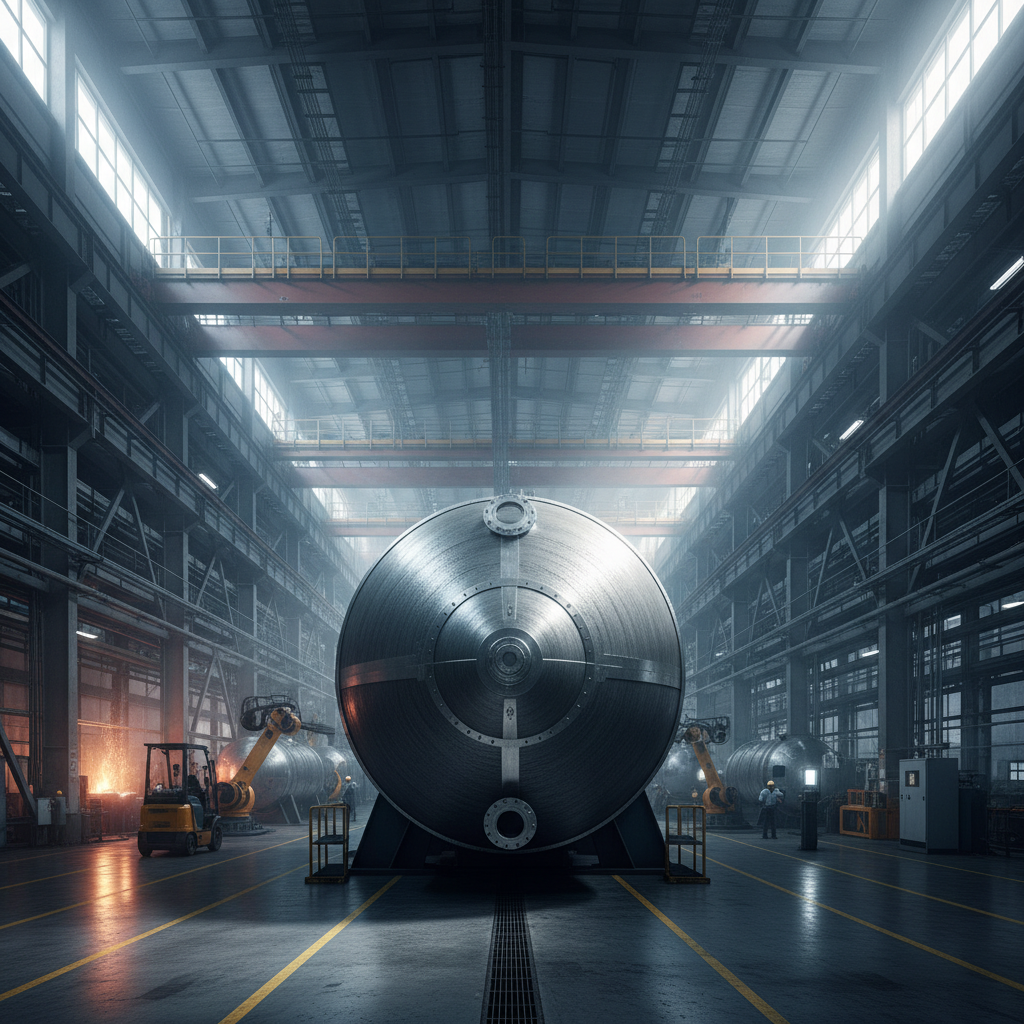
The manufacturing process has evolved from manual lay-ups to sophisticated automated systems. Modern FRP Filament Winding Equipment allows for precise control over the fiber delivery and resin impregnation, ensuring that there are no air voids or resin-starved areas in the tank wall. This consistency is what allows custom tanks to meet strict international safety certifications.
Advances in PLC automatic control systems have further optimized the production of these vessels. By adjusting the ratio of feedstock and the winding speed in real-time, manufacturers can create tanks with "graded" thickness—stronger at the base where hydrostatic pressure is highest and lighter toward the top—optimizing material use without sacrificing safety.
Hebei Aoliande Chemical Equipment Co., Ltd integrates these advanced production lines to provide tailored solutions. By controlling the process from the machinery level, they can guarantee that the final product adheres to the specific structural requirements demanded by complex chemical processes, such as those involving the Mannheim furnace for potassium sulfate production.
Choosing between FRP, stainless steel, and HDPE depends on the specific intersection of chemical aggressiveness, operating temperature, and budget. While stainless steel offers high pressure ratings, it remains susceptible to pitting corrosion in chloride-rich environments—a problem FRP completely avoids.
The trade-off often lies in the balance between immediate capital expenditure (CAPEX) and long-term operational expenditure (OPEX). Custom FRP systems typically offer a lower OPEX because they require no painting, lining, or cathodic protection to prevent rust.
To assist in the decision process, the following framework compares the suitability of these materials across common industrial requirements.
| Evaluation Factor | Custom FRP | Stainless Steel | HDPE Plastic | Concrete/Lined |
|---|---|---|---|---|
| Acid Resistance | Excellent | Moderate | Good | Low |
| Weight-to-Strength | High | Moderate | Low | Very Low |
| Installation Time | Fast | Moderate | Very Fast | Slow |
| Maintenance Need | Minimal | Moderate | Low | High |
| Design Flexibility | Very High | High | Low | Moderate |
| Lifecycle Value | High | Moderate | Moderate | Moderate |
A standard tank is built to a general specification for common liquids. A custom fiberglass tank is engineered based on the specific chemical composition, temperature, and pressure of your stored medium. This includes choosing the exact resin type (e.g., Vinyl Ester vs. Epoxy) and designing the wall thickness and reinforcement angles to match the exact load requirements, as well as integrating custom nozzles and manways for your specific piping layout.
Yes, provided the resin is selected correctly. Different resins have different Glass Transition Temperatures (Tg). By customizing the resin chemistry, engineers can ensure the tank maintains structural rigidity at higher temperatures. Additionally, custom designs incorporate expansion joints and flexible supports to accommodate the thermal expansion and contraction cycles common in industrial chemical processing without causing structural stress.
Depending on the environment and the accuracy of the initial material selection, a high-quality custom FRP tank can last between 20 to 50 years. Because they do not rust or corrode like metals, the primary limiting factor is usually the chemical degradation of the resin liner. However, because they are custom-built, the liner can be specified to be significantly thicker than standard versions to extend the service life further.
Evaluate based on three criteria: chemical compatibility, weight constraints, and TCO. If you are storing chlorides or strong acids that cause pitting in steel, FRP is superior. If the installation site has limited load-bearing capacity, the lighter weight of FRP is a major advantage. While stainless steel may be preferred for extremely high-pressure applications, FRP offers a better long-term value due to lower maintenance costs.
Absolutely. Custom underground tanks are designed with additional structural reinforcement to withstand external soil pressure and groundwater buoyancy. Customization allows for the addition of specialized outer coatings to prevent soil-borne chemical attack and the integration of leak detection systems, making them a sustainable and secure choice for fuel, water, or waste storage.
Look for adherence to international standards such as ISO 9001 for quality management and specific composite standards like ASTM or ASME RTP-1. Certifications like ISO 14001 and ISO 45001 also indicate that the manufacturer follows sustainable and safe production practices. Ensure the manufacturer can provide material test reports (MTRs) that prove the resin and glass used match the engineered specifications.
The transition from generic storage to engineered containment is a strategic move toward operational resilience. By focusing on the molecular compatibility of resins and the precision of filament winding, industries can eliminate the recurring costs of corrosion and the risks of unexpected failure.
Ultimately, the value of custom fiberglass tanks lies in their ability to be an exact fit—not just in physical dimension, but in technical performance. As chemical processing becomes more demanding, the synergy between specialized equipment and durable storage will remain the cornerstone of efficient plant management.