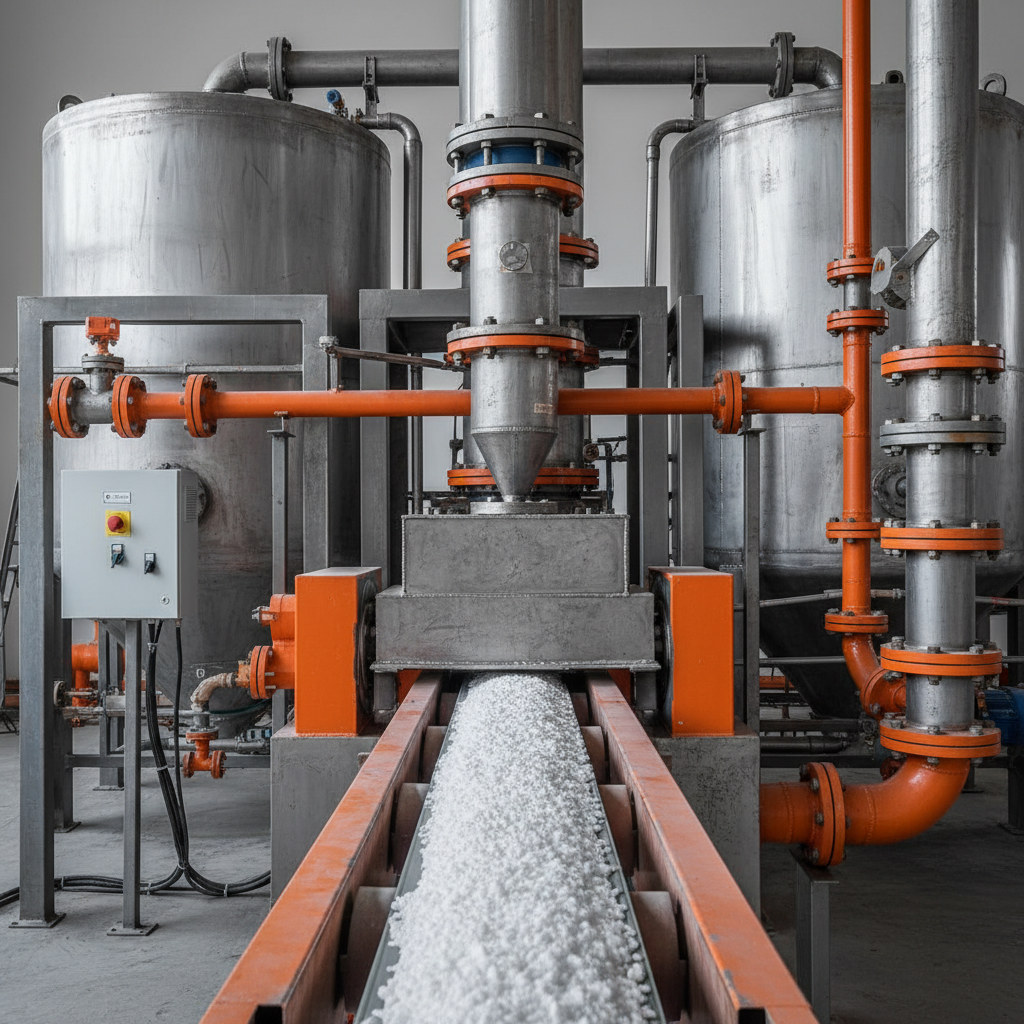
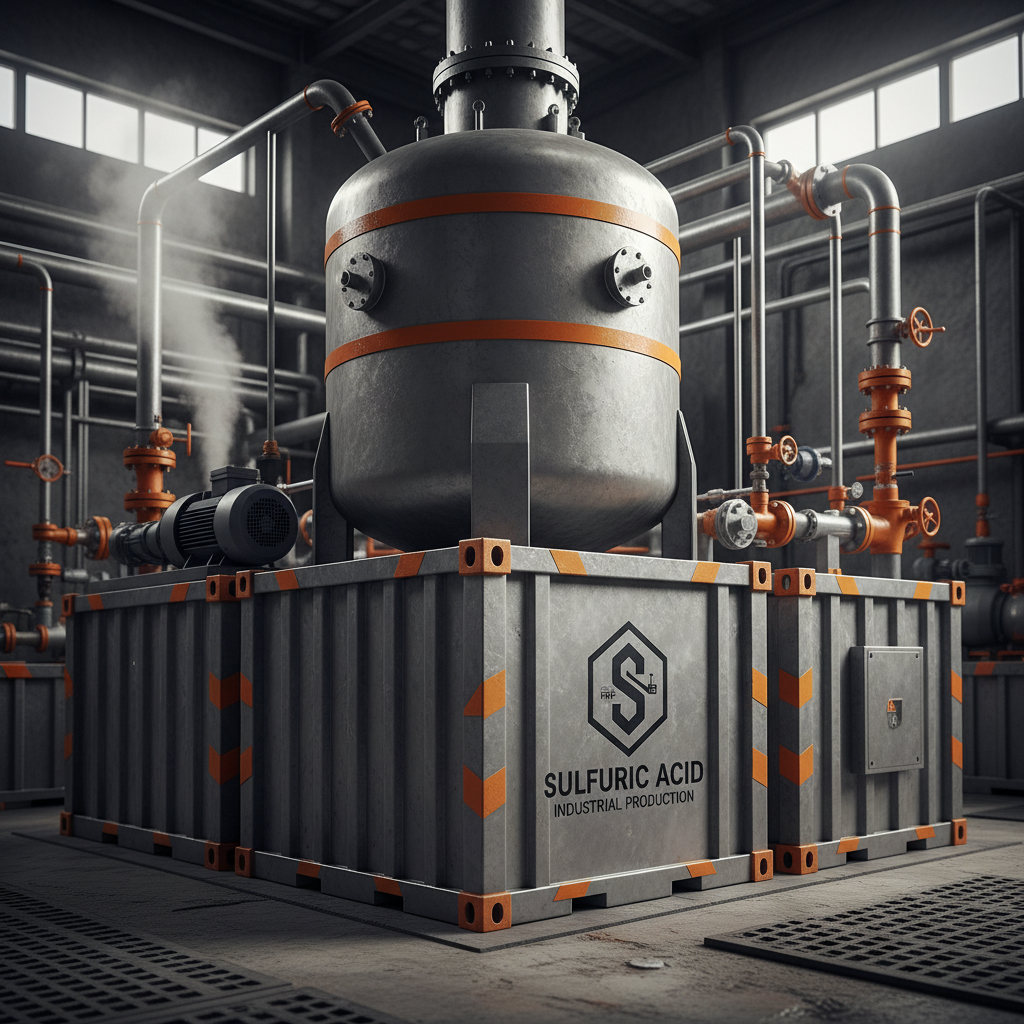
Selecting the right custom water storage tanks is a critical decision for industrial operators in the water pollution prevention and control equipment sector. Whether for municipal water supply, chemical processing, or agricultural irrigation, the material integrity and structural design of a storage vessel directly impact operational safety and long-term maintenance costs.
Many organizations struggle with the rapid corrosion of traditional metal tanks or the lack of flexibility in standard-sized prefabricated units. These challenges often lead to unexpected leaks, contamination of stored fluids, and costly downtime, necessitating a move toward tailored fiberglass-reinforced plastic (FRP) solutions that align with specific chemical resistance and pressure requirements.
This technical analysis provides a framework for evaluating custom storage solutions, examining the advantages of FRP filament winding technology, and outlining the key parameters required to specify a tank that meets both functional demands and rigorous industry standards.

Material Fundamentals: Why FRP for Custom Tanks

Fiberglass Reinforced Plastic (FRP), also known as GRP, has become the preferred material for custom water storage tanks due to its inherent resistance to electrochemical corrosion. Unlike carbon steel, which requires expensive coatings and cathodic protection to prevent rust, FRP is chemically inert to a wide range of acidic and alkaline substances, making it indispensable for sewage treatment and petrochemical storage.
From a structural standpoint, FRP offers a high strength-to-weight ratio. This allows for the construction of large-capacity tanks that are significantly lighter than concrete or steel alternatives, reducing the load on foundation slabs and simplifying the logistics of transportation and installation in remote or constrained industrial sites.
The Role of Filament Winding in Tank Fabrication
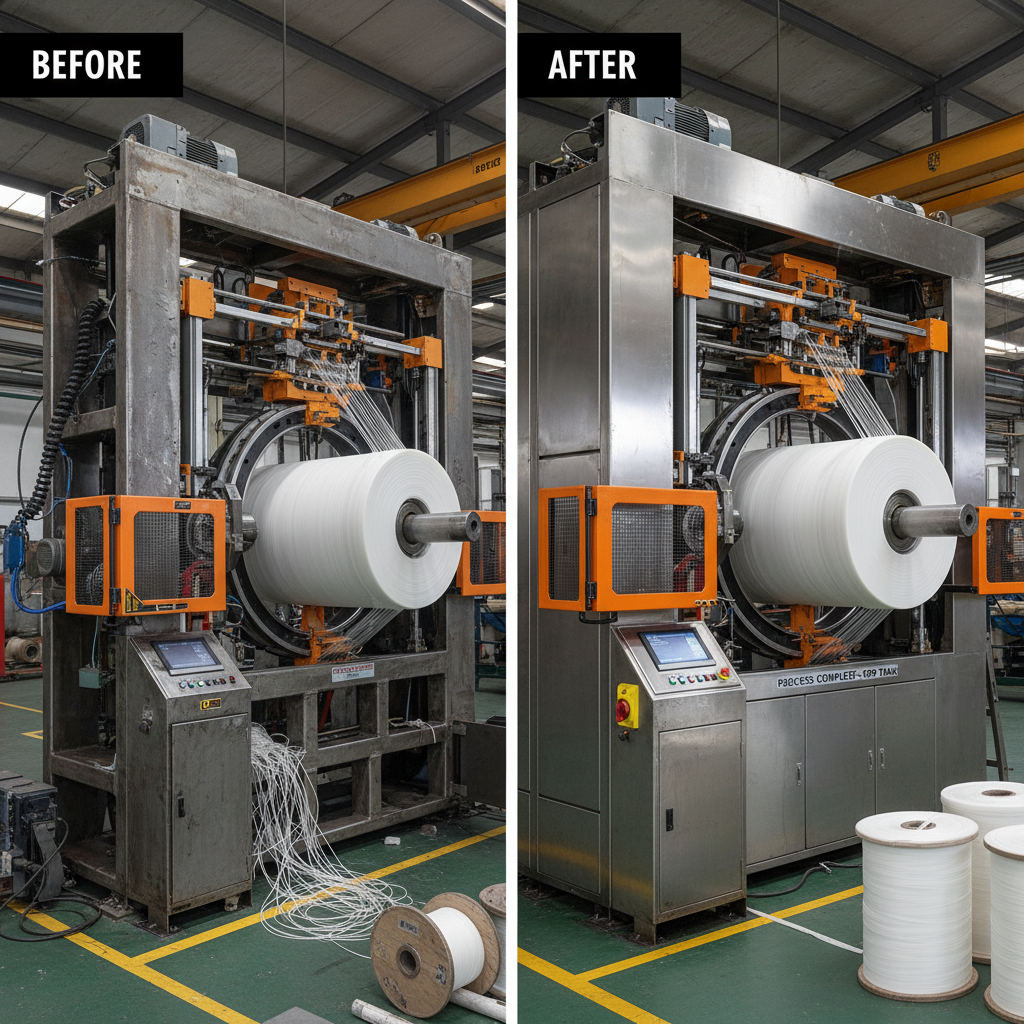
Custom water storage tanks produced via filament winding utilize a precise process where resin-impregnated glass fibers are wound onto a rotating mandrel. This method ensures that the fibers are oriented in the direction of the primary stresses, maximizing the hoop strength of the vessel. Advanced systems, such as those used by Hebei Aoliande Chemical Equipment Co., Ltd., integrate computer-controlled winding to ensure exact linearity and thickness across the tank wall.
The inclusion of a "mortar-winding" process can further optimize the vessel. By adding mortar to the structural layers, manufacturers can significantly increase the stiffness of the tank while reducing overall material costs—sometimes by as much as 40% compared to traditional FRP pipes and tanks—without compromising the leak-proof inner layer or the overall structural integrity.
Key Design Specifications for Customization
When specifying custom water storage tanks, engineers must look beyond simple volume. The chemical composition of the stored medium determines the resin type (e.g., vinyl ester for high corrosion or polyester for general water storage), while the operating pressure and temperature dictate the wall thickness and reinforcement schedule. Customization allows for the integration of specific nozzles, manways, and mounting brackets tailored to the existing plant layout.
Dimensional flexibility is a hallmark of professional FRP production. For instance, large-scale production lines can manufacture diameters up to DN4000mm and effective lengths of 12000mm, ensuring that whether the requirement is for a compact residential softener tank or a massive industrial sewage reservoir, the geometry can be optimized for the available footprint.
Evaluating Performance Metrics Across Applications
The suitability of a custom tank is measured by its relative performance in different environments. In agricultural irrigation, the priority is UV resistance and cost-efficiency. In contrast, petrochemical storage demands maximum chemical barrier properties and high pressure-bearing capabilities. The following framework illustrates the relative priority of technical dimensions based on typical industry application scenarios.
This conceptual index shows that while "Corrosion Resistance" is a baseline requirement for all FRP tanks, "Structural Stiffness" and "Custom Geometry" become the dominant decision factors in complex industrial and ocean development projects where environmental loads are significantly higher.
Implementation Strategies for Industrial Integration
Successful deployment of custom storage systems requires a one-stop approach from design to installation. This begins with accurate drawing adjustments to ensure the tank fits within the designated area and aligns with piping manifolds. Professional installation typically involves verifying the level of the foundation and ensuring that the tank's supports are properly anchored to prevent uneven stress distribution during filling.
For larger installations, such as those used in water supply and drainage projects, the use of modular FRP products can accelerate the timeline. By utilizing standardized components for the main body and customizing only the connection points, companies can achieve a balance between the efficiency of mass production and the precision of a tailored solution.
Mitigating Common Engineering Risks
The most frequent failure in custom tanks arises from improper resin selection or inadequate curing. If the baking board temperature in the curing station is not maintained between 105~160 ºC, the resin may not fully polymerize, leading to premature structural failure or chemical leaching. Strict adherence to ISO9001 and ISO14001 management systems is essential to ensure that each production batch meets the design specifications.
Another risk involves the "roughness" of the inner wall. While FRP is generally smooth, improper finishing can create sites for biofilm accumulation in potable water tanks. Selecting a manufacturer that utilizes high-grade automation and precise mould-unloading forces (up to 83t in advanced machines) ensures a consistent wall finish that minimizes maintenance needs.
Comparing Storage Material Technologies
When choosing between different material platforms for custom storage, the decision usually hinges on the trade-off between initial capital expenditure and total cost of ownership (TCO). While steel may have a lower initial price for some configurations, the lifecycle costs associated with painting and corrosion repair often make FRP the more economical choice for water treatment and chemical environments.
| Material Type | Corrosion Resistance | Weight Factor | Maintenance Need |
|---|---|---|---|
| Carbon Steel | Low (Requires Coating) | Very High | High (Painting/Rust) |
| Stainless Steel | High (Selective) | High | Medium |
| Concrete | Medium | Extreme | Medium (Cracking) |
| Standard FRP | Very High | Low | Very Low |
| Filament Wound FRP | Extreme | Low | Minimal |
| Mortar-FRP Hybrid | High | Medium-Low | Minimal |
As indicated in the comparison, Filament Wound FRP provides the optimal balance of weight and resistance, particularly for high-pressure applications in petrochemical and ocean development industries.
Frequently Asked Questions
FRP tanks are inherently corrosion-resistant, eliminating the need for expensive coatings. They are also significantly lighter, which reduces shipping costs and foundation requirements, and they can be customized to any specific geometry required for your site.
Filament winding allows fibers to be applied in precise orientations that correspond to the expected load. This creates a highly optimized structural shell with maximum hoop and axial strength, allowing for thinner walls without sacrificing pressure ratings.
Yes, provided the correct resin system is selected. FRP is widely used in petrochemical industries and sewage treatment because different resins can be tailored to resist specific acids, bases, or solvents.
Using advanced filament winding machinery, diameters up to DN4000mm can be manufactured, with effective lengths reaching 12000mm, accommodating very large industrial storage needs.
No, the mortar is added to the structural layers to improve stiffness and reduce cost. The interior leak-proof layer remains intact and separate, ensuring that the chemical resistance and sealing properties are not compromised.
Quality can be verified through ISO9001/ISO14001 certifications of the manufacturer, hydrostatic pressure testing of the finished vessel, and inspection of the curing records to ensure temperature parameters were met.
Conclusion
Custom water storage tanks engineered from FRP provide a sustainable, low-maintenance alternative to traditional materials, particularly in the challenging environments of water pollution prevention and chemical processing. By leveraging filament winding technology and tailored resin systems, industries can achieve a balance of structural stiffness, corrosion resistance, and cost-efficiency that standard tanks cannot offer.
For organizations seeking tailored storage solutions that meet specific technical requirements, reviewing the available specifications and consulting with specialized manufacturers is the recommended next step. Detailed technical capabilities can be explored at www.frpgrpequipment.com to ensure the selected system aligns with operational goals.