Nov 21,2025

Hydrochloric Acid Storage Tank - Safe & Durable Chemical Storage Solutions

Understanding Hydrochloric Acid Storage Tanks: Why They Matter Worldwide

If you work with chemicals, or even just manage an industrial site, you’ve probably come across the term hydrochloric acid storage tank. At first glance, it might sound niche or technical—something reserved for engineers in lab coats—but frankly, these tanks play a crucial role across countless industries worldwide. From steel manufacturing to water treatment, proper storage isn’t just a “nice to have” but essential to safety, environmental protection, and operational efficiency.

Globally, hydrochloric acid (HCl) production exceeds 20 million tons annually, according to the International Organization for Standardization (ISO), underscoring how fundamental safe and effective storage solutions are. Yet many operators face challenges: chemical reactivity, corrosive damage, regulatory compliance, and logistics complexity.

Understanding hydrochloric acid storage tanks—what they are, why their design matters, and how innovations keep pushing them forward—is a worthwhile investment for anyone involved in industrial chemicals or infrastructure management.

A Global Perspective: Context & Challenges in Hydrochloric Acid Storage

Industries worldwide from Asia to Europe and the Americas rely heavily on hydrochloric acid, particularly in:

  • Metal pickling and refining: Removing rust and scale
  • Oil & gas: Used in refining processes
  • Water treatment: pH adjustment and purification
  • Food manufacturing: Processing and additives in controlled amounts

With increasing industrialization—especially in emerging economies—there’s greater pressure to handle chemicals safely and sustainably. The World Bank reports a strong correlation between industrial output growth and demand for reliable chemical containment.

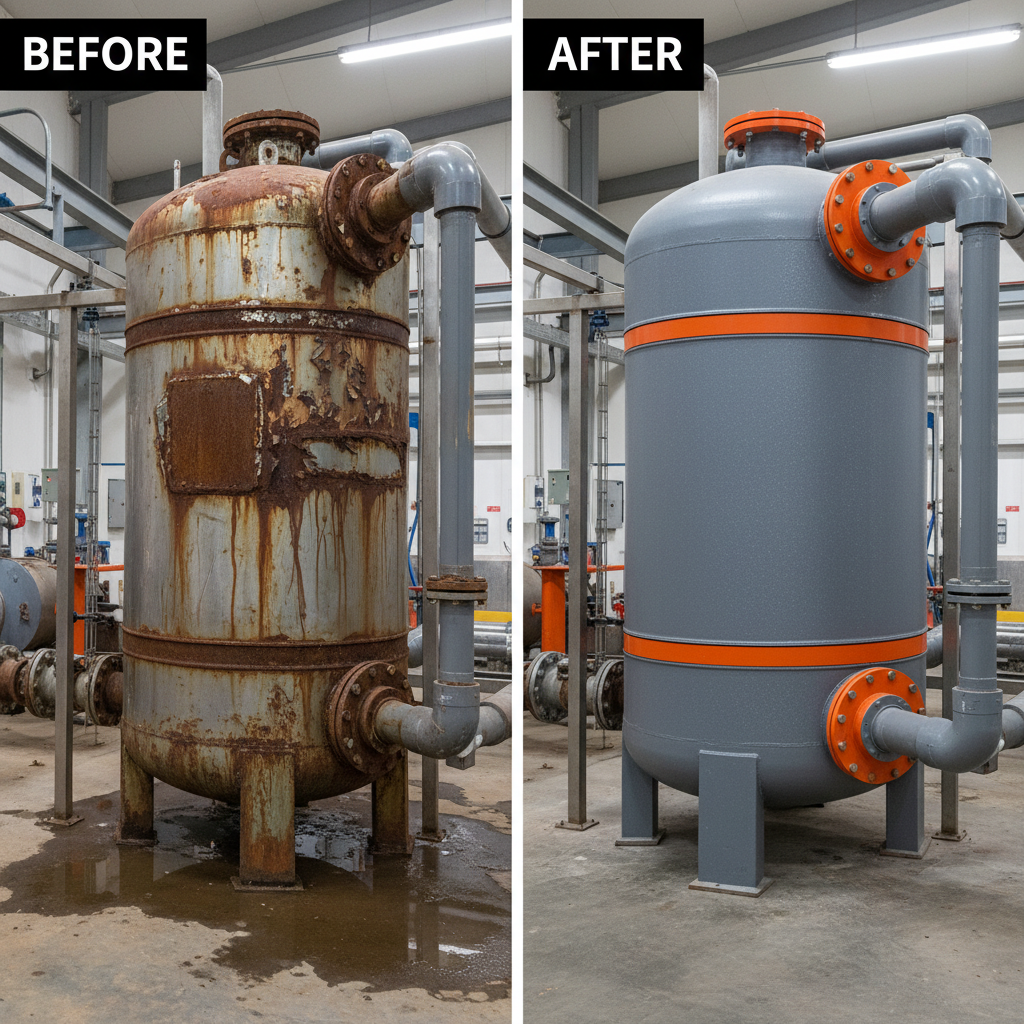
But here’s the rub: hydrochloric acid is highly corrosive and can damage conventional storage systems rapidly if materials aren’t carefully chosen or if maintenance is lacking. It’s a cause of serious leaks, environmental hazards, and sometimes workplace injuries. For operators, balancing cost, durability, compliance, and ease of use is an ongoing puzzle.

Mini takeaway: The hydrochloric acid storage tank sits at the intersection of industrial growth, safety protocols, and environmental responsibility worldwide.

What Exactly Is a Hydrochloric Acid Storage Tank?

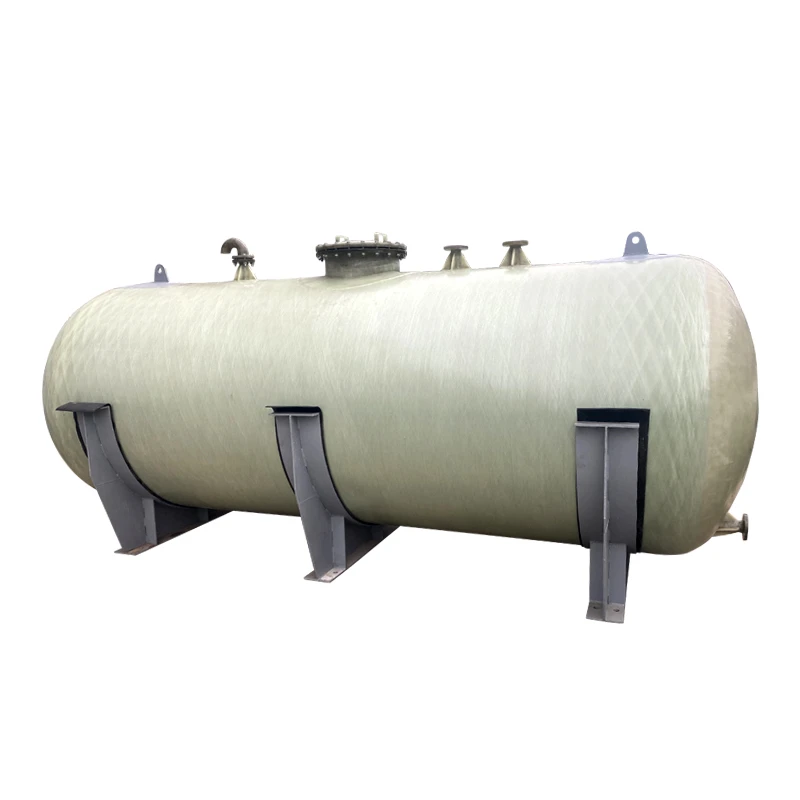
Simply put, it’s a containment unit specifically designed to safely hold hydrochloric acid. Unlike generic chemical tanks, these must resist the acid’s corrosive nature and prevent leaks or emissions that could damage people or property.

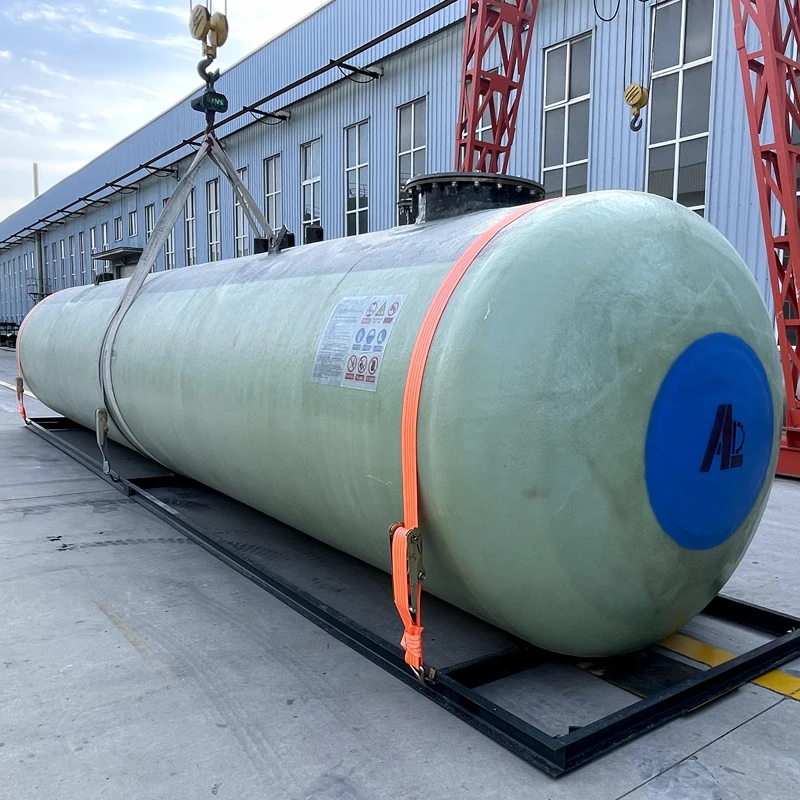
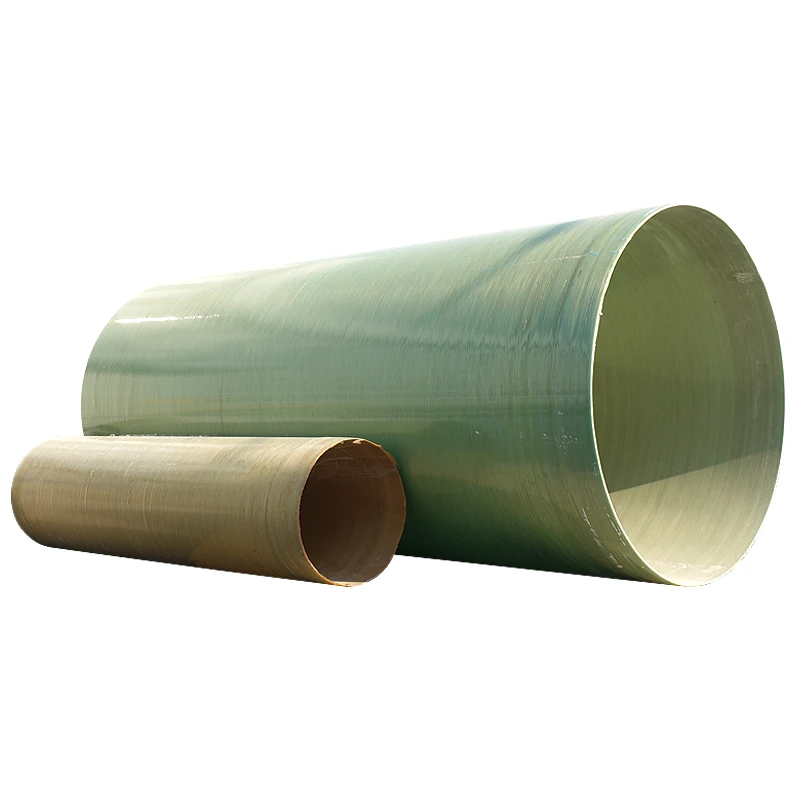
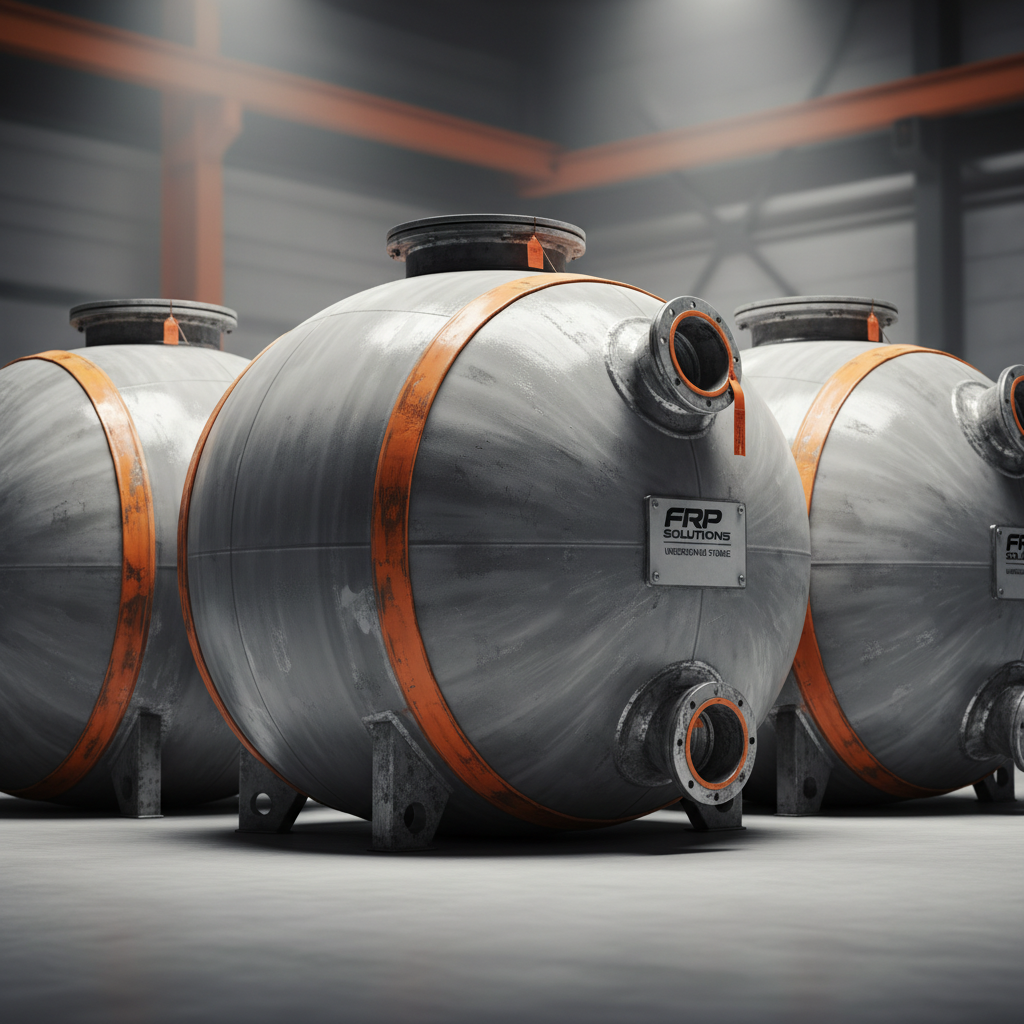
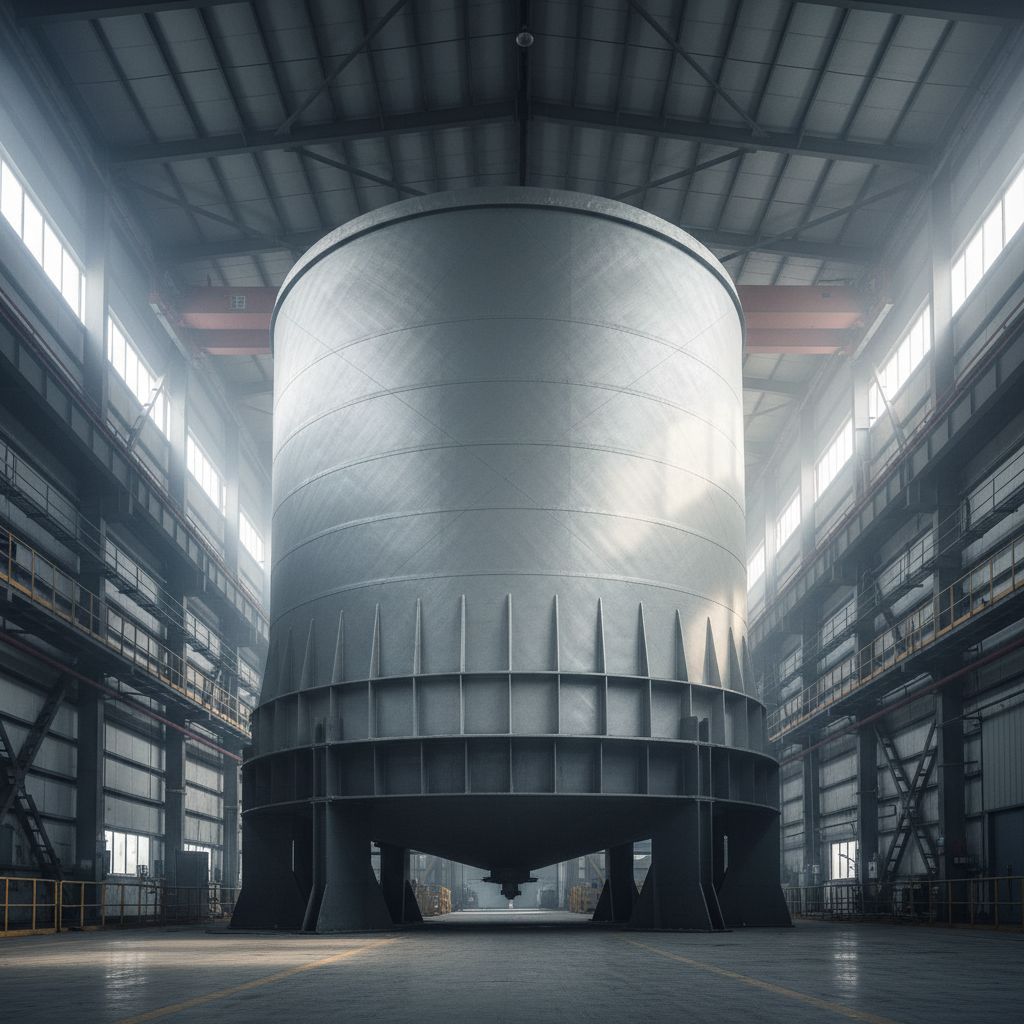
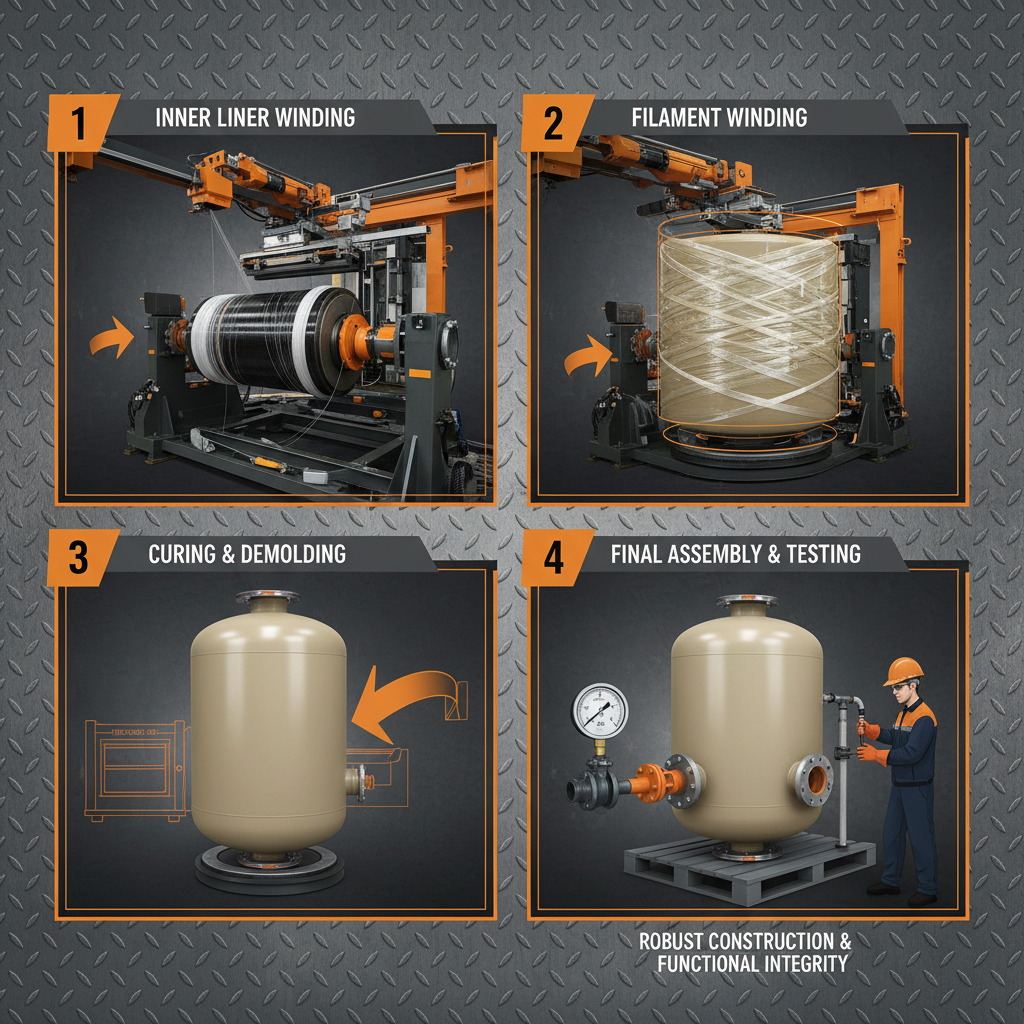
Materials like fiberglass reinforced plastic (FRP), high-density polyethylene (HDPE), or lined steel are common choices because they offer chemical resistance. These tanks come in various sizes—from small 500-liter units to giant ones storing thousands of cubic meters.

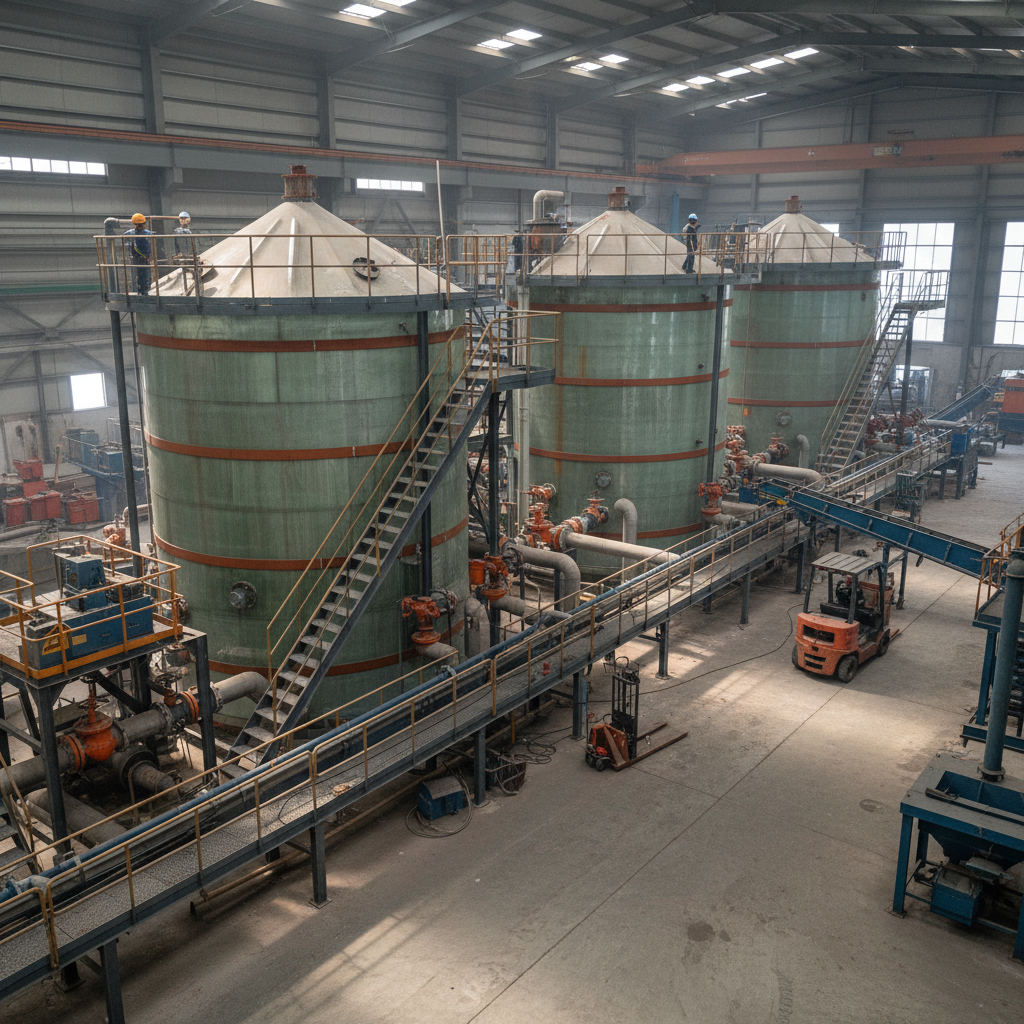
More beyond just a container, a hydrochloric acid storage tank is part of a broader system: it interfaces with pumps, valves, and monitoring equipment to maintain safe pressure, temperature, and safety ventilation.

On a humanitarian note, such tanks are key in emergency water treatment setups and disaster-impacted communities too, where maintaining water safety means saving lives.

Core Features that Make a Hydrochloric Acid Storage Tank Effective

1. Durability & Corrosion Resistance

The tank must withstand acid exposure long term without degrading. FRP tanks, lined carbon steel, and specialized polymers are industry favorites. Proper design ensures material integrity over years, cutting replacement frequency.

2. Scalability & Capacity Options

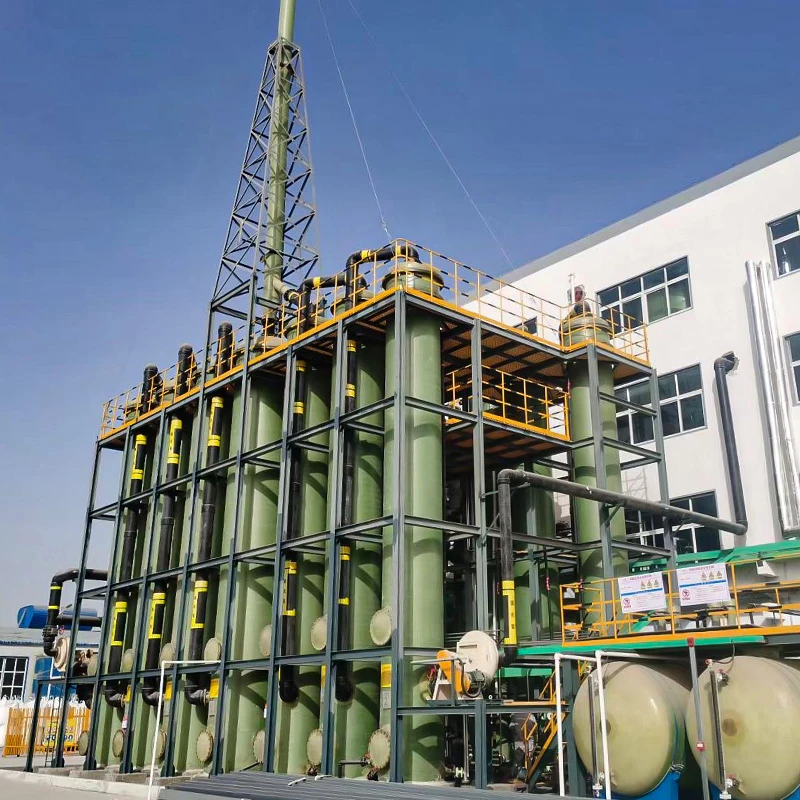
From compact, mobile units for site-by-site use, to massive stationary tanks in factories, scalability is vital. Modular designs allow customization to exact volume needs, reducing wasted space and cost.

3. Safety Features & Compliance

Pressure relief valves, secure lids, leak detection sensors, and secondary containment systems protect workers and comply with environmental standards enforced by agencies like OSHA.

4. Cost Efficiency Over Lifecycle

Though upfront costs vary, tanks designed with maintenance ease and energy efficiency in mind tend to deliver better ROI. Longevity reduces down-time and accident risks.

5. Environmental Impact

Manufacturers increasingly focus on greener materials and manufacturing processes, plus design features that prevent emissions and accidental spills.

Mini takeaway: Choosing a hydrochloric acid storage tank isn’t just about the container itself but how it integrates durability, safety, scalability, and environmental care.

How Hydrochloric Acid Storage Tanks Are Used Around the World

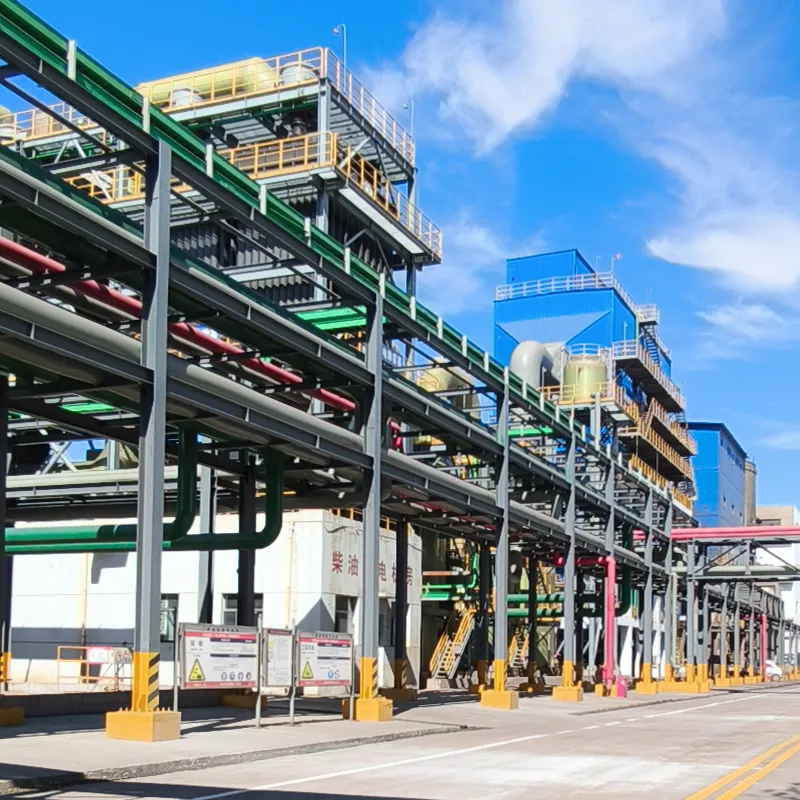
In heavy industry countries like China, India, and Germany, these tanks store and supply acid constantly to steelworks and chemical plants. Meanwhile, in emerging markets, portable acid tanks enable smaller factories and water purification centers to operate safely.

Oddly enough, even humanitarian and environmental programs rely on them. For example, in regions affected by natural disasters, quick deployment of acid storage tanks supports water treatment units ensuring safe drinking water. You see, keeping hydrochloric acid contained properly is more than an industrial necessity—it's a humanitarian priority.

Additionally, oil refineries in the Middle East use large specialized tanks with advanced sensors, while European companies often invest in eco-friendly FRP tanks to meet stringent green standards.

Product Specification Table: Example Hydrochloric Acid Storage Tanks

Specification Typical Range Notes
Material FRP, Lined Steel, HDPE Depends on acid concentration & temperature
Capacity 500 L to 20,000 L+ Modular sizes available
Operating Temperature -20°C to 60°C (typical) High temps require special design
Pressure Rating Atmospheric to 2 bar Includes relief valve standards
Lifespan 15–25 years Depends on maintenance & environment

Comparing Leading Hydrochloric Acid Storage Tank Vendors

Vendor Material Options Customization Price Range Lead Time
AcidSafe Industries FRP, Lined Steel Full custom design $$$ 6–8 weeks
ChemStore Solutions HDPE, FRP Standard sizes only $–$$ 2–4 weeks
Global Tank Works Lined Steel, FRP Partial customization $$ 4–6 weeks
FRP Tankworks FRP only Standard, modular $–$$ 3–5 weeks

Advantages and Long-Term Value of Hydrochloric Acid Storage Tanks

It's easy to overlook just how much a properly designed hydrochloric acid storage tank protects people, the planet, and profits. Industry experts often highlight these benefits:

  • Operational reliability: Consistent containment means fewer shutdowns and accidents.
  • Cost savings: Durable tanks reduce repair and replacement needs.
  • Environmental safety: Minimizing leaks protects ecosystems and meets legal regulations.
  • Worker safety and peace of mind: Confidence in equipment builds trust and productivity.

In a way, it’s the quiet workhorse of the chemical sector—unnoticed until something goes wrong. A good tank feels like insurance against disaster, but also a statement that an organization cares about lasting impact.

Looking Ahead: Trends Shaping the Future of Acid Storage Tanks

Technological innovation is far from static here. We’re seeing:

  • Smart sensors and IoT integration: Real-time monitoring of leakages, temperature, and pressure.
  • Eco-friendly materials: Biodegradable resins and lower carbon manufacturing.
  • Improved modularity: Easier installation and transport for remote or temporary sites.
  • Automation: Automated valve control linked to safety systems.

These advances promise not only safer workplaces but also cost reductions and better environmental footprints.

Common Challenges and Innovative Solutions

Of course, not everything is rosy. Some challenges include:

  • Material degradation over time from impurities and fluctuating temperatures.
  • Difficulties in transporting large tanks for remote locations.
  • Ensuring compliance across diverse international regulations.

But innovations like composite coatings, modular containerized tanks, and global certification partnerships are steadily addressing these issues.

FAQ: Your Questions About Hydrochloric Acid Storage Tanks

Q1: How do I know which material is best for my hydrochloric acid tank?

A1: It depends on acid concentration, temperature, and volume. FRP is excellent for moderate concentrations and temperatures up to 60°C. For higher concentrations or heat, lined carbon steel may be better. Consulting vendors and reviewing standards like ISO 9001 helps ensure proper choice.

Q2: What safety measures are vital when using hydrochloric acid storage tanks?

A2: Leak detection, pressure relief valves, secondary containment, and proper ventilation are key. Regular inspections and maintenance also reduce risk. Trained staff and compliance with OSHA or local safety regulations are critical.

Q3: Can hydrochloric acid storage tanks be used in mobile applications?

A3: Yes, many manufacturers offer portable, modular tanks suited for on-site or temporary use, such as construction sites or emergency water treatment. These are often made of lightweight FRP or HDPE.

Q4: What is the typical lifespan of an acid storage tank?

A4: With proper maintenance, tanks last 15 to 25 years. Exposure conditions, acid purity, and handling practices influence longevity.

Q5: Are there environmental concerns related to hydrochloric acid tank disposal?

A5: Absolutely. Tanks should be decontaminated per regulatory guidelines before disposal or recycling, as leftover acid residues can harm the environment. Many vendors provide take-back or recycling programs.

Conclusion: Why Invest in Quality Hydrochloric Acid Storage Tanks?

To wrap it up, hydrochloric acid storage tanks are more than just chemical containers. They embody safety, reliability, and environmental responsibility in diverse industries worldwide. With evolving technologies and materials, the future holds even more promise for efficient, sustainable acid storage.

Whether you're upgrading an existing facility or planning a new installation, understanding these tanks’ nuances can save money, boost safety, and safeguard your reputation.

Explore your options today and learn more by visiting our website—a resource dedicated to innovative storage tank solutions.

Mini takeaway: Investing in the right hydrochloric acid storage tank pays off in peace of mind, compliance, and long-term performance.


References:
  1. International Organization for Standardization (ISO)
  2. The World Bank – Industrial Development
  3. Wikipedia: Hydrochloric Acid
Upsell Products
Upsell News
Durable FRP Vessel for Water Treatment and Industrial Filtration
Apr 16,2026
Durable FRP Vessel for Water Treatment and Industrial Filtration
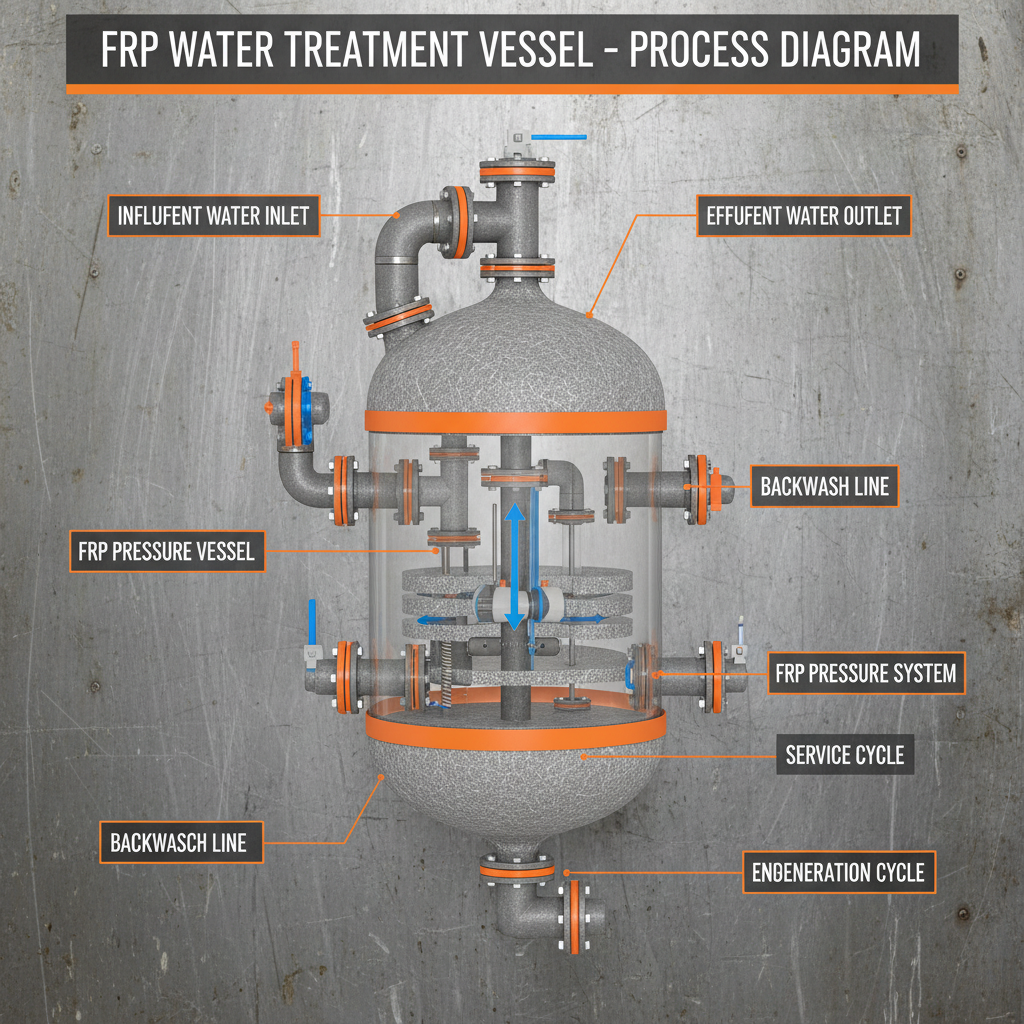
In the modern era of industrial and residential water purification, the choice of containment materials is critical for efficiency and longevity. An frp vessel for water treatment has emerged as the gold standard, replacing traditional steel tanks due to its superior corrosion resistance and lightweight properties. Whether you are dealing with desalination, softening, or filtration, using Fiber Reinforced Plastic (FRP) ensures that your system remains leak-proof and durable against aggressive chemicals. In this comprehensive guide, we will explore why FRP is the preferred choice for water treatment professionals worldwide and how to select the right vessel for your specific application.
Industrial Guide for Choosing the Right FRP Vertical Tank
Apr 09,2026
Industrial Guide for Choosing the Right FRP Vertical Tank
In today's industrial landscape, the storage of corrosive chemicals and aggressive liquids requires materials that can withstand extreme conditions without degrading. The frp vertical tank has emerged as a premier solution, offering an exceptional balance of strength, lightweight properties, and unmatched chemical resistance. Whether you are managing a water treatment plant or a chemical processing facility, understanding the nuances of Fiber Reinforced Plastic (FRP) is essential for ensuring operational safety and longevity. In this comprehensive guide, we will explore why vertical configurations are preferred and how these tanks outperform traditional metal alternatives.
Comprehensive Guide to FRP Underground Water Tank Solutions and Applications
Apr 07,2026
Comprehensive Guide to FRP Underground Water Tank Solutions and Applications
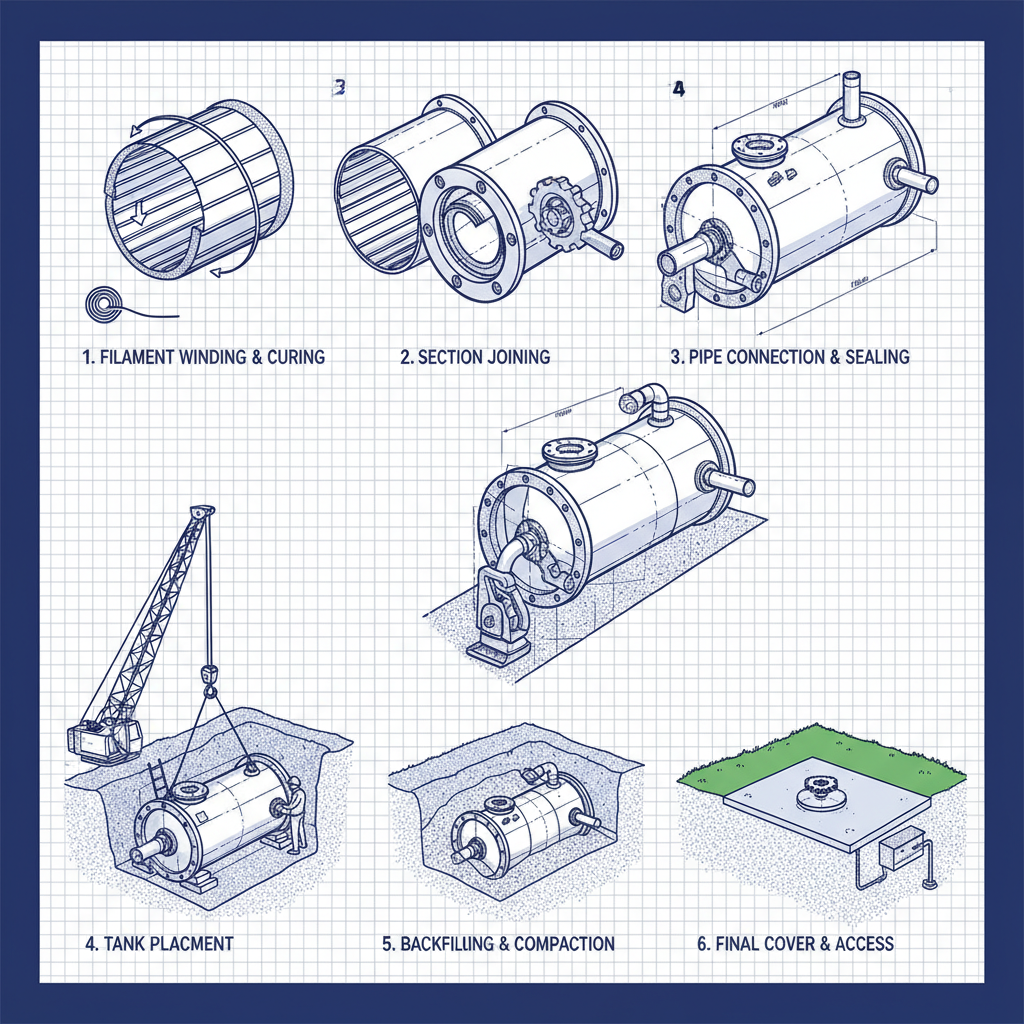
Fiberglass Reinforced Polymer (FRP) underground water tanks are becoming increasingly popular for a wide range of applications, from potable water storage to industrial wastewater containment. Their superior corrosion resistance, lightweight nature, and design flexibility make them an excellent alternative to traditional materials like concrete or steel. This article will delve into the benefits, applications, construction, and considerations for implementing FRP underground water tanks, providing a comprehensive overview for engineers, contractors, and project managers.
Comprehensive Guide to Frp Underground Water Storage Tanks and Their Applications
Apr 04,2026
Comprehensive Guide to Frp Underground Water Storage Tanks and Their Applications
When considering water storage solutions, particularly for industrial, agricultural, or municipal applications, frp underground water storage tanks stand out as a durable, cost-effective, and environmentally friendly option. These tanks are increasingly favored over traditional materials like concrete or steel due to their superior corrosion resistance, lighter weight, and ease of installation. This article delves into the benefits, applications, construction, and considerations when choosing an FRP tank, providing a detailed overview for potential buyers and project planners.
Sulfuric Acid Production Line - Hebei Aoliande|Efficient H2SO4 Plant Technology
Apr 01,2026
Sulfuric Acid Production Line - Hebei Aoliande|Efficient H2SO4 Plant Technology
Discover efficient H2SO4 plant technology and advanced sulfuric acid production solutions. Hebei Aoliande combines energy-saving furnace design and eco-friendly HCl recovery systems for sustainable industrial applications. Explore now: https://www.frpgrpmachine.com/sulfuric-acid-production-line-for-h2so4-plant.html
Sulfuric Acid Production Line - Hebei Aoliande|Efficient H2SO4 Plant Technology
Apr 01,2026
Sulfuric Acid Production Line - Hebei Aoliande|Efficient H2SO4 Plant Technology
Discover efficient H2SO4 plant technology and advanced sulfuric acid production solutions. Hebei Aoliande combines energy-saving furnace design and eco-friendly HCl recovery systems for sustainable industrial applications. Explore now: https://www.frpgrpmachine.com/sulfuric-acid-production-line-for-h2so4-plant.html
Sulfuric Acid Production Line - Hebei Aoliande|Efficient H2SO4 Plant Technology
Apr 01,2026
Sulfuric Acid Production Line - Hebei Aoliande|Efficient H2SO4 Plant Technology
Discover efficient H2SO4 plant technology and advanced sulfuric acid production solutions. Hebei Aoliande combines energy-saving furnace design and eco-friendly HCl recovery systems for sustainable industrial applications. Explore now: https://www.frpgrpmachine.com/sulfuric-acid-production-line-for-h2so4-plant.html
Sulfuric Acid Production Line - Hebei Aoliande|Efficient H2SO4 Plant Technology
Apr 01,2026
Sulfuric Acid Production Line - Hebei Aoliande|Efficient H2SO4 Plant Technology
Discover efficient H2SO4 plant technology and advanced sulfuric acid production solutions. Hebei Aoliande combines energy-saving furnace design and eco-friendly HCl recovery systems for sustainable industrial applications. Explore now: https://www.frpgrpmachine.com/sulfuric-acid-production-line-for-h2so4-plant.html
Sulfuric Acid Production Line - Hebei Aoliande|Efficient H2SO4 Plant Technology
Apr 01,2026
Sulfuric Acid Production Line - Hebei Aoliande|Efficient H2SO4 Plant Technology
Discover efficient H2SO4 plant technology and advanced sulfuric acid production solutions. Hebei Aoliande combines energy-saving furnace design and eco-friendly HCl recovery systems for sustainable industrial applications. Explore now: https://www.frpgrpmachine.com/sulfuric-acid-production-line-for-h2so4-plant.html
Sulfuric Acid Production Line - Hebei Aoliande|Efficient H2SO4 Plant Technology
Apr 01,2026
Sulfuric Acid Production Line - Hebei Aoliande|Efficient H2SO4 Plant Technology
Discover efficient H2SO4 plant technology and advanced sulfuric acid production solutions. Hebei Aoliande combines energy-saving furnace design and eco-friendly HCl recovery systems for sustainable industrial applications. Explore now: https://www.frpgrpmachine.com/sulfuric-acid-production-line-for-h2so4-plant.html
Comprehensive Guide to Frp Underground Storage Tanks for Reliable Storage Solutions
Mar 31,2026
Comprehensive Guide to Frp Underground Storage Tanks for Reliable Storage Solutions
Fiberglass Reinforced Polymer (FRP) underground storage tanks are becoming increasingly popular for a wide range of applications, from fuel storage to wastewater management. Their corrosion resistance, lightweight nature, and durability offer significant advantages over traditional materials like steel. This article will provide an in-depth look at FRP underground storage tanks, covering their benefits, applications, installation, and maintenance. Understanding these aspects is crucial for making informed decisions about long-term storage solutions.
Comprehensive Guide to Selecting the Ideal FRP Tank for Water Storage Solutions
Mar 28,2026
Comprehensive Guide to Selecting the Ideal FRP Tank for Water Storage Solutions
When it comes to reliable and durable water storage, FRP tanks for water are increasingly becoming the preferred solution for a wide range of applications. These tanks, constructed from Fiber Reinforced Polymer (FRP) materials, offer significant advantages over traditional storage options like steel or concrete. This article delves into the benefits, applications, and considerations when selecting an FRP tank for your water storage needs, providing a detailed overview for businesses and individuals alike.
Comprehensive Guide to Frp Tank and Vessel Applications and Manufacturing
Mar 26,2026
Comprehensive Guide to Frp Tank and Vessel Applications and Manufacturing
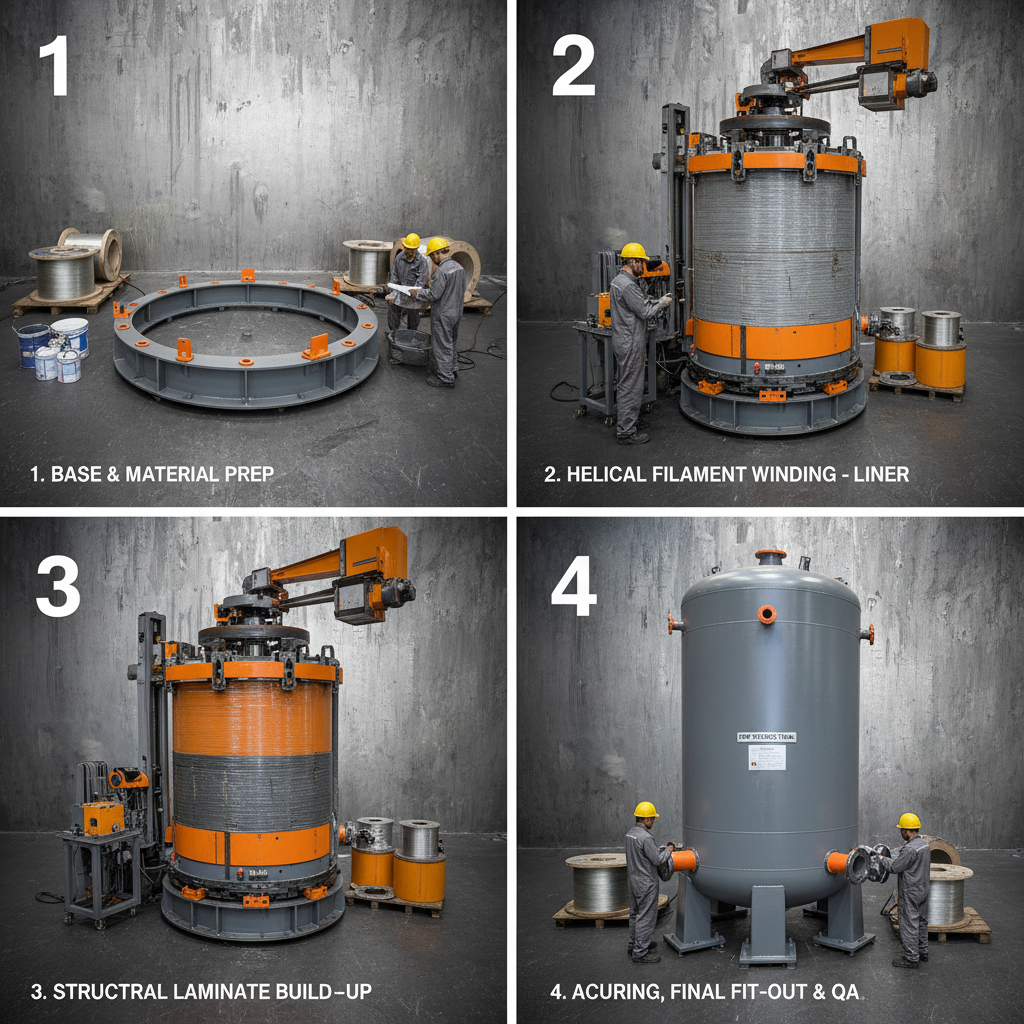
Fiber Reinforced Polymer (FRP) tanks and vessels are increasingly becoming the preferred choice for storage and processing across a multitude of industries. Their lightweight nature, corrosion resistance, and design flexibility offer significant advantages over traditional materials like steel. This article will delve into the intricacies of FRP tanks and vessels, exploring their applications, manufacturing processes, benefits, and considerations for selecting the right solution for your specific needs. We’ll also highlight why FRP tanks are a cost-effective and reliable long-term investment. FRP tanks and vessels are constructed from a combination of reinforcing fibers (such as fiberglass, carbon fiber, or aramid fiber) embedded in a polymer matrix (typically polyester, vinyl ester, or epoxy resin). This combination creates a composite material that boasts high strength-to-weight ratio, exceptional corrosion resistance, and the ability to be molded into complex shapes. They’re designed to safely contain a wide variety of liquids and gases, ranging from corrosive chemicals and water to food products and pharmaceuticals.
Optimizing Water Filtration with Durable FRP Sand Filter Vessels
Mar 24,2026
Optimizing Water Filtration with Durable FRP Sand Filter Vessels
In water treatment and filtration systems, the choice of filter vessel material is paramount. Fiber Reinforced Plastic (FRP), also known as Glass Reinforced Polymer (GRP), sand filter vessels are increasingly popular due to their superior corrosion resistance, lightweight nature, and cost-effectiveness. This article delves into the benefits, applications, design considerations, and factors to consider when selecting an FRP sand filter vessel. Whether you are involved in municipal water treatment, industrial wastewater management, or recreational water filtration, understanding FRP technology is essential for optimizing your filtration process. An FRP sand filter vessel is a containment unit designed to house filtration media, typically sand, gravel, and anthracite. These vessels are integral components in sand filtration systems used for removing suspended solids, turbidity, and other particulate matter from water. FRP construction involves layering glass fibers within a resin matrix (typically polyester or vinyl ester) to create a strong, durable, and chemically resistant shell. The strength and rigidity of the vessel are crucial for withstanding the pressure from the filtration media and the water flow.
Comprehensive Guide to FRP Round Tanks Applications and Benefits
Mar 21,2026
Comprehensive Guide to FRP Round Tanks Applications and Benefits
Fiber Reinforced Polymer (FRP) round tanks are increasingly becoming the preferred choice for storage solutions across a variety of industries. Their lightweight nature, corrosion resistance, and design flexibility offer significant advantages over traditional materials like steel. This article provides an in-depth look at FRP round tanks, exploring their applications, benefits, manufacturing processes, and key considerations when choosing the right tank for your needs. Whether you're in chemical processing, water treatment, or agriculture, understanding FRP round tanks is crucial for optimizing your storage infrastructure. FRP round tanks are constructed from a combination of reinforcing fibers (typically fiberglass, carbon fiber, or a blend) embedded in a polymer matrix (often polyester, vinyl ester, or epoxy resin). The round shape inherently provides excellent structural strength, distributing pressure evenly across the tank’s surface.
Comprehensive Guide to FRP Pressure Tanks Benefits and Applications
Mar 19,2026
Comprehensive Guide to FRP Pressure Tanks Benefits and Applications
Fiber Reinforced Polymer (FRP) pressure tanks are becoming increasingly popular in a wide range of industrial applications, offering a compelling alternative to traditional steel tanks. Known for their lightweight nature, corrosion resistance, and high strength-to-weight ratio, FRP tanks provide efficient and durable solutions for storing liquids and gases under pressure. This article will delve into the benefits, applications, construction, and key considerations when selecting an FRP pressure tank, helping you make an informed decision for your specific needs. Understanding the advantages of FRP technology can lead to significant cost savings and improved operational efficiency. Compared to steel, FRP pressure tanks offer several key advantages. The most significant is their superior corrosion resistance. Unlike steel, which is susceptible to rust and corrosion when exposed to various chemicals, FRP materials are inherently resistant to a wide range of corrosive substances. This translates to a longer lifespan, reduced maintenance costs, and increased safety. Furthermore, FRP is significantly lighter than steel, making installation easier and reducing transportation costs.
For More Details Pls Contact Us
Thank you for your interest in our gloves! We offer high-quality, durable, and comfortable gloves with fast delivery and competitive prices. For any questions or customization, feel free to contact us. We look forward to working with you!

If you are interested in our products, you can choose to leave your information here, and we will be in touch with you shortly.