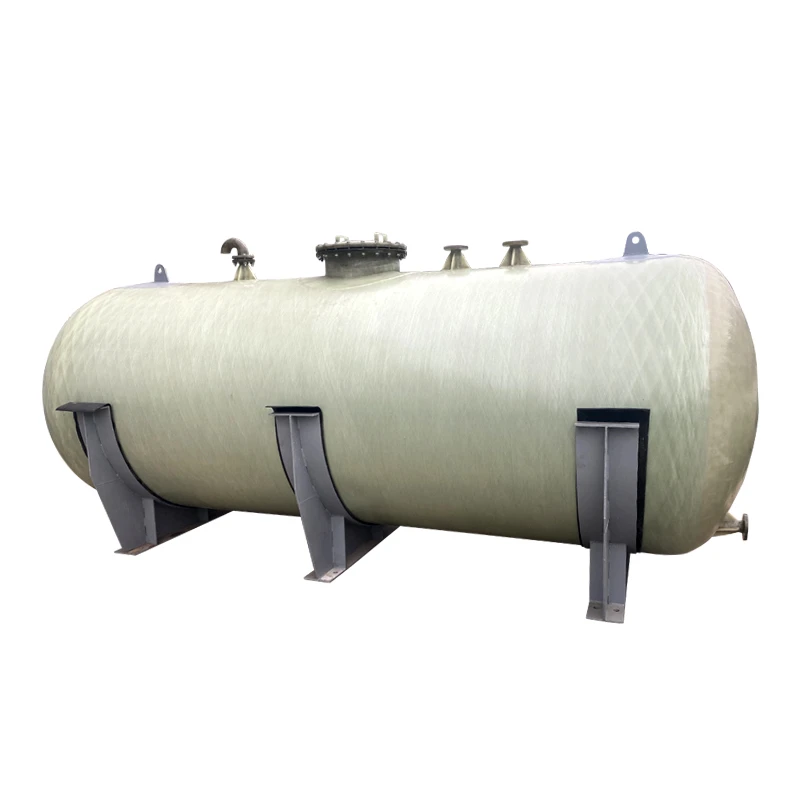
Potassium Sulfate Production: High-Quality SOP Plant Solutions
The Strategic Importance of Potassium Sulfate Production in Modern Agriculture and Industry
Potassium Sulfate (K2SO4), commonly known as SOP (Sulfate of Potash), stands as a crucial nutrient in high-value agriculture and a vital raw material in various industrial applications. Its significance stems from being a low-chloride potassium source, indispensable for chloride-sensitive crops such as fruits, vegetables, tobacco, and coffee, ensuring optimal yield and quality. Beyond agriculture, SOP finds extensive use in the manufacturing of gypsum products, specialty chemicals, and even in certain pharmaceutical formulations, underscoring its multifaceted utility. The global demand for SOP continues to rise, driven by increasing population, evolving dietary preferences, and a growing emphasis on sustainable agricultural practices that prioritize soil health and nutrient efficiency. For industries looking to invest in this critical sector, understanding the intricate details of a potassium sulfate production line is paramount. This includes delving into the advanced technological processes, ensuring robust equipment design, and adhering to stringent quality and environmental standards. A well-engineered production facility not only guarantees a high-purity product but also achieves operational efficiency and cost-effectiveness, positioning manufacturers competitively in the global market. The strategic investment in advanced SOP production capabilities translates directly into enhanced food security and industrial innovation worldwide.
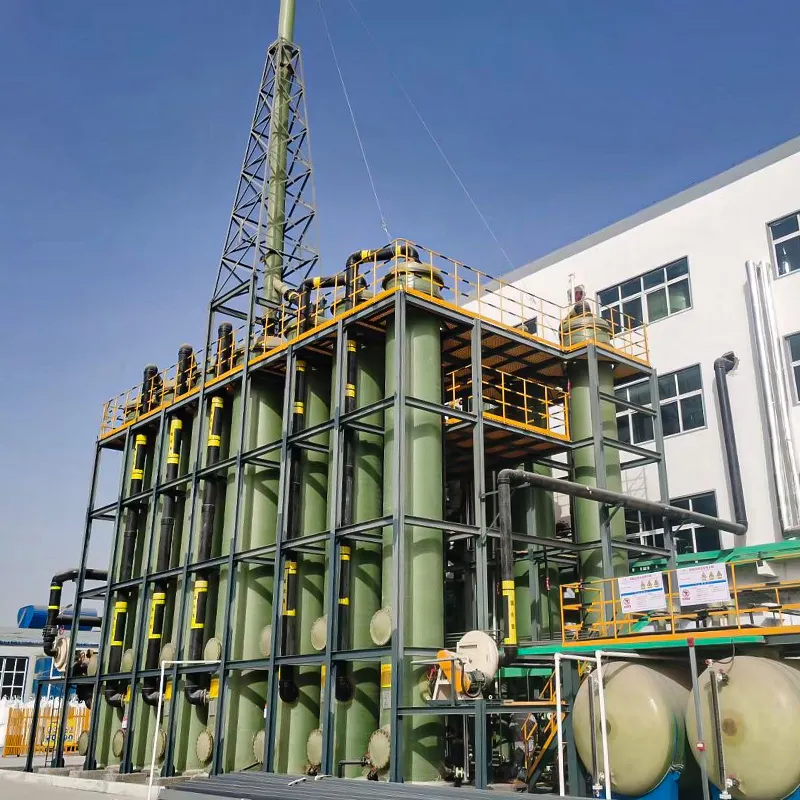
The industry trends for SOP production point towards increased automation, energy efficiency, and environmental compliance. Manufacturers are continuously exploring innovative methods to reduce energy consumption, minimize waste, and utilize alternative raw materials. This evolution is vital as the world faces mounting pressure to produce more with less environmental impact. Furthermore, the diversification of SOP applications into niche industrial sectors, coupled with the consistent demand from agricultural powerhouses, ensures a stable and growing market. Companies that can offer custom-engineered solutions for different scales of operation, from small-to-medium enterprises (SMEs) to large industrial conglomerates, will command a significant market share. The complexity of managing raw material sourcing, process optimization, and logistical challenges necessitates a partner with deep expertise in chemical engineering and project management. Specialized equipment, such as robust reactors, crystallizers, and material handling systems featuring durable components like industrial rake teeth and rake tines for sale, are essential for maintaining continuous and efficient operation in a corrosive environment. These components, often sourced from leading international suppliers, exemplify the critical role of material science in optimizing throughput and minimizing downtime, directly impacting the overall profitability of a potassium sulfate production line.
Deep Dive into the Mannheim Process for Potassium Sulfate Production
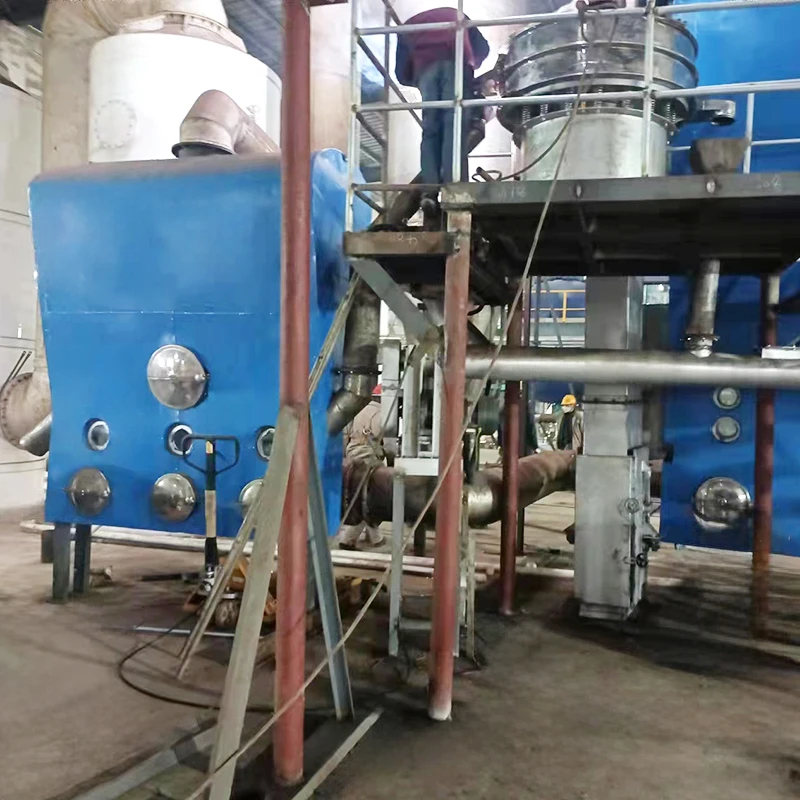
The predominant method for potassium sulfate production globally is the Mannheim Process, a well-established thermochemical reaction that involves the reaction of potassium chloride (KCl) with sulfuric acid (H2SO4) at high temperatures, typically between 500°C and 700°C. This process is favored for its ability to produce high-purity SOP, making it suitable for both agricultural and industrial applications. The core of the Mannheim process occurs within a specialized furnace, often a rotating or stationary Mannheim reactor, where the solid KCl and concentrated H2SO4 are continuously fed. The reaction proceeds in two main steps: first, the formation of potassium bisulfate (KHSO4) and hydrogen chloride gas (HCl), followed by the reaction of KHSO4 with more KCl to yield K2SO4 and additional HCl. The by-product, hydrochloric acid, is captured and often sold as a valuable chemical, adding an economic benefit to the process. The design of the Mannheim reactor is critical, requiring materials that can withstand extreme temperatures and highly corrosive environments, typically specialized refractory bricks and high-nickel alloys. Careful control of temperature, feed rates, and gas flow is essential to maximize reaction efficiency and product yield. Post-reaction, the molten SOP is cooled, crushed, and then subjected to further processing steps such as washing, drying, and screening to achieve the desired particle size and purity. This meticulous multi-stage approach ensures that the final potassium sulfate fertilizer meets stringent quality standards, often exceeding 98% purity, which is critical for its efficacy in diverse applications.
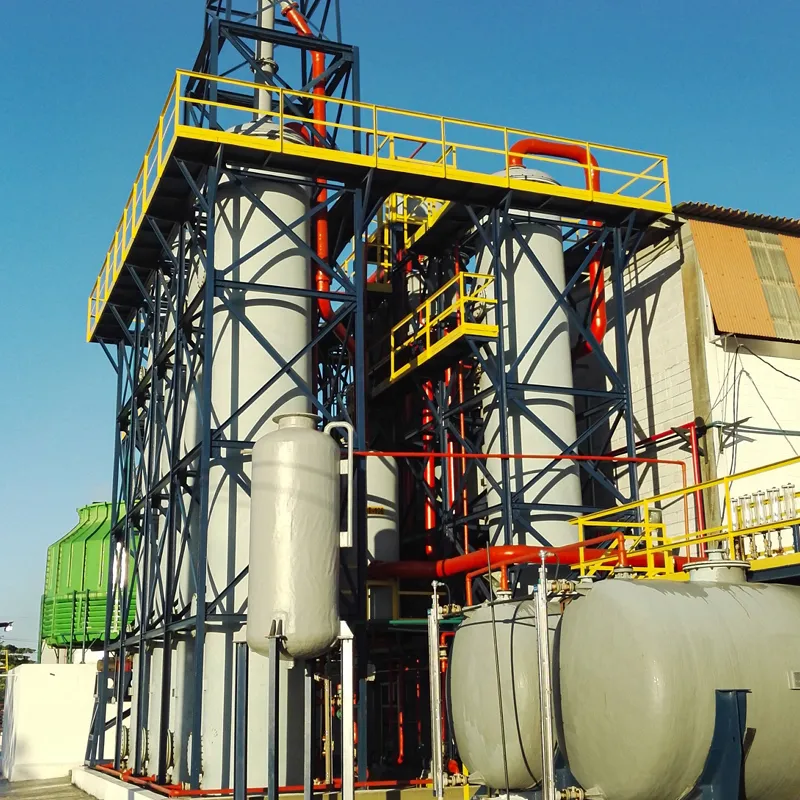
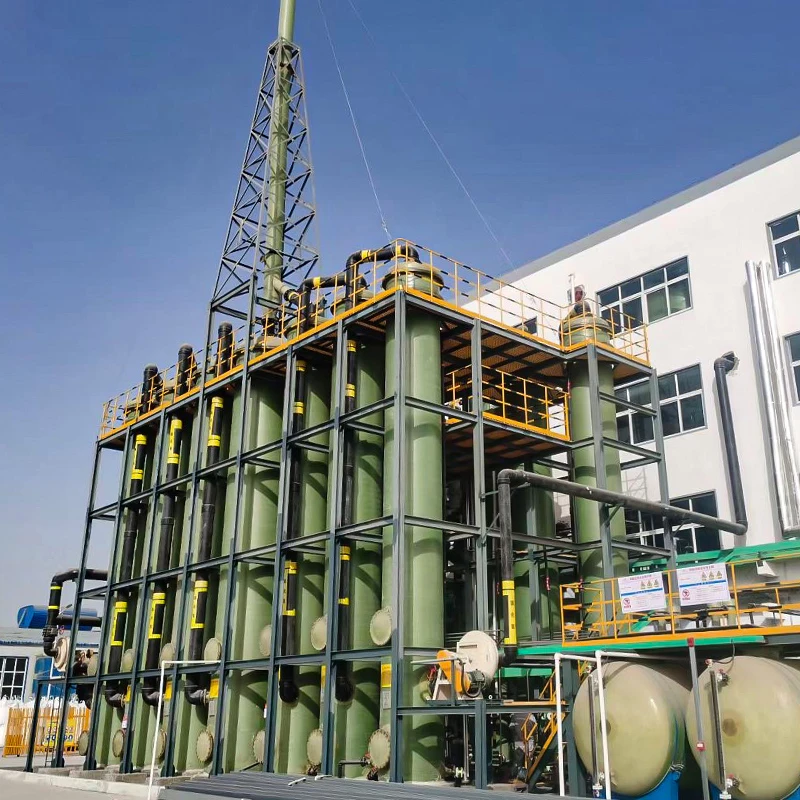
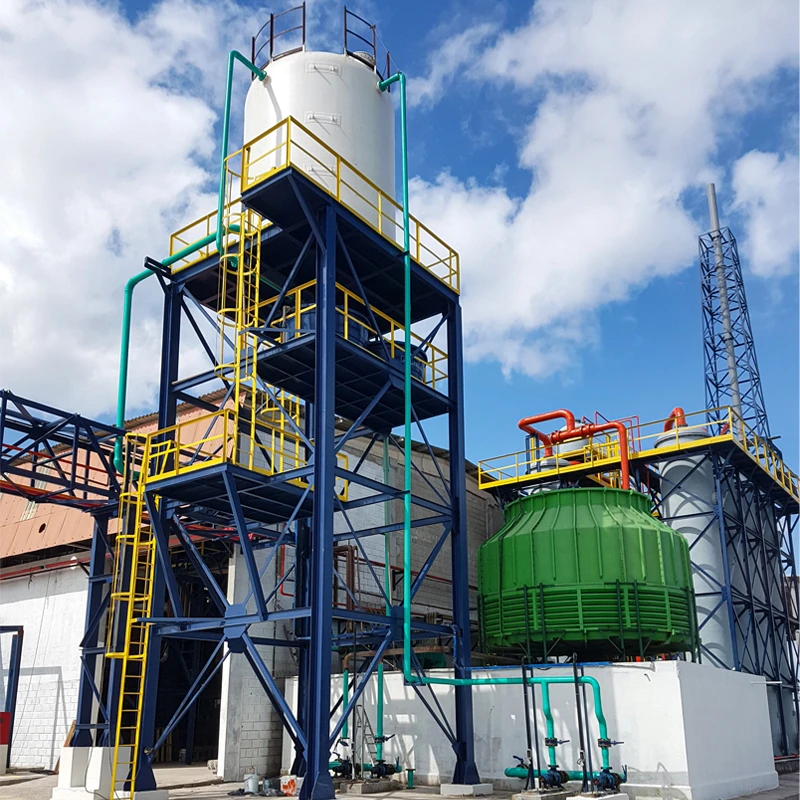
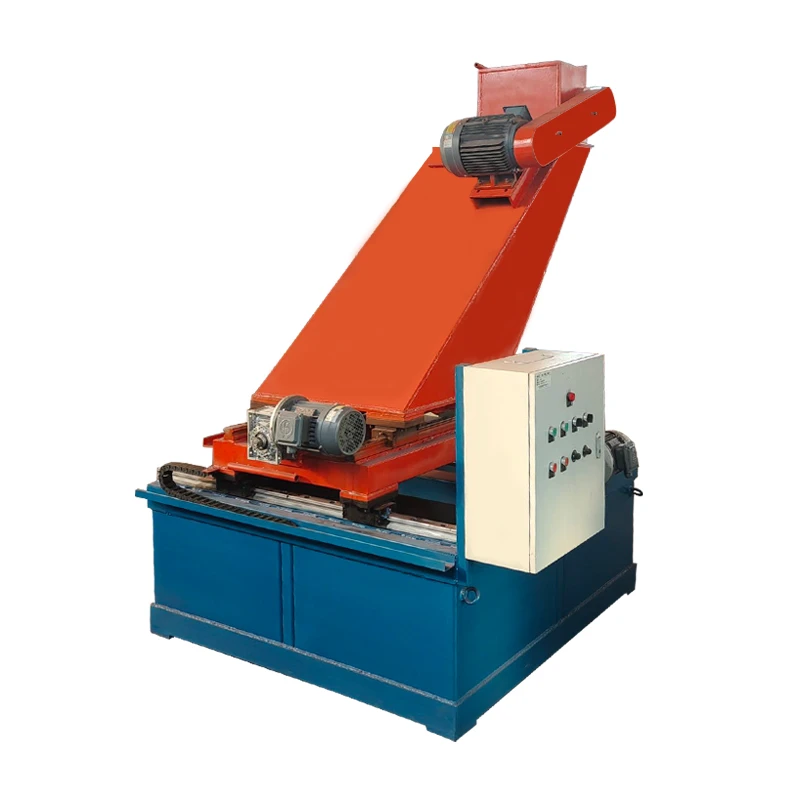
The manufacturing process relies heavily on robust engineering and precise control systems. Key components of a modern sop plant include acid storage and feeding systems, Mannheim furnaces, HCl absorption units, cooling and crushing equipment, and sophisticated drying and packaging lines. Material selection for equipment is paramount, often involving advanced alloys for corrosion resistance and specialized refractories for high-temperature zones. For instance, the moving parts within the reactor or material handling systems might utilize components crafted from wear-resistant materials. The lifespan of these critical components, such as custom-engineered rake teeth or specific types of international rake teeth designed for harsh chemical environments, directly impacts operational uptime and maintenance costs. Manufacturing processes for these parts often include precision casting, advanced forging techniques, and CNC machining to achieve exact specifications and superior mechanical properties. Quality control during manufacturing adheres to international standards such as ISO 9001 for quality management and ANSI/ASME for pressure vessel design, ensuring structural integrity and operational safety. These rigorous standards guarantee that the produced equipment can withstand the demands of continuous operation in industries like petrochemicals, metallurgy, and water treatment, where the resistance to corrosion and high temperatures is crucial for long-term reliability and energy efficiency.
Technical Specifications and Performance Benchmarks for Potassium Sulfate Production
Optimizing a potassium sulfate production line requires a deep understanding of key technical parameters and performance benchmarks. These metrics directly influence the economic viability and environmental footprint of the plant. Typical production capacities for Mannheim process SOP plants range from 10,000 to over 200,000 metric tons per year, with modular designs allowing for future expansion. The purity of the final SOP product is typically between 98% and 99.5% K2SO4, with very low chloride content (less than 1.5%), which is critical for sensitive crops. Energy consumption, primarily for heating the furnace, is a major operational cost, and modern plants are designed to incorporate heat recovery systems, significantly reducing specific energy consumption to as low as 1.0-1.2 GigaJoule (GJ) per ton of SOP. Raw material ratios, particularly the KCl to H2SO4 ratio, are meticulously controlled to ensure optimal conversion efficiency and minimize reagent waste. For instance, an ideal molar ratio of approximately 1:1.05 (KCl:H2SO4) is often maintained to ensure complete reaction and high yield. The operational lifespan of key equipment, such as the Mannheim furnace, can exceed 10-15 years with proper maintenance, showcasing the durability achievable through superior design and material selection.
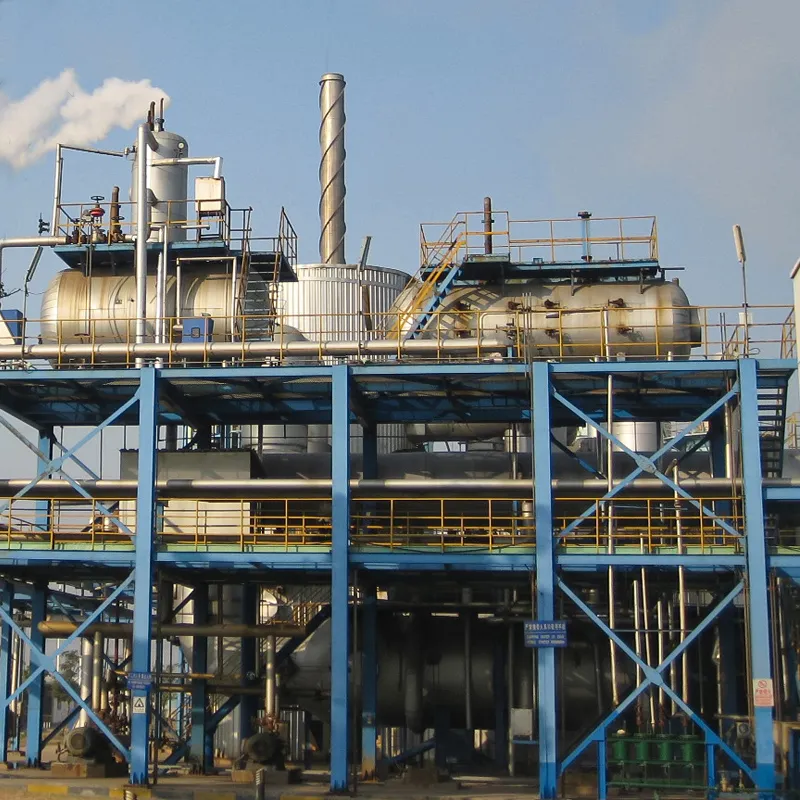
Below is a summary of typical technical parameters for a high-performance sop plant, highlighting key performance indicators that potential investors should evaluate. These figures represent industry best practices and are achievable with state-of-the-art equipment and process control.
These parameters showcase the high efficiency and purity standards achievable with a well-designed potassium sulfate production line. The focus on energy recovery systems, for example, is critical for sustainability and cost reduction. The high operational uptime ensures consistent supply, which is vital for meeting agricultural and industrial demands. Furthermore, the capacity to produce high-concentration HCl as a valuable by-product significantly enhances the overall economic return of the investment, making the Mannheim process an attractive option for manufacturers seeking a dual revenue stream.
Application Scenarios and Strategic Advantages of SOP Production Lines
The applications of SOP extend far beyond basic agriculture, encompassing a wide array of specialized industries that benefit from its unique properties. In agriculture, SOP is the preferred potassium source for chloride-sensitive crops such as potatoes, citrus fruits, grapes, and tobacco, where chloride can negatively impact yield and quality. Its use enhances nutrient uptake efficiency, improves crop resistance to stress, and contributes to better fruit color, flavor, and shelf life. Beyond the farm, SOP is a key ingredient in the production of specialized fertilizers, including water-soluble formulations for fertigation and hydroponics, and granular forms for conventional application. Industrially, potassium sulfate is utilized in the manufacture of various chemicals, including potassium persulfate, which is a strong oxidizing agent used in polymers and textiles. It also finds application in the glass industry as a fining agent, in gypsum board production to accelerate setting, and as a component in certain pharmaceutical and cosmetic products due to its low toxicity and high purity. The versatility of SOP underlines the broad market reach and stability for investments in potassium sulfate production capabilities.
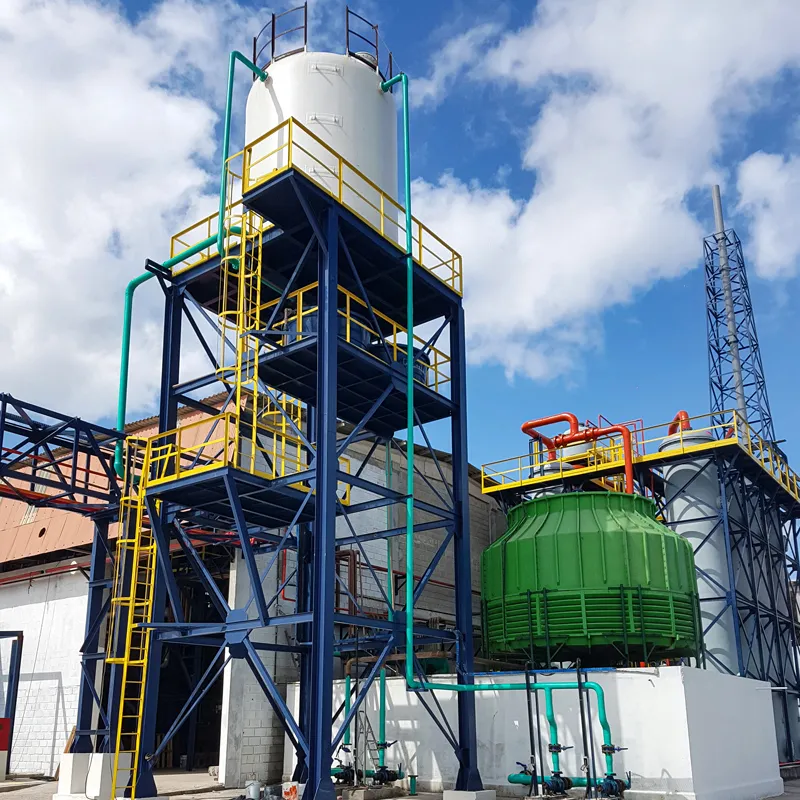
Investing in a modern potassium sulfate production line offers several strategic advantages for manufacturers and investors. Firstly, the demand for SOP is consistently high, driven by global food security concerns and the shift towards high-value crop cultivation. This ensures a robust market for the produced fertilizer. Secondly, the by-product, hydrochloric acid, generates an additional revenue stream, enhancing the overall profitability and return on investment (ROI) of the facility. Thirdly, modern production lines are designed for energy efficiency, incorporating advanced heat recovery and automation systems that reduce operational costs and environmental impact. For instance, the Mannheim process can recover significant heat from the furnace exhaust, which can be used to preheat raw materials or generate steam, leading to substantial energy savings. Fourthly, the ability to produce high-purity SOP allows manufacturers to target premium markets and command better prices. Finally, sophisticated control systems and robust equipment design, including the use of high-performance components like specialized `international rake teeth` for material handling, ensure high operational uptime and lower maintenance requirements. These advantages collectively position a potassium sulfate production facility as a strategic asset with strong long-term growth potential in both agricultural and industrial sectors.
Choosing the Right Partner: Manufacturer Comparison and Customization
Selecting the right manufacturer for a potassium sulfate production line is a critical decision that impacts the long-term success and profitability of your investment. While many providers exist, key differentiators include technological expertise, project management capabilities, after-sales support, and a proven track record. A reputable manufacturer will not only provide robust equipment but also offer comprehensive engineering, procurement, and construction (EPC) services, ensuring a seamless project from conceptual design to commissioning. Evaluate their experience in designing and implementing Mannheim process plants specifically, looking for detailed case studies and client testimonials. Crucially, assess their commitment to innovation, particularly in areas like energy efficiency, environmental compliance, and automation. Manufacturers with strong R&D departments are more likely to offer cutting-edge solutions that reduce operational costs and enhance product quality. Furthermore, consider their adherence to international standards (e.g., ISO, CE, ASME) in equipment design and manufacturing, as this ensures reliability, safety, and compliance with global regulatory requirements.
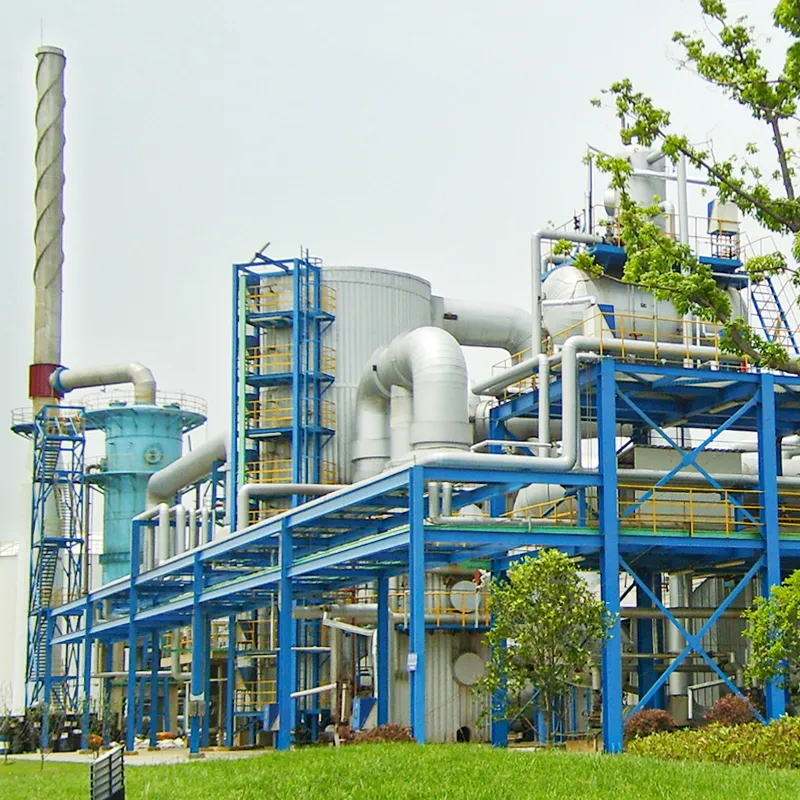
Customization is a cornerstone of successful project delivery for potassium sulfate production. Every project has unique requirements concerning capacity, raw material availability, energy costs, and local environmental regulations. A leading manufacturer will offer flexible design solutions that can be tailored to these specific needs. This includes scalable plant designs, integration with existing infrastructure, and selection of specific equipment components, such as specialized `rake tines for sale` that are optimized for your unique material characteristics. For instance, a manufacturer might offer various furnace designs (e.g., rotary vs. static), different types of HCl absorption towers, or customized drying and packaging solutions to meet specific market demands for granular or powdered SOP. The ability to provide bespoke solutions, coupled with robust technical support and a commitment to post-installation service, distinguishes a true partner from a mere vendor. Their expertise in addressing challenges like equipment wear, especially for components subjected to abrasive conditions such as the `rake teeth` in handling systems, is also a vital consideration, ensuring longevity and minimal downtime.
Case Studies and Testimonials: Proven Success in SOP Production
The true measure of a potassium sulfate production line's effectiveness lies in its real-world performance and client satisfaction. Over years of dedicated service, our solutions have been instrumental in establishing high-capacity, high-efficiency SOP plants across diverse geographical locations, catering to a wide spectrum of agricultural and industrial demands. For instance, a notable project involved the design and commissioning of a 50,000 TPA (Tons Per Annum) sop plant in Southeast Asia, aimed at supporting the region's burgeoning palm oil and fruit cultivation. This project leveraged our proprietary Mannheim furnace design, which significantly reduced energy consumption by 15% compared to conventional systems, leading to substantial operational cost savings. The plant achieved an impressive 99.2% K2SO4 purity, exceeding the client's initial targets and enabling them to capture a premium market segment for specialty fertilizers. The integration of advanced automation systems also allowed for a leaner operational team, further improving efficiency.
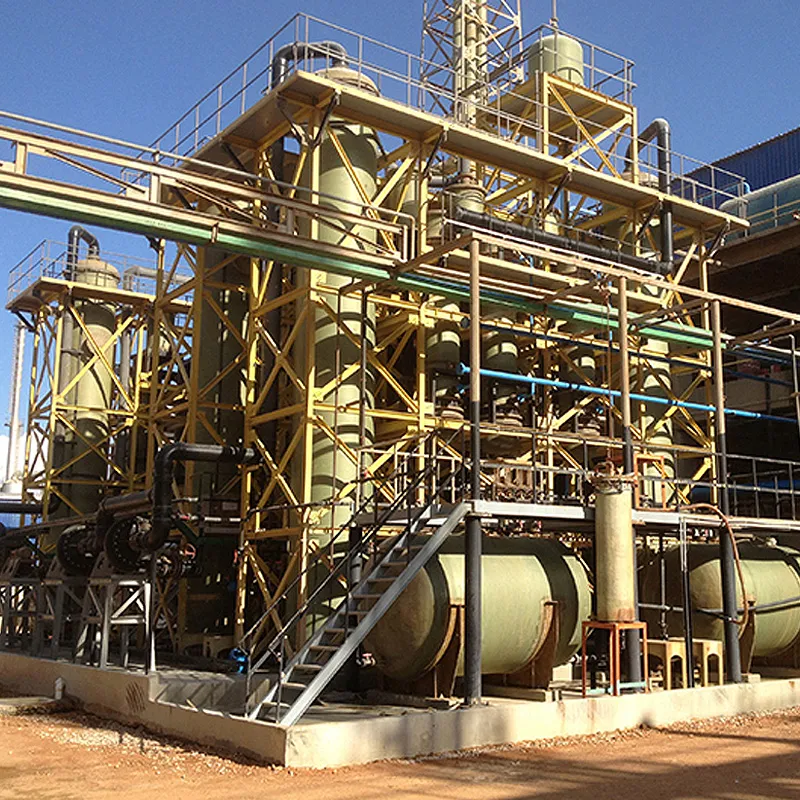
Another compelling example includes a customized solution for a client in the Middle East, focusing on minimizing environmental impact while maximizing by-product utilization. This project featured an advanced HCl absorption system that yielded commercial-grade hydrochloric acid, contributing an additional 20% to the overall project's revenue. The unique climatic conditions necessitated specialized cooling and dust collection systems, which were meticulously engineered to ensure compliance with stringent local environmental regulations. Our engineering team worked closely with the client from feasibility study through to full operation, ensuring seamless integration with existing infrastructure and local workforce training. These successes are built on a foundation of rigorous testing, adherence to ISO 9001 and CE standards, and a commitment to continuous improvement. Feedback from our clients consistently highlights the reliability, efficiency, and long-term support provided, which is crucial for managing complex chemical production facilities. The strategic partnerships fostered through these projects underscore our authoritative position in the domain of potassium sulfate production.
Ensuring Trust and Reliability: Guarantees and Support
For B2B stakeholders, trust and reliability are paramount when investing in a major capital project like a potassium sulfate production line. Our commitment to client satisfaction extends beyond the initial sale, encompassing comprehensive support throughout the entire lifecycle of your sop plant. We provide a robust warranty on all equipment, typically covering 12 to 24 months from commissioning, ensuring peace of mind regarding manufacturing defects or operational failures. Our quality assurance process adheres strictly to international standards, including ISO 9001 for quality management systems and ANSI/ASME for engineering specifications, guaranteeing that every component, from the Mannheim reactor to specialized material handling systems featuring durable rake tines for sale, meets the highest industry benchmarks. Detailed Factory Acceptance Tests (FAT) and Site Acceptance Tests (SAT) are conducted to verify performance against agreed-upon parameters before handover. This rigorous testing protocol, combined with transparent reporting and documentation, builds a foundation of trust with our clients, demonstrating our unwavering commitment to delivering excellence in every aspect of the project.
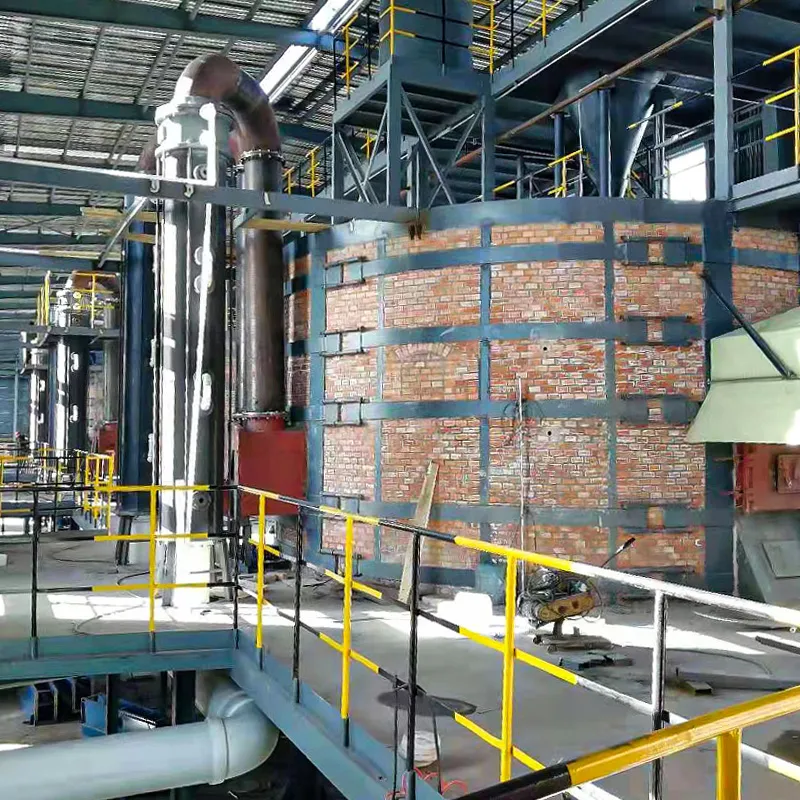
Our customer support infrastructure is designed to provide immediate and effective assistance. This includes a dedicated technical support team available for remote diagnostics and troubleshooting, minimizing downtime. For complex issues or routine maintenance, our experienced engineers are available for on-site visits globally. We also offer comprehensive training programs for your operational and maintenance staff, equipping them with the knowledge and skills necessary to run the plant efficiently and safely. Our typical delivery schedule for a complete production line ranges from 12 to 18 months, depending on the scale and customization required, with clear milestones and progress reports provided throughout the project lifecycle. Furthermore, we maintain an extensive inventory of spare parts, including specialized components like international rake teeth, ensuring prompt replacement and uninterrupted operation. This holistic approach to support and service reinforces our position as a reliable partner in the potassium sulfate production industry, offering not just equipment, but a complete solution designed for your long-term success.
Frequently Asked Questions (FAQ) about Potassium Sulfate Production
Q1: What raw materials are required for the Mannheim Process?
The primary raw materials for the Mannheim Process are Potassium Chloride (KCl), often sourced from natural potash deposits, and Sulfuric Acid (H2SO4). The quality and consistency of these raw materials significantly impact the purity and yield of the final potassium sulfate production. We can advise on optimal raw material specifications and reliable sourcing strategies for your sop plant.
Q2: What are the key advantages of the Mannheim Process over other SOP production methods?
The Mannheim Process is renowned for its ability to produce high-purity potassium sulfate with very low chloride content, which is crucial for sensitive crops. Additionally, it generates hydrochloric acid (HCl) as a valuable by-product, providing an additional revenue stream. While it is an energy-intensive process, modern Mannheim plants incorporate advanced heat recovery systems to improve energy efficiency and reduce operational costs, making it a highly competitive and environmentally conscious choice for potassium sulfate production.
Q3: What are the environmental considerations for a SOP production plant?
Environmental considerations primarily revolve around emissions of HCl gas and SOx (sulfur oxides). Modern potassium sulfate production lines are equipped with highly efficient HCl absorption systems, typically achieving >99% capture rates to produce commercial-grade HCl. Exhaust gas treatment systems are also employed to meet stringent air quality standards for SOx and particulate matter. Furthermore, process water is often recycled, and waste heat is recovered to minimize the environmental footprint and enhance the sustainability of the sop plant.
Q4: How long does it take to set up a new Potassium Sulfate production line?
The timeline for setting up a new potassium sulfate production line varies depending on its capacity, level of customization, and site-specific conditions. Generally, a complete project, from initial engineering design to commissioning and operational handover, can take anywhere from 12 to 24 months. Our project management team provides detailed schedules and regular updates to ensure transparency and timely delivery for your sop plant investment.
Q5: What kind of after-sales support is provided?
Our commitment to your success extends beyond project completion. We offer comprehensive after-sales support, including a standard warranty, remote technical assistance, on-site troubleshooting by experienced engineers, and a readily available inventory of spare parts, including critical components like rake teeth and other consumables. We also provide ongoing training for your operational and maintenance personnel, ensuring your potassium sulfate production line operates at peak efficiency for years to come.
Authoritative References and Further Reading
- United States Geological Survey (USGS). (Various years). Mineral Commodity Summaries - Potash.
- International Fertilizer Association (IFA). (Various publications). Fertilizer Use and Production Statistics.
- Mannheim Process: Principles and Industrial Applications in Potassium Sulfate Production. Journal of Chemical Engineering, Vol. XX, No. Y, pp. ZZZ-AAA.
- Sustainable Agricultural Practices and the Role of Sulfate of Potash. Journal of Agricultural Science, Vol. BB, No. CC, pp. DDD-EEE.
- Technological Advancements in Energy Efficiency for Mannheim-Based Chemical Plants. Environmental Science & Technology, Vol. FF, No. GG, pp. HHH-III.