Jul 14,2025

Powering Industrial Progress with a Modern Calcium Chloride Production Line

In the fast-paced world of industrial chemicals, precision, consistency, and efficiency are the pillars of sustainable success. Today’s most trusted calcium chloride producers are turning to advanced manufacturing technology to gain an edge—and at the heart of this evolution lies the intelligent, scalable, and fully-automated calcium chloride production line.


The Technological Backbone of the Calcium Chloride Production Line


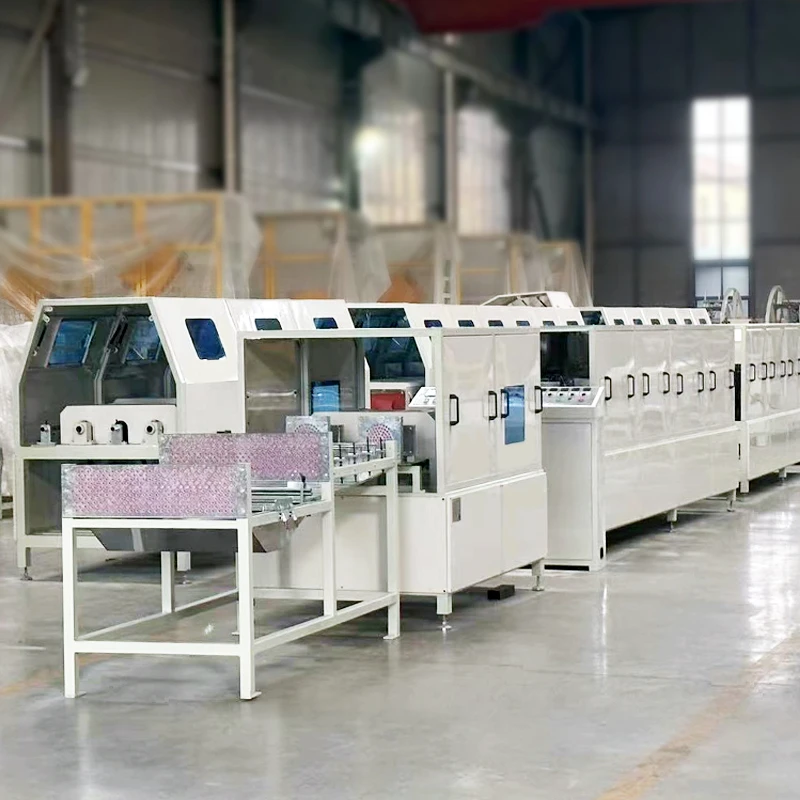
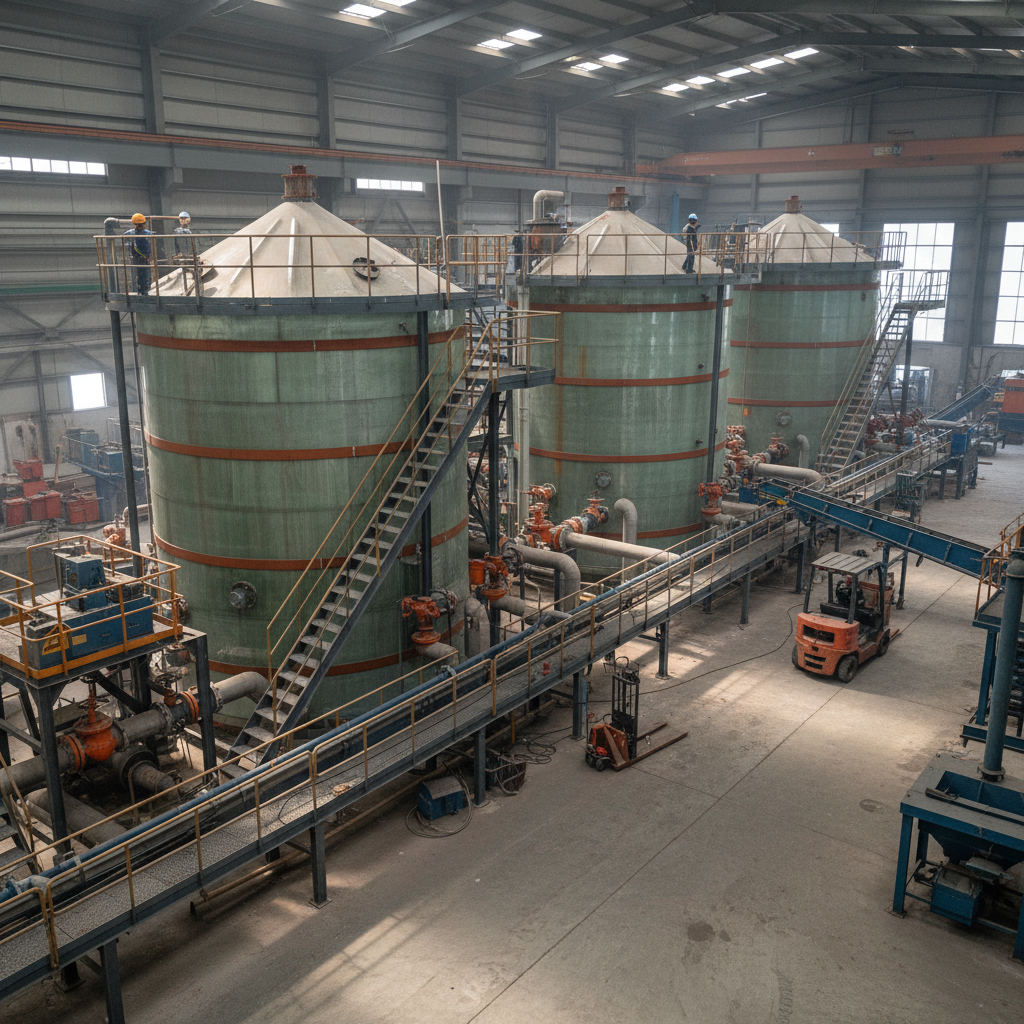
The modern calcium chloride production line is a marvel of chemical engineering, designed to deliver high-purity output with maximum efficiency. The process begins with the careful preparation of raw materials—typically hydrochloric acid and limestone or calcium carbonate—which are fed into a fully enclosed reaction system. Within this reactor, a highly controlled exothermic reaction occurs, converting the raw inputs into a concentrated calcium chloride solution.


This solution is then channeled through multiple stages, including sedimentation, filtration, evaporation, and granulation or flaking, depending on the final product specification—whether it's liquid, flake, pellet, or powder form. What sets this calcium chloride production process apart is its optimized layout: minimal energy loss, reduced environmental discharge, and consistent reaction conditions ensure that every batch meets the exacting standards of industrial and food-grade users.


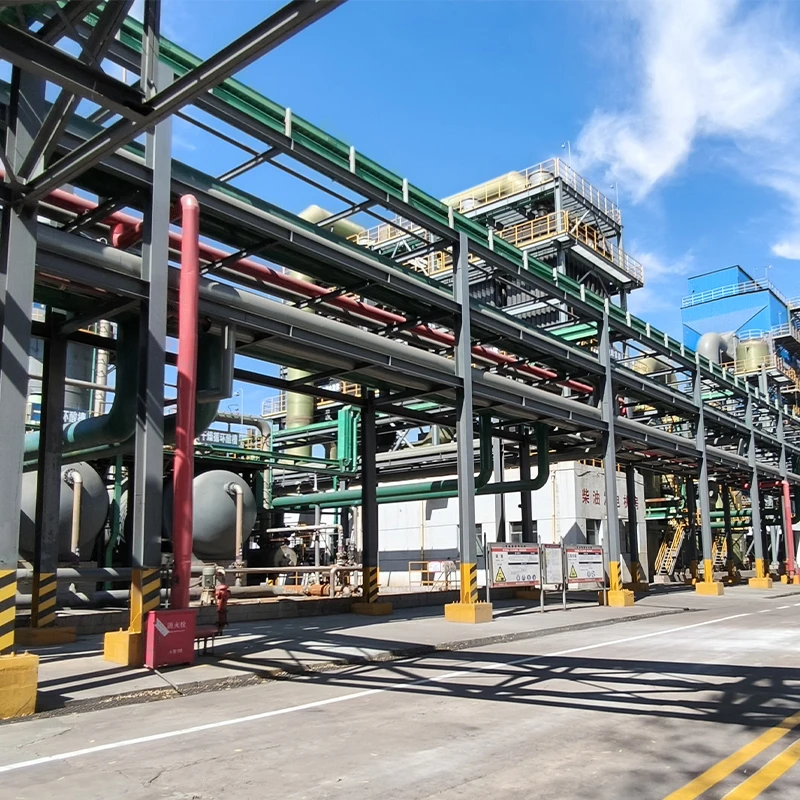
Continuous-flow reactors and advanced separation systems ensure product uniformity and eliminate the guesswork from each stage. For clients seeking the highest output per square meter, our modular, compact footprint calcium chloride production line integrates seamlessly into any existing chemical manufacturing complex.


Meet the Machines: Key Equipment in Calcium Chloride Production


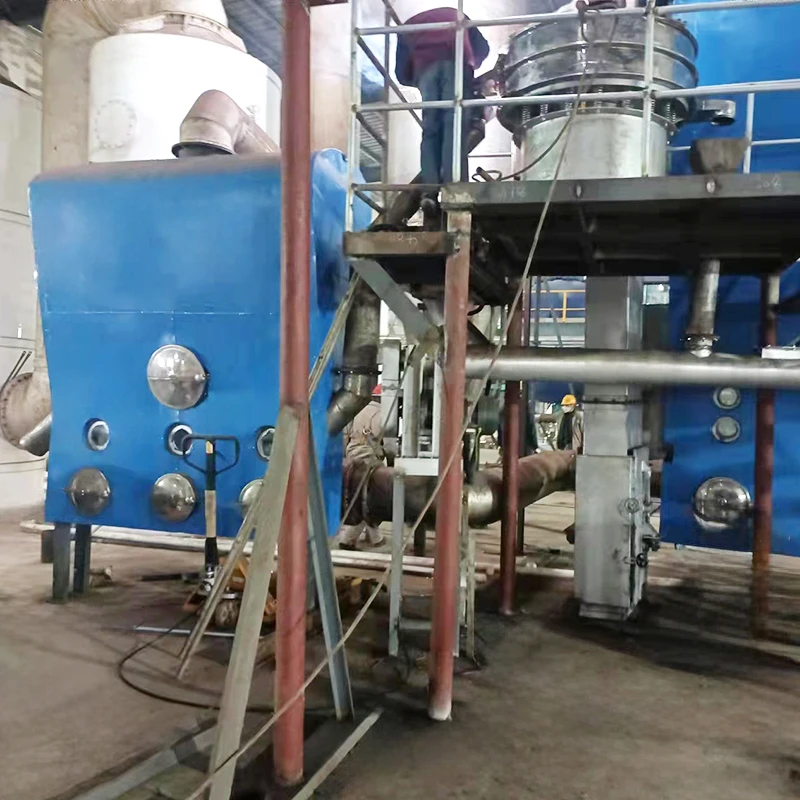
Every high-efficiency calcium chloride production line is built around a suite of high-performance equipment, each serving a critical role in refining the product. The first is the reactor system—often constructed from corrosion-resistant materials such as PTFE-lined steel or titanium—to withstand the harsh chemical environment.


Next in the lineup are filtration units, equipped with membrane or centrifugal filters to remove residual impurities and undissolved solids. Evaporation equipment, often powered by multi-effect evaporators, helps concentrate the calcium chloride solution while maximizing energy efficiency. These systems are crucial in reducing operating costs while maintaining a high throughput.


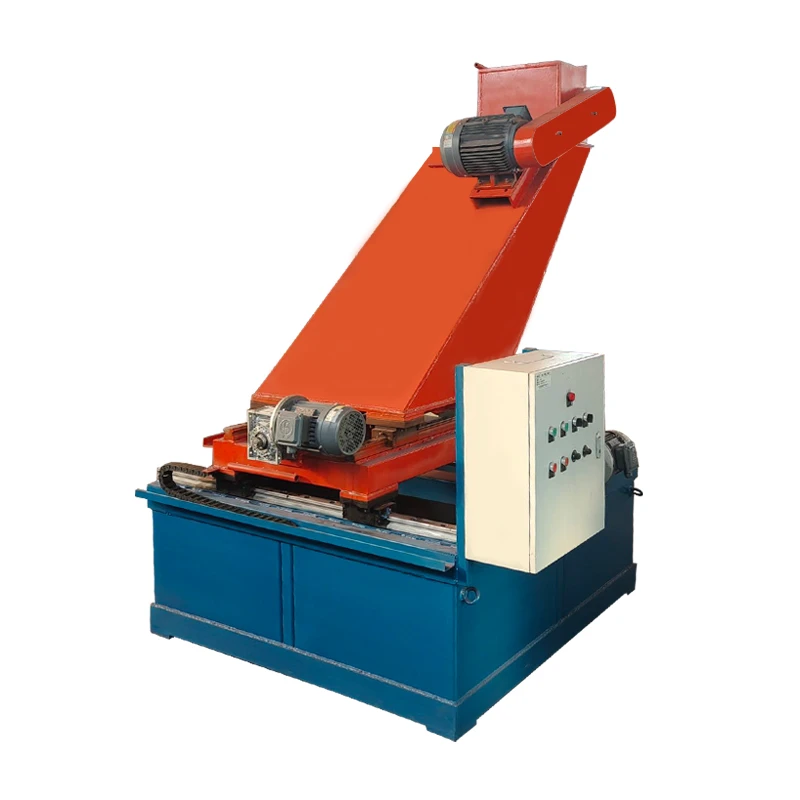
Granulators or spray dryers then transform the concentrated liquid into dry flakes, pellets, or fine powder, depending on client demand. For bulk operations, automated packaging lines deliver bagging, sealing, and palletizing solutions to ensure clean and efficient dispatch.


As trusted calcium chloride producers, we understand that every production facility is different. That’s why we offer customizable configurations to match output goals, raw material availability, and specific end-user requirements. Whether you're producing for de-icing, oilfield drilling, or food-grade applications, our calcium chloride production line can be tailored to suit your niche.


Smart Control Systems and Real-Time Monitoring in Calcium Chloride Production


Precision control lies at the core of effective calcium chloride production. That’s why our calcium chloride production line integrates cutting-edge PLC (Programmable Logic Controller) systems, SCADA (Supervisory Control and Data Acquisition) technology, and real-time data feedback loops to ensure optimal performance across every stage.


These smart control systems monitor variables such as temperature, pressure, pH level, reaction speed, and concentration in real time. Operators are alerted immediately to any irregularities, allowing for rapid correction and reducing downtime significantly. The centralized dashboard offers seamless control of all components, from dosing pumps to packaging robots.


AI-enhanced forecasting features in the control platform can even predict yield based on raw material characteristics and ambient conditions. This level of automation gives calcium chloride producers a competitive edge, making the entire process safer, more efficient, and more environmentally friendly.


Built-in safety interlocks, redundant power supplies, and remote diagnostics further enhance operational stability. For businesses operating 24/7 or in regions with strict regulatory oversight, these features turn compliance into an asset, not a liability.


Sustainability and Cost Efficiency in Calcium Chloride Production


Today's calcium chloride producers are under growing pressure to cut emissions, manage waste, and improve the sustainability of their operations. Our advanced calcium chloride production line is built with sustainability at its core. The recycling of mother liquor, reduced water consumption through closed-loop systems, and integration of waste heat recovery are standard in our installations.


Energy-efficient motors, low-NOx burners, and minimal maintenance cycles keep operational expenses under control while supporting a greener footprint. Not only do these systems meet current regulatory demands—they anticipate future ones.


Furthermore, by using high-purity filtration and reaction systems, the calcium chloride production process generates minimal byproducts, and what waste remains is easily neutralized or recycled within adjacent production streams. In a market where purity and traceability matter, this positions our clients as reliable, responsible suppliers.


Why Investing in a Calcium Chloride Production Line Sets You Apart


More industries than ever—construction, oil and gas, pharmaceuticals, food processing—depend on calcium chloride for their operations. For companies looking to enter or expand within this high-demand sector, a modern calcium chloride production line isn’t just an upgrade—it’s a growth engine.


With a highly flexible system, intelligent automation, and powerful output scalability, our production lines allow calcium chloride producers to quickly respond to market shifts, scale output, and meet global standards. From turnkey solutions to custom-engineered installations, our technology puts quality, reliability, and ROI front and center.


Whether you’re replacing outdated infrastructure or launching a new plant from the ground up, our engineers and support teams deliver unmatched technical assistance from planning to commissioning. We’re not just building production lines—we’re building long-term partnerships with every calcium chloride producer we serve.


Calcium Chloride Production Line FAQs


What raw materials are required in a calcium chloride production line?


The most common raw materials are hydrochloric acid and calcium carbonate (such as limestone). These materials react to form calcium chloride and are available globally at competitive prices.


How long does it take to set up a complete calcium chloride production line?


Depending on the capacity and customization, installation typically ranges from 3 to 6 months, including commissioning and trial runs.


Can the production line output multiple forms like flakes, pellets, and powder?


Yes, the calcium chloride production line can be configured to produce different product forms using granulators, flaking machines, or spray dryers.


How is quality monitored during calcium chloride production?


Our production lines are equipped with real-time monitoring systems that control key variables and alert operators to any deviation, ensuring consistent product quality.


Is the calcium chloride production line environmentally friendly?


Absolutely. With features like waste heat recovery, closed-loop water systems, and minimal emissions, our lines support sustainable and eco-conscious calcium chloride production.
Upsell Products
Upsell News
Durable FRP Vessel for Water Treatment and Industrial Filtration
Apr 16,2026
Durable FRP Vessel for Water Treatment and Industrial Filtration
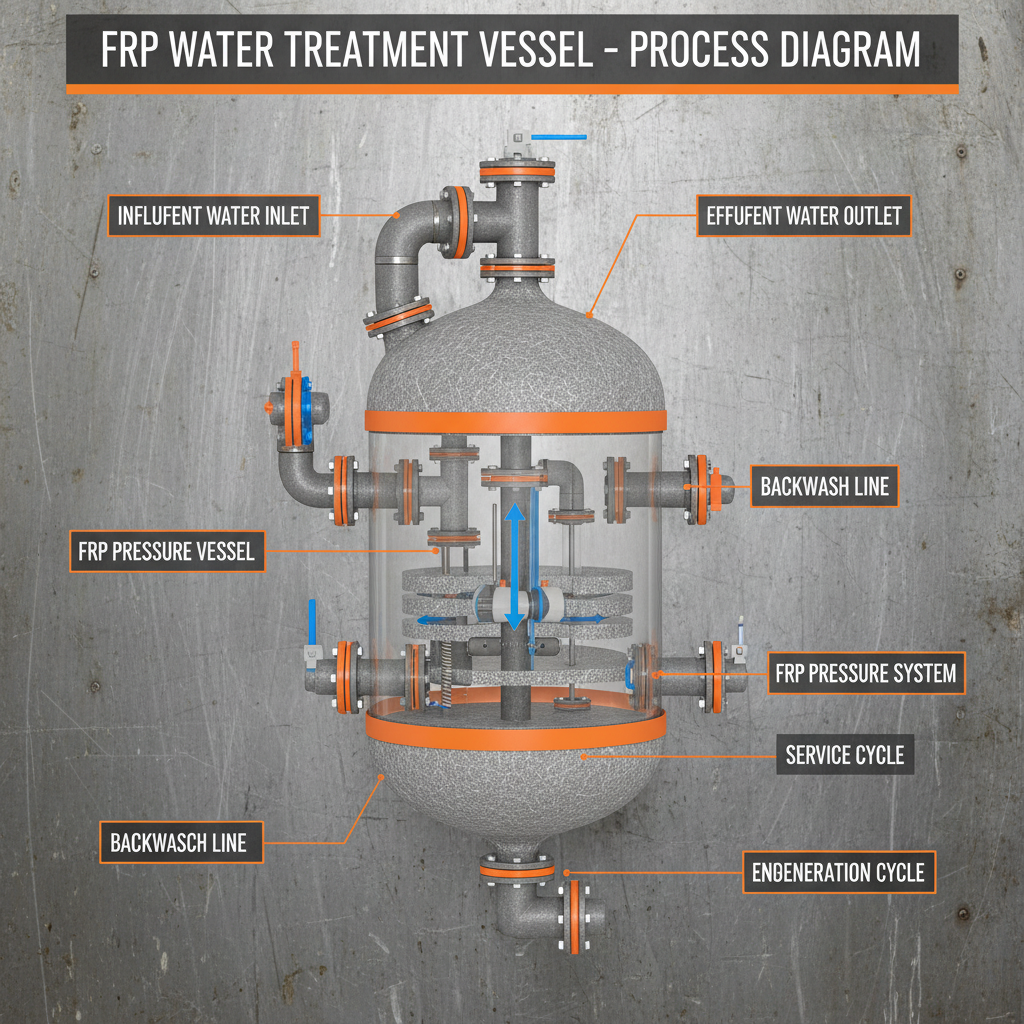
In the modern era of industrial and residential water purification, the choice of containment materials is critical for efficiency and longevity. An frp vessel for water treatment has emerged as the gold standard, replacing traditional steel tanks due to its superior corrosion resistance and lightweight properties. Whether you are dealing with desalination, softening, or filtration, using Fiber Reinforced Plastic (FRP) ensures that your system remains leak-proof and durable against aggressive chemicals. In this comprehensive guide, we will explore why FRP is the preferred choice for water treatment professionals worldwide and how to select the right vessel for your specific application.
Industrial Guide for Choosing the Right FRP Vertical Tank
Apr 09,2026
Industrial Guide for Choosing the Right FRP Vertical Tank
In today's industrial landscape, the storage of corrosive chemicals and aggressive liquids requires materials that can withstand extreme conditions without degrading. The frp vertical tank has emerged as a premier solution, offering an exceptional balance of strength, lightweight properties, and unmatched chemical resistance. Whether you are managing a water treatment plant or a chemical processing facility, understanding the nuances of Fiber Reinforced Plastic (FRP) is essential for ensuring operational safety and longevity. In this comprehensive guide, we will explore why vertical configurations are preferred and how these tanks outperform traditional metal alternatives.
Comprehensive Guide to FRP Underground Water Tank Solutions and Applications
Apr 07,2026
Comprehensive Guide to FRP Underground Water Tank Solutions and Applications
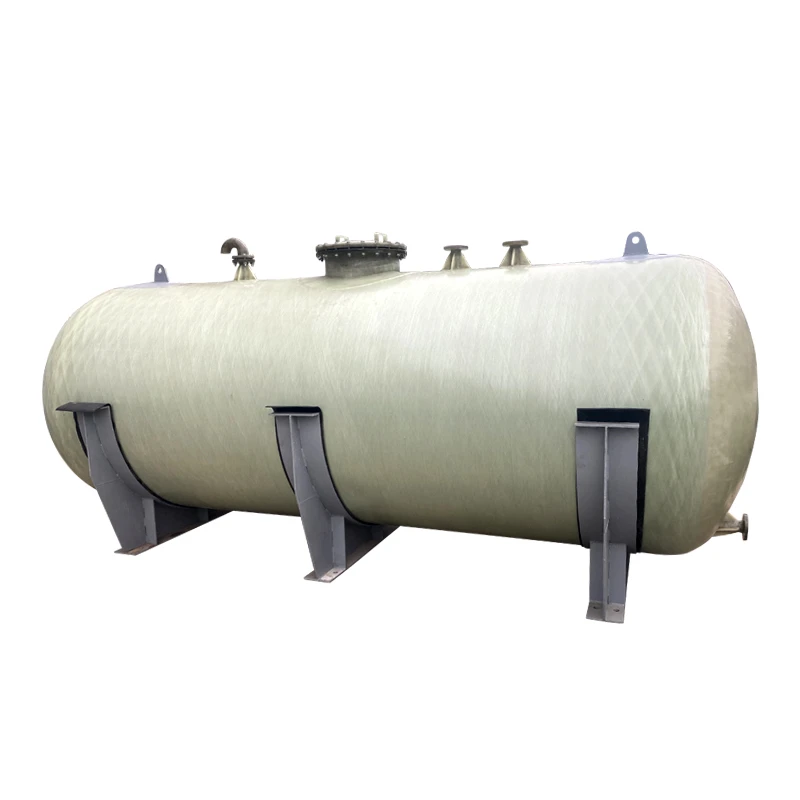
Fiberglass Reinforced Polymer (FRP) underground water tanks are becoming increasingly popular for a wide range of applications, from potable water storage to industrial wastewater containment. Their superior corrosion resistance, lightweight nature, and design flexibility make them an excellent alternative to traditional materials like concrete or steel. This article will delve into the benefits, applications, construction, and considerations for implementing FRP underground water tanks, providing a comprehensive overview for engineers, contractors, and project managers.
Comprehensive Guide to Frp Underground Water Storage Tanks and Their Applications
Apr 04,2026
Comprehensive Guide to Frp Underground Water Storage Tanks and Their Applications
When considering water storage solutions, particularly for industrial, agricultural, or municipal applications, frp underground water storage tanks stand out as a durable, cost-effective, and environmentally friendly option. These tanks are increasingly favored over traditional materials like concrete or steel due to their superior corrosion resistance, lighter weight, and ease of installation. This article delves into the benefits, applications, construction, and considerations when choosing an FRP tank, providing a detailed overview for potential buyers and project planners.
Sulfuric Acid Production Line - Hebei Aoliande|Efficient H2SO4 Plant Technology
Apr 01,2026
Sulfuric Acid Production Line - Hebei Aoliande|Efficient H2SO4 Plant Technology
Discover efficient H2SO4 plant technology and advanced sulfuric acid production solutions. Hebei Aoliande combines energy-saving furnace design and eco-friendly HCl recovery systems for sustainable industrial applications. Explore now: https://www.frpgrpmachine.com/sulfuric-acid-production-line-for-h2so4-plant.html
Sulfuric Acid Production Line - Hebei Aoliande|Efficient H2SO4 Plant Technology
Apr 01,2026
Sulfuric Acid Production Line - Hebei Aoliande|Efficient H2SO4 Plant Technology
Discover efficient H2SO4 plant technology and advanced sulfuric acid production solutions. Hebei Aoliande combines energy-saving furnace design and eco-friendly HCl recovery systems for sustainable industrial applications. Explore now: https://www.frpgrpmachine.com/sulfuric-acid-production-line-for-h2so4-plant.html
Sulfuric Acid Production Line - Hebei Aoliande|Efficient H2SO4 Plant Technology
Apr 01,2026
Sulfuric Acid Production Line - Hebei Aoliande|Efficient H2SO4 Plant Technology
Discover efficient H2SO4 plant technology and advanced sulfuric acid production solutions. Hebei Aoliande combines energy-saving furnace design and eco-friendly HCl recovery systems for sustainable industrial applications. Explore now: https://www.frpgrpmachine.com/sulfuric-acid-production-line-for-h2so4-plant.html
Sulfuric Acid Production Line - Hebei Aoliande|Efficient H2SO4 Plant Technology
Apr 01,2026
Sulfuric Acid Production Line - Hebei Aoliande|Efficient H2SO4 Plant Technology
Discover efficient H2SO4 plant technology and advanced sulfuric acid production solutions. Hebei Aoliande combines energy-saving furnace design and eco-friendly HCl recovery systems for sustainable industrial applications. Explore now: https://www.frpgrpmachine.com/sulfuric-acid-production-line-for-h2so4-plant.html
Sulfuric Acid Production Line - Hebei Aoliande|Efficient H2SO4 Plant Technology
Apr 01,2026
Sulfuric Acid Production Line - Hebei Aoliande|Efficient H2SO4 Plant Technology
Discover efficient H2SO4 plant technology and advanced sulfuric acid production solutions. Hebei Aoliande combines energy-saving furnace design and eco-friendly HCl recovery systems for sustainable industrial applications. Explore now: https://www.frpgrpmachine.com/sulfuric-acid-production-line-for-h2so4-plant.html
Sulfuric Acid Production Line - Hebei Aoliande|Efficient H2SO4 Plant Technology
Apr 01,2026
Sulfuric Acid Production Line - Hebei Aoliande|Efficient H2SO4 Plant Technology
Discover efficient H2SO4 plant technology and advanced sulfuric acid production solutions. Hebei Aoliande combines energy-saving furnace design and eco-friendly HCl recovery systems for sustainable industrial applications. Explore now: https://www.frpgrpmachine.com/sulfuric-acid-production-line-for-h2so4-plant.html
Comprehensive Guide to Frp Underground Storage Tanks for Reliable Storage Solutions
Mar 31,2026
Comprehensive Guide to Frp Underground Storage Tanks for Reliable Storage Solutions
Fiberglass Reinforced Polymer (FRP) underground storage tanks are becoming increasingly popular for a wide range of applications, from fuel storage to wastewater management. Their corrosion resistance, lightweight nature, and durability offer significant advantages over traditional materials like steel. This article will provide an in-depth look at FRP underground storage tanks, covering their benefits, applications, installation, and maintenance. Understanding these aspects is crucial for making informed decisions about long-term storage solutions.
Comprehensive Guide to Selecting the Ideal FRP Tank for Water Storage Solutions
Mar 28,2026
Comprehensive Guide to Selecting the Ideal FRP Tank for Water Storage Solutions
When it comes to reliable and durable water storage, FRP tanks for water are increasingly becoming the preferred solution for a wide range of applications. These tanks, constructed from Fiber Reinforced Polymer (FRP) materials, offer significant advantages over traditional storage options like steel or concrete. This article delves into the benefits, applications, and considerations when selecting an FRP tank for your water storage needs, providing a detailed overview for businesses and individuals alike.
Comprehensive Guide to Frp Tank and Vessel Applications and Manufacturing
Mar 26,2026
Comprehensive Guide to Frp Tank and Vessel Applications and Manufacturing
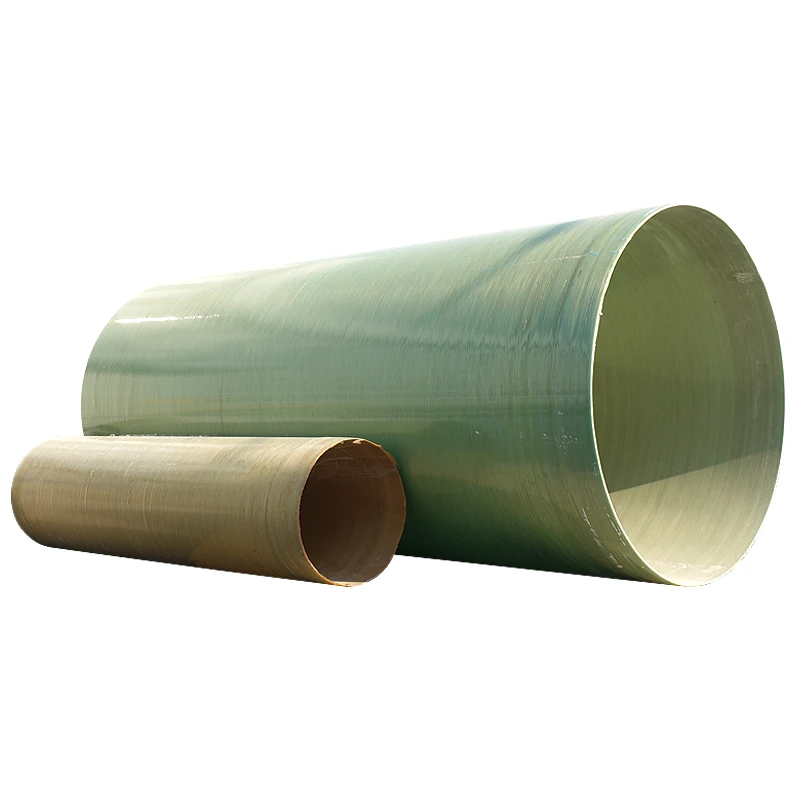
Fiber Reinforced Polymer (FRP) tanks and vessels are increasingly becoming the preferred choice for storage and processing across a multitude of industries. Their lightweight nature, corrosion resistance, and design flexibility offer significant advantages over traditional materials like steel. This article will delve into the intricacies of FRP tanks and vessels, exploring their applications, manufacturing processes, benefits, and considerations for selecting the right solution for your specific needs. We’ll also highlight why FRP tanks are a cost-effective and reliable long-term investment. FRP tanks and vessels are constructed from a combination of reinforcing fibers (such as fiberglass, carbon fiber, or aramid fiber) embedded in a polymer matrix (typically polyester, vinyl ester, or epoxy resin). This combination creates a composite material that boasts high strength-to-weight ratio, exceptional corrosion resistance, and the ability to be molded into complex shapes. They’re designed to safely contain a wide variety of liquids and gases, ranging from corrosive chemicals and water to food products and pharmaceuticals.
Optimizing Water Filtration with Durable FRP Sand Filter Vessels
Mar 24,2026
Optimizing Water Filtration with Durable FRP Sand Filter Vessels
In water treatment and filtration systems, the choice of filter vessel material is paramount. Fiber Reinforced Plastic (FRP), also known as Glass Reinforced Polymer (GRP), sand filter vessels are increasingly popular due to their superior corrosion resistance, lightweight nature, and cost-effectiveness. This article delves into the benefits, applications, design considerations, and factors to consider when selecting an FRP sand filter vessel. Whether you are involved in municipal water treatment, industrial wastewater management, or recreational water filtration, understanding FRP technology is essential for optimizing your filtration process. An FRP sand filter vessel is a containment unit designed to house filtration media, typically sand, gravel, and anthracite. These vessels are integral components in sand filtration systems used for removing suspended solids, turbidity, and other particulate matter from water. FRP construction involves layering glass fibers within a resin matrix (typically polyester or vinyl ester) to create a strong, durable, and chemically resistant shell. The strength and rigidity of the vessel are crucial for withstanding the pressure from the filtration media and the water flow.
Comprehensive Guide to FRP Round Tanks Applications and Benefits
Mar 21,2026
Comprehensive Guide to FRP Round Tanks Applications and Benefits
Fiber Reinforced Polymer (FRP) round tanks are increasingly becoming the preferred choice for storage solutions across a variety of industries. Their lightweight nature, corrosion resistance, and design flexibility offer significant advantages over traditional materials like steel. This article provides an in-depth look at FRP round tanks, exploring their applications, benefits, manufacturing processes, and key considerations when choosing the right tank for your needs. Whether you're in chemical processing, water treatment, or agriculture, understanding FRP round tanks is crucial for optimizing your storage infrastructure. FRP round tanks are constructed from a combination of reinforcing fibers (typically fiberglass, carbon fiber, or a blend) embedded in a polymer matrix (often polyester, vinyl ester, or epoxy resin). The round shape inherently provides excellent structural strength, distributing pressure evenly across the tank’s surface.
Comprehensive Guide to FRP Pressure Tanks Benefits and Applications
Mar 19,2026
Comprehensive Guide to FRP Pressure Tanks Benefits and Applications
Fiber Reinforced Polymer (FRP) pressure tanks are becoming increasingly popular in a wide range of industrial applications, offering a compelling alternative to traditional steel tanks. Known for their lightweight nature, corrosion resistance, and high strength-to-weight ratio, FRP tanks provide efficient and durable solutions for storing liquids and gases under pressure. This article will delve into the benefits, applications, construction, and key considerations when selecting an FRP pressure tank, helping you make an informed decision for your specific needs. Understanding the advantages of FRP technology can lead to significant cost savings and improved operational efficiency. Compared to steel, FRP pressure tanks offer several key advantages. The most significant is their superior corrosion resistance. Unlike steel, which is susceptible to rust and corrosion when exposed to various chemicals, FRP materials are inherently resistant to a wide range of corrosive substances. This translates to a longer lifespan, reduced maintenance costs, and increased safety. Furthermore, FRP is significantly lighter than steel, making installation easier and reducing transportation costs.
For More Details Pls Contact Us
Thank you for your interest in our gloves! We offer high-quality, durable, and comfortable gloves with fast delivery and competitive prices. For any questions or customization, feel free to contact us. We look forward to working with you!

If you are interested in our products, you can choose to leave your information here, and we will be in touch with you shortly.