Jul 29,2025

Premium Potassium Sulfate Production Solutions for SOP Plants

Potassium sulfate (K2SO4): one of the most essential water-soluble fertilizers worldwide, is critical for global agriculture and multiple industries by delivering chloride-free potassium and sulfur. With the evolution of high-performance potassium sulfate production lines like the Potassium Sulfate Fertilizer Production Line, the SOP (Sulphate of Potash) sector is experiencing rapid technological transformation. Below, we delve into industry insights, technological advances, critical component comparison (including sop plant, rake teeth, and rake tines for sale), customization options, typical use cases, and authoritative certifications to offer a comprehensive view for procurement, investment, and technical evaluation.
Premium Potassium Sulfate Production Solutions for SOP Plants
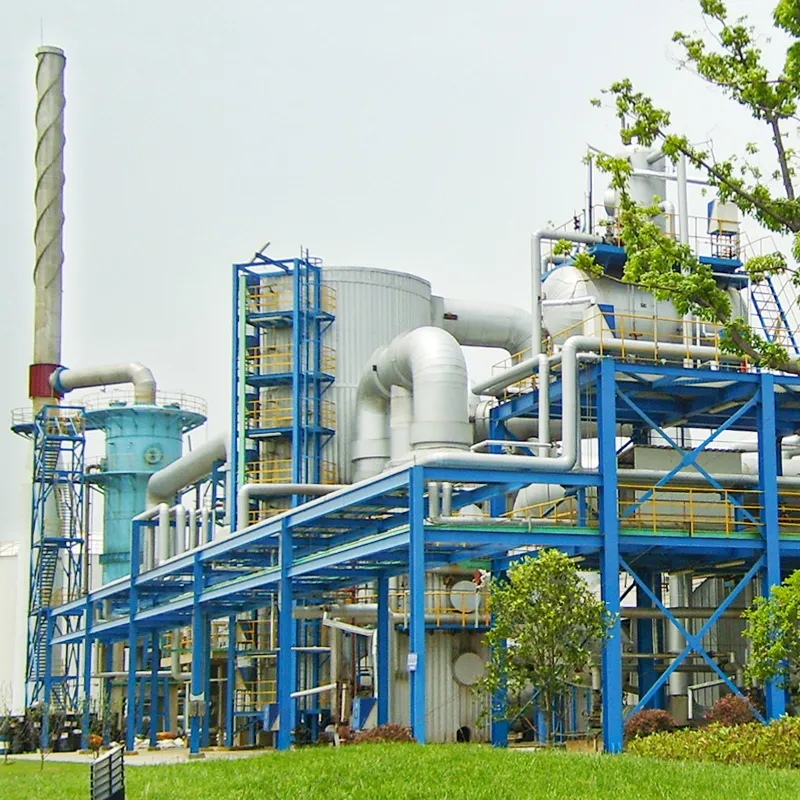
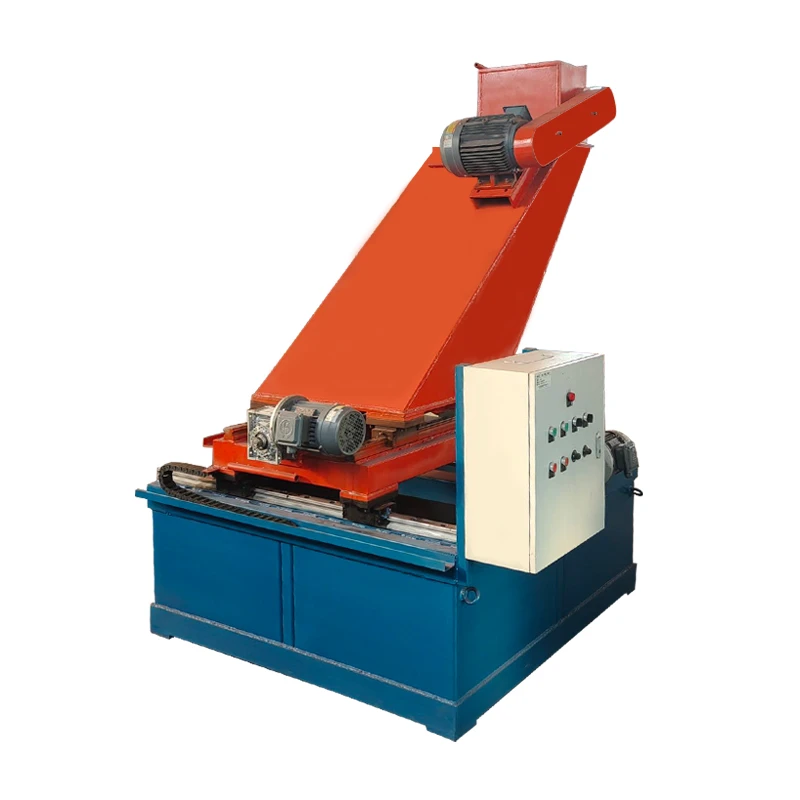
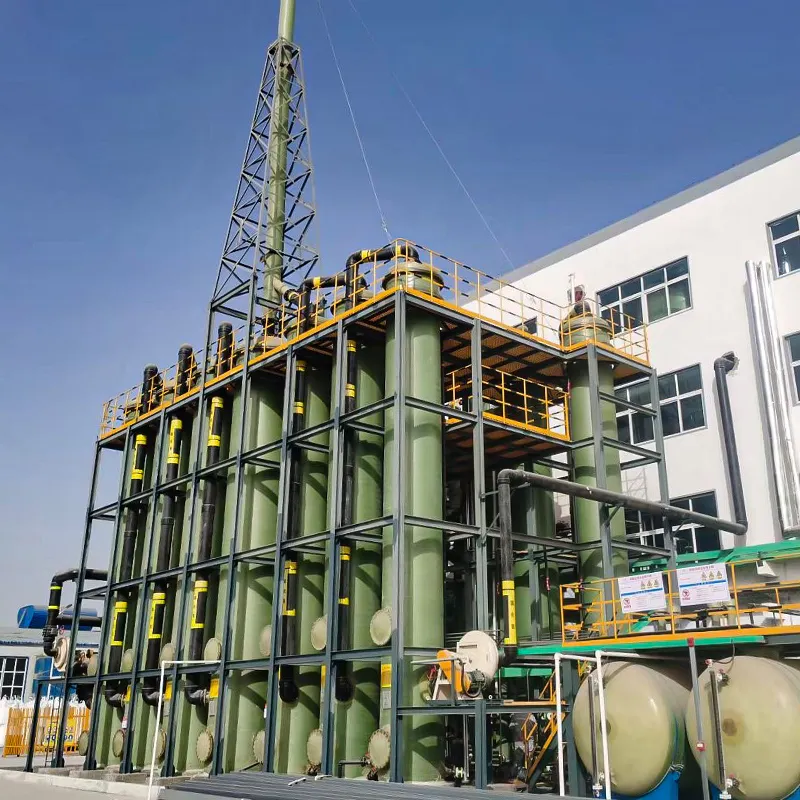
Modern potassium sulfate production line equipment overview

Industry Trends in Potassium Sulfate Production (2020–2024)

Global demand for potassium sulfate production continues to rise, bolstered by the growth of horticulture, eco-friendly agriculture, and demand for chloride-free potassium fertilizers. The market, valued at USD 5.1 billion in 2022 (Markets and Markets), is forecast to grow at a CAGR of 5.2% until 2030. Key industry drivers include:

  • Advanced sop plant expansion in the Middle East, China, and Europe
  • Integration of automation, CNC processing, and ISO-certified manufacturing
  • Increased demand for high-quality SOP for high-value crops (fruits, vegetables, tea, tobacco)
  • Rising focus on fertilizer granulation uniformity for precision agriculture
  • International rake teeth and rake tines for sale market growth for robust processing demands
Premium Potassium Sulfate Production Solutions for SOP Plants
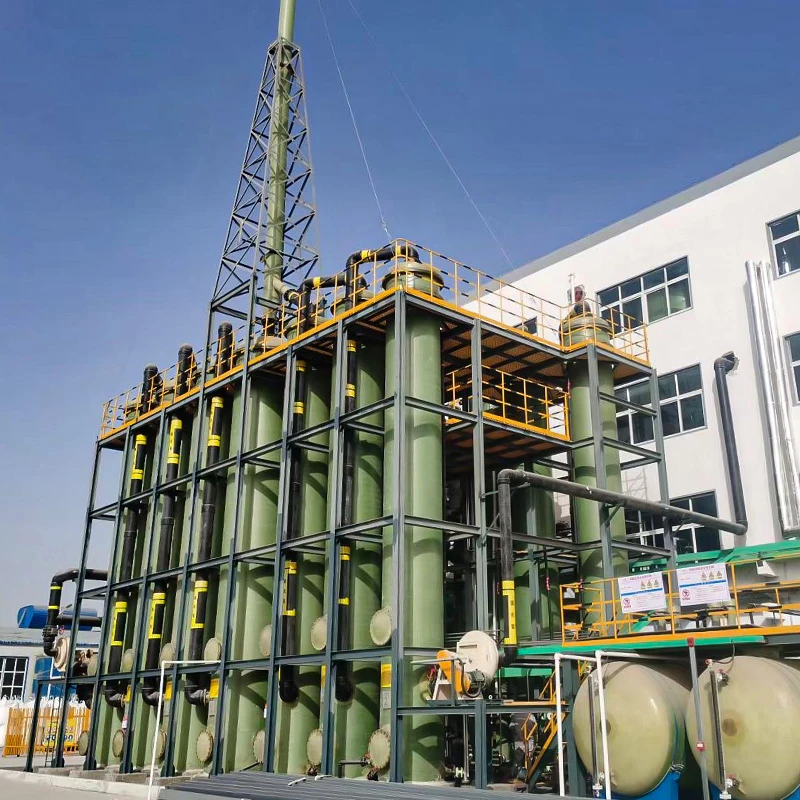
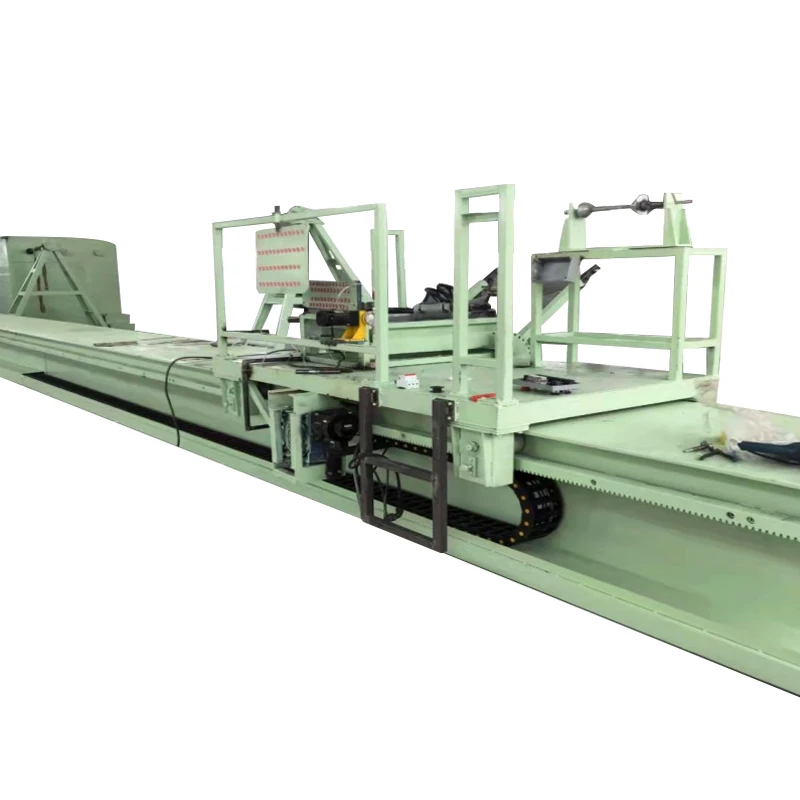
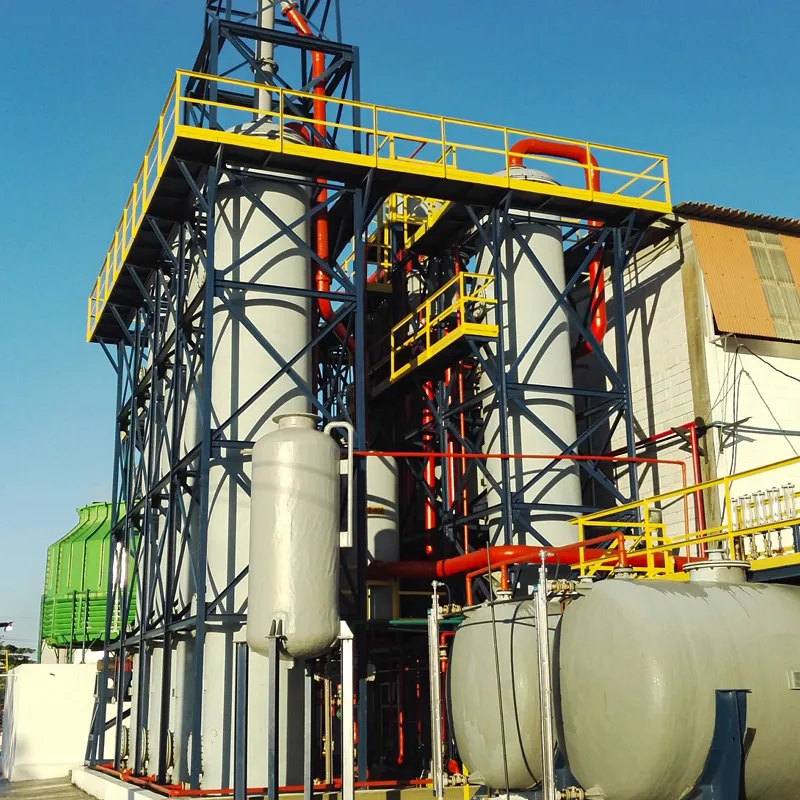
sop plant integrated batch manufacturing floor

Potassium Sulfate Fertilizer Production Line: Technology, Flow Chart & Key Nodes

Manufacturing Process Flow of Potassium Sulfate Production (K2SO4)
Raw Materials
(KCl, H2SO4, alternate raw)
Mannheim Furnace
(850–950°C; heavy-duty cast iron / steel shell)
Reaction Chamber
(Continuous rake stirring; ISO/ANSI compliance)
Waste Gas Treatment
(Cyclone separator, resin FRP)
Cooling System
(Water/air-cooled, CNC machined tubes)
Granulation/Drying
(SS-316 rotary drums; air classifiers)
Packaging/Storage
(Automatic bagging; QC via XRF analyzers)
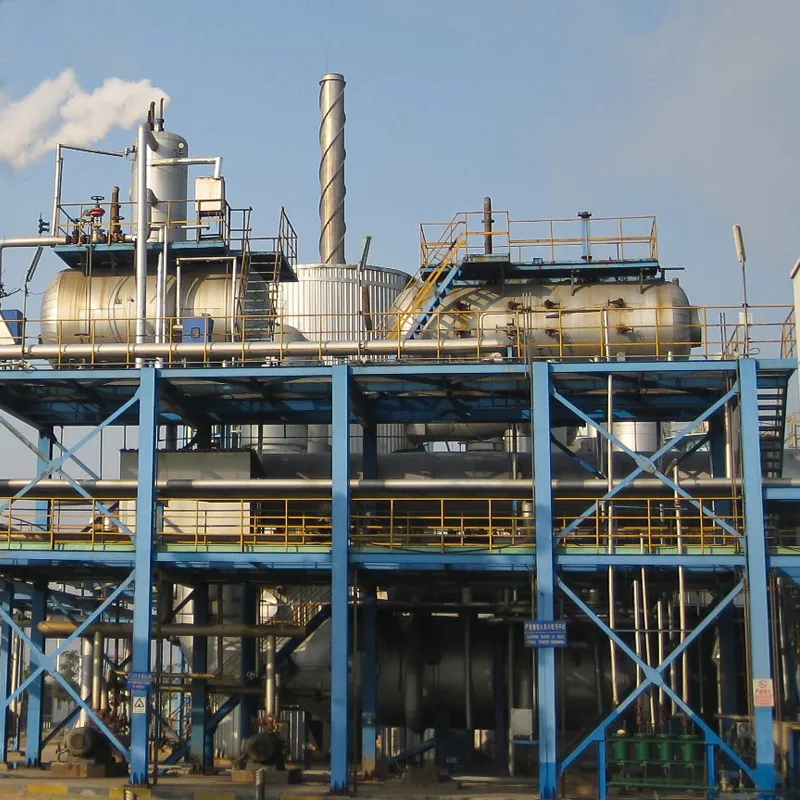
Workflow diagram: potassium sulfate production via Mannheim Process (see full process and video).
Premium Potassium Sulfate Production Solutions for SOP Plants
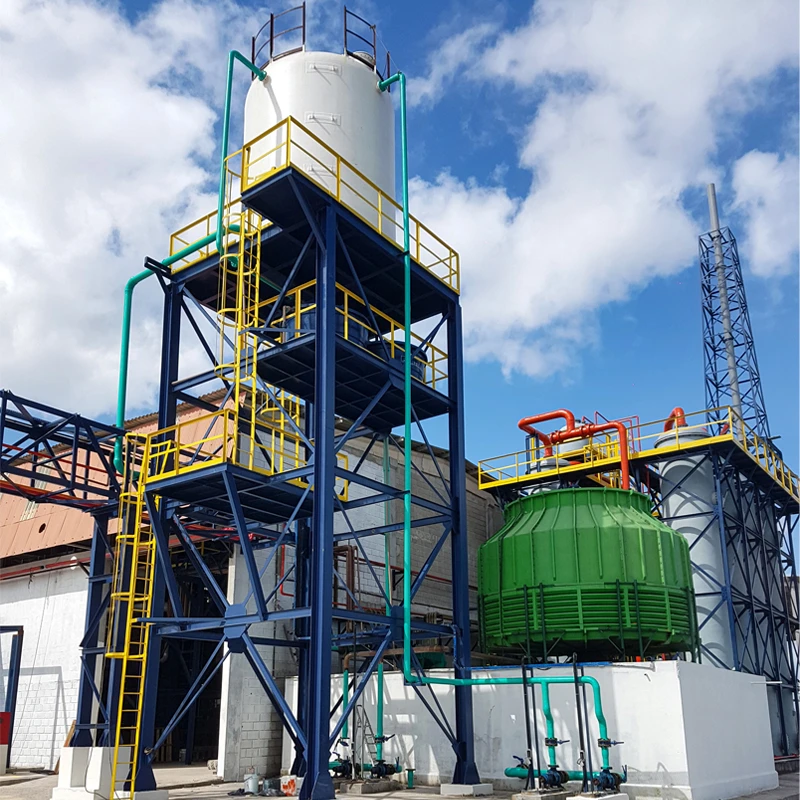
Continuous granulation reactors – advanced potassium sulfate production

Key Manufacturing Nodes & Technical Specifications

Process Stage Technical Parameter Main Materials Machining/Standard
Raw Feed Inlet Granular KCl, >99.8% purity Ceramic lined steel, FRP ISO 9001, ANSI B31.8
Mannheim Furnace 850–950℃; 316SS lined Heat-resistant cast iron, SiC plates CNC-welded, EN 13445
Reaction Rake Teeth AISI 304/316, HRC 46-52 Precision forging/CNC ASTM A276, International rake teeth spec
Waste Gas Unit Scrubbing, SO2 limit <10mg/m3 FRP, Teflon-lined EPA/ISO 14001
Granulation Drum Up to 5,000 t/y, Ddrum=2.4–4.3m SS-316, anti-corrosion ANSI, ISO 22241
Packing Station 10–50 kg, Auto-scale bags Industrial PVC, steel frame CE/ISO 20613

Potassium Sulfate Fertilizer Production Line: Product Introduction

The Potassium Sulfate Fertilizer Production Line (Spec sheet & application) is designed for efficient, safe, and continuous potassium sulfate production. Featuring modularized SOP plant blocks, advanced rake tines for sale with CNC-forged teeth, and international chemical process compliance, this production line is engineered for long-term, low OPEX operation.

  • Capacity: 10,000 – 60,000 t/y (customizable)
  • Material Touching Part: SS316L/5060(HB) heavy-duty alloy
  • Control System: Schneider/Siemens PLC, DCS optional
  • Key Wear Parts: ISO-compliant rake teeth & internationally sourced rake tines
  • Furnace System: Up to 980℃, multi-safety blocking
  • Product: SOP 99% min., Moisture ≤0.3%, Particle Size: 0.15–1.2mm
  • Applications: Smart agriculture, industrial K-bearing compounds, feed additives, chemical intermediates
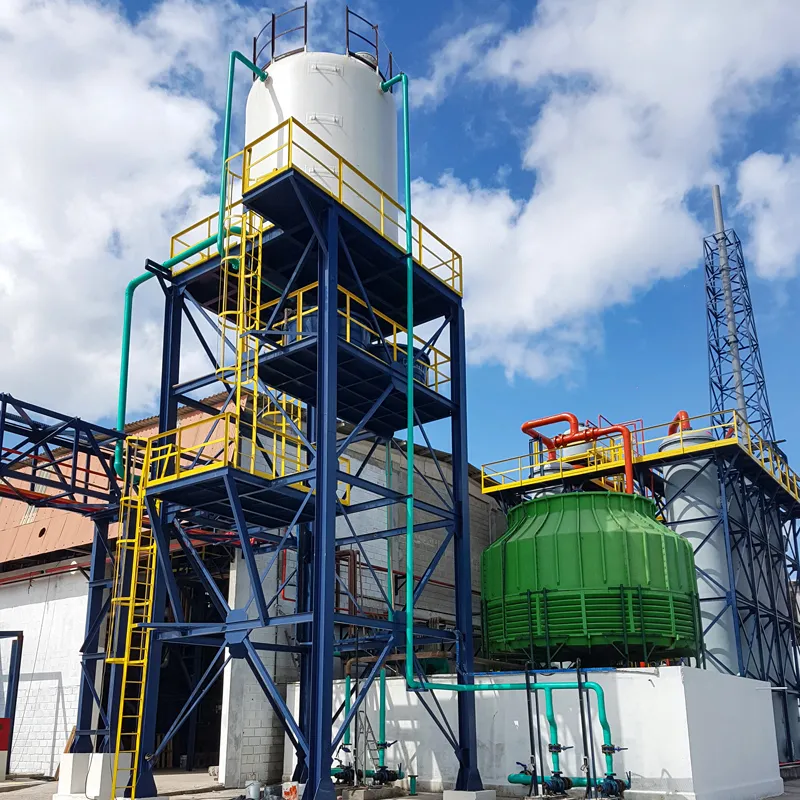
Premium Potassium Sulfate Production Solutions for SOP Plants
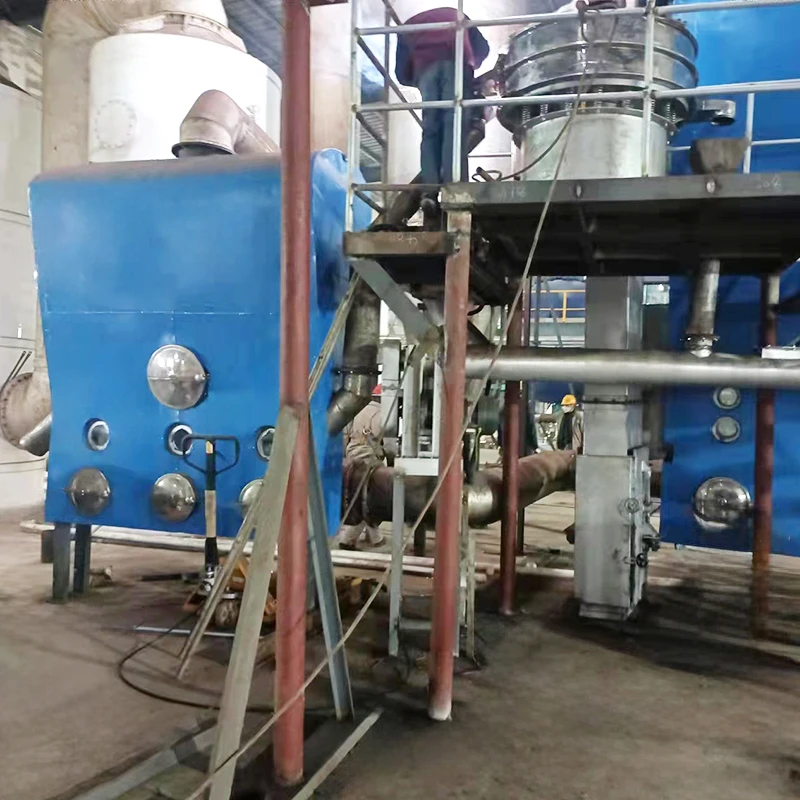
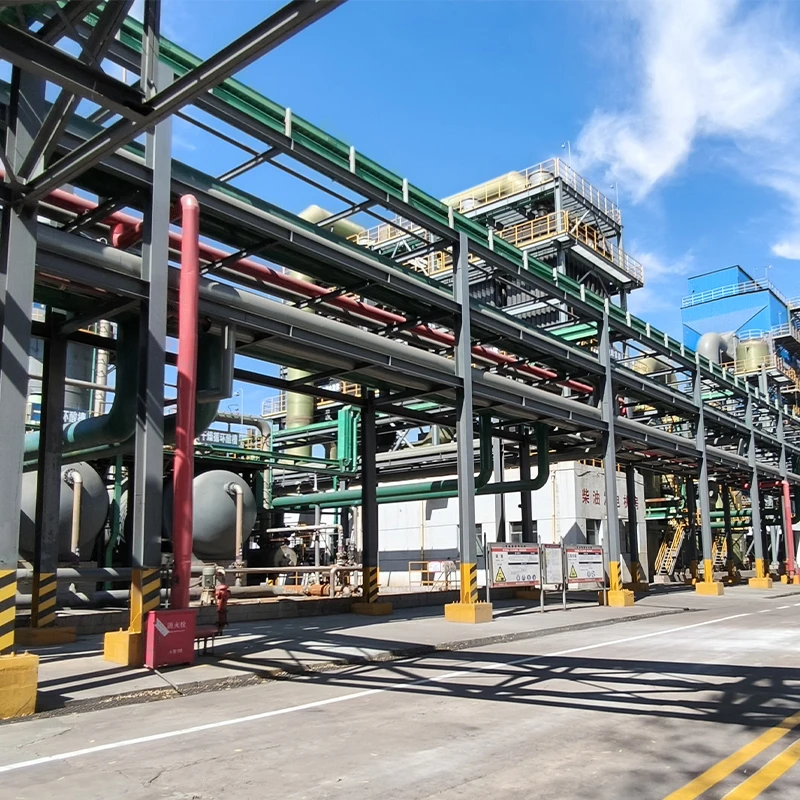
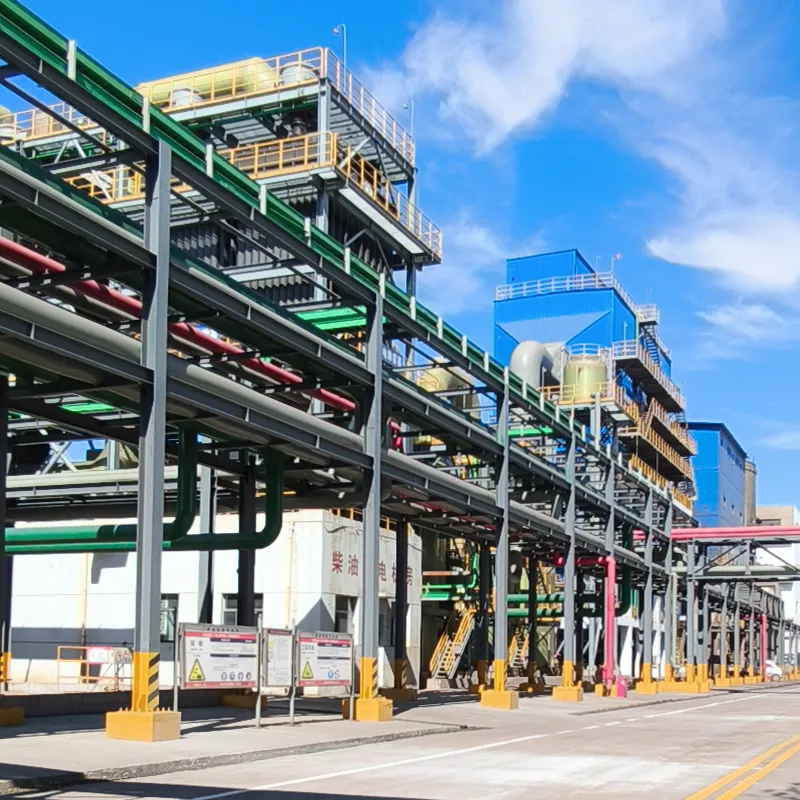
Full-scale Potassium Sulfate Fertilizer Production Line installation (SOP grand project)

Key Technical Data: Potassium Sulfate Production Benchmarks

Parameter Potassium Sulfate Fertilizer Production Line Conventional SOP Process
Product Purity ≥99.0% 96–98.5%
Granule Size 0.15–1.2mm 0.2–2.0mm
Yield Efficiency 95–98% 89–93%
Annual Output (t/y) 10,000–60,000 3000–20,000
Key Rake Teeth Service Life 8,000–15,000 h 2,500–6,000 h
Energy Consumption 250–300 kWh/t 330–430 kWh/t
Standards Compliance ISO 9001, ANSI, CE, SGS --- [mixed compliance]
Premium Potassium Sulfate Production Solutions for SOP Plants
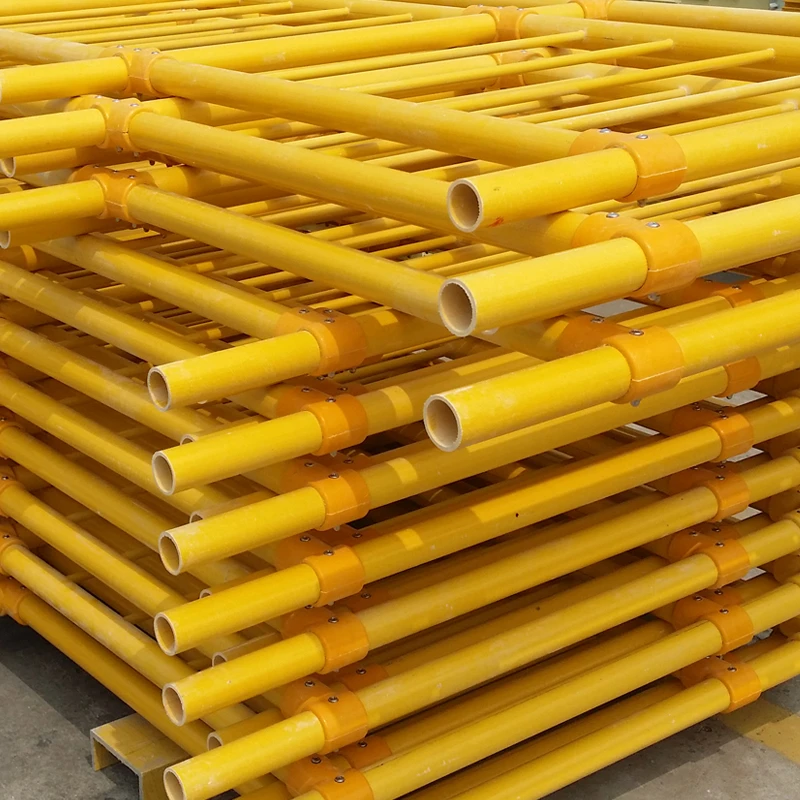
rake teeth and rake tines for sale: forged, CNC-profiled for SOP plant longevity and anti-corrosion

Technology Parameters Trend Chart

Industry parameters trend (sourced from company data and third-party analyses 2020–2024)

Component Focus: Rake Teeth, Rake Tines and SOP Plant Customization

The rake teeth and rake tines for sale are crucial wear parts in the potassium sulfate production sequence, impacting process uniformity, energy consumption, and maintenance frequency. We supply international standard rake assemblies (ASTM/ISO/ANSI) engineered for extended service lifespans and corrosive environments, achieving 8,000–15,000 working hours under continuous operations.
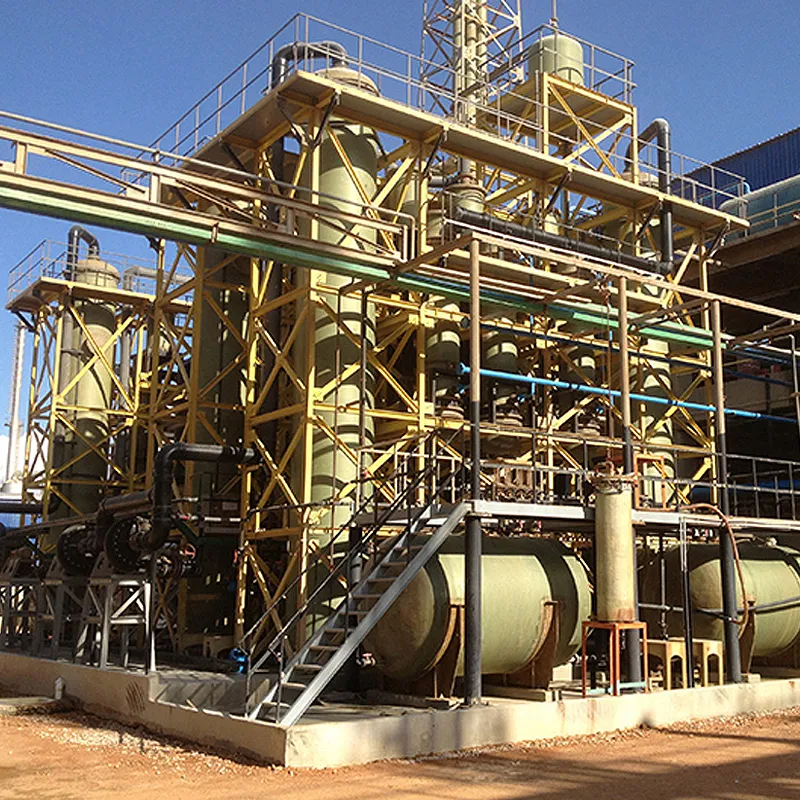
Premium Potassium Sulfate Production Solutions for SOP Plants
Close-up: rake tines for sale – forged for SOP plant toughness/history
  • Material: AISI 304/316 SS, anti-corrosive overlay, HRC 46-52
  • Profile: CNC-forming, precise tip geometry for optimal agitation
  • Standards: DIN5672, ASTM A276, ISO 9001
  • Options: Custom pitch/length, surface hardening, high-temp alloys

Quality Control, Certifications and Testing

  • Process monitoring: PLC/SCADA integration with batch-level traceability
  • Product inspection: XRF, particle analyzer, surface roughness
  • Certifications: ISO 9001:2015, SGS, CE, ROHS, customized as per customer country
  • References: Over 200 successful global installs (Europe, Asia, South America)
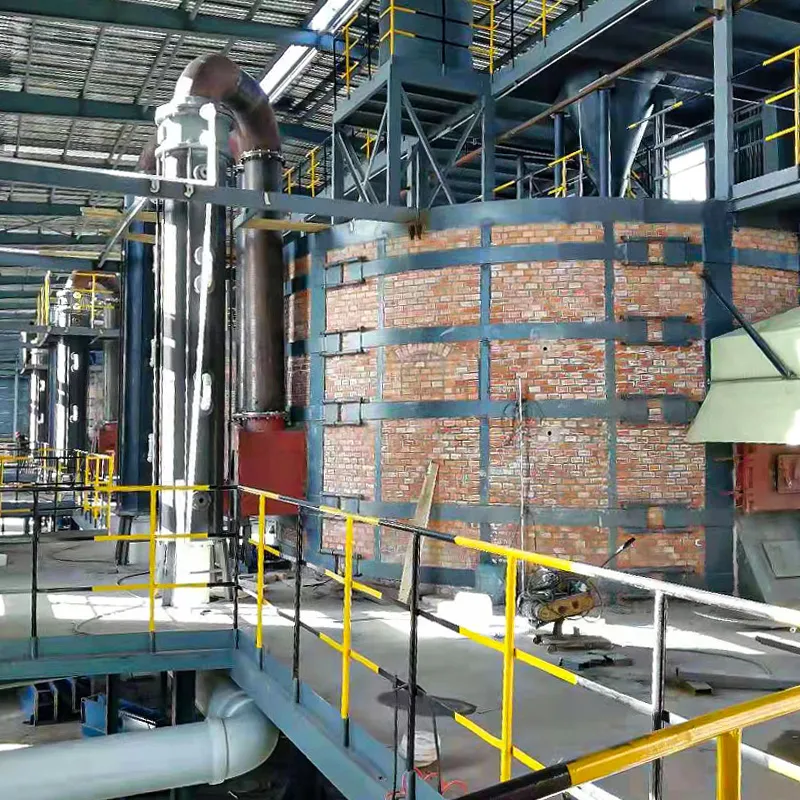
Premium Potassium Sulfate Production Solutions for SOP Plants
Factory: international rake teeth profile, robotic quality check for export

Application Scenarios & Case Studies

Premium Potassium Sulfate Production Solutions for SOP Plants
High-yield agricultural zone using potassium sulfate fertilizer production for horticulture crops
  • Smart Agriculture: Controlled-release SOP granules produced in southern Spain, resulting in a 14% yield boost in greenhouse tomatoes (2022 pilot).
  • Industrial Compounds: Custom-sized K2SO4 for ceramic, glass additives (Turkey/India installations).
  • Metallurgy: Corrosion-resistant SOP applied in smelter flux plants (ISO referenced parameters).
  • Municipal/Water: Anti-clog, high-purity fertilizer for drip irrigation and hydroponic agriculture (Middle East, Chile ventures).
Customer Feedback (2023): “Our [Potassium Sulfate Fertilizer Production Line](https://www.frpgrpmachine.com/k2so4-mannheim-process-potassium-sulfate-production-line.html) reduced downtime 35%, with minimal maintenance needs and consistent product output.” — Project leader, Eastern Europe SOP Plant.

Product Technical Benchmark Charts

Radar chart: multidimensional comparison - advanced Potassium Sulfate Production Line vs typical SOP plant (ISO & Market Data)

Output Distribution by Specification (2024)

Output share by granule specification (from Q1 2024 prod. batch reports)

FAQ: Advanced Potassium Sulfate Production Technical Q&A

Q1: What are the typical materials and hardness for rake teeth in SOP plants?
A1: International rake teeth are mainly AISI 304/316, occasionally enhanced with Stellite or tungsten carbide overlays. Hardness typically ranges HRC 46–52 per ASTM A276.
Q2: What is the main difference between sop plant grades?
A2: Grades are based on output purity (Industrial >98%, Agricultural >95%), granule size consistency, and compliance with ISO/ANSI fertilizer standards.
Q3: How are critical weldments verified in SOP production?
A3: Welds are checked via ultrasonic or radiography (RT) NDT, with reference to ISO 17635 and ANSI/AWS D1.1 for thickness >8mm.
Q4: What are international standards for rake tines for sale?
A4: Dimensions and materials conform to DIN5672, ASTM A276, edge profile tolerances ±0.1mm/hardened root for high-duty cycles.
Q5: What are typical installation standards for SOP lines?
A5: Installation per ISO 9001/14001 (QMS & EMS), CE Machinery Directive, and local building/fire codes for safety.
Q6: What is the normal delivery cycle and what warranty is offered?
A6: Lead times: 35–65 days ex-works (subject to capacity scope). Standard warranty: 15 months, includes on-site commissioning and 24/7 tech support.
Q7: Is post-installation technical support available?
A7: Yes, remote/onsite support, live parts tracking, and periodic maintenance service are included, with online monitoring integration options.

Potassium Sulfate Production Line: Authoritativeness, Global Projects, and Trust

  • Certifications: ISO 9001, SGS, OSHA safety, CE, and US/EU fertilizer registration
  • Years of Service: 25+ years, 220+ international reference installations
  • Cooperation: Collaboration with German chemical giants, Middle East fertilizer consortia, and leading agritech groups in Asia
  • Regulatory Compliance: EPA (waste treatment), ROHS/REACH (material safety), ISO/ANSI manufacturing
  • Industry Benchmarks: Referenced in ScienceDirect and the International Fertilizer Development Center

Need a tailored Potassium Sulfate Production Line solution? Consult our expert team for:

  • Free feasibility analysis & sample customization
  • Plant layout, modular expansion, and competitive rake tines for sale pricing
  • Regulatory compliance advice & after-sales services
Contact: Product page for live chat, samples, and detailed product specification PDFs.

References & Further Reading

Upsell Products
Upsell News
Durable FRP Vessel for Water Treatment and Industrial Filtration
Apr 16,2026
Durable FRP Vessel for Water Treatment and Industrial Filtration
In the modern era of industrial and residential water purification, the choice of containment materials is critical for efficiency and longevity. An frp vessel for water treatment has emerged as the gold standard, replacing traditional steel tanks due to its superior corrosion resistance and lightweight properties. Whether you are dealing with desalination, softening, or filtration, using Fiber Reinforced Plastic (FRP) ensures that your system remains leak-proof and durable against aggressive chemicals. In this comprehensive guide, we will explore why FRP is the preferred choice for water treatment professionals worldwide and how to select the right vessel for your specific application.
Industrial Guide for Choosing the Right FRP Vertical Tank
Apr 09,2026
Industrial Guide for Choosing the Right FRP Vertical Tank
In today's industrial landscape, the storage of corrosive chemicals and aggressive liquids requires materials that can withstand extreme conditions without degrading. The frp vertical tank has emerged as a premier solution, offering an exceptional balance of strength, lightweight properties, and unmatched chemical resistance. Whether you are managing a water treatment plant or a chemical processing facility, understanding the nuances of Fiber Reinforced Plastic (FRP) is essential for ensuring operational safety and longevity. In this comprehensive guide, we will explore why vertical configurations are preferred and how these tanks outperform traditional metal alternatives.
Comprehensive Guide to FRP Underground Water Tank Solutions and Applications
Apr 07,2026
Comprehensive Guide to FRP Underground Water Tank Solutions and Applications
Fiberglass Reinforced Polymer (FRP) underground water tanks are becoming increasingly popular for a wide range of applications, from potable water storage to industrial wastewater containment. Their superior corrosion resistance, lightweight nature, and design flexibility make them an excellent alternative to traditional materials like concrete or steel. This article will delve into the benefits, applications, construction, and considerations for implementing FRP underground water tanks, providing a comprehensive overview for engineers, contractors, and project managers.
Comprehensive Guide to Frp Underground Water Storage Tanks and Their Applications
Apr 04,2026
Comprehensive Guide to Frp Underground Water Storage Tanks and Their Applications
When considering water storage solutions, particularly for industrial, agricultural, or municipal applications, frp underground water storage tanks stand out as a durable, cost-effective, and environmentally friendly option. These tanks are increasingly favored over traditional materials like concrete or steel due to their superior corrosion resistance, lighter weight, and ease of installation. This article delves into the benefits, applications, construction, and considerations when choosing an FRP tank, providing a detailed overview for potential buyers and project planners.
Sulfuric Acid Production Line - Hebei Aoliande|Efficient H2SO4 Plant Technology
Apr 01,2026
Sulfuric Acid Production Line - Hebei Aoliande|Efficient H2SO4 Plant Technology
Discover efficient H2SO4 plant technology and advanced sulfuric acid production solutions. Hebei Aoliande combines energy-saving furnace design and eco-friendly HCl recovery systems for sustainable industrial applications. Explore now: https://www.frpgrpmachine.com/sulfuric-acid-production-line-for-h2so4-plant.html
Sulfuric Acid Production Line - Hebei Aoliande|Efficient H2SO4 Plant Technology
Apr 01,2026
Sulfuric Acid Production Line - Hebei Aoliande|Efficient H2SO4 Plant Technology
Discover efficient H2SO4 plant technology and advanced sulfuric acid production solutions. Hebei Aoliande combines energy-saving furnace design and eco-friendly HCl recovery systems for sustainable industrial applications. Explore now: https://www.frpgrpmachine.com/sulfuric-acid-production-line-for-h2so4-plant.html
Sulfuric Acid Production Line - Hebei Aoliande|Efficient H2SO4 Plant Technology
Apr 01,2026
Sulfuric Acid Production Line - Hebei Aoliande|Efficient H2SO4 Plant Technology
Discover efficient H2SO4 plant technology and advanced sulfuric acid production solutions. Hebei Aoliande combines energy-saving furnace design and eco-friendly HCl recovery systems for sustainable industrial applications. Explore now: https://www.frpgrpmachine.com/sulfuric-acid-production-line-for-h2so4-plant.html
Sulfuric Acid Production Line - Hebei Aoliande|Efficient H2SO4 Plant Technology
Apr 01,2026
Sulfuric Acid Production Line - Hebei Aoliande|Efficient H2SO4 Plant Technology
Discover efficient H2SO4 plant technology and advanced sulfuric acid production solutions. Hebei Aoliande combines energy-saving furnace design and eco-friendly HCl recovery systems for sustainable industrial applications. Explore now: https://www.frpgrpmachine.com/sulfuric-acid-production-line-for-h2so4-plant.html
Sulfuric Acid Production Line - Hebei Aoliande|Efficient H2SO4 Plant Technology
Apr 01,2026
Sulfuric Acid Production Line - Hebei Aoliande|Efficient H2SO4 Plant Technology
Discover efficient H2SO4 plant technology and advanced sulfuric acid production solutions. Hebei Aoliande combines energy-saving furnace design and eco-friendly HCl recovery systems for sustainable industrial applications. Explore now: https://www.frpgrpmachine.com/sulfuric-acid-production-line-for-h2so4-plant.html
Sulfuric Acid Production Line - Hebei Aoliande|Efficient H2SO4 Plant Technology
Apr 01,2026
Sulfuric Acid Production Line - Hebei Aoliande|Efficient H2SO4 Plant Technology
Discover efficient H2SO4 plant technology and advanced sulfuric acid production solutions. Hebei Aoliande combines energy-saving furnace design and eco-friendly HCl recovery systems for sustainable industrial applications. Explore now: https://www.frpgrpmachine.com/sulfuric-acid-production-line-for-h2so4-plant.html
Comprehensive Guide to Frp Underground Storage Tanks for Reliable Storage Solutions
Mar 31,2026
Comprehensive Guide to Frp Underground Storage Tanks for Reliable Storage Solutions
Fiberglass Reinforced Polymer (FRP) underground storage tanks are becoming increasingly popular for a wide range of applications, from fuel storage to wastewater management. Their corrosion resistance, lightweight nature, and durability offer significant advantages over traditional materials like steel. This article will provide an in-depth look at FRP underground storage tanks, covering their benefits, applications, installation, and maintenance. Understanding these aspects is crucial for making informed decisions about long-term storage solutions.
Comprehensive Guide to Selecting the Ideal FRP Tank for Water Storage Solutions
Mar 28,2026
Comprehensive Guide to Selecting the Ideal FRP Tank for Water Storage Solutions
When it comes to reliable and durable water storage, FRP tanks for water are increasingly becoming the preferred solution for a wide range of applications. These tanks, constructed from Fiber Reinforced Polymer (FRP) materials, offer significant advantages over traditional storage options like steel or concrete. This article delves into the benefits, applications, and considerations when selecting an FRP tank for your water storage needs, providing a detailed overview for businesses and individuals alike.
Comprehensive Guide to Frp Tank and Vessel Applications and Manufacturing
Mar 26,2026
Comprehensive Guide to Frp Tank and Vessel Applications and Manufacturing
Fiber Reinforced Polymer (FRP) tanks and vessels are increasingly becoming the preferred choice for storage and processing across a multitude of industries. Their lightweight nature, corrosion resistance, and design flexibility offer significant advantages over traditional materials like steel. This article will delve into the intricacies of FRP tanks and vessels, exploring their applications, manufacturing processes, benefits, and considerations for selecting the right solution for your specific needs. We’ll also highlight why FRP tanks are a cost-effective and reliable long-term investment. FRP tanks and vessels are constructed from a combination of reinforcing fibers (such as fiberglass, carbon fiber, or aramid fiber) embedded in a polymer matrix (typically polyester, vinyl ester, or epoxy resin). This combination creates a composite material that boasts high strength-to-weight ratio, exceptional corrosion resistance, and the ability to be molded into complex shapes. They’re designed to safely contain a wide variety of liquids and gases, ranging from corrosive chemicals and water to food products and pharmaceuticals.
Optimizing Water Filtration with Durable FRP Sand Filter Vessels
Mar 24,2026
Optimizing Water Filtration with Durable FRP Sand Filter Vessels
In water treatment and filtration systems, the choice of filter vessel material is paramount. Fiber Reinforced Plastic (FRP), also known as Glass Reinforced Polymer (GRP), sand filter vessels are increasingly popular due to their superior corrosion resistance, lightweight nature, and cost-effectiveness. This article delves into the benefits, applications, design considerations, and factors to consider when selecting an FRP sand filter vessel. Whether you are involved in municipal water treatment, industrial wastewater management, or recreational water filtration, understanding FRP technology is essential for optimizing your filtration process. An FRP sand filter vessel is a containment unit designed to house filtration media, typically sand, gravel, and anthracite. These vessels are integral components in sand filtration systems used for removing suspended solids, turbidity, and other particulate matter from water. FRP construction involves layering glass fibers within a resin matrix (typically polyester or vinyl ester) to create a strong, durable, and chemically resistant shell. The strength and rigidity of the vessel are crucial for withstanding the pressure from the filtration media and the water flow.
Comprehensive Guide to FRP Round Tanks Applications and Benefits
Mar 21,2026
Comprehensive Guide to FRP Round Tanks Applications and Benefits
Fiber Reinforced Polymer (FRP) round tanks are increasingly becoming the preferred choice for storage solutions across a variety of industries. Their lightweight nature, corrosion resistance, and design flexibility offer significant advantages over traditional materials like steel. This article provides an in-depth look at FRP round tanks, exploring their applications, benefits, manufacturing processes, and key considerations when choosing the right tank for your needs. Whether you're in chemical processing, water treatment, or agriculture, understanding FRP round tanks is crucial for optimizing your storage infrastructure. FRP round tanks are constructed from a combination of reinforcing fibers (typically fiberglass, carbon fiber, or a blend) embedded in a polymer matrix (often polyester, vinyl ester, or epoxy resin). The round shape inherently provides excellent structural strength, distributing pressure evenly across the tank’s surface.
Comprehensive Guide to FRP Pressure Tanks Benefits and Applications
Mar 19,2026
Comprehensive Guide to FRP Pressure Tanks Benefits and Applications
Fiber Reinforced Polymer (FRP) pressure tanks are becoming increasingly popular in a wide range of industrial applications, offering a compelling alternative to traditional steel tanks. Known for their lightweight nature, corrosion resistance, and high strength-to-weight ratio, FRP tanks provide efficient and durable solutions for storing liquids and gases under pressure. This article will delve into the benefits, applications, construction, and key considerations when selecting an FRP pressure tank, helping you make an informed decision for your specific needs. Understanding the advantages of FRP technology can lead to significant cost savings and improved operational efficiency. Compared to steel, FRP pressure tanks offer several key advantages. The most significant is their superior corrosion resistance. Unlike steel, which is susceptible to rust and corrosion when exposed to various chemicals, FRP materials are inherently resistant to a wide range of corrosive substances. This translates to a longer lifespan, reduced maintenance costs, and increased safety. Furthermore, FRP is significantly lighter than steel, making installation easier and reducing transportation costs.
For More Details Pls Contact Us
Thank you for your interest in our gloves! We offer high-quality, durable, and comfortable gloves with fast delivery and competitive prices. For any questions or customization, feel free to contact us. We look forward to working with you!

If you are interested in our products, you can choose to leave your information here, and we will be in touch with you shortly.