Oct 18,2025

Sulfuric Acid Production | High-Purity, Low-Emission

Sulfuric Acid Production Line for H2SO4 Plants: Notes From the Floor

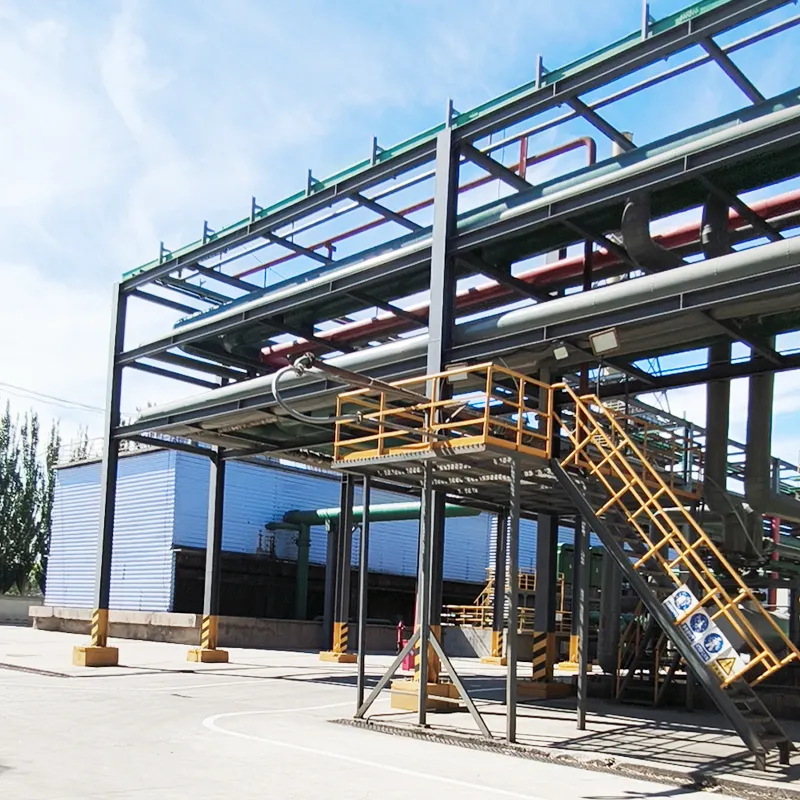
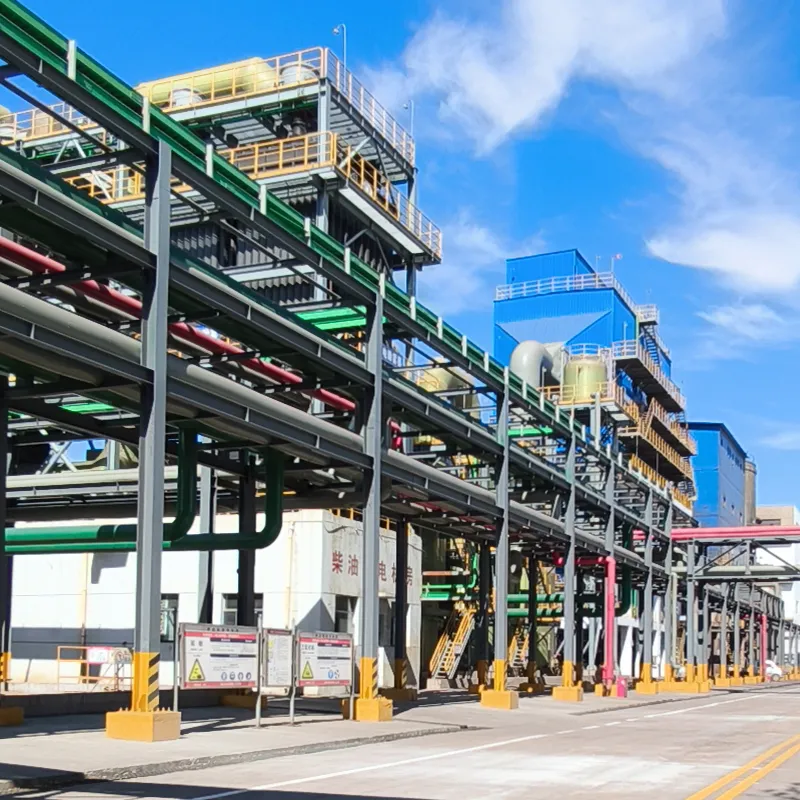
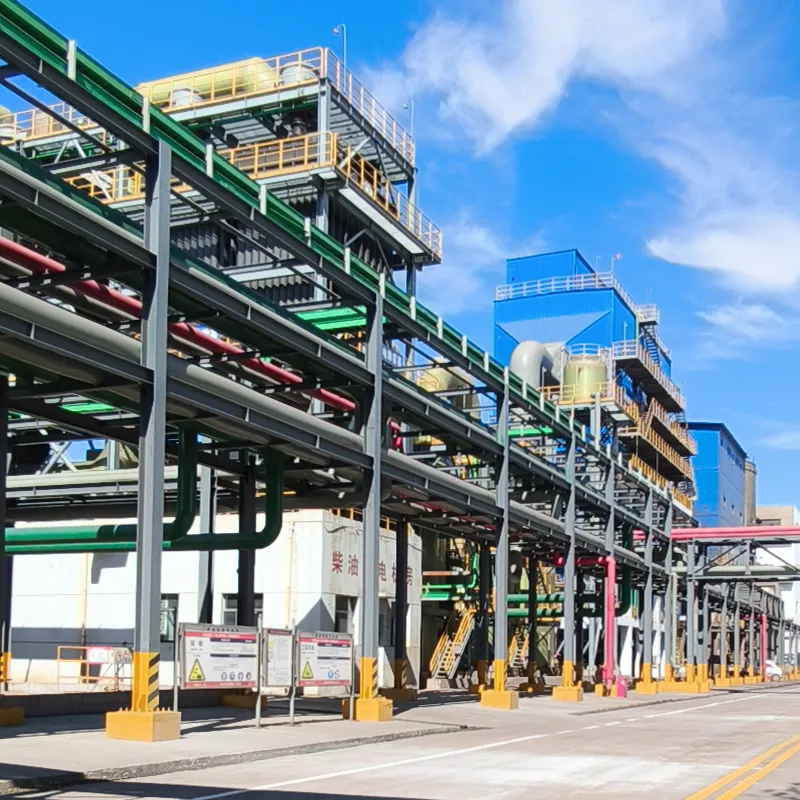
If you work around acid plants, you can smell a good design long before you see it. When people ask me about sulfuric acid production, I usually start with what’s changed: smarter heat management, tighter emission control, and equipment that just keeps running. This particular line leans on a modernized Mannheim furnace section (yes, really) integrated with the classic contact process—an interesting hybrid that, in practice, improves heat balance and reaction completion. To be honest, the even heating is what operators rave about first.
Sulfuric Acid Production | High-Purity, Low-Emission

Process Flow (Field-Proven)

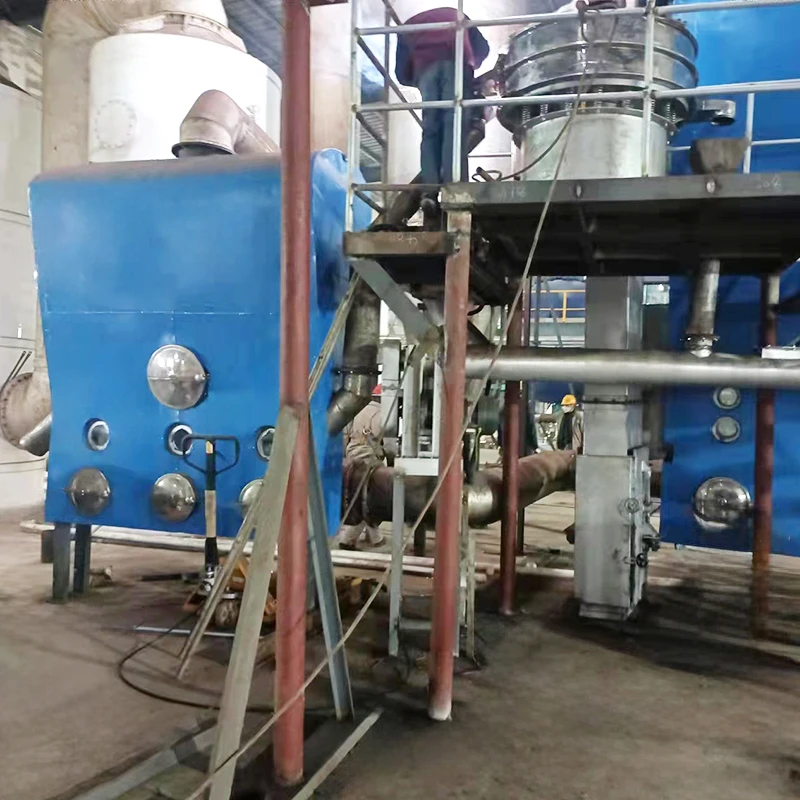
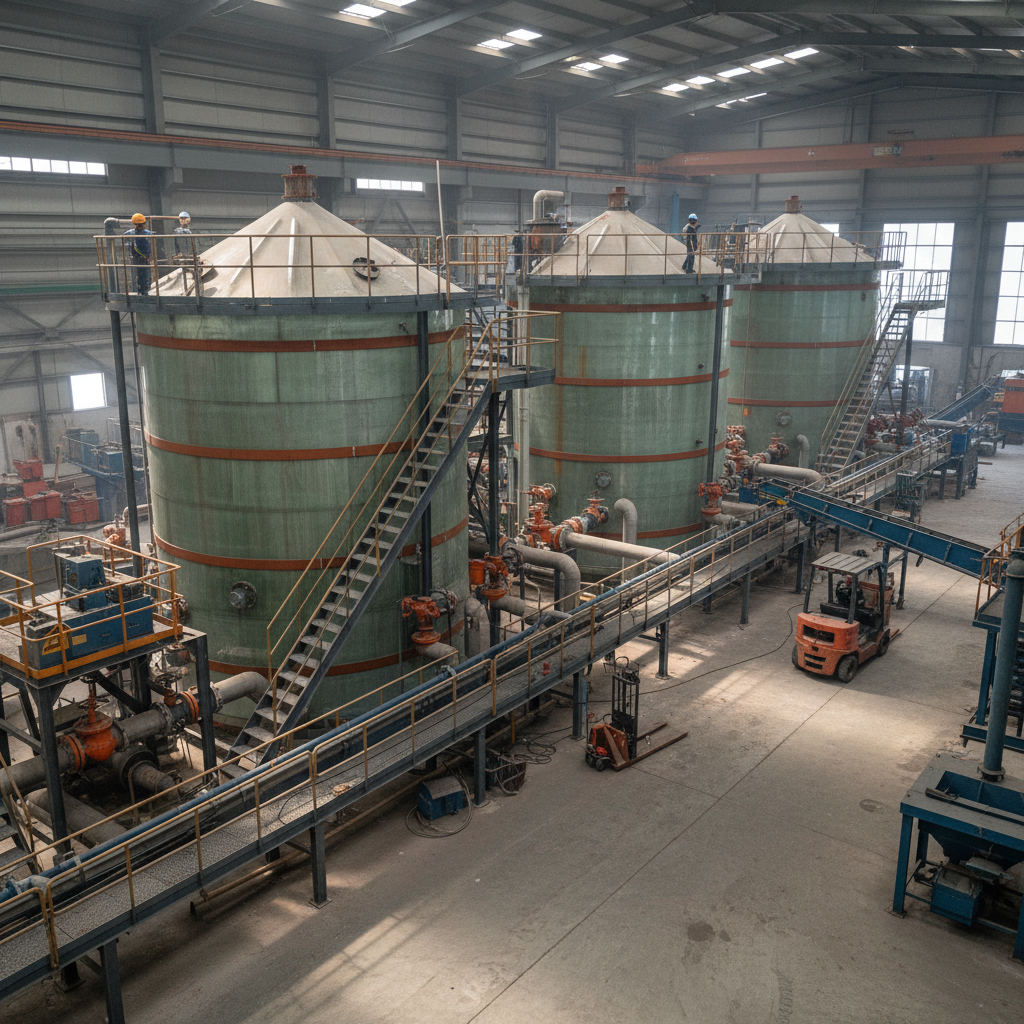
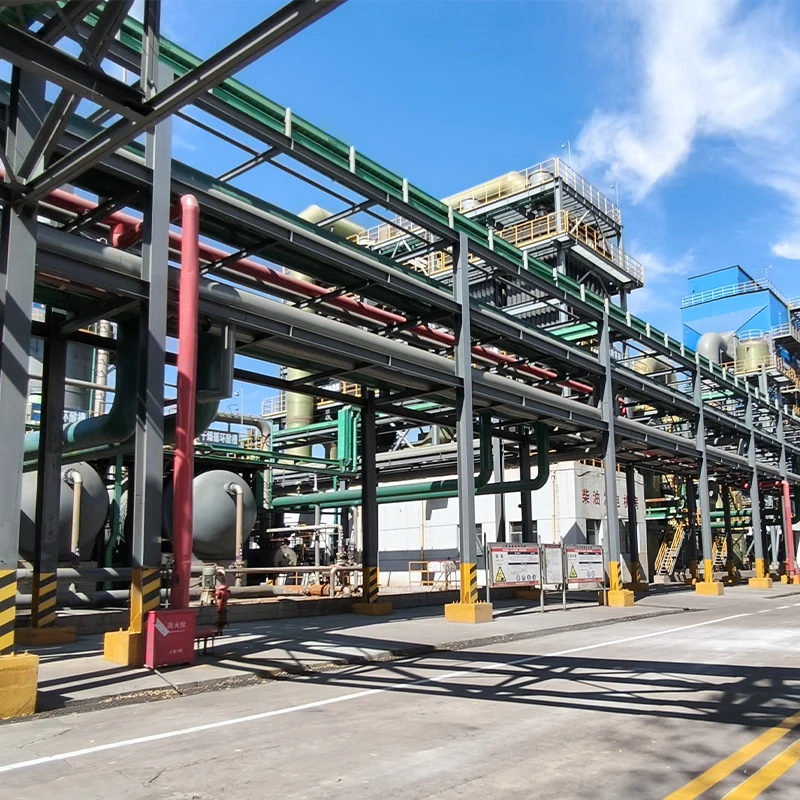
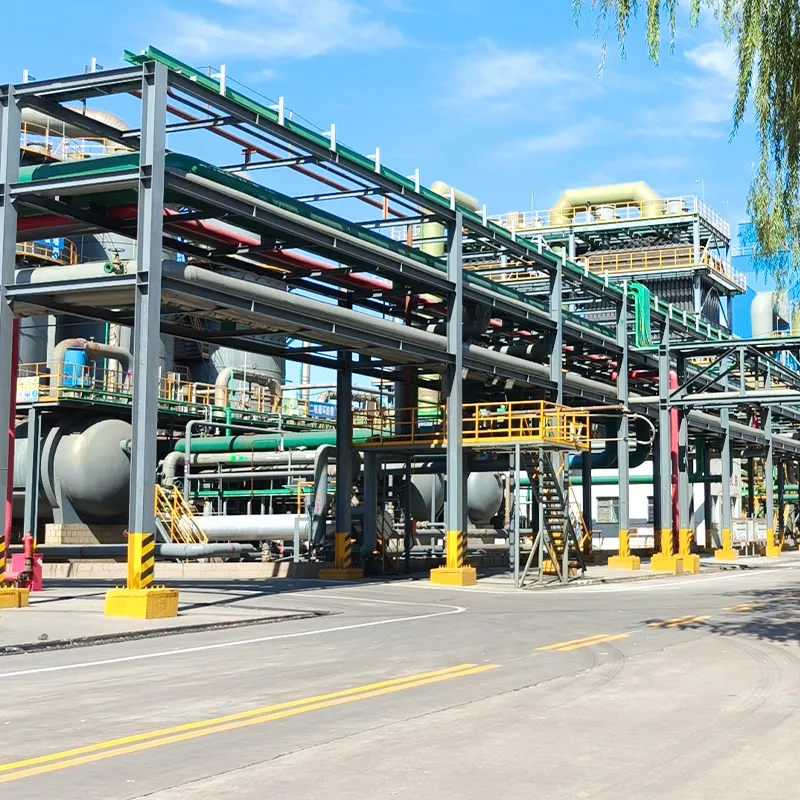
Here’s the practical walk-through I’ve seen on site: molten sulfur (or off-gas sulfur streams) to sulfur burner; SO2 gas cooling and scrubbing; multi-bed V2O5 catalyst conversion (SO2→SO3); absorption in strong acid to make oleum/adjusted H2SO4; tail-gas polishing. The Mannheim furnace module—improved refractories, revised grate, and staged heating—stabilizes upstream thermal conditions and cuts fuel peaks. Net effect: lower energy per tonne and fewer “hot spots” that chew through linings.
Sulfuric Acid Production | High-Purity, Low-Emission

Product Snapshot: Sulfuric Acid Production Line For H2so4 Plant

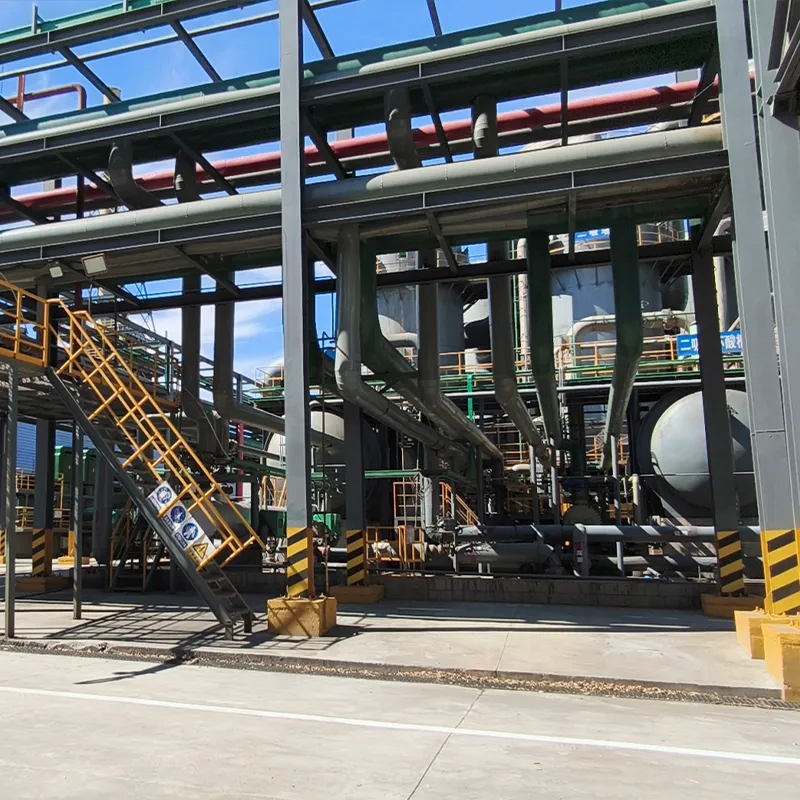
Origin: No. Room 211, 706 Xinghua North Street, Jizhou District, Hengshui City, Hebei Province. The team has tweaked the Mannheim furnace construction and materials for even heating, complete reaction, and low energy use. In fact, many customers say daily operation feels… calmer.

Parameter Spec (≈, real-world use may vary)
Capacity50–800 t/d H2SO4
Energy Consumption≈ 0.9–1.1 GJ/t (net), site-dependent
Conversion EfficiencySO2→SO3 ≥ 99.5% with 3–4 bed V2O5
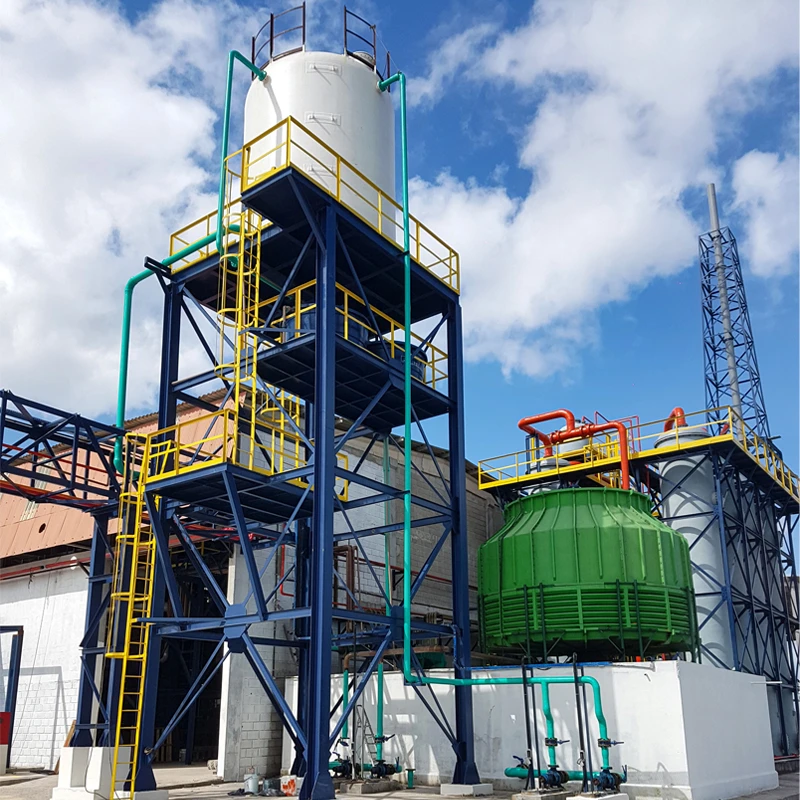
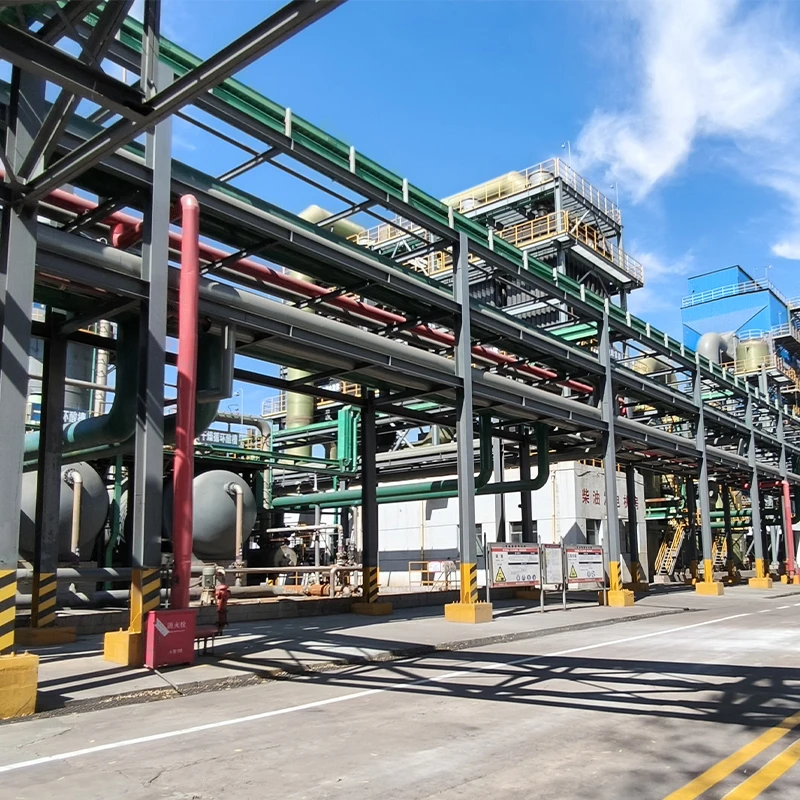
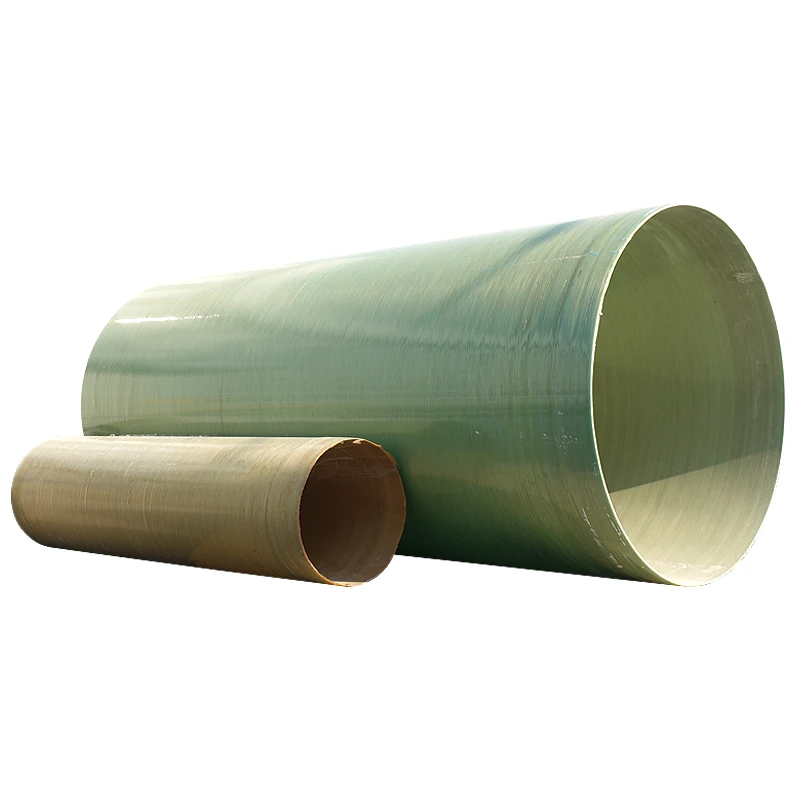
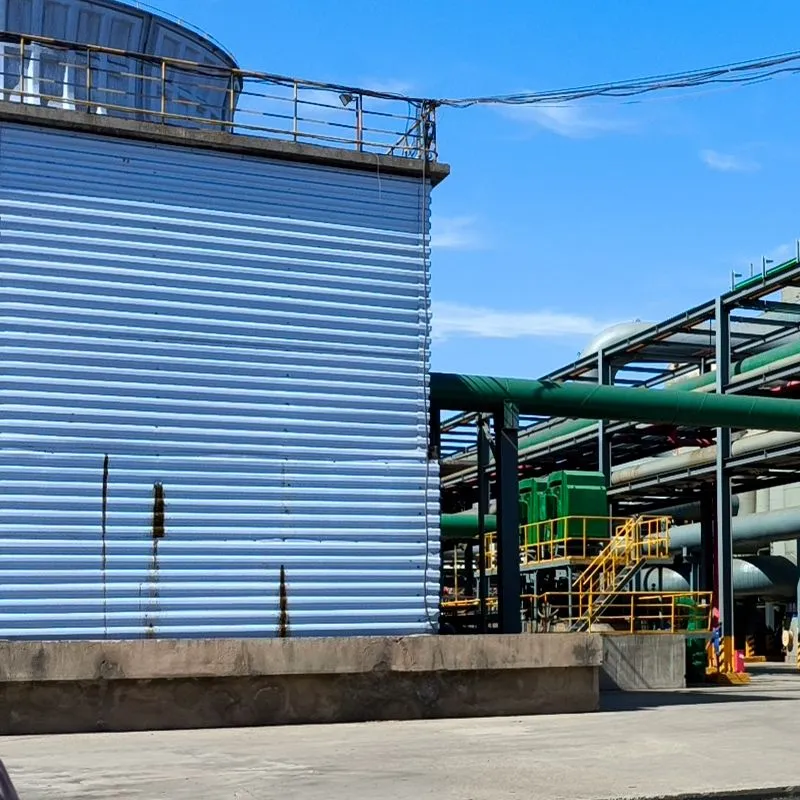
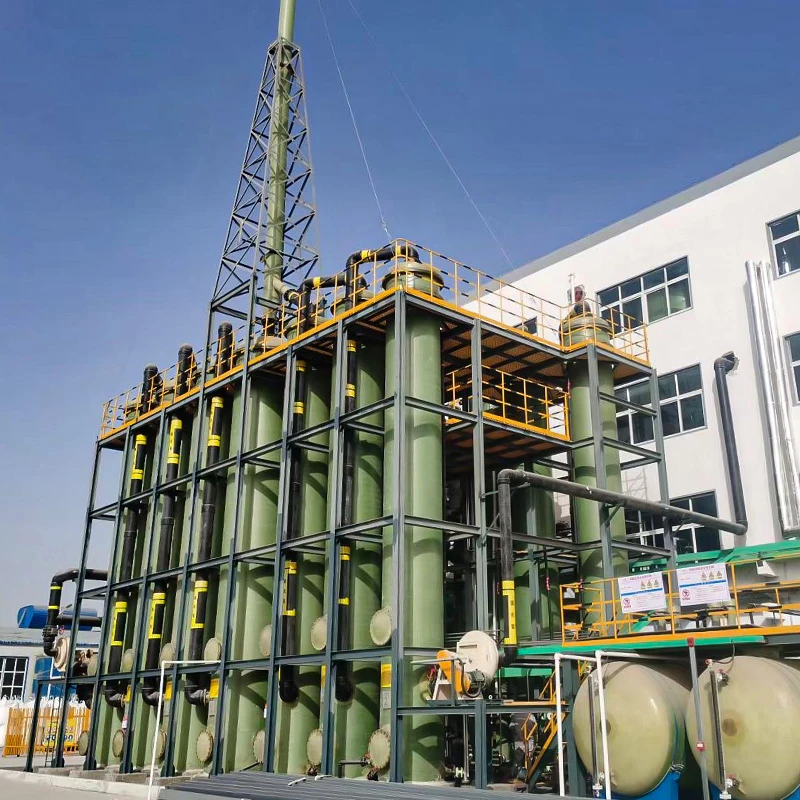
Materials of ConstructionAcid-resistant brick, SiC nozzles, PTFE-lined steel, FRP ducts/towers, alloy internals
Service LifeRefractory 8–12 yrs; FRP ducts 10–15 yrs; packing 5–7 yrs
EmissionsSO2
AutomationPLC/DCS (Siemens/ABB/others by request)
Sulfuric Acid Production | High-Purity, Low-Emission

Where It Fits

Fertilizer complexes, non-ferrous smelters, battery-grade acid units, mineral processing, and water treatment. I guess the sweet spot is brownfield upgrades where energy and acid-mist control matter.

Vendor Process Edge Customization Certifications Warranty
This Line Enhanced Mannheim + optimized contact beds; low energy High (capacity, catalysts, FRP specs) ISO 9001, ISO 14001; CE/ASME on request 18–24 months typical
Vendor A Conventional contact; standard heat recovery Medium ISO 9001 12 months
Vendor B Compact footprint; higher OPEX Medium–High ISO 9001, CE 12–18 months
Sulfuric Acid Production | High-Purity, Low-Emission

Customization & Options

  • Capacity modules: 50/100/200/400/800 t/d
  • Fuel: natural gas, fuel oil, or sulfur off-gas integration
  • Catalyst grades: high-activity V2O5 for low-temp beds
  • FRP duct thickness, resin system, and anti-mist packings
  • PLC/DCS brand, redundancy, historian, and remote diagnostics

Case Notes (Real Plants)

• Southeast Asia, 100 t/d: Energy down ≈9%; SO2 stack Sulfuric Acid Production | High-Purity, Low-Emission
Quality, Testing, and Standards

Typical lab checks: density by oscillating U‑tube (ASTM D4052), moisture by Karl Fischer (ASTM E1064), titration for free SO3/acid strength, acid mist by isokinetic sampling, and materials QA per ASME Section VIII for pressure parts. Product can be specified to EN 899 (water treatment grade) or GB/T 534-2014 (industrial acid). Control system and safety devices can be supplied to ATEX/IECEx where required.
Sulfuric Acid Production | High-Purity, Low-Emission

What Buyers Say

Feedback trends are consistent: easier heat balance, fewer unplanned outages, cleaner tail gas. One maintenance lead told me downtime “shrunk to scheduled only,” which, if you’ve lived through midnight shutdowns, is priceless.

Bottom line: for sulfuric acid production in mixed-duty plants (fertilizer + smelter tie-ins), the even heating and low energy draw stand out. For greenfields chasing stringent emission permits, the integrated polishing step is the clincher.
Sulfuric Acid Production | High-Purity, Low-Emission

Authoritative References

  1. Ullmann’s Encyclopedia of Industrial Chemistry, “Sulfuric Acid, Sulfur Trioxide.”
  2. EFMA/CEFIC Best Available Techniques for Sulphuric Acid Production, latest guidance.
  3. US EPA AP-42, Chapter 8.10: Sulfuric Acid Production.
  4. EN 899: Chemicals used for treatment of water intended for human consumption — Sulfuric acid; GB/T 534-2014 Industrial sulfuric acid.
Upsell Products
Upsell News
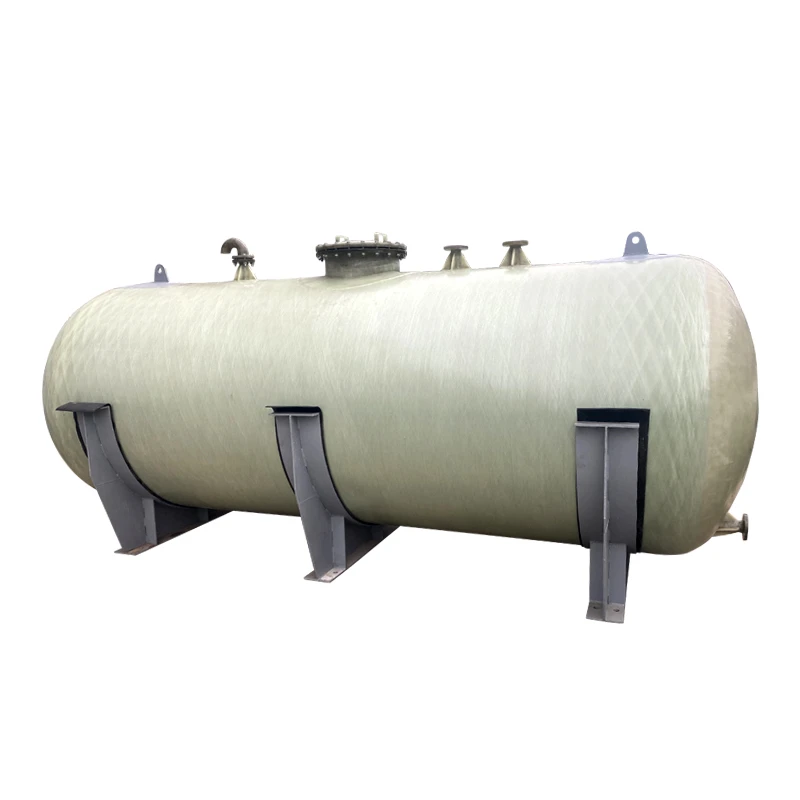
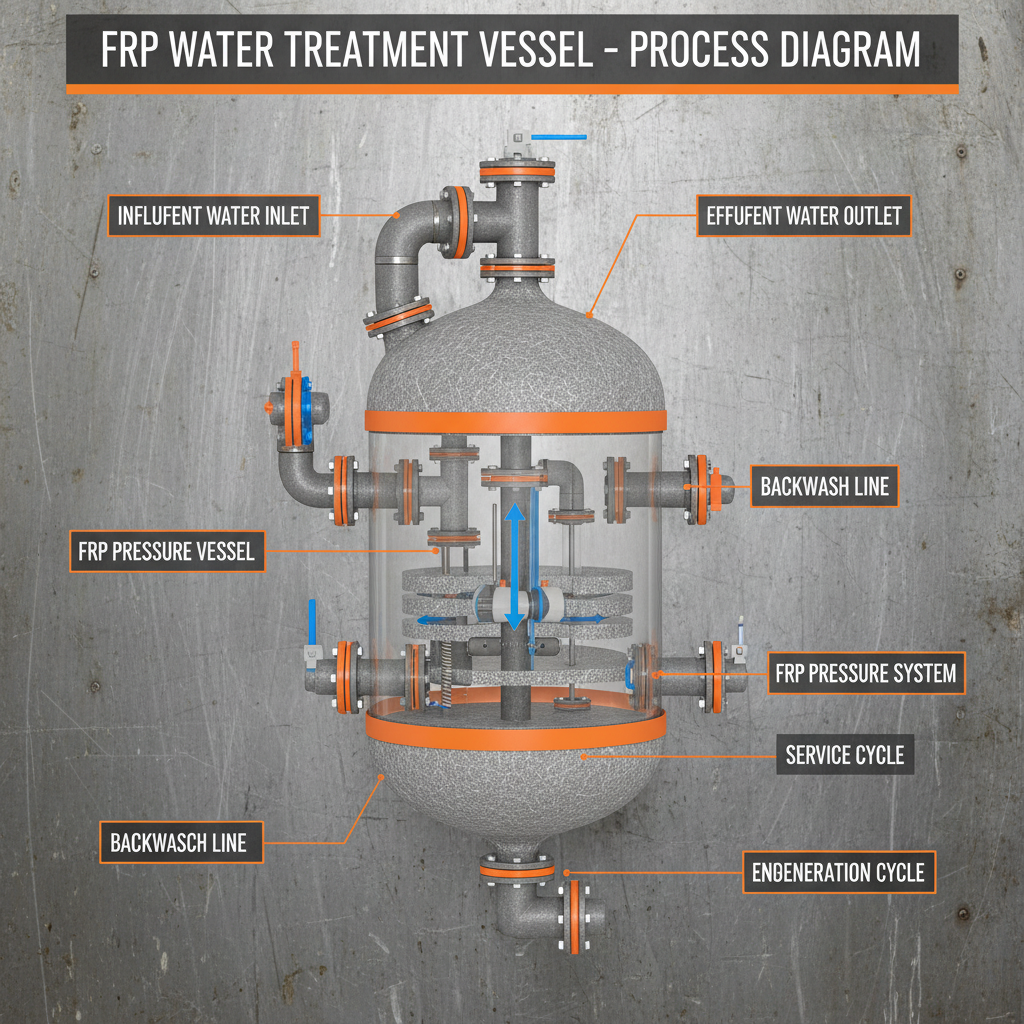
Durable FRP Vessel for Water Treatment and Industrial Filtration
Apr 16,2026
Durable FRP Vessel for Water Treatment and Industrial Filtration
In the modern era of industrial and residential water purification, the choice of containment materials is critical for efficiency and longevity. An frp vessel for water treatment has emerged as the gold standard, replacing traditional steel tanks due to its superior corrosion resistance and lightweight properties. Whether you are dealing with desalination, softening, or filtration, using Fiber Reinforced Plastic (FRP) ensures that your system remains leak-proof and durable against aggressive chemicals. In this comprehensive guide, we will explore why FRP is the preferred choice for water treatment professionals worldwide and how to select the right vessel for your specific application.
Industrial Guide for Choosing the Right FRP Vertical Tank
Apr 09,2026
Industrial Guide for Choosing the Right FRP Vertical Tank
In today's industrial landscape, the storage of corrosive chemicals and aggressive liquids requires materials that can withstand extreme conditions without degrading. The frp vertical tank has emerged as a premier solution, offering an exceptional balance of strength, lightweight properties, and unmatched chemical resistance. Whether you are managing a water treatment plant or a chemical processing facility, understanding the nuances of Fiber Reinforced Plastic (FRP) is essential for ensuring operational safety and longevity. In this comprehensive guide, we will explore why vertical configurations are preferred and how these tanks outperform traditional metal alternatives.
Comprehensive Guide to FRP Underground Water Tank Solutions and Applications
Apr 07,2026
Comprehensive Guide to FRP Underground Water Tank Solutions and Applications
Fiberglass Reinforced Polymer (FRP) underground water tanks are becoming increasingly popular for a wide range of applications, from potable water storage to industrial wastewater containment. Their superior corrosion resistance, lightweight nature, and design flexibility make them an excellent alternative to traditional materials like concrete or steel. This article will delve into the benefits, applications, construction, and considerations for implementing FRP underground water tanks, providing a comprehensive overview for engineers, contractors, and project managers.
Comprehensive Guide to Frp Underground Water Storage Tanks and Their Applications
Apr 04,2026
Comprehensive Guide to Frp Underground Water Storage Tanks and Their Applications
When considering water storage solutions, particularly for industrial, agricultural, or municipal applications, frp underground water storage tanks stand out as a durable, cost-effective, and environmentally friendly option. These tanks are increasingly favored over traditional materials like concrete or steel due to their superior corrosion resistance, lighter weight, and ease of installation. This article delves into the benefits, applications, construction, and considerations when choosing an FRP tank, providing a detailed overview for potential buyers and project planners.
Sulfuric Acid Production Line - Hebei Aoliande|Efficient H2SO4 Plant Technology
Apr 01,2026
Sulfuric Acid Production Line - Hebei Aoliande|Efficient H2SO4 Plant Technology
Discover efficient H2SO4 plant technology and advanced sulfuric acid production solutions. Hebei Aoliande combines energy-saving furnace design and eco-friendly HCl recovery systems for sustainable industrial applications. Explore now: https://www.frpgrpmachine.com/sulfuric-acid-production-line-for-h2so4-plant.html
Sulfuric Acid Production Line - Hebei Aoliande|Efficient H2SO4 Plant Technology
Apr 01,2026
Sulfuric Acid Production Line - Hebei Aoliande|Efficient H2SO4 Plant Technology
Discover efficient H2SO4 plant technology and advanced sulfuric acid production solutions. Hebei Aoliande combines energy-saving furnace design and eco-friendly HCl recovery systems for sustainable industrial applications. Explore now: https://www.frpgrpmachine.com/sulfuric-acid-production-line-for-h2so4-plant.html
Sulfuric Acid Production Line - Hebei Aoliande|Efficient H2SO4 Plant Technology
Apr 01,2026
Sulfuric Acid Production Line - Hebei Aoliande|Efficient H2SO4 Plant Technology
Discover efficient H2SO4 plant technology and advanced sulfuric acid production solutions. Hebei Aoliande combines energy-saving furnace design and eco-friendly HCl recovery systems for sustainable industrial applications. Explore now: https://www.frpgrpmachine.com/sulfuric-acid-production-line-for-h2so4-plant.html
Sulfuric Acid Production Line - Hebei Aoliande|Efficient H2SO4 Plant Technology
Apr 01,2026
Sulfuric Acid Production Line - Hebei Aoliande|Efficient H2SO4 Plant Technology
Discover efficient H2SO4 plant technology and advanced sulfuric acid production solutions. Hebei Aoliande combines energy-saving furnace design and eco-friendly HCl recovery systems for sustainable industrial applications. Explore now: https://www.frpgrpmachine.com/sulfuric-acid-production-line-for-h2so4-plant.html
Sulfuric Acid Production Line - Hebei Aoliande|Efficient H2SO4 Plant Technology
Apr 01,2026
Sulfuric Acid Production Line - Hebei Aoliande|Efficient H2SO4 Plant Technology
Discover efficient H2SO4 plant technology and advanced sulfuric acid production solutions. Hebei Aoliande combines energy-saving furnace design and eco-friendly HCl recovery systems for sustainable industrial applications. Explore now: https://www.frpgrpmachine.com/sulfuric-acid-production-line-for-h2so4-plant.html
Sulfuric Acid Production Line - Hebei Aoliande|Efficient H2SO4 Plant Technology
Apr 01,2026
Sulfuric Acid Production Line - Hebei Aoliande|Efficient H2SO4 Plant Technology
Discover efficient H2SO4 plant technology and advanced sulfuric acid production solutions. Hebei Aoliande combines energy-saving furnace design and eco-friendly HCl recovery systems for sustainable industrial applications. Explore now: https://www.frpgrpmachine.com/sulfuric-acid-production-line-for-h2so4-plant.html
Comprehensive Guide to Frp Underground Storage Tanks for Reliable Storage Solutions
Mar 31,2026
Comprehensive Guide to Frp Underground Storage Tanks for Reliable Storage Solutions
Fiberglass Reinforced Polymer (FRP) underground storage tanks are becoming increasingly popular for a wide range of applications, from fuel storage to wastewater management. Their corrosion resistance, lightweight nature, and durability offer significant advantages over traditional materials like steel. This article will provide an in-depth look at FRP underground storage tanks, covering their benefits, applications, installation, and maintenance. Understanding these aspects is crucial for making informed decisions about long-term storage solutions.
Comprehensive Guide to Selecting the Ideal FRP Tank for Water Storage Solutions
Mar 28,2026
Comprehensive Guide to Selecting the Ideal FRP Tank for Water Storage Solutions
When it comes to reliable and durable water storage, FRP tanks for water are increasingly becoming the preferred solution for a wide range of applications. These tanks, constructed from Fiber Reinforced Polymer (FRP) materials, offer significant advantages over traditional storage options like steel or concrete. This article delves into the benefits, applications, and considerations when selecting an FRP tank for your water storage needs, providing a detailed overview for businesses and individuals alike.
Comprehensive Guide to Frp Tank and Vessel Applications and Manufacturing
Mar 26,2026
Comprehensive Guide to Frp Tank and Vessel Applications and Manufacturing
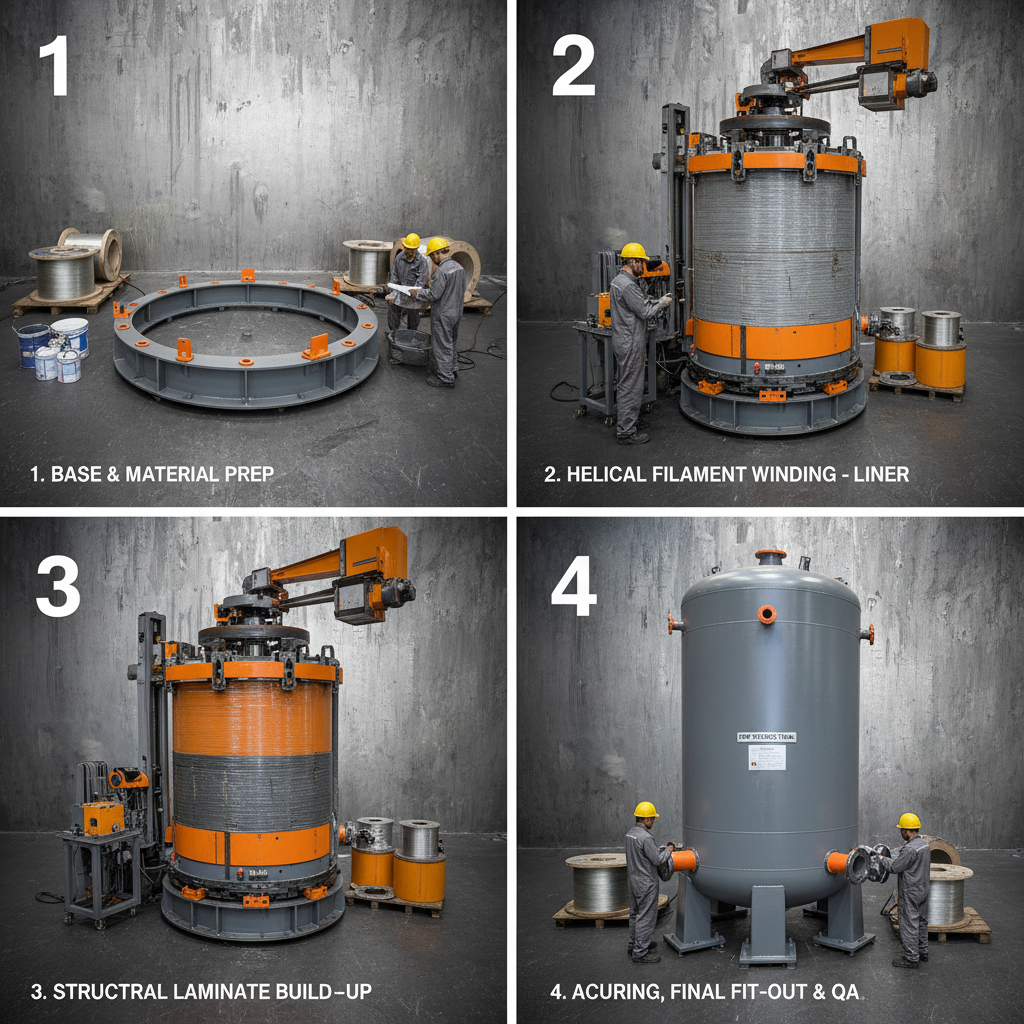
Fiber Reinforced Polymer (FRP) tanks and vessels are increasingly becoming the preferred choice for storage and processing across a multitude of industries. Their lightweight nature, corrosion resistance, and design flexibility offer significant advantages over traditional materials like steel. This article will delve into the intricacies of FRP tanks and vessels, exploring their applications, manufacturing processes, benefits, and considerations for selecting the right solution for your specific needs. We’ll also highlight why FRP tanks are a cost-effective and reliable long-term investment. FRP tanks and vessels are constructed from a combination of reinforcing fibers (such as fiberglass, carbon fiber, or aramid fiber) embedded in a polymer matrix (typically polyester, vinyl ester, or epoxy resin). This combination creates a composite material that boasts high strength-to-weight ratio, exceptional corrosion resistance, and the ability to be molded into complex shapes. They’re designed to safely contain a wide variety of liquids and gases, ranging from corrosive chemicals and water to food products and pharmaceuticals.
Optimizing Water Filtration with Durable FRP Sand Filter Vessels
Mar 24,2026
Optimizing Water Filtration with Durable FRP Sand Filter Vessels
In water treatment and filtration systems, the choice of filter vessel material is paramount. Fiber Reinforced Plastic (FRP), also known as Glass Reinforced Polymer (GRP), sand filter vessels are increasingly popular due to their superior corrosion resistance, lightweight nature, and cost-effectiveness. This article delves into the benefits, applications, design considerations, and factors to consider when selecting an FRP sand filter vessel. Whether you are involved in municipal water treatment, industrial wastewater management, or recreational water filtration, understanding FRP technology is essential for optimizing your filtration process. An FRP sand filter vessel is a containment unit designed to house filtration media, typically sand, gravel, and anthracite. These vessels are integral components in sand filtration systems used for removing suspended solids, turbidity, and other particulate matter from water. FRP construction involves layering glass fibers within a resin matrix (typically polyester or vinyl ester) to create a strong, durable, and chemically resistant shell. The strength and rigidity of the vessel are crucial for withstanding the pressure from the filtration media and the water flow.
Comprehensive Guide to FRP Round Tanks Applications and Benefits
Mar 21,2026
Comprehensive Guide to FRP Round Tanks Applications and Benefits
Fiber Reinforced Polymer (FRP) round tanks are increasingly becoming the preferred choice for storage solutions across a variety of industries. Their lightweight nature, corrosion resistance, and design flexibility offer significant advantages over traditional materials like steel. This article provides an in-depth look at FRP round tanks, exploring their applications, benefits, manufacturing processes, and key considerations when choosing the right tank for your needs. Whether you're in chemical processing, water treatment, or agriculture, understanding FRP round tanks is crucial for optimizing your storage infrastructure. FRP round tanks are constructed from a combination of reinforcing fibers (typically fiberglass, carbon fiber, or a blend) embedded in a polymer matrix (often polyester, vinyl ester, or epoxy resin). The round shape inherently provides excellent structural strength, distributing pressure evenly across the tank’s surface.
Comprehensive Guide to FRP Pressure Tanks Benefits and Applications
Mar 19,2026
Comprehensive Guide to FRP Pressure Tanks Benefits and Applications
Fiber Reinforced Polymer (FRP) pressure tanks are becoming increasingly popular in a wide range of industrial applications, offering a compelling alternative to traditional steel tanks. Known for their lightweight nature, corrosion resistance, and high strength-to-weight ratio, FRP tanks provide efficient and durable solutions for storing liquids and gases under pressure. This article will delve into the benefits, applications, construction, and key considerations when selecting an FRP pressure tank, helping you make an informed decision for your specific needs. Understanding the advantages of FRP technology can lead to significant cost savings and improved operational efficiency. Compared to steel, FRP pressure tanks offer several key advantages. The most significant is their superior corrosion resistance. Unlike steel, which is susceptible to rust and corrosion when exposed to various chemicals, FRP materials are inherently resistant to a wide range of corrosive substances. This translates to a longer lifespan, reduced maintenance costs, and increased safety. Furthermore, FRP is significantly lighter than steel, making installation easier and reducing transportation costs.
For More Details Pls Contact Us
Thank you for your interest in our gloves! We offer high-quality, durable, and comfortable gloves with fast delivery and competitive prices. For any questions or customization, feel free to contact us. We look forward to working with you!

If you are interested in our products, you can choose to leave your information here, and we will be in touch with you shortly.