Sep 11,2025

Sulfuric Acid Production Line for H2SO4 Plant-Hebei Aoliande Chemical Equipment Co., Ltd.|Mannheim Process, Energy Efficiency, Waste Recovery

Sulfuric acid (H2SO4) is one of the most critical chemicals in modern industrial processes, with applications spanning agriculture, manufacturing, and energy sectors. The production of sulfuric acid requires advanced technology and efficient processes to ensure high-quality output while minimizing environmental impact. Hebei Aoliande Chemical Equipment Co., Ltd. has developed a sulfuric acid production line that leverages the Mannheim process with significant improvements in efficiency, sustainability, and cost-effectiveness. This article explores the technical specifications, advantages, and applications of this cutting-edge production system, as well as the company's commitment to innovation and quality.
Sulfuric Acid Production Line Overview

Product Specification

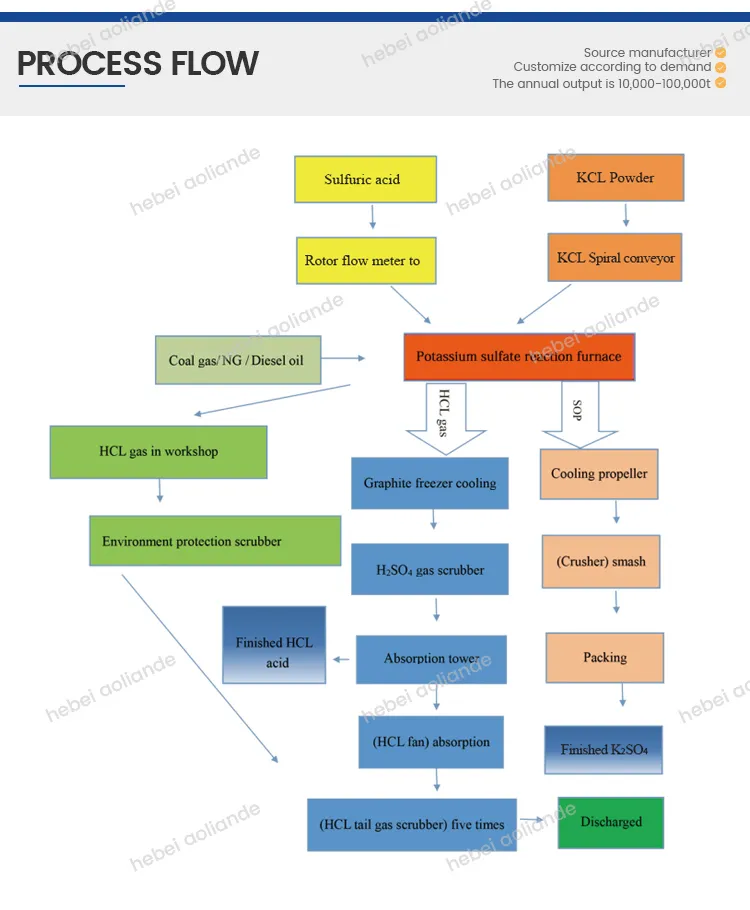
The sulfuric acid production line developed by Hebei Aoliande is based on the Mannheim process, a widely used method for producing sulfuric acid. This process involves the reaction of potassium chloride (KCl) with sulfuric acid (H2SO4) at high temperatures. The production line incorporates key improvements in equipment design and process optimization to enhance efficiency and reduce energy consumption.

Key Features:

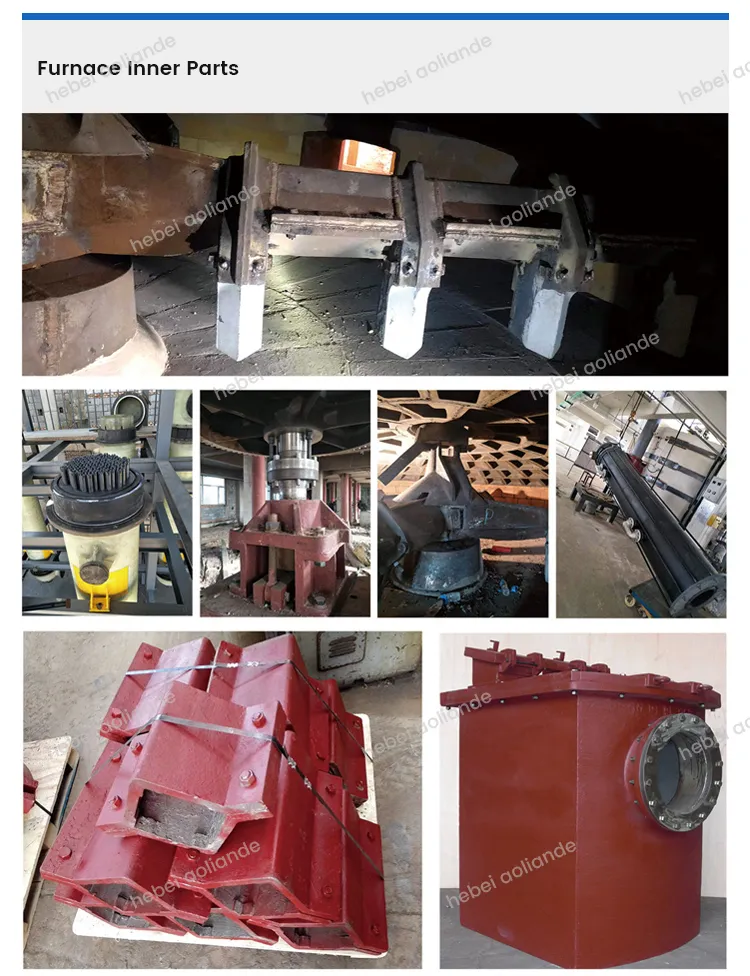
  • Mannheim Furnace Technology: The system utilizes a specialized furnace designed for even heating and complete reaction, ensuring optimal sulfuric acid output.
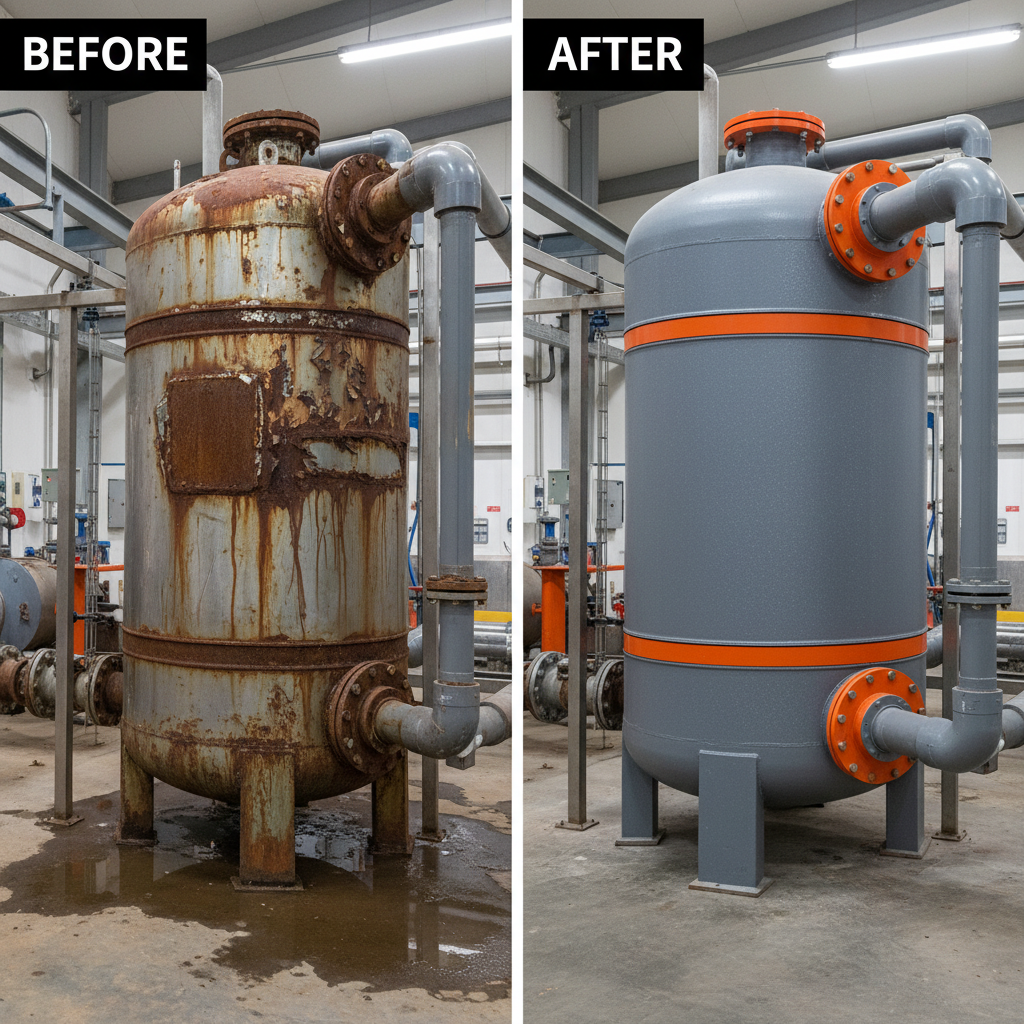
  • Corrosion-Resistant Materials: Critical components are made from special corrosion-resistant materials, extending the service life of the equipment.
  • Waste Recovery System: A hydrochloric acid (HCl) recovery system minimizes waste and aligns with environmental regulations.
  • Energy Efficiency: Enhanced flue design and PLC automatic control systems reduce energy consumption and labor costs.
Commercial Sulfuric Acid Production

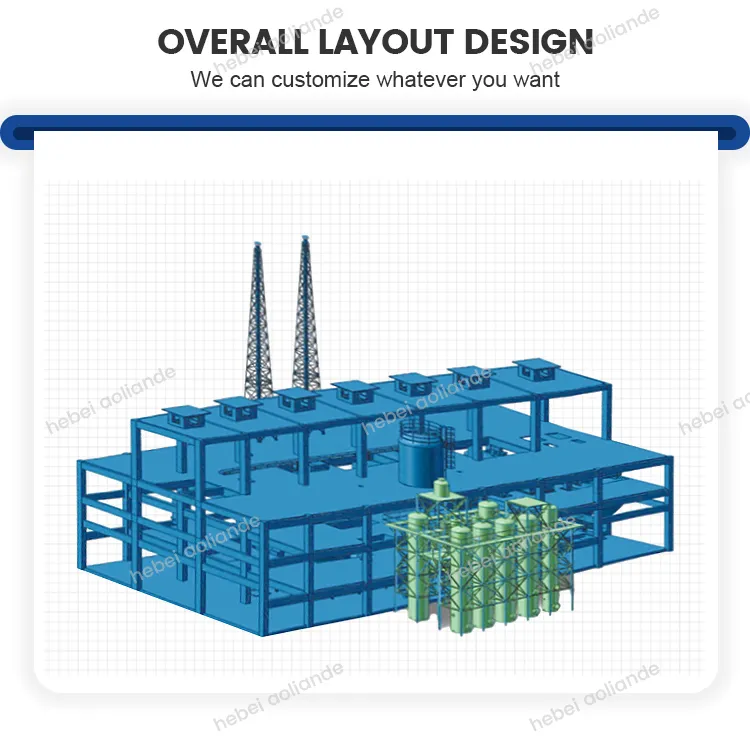
The Mannheim Process: A Cornerstone of Sulfuric Acid Production

The Mannheim process is the most common method for producing sulfuric acid, accounting for 50–60% of global supply. This method involves the reaction of potassium chloride (KCl) with sulfuric acid (H2SO4) at temperatures exceeding 600°C. The process generates potassium sulfate (K2SO4) and hydrochloric acid (HCl) through a two-step reaction involving potassium bisulfate (KHSO4).

Despite its widespread use, the Mannheim process has faced challenges, including high input costs for raw materials like MOP (muriate of potash) and sulfuric acid. Hebei Aoliande has addressed these issues by refining the production equipment and process. Their innovations include:

  • Improved Furnace Construction: Enhanced furnace materials and design ensure even heating and complete reaction.
  • Advanced HCl Absorption System: The modified absorption system improves product quality and reduces environmental impact.
  • Gas Generator Technology: Replacing traditional heating methods with gas generators increases energy efficiency.
Sulfuric Acid Production Line

Technical Advantages of the Sulfuric Acid Production Line

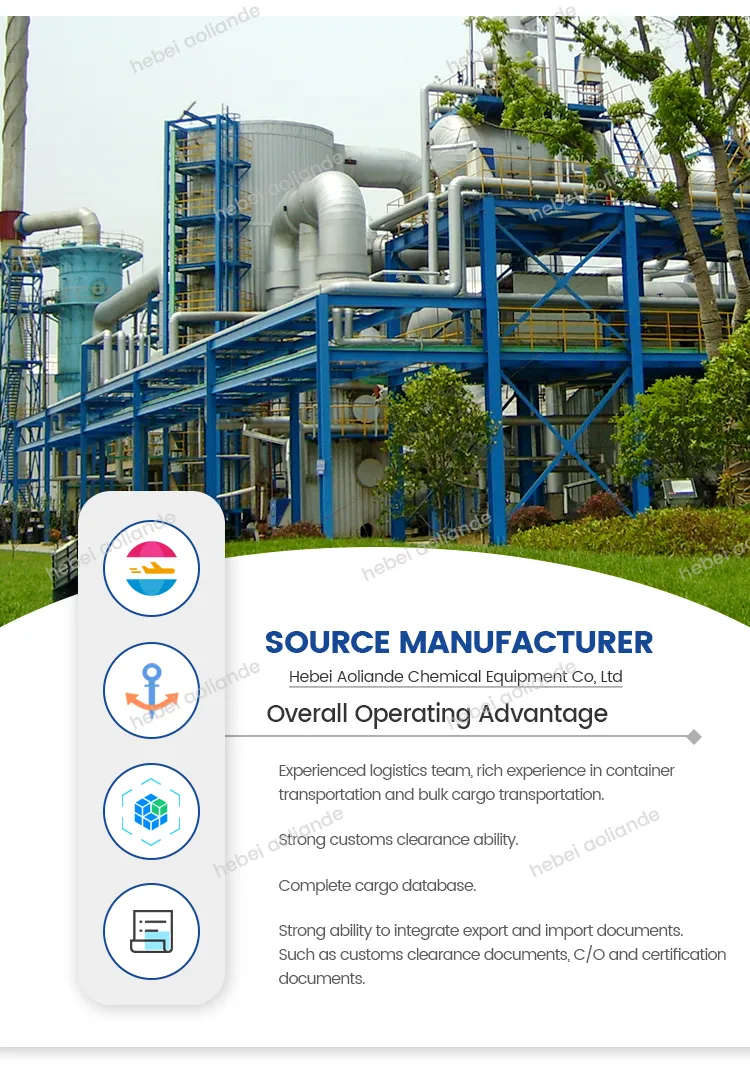
Hebei Aoliande’s sulfuric acid production line offers a range of technical advantages that set it apart from conventional systems. These improvements are designed to meet the demands of modern industrial production while adhering to environmental and safety standards.

  1. Corrosion-Resistant Components: Key parts of the equipment are constructed with materials that resist corrosion, ensuring long service life and reduced maintenance costs.
  2. Waste Recovery System: The system recycles hydrochloric acid (HCl), minimizing waste and meeting environmental compliance requirements.
  3. Enhanced HCl Absorption: Adjustments to the absorption system improve the quality of the final product and reduce chemical losses.
  4. Energy-Saving Design: The optimized flue design and PLC automation reduce energy consumption and labor costs.
  5. Stable Production and Easy Operation: The system ensures consistent output and is designed for user-friendly operation.
  6. High Output and Low Coal Consumption: The production line achieves large-scale output with minimal fuel usage, making it cost-effective.
Sulfuric Acid Production Line Details

Product Details and Visual Overview

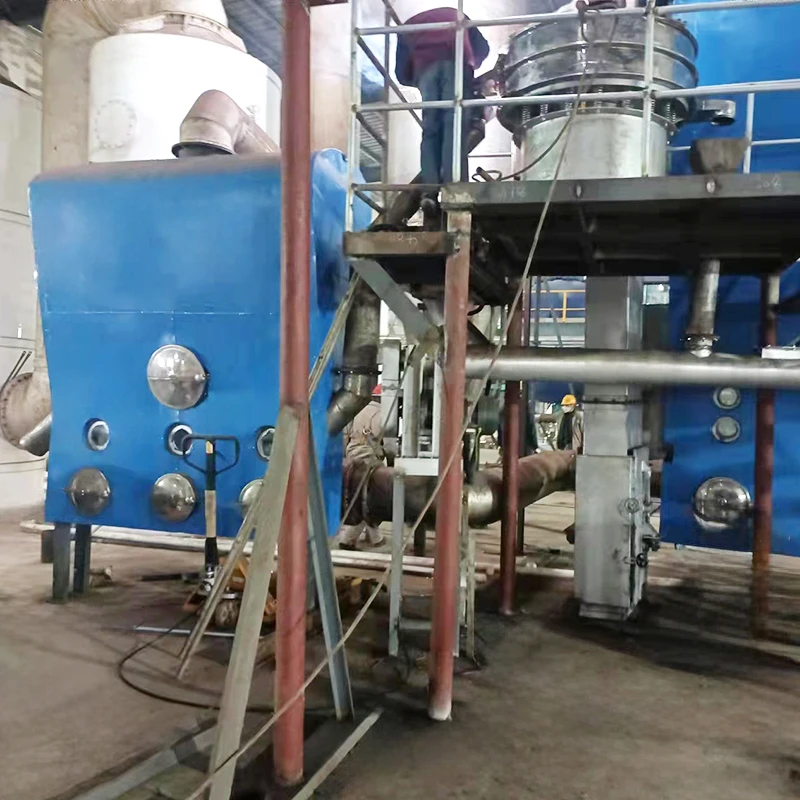
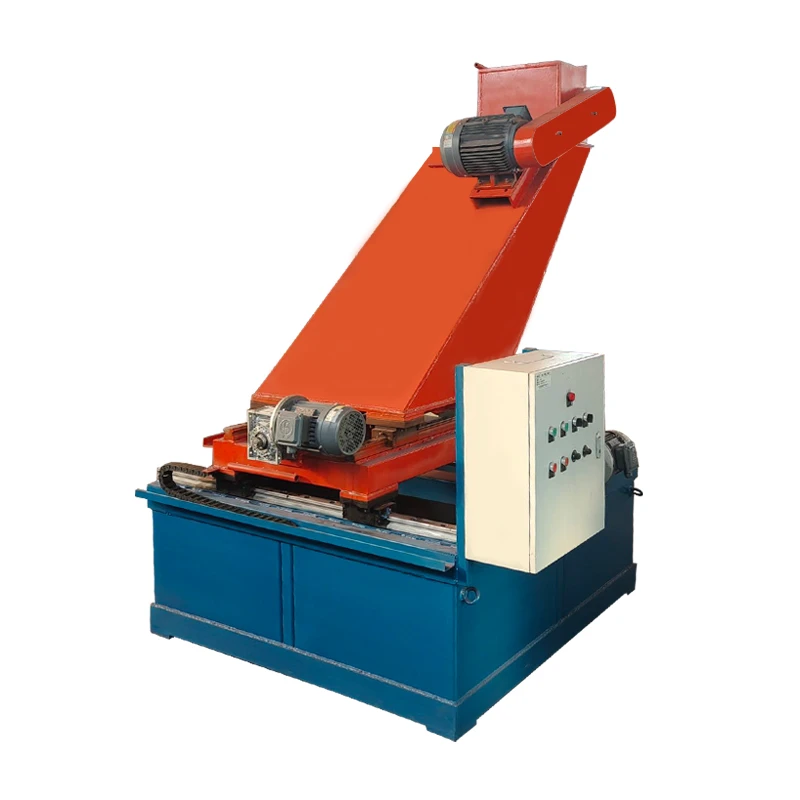
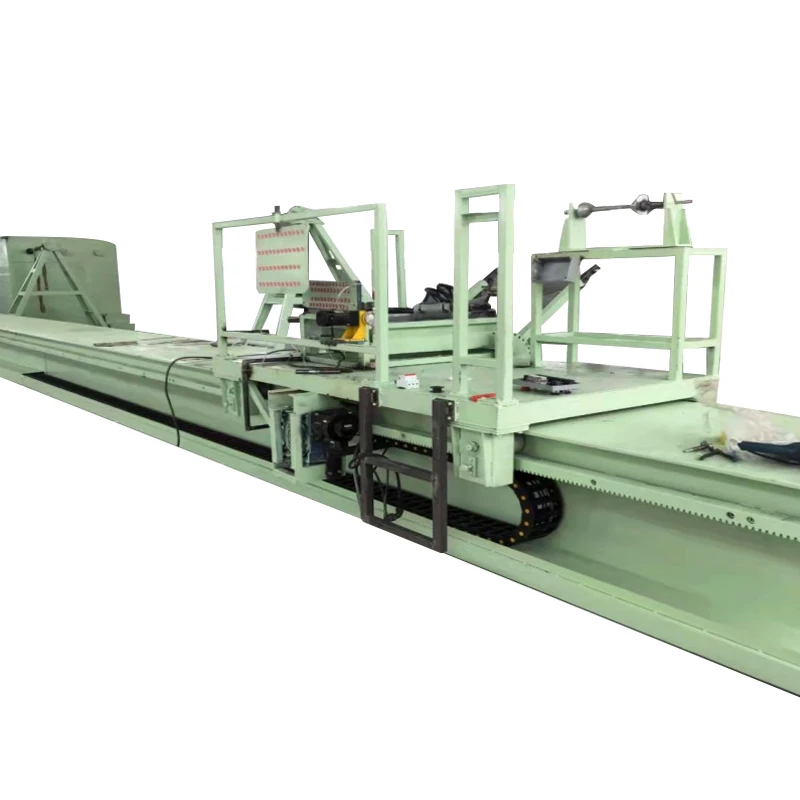
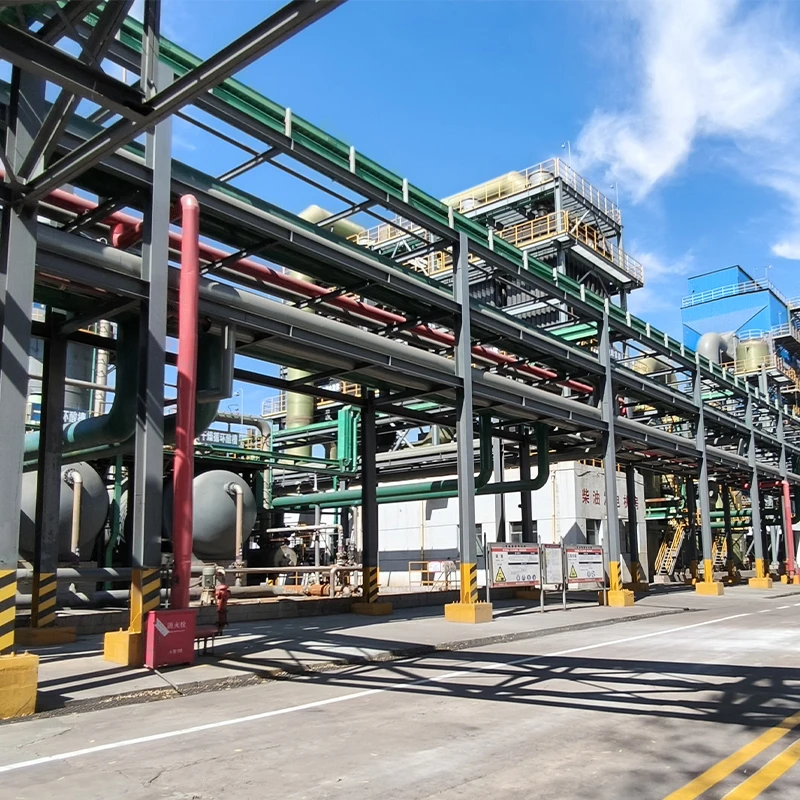
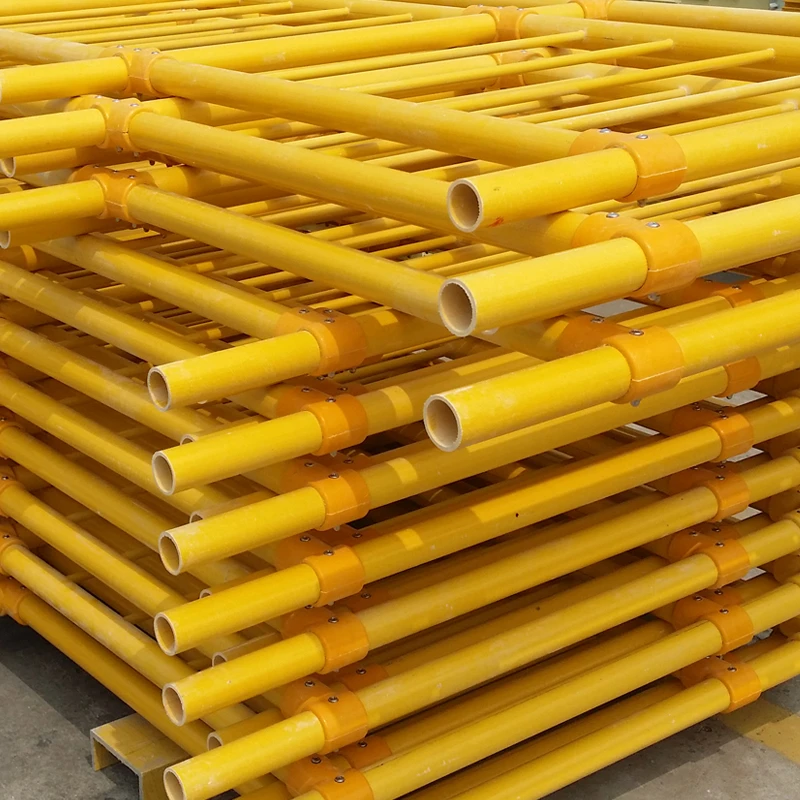
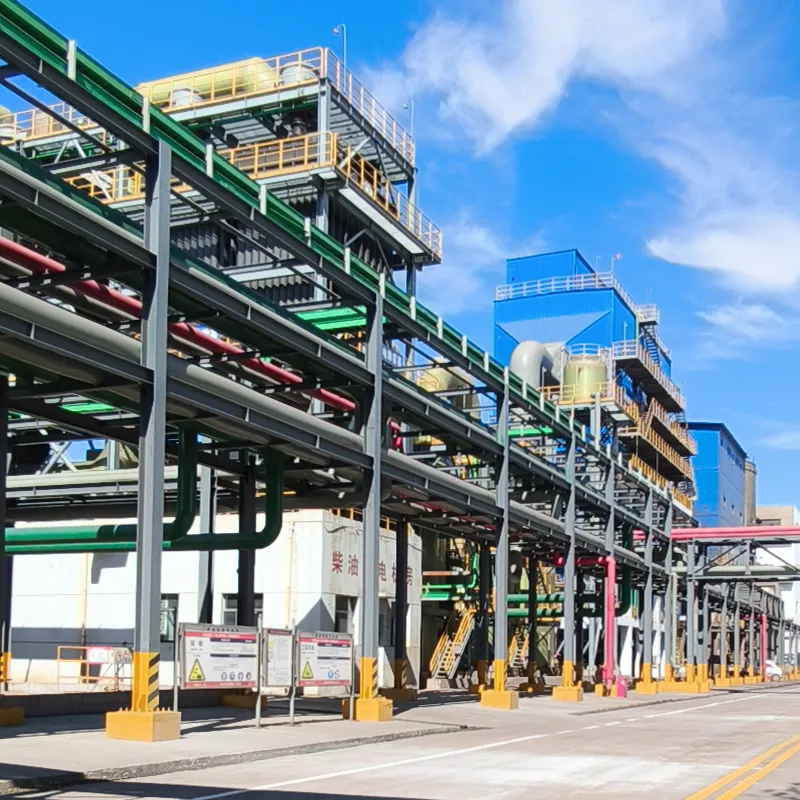
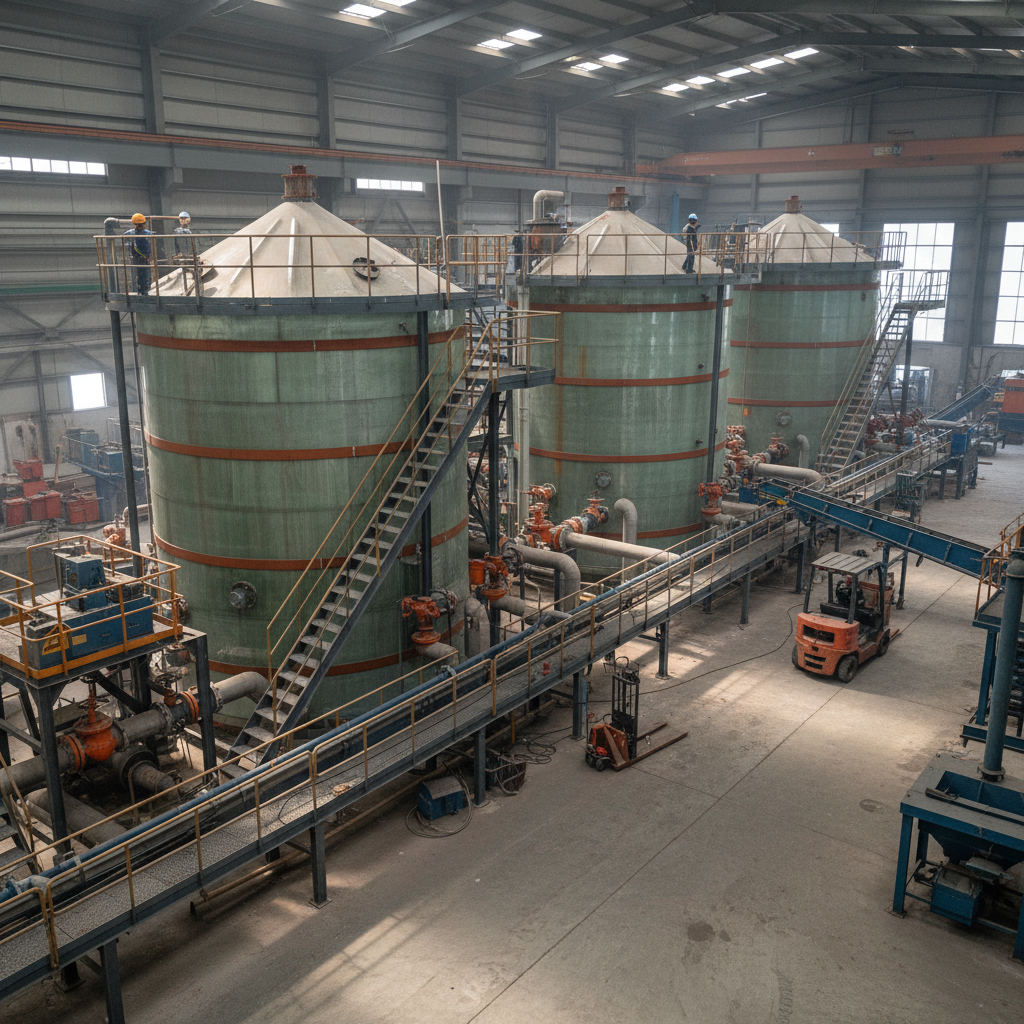
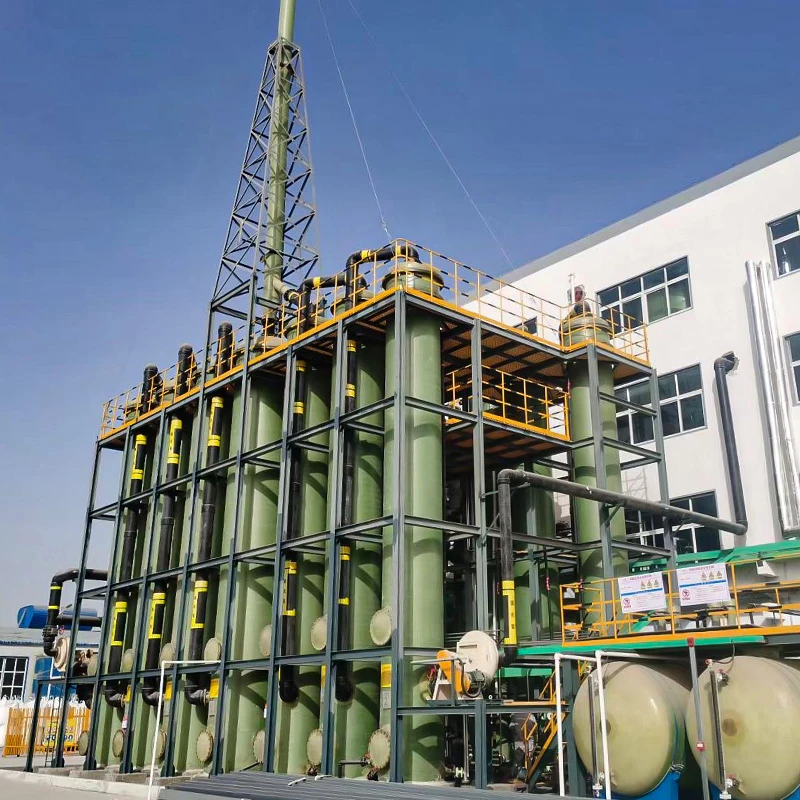
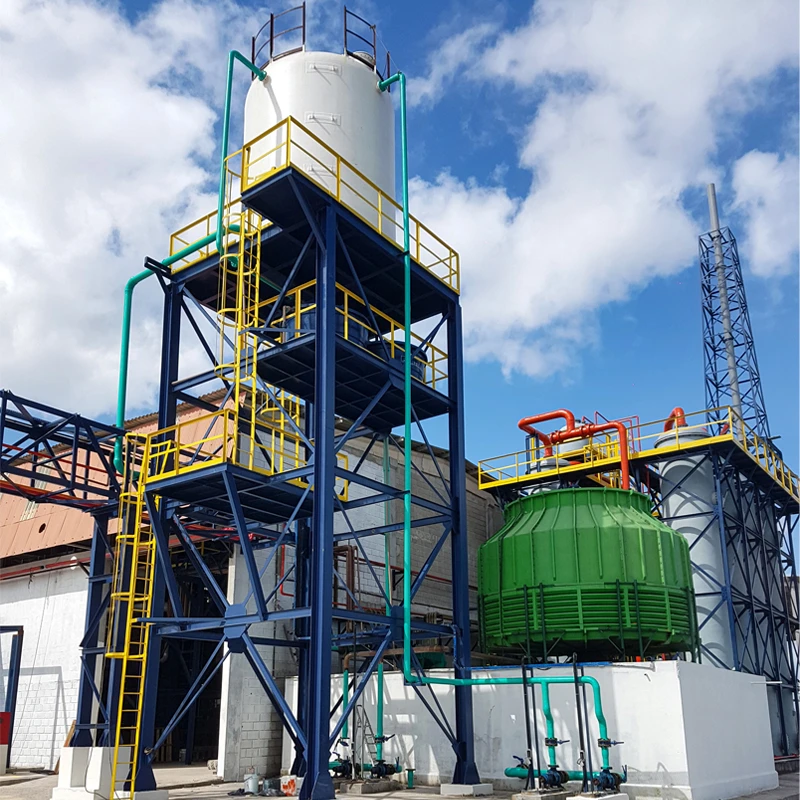
The sulfuric acid production line is a comprehensive system that includes advanced machinery, control systems, and safety features. Below are key visual elements of the production line:
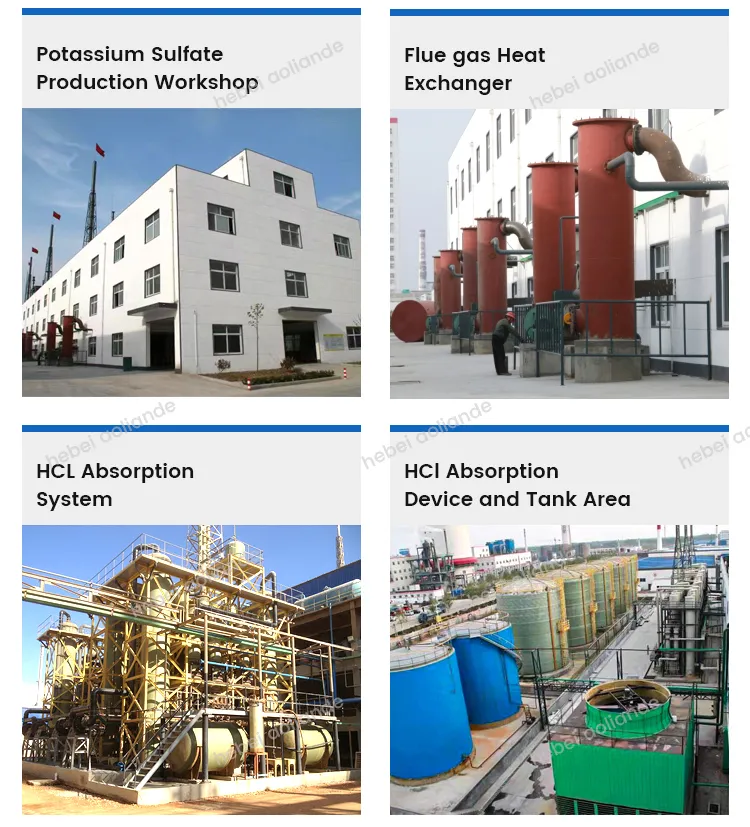
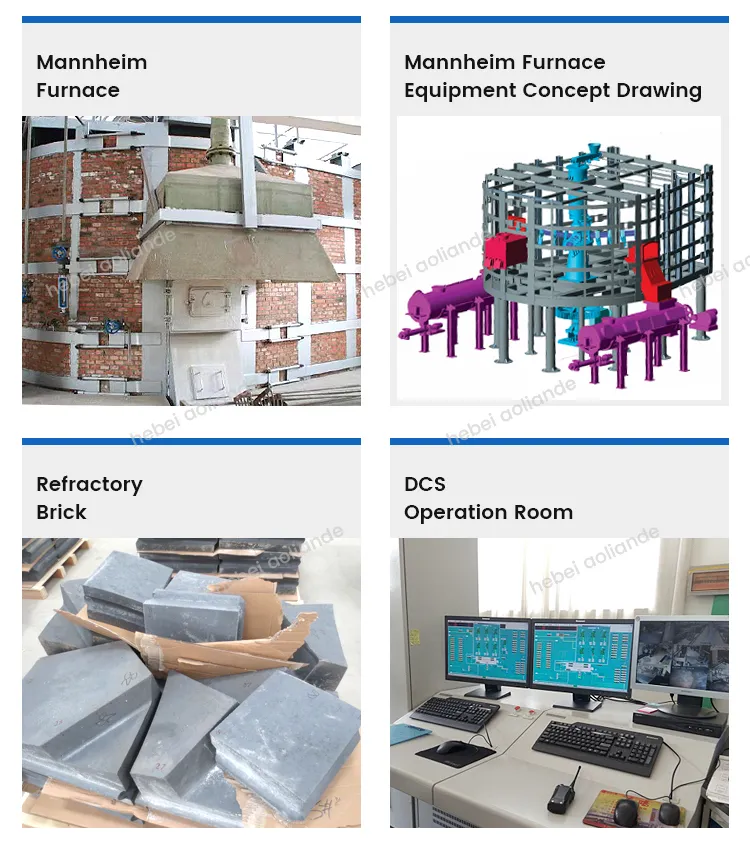
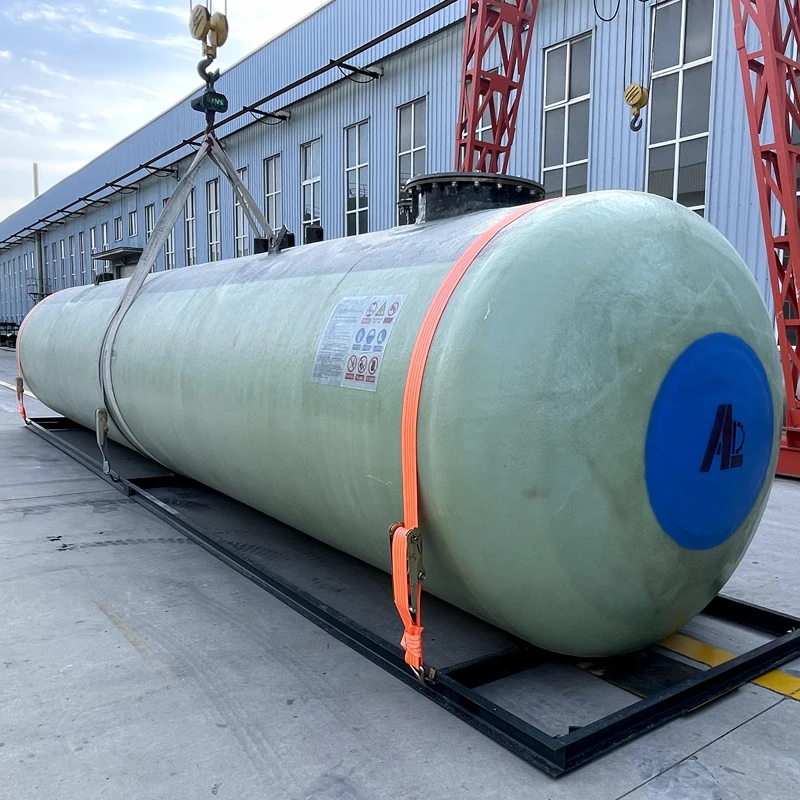
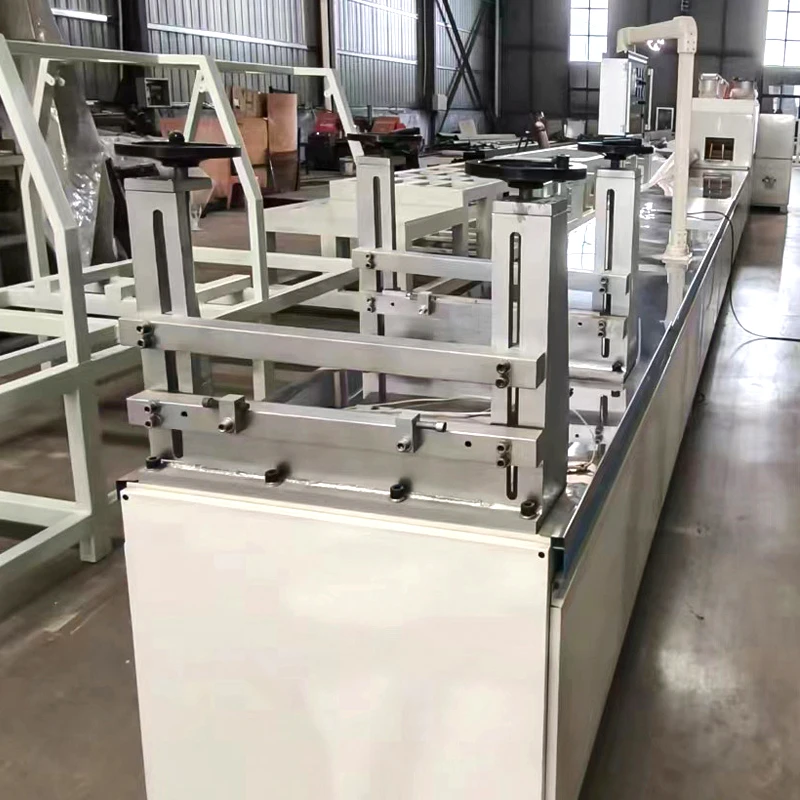
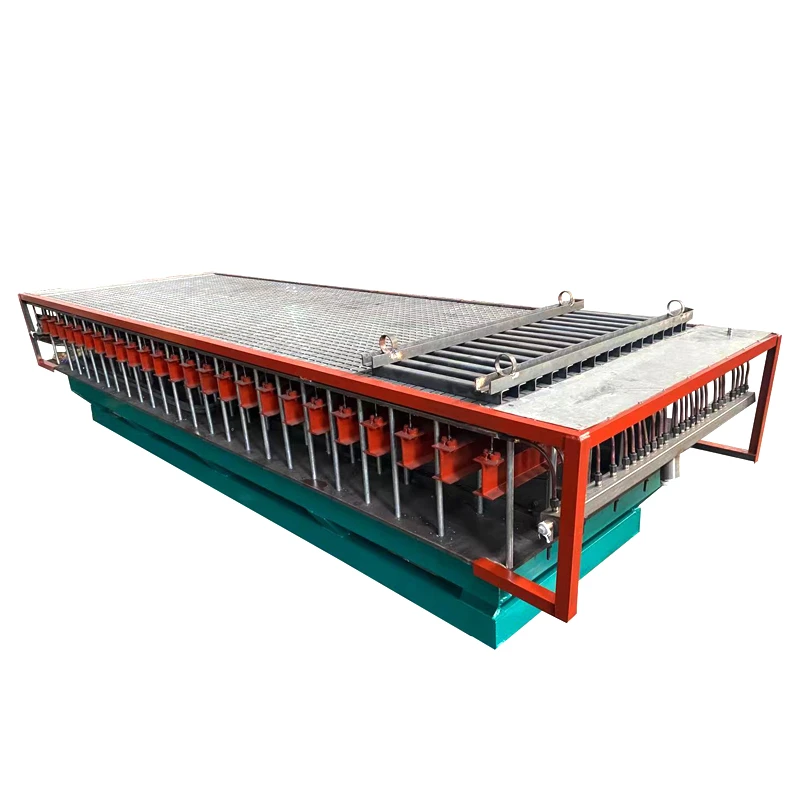
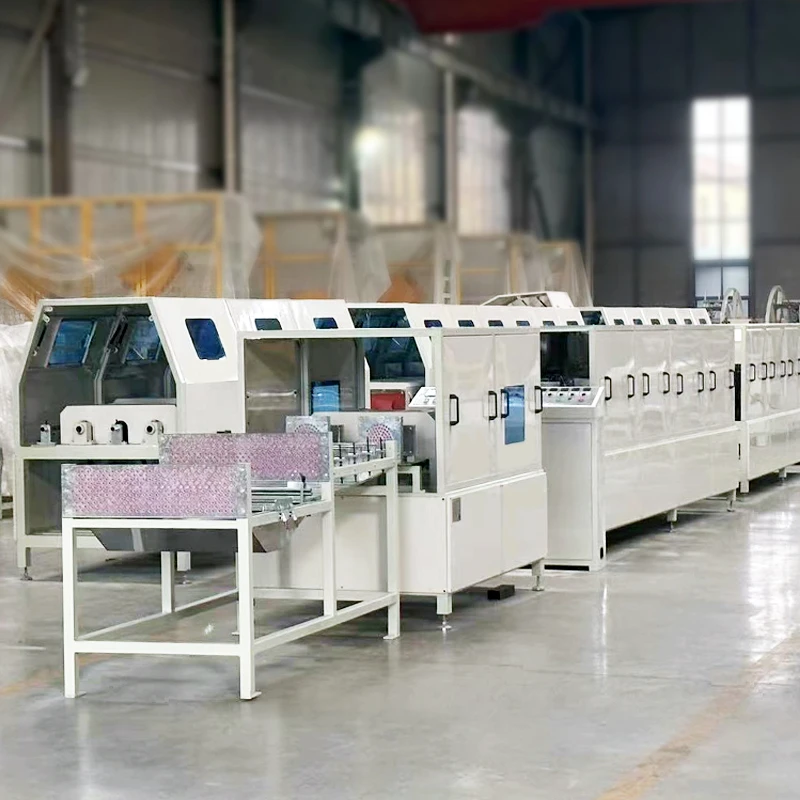
Sulfuric Acid Plant Equipment Sulfuric Acid Production Line Sulfuric Acid Plant Components Sulfuric Acid Production Line

These images showcase the modular design, advanced automation, and safety features of the production line, ensuring efficiency and reliability in industrial settings.
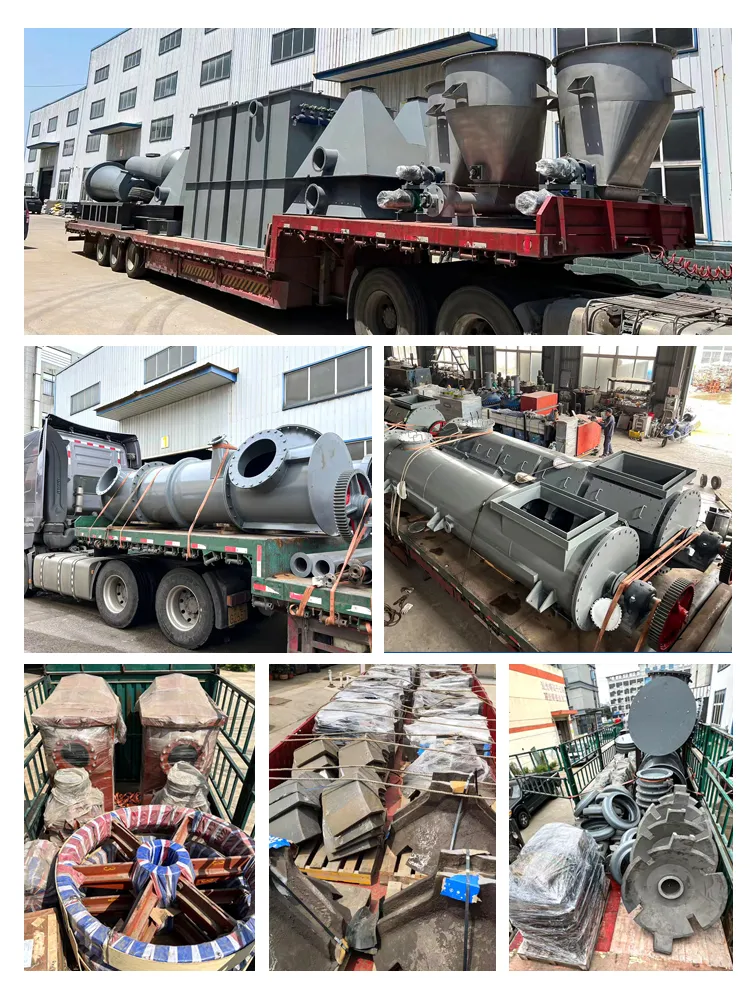

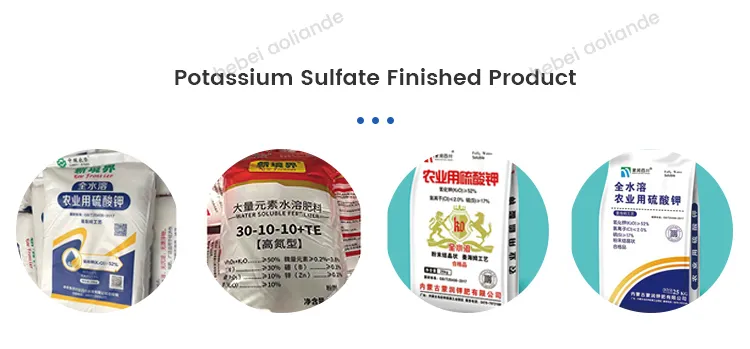
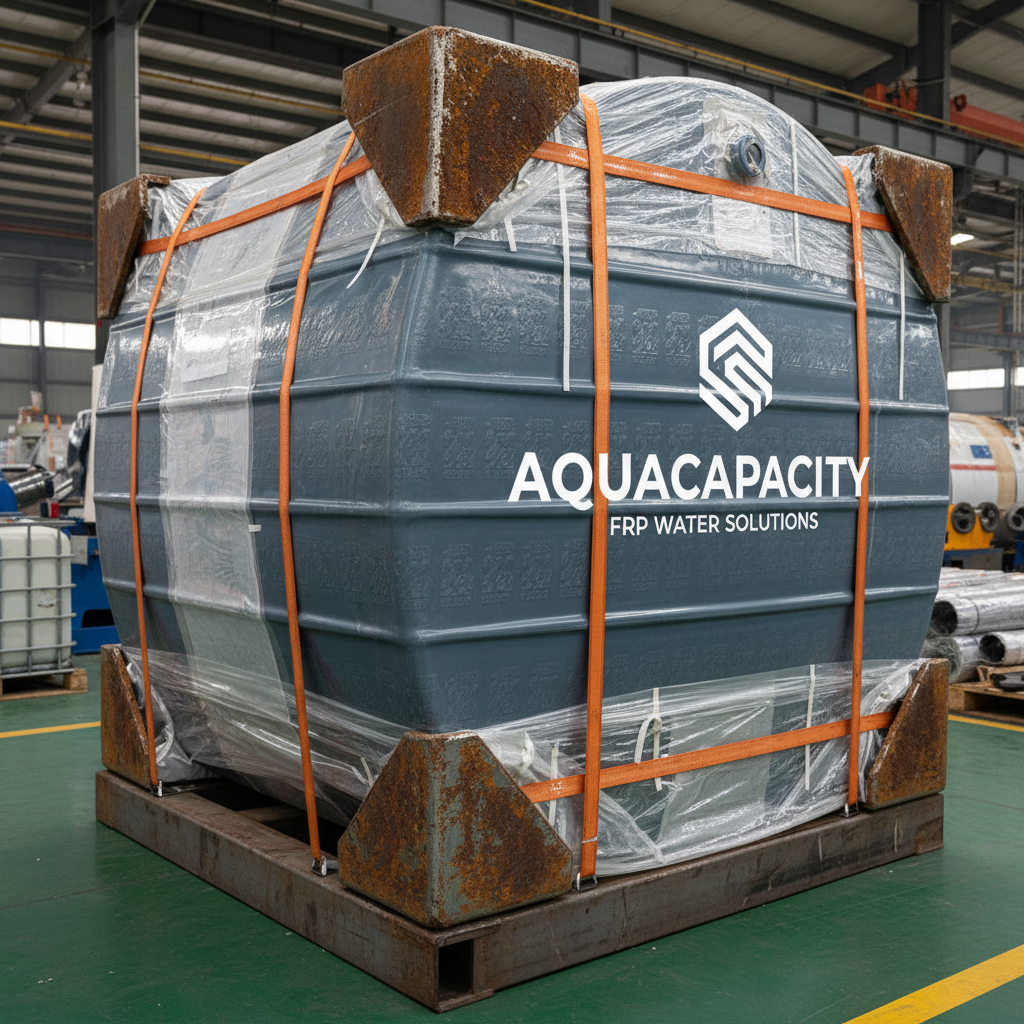
Sulfuric Acid Plant Packaging Sulfuric Acid Production Line Packaging

Company Profile: Hebei Aoliande Chemical Equipment Co., Ltd.

Hebei Aoliande Chemical Equipment Co., Ltd. is a leading provider of FRP (Fiberglass Reinforced Plastic) pipes, storage tanks, and production machinery. The company has established itself as a trusted name in the chemical industry, offering high-quality solutions that meet international standards.

Key Highlights:

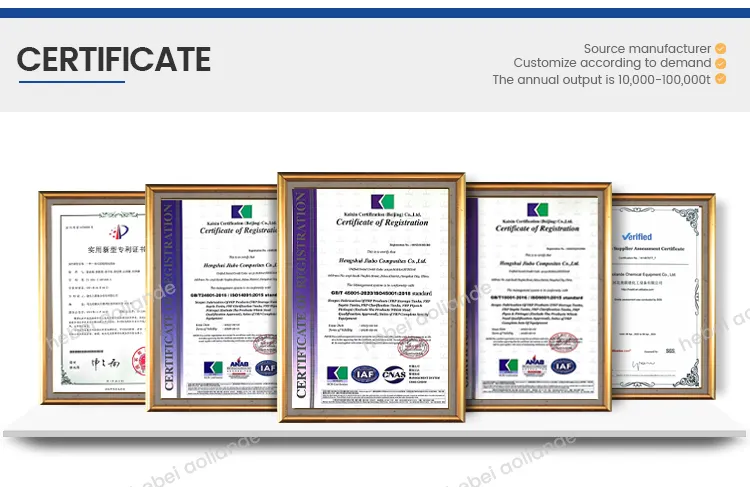
  • ISO Certifications: The company has passed ISO 9001 and ISO 14001 management system certifications, ensuring quality control and environmental responsibility.
  • Global Reach: Products are exported to countries such as the United States, Brazil, Japan, Germany, India, Malaysia, and Egypt.
  • Expertise: With over 50 employees and annual sales exceeding $5 million, Hebei Aoliande combines advanced technology, excellent craftsmanship, and superior service to meet customer needs.
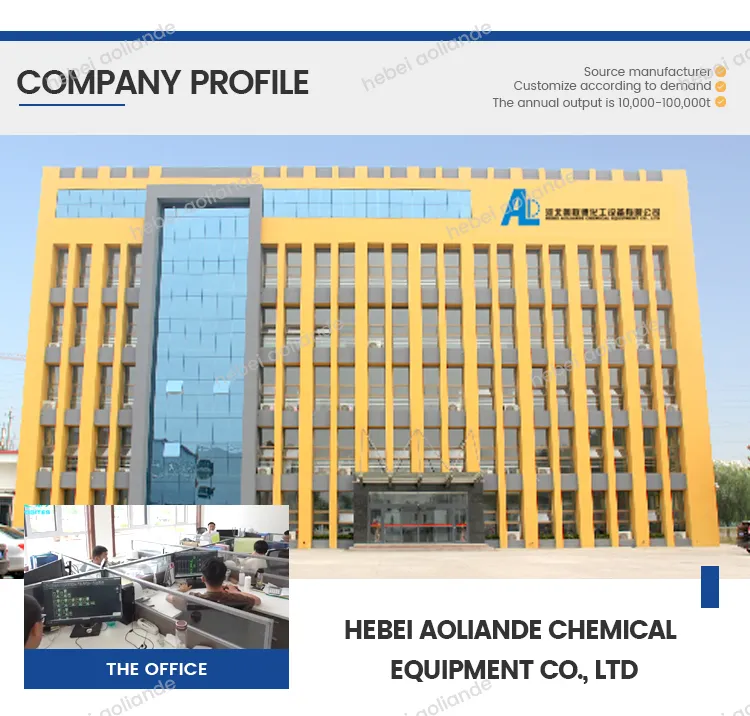
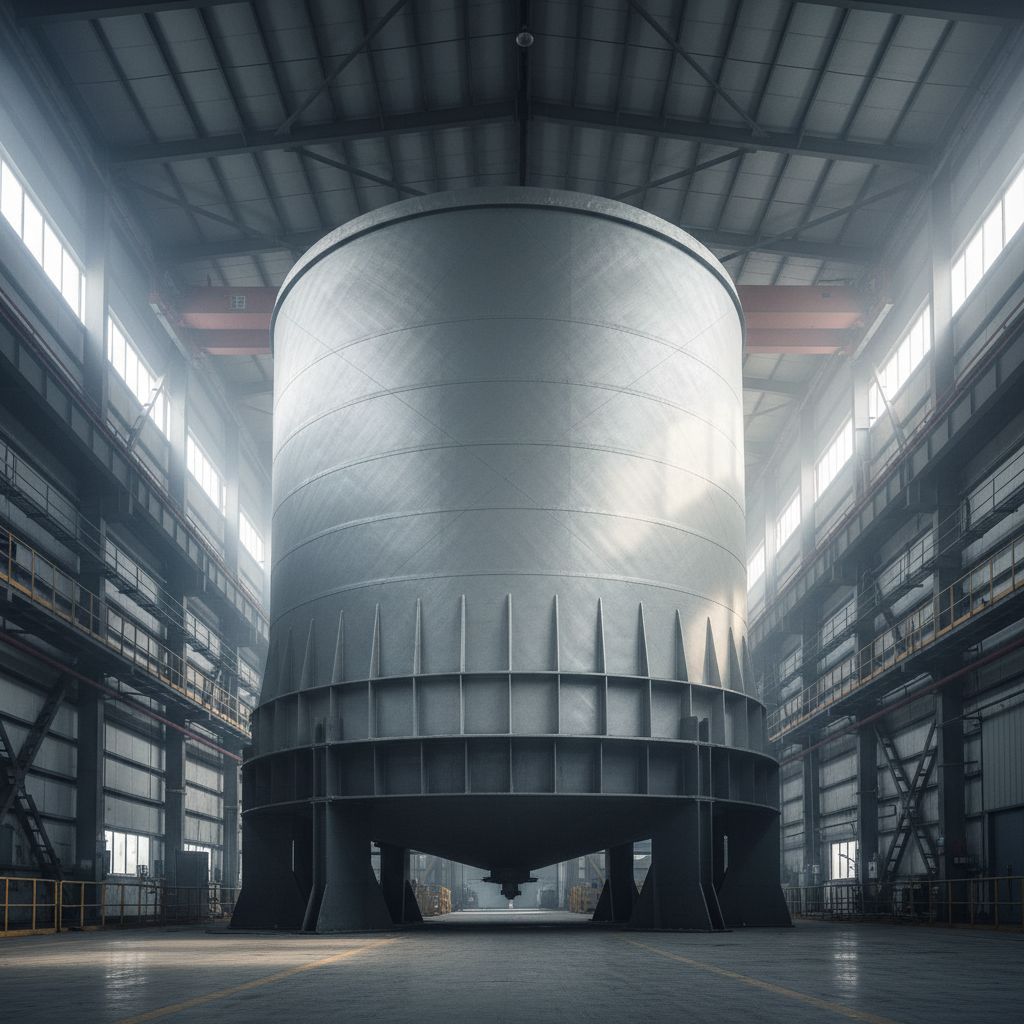
Hebei Aoliande Company Logo Hebei Aoliande Manufacturing Facility

Product Specifications Table

Parameter Specification
Production Process Mannheim Process with Improvements
Raw Materials Potassium Chloride (KCl), Sulfuric Acid (H2SO4)
Output Capacity Large-Scale (Customizable)
Energy Consumption Low (Optimized for Efficiency)
Environmental Compliance Waste Recovery System for HCl
Control System PLC Automation for Precision
Materials Corrosion-Resistant Components

Conclusion: Sustainable and Efficient Sulfuric Acid Production

Hebei Aoliande Chemical Equipment Co., Ltd. has revolutionized sulfuric acid production with its Mannheim process-based sulfuric acid production line. By integrating advanced technology, energy-efficient design, and environmental safeguards, the company provides a reliable solution for industrial manufacturers. Their commitment to quality, innovation, and sustainability ensures that the production line meets the demands of a rapidly evolving market.

For more information about the sulfuric acid production line or sulfuric acid plant solutions, visit Hebei Aoliande’s official website. To explore their range of FRP equipment and chemical production machinery, visit the company page.

References:

According to the National Institute of Standards and Technology (NIST), "The development of advanced manufacturing processes, such as those used in chemical production, requires precise measurements and standardized protocols to ensure quality and safety." (NIST).
Upsell Products
Upsell News
Durable FRP Vessel for Water Treatment and Industrial Filtration
Apr 16,2026
Durable FRP Vessel for Water Treatment and Industrial Filtration
In the modern era of industrial and residential water purification, the choice of containment materials is critical for efficiency and longevity. An frp vessel for water treatment has emerged as the gold standard, replacing traditional steel tanks due to its superior corrosion resistance and lightweight properties. Whether you are dealing with desalination, softening, or filtration, using Fiber Reinforced Plastic (FRP) ensures that your system remains leak-proof and durable against aggressive chemicals. In this comprehensive guide, we will explore why FRP is the preferred choice for water treatment professionals worldwide and how to select the right vessel for your specific application.
Industrial Guide for Choosing the Right FRP Vertical Tank
Apr 09,2026
Industrial Guide for Choosing the Right FRP Vertical Tank
In today's industrial landscape, the storage of corrosive chemicals and aggressive liquids requires materials that can withstand extreme conditions without degrading. The frp vertical tank has emerged as a premier solution, offering an exceptional balance of strength, lightweight properties, and unmatched chemical resistance. Whether you are managing a water treatment plant or a chemical processing facility, understanding the nuances of Fiber Reinforced Plastic (FRP) is essential for ensuring operational safety and longevity. In this comprehensive guide, we will explore why vertical configurations are preferred and how these tanks outperform traditional metal alternatives.
Comprehensive Guide to FRP Underground Water Tank Solutions and Applications
Apr 07,2026
Comprehensive Guide to FRP Underground Water Tank Solutions and Applications
Fiberglass Reinforced Polymer (FRP) underground water tanks are becoming increasingly popular for a wide range of applications, from potable water storage to industrial wastewater containment. Their superior corrosion resistance, lightweight nature, and design flexibility make them an excellent alternative to traditional materials like concrete or steel. This article will delve into the benefits, applications, construction, and considerations for implementing FRP underground water tanks, providing a comprehensive overview for engineers, contractors, and project managers.
Comprehensive Guide to Frp Underground Water Storage Tanks and Their Applications
Apr 04,2026
Comprehensive Guide to Frp Underground Water Storage Tanks and Their Applications
When considering water storage solutions, particularly for industrial, agricultural, or municipal applications, frp underground water storage tanks stand out as a durable, cost-effective, and environmentally friendly option. These tanks are increasingly favored over traditional materials like concrete or steel due to their superior corrosion resistance, lighter weight, and ease of installation. This article delves into the benefits, applications, construction, and considerations when choosing an FRP tank, providing a detailed overview for potential buyers and project planners.
Sulfuric Acid Production Line - Hebei Aoliande|Efficient H2SO4 Plant Technology
Apr 01,2026
Sulfuric Acid Production Line - Hebei Aoliande|Efficient H2SO4 Plant Technology
Discover efficient H2SO4 plant technology and advanced sulfuric acid production solutions. Hebei Aoliande combines energy-saving furnace design and eco-friendly HCl recovery systems for sustainable industrial applications. Explore now: https://www.frpgrpmachine.com/sulfuric-acid-production-line-for-h2so4-plant.html
Sulfuric Acid Production Line - Hebei Aoliande|Efficient H2SO4 Plant Technology
Apr 01,2026
Sulfuric Acid Production Line - Hebei Aoliande|Efficient H2SO4 Plant Technology
Discover efficient H2SO4 plant technology and advanced sulfuric acid production solutions. Hebei Aoliande combines energy-saving furnace design and eco-friendly HCl recovery systems for sustainable industrial applications. Explore now: https://www.frpgrpmachine.com/sulfuric-acid-production-line-for-h2so4-plant.html
Sulfuric Acid Production Line - Hebei Aoliande|Efficient H2SO4 Plant Technology
Apr 01,2026
Sulfuric Acid Production Line - Hebei Aoliande|Efficient H2SO4 Plant Technology
Discover efficient H2SO4 plant technology and advanced sulfuric acid production solutions. Hebei Aoliande combines energy-saving furnace design and eco-friendly HCl recovery systems for sustainable industrial applications. Explore now: https://www.frpgrpmachine.com/sulfuric-acid-production-line-for-h2so4-plant.html
Sulfuric Acid Production Line - Hebei Aoliande|Efficient H2SO4 Plant Technology
Apr 01,2026
Sulfuric Acid Production Line - Hebei Aoliande|Efficient H2SO4 Plant Technology
Discover efficient H2SO4 plant technology and advanced sulfuric acid production solutions. Hebei Aoliande combines energy-saving furnace design and eco-friendly HCl recovery systems for sustainable industrial applications. Explore now: https://www.frpgrpmachine.com/sulfuric-acid-production-line-for-h2so4-plant.html
Sulfuric Acid Production Line - Hebei Aoliande|Efficient H2SO4 Plant Technology
Apr 01,2026
Sulfuric Acid Production Line - Hebei Aoliande|Efficient H2SO4 Plant Technology
Discover efficient H2SO4 plant technology and advanced sulfuric acid production solutions. Hebei Aoliande combines energy-saving furnace design and eco-friendly HCl recovery systems for sustainable industrial applications. Explore now: https://www.frpgrpmachine.com/sulfuric-acid-production-line-for-h2so4-plant.html
Sulfuric Acid Production Line - Hebei Aoliande|Efficient H2SO4 Plant Technology
Apr 01,2026
Sulfuric Acid Production Line - Hebei Aoliande|Efficient H2SO4 Plant Technology
Discover efficient H2SO4 plant technology and advanced sulfuric acid production solutions. Hebei Aoliande combines energy-saving furnace design and eco-friendly HCl recovery systems for sustainable industrial applications. Explore now: https://www.frpgrpmachine.com/sulfuric-acid-production-line-for-h2so4-plant.html
Comprehensive Guide to Frp Underground Storage Tanks for Reliable Storage Solutions
Mar 31,2026
Comprehensive Guide to Frp Underground Storage Tanks for Reliable Storage Solutions
Fiberglass Reinforced Polymer (FRP) underground storage tanks are becoming increasingly popular for a wide range of applications, from fuel storage to wastewater management. Their corrosion resistance, lightweight nature, and durability offer significant advantages over traditional materials like steel. This article will provide an in-depth look at FRP underground storage tanks, covering their benefits, applications, installation, and maintenance. Understanding these aspects is crucial for making informed decisions about long-term storage solutions.
Comprehensive Guide to Selecting the Ideal FRP Tank for Water Storage Solutions
Mar 28,2026
Comprehensive Guide to Selecting the Ideal FRP Tank for Water Storage Solutions
When it comes to reliable and durable water storage, FRP tanks for water are increasingly becoming the preferred solution for a wide range of applications. These tanks, constructed from Fiber Reinforced Polymer (FRP) materials, offer significant advantages over traditional storage options like steel or concrete. This article delves into the benefits, applications, and considerations when selecting an FRP tank for your water storage needs, providing a detailed overview for businesses and individuals alike.
Comprehensive Guide to Frp Tank and Vessel Applications and Manufacturing
Mar 26,2026
Comprehensive Guide to Frp Tank and Vessel Applications and Manufacturing
Fiber Reinforced Polymer (FRP) tanks and vessels are increasingly becoming the preferred choice for storage and processing across a multitude of industries. Their lightweight nature, corrosion resistance, and design flexibility offer significant advantages over traditional materials like steel. This article will delve into the intricacies of FRP tanks and vessels, exploring their applications, manufacturing processes, benefits, and considerations for selecting the right solution for your specific needs. We’ll also highlight why FRP tanks are a cost-effective and reliable long-term investment. FRP tanks and vessels are constructed from a combination of reinforcing fibers (such as fiberglass, carbon fiber, or aramid fiber) embedded in a polymer matrix (typically polyester, vinyl ester, or epoxy resin). This combination creates a composite material that boasts high strength-to-weight ratio, exceptional corrosion resistance, and the ability to be molded into complex shapes. They’re designed to safely contain a wide variety of liquids and gases, ranging from corrosive chemicals and water to food products and pharmaceuticals.
Optimizing Water Filtration with Durable FRP Sand Filter Vessels
Mar 24,2026
Optimizing Water Filtration with Durable FRP Sand Filter Vessels
In water treatment and filtration systems, the choice of filter vessel material is paramount. Fiber Reinforced Plastic (FRP), also known as Glass Reinforced Polymer (GRP), sand filter vessels are increasingly popular due to their superior corrosion resistance, lightweight nature, and cost-effectiveness. This article delves into the benefits, applications, design considerations, and factors to consider when selecting an FRP sand filter vessel. Whether you are involved in municipal water treatment, industrial wastewater management, or recreational water filtration, understanding FRP technology is essential for optimizing your filtration process. An FRP sand filter vessel is a containment unit designed to house filtration media, typically sand, gravel, and anthracite. These vessels are integral components in sand filtration systems used for removing suspended solids, turbidity, and other particulate matter from water. FRP construction involves layering glass fibers within a resin matrix (typically polyester or vinyl ester) to create a strong, durable, and chemically resistant shell. The strength and rigidity of the vessel are crucial for withstanding the pressure from the filtration media and the water flow.
Comprehensive Guide to FRP Round Tanks Applications and Benefits
Mar 21,2026
Comprehensive Guide to FRP Round Tanks Applications and Benefits
Fiber Reinforced Polymer (FRP) round tanks are increasingly becoming the preferred choice for storage solutions across a variety of industries. Their lightweight nature, corrosion resistance, and design flexibility offer significant advantages over traditional materials like steel. This article provides an in-depth look at FRP round tanks, exploring their applications, benefits, manufacturing processes, and key considerations when choosing the right tank for your needs. Whether you're in chemical processing, water treatment, or agriculture, understanding FRP round tanks is crucial for optimizing your storage infrastructure. FRP round tanks are constructed from a combination of reinforcing fibers (typically fiberglass, carbon fiber, or a blend) embedded in a polymer matrix (often polyester, vinyl ester, or epoxy resin). The round shape inherently provides excellent structural strength, distributing pressure evenly across the tank’s surface.
Comprehensive Guide to FRP Pressure Tanks Benefits and Applications
Mar 19,2026
Comprehensive Guide to FRP Pressure Tanks Benefits and Applications
Fiber Reinforced Polymer (FRP) pressure tanks are becoming increasingly popular in a wide range of industrial applications, offering a compelling alternative to traditional steel tanks. Known for their lightweight nature, corrosion resistance, and high strength-to-weight ratio, FRP tanks provide efficient and durable solutions for storing liquids and gases under pressure. This article will delve into the benefits, applications, construction, and key considerations when selecting an FRP pressure tank, helping you make an informed decision for your specific needs. Understanding the advantages of FRP technology can lead to significant cost savings and improved operational efficiency. Compared to steel, FRP pressure tanks offer several key advantages. The most significant is their superior corrosion resistance. Unlike steel, which is susceptible to rust and corrosion when exposed to various chemicals, FRP materials are inherently resistant to a wide range of corrosive substances. This translates to a longer lifespan, reduced maintenance costs, and increased safety. Furthermore, FRP is significantly lighter than steel, making installation easier and reducing transportation costs.
For More Details Pls Contact Us
Thank you for your interest in our gloves! We offer high-quality, durable, and comfortable gloves with fast delivery and competitive prices. For any questions or customization, feel free to contact us. We look forward to working with you!

If you are interested in our products, you can choose to leave your information here, and we will be in touch with you shortly.