Sulfuric Acid Production: High-Purity & Efficient Supply
Understanding Advanced Sulfuric Acid Production for Industrial Excellence
Sulfuric acid (H₂SO₄) stands as a foundational chemical, indispensable across a vast spectrum of industrial applications, from fertilizer manufacturing to petroleum refining and metallurgy. The efficiency, safety, and environmental impact of its synthesis are paramount for any modern industrial economy. Our advanced sulfuric acid production lines are engineered to meet the stringent demands of contemporary chemical manufacturing, offering robust performance, superior product quality, and adherence to global environmental standards. This comprehensive overview details the intricate process, technical advantages, market trends, and tailored solutions available for optimizing H₂SO₄ output.
Industry Trends in Sulfuric Acid Production
The global market for sulfuric acid is characterized by steady growth, primarily driven by increasing demand from the fertilizer industry, particularly phosphate fertilizers, and robust expansion in metal extraction and chemical processing sectors. Key trends shaping the future of sulfuric acid production include:
- Sustainability & Environmental Compliance: There's a growing emphasis on minimizing sulfur dioxide (SO₂) emissions, developing cleaner production technologies, and improving waste heat recovery to enhance energy efficiency. Modern plants increasingly incorporate advanced gas purification and acid mist removal systems to meet stringent environmental regulations such as EPA and REACH standards.
- Technological Advancements: Innovations in catalyst technology, such as cesium-promoted vanadium catalysts, improve conversion efficiency and extend catalyst life. Automation and digitalization of sulfuric acid plant operations are becoming standard, enabling real-time monitoring, predictive maintenance, and optimized process control, leading to higher yields and reduced operational costs.
- Demand for Higher Purity Acid: Specialized applications in electronics, pharmaceuticals, and food processing require ultra-high purity sulfuric acid, driving manufacturers to invest in advanced purification stages and quality control protocols.
- Modular & Scalable Plant Designs: To meet diverse capacity requirements and facilitate quicker deployment, there's a trend towards modular plant designs that can be scaled up or down, offering flexibility to sulphuric acid production facilities.
These trends highlight a shift towards more efficient, environmentally responsible, and technologically integrated manufacturing processes, ensuring the long-term viability and competitiveness of sulfuric acid producers.
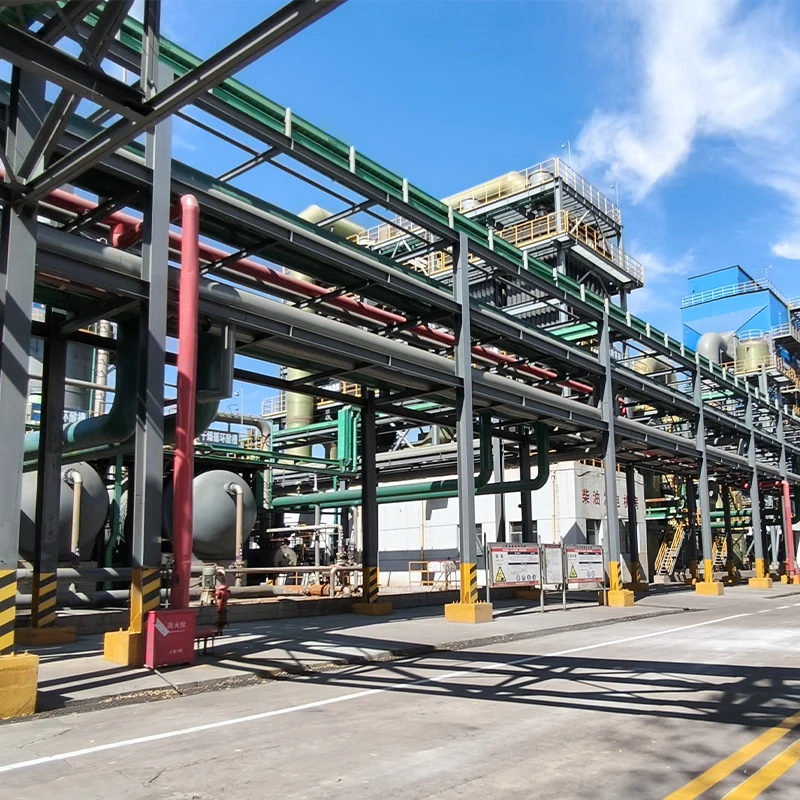
The Advanced Sulfuric Acid Production Process Flow
The modern sulfuric acid production line primarily utilizes the Contact Process, renowned for its high conversion efficiency and product purity. This process involves several critical stages, each optimized for maximum output and minimal environmental impact.
Detailed Manufacturing Process:
- Sulfur Melting & Filtration: Raw sulfur, typically from petroleum refining or natural gas desulfurization, is melted in a tank and filtered to remove impurities. This ensures a clean feedstock for subsequent combustion.
- Sulfur Burning (SO₂ Production): Molten sulfur is sprayed into a sulfur burner, where it reacts with dry air (oxygen) to produce sulfur dioxide (SO₂). This exothermic reaction generates significant heat, which is recovered in waste heat boilers to produce high-pressure steam, a critical energy-saving feature. The burner components are typically fabricated from high-grade carbon steel, often with refractory lining, capable of withstanding temperatures exceeding 1000°C.
- Gas Cooling & Dust Removal: The hot SO₂ gas is cooled in a waste heat boiler, generating steam. Subsequent stages involve electrostatic precipitators (ESPs) or venturi scrubbers to remove particulate matter and ensure gas purity, preventing catalyst poisoning.
- Catalytic Oxidation (SO₃ Production): The purified SO₂ gas is then directed to a converter, a multi-stage reactor where it's catalytically oxidized to sulfur trioxide (SO₃) using vanadium pentoxide (V₂O₅) catalysts. The reaction (2SO₂(g) + O₂(g) ⇌ 2SO₃(g)) is also exothermic, and inter-stage cooling is employed to maintain optimal reaction temperatures and maximize conversion. Modern converters often feature 4-5 stages to achieve conversion rates exceeding 99.8%. Converter vessels are typically constructed from low-alloy steel, designed to withstand high temperatures and corrosive environments, with internal components made from stainless steel or specialized alloys.
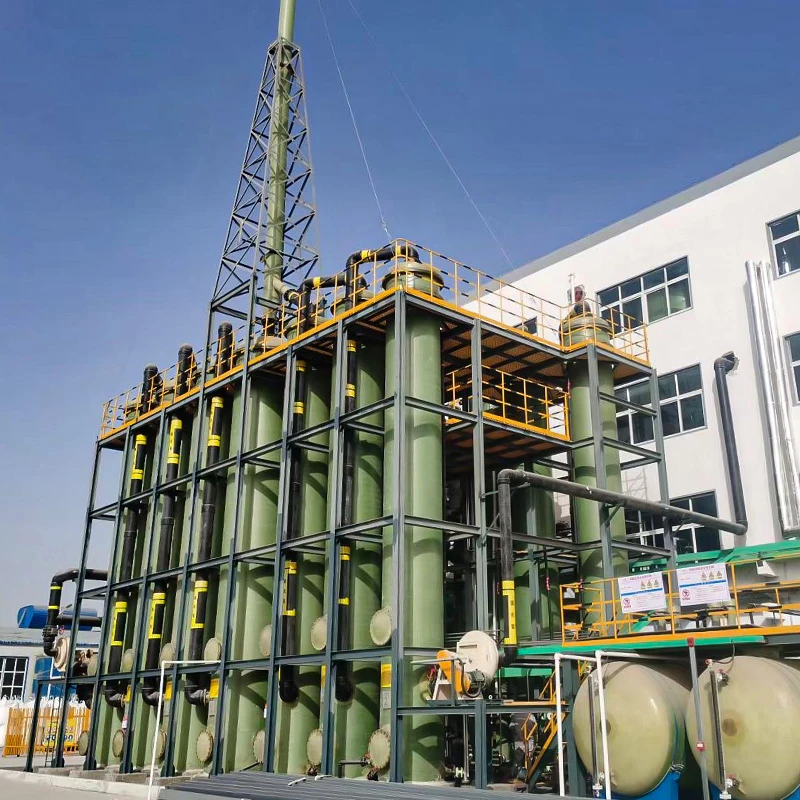
- SO₃ Absorption: The SO₃ gas is absorbed in concentrated sulfuric acid (98-99%) in an absorption tower, producing oleum (fuming sulfuric acid) or directly concentrated sulfuric acid. Water is then added to the circulating acid to maintain the desired concentration. Absorbers and inter-stage coolers are frequently constructed from corrosion-resistant materials such as acid-resistant bricks lined within carbon steel shells, or specialized alloys like anodic protection equipped stainless steel, to counter the highly corrosive nature of concentrated H₂SO₄.
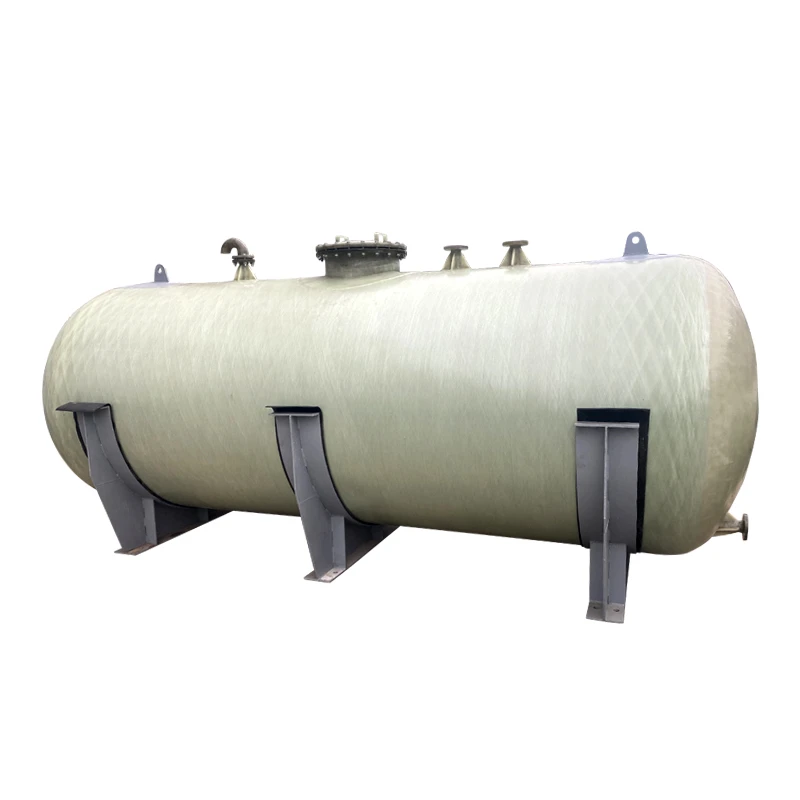
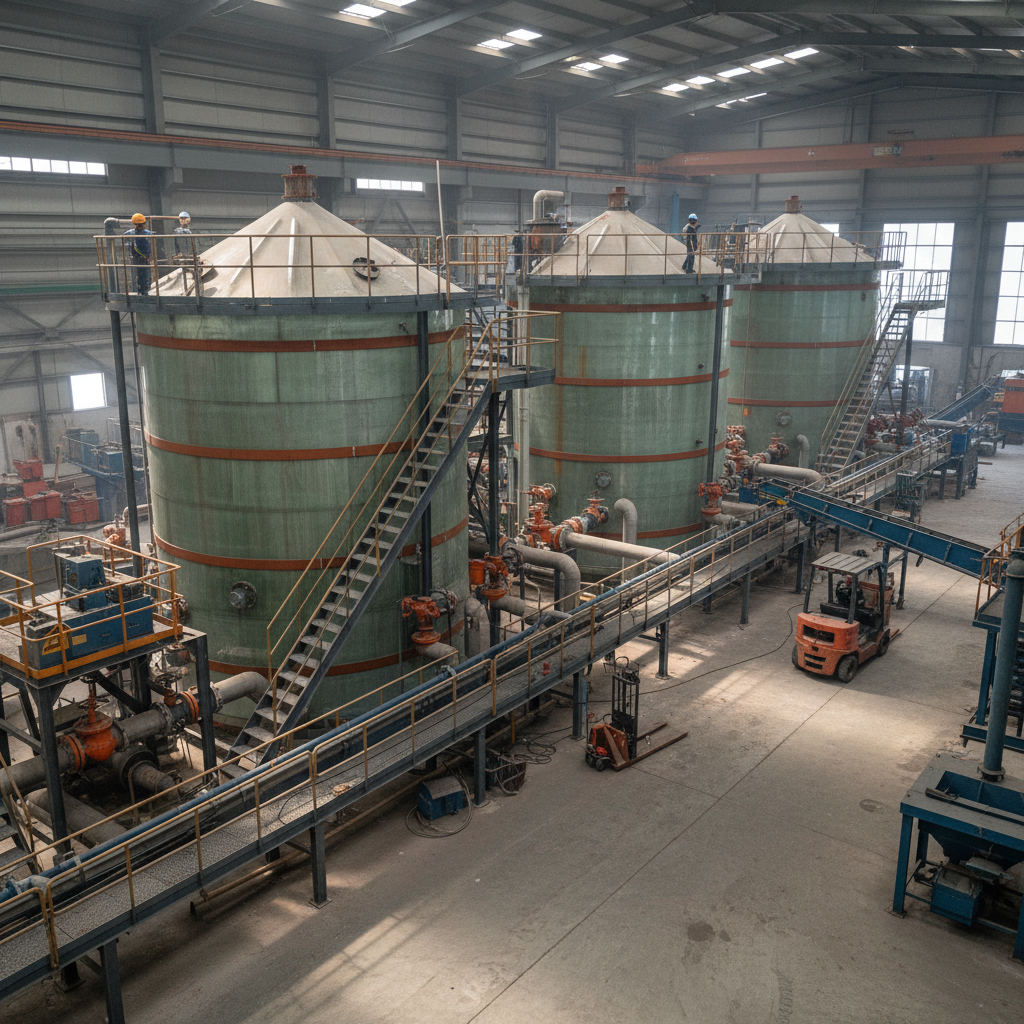
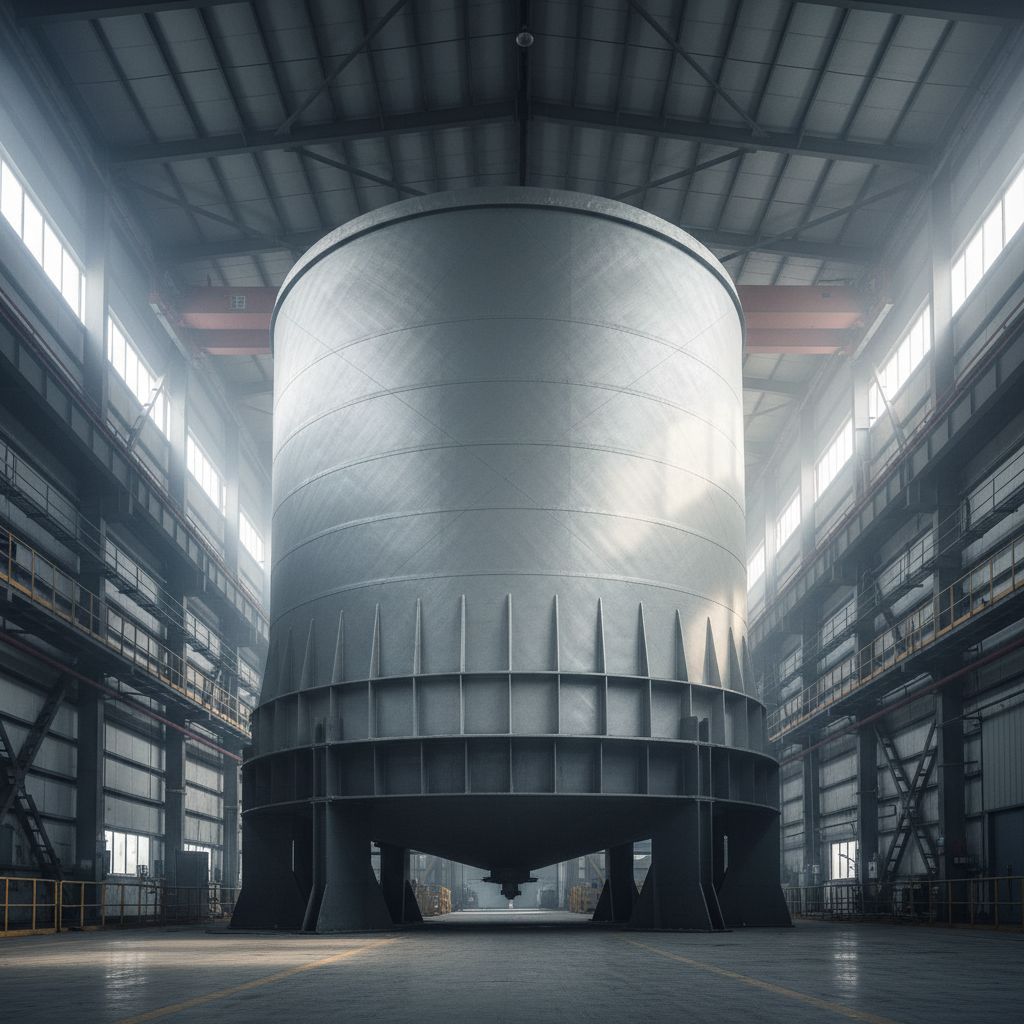
- Acid Cooling & Storage: The produced sulfuric acid is cooled in acid coolers (e.g., shell-and-tube heat exchangers with specialized alloys or plate heat exchangers with high-performance gaskets) before being sent to storage tanks. Storage tanks are typically robust carbon steel, lined internally with rubber or specialized polymers, designed to meet API 650 or equivalent standards.
Product Materials & Manufacturing Processes:
Component materials are selected for extreme temperature, pressure, and corrosion resistance. Key materials include SA-516 Grade 70 carbon steel for pressure vessels, stainless steel (304L, 316L, Duplex 2205, 904L) for pumps, piping, and heat exchangers, and specialized alloys like Hastelloy C-276 for highly corrosive sections. Manufacturing processes involve advanced techniques such as precision CNC machining for critical components, specialized welding (e.g., orbital welding for pipes), forging for high-pressure parts, and meticulous casting for complex shapes. All fabrication adheres to strict quality control, including non-destructive testing (NDT) like ultrasonic testing and radiographic inspection.
Testing Standards & Service Life:
Our equipment is manufactured and tested according to international standards such as ISO 9001 (Quality Management), ASME Boiler and Pressure Vessel Code, ANSI B31.3 (Process Piping), and specific country-level regulations (e.g., PED for Europe). This rigorous adherence ensures a service life typically exceeding 20-25 years for major components, with proper maintenance.
Target Industries & Application Advantages:
Our advanced sulfuric acid production lines serve diverse industries including:
- Petrochemical: Catalytic processing, alkylation.
- Metallurgy: Leaching processes for copper, nickel, uranium; pickling of steel.
- Fertilizer Production: Phosphate fertilizers (superphosphate, diammonium phosphate - DAP).
- Water Supply & Drainage: pH adjustment, wastewater treatment.
- Textile & Pulp and Paper: Desizing, bleaching.
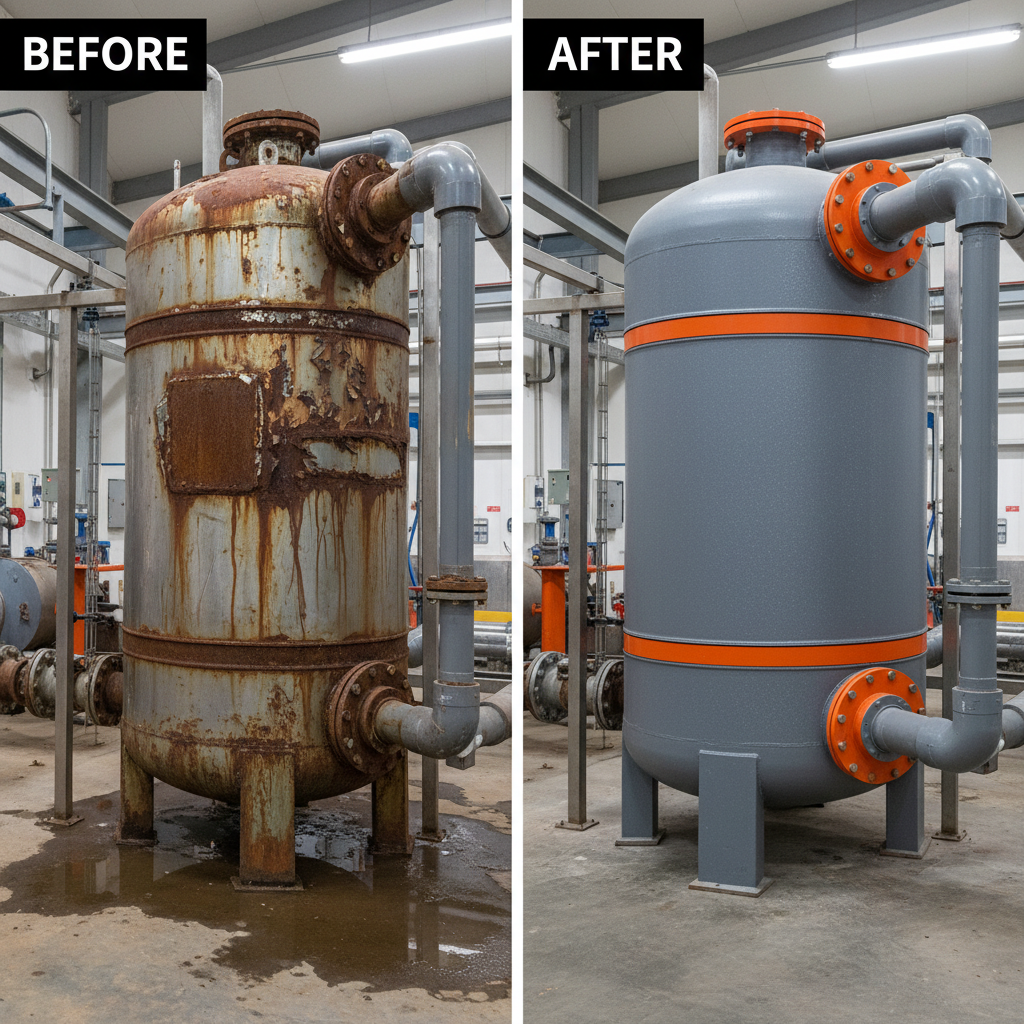
Key advantages in these scenarios include significant energy saving through efficient waste heat recovery, exceptional corrosion resistance due to advanced material selection and protective linings, high conversion rates leading to reduced raw material consumption, and minimized environmental footprint.
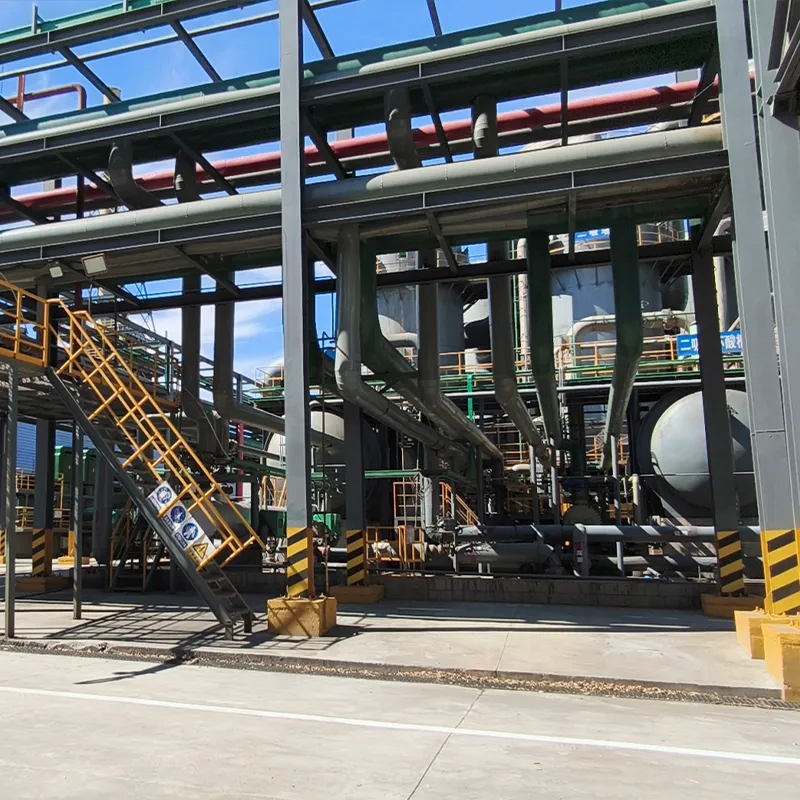
Technical Specifications & Advantages of a Modern Sulfuric Acid Plant
A state-of-the-art sulfuric acid plant is characterized by a blend of robust engineering, material science, and process automation to achieve high efficiency and reliability. The following table illustrates typical specifications for a high-capacity production line:
Typical Sulfuric Acid Production Line Specifications
| Parameter | Specification | Technical Advantage |
|---|---|---|
| Production Capacity | 50-2000 MTPD (Metric Tons Per Day) | Scalable designs to meet diverse market demands, from niche to large-scale industrial use. |
| Sulfur Conversion Rate | >99.8% (Double Absorption System) | Minimizes raw material consumption and significantly reduces SO₂ emissions, ensuring environmental compliance. |
| Sulfur Dioxide (SO₂) Emissions | <2.0 kg/ton H₂SO₄ (typically <0.5 kg/ton H₂SO₄) | Exceeds international environmental standards (e.g., EU IED, EPA NSPS), enhancing ecological responsibility. |
| Product Concentration | 98.5% - 99.5% H₂SO₄, Oleum (various concentrations) | Versatility to produce a range of sulfuric acid products, meeting diverse industrial requirements. |
| Steam Production (Waste Heat Recovery) | ~1.0-1.5 tons steam/ton H₂SO₄ (at 4.0 MPa, 400°C) | Significant energy saving; generated steam can power turbines or be used in other plant processes, reducing operational costs. |
| Power Consumption | <50 kWh/ton H₂SO₄ (net after steam credit) | High energy efficiency, contributing to lower utility expenses and a competitive cost structure. |
| Main Equipment Material | SA-516 Gr.70, SS304L/316L, Duplex SS, Ceramic/Acid-resistant lining | Superior corrosion resistance, ensuring long service life, reduced maintenance, and enhanced safety in demanding chemical environments. |
| Automation Level | DCS (Distributed Control System) integration | Minimizes human error, optimizes process parameters, enhances operational stability, and provides comprehensive data logging for analysis. |
These specifications underscore the technical prowess and inherent advantages of modern sulfuric acid production technologies, emphasizing both economic viability and ecological responsibility.
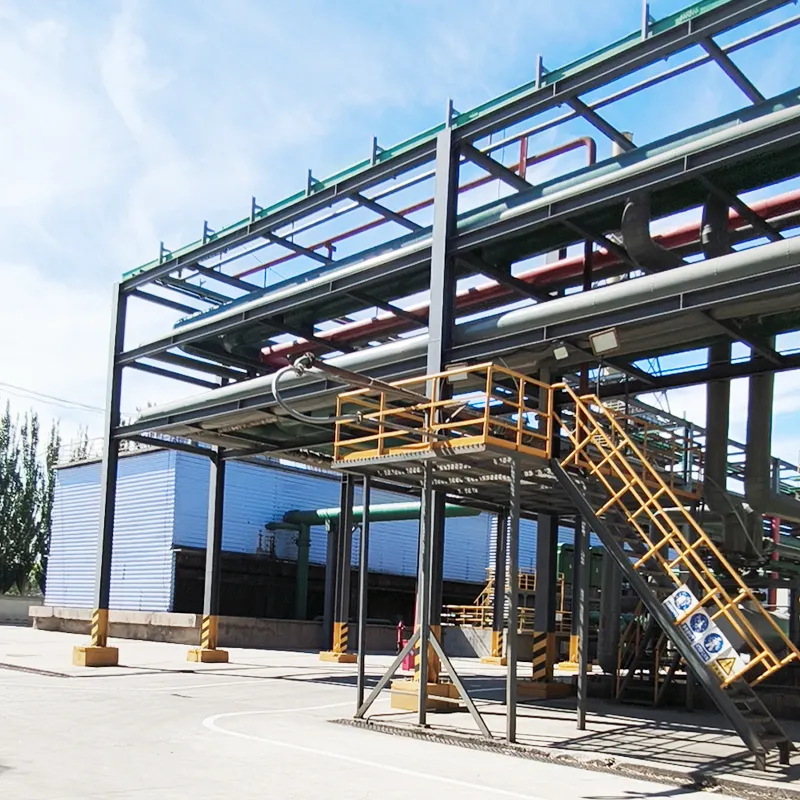
Application Scenarios & Usage Cases
Sulfuric acid's versatility makes it a cornerstone chemical across numerous industrial sectors. Our production lines are designed to cater to a wide range of application scenarios, ensuring high-quality output for critical processes.
Key Application Scenarios:
- Fertilizer Manufacturing: The largest consumer, using sulfuric acid to produce phosphoric acid for phosphate fertilizers (e.g., superphosphate, triple superphosphate, DAP, MAP).
- Chemical Industry: Used in the production of various chemicals, including hydrochloric acid, nitric acid, sulfates, detergents, dyes, pigments, and explosives.
- Metallurgy & Mining: Essential for leaching non-ferrous metals (copper, nickel, zinc, uranium) from ores, and for pickling steel to remove rust and impurities prior to finishing.
- Petroleum Refining: Employed in alkylation processes to produce high-octane gasoline, and in desulfurization of crude oil.
- Water Treatment: Used for pH adjustment, coagulation, and flocculation in industrial and municipal wastewater treatment plants.
- Battery Manufacturing: A key electrolyte in lead-acid batteries.
Customer Feedback & Service Case Details:
"Our investment in the new 500 MTPD sulphuric acid production line has significantly boosted our fertilizer output capacity while drastically cutting down on SO₂ emissions. The energy recovery system alone has reduced our operating costs by 15%, exceeding our initial projections. The remote monitoring capabilities have also streamlined our operational control, allowing for proactive adjustments and minimal downtime." - Process Manager, AgroChem Solutions Inc.
Another client, a major copper mining operation, leveraged our compact sulfuric acid plant for on-site acid generation for their heap leaching processes. The localized production reduced their reliance on external suppliers, ensuring a stable and cost-effective supply, especially critical in remote mining locations. The robust design and ease of maintenance were frequently highlighted as key operational advantages.
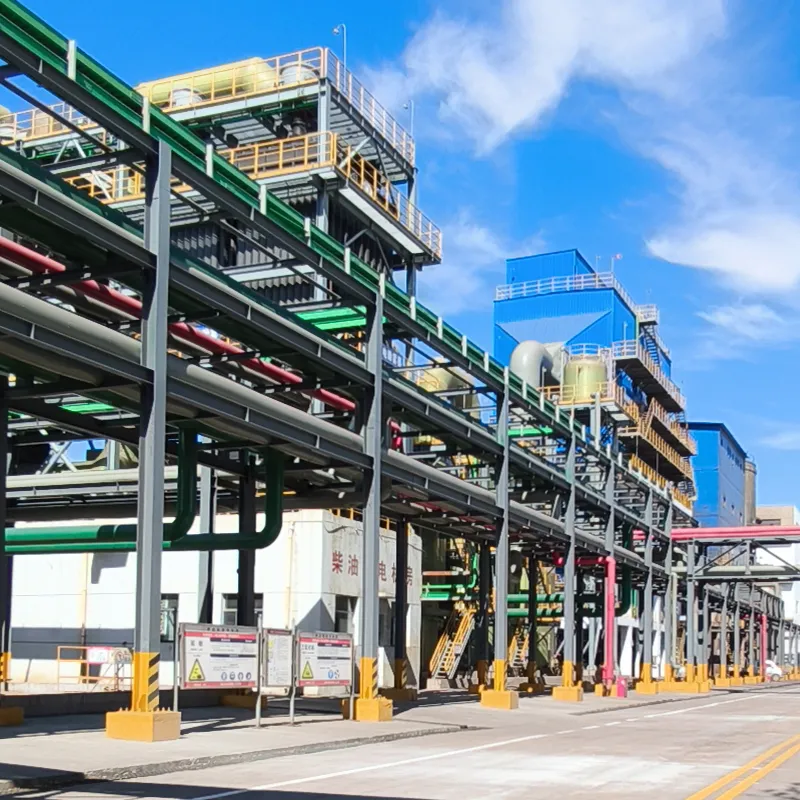
Vendor Comparison: Choosing the Right Sulfuric Acid Manufacturer
Selecting the optimal sulfuric acid manufacturer for your production line is a critical decision impacting long-term operational efficiency, environmental compliance, and profitability. While many vendors offer solutions, key differentiators set leading providers apart. Below is a comparison of crucial factors:
Key Differentiators in Sulfuric Acid Plant Vendors
| Factor | Generic Vendor Offerings | Leading Vendor (Our Approach) |
|---|---|---|
| Technology & Innovation | Standard Contact Process; basic waste heat recovery. | Advanced Double Absorption, enhanced waste heat boilers, proprietary catalyst formulations, advanced gas purification. |
| Conversion Efficiency | 99.5% - 99.7% | >99.8% (achieving >99.9% in some configurations). |
| Environmental Footprint | Meets minimum local standards; higher SO₂ emissions. | Ultra-low SO₂ emissions (<0.5 kg/ton H₂SO₄), zero acid mist, full compliance with international regulations. |
| Customization & Flexibility | Limited standard models; less adaptable to unique site constraints. | Highly modular designs, tailored capacity ranges, feedstock flexibility (sulfur, pyrites, spent acid), process optimization for specific outputs. |
| Service & Support | Basic warranty; regional support. | Comprehensive after-sales support, remote diagnostics, spare parts management, long-term operational assistance, performance guarantees. |
| Material Selection | Cost-effective standard materials. | Optimized use of specialized corrosion-resistant alloys, advanced linings, and FRP components for extended lifespan and safety. |
This comparison highlights the importance of partnering with a provider that not only understands the nuances of sulfuric acid production but also offers innovative, sustainable, and custom-engineered solutions to drive client success.
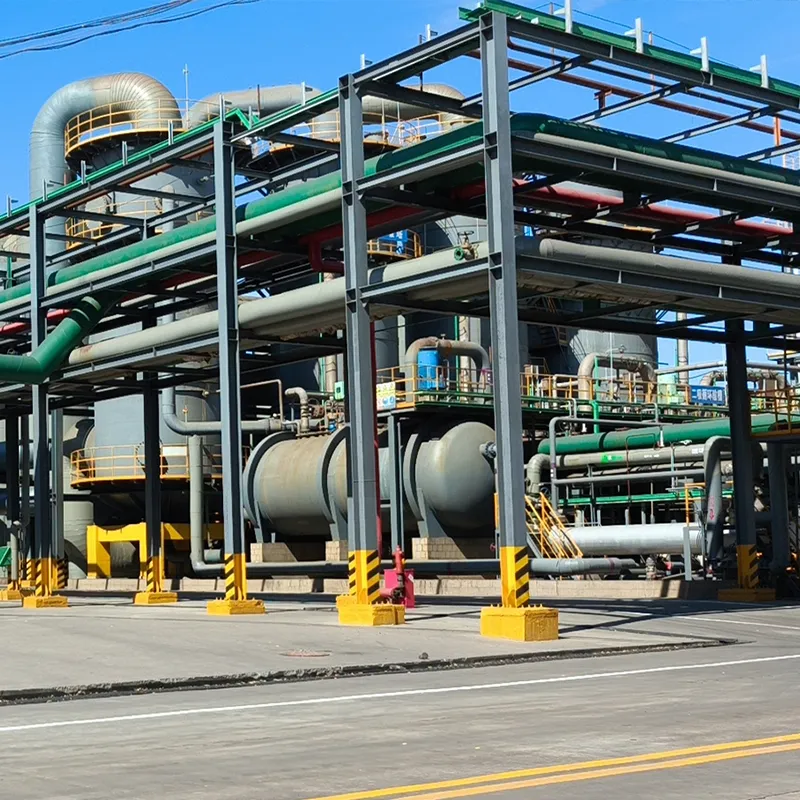
Customized Solutions for Commercial Production of Sulfuric Acid
Every industrial client presents unique challenges and opportunities, particularly in the realm of commercial production of sulphuric acid. Recognizing this, we specialize in providing highly customized solutions that precisely align with specific operational requirements, feedstock availability, environmental regulations, and budgetary constraints.
Tailored Design & Engineering:
- Capacity Customization: From small-scale, modular plants (e.g., 50 MTPD) for specialized applications or remote locations, to integrated mega-plants (e.g., 2000 MTPD) for large-scale fertilizer or metallurgical operations.
- Feedstock Flexibility: Design adaptations for various sulfur sources, including elemental sulfur, spent acid regeneration, pyrites, H₂S, or metallurgical off-gases. Each feedstock requires specific pre-treatment and burner configurations.
- Product Versatility: Ability to produce different concentrations of sulfuric acid (e.g., 93%, 98.5%), oleum (e.g., 20%, 65%), or even battery-grade acid, based on downstream application needs.
- Layout Optimization: Plant layout is engineered to fit existing site footprints, considering geographical factors, safety zones, and integration with upstream and downstream facilities.
Advanced Automation & Integration:
Our solutions integrate cutting-edge Distributed Control Systems (DCS) or PLC-SCADA systems for full automation. This includes advanced process control (APC) modules for optimal acid strength control, gas flow management, and real-time emission monitoring. Data analytics and predictive maintenance capabilities can be incorporated for enhanced operational intelligence and reduced unplanned downtime.
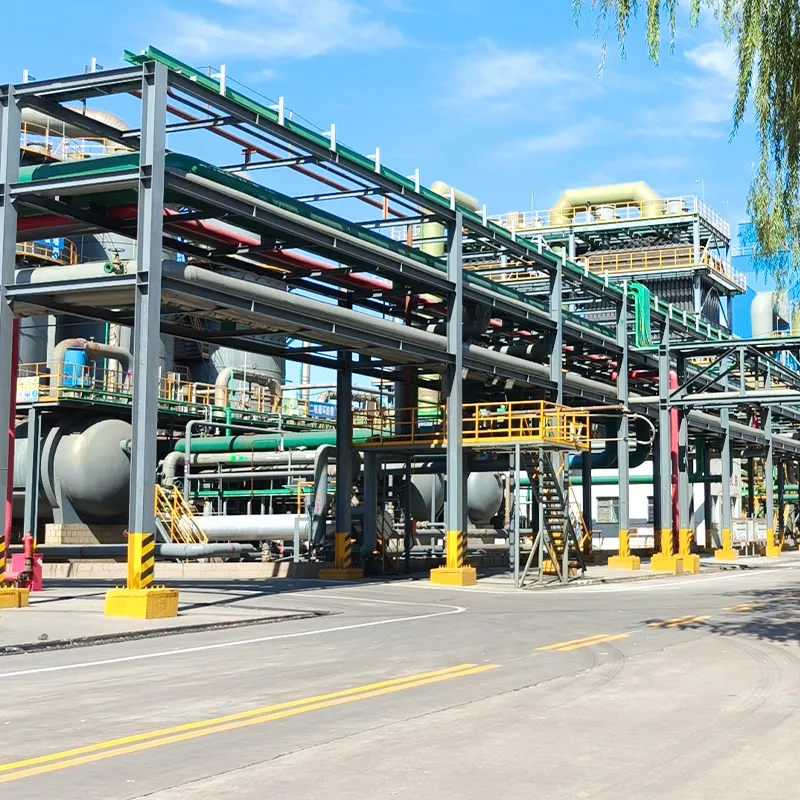
Authoritativeness & Trustworthiness: Our Commitment
Our reputation as a leading provider of sulfuric acid production solutions is built on decades of expertise, stringent quality control, and a client-centric approach. We adhere to the highest standards of engineering and project execution.
Certifications & Quality Assurance:
- ISO 9001:2015 Certified: Our quality management systems ensure consistent product and service delivery that meets customer and regulatory requirements.
- ASME & PED Compliance: All pressure vessels and piping systems are designed and fabricated in strict accordance with ASME Boiler and Pressure Vessel Code and European Pressure Equipment Directive (PED).
- Environmental Certifications: Our designs prioritize environmental protection, enabling clients to meet or exceed local and international emission standards (e.g., US EPA, EU IED).
Partner Clients & Years of Service:
With over 25 years of experience in the chemical engineering sector, we have successfully delivered numerous projects for global leaders in fertilizer, mining, and petrochemical industries. Our portfolio includes collaborations with major corporations in North America, Europe, Asia, and Africa, reflecting our global reach and proven reliability.
Test Data & Performance Guarantees:
Each plant design is backed by extensive process simulation, pilot plant data, and real-world operational statistics. We provide performance guarantees on conversion efficiency, emission levels, and energy recovery, ensuring our clients achieve expected operational metrics.
FAQ Module:
- Q: What is the typical lead time for a new sulfuric acid plant?
A: Lead times vary based on capacity and customization. For standard designs (50-300 MTPD), expect 12-18 months from contract signing to commissioning. Larger, highly customized plants may take 24-36 months. - Q: What are your warranty commitments?
A: We offer a comprehensive 12-month warranty from commissioning or 18 months from delivery (whichever comes first) on all equipment and workmanship. Extended warranties and service contracts are also available. - Q: What kind of after-sales support do you provide?
A: Our after-sales support includes technical assistance, spare parts supply, remote diagnostics, on-site troubleshooting, performance optimization services, and operator training programs. We maintain a dedicated support team available 24/7. - Q: Can your plants handle different types of sulfur feedstock?
A: Yes, our designs are highly adaptable. We can engineer plants to process elemental sulfur, spent acid, H₂S gas, or metallurgical off-gases containing SO₂, with appropriate pre-treatment units.
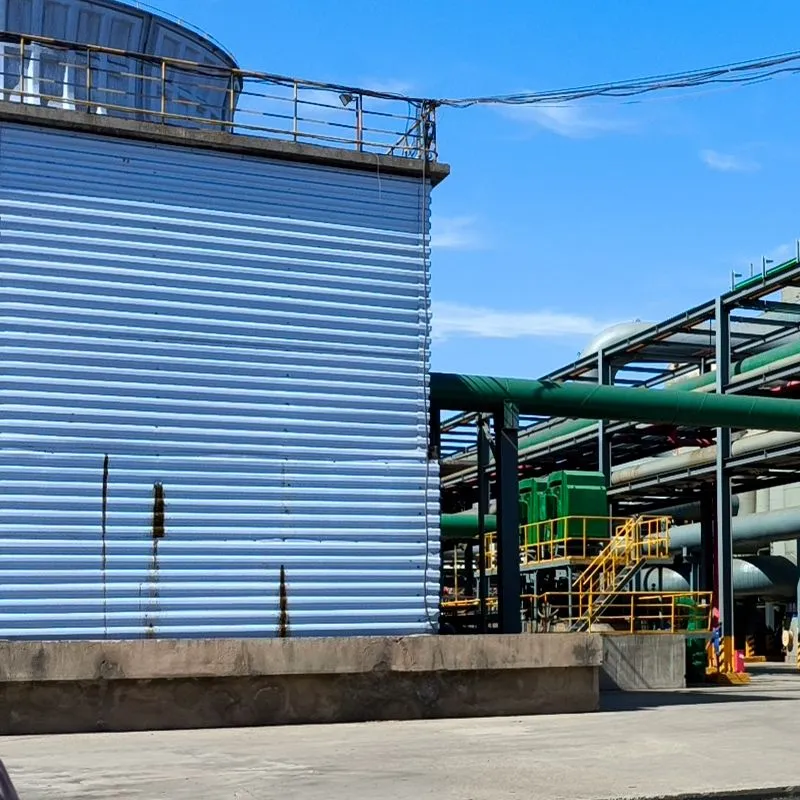
Real-World Application Case Studies
Case Study 1: Large-Scale Fertilizer Complex Expansion
Client: Major Phosphate Fertilizer Producer, Middle East
Challenge: Expand existing sulfuric acid capacity from 1000 MTPD to 2500 MTPD to support increased phosphoric acid production, while adhering to stricter national emission standards and integrating with existing utility infrastructure.
Solution: Engineered and supplied a state-of-the-art 1500 MTPD double-absorption sulfuric acid plant, featuring a dedicated electrostatic precipitator for enhanced gas purity and a highly efficient waste heat recovery system. The design incorporated advanced automation for seamless integration with the client's existing DCS.
Results: The new plant achieved a sulfur conversion rate of 99.9% and SO₂ emissions well below the national limits (<0.3 kg/ton H₂SO₄). The waste heat recovery generated over 1.3 tons of high-pressure steam per ton of acid, significantly contributing to the complex's energy self-sufficiency. The project was completed within schedule and budget, leading to a 25% increase in overall fertilizer output.
Case Study 2: Remote Mining Operation - On-Site Acid Generation
Client: Copper Mining Company, South America
Challenge: Establish a reliable and cost-effective source of sulfuric acid for heap leaching operations in a remote, logistically challenging region, minimizing transportation costs and ensuring supply stability.
Solution: Designed and installed a modular 250 MTPD sulfuric acid production line. The modular concept allowed for easier transportation and faster on-site assembly. Special consideration was given to robust, low-maintenance equipment suited for harsh environmental conditions, with a focus on ease of operation for local personnel.
Results: The on-site production capability reduced the cost of sulfuric acid by over 30% compared to previous external procurement and transport. Operational stability was significantly enhanced, eliminating supply chain disruptions. The plant's design facilitated efficient maintenance routines, ensuring high uptime critical for continuous mining operations.
Conclusion
The modern sulfuric acid production landscape demands solutions that are not only efficient and reliable but also environmentally conscious and adaptable to evolving industrial needs. By integrating advanced process technologies, superior material science, and comprehensive automation, we deliver H₂SO₄ plant solutions that set benchmarks in operational performance, cost-effectiveness, and sustainability. Our commitment to expertise, proven experience, authoritative certifications, and transparent trustworthiness ensures that partners receive a strategic asset designed for long-term success in a competitive global market.
References
- European Commission. (2016). Best Available Techniques (BAT) Reference Document for the Manufacture of Large Volume Inorganic Chemicals – Acids. EUR 28060 EN.
- National Academies of Sciences, Engineering, and Medicine. (2000). Sulfuric Acid Manufacturing: Environmental Assessment and Control. National Academies Press.
- World Bank Group. (2007). Environmental, Health, and Safety Guidelines for Large Volume Inorganic Chemicals.
- Green, D. W., & Southard, D. (Eds.). (2019). Perry's Chemical Engineers' Handbook (9th ed.). McGraw-Hill Education.