Fiberglass reinforced pipe manufacturers provide critical infrastructure components engineered from a composite of glass fibers and high-performance resins. These systems are designed to transport fluids in environments where traditional metallic piping fails due to oxidation or chemical attack, offering a superior strength-to-weight ratio through advanced filament winding and molding processes.
For industrial operators in chemical processing and water treatment, the primary challenge is balancing structural integrity with long-term corrosion resistance. Traditional steel piping often requires expensive coatings and frequent maintenance, leading to significant downtime and operational risks in highly acidic or alkaline environments.
This guide examines the technical specifications, procurement criteria, and application scenarios for FRP piping. By analyzing material characteristics and manufacturing standards, procurement teams can make informed decisions to optimize the lifespan and efficiency of their fluid handling systems.

1Understanding FRP Piping Architecture

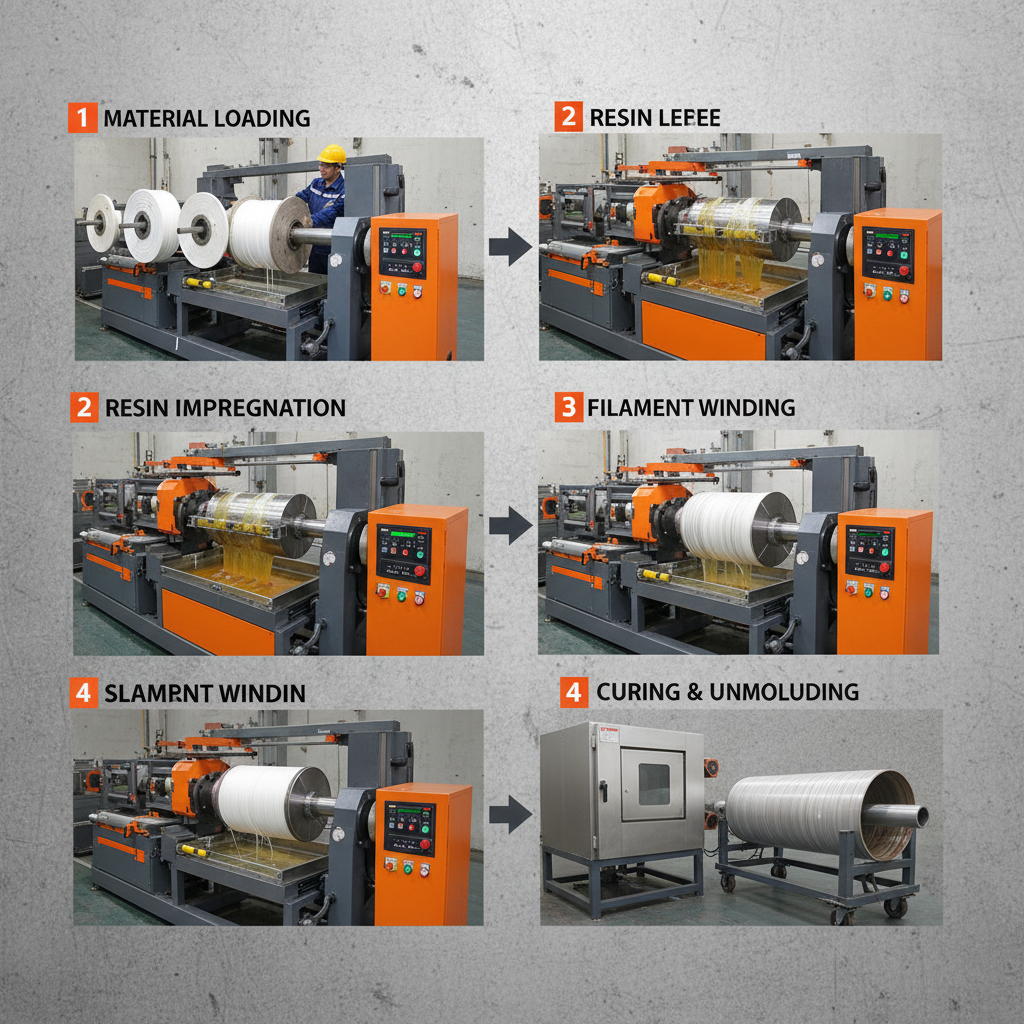
Fiberglass reinforced pipes are constructed using a sophisticated layering process. The internal structure typically consists of an inner liner that provides the primary chemical barrier, a structural layer of glass fibers wrapped under tension—often via the filament winding process—and an outer protective layer to shield the pipe from UV radiation and mechanical impact.
This architectural approach allows manufacturers to customize the resin type based on the specific chemical media being transported, whether it be strong acids, salts, or food-grade liquids. The resulting composite material is not just a substitute for metal but an engineered solution for extreme conditions.
In large-scale projects, the ability to wind vessels and pipes at the job-site can significantly reduce logistics costs and eliminate the need for numerous joints, which are typically the weakest points in any piping system.
2Core Technical Advantages of FRP Materials
The most prominent advantage of FRP is its exceptional corrosion resistance. Unlike stainless steel, which can suffer from pitting or stress-corrosion cracking, FRP is inert to many aggressive chemicals. This makes it indispensable for transporting acid, alkaline, and salt solutions without the need for additional linings.
Thermal properties also play a key role; with a low thermal conductivity of 0.2kcal(m²-h·°C), FRP provides natural insulation, reducing heat loss in hot fluid transport and preventing condensation in cold lines. It remains operational in extreme temperatures, reaching as low as minus 80°C.
Furthermore, the smooth inner surface (roughness coefficient n=0.0084) reduces friction losses and prevents the accumulation of biological deposits, which is critical for sanitary applications in pharmaceutical and food processing industries.
3Industrial Application Scenarios
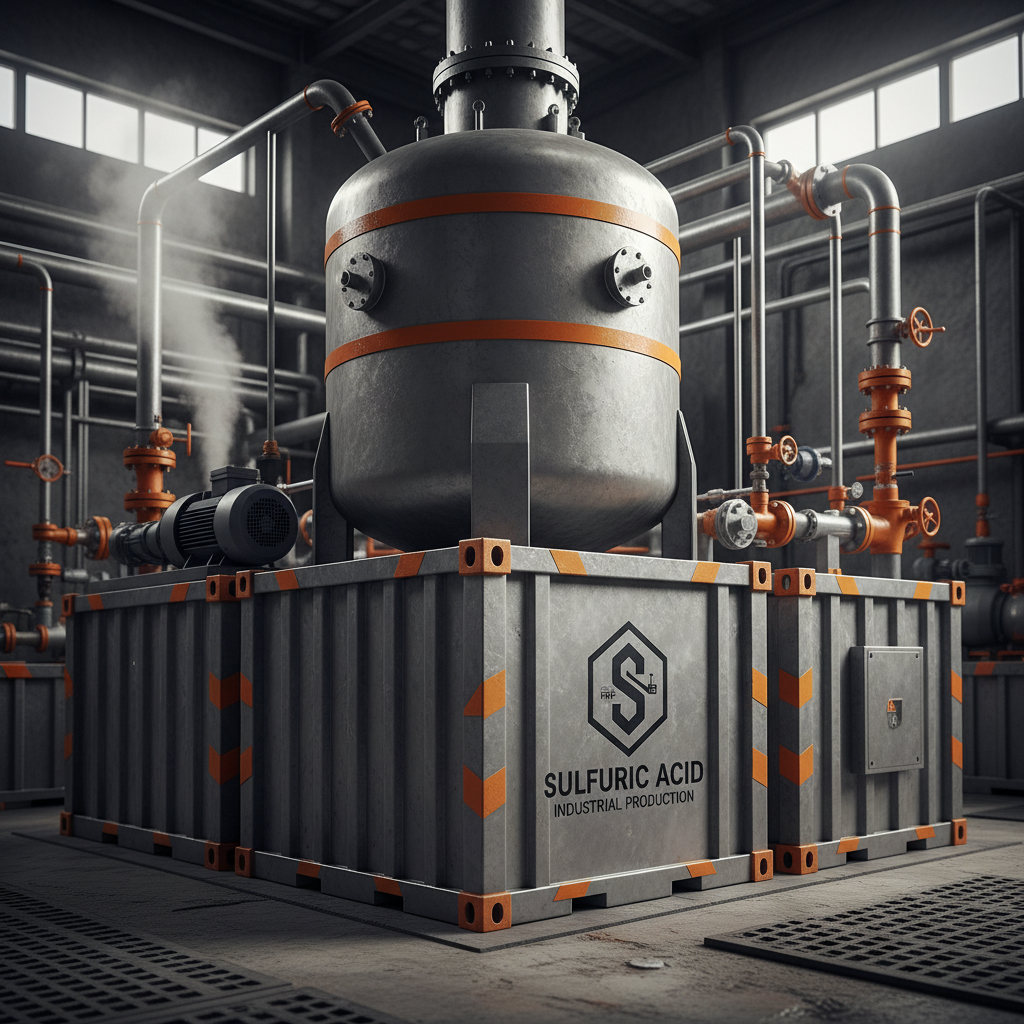
In the chemical and petroleum sectors, FRP pipes are primarily used for the storage and transport of corrosive reagents and petroleum by-products. Their ability to prevent leakage and resist chemical degradation ensures environmental safety and reduces the risk of hazardous spills.
Water treatment facilities utilize these materials for desalination plants and wastewater management. The resistance to salt and sewage chemicals makes FRP a more sustainable choice for long-term municipal infrastructure compared to concrete or ductile iron.
Additionally, in the construction and agriculture sectors, FRP's lightweight nature and ease of shaping allow for the creation of complex piping layouts in difficult terrain, providing efficient irrigation and drainage solutions with minimal maintenance.
4Comparative Performance Analysis
When comparing the operational efficiency of FRP systems against standard metallic alternatives, the data reveals a clear trend in maintenance reduction. The absence of rust and scaling leads to a consistent flow rate over the lifecycle of the asset.
The following metrics highlight how the integration of high-quality composite manufacturing impacts key performance indicators, particularly in terms of weight reduction and longevity in corrosive environments.
fiberglass reinforced pipe manufacturers Performance Metrics
While the initial material cost may vary, the total cost of ownership is lowered through the elimination of cathodic protection systems and the reduction in replacement frequency. The high strength-to-weight ratio also lowers the cost of supporting structures and installation labor.
5Procurement and Selection Criteria
Selecting the right manufacturer requires a deep dive into their certification and technical capability. Key considerations include the adherence to ISO9001 and ISO14001 standards, which ensure consistent quality control and environmental management during the resin curing process.
Technical specifications should be scrutinized, specifically the maximum diameter capabilities and the winding tension control. For instance, the ability to produce vessels up to 50,000mm in diameter indicates a high level of industrial capacity and expertise.
Procurement teams should also evaluate the availability of customized accessories, such as FRP handrails, ladders, and level indicators, to ensure the entire system is chemically compatible and structurally unified.
6Installation and Maintenance Constraints
Although FRP is durable, it is susceptible to mechanical impact and abrasion if not handled correctly. Installation requires specialized techniques, as the composite can crack under improper point-loading or excessive bending stresses beyond the design limit.
Maintenance is generally minimal, but periodic inspections for UV degradation of the outer layer are necessary, especially for above-ground installations. Protective coatings or specialized outer resins are recommended for high-exposure areas.
Jointing methods—whether adhesive bonding or flanged connections—must be executed precisely to prevent leaks. Once cured, the chemical bonds in FRP are incredibly strong, but correcting an installation error often requires cutting and replacing sections rather than simple welding.
7FRP vs. Traditional Metal Piping
The choice between FRP and metals like stainless steel or carbon steel depends on the balance between mechanical load requirements and chemical exposure. While metals offer higher impact resistance, they fail quickly in corrosive environments.
The following table summarizes the trade-offs between these material classes to assist in the engineering selection process.
| Feature | FRP Composite | Stainless Steel | Carbon Steel |
|---|---|---|---|
| Corrosion Resistance | Exceptional | High (Limited) | Low |
| Weight | Very Low | High | Very High |
| Installation Cost | Moderate | High | Moderate |
| Lifespan (Corrosive) | Long (20+ yrs) | Medium | Short |
| Thermal Insulation | Excellent | Poor | Poor |
| Impact Strength | Moderate | High | Very High |
In conclusion, for systems prioritizing longevity and chemical stability over extreme mechanical impact, the solutions provided by fiberglass reinforced pipe manufacturers offer the most sustainable ROI.
Frequently Asked Questions
Conclusion
Fiberglass reinforced pipes represent a critical evolution in fluid handling, offering a unique combination of lightweight structural strength and unmatched corrosion resistance. By shifting from metallic to composite systems, industries can drastically reduce maintenance overhead and improve the safety of hazardous material transport.
For engineers and procurement officers seeking reliable, custom-engineered composite solutions, exploring the technical capabilities of established fiberglass reinforced pipe manufacturers is essential. Detailed product specifications and available configurations can be reviewed at www.frpgrpequipment.com.