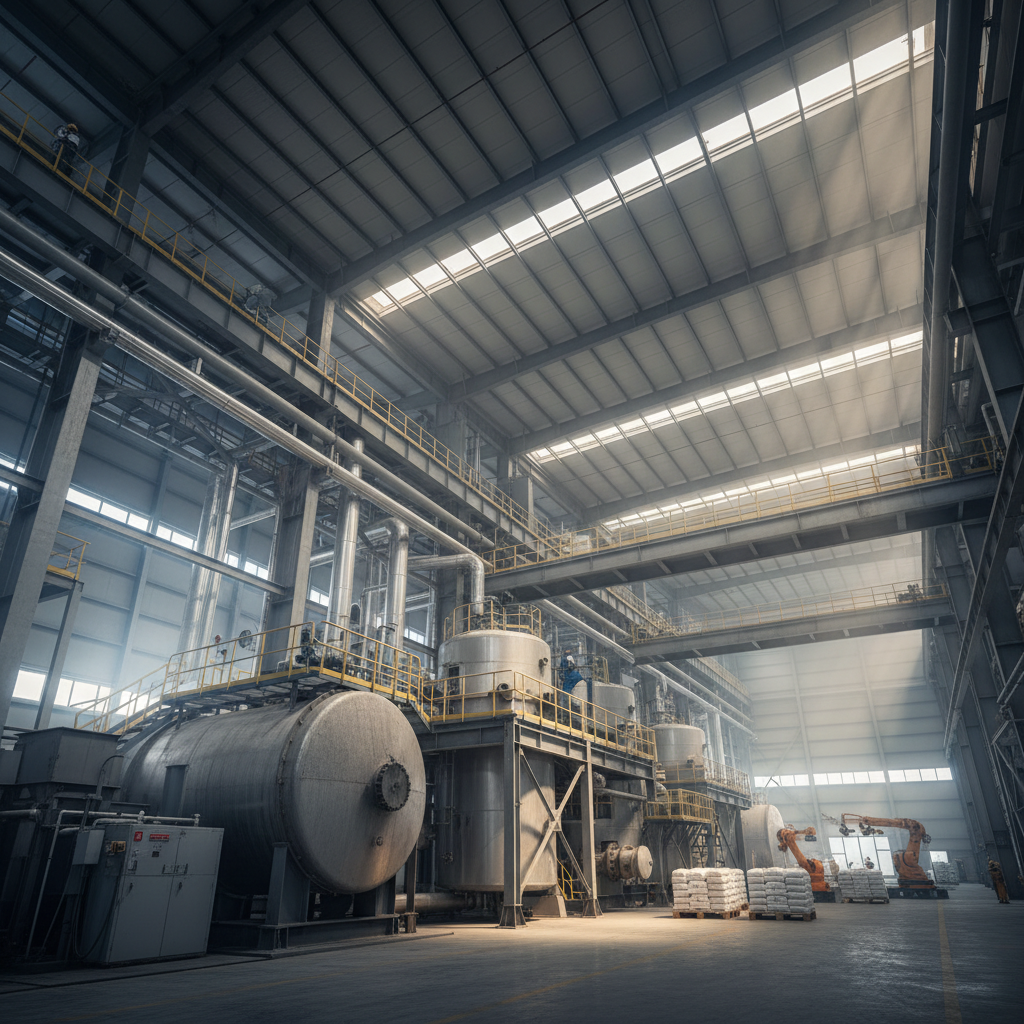
Selecting the right partner among various frp pipe manufacturers often determines the long-term viability of industrial fluid transport systems, particularly in highly corrosive environments. For engineers in the water pollution control and chemical sectors, the choice is not merely about price, but about the precision of the filament winding process and the quality of the resin matrix used.
Fiberglass Reinforced Plastic (FRP) piping has evolved from a niche alternative to a primary specification in wastewater management and chemical processing due to its immunity to electrochemical corrosion. However, the performance gap between standard production and high-precision engineering remains significant, impacting everything from burst pressure to chemical permeation rates.
This analysis explores the technical benchmarks for evaluating manufacturers, the critical role of production equipment in ensuring pipe consistency, and the strategic considerations for procurement in the environmental protection equipment industry.

The Industrial Role of FRP Piping in Pollution Control

In the realm of water quality pollution prevention, the materials used for piping must withstand aggressive chemical reagents and fluctuating pH levels. FRP piping has become the gold standard because it eliminates the risk of rust and oxidation that plagues stainless steel or carbon steel systems in humid, corrosive environments.
The effectiveness of these systems relies heavily on the manufacturer's ability to control the glass-to-resin ratio. When the winding process is imprecise, voids can form within the pipe wall, leading to osmotic blistering or premature structural failure when subjected to high internal pressures.
For companies specializing in environmental protection equipment, the integration of FRP pipes is not just a material choice but a systemic decision to reduce maintenance downtime and extend the lifecycle of the entire pollution control plant.
Technical Benchmarks for High-Performance GRP Piping
Quality in GRP (Glass Reinforced Plastic) piping is defined by the synergy between the reinforcing fibers and the polymer matrix. Top-tier manufacturers utilize advanced filament winding equipment to ensure that the fiber orientation is optimized for both longitudinal strength and hoop stress resistance.
Beyond the winding process, the curing cycle is critical. Improperly cured resins can leave unreacted monomers, which significantly lower the pipe's resistance to aggressive solvents and reduce the overall glass transition temperature (Tg), making the pipe susceptible to thermal deformation.
Furthermore, the inclusion of specialized chemical-resistant liners (such as vinyl ester or epoxy) is a hallmark of a professional manufacturer. These liners act as the primary barrier against permeation, while the structural FRP layer provides the necessary mechanical support.
Critical Application Scenarios in Chemical Processing
FRP piping is indispensable in the production of potassium sulfate and calcium carbonate, where the Mannheim process is commonly employed. These environments involve high-temperature reactions and the handling of hydrochloric acid (HCl) and sulfuric acid, which would rapidly degrade conventional piping.
In these settings, the pipes must be capable of transporting highly acidic slurries without eroding the inner wall. The use of corrosion-resistant materials in the piping and associated storage tanks ensures that the waste recovery systems—designed to recycle HCl—operate efficiently without leakage risks.
Additionally, in municipal wastewater treatment and desalination plants, the ability of FRP to withstand saline environments and biological fouling makes it a more sustainable choice than metallic alternatives, reducing the total cost of ownership over a 20-year horizon.
Comparing Production Efficiency and Pipe Durability
The difference between automated filament winding and manual layup is evident in the performance consistency. Automated systems allow for precise control over the tension of the glass rovings, ensuring that the wall thickness remains uniform across the entire length of the pipe.
When evaluating manufacturers, the use of PLC automatic control systems is a key indicator of quality. Such systems reduce human error in the resin-to-glass ratio and ensure that each batch meets the specified pressure ratings and safety factors.
frp pipe manufacturers Performance Metrics
The data indicates that pipes produced via high-precision winding equipment demonstrate significantly higher resistance to burst pressure and a lower rate of chemical permeation compared to industry averages for lower-cost, non-automated production methods.
Procurement Strategies for Industrial Composite Piping
Procuring FRP piping requires a shift from "lowest bid" thinking to "lifecycle cost" analysis. The initial capital expenditure may be higher for precision-engineered pipes, but the reduction in unplanned shutdowns and replacement costs provides a superior return on investment.
Buyers should demand specific technical data sheets that include the resin type, the fiber-to-resin percentage, and the hydrostatic pressure test results. It is also critical to verify if the manufacturer can provide customized diameters and wall thicknesses to match the specific hydraulic requirements of the project.
Furthermore, the availability of technical support for installation—including guidance on jointing methods and thermal expansion allowances—is as important as the physical product itself to prevent joint failure in the field.
Innovations in Filament Winding and Resin Technology
The industry is moving toward "Smart Winding" where sensors monitor resin viscosity and fiber tension in real-time. This allows for the production of pipes with variable wall thicknesses, where reinforcement is concentrated in high-stress areas, reducing material waste without compromising safety.
New resin chemistries are also emerging to address extreme temperature requirements. The integration of nano-fillers into the resin matrix could potentially increase the hardness and abrasion resistance of the inner liner, extending the life of pipes used for slurry transport in mining and chemical plants.
Moreover, the trend toward sustainability is driving the development of bio-based resins and recyclable composite materials. While these are still in the early stages of industrial adoption, they are expected to become a key requirement for environmental protection projects in the coming decade.
Selection Matrix for Different Piping Requirements
Choosing the correct pipe configuration depends on the balance between chemical aggression, pressure requirements, and budget. A pipe designed for potable water storage differs fundamentally from one designed for concentrated sulfuric acid transport.
The following matrix provides a decision-making framework for selecting the appropriate FRP pipe specification based on the operating environment and performance goals.
| Application Type | Recommended Liner | Winding Requirement | Primary Benefit |
|---|---|---|---|
| Acid Waste Recovery | Vinyl Ester Resin | High Precision Winding | Maximum Chemical Inertness |
| Potable Water | Food-Grade Polyester | Standard Filament Winding | Cost-Effective Durability |
| High-Pressure Steam | Epoxy Glass Blend | Multi-Angle Winding | Thermal-Mechanical Strength |
| Sewage/Sanitation | Standard GRP Resin | Centrifugal Casting | Abrasion Resistance |
| Chemical Slurry | Ceramic-Filled Resin | Reinforced Wall Thickness | Erosion Prevention |
| Fuel/Oil Storage | Specialized Hydrocarbon Liner | Tight-Tolerance Winding | Low Permeability |
Ultimately, the most reliable solution involves collaborating with a manufacturer who can tailor the equipment settings—such as the PLC-controlled ratio of feedstock—to the specific chemical and mechanical loads of the installation.
Frequently Asked Questions
Conclusion
The transition to high-performance composite piping is a strategic necessity for any operation focused on environmental protection and chemical efficiency. The ability of a manufacturer to integrate PLC automation and high-precision winding technology directly translates to the operational safety and longevity of the piping network.
For organizations seeking reliable, corrosion-resistant solutions for fluid transport, reviewing the technical capabilities and product range available through www.frpgrpequipment.com can provide the necessary insights to optimize their infrastructure investments.