Dec 03,2025

A Comprehensive Guide to frp Septic Tanks: Durable, Efficient Sanitation Solutions

Understanding the frp septic tank: A Modern Solution for Sanitation Challenges

Globally, more than 2 billion people lack access to safely managed sanitation services, highlighting an urgent need for effective waste management solutions. Enter the frp septic tank, a fiberglass-reinforced plastic system that is transforming how communities and industries treat wastewater. Why does this matter? Well, clean sanitation is a pillar of public health, environmental protection, and sustainable development. Familiarizing yourself with frp septic tanks unlocks awareness of a durable, efficient, and scalable technology that addresses these crucial needs worldwide.

Global Context: Why frp septic tanks Are Gaining Traction

According to the United Nations Water data, inadequate sanitation continues to drive waterborne diseases and environmental pollution. The World Bank estimates over $260 billion annually is lost due to poor sanitation impacts on health, productivity, and education.

Against this backdrop, the adoption of innovative septic solutions has become vital — particularly in rural or remote areas lacking sewer infrastructure. Fiberglass-reinforced plastic (FRP) septic tanks present a lightweight, corrosion-resistant, and rapid-install alternative to traditional concrete or steel tanks, meeting increasing demands for sanitation infrastructure worldwide.

Still, persistent challenges remain: cost constraints, maintenance issues, and local environmental regulations all influence septic system choices. Frankly, the versatility of frp septic tank technology embraces these hurdles by offering adaptable designs fit for diverse conditions.

What Is an frp septic tank?

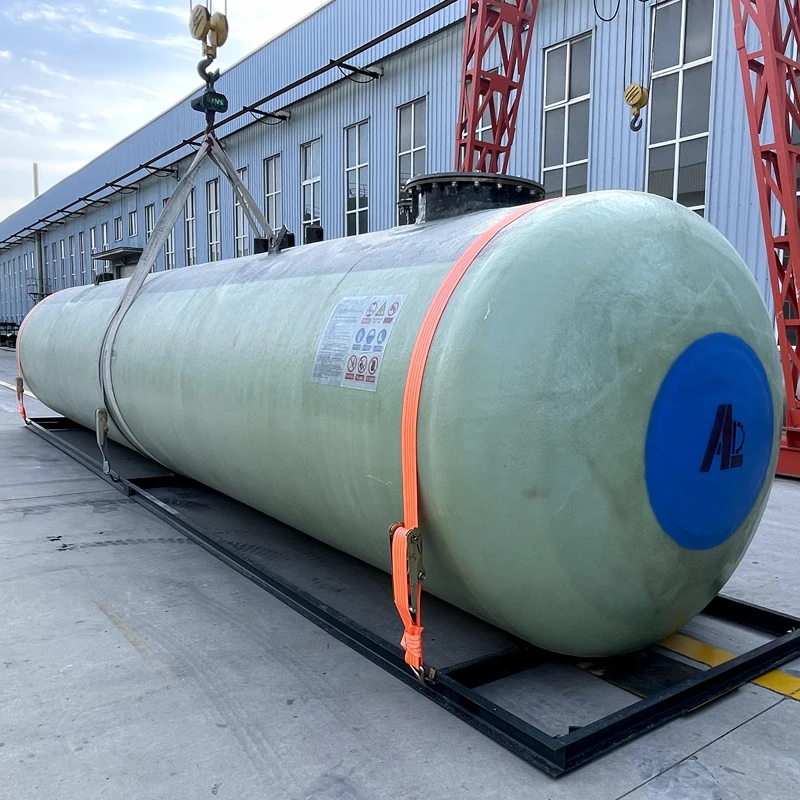
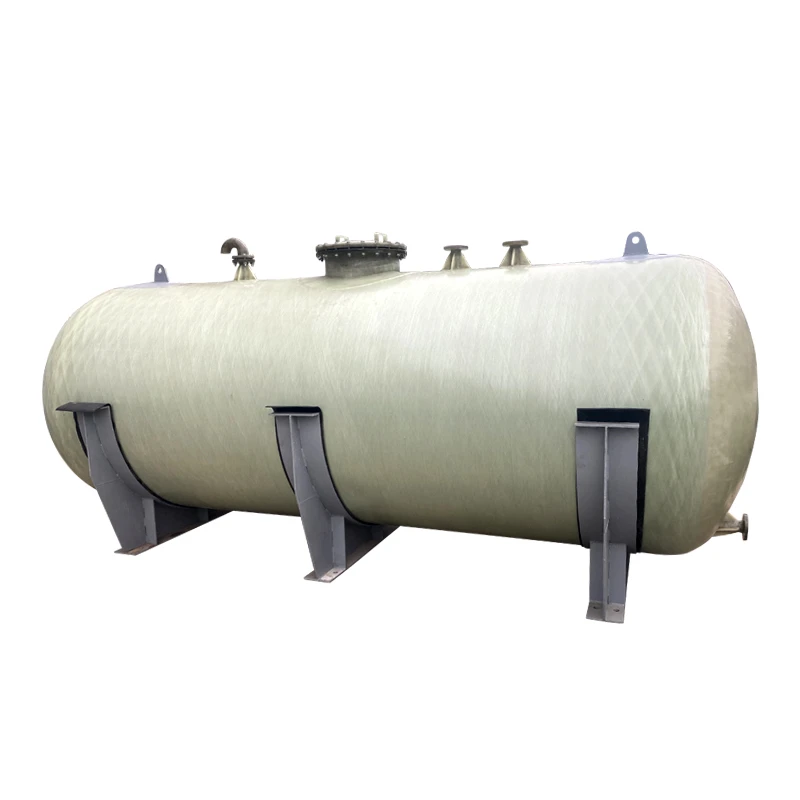
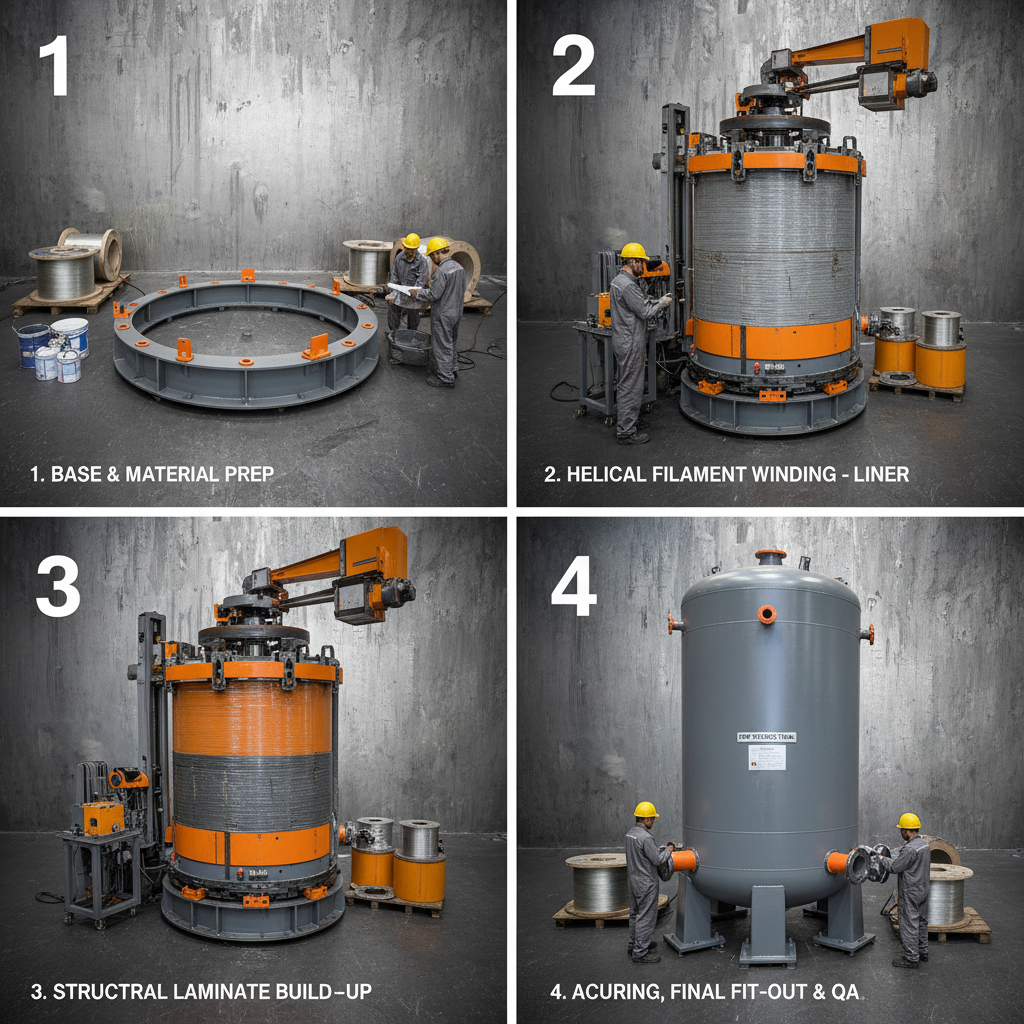
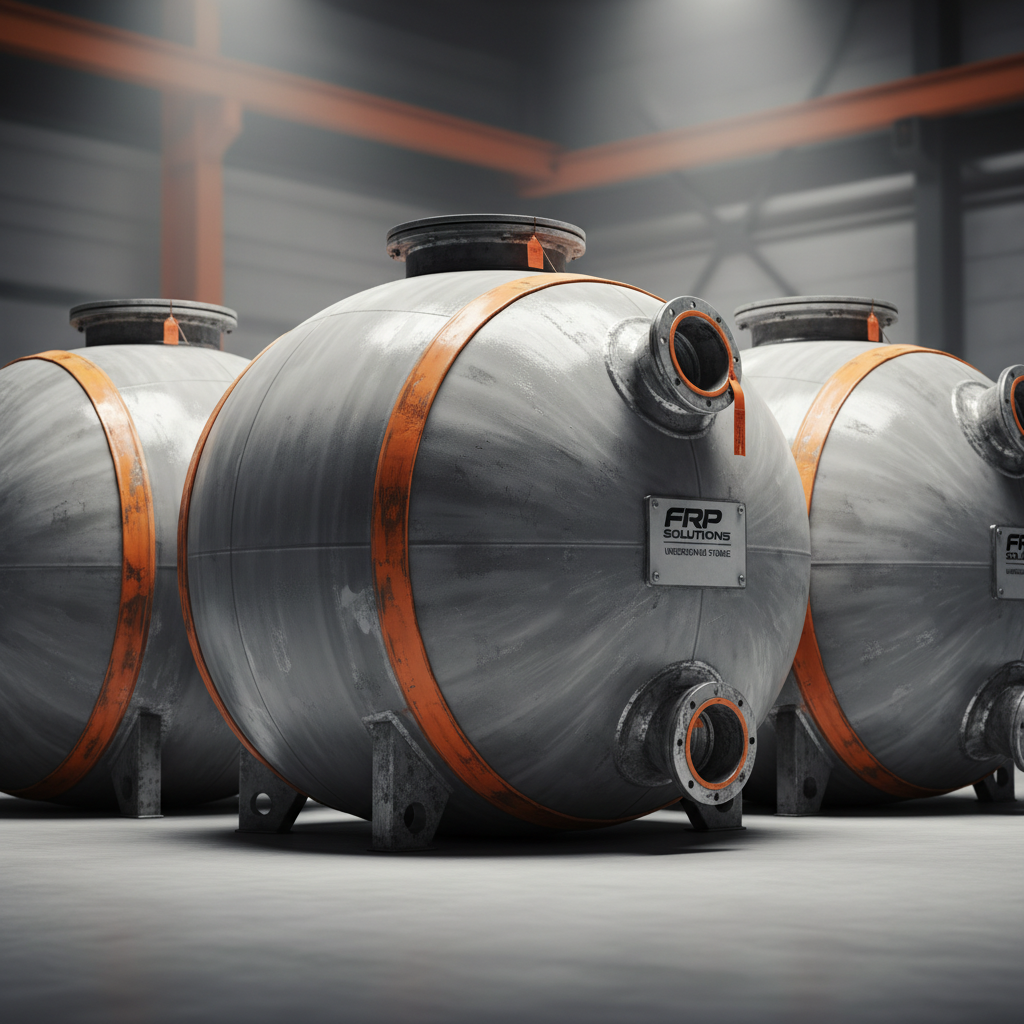
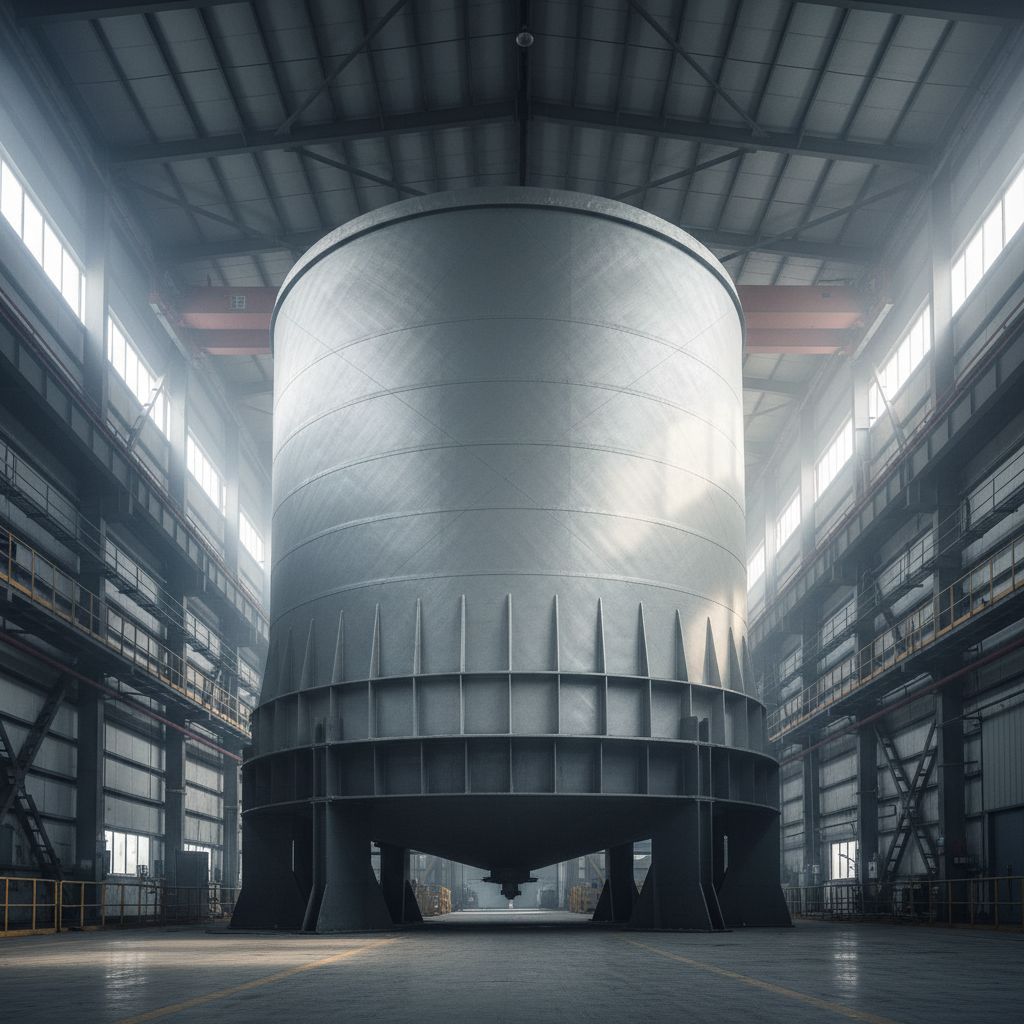
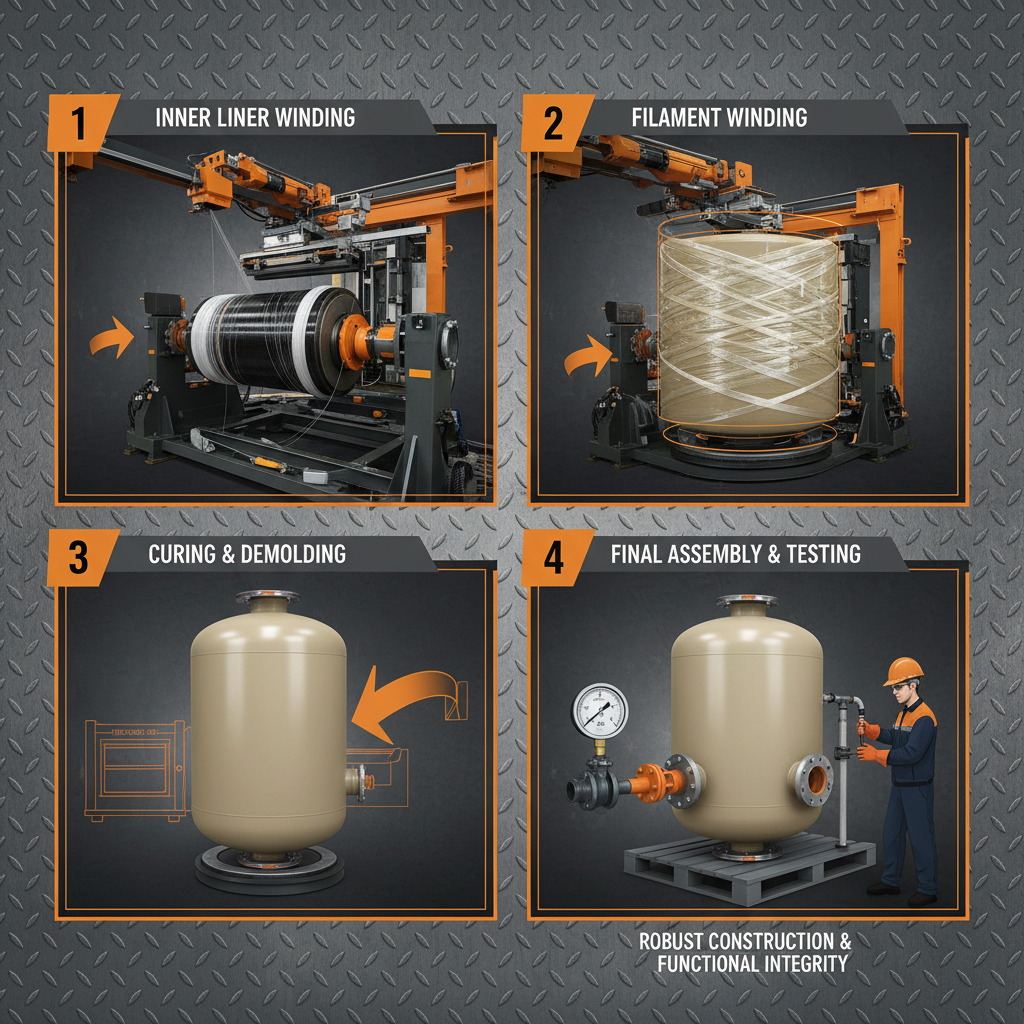
Simply put, an frp septic tank is a wastewater treatment unit made from fiberglass-reinforced plastic— a composite material combining polymer resin and fine glass fibers. This construction yields a tank that’s strong yet lightweight, resistant to corrosion and chemical degradation.

These tanks serve as primary septic units that collect, store, and partially break down household or industrial effluent before releasing it safely into soak pits or further treatment stages. The rise of these systems aligns directly with modern industry needs for efficient, long-lasting sanitation solutions with minimal environmental footprint.

Core Components & Key Factors of frp septic tanks

Durability

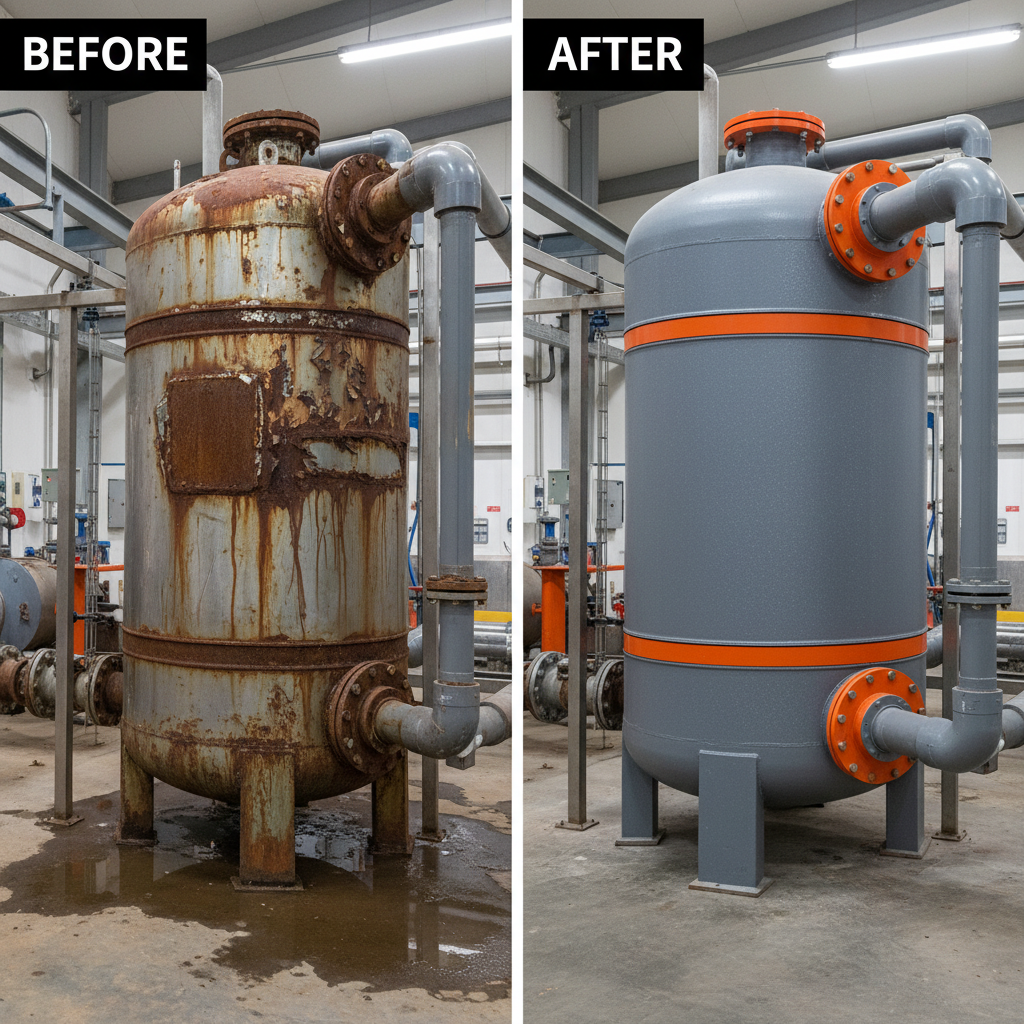
The reinforced fiberglass structure is immune to rust and bacterial attacks that commonly plague concrete or metal tanks, ensuring a lifespan exceeding 25 years with minimal upkeep.

Lightweight & Portability

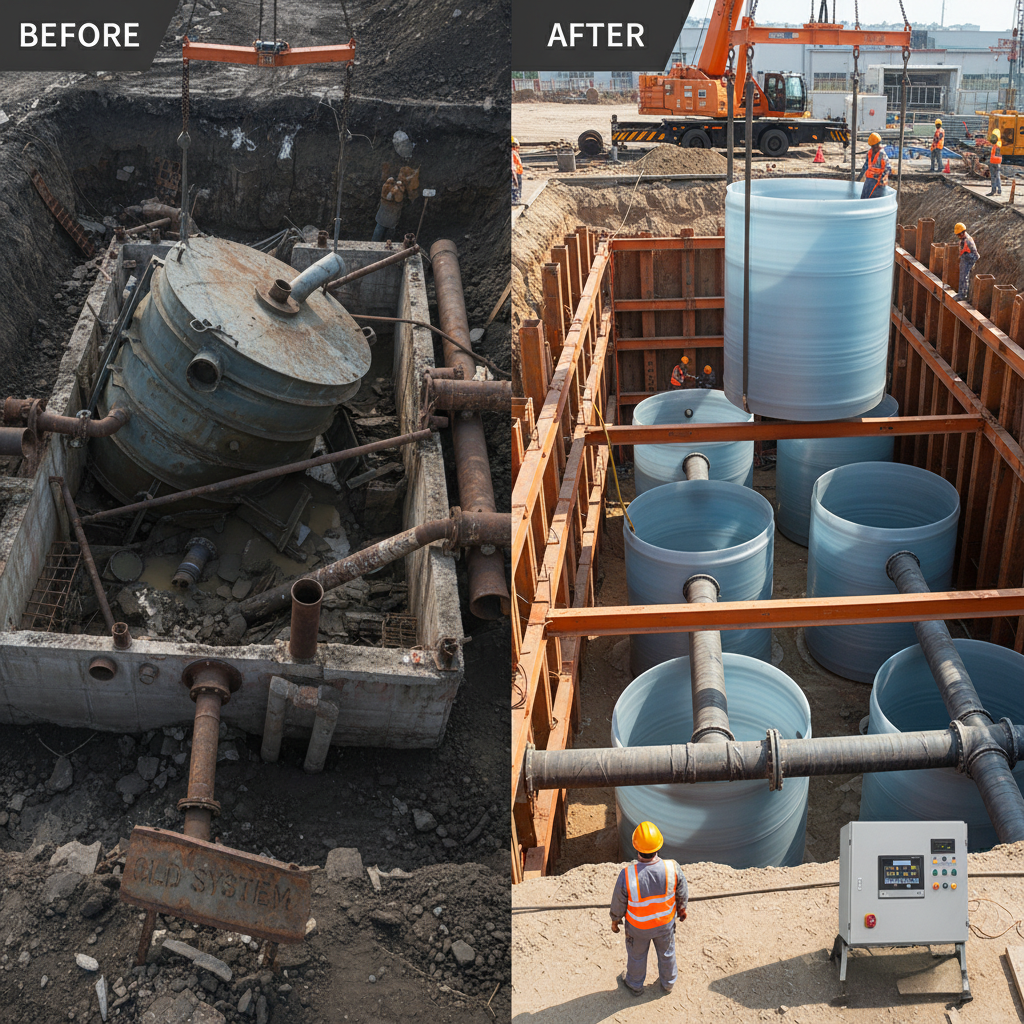
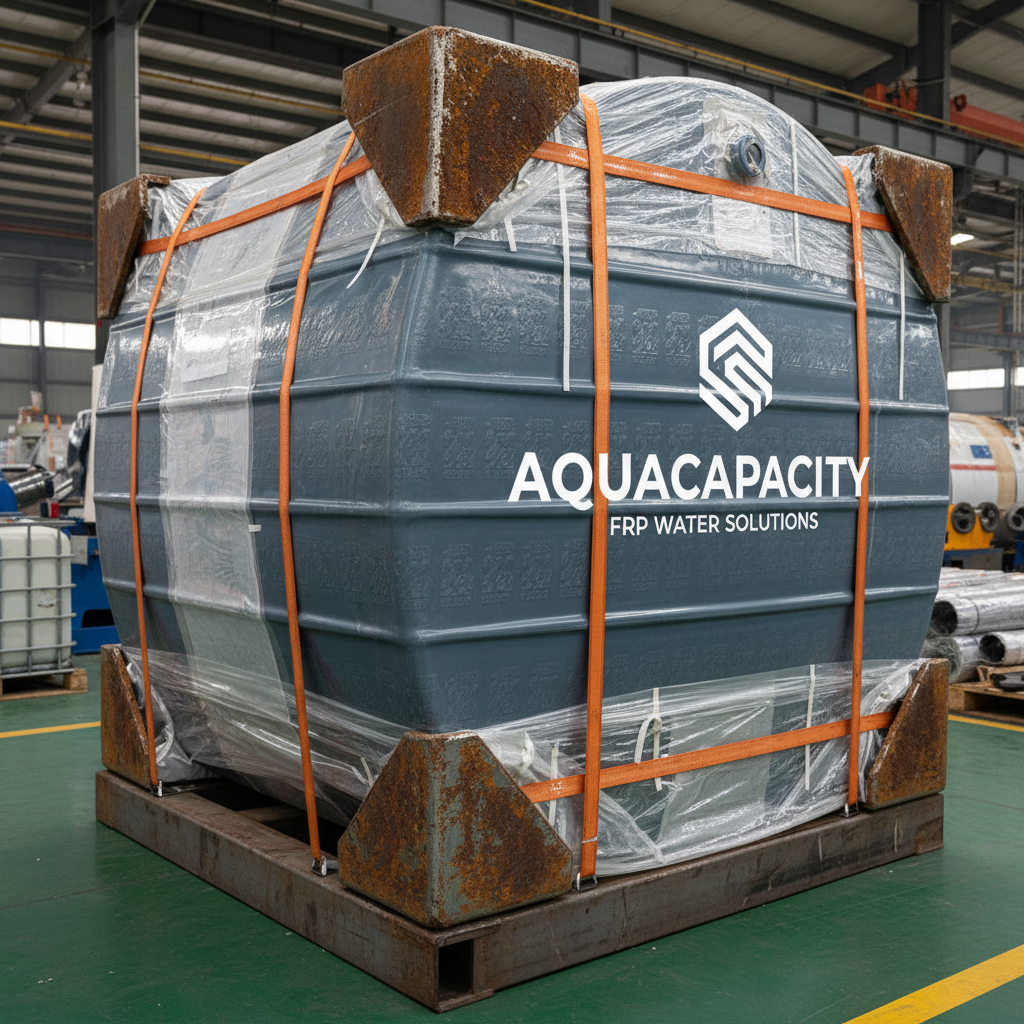
Oddly enough, an frp septic tank weighing just a fraction of a traditional concrete system simplifies transport and installation—particularly important in inaccessible or disaster-affected areas where heavy machinery may not be available.

Customization & Scalability

These tanks can be manufactured in various sizes and configurations tailored to specific household sizes, commercial sites, or industrial applications. This flexibility means scalability from small villages to large developments is feasible.

Cost Efficiency

Though sometimes priced higher upfront compared to conventional tanks, the reduced installation labor, longevity, and minimal maintenance costs often translate to lower total lifecycle ownership.

Environmental Resistance

Their resistance to extreme temperatures, chemical infiltration, and groundwater contamination aligns with strict environmental and health regulations in many regions.

Typical frp Septic Tank Specifications
Specification Value/Range Notes
Material Fiberglass Reinforced Plastic Resistant to corrosion & chemicals
Capacity 1,000 - 10,000 liters Customizable per need
Weight 50 - 600 kg Much lighter than concrete
Lifespan 20 - 30 years Varies by usage & maintenance
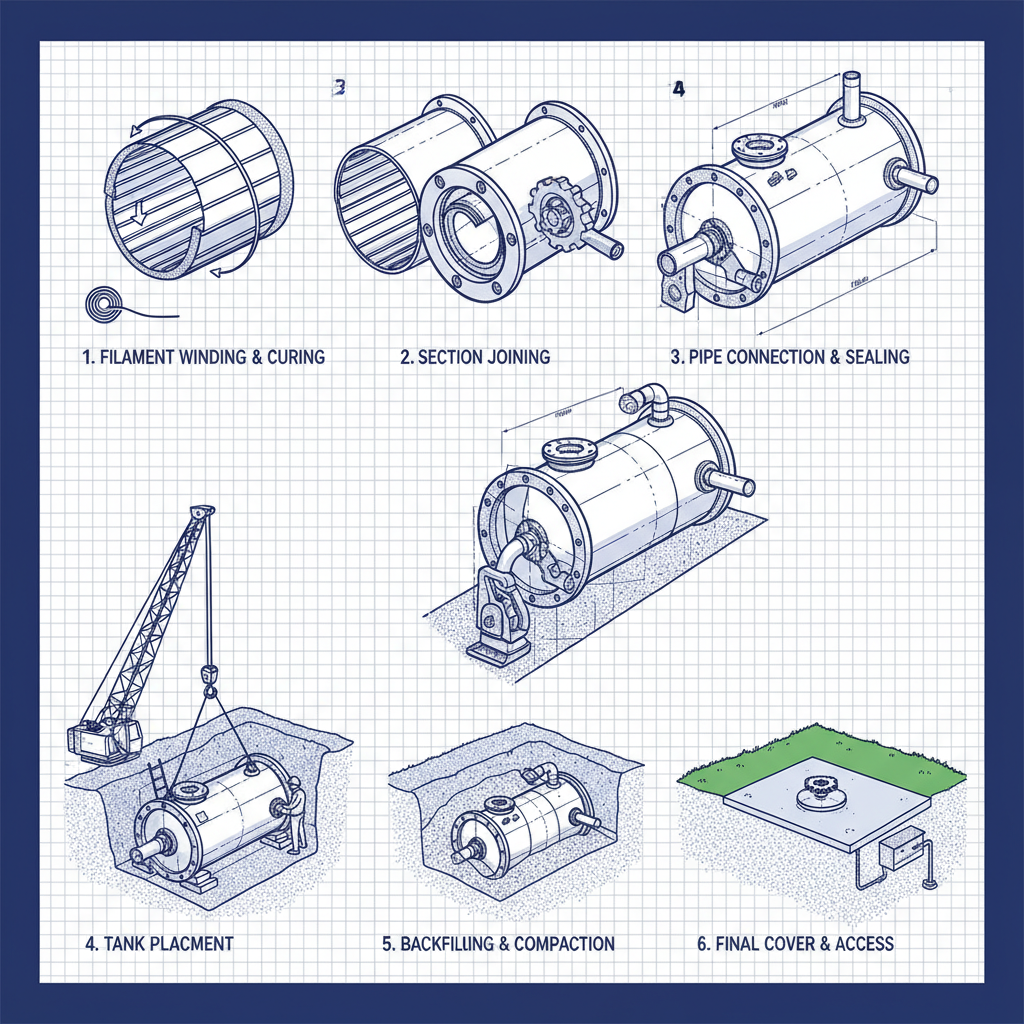
Installation Time 1 - 3 days Faster than concrete alternatives

Global Applications & Use Cases

It’s fascinating how frp septic tanks appear in vastly different scenarios. For instance:

  • Disaster relief and refugee camps: Their fast deployment and easy transport aid emergency sanitation where infrastructure was destroyed or was never there.
  • Rural communities in developing countries: Lightweight tanks get installed without heavy equipment, improving hygiene and reducing disease spread.
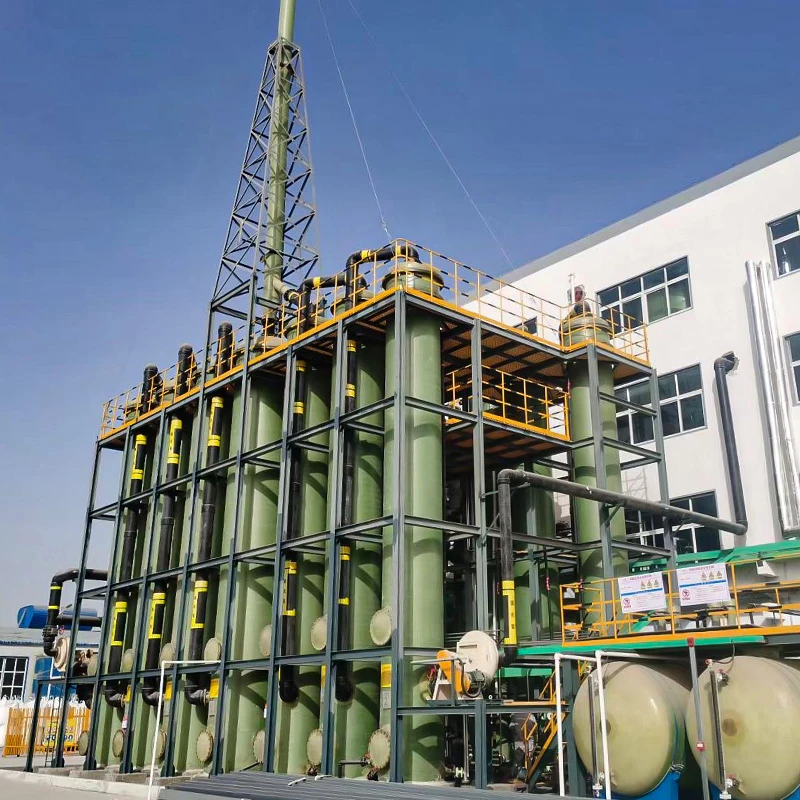
  • Remote industrial sites: Mining or oil installations often rely on compact, corrosion-resistant wastewater containment, where FRP tanks fit perfectly.
  • Eco-conscious residential projects: Sustainable building initiatives prefer frp septic tanks for their minimal environmental footprint and recyclability.

Interestingly, some NGOs have partnered with local governments to distribute these units, aiming to fulfill Sustainable Development Goal 6 (clean water and sanitation) effectively.

Advantages and Long-Term Value of frp septic tanks

The benefits stack up beyond just technical specs. You gain:

  • Cost Savings: Lower maintenance and longer lifespan mean less frequent replacement and repair expenses.
  • Environmental Stewardship: Resistance to leakage protects groundwater and reduces pollution risks, aligning with eco-friendly initiatives.
  • Community Well-being: Safe sanitation infrastructure supports public health and dignity, particularly in vulnerable populations.
  • Installation Efficiency: Quicker setup reduces labor costs and downtime, critical for fast-growing development projects.

I suppose for many technical teams, these tanks feel like a trustable blend of innovation and reliability — qualities you can’t undervalue in sanitation.

Future Trends & Innovations

The horizon looks bright for frp septic tanks as materials science evolves. Researchers explore bio-based resins and additives to improve eco-friendliness and recyclability. Digital sensors embedded within tanks could soon enhance monitoring, offering remote insights into fill levels, pH, and potential leaks.

On the policy front, stricter regulations on wastewater management push innovation further, encouraging automation and integration into “smart” sanitation networks — often part of broader green energy and sustainability initiatives.

Challenges & Practical Solutions

Naturally, no technology is without bumps. Some limitations of frp septic tanks involve:

  • Initial Cost Barriers: Upfront price can be higher than concrete, though split over time it’s often more economical.
  • Site-Specific Constraints: Certain soil types or extreme climates require custom design or additional protection.
  • Repair Complexity: Though resistant, damage to fiberglass can be trickier to patch than metal or concrete.

Experts recommend thorough site assessment and partnering with experienced manufacturers — you might want to investigate options such as frp septic tank suppliers known for bespoke engineering support.

Comparison of Leading frp Septic Tank Vendors
Vendor Product Range Customization Typical Lead Time Global Reach
FRP Tech Solutions 1,000-10,000 L tanks High — bespoke designs 2-4 weeks Asia, Africa, Americas
GreenSanit Inc. 500-7,000 L tanks Medium — some modular options 3-5 weeks Europe, Middle East
SeptiFibers Ltd. 2,000-15,000 L tanks Moderate — standard models 2-3 weeks North America, Australia

FAQ: Frequently Asked Questions About frp septic tank

How long does an frp septic tank typically last?
Most frp septic tanks have a lifespan between 20 to 30 years under normal use and with routine maintenance. Their resistance to corrosion and environmental stresses often extends their longevity beyond traditional concrete tanks.
Are frp septic tanks environmentally safe?
Yes, frp tanks are designed to prevent leakage and groundwater contamination. Their corrosion resistance reduces the risk of harmful substances seeping into soil or water, supporting eco-friendly sanitation practices.
Can frp septic tanks be customized for different soil or climate conditions?
Absolutely. Many manufacturers offer tailored designs to suit local conditions—such as enhanced insulation for colder climates or reinforced walls for high water table areas—ensuring optimal performance.
Is installation of an frp septic tank complicated?
Not really. Due to their light weight and modular design, frp tanks are easier and faster to install than concrete alternatives, often requiring less heavy machinery and labor.
How do I find a trusted supplier for frp septic tanks?
Consider vendors with strong local or international reputations, proven warranties, and positive customer reviews. Consulting experts and reviewing this reputable source can also guide your choice.

Conclusion: Embracing Durable, Sustainable Sanitation with frp Septic Tanks

To sum up, the frp septic tank isn’t just another wastewater container. It embodies a blend of scientific innovation, practical durability, and environmental mindfulness. For communities, industries, and relief organizations alike, it offers a reliable tool to elevate sanitation standards, protect ecosystems, and promote well-being. If you’re exploring modern, efficient septic solutions, I encourage you to visit our website for comprehensive insights and tailored products.

Sometimes the simplest material improvements ripple into profound social impacts — and that’s what makes frp septic tanks quietly revolutionary.
References

  1. United Nations Water – Sanitation
  2. World Bank: Sanitation Data
  3. Wikipedia: Septic Tank
Upsell Products
Upsell News
Durable FRP Vessel for Water Treatment and Industrial Filtration
Apr 16,2026
Durable FRP Vessel for Water Treatment and Industrial Filtration
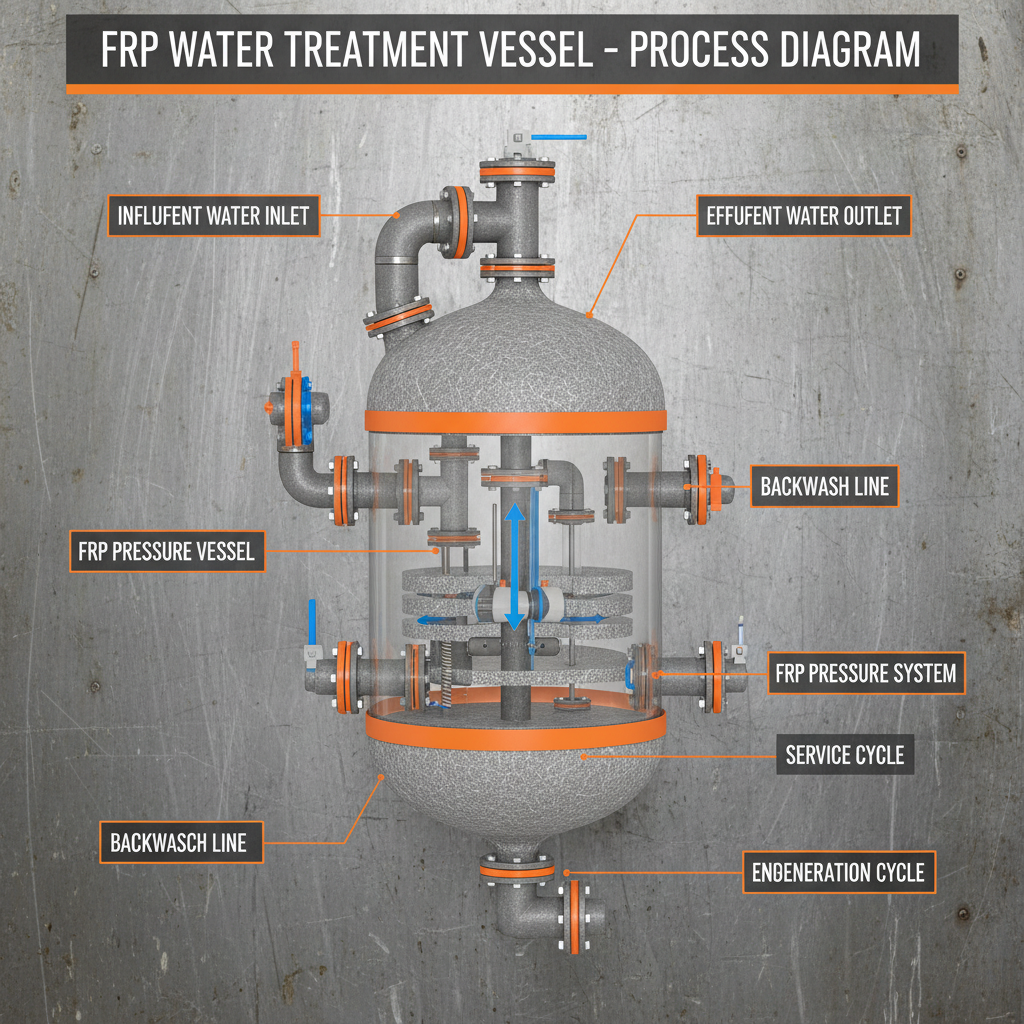
In the modern era of industrial and residential water purification, the choice of containment materials is critical for efficiency and longevity. An frp vessel for water treatment has emerged as the gold standard, replacing traditional steel tanks due to its superior corrosion resistance and lightweight properties. Whether you are dealing with desalination, softening, or filtration, using Fiber Reinforced Plastic (FRP) ensures that your system remains leak-proof and durable against aggressive chemicals. In this comprehensive guide, we will explore why FRP is the preferred choice for water treatment professionals worldwide and how to select the right vessel for your specific application.
Industrial Guide for Choosing the Right FRP Vertical Tank
Apr 09,2026
Industrial Guide for Choosing the Right FRP Vertical Tank
In today's industrial landscape, the storage of corrosive chemicals and aggressive liquids requires materials that can withstand extreme conditions without degrading. The frp vertical tank has emerged as a premier solution, offering an exceptional balance of strength, lightweight properties, and unmatched chemical resistance. Whether you are managing a water treatment plant or a chemical processing facility, understanding the nuances of Fiber Reinforced Plastic (FRP) is essential for ensuring operational safety and longevity. In this comprehensive guide, we will explore why vertical configurations are preferred and how these tanks outperform traditional metal alternatives.
Comprehensive Guide to FRP Underground Water Tank Solutions and Applications
Apr 07,2026
Comprehensive Guide to FRP Underground Water Tank Solutions and Applications
Fiberglass Reinforced Polymer (FRP) underground water tanks are becoming increasingly popular for a wide range of applications, from potable water storage to industrial wastewater containment. Their superior corrosion resistance, lightweight nature, and design flexibility make them an excellent alternative to traditional materials like concrete or steel. This article will delve into the benefits, applications, construction, and considerations for implementing FRP underground water tanks, providing a comprehensive overview for engineers, contractors, and project managers.
Comprehensive Guide to Frp Underground Water Storage Tanks and Their Applications
Apr 04,2026
Comprehensive Guide to Frp Underground Water Storage Tanks and Their Applications
When considering water storage solutions, particularly for industrial, agricultural, or municipal applications, frp underground water storage tanks stand out as a durable, cost-effective, and environmentally friendly option. These tanks are increasingly favored over traditional materials like concrete or steel due to their superior corrosion resistance, lighter weight, and ease of installation. This article delves into the benefits, applications, construction, and considerations when choosing an FRP tank, providing a detailed overview for potential buyers and project planners.
Sulfuric Acid Production Line - Hebei Aoliande|Efficient H2SO4 Plant Technology
Apr 01,2026
Sulfuric Acid Production Line - Hebei Aoliande|Efficient H2SO4 Plant Technology
Discover efficient H2SO4 plant technology and advanced sulfuric acid production solutions. Hebei Aoliande combines energy-saving furnace design and eco-friendly HCl recovery systems for sustainable industrial applications. Explore now: https://www.frpgrpmachine.com/sulfuric-acid-production-line-for-h2so4-plant.html
Sulfuric Acid Production Line - Hebei Aoliande|Efficient H2SO4 Plant Technology
Apr 01,2026
Sulfuric Acid Production Line - Hebei Aoliande|Efficient H2SO4 Plant Technology
Discover efficient H2SO4 plant technology and advanced sulfuric acid production solutions. Hebei Aoliande combines energy-saving furnace design and eco-friendly HCl recovery systems for sustainable industrial applications. Explore now: https://www.frpgrpmachine.com/sulfuric-acid-production-line-for-h2so4-plant.html
Sulfuric Acid Production Line - Hebei Aoliande|Efficient H2SO4 Plant Technology
Apr 01,2026
Sulfuric Acid Production Line - Hebei Aoliande|Efficient H2SO4 Plant Technology
Discover efficient H2SO4 plant technology and advanced sulfuric acid production solutions. Hebei Aoliande combines energy-saving furnace design and eco-friendly HCl recovery systems for sustainable industrial applications. Explore now: https://www.frpgrpmachine.com/sulfuric-acid-production-line-for-h2so4-plant.html
Sulfuric Acid Production Line - Hebei Aoliande|Efficient H2SO4 Plant Technology
Apr 01,2026
Sulfuric Acid Production Line - Hebei Aoliande|Efficient H2SO4 Plant Technology
Discover efficient H2SO4 plant technology and advanced sulfuric acid production solutions. Hebei Aoliande combines energy-saving furnace design and eco-friendly HCl recovery systems for sustainable industrial applications. Explore now: https://www.frpgrpmachine.com/sulfuric-acid-production-line-for-h2so4-plant.html
Sulfuric Acid Production Line - Hebei Aoliande|Efficient H2SO4 Plant Technology
Apr 01,2026
Sulfuric Acid Production Line - Hebei Aoliande|Efficient H2SO4 Plant Technology
Discover efficient H2SO4 plant technology and advanced sulfuric acid production solutions. Hebei Aoliande combines energy-saving furnace design and eco-friendly HCl recovery systems for sustainable industrial applications. Explore now: https://www.frpgrpmachine.com/sulfuric-acid-production-line-for-h2so4-plant.html
Sulfuric Acid Production Line - Hebei Aoliande|Efficient H2SO4 Plant Technology
Apr 01,2026
Sulfuric Acid Production Line - Hebei Aoliande|Efficient H2SO4 Plant Technology
Discover efficient H2SO4 plant technology and advanced sulfuric acid production solutions. Hebei Aoliande combines energy-saving furnace design and eco-friendly HCl recovery systems for sustainable industrial applications. Explore now: https://www.frpgrpmachine.com/sulfuric-acid-production-line-for-h2so4-plant.html
Comprehensive Guide to Frp Underground Storage Tanks for Reliable Storage Solutions
Mar 31,2026
Comprehensive Guide to Frp Underground Storage Tanks for Reliable Storage Solutions
Fiberglass Reinforced Polymer (FRP) underground storage tanks are becoming increasingly popular for a wide range of applications, from fuel storage to wastewater management. Their corrosion resistance, lightweight nature, and durability offer significant advantages over traditional materials like steel. This article will provide an in-depth look at FRP underground storage tanks, covering their benefits, applications, installation, and maintenance. Understanding these aspects is crucial for making informed decisions about long-term storage solutions.
Comprehensive Guide to Selecting the Ideal FRP Tank for Water Storage Solutions
Mar 28,2026
Comprehensive Guide to Selecting the Ideal FRP Tank for Water Storage Solutions
When it comes to reliable and durable water storage, FRP tanks for water are increasingly becoming the preferred solution for a wide range of applications. These tanks, constructed from Fiber Reinforced Polymer (FRP) materials, offer significant advantages over traditional storage options like steel or concrete. This article delves into the benefits, applications, and considerations when selecting an FRP tank for your water storage needs, providing a detailed overview for businesses and individuals alike.
Comprehensive Guide to Frp Tank and Vessel Applications and Manufacturing
Mar 26,2026
Comprehensive Guide to Frp Tank and Vessel Applications and Manufacturing
Fiber Reinforced Polymer (FRP) tanks and vessels are increasingly becoming the preferred choice for storage and processing across a multitude of industries. Their lightweight nature, corrosion resistance, and design flexibility offer significant advantages over traditional materials like steel. This article will delve into the intricacies of FRP tanks and vessels, exploring their applications, manufacturing processes, benefits, and considerations for selecting the right solution for your specific needs. We’ll also highlight why FRP tanks are a cost-effective and reliable long-term investment. FRP tanks and vessels are constructed from a combination of reinforcing fibers (such as fiberglass, carbon fiber, or aramid fiber) embedded in a polymer matrix (typically polyester, vinyl ester, or epoxy resin). This combination creates a composite material that boasts high strength-to-weight ratio, exceptional corrosion resistance, and the ability to be molded into complex shapes. They’re designed to safely contain a wide variety of liquids and gases, ranging from corrosive chemicals and water to food products and pharmaceuticals.
Optimizing Water Filtration with Durable FRP Sand Filter Vessels
Mar 24,2026
Optimizing Water Filtration with Durable FRP Sand Filter Vessels
In water treatment and filtration systems, the choice of filter vessel material is paramount. Fiber Reinforced Plastic (FRP), also known as Glass Reinforced Polymer (GRP), sand filter vessels are increasingly popular due to their superior corrosion resistance, lightweight nature, and cost-effectiveness. This article delves into the benefits, applications, design considerations, and factors to consider when selecting an FRP sand filter vessel. Whether you are involved in municipal water treatment, industrial wastewater management, or recreational water filtration, understanding FRP technology is essential for optimizing your filtration process. An FRP sand filter vessel is a containment unit designed to house filtration media, typically sand, gravel, and anthracite. These vessels are integral components in sand filtration systems used for removing suspended solids, turbidity, and other particulate matter from water. FRP construction involves layering glass fibers within a resin matrix (typically polyester or vinyl ester) to create a strong, durable, and chemically resistant shell. The strength and rigidity of the vessel are crucial for withstanding the pressure from the filtration media and the water flow.
Comprehensive Guide to FRP Round Tanks Applications and Benefits
Mar 21,2026
Comprehensive Guide to FRP Round Tanks Applications and Benefits
Fiber Reinforced Polymer (FRP) round tanks are increasingly becoming the preferred choice for storage solutions across a variety of industries. Their lightweight nature, corrosion resistance, and design flexibility offer significant advantages over traditional materials like steel. This article provides an in-depth look at FRP round tanks, exploring their applications, benefits, manufacturing processes, and key considerations when choosing the right tank for your needs. Whether you're in chemical processing, water treatment, or agriculture, understanding FRP round tanks is crucial for optimizing your storage infrastructure. FRP round tanks are constructed from a combination of reinforcing fibers (typically fiberglass, carbon fiber, or a blend) embedded in a polymer matrix (often polyester, vinyl ester, or epoxy resin). The round shape inherently provides excellent structural strength, distributing pressure evenly across the tank’s surface.
Comprehensive Guide to FRP Pressure Tanks Benefits and Applications
Mar 19,2026
Comprehensive Guide to FRP Pressure Tanks Benefits and Applications
Fiber Reinforced Polymer (FRP) pressure tanks are becoming increasingly popular in a wide range of industrial applications, offering a compelling alternative to traditional steel tanks. Known for their lightweight nature, corrosion resistance, and high strength-to-weight ratio, FRP tanks provide efficient and durable solutions for storing liquids and gases under pressure. This article will delve into the benefits, applications, construction, and key considerations when selecting an FRP pressure tank, helping you make an informed decision for your specific needs. Understanding the advantages of FRP technology can lead to significant cost savings and improved operational efficiency. Compared to steel, FRP pressure tanks offer several key advantages. The most significant is their superior corrosion resistance. Unlike steel, which is susceptible to rust and corrosion when exposed to various chemicals, FRP materials are inherently resistant to a wide range of corrosive substances. This translates to a longer lifespan, reduced maintenance costs, and increased safety. Furthermore, FRP is significantly lighter than steel, making installation easier and reducing transportation costs.
For More Details Pls Contact Us
Thank you for your interest in our gloves! We offer high-quality, durable, and comfortable gloves with fast delivery and competitive prices. For any questions or customization, feel free to contact us. We look forward to working with you!

If you are interested in our products, you can choose to leave your information here, and we will be in touch with you shortly.