Nov 27,2025

Agricultural Chemical Tanks: Safe, Durable Storage for Modern Farming Needs

The Growing Importance of Agricultural Chemical Tanks

When you think about modern agriculture, the first images might be tractors rolling across fields or drones buzzing above crops. But behind those scenes, agricultural chemical tanks play a quiet, vital role in ensuring that everything runs smoothly—safely storing and distributing fertilizers, pesticides, and herbicides. Globally, the demand for reliable chemical tanks is intertwined with food security, environmental safety, and sustainable farming. Understanding these tanks means recognizing their role in protecting ecosystems and reducing health risks, especially as agricultural chemicals continue to be essential worldwide.

Global Context: Why Agricultural Chemical Tanks Matter More Than Ever

Here’s the thing: Agriculture occupies about 37% of the world's land area, supporting over 2 billion livelihoods (according to the UN’s Food and Agriculture Organization). But with greater scale comes risk—chemical runoff, accidental spills, and contamination are serious concerns. According to the International Organization for Standardization (ISO), proper storage and handling of agricultural chemicals are essential to prevent environmental damage and promote sustainability. Agricultural chemical tanks address these concerns by offering secure containment tailored to different chemical types, helping manage vast quantities of active ingredients efficiently.

Oddly enough, in many developing regions, lack of proper storage impedes agricultural productivity and endangers communities. Tanks designed for harsh environments can help bridge this gap. So, the challenge is twofold: provide reliable storage while minimizing risks associated with hazardous chemicals.

What Exactly Are Agricultural Chemical Tanks?

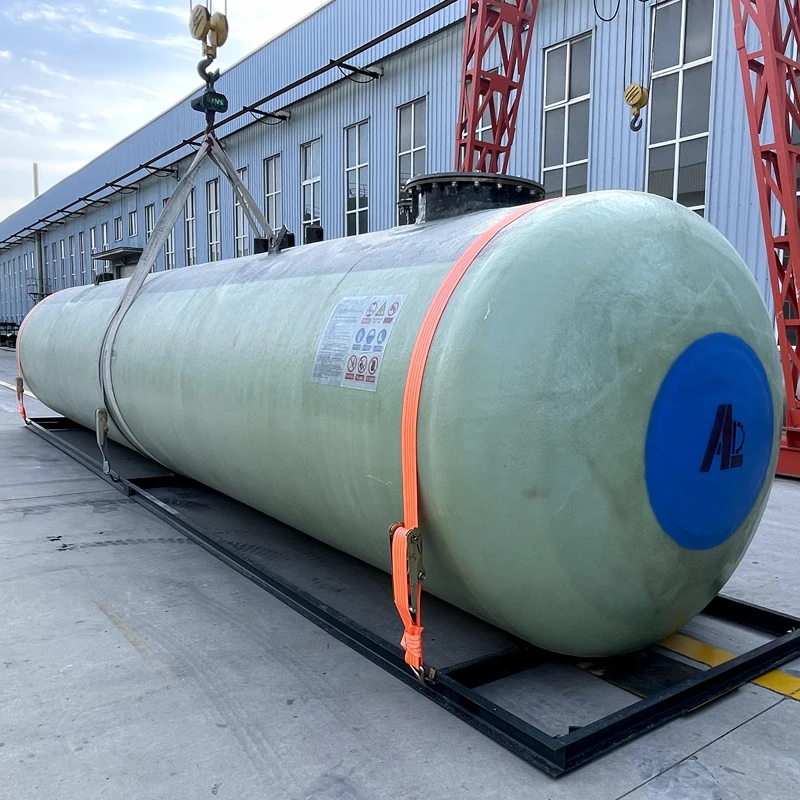
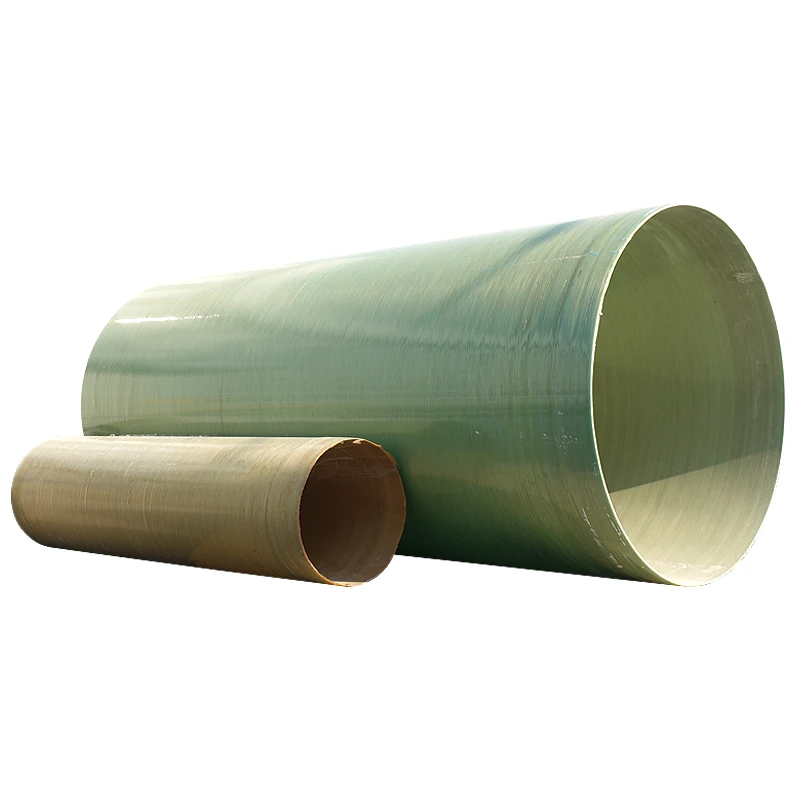
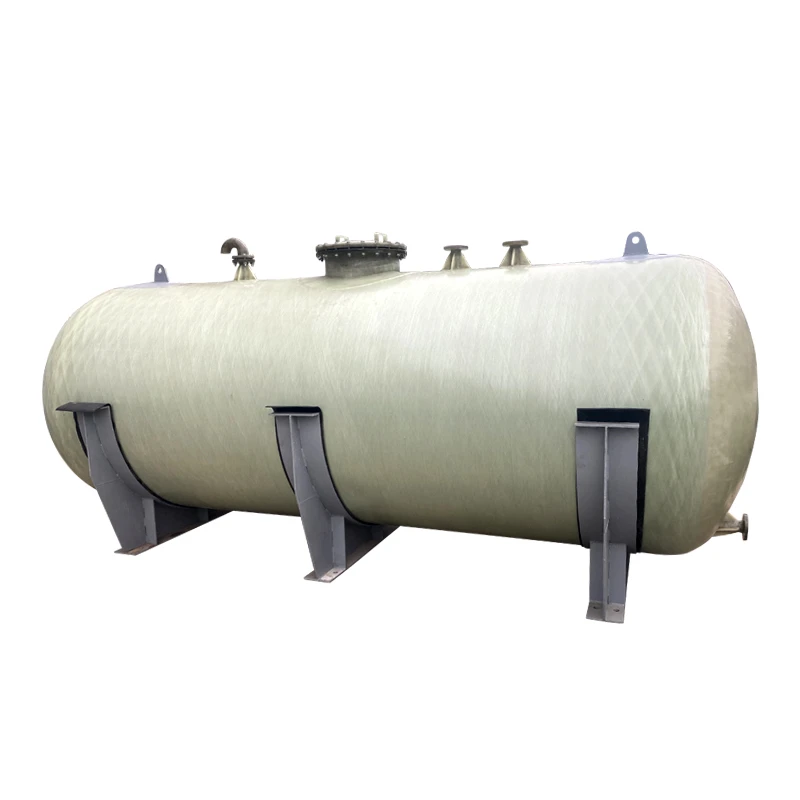
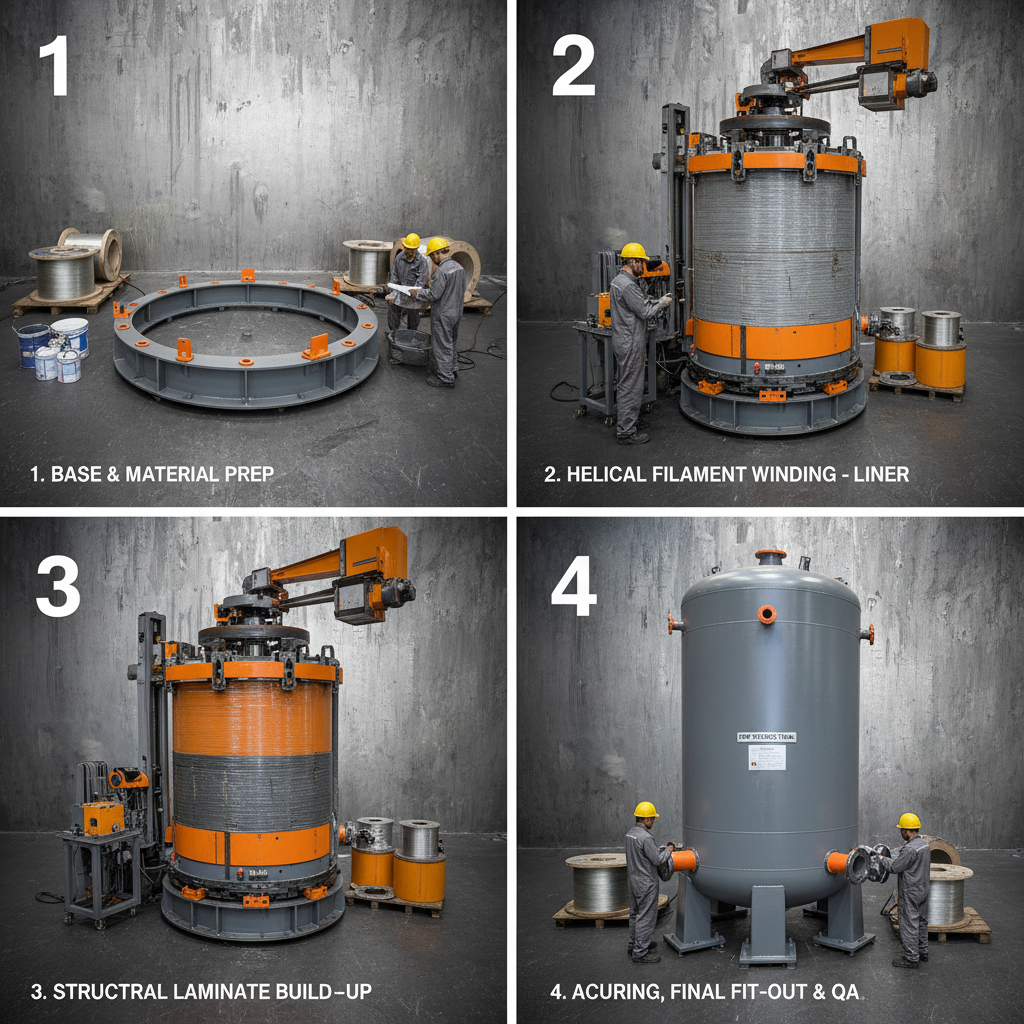
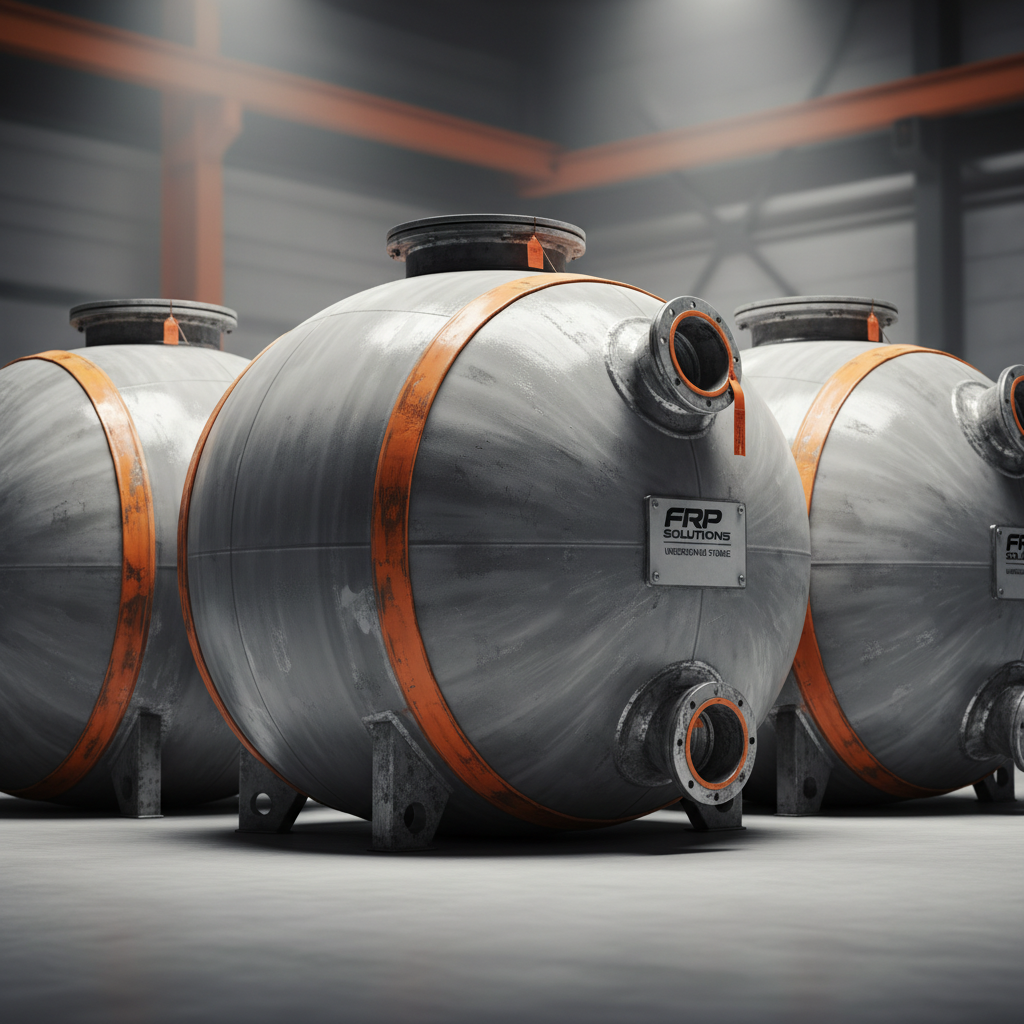
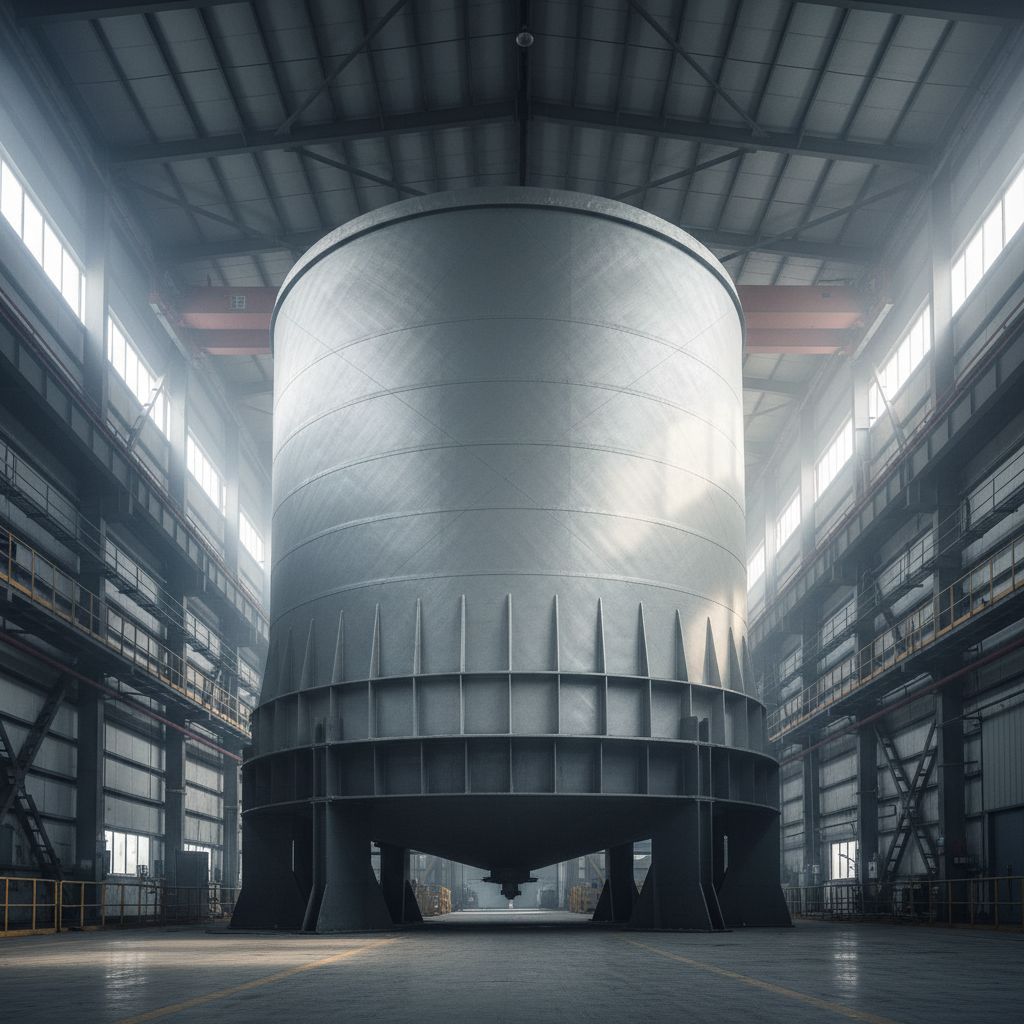
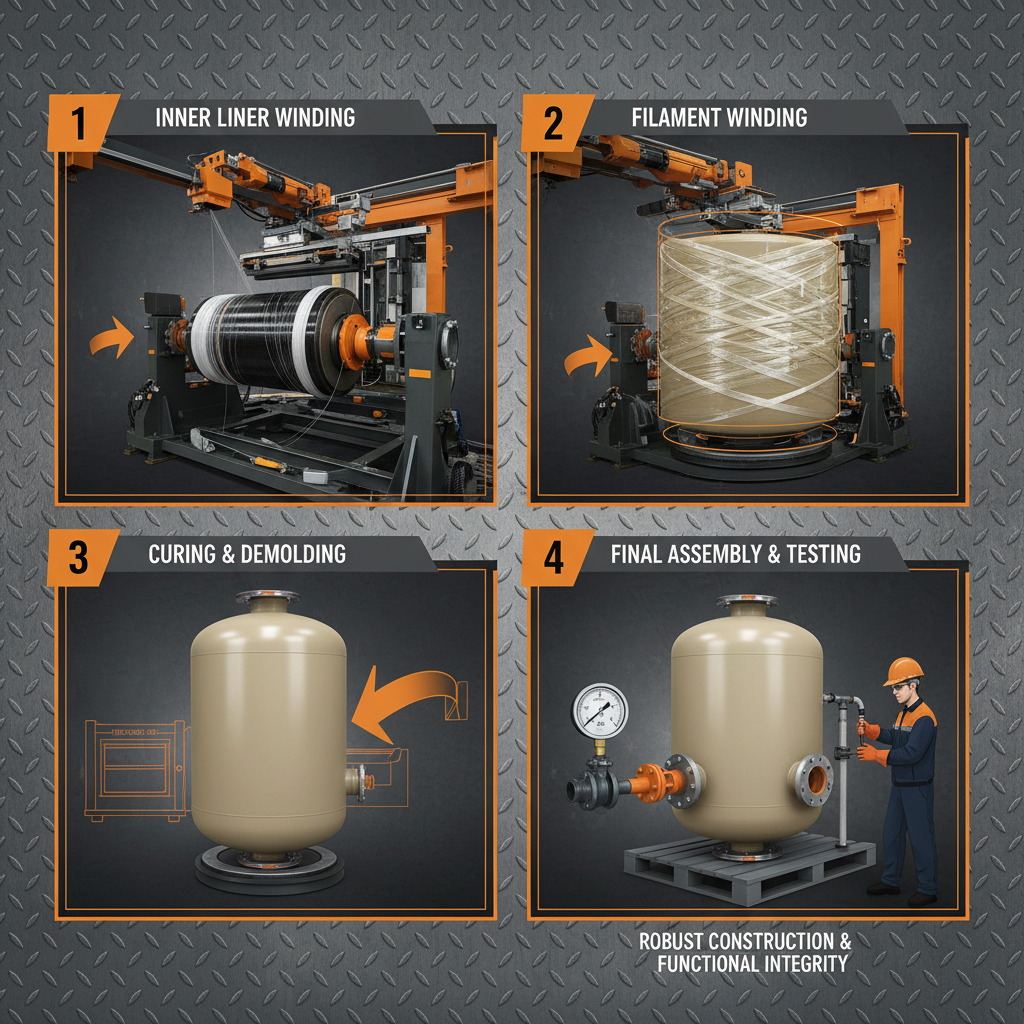
Simply put, agricultural chemical tanks are specialized containers created to store and sometimes dispense chemicals used in agriculture. These include fertilizers, pesticides, herbicides, and other crop protection agents. Usually made from corrosion-resistant materials like fiberglass-reinforced plastics (FRP) or polyethylene, these tanks are designed to withstand prolonged exposure to aggressive substances. They’re the unsung heroes of farm operations and chemical suppliers alike.

Their role isn’t just industrial: they also tie into humanitarian efforts. For instance, during large-scale food security campaigns or disaster relief operations, safely storing fertilizers or soil conditioners can make all the difference in rebuilding agricultural capacity.

Core Components That Make Agricultural Chemical Tanks Reliable

1. Durability

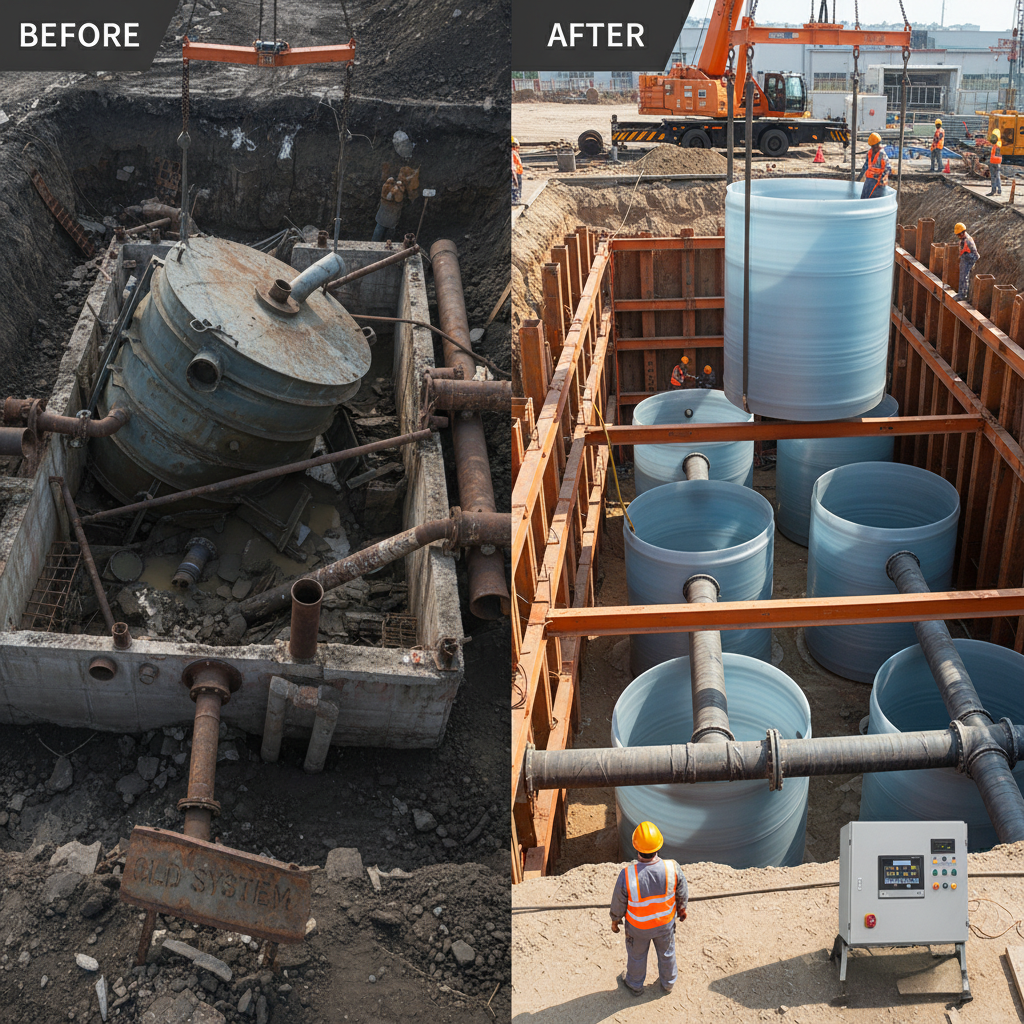
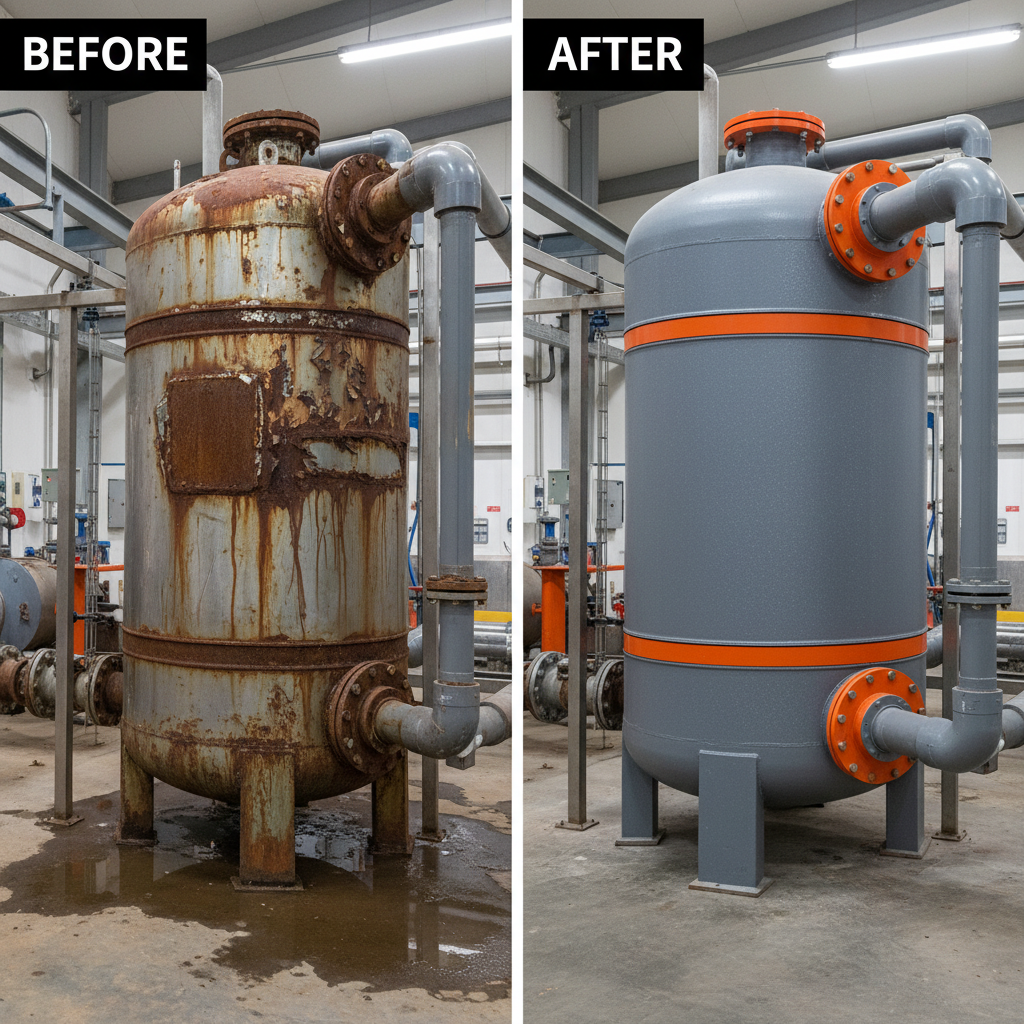
When dealing with corrosive chemicals, a tank’s material matters—a lot. Fiberglass composite tanks resist rust and chemical erosion far better than traditional steel options. This resilience extends the tank’s lifecycle, saving operators from costly replacements.

2. Scalability

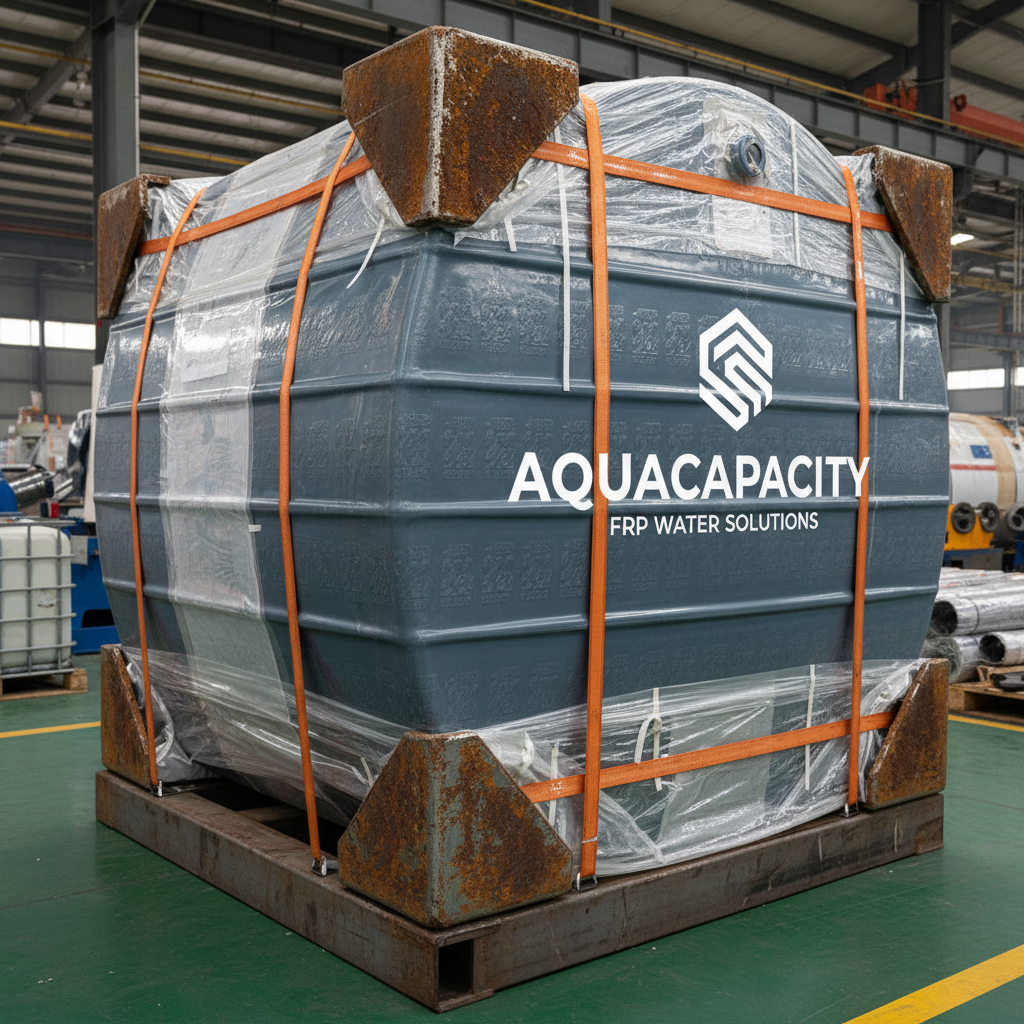
From small farms needing a few hundred liters to industrial-scale operations requiring tens of thousands of liters, tanks come in all sizes. Modular designs and stackable options make scaling up easier, especially when farm demands fluctuate with seasons.

3. Safety Features

Venting systems, secure lids, and proper chemical compatibility reduce risk of spills and fumes. Many tanks incorporate secondary containment or bunding to prevent leaks from reaching soil or waterways.

4. Cost Efficiency

FRP tanks balance upfront costs and long-term savings. While polyethylene tanks may be cheaper initially, fiberglass units often prove more economical over time due to durability and maintenance savings.

5. Ease of Transport and Installation

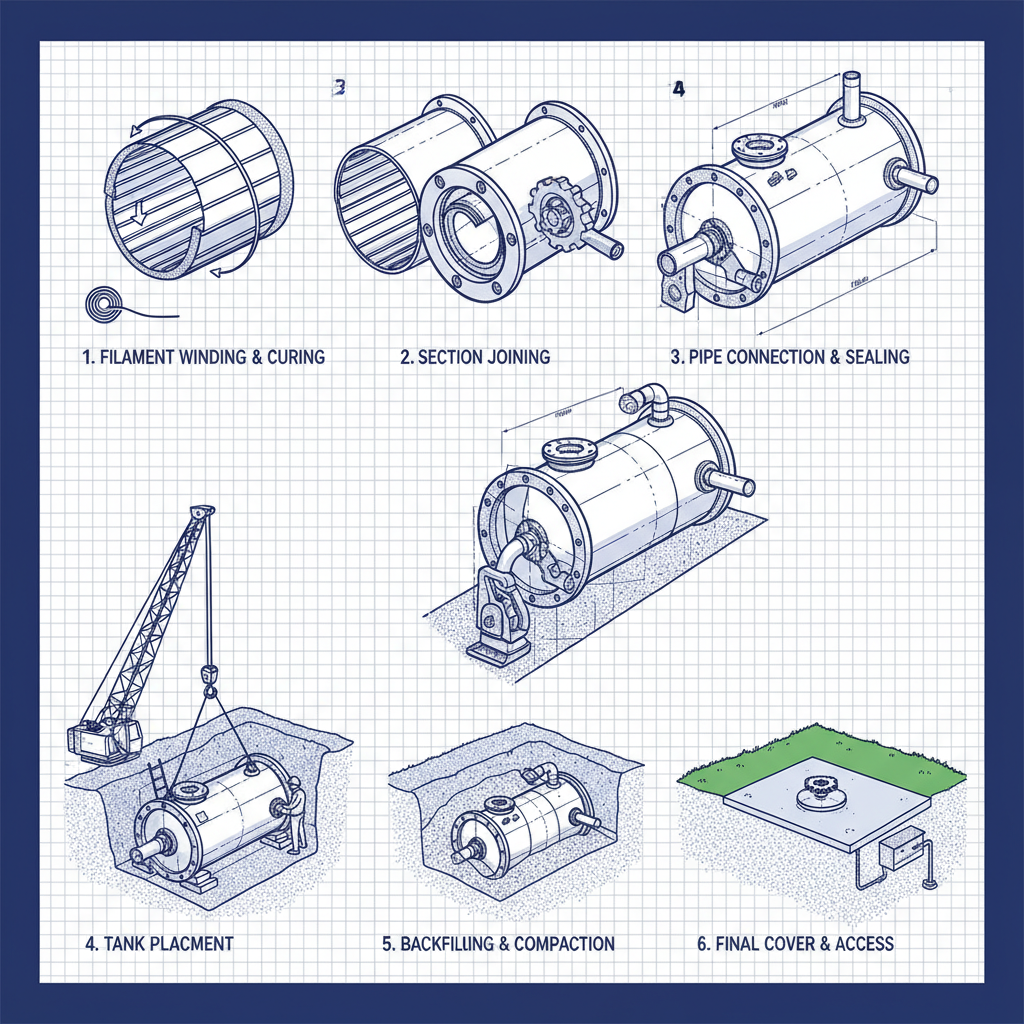
Lightweight materials coupled with ergonomic designs allow for faster deployment across different sites. This is critical in remote or disaster-affected regions where quick setup is necessary.

6. Compliance with Regulations

Tanks often must meet ISO and local environmental safety standards to qualify for farming subsidies or governmental support, ensuring legal peace of mind for users.

Real-World Applications of Agricultural Chemical Tanks

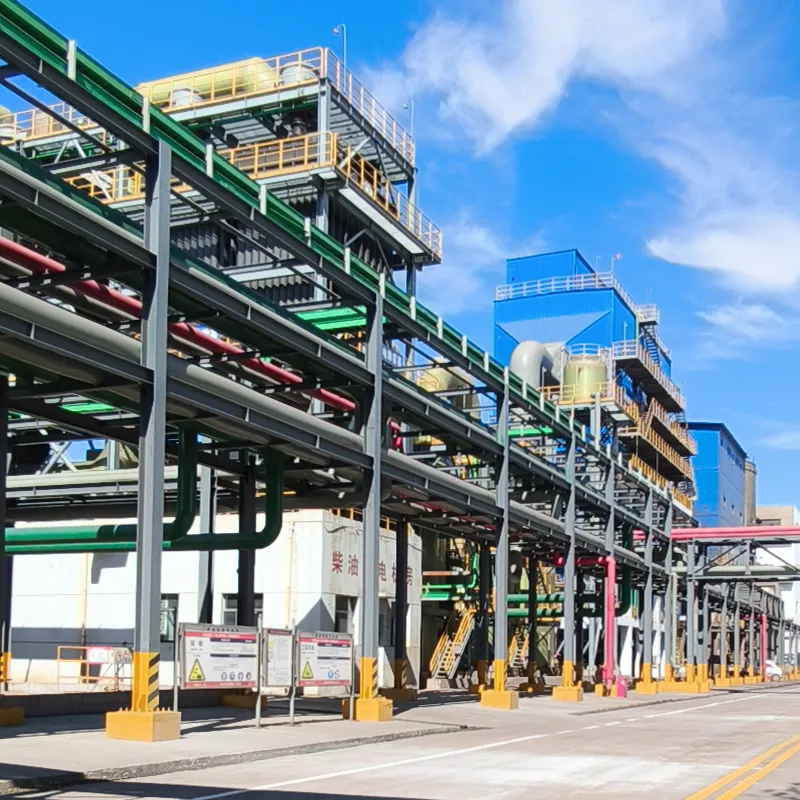
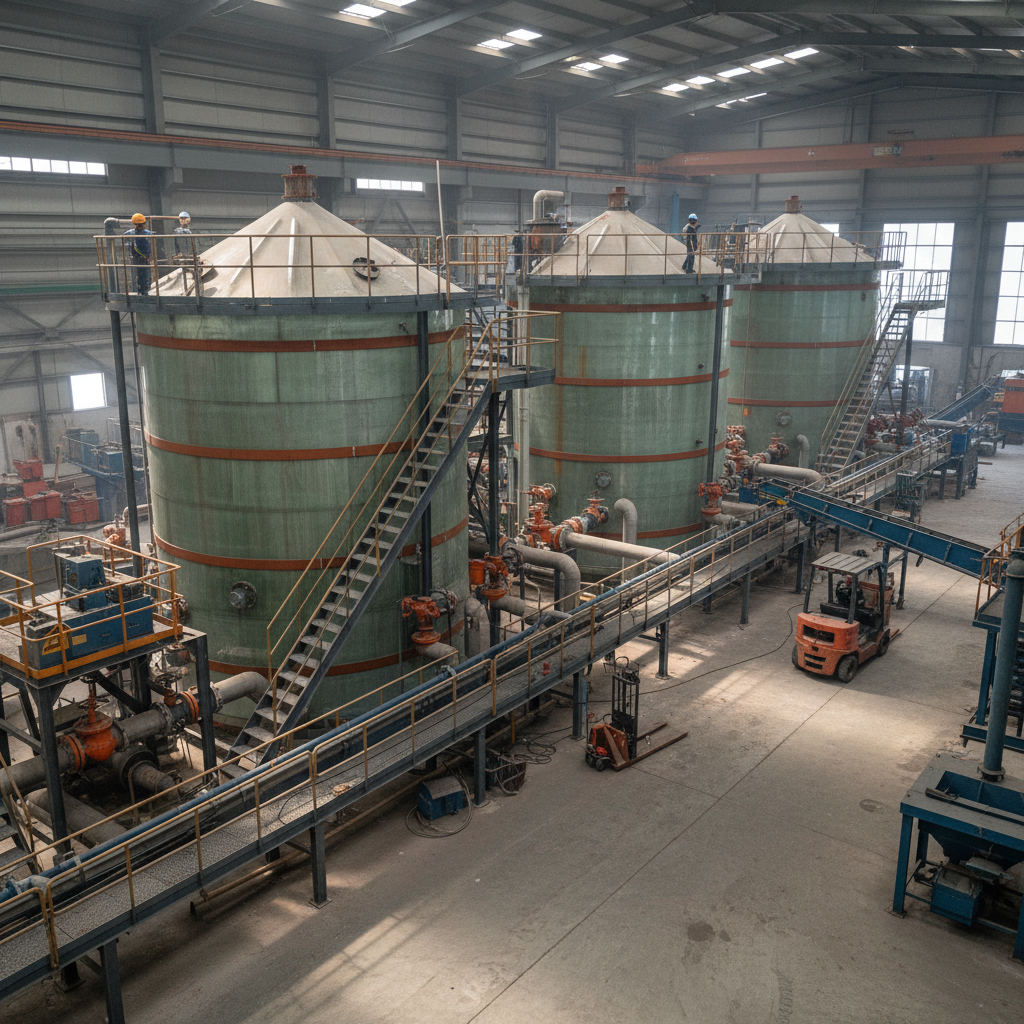
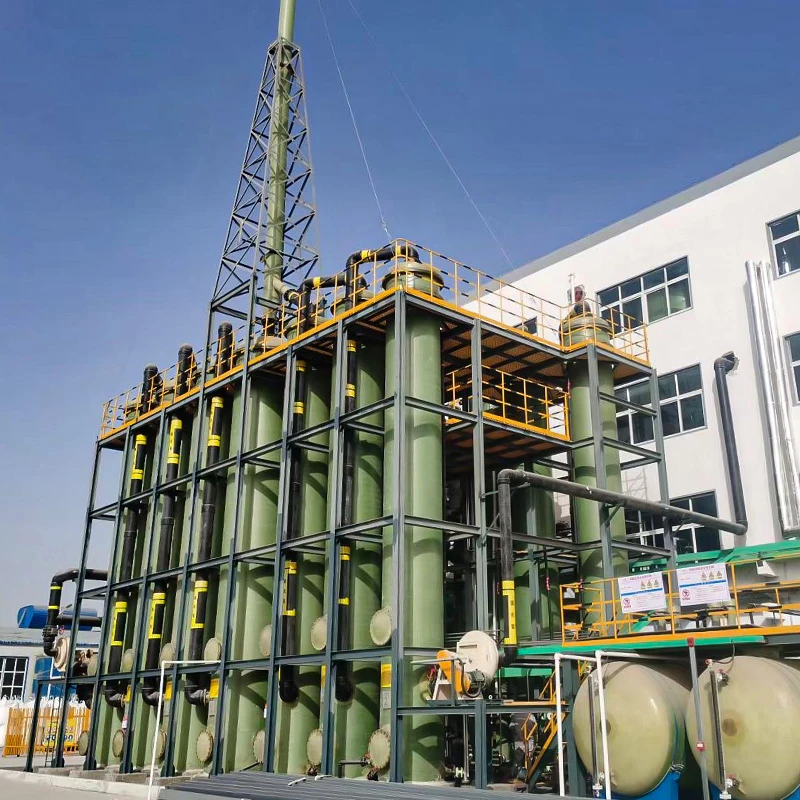
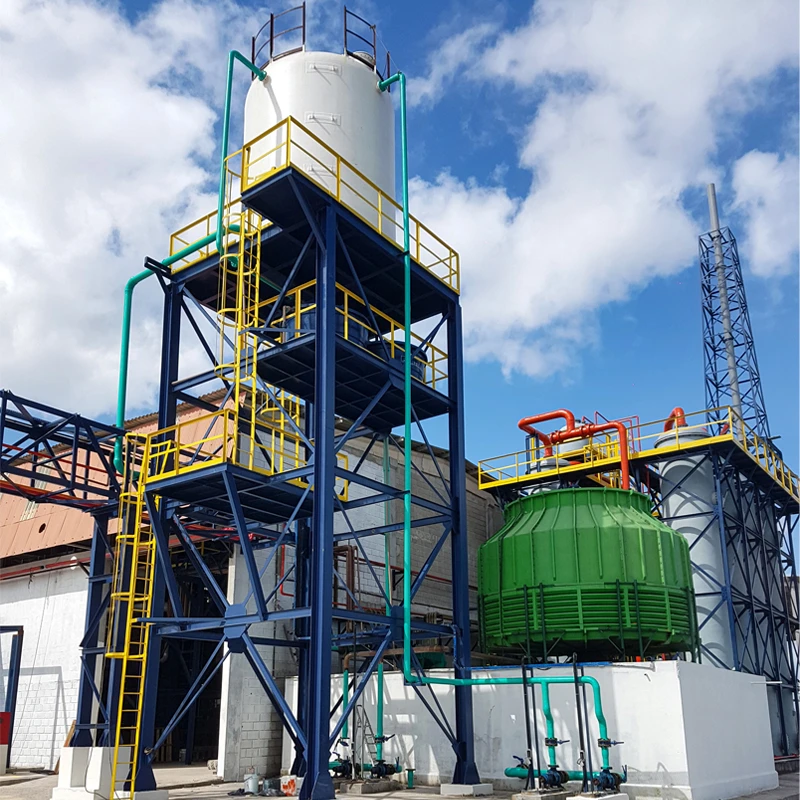
These tanks show up worldwide—quite literally in the fields, greenhouses, and silos of places like the US Midwest, Brazil’s coffee plantations, India’s rice paddies, and African agricultural zones. Monitored chemical delivery systems in Europe integrate tanks with sensors, while NGOs deploy portable tank solutions in refugee camps to support food-growing initiatives.

In post-disaster relief operations, such as after cyclones in Southeast Asia, rapid deployment of secure chemical tanks is key to jumpstarting agriculture again without risking chemical contamination. In remote industrial zones, tanks facilitate precise chemical dosing, protecting fragile ecosystems.

Mini Takeaway

Agricultural chemical tanks are far from one-size-fits-all; they adapt to scale, geography, and purpose, underscoring their versatility in global agriculture.

The Advantages and Lasting Impact of Quality Tanks

  • Cost Savings: Reduced chemical waste through secure storage means less frequent refilling and lower chemical purchase volumes.
  • Environmental Protection: Tanks help prevent soil and groundwater contamination—a big win for environmental sustainability.
  • Safety and Trust: Farmers and workers benefit from lower exposure risks, fostering confidence in chemical handling.
  • Innovation & Automation: Modern tanks can integrate with smart farm systems for precise chemical management—improving yields and reducing human error.
  • Social Impact: Reliable access to these tanks supports food security projects, helping communities thrive.

Specifications Snapshot: Common Agricultural Chemical Tank

Specification Typical Value
Material Fiberglass Reinforced Plastic (FRP)
Capacity Range 500 L – 20,000 L
Chemical Compatibility Acids, Alkalis, Pesticides, Fertilizers
UV Resistance Yes, with protective coating
Installation Type Above-ground, Modular Options
Average Lifespan 10-15 years (with maintenance)

Comparing Top Vendors of Agricultural Chemical Tanks

Vendor Material Focus Capacity Range Customization Options Global Reach
AgroTank Solutions FRP & Polyethylene 500 - 15,000 L Yes, modular designs North America, Europe
ChemSafe Containers FRP 1,000 - 20,000 L Custom fittings & automation Global
GreenField Tanks Polyethylene 500 - 10,000 L Color-coded options for chemicals Asia, Africa

Emerging Trends and Innovations on the Horizon

Naturally, the future holds some cool possibilities. We're seeing developments in lightweight composite tanks that incorporate recycled materials, reducing environmental footprints. Smart sensors embedded in tanks can alert farmers if chemical levels dip or if leaks are detected—kind of like a fitness tracker for your chemical storage.

Automation integration with farm management systems means not only storing but dispensing precise amounts, cutting waste. On a policy level, stricter guidelines from entities like the ISO and local governments encourage innovation in green chemicals and sustainable tank designs. It’s an exciting time for products that blend tech, safety, and eco-friendliness.

Common Challenges and How Industry Leaders Are Tackling Them

Despite advances, issues like chemical compatibility, durability in extreme climates, and maintenance remain hurdles. Tanks can degrade unexpectedly if improperly matched with chemicals or if UV protection isn’t adequate.

Industry experts suggest routine inspections combined with modular replacement parts to reduce downtime. Also, some vendors now offer tailored chemical-resistant coatings and predictive maintenance tech to preempt failure. It’s a continual balancing act between cost, safety, and performance.

Frequently Asked Questions About Agricultural Chemical Tanks

What materials are best for agricultural chemical tanks?
Fiberglass reinforced plastics (FRP) and polyethylene are commonly preferred for their corrosion resistance and durability. FRP tanks tend to last longer and resist a wider range of chemicals.
How do I ensure safe storage for hazardous chemicals in tanks?
Choose tanks with proper sealing, venting systems, and secondary containment features. Follow regional safety standards and regularly inspect the tanks for leaks or damage.
Can agricultural chemical tanks be customized for specific farm needs?
Absolutely. Many manufacturers offer modular designs, size variations, and fittings to integrate tanks with existing equipment or automation systems.
What’s the typical lifespan of an agricultural chemical tank?
With correct maintenance, tanks usually last between 10 to 15 years, though this varies depending on material and chemical exposure.
Are there eco-friendly options available?
Yes. Some tanks are now made with recycled materials and designed to minimize chemical waste, aligning with sustainable farming practices.

Wrapping Up: Why Investing in the Right Agricultural Chemical Tanks Pays Off

It’s kind of ironic that these sturdy, silent containers undergird so much of our global food system. The safety, efficiency, and environmental advantages of modern agricultural chemical tanks make them more than just “storage.” They’re pivotal tools in sustainable agriculture, bridging technology and nature to feed billions.

For anyone involved in farming or chemical supply, choosing the right tank isn’t just a purchase; it’s a long-term investment in safety, cost savings, and environmental stewardship. If you want to explore solutions tailored to your needs, don’t hesitate to check out agricultural chemical tanks at our trusted vendor.
References

  1. FAO - Food and Agriculture Organization of the United Nations
  2. ISO 9001 Quality Management Systems
  3. Wikipedia - Agricultural Chemical
Upsell Products
Upsell News
Guide to Fiber Water Tank Price and FRP Storage Costs
Jul 01,2026
Guide to Fiber Water Tank Price and FRP Storage Costs
Understanding Fiber Water Tank Price: A Comprehensive Investment Guide When searching for a reliable liquid storage solution, understanding the factors that influence fiber water tank price is essential for optimizing your operational budget. Fiber-Reinforced Plastic FRP tanks have become the industry standard for water and chemical storage due to their exceptional corrosion resistance and structural integrity. Whether you are managing a municipal water project or an industrial chemical plant, selecting the right tank requires a balance between initial cost and long-term durability. In this guide, we will explore the variables that drive pricing and why FRP remains the most cost-effective choice
Guide to Fibreglass Water Tank Prices and FRP Investment
Jun 29,2026
Guide to Fibreglass Water Tank Prices and FRP Investment
Understanding Fibreglass Water Tank Prices: A Comprehensive Investment Guide When planning water storage for industrial or commercial applications, understanding the factors that influence fibreglass water tank prices is essential for optimizing your budget. Fibreglass Reinforced Plastic FRP tanks offer a superior alternative to steel or concrete due to their corrosion resistance and lightweight nature. Whether you are in the petroleum, chemical, or drainage industry, selecting a tank that balances cost with long-term durability is key. In this guide, we will explore the pricing drivers, technical advantages, and specifications of high-quality FRP storage solutions to help you make an informed purchasing decision.
Industrial Fiberglass Water Tank Price and Buyers Guide
Jun 27,2026
Industrial Fiberglass Water Tank Price and Buyers Guide
Analyzing Fiberglass Water Tank Price: A Comprehensive Buyers Guide When investing in industrial water storage, understanding the fiberglass water tank price is essential for effective budget planning and operational efficiency. Fiberglass Reinforced Plastic FRP tanks have become the gold standard in water quality pollution prevention and chemical storage due to their exceptional corrosion resistance and durability. Whether you are managing a municipal water system or a specialized manufacturing plant, choosing the right tank involves balancing initial costs with long-term lifecycle value. In this guide, we will break down the factors that influence pricing and why FRP is often the most cost-effective choice
Comprehensive Guide to GRP Sectional Water Tanks Prices and Quality
Jun 26,2026
Comprehensive Guide to GRP Sectional Water Tanks Prices and Quality
Selecting the right water storage solution is critical for industrial, commercial, and residential infrastructure. When evaluating grp sectional water tanks prices, it is essential to look beyond the initial sticker price and consider the total cost of ownership, including durability, installation ease, and maintenance. Glass Reinforced Plastic GRP tanks offer a superior alternative to traditional steel or concrete, providing exceptional corrosion resistance and modular flexibility. In this guide, we will explore the factors that influence pricing and why GRP remains the gold standard for modern water management.
Guide to Understanding FRP Tank Cost and Investment Value
Jun 25,2026
Guide to Understanding FRP Tank Cost and Investment Value
Understanding FRP Tank Cost: A Comprehensive Guide to Investment and Value When investing in industrial storage solutions, understanding the frp tank cost is essential for accurate budgeting and long-term operational planning. Fiber Reinforced Plastic FRP tanks offer an exceptional balance of corrosion resistance, structural strength, and longevity, making them the preferred choice for chemical, petroleum, and water treatment industries. While initial pricing can vary based on specifications, the total cost of ownership is often significantly lower than traditional steel tanks due to reduced maintenance. In this guide, we will explore the factors influencing pricing and the advanced machinery used to produce these high-performance vessels.
Best Industrial 500 gallon chemical tank for Storage and Safety
Jun 23,2026
Best Industrial 500 gallon chemical tank for Storage and Safety
Choosing the Best 500 Gallon Chemical Tank for Industrial Storage When managing hazardous materials or industrial fluids, the integrity of your storage system is non-negotiable. A high-quality 500 gallon chemical tank provides the perfect balance between capacity and footprint, making it an ideal choice for mid-sized operations, water treatment facilities, and chemical processing plants. Selecting the right material and design ensures not only the safety of your personnel but also the longevity of your assets. In this guide, we will explore the critical factors you need to consider to optimize your chemical storage efficiency and compliance.
Safe and Efficient Industrial Chemical Storage Tanks Guide
Jun 21,2026
Safe and Efficient Industrial Chemical Storage Tanks Guide
Maximizing Safety and Efficiency with Industrial Chemical Storage Tanks In the modern industrial landscape, the secure management of hazardous materials is not just a regulatory requirement but a critical safety priority. Selecting the right industrial chemical storage tanks is essential for preventing leaks, reducing environmental impact, and ensuring the longevity of your infrastructure. Whether you are dealing with highly corrosive acids or volatile solvents, the material composition and design of your storage system determine your operational risk. This guide explores the technical nuances of chemical storage to help you make an informed investment for your facility.
Best Guide to Choosing a Durable 200 Gallon Chemical Tank
Jun 20,2026
Best Guide to Choosing a Durable 200 Gallon Chemical Tank
The Ultimate Guide to Choosing a 200 Gallon Chemical Tank Finding the right storage solution for hazardous or corrosive substances is critical for industrial safety and operational efficiency. A 200 gallon chemical tank offers a versatile mid-size capacity, ideal for businesses that need a balance between space-saving design and sufficient volume for chemical processing. Whether you are dealing with acids, bases, or specialty solvents, the material composition of your tank determines its lifespan and your facilitys safety. In this guide, we will explore the technical specifications, material options, and best practices for maintaining these essential industrial assets.
Industrial Fiberglass Water Storage Tanks Guide for Efficiency
Jun 18,2026
Industrial Fiberglass Water Storage Tanks Guide for Efficiency
The Ultimate Guide to Fiberglass Water Storage Tanks for Industrial Use Selecting the right containment system is critical for maintaining water purity and operational efficiency. fiberglass water storage tanks have emerged as a superior alternative to traditional steel or concrete reservoirs. Combining high strength-to-weight ratios with exceptional corrosion resistance, these tanks are designed to withstand the harshest environmental conditions while ensuring the longevity of your infrastructure. Whether you are managing a municipal water system or an industrial chemical process, understanding the advantages of FRP Fiber Reinforced Plastic technology is the first step toward a sustainable storage solution.
Industrial Storage Guide for Modular Sectional Water Tanks
Jun 13,2026
Industrial Storage Guide for Modular Sectional Water Tanks
When managing large-scale water storage, efficiency and scalability are non-negotiable. Sectional water tanks offer a versatile and robust solution for industries requiring customized capacities and easy installation in restricted spaces. Unlike monolithic tanks, these systems are engineered from modular panels, allowing for precise sizing and seamless transport to remote sites. Whether it is for fire protection, potable water, or industrial processing, choosing the right tank configuration can significantly impact the longevity and reliability of your water infrastructure. In this guide, we explore why these modular systems are the preferred choice for modern engineering projects worldwide.
Industrial Safety Guide for Double Wall Chemical Tanks
Jun 11,2026
Industrial Safety Guide for Double Wall Chemical Tanks
In the world of industrial chemical storage, containment is not just a preferenceit is a critical safety requirement. double wall chemical tanks provide a sophisticated layer of security, ensuring that hazardous materials are contained even if the primary vessel fails. By utilizing a tank-within-a-tank design, these systems prevent catastrophic leaks, protect the surrounding environment, and ensure compliance with strict regulatory standards. Whether you are managing a water treatment plant or a chemical manufacturing facility, understanding the nuances of secondary containment is essential for operational longevity and risk mitigation.
High Efficiency and Durability of Fiberglass Storage Tanks
Jun 09,2026
High Efficiency and Durability of Fiberglass Storage Tanks
In the world of industrial liquid containment, choosing the right material is critical for safety, longevity, and cost-effectiveness. fiberglass storage tanks , also known as FRP Fiber Reinforced Plastic tanks, have emerged as the gold standard for storing corrosive chemicals, water, and hazardous materials. Unlike traditional metal tanks, fiberglass offers an unparalleled combination of strength and chemical inertness. Whether you are managing a municipal water system or a complex chemical processing plant, understanding the advantages of these advanced composite structures is essential for optimizing your infrastructure and reducing long-term maintenance costs.
Durable FRP Vessel for Water Treatment and Industrial Filtration
Apr 16,2026
Durable FRP Vessel for Water Treatment and Industrial Filtration
In the modern era of industrial and residential water purification, the choice of containment materials is critical for efficiency and longevity. An frp vessel for water treatment has emerged as the gold standard, replacing traditional steel tanks due to its superior corrosion resistance and lightweight properties. Whether you are dealing with desalination, softening, or filtration, using Fiber Reinforced Plastic (FRP) ensures that your system remains leak-proof and durable against aggressive chemicals. In this comprehensive guide, we will explore why FRP is the preferred choice for water treatment professionals worldwide and how to select the right vessel for your specific application.
Industrial Guide for Choosing the Right FRP Vertical Tank
Apr 09,2026
Industrial Guide for Choosing the Right FRP Vertical Tank
In today's industrial landscape, the storage of corrosive chemicals and aggressive liquids requires materials that can withstand extreme conditions without degrading. The frp vertical tank has emerged as a premier solution, offering an exceptional balance of strength, lightweight properties, and unmatched chemical resistance. Whether you are managing a water treatment plant or a chemical processing facility, understanding the nuances of Fiber Reinforced Plastic (FRP) is essential for ensuring operational safety and longevity. In this comprehensive guide, we will explore why vertical configurations are preferred and how these tanks outperform traditional metal alternatives.
Comprehensive Guide to FRP Underground Water Tank Solutions and Applications
Apr 07,2026
Comprehensive Guide to FRP Underground Water Tank Solutions and Applications
Fiberglass Reinforced Polymer (FRP) underground water tanks are becoming increasingly popular for a wide range of applications, from potable water storage to industrial wastewater containment. Their superior corrosion resistance, lightweight nature, and design flexibility make them an excellent alternative to traditional materials like concrete or steel. This article will delve into the benefits, applications, construction, and considerations for implementing FRP underground water tanks, providing a comprehensive overview for engineers, contractors, and project managers.
Comprehensive Guide to Frp Underground Water Storage Tanks and Their Applications
Apr 04,2026
Comprehensive Guide to Frp Underground Water Storage Tanks and Their Applications
When considering water storage solutions, particularly for industrial, agricultural, or municipal applications, frp underground water storage tanks stand out as a durable, cost-effective, and environmentally friendly option. These tanks are increasingly favored over traditional materials like concrete or steel due to their superior corrosion resistance, lighter weight, and ease of installation. This article delves into the benefits, applications, construction, and considerations when choosing an FRP tank, providing a detailed overview for potential buyers and project planners.
For More Details Pls Contact Us
Thank you for your interest in our gloves! We offer high-quality, durable, and comfortable gloves with fast delivery and competitive prices. For any questions or customization, feel free to contact us. We look forward to working with you!

If you are interested in our products, you can choose to leave your information here, and we will be in touch with you shortly.