Nov 27,2025

Reliable and Versatile 1000l Chemical Tank Solutions for Global Industries

Understanding the 1000l Chemical Tank: Why It Matters Globally

At first blush, a 1000l chemical tank sounds like just another piece of industrial hardware. But its significance is far-reaching—across industries, continents, and even humanitarian efforts. Globally, the need to safely store and transport chemicals in bulk but manageable quantities has skyrocketed, thanks to tighter regulations, environmental concerns, and the expanding reach of industries like agriculture, manufacturing, and water treatment.

By grasping what a 1000-liter chemical tank offers, organizations can better address issues such as chemical safety, environmental protection, and efficient resource management. Plus, with an eye toward sustainability, these tanks are evolving to play a crucial part in cleaner, smarter chemical handling worldwide.

1000l chemical tank — it's more than just volume; it’s about reliability and innovation in chemical storage.

The Global Context: Why 1000l Chemical Tanks Are Essential Today

Recent international data from bodies like the United Nations Environment Programme (UNEP) highlight the surge in chemical production and use worldwide — demand expected to grow by roughly 30% over the next decade. Yet, with growth comes responsibility: chemical leaks and spills remain an ongoing concern, especially in developing regions where infrastructure is often lacking.

Smaller, versatile tanks, such as the 1000l chemical tank, are filling a niche by offering manageable capacity that’s easier to transport and maintain than mega tanks, while still catering to industrial-scale needs. They address the challenge of safe and efficient containment—a critical step in protecting ecosystems and human health, which the World Health Organization (WHO) frequently emphasizes.

What Exactly Is a 1000l Chemical Tank?

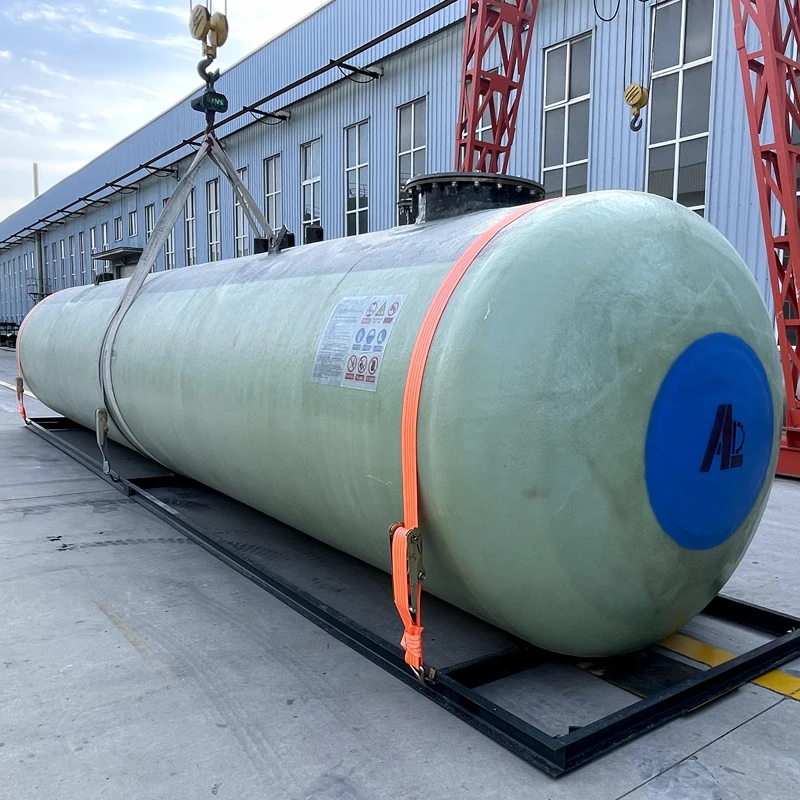
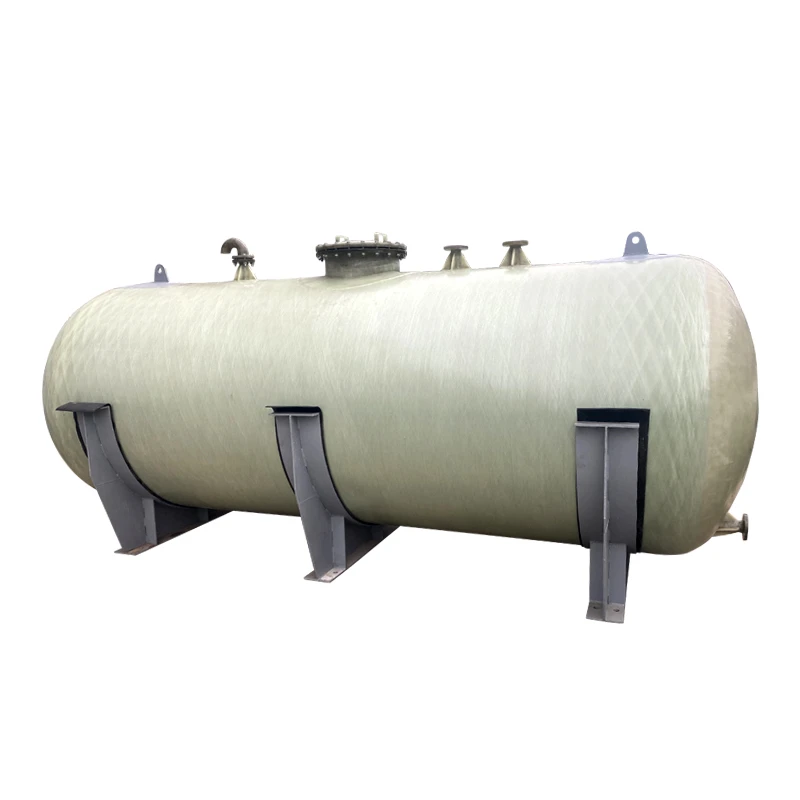
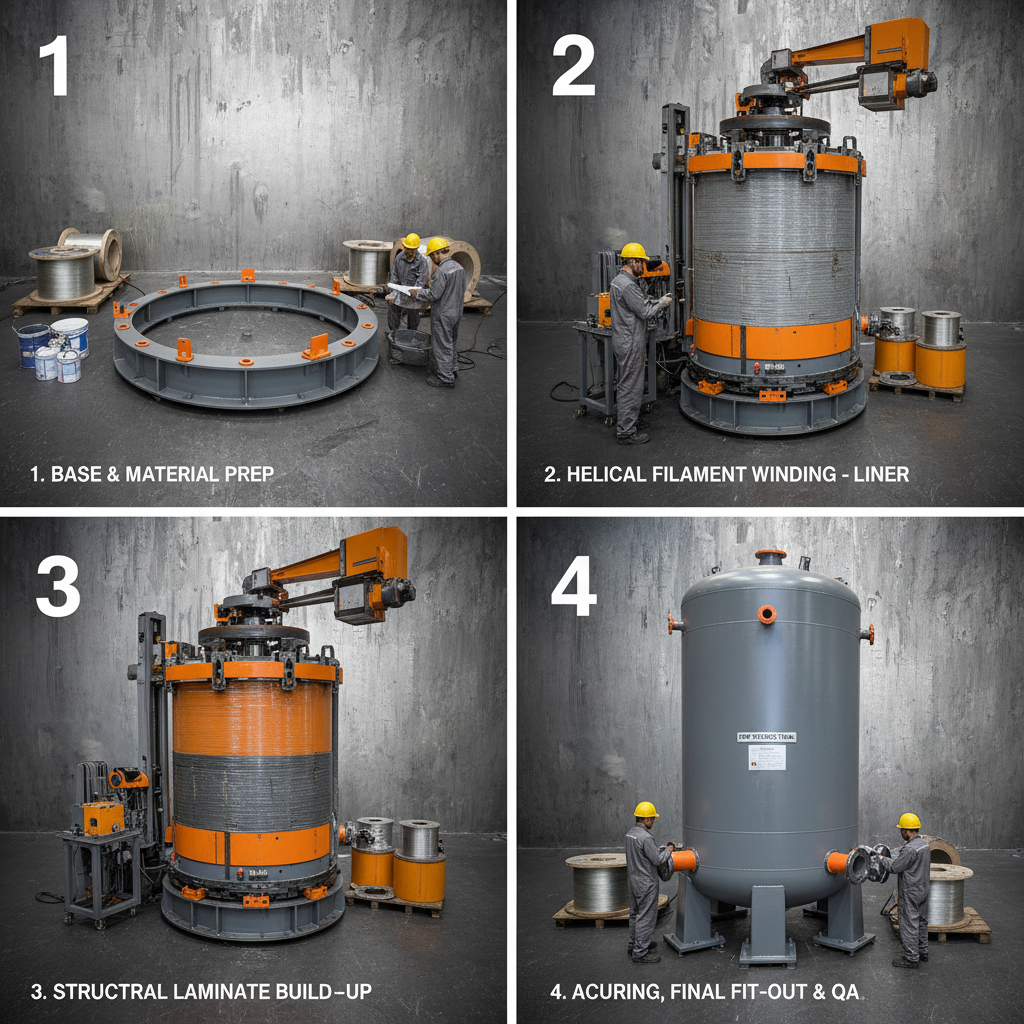
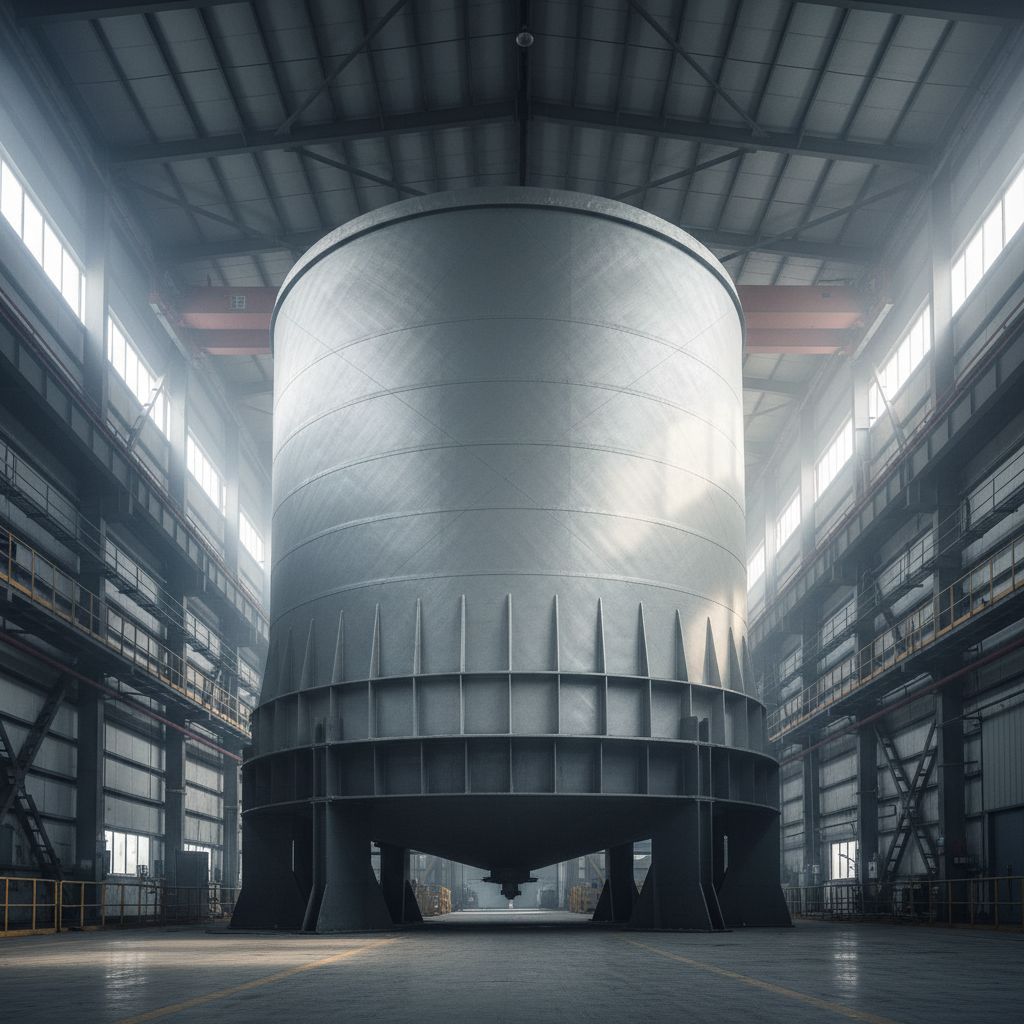
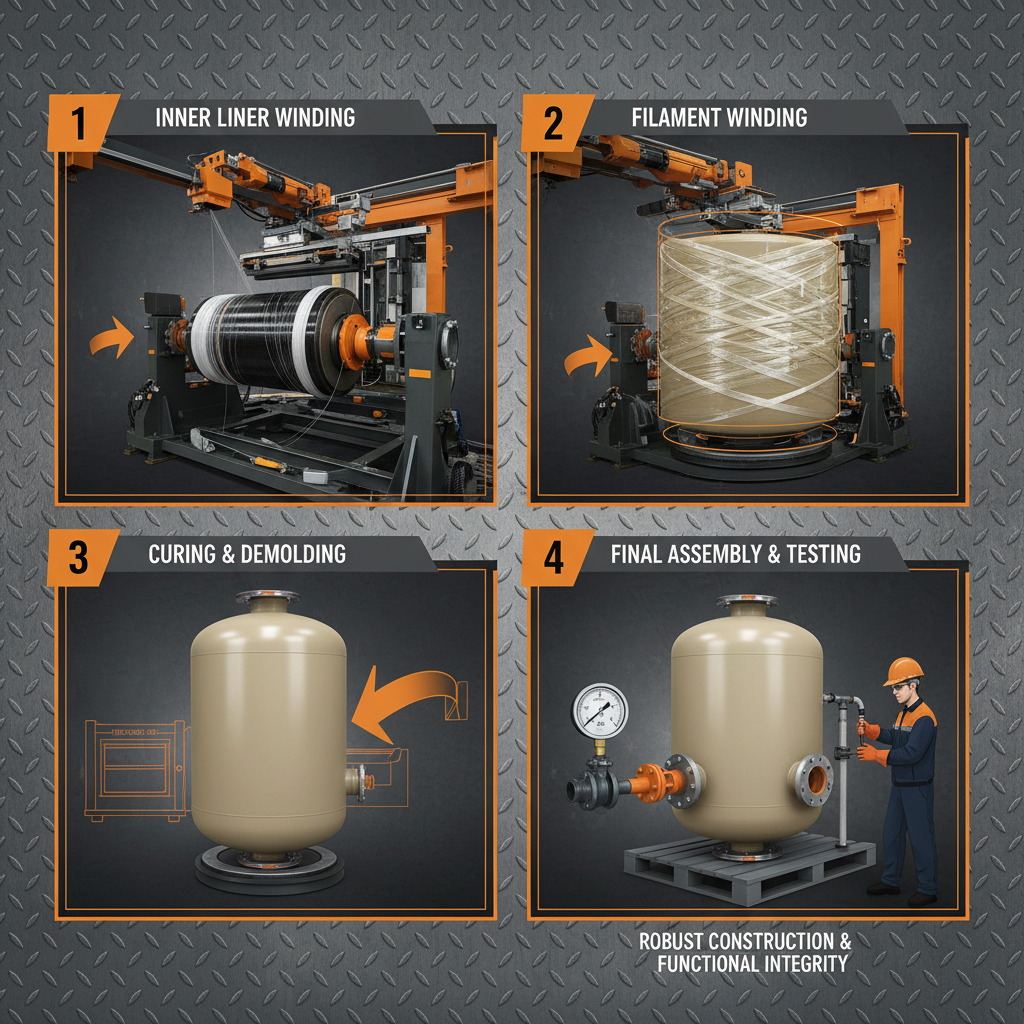
Put simply, a 1000l chemical tank is a container designed to store and transport liquids or chemicals, holding approximately 1000 liters (roughly 264 gallons). These tanks are commonly manufactured from materials like polyethylene, stainless steel, or fiberglass-reinforced plastic (FRP) to ensure durability and chemical resistance.

They serve as a practical bridge between smaller containers (like drums) and large industrial silos. In modern industry, they enable efficient batching, reduce contamination risks, and streamline workflows. Beyond factories, humanitarian groups and environmental agencies rely on them for transporting water treatment chemicals, pesticides, or even emergency supplies in a safe, easy-to-deploy format.

Mini takeaway:

A 1000l chemical tank—a compact powerhouse—provides just the right scale for many sectors, balancing volume with portability, safety, and adaptability.

Core Components and Key Factors of 1000l Chemical Tanks

1. Material & Durability

Whether made from UV-stabilized polyethylene or corrosion-resistant stainless steel, material choice dramatically affects tank lifespan and chemical compatibility. For instance, FRP tanks blend strength and weight savings, making them popular in field operations where ease of transport matters.

2. Chemical Compatibility

Not all chemicals play well with every tank material. Acidic substances, solvents, or oxidizers require specially formulated linings or materials to prevent leaks or degradation. This means users should carefully evaluate chemical compatibility charts before purchasing; otherwise, costly failures can occur.

3. Design Features

Modern 1000l chemical tanks often include fill/dump valves, venting systems, and stacking capabilities, catering to both ease of use and safety. Rounded corners and reinforced walls reduce stress points, enhancing the tank’s operational life.

4. Portability & Scalability

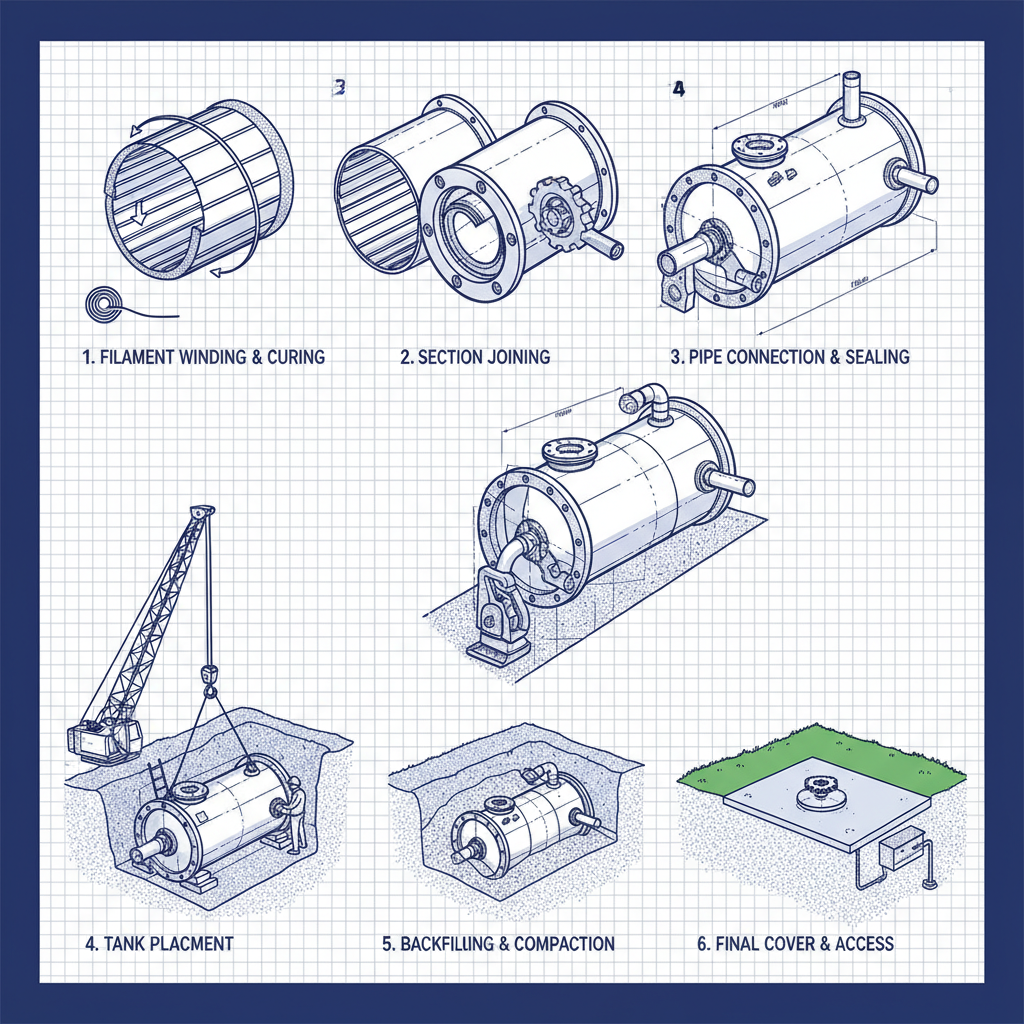
These tanks fit well into diverse settings—from permanent industrial plants to mobile emergency setups. Their manageable size allows forklift transport or container shipping, offering scalability in capacity by simply combining multiple units.

5. Environmental Safety

Leak-proof construction combined with secondary containment systems ensure that chemicals stay contained, helping to meet stringent environmental regulations globally. Some tanks are designed with recycling considerations in mind, embracing circular economy principles.

Mini takeaway:

  • Material quality, chemical resistance, and smart design define the real-world usefulness of a 1000l chemical tank.
  • Portability and environmental safeguards are often what tip the scales when choosing tanks.

Global Applications & Use Cases for 1000l Chemical Tanks

Honestly, these tanks are everywhere—but in specific scenarios, their role really shines:

  • Agriculture: Used to store fertilizers, pesticides, and herbicides, enabling precise application and reducing risk.
  • Water Treatment Plants: Dosing chambers with chemicals like chlorine or anti-scalants often rely on these tanks for intermediate storage.
  • Industrial Facilities: Chemical batching, process storage, and emergency containment.
  • Disaster Relief: In post-disaster zones, 1000l tanks help NGOs safely store disinfectants or potable water additives, crucial for public health.
  • Remote Operations: Mining, oil, or construction sites often lack permanent infrastructure but can deploy these tanks quickly to store fuels or chemicals securely.

For example, after the 2015 earthquake in Nepal, relief teams used modular chemical tanks similar to these for distributing potable water treatment chemicals amid infrastructure breakdowns—highlighting their reliability where infrastructure falters.

Advantages & Long-Term Benefits of Using 1000l Chemical Tanks

Adopting the right size chemical tank is more than just an operational choice; it’s a commitment to safety, efficiency, and sustainability. The advantages include:

  • Cost Efficiency: Smaller than massive silos, these tanks reduce risks of large spills and minimize waste.
  • Improved Safety: Their manageable size means easier inspections and maintenance, reducing accident chances.
  • Sustainability: Many are designed to last decades with recyclable materials, aligning with ISO environmental standards.
  • Flexibility: Organizations can easily scale operations by adding tanks incrementally.
  • Trust and Reliability: Using tanks compliant with UNEP and regulatory standards builds stakeholder confidence.

Mini takeaway:

The 1000l chemical tank isn’t just about volume; it symbolizes smarter, safer, and more scalable chemical management for tomorrow.

Emerging Trends & Future Innovations

In real terms, the future of chemical tanks is leaning heavily on smart tech and eco-conscious designs. Here are a few directions to watch:

  • Digital Monitoring: IoT sensors embedded in tanks can track levels, detect leaks, and provide real-time alerts, reducing manual inspections.
  • Advanced Materials: Research into bio-composites and graphene-enhanced plastics promises lighter yet more resilient tanks.
  • Automation Integration: Tank systems are increasingly part of automated chemical dosing and distribution lines.
  • Regulatory Push: Tighter global safety standards push manufacturers toward more robust secondary containment and sustainability reporting.

Common Challenges & Practical Solutions

Frankly, no product is perfect. Users face challenges such as:

  • Chemical Corrosion: Some aggressive chemicals degrade standard tanks prematurely—solution: custom linings or materials.
  • Transport Limitations: Though smaller, these tanks still require logistical planning due to hazardous load regulations.
  • Maintenance Demand: Regular cleaning is essential, sometimes difficult in remote sites—solution: modular designs easing access.

Experts recommend routine inspections coupled with operator training and investing in tanks certified to global standards to avoid costly failures.

Product Specification Table

Specification Details
Capacity 1000 liters (264 gallons)
Material UV-stabilized Polyethylene / FRP / Stainless Steel
Dimensions (Approx.) 1200mm Diameter × 1100mm Height
Weight (Empty) 50–80 kg (varies by material)
Typical Uses Chemical storage, water treatment, agriculture
Features Leak-proof valves, venting, stackable

Vendor Comparison Table

Vendor Material Options Lead Time Price Range (USD) Warranty
Global Tanks Inc. PE, FRP 3 weeks $850–1200 5 years
ChemSafe Solutions Stainless Steel 5 weeks $1500–1900 7 years
FRP Innovations FRP only 2 weeks $950–1300 4 years

Frequently Asked Questions About 1000l Chemical Tanks

Q1: What industries commonly use 1000l chemical tanks?

A: Agriculture, water treatment, chemical manufacturing, mining, and construction are the primary users. These tanks' size and portability suit operations needing mid-range chemical volumes without investing in large-scale storage.

Q2: How do I ensure chemical compatibility with my tank?

A: Consult chemical compatibility charts provided by tank manufacturers or regulatory bodies. Material selection (like FRP vs polyethylene) depends heavily on the chemical’s properties. When in doubt, a tank with a protective lining or stainless steel variant reduces risks.

Q3: Can 1000l chemical tanks be stacked or transported easily?

A: Many tanks are designed to be stackable when empty, saving space during shipping. For transport, they are sized to fit standard forklifts and freight containers, but transport of filled tanks must comply with hazardous material regulations.

Q4: Are these tanks suitable for outdoor storage?

A: Yes, especially tanks made from UV-stabilized polyethylene or FRP. These materials resist sunlight degradation and weather impacts, though it’s always good to check specific product ratings.

Wrapping Up: Why the 1000l Chemical Tank is Worth Your Attention

In the grand scheme, the 1000l chemical tank is a small but mighty player in global chemical management. It offers a sweet spot between scale and flexibility, bridging gaps between safety, cost, and convenience. Whether you’re in industry, humanitarian aid, or environmental services, this tank helps you meet modern challenges with confidence.

Interested in upgrading your chemical storage solutions? Visit us at FRP GRP Machine for expert advice, customization options, and a range of trusted products tailored to your needs.
References & Further Reading

  1. United Nations Environment Programme (UNEP)
  2. ISO Standards for Chemical Storage
  3. World Health Organization (WHO) Chemical Safety
Upsell Products
Upsell News
Durable FRP Vessel for Water Treatment and Industrial Filtration
Apr 16,2026
Durable FRP Vessel for Water Treatment and Industrial Filtration
In the modern era of industrial and residential water purification, the choice of containment materials is critical for efficiency and longevity. An frp vessel for water treatment has emerged as the gold standard, replacing traditional steel tanks due to its superior corrosion resistance and lightweight properties. Whether you are dealing with desalination, softening, or filtration, using Fiber Reinforced Plastic (FRP) ensures that your system remains leak-proof and durable against aggressive chemicals. In this comprehensive guide, we will explore why FRP is the preferred choice for water treatment professionals worldwide and how to select the right vessel for your specific application.
Industrial Guide for Choosing the Right FRP Vertical Tank
Apr 09,2026
Industrial Guide for Choosing the Right FRP Vertical Tank
In today's industrial landscape, the storage of corrosive chemicals and aggressive liquids requires materials that can withstand extreme conditions without degrading. The frp vertical tank has emerged as a premier solution, offering an exceptional balance of strength, lightweight properties, and unmatched chemical resistance. Whether you are managing a water treatment plant or a chemical processing facility, understanding the nuances of Fiber Reinforced Plastic (FRP) is essential for ensuring operational safety and longevity. In this comprehensive guide, we will explore why vertical configurations are preferred and how these tanks outperform traditional metal alternatives.
Comprehensive Guide to FRP Underground Water Tank Solutions and Applications
Apr 07,2026
Comprehensive Guide to FRP Underground Water Tank Solutions and Applications
Fiberglass Reinforced Polymer (FRP) underground water tanks are becoming increasingly popular for a wide range of applications, from potable water storage to industrial wastewater containment. Their superior corrosion resistance, lightweight nature, and design flexibility make them an excellent alternative to traditional materials like concrete or steel. This article will delve into the benefits, applications, construction, and considerations for implementing FRP underground water tanks, providing a comprehensive overview for engineers, contractors, and project managers.
Comprehensive Guide to Frp Underground Water Storage Tanks and Their Applications
Apr 04,2026
Comprehensive Guide to Frp Underground Water Storage Tanks and Their Applications
When considering water storage solutions, particularly for industrial, agricultural, or municipal applications, frp underground water storage tanks stand out as a durable, cost-effective, and environmentally friendly option. These tanks are increasingly favored over traditional materials like concrete or steel due to their superior corrosion resistance, lighter weight, and ease of installation. This article delves into the benefits, applications, construction, and considerations when choosing an FRP tank, providing a detailed overview for potential buyers and project planners.
Sulfuric Acid Production Line - Hebei Aoliande|Efficient H2SO4 Plant Technology
Apr 01,2026
Sulfuric Acid Production Line - Hebei Aoliande|Efficient H2SO4 Plant Technology
Discover efficient H2SO4 plant technology and advanced sulfuric acid production solutions. Hebei Aoliande combines energy-saving furnace design and eco-friendly HCl recovery systems for sustainable industrial applications. Explore now: https://www.frpgrpmachine.com/sulfuric-acid-production-line-for-h2so4-plant.html
Sulfuric Acid Production Line - Hebei Aoliande|Efficient H2SO4 Plant Technology
Apr 01,2026
Sulfuric Acid Production Line - Hebei Aoliande|Efficient H2SO4 Plant Technology
Discover efficient H2SO4 plant technology and advanced sulfuric acid production solutions. Hebei Aoliande combines energy-saving furnace design and eco-friendly HCl recovery systems for sustainable industrial applications. Explore now: https://www.frpgrpmachine.com/sulfuric-acid-production-line-for-h2so4-plant.html
Sulfuric Acid Production Line - Hebei Aoliande|Efficient H2SO4 Plant Technology
Apr 01,2026
Sulfuric Acid Production Line - Hebei Aoliande|Efficient H2SO4 Plant Technology
Discover efficient H2SO4 plant technology and advanced sulfuric acid production solutions. Hebei Aoliande combines energy-saving furnace design and eco-friendly HCl recovery systems for sustainable industrial applications. Explore now: https://www.frpgrpmachine.com/sulfuric-acid-production-line-for-h2so4-plant.html
Sulfuric Acid Production Line - Hebei Aoliande|Efficient H2SO4 Plant Technology
Apr 01,2026
Sulfuric Acid Production Line - Hebei Aoliande|Efficient H2SO4 Plant Technology
Discover efficient H2SO4 plant technology and advanced sulfuric acid production solutions. Hebei Aoliande combines energy-saving furnace design and eco-friendly HCl recovery systems for sustainable industrial applications. Explore now: https://www.frpgrpmachine.com/sulfuric-acid-production-line-for-h2so4-plant.html
Sulfuric Acid Production Line - Hebei Aoliande|Efficient H2SO4 Plant Technology
Apr 01,2026
Sulfuric Acid Production Line - Hebei Aoliande|Efficient H2SO4 Plant Technology
Discover efficient H2SO4 plant technology and advanced sulfuric acid production solutions. Hebei Aoliande combines energy-saving furnace design and eco-friendly HCl recovery systems for sustainable industrial applications. Explore now: https://www.frpgrpmachine.com/sulfuric-acid-production-line-for-h2so4-plant.html
Sulfuric Acid Production Line - Hebei Aoliande|Efficient H2SO4 Plant Technology
Apr 01,2026
Sulfuric Acid Production Line - Hebei Aoliande|Efficient H2SO4 Plant Technology
Discover efficient H2SO4 plant technology and advanced sulfuric acid production solutions. Hebei Aoliande combines energy-saving furnace design and eco-friendly HCl recovery systems for sustainable industrial applications. Explore now: https://www.frpgrpmachine.com/sulfuric-acid-production-line-for-h2so4-plant.html
Comprehensive Guide to Frp Underground Storage Tanks for Reliable Storage Solutions
Mar 31,2026
Comprehensive Guide to Frp Underground Storage Tanks for Reliable Storage Solutions
Fiberglass Reinforced Polymer (FRP) underground storage tanks are becoming increasingly popular for a wide range of applications, from fuel storage to wastewater management. Their corrosion resistance, lightweight nature, and durability offer significant advantages over traditional materials like steel. This article will provide an in-depth look at FRP underground storage tanks, covering their benefits, applications, installation, and maintenance. Understanding these aspects is crucial for making informed decisions about long-term storage solutions.
Comprehensive Guide to Selecting the Ideal FRP Tank for Water Storage Solutions
Mar 28,2026
Comprehensive Guide to Selecting the Ideal FRP Tank for Water Storage Solutions
When it comes to reliable and durable water storage, FRP tanks for water are increasingly becoming the preferred solution for a wide range of applications. These tanks, constructed from Fiber Reinforced Polymer (FRP) materials, offer significant advantages over traditional storage options like steel or concrete. This article delves into the benefits, applications, and considerations when selecting an FRP tank for your water storage needs, providing a detailed overview for businesses and individuals alike.
Comprehensive Guide to Frp Tank and Vessel Applications and Manufacturing
Mar 26,2026
Comprehensive Guide to Frp Tank and Vessel Applications and Manufacturing
Fiber Reinforced Polymer (FRP) tanks and vessels are increasingly becoming the preferred choice for storage and processing across a multitude of industries. Their lightweight nature, corrosion resistance, and design flexibility offer significant advantages over traditional materials like steel. This article will delve into the intricacies of FRP tanks and vessels, exploring their applications, manufacturing processes, benefits, and considerations for selecting the right solution for your specific needs. We’ll also highlight why FRP tanks are a cost-effective and reliable long-term investment. FRP tanks and vessels are constructed from a combination of reinforcing fibers (such as fiberglass, carbon fiber, or aramid fiber) embedded in a polymer matrix (typically polyester, vinyl ester, or epoxy resin). This combination creates a composite material that boasts high strength-to-weight ratio, exceptional corrosion resistance, and the ability to be molded into complex shapes. They’re designed to safely contain a wide variety of liquids and gases, ranging from corrosive chemicals and water to food products and pharmaceuticals.
Optimizing Water Filtration with Durable FRP Sand Filter Vessels
Mar 24,2026
Optimizing Water Filtration with Durable FRP Sand Filter Vessels
In water treatment and filtration systems, the choice of filter vessel material is paramount. Fiber Reinforced Plastic (FRP), also known as Glass Reinforced Polymer (GRP), sand filter vessels are increasingly popular due to their superior corrosion resistance, lightweight nature, and cost-effectiveness. This article delves into the benefits, applications, design considerations, and factors to consider when selecting an FRP sand filter vessel. Whether you are involved in municipal water treatment, industrial wastewater management, or recreational water filtration, understanding FRP technology is essential for optimizing your filtration process. An FRP sand filter vessel is a containment unit designed to house filtration media, typically sand, gravel, and anthracite. These vessels are integral components in sand filtration systems used for removing suspended solids, turbidity, and other particulate matter from water. FRP construction involves layering glass fibers within a resin matrix (typically polyester or vinyl ester) to create a strong, durable, and chemically resistant shell. The strength and rigidity of the vessel are crucial for withstanding the pressure from the filtration media and the water flow.
Comprehensive Guide to FRP Round Tanks Applications and Benefits
Mar 21,2026
Comprehensive Guide to FRP Round Tanks Applications and Benefits
Fiber Reinforced Polymer (FRP) round tanks are increasingly becoming the preferred choice for storage solutions across a variety of industries. Their lightweight nature, corrosion resistance, and design flexibility offer significant advantages over traditional materials like steel. This article provides an in-depth look at FRP round tanks, exploring their applications, benefits, manufacturing processes, and key considerations when choosing the right tank for your needs. Whether you're in chemical processing, water treatment, or agriculture, understanding FRP round tanks is crucial for optimizing your storage infrastructure. FRP round tanks are constructed from a combination of reinforcing fibers (typically fiberglass, carbon fiber, or a blend) embedded in a polymer matrix (often polyester, vinyl ester, or epoxy resin). The round shape inherently provides excellent structural strength, distributing pressure evenly across the tank’s surface.
Comprehensive Guide to FRP Pressure Tanks Benefits and Applications
Mar 19,2026
Comprehensive Guide to FRP Pressure Tanks Benefits and Applications
Fiber Reinforced Polymer (FRP) pressure tanks are becoming increasingly popular in a wide range of industrial applications, offering a compelling alternative to traditional steel tanks. Known for their lightweight nature, corrosion resistance, and high strength-to-weight ratio, FRP tanks provide efficient and durable solutions for storing liquids and gases under pressure. This article will delve into the benefits, applications, construction, and key considerations when selecting an FRP pressure tank, helping you make an informed decision for your specific needs. Understanding the advantages of FRP technology can lead to significant cost savings and improved operational efficiency. Compared to steel, FRP pressure tanks offer several key advantages. The most significant is their superior corrosion resistance. Unlike steel, which is susceptible to rust and corrosion when exposed to various chemicals, FRP materials are inherently resistant to a wide range of corrosive substances. This translates to a longer lifespan, reduced maintenance costs, and increased safety. Furthermore, FRP is significantly lighter than steel, making installation easier and reducing transportation costs.
For More Details Pls Contact Us
Thank you for your interest in our gloves! We offer high-quality, durable, and comfortable gloves with fast delivery and competitive prices. For any questions or customization, feel free to contact us. We look forward to working with you!

If you are interested in our products, you can choose to leave your information here, and we will be in touch with you shortly.