Automated FRP Grating Machine for Efficient, Quality Molding
Innovating FRP Production: The Advanced Frp Grating Machine
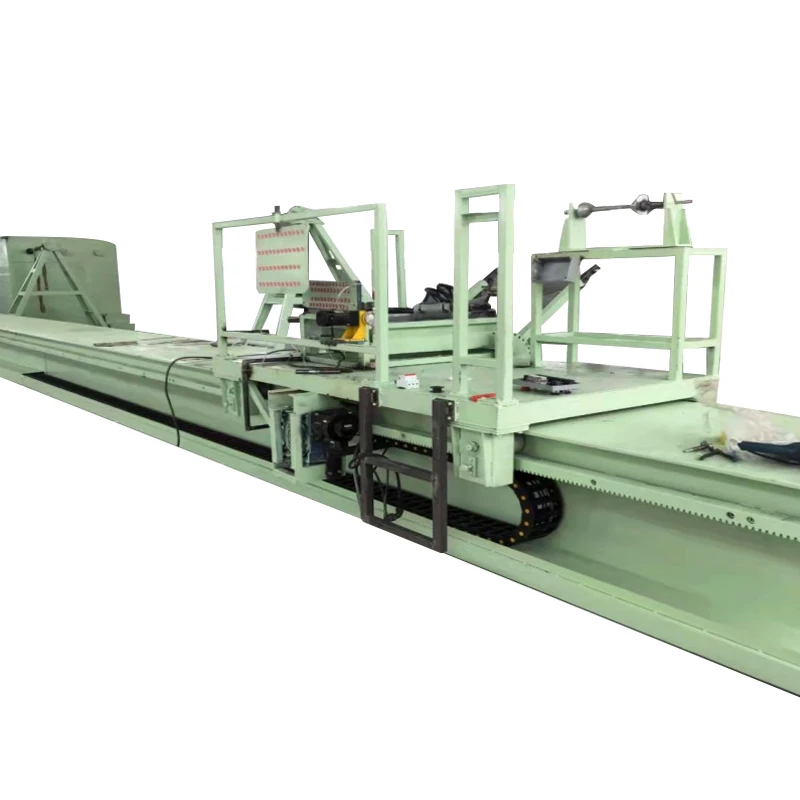
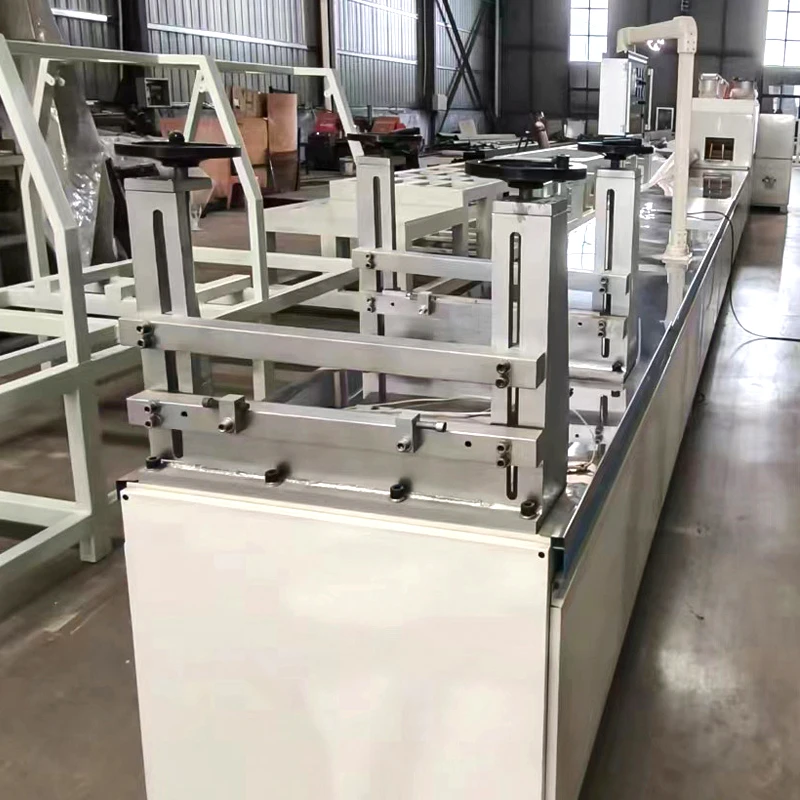
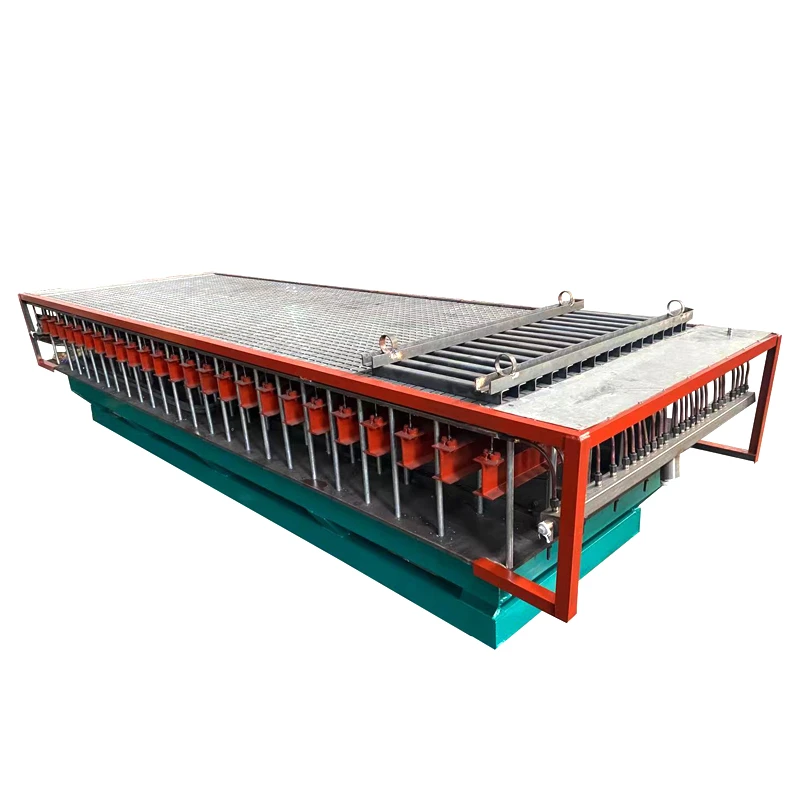
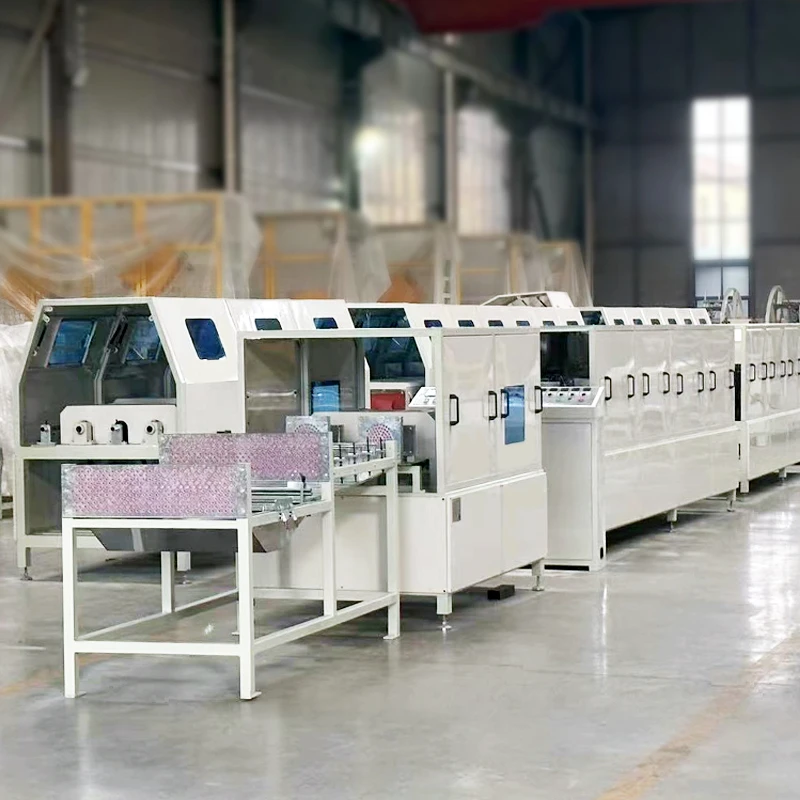
In industrial engineering and infrastructure development, Fiberglass Reinforced Plastic (FRP) gratings are indispensable for their exceptional strength-to-weight ratio, corrosion resistance, and longevity. The manufacturing precision and efficiency of these critical components are directly attributable to advanced machinery. This article delves into the sophisticated world of the frp grating machine, exploring its technical prowess, operational advantages, diverse applications, and the industry benchmarks that define excellence in FRP production. We will examine the intricate process flow, key technical specifications, and the tangible benefits these machines offer to a myriad of sectors.
The demand for FRP products is continuously rising, driven by sectors requiring durable, maintenance-free, and safe materials. The core of this production lies in highly efficient and precise molded grating machine technology, ensuring that each panel meets stringent quality and performance criteria.
Industry Trends and Market Dynamics
The global FRP grating market is experiencing robust growth, propelled by increasing applications in construction, chemical, marine, and oil & gas industries. Key trends include a shift towards automated manufacturing processes, integration of smart control systems (e.g., PLC, HMI) for enhanced precision, and the development of machines capable of producing gratings with diverse resin systems (isophthalic, vinyl ester, phenolic) to meet specific environmental and fire-retardant requirements. The market is also seeing an increased focus on energy efficiency and reduced operational costs in frp molded grating machine designs. Innovations in composite materials and manufacturing techniques are leading to lighter, stronger, and more cost-effective FRP products, driving the demand for state-of-the-art production equipment.
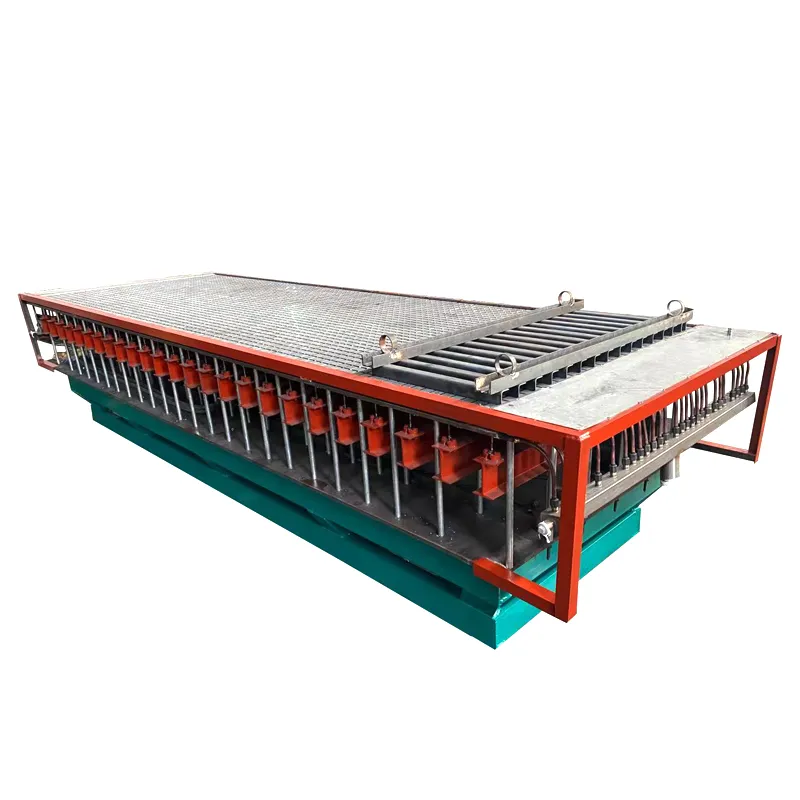
Environmental regulations are also influencing machine design, pushing for more sustainable manufacturing processes and materials. The adoption of advanced robotics for material handling and post-processing further enhances productivity and reduces manual labor, signifying a mature and evolving industry landscape for the frp grating machine.
Detailed Manufacturing Process Flow of a FRP Grating Machine
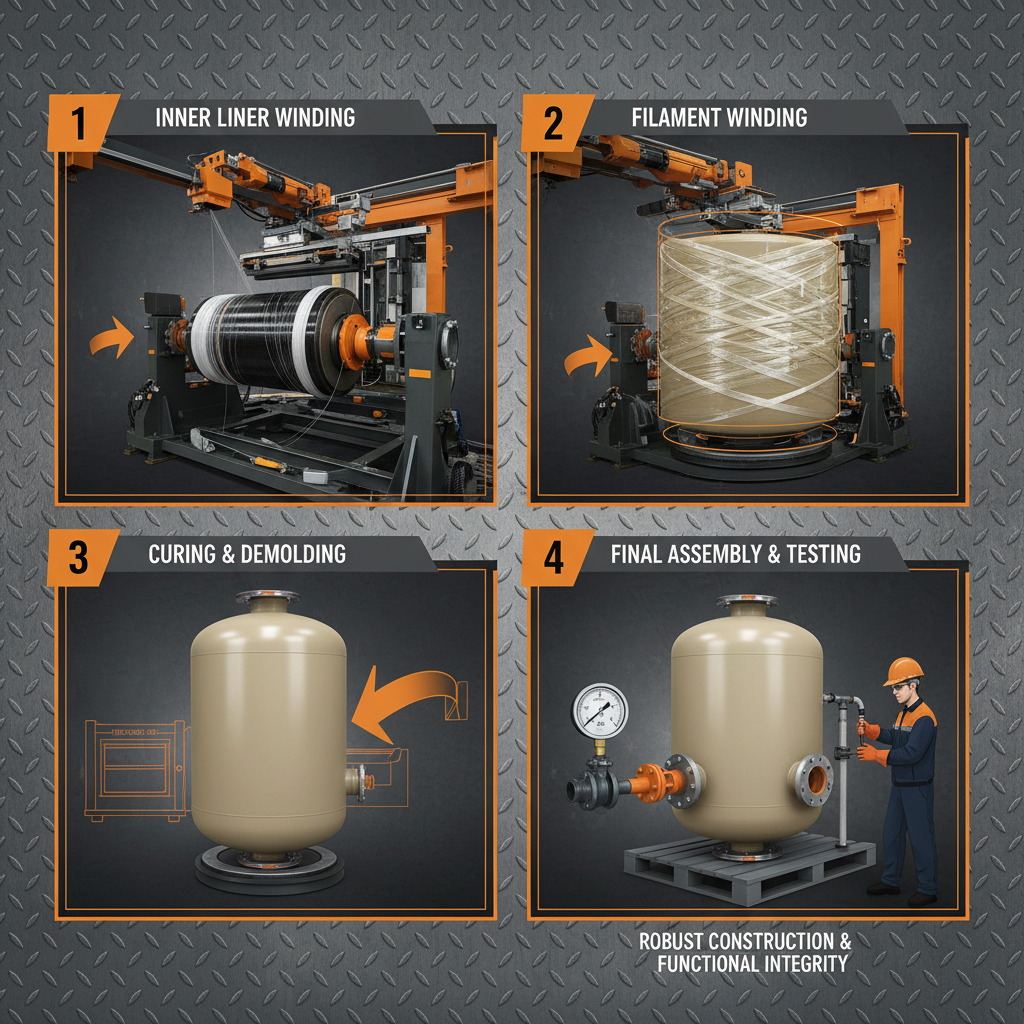
The production of FRP molded grating involves a meticulously controlled, multi-stage process leveraging sophisticated machinery. This ensures uniform quality, structural integrity, and adherence to specified performance characteristics.
Process Steps:
- Material Preparation: This initial phase involves the selection and preparation of high-quality raw materials. The primary materials include unsaturated polyester resin (or vinyl ester, phenolic resins for specific applications), fiberglass roving (E-glass is common, C-glass for enhanced corrosion resistance), curing agents (peroxides), accelerators, and various additives such as UV stabilizers, flame retardants, and pigments. The resin mixture is carefully formulated to achieve desired viscosity, cure time, and mechanical properties.
- Mold Preparation & Release Agent Application: Precision-engineered steel or composite molds, typically featuring a grid pattern, are meticulously cleaned. A specialized release agent is then uniformly applied to the mold surface. This critical step prevents the cured FRP from adhering to the mold, ensuring easy demolding and preserving the smooth finish of the grating.
- Fiberglass Lay-up: Continuous fiberglass rovings are carefully laid into the mold cavities. The pattern is designed to create a strong, load-bearing grid structure, often in a bi-directional or multi-directional arrangement to maximize strength. Multiple layers may be applied depending on the desired grating thickness and load capacity. This is typically done manually or via automated robotic systems for high-volume production.
- Resin Pouring & Saturation: The pre-mixed resin system is precisely poured over the laid-up fiberglass rovings within the mold. The resin saturates the fibers, completely encapsulating them. Vacuum infusion techniques can be employed to ensure full wet-out and eliminate air voids, leading to a denser, stronger, and more void-free panel.
- Curing (Polymerization): The filled mold is then transferred to a heated curing oven. The elevated temperature initiates the polymerization process, where the resin hardens and chemically cross-links with the fiberglass, forming a rigid, thermoset composite material. The curing cycle (temperature and duration) is precisely controlled based on the resin type and grating thickness. Modern frp molded grating machine systems incorporate advanced temperature monitoring and control.
- Demolding: Once curing is complete and the grating has sufficiently cooled, the rigid FRP panel is carefully extracted from the mold. This step requires precision to avoid damage to the fresh grating or the mold.
- Post-Curing & Finishing: Some gratings may undergo post-curing at a higher temperature to achieve optimal mechanical and chemical resistance properties. The final stages involve trimming excess material, grinding edges for a smooth finish, and applying any necessary surface treatments, such as an anti-slip grit surface or a topcoat, depending on application requirements.
- Quality Control & Testing: Throughout and after the manufacturing process, strict quality control measures are implemented. This includes visual inspection for defects, dimensional checks, and destructive/non-destructive testing to verify mechanical properties (e.g., flexural strength, compressive strength, impact resistance) in accordance with industry standards such as ISO 9001, ASTM E84, and ANSI/NAAMM standards.
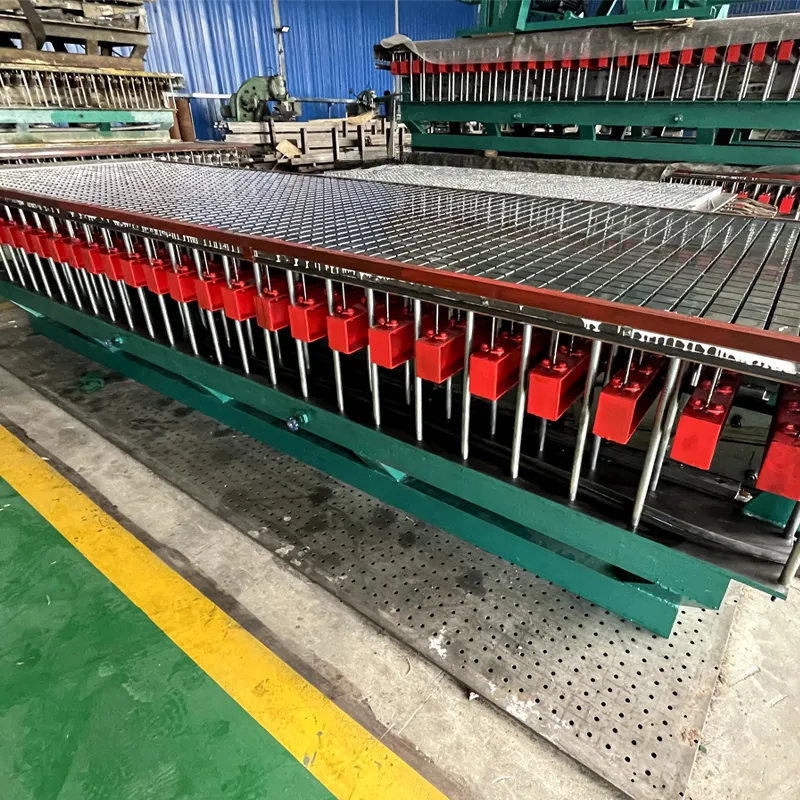
The typical service life of FRP gratings produced by a high-quality molded grating machine can exceed 20 years, even in highly corrosive environments, significantly outperforming traditional materials like steel or aluminum. Target industries include petrochemical, metallurgy, marine, water supply & drainage, power generation, food & beverage, and chemical processing.
Technical Specifications of an Advanced FRP Grating Machine
A state-of-the-art frp grating machine is characterized by its robust design, advanced control systems, and ability to consistently produce high-quality gratings. The following table outlines typical technical parameters:
| Parameter | Specification | Description |
|---|---|---|
| Machine Dimensions (L×W×H) | Approx. 12m × 3m × 2.5m | Overall footprint including curing oven and mold handling system. |
| Output Capacity | Up to 100-200 m²/day (depending on panel size and thickness) | Production rate for standard 38x38mm mesh, 38mm thickness. |
| Grating Panel Size Range | Standard: 1220×3660mm, 1220×4000mm. Custom sizes possible. | Machine accommodates various mold sizes for diverse applications. |
| Grating Thickness Range | From 13mm to 75mm | Versatility for light-duty walkways to heavy-duty industrial platforms. |
| Heating Method | Electric heating, Hot oil/steam heating, or Gas heating | Ensures uniform and controlled curing of resin. |
| Temperature Control Precision | ±1°C (PID Control) | Crucial for consistent resin polymerization and product quality. |
| Control System | PLC (Programmable Logic Controller) with HMI (Human-Machine Interface) | Enables precise control, monitoring, and fault diagnosis. |
| Power Requirements | 3-Phase, 380V/50Hz (customizable) - Total Power: 30-80 kW | Varies based on heating method and automation level. |
| Material Compatibility | Unsaturated Polyester Resin, Vinyl Ester Resin, Phenolic Resin | Adaptable to various resin types for diverse applications (corrosion, fire resistance). |
| Safety Features | Emergency stops, over-temperature protection, interlocks, CE compliance | Ensures operator safety and equipment protection. |
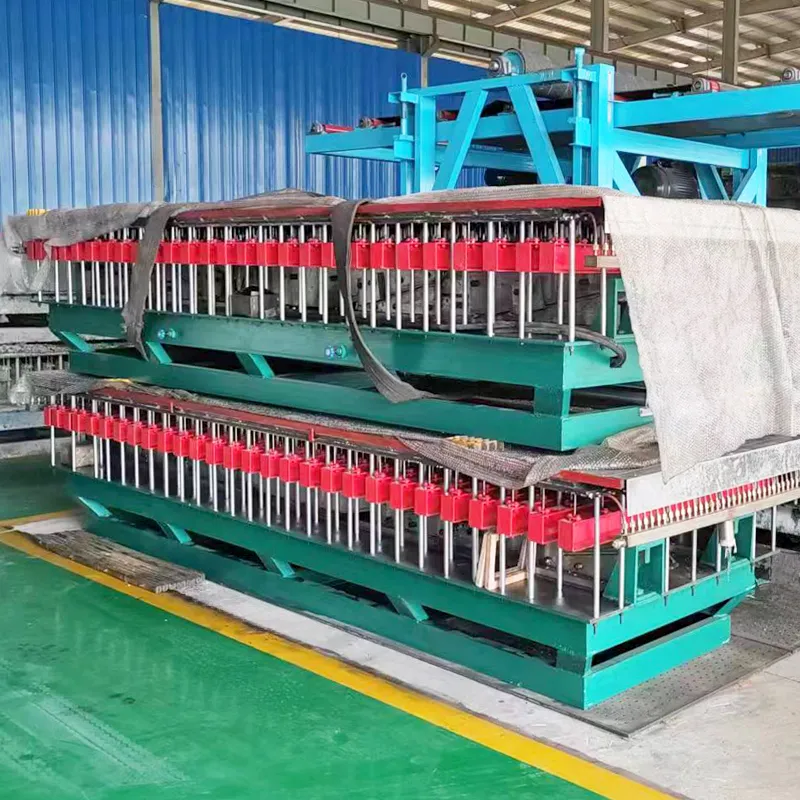
These specifications highlight the sophisticated engineering involved in manufacturing a robust and efficient frp grating machine, capable of meeting the stringent demands of modern industrial applications.
Technical Advantages and Performance Benefits
The deployment of an advanced frp grating machine brings a multitude of technical advantages that translate into significant operational and economic benefits for manufacturers and end-users alike.
- Superior Corrosion Resistance: FRP gratings are inherently resistant to a broad spectrum of corrosive chemicals, acids, and alkalis, making them ideal for environments where metal gratings would quickly degrade. This extends the service life dramatically and reduces replacement costs.
- High Strength-to-Weight Ratio: Despite being significantly lighter than steel, FRP gratings offer comparable or superior load-bearing capabilities. This ease of handling reduces installation costs and minimizes structural load on supporting frameworks.
- Non-Conductive Properties: FRP is electrically non-conductive and thermally insulating, providing a safe working platform in areas with electrical hazards or extreme temperature variations. This is a critical safety feature in power generation plants and electrical substations.
- Low Maintenance & Longevity: Due to their resistance to corrosion and UV degradation, FRP gratings require minimal maintenance, eliminating the need for painting or protective coatings, unlike traditional materials. This translates to reduced lifecycle costs.
- Slip Resistance: Surfaces can be integrated with grit tops during the molding process, providing excellent slip resistance even in wet or oily conditions, enhancing workplace safety.
- Impact Resistance: FRP has excellent energy absorption properties, making it resistant to impact damage, which is crucial in industrial settings prone to falling objects or heavy traffic.
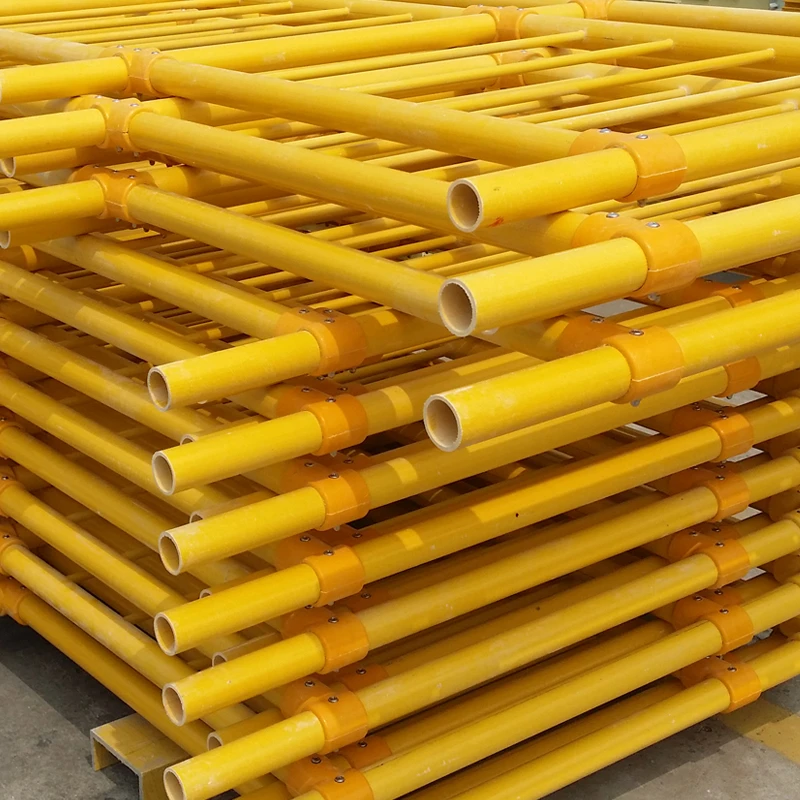
- Design Flexibility: The molding process allows for the creation of various mesh patterns, panel sizes, and colors, catering to specific aesthetic or functional requirements, offering greater architectural and engineering flexibility.
- Energy Efficiency: Modern frp molded grating machine designs incorporate optimized heating and curing cycles, coupled with energy-efficient components, leading to reduced energy consumption during manufacturing.
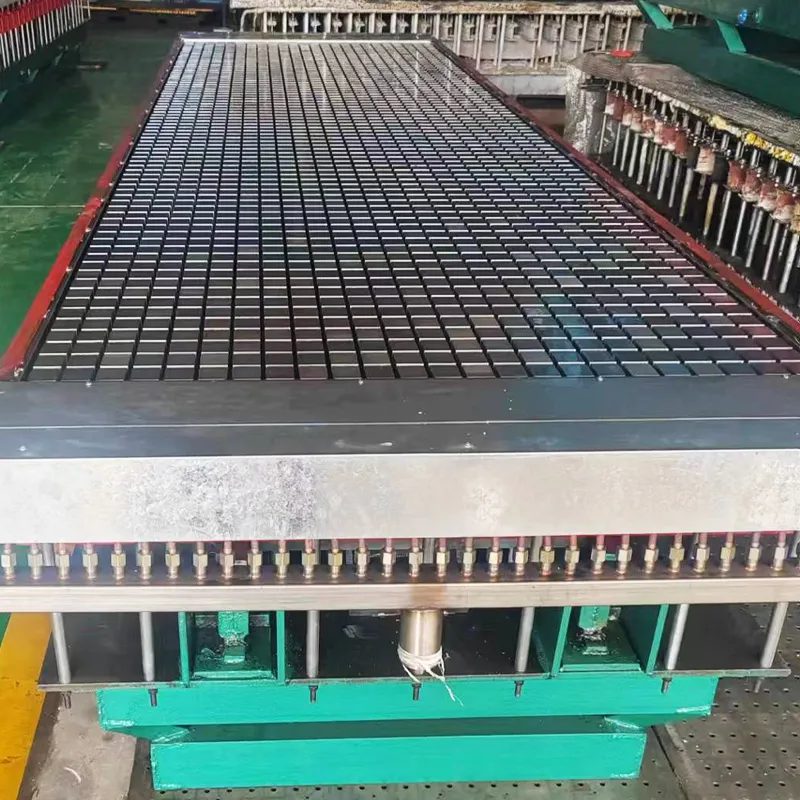
These combined advantages underscore why FRP gratings, produced by a robust molded grating machine, are increasingly becoming the material of choice for demanding industrial and commercial applications.
Application Scenarios and Target Industries
The versatility and superior properties of FRP gratings, facilitated by precision frp grating machine technology, make them indispensable across a wide range of industries and applications.
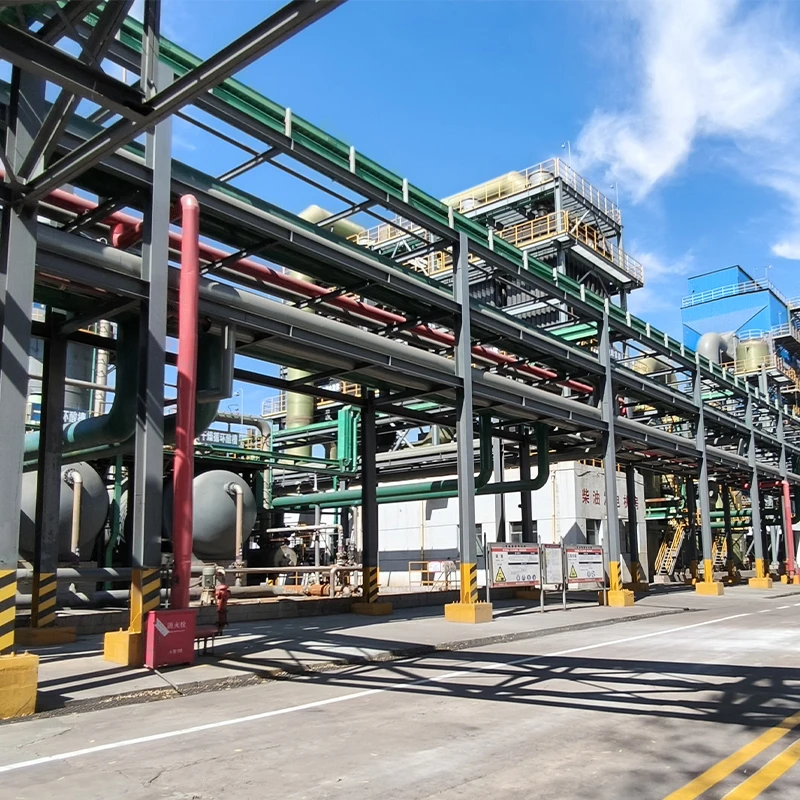
- Petrochemical and Chemical Processing: Ideal for catwalks, platforms, trench covers, and sumps where exposure to highly corrosive chemicals is constant. Their non-sparking properties are also crucial in hazardous areas.
- Water Treatment Plants: Used extensively for walkways, stair treads, and access platforms in clarifiers, filter basins, and aeration tanks due to their excellent resistance to moisture and chemical agents like chlorine.
- Marine and Offshore: Suitable for boat decks, dock surfaces, and offshore drilling platforms where saltwater corrosion and heavy loads are significant challenges.
- Power Generation Facilities: Employed in power plants for cooling tower decking, transformer areas, and catwalks, benefiting from their non-conductive and fire-retardant properties.
- Food and Beverage Industry: The hygienic, non-corrosive, and easy-to-clean surface of FRP gratings makes them perfect for processing areas where cleanliness and resistance to wash-down chemicals are paramount.
- Mining and Metallurgy: Used in processing plants for walkways, platforms, and mezzanines, where resistance to abrasive materials and harsh chemicals is required.
- Architectural and Commercial: Increasing use in public spaces, parks, and building exteriors for decorative screens, sunshades, and durable pedestrian surfaces due to their aesthetic appeal and low maintenance.
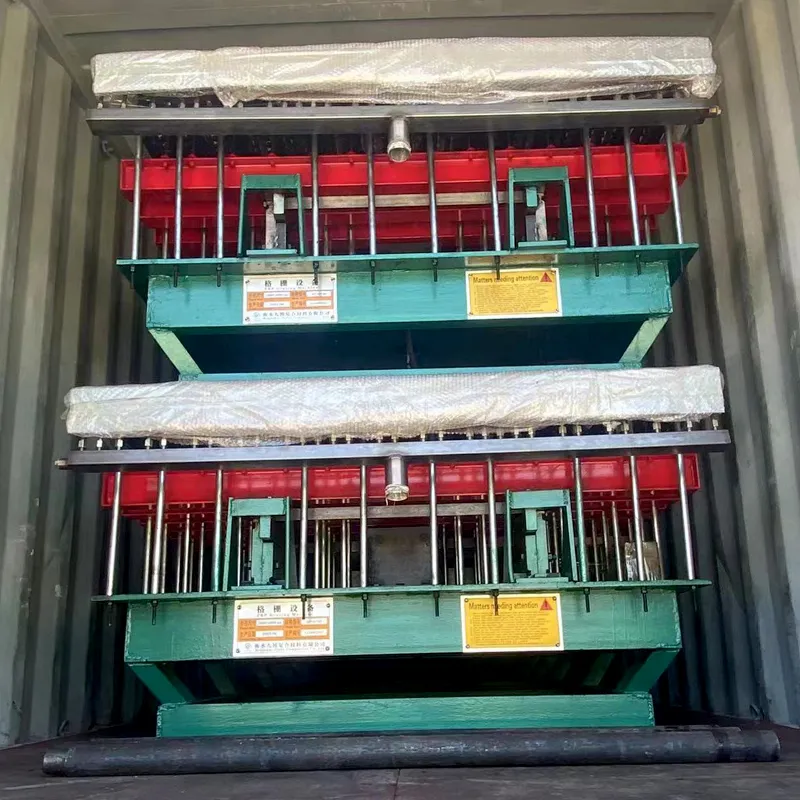
Each application leverages the specific advantages of FRP, ensuring long-term performance and safety, directly reflecting the quality output of the underlying frp molded grating machine.
Vendor Comparison: Choosing the Right FRP Grating Machine Manufacturer
Selecting a supplier for an frp grating machine involves evaluating several critical factors beyond just initial cost. Manufacturers differ in their technical expertise, automation levels, after-sales support, and customization capabilities. Here’s a comparison table focusing on key differentiators:
| Feature/Vendor Type | Premium Manufacturer (e.g., European/Japanese) | Mid-Range Manufacturer (e.g., Established Chinese) | Budget Manufacturer |
|---|---|---|---|
| Initial Investment | High | Medium | Low |
| Automation & Control | Full automation, Industry 4.0 readiness, advanced HMI/SCADA | Semi-automated with robust PLC, good HMI | Basic automation, manual adjustments |
| Component Quality | Premium global brands (Siemens, Schneider, Bosch Rexroth) | Mix of reputable international and high-quality domestic brands | Primarily domestic, cost-optimized components |
| Output Precision & Consistency | Exceptional, minimal variance, high repeatability | Very good, suitable for most industrial applications | Acceptable for less demanding applications, some variance |
| Energy Efficiency | Optimized designs, energy recovery systems | Good, standard energy-saving features | Basic, less focus on energy optimization |
| After-Sales Support | Global network, rapid response, extensive training, remote diagnostics | Regional service, online support, some on-site options | Limited, primarily online/phone support |
| Customization Options | Extensive, highly adaptable to specific production needs | Moderate, standard modular options | Minimal, mostly off-the-shelf |
| Certifications | CE, UL, ISO 9001, specific national standards | CE, ISO 9001 | Basic internal QC, limited external certifications |
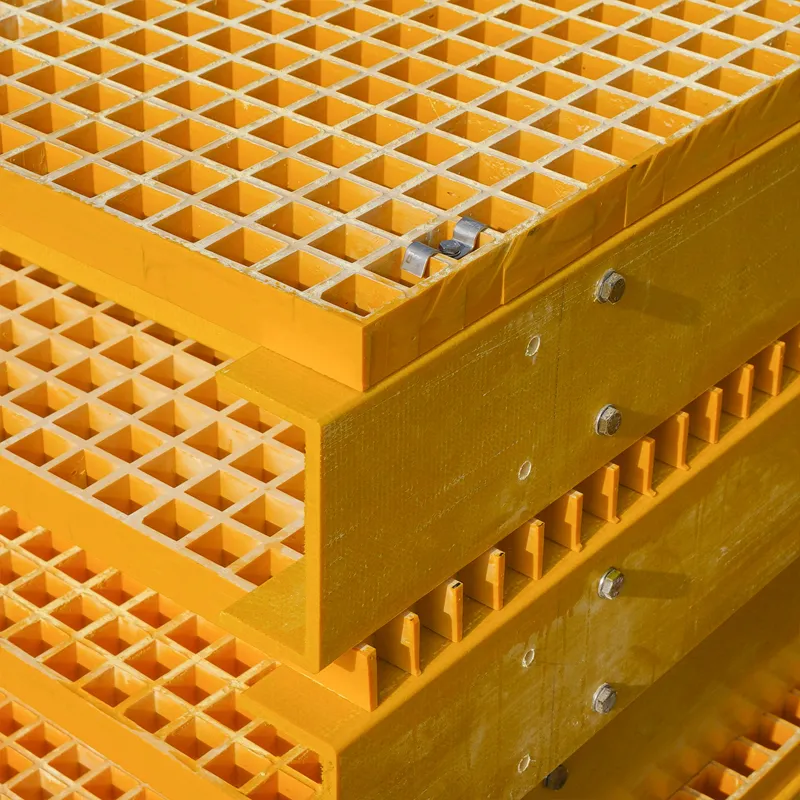
For B2B decision-makers, evaluating these aspects against long-term operational costs, product quality requirements, and potential downtime is crucial. A higher initial investment in a quality frp molded grating machine often yields superior ROI through increased efficiency, reduced waste, and prolonged equipment lifespan.
Customized Solutions for Specialized Needs
Recognizing that every industrial requirement is unique, leading manufacturers of frp grating machine offer extensive customization options. These tailored solutions ensure that the machinery integrates seamlessly into existing production lines and meets very specific output, material, or dimensional demands.
- Mold Design & Size Customization: Beyond standard panels, machines can be adapted to produce gratings with custom mesh configurations, bar dimensions, and overall panel sizes to fit unusual structural requirements.
- Resin System Compatibility: While most machines handle standard polyester resins, customization includes configuring the dosing and curing systems for specialized resins such as highly corrosive-resistant vinyl ester or fire-retardant phenolic resins.
- Automation Level Integration: Clients can specify the desired level of automation, from semi-automatic systems with manual material loading to fully automated lines incorporating robotic handling, vacuum infusion, and automated demolding.
- Surface Finish Options: Machines can be configured to produce various surface finishes, including plain top, concave surface for enhanced grip, or permanently embedded grit surfaces for superior anti-slip performance.
- Curing System Optimization: Depending on regional energy costs or specific resin requirements, the curing oven can be customized for electric, hot oil, steam, or gas heating, optimizing efficiency and operational expenses.
- Integrated Post-Processing Units: For a complete solution, manufacturers can integrate cutting, trimming, and drilling stations directly into the production line, streamlining the entire manufacturing process.
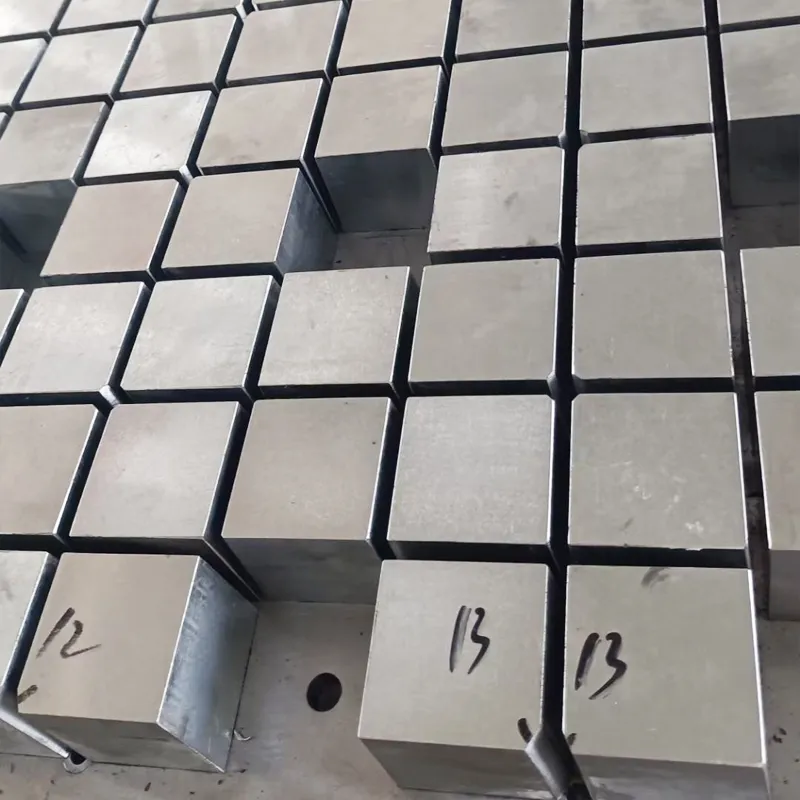
A thorough consultation process with engineers ensures that the customized molded grating machine solution delivers maximum efficiency and performance for the client's unique operational landscape.
Application Case Studies and Customer Experience
Case Study 1: Large-Scale Chemical Plant Upgrade
A major petrochemical facility in the Middle East faced significant maintenance challenges with conventional steel gratings in highly corrosive processing areas. Rusting and structural degradation led to frequent replacements and safety concerns.
Solution: The client invested in a high-capacity frp grating machine, capable of producing vinyl ester FRP gratings. This machine was specifically configured for aggressive chemical resistance and high load-bearing capacity.
Outcome: Over three years, the facility replaced all metal gratings with FRP. Customer feedback indicated a drastic reduction in maintenance costs (estimated 70% savings), enhanced worker safety due to non-slip and non-conductive properties, and zero instances of structural failure or corrosion in the installed FRP panels. The plant reported an immediate increase in operational uptime and worker confidence.
Case Study 2: Municipal Water Treatment Plant Expansion
A rapidly expanding municipal water treatment facility required durable, lightweight, and easily installable grating for new clarifier access platforms and trench covers. Lead time and ease of on-site modification were critical.
Solution: A semi-automated molded grating machine was procured, enabling the facility's in-house team to produce standard isophthalic polyester gratings. The machine's modular design allowed for quick mold changes to produce various panel sizes.
Outcome: The project was completed ahead of schedule due to the ease of grating production and installation. The facility reported significant labor cost savings and appreciated the lightweight nature of the FRP, which minimized the need for heavy lifting equipment. The grating's resistance to chlorine and other water treatment chemicals ensured a long, maintenance-free life.
Case Study 3: Offshore Wind Farm Platform
An engineering firm designing access platforms for an offshore wind farm required grating materials that could withstand extreme marine environments, including constant saltwater exposure, UV radiation, and heavy foot traffic, while minimizing weight.
Solution: They partnered with an FRP manufacturer utilizing an advanced frp molded grating machine to produce specialized marine-grade vinyl ester gratings with an integrated abrasive grit surface for maximum slip resistance.
Outcome: The resulting gratings offered unparalleled durability and safety for offshore personnel. The lightweight panels reduced the load on the platform structure and facilitated easier installation at sea. The long-term performance under harsh conditions validated the choice of high-quality FRP materials and the precision of the manufacturing equipment.
Ensuring Trustworthiness: FAQ, Lead Time, Warranty & Support
Frequently Asked Questions (FAQ):
- Q1: What is the typical lead time for a custom frp grating machine?
- A1: Standard models usually have a lead time of 6-8 weeks, while highly customized configurations can take 10-16 weeks, depending on complexity and component sourcing. This includes design, fabrication, assembly, and factory acceptance testing (FAT).
- Q2: What kind of warranty is offered on the equipment?
- A2: We typically provide a 1-year comprehensive warranty covering parts and labor for manufacturing defects. Extended warranty options are available upon request for critical components.
- Q3: What after-sales support and training are provided?
- A3: Our commitment extends beyond delivery. We offer on-site installation supervision, comprehensive operator and maintenance training, and ongoing technical support via phone, email, or video conference. Remote diagnostics are available for machines equipped with smart control systems. Spare parts are readily available from our global distribution network.
- Q4: Are your machines certified to international standards?
- A4: Yes, all our machines are designed and manufactured in compliance with ISO 9001 quality management systems. They also hold CE certification, meeting European safety and environmental standards. Specific national certifications can be pursued based on client requirements.
Conclusion
The advent of sophisticated frp grating machine technology has revolutionized the production of FRP gratings, delivering products with unparalleled durability, safety, and versatility. From detailed material preparation and precision molding to advanced curing and rigorous quality control, every stage in the manufacturing process is optimized for excellence. The ability of these machines to produce gratings that excel in corrosion resistance, strength-to-weight ratio, and non-conductive properties positions FRP as a critical material for challenging industrial environments. Investing in a high-quality frp molded grating machine is not merely a purchase of equipment; it is an investment in long-term operational efficiency, reduced maintenance, enhanced safety, and sustainable industrial practices. As industries continue to seek advanced material solutions, the role of these specialized machines will only grow in significance, driving innovation and expanding the application horizons for FRP products globally.
References
- ISO 9001:2015 Quality management systems — Requirements. International Organization for Standardization.
- ASTM E84-21, Standard Test Method for Surface Burning Characteristics of Building Materials. ASTM International.
- ANSI/NAAMM MBG 531-18, Metal Bar Grating Manual. National Association of Architectural Metal Manufacturers.
- Gay, D., & Meunier, R. (2014). Composite Materials: Design and Applications. CRC Press.
- Mallick, P. K. (2007). Fiber-Reinforced Composites: Materials, Manufacturing, and Design. CRC Press.