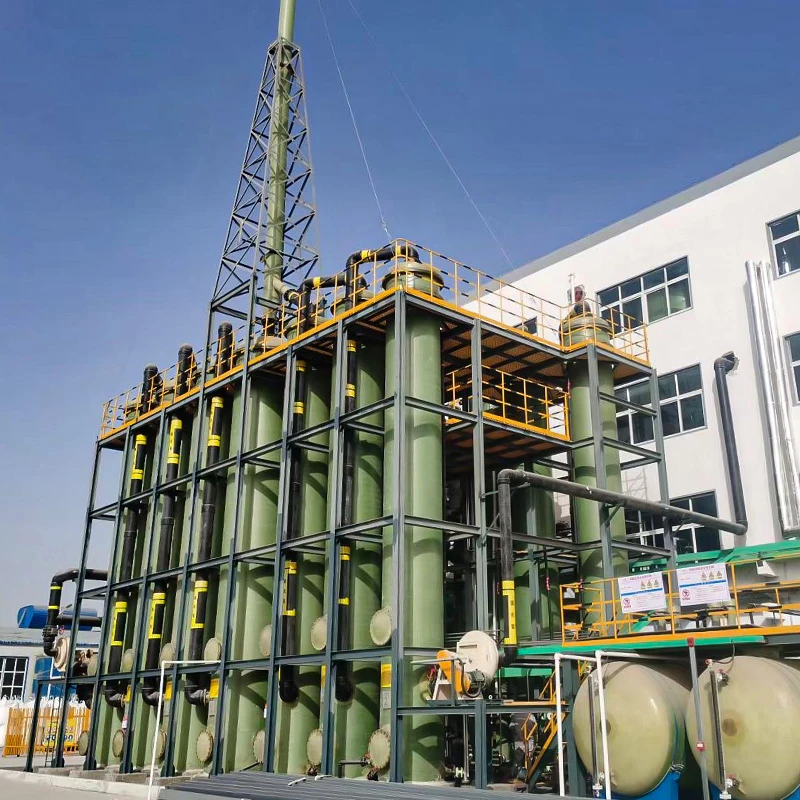
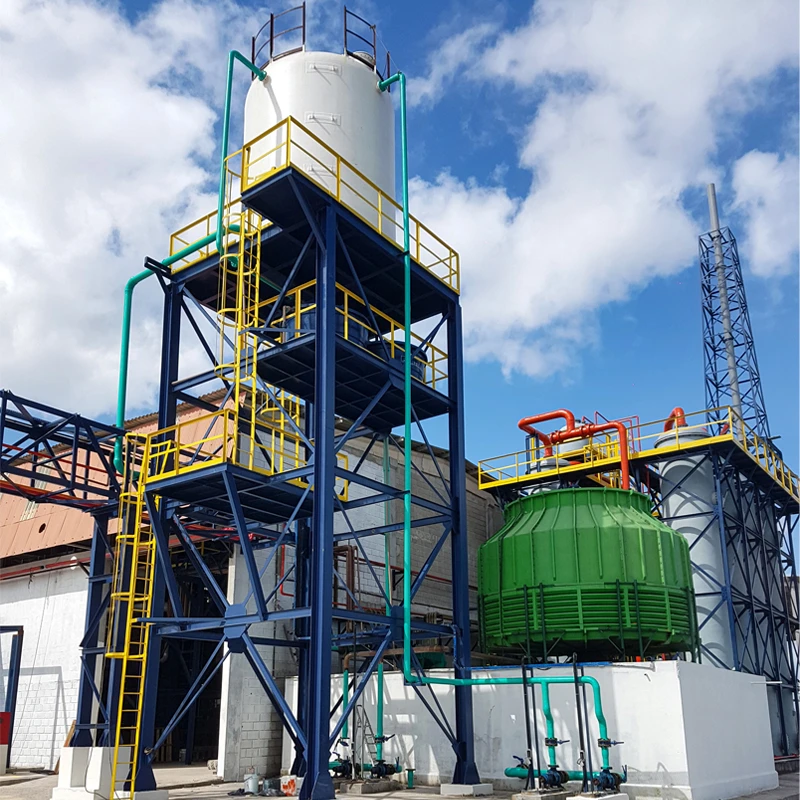
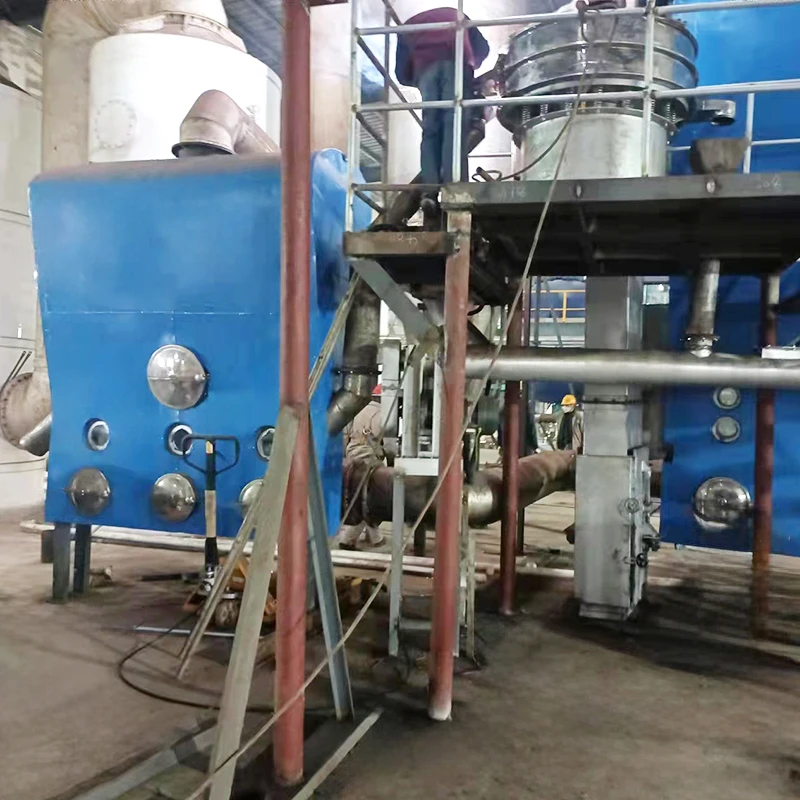
Vinyl Ester FRP Electrolytic Cells: Monolithic Casting & Best Price
Introduction to High-Performance Electrolytic Cells for Industrial Applications
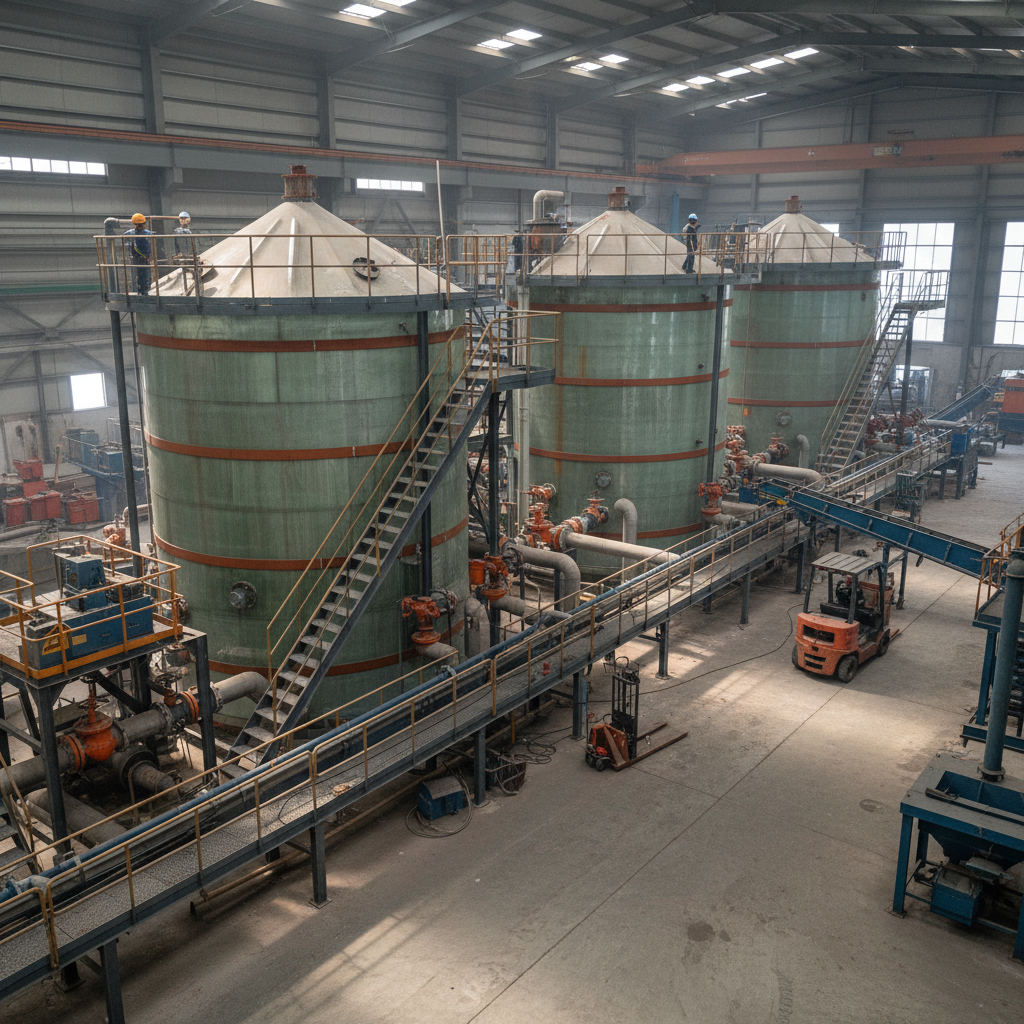
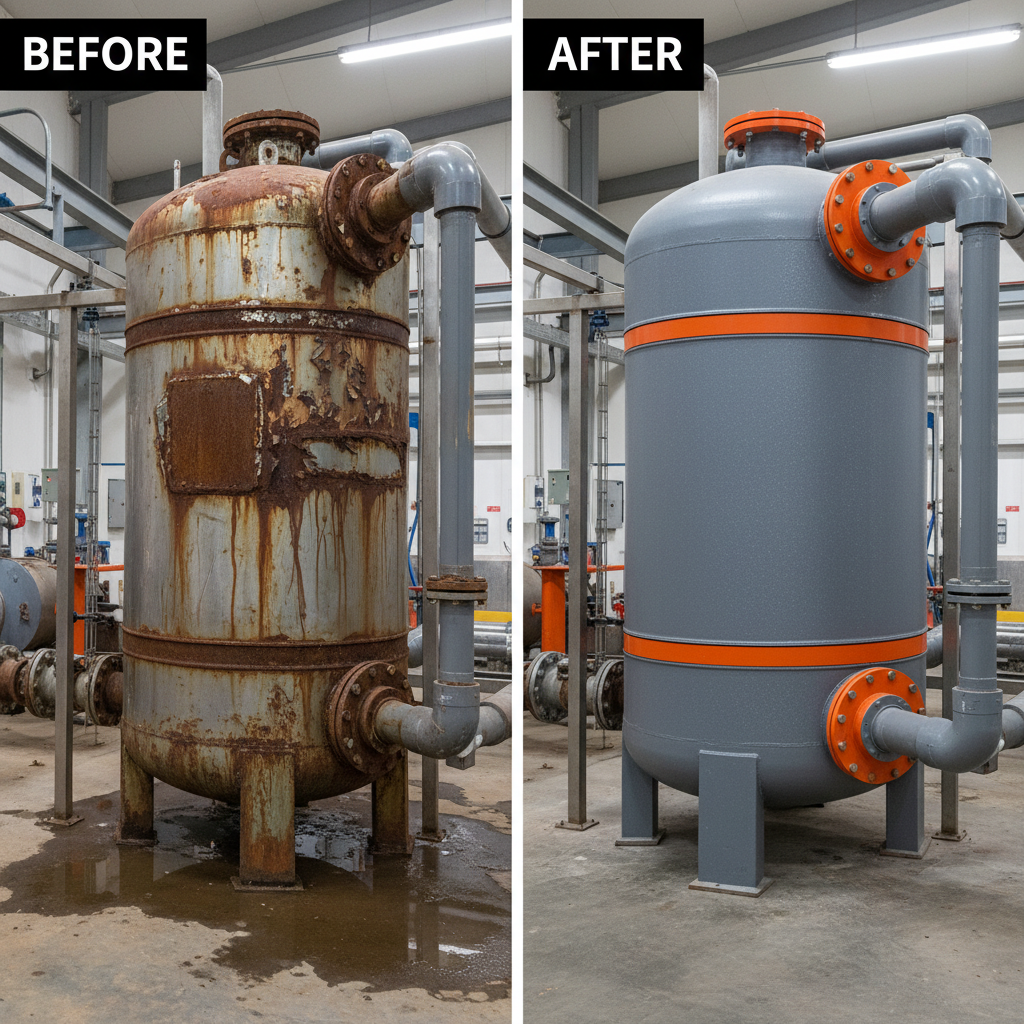
In demanding industrial environments, particularly within the chemical processing, metallurgy, and wastewater treatment sectors, the integrity and performance of critical infrastructure are paramount. Traditional materials often succumb to aggressive chemical attack, leading to frequent maintenance, costly downtime, and compromised operational efficiency. This necessitates innovative material solutions that offer superior corrosion resistance, structural durability, and a longer service life.
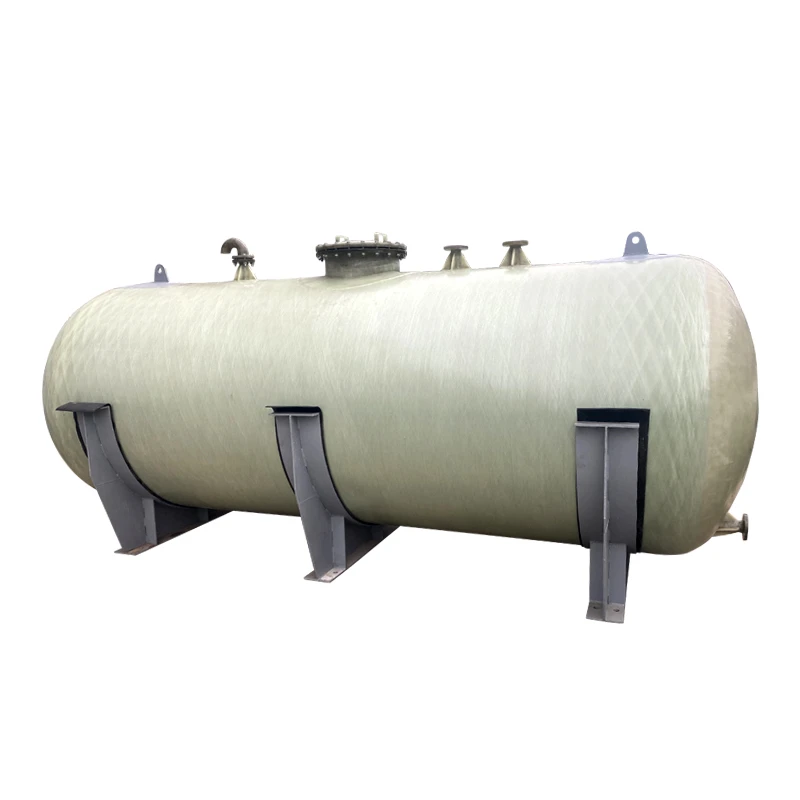
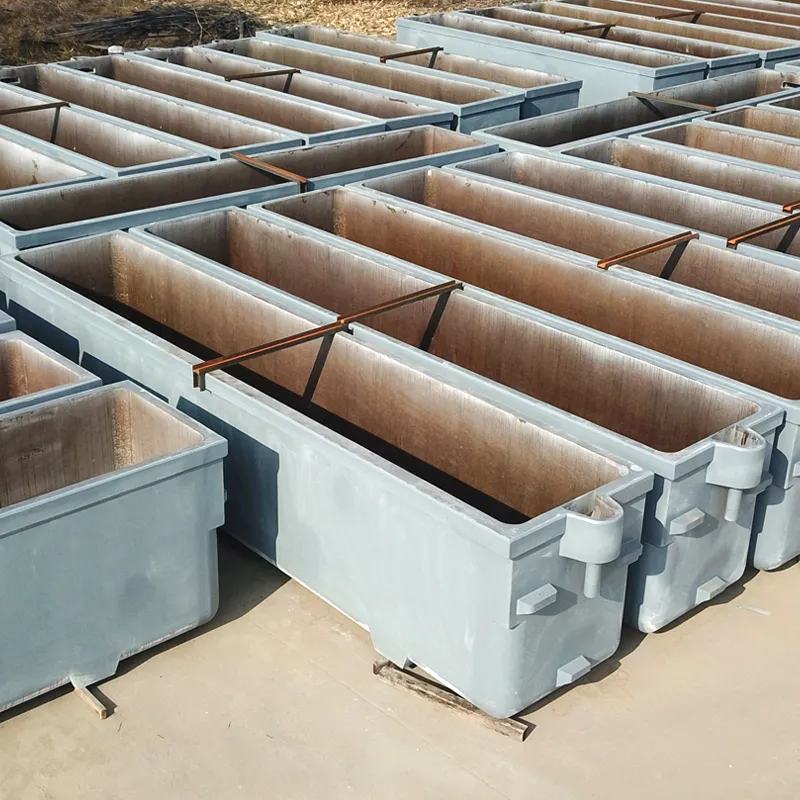
We delve into the cutting-edge solution of Vinyl Ester Resin Monolithic Casting Frp Electrolytic Cells Best Price, designed to meet these stringent requirements. These advanced electrolytic cells represent a significant leap forward in material engineering, offering unparalleled resistance to a broad spectrum of corrosive agents while ensuring robust mechanical performance over extended operational periods. This article will provide a comprehensive overview, covering manufacturing processes, technical advantages, application scenarios, and the economic benefits these cells deliver to B2B stakeholders.
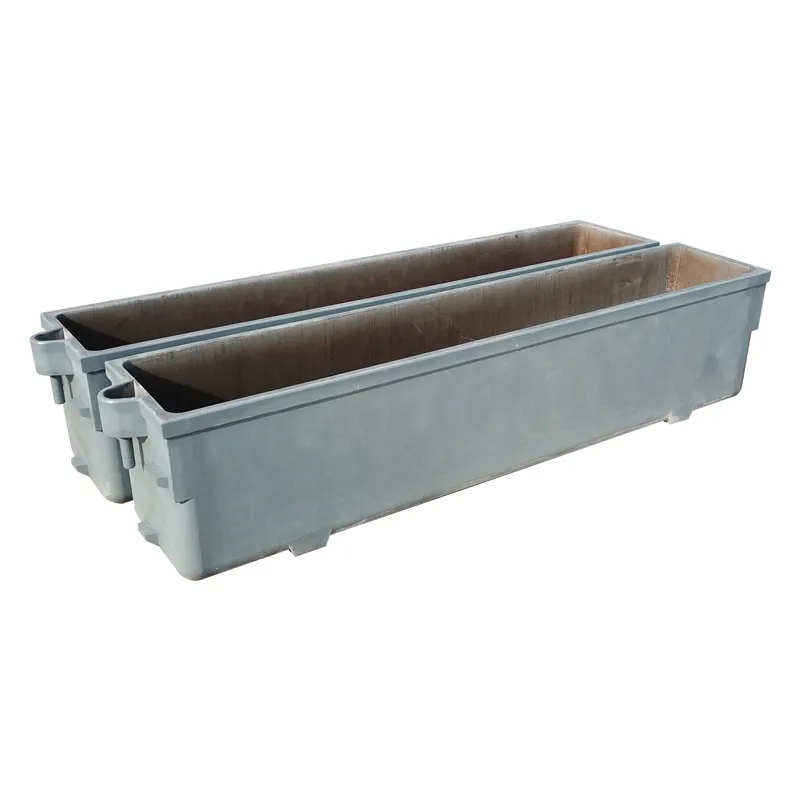
Industry Trends and the Drive for Advanced Materials
The global industrial landscape is experiencing a significant shift towards more sustainable, efficient, and resilient infrastructure. Industries such as chlor-alkali, hydrometallurgy, and specialized chemical production face increasing pressure to optimize processes, reduce environmental impact, and extend asset lifespans. This trend fuels the demand for high-performance composite materials like Fiber Reinforced Polymers (FRP), particularly those formulated with vinyl ester resins.
Market analysis indicates a steady growth in the demand for advanced corrosion-resistant materials, projected to reach a CAGR of 6-8% in the next five years, driven primarily by the need for enhanced chemical processing equipment and robust wastewater treatment solutions. The move away from traditional metallic structures, which are susceptible to galvanic corrosion, pitting, and stress cracking in aggressive media, towards monolithic FRP solutions is a clear indicator of this evolving trend. These solutions offer not only superior chemical resistance but also inherent structural integrity, reducing the total cost of ownership over the equipment's lifespan. The focus on monolithic casting, in particular, addresses common failure points associated with welded or jointed structures, ensuring a seamless, leak-proof design that is critical in electrolytic applications.
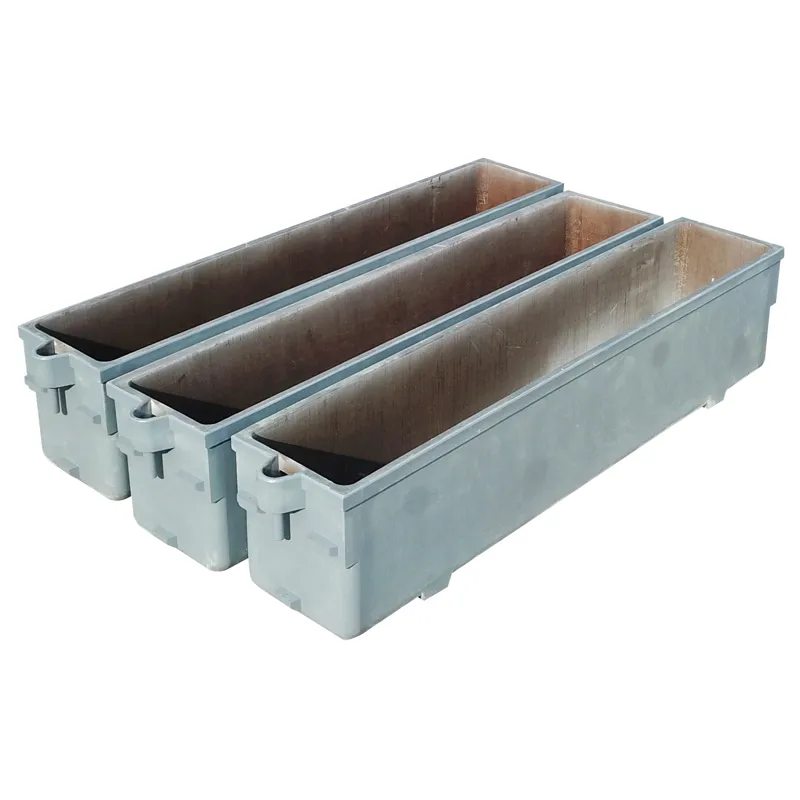
Understanding Vinyl Ester Resin Monolithic Casting FRP Electrolytic Cells
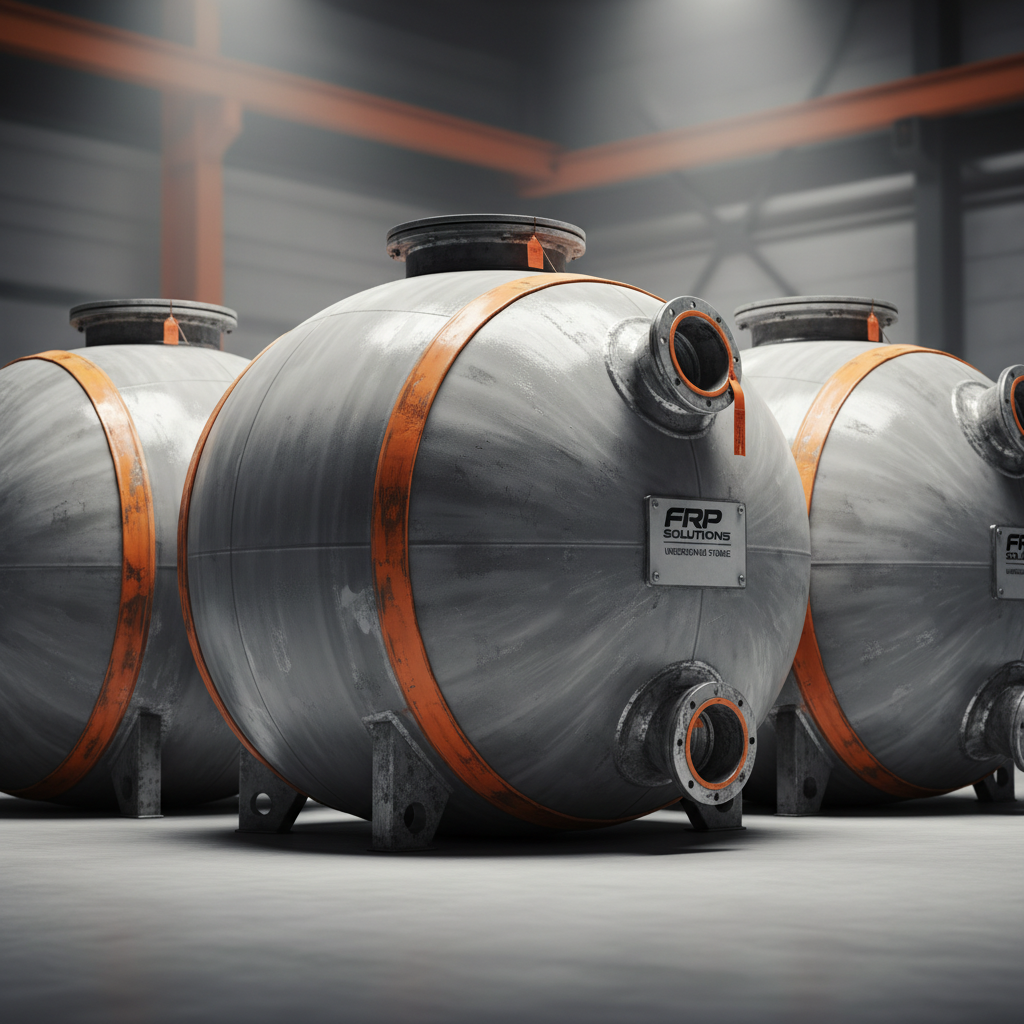
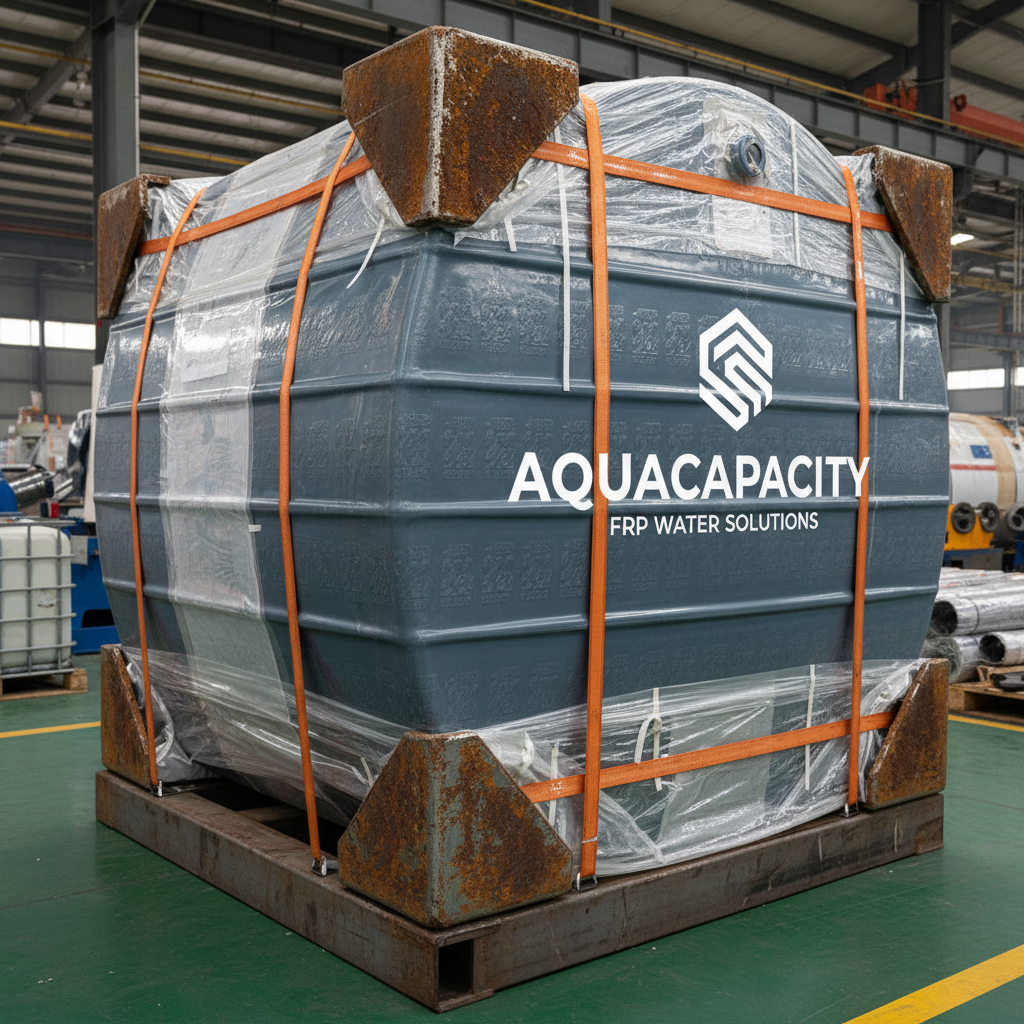
At the core of this advanced technology is the synergy of high-grade vinyl ester resin with Fiber Reinforced Polymer (FRP) construction, executed through a monolithic casting process. This combination results in electrolytic cells that exhibit exceptional performance in highly corrosive environments.
- Vinyl Ester Resin: A thermosetting resin renowned for its superior chemical resistance, particularly against acids, alkalis, and solvents, surpassing that of general-purpose polyesters. Its ester linkages are more resistant to hydrolysis.
- FRP (Fiber Reinforced Polymer): A composite material formed by reinforcing a polymer matrix (in this case, vinyl ester resin) with high-strength fibers, typically fiberglass. This reinforcement provides outstanding mechanical properties, including tensile strength, flexural strength, and impact resistance.
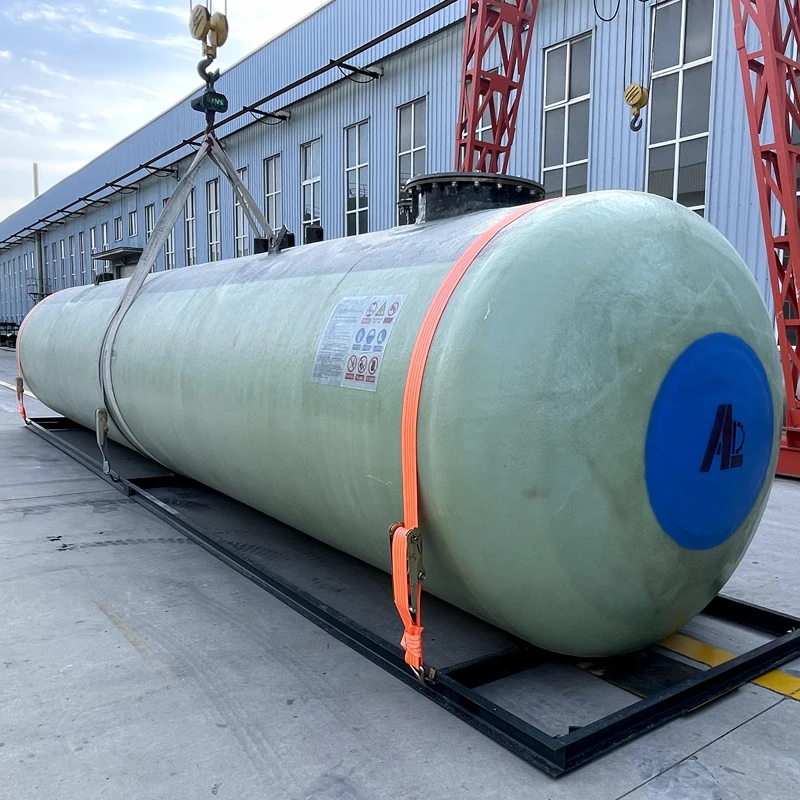
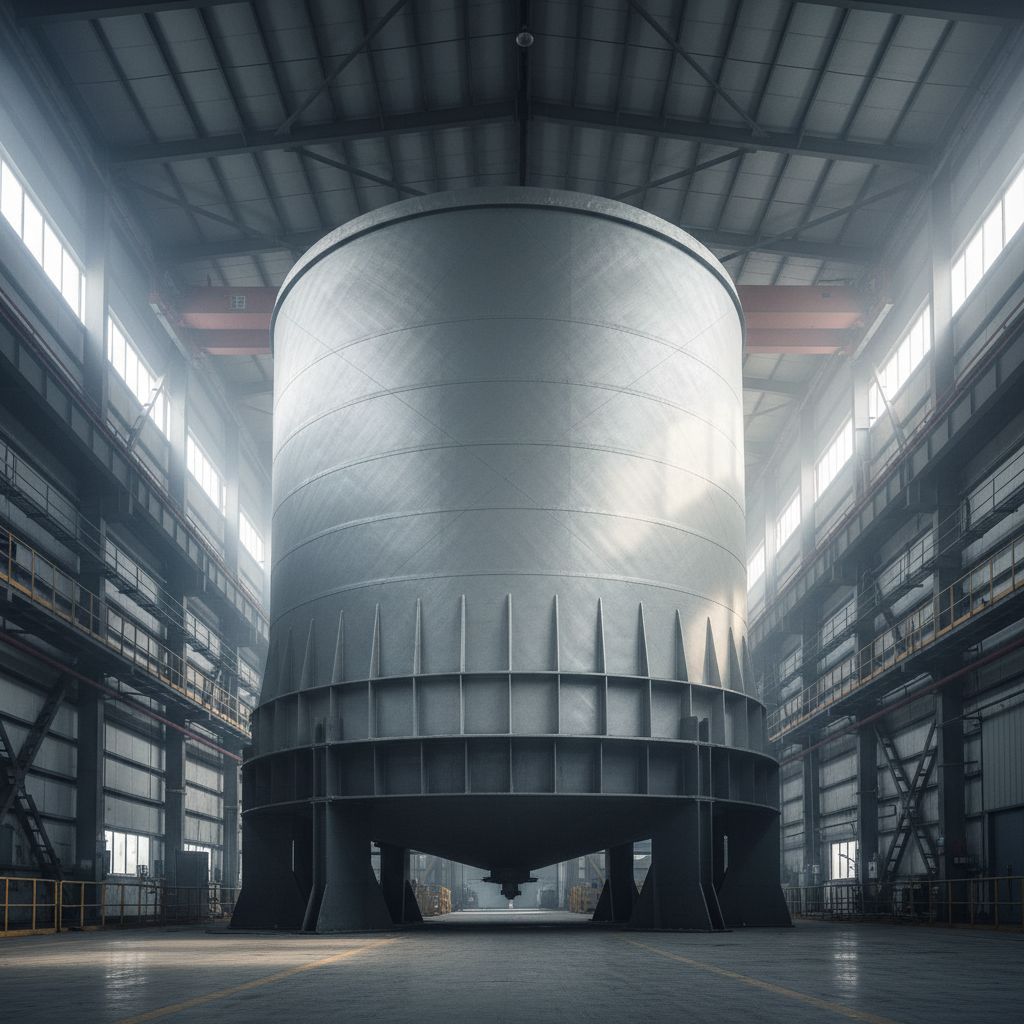
- Monolithic Casting: This refers to the manufacturing technique where the entire cell structure is cast as a single, seamless unit. Unlike traditional fabrication methods involving multiple parts joined by welding, adhesives, or fasteners, monolithic casting eliminates potential leak paths, weak points, and areas prone to preferential chemical attack at joints. This significantly enhances the structural integrity and long-term reliability of the electrolytic cell.
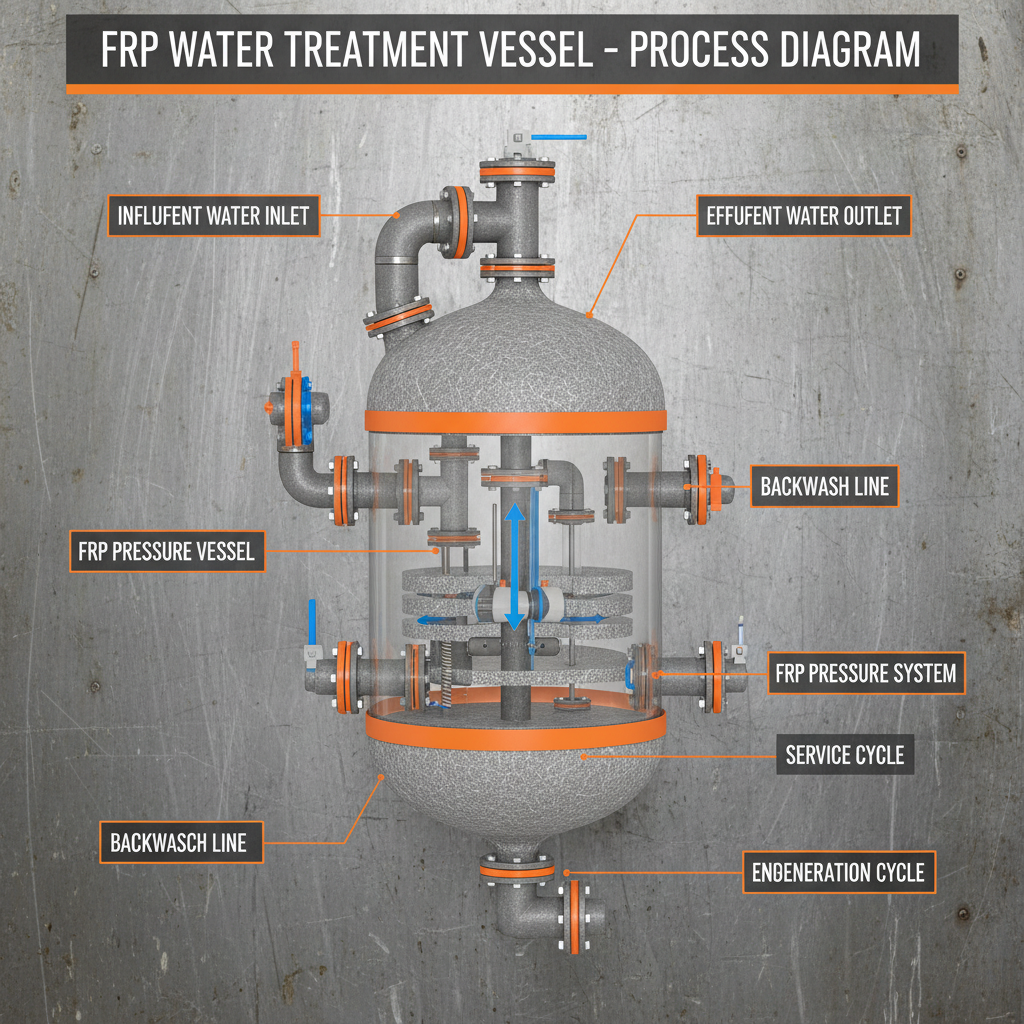
- Electrolytic Cells: Specialized vessels designed to facilitate electrochemical reactions, such as electrolysis (e.g., chlor-alkali production) or electrowinning/electrorefining (e.g., metal recovery). These cells must withstand highly corrosive electrolytes, elevated temperatures, and often high current densities.
The integration of these elements ensures that the Vinyl Ester Resin Monolithic Casting Frp Electrolytic Cells Best Price offers not just chemical inertness but also the robust mechanical properties required for demanding industrial operations, all within a leak-proof, highly durable structure.
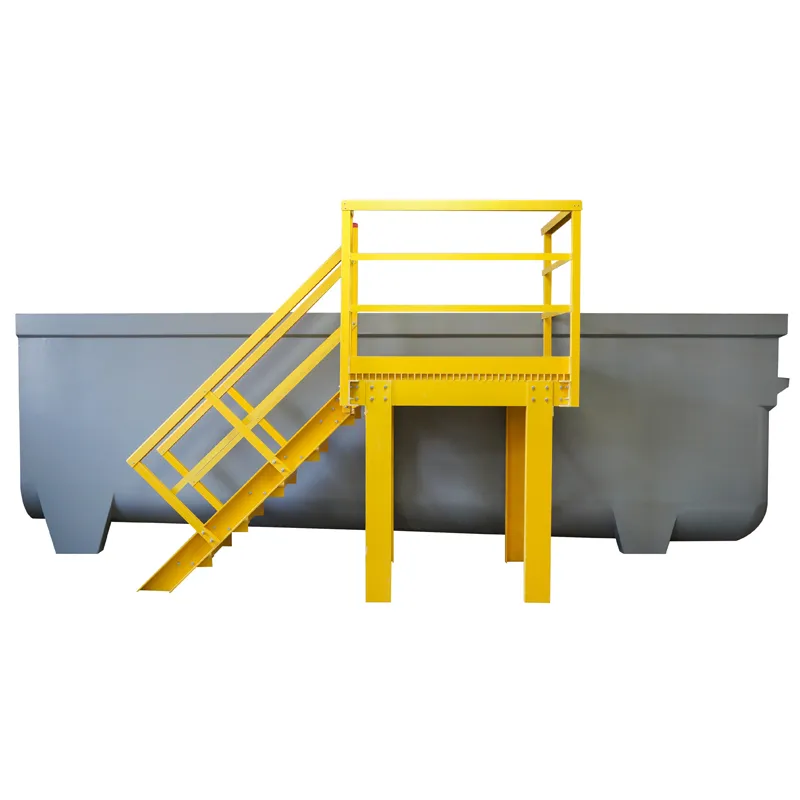
Detailed Manufacturing Process Flow
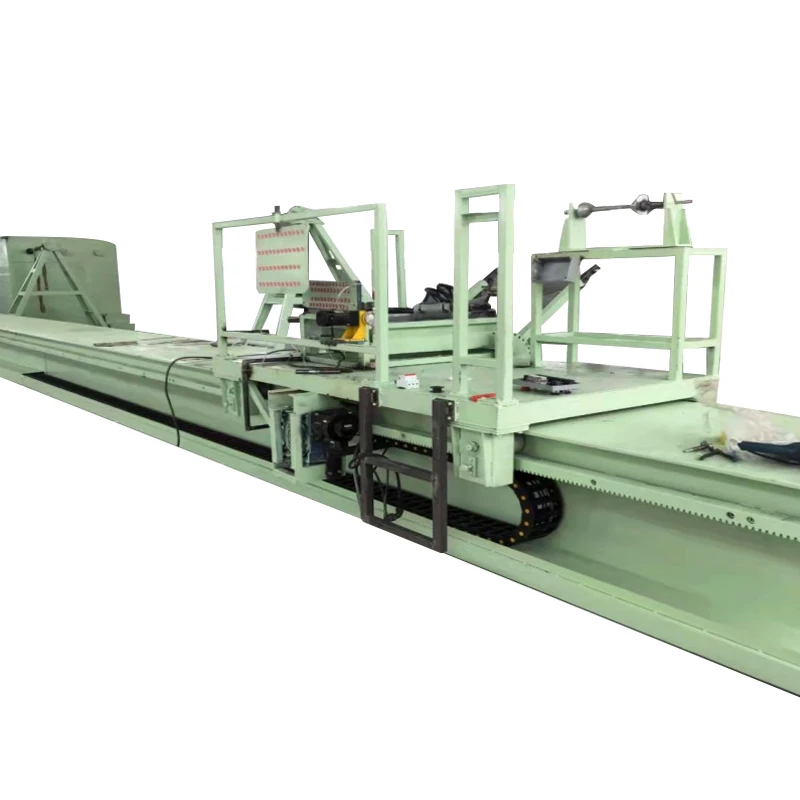
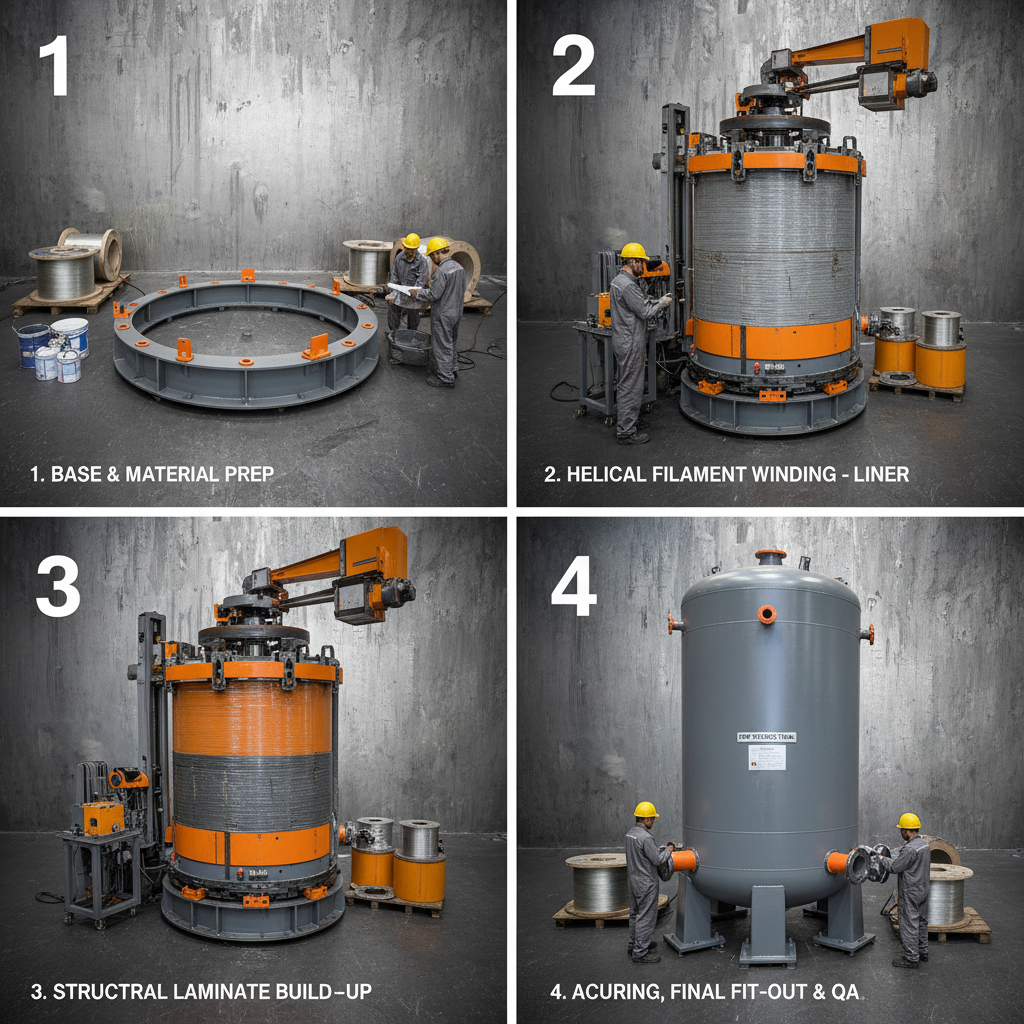
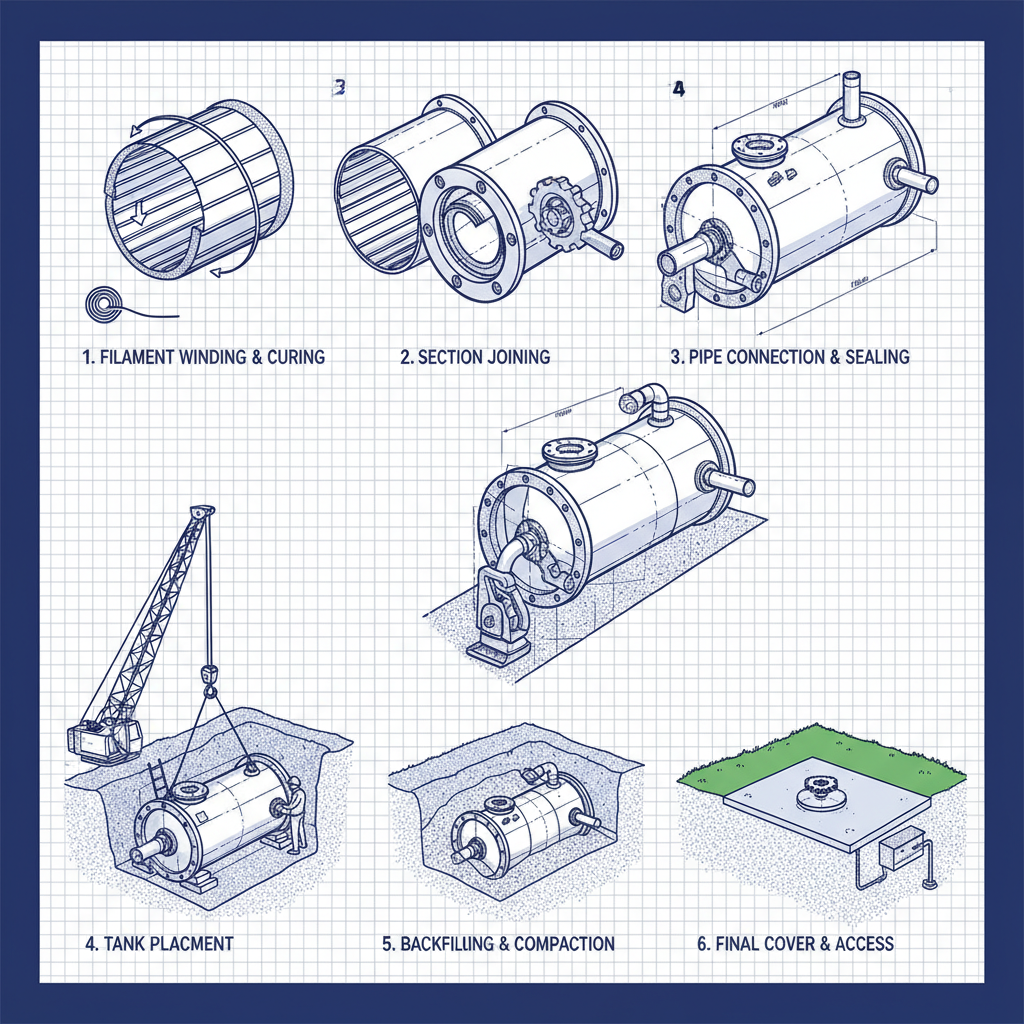
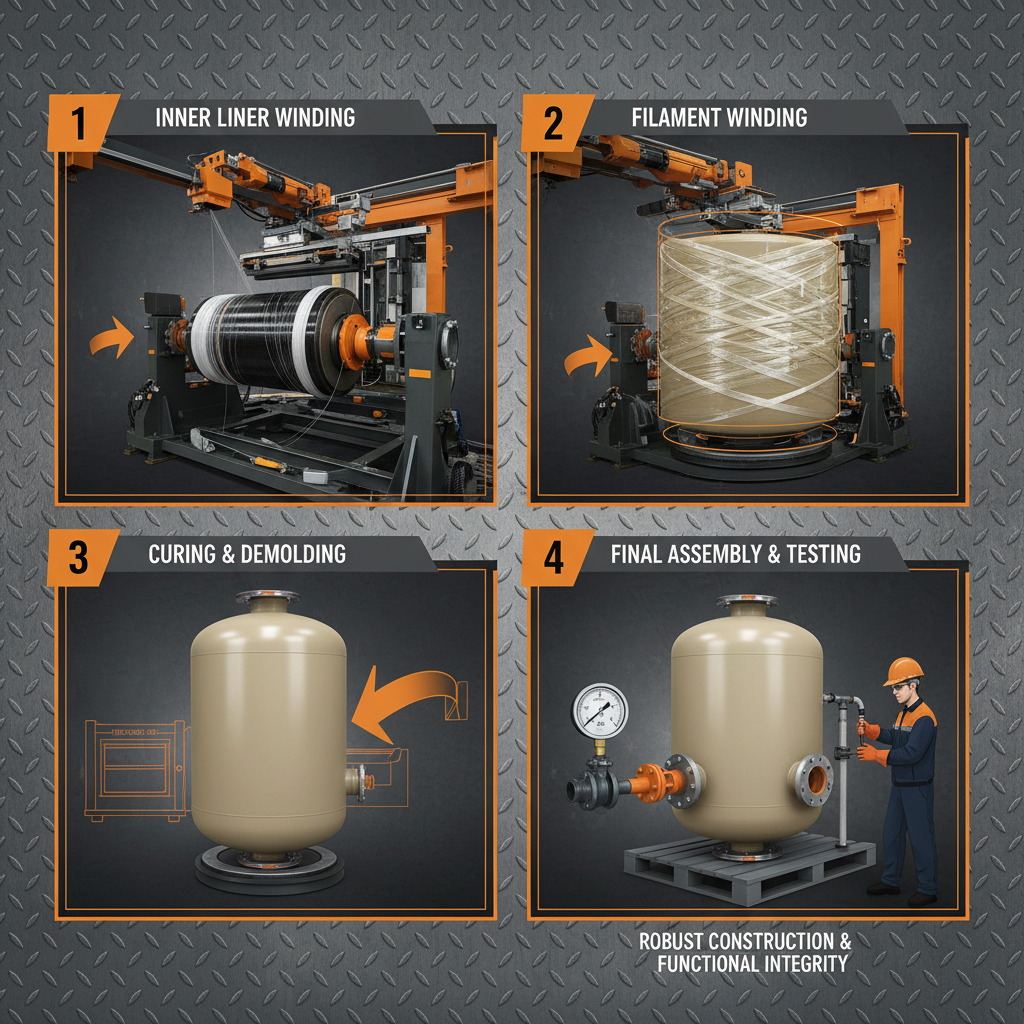
The production of high-quality monolithic FRP electrolytic cells involves a meticulously controlled, multi-stage process to ensure optimal material properties and structural integrity.
-
1. Engineering Design & Mold Fabrication
Utilizing advanced CAD/CAM software, detailed designs are created, considering fluid dynamics, structural loads, and chemical compatibility. Precision molds, typically constructed from steel or high-density composites, are then fabricated to ensure exact dimensions and a smooth internal surface for optimal casting.
-
2. Material Selection & Preparation
Only premium-grade vinyl ester resins (e.g., Derakane 411, Atlac 590) are selected for their specific resistance profiles. Reinforcement materials, primarily E-glass or C-glass fiberglass rovings, chopped strand mat, and woven fabrics, are chosen based on required mechanical strength. Catalysts, accelerators, and specialty fillers (e.g., inert silicas, barrier enhancers) are prepared according to precise formulations.
-
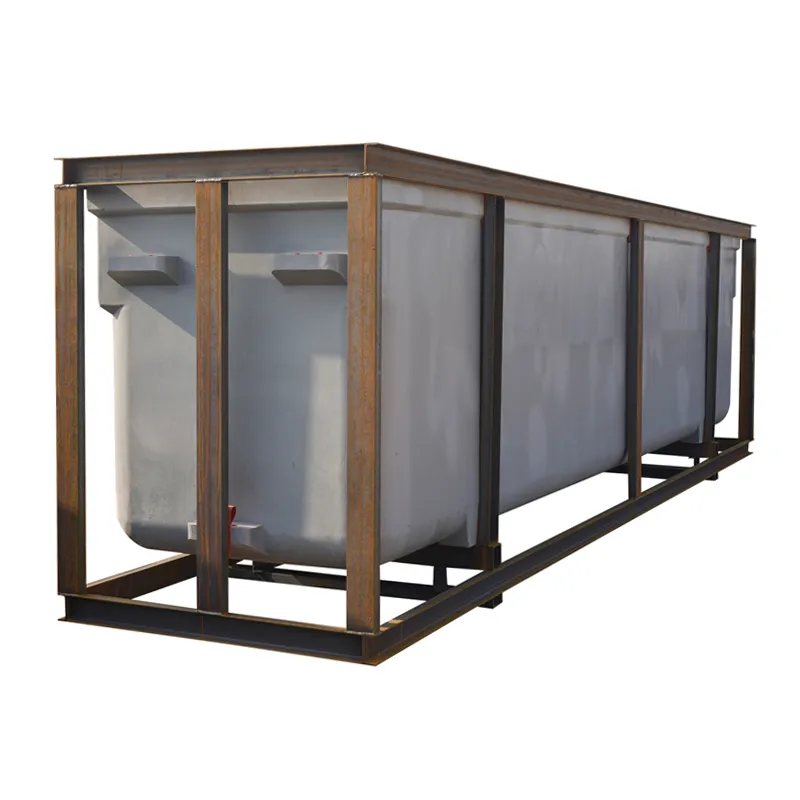
3. Monolithic Casting/Lamination
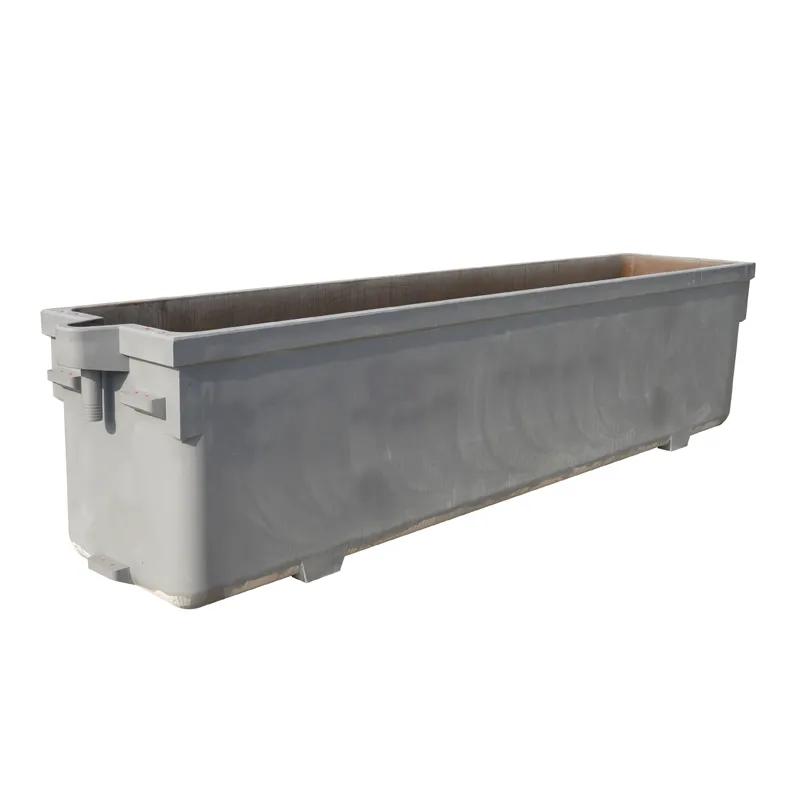
The core of the "monolithic" advantage lies here. Depending on the cell's size and complexity, methods like Vacuum Infusion Process (VIP) or advanced hand lay-up/spray-up techniques are employed within the prepared mold. The resin-fiber matrix is meticulously applied in layers, consolidating into a single, void-free structure. This process ensures complete wetting of fibers and eliminates potential delamination or internal defects characteristic of segmented construction. Multiple layers of corrosion barrier (resin-rich veil) are applied on contact surfaces.
-
4. Curing Process
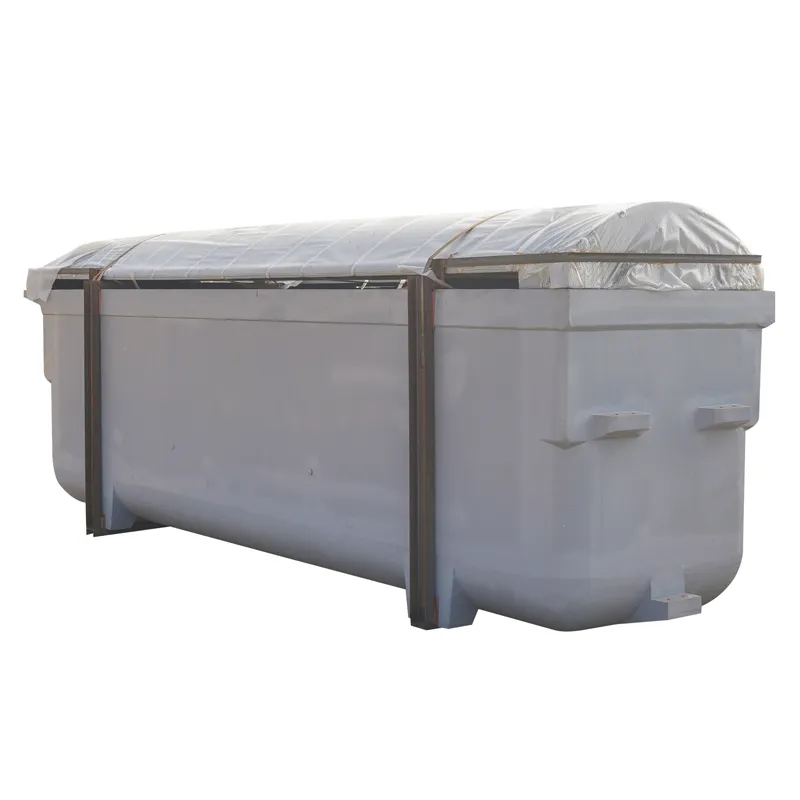
After impregnation, the composite undergoes a controlled curing process. This involves maintaining specific temperature and humidity conditions to facilitate the polymerization of the vinyl ester resin, achieving full cross-linking and optimal mechanical properties. Post-curing may be applied to enhance thermal and chemical resistance.
-
5. Demolding & Finishing
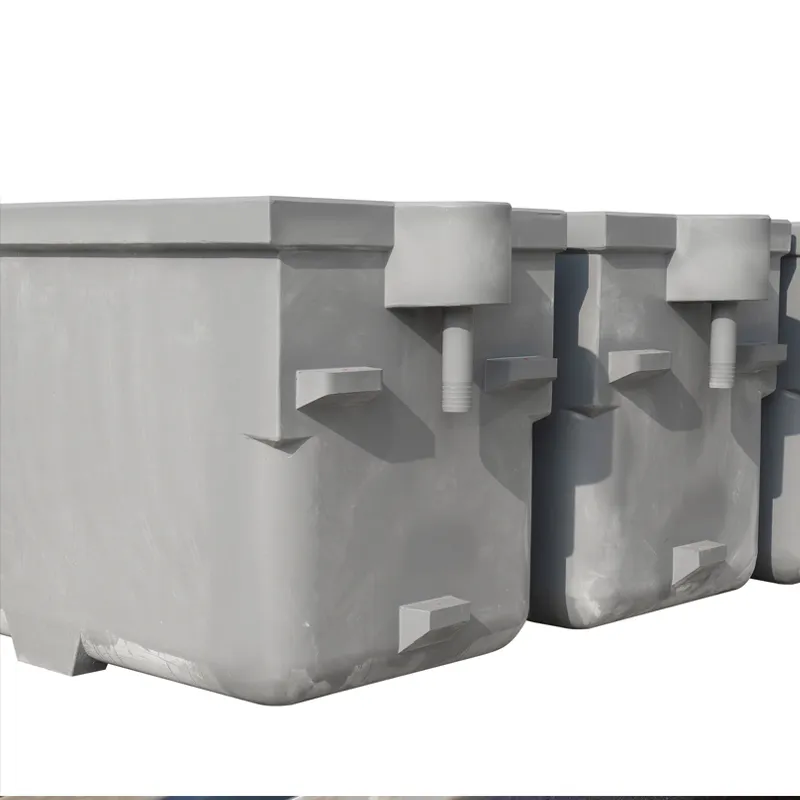
Once cured, the monolithic cell is carefully demolded. Subsequent finishing operations include trimming excess material, grinding, and surface preparation to ensure smooth finishes and adherence to dimensional tolerances. Integrated features like nozzle connections, flanges, and supports are meticulously finished.
-
6. Quality Control & Testing
Each cell undergoes rigorous quality assurance. Testing standards include:
- Dimensional Inspection: Adherence to design specifications (e.g., ANSI B16.5, ISO 10350).
- Visual Inspection: Checking for surface defects, voids, or delamination.
- Hydrostatic Pressure Testing: Verifying structural integrity and leak-tightness under design pressure (e.g., ASME RTP-1, ASTM D3299).
- Spark Testing (Holiday Detection): For internal corrosion barriers, ensuring no pinholes.
- Barcol Hardness Test: Confirming proper cure of the resin.
- Material Traceability: Full documentation of resin batches, fiber types, and manufacturing parameters.
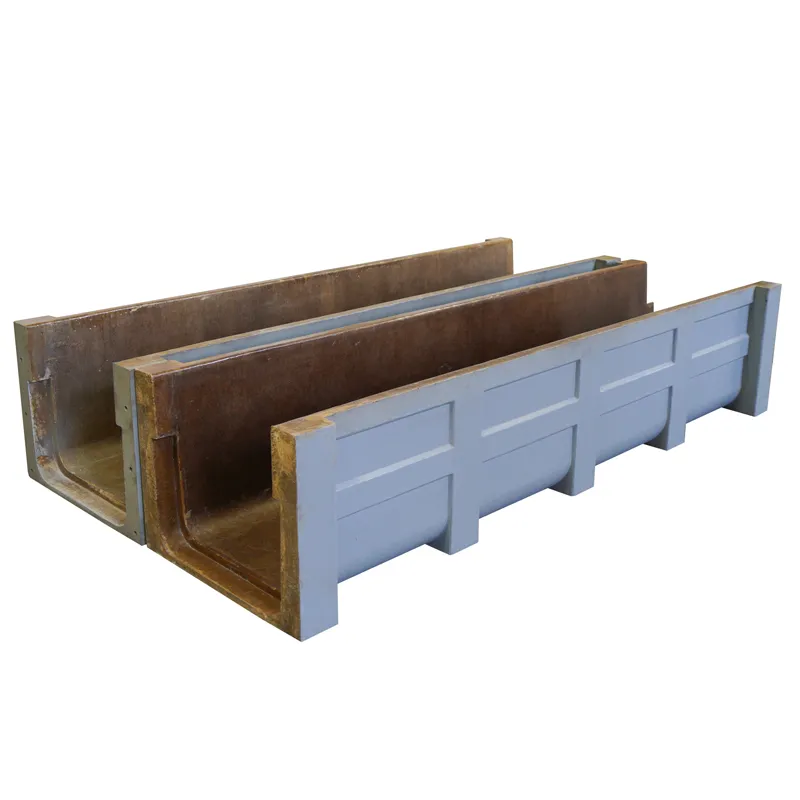
This comprehensive testing ensures a service life often exceeding 20 years in highly aggressive media, significantly reducing the need for costly replacements and maintenance. Target industries include petrochemical, metallurgy, chemical processing, and water treatment where energy saving and corrosion resistance are critical.
Technical Specifications and Performance Parameters
The superior performance of vinyl ester resin monolithic casting FRP electrolytic cells is underpinned by specific technical parameters. These specifications are crucial for engineers and procurement specialists evaluating their suitability for demanding industrial applications.
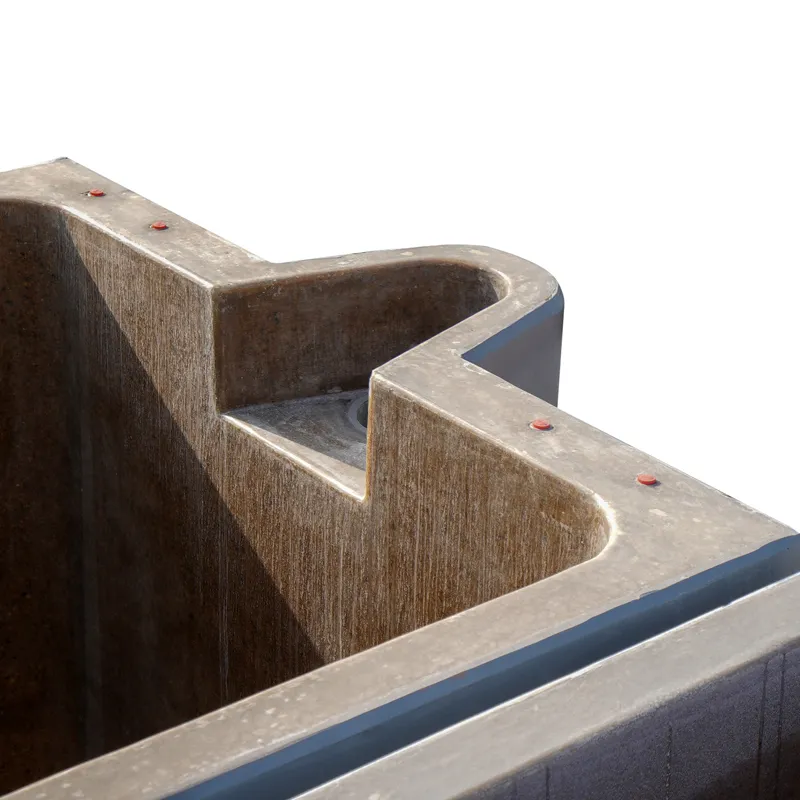
Typical Product Specification Table: Vinyl Ester Resin Monolithic FRP Electrolytic Cell
These robust specifications ensure that the cells perform reliably under extreme conditions, offering a long-term, low-maintenance solution for critical process infrastructure. The inherent lightweight nature of FRP also contributes to easier installation and reduced structural load on supporting frameworks.
Key Technical Advantages
The adoption of Vinyl Ester Resin Monolithic Casting Frp Electrolytic Cells Best Price offers distinct advantages over traditional materials such as rubber-lined steel, titanium, or other alloys, particularly in highly corrosive and electrochemical environments.
-
Unmatched Corrosion Resistance:
Vinyl ester resins exhibit exceptional resistance to a vast array of aggressive chemicals, including concentrated acids (hydrochloric, sulfuric), strong alkalis (caustic soda), oxidizing agents (hypochlorite solutions), and various solvents. This significantly extends the operational lifespan of the cells, far outperforming metallic alternatives that suffer from pitting, crevice corrosion, and general attack in such media.
-
Monolithic Integrity for Enhanced Reliability:
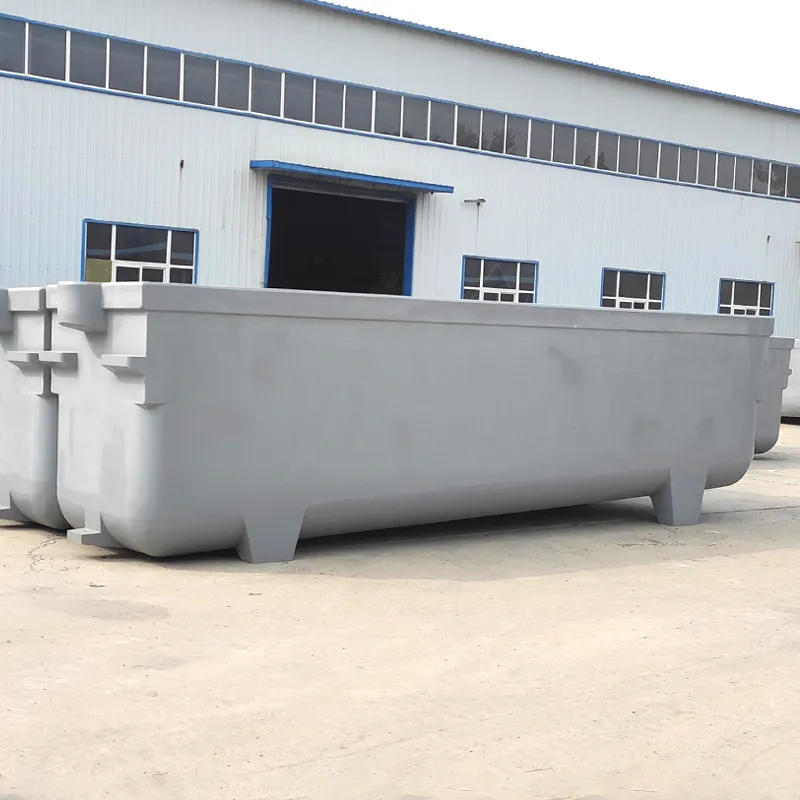
The seamless, one-piece construction eliminates joints, welds, and fasteners, which are common points of failure in conventional fabricated equipment. This results in a virtually leak-proof structure, crucial for containing hazardous electrolytes and preventing environmental contamination. It also reduces maintenance and inspection requirements significantly.
-
Optimal Electrolytic Efficiency:
FRP composites are electrically non-conductive, making them ideal for electrolytic applications where stray currents must be minimized. The precise dimensional stability and smooth internal surfaces achieved through casting contribute to optimized flow patterns and uniform current distribution, enhancing the overall efficiency of the electrochemical process and potentially leading to energy savings.
-
High Strength-to-Weight Ratio:
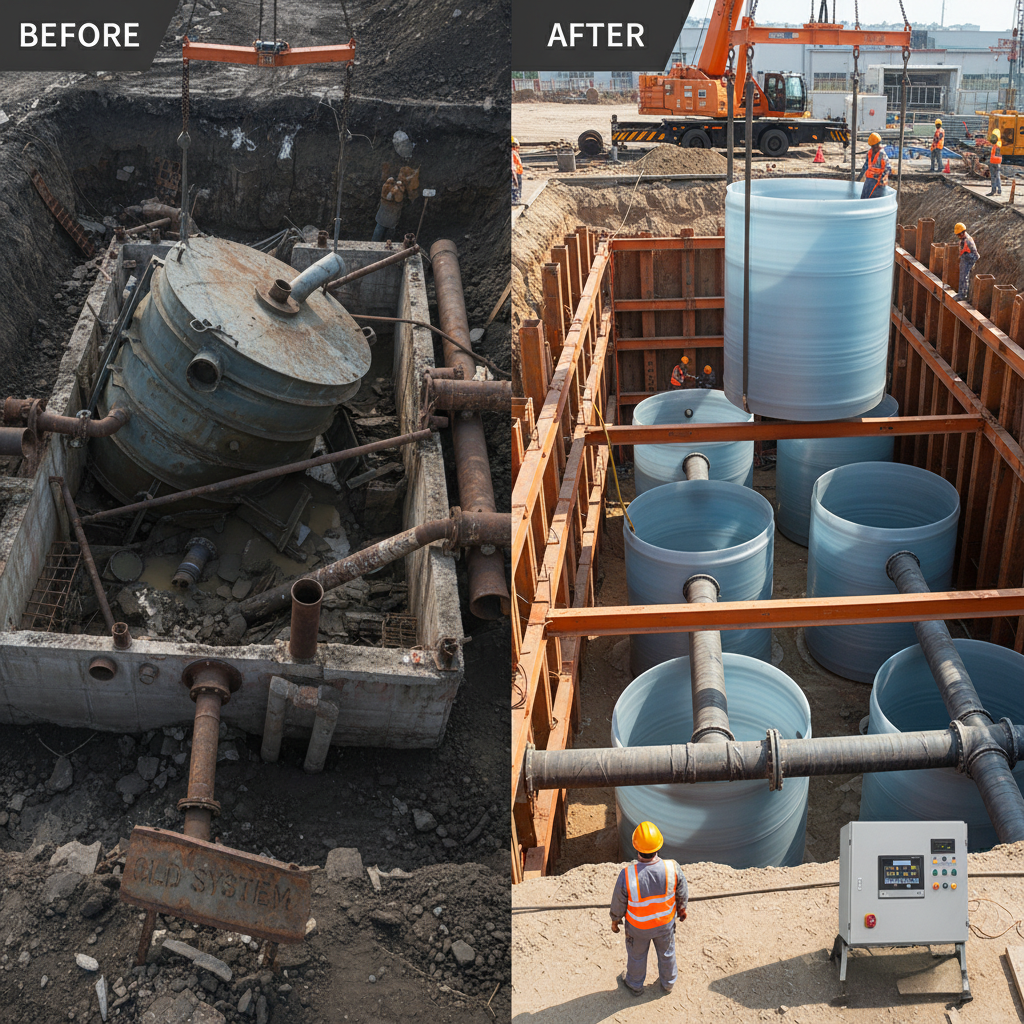
Despite their robustness, FRP cells are considerably lighter than their metallic counterparts. This reduces the structural load on supporting foundations, simplifies transportation, and significantly eases installation, leading to reduced labor and equipment costs during project execution.
-
Thermal Stability and Low Thermal Conductivity:
Vinyl ester resins can withstand a wide range of operating temperatures, and their low thermal conductivity helps maintain process temperatures more efficiently, reducing heat loss or gain and contributing to energy conservation in certain applications.
-
Reduced Maintenance and Lower Total Cost of Ownership (TCO):
The extended service life and inherent resistance to degradation mean less frequent inspection, repair, and replacement. This translates into substantial savings in maintenance costs, reduced downtime, and a lower total cost of ownership over the operational life cycle of the equipment.
Application Scenarios and Target Industries
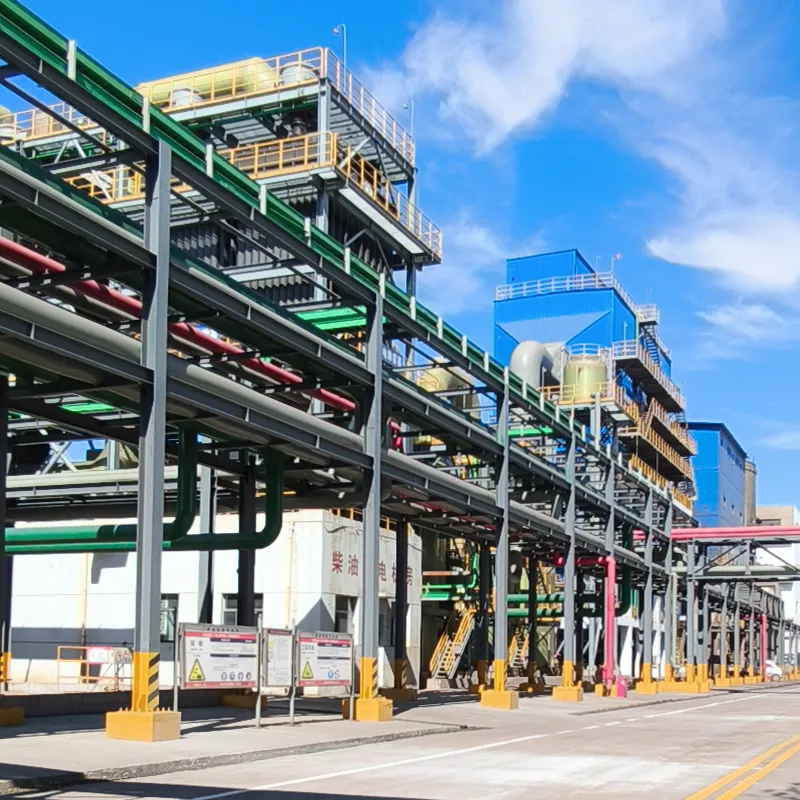
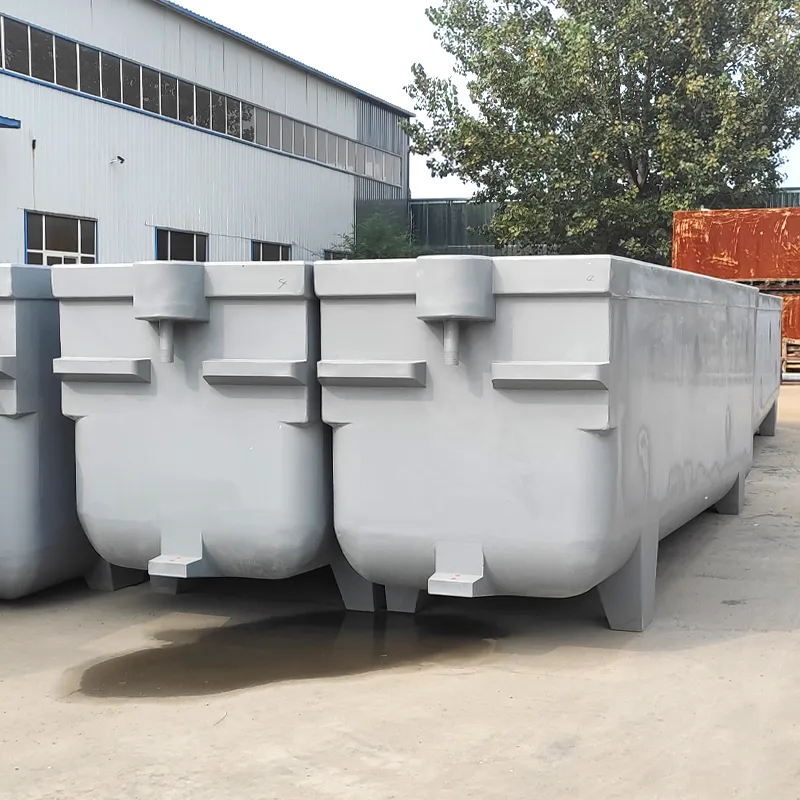
The robust characteristics of these cells make them indispensable across a variety of demanding industrial sectors where electrochemical processes are central and material integrity is critical.
-
Chlor-Alkali Industry:
Essential for the production of chlorine, caustic soda, and hydrogen. FRP cells excel here due to their resistance to highly corrosive brines, chlorine gas, and caustic solutions. They ensure the safe and efficient operation of electrolysis, minimizing material degradation.
-
Hydrometallurgy and Metal Refining:
Used extensively in electrowinning and electrorefining processes for non-ferrous metals like copper, zinc, nickel, and cobalt. These applications involve strong acid electrolytes (e.g., sulfuric acid) at elevated temperatures, where FRP's corrosion resistance is paramount.
-
Industrial Wastewater Treatment:
In processes involving electrocoagulation, electroflocculation, or electrochemical oxidation for pollutant removal, FRP cells offer durable and chemically resistant reaction vessels. They withstand the diverse and often aggressive chemical makeup of industrial effluents.
-
Specialty Chemical Production:
For various synthesis reactions and separation processes requiring an electrochemical stage, these cells provide a reliable and inert reaction environment, preventing contamination and ensuring product purity.
-
Pulp and Paper Industry:
Applications in pulp bleaching (e.g., generation of hypochlorite) where resistance to chlorine compounds is critical.
In these scenarios, the long service life and minimal maintenance requirements translate directly into enhanced operational uptime and significant cost savings, making these cells a strategic investment for plant managers and engineers focused on long-term efficiency and safety.
Vendor Comparison and Competitive Edge
When evaluating suppliers for critical industrial components like electrolytic cells, a comprehensive comparison is essential. While many manufacturers offer FRP products, the combination of vinyl ester resin, monolithic casting, and specialized design for electrolytic processes sets leading providers apart. Here's a comparative overview:
Electrolytic Cell Vendor Comparison Table
The distinction of the Vinyl Ester Resin Monolithic Casting Frp Electrolytic Cells Best Price lies in its holistic approach to engineering and manufacturing. By combining premium vinyl ester resin with a truly monolithic casting process, we eliminate the inherent weaknesses of traditional fabrication methods and materials. This commitment to quality and advanced manufacturing significantly enhances the product's reliability, longevity, and overall value proposition for industrial clients. Our cells are designed not just to meet, but to exceed the rigorous demands of critical electrochemical processes, providing peace of mind and superior operational efficiency.
Customized Solutions
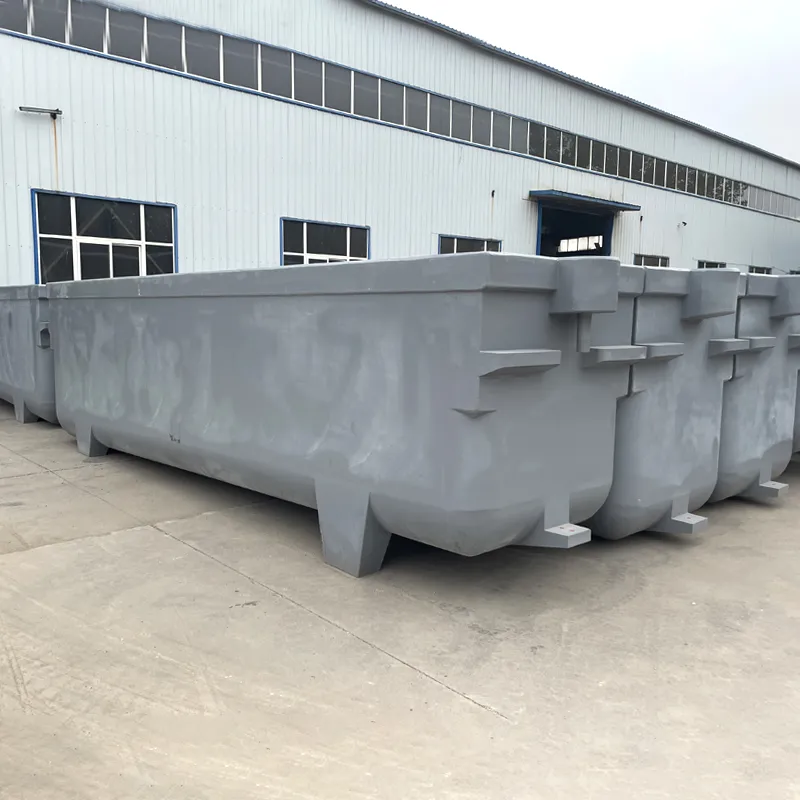
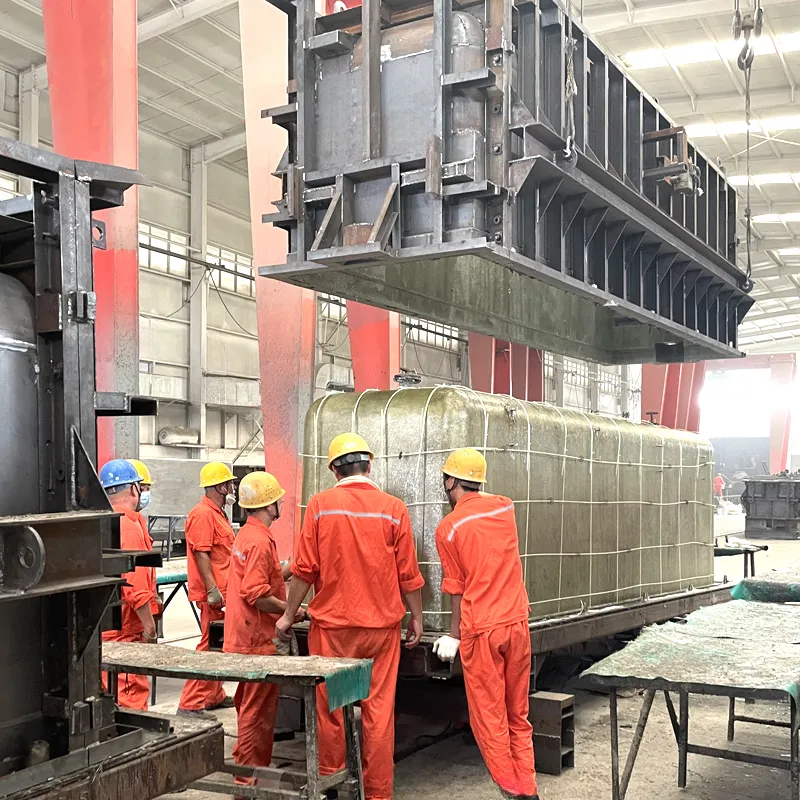
Recognizing that no two industrial applications are exactly alike, we specialize in providing highly customized Vinyl Ester Resin Monolithic Casting Frp Electrolytic Cells Best Price solutions. Our engineering team works closely with clients to understand specific process requirements, chemical environments, and operational constraints.
- Tailored Dimensions: Cells can be designed and manufactured to precise length, width, and depth specifications, optimizing footprint and volume for integration into existing or new plant layouts.
- Specific Resin Formulations: While vinyl ester resin is standard, the exact grade and specific additives can be adjusted to enhance resistance to particular chemicals or operating temperatures, ensuring maximum compatibility and longevity.
- Integrated Features: Customization includes the incorporation of specialized components such as integral heating/cooling coils, electrode support structures, specific nozzle configurations, flanged connections, inspection ports, and overflow/drainage systems, all designed to be part of the monolithic structure.
- Reinforcement Adjustments: Fiber types and lay-up schedules can be modified to achieve specific mechanical properties, enhancing structural integrity for unique loading conditions or seismic requirements.
- Ancillary Equipment Integration: We can design for seamless integration with rectifiers, busbars, anode/cathode systems, and other process equipment, ensuring a cohesive and efficient electrolytic system.
Our design process leverages advanced simulation tools (e.g., Finite Element Analysis) to validate structural integrity and performance under specified conditions, providing clients with confidence in the customized solution. This consultative approach ensures that each electrolytic cell is perfectly matched to its intended purpose, delivering optimal performance and maximum return on investment.
Application Case Studies
Real-world applications demonstrate the tangible benefits of deploying Vinyl Ester Resin Monolithic Casting FRP Electrolytic Cells.
-
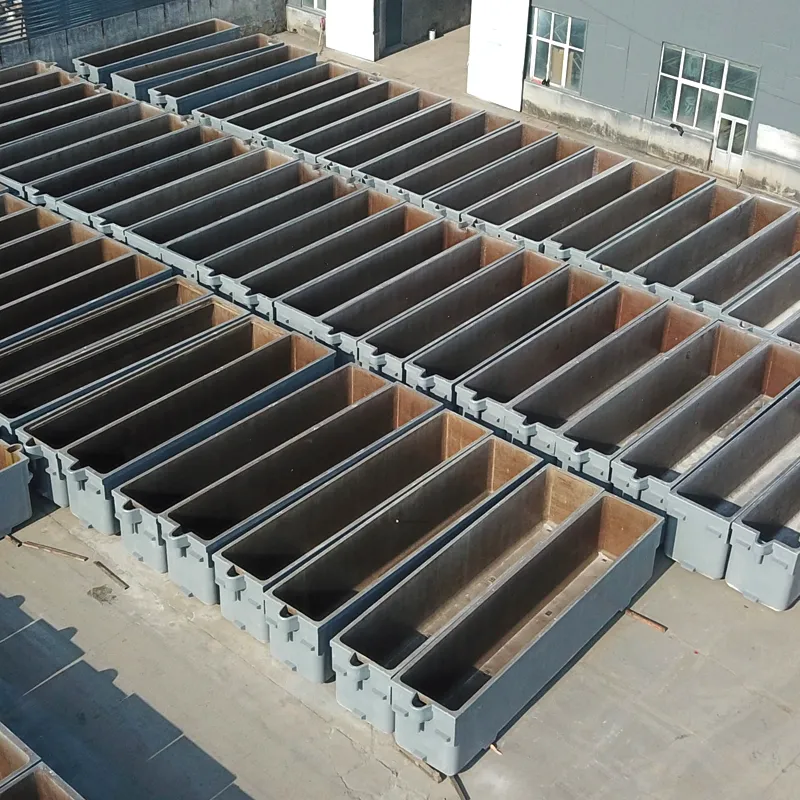
Case Study 1: Chlor-Alkali Plant Modernization
Client: A major chemical producer in North America.
Challenge: Existing steel, rubber-lined electrolytic cells in their diaphragm cell chlor-alkali plant were experiencing frequent lining failures, leading to unexpected downtime and high maintenance costs. The aggressive brine and chlorine environments were causing rapid degradation, necessitating replacement every 5-7 years.
Solution: Replaced 20 existing cells with custom-designed vinyl ester resin monolithic casting FRP electrolytic cells. The new cells were designed with enhanced corrosion barrier layers specific to the high chlorine concentration.
Outcome: After 8 years of continuous operation, the FRP cells showed no signs of degradation, cracking, or leakage, significantly outperforming their predecessors. The client reported a 70% reduction in maintenance costs related to cell integrity and an estimated 15% increase in operational uptime due to the elimination of unscheduled repairs. The monolithic design proved completely resistant to the corrosive media.
-
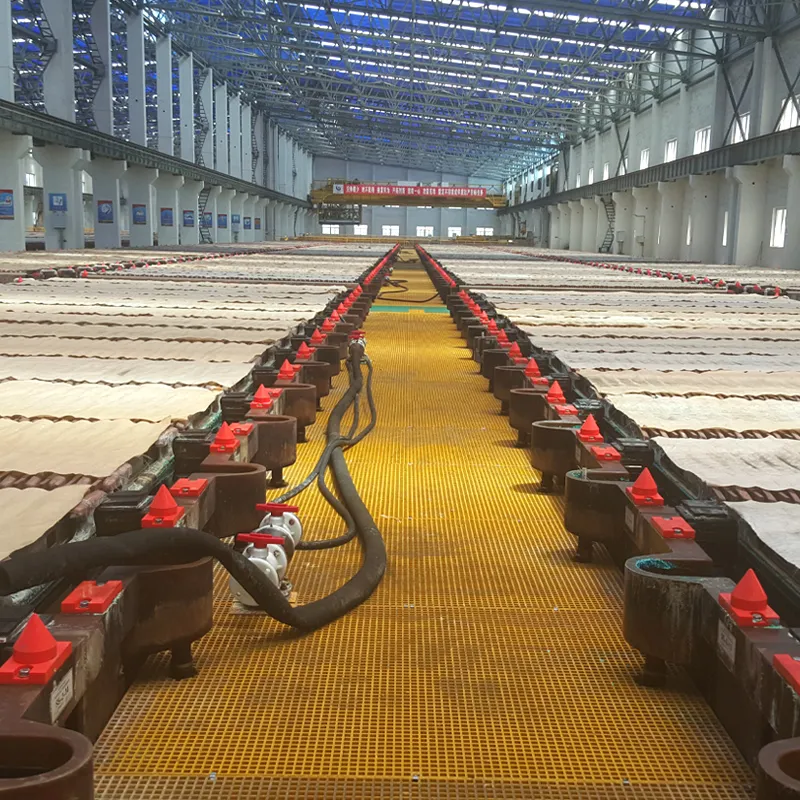
Case Study 2: Copper Electrowinning Expansion Project
Client: A prominent mining and metallurgical company in South America.
Challenge: Expanding their copper electrowinning facility, the client sought a material for their new tankhouse that could withstand concentrated sulfuric acid (180-200 g/L H2SO4) at 60-70°C, while offering a longer service life than their existing PVC-lined concrete cells which required frequent repairs and sealing.
Solution: Supplied 50 large-scale, monolithic FRP electrolytic cells, specifically engineered with an advanced vinyl ester resin formulation for high-temperature sulfuric acid resistance. The lightweight design also simplified the installation process in the remote location.
Outcome: The project was completed ahead of schedule due to easier cell handling and installation. Post-commissioning, the FRP cells demonstrated superior structural stability and complete chemical inertness. Leakage issues commonly associated with concrete linings were entirely eliminated. The projected service life of the FRP cells is over 25 years, providing an estimated 30% reduction in long-term operational costs compared to the concrete alternative, alongside improved process stability and environmental safety.
-
Case Study 3: Industrial Wastewater Treatment Plant
Client: A manufacturing facility with complex effluent streams containing a mix of acids, alkalis, and heavy metals.
Challenge: Their previous treatment tanks, made from HDPE, were failing due to chemical attack and physical stress from agitation, leading to frequent replacement cycles and compliance risks. They needed a more robust and reliable solution for their electrochemical treatment stage.
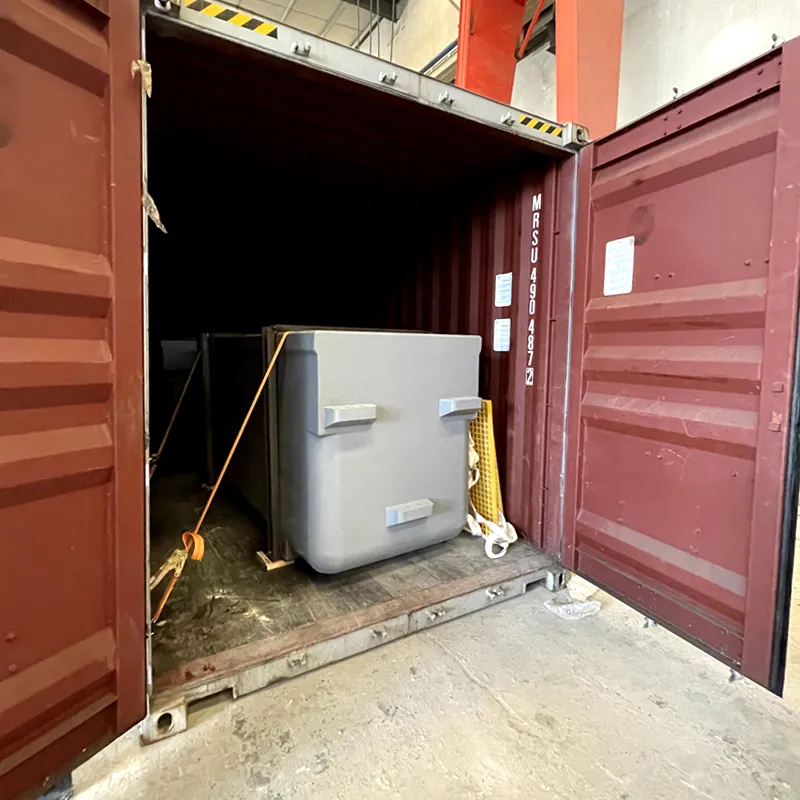
Solution: Installed three vinyl ester resin monolithic casting FRP electrolytic cells, customized with internal baffles and reinforced sections for agitator mounting. The resin system was selected for its broad-spectrum chemical resistance to the variable wastewater composition.
Outcome: The FRP cells have operated flawlessly for over 10 years, requiring minimal maintenance. The monolithic construction prevented any leaks, even with continuous chemical exposure and mechanical agitation. The enhanced structural integrity and chemical resistance ensured consistent treatment performance, contributing to sustained environmental compliance and significant long-term cost savings compared to the previous material. The client noted a dramatic improvement in reliability and a positive impact on overall plant sustainability.
Quality Assurance, Certifications, and Partnerships
Our commitment to delivering the highest quality Vinyl Ester Resin Monolithic Casting FRP Electrolytic Cells is underpinned by rigorous quality assurance protocols and adherence to international standards.
- ISO 9001 Certified Manufacturing: Our facilities operate under strict ISO 9001 quality management systems, ensuring consistency in design, production, and testing.
- Adherence to Industry Standards: All products are designed and manufactured to comply with relevant international standards such as ASTM, ASME RTP-1, and ANSI, where applicable, guaranteeing performance and safety.
- Material Traceability: We maintain complete traceability records for all raw materials, from resin batches and fiber origins to catalysts and additives, ensuring accountability and consistent material quality.
- In-house Testing Capabilities: Our laboratories conduct extensive testing, including mechanical property tests (tensile, flexural), chemical immersion tests (ASTM C581), Barcol hardness, and hydrostatic pressure tests for every manufactured unit.
- Long-Term Client Partnerships: We pride ourselves on building enduring relationships with leading companies across the chemical, metallurgical, and water treatment sectors. Our extensive portfolio of satisfied clients and repeat business underscores our reliability and the proven performance of our products.
These measures, combined with years of specialized experience in FRP composite engineering, establish our authority and trustworthiness as a leading provider of advanced corrosion-resistant solutions.
Trustworthiness and Support
Building trust with our B2B clients is paramount. This extends beyond product quality to encompass transparent processes, reliable support, and clear commitments.
Frequently Asked Questions (FAQ)
- Q: What is the typical service life of your monolithic FRP electrolytic cells?
- A: With proper design and operation within specified parameters, our cells typically offer a service life exceeding 20 years, often significantly longer than metallic or lined alternatives.
- Q: Can these cells handle extreme operating temperatures?
- A: Our vinyl ester resin cells are designed for a broad temperature range, typically from -40°C to +100°C. Specific resin formulations can be selected for higher or lower temperature requirements, depending on the chemical environment.
- Q: How do you ensure chemical compatibility for my specific process?
- A: We offer extensive chemical resistance data and can perform specific immersion tests based on your process media. Our engineering team provides detailed material selection guidance to ensure optimal compatibility.
- Q: Is installation of these lightweight FRP cells complex?
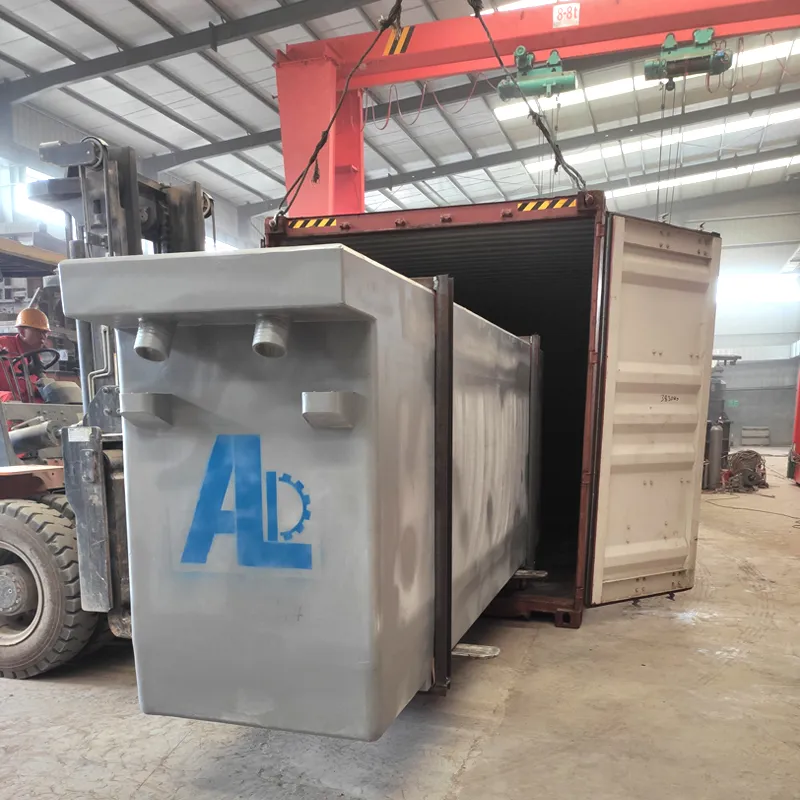
- A: The lightweight nature of FRP significantly simplifies transport and installation compared to heavy metallic cells, often reducing the need for heavy lifting equipment and specialized labor. We provide detailed installation manuals and, if required, on-site technical supervision.
Lead Time and Fulfillment
Our manufacturing processes are streamlined to ensure efficient production. Standard lead times typically range from 8 to 16 weeks, depending on the complexity, size, and quantity of the order. For urgent projects, expedited manufacturing options are available, subject to project review and scheduling. We provide transparent project timelines and regular progress updates.
Warranty Commitments
We stand behind the quality and durability of our products with a comprehensive warranty. Our Vinyl Ester Resin Monolithic Casting FRP Electrolytic Cells come with a standard [e.g., 5-year] limited warranty covering defects in materials and workmanship. Specific project warranties may be negotiated based on application and design parameters, ensuring client confidence and protection for their investment.
Customer Support and After-Sales Service
Our commitment extends beyond delivery. We offer comprehensive after-sales support, including:
- Technical Assistance: A dedicated team of engineers is available for troubleshooting, operational guidance, and process optimization support.
- Spare Parts & Maintenance: We provide access to recommended spare parts and guidance on maintenance best practices to ensure continuous, reliable operation.
- On-site Support: For complex installations or specific operational challenges, on-site technical support can be arranged globally.
Conclusion
The selection of materials for critical industrial infrastructure, particularly in electrochemical processes, has profound implications for operational efficiency, safety, and long-term cost. The Vinyl Ester Resin Monolithic Casting Frp Electrolytic Cells Best Price offers a superior solution, combining advanced material science with precision engineering to deliver unparalleled corrosion resistance, structural integrity, and extended service life.
By investing in these cutting-edge electrolytic cells, B2B decision-makers and engineers can achieve significant reductions in maintenance costs, minimize downtime, enhance process reliability, and ensure environmental compliance. The monolithic design eliminates the weaknesses of traditional construction, providing a robust, leak-proof, and highly efficient solution tailored to the most demanding industrial applications. Partner with us to leverage this advanced technology and transform your operational challenges into sustainable competitive advantages.
References
- ASTM International. (n.d.). ASTM Standards for Composites. Retrieved from www.astm.org
- ASM International. (2001). Engineered Materials Handbook, Volume 1: Composites. ASM International.
- Mallick, P. K. (2007). Fiber-Reinforced Composites: Materials, Manufacturing, and Design (3rd ed.). CRC Press.
- ASME. (n.d.). ASME RTP-1, Reinforced Thermoset Plastic Corrosion Resistant Equipment. Retrieved from www.asme.org
- "Vinyl Ester Resins in Corrosion Applications: Performance and Selection Guide." Journal of Composite Materials in Chemical Engineering, Vol. 15, No. 3, 2018.
- "Advances in Chlor-Alkali Electrolysis Cell Design and Materials." Electrochemical Society Journal, Vol. 165, No. 7, 2018.