Nov 29,2025

Chemical Neutralization Tank Solutions – Durable & Automated pH Treatment Systems

Understanding Chemical Neutralization Tanks: Why They Matter Globally

Chemical neutralization tanks aren’t exactly headline news, but their role quietly shapes some of the world’s toughest challenges—from industrial wastewater treatment to environmental protection. At its core, a chemical neutralization tank is all about balancing pH levels in liquid waste to make it safe for release or for further processing. Sounds simple, yet when millions of tons of chemical effluent get produced daily worldwide, mastering this step becomes crucial. Understanding how these tanks work, their benefits, and their applications isn’t just for engineers; it's vital for anyone invested in sustainability and safety on an industrial scale.

Global Landscape: Why Chemical Neutralization Tanks Are Essential

Industrial growth, population surges, and urban sprawl are pushing environmental boundaries harder than ever. According to the United Nations Environment Programme (UNEP), toxic chemical waste discharged into natural water bodies causes serious pollution and health risks globally [1]. The World Bank estimates that over 80% of industrial wastewater in developing countries is inadequately treated. This gap threatens aquatic life, contaminates drinking water, and undermines livelihoods.

Where do chemical neutralization tanks fit in? They address one of the primary challenges: pH regulation. Wastewater that is too acidic or alkaline needs adjustment before it can be safely discharged or reused. Without efficient neutralization systems, industries risk violating environmental regulations and worsening pollution. For example, the ISO 14001 environmental management standards emphasize controlling effluent chemical content to maintain compliance.

Defining the Chemical Neutralization Tank

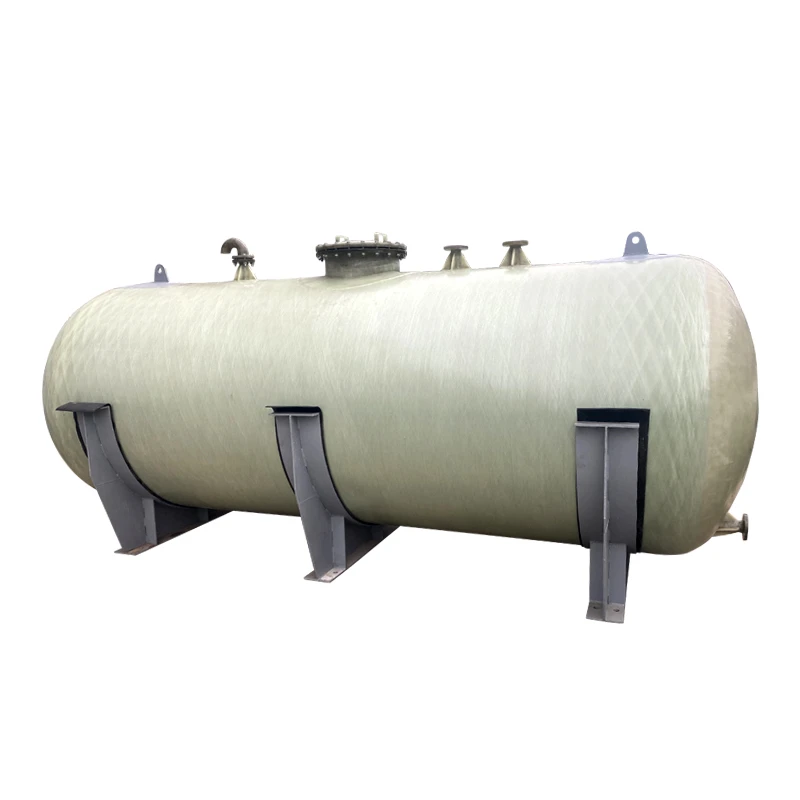
In simple terms, a chemical neutralization tank is a designed vessel where acidic or alkaline wastewater is treated by adding neutralizing agents—usually acids or bases—to bring the pH to a safe, neutral level (typically around 6.5 to 8.5). This process neutralizes harmful chemicals, reducing toxicity and protecting downstream systems. Think of it as a delicate balancing act inside a sturdy tank, where science meets engineering.

Their relevance has grown with modern industry: from mining and manufacturing to municipal sewage treatment, and even in humanitarian efforts where safe water management is critical.

Core Components of Chemical Neutralization Tanks

Durability and Material Selection

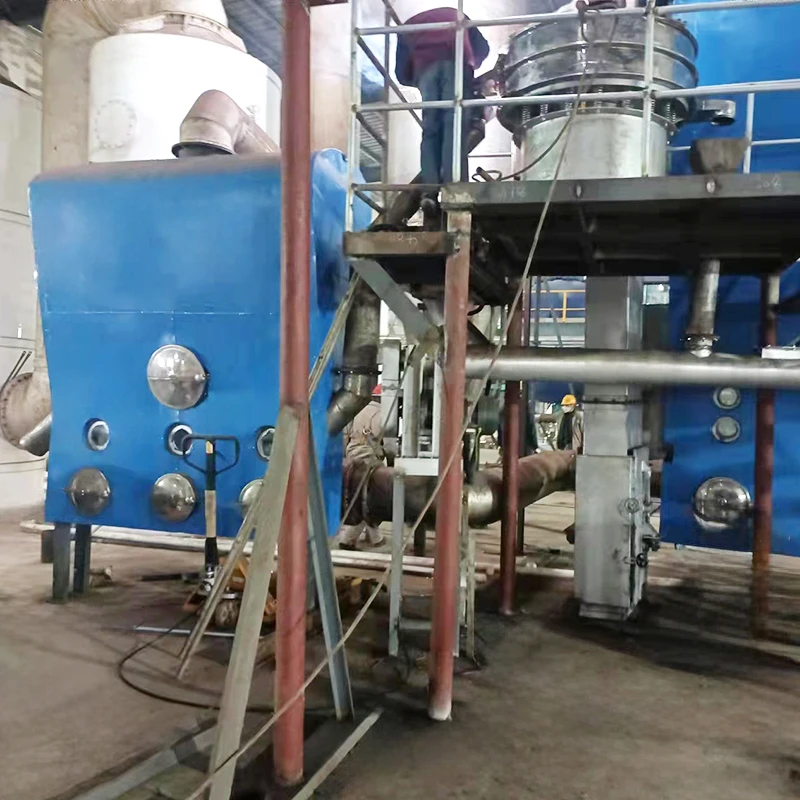
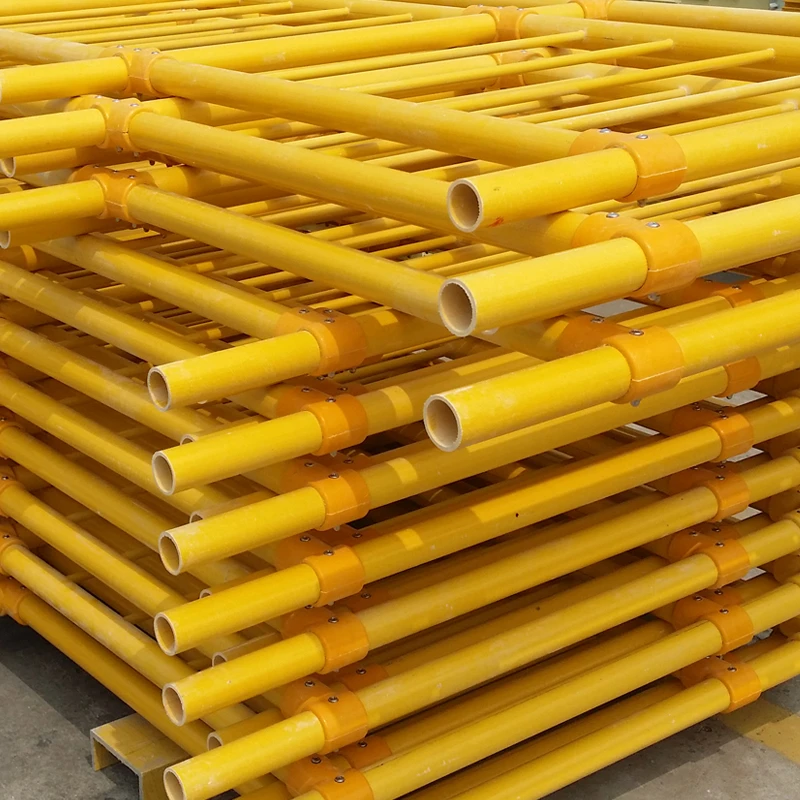
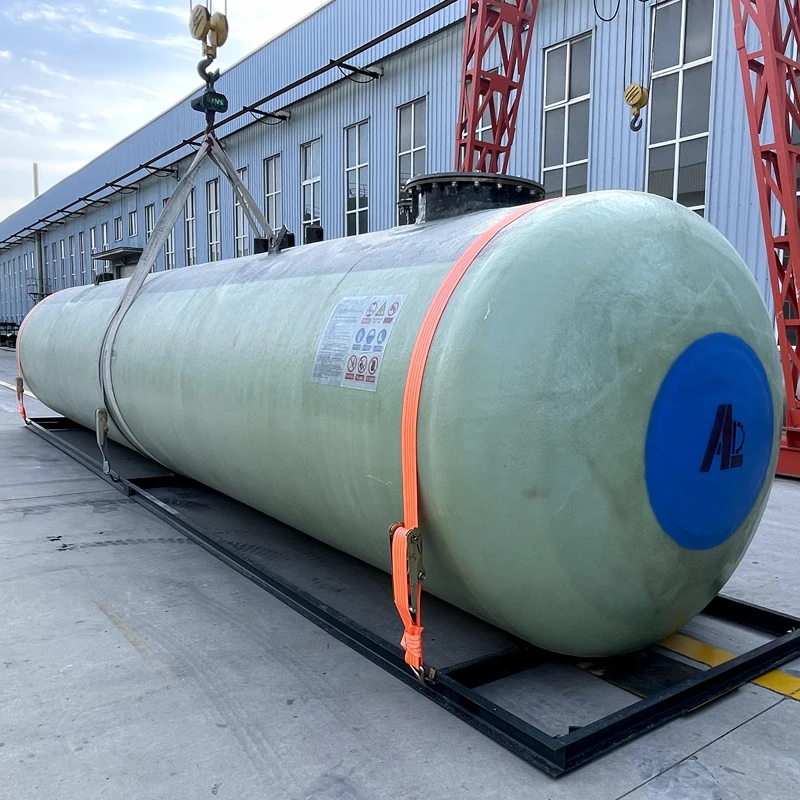
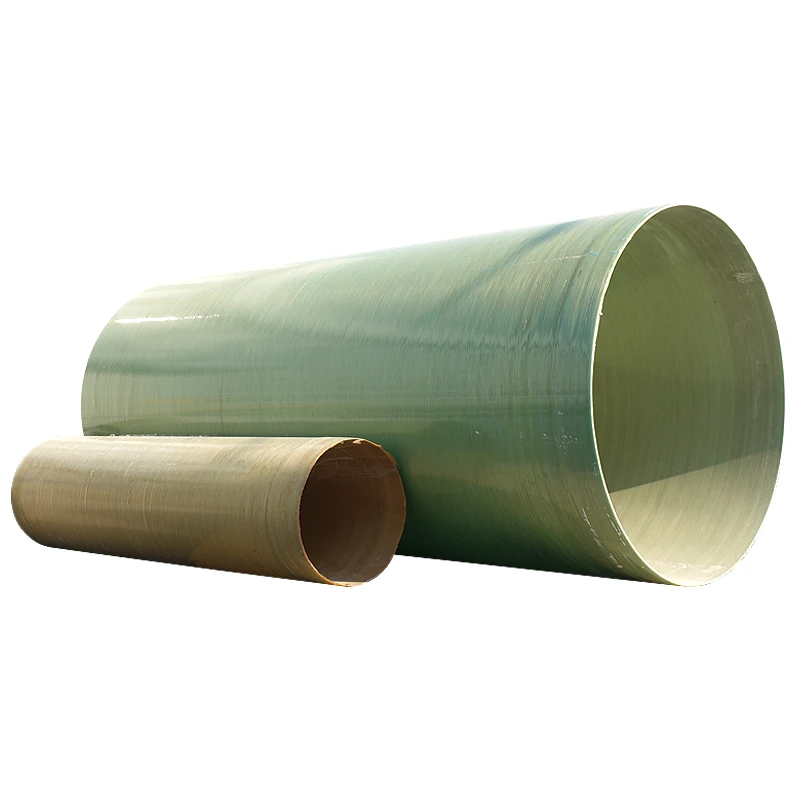
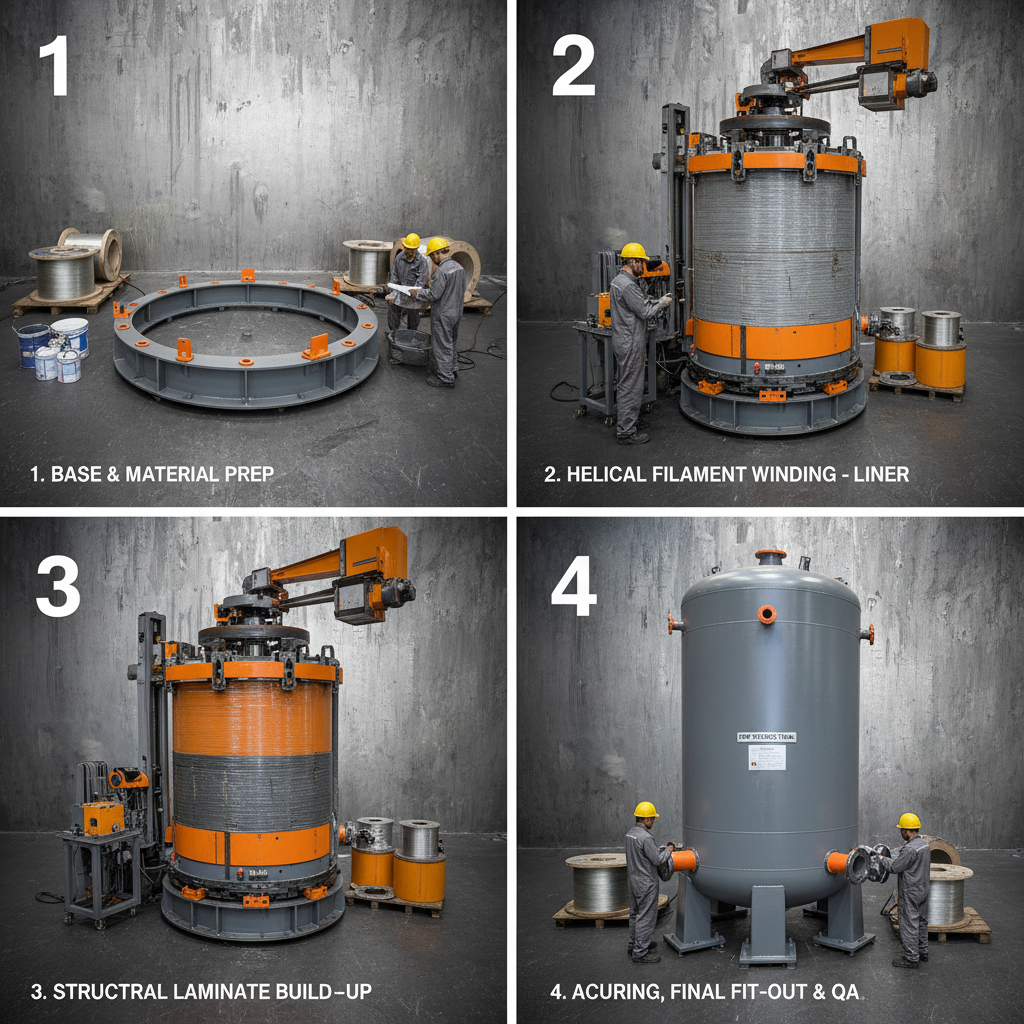
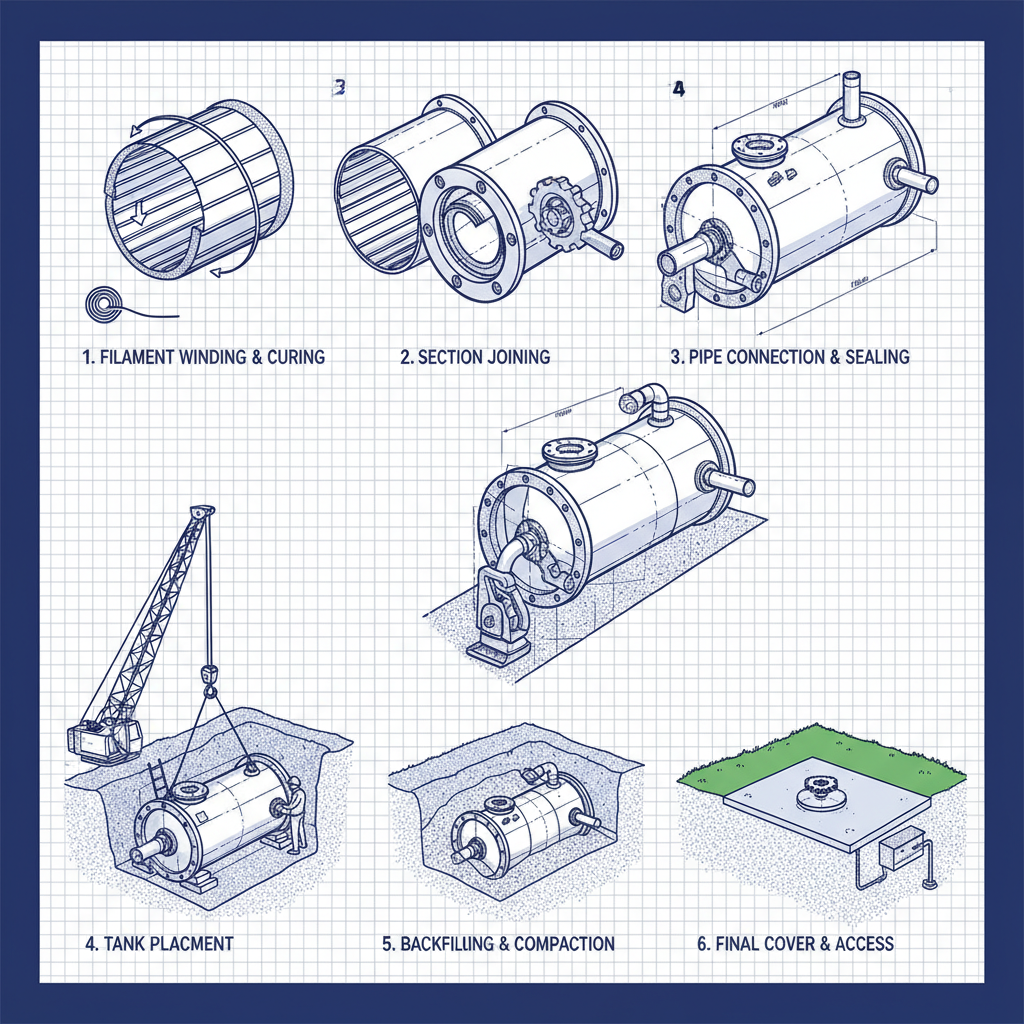
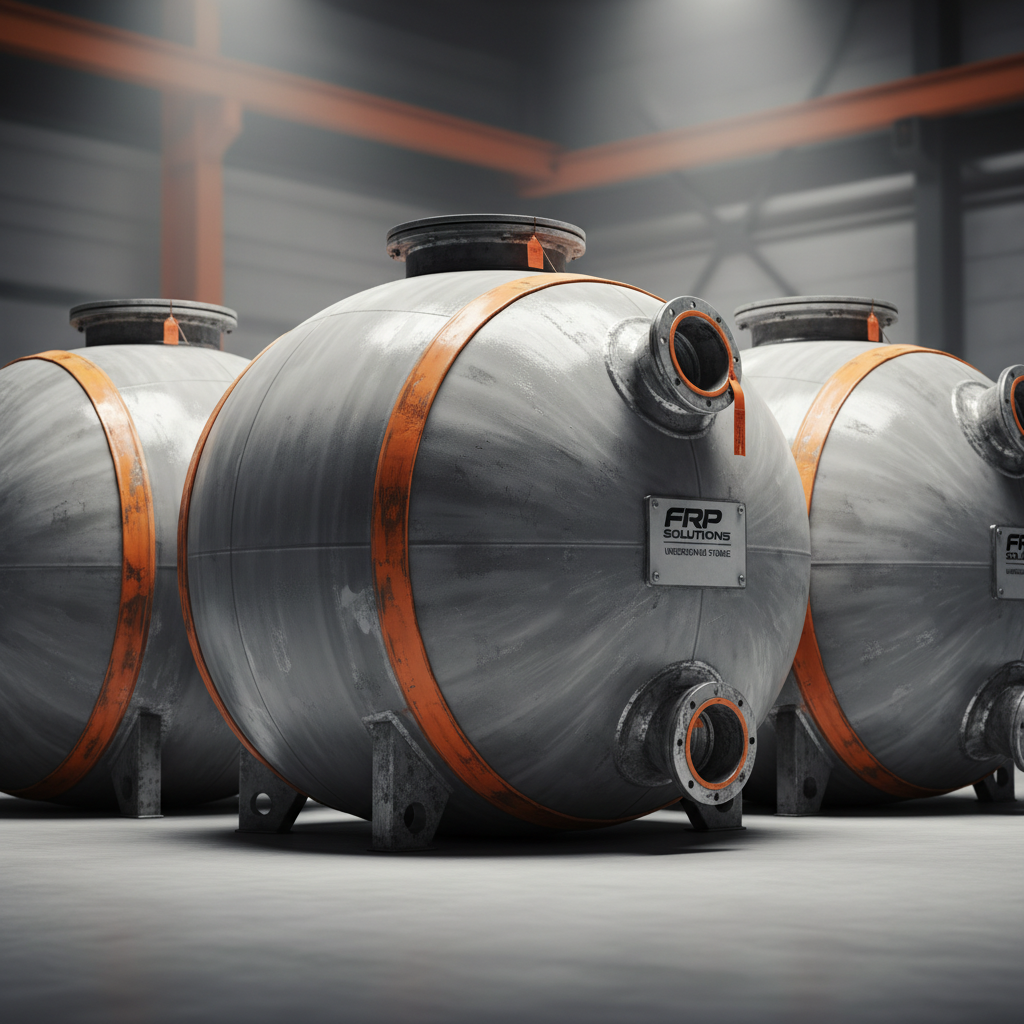
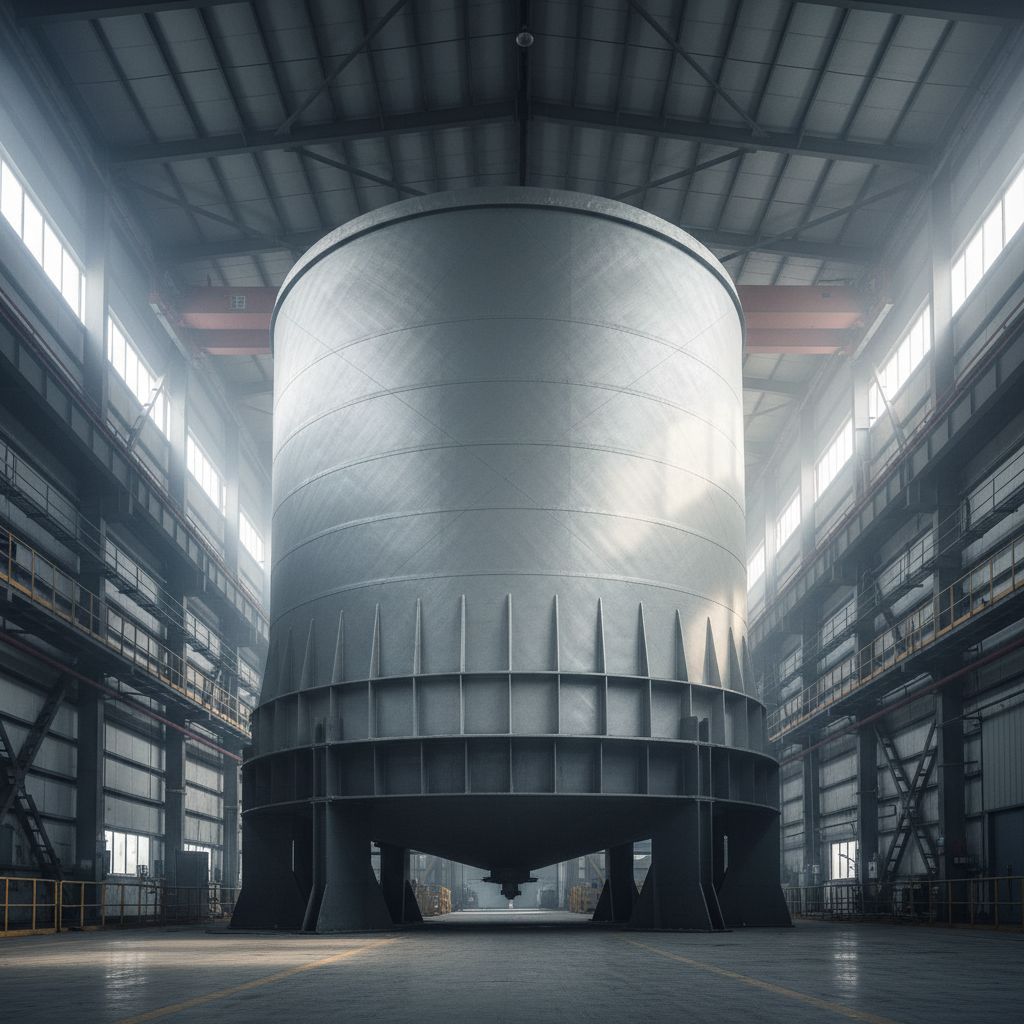
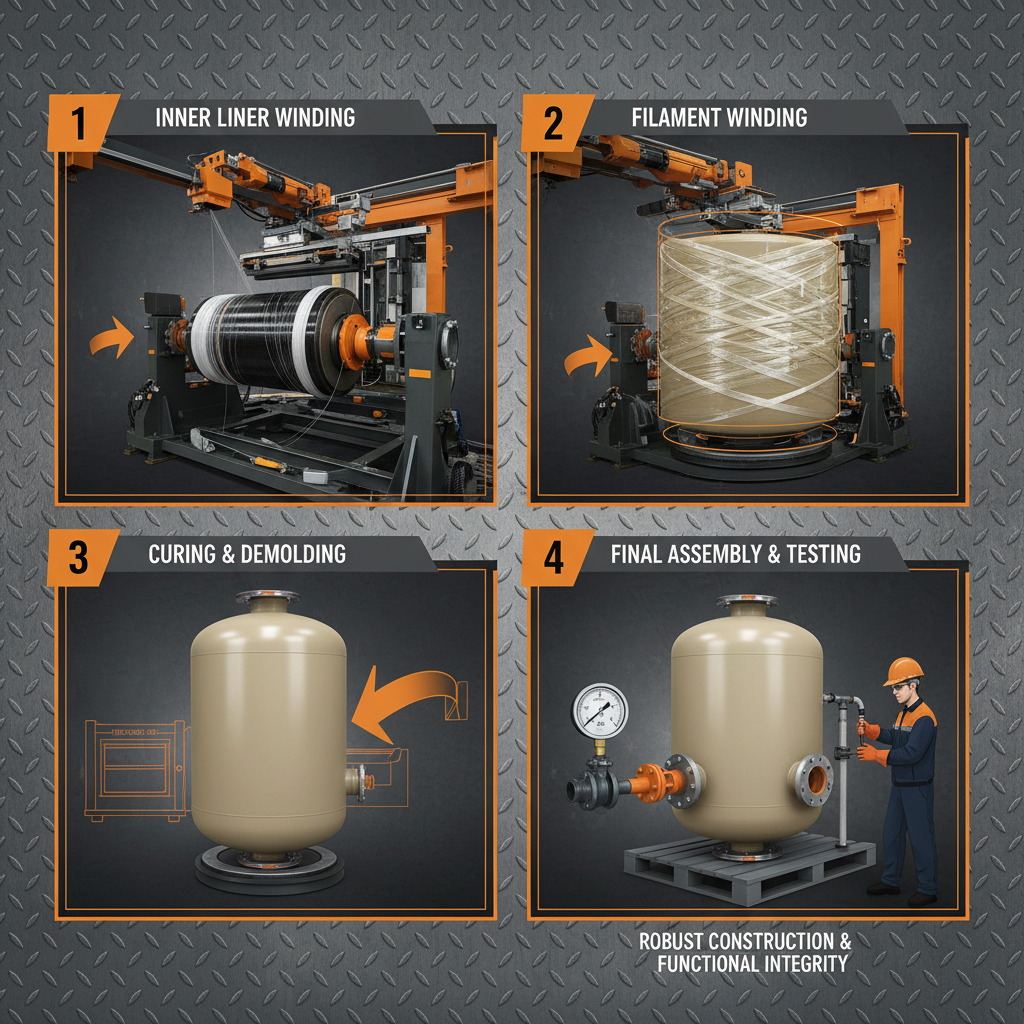
Tanks must endure corrosive chemicals and harsh conditions. Common materials include fiberglass-reinforced plastic (FRP), stainless steel, and polyethylene. FRP is often favored for its corrosion resistance and lighter weight, balancing longevity with cost.

Scalability and Capacity

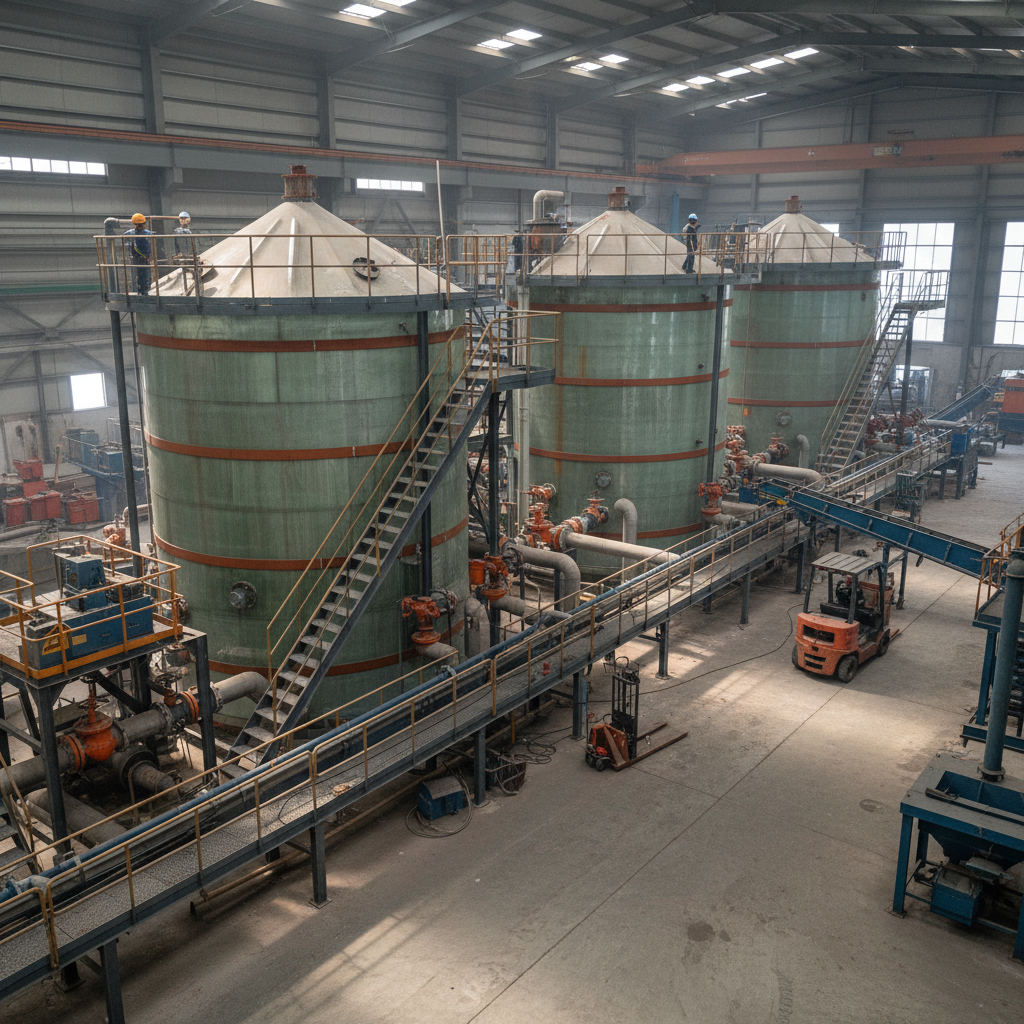
Depending on wastewater volume, tanks range from small portable units to massive industrial vessels processing thousands of gallons daily. The ability to scale up or down makes tanks versatile for different sectors—from small plants to mining operations.

Cost Efficiency

Initial investment is balanced against maintenance, chemicals needed, and treatment efficiency. Smart design reduces chemical use and downtime, lowering lifetime costs.

Automation and Monitoring

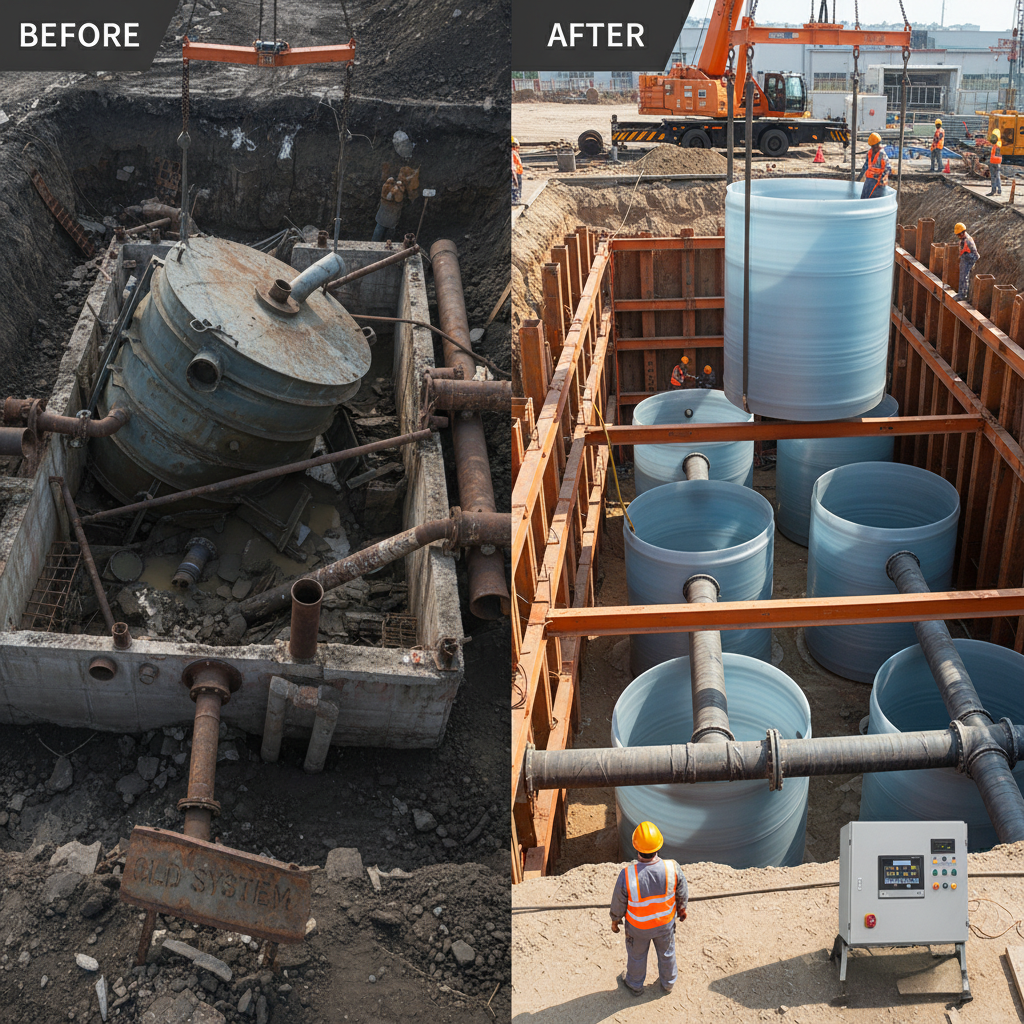
Modern tanks often include sensors and automated controls to adjust neutralizing agents in real-time, improving accuracy and safety. This minimizes human error and speeds reaction times.

Safety and Compliance

Effective tanks ensure treated water meets regulatory pH and discharge criteria, preventing fines and environmental harm. Safety features may include containment systems and alarms.

Maintenance and Accessibility

Easy access for cleaning, inspection, and repair is critical. Many engineers emphasize that a well-designed neutralization tank is only as good as the ease with which it can be maintained.

Mini Takeaway: When choosing or upgrading a chemical neutralization tank, keep an eye on material durability, size fit, automation possibilities, cost of operation, and safety compliance—all of which play critical roles in long-term success.

Real-World Applications: How Chemical Neutralization Tanks Serve Industries Globally

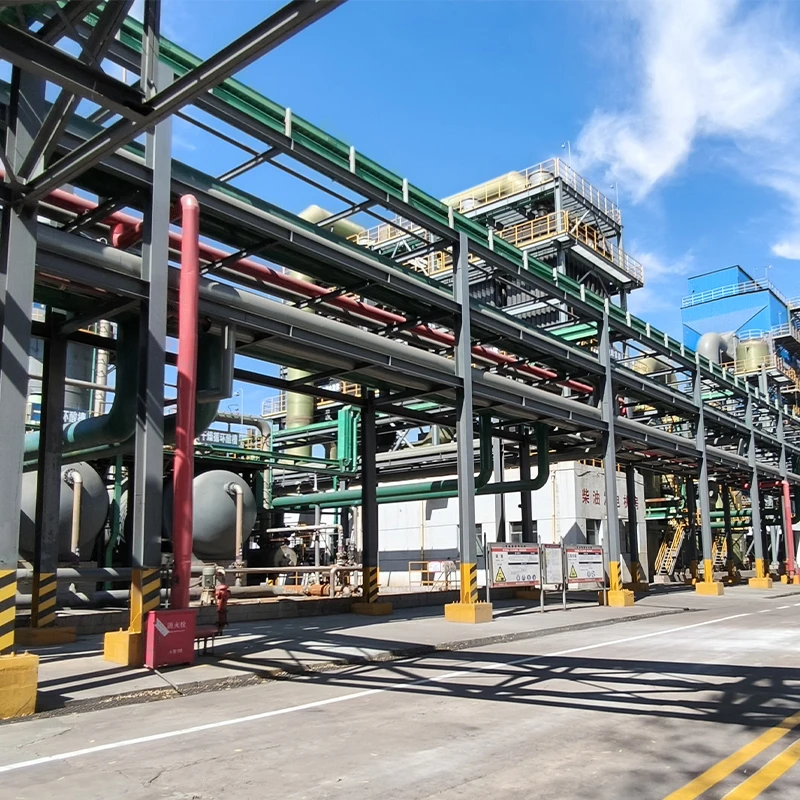
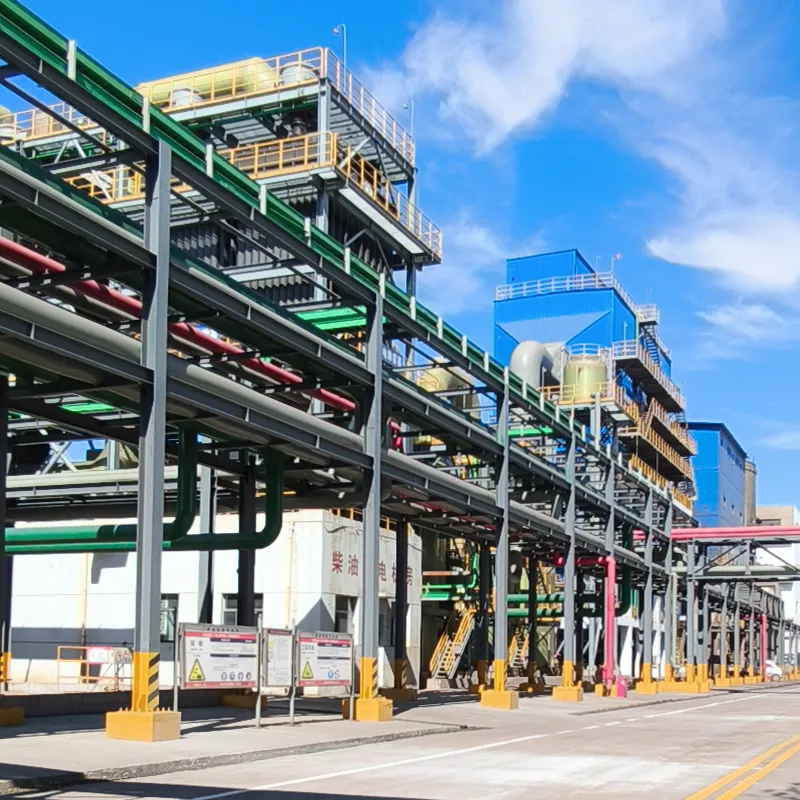
These tanks find homes in a broad spectrum of fields. Mining operations in Australia and Canada rely heavily on them to neutralize acidic mine drainage—waters high in sulfuric acid that can devastate ecosystems if untreated.

In Southeast Asia's burgeoning manufacturing hubs, chemical neutralization tanks help factories meet increasingly strict environmental standards while keeping costs manageable. A notable example includes textile plants treating alkaline dye wastewater before release.

In humanitarian contexts, such as post-disaster relief, portable neutralization tanks support safe water handling and sanitation, crucial for preventing disease outbreaks. NGOs often deploy these systems where infrastructure is damaged or absent.

Specification Typical Value/Range Comments
Tank Material FRP / Stainless Steel / Polyethylene FRP preferred for corrosion resistance
Capacity 500L to 50,000L+ Customizable per industry need
pH Adjustment Range 3 – 11 adjusted to 6.5 – 8.5 Varies by chemical waste
Automation Optional pH sensors/controllers Increases accuracy and efficiency
Typical Chemicals Added Caustic soda, sulfuric acid, lime Depends on wastewater type
Lifetime 10–20 years (with maintenance) Material dependent

Why Investing in Reliable Chemical Neutralization Tanks Pays Off

Beyond meeting environmental laws, these tanks safeguard ecosystems and human health. The social impact can be profound—clean water reduces waterborne disease risks and preserves fisheries. Many engineers say there’s also a growing emotional element: companies want to be seen as responsible citizens, building trust with communities.

Financially, good tanks reduce downtime, chemical waste, and maintenance overhead. Smart automation even optimizes chemical dosing, wasting less product. It feels like a win-win: better outcomes, smarter spending.

Looking Ahead: Innovations on the Horizon

The future points toward smart water treatment using IoT and AI for real-time monitoring and response. Some manufacturers are experimenting with biodegradable tank liners or integrating renewable energy with solar-powered mixers.

Sustainability drives innovation too. Regulations keep tightening, pushing improvements in both materials and control systems. Imagine fleets of modular chemical neutralization tank units that self-adjust and communicate status remotely. Industry 4.0 is inching ever closer to wastewater management.

Challenges and How Industry Tackles Them

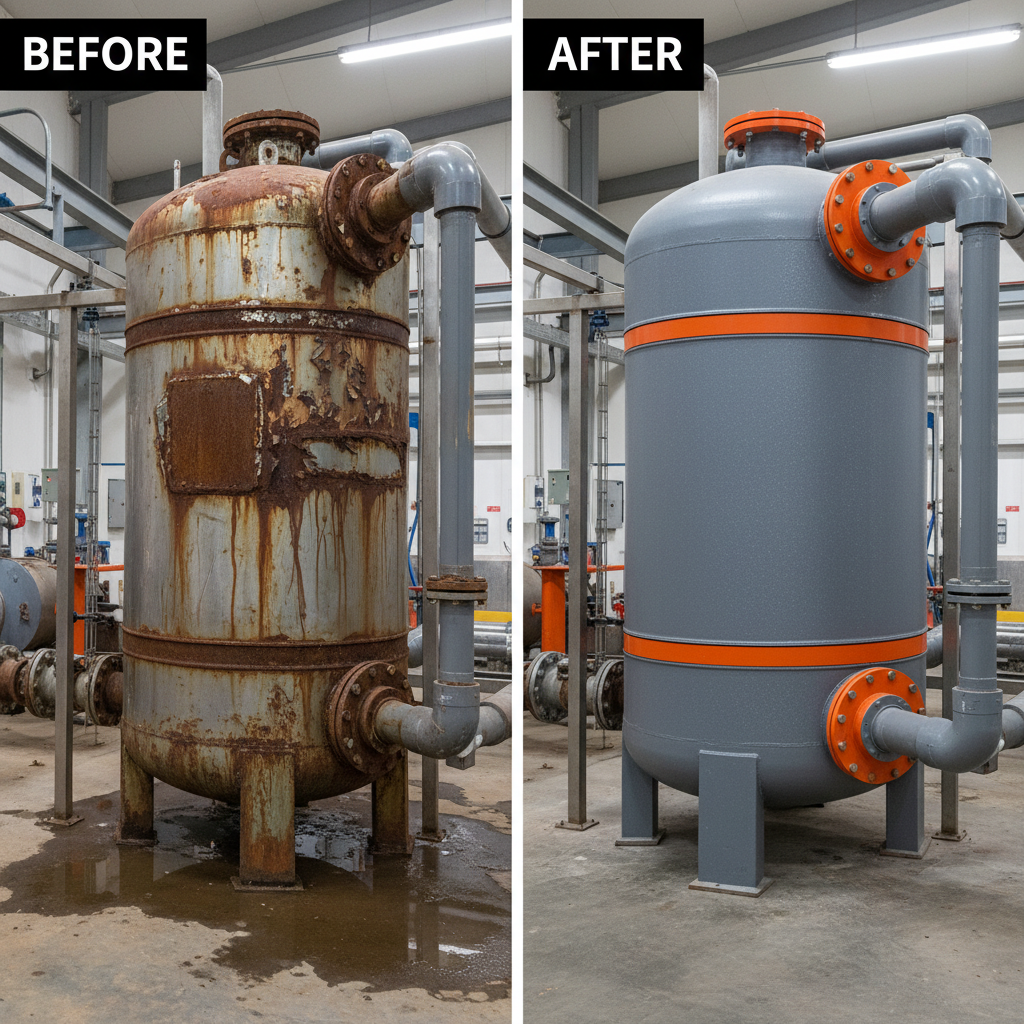
Not everything is straightforward. Chemical dosing accuracy remains a challenge that can cause under- or over-neutralization, leading to regulatory fines or further treatment needs. Corrosion still damages poorly designed tanks, and smaller operations sometimes struggle with the capital cost.

Solutions include integrating robust sensors, using corrosion-resistant composites, and offering leasing or modular setups to ease upfront investment. The trend towards automation and remote monitoring, odd as it sounds, actually lowers operational headaches drastically.

Vendor Comparison: Choosing the Right Partner

Vendor Material Options Customization Automation Features Price Range
FRP GRP Machine Co. Fiberglass Reinforced Plastic (FRP) High customization available Advanced sensor integration $$ - Moderate
AquaTreat Solutions Stainless Steel, Polyethylene Standard options, limited mods Basic automation $$$ - Higher
NeutralTech FRP, Polyethylene Modular designs, quick shipping IoT-enabled options $ - Budget friendly

FAQ: Quick Answers About Chemical Neutralization Tanks

What types of chemicals are typically neutralized in these tanks?
Most commonly, acidic or alkaline industrial wastewater containing sulfuric acid, hydrochloric acid, ammonia, or alkali residues are neutralized to safe pH levels before discharge.
How often should a chemical neutralization tank be maintained?
Routine inspection and cleaning every 6 to 12 months is recommended depending on usage and chemical load, to ensure no corrosion or buildup compromises performance.
Can automation be retrofitted to existing neutralization tanks?
Yes, many vendors offer sensor packages for pH control systems that can integrate with older tanks, improving efficiency without full replacement.
Are chemical neutralization tanks portable?
Smaller-scale neutralization tanks can be designed for portability, especially useful in field operations and emergency relief, while industrial units are generally fixed installations.

In Closing: Why Your Next Project Should Include a Reliable Chemical Neutralization Tank

Tackling wastewater’s pH challenges effectively translates into environmental wins, legal peace of mind, and operational efficiency. As industries evolve towards cleaner and smarter processes, integrating robust chemical neutralization tank systems is more than good practice—it’s a vital investment in sustainability’s future.

Looking for tailored solutions? Visit our website: https://www.frpgrpmachine.com to explore the latest options engineered with your needs in mind.
Upsell Products
Upsell News
Guide to Fiber Water Tank Price and FRP Storage Costs
Jul 01,2026
Guide to Fiber Water Tank Price and FRP Storage Costs
Understanding Fiber Water Tank Price: A Comprehensive Investment Guide When searching for a reliable liquid storage solution, understanding the factors that influence fiber water tank price is essential for optimizing your operational budget. Fiber-Reinforced Plastic FRP tanks have become the industry standard for water and chemical storage due to their exceptional corrosion resistance and structural integrity. Whether you are managing a municipal water project or an industrial chemical plant, selecting the right tank requires a balance between initial cost and long-term durability. In this guide, we will explore the variables that drive pricing and why FRP remains the most cost-effective choice
Guide to Fibreglass Water Tank Prices and FRP Investment
Jun 29,2026
Guide to Fibreglass Water Tank Prices and FRP Investment
Understanding Fibreglass Water Tank Prices: A Comprehensive Investment Guide When planning water storage for industrial or commercial applications, understanding the factors that influence fibreglass water tank prices is essential for optimizing your budget. Fibreglass Reinforced Plastic FRP tanks offer a superior alternative to steel or concrete due to their corrosion resistance and lightweight nature. Whether you are in the petroleum, chemical, or drainage industry, selecting a tank that balances cost with long-term durability is key. In this guide, we will explore the pricing drivers, technical advantages, and specifications of high-quality FRP storage solutions to help you make an informed purchasing decision.
Industrial Fiberglass Water Tank Price and Buyers Guide
Jun 27,2026
Industrial Fiberglass Water Tank Price and Buyers Guide
Analyzing Fiberglass Water Tank Price: A Comprehensive Buyers Guide When investing in industrial water storage, understanding the fiberglass water tank price is essential for effective budget planning and operational efficiency. Fiberglass Reinforced Plastic FRP tanks have become the gold standard in water quality pollution prevention and chemical storage due to their exceptional corrosion resistance and durability. Whether you are managing a municipal water system or a specialized manufacturing plant, choosing the right tank involves balancing initial costs with long-term lifecycle value. In this guide, we will break down the factors that influence pricing and why FRP is often the most cost-effective choice
Comprehensive Guide to GRP Sectional Water Tanks Prices and Quality
Jun 26,2026
Comprehensive Guide to GRP Sectional Water Tanks Prices and Quality
Selecting the right water storage solution is critical for industrial, commercial, and residential infrastructure. When evaluating grp sectional water tanks prices, it is essential to look beyond the initial sticker price and consider the total cost of ownership, including durability, installation ease, and maintenance. Glass Reinforced Plastic GRP tanks offer a superior alternative to traditional steel or concrete, providing exceptional corrosion resistance and modular flexibility. In this guide, we will explore the factors that influence pricing and why GRP remains the gold standard for modern water management.
Guide to Understanding FRP Tank Cost and Investment Value
Jun 25,2026
Guide to Understanding FRP Tank Cost and Investment Value
Understanding FRP Tank Cost: A Comprehensive Guide to Investment and Value When investing in industrial storage solutions, understanding the frp tank cost is essential for accurate budgeting and long-term operational planning. Fiber Reinforced Plastic FRP tanks offer an exceptional balance of corrosion resistance, structural strength, and longevity, making them the preferred choice for chemical, petroleum, and water treatment industries. While initial pricing can vary based on specifications, the total cost of ownership is often significantly lower than traditional steel tanks due to reduced maintenance. In this guide, we will explore the factors influencing pricing and the advanced machinery used to produce these high-performance vessels.
Best Industrial 500 gallon chemical tank for Storage and Safety
Jun 23,2026
Best Industrial 500 gallon chemical tank for Storage and Safety
Choosing the Best 500 Gallon Chemical Tank for Industrial Storage When managing hazardous materials or industrial fluids, the integrity of your storage system is non-negotiable. A high-quality 500 gallon chemical tank provides the perfect balance between capacity and footprint, making it an ideal choice for mid-sized operations, water treatment facilities, and chemical processing plants. Selecting the right material and design ensures not only the safety of your personnel but also the longevity of your assets. In this guide, we will explore the critical factors you need to consider to optimize your chemical storage efficiency and compliance.
Safe and Efficient Industrial Chemical Storage Tanks Guide
Jun 21,2026
Safe and Efficient Industrial Chemical Storage Tanks Guide
Maximizing Safety and Efficiency with Industrial Chemical Storage Tanks In the modern industrial landscape, the secure management of hazardous materials is not just a regulatory requirement but a critical safety priority. Selecting the right industrial chemical storage tanks is essential for preventing leaks, reducing environmental impact, and ensuring the longevity of your infrastructure. Whether you are dealing with highly corrosive acids or volatile solvents, the material composition and design of your storage system determine your operational risk. This guide explores the technical nuances of chemical storage to help you make an informed investment for your facility.
Best Guide to Choosing a Durable 200 Gallon Chemical Tank
Jun 20,2026
Best Guide to Choosing a Durable 200 Gallon Chemical Tank
The Ultimate Guide to Choosing a 200 Gallon Chemical Tank Finding the right storage solution for hazardous or corrosive substances is critical for industrial safety and operational efficiency. A 200 gallon chemical tank offers a versatile mid-size capacity, ideal for businesses that need a balance between space-saving design and sufficient volume for chemical processing. Whether you are dealing with acids, bases, or specialty solvents, the material composition of your tank determines its lifespan and your facilitys safety. In this guide, we will explore the technical specifications, material options, and best practices for maintaining these essential industrial assets.
Industrial Fiberglass Water Storage Tanks Guide for Efficiency
Jun 18,2026
Industrial Fiberglass Water Storage Tanks Guide for Efficiency
The Ultimate Guide to Fiberglass Water Storage Tanks for Industrial Use Selecting the right containment system is critical for maintaining water purity and operational efficiency. fiberglass water storage tanks have emerged as a superior alternative to traditional steel or concrete reservoirs. Combining high strength-to-weight ratios with exceptional corrosion resistance, these tanks are designed to withstand the harshest environmental conditions while ensuring the longevity of your infrastructure. Whether you are managing a municipal water system or an industrial chemical process, understanding the advantages of FRP Fiber Reinforced Plastic technology is the first step toward a sustainable storage solution.
Industrial Storage Guide for Modular Sectional Water Tanks
Jun 13,2026
Industrial Storage Guide for Modular Sectional Water Tanks
When managing large-scale water storage, efficiency and scalability are non-negotiable. Sectional water tanks offer a versatile and robust solution for industries requiring customized capacities and easy installation in restricted spaces. Unlike monolithic tanks, these systems are engineered from modular panels, allowing for precise sizing and seamless transport to remote sites. Whether it is for fire protection, potable water, or industrial processing, choosing the right tank configuration can significantly impact the longevity and reliability of your water infrastructure. In this guide, we explore why these modular systems are the preferred choice for modern engineering projects worldwide.
Industrial Safety Guide for Double Wall Chemical Tanks
Jun 11,2026
Industrial Safety Guide for Double Wall Chemical Tanks
In the world of industrial chemical storage, containment is not just a preferenceit is a critical safety requirement. double wall chemical tanks provide a sophisticated layer of security, ensuring that hazardous materials are contained even if the primary vessel fails. By utilizing a tank-within-a-tank design, these systems prevent catastrophic leaks, protect the surrounding environment, and ensure compliance with strict regulatory standards. Whether you are managing a water treatment plant or a chemical manufacturing facility, understanding the nuances of secondary containment is essential for operational longevity and risk mitigation.
High Efficiency and Durability of Fiberglass Storage Tanks
Jun 09,2026
High Efficiency and Durability of Fiberglass Storage Tanks
In the world of industrial liquid containment, choosing the right material is critical for safety, longevity, and cost-effectiveness. fiberglass storage tanks , also known as FRP Fiber Reinforced Plastic tanks, have emerged as the gold standard for storing corrosive chemicals, water, and hazardous materials. Unlike traditional metal tanks, fiberglass offers an unparalleled combination of strength and chemical inertness. Whether you are managing a municipal water system or a complex chemical processing plant, understanding the advantages of these advanced composite structures is essential for optimizing your infrastructure and reducing long-term maintenance costs.
Durable FRP Vessel for Water Treatment and Industrial Filtration
Apr 16,2026
Durable FRP Vessel for Water Treatment and Industrial Filtration
In the modern era of industrial and residential water purification, the choice of containment materials is critical for efficiency and longevity. An frp vessel for water treatment has emerged as the gold standard, replacing traditional steel tanks due to its superior corrosion resistance and lightweight properties. Whether you are dealing with desalination, softening, or filtration, using Fiber Reinforced Plastic (FRP) ensures that your system remains leak-proof and durable against aggressive chemicals. In this comprehensive guide, we will explore why FRP is the preferred choice for water treatment professionals worldwide and how to select the right vessel for your specific application.
Industrial Guide for Choosing the Right FRP Vertical Tank
Apr 09,2026
Industrial Guide for Choosing the Right FRP Vertical Tank
In today's industrial landscape, the storage of corrosive chemicals and aggressive liquids requires materials that can withstand extreme conditions without degrading. The frp vertical tank has emerged as a premier solution, offering an exceptional balance of strength, lightweight properties, and unmatched chemical resistance. Whether you are managing a water treatment plant or a chemical processing facility, understanding the nuances of Fiber Reinforced Plastic (FRP) is essential for ensuring operational safety and longevity. In this comprehensive guide, we will explore why vertical configurations are preferred and how these tanks outperform traditional metal alternatives.
Comprehensive Guide to FRP Underground Water Tank Solutions and Applications
Apr 07,2026
Comprehensive Guide to FRP Underground Water Tank Solutions and Applications
Fiberglass Reinforced Polymer (FRP) underground water tanks are becoming increasingly popular for a wide range of applications, from potable water storage to industrial wastewater containment. Their superior corrosion resistance, lightweight nature, and design flexibility make them an excellent alternative to traditional materials like concrete or steel. This article will delve into the benefits, applications, construction, and considerations for implementing FRP underground water tanks, providing a comprehensive overview for engineers, contractors, and project managers.
Comprehensive Guide to Frp Underground Water Storage Tanks and Their Applications
Apr 04,2026
Comprehensive Guide to Frp Underground Water Storage Tanks and Their Applications
When considering water storage solutions, particularly for industrial, agricultural, or municipal applications, frp underground water storage tanks stand out as a durable, cost-effective, and environmentally friendly option. These tanks are increasingly favored over traditional materials like concrete or steel due to their superior corrosion resistance, lighter weight, and ease of installation. This article delves into the benefits, applications, construction, and considerations when choosing an FRP tank, providing a detailed overview for potential buyers and project planners.
For More Details Pls Contact Us
Thank you for your interest in our gloves! We offer high-quality, durable, and comfortable gloves with fast delivery and competitive prices. For any questions or customization, feel free to contact us. We look forward to working with you!

If you are interested in our products, you can choose to leave your information here, and we will be in touch with you shortly.