Nov 30,2025

Comprehensive Guide to Chemical Reaction Tanks – Features, Uses & Innovations

Understanding Chemical Reaction Tanks and Their Global Importance

At first blush, a chemical reaction tank might seem like just another piece of industrial equipment — a large vessel where chemicals mix and react under controlled conditions. But, honestly, this little marvel is a cornerstone of modern manufacturing, environmental safety, and even humanitarian efforts around the world. Why does it matter so much? Because without these tanks, producing everything from life-saving pharmaceuticals to clean water treatment chemicals would be far harder, slower, and more hazardous.

Globally, the ability to manage chemical reactions safely and efficiently is tied to economic development, environmental protection, and public health. The chemical reaction tank plays a quiet yet crucial role in these arenas, often working behind the scenes to convert raw materials into useful products or neutralize dangerous substances.

The Global Context: Why Chemical Reaction Tanks Matter Today

To put things into perspective, the United Nations Sustainable Development Goals (UN SDGs) emphasize clean water, sustainable industry, and innovation — all areas that lean on effective chemical reaction infrastructure. According to recent ISO reports, over 70% of chemical production worldwide utilizes batch or continuous reaction tanks to ensure precise mixing and temperature control.

Chemical reaction tanks tackle a range of problems: scaling up production without compromising safety, reducing hazardous emissions, and enabling cleaner technologies. For example, in wastewater treatment plants, these tanks neutralize pollutants before water re-enters the environment.

But challenges persist. Chemical leakages, contamination, and inefficient reactions still happen, costing industries billions in lost productivity and environmental fines. In short, a well-designed chemical reaction tank can be the difference between disaster and smooth operations.

Breaking It Down: What Exactly Is a Chemical Reaction Tank?

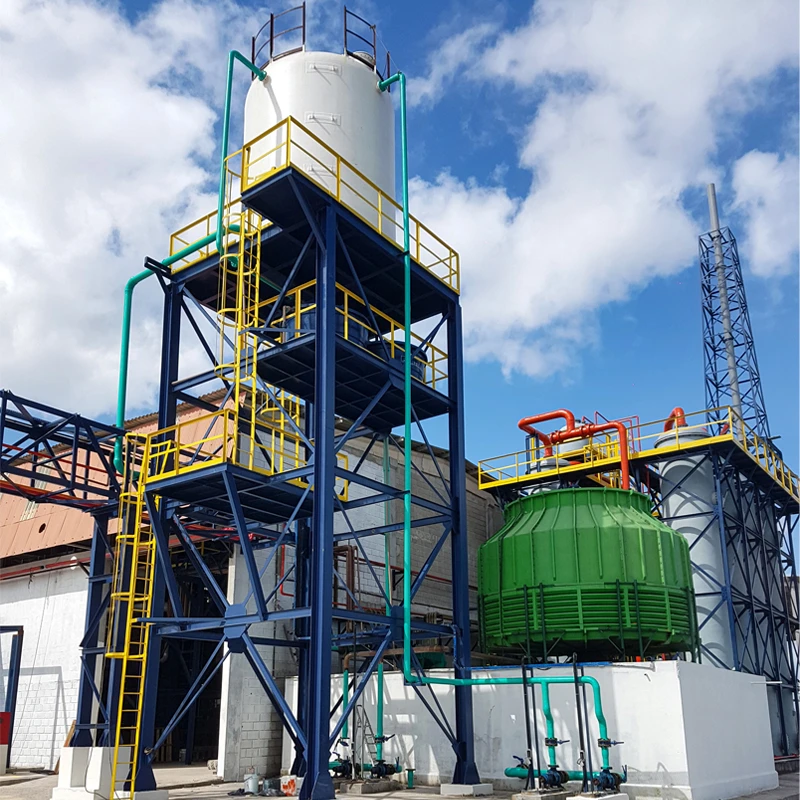
Think of a chemical reaction tank as a large, tightly controlled container where chemicals are combined and stirred to drive specific reactions. Unlike open vessels, these tanks usually include features like agitators, temperature controls, pressure gauges, and sometimes safety valves to manage volatile reactions. Industrial engineers often liken them to “the mixing bowls of modern chemistry, but with tech-savvy brains.”

They serve industries as diverse as pharmaceuticals, petrochemicals, food processing, and environmental management. In humanitarian sectors too, such tanks are adapted for treating contaminated water or manufacturing essential products on-site during disaster relief efforts.

Key Features That Define a Reliable Chemical Reaction Tank

1. Durability and Material Selection

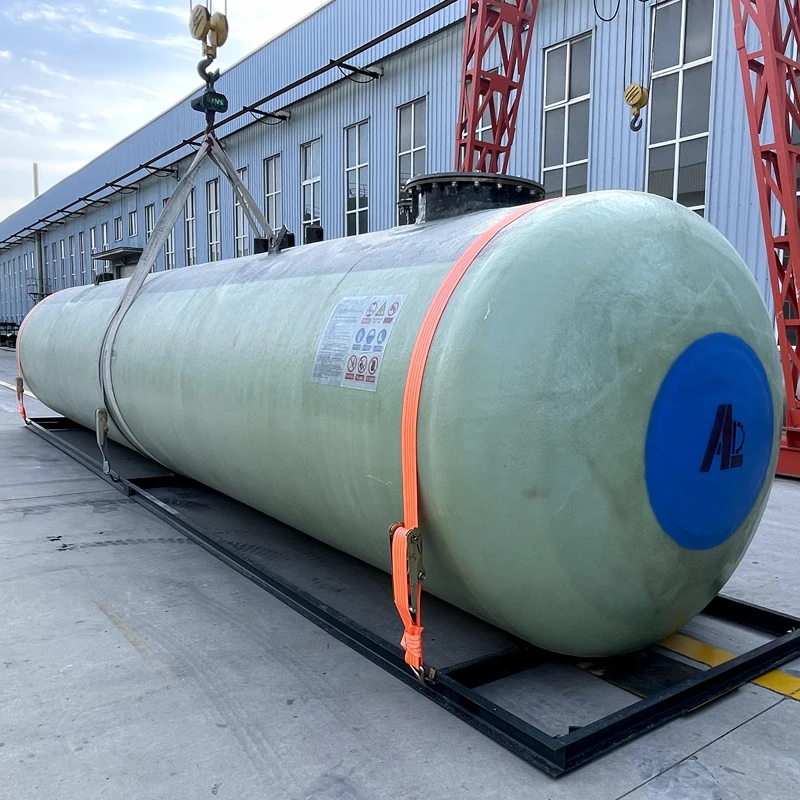
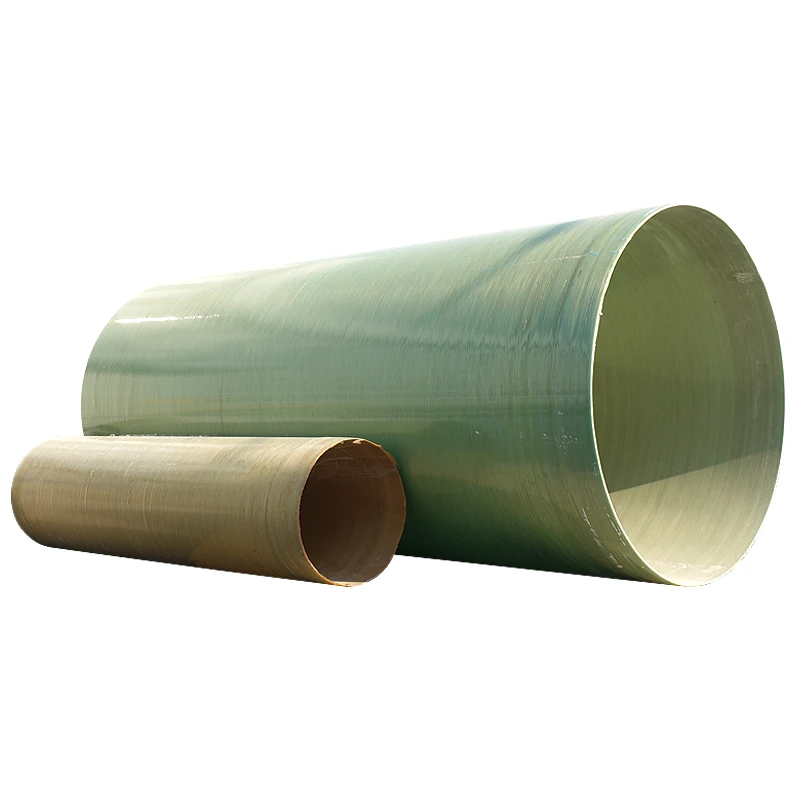
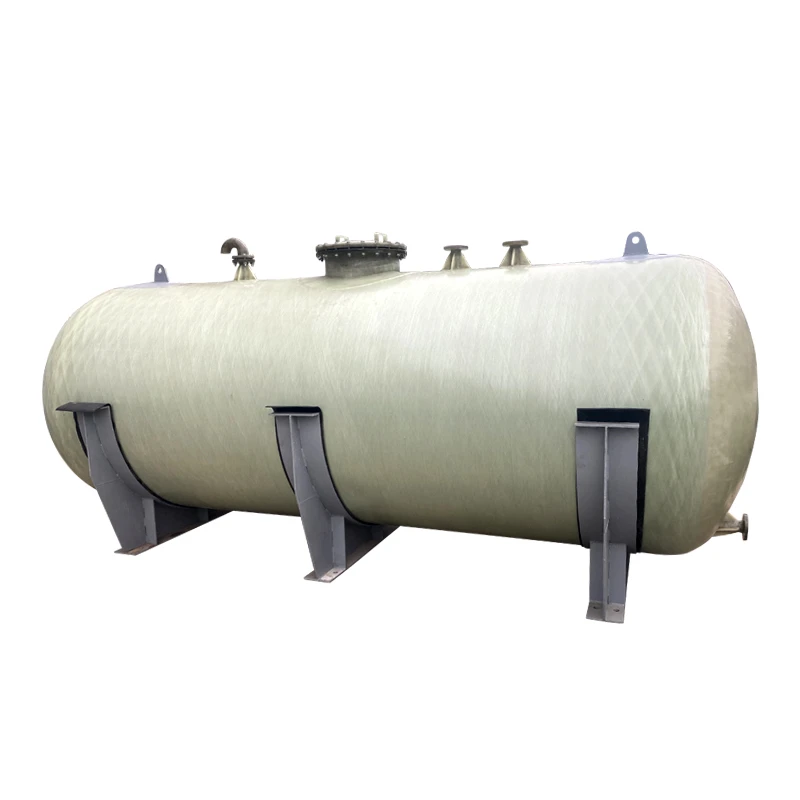
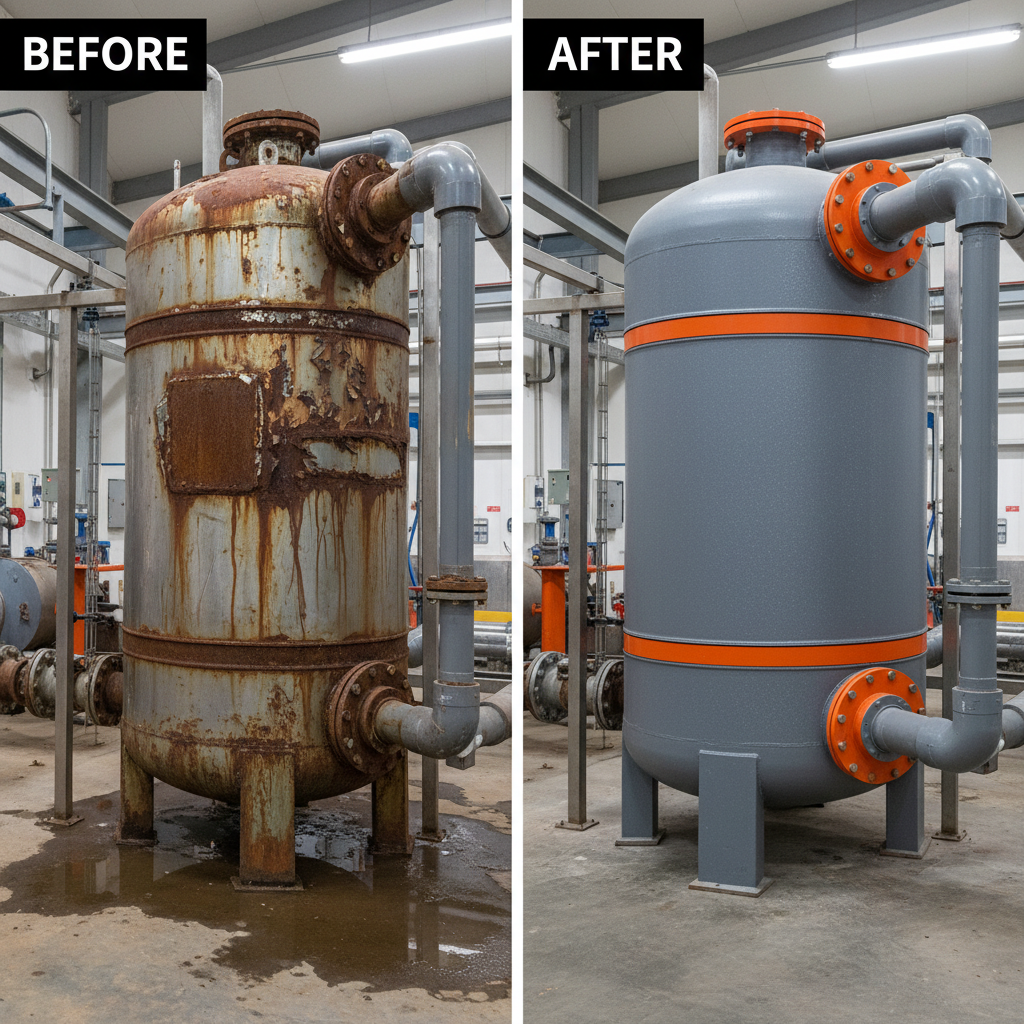
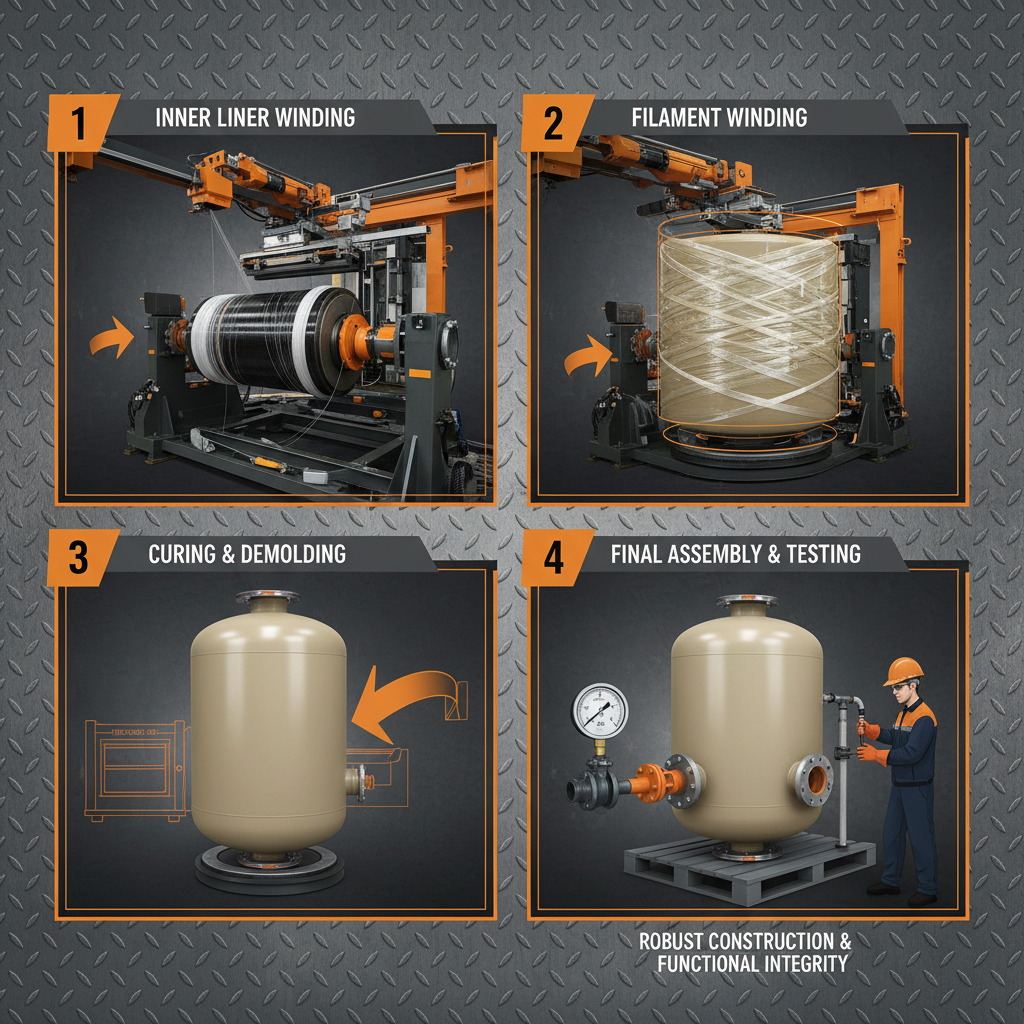
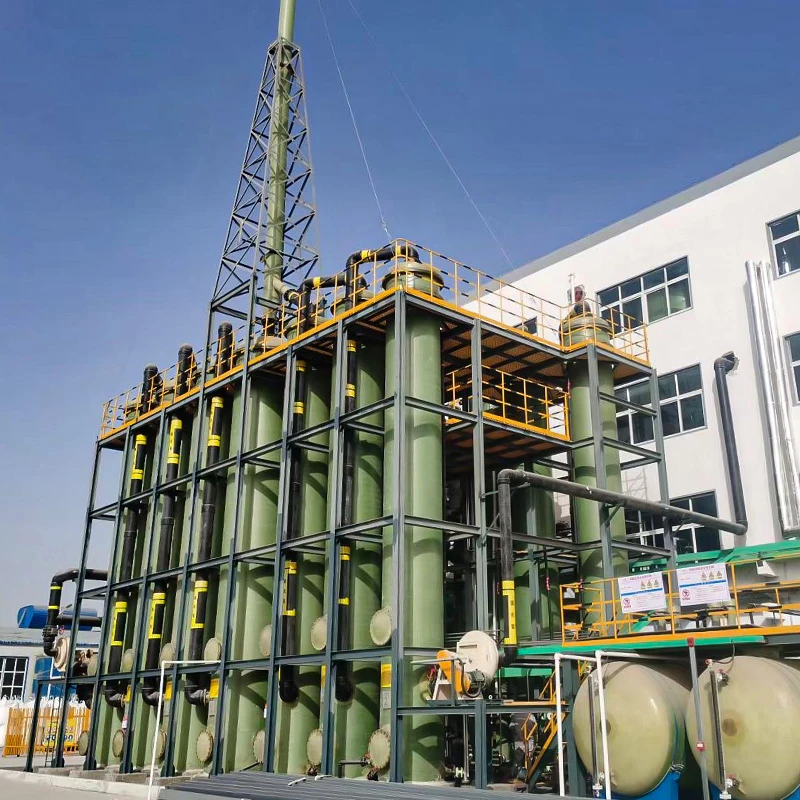
Since many reactions involve corrosive substances, tanks are often constructed from stainless steel, glass-lined steel, or advanced FRP (fiberglass reinforced plastic). Material choice impacts lifespan, safety, and maintenance frequency. For instance, FRP tanks resist many acids better but can’t usually handle extremely high temperatures.

2. Scalability for Production Needs

Whether a chemical plant is running a small batch or continuous process, tanks come in various sizes — from a few liters to hundreds of thousands of liters. Scalability means flexibility: a plant making seasonal products or piloting new formulations needs adaptable tanks.

3. Temperature and Pressure Control

Precise control systems are crucial. Many reactions are sensitive to temperature or pressure variations that could ruin the batch. Tanks equipped with heating/cooling jackets and pressure relief valves help maintain optimal conditions safely.

4. Mixing Efficiency and Agitation Technology

Agitators and impellers inside the tank ensure chemicals mix uniformly, speeding reactions and preventing hotspots. Innovations like variable speed drives allow operators to tailor mixing intensity on the fly.

5. Cost Efficiency and Maintenance

Obviously, low maintenance and energy costs are attractive, especially to smaller operators. Modular tanks designed for easy cleaning and quick part replacement reduce downtime and improve operational costs.

Mini takeaway: Durable materials, scalable capacity, precise control, and smart mixing technology are non-negotiables for tanks that deliver results while staying safe.

Real World Impact: How Chemical Reaction Tanks Serve Across the Globe

In Southeast Asia’s booming pharmaceutical hubs, chemical reaction tanks enable the mass production of medications at affordable prices — a lifeline for millions. Meanwhile, in Europe and North America, environmental agencies use them in advanced wastewater treatment processes to meet stringent pollution guidelines.

Oddly enough, in remote industrial zones in Africa, small modular reaction tanks have empowered off-grid chemical synthesis, producing fertilizers locally instead of relying on expensive imports. NGOs also adapt these tanks in disaster zones to purify water or manufacture hygiene products quickly.

The versatility is remarkable — from giant petrochemical complexes in the Middle East to small-scale food processing in rural Latin America, these tanks underpin industrial progress and humanitarian work alike.

Advantages and Long-Term Value of Investing in Chemical Reaction Tanks

  • Cost Savings: Efficient mixing and temperature control reduce reaction times, lowering energy bills and raw material waste.
  • Enhanced Safety: Closed systems minimize exposure to hazardous substances, protecting workers and the environment.
  • Sustainability: Tanks designed for long life cycles and compatibility with green technologies (like bio-based chemicals) cut environmental impacts.
  • Social Impact: Reliable chemical processing supports industries that provide jobs, medicines, and essentials — contributing to community dignity and health.
  • Innovation-Friendly: Flexible tank designs enable developing new chemical formulations or scaling up emerging technologies faster.

I find it fascinating how these industrial containers can be at the heart of so many human stories, transforming lives quietly yet profoundly.

Product Specification Table: Sample Chemical Reaction Tank Model

Specification Description
Capacity 5,000 Liters
Material FRP with UV resistant coating
Operating Temperature -10°C to 100°C
Pressure Rating Up to 2 bar (positive pressure)
Mixing System Variable speed, dual impeller
Safety Features Pressure relief valve, temperature monitor

Vendor Comparison: Leading Chemical Reaction Tank Suppliers

Supplier Materials Offered Customization Level Lead Time Price Range
FRP Global Tanks FRP, Stainless Steel High customization 6–8 weeks $$$
SteelReact Inc. Carbon & Stainless Steel Medium customization 4–6 weeks $$
ChemEco Solutions Glass-lined Steel Low customization 8–10 weeks $$$$

Looking Ahead: Innovations and Future Trends

Technology isn’t slowing down anytime soon. Many industry insiders are excited about new smart tanks equipped with IoT sensors and AI-assisted monitoring, allowing operators to predict maintenance needs and optimize reaction parameters remotely. Environmentally, a trend toward integrating green chemistry principles in tank design is gaining traction — catalysts that lower energy inputs, bio-compatible materials, or self-cleaning coatings are no longer sci-fi.

A lot of companies are also exploring modular designs that can be shipped to remote areas easily and assembled on-site, giving aid groups more flexibility. As global supply chains tighten, these innovations are likely to become standard rather quickly.

Common Challenges and How Experts Solve Them

Of course, no solution comes without its headaches. Corrosion, accidental leaks, uneven mixing, and temperature fluctuations remain constant challenges in chemical tank operation.

But engineers have responded by enhancing material science, adding robust sensor arrays, and building in redundancy for safety systems. In practice, many operators also invest heavily in routine inspections and staff training — a reminder that tech alone can’t replace human vigilance.

FAQ: What You Should Know About Chemical Reaction Tanks

Q: How do I choose the right chemical reaction tank for my process?
A: Start with your key parameters: capacity, chemical compatibility, temperature and pressure needs, and mixing requirements. Then, evaluate material options and vendor customization capabilities to suit your specific applications.
Q: What maintenance routines keep chemical reaction tanks in top shape?
Regular inspections for corrosion, cleaning schedules based on the chemicals used, and timely replacement of worn seals or agitators are crucial. Utilizing sensor alerts can help catch issues early before they become costly.
Q: Can chemical reaction tanks be used for environmentally sensitive applications?
Absolutely. Many tanks are designed to meet strict environmental standards, featuring containment measures and materials safe for bio-based or toxic chemicals, helping operators reduce their environmental footprint.
Q: How do automation and IoT improve chemical reaction tanks performance?
Automated systems help maintain ideal reaction conditions with minimal human intervention, reducing errors and energy waste. IoT sensors provide real-time data for predictive maintenance and process optimization.

Conclusion: The Chemical Reaction Tank as an Industrial Workhorse

Reflecting on all this, a chemical reaction tank isn’t just a container — it’s a vital enabler of modern industry, environmental stewardship, and global health. The ability to engineer these tanks for safety, efficiency, and adaptability keeps the wheels of progress turning worldwide.

Ready to learn more or find the perfect chemical reaction tank for your needs? Visit our website: https://www.frpgrpmachine.com to explore products and expert advice.
References & Further Reading

  1. Chemical Reactor - Wikipedia
  2. United Nations Sustainable Development Goals
  3. ISO Standards for Chemical Processing Equipment
Upsell Products
Upsell News
Durable FRP Vessel for Water Treatment and Industrial Filtration
Apr 16,2026
Durable FRP Vessel for Water Treatment and Industrial Filtration
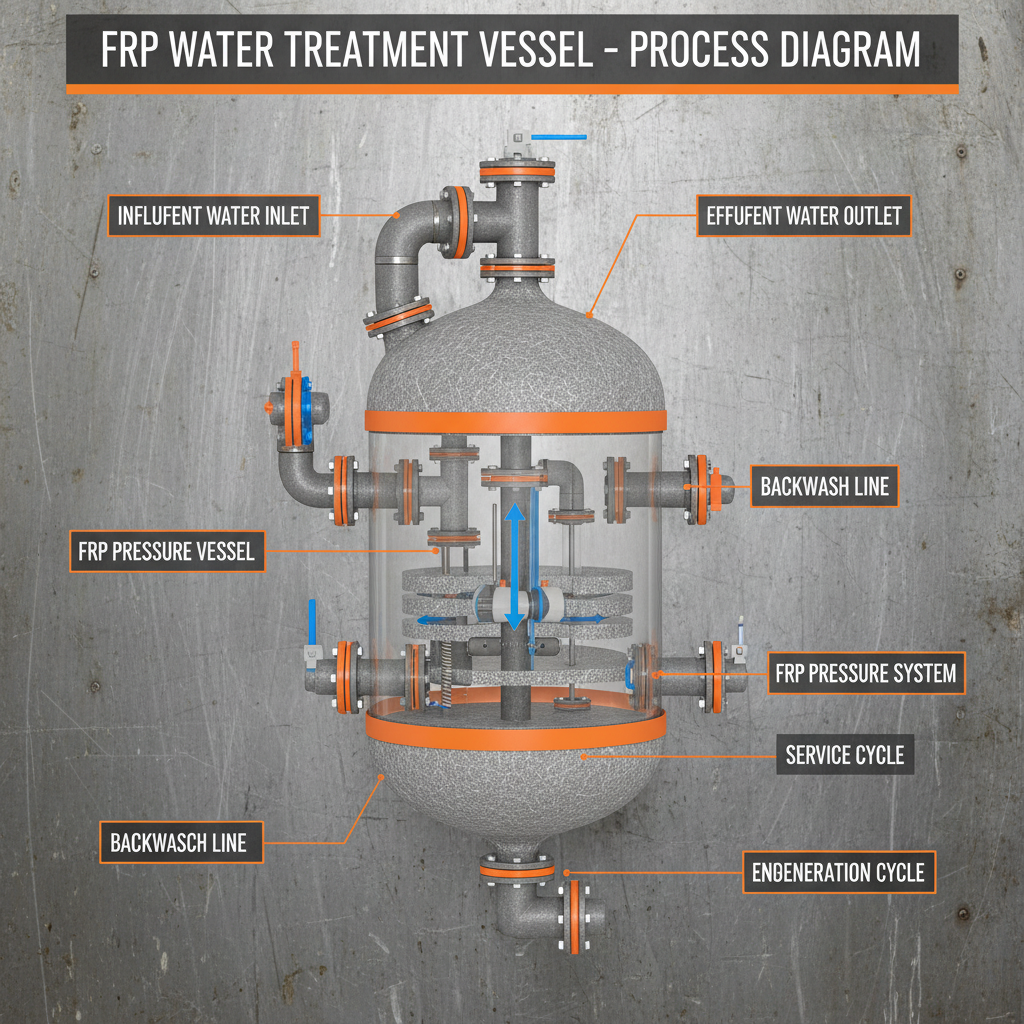
In the modern era of industrial and residential water purification, the choice of containment materials is critical for efficiency and longevity. An frp vessel for water treatment has emerged as the gold standard, replacing traditional steel tanks due to its superior corrosion resistance and lightweight properties. Whether you are dealing with desalination, softening, or filtration, using Fiber Reinforced Plastic (FRP) ensures that your system remains leak-proof and durable against aggressive chemicals. In this comprehensive guide, we will explore why FRP is the preferred choice for water treatment professionals worldwide and how to select the right vessel for your specific application.
Industrial Guide for Choosing the Right FRP Vertical Tank
Apr 09,2026
Industrial Guide for Choosing the Right FRP Vertical Tank
In today's industrial landscape, the storage of corrosive chemicals and aggressive liquids requires materials that can withstand extreme conditions without degrading. The frp vertical tank has emerged as a premier solution, offering an exceptional balance of strength, lightweight properties, and unmatched chemical resistance. Whether you are managing a water treatment plant or a chemical processing facility, understanding the nuances of Fiber Reinforced Plastic (FRP) is essential for ensuring operational safety and longevity. In this comprehensive guide, we will explore why vertical configurations are preferred and how these tanks outperform traditional metal alternatives.
Comprehensive Guide to FRP Underground Water Tank Solutions and Applications
Apr 07,2026
Comprehensive Guide to FRP Underground Water Tank Solutions and Applications
Fiberglass Reinforced Polymer (FRP) underground water tanks are becoming increasingly popular for a wide range of applications, from potable water storage to industrial wastewater containment. Their superior corrosion resistance, lightweight nature, and design flexibility make them an excellent alternative to traditional materials like concrete or steel. This article will delve into the benefits, applications, construction, and considerations for implementing FRP underground water tanks, providing a comprehensive overview for engineers, contractors, and project managers.
Comprehensive Guide to Frp Underground Water Storage Tanks and Their Applications
Apr 04,2026
Comprehensive Guide to Frp Underground Water Storage Tanks and Their Applications
When considering water storage solutions, particularly for industrial, agricultural, or municipal applications, frp underground water storage tanks stand out as a durable, cost-effective, and environmentally friendly option. These tanks are increasingly favored over traditional materials like concrete or steel due to their superior corrosion resistance, lighter weight, and ease of installation. This article delves into the benefits, applications, construction, and considerations when choosing an FRP tank, providing a detailed overview for potential buyers and project planners.
Sulfuric Acid Production Line - Hebei Aoliande|Efficient H2SO4 Plant Technology
Apr 01,2026
Sulfuric Acid Production Line - Hebei Aoliande|Efficient H2SO4 Plant Technology
Discover efficient H2SO4 plant technology and advanced sulfuric acid production solutions. Hebei Aoliande combines energy-saving furnace design and eco-friendly HCl recovery systems for sustainable industrial applications. Explore now: https://www.frpgrpmachine.com/sulfuric-acid-production-line-for-h2so4-plant.html
Sulfuric Acid Production Line - Hebei Aoliande|Efficient H2SO4 Plant Technology
Apr 01,2026
Sulfuric Acid Production Line - Hebei Aoliande|Efficient H2SO4 Plant Technology
Discover efficient H2SO4 plant technology and advanced sulfuric acid production solutions. Hebei Aoliande combines energy-saving furnace design and eco-friendly HCl recovery systems for sustainable industrial applications. Explore now: https://www.frpgrpmachine.com/sulfuric-acid-production-line-for-h2so4-plant.html
Sulfuric Acid Production Line - Hebei Aoliande|Efficient H2SO4 Plant Technology
Apr 01,2026
Sulfuric Acid Production Line - Hebei Aoliande|Efficient H2SO4 Plant Technology
Discover efficient H2SO4 plant technology and advanced sulfuric acid production solutions. Hebei Aoliande combines energy-saving furnace design and eco-friendly HCl recovery systems for sustainable industrial applications. Explore now: https://www.frpgrpmachine.com/sulfuric-acid-production-line-for-h2so4-plant.html
Sulfuric Acid Production Line - Hebei Aoliande|Efficient H2SO4 Plant Technology
Apr 01,2026
Sulfuric Acid Production Line - Hebei Aoliande|Efficient H2SO4 Plant Technology
Discover efficient H2SO4 plant technology and advanced sulfuric acid production solutions. Hebei Aoliande combines energy-saving furnace design and eco-friendly HCl recovery systems for sustainable industrial applications. Explore now: https://www.frpgrpmachine.com/sulfuric-acid-production-line-for-h2so4-plant.html
Sulfuric Acid Production Line - Hebei Aoliande|Efficient H2SO4 Plant Technology
Apr 01,2026
Sulfuric Acid Production Line - Hebei Aoliande|Efficient H2SO4 Plant Technology
Discover efficient H2SO4 plant technology and advanced sulfuric acid production solutions. Hebei Aoliande combines energy-saving furnace design and eco-friendly HCl recovery systems for sustainable industrial applications. Explore now: https://www.frpgrpmachine.com/sulfuric-acid-production-line-for-h2so4-plant.html
Sulfuric Acid Production Line - Hebei Aoliande|Efficient H2SO4 Plant Technology
Apr 01,2026
Sulfuric Acid Production Line - Hebei Aoliande|Efficient H2SO4 Plant Technology
Discover efficient H2SO4 plant technology and advanced sulfuric acid production solutions. Hebei Aoliande combines energy-saving furnace design and eco-friendly HCl recovery systems for sustainable industrial applications. Explore now: https://www.frpgrpmachine.com/sulfuric-acid-production-line-for-h2so4-plant.html
Comprehensive Guide to Frp Underground Storage Tanks for Reliable Storage Solutions
Mar 31,2026
Comprehensive Guide to Frp Underground Storage Tanks for Reliable Storage Solutions
Fiberglass Reinforced Polymer (FRP) underground storage tanks are becoming increasingly popular for a wide range of applications, from fuel storage to wastewater management. Their corrosion resistance, lightweight nature, and durability offer significant advantages over traditional materials like steel. This article will provide an in-depth look at FRP underground storage tanks, covering their benefits, applications, installation, and maintenance. Understanding these aspects is crucial for making informed decisions about long-term storage solutions.
Comprehensive Guide to Selecting the Ideal FRP Tank for Water Storage Solutions
Mar 28,2026
Comprehensive Guide to Selecting the Ideal FRP Tank for Water Storage Solutions
When it comes to reliable and durable water storage, FRP tanks for water are increasingly becoming the preferred solution for a wide range of applications. These tanks, constructed from Fiber Reinforced Polymer (FRP) materials, offer significant advantages over traditional storage options like steel or concrete. This article delves into the benefits, applications, and considerations when selecting an FRP tank for your water storage needs, providing a detailed overview for businesses and individuals alike.
Comprehensive Guide to Frp Tank and Vessel Applications and Manufacturing
Mar 26,2026
Comprehensive Guide to Frp Tank and Vessel Applications and Manufacturing
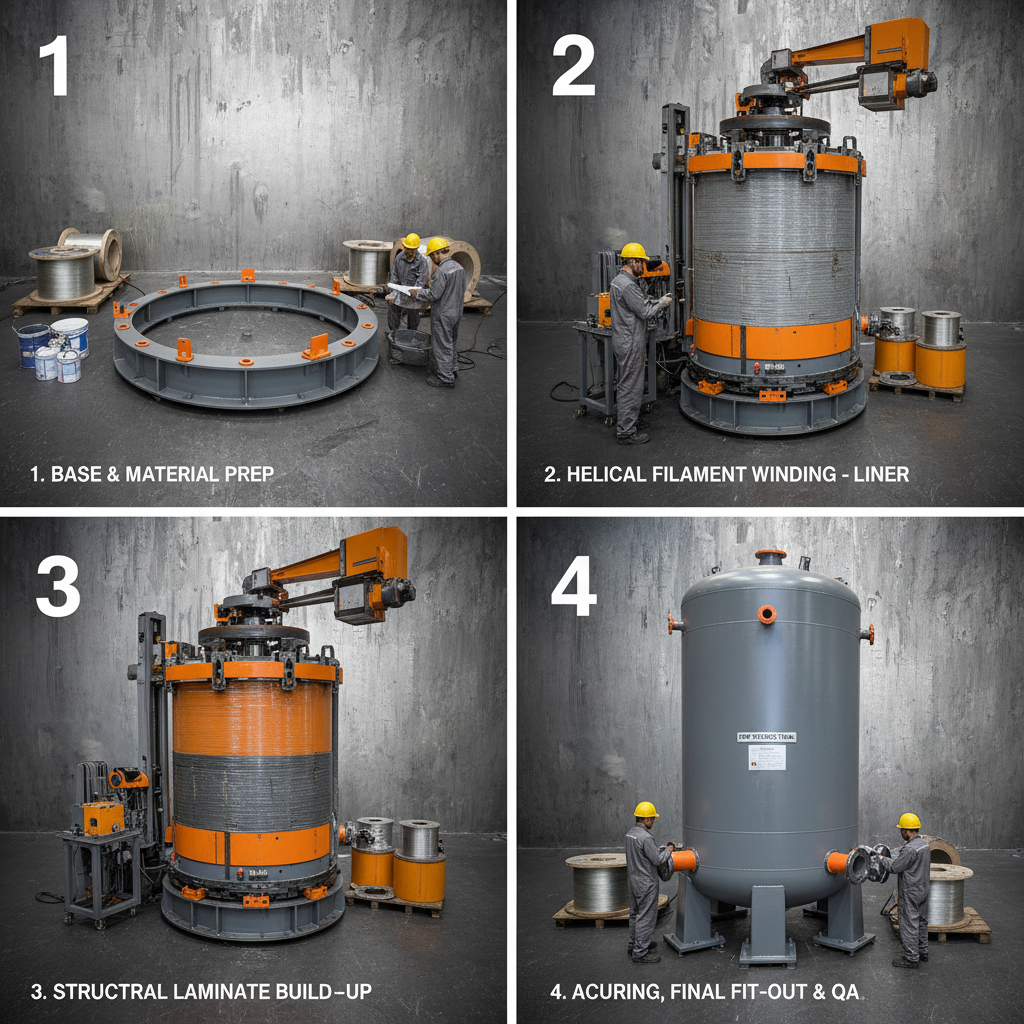
Fiber Reinforced Polymer (FRP) tanks and vessels are increasingly becoming the preferred choice for storage and processing across a multitude of industries. Their lightweight nature, corrosion resistance, and design flexibility offer significant advantages over traditional materials like steel. This article will delve into the intricacies of FRP tanks and vessels, exploring their applications, manufacturing processes, benefits, and considerations for selecting the right solution for your specific needs. We’ll also highlight why FRP tanks are a cost-effective and reliable long-term investment. FRP tanks and vessels are constructed from a combination of reinforcing fibers (such as fiberglass, carbon fiber, or aramid fiber) embedded in a polymer matrix (typically polyester, vinyl ester, or epoxy resin). This combination creates a composite material that boasts high strength-to-weight ratio, exceptional corrosion resistance, and the ability to be molded into complex shapes. They’re designed to safely contain a wide variety of liquids and gases, ranging from corrosive chemicals and water to food products and pharmaceuticals.
Optimizing Water Filtration with Durable FRP Sand Filter Vessels
Mar 24,2026
Optimizing Water Filtration with Durable FRP Sand Filter Vessels
In water treatment and filtration systems, the choice of filter vessel material is paramount. Fiber Reinforced Plastic (FRP), also known as Glass Reinforced Polymer (GRP), sand filter vessels are increasingly popular due to their superior corrosion resistance, lightweight nature, and cost-effectiveness. This article delves into the benefits, applications, design considerations, and factors to consider when selecting an FRP sand filter vessel. Whether you are involved in municipal water treatment, industrial wastewater management, or recreational water filtration, understanding FRP technology is essential for optimizing your filtration process. An FRP sand filter vessel is a containment unit designed to house filtration media, typically sand, gravel, and anthracite. These vessels are integral components in sand filtration systems used for removing suspended solids, turbidity, and other particulate matter from water. FRP construction involves layering glass fibers within a resin matrix (typically polyester or vinyl ester) to create a strong, durable, and chemically resistant shell. The strength and rigidity of the vessel are crucial for withstanding the pressure from the filtration media and the water flow.
Comprehensive Guide to FRP Round Tanks Applications and Benefits
Mar 21,2026
Comprehensive Guide to FRP Round Tanks Applications and Benefits
Fiber Reinforced Polymer (FRP) round tanks are increasingly becoming the preferred choice for storage solutions across a variety of industries. Their lightweight nature, corrosion resistance, and design flexibility offer significant advantages over traditional materials like steel. This article provides an in-depth look at FRP round tanks, exploring their applications, benefits, manufacturing processes, and key considerations when choosing the right tank for your needs. Whether you're in chemical processing, water treatment, or agriculture, understanding FRP round tanks is crucial for optimizing your storage infrastructure. FRP round tanks are constructed from a combination of reinforcing fibers (typically fiberglass, carbon fiber, or a blend) embedded in a polymer matrix (often polyester, vinyl ester, or epoxy resin). The round shape inherently provides excellent structural strength, distributing pressure evenly across the tank’s surface.
Comprehensive Guide to FRP Pressure Tanks Benefits and Applications
Mar 19,2026
Comprehensive Guide to FRP Pressure Tanks Benefits and Applications
Fiber Reinforced Polymer (FRP) pressure tanks are becoming increasingly popular in a wide range of industrial applications, offering a compelling alternative to traditional steel tanks. Known for their lightweight nature, corrosion resistance, and high strength-to-weight ratio, FRP tanks provide efficient and durable solutions for storing liquids and gases under pressure. This article will delve into the benefits, applications, construction, and key considerations when selecting an FRP pressure tank, helping you make an informed decision for your specific needs. Understanding the advantages of FRP technology can lead to significant cost savings and improved operational efficiency. Compared to steel, FRP pressure tanks offer several key advantages. The most significant is their superior corrosion resistance. Unlike steel, which is susceptible to rust and corrosion when exposed to various chemicals, FRP materials are inherently resistant to a wide range of corrosive substances. This translates to a longer lifespan, reduced maintenance costs, and increased safety. Furthermore, FRP is significantly lighter than steel, making installation easier and reducing transportation costs.
For More Details Pls Contact Us
Thank you for your interest in our gloves! We offer high-quality, durable, and comfortable gloves with fast delivery and competitive prices. For any questions or customization, feel free to contact us. We look forward to working with you!

If you are interested in our products, you can choose to leave your information here, and we will be in touch with you shortly.