Nov 26,2025

Chemical Processing Tanks: Essential Solutions for Modern Industry and Sustainability

Understanding Chemical Processing Tanks: Why They Matter Globally

Chemical processing tanks might sound like industrial jargon, but they're quietly powering much of the world’s manufacturing, environmental management, and even emergency responses. These tanks are designed to safely hold, mix, or treat chemicals during production — a mission-critical step in everything from pharmaceuticals to water treatment to agrochemicals.

Given the surge in global industrialization and the rising demand for sustainable chemical processes, understanding chemical processing tanks isn’t just for engineers or factory managers. It matters because the right tank design and implementation reduce waste, prevent environmental disasters, and save costs over decades of use.

Mini takeaway: Grasping what chemical processing tanks do, and their impact, helps industries and governments uphold safety and sustainability worldwide.

The Global Context: Why Chemical Processing Tanks Are Essential

According to the International Organization for Standardization (ISO), the global chemical industry is valued at over $5 trillion, hosting a variety of processes that rely heavily on these tanks. The United Nations Environment Programme highlights how incorrect storage and handling of chemicals can lead to pollution and cause health hazards, which makes proper tank selection crucial.

But the challenge remains: How do we balance the need for large-scale chemical handling with safety and environmental care? Especially in developing regions where standards might differ, or in harsh climates where corrosion is a big enemy? Chemical processing tanks provide a well-engineered solution to this balancing act.

Mini takeaway: Chemical processing tanks aren’t just metal boxes; they’re vital tools addressing industry safety, environmental concerns, and operational efficiency on a global scale.

What Are Chemical Processing Tanks?

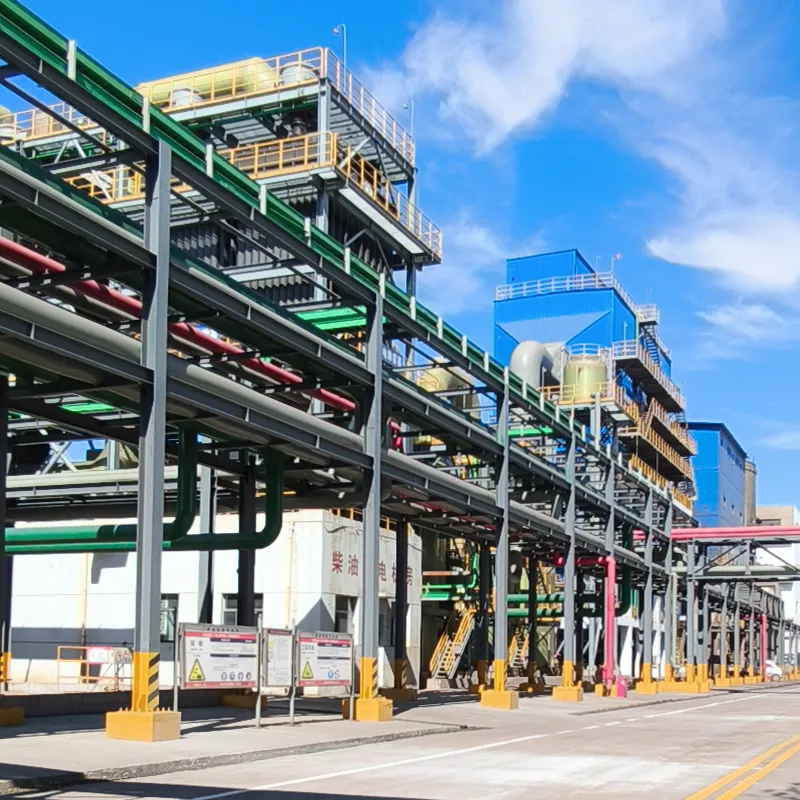
In nutshell form, chemical processing tanks are engineered containers designed to safely store, mix, and sometimes react chemicals during industrial processes. Think of them as the backbone of chemical manufacturing lines, water treatment plants, and even mining operations. They’re more than just “tanks” — they’re customized vessels built to withstand specific chemical compositions, pressures, and temperatures.

Modern tanks also connect to broader systems, including automated monitoring and waste disposal, making them an essential link in the chain of industrial safety and efficiency. On a humanitarian level, in disaster zones, these tanks help safely purify water supplies or help NGOs manage hazardous materials with dignity and care.

Core Components and Considerations for Chemical Processing Tanks

Durability & Material Selection

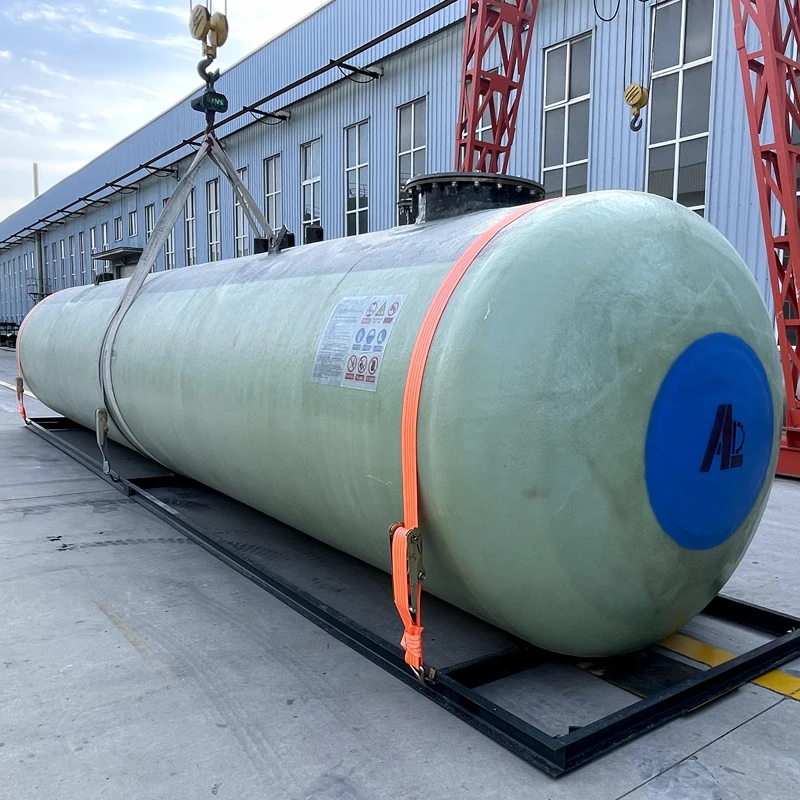
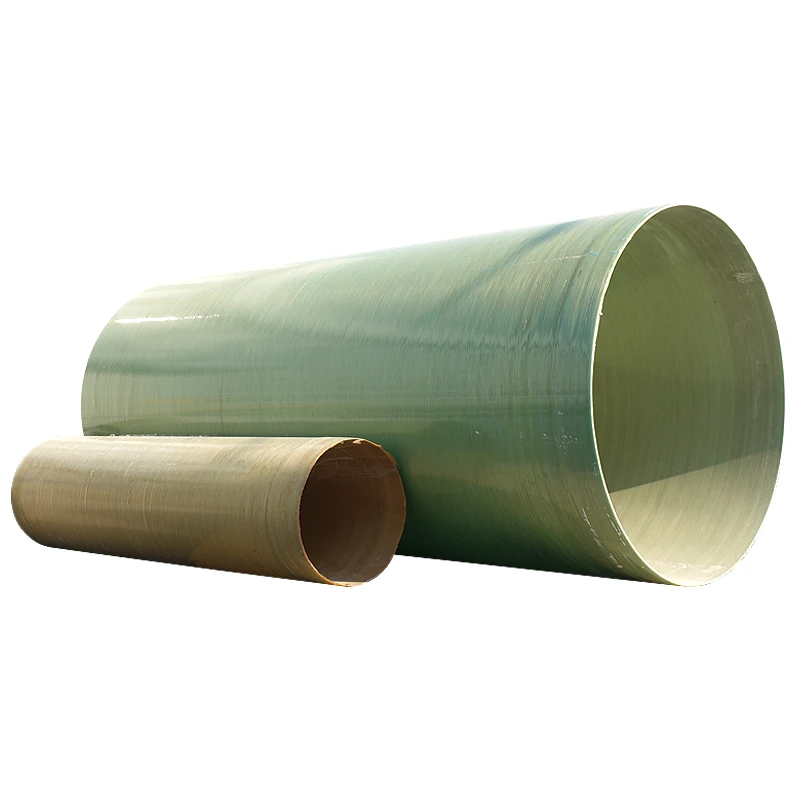
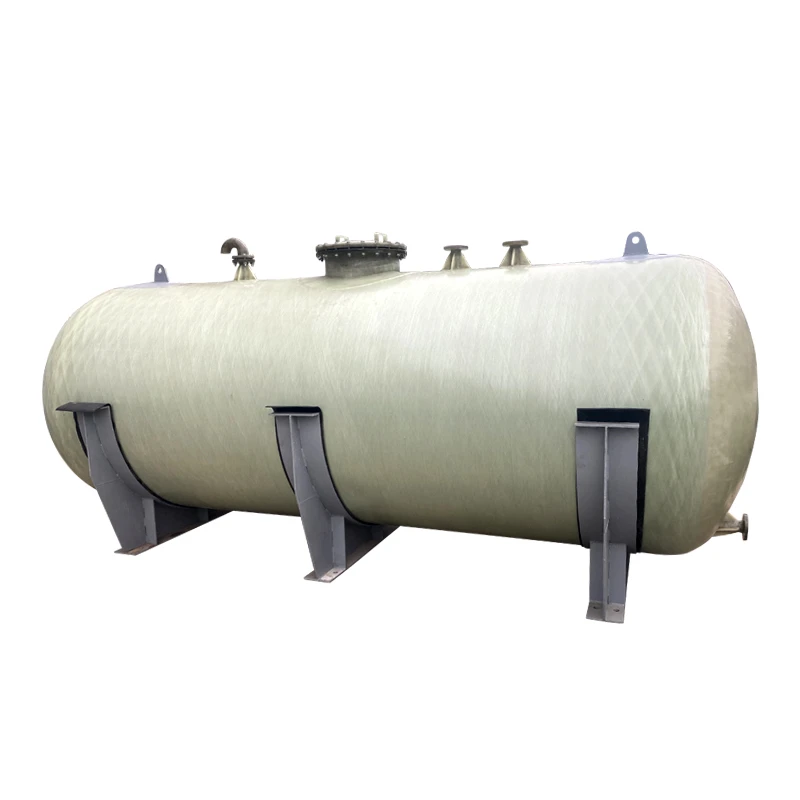
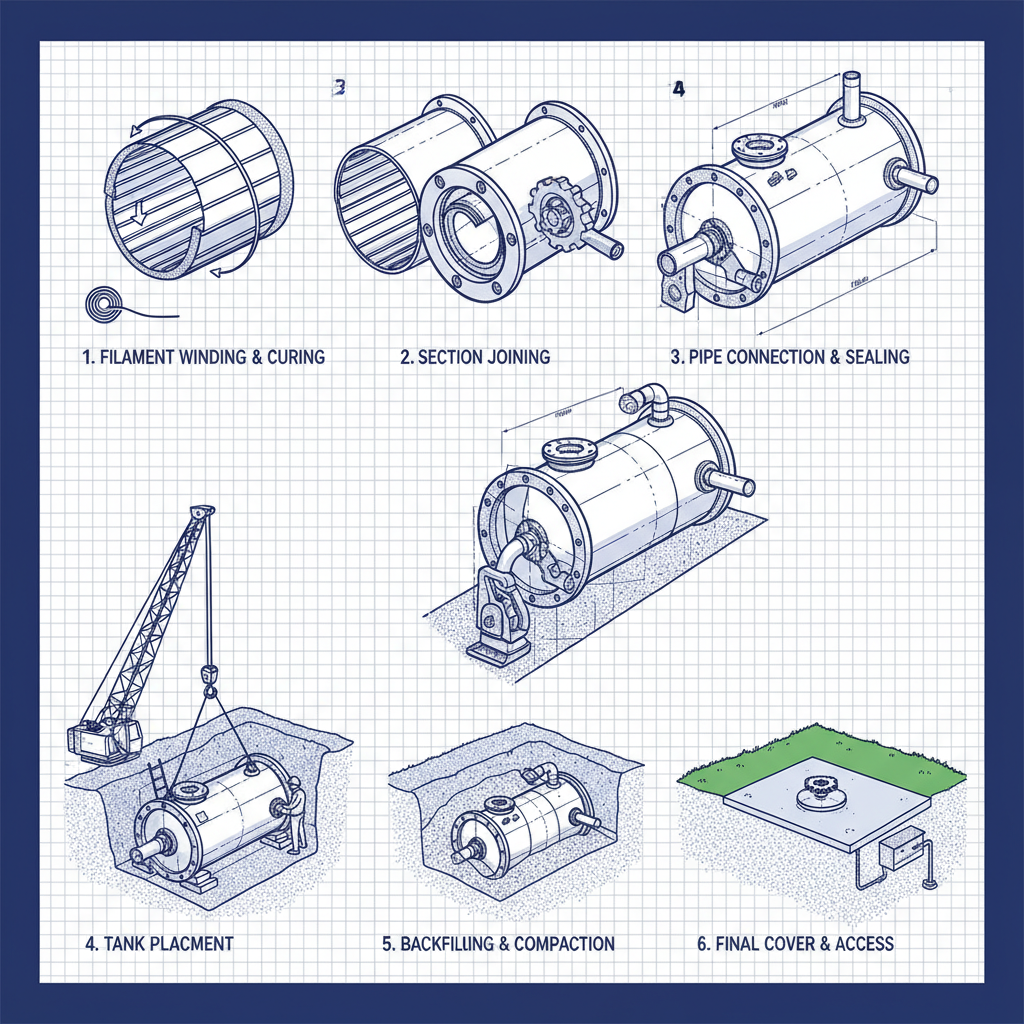
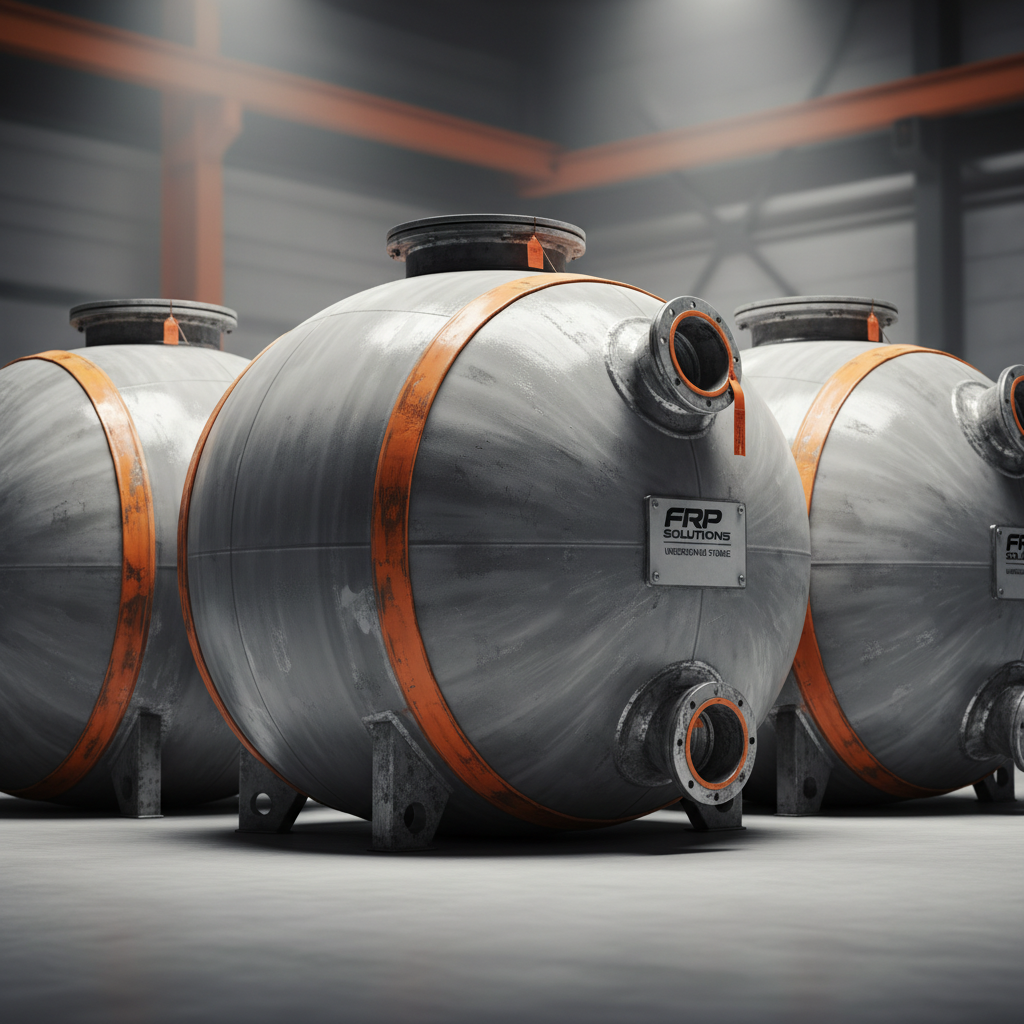
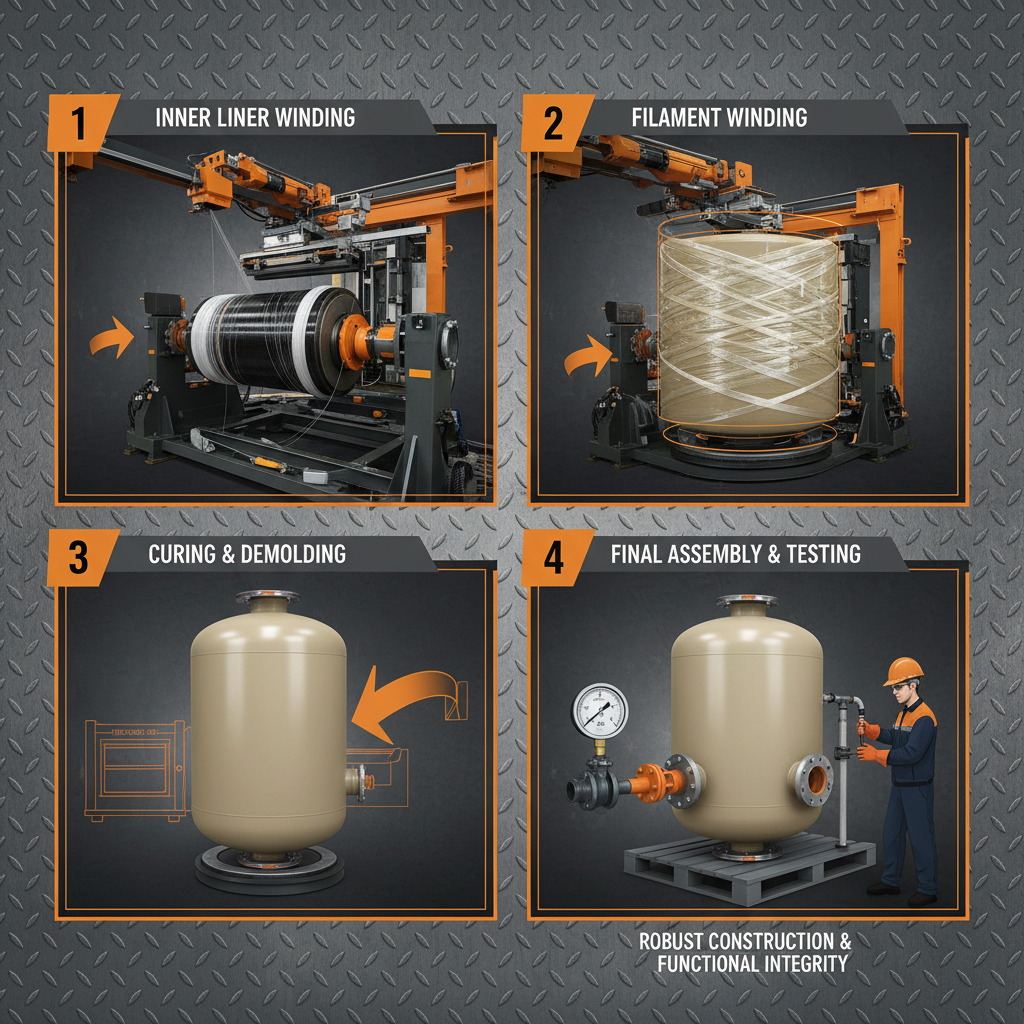
The choice of material—be it stainless steel, fiberglass reinforced plastic (FRP), or high-density polyethylene—dictates how tanks resist corrosion, pressure, and chemical reactions. For example, FRP tanks are lightweight and corrosion-resistant, perfect for outdoor use in coastal areas where saltwater exposure is a killer.

Scalability & Size Variability

Whether a small pharmaceutical lab needs a few hundred liters or a large petrochemical plant requires thousands of cubic meters, tanks come in all shapes and sizes. The ability to scale up or down affects capital cost and space, and that sometimes makes or breaks a project’s feasibility.

Cost Efficiency Over Time

Buying a cheap tank can be a false economy if replacement and maintenance costs pile up. Many engineers say investing upfront in longer-lasting tanks reduces downtime and saves money in the long haul. Plus, some tanks come with modular designs for easier repairs.

Regulatory Compliance

Industry-specific regulations like OSHA, EPA, and European REACH affect tank design and installation. This ensures operators avoid hefty fines and minimize environmental impact. Proper certifications often come standard with quality tanks from reputed vendors.

Automation & Monitoring

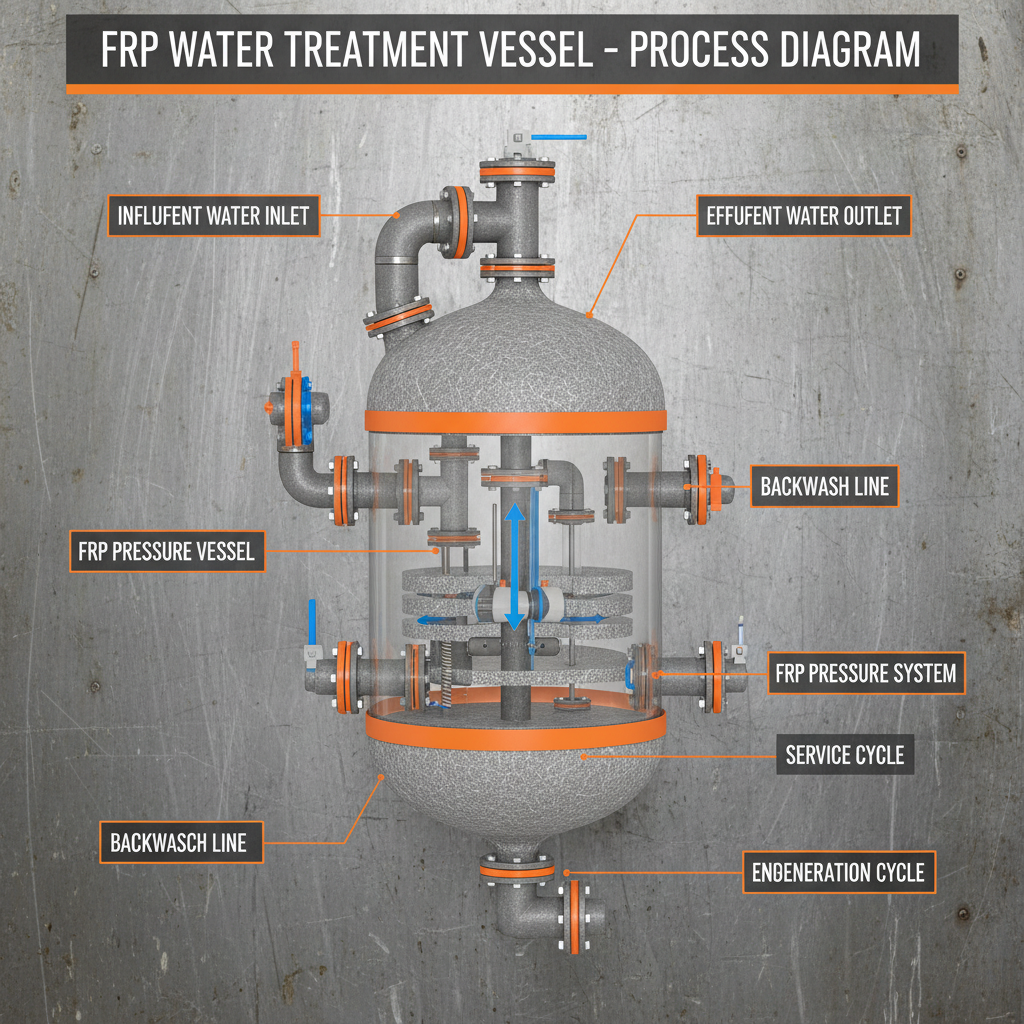
Modern tanks increasingly integrate sensors for temperature, pressure, and leak detection. Fully automated systems allow remote monitoring, drastically reducing human error and exposure to hazardous environments.

Maintenance & Longevity

Even the best tank will need regular checks — cleaning, inspecting seals, and corrosion assessments. Well-designed tanks ease these tasks by providing access ports and corrosion-resistant linings.

Mini takeaway: Chemical processing tanks are sophisticated systems, balancing materials, scale, costs, compliance, and technology to optimize industrial operations.

Real-World Use Cases and Global Applications

The real magic happens when these tanks step out of theory and into action:

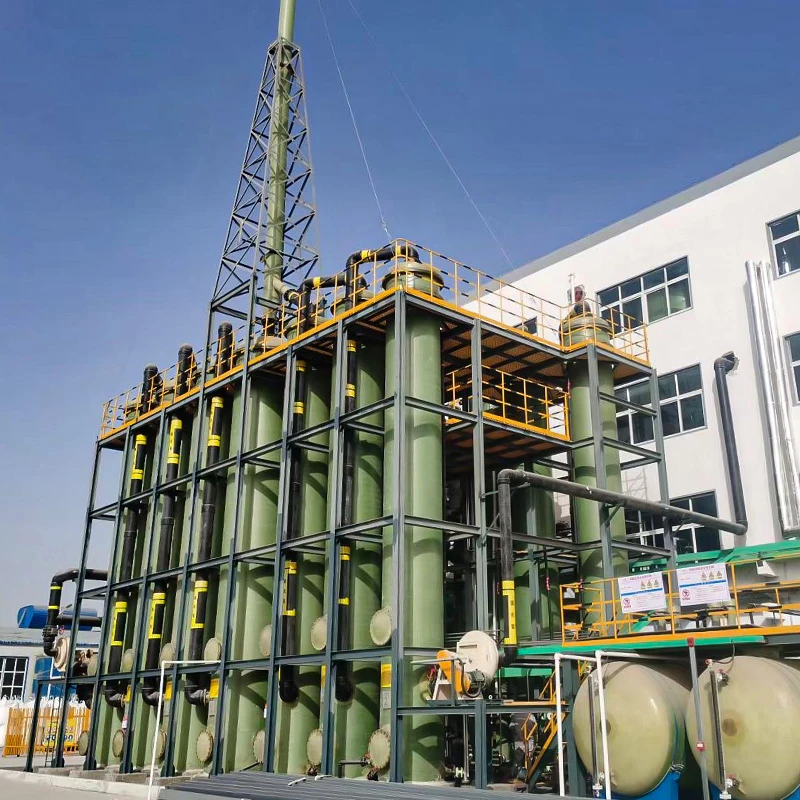
  • Water treatment plants: Countries like India and Brazil rely on chemical processing tanks to treat millions of liters of potable water daily, combating pollution and disease.
  • Pharmaceutical manufacturing: In U.S. and EU factories, precision mixing tanks ensure drug safety and quality.
  • Agrochemical production: South East Asian farmers benefit indirectly when fertilizers manufactured with reliable chemical tanks boost crop yields.
  • Disaster relief operations: NGOs use portable chemical tanks to treat contaminated water, preventing outbreaks after floods or typhoons.
  • Mining and petrochemical industries: In Canada and Australia, chemical tanks manage harsh reagents safely in remote zones.

Mini takeaway: Across continents and industries, chemical processing tanks play an unsung but vital role — from ensuring safe water access to powering high-tech manufacturing.

Advantages and Long-Term Benefits of Chemical Processing Tanks

Choosing the right chemical processing tank boils down to benefits that matter economically and emotionally:

  • Cost savings: Lower maintenance, less downtime, and longer service life save companies money.
  • Sustainability: Proper storage reduces leaks and waste, helping meet strict environmental goals.
  • Safety: Protecting workers and nearby communities from hazardous exposure fosters trust and dignity.
  • Innovation: Integration with smart sensors enhances productivity and problem detection.
  • Reliability: Peace of mind that comes from well-engineered containment solutions.

In reality, a sturdy tank often symbolizes a company’s commitment to quality and social responsibility, making it an investment in reputation as well.

Future Trends Shaping Chemical Processing Tanks

The next decade promises interesting leaps. Here are a few trends that many in the field watch closely:

  • Green materials: Developments in bio-based composites reduce environmental footprints.
  • IoT and automation: Even more advanced, real-time monitoring will alert operators before faults occur.
  • Modular and mobile tanks: Designed for rapid deployment in emergencies or fluctuating production needs.
  • Energy-efficient manufacturing: Tank production itself is becoming less resource-intensive.
  • Regulatory tightening: New laws will push higher design standards globally.

It feels like chemical processing tanks will evolve from passive vessels to active partners in industrial ecosystems — smart, responsive, and greener.

Common Challenges and How the Industry Is Addressing Them

Even the best tanks face hurdles:

  • Corrosion and wear: Advanced coatings help, but harsh chemicals still dictate tank lifespan.
  • Cost barriers: Small firms struggle to afford cutting-edge designs — leasing and modular solutions help lower entry costs.
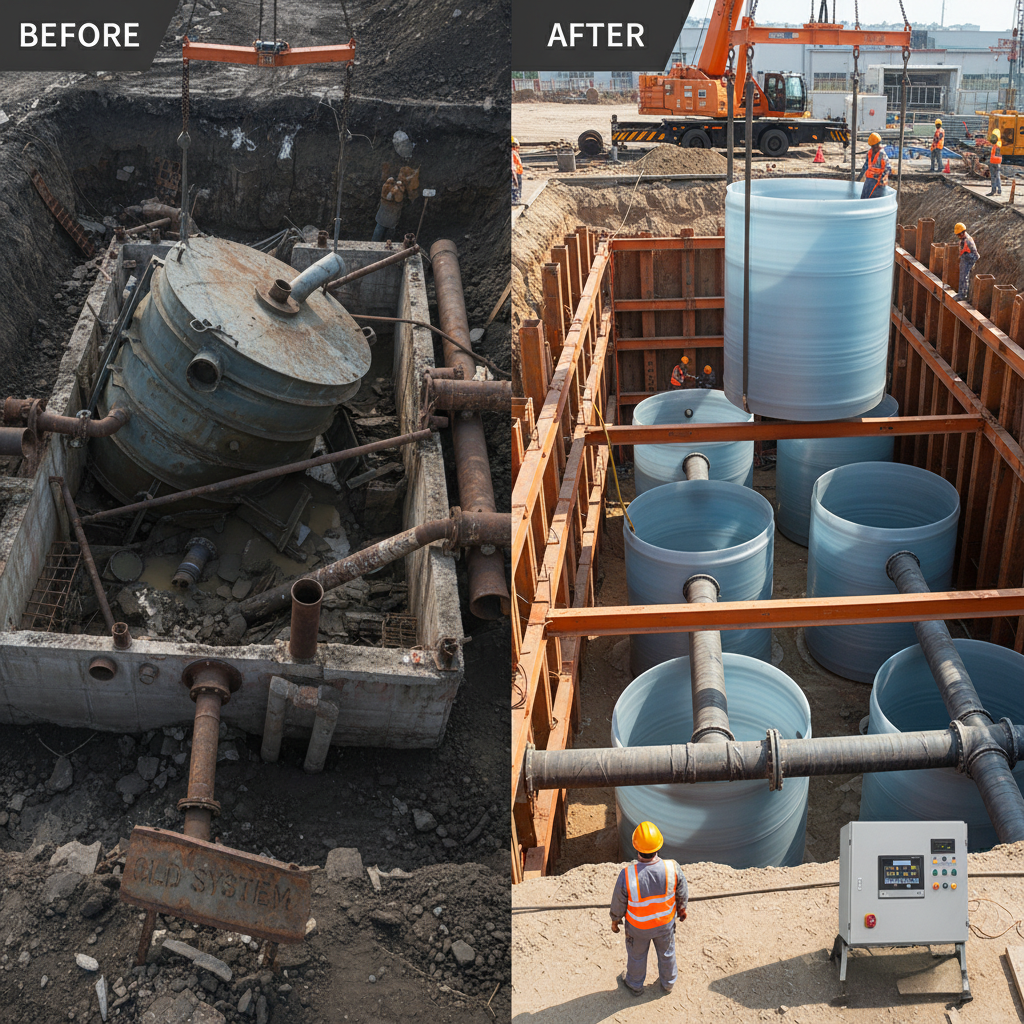
  • Installation complexity: Remote or difficult sites complicate setup; pre-fabricated, light materials ease transport.
  • Environmental compliance: Constantly shifting standards require flexible, upgradable systems.

Experts often highlight the importance of comprehensive lifecycle management—from specs to disposal—to tackle these challenges head-on.

Frequently Asked Questions About Chemical Processing Tanks

Q1: What materials are best for chemical processing tanks?

A: The ideal material depends on the chemicals stored. Stainless steel offers strength and corrosion resistance; fiberglass reinforced plastic (FRP) is lightweight and excellent for corrosive acids. Choosing the right material prevents leaks and extends tank life.

Q2: How can chemical processing tanks help in disaster relief?

A: Portable tanks enable safe storage and treatment of chemicals or potable water in emergency zones, reducing health risks and supporting humanitarian efforts through rapid deployment.

Q3: Are chemical processing tanks customizable?

A: Yes. Most manufacturers offer custom sizes, linings, and automation options, tailored to specific industry needs and regulatory requirements.

Q4: What maintenance do chemical processing tanks require?

A: Regular inspections for corrosion, cleaning of residues, and checking seals are essential to ensure safety and longevity. Many tanks have accessible ports to simplify servicing.

Q5: How do regulations affect tank choice?

A: Compliance with standards like OSHA and EPA ensures operational safety and legal adherence. Selecting certified tanks helps avoid fines and environmental damage.

Product Specification: Typical Chemical Processing Tank Models

Model Material Capacity (liters) Max Temp (°C) Pressure Rating (bar) Typical Use
ChemTank 500 FRP 500 80 1.5 Small-scale chemical mixing
SteelPro 2000 Stainless Steel 316 2000 150 3.0 Pharma production & storage
AgroMix 3000 HDPE 3000 60 1.0 Fertilizer production

Vendor Comparison: Leading Chemical Processing Tank Suppliers

Vendor Material Options Customization Tech Integration Lead Time Pricing
FRPGRP Machine Co. FRP, HDPE High — Custom sizes & linings IoT-ready sensors 4-6 weeks Competitive
Steel Solutions Inc. SS 304, 316 Medium — Mostly standard tanks Basic automation options 6-8 weeks Above average
Global Chem Tanks PP, FRP, Steel High — Modular & mobile Full automation suites 5-7 weeks Premium

To wrap it all up: chemical processing tanks aren't just silent containers — they are pivotal elements shaping a safer, cleaner, and more efficient industrial future. Whether you're selecting a tank for a pharmaceutical lab, water treatment, or emergency response, the right choice makes a world of difference.

Curious to explore top-notch solutions? Visit our website: chemical processing tanks for expert designs that meet your needs.
References

  1. ISO standards for chemical storage tanks
  2. United Nations Environment Programme on Chemical Safety
  3. Occupational Safety and Health Administration (OSHA)
Upsell Products
Upsell News
Durable FRP Vessel for Water Treatment and Industrial Filtration
Apr 16,2026
Durable FRP Vessel for Water Treatment and Industrial Filtration
In the modern era of industrial and residential water purification, the choice of containment materials is critical for efficiency and longevity. An frp vessel for water treatment has emerged as the gold standard, replacing traditional steel tanks due to its superior corrosion resistance and lightweight properties. Whether you are dealing with desalination, softening, or filtration, using Fiber Reinforced Plastic (FRP) ensures that your system remains leak-proof and durable against aggressive chemicals. In this comprehensive guide, we will explore why FRP is the preferred choice for water treatment professionals worldwide and how to select the right vessel for your specific application.
Industrial Guide for Choosing the Right FRP Vertical Tank
Apr 09,2026
Industrial Guide for Choosing the Right FRP Vertical Tank
In today's industrial landscape, the storage of corrosive chemicals and aggressive liquids requires materials that can withstand extreme conditions without degrading. The frp vertical tank has emerged as a premier solution, offering an exceptional balance of strength, lightweight properties, and unmatched chemical resistance. Whether you are managing a water treatment plant or a chemical processing facility, understanding the nuances of Fiber Reinforced Plastic (FRP) is essential for ensuring operational safety and longevity. In this comprehensive guide, we will explore why vertical configurations are preferred and how these tanks outperform traditional metal alternatives.
Comprehensive Guide to FRP Underground Water Tank Solutions and Applications
Apr 07,2026
Comprehensive Guide to FRP Underground Water Tank Solutions and Applications
Fiberglass Reinforced Polymer (FRP) underground water tanks are becoming increasingly popular for a wide range of applications, from potable water storage to industrial wastewater containment. Their superior corrosion resistance, lightweight nature, and design flexibility make them an excellent alternative to traditional materials like concrete or steel. This article will delve into the benefits, applications, construction, and considerations for implementing FRP underground water tanks, providing a comprehensive overview for engineers, contractors, and project managers.
Comprehensive Guide to Frp Underground Water Storage Tanks and Their Applications
Apr 04,2026
Comprehensive Guide to Frp Underground Water Storage Tanks and Their Applications
When considering water storage solutions, particularly for industrial, agricultural, or municipal applications, frp underground water storage tanks stand out as a durable, cost-effective, and environmentally friendly option. These tanks are increasingly favored over traditional materials like concrete or steel due to their superior corrosion resistance, lighter weight, and ease of installation. This article delves into the benefits, applications, construction, and considerations when choosing an FRP tank, providing a detailed overview for potential buyers and project planners.
Sulfuric Acid Production Line - Hebei Aoliande|Efficient H2SO4 Plant Technology
Apr 01,2026
Sulfuric Acid Production Line - Hebei Aoliande|Efficient H2SO4 Plant Technology
Discover efficient H2SO4 plant technology and advanced sulfuric acid production solutions. Hebei Aoliande combines energy-saving furnace design and eco-friendly HCl recovery systems for sustainable industrial applications. Explore now: https://www.frpgrpmachine.com/sulfuric-acid-production-line-for-h2so4-plant.html
Sulfuric Acid Production Line - Hebei Aoliande|Efficient H2SO4 Plant Technology
Apr 01,2026
Sulfuric Acid Production Line - Hebei Aoliande|Efficient H2SO4 Plant Technology
Discover efficient H2SO4 plant technology and advanced sulfuric acid production solutions. Hebei Aoliande combines energy-saving furnace design and eco-friendly HCl recovery systems for sustainable industrial applications. Explore now: https://www.frpgrpmachine.com/sulfuric-acid-production-line-for-h2so4-plant.html
Sulfuric Acid Production Line - Hebei Aoliande|Efficient H2SO4 Plant Technology
Apr 01,2026
Sulfuric Acid Production Line - Hebei Aoliande|Efficient H2SO4 Plant Technology
Discover efficient H2SO4 plant technology and advanced sulfuric acid production solutions. Hebei Aoliande combines energy-saving furnace design and eco-friendly HCl recovery systems for sustainable industrial applications. Explore now: https://www.frpgrpmachine.com/sulfuric-acid-production-line-for-h2so4-plant.html
Sulfuric Acid Production Line - Hebei Aoliande|Efficient H2SO4 Plant Technology
Apr 01,2026
Sulfuric Acid Production Line - Hebei Aoliande|Efficient H2SO4 Plant Technology
Discover efficient H2SO4 plant technology and advanced sulfuric acid production solutions. Hebei Aoliande combines energy-saving furnace design and eco-friendly HCl recovery systems for sustainable industrial applications. Explore now: https://www.frpgrpmachine.com/sulfuric-acid-production-line-for-h2so4-plant.html
Sulfuric Acid Production Line - Hebei Aoliande|Efficient H2SO4 Plant Technology
Apr 01,2026
Sulfuric Acid Production Line - Hebei Aoliande|Efficient H2SO4 Plant Technology
Discover efficient H2SO4 plant technology and advanced sulfuric acid production solutions. Hebei Aoliande combines energy-saving furnace design and eco-friendly HCl recovery systems for sustainable industrial applications. Explore now: https://www.frpgrpmachine.com/sulfuric-acid-production-line-for-h2so4-plant.html
Sulfuric Acid Production Line - Hebei Aoliande|Efficient H2SO4 Plant Technology
Apr 01,2026
Sulfuric Acid Production Line - Hebei Aoliande|Efficient H2SO4 Plant Technology
Discover efficient H2SO4 plant technology and advanced sulfuric acid production solutions. Hebei Aoliande combines energy-saving furnace design and eco-friendly HCl recovery systems for sustainable industrial applications. Explore now: https://www.frpgrpmachine.com/sulfuric-acid-production-line-for-h2so4-plant.html
Comprehensive Guide to Frp Underground Storage Tanks for Reliable Storage Solutions
Mar 31,2026
Comprehensive Guide to Frp Underground Storage Tanks for Reliable Storage Solutions
Fiberglass Reinforced Polymer (FRP) underground storage tanks are becoming increasingly popular for a wide range of applications, from fuel storage to wastewater management. Their corrosion resistance, lightweight nature, and durability offer significant advantages over traditional materials like steel. This article will provide an in-depth look at FRP underground storage tanks, covering their benefits, applications, installation, and maintenance. Understanding these aspects is crucial for making informed decisions about long-term storage solutions.
Comprehensive Guide to Selecting the Ideal FRP Tank for Water Storage Solutions
Mar 28,2026
Comprehensive Guide to Selecting the Ideal FRP Tank for Water Storage Solutions
When it comes to reliable and durable water storage, FRP tanks for water are increasingly becoming the preferred solution for a wide range of applications. These tanks, constructed from Fiber Reinforced Polymer (FRP) materials, offer significant advantages over traditional storage options like steel or concrete. This article delves into the benefits, applications, and considerations when selecting an FRP tank for your water storage needs, providing a detailed overview for businesses and individuals alike.
Comprehensive Guide to Frp Tank and Vessel Applications and Manufacturing
Mar 26,2026
Comprehensive Guide to Frp Tank and Vessel Applications and Manufacturing
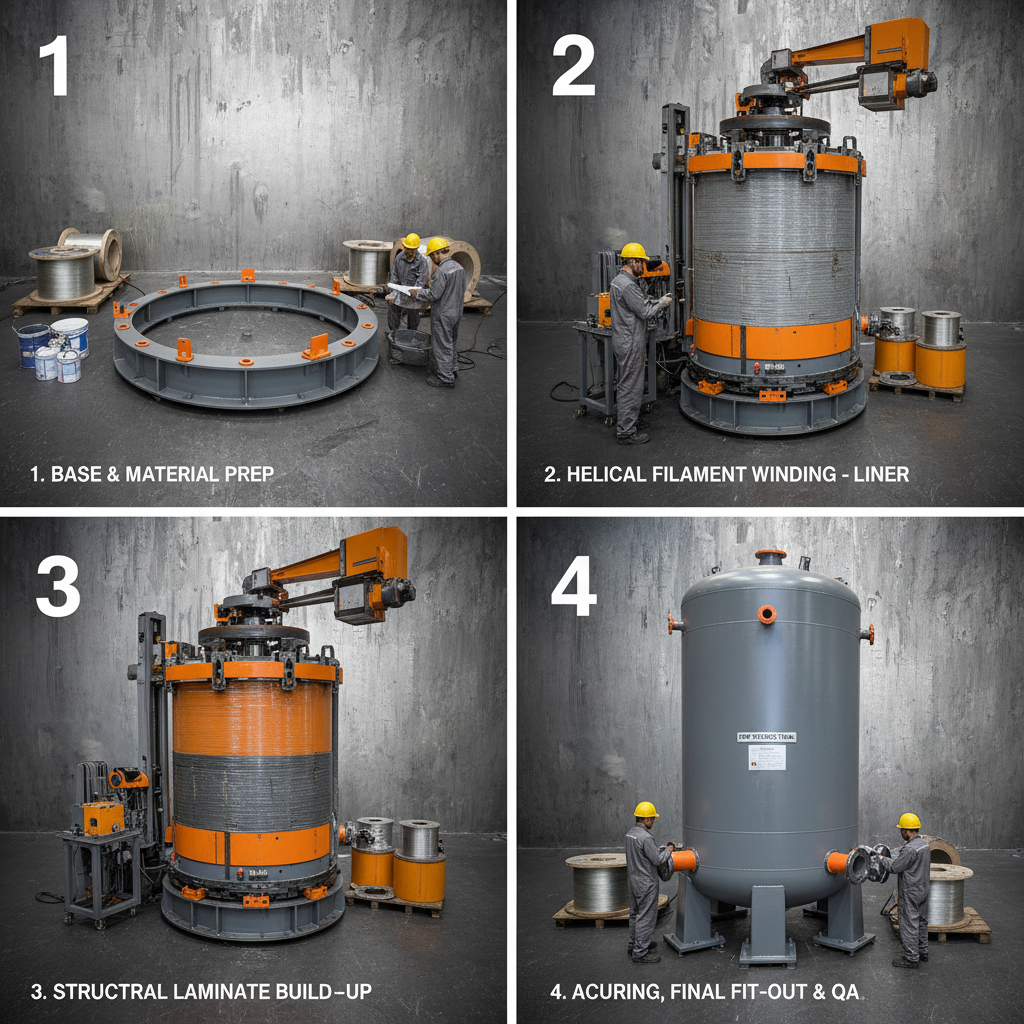
Fiber Reinforced Polymer (FRP) tanks and vessels are increasingly becoming the preferred choice for storage and processing across a multitude of industries. Their lightweight nature, corrosion resistance, and design flexibility offer significant advantages over traditional materials like steel. This article will delve into the intricacies of FRP tanks and vessels, exploring their applications, manufacturing processes, benefits, and considerations for selecting the right solution for your specific needs. We’ll also highlight why FRP tanks are a cost-effective and reliable long-term investment. FRP tanks and vessels are constructed from a combination of reinforcing fibers (such as fiberglass, carbon fiber, or aramid fiber) embedded in a polymer matrix (typically polyester, vinyl ester, or epoxy resin). This combination creates a composite material that boasts high strength-to-weight ratio, exceptional corrosion resistance, and the ability to be molded into complex shapes. They’re designed to safely contain a wide variety of liquids and gases, ranging from corrosive chemicals and water to food products and pharmaceuticals.
Optimizing Water Filtration with Durable FRP Sand Filter Vessels
Mar 24,2026
Optimizing Water Filtration with Durable FRP Sand Filter Vessels
In water treatment and filtration systems, the choice of filter vessel material is paramount. Fiber Reinforced Plastic (FRP), also known as Glass Reinforced Polymer (GRP), sand filter vessels are increasingly popular due to their superior corrosion resistance, lightweight nature, and cost-effectiveness. This article delves into the benefits, applications, design considerations, and factors to consider when selecting an FRP sand filter vessel. Whether you are involved in municipal water treatment, industrial wastewater management, or recreational water filtration, understanding FRP technology is essential for optimizing your filtration process. An FRP sand filter vessel is a containment unit designed to house filtration media, typically sand, gravel, and anthracite. These vessels are integral components in sand filtration systems used for removing suspended solids, turbidity, and other particulate matter from water. FRP construction involves layering glass fibers within a resin matrix (typically polyester or vinyl ester) to create a strong, durable, and chemically resistant shell. The strength and rigidity of the vessel are crucial for withstanding the pressure from the filtration media and the water flow.
Comprehensive Guide to FRP Round Tanks Applications and Benefits
Mar 21,2026
Comprehensive Guide to FRP Round Tanks Applications and Benefits
Fiber Reinforced Polymer (FRP) round tanks are increasingly becoming the preferred choice for storage solutions across a variety of industries. Their lightweight nature, corrosion resistance, and design flexibility offer significant advantages over traditional materials like steel. This article provides an in-depth look at FRP round tanks, exploring their applications, benefits, manufacturing processes, and key considerations when choosing the right tank for your needs. Whether you're in chemical processing, water treatment, or agriculture, understanding FRP round tanks is crucial for optimizing your storage infrastructure. FRP round tanks are constructed from a combination of reinforcing fibers (typically fiberglass, carbon fiber, or a blend) embedded in a polymer matrix (often polyester, vinyl ester, or epoxy resin). The round shape inherently provides excellent structural strength, distributing pressure evenly across the tank’s surface.
Comprehensive Guide to FRP Pressure Tanks Benefits and Applications
Mar 19,2026
Comprehensive Guide to FRP Pressure Tanks Benefits and Applications
Fiber Reinforced Polymer (FRP) pressure tanks are becoming increasingly popular in a wide range of industrial applications, offering a compelling alternative to traditional steel tanks. Known for their lightweight nature, corrosion resistance, and high strength-to-weight ratio, FRP tanks provide efficient and durable solutions for storing liquids and gases under pressure. This article will delve into the benefits, applications, construction, and key considerations when selecting an FRP pressure tank, helping you make an informed decision for your specific needs. Understanding the advantages of FRP technology can lead to significant cost savings and improved operational efficiency. Compared to steel, FRP pressure tanks offer several key advantages. The most significant is their superior corrosion resistance. Unlike steel, which is susceptible to rust and corrosion when exposed to various chemicals, FRP materials are inherently resistant to a wide range of corrosive substances. This translates to a longer lifespan, reduced maintenance costs, and increased safety. Furthermore, FRP is significantly lighter than steel, making installation easier and reducing transportation costs.
For More Details Pls Contact Us
Thank you for your interest in our gloves! We offer high-quality, durable, and comfortable gloves with fast delivery and competitive prices. For any questions or customization, feel free to contact us. We look forward to working with you!

If you are interested in our products, you can choose to leave your information here, and we will be in touch with you shortly.