Nov 26,2025

Durable Fiberglass Potable Water Storage Tanks for Safe, Sustainable Water Solutions

Fiberglass Potable Water Storage Tanks: Why They Matter More Than Ever

When it comes to storing potable (drinkable) water, especially on a scale large enough to serve communities or industrial sites, the choice of tank material can make all the difference. Fiberglass potable water storage tanks have steadily gained prominence worldwide, largely due to their durability, corrosion resistance, and ease of installation. But beyond technical specs, they represent a crucial link in securing safe, sustainable water supplies across a wide range of settings — from sprawling cities to remote relief camps. Understanding these tanks and their applications is not just an engineer's detail; it's a piece of the global puzzle about water security, infrastructure resilience, and human dignity.

Global Context: Water Storage Challenges Demand Smart Solutions

According to the UN, over two billion people globally lack access to safely managed drinking water services. With urban populations swelling and climate-related stresses triggering more frequent droughts or floods, the capacity to store clean water safely is facing serious tests. Traditional storage options like concrete or metal tanks often suffer from corrosion, contamination risks, or high maintenance costs — issues that can especially compound in developing regions or disaster-affected areas. Those realities partly explain why fiberglass potable water storage tanks are now standing out as cost-effective and reliable water solutions across continents.

Moreover, ISO standards governing potable water safety encourage the use of tank materials that do not leach harmful substances — a niche where fiberglass excels due to its inert chemistry. Roughly speaking, these tanks help bridge the gap between water treatment and user delivery more safely than many traditional options.

What Exactly Are Fiberglass Potable Water Storage Tanks?

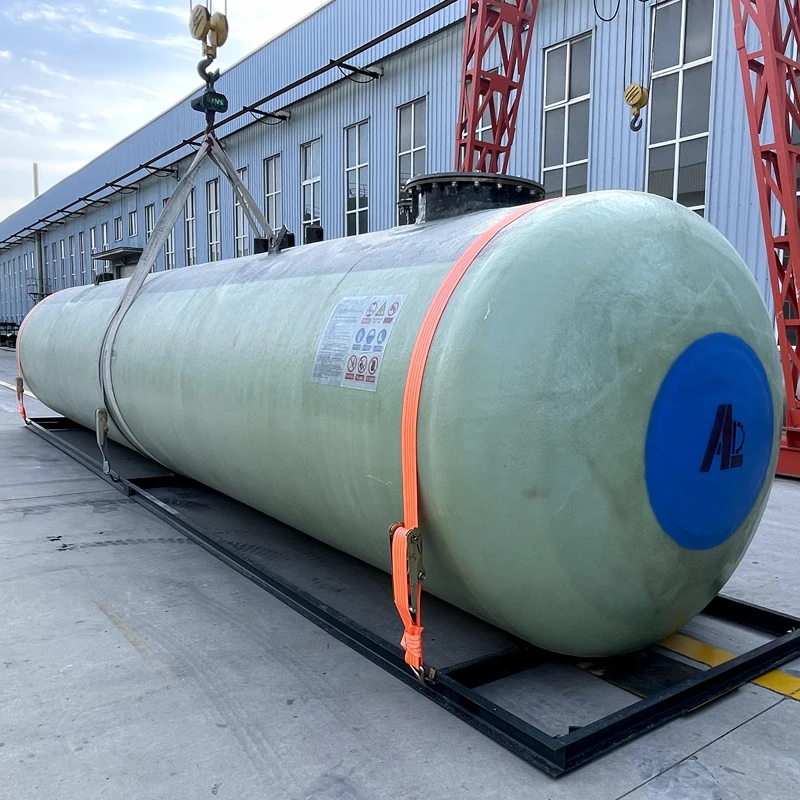
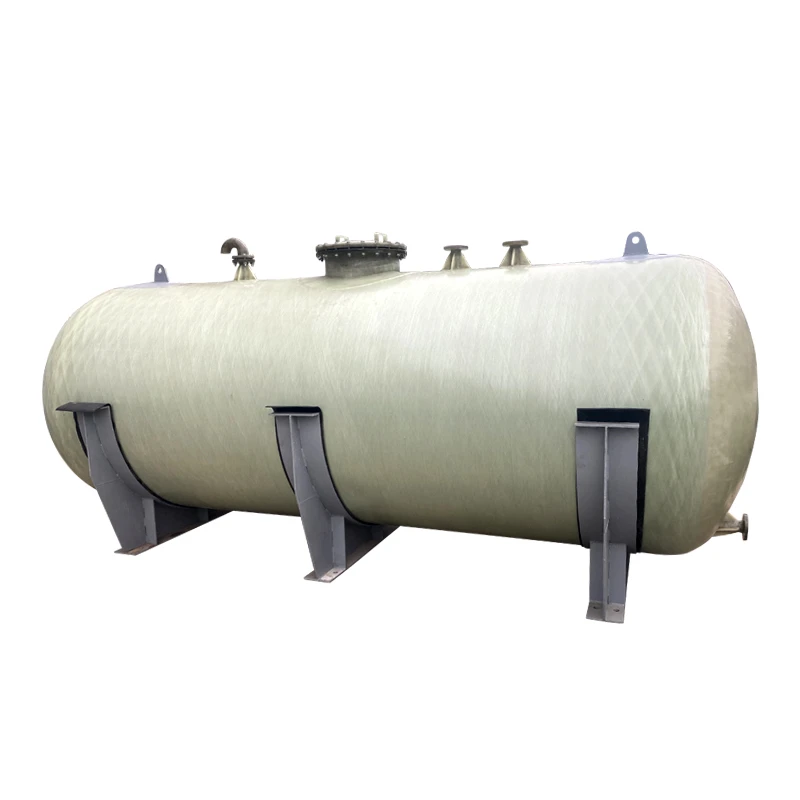
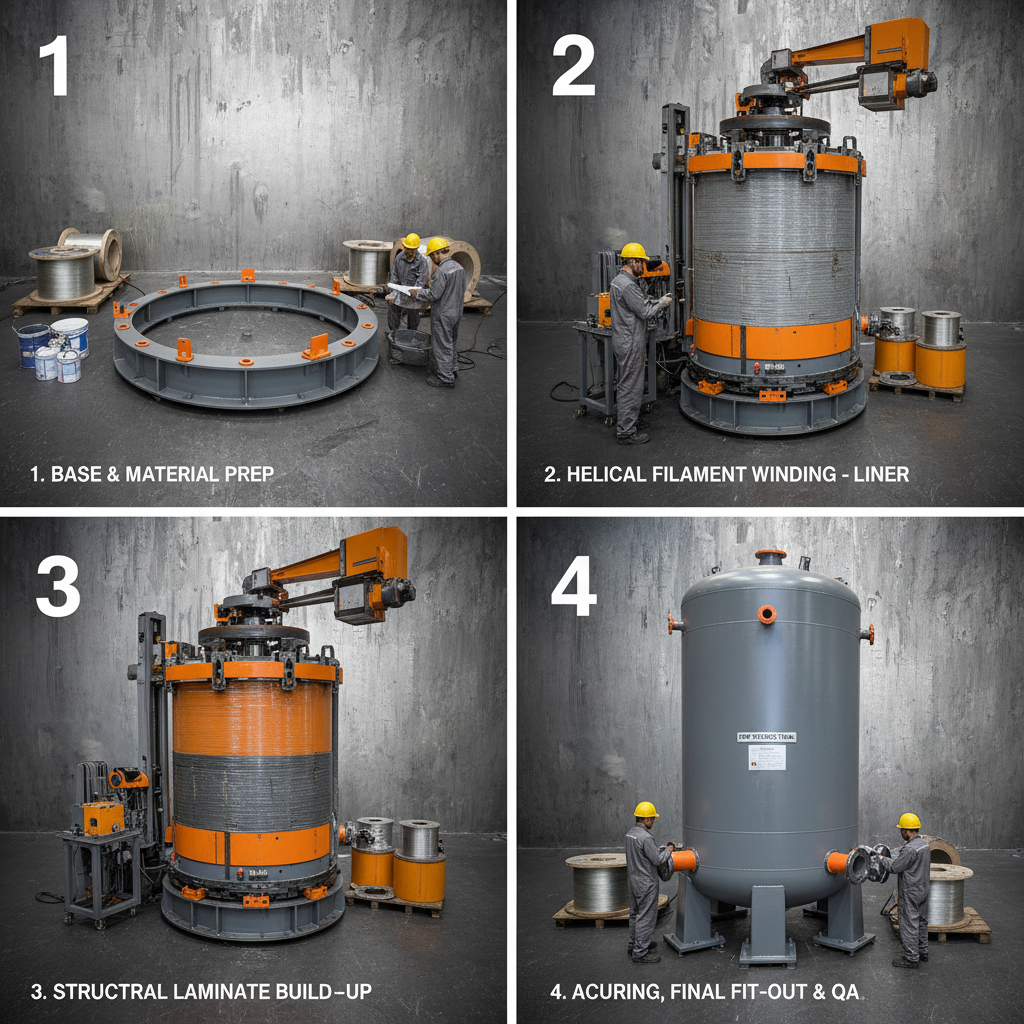
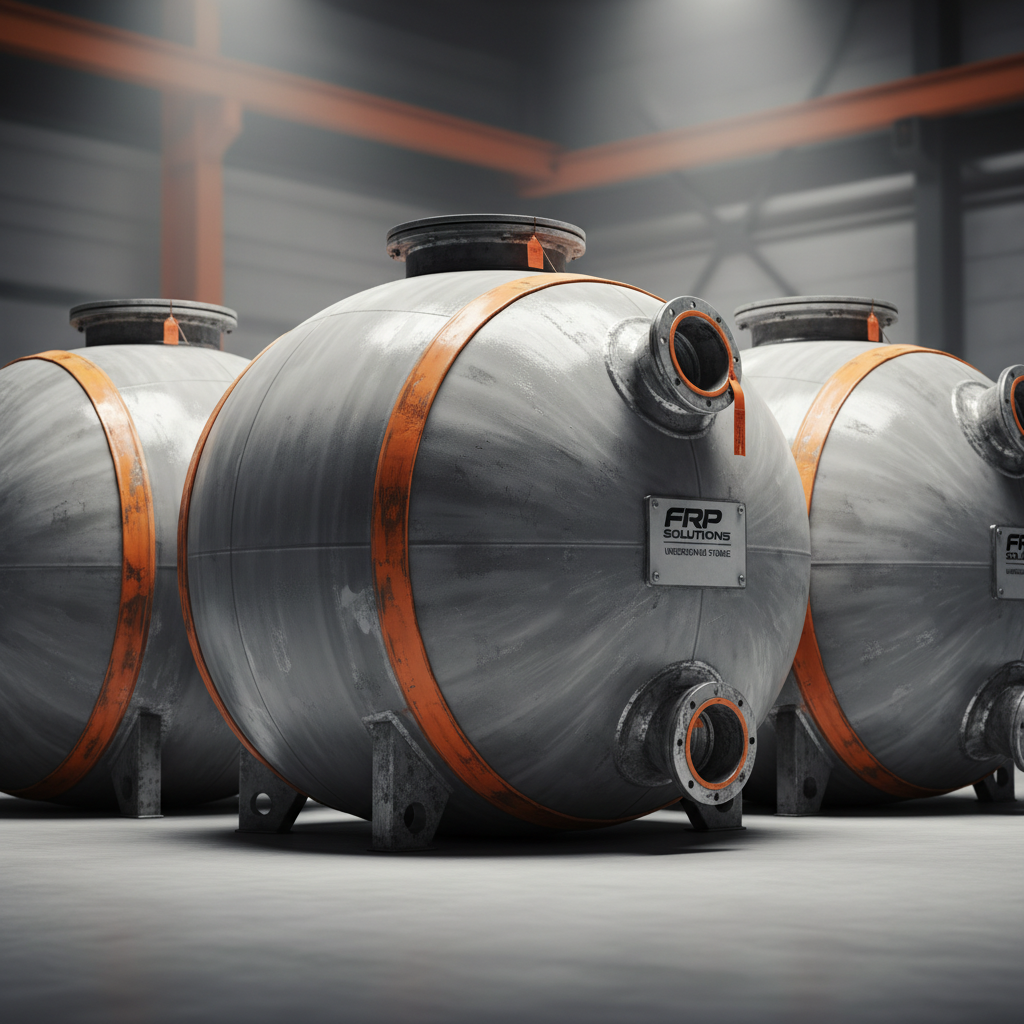
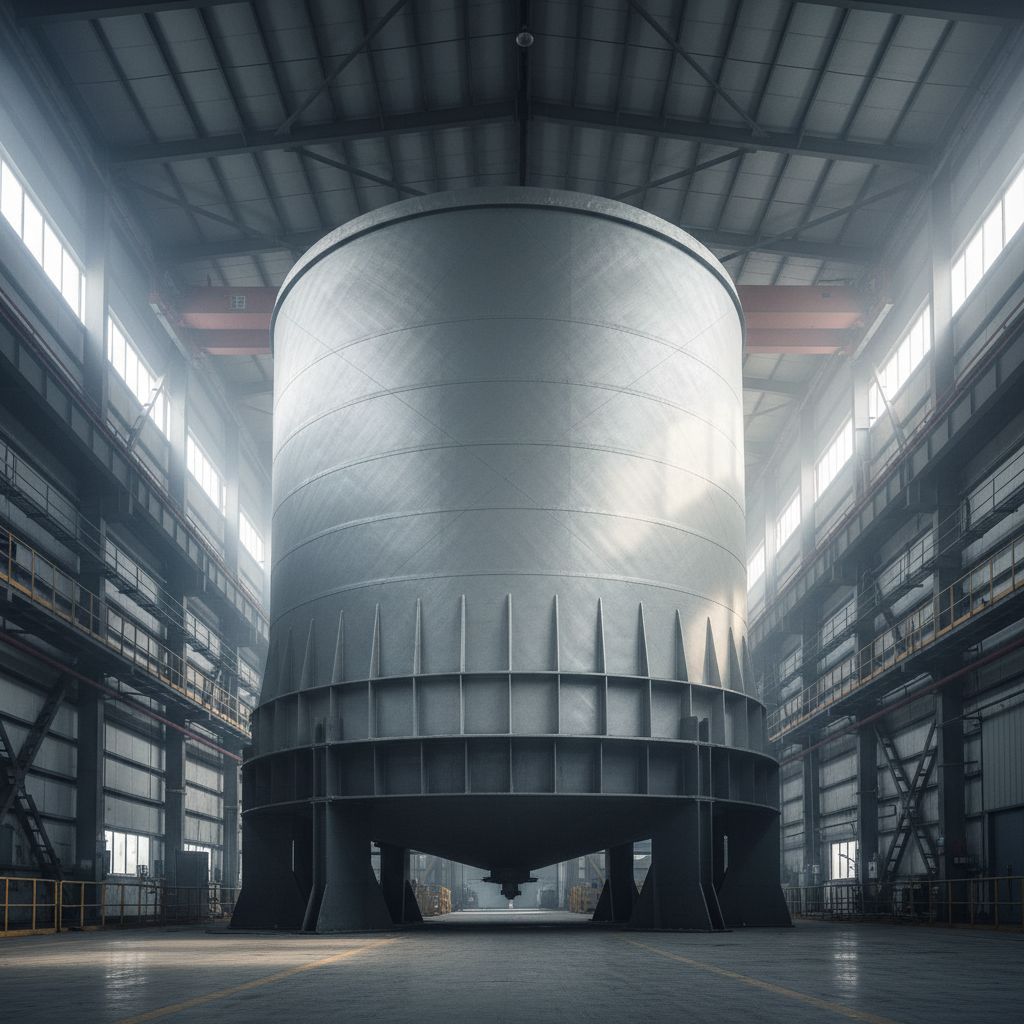
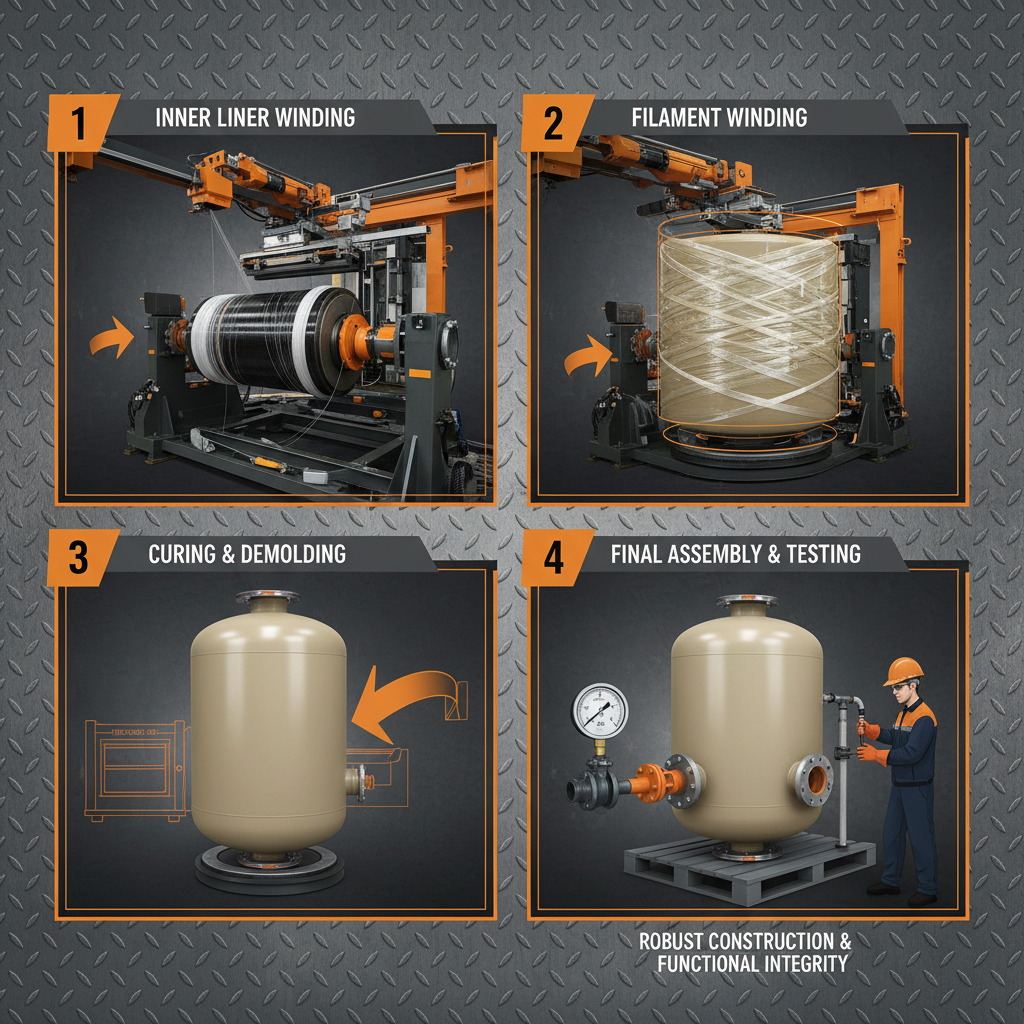
In their essence, these tanks are large containers made primarily from fiberglass-reinforced plastic (FRP), designed specifically to store drinking water without compromising its quality. Unlike metal tanks that rust or concrete that may slowly leach minerals, fiberglass tanks combine a plastic matrix with glass fibers to form a strong, lightweight, and chemically stable vessel.

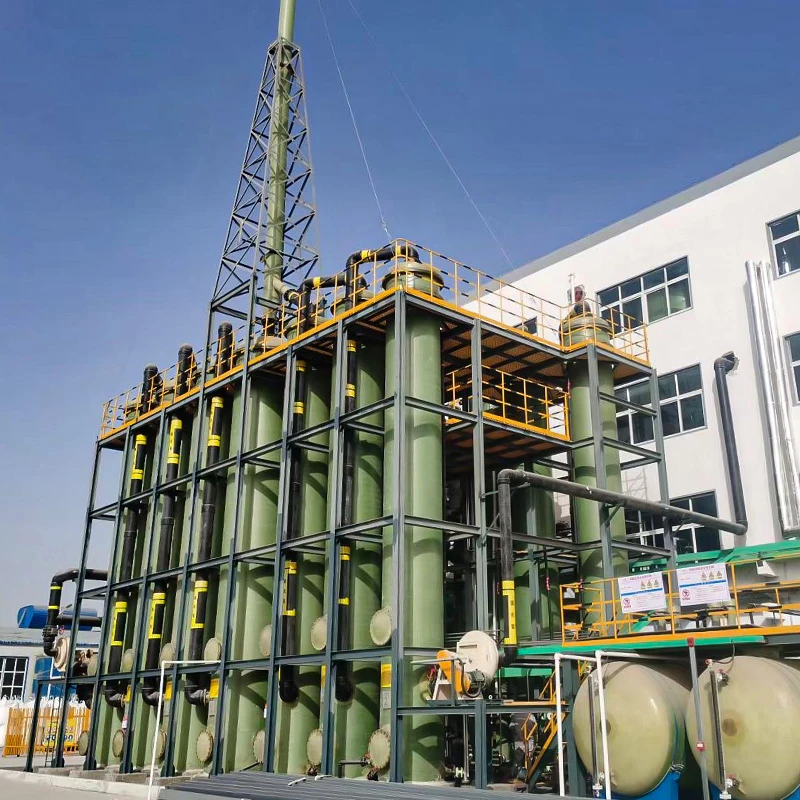
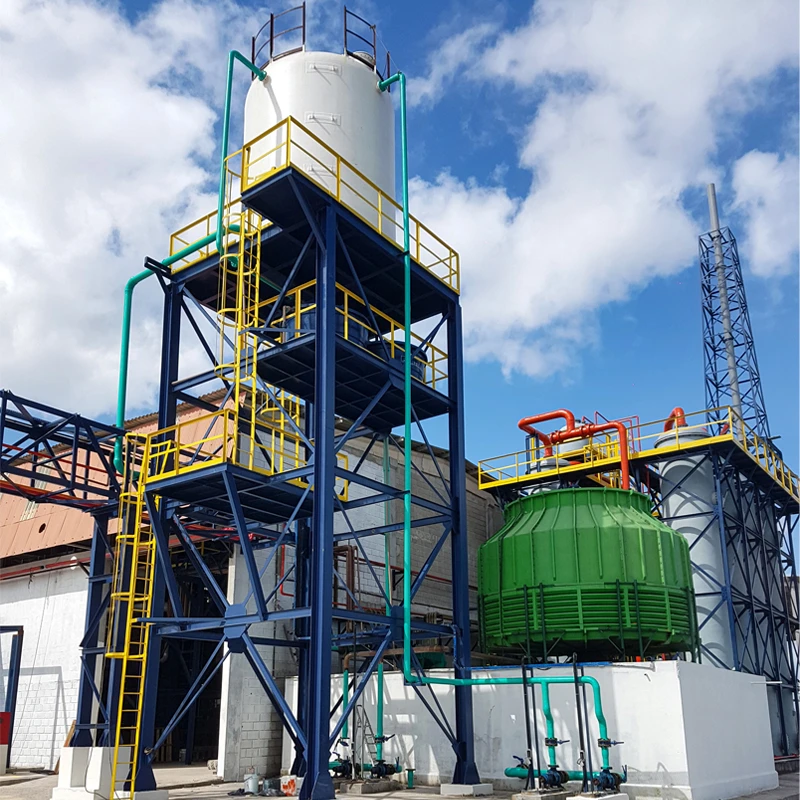
These tanks come in various sizes and shapes—cylindrical, rectangular, or custom-built—tailored to fit industrial plants, municipal utilities, agricultural operations, or emergency relief scenarios. In real terms, they’re the unsung heroes in water infrastructure, holding life-sustaining water safe until it’s needed.

Core Components and Why They Matter

Durability

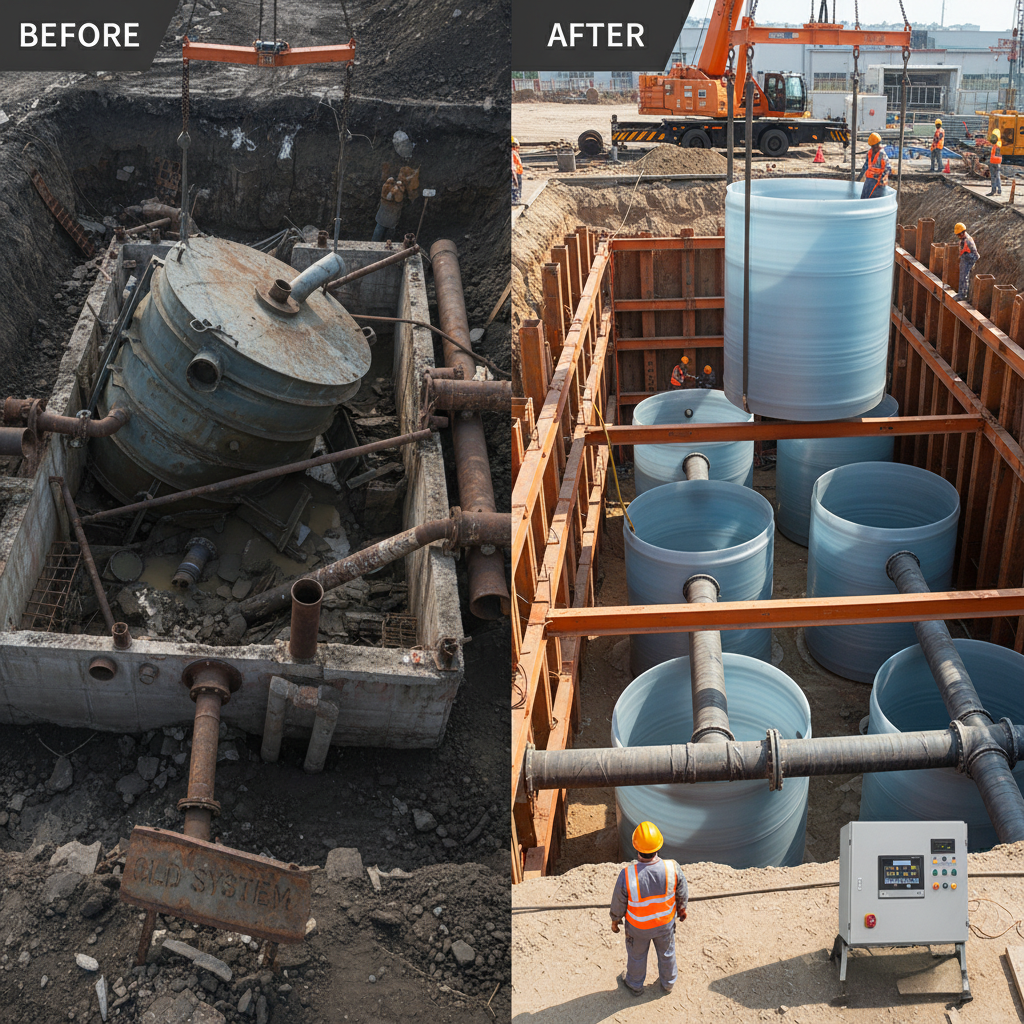
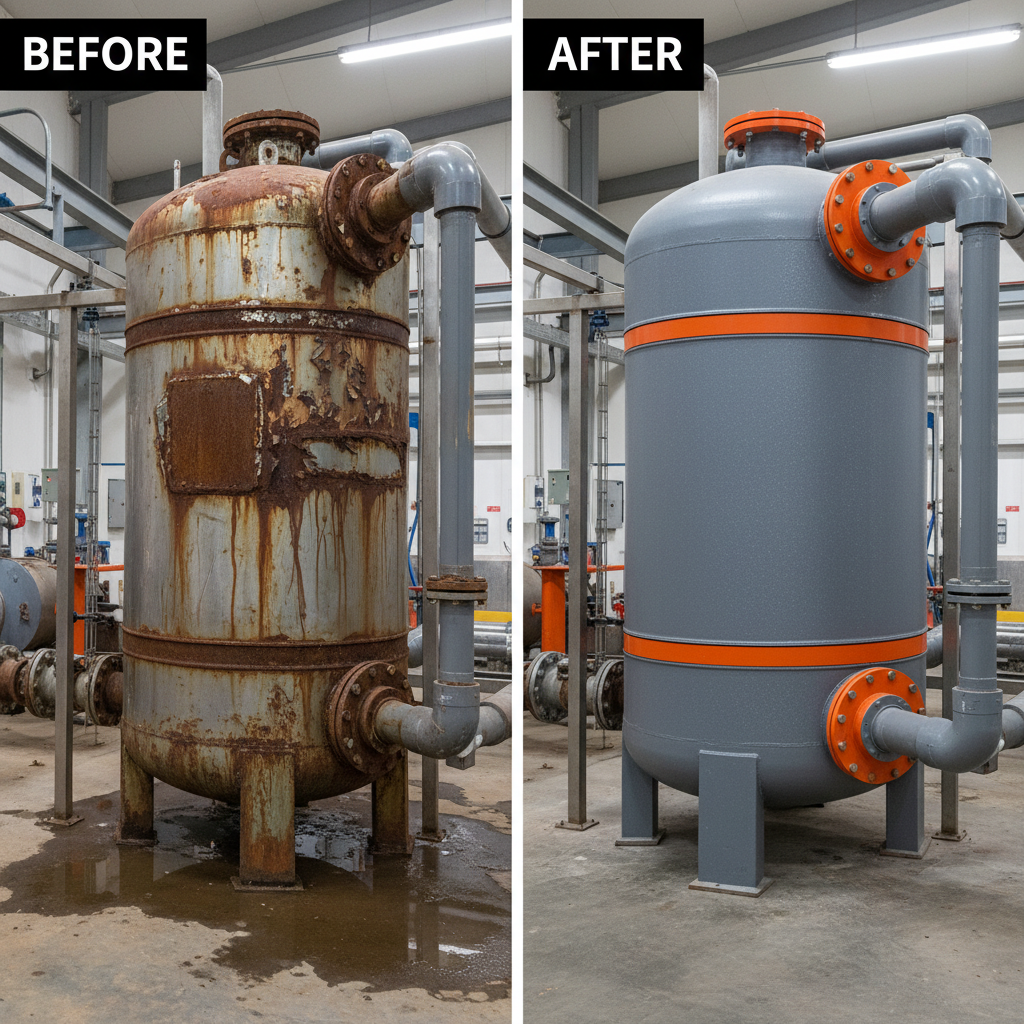
Fiberglass resists corrosion caused by water, UV exposure, and chemicals, giving these tanks a lifespan that can easily exceed 25 years without significant deterioration. Compared to steel tanks, which may need repainting or lining every few years, fiberglass tanks quietly hold their ground.

Lightweight and Easy Installation

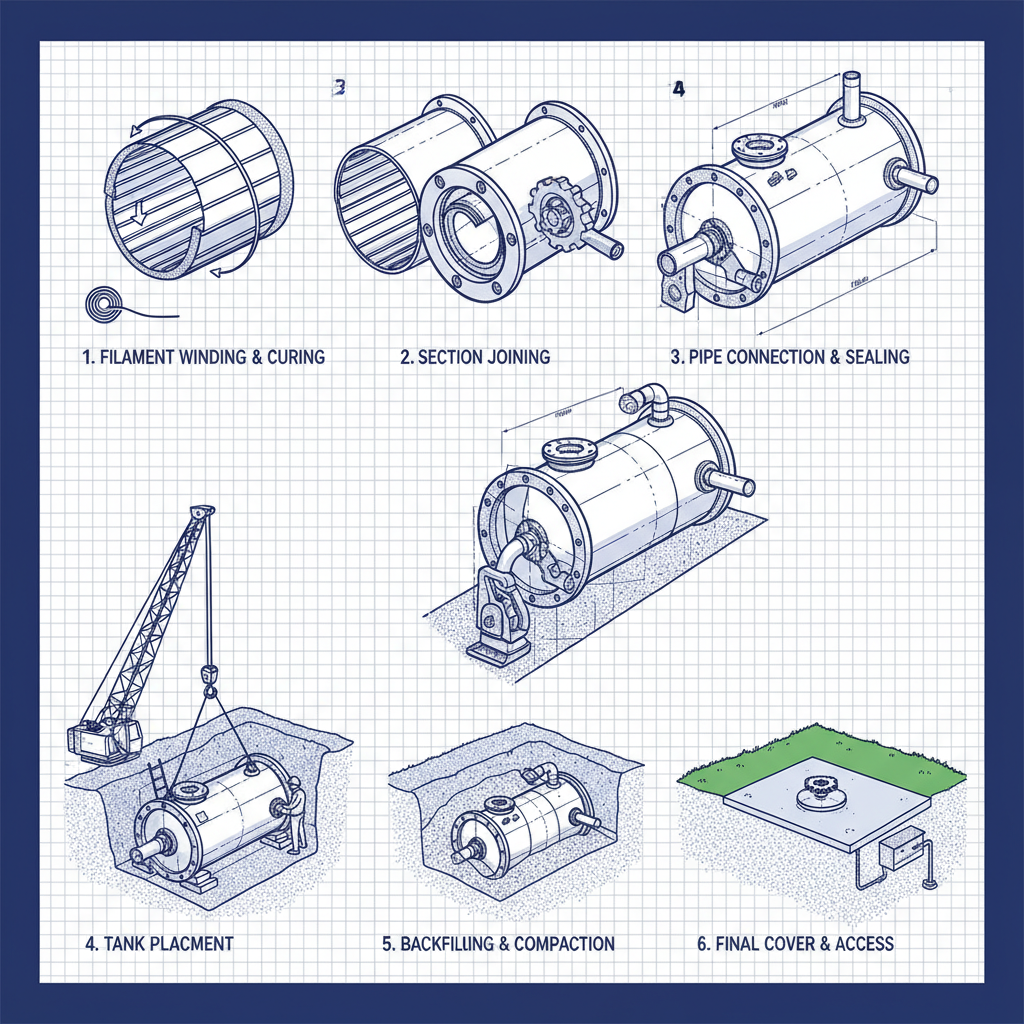
Because they weigh a fraction of steel or concrete tanks, fiberglass tanks are much easier to transport and install — a plus for remote areas or temporary setups such as refugee camps or disaster zones. This saves time and costs, not to mention logistics headaches.

Scalability & Customization

Manufacturers can tailor fiberglass potable water storage tanks for capacity, shape, and fittings, meeting specific site requirements. Modular designs allow scaling up or connecting multiple tanks seamlessly.

Low Maintenance

Cleaning and upkeep are simpler with fiberglass, partly because its smooth surface resists biofilm buildup better than rougher materials. That means less downtime and safer water over the long haul.

Cost Efficiency

While initial price tags might seem comparable to metal tanks, fiberglass demands fewer repairs and no periodic lining or rust treatment — which often tips the total cost of ownership decisively in its favor.

Health & Safety Compliance

These tanks meet stringent potable water standards, ensuring the water stored remains uncontaminated and safe for consumption, which is particularly vital in sensitive applications like hospitals or schools.

Mini takeaway: Fiberglass potable water storage tanks blend toughness, flexibility, and safety in a package that suits diverse needs from industrial plants to humanitarian aid.

How These Tanks Are Changing Real-World Water Storage

Their versatility makes fiberglass tanks indispensable in various settings worldwide:

  • Municipal Water Supply: Cities integrate large fiberglass tanks into their potable water systems, especially in places with corrosive water or harsh climates.
  • Disaster Relief & Humanitarian Operations: NGOs use them for quick deployment of clean water storage in crises, because these tanks are transport-friendly yet robust.
  • Agriculture: Farms store irrigation water safely, reducing contamination risks.
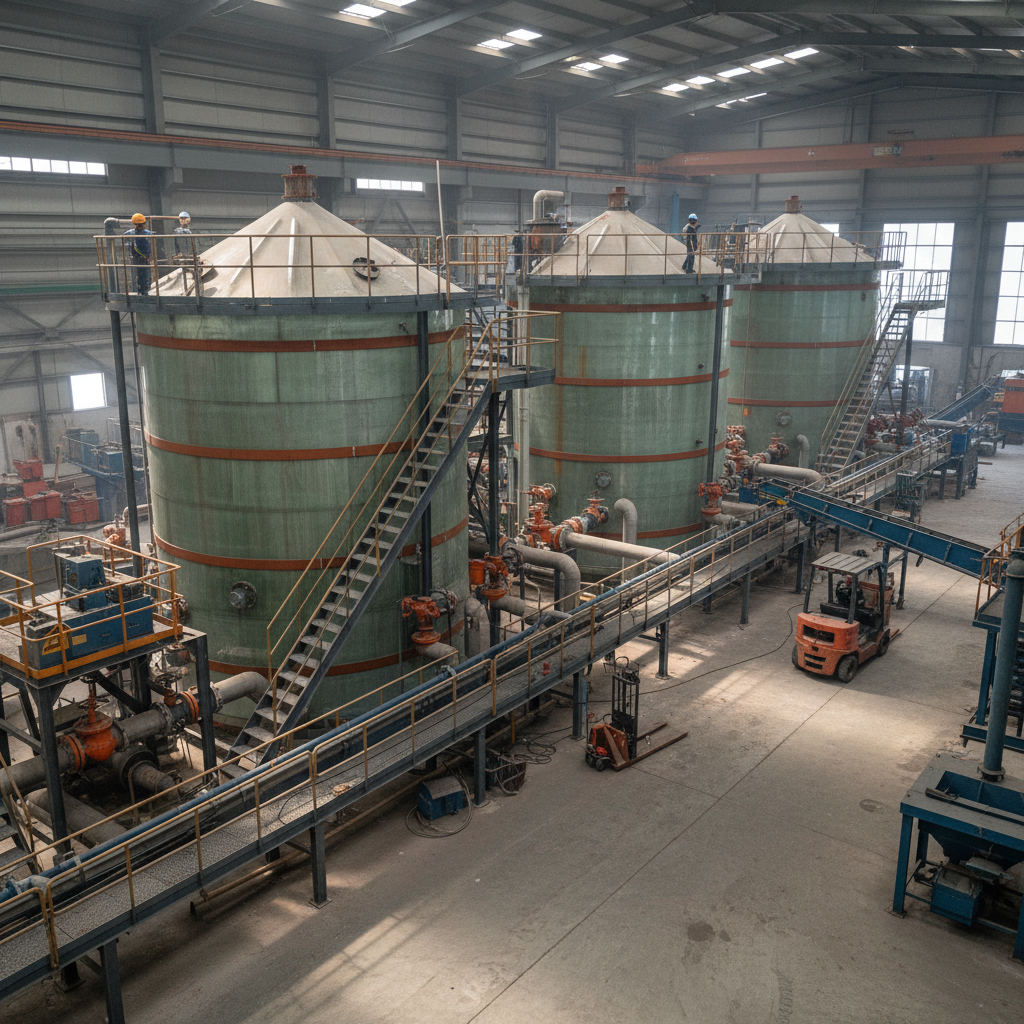
  • Industrial Uses: Factories need potable water storage without pollution hazards; fiberglass tanks fit this bill well.
  • Remote Communities: Off-grid villages or mining sites benefit from fiberglass tanks because of their low maintenance and long lifespan.

For example, after the 2010 Haiti earthquake, several aid organizations opted for fiberglass tanks to ensure displaced populations had reliable access to potable water without the delays and costs associated with steel tanks.

Fiberglass Potable Water Storage Tanks: The Long-Term Advantages

The advantages here are both practical and emotional. You get:

  • Reliability: Knowing your water is stored safely — no rust contamination or chemical leaching.
  • Cost Savings: Lower operational costs mean municipal budgets stretch further, potentially funding other needed services.
  • Environmental Friendliness: Longer-lasting tanks mean fewer replacements, less waste, and better overall sustainability.
  • Trust & Safety: When people drink from these tanks, they're less likely to fall ill, improving community health and dignity.

Specification Table: Typical Fiberglass Potable Water Storage Tanks

Parameter Typical Value Notes
Capacity 1,000 - 50,000 gallons (3.8k - 190k liters) Custom sizes available
Material Thickness 0.25 - 0.75 inches (6-19 mm) Depends on design pressure
Operating Temperature -40°C to 85°C (-40°F to 185°F) Safe for most potable water conditions
Lifespan 20-30 years (often longer) With proper maintenance
Weight (empty) ~10-15% of comparable steel tank Simplifies transport and installation

Comparing Top Vendors in Fiberglass Potable Water Storage Tanks

Feature FRP Storage Co. AquaFiberglass Solutions Global Tankworks
Customization Options Extensive (modular & bespoke) Moderate (standard sizes + minor mods) Wide (but longer lead times)
Warranty 10 years 7 years 8 years
Lead Times 4 - 6 weeks 3 - 5 weeks 6 - 8 weeks
Pricing Mid-range More budget-friendly Premium
Special Features Integrated UV protection & sensors Eco-friendly resins Custom automation-ready fittings

Innovation & The Road Ahead for Fiberglass Water Tanks

Now, what’s next for fiberglass potable water storage tanks? The industry is quietly evolving, with a few pretty exciting trends:

  • Green Materials: New bio-based resins and greener manufacturing processes are reducing environmental footprints.
  • Smart Tanks: Embedded sensors can monitor water quality and levels remotely, allowing quicker responses to contamination or leaks.
  • Modular Expansion: Tanks designed to snap together or be reconfigured aid growing towns and emergency tent communities alike.
  • Enhanced UV Resistance: Improved coatings now mean tanks installed outdoors last even longer without fading or degradation.

It feels like this combination of sustainability and digital tech will define the next 10 years.

Common Challenges and How Experts Tackle Them

Oddly enough, while fiberglass tanks are great, they’re not without challenges:

  • Initial Cost Concerns: Though more cost-effective long term, fiberglass tanks’ upfront expense can be a hurdle, particularly in developing countries.
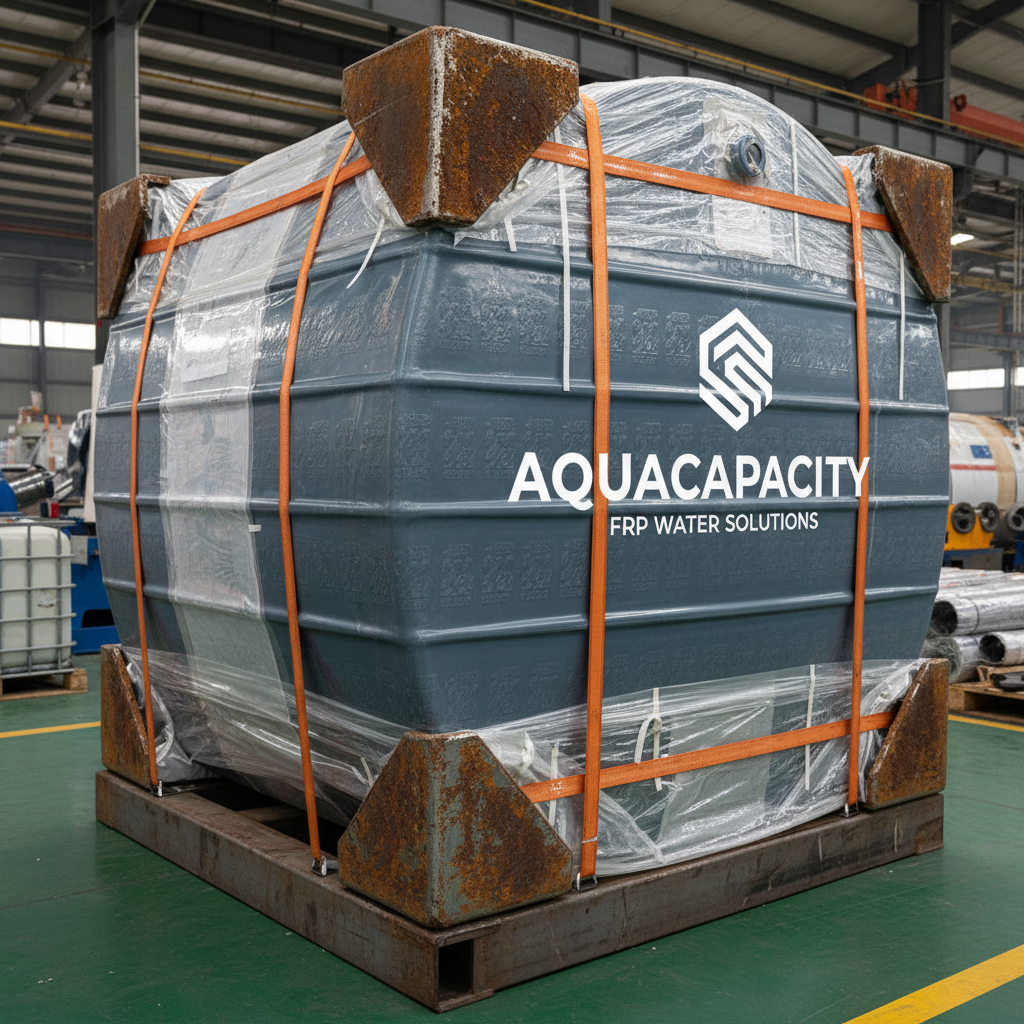
  • Damage During Transport: Their lighter weight means care is needed to avoid cracking.
  • Limited Local Fabrication: Not every region has skilled FRP fabricators, leading to dependence on imports.

Fortunately, vendors and engineers increasingly use modular designs for easy transport, local assembly, and protective packaging techniques. International partnerships often help overcome local capability gaps too.

Frequently Asked Questions About Fiberglass Potable Water Storage Tanks

How long do fiberglass potable water storage tanks typically last?
With proper maintenance, these tanks can last 20 to 30 years or more. Their corrosion resistance and robust construction help keep them safe and functional well beyond many traditional materials.
Are fiberglass tanks safe for storing drinking water?
Yes. Fiberglass tanks used for potable water comply with strict health and safety standards (like NSF/ANSI 61). They do not leach harmful chemicals and resist bacteria buildup with appropriate cleaning.
Can fiberglass tanks be customized for different site needs?
Absolutely. Fiberglass’s manufacturing flexibility allows varying shapes, sizes, thicknesses, and fittings. Many vendors offer modular or bespoke designs tailored to user requirements.
How do fiberglass tanks compare to steel tanks in maintenance?
Fiberglass tanks require significantly less upkeep because they don’t rust or need lining. Cleaning is also easier due to their smooth surfaces, which reduces biofilm buildup and contamination risks.
Can these tanks be used in freezing climates?
Yes, fiberglass tanks tolerate a wide temperature range (-40°C to 85°C). Installation best practices include insulation or heating elements if water freezing is a concern.

Wrapping Up: Why Fiberglass Tanks Deserve a Spot in Every Water Strategy

All things considered, fiberglass potable water storage tanks offer a smart balance of durability, safety, and cost-effectiveness that suits the many faces of global water challenges. From bustling cities to far-flung settlements or emergency zones, they contribute quietly but powerfully to securing a resource we often take for granted.

If you’re interested in exploring fiberglass potable water storage tanks further, or looking for customized solutions fit for your project, I encourage you to visit the trusted experts at FRP GRP Machine. They combine cutting-edge materials with practical know-how — a blend that feels just right for challenging times ahead.
Quick takeaway: The future of potable water storage is fiberglass — lighter, smarter, and kinder to our planet and our communities.

References

  1. UN Water Scarcity Facts
  2. ISO 9001 & NSF/ANSI 61 Potable Water Standards
  3. Fiberglass - Wikipedia

Upsell Products
Upsell News
Durable FRP Vessel for Water Treatment and Industrial Filtration
Apr 16,2026
Durable FRP Vessel for Water Treatment and Industrial Filtration
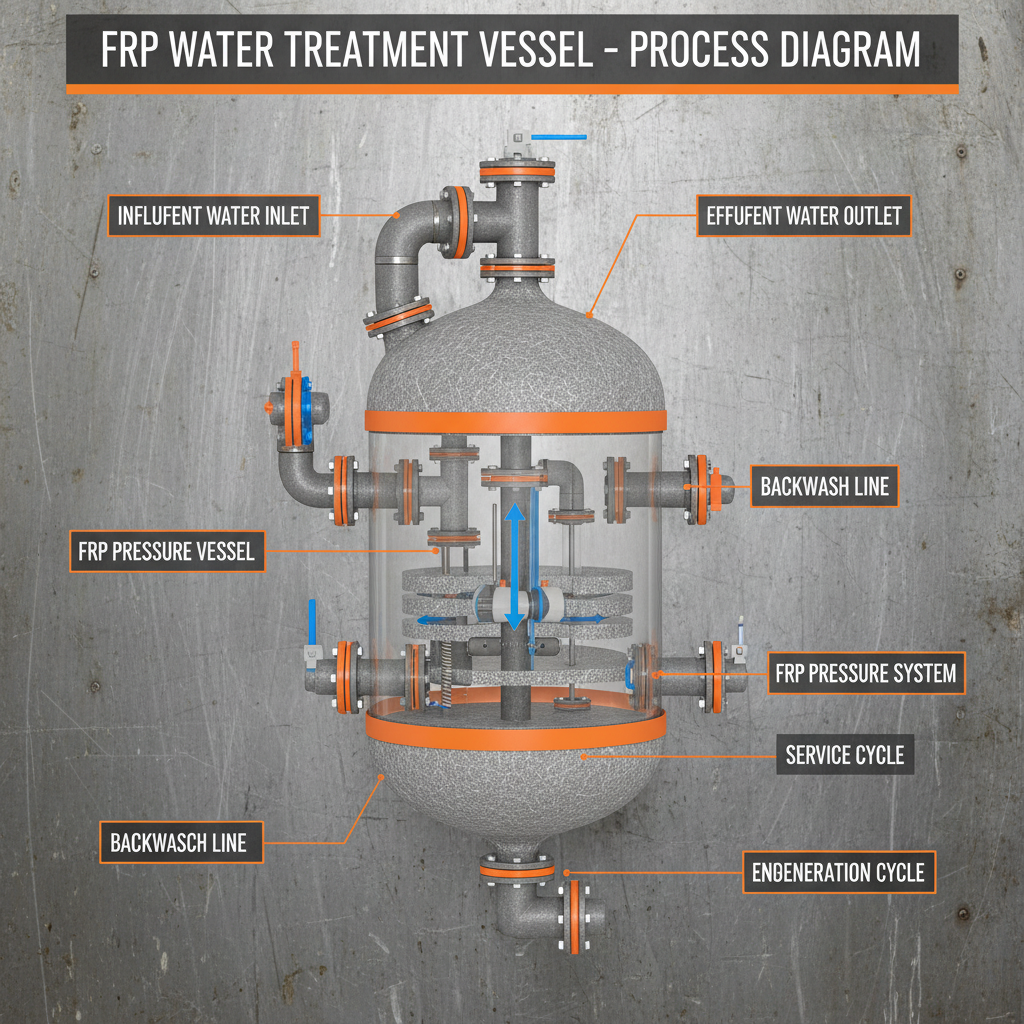
In the modern era of industrial and residential water purification, the choice of containment materials is critical for efficiency and longevity. An frp vessel for water treatment has emerged as the gold standard, replacing traditional steel tanks due to its superior corrosion resistance and lightweight properties. Whether you are dealing with desalination, softening, or filtration, using Fiber Reinforced Plastic (FRP) ensures that your system remains leak-proof and durable against aggressive chemicals. In this comprehensive guide, we will explore why FRP is the preferred choice for water treatment professionals worldwide and how to select the right vessel for your specific application.
Industrial Guide for Choosing the Right FRP Vertical Tank
Apr 09,2026
Industrial Guide for Choosing the Right FRP Vertical Tank
In today's industrial landscape, the storage of corrosive chemicals and aggressive liquids requires materials that can withstand extreme conditions without degrading. The frp vertical tank has emerged as a premier solution, offering an exceptional balance of strength, lightweight properties, and unmatched chemical resistance. Whether you are managing a water treatment plant or a chemical processing facility, understanding the nuances of Fiber Reinforced Plastic (FRP) is essential for ensuring operational safety and longevity. In this comprehensive guide, we will explore why vertical configurations are preferred and how these tanks outperform traditional metal alternatives.
Comprehensive Guide to FRP Underground Water Tank Solutions and Applications
Apr 07,2026
Comprehensive Guide to FRP Underground Water Tank Solutions and Applications
Fiberglass Reinforced Polymer (FRP) underground water tanks are becoming increasingly popular for a wide range of applications, from potable water storage to industrial wastewater containment. Their superior corrosion resistance, lightweight nature, and design flexibility make them an excellent alternative to traditional materials like concrete or steel. This article will delve into the benefits, applications, construction, and considerations for implementing FRP underground water tanks, providing a comprehensive overview for engineers, contractors, and project managers.
Comprehensive Guide to Frp Underground Water Storage Tanks and Their Applications
Apr 04,2026
Comprehensive Guide to Frp Underground Water Storage Tanks and Their Applications
When considering water storage solutions, particularly for industrial, agricultural, or municipal applications, frp underground water storage tanks stand out as a durable, cost-effective, and environmentally friendly option. These tanks are increasingly favored over traditional materials like concrete or steel due to their superior corrosion resistance, lighter weight, and ease of installation. This article delves into the benefits, applications, construction, and considerations when choosing an FRP tank, providing a detailed overview for potential buyers and project planners.
Sulfuric Acid Production Line - Hebei Aoliande|Efficient H2SO4 Plant Technology
Apr 01,2026
Sulfuric Acid Production Line - Hebei Aoliande|Efficient H2SO4 Plant Technology
Discover efficient H2SO4 plant technology and advanced sulfuric acid production solutions. Hebei Aoliande combines energy-saving furnace design and eco-friendly HCl recovery systems for sustainable industrial applications. Explore now: https://www.frpgrpmachine.com/sulfuric-acid-production-line-for-h2so4-plant.html
Sulfuric Acid Production Line - Hebei Aoliande|Efficient H2SO4 Plant Technology
Apr 01,2026
Sulfuric Acid Production Line - Hebei Aoliande|Efficient H2SO4 Plant Technology
Discover efficient H2SO4 plant technology and advanced sulfuric acid production solutions. Hebei Aoliande combines energy-saving furnace design and eco-friendly HCl recovery systems for sustainable industrial applications. Explore now: https://www.frpgrpmachine.com/sulfuric-acid-production-line-for-h2so4-plant.html
Sulfuric Acid Production Line - Hebei Aoliande|Efficient H2SO4 Plant Technology
Apr 01,2026
Sulfuric Acid Production Line - Hebei Aoliande|Efficient H2SO4 Plant Technology
Discover efficient H2SO4 plant technology and advanced sulfuric acid production solutions. Hebei Aoliande combines energy-saving furnace design and eco-friendly HCl recovery systems for sustainable industrial applications. Explore now: https://www.frpgrpmachine.com/sulfuric-acid-production-line-for-h2so4-plant.html
Sulfuric Acid Production Line - Hebei Aoliande|Efficient H2SO4 Plant Technology
Apr 01,2026
Sulfuric Acid Production Line - Hebei Aoliande|Efficient H2SO4 Plant Technology
Discover efficient H2SO4 plant technology and advanced sulfuric acid production solutions. Hebei Aoliande combines energy-saving furnace design and eco-friendly HCl recovery systems for sustainable industrial applications. Explore now: https://www.frpgrpmachine.com/sulfuric-acid-production-line-for-h2so4-plant.html
Sulfuric Acid Production Line - Hebei Aoliande|Efficient H2SO4 Plant Technology
Apr 01,2026
Sulfuric Acid Production Line - Hebei Aoliande|Efficient H2SO4 Plant Technology
Discover efficient H2SO4 plant technology and advanced sulfuric acid production solutions. Hebei Aoliande combines energy-saving furnace design and eco-friendly HCl recovery systems for sustainable industrial applications. Explore now: https://www.frpgrpmachine.com/sulfuric-acid-production-line-for-h2so4-plant.html
Sulfuric Acid Production Line - Hebei Aoliande|Efficient H2SO4 Plant Technology
Apr 01,2026
Sulfuric Acid Production Line - Hebei Aoliande|Efficient H2SO4 Plant Technology
Discover efficient H2SO4 plant technology and advanced sulfuric acid production solutions. Hebei Aoliande combines energy-saving furnace design and eco-friendly HCl recovery systems for sustainable industrial applications. Explore now: https://www.frpgrpmachine.com/sulfuric-acid-production-line-for-h2so4-plant.html
Comprehensive Guide to Frp Underground Storage Tanks for Reliable Storage Solutions
Mar 31,2026
Comprehensive Guide to Frp Underground Storage Tanks for Reliable Storage Solutions
Fiberglass Reinforced Polymer (FRP) underground storage tanks are becoming increasingly popular for a wide range of applications, from fuel storage to wastewater management. Their corrosion resistance, lightweight nature, and durability offer significant advantages over traditional materials like steel. This article will provide an in-depth look at FRP underground storage tanks, covering their benefits, applications, installation, and maintenance. Understanding these aspects is crucial for making informed decisions about long-term storage solutions.
Comprehensive Guide to Selecting the Ideal FRP Tank for Water Storage Solutions
Mar 28,2026
Comprehensive Guide to Selecting the Ideal FRP Tank for Water Storage Solutions
When it comes to reliable and durable water storage, FRP tanks for water are increasingly becoming the preferred solution for a wide range of applications. These tanks, constructed from Fiber Reinforced Polymer (FRP) materials, offer significant advantages over traditional storage options like steel or concrete. This article delves into the benefits, applications, and considerations when selecting an FRP tank for your water storage needs, providing a detailed overview for businesses and individuals alike.
Comprehensive Guide to Frp Tank and Vessel Applications and Manufacturing
Mar 26,2026
Comprehensive Guide to Frp Tank and Vessel Applications and Manufacturing
Fiber Reinforced Polymer (FRP) tanks and vessels are increasingly becoming the preferred choice for storage and processing across a multitude of industries. Their lightweight nature, corrosion resistance, and design flexibility offer significant advantages over traditional materials like steel. This article will delve into the intricacies of FRP tanks and vessels, exploring their applications, manufacturing processes, benefits, and considerations for selecting the right solution for your specific needs. We’ll also highlight why FRP tanks are a cost-effective and reliable long-term investment. FRP tanks and vessels are constructed from a combination of reinforcing fibers (such as fiberglass, carbon fiber, or aramid fiber) embedded in a polymer matrix (typically polyester, vinyl ester, or epoxy resin). This combination creates a composite material that boasts high strength-to-weight ratio, exceptional corrosion resistance, and the ability to be molded into complex shapes. They’re designed to safely contain a wide variety of liquids and gases, ranging from corrosive chemicals and water to food products and pharmaceuticals.
Optimizing Water Filtration with Durable FRP Sand Filter Vessels
Mar 24,2026
Optimizing Water Filtration with Durable FRP Sand Filter Vessels
In water treatment and filtration systems, the choice of filter vessel material is paramount. Fiber Reinforced Plastic (FRP), also known as Glass Reinforced Polymer (GRP), sand filter vessels are increasingly popular due to their superior corrosion resistance, lightweight nature, and cost-effectiveness. This article delves into the benefits, applications, design considerations, and factors to consider when selecting an FRP sand filter vessel. Whether you are involved in municipal water treatment, industrial wastewater management, or recreational water filtration, understanding FRP technology is essential for optimizing your filtration process. An FRP sand filter vessel is a containment unit designed to house filtration media, typically sand, gravel, and anthracite. These vessels are integral components in sand filtration systems used for removing suspended solids, turbidity, and other particulate matter from water. FRP construction involves layering glass fibers within a resin matrix (typically polyester or vinyl ester) to create a strong, durable, and chemically resistant shell. The strength and rigidity of the vessel are crucial for withstanding the pressure from the filtration media and the water flow.
Comprehensive Guide to FRP Round Tanks Applications and Benefits
Mar 21,2026
Comprehensive Guide to FRP Round Tanks Applications and Benefits
Fiber Reinforced Polymer (FRP) round tanks are increasingly becoming the preferred choice for storage solutions across a variety of industries. Their lightweight nature, corrosion resistance, and design flexibility offer significant advantages over traditional materials like steel. This article provides an in-depth look at FRP round tanks, exploring their applications, benefits, manufacturing processes, and key considerations when choosing the right tank for your needs. Whether you're in chemical processing, water treatment, or agriculture, understanding FRP round tanks is crucial for optimizing your storage infrastructure. FRP round tanks are constructed from a combination of reinforcing fibers (typically fiberglass, carbon fiber, or a blend) embedded in a polymer matrix (often polyester, vinyl ester, or epoxy resin). The round shape inherently provides excellent structural strength, distributing pressure evenly across the tank’s surface.
Comprehensive Guide to FRP Pressure Tanks Benefits and Applications
Mar 19,2026
Comprehensive Guide to FRP Pressure Tanks Benefits and Applications
Fiber Reinforced Polymer (FRP) pressure tanks are becoming increasingly popular in a wide range of industrial applications, offering a compelling alternative to traditional steel tanks. Known for their lightweight nature, corrosion resistance, and high strength-to-weight ratio, FRP tanks provide efficient and durable solutions for storing liquids and gases under pressure. This article will delve into the benefits, applications, construction, and key considerations when selecting an FRP pressure tank, helping you make an informed decision for your specific needs. Understanding the advantages of FRP technology can lead to significant cost savings and improved operational efficiency. Compared to steel, FRP pressure tanks offer several key advantages. The most significant is their superior corrosion resistance. Unlike steel, which is susceptible to rust and corrosion when exposed to various chemicals, FRP materials are inherently resistant to a wide range of corrosive substances. This translates to a longer lifespan, reduced maintenance costs, and increased safety. Furthermore, FRP is significantly lighter than steel, making installation easier and reducing transportation costs.
For More Details Pls Contact Us
Thank you for your interest in our gloves! We offer high-quality, durable, and comfortable gloves with fast delivery and competitive prices. For any questions or customization, feel free to contact us. We look forward to working with you!

If you are interested in our products, you can choose to leave your information here, and we will be in touch with you shortly.