Nov 30,2025

Chemical Tank Storage Solutions for Safety & Sustainability | Industry Insights

Why Chemical Tank Storage is More Relevant Than Ever

If you've ever paused to consider how large-scale industries or humanitarian aid efforts safely store and transport hazardous chemicals, you've brushed up against the world of chemical tank storage. It’s the silent workhorse behind everything from manufacturing plants to emergency relief zones. Given the escalating demand for chemicals in sectors like agriculture, pharmaceuticals, and energy, understanding chemical tank storage isn’t just technical jibber-jabber – it matters globally. Beyond safety, it touches on environmental protection and operational efficiency. So whether you’re an industry insider or just curious about how the chemical world keeps its secrets locked safely away, this topic holds surprising benefits and insight.

Global Context: Why Chemical Tank Storage Matters Today

Around the world, production and consumption of chemicals are skyrocketing. According to a recent ISO report, global chemical production reached over 4 billion metric tons in 2022, reflecting rapid industrial growth, especially in emerging economies. But holding and handling these substances isn’t straightforward. Chemical tank storage systems must comply with strict safety and environmental regulations—just one slip-up can cause catastrophic contamination or loss. And with the global push toward sustainability, industries face mounting pressure to innovate storage solutions that minimize risk and reduce their carbon footprint. Governments, NGOs, and corporations alike are wrestling with the same question: How do we store and move chemicals safely, efficiently, and sustainably?

chemical tank storage plays a pivotal role in tackling these challenges, providing containerized, customizable, and compliant storage solutions that protect workers, communities, and ecosystems worldwide.

Mini takeaway: As global chemical demand soars, safe and sustainable storage solutions are not optional—they’re critical for economic growth and environmental stewardship.

What Exactly Is Chemical Tank Storage?

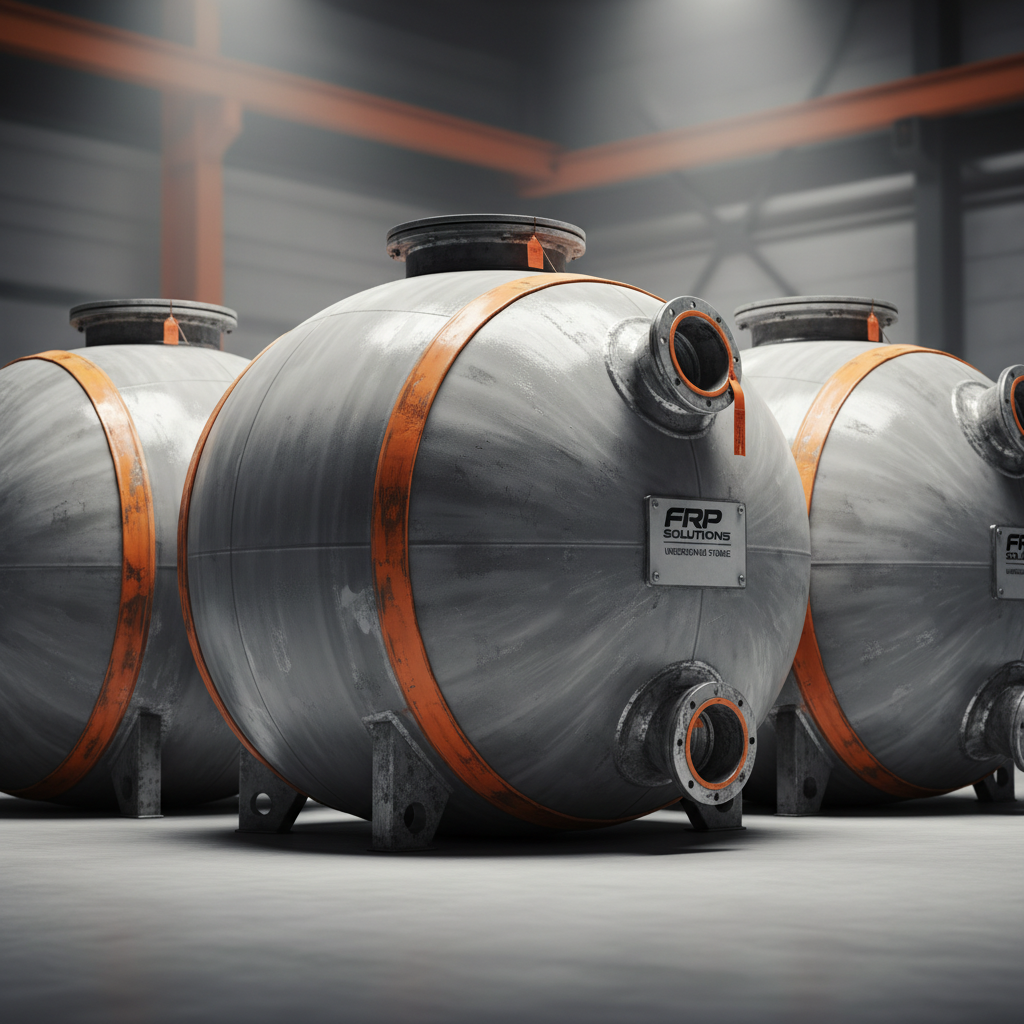
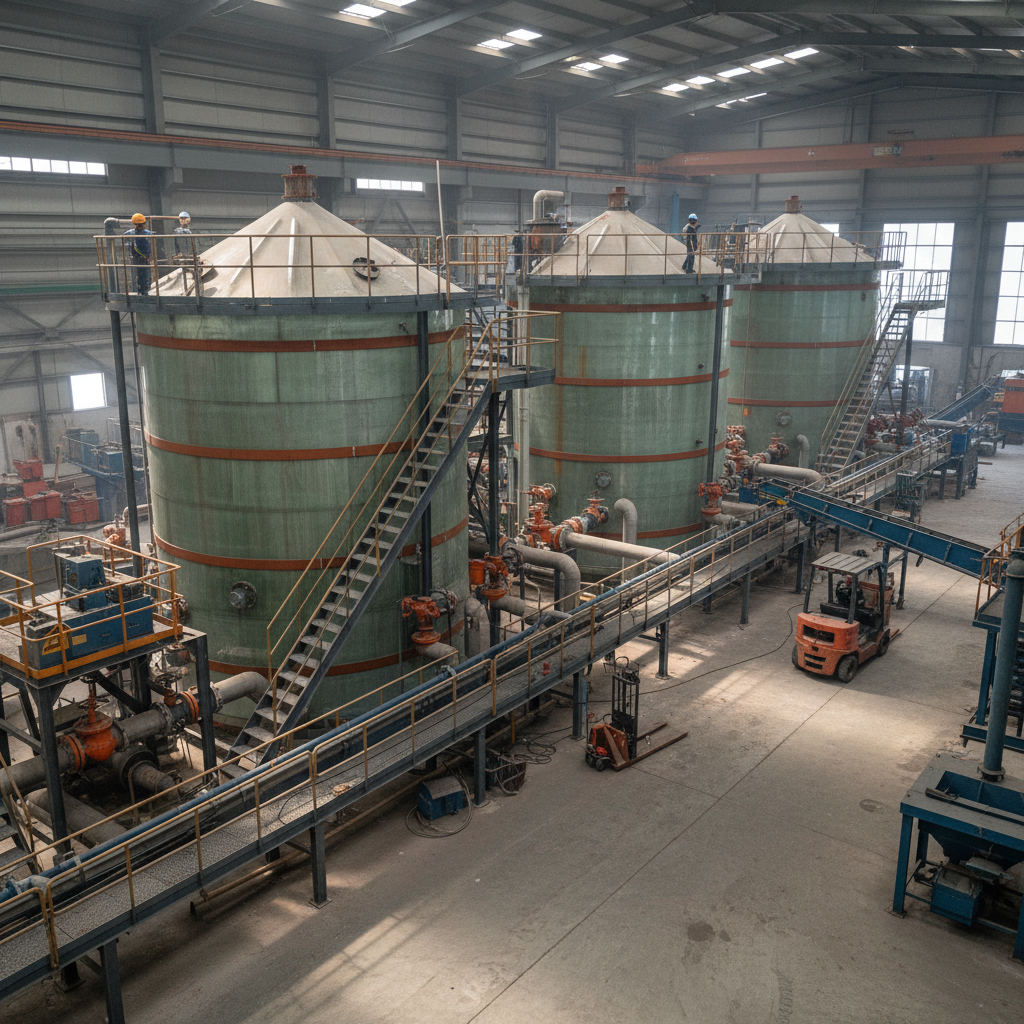
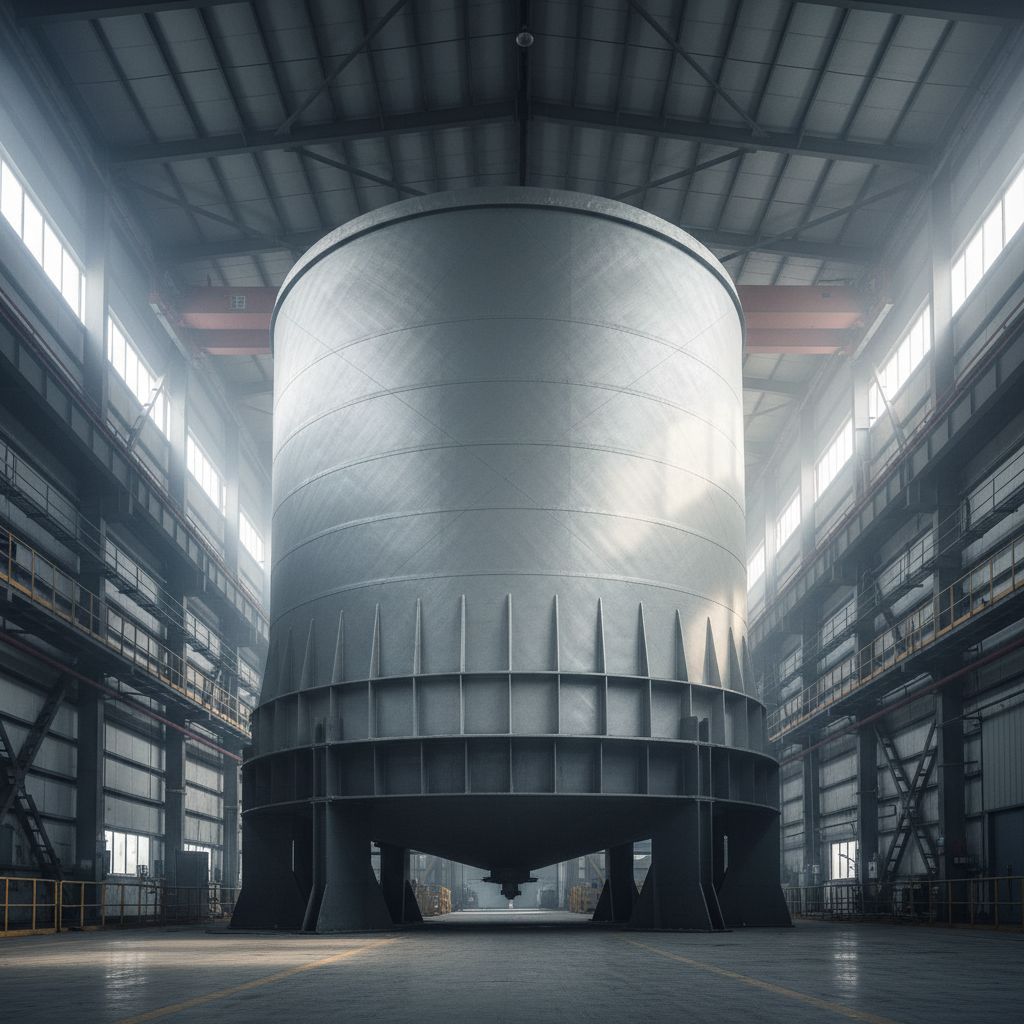
In its simplest form, chemical tank storage refers to the use of specially designed containers or tanks to hold liquids or gases that are hazardous, corrosive, or reactive. These tanks range from small portable vessels to massive industrial silos, crafted with materials that resist chemical degradation and prevent leaks. It’s how industries safely ‘park’ their chemicals before use, transport, or disposal. Beyond industry, think humanitarian aid or disaster response: reliable chemical storage makes it possible to supply clean water treatment chemicals or agricultural inputs even in the toughest conditions.

So it’s not just metal cans in a warehouse — chemical tanks are engineering marvels tuned to complex safety standards forged by entities like ISO and the UN’s environmental directives.

Core Components of Effective Chemical Tank Storage

Durability and Material Resistance

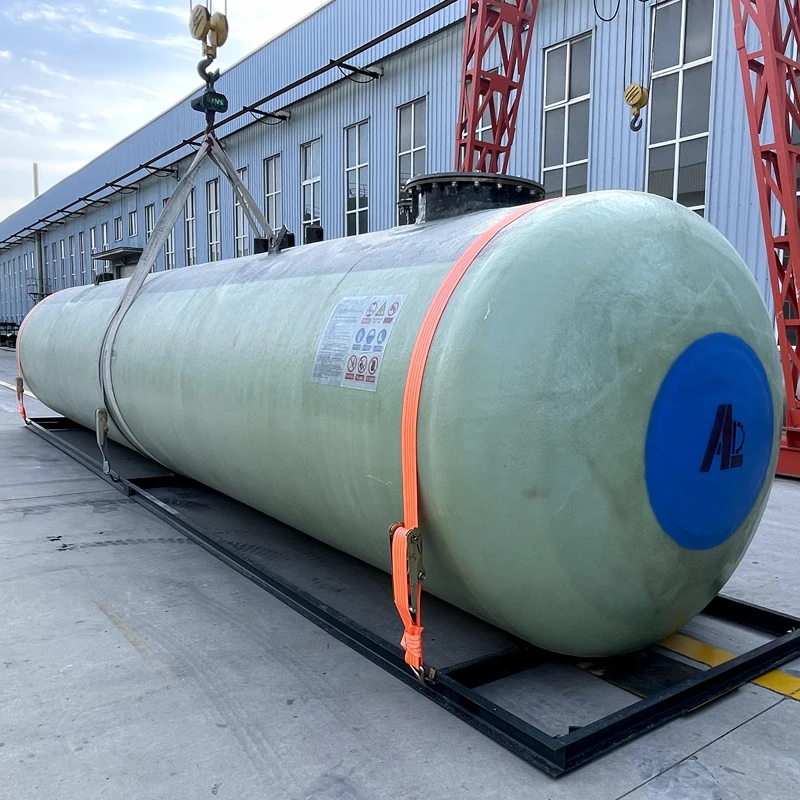
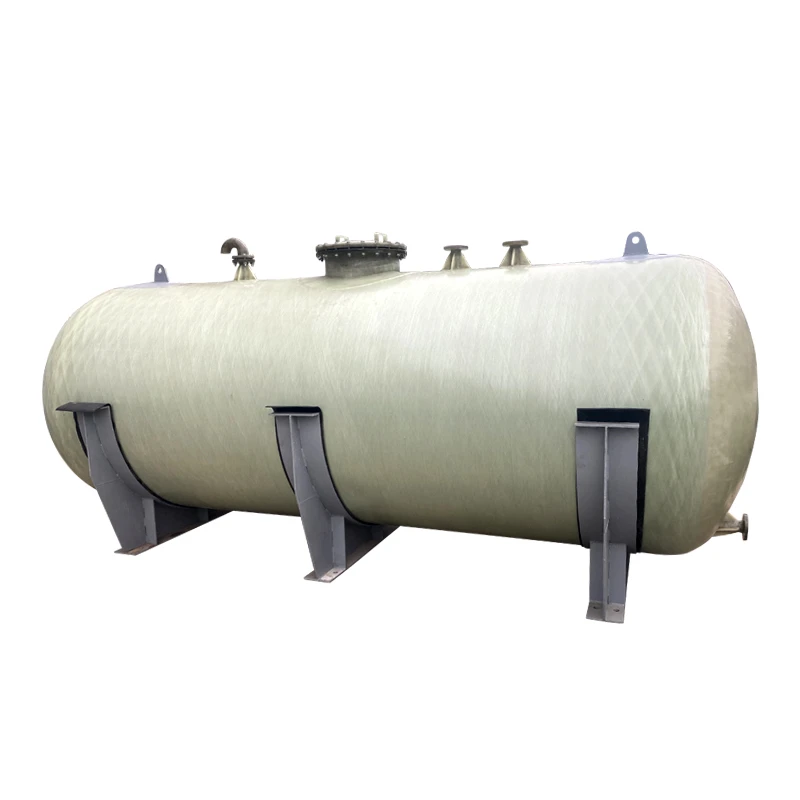
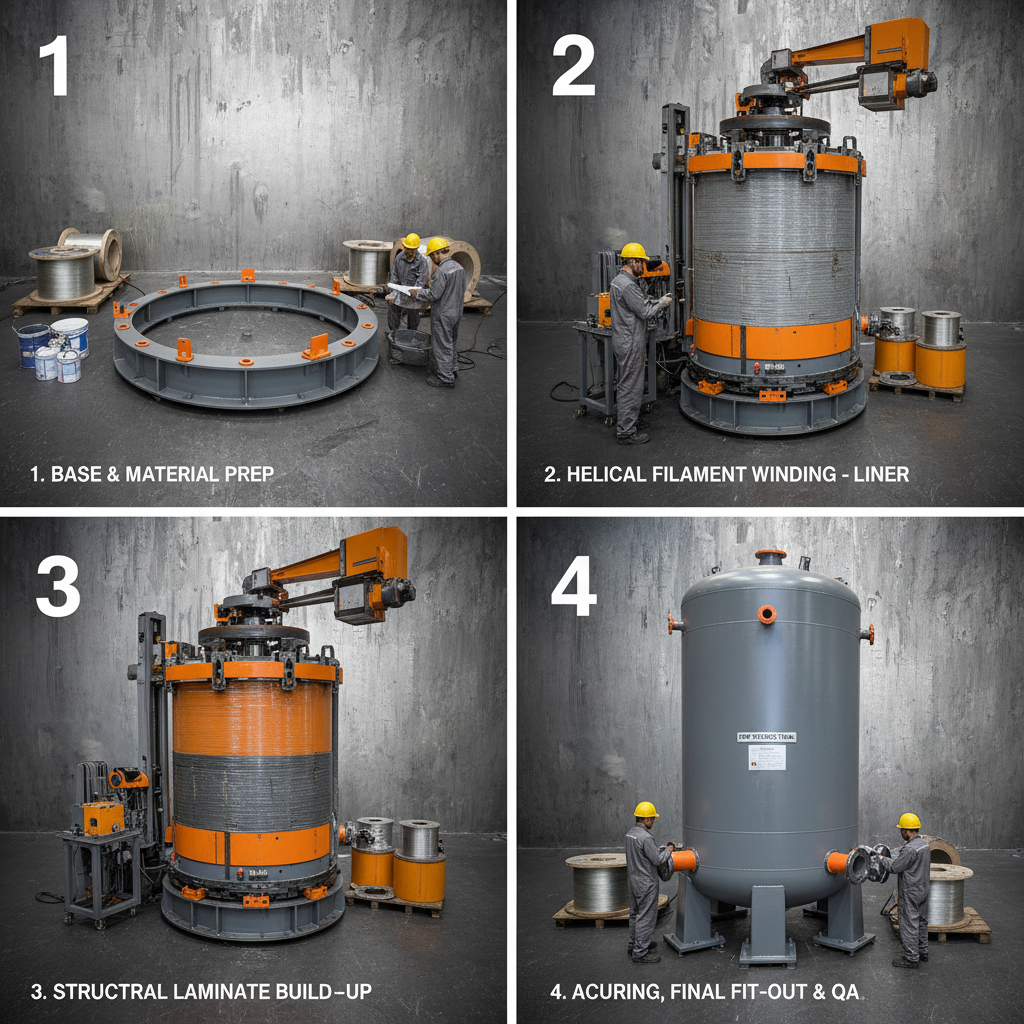
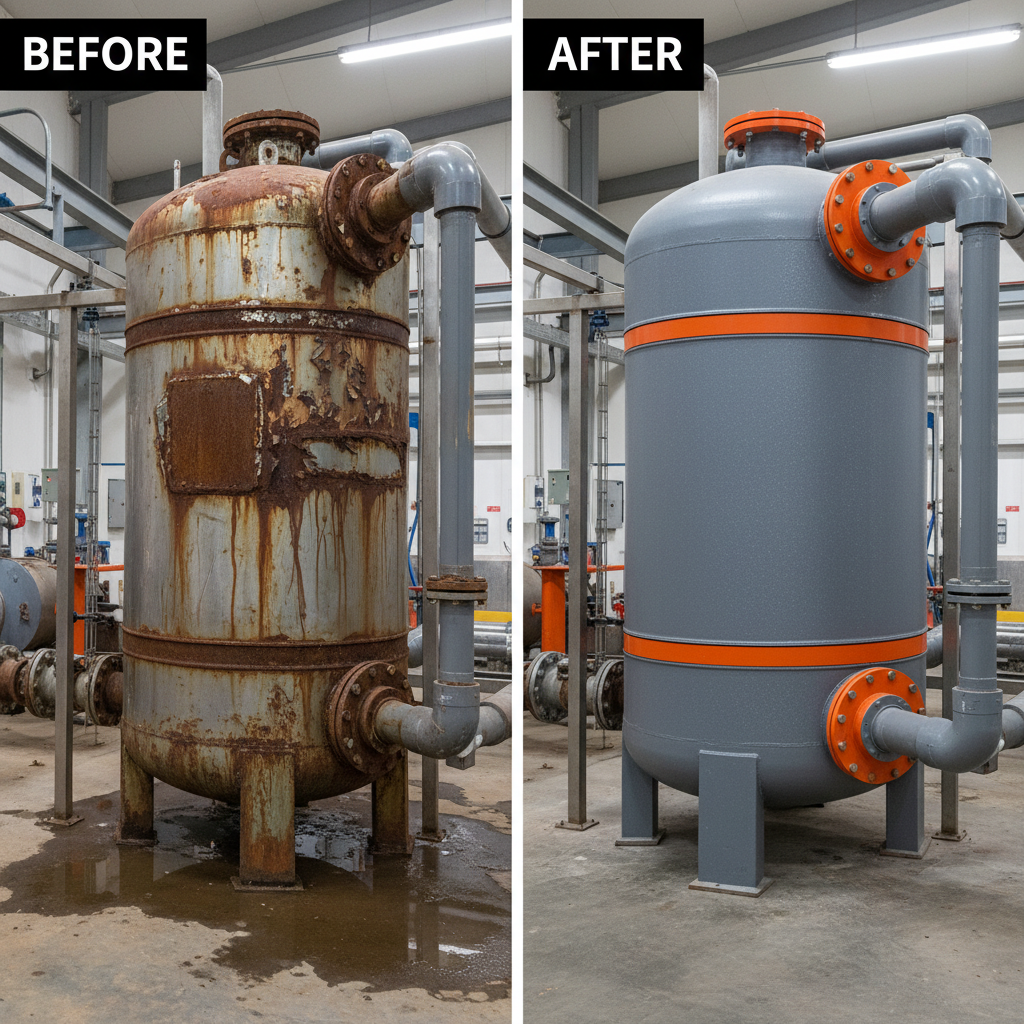
One engineer I spoke with said, “The tank’s material really makes or breaks its lifetime. Stainless steel, FRP (fiberglass reinforced plastic), and polyethylene are top picks because they’re corrosion-resistant and strong.” This choice depends heavily on what’s stored: acids, solvents, or gases all demand different treatment.

Scalability and Flexibility

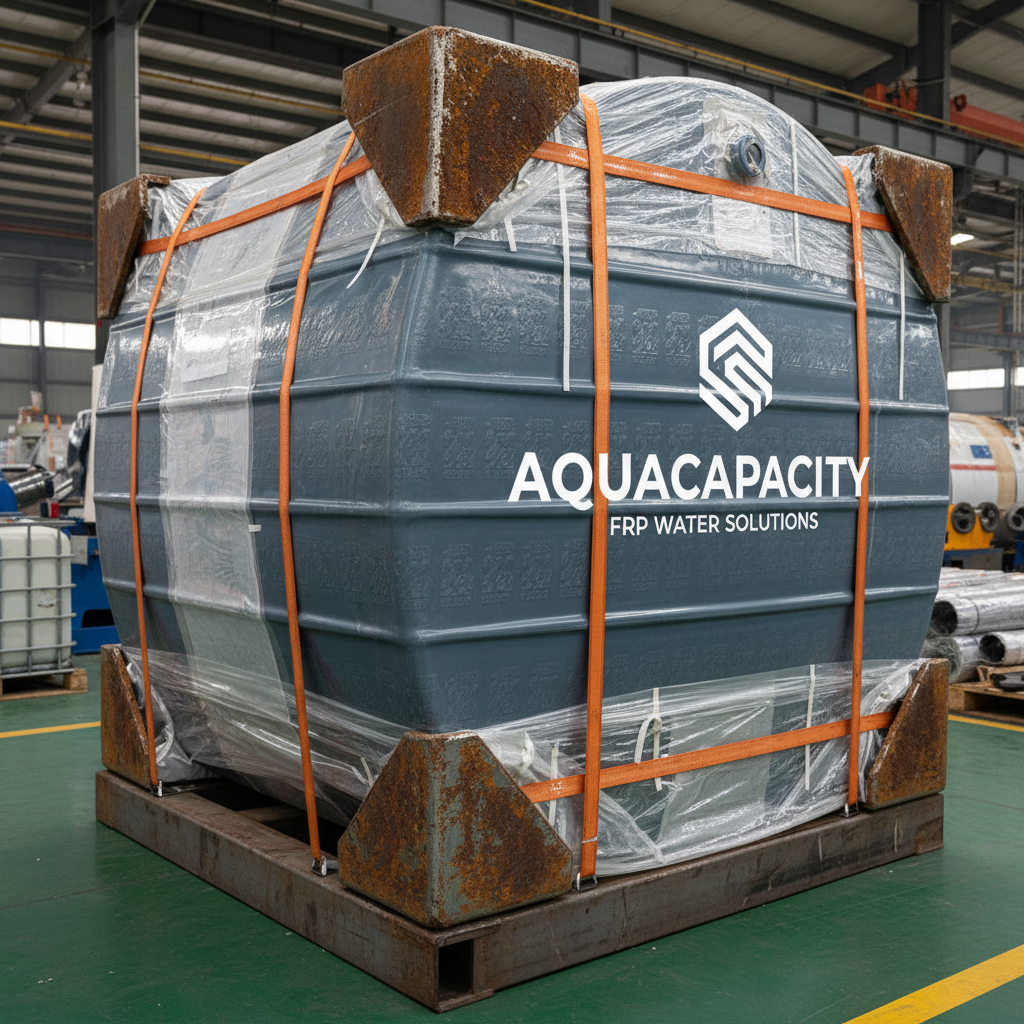
Some companies invest in modular tanks that can be snapped together or transported easily. This flexibility is a lifesaver in dynamic industrial environments or emergency setups where capacity needs can suddenly swell.

Cost Efficiency

Of course, budgets matter. There’s a constant trade-off between upfront investment and maintenance costs. Modern designs often emphasize longevity and reduced downtime, an approach many argue saves money in the long run.

Safety Features and Regulatory Compliance

Built-in leak detectors, pressure relief valves, and grounding features are standard now. Meeting or exceeding regulations like OSHA standards or European CLP regulations isn’t just bureaucratic red tape—it’s life-saving.

Environmental Sustainability

We’re seeing a big push toward tanks made from recyclable or bio-based materials and designs that help capture emissions, reflecting a wider societal push for green technologies.

Typical Chemical Tank Storage Specifications
Specification Common Range Notes
Capacity 500 - 500,000 liters Varies from portable drums to huge industrial tanks
Material Stainless steel, FRP, HDPE Chosen based on chemical compatibility
Operating Temp. -40°C to 150°C Depends on tank insulation and usage
Pressure Rating Up to 10 bar For pressurized tanks storing gases or volatile liquids
Safety Features Leak detectors, relief valves Complies with international standards

Where in the World Does Chemical Tank Storage Make a Difference?

Chemical tanks quietly fuel industries everywhere — from bustling chemical hubs in Europe, sprawling manufacturing arms in Asia, to remote mining operations in Africa. Oddly enough, even disaster relief agencies depend on them for storing clean water chemicals or fuel stabilizers amid crises.

For instance, in post-disaster relief operations after hurricanes, reliable chemical storage containers allow field teams to supply life-saving water purification solutions safely and quickly. In remote industrial zones, modular storage tanks withstand harsh climates while maintaining chemical integrity — crucial when supply lines are stretched thin.

Large energy producers along the Gulf Coast and East Asia’s petrochemical clusters also innovate constantly on tank design to meet stricter regulations and reduce environmental footprints.

Comparing Leading Chemical Tank Storage Vendors

Vendor Material Expertise Typical Clients Unique Strength
FRP Global Tanks FRP, HDPE Pharma, Water Engineering Corrosion resistance and modular designs
SteelTec Solutions Stainless Steel, Carbon Steel Oil & Gas, Chemical Processing Custom pressure and temperature tanks
EcoChem Storage Bio-based composites Green Energy, Food Sustainability and emissions control

Why Invest in Chemical Tank Storage? The Long-Term View

When you put it all together, investing in high-quality chemical tank storage isn’t just ticking safety boxes. It’s about long-term savings through durability, reducing environmental liabilities, and building trust with stakeholders. Companies that innovate here often see fewer accidents, lower insurance premiums, and stronger reputations. Plus, the emotional peace of mind that your hazardous materials won’t escape the system is invaluable — it’s about keeping people and planet safe.

Sustainability-minded companies also appreciate the growing demand for greener storage, which aligns with global climate goals and consumer expectations. So yes, chemical tanks might sound boring, but their ripple effects shape how industry and humanitarian efforts thrive.

Looking Ahead: Innovations Shaping Chemical Tank Storage’s Future

Innovations in digital monitoring, such as IoT-enabled sensors embedded in tanks, allow real-time leak detection and temperature tracking—many engineers I follow swear this is the future of smart chemical management. On the materials front, bio-based composites and fully recyclable tanks are edging into the mainstream, riding the wave of the circular economy. Automation also promises faster deployment and safer maintenance routines, a boon for hazardous environments.

Plus, as green energy continues to expand, chemical storage must adapt to new chemicals like hydrogen or biofuels, requiring fresher engineering approaches.1

Common Challenges & How Industry Tackles Them

So far, managing risks like corrosion, accidental leaks, or logistics hassles remain tricky. Shipping regulations vary widely by country, adding complexity for multinational firms. But the industry responds with better modular designs, corrosion-resistant linings, and harmonized compliance standards. Many companies collaborate closely with regulatory agencies to develop safer, easier-to-maintain storage systems.

There’s still room for improvement in remote monitoring and predictive maintenance, but that’s part of the ongoing innovation journey.

FAQ: What You Want to Know About Chemical Tank Storage

Q: How do I choose the right tank material for chemical storage?
A: Consider the chemical’s properties—acidity, reactivity, temperature—and match tank materials accordingly. Stainless steel suits corrosive acids; FRP offers corrosion resistance with lighter weight. Consult with suppliers who understand your specific application.
Q: What safety features are essential for chemical tanks?
Leak detection systems, pressure relief valves, grounding for static electricity, and proper ventilation are foundational. Compliance with local regulations like OSHA or EPA guidelines is also critical.
Q: Can chemical tank storage solutions be scaled quickly in emergencies?
Yes, many modern chemical tanks are designed modularly for rapid deployment. This flexibility is vital for disaster relief or temporary industrial setups.
Q: How often do chemical tanks require maintenance?
Routine inspections vary but commonly occur every 6-12 months, depending on use and chemical aggressiveness. Advanced sensor tech is reducing the need for labor-intensive checks by providing real-time data.
Q: Are eco-friendly chemical tanks cost-effective?
Initially, bio-based or recyclable tanks may be pricier but usually deliver savings via longevity and reduced environmental compliance costs. As demand grows, prices are expected to become more competitive.

Conclusion: The Quiet Force Behind Safer Industries & Aid Efforts

To wrap it up, chemical tank storage might not be the most glamorous topic, but it’s one of those unseen pillars supporting modern industry, global trade, and humanitarian aid. Proper storage saves lives, protects environments, and powers innovation. If you or your business interact with chemicals, understanding these tanks and working with trusted vendors can be a game-changer. For those interested in exploring high-quality, reliable storage options, a great starting point is to visit our website. The safe and sustainable future of chemical storage depends on innovation and responsible choices — maybe this is where you step in.
Upsell Products
Upsell News
Durable FRP Vessel for Water Treatment and Industrial Filtration
Apr 16,2026
Durable FRP Vessel for Water Treatment and Industrial Filtration
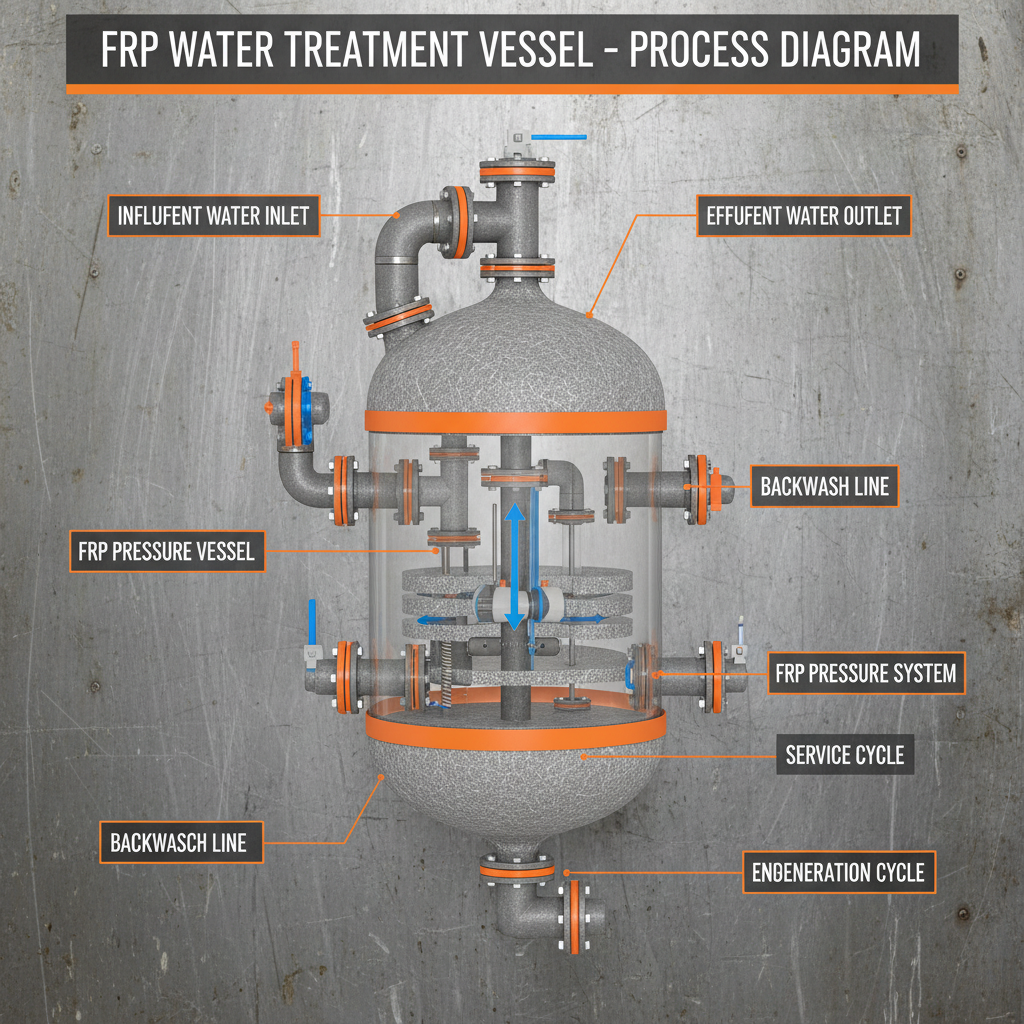
In the modern era of industrial and residential water purification, the choice of containment materials is critical for efficiency and longevity. An frp vessel for water treatment has emerged as the gold standard, replacing traditional steel tanks due to its superior corrosion resistance and lightweight properties. Whether you are dealing with desalination, softening, or filtration, using Fiber Reinforced Plastic (FRP) ensures that your system remains leak-proof and durable against aggressive chemicals. In this comprehensive guide, we will explore why FRP is the preferred choice for water treatment professionals worldwide and how to select the right vessel for your specific application.
Industrial Guide for Choosing the Right FRP Vertical Tank
Apr 09,2026
Industrial Guide for Choosing the Right FRP Vertical Tank
In today's industrial landscape, the storage of corrosive chemicals and aggressive liquids requires materials that can withstand extreme conditions without degrading. The frp vertical tank has emerged as a premier solution, offering an exceptional balance of strength, lightweight properties, and unmatched chemical resistance. Whether you are managing a water treatment plant or a chemical processing facility, understanding the nuances of Fiber Reinforced Plastic (FRP) is essential for ensuring operational safety and longevity. In this comprehensive guide, we will explore why vertical configurations are preferred and how these tanks outperform traditional metal alternatives.
Comprehensive Guide to FRP Underground Water Tank Solutions and Applications
Apr 07,2026
Comprehensive Guide to FRP Underground Water Tank Solutions and Applications
Fiberglass Reinforced Polymer (FRP) underground water tanks are becoming increasingly popular for a wide range of applications, from potable water storage to industrial wastewater containment. Their superior corrosion resistance, lightweight nature, and design flexibility make them an excellent alternative to traditional materials like concrete or steel. This article will delve into the benefits, applications, construction, and considerations for implementing FRP underground water tanks, providing a comprehensive overview for engineers, contractors, and project managers.
Comprehensive Guide to Frp Underground Water Storage Tanks and Their Applications
Apr 04,2026
Comprehensive Guide to Frp Underground Water Storage Tanks and Their Applications
When considering water storage solutions, particularly for industrial, agricultural, or municipal applications, frp underground water storage tanks stand out as a durable, cost-effective, and environmentally friendly option. These tanks are increasingly favored over traditional materials like concrete or steel due to their superior corrosion resistance, lighter weight, and ease of installation. This article delves into the benefits, applications, construction, and considerations when choosing an FRP tank, providing a detailed overview for potential buyers and project planners.
Sulfuric Acid Production Line - Hebei Aoliande|Efficient H2SO4 Plant Technology
Apr 01,2026
Sulfuric Acid Production Line - Hebei Aoliande|Efficient H2SO4 Plant Technology
Discover efficient H2SO4 plant technology and advanced sulfuric acid production solutions. Hebei Aoliande combines energy-saving furnace design and eco-friendly HCl recovery systems for sustainable industrial applications. Explore now: https://www.frpgrpmachine.com/sulfuric-acid-production-line-for-h2so4-plant.html
Sulfuric Acid Production Line - Hebei Aoliande|Efficient H2SO4 Plant Technology
Apr 01,2026
Sulfuric Acid Production Line - Hebei Aoliande|Efficient H2SO4 Plant Technology
Discover efficient H2SO4 plant technology and advanced sulfuric acid production solutions. Hebei Aoliande combines energy-saving furnace design and eco-friendly HCl recovery systems for sustainable industrial applications. Explore now: https://www.frpgrpmachine.com/sulfuric-acid-production-line-for-h2so4-plant.html
Sulfuric Acid Production Line - Hebei Aoliande|Efficient H2SO4 Plant Technology
Apr 01,2026
Sulfuric Acid Production Line - Hebei Aoliande|Efficient H2SO4 Plant Technology
Discover efficient H2SO4 plant technology and advanced sulfuric acid production solutions. Hebei Aoliande combines energy-saving furnace design and eco-friendly HCl recovery systems for sustainable industrial applications. Explore now: https://www.frpgrpmachine.com/sulfuric-acid-production-line-for-h2so4-plant.html
Sulfuric Acid Production Line - Hebei Aoliande|Efficient H2SO4 Plant Technology
Apr 01,2026
Sulfuric Acid Production Line - Hebei Aoliande|Efficient H2SO4 Plant Technology
Discover efficient H2SO4 plant technology and advanced sulfuric acid production solutions. Hebei Aoliande combines energy-saving furnace design and eco-friendly HCl recovery systems for sustainable industrial applications. Explore now: https://www.frpgrpmachine.com/sulfuric-acid-production-line-for-h2so4-plant.html
Sulfuric Acid Production Line - Hebei Aoliande|Efficient H2SO4 Plant Technology
Apr 01,2026
Sulfuric Acid Production Line - Hebei Aoliande|Efficient H2SO4 Plant Technology
Discover efficient H2SO4 plant technology and advanced sulfuric acid production solutions. Hebei Aoliande combines energy-saving furnace design and eco-friendly HCl recovery systems for sustainable industrial applications. Explore now: https://www.frpgrpmachine.com/sulfuric-acid-production-line-for-h2so4-plant.html
Sulfuric Acid Production Line - Hebei Aoliande|Efficient H2SO4 Plant Technology
Apr 01,2026
Sulfuric Acid Production Line - Hebei Aoliande|Efficient H2SO4 Plant Technology
Discover efficient H2SO4 plant technology and advanced sulfuric acid production solutions. Hebei Aoliande combines energy-saving furnace design and eco-friendly HCl recovery systems for sustainable industrial applications. Explore now: https://www.frpgrpmachine.com/sulfuric-acid-production-line-for-h2so4-plant.html
Comprehensive Guide to Frp Underground Storage Tanks for Reliable Storage Solutions
Mar 31,2026
Comprehensive Guide to Frp Underground Storage Tanks for Reliable Storage Solutions
Fiberglass Reinforced Polymer (FRP) underground storage tanks are becoming increasingly popular for a wide range of applications, from fuel storage to wastewater management. Their corrosion resistance, lightweight nature, and durability offer significant advantages over traditional materials like steel. This article will provide an in-depth look at FRP underground storage tanks, covering their benefits, applications, installation, and maintenance. Understanding these aspects is crucial for making informed decisions about long-term storage solutions.
Comprehensive Guide to Selecting the Ideal FRP Tank for Water Storage Solutions
Mar 28,2026
Comprehensive Guide to Selecting the Ideal FRP Tank for Water Storage Solutions
When it comes to reliable and durable water storage, FRP tanks for water are increasingly becoming the preferred solution for a wide range of applications. These tanks, constructed from Fiber Reinforced Polymer (FRP) materials, offer significant advantages over traditional storage options like steel or concrete. This article delves into the benefits, applications, and considerations when selecting an FRP tank for your water storage needs, providing a detailed overview for businesses and individuals alike.
Comprehensive Guide to Frp Tank and Vessel Applications and Manufacturing
Mar 26,2026
Comprehensive Guide to Frp Tank and Vessel Applications and Manufacturing
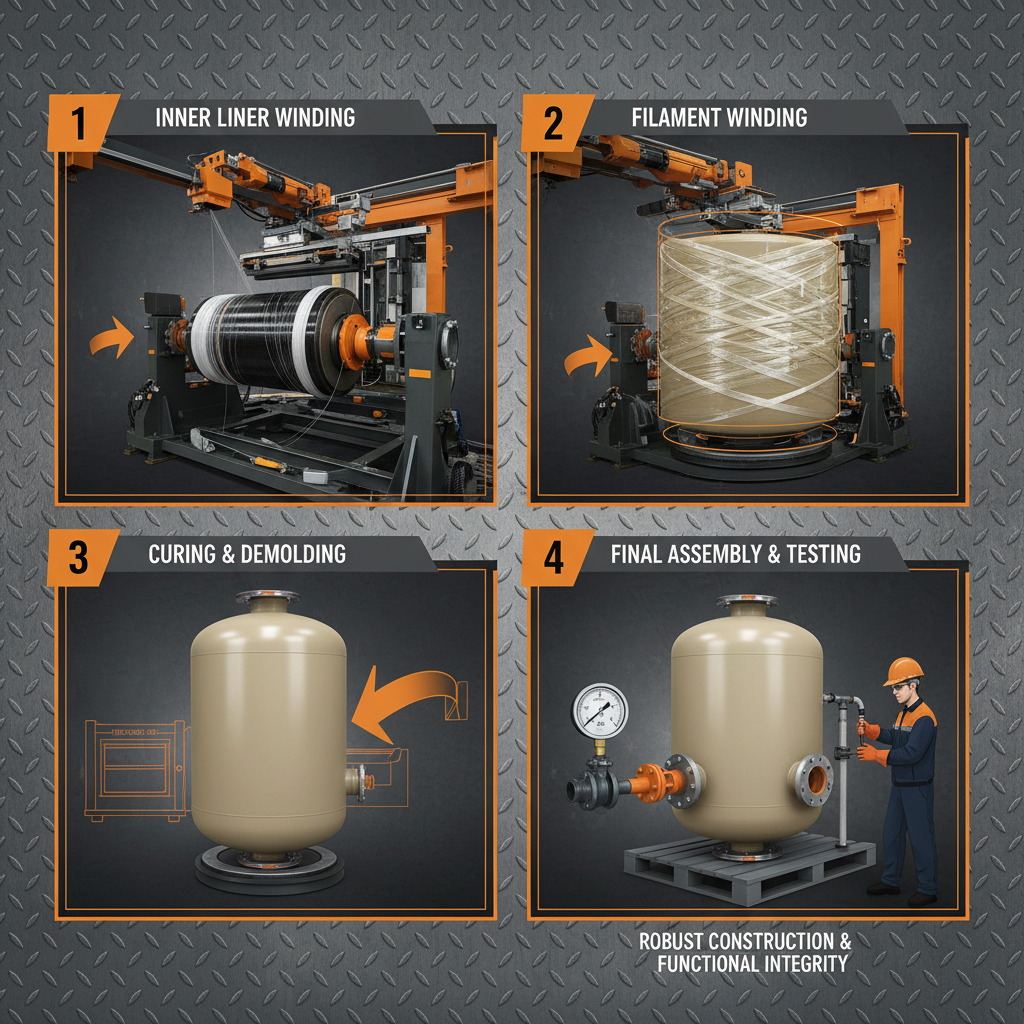
Fiber Reinforced Polymer (FRP) tanks and vessels are increasingly becoming the preferred choice for storage and processing across a multitude of industries. Their lightweight nature, corrosion resistance, and design flexibility offer significant advantages over traditional materials like steel. This article will delve into the intricacies of FRP tanks and vessels, exploring their applications, manufacturing processes, benefits, and considerations for selecting the right solution for your specific needs. We’ll also highlight why FRP tanks are a cost-effective and reliable long-term investment. FRP tanks and vessels are constructed from a combination of reinforcing fibers (such as fiberglass, carbon fiber, or aramid fiber) embedded in a polymer matrix (typically polyester, vinyl ester, or epoxy resin). This combination creates a composite material that boasts high strength-to-weight ratio, exceptional corrosion resistance, and the ability to be molded into complex shapes. They’re designed to safely contain a wide variety of liquids and gases, ranging from corrosive chemicals and water to food products and pharmaceuticals.
Optimizing Water Filtration with Durable FRP Sand Filter Vessels
Mar 24,2026
Optimizing Water Filtration with Durable FRP Sand Filter Vessels
In water treatment and filtration systems, the choice of filter vessel material is paramount. Fiber Reinforced Plastic (FRP), also known as Glass Reinforced Polymer (GRP), sand filter vessels are increasingly popular due to their superior corrosion resistance, lightweight nature, and cost-effectiveness. This article delves into the benefits, applications, design considerations, and factors to consider when selecting an FRP sand filter vessel. Whether you are involved in municipal water treatment, industrial wastewater management, or recreational water filtration, understanding FRP technology is essential for optimizing your filtration process. An FRP sand filter vessel is a containment unit designed to house filtration media, typically sand, gravel, and anthracite. These vessels are integral components in sand filtration systems used for removing suspended solids, turbidity, and other particulate matter from water. FRP construction involves layering glass fibers within a resin matrix (typically polyester or vinyl ester) to create a strong, durable, and chemically resistant shell. The strength and rigidity of the vessel are crucial for withstanding the pressure from the filtration media and the water flow.
Comprehensive Guide to FRP Round Tanks Applications and Benefits
Mar 21,2026
Comprehensive Guide to FRP Round Tanks Applications and Benefits
Fiber Reinforced Polymer (FRP) round tanks are increasingly becoming the preferred choice for storage solutions across a variety of industries. Their lightweight nature, corrosion resistance, and design flexibility offer significant advantages over traditional materials like steel. This article provides an in-depth look at FRP round tanks, exploring their applications, benefits, manufacturing processes, and key considerations when choosing the right tank for your needs. Whether you're in chemical processing, water treatment, or agriculture, understanding FRP round tanks is crucial for optimizing your storage infrastructure. FRP round tanks are constructed from a combination of reinforcing fibers (typically fiberglass, carbon fiber, or a blend) embedded in a polymer matrix (often polyester, vinyl ester, or epoxy resin). The round shape inherently provides excellent structural strength, distributing pressure evenly across the tank’s surface.
Comprehensive Guide to FRP Pressure Tanks Benefits and Applications
Mar 19,2026
Comprehensive Guide to FRP Pressure Tanks Benefits and Applications
Fiber Reinforced Polymer (FRP) pressure tanks are becoming increasingly popular in a wide range of industrial applications, offering a compelling alternative to traditional steel tanks. Known for their lightweight nature, corrosion resistance, and high strength-to-weight ratio, FRP tanks provide efficient and durable solutions for storing liquids and gases under pressure. This article will delve into the benefits, applications, construction, and key considerations when selecting an FRP pressure tank, helping you make an informed decision for your specific needs. Understanding the advantages of FRP technology can lead to significant cost savings and improved operational efficiency. Compared to steel, FRP pressure tanks offer several key advantages. The most significant is their superior corrosion resistance. Unlike steel, which is susceptible to rust and corrosion when exposed to various chemicals, FRP materials are inherently resistant to a wide range of corrosive substances. This translates to a longer lifespan, reduced maintenance costs, and increased safety. Furthermore, FRP is significantly lighter than steel, making installation easier and reducing transportation costs.
For More Details Pls Contact Us
Thank you for your interest in our gloves! We offer high-quality, durable, and comfortable gloves with fast delivery and competitive prices. For any questions or customization, feel free to contact us. We look forward to working with you!

If you are interested in our products, you can choose to leave your information here, and we will be in touch with you shortly.