Nov 30,2025

Chemical Tank 1000 Ltr – Durable, Efficient, and Safe Chemical Storage Solutions

What’s So Important About the Chemical Tank 1000 Ltr?

At first glance, a chemical tank with a 1000-liter capacity sounds like one of those industrial must-haves — straightforward, practical, essential. But when you zoom out, this humble vessel plays a huge role in sectors that literally affect the world — from manufacturing to water treatment, and even disaster relief. Understanding what makes the chemical tank 1000 ltr tick is more than technical jargon; it’s about recognizing how a single piece of equipment fits into a bigger sustainability and safety puzzle globally.

Whether it’s safely storing acids, alkalis, or other hazardous fluids, or helping manage large-scale supply chains, these tanks deliver efficiency and reliability — qualities that industries worldwide rely on. And as environmental regulations get stricter, the need for robust, dependable chemical tanks only grows.

The Global Importance of Chemical Tank 1000 Ltr

The world uses chemicals in just about every part of modern industry. According to the United Nations Environment Programme (UNEP), the chemicals sector contributes over $5 trillion globally and supports billions of jobs. With that scale, containment and handling solutions like the chemical tank 1000 ltr aren’t just “nice to have”—they’re mandatory for safety, environmental protection, and regulatory compliance.

But here’s where it gets tricky: many regions still face challenges around safe chemical storage, especially in developing economies or remote industrial zones. Leaks, contamination, and subpar infrastructure not only threaten human health but also economic progress. That’s why a strong, well-made 1000-liter chemical tank is a practical solution for both small-scale operators and big manufacturers alike. Oddly enough, it’s the middle ground that often delivers the most value — not the smallest drums, nor the largest silos.

Defining the Chemical Tank 1000 Ltr

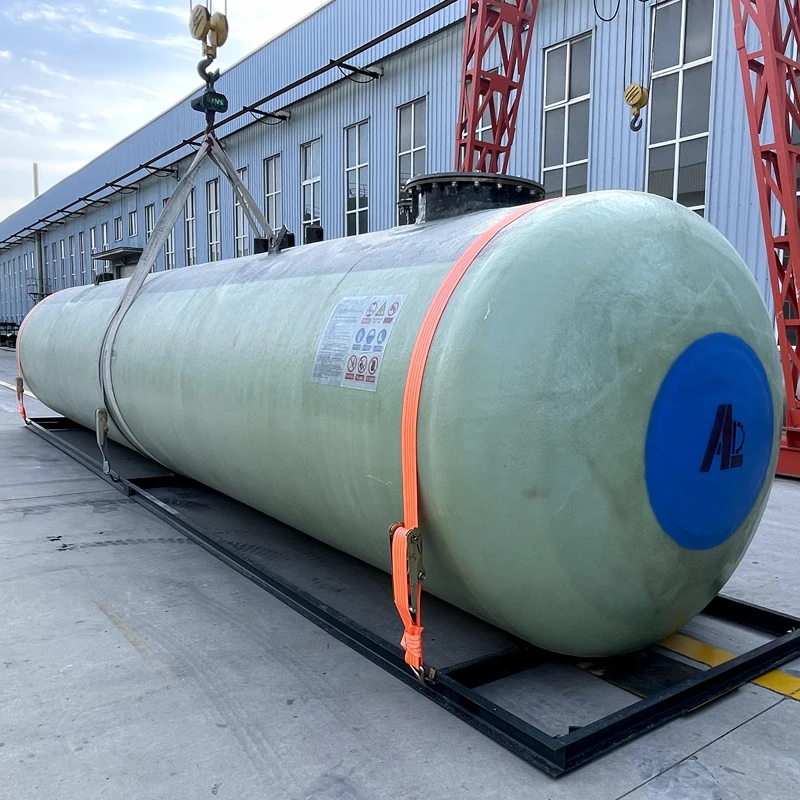
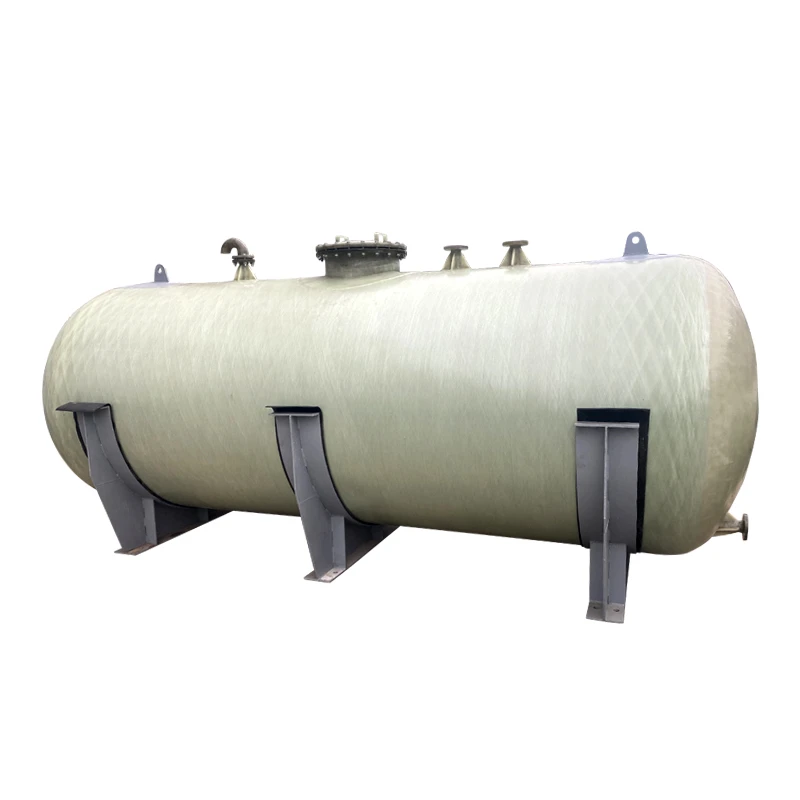
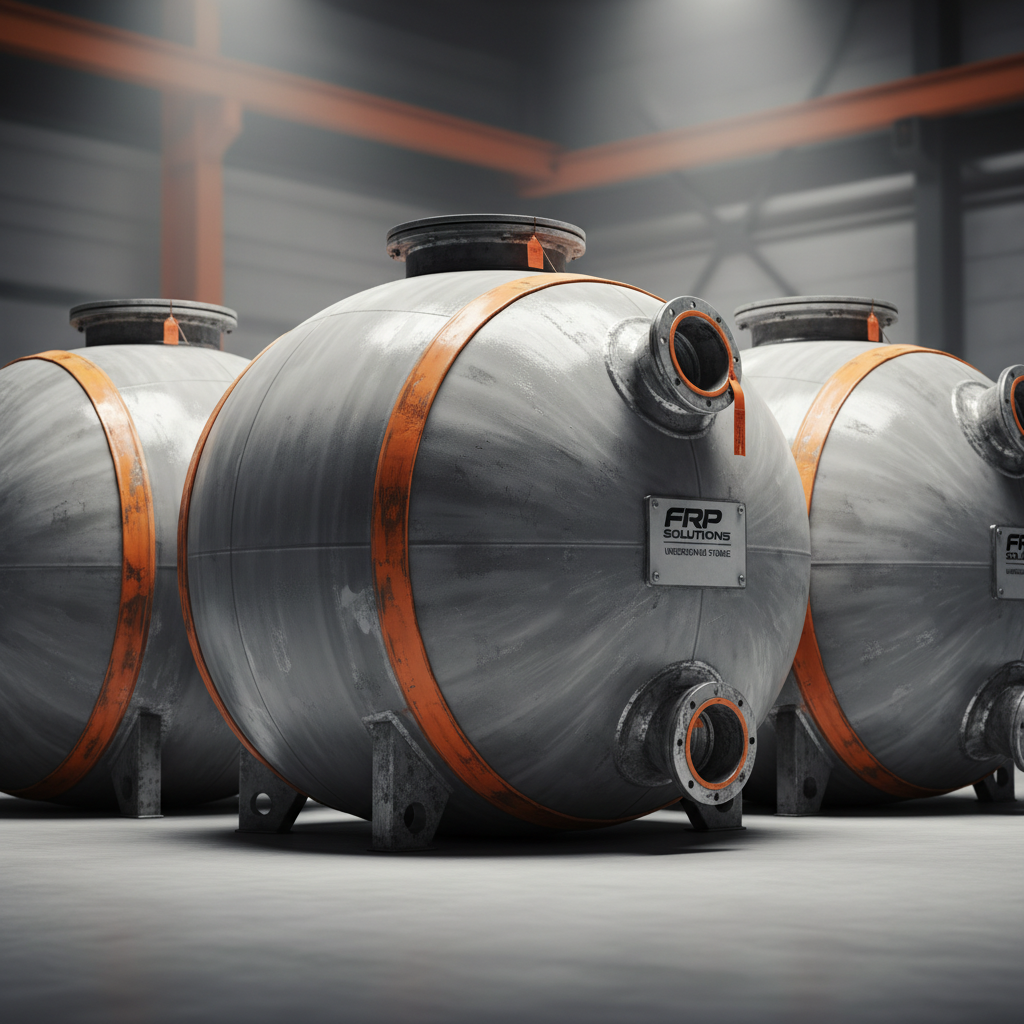
In simple terms, a chemical tank 1000 ltr is a container engineered specifically to store and transport chemical substances safely. It typically holds a volume of 1000 liters (about 264 gallons), striking a balance between capacity and maneuverability. These tanks come in various materials — commonly plastic (like polyethylene), fiberglass-reinforced plastic, or stainless steel — each chosen based on the chemical properties it must resist, from corrosives to solvents.

In modern industry, such tanks help facilitate everything from small batch processing in pharmaceutical plants to large-scale water treatment installations. In humanitarian contexts, they’re crucial for safely transporting chemicals used in water purification or agricultural aid.

Key Factors That Make a Great Chemical Tank 1000 Ltr

1. Durability & Chemical Resistance

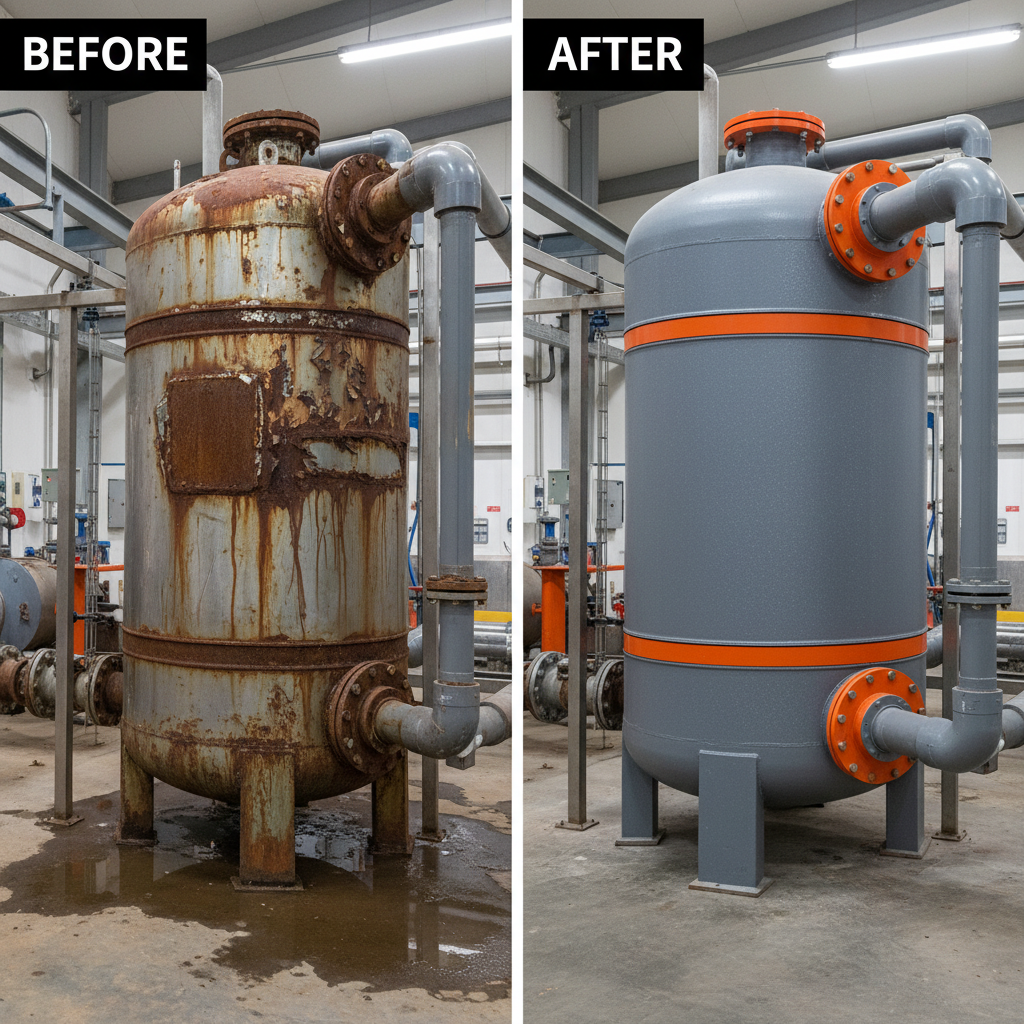
This is the core. Tanks must withstand harsh chemicals over long periods without degrading or leaking. Materials like HDPE or FRP shield contents while keeping the outside safe — many engineers will insist on testing compatibility before finalizing tank specs.

2. Structural Integrity & Design

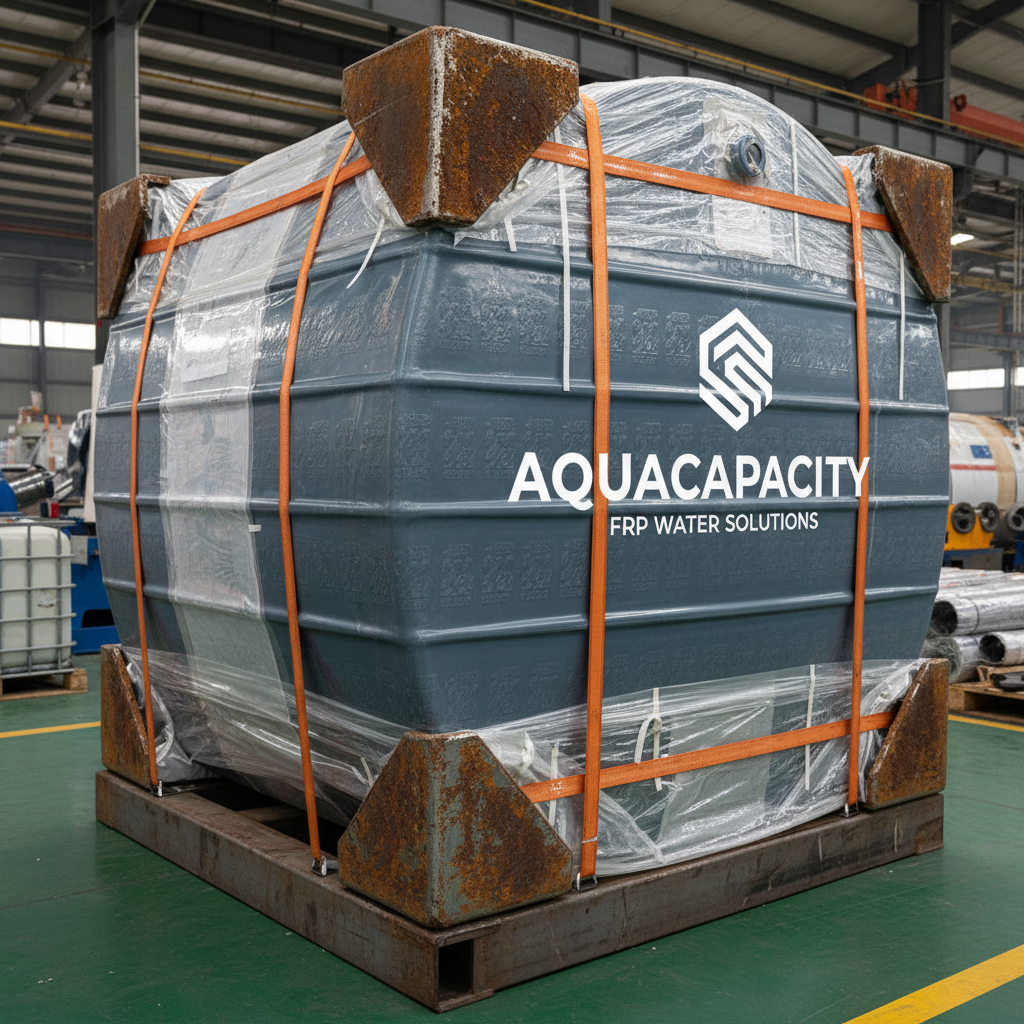
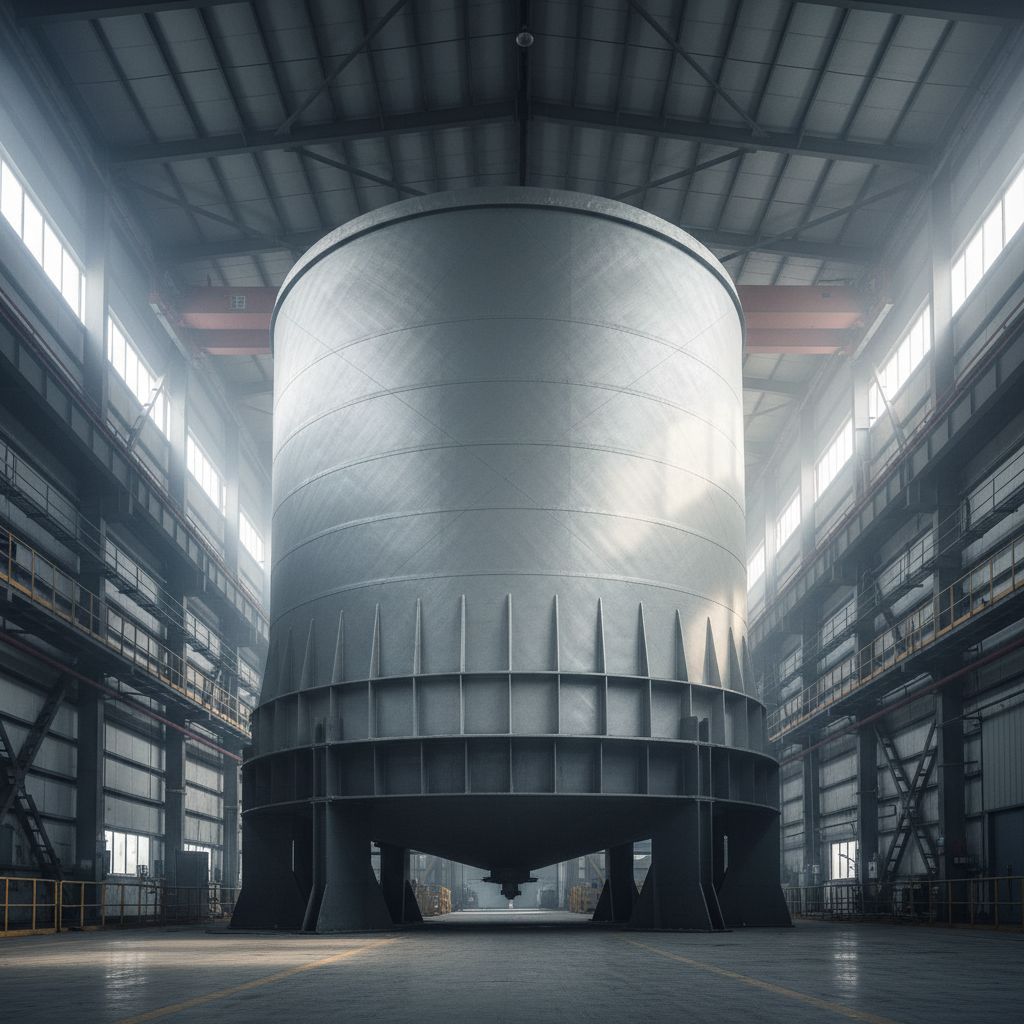
It’s not just what the tank is made of but also how it’s shaped and reinforced. Rounded edges, ribbed exteriors, and secure fittings reduce breakage risks during transport or installation. And those flatbacks or stacking features? They matter.

3. Scalability & Versatility

Whether a facility needs 10 tanks or 100, the 1000-liter size is often the sweet spot. Easy to move by forklift or crane and modular enough to cluster, it adapts well to varying operational needs.

4. Cost Efficiency Over Service Life

Price isn’t just up-front. Consider maintenance costs, replacement frequency, and downtime caused by failures. Many industrial users report that investing slightly more initially on quality tanks pays off handsomely in the medium term.

5. Compliance With Safety & Environmental Standards

Features like secondary containment, proper venting, and adherence to ISO or local regulatory standards ensure tanks integrate seamlessly into compliant workflows — easier said than done, but critical for peace of mind.

A Quick Overview: Chemical Tank 1000 Ltr Specifications

Specification Details
Capacity 1000 Liters (264 gallons)
Material Options HDPE, FRP, Stainless Steel
Dimensions (L×W×H) Approx. 1200 × 800 × 1100 mm
Weight (empty) 40–80 kg depending on material
Compliance Standards ISO 9001, UN/DOT for hazardous materials
Optional Features Baffles, secondary containment, fittings

Who’s Using Chemical Tanks 1000 Ltr? Real-World Applications

The versatility of the 1000-litre chemical tank means it finds a home everywhere:

  • Chemical & Pharmaceutical Manufacturing: Batch processing, intermediate storage, and transport.
  • Water Treatment Plants: Safe storage of flocculants, chlorine solutions, or pH control agents.
  • Food & Beverage Industry: Handling food-safe chemicals like sanitizers and cleaning agents.
  • Agriculture: Fertilizer and pesticide storage close to application sites.
  • Disaster Relief & NGOs: Transporting purification chemicals for clean water access.

Take, for example, a recent relief operation in Southeast Asia, where 1000-litre chemical tanks supplied water purification agents directly in flood-affected zones. It not only improved access to clean drinking water but also minimized environmental spillage risks compared to smaller, improvised containers.

Vendor Comparison: What to Look For When Buying

Feature Vendor A Vendor B Vendor C
Material Options HDPE, FRP Stainless Steel Only HDPE & Steel Hybrid
Customization High - fittings, sizes, colours Limited Medium - standard options
Certifications ISO 9001, UN/DOT ISO 14001 UN/DOT only
Lead Time 2–3 weeks 4–6 weeks 1–2 weeks
Typical Use Case Industrial batch processing Food & pharma industries Agriculture & water treatment

Why Investing in a Chemical Tank 1000 Ltr Pays Off

There is a subtlety here that many newcomers overlook: the value isn’t merely the tank itself, but what it enables. Reliable chemical tanks minimize downtime, reduce safety incidents, and often lower insurance premiums. In real terms, this means fewer spills, fewer compliance headaches, and more predictable operations. Plus, when your tank lasts longer, you waste less — and that’s increasingly important in a world fixated on sustainability.

On the emotional side, knowing you have robust equipment handling dangerous chemicals better is a weight off many site managers’ shoulders. Not just convenience but peace of mind — a commodity rarely measured but deeply felt.

Looking Ahead: Future Trends in Chemical Tank Technology

Technology and environmental concerns are pushing the envelope. I’ve noticed more manufacturers adopting eco-friendly resins, improved UV stabilization, and integrating sensor tech for remote monitoring. Smart tanks can detect leaks or measure chemical concentration, meaning fewer surprises and quicker reaction times.

Automation also plays a role, especially in large plants where tanks connect into digital control systems, streamlining processes and enhancing safety. Green energy initiatives sometimes influence design choices — from solar-powered vents to low-carbon footprint manufacturing methods. The chemical tank 1000 ltr isn’t lagging; it’s evolving with the times.

Overcoming Common Challenges

No product is perfect — and chemical tanks face some hurdles. UV degradation, improper handling, and chemical incompatibility can shorten their lifespan, leading to unexpected costs. However, experts suggest routine inspection and opting for certified products tailored to your chemicals mitigate most risks.

For smaller firms or NGOs, logistics sometimes prove tricky. Transporting these mid-sized tanks safely requires planning, but innovations like modular fittings and collapsible designs are easing those pains. Plus, training frontline workers on tank operation makes a surprising difference.

FAQ: Frequently Asked Questions About Chemical Tank 1000 Ltr

Q1: What chemicals can I safely store in a 1000-liter tank?

A: Most tanks specify chemical compatibility depending on their material. HDPE and FRP tanks work well with acids, alkalis, and solvents, but corrosive chemicals like concentrated sulfuric acid might require stainless steel models. Always check the manufacturer’s chemical resistance chart to be safe.

Q2: How long will a chemical tank 1000 ltr typically last?

A: Lifespan varies but generally ranges from 5 to 15 years, depending on usage, chemical type, UV exposure, and maintenance. Proper use and regular inspections can extend service life significantly.

Q3: Can these tanks be customized for specific industrial needs?

A: Yes, many manufacturers offer customization — fittings, color coding, baffles, or reinforced designs. Discuss your application needs early to tailor the tank appropriately.

Q4: Are chemical tanks 1000 ltr environmentally friendly?

A: Modern tanks increasingly use recyclable materials and eco-friendly resins. Their durability also reduces waste. Plus, safer storage reduces spills, indirectly protecting the environment.

Q5: How can NGOs source these tanks internationally?

A: Reputable vendors abide by UN/DOT regulations facilitating cross-border shipments. Partnerships with logistics firms experienced in hazardous materials help smooth imports too.

In Conclusion

All told, the chemical tank 1000 ltr is a surprisingly pivotal player in how chemicals move, get stored, and remain safe worldwide. From industrial giants to humanitarian agencies, these tanks offer a practical, effective solution balancing capacity, durability, and cost. If you’re considering upgrading or setting up systems, exploring trusted, certified products — like those found through our recommended suppliers — is a smart starting point.

Stay tuned, because as industries push for greener, smarter, and more connected infrastructure, these tanks will only get better. It’s equipment you’ll want around for the long haul.


Takeaways:

  • The 1000-liter chemical tank hits a sweet spot between capacity and portability.
  • Material choice and design profoundly impact safety and durability.
  • Wide-ranging industries and regions depend on these tanks every day.
  • Technological innovation is enhancing tank monitoring and environmental profiles.
  • Choosing the right vendor and specifications saves money and headache down the road.
References:

  1. United Nations Environment Programme (UNEP)
  2. ISO 9001 Quality Management Standards
  3. Wikipedia: Chemical storage tank
Upsell Products
Upsell News
Durable FRP Vessel for Water Treatment and Industrial Filtration
Apr 16,2026
Durable FRP Vessel for Water Treatment and Industrial Filtration
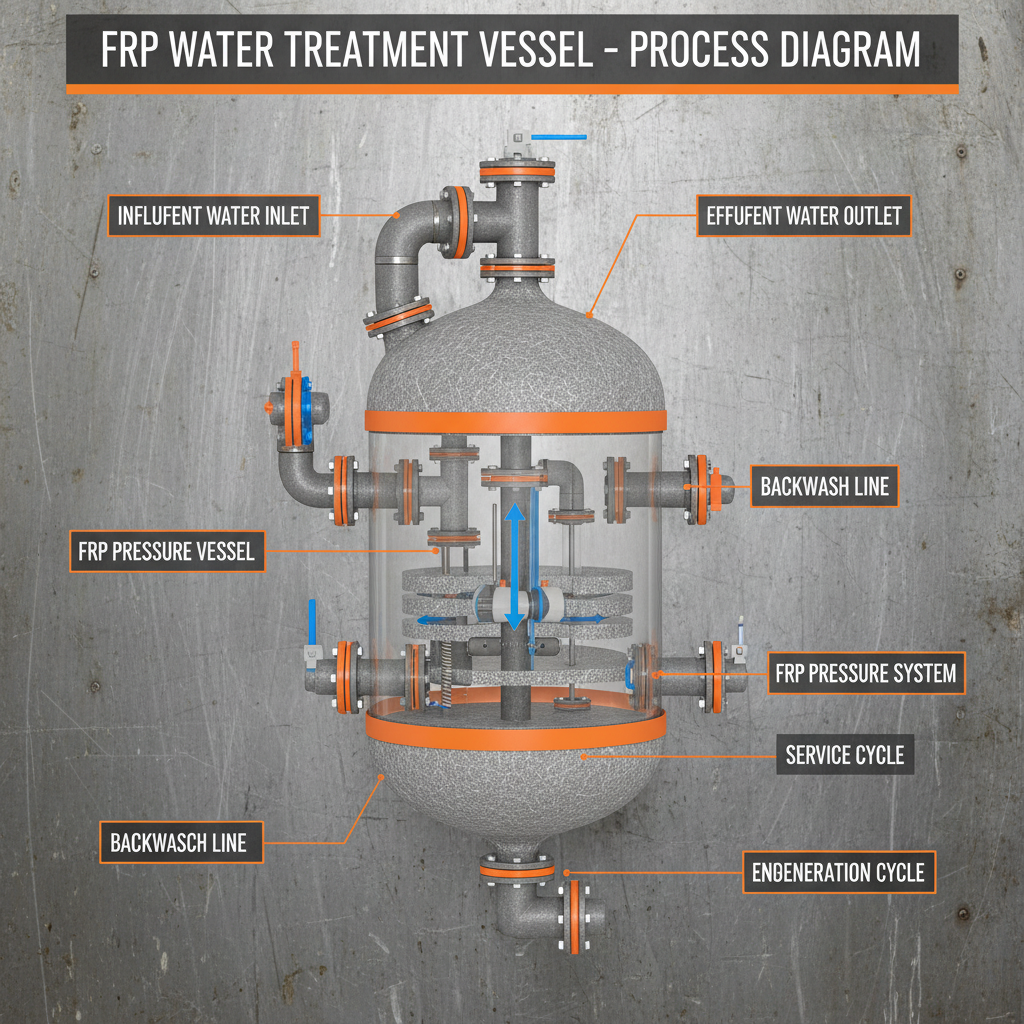
In the modern era of industrial and residential water purification, the choice of containment materials is critical for efficiency and longevity. An frp vessel for water treatment has emerged as the gold standard, replacing traditional steel tanks due to its superior corrosion resistance and lightweight properties. Whether you are dealing with desalination, softening, or filtration, using Fiber Reinforced Plastic (FRP) ensures that your system remains leak-proof and durable against aggressive chemicals. In this comprehensive guide, we will explore why FRP is the preferred choice for water treatment professionals worldwide and how to select the right vessel for your specific application.
Industrial Guide for Choosing the Right FRP Vertical Tank
Apr 09,2026
Industrial Guide for Choosing the Right FRP Vertical Tank
In today's industrial landscape, the storage of corrosive chemicals and aggressive liquids requires materials that can withstand extreme conditions without degrading. The frp vertical tank has emerged as a premier solution, offering an exceptional balance of strength, lightweight properties, and unmatched chemical resistance. Whether you are managing a water treatment plant or a chemical processing facility, understanding the nuances of Fiber Reinforced Plastic (FRP) is essential for ensuring operational safety and longevity. In this comprehensive guide, we will explore why vertical configurations are preferred and how these tanks outperform traditional metal alternatives.
Comprehensive Guide to FRP Underground Water Tank Solutions and Applications
Apr 07,2026
Comprehensive Guide to FRP Underground Water Tank Solutions and Applications
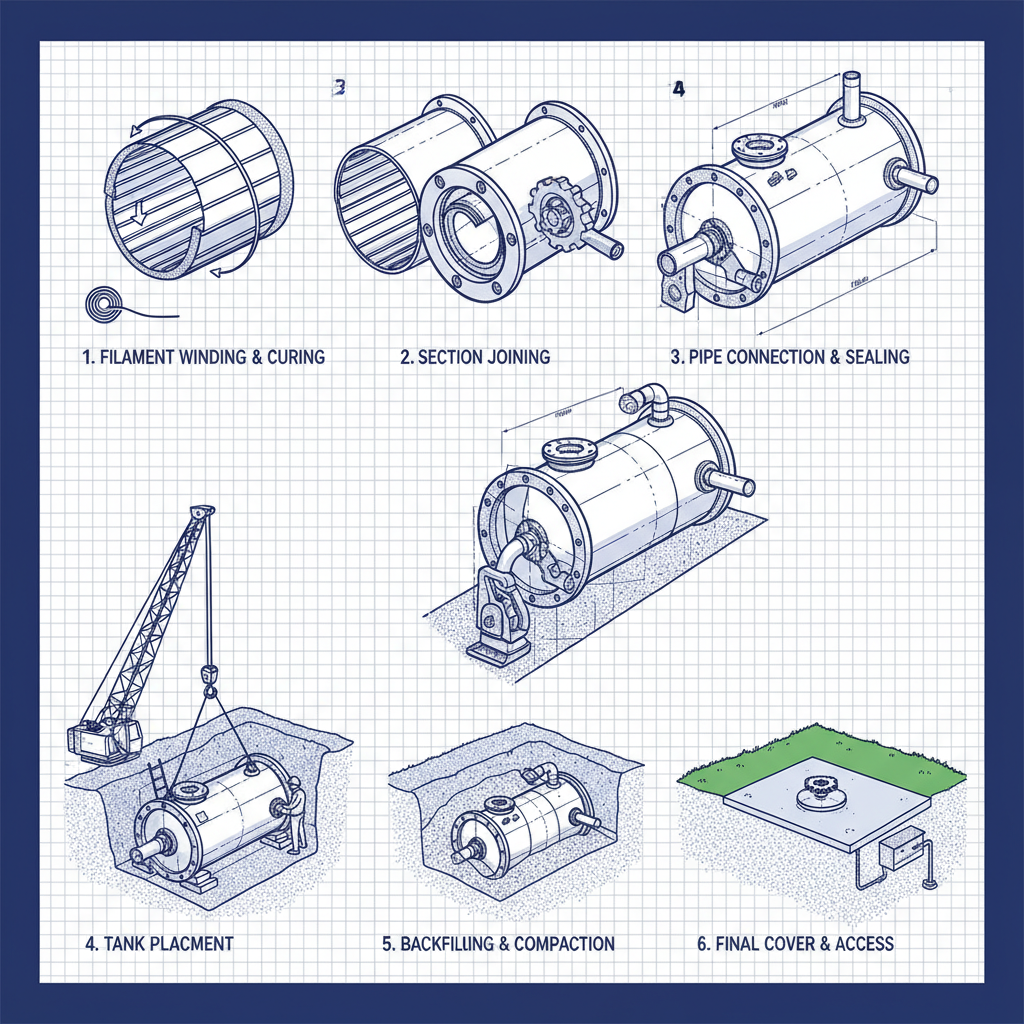
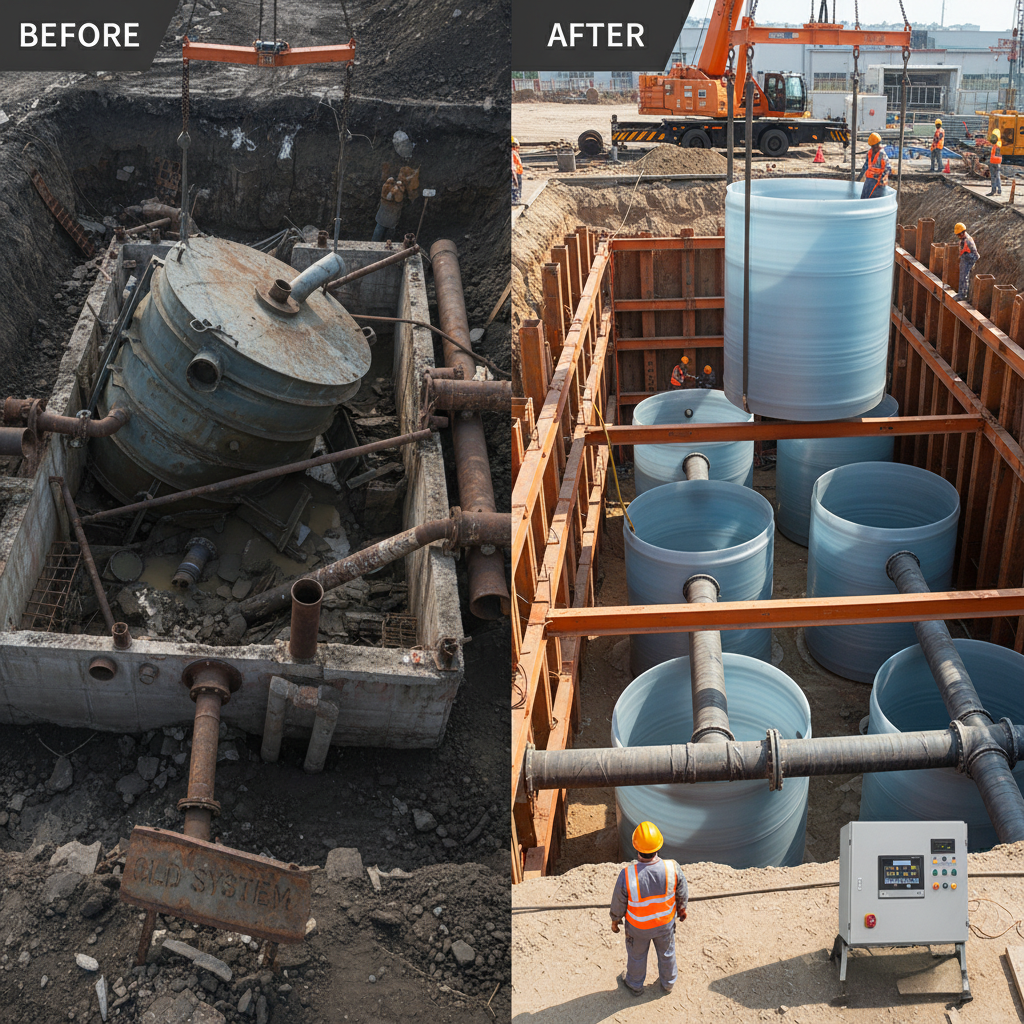
Fiberglass Reinforced Polymer (FRP) underground water tanks are becoming increasingly popular for a wide range of applications, from potable water storage to industrial wastewater containment. Their superior corrosion resistance, lightweight nature, and design flexibility make them an excellent alternative to traditional materials like concrete or steel. This article will delve into the benefits, applications, construction, and considerations for implementing FRP underground water tanks, providing a comprehensive overview for engineers, contractors, and project managers.
Comprehensive Guide to Frp Underground Water Storage Tanks and Their Applications
Apr 04,2026
Comprehensive Guide to Frp Underground Water Storage Tanks and Their Applications
When considering water storage solutions, particularly for industrial, agricultural, or municipal applications, frp underground water storage tanks stand out as a durable, cost-effective, and environmentally friendly option. These tanks are increasingly favored over traditional materials like concrete or steel due to their superior corrosion resistance, lighter weight, and ease of installation. This article delves into the benefits, applications, construction, and considerations when choosing an FRP tank, providing a detailed overview for potential buyers and project planners.
Sulfuric Acid Production Line - Hebei Aoliande|Efficient H2SO4 Plant Technology
Apr 01,2026
Sulfuric Acid Production Line - Hebei Aoliande|Efficient H2SO4 Plant Technology
Discover efficient H2SO4 plant technology and advanced sulfuric acid production solutions. Hebei Aoliande combines energy-saving furnace design and eco-friendly HCl recovery systems for sustainable industrial applications. Explore now: https://www.frpgrpmachine.com/sulfuric-acid-production-line-for-h2so4-plant.html
Sulfuric Acid Production Line - Hebei Aoliande|Efficient H2SO4 Plant Technology
Apr 01,2026
Sulfuric Acid Production Line - Hebei Aoliande|Efficient H2SO4 Plant Technology
Discover efficient H2SO4 plant technology and advanced sulfuric acid production solutions. Hebei Aoliande combines energy-saving furnace design and eco-friendly HCl recovery systems for sustainable industrial applications. Explore now: https://www.frpgrpmachine.com/sulfuric-acid-production-line-for-h2so4-plant.html
Sulfuric Acid Production Line - Hebei Aoliande|Efficient H2SO4 Plant Technology
Apr 01,2026
Sulfuric Acid Production Line - Hebei Aoliande|Efficient H2SO4 Plant Technology
Discover efficient H2SO4 plant technology and advanced sulfuric acid production solutions. Hebei Aoliande combines energy-saving furnace design and eco-friendly HCl recovery systems for sustainable industrial applications. Explore now: https://www.frpgrpmachine.com/sulfuric-acid-production-line-for-h2so4-plant.html
Sulfuric Acid Production Line - Hebei Aoliande|Efficient H2SO4 Plant Technology
Apr 01,2026
Sulfuric Acid Production Line - Hebei Aoliande|Efficient H2SO4 Plant Technology
Discover efficient H2SO4 plant technology and advanced sulfuric acid production solutions. Hebei Aoliande combines energy-saving furnace design and eco-friendly HCl recovery systems for sustainable industrial applications. Explore now: https://www.frpgrpmachine.com/sulfuric-acid-production-line-for-h2so4-plant.html
Sulfuric Acid Production Line - Hebei Aoliande|Efficient H2SO4 Plant Technology
Apr 01,2026
Sulfuric Acid Production Line - Hebei Aoliande|Efficient H2SO4 Plant Technology
Discover efficient H2SO4 plant technology and advanced sulfuric acid production solutions. Hebei Aoliande combines energy-saving furnace design and eco-friendly HCl recovery systems for sustainable industrial applications. Explore now: https://www.frpgrpmachine.com/sulfuric-acid-production-line-for-h2so4-plant.html
Sulfuric Acid Production Line - Hebei Aoliande|Efficient H2SO4 Plant Technology
Apr 01,2026
Sulfuric Acid Production Line - Hebei Aoliande|Efficient H2SO4 Plant Technology
Discover efficient H2SO4 plant technology and advanced sulfuric acid production solutions. Hebei Aoliande combines energy-saving furnace design and eco-friendly HCl recovery systems for sustainable industrial applications. Explore now: https://www.frpgrpmachine.com/sulfuric-acid-production-line-for-h2so4-plant.html
Comprehensive Guide to Frp Underground Storage Tanks for Reliable Storage Solutions
Mar 31,2026
Comprehensive Guide to Frp Underground Storage Tanks for Reliable Storage Solutions
Fiberglass Reinforced Polymer (FRP) underground storage tanks are becoming increasingly popular for a wide range of applications, from fuel storage to wastewater management. Their corrosion resistance, lightweight nature, and durability offer significant advantages over traditional materials like steel. This article will provide an in-depth look at FRP underground storage tanks, covering their benefits, applications, installation, and maintenance. Understanding these aspects is crucial for making informed decisions about long-term storage solutions.
Comprehensive Guide to Selecting the Ideal FRP Tank for Water Storage Solutions
Mar 28,2026
Comprehensive Guide to Selecting the Ideal FRP Tank for Water Storage Solutions
When it comes to reliable and durable water storage, FRP tanks for water are increasingly becoming the preferred solution for a wide range of applications. These tanks, constructed from Fiber Reinforced Polymer (FRP) materials, offer significant advantages over traditional storage options like steel or concrete. This article delves into the benefits, applications, and considerations when selecting an FRP tank for your water storage needs, providing a detailed overview for businesses and individuals alike.
Comprehensive Guide to Frp Tank and Vessel Applications and Manufacturing
Mar 26,2026
Comprehensive Guide to Frp Tank and Vessel Applications and Manufacturing
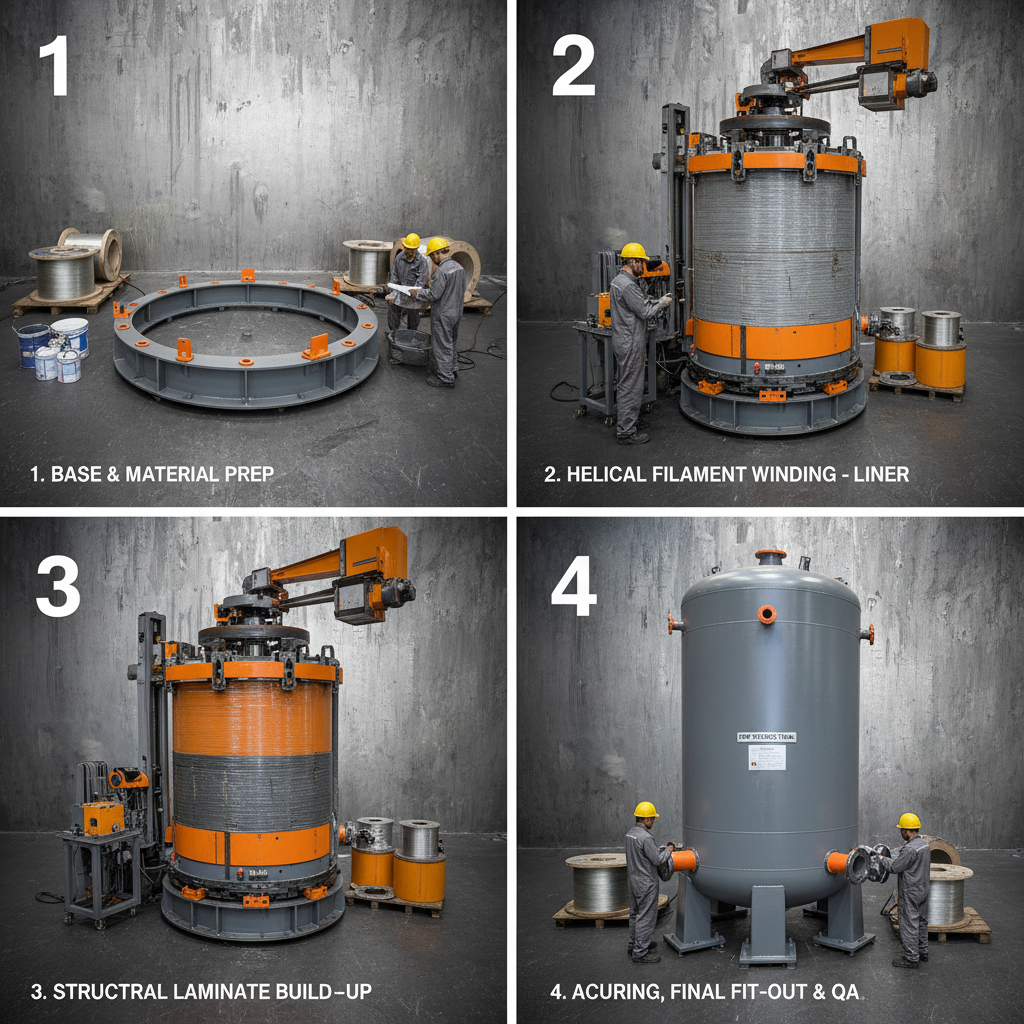
Fiber Reinforced Polymer (FRP) tanks and vessels are increasingly becoming the preferred choice for storage and processing across a multitude of industries. Their lightweight nature, corrosion resistance, and design flexibility offer significant advantages over traditional materials like steel. This article will delve into the intricacies of FRP tanks and vessels, exploring their applications, manufacturing processes, benefits, and considerations for selecting the right solution for your specific needs. We’ll also highlight why FRP tanks are a cost-effective and reliable long-term investment. FRP tanks and vessels are constructed from a combination of reinforcing fibers (such as fiberglass, carbon fiber, or aramid fiber) embedded in a polymer matrix (typically polyester, vinyl ester, or epoxy resin). This combination creates a composite material that boasts high strength-to-weight ratio, exceptional corrosion resistance, and the ability to be molded into complex shapes. They’re designed to safely contain a wide variety of liquids and gases, ranging from corrosive chemicals and water to food products and pharmaceuticals.
Optimizing Water Filtration with Durable FRP Sand Filter Vessels
Mar 24,2026
Optimizing Water Filtration with Durable FRP Sand Filter Vessels
In water treatment and filtration systems, the choice of filter vessel material is paramount. Fiber Reinforced Plastic (FRP), also known as Glass Reinforced Polymer (GRP), sand filter vessels are increasingly popular due to their superior corrosion resistance, lightweight nature, and cost-effectiveness. This article delves into the benefits, applications, design considerations, and factors to consider when selecting an FRP sand filter vessel. Whether you are involved in municipal water treatment, industrial wastewater management, or recreational water filtration, understanding FRP technology is essential for optimizing your filtration process. An FRP sand filter vessel is a containment unit designed to house filtration media, typically sand, gravel, and anthracite. These vessels are integral components in sand filtration systems used for removing suspended solids, turbidity, and other particulate matter from water. FRP construction involves layering glass fibers within a resin matrix (typically polyester or vinyl ester) to create a strong, durable, and chemically resistant shell. The strength and rigidity of the vessel are crucial for withstanding the pressure from the filtration media and the water flow.
Comprehensive Guide to FRP Round Tanks Applications and Benefits
Mar 21,2026
Comprehensive Guide to FRP Round Tanks Applications and Benefits
Fiber Reinforced Polymer (FRP) round tanks are increasingly becoming the preferred choice for storage solutions across a variety of industries. Their lightweight nature, corrosion resistance, and design flexibility offer significant advantages over traditional materials like steel. This article provides an in-depth look at FRP round tanks, exploring their applications, benefits, manufacturing processes, and key considerations when choosing the right tank for your needs. Whether you're in chemical processing, water treatment, or agriculture, understanding FRP round tanks is crucial for optimizing your storage infrastructure. FRP round tanks are constructed from a combination of reinforcing fibers (typically fiberglass, carbon fiber, or a blend) embedded in a polymer matrix (often polyester, vinyl ester, or epoxy resin). The round shape inherently provides excellent structural strength, distributing pressure evenly across the tank’s surface.
Comprehensive Guide to FRP Pressure Tanks Benefits and Applications
Mar 19,2026
Comprehensive Guide to FRP Pressure Tanks Benefits and Applications
Fiber Reinforced Polymer (FRP) pressure tanks are becoming increasingly popular in a wide range of industrial applications, offering a compelling alternative to traditional steel tanks. Known for their lightweight nature, corrosion resistance, and high strength-to-weight ratio, FRP tanks provide efficient and durable solutions for storing liquids and gases under pressure. This article will delve into the benefits, applications, construction, and key considerations when selecting an FRP pressure tank, helping you make an informed decision for your specific needs. Understanding the advantages of FRP technology can lead to significant cost savings and improved operational efficiency. Compared to steel, FRP pressure tanks offer several key advantages. The most significant is their superior corrosion resistance. Unlike steel, which is susceptible to rust and corrosion when exposed to various chemicals, FRP materials are inherently resistant to a wide range of corrosive substances. This translates to a longer lifespan, reduced maintenance costs, and increased safety. Furthermore, FRP is significantly lighter than steel, making installation easier and reducing transportation costs.
For More Details Pls Contact Us
Thank you for your interest in our gloves! We offer high-quality, durable, and comfortable gloves with fast delivery and competitive prices. For any questions or customization, feel free to contact us. We look forward to working with you!

If you are interested in our products, you can choose to leave your information here, and we will be in touch with you shortly.