Nov 30,2025

Comprehensive Guide to Chemical Water Storage Tanks: Innovations, Applications & Safety

The Essential Guide to Chemical Water Storage Tanks: Why They Matter Globally

When you hear “chemical water storage tank,” you might picture some high-tech industrial container tucked away in a factory corner. But these tanks are much more than just big containers — they’re vital assets in everything from clean water storage to hazardous chemical handling, especially in an increasingly resource-conscious world. Understanding their role and benefits gives industries and communities alike a powerful tool for sustainable development, safety, and operational efficiency.

Globally, rapid urbanization, climate change, and industrial expansion mean the safe, efficient storage of water and chemicals isn’t just necessary; it’s urgent. Chemical water storage tanks help manage scarce resources and reduce risks associated with chemical leaks or contamination. It’s no exaggeration to call them unsung heroes in infrastructure, environmental safety, and even humanitarian relief efforts.

Mini Takeaway: Chemical water storage tanks play a critical global role in safely managing water and chemicals, impacting industries and communities worldwide.

Why Chemical Water Storage Tanks Are a Global Necessity

On a global scale, the demand for chemical water storage tanks ties directly to water safety, industrial growth, and environmental protocols. According to UN estimates, by 2025, nearly 1.8 billion people will live in areas with absolute water scarcity. Industries handling chemicals must have reliable containment to prevent hazardous spills that could worsen these challenges.

Industrial water consumption, especially in sectors like pharmaceuticals, agriculture, and manufacturing, is expected to grow nearly 20% over the next decade (source: World Bank). This surge puts even more pressure on storage solutions that are up to safety standards set by organizations like ISO. In practical terms: the stakes are high for tanks that store both water and chemicals safely while minimizing environmental hazards.

Mini Takeaway: Increasing water scarcity and industrial growth worldwide underscore the importance of chemical water storage tanks for safety and sustainability.

What Exactly Is a Chemical Water Storage Tank?

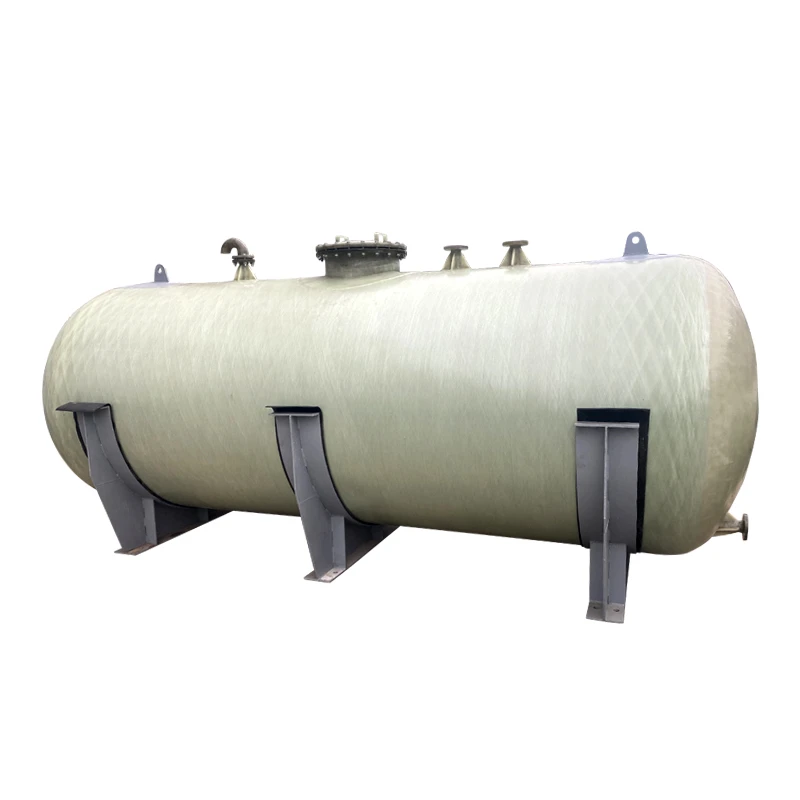
Put simply, a chemical water storage tank is a container specifically designed to hold water that's either used in chemical processes or water that must be stored with chemical safety in mind. These tanks differ from regular water tanks because they are constructed from materials that resist corrosion, chemical reactions, and contamination.

Think of it as a tough guardian for fluids that might otherwise harm people or the environment. Industries rely on these tanks to keep water clean for processing, to store treatment chemicals safely, or to isolate contaminated water temporarily. Humanitarian agencies also use similar tanks to store potable water safely after disasters.

Mini Takeaway: These tanks are robust containers built to protect water and chemicals, playing an important role from factories to emergency relief sites.

Core Features That Set Chemical Water Storage Tanks Apart

Durability & Material Composition

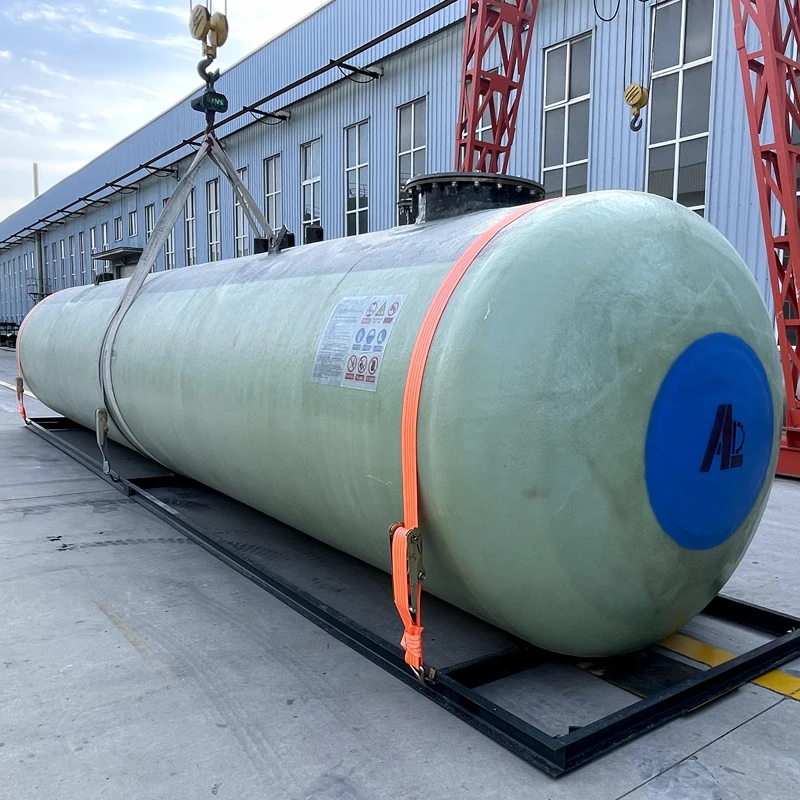
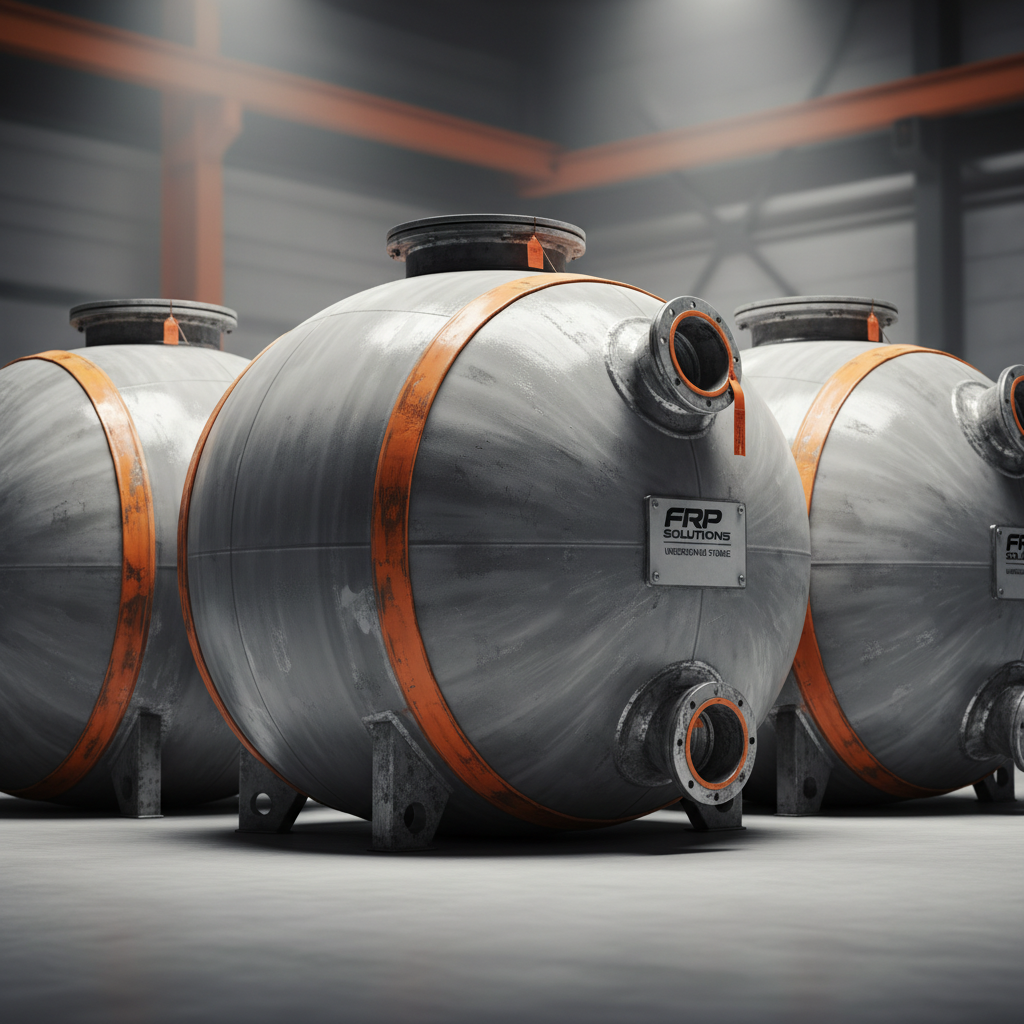
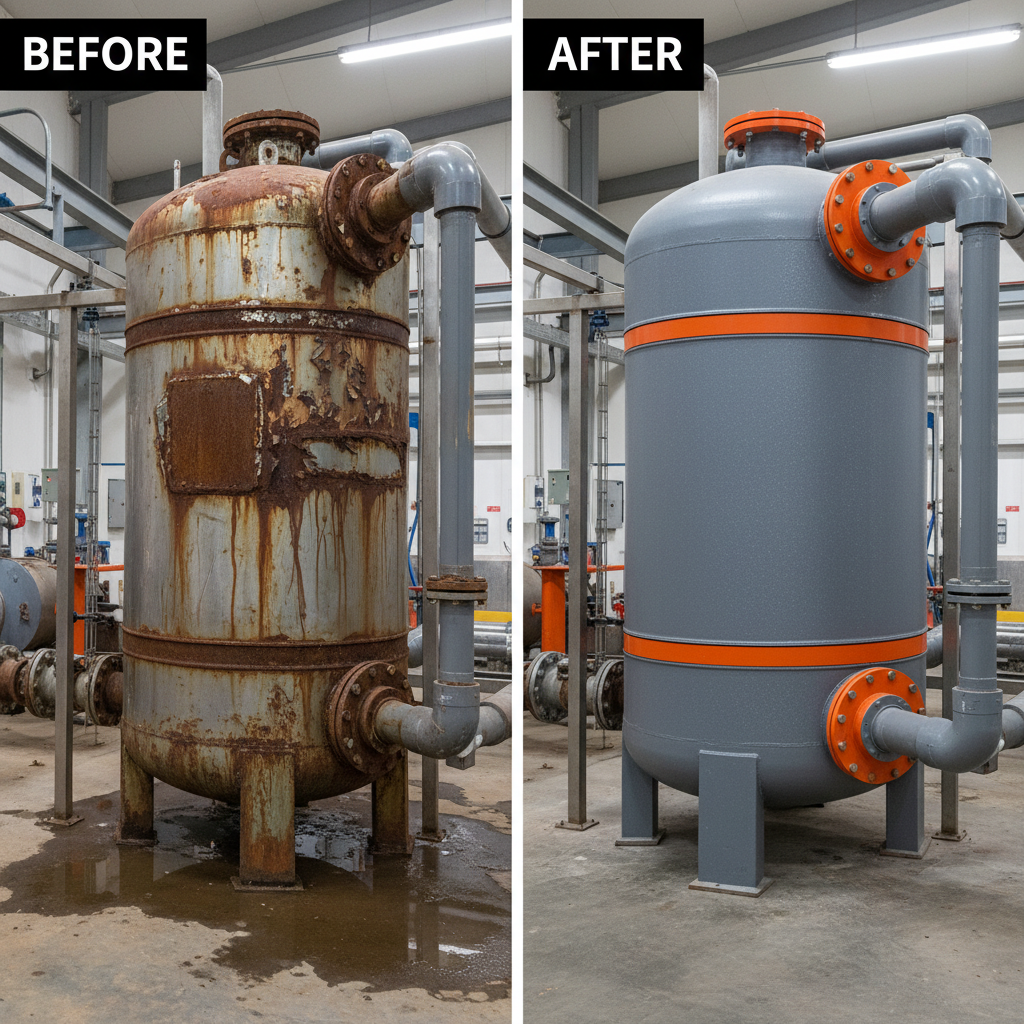
Durability is king. Most chemical water storage tanks are manufactured from fiberglass-reinforced plastics (FRP), polyethylene, or stainless steel. These materials resist degradation from harsh chemicals and UV exposure — basically, they’re built to last.

Capacity & Scalability

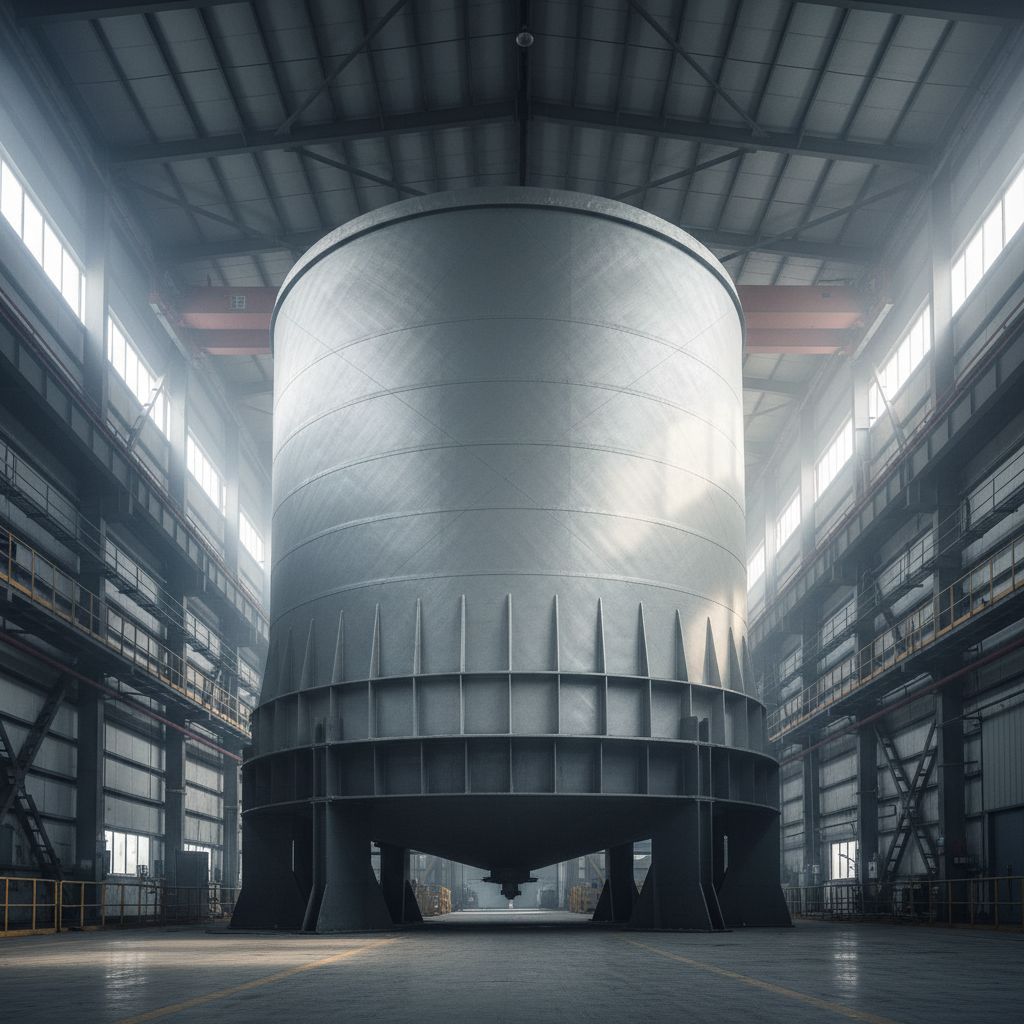
Sizes vary wildly — from small 500-liter tanks that sit on ceilings to massive 100,000-liter behemoths used in industrial complexes. The flexibility to scale capacity to application needs makes these tanks particularly versatile.

Corrosion Resistance

Unlike standard storage tanks, these tanks include specialized linings or coatings to prevent corrosion, a critical factor since chemical leaching can be disastrous.

Safety Features

Secondary containment, leak detectors, and venting systems are common in high-grade models, ensuring that leaks or pressure build-ups are detected early. This reduces risk both environmentally and socially.

Cost Efficiency

While upfront costs may be higher than basic water tanks, their longevity and safety features often save money long-term by avoiding costly cleanups or replacements.

Ease of Maintenance

Many tanks are designed for straightforward cleaning and upkeep to prevent contamination or clogging — critical when dealing with chemicals or potable water.

Mini Takeaway: Chemical water storage tanks combine durability, corrosion resistance, scalability, and safety — all at a cost-effective balance vital for real-world use.

Where Chemical Water Storage Tanks Shine: Global Applications & Use Cases

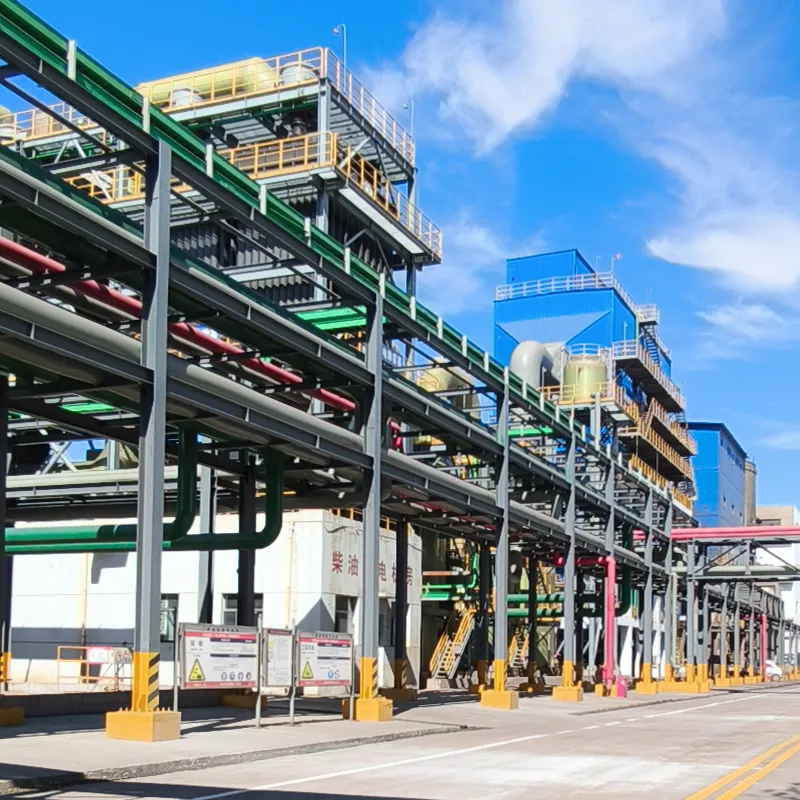
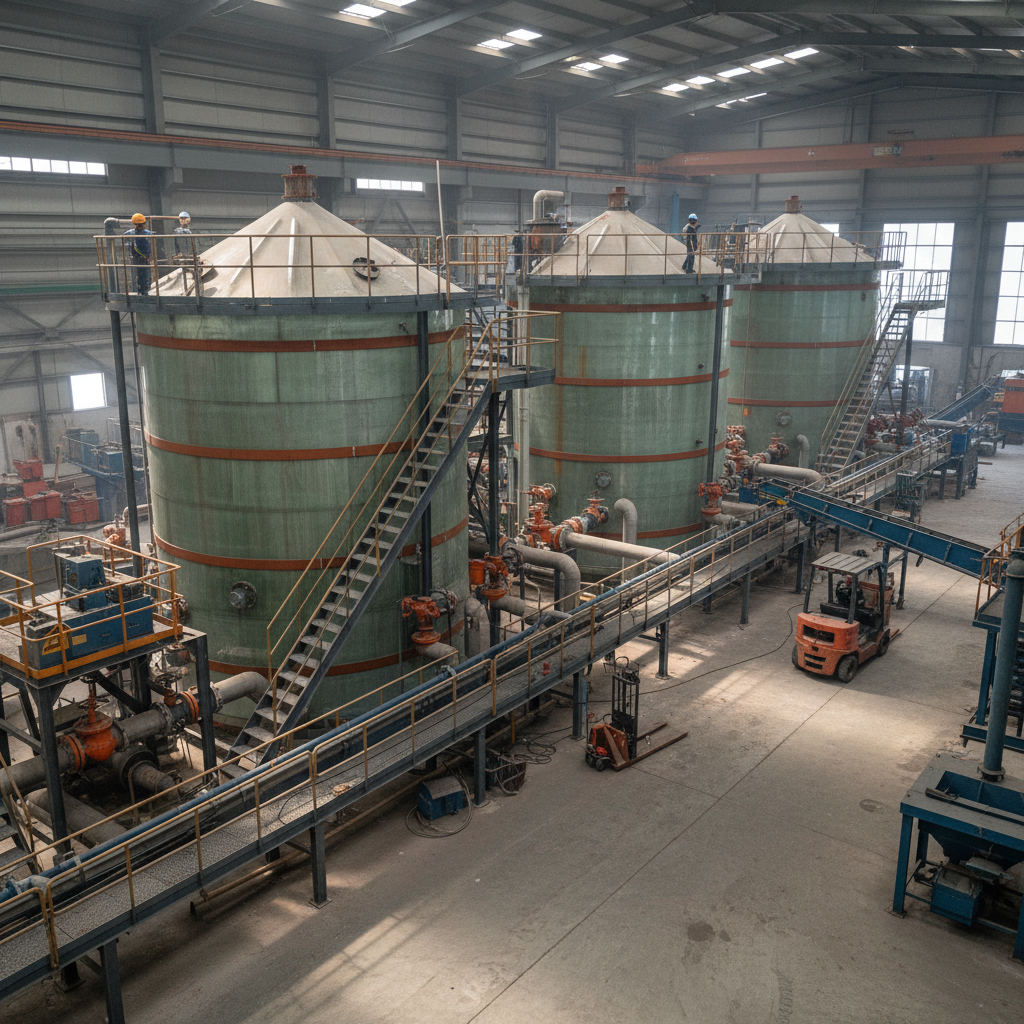
  • Industrial Zones: Factories use them to store process water and chemical reagents safely, minimizing downtime or contamination risks.
  • Agriculture: Chemical tanks store pesticides or fertilizers, ensuring safe dosing and storage.
  • Municipal Water Treatment: Cities rely on these tanks to hold treated water or chemicals (like chlorine) for purification.
  • Disaster Relief Operations: NGOs deploy portable or modular chemical water storage tanks to provide clean water quickly after floods or earthquakes.
  • Remote Sites & Mining: Mining companies use such tanks to store process water and chemicals far from centralized infrastructure.

A notable example: After the 2010 Haiti earthquake, rapid deployment chemical water storage tanks provided safe drinking water where infrastructure collapsed, reducing waterborne diseases significantly.

Mini Takeaway: These tanks support a diversity of sectors worldwide, making safe chemical and water storage feasible anywhere — from big cities to disaster zones.

Long-Term Value and Advantages of Using Chemical Water Storage Tanks

On a practical level, these tanks reduce operational risks like leaks or hazardous exposure, which can be costly and dangerous. They also offer sustainable storage that supports circular water use, cutting down resource waste. For communities, having secure water storage means access to safe, clean water — a matter of dignity and health.

Moreover, innovation breeds trust. Many companies now offer tanks with digital monitoring to track water quality and tank integrity remotely. This not only saves time but boosts confidence among stakeholders.

Emotionally, it’s reassuring to know hazardous chemicals won’t suddenly contaminate water sources, allowing workers and residents to focus on progress rather than problems.

Mini Takeaway: Chemical water storage tanks offer safety, sustainability, cost savings, and peace of mind for users worldwide.

Product Specification Table

Specification Typical Value Remarks
Material Fiberglass-reinforced plastic (FRP) Corrosion resistant, durable
Capacity Range 500 liters to 100,000 liters Customizable sizes
Operating Temperature -20°C to +60°C Suitable for diverse climates
Pressure Rating Up to 1.5 bar Dependent on model
Lining Epoxy or polyethylene For chemical resistance
Installation Above ground or buried Depending on site needs

Comparing Top Chemical Water Storage Tank Vendors

Vendor Material Capacity Range Special Features Price Tier
Aquawise Tanks Polyethylene 1000 - 30,000 L UV stabilized, modular design $$
CorroSafe Systems Fiberglass-reinforced plastic 500 - 100,000 L Custom linings, digital monitors $$$
SteelGuard Tanks Stainless Steel 10,000 - 75,000 L Corrosion-resistant, heavy-duty $$$$

Emerging Trends and Future Innovations in Chemical Water Storage Tanks

We’re seeing some really exciting developments on the horizon. For starters, greener materials featuring bio-based plastics are starting to replace traditional FRP, offering better sustainability. Digitally integrated tanks with sensors for real-time monitoring of chemical concentrations and leak detection are becoming standard, significantly cutting downtime.

Automation is another cool avenue: Some newer tanks connect with plant-wide control systems to auto-regulate temperature or pressure. And as governments tighten environmental regulations, expect rigorous new standards pushing vendors to innovate faster.

Mini Takeaway: Innovation in materials, digital monitoring, and automation is enhancing chemical water tank safety, sustainability, and ease of use.

Common Challenges and How Industry Experts Are Tackling Them

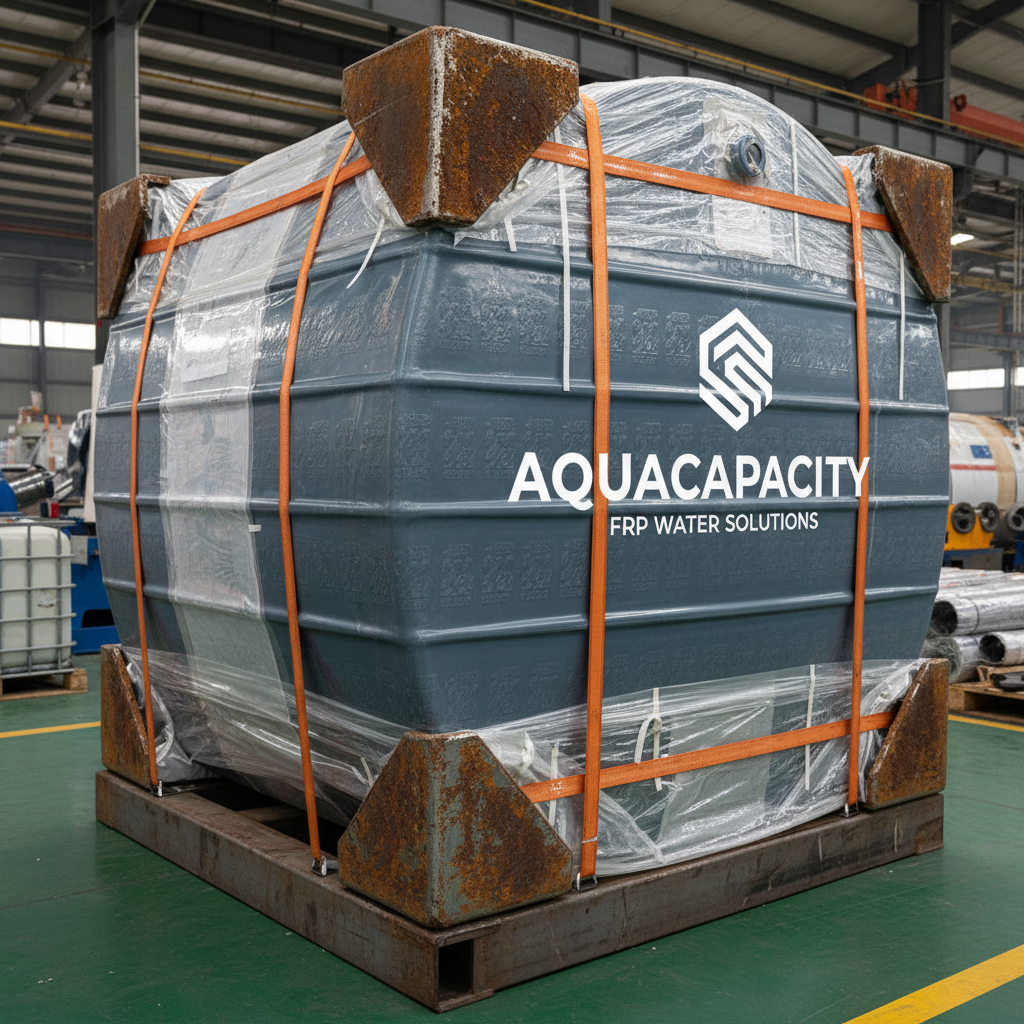
Of course, chemical water storage tanks aren’t flawless. Corrosion and material fatigue remain issues if maintenance slips. Transporting large tanks can be complex and costly. Also, incorrect chemical compatibility selections sometimes lead to failures.

Thankfully, experts recommend robust site-specific chemical compatibility testing before procurement, combined with regular inspections supported by IoT sensors. Modular designs make shipping and relocating tanks easier, and warranties are extending as production quality improves.

In a nutshell? These tanks continue to evolve alongside technical and operational advances — often turning “problems” into lessons for future generations.

FAQ About Chemical Water Storage Tanks

What materials are best for chemical water storage tanks?
Common materials include fiberglass-reinforced plastic (FRP), polyethylene, and stainless steel. The choice depends on the chemicals stored and operational conditions. FRP is favored for corrosion resistance and durability, while polyethylene is lightweight and inexpensive.
How do I know which size chemical water storage tank I need?
Calculate your daily water or chemical usage, considering peak demand and storage duration. It’s prudent to consult with a vendor or engineer to factor in future expansion, safety margins, and installation space.
Are chemical water storage tanks safe for drinking water storage?
Yes, but only if certified food-grade materials and proper linings are used. Tanks meant for potable water have strict standards to avoid contamination, unlike standard chemical tanks that might tolerate harsher chemicals but aren’t safe for drinking water.
How often should chemical water storage tanks be inspected?
Industry best practice recommends inspections at least annually, or more frequently if the operating environment is harsh. Sensors and remote monitoring help detect issues early, potentially reducing the need for frequent manual inspections.

Wrapping It Up: Why Chemical Water Storage Tanks Remain Indispensable

Whether you’re an engineer planning an industrial site or part of a humanitarian team deploying emergency water supply, understanding chemical water storage tanks is crucial. Their ability to safely store water and chemicals, protect environments, and support sustainable operations lends them a timeless value.

Innovations keep improving their efficiency and reliability, making it easier than ever to find a solution that fits your particular needs without compromise. For a closer look at state-of-the-art chemical water storage tanks, be sure to visit chemical water storage tank suppliers and discover what’s available for your project.

Stay safe, stay informed, and maybe next time you see one of these tanks, you’ll appreciate the quiet, world-shaping role it plays.

References:
1. UN Water Scarcity
2. World Bank Water Use Data
3. ISO Environmental Standards
Upsell Products
Upsell News
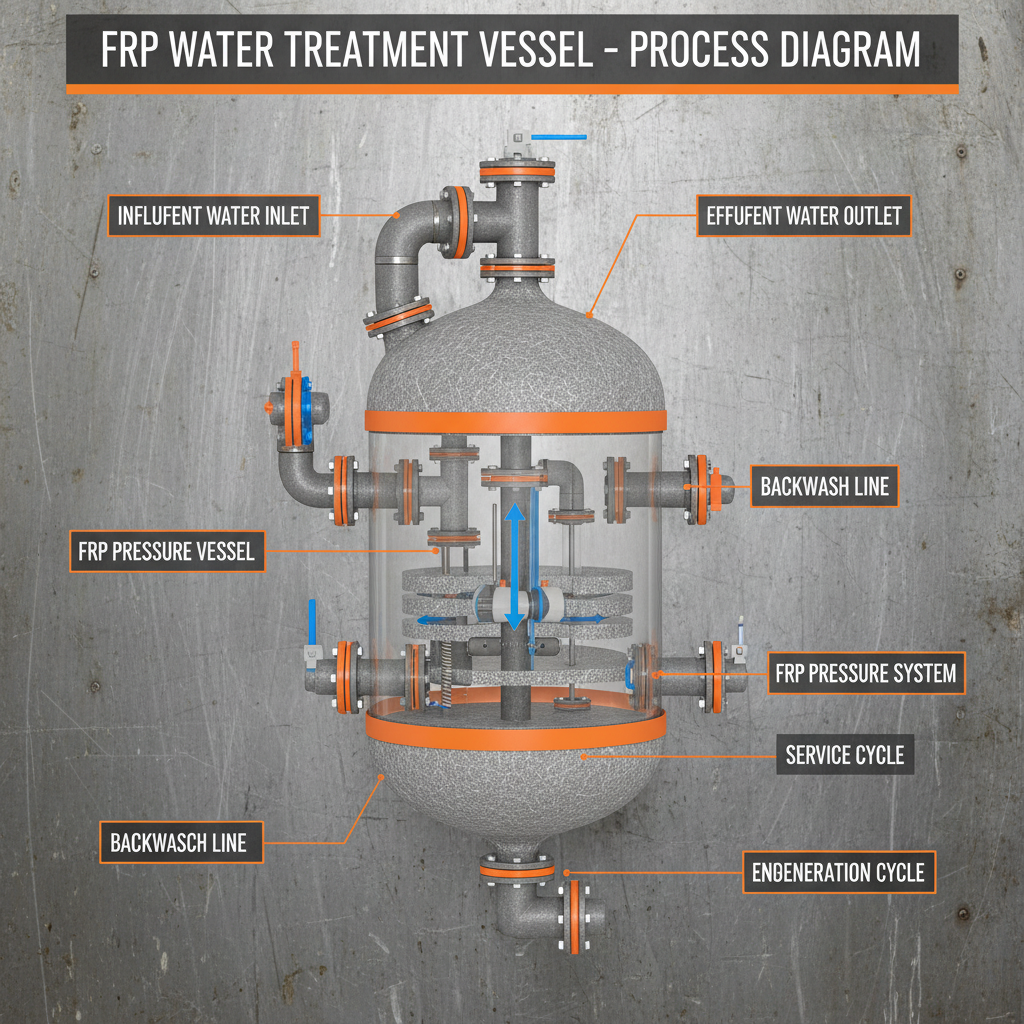
Durable FRP Vessel for Water Treatment and Industrial Filtration
Apr 16,2026
Durable FRP Vessel for Water Treatment and Industrial Filtration
In the modern era of industrial and residential water purification, the choice of containment materials is critical for efficiency and longevity. An frp vessel for water treatment has emerged as the gold standard, replacing traditional steel tanks due to its superior corrosion resistance and lightweight properties. Whether you are dealing with desalination, softening, or filtration, using Fiber Reinforced Plastic (FRP) ensures that your system remains leak-proof and durable against aggressive chemicals. In this comprehensive guide, we will explore why FRP is the preferred choice for water treatment professionals worldwide and how to select the right vessel for your specific application.
Industrial Guide for Choosing the Right FRP Vertical Tank
Apr 09,2026
Industrial Guide for Choosing the Right FRP Vertical Tank
In today's industrial landscape, the storage of corrosive chemicals and aggressive liquids requires materials that can withstand extreme conditions without degrading. The frp vertical tank has emerged as a premier solution, offering an exceptional balance of strength, lightweight properties, and unmatched chemical resistance. Whether you are managing a water treatment plant or a chemical processing facility, understanding the nuances of Fiber Reinforced Plastic (FRP) is essential for ensuring operational safety and longevity. In this comprehensive guide, we will explore why vertical configurations are preferred and how these tanks outperform traditional metal alternatives.
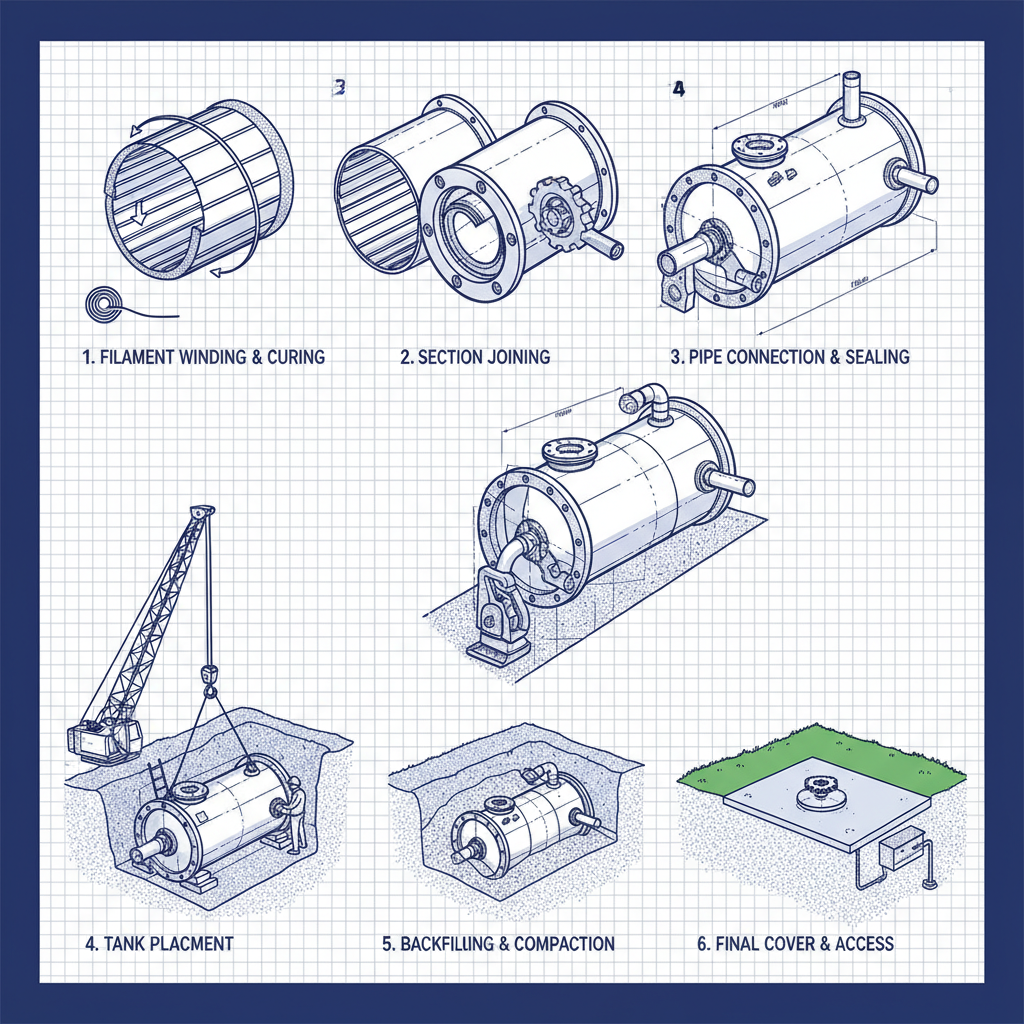
Comprehensive Guide to FRP Underground Water Tank Solutions and Applications
Apr 07,2026
Comprehensive Guide to FRP Underground Water Tank Solutions and Applications
Fiberglass Reinforced Polymer (FRP) underground water tanks are becoming increasingly popular for a wide range of applications, from potable water storage to industrial wastewater containment. Their superior corrosion resistance, lightweight nature, and design flexibility make them an excellent alternative to traditional materials like concrete or steel. This article will delve into the benefits, applications, construction, and considerations for implementing FRP underground water tanks, providing a comprehensive overview for engineers, contractors, and project managers.
Comprehensive Guide to Frp Underground Water Storage Tanks and Their Applications
Apr 04,2026
Comprehensive Guide to Frp Underground Water Storage Tanks and Their Applications
When considering water storage solutions, particularly for industrial, agricultural, or municipal applications, frp underground water storage tanks stand out as a durable, cost-effective, and environmentally friendly option. These tanks are increasingly favored over traditional materials like concrete or steel due to their superior corrosion resistance, lighter weight, and ease of installation. This article delves into the benefits, applications, construction, and considerations when choosing an FRP tank, providing a detailed overview for potential buyers and project planners.
Sulfuric Acid Production Line - Hebei Aoliande|Efficient H2SO4 Plant Technology
Apr 01,2026
Sulfuric Acid Production Line - Hebei Aoliande|Efficient H2SO4 Plant Technology
Discover efficient H2SO4 plant technology and advanced sulfuric acid production solutions. Hebei Aoliande combines energy-saving furnace design and eco-friendly HCl recovery systems for sustainable industrial applications. Explore now: https://www.frpgrpmachine.com/sulfuric-acid-production-line-for-h2so4-plant.html
Sulfuric Acid Production Line - Hebei Aoliande|Efficient H2SO4 Plant Technology
Apr 01,2026
Sulfuric Acid Production Line - Hebei Aoliande|Efficient H2SO4 Plant Technology
Discover efficient H2SO4 plant technology and advanced sulfuric acid production solutions. Hebei Aoliande combines energy-saving furnace design and eco-friendly HCl recovery systems for sustainable industrial applications. Explore now: https://www.frpgrpmachine.com/sulfuric-acid-production-line-for-h2so4-plant.html
Sulfuric Acid Production Line - Hebei Aoliande|Efficient H2SO4 Plant Technology
Apr 01,2026
Sulfuric Acid Production Line - Hebei Aoliande|Efficient H2SO4 Plant Technology
Discover efficient H2SO4 plant technology and advanced sulfuric acid production solutions. Hebei Aoliande combines energy-saving furnace design and eco-friendly HCl recovery systems for sustainable industrial applications. Explore now: https://www.frpgrpmachine.com/sulfuric-acid-production-line-for-h2so4-plant.html
Sulfuric Acid Production Line - Hebei Aoliande|Efficient H2SO4 Plant Technology
Apr 01,2026
Sulfuric Acid Production Line - Hebei Aoliande|Efficient H2SO4 Plant Technology
Discover efficient H2SO4 plant technology and advanced sulfuric acid production solutions. Hebei Aoliande combines energy-saving furnace design and eco-friendly HCl recovery systems for sustainable industrial applications. Explore now: https://www.frpgrpmachine.com/sulfuric-acid-production-line-for-h2so4-plant.html
Sulfuric Acid Production Line - Hebei Aoliande|Efficient H2SO4 Plant Technology
Apr 01,2026
Sulfuric Acid Production Line - Hebei Aoliande|Efficient H2SO4 Plant Technology
Discover efficient H2SO4 plant technology and advanced sulfuric acid production solutions. Hebei Aoliande combines energy-saving furnace design and eco-friendly HCl recovery systems for sustainable industrial applications. Explore now: https://www.frpgrpmachine.com/sulfuric-acid-production-line-for-h2so4-plant.html
Sulfuric Acid Production Line - Hebei Aoliande|Efficient H2SO4 Plant Technology
Apr 01,2026
Sulfuric Acid Production Line - Hebei Aoliande|Efficient H2SO4 Plant Technology
Discover efficient H2SO4 plant technology and advanced sulfuric acid production solutions. Hebei Aoliande combines energy-saving furnace design and eco-friendly HCl recovery systems for sustainable industrial applications. Explore now: https://www.frpgrpmachine.com/sulfuric-acid-production-line-for-h2so4-plant.html
Comprehensive Guide to Frp Underground Storage Tanks for Reliable Storage Solutions
Mar 31,2026
Comprehensive Guide to Frp Underground Storage Tanks for Reliable Storage Solutions
Fiberglass Reinforced Polymer (FRP) underground storage tanks are becoming increasingly popular for a wide range of applications, from fuel storage to wastewater management. Their corrosion resistance, lightweight nature, and durability offer significant advantages over traditional materials like steel. This article will provide an in-depth look at FRP underground storage tanks, covering their benefits, applications, installation, and maintenance. Understanding these aspects is crucial for making informed decisions about long-term storage solutions.
Comprehensive Guide to Selecting the Ideal FRP Tank for Water Storage Solutions
Mar 28,2026
Comprehensive Guide to Selecting the Ideal FRP Tank for Water Storage Solutions
When it comes to reliable and durable water storage, FRP tanks for water are increasingly becoming the preferred solution for a wide range of applications. These tanks, constructed from Fiber Reinforced Polymer (FRP) materials, offer significant advantages over traditional storage options like steel or concrete. This article delves into the benefits, applications, and considerations when selecting an FRP tank for your water storage needs, providing a detailed overview for businesses and individuals alike.
Comprehensive Guide to Frp Tank and Vessel Applications and Manufacturing
Mar 26,2026
Comprehensive Guide to Frp Tank and Vessel Applications and Manufacturing
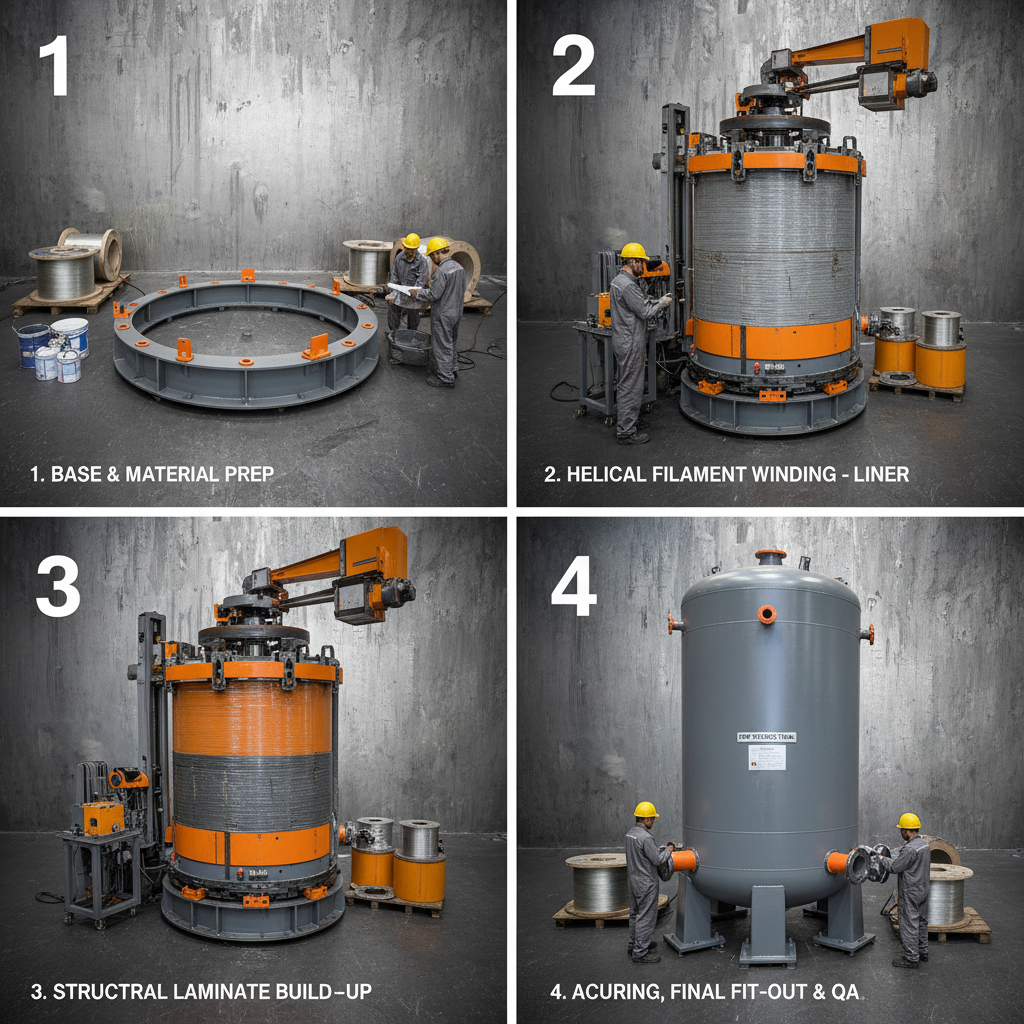
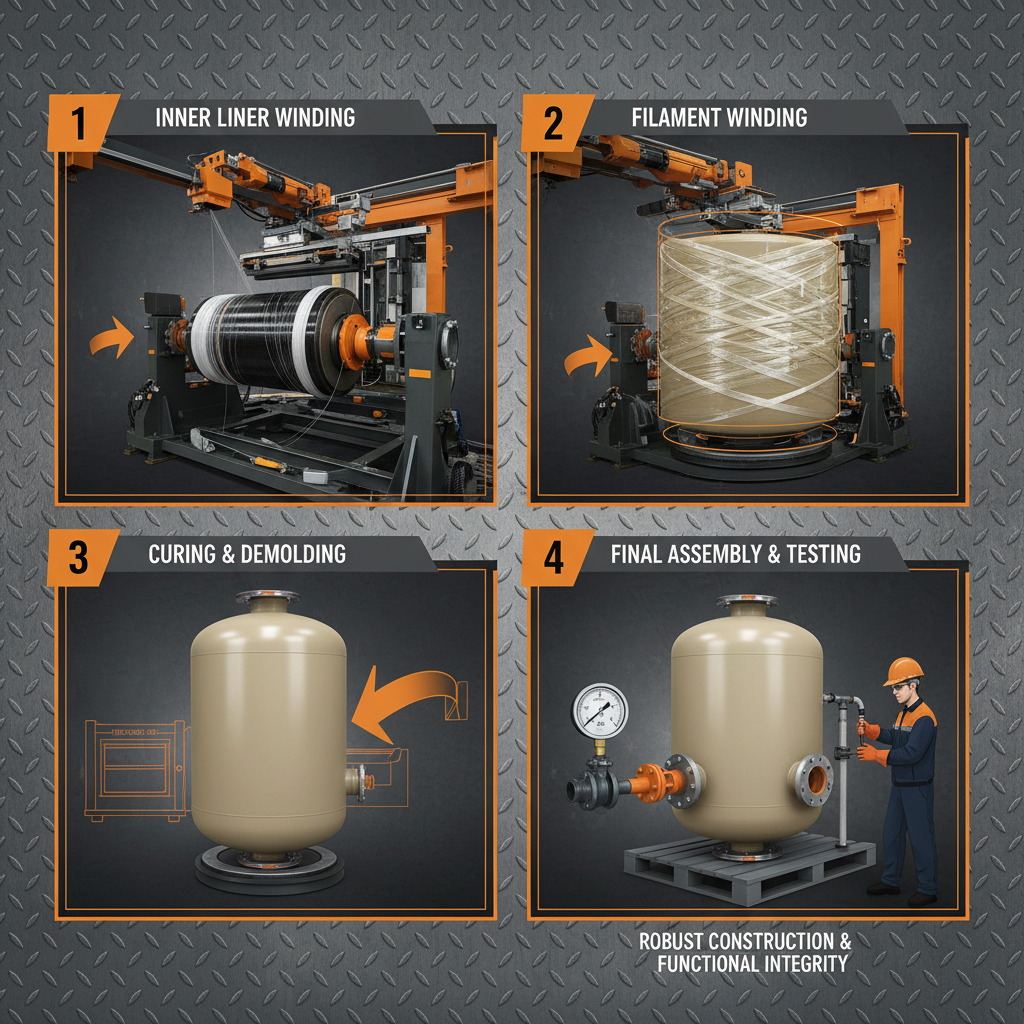
Fiber Reinforced Polymer (FRP) tanks and vessels are increasingly becoming the preferred choice for storage and processing across a multitude of industries. Their lightweight nature, corrosion resistance, and design flexibility offer significant advantages over traditional materials like steel. This article will delve into the intricacies of FRP tanks and vessels, exploring their applications, manufacturing processes, benefits, and considerations for selecting the right solution for your specific needs. We’ll also highlight why FRP tanks are a cost-effective and reliable long-term investment. FRP tanks and vessels are constructed from a combination of reinforcing fibers (such as fiberglass, carbon fiber, or aramid fiber) embedded in a polymer matrix (typically polyester, vinyl ester, or epoxy resin). This combination creates a composite material that boasts high strength-to-weight ratio, exceptional corrosion resistance, and the ability to be molded into complex shapes. They’re designed to safely contain a wide variety of liquids and gases, ranging from corrosive chemicals and water to food products and pharmaceuticals.
Optimizing Water Filtration with Durable FRP Sand Filter Vessels
Mar 24,2026
Optimizing Water Filtration with Durable FRP Sand Filter Vessels
In water treatment and filtration systems, the choice of filter vessel material is paramount. Fiber Reinforced Plastic (FRP), also known as Glass Reinforced Polymer (GRP), sand filter vessels are increasingly popular due to their superior corrosion resistance, lightweight nature, and cost-effectiveness. This article delves into the benefits, applications, design considerations, and factors to consider when selecting an FRP sand filter vessel. Whether you are involved in municipal water treatment, industrial wastewater management, or recreational water filtration, understanding FRP technology is essential for optimizing your filtration process. An FRP sand filter vessel is a containment unit designed to house filtration media, typically sand, gravel, and anthracite. These vessels are integral components in sand filtration systems used for removing suspended solids, turbidity, and other particulate matter from water. FRP construction involves layering glass fibers within a resin matrix (typically polyester or vinyl ester) to create a strong, durable, and chemically resistant shell. The strength and rigidity of the vessel are crucial for withstanding the pressure from the filtration media and the water flow.
Comprehensive Guide to FRP Round Tanks Applications and Benefits
Mar 21,2026
Comprehensive Guide to FRP Round Tanks Applications and Benefits
Fiber Reinforced Polymer (FRP) round tanks are increasingly becoming the preferred choice for storage solutions across a variety of industries. Their lightweight nature, corrosion resistance, and design flexibility offer significant advantages over traditional materials like steel. This article provides an in-depth look at FRP round tanks, exploring their applications, benefits, manufacturing processes, and key considerations when choosing the right tank for your needs. Whether you're in chemical processing, water treatment, or agriculture, understanding FRP round tanks is crucial for optimizing your storage infrastructure. FRP round tanks are constructed from a combination of reinforcing fibers (typically fiberglass, carbon fiber, or a blend) embedded in a polymer matrix (often polyester, vinyl ester, or epoxy resin). The round shape inherently provides excellent structural strength, distributing pressure evenly across the tank’s surface.
Comprehensive Guide to FRP Pressure Tanks Benefits and Applications
Mar 19,2026
Comprehensive Guide to FRP Pressure Tanks Benefits and Applications
Fiber Reinforced Polymer (FRP) pressure tanks are becoming increasingly popular in a wide range of industrial applications, offering a compelling alternative to traditional steel tanks. Known for their lightweight nature, corrosion resistance, and high strength-to-weight ratio, FRP tanks provide efficient and durable solutions for storing liquids and gases under pressure. This article will delve into the benefits, applications, construction, and key considerations when selecting an FRP pressure tank, helping you make an informed decision for your specific needs. Understanding the advantages of FRP technology can lead to significant cost savings and improved operational efficiency. Compared to steel, FRP pressure tanks offer several key advantages. The most significant is their superior corrosion resistance. Unlike steel, which is susceptible to rust and corrosion when exposed to various chemicals, FRP materials are inherently resistant to a wide range of corrosive substances. This translates to a longer lifespan, reduced maintenance costs, and increased safety. Furthermore, FRP is significantly lighter than steel, making installation easier and reducing transportation costs.
For More Details Pls Contact Us
Thank you for your interest in our gloves! We offer high-quality, durable, and comfortable gloves with fast delivery and competitive prices. For any questions or customization, feel free to contact us. We look forward to working with you!

If you are interested in our products, you can choose to leave your information here, and we will be in touch with you shortly.