Nov 30,2025

Double Wall Fiberglass Oil Tank – Durable, Safe & Eco-Friendly Storage Solutions

Understanding Double Wall Fiberglass Oil Tanks: Why It Matters

In an era where environmental safety and efficient fuel storage are paramount, the double wall fiberglass oil tank has quietly become a global game-changer. These tanks aren't just bulky containers — they're engineered solutions to the persistent problems of leakage, contamination, and costly maintenance in oil storage systems worldwide.

From energy sectors in bustling oil-rich nations to remote humanitarian operations reliant on fuel-powered essentials, understanding these tanks means grasping a vital cog in the machinery of modern infrastructure. If you’re wondering why they merit attention beyond just being another storage item, it’s because they blend innovation with eco-awareness, ensuring safety and operational reliability on a scale few others match.

Why the Double Wall Fiberglass Oil Tank Is a Global Necessity

Globally, oil storage presents a daunting environmental risk. According to the International Organization for Standardization (ISO), improper oil containment contributes significantly to soil and water contamination. Double wall fiberglass oil tanks address this by providing a robust barrier between stored oil and the external environment.

Statistics from the United Nations Climate Change reports indicate that sustainable storage solutions could reduce spill-related disasters by up to 60% globally. This is no small number when you consider the millions of barrels stored daily.

The challenge is straightforward yet critical: how do industries and communities safely store oil to minimize environmental hazards while keeping operations seamless and cost-effective? Double wall fiberglass tanks offer part of that answer — they are resilient to corrosion, easier to install, and certainly more leak-resistant than traditional single-wall steel tanks.

What Exactly Is a Double Wall Fiberglass Oil Tank?

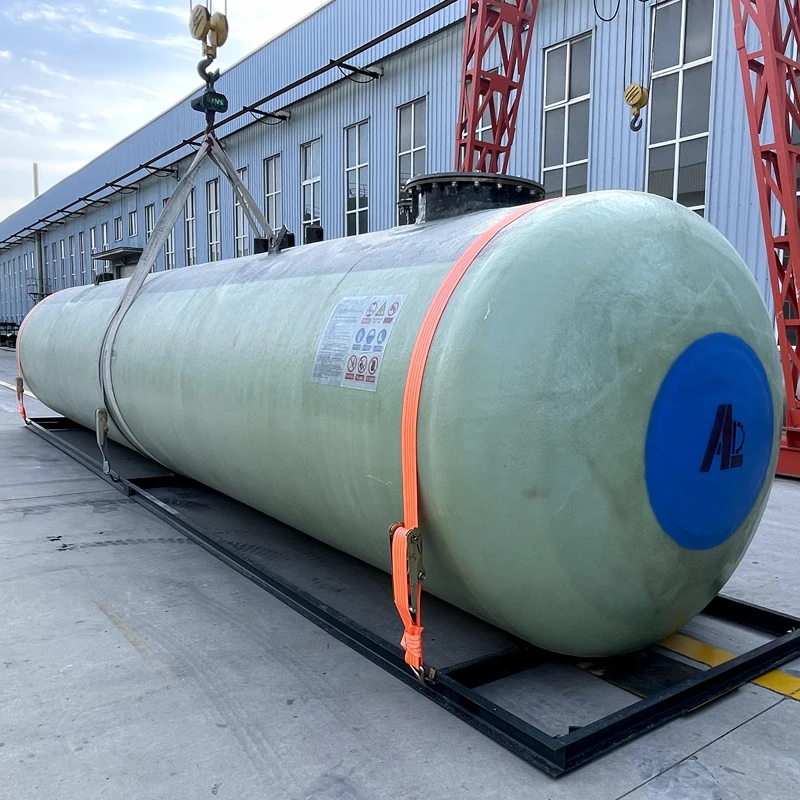
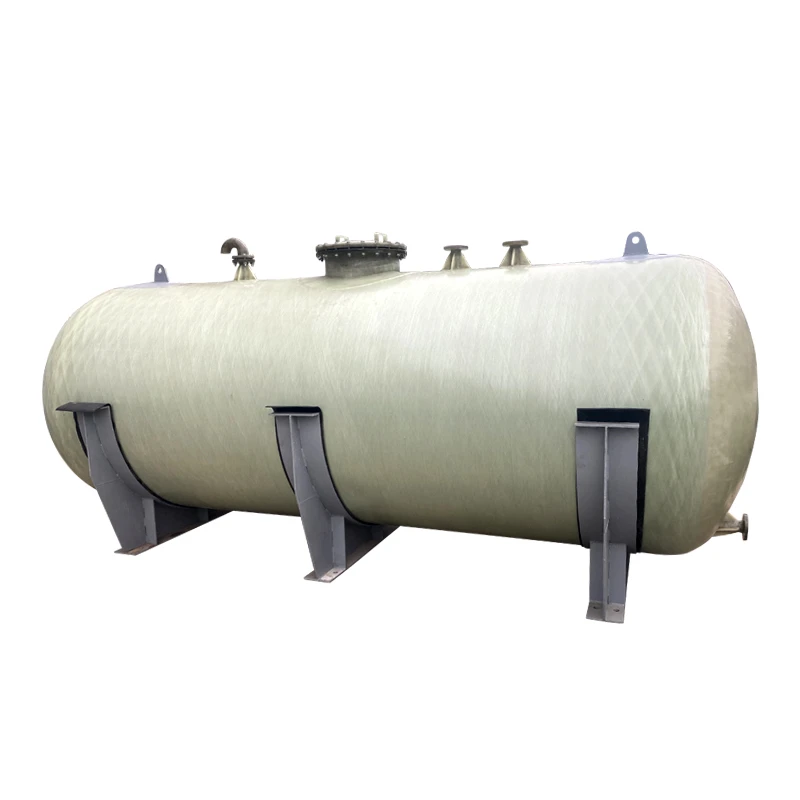
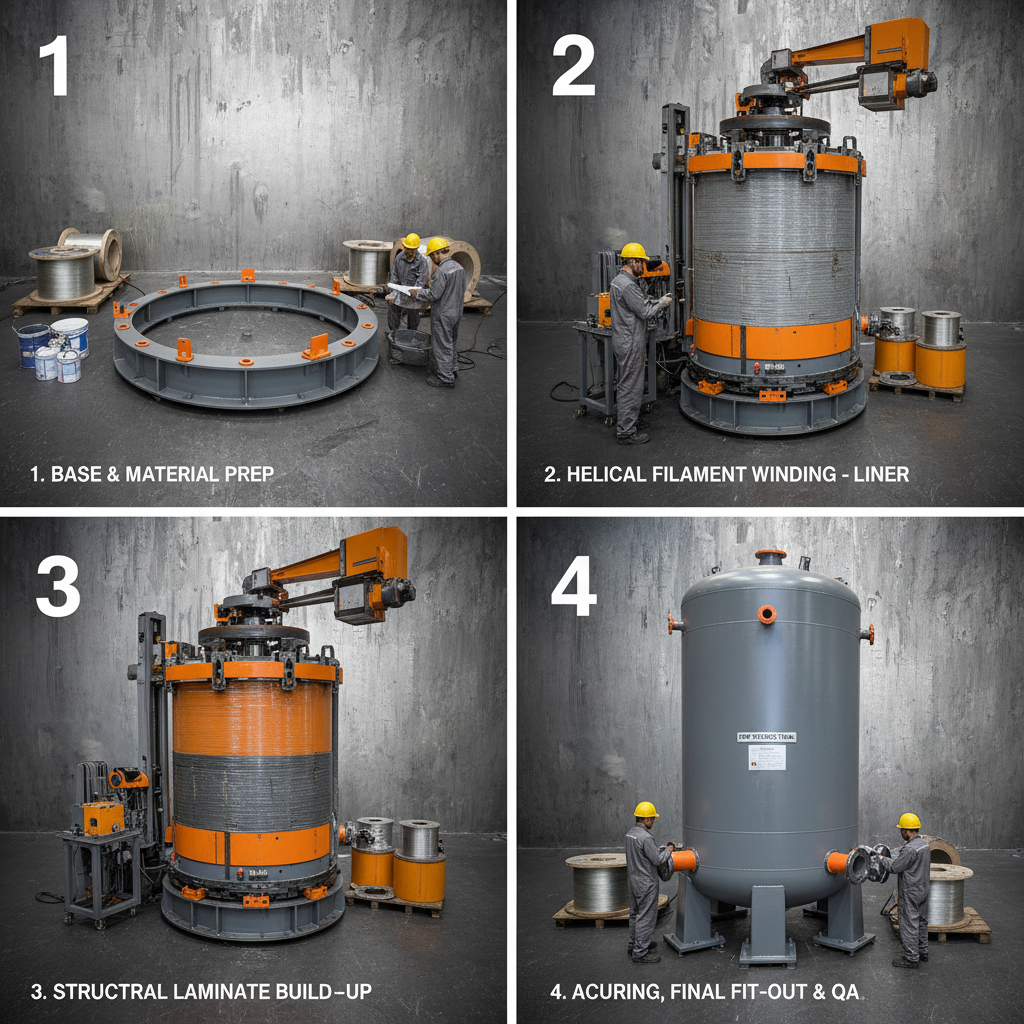
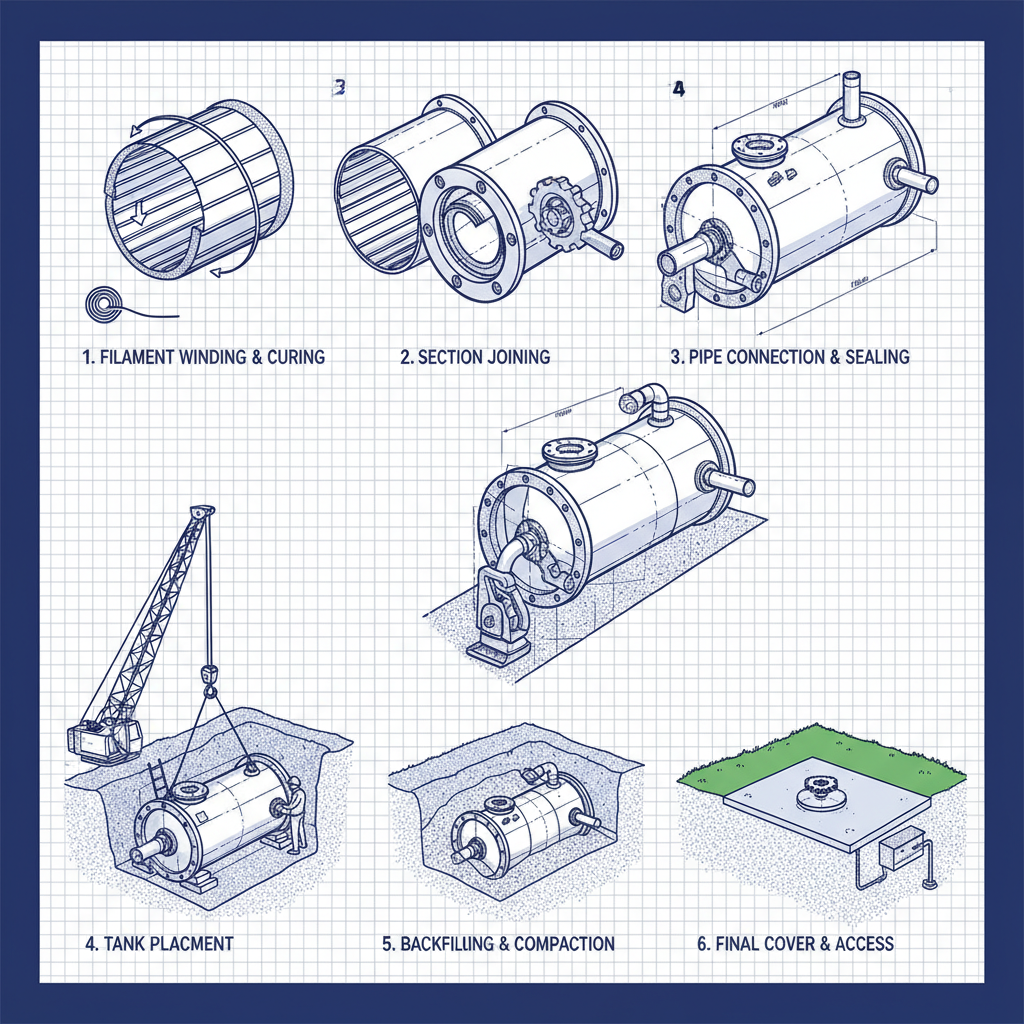
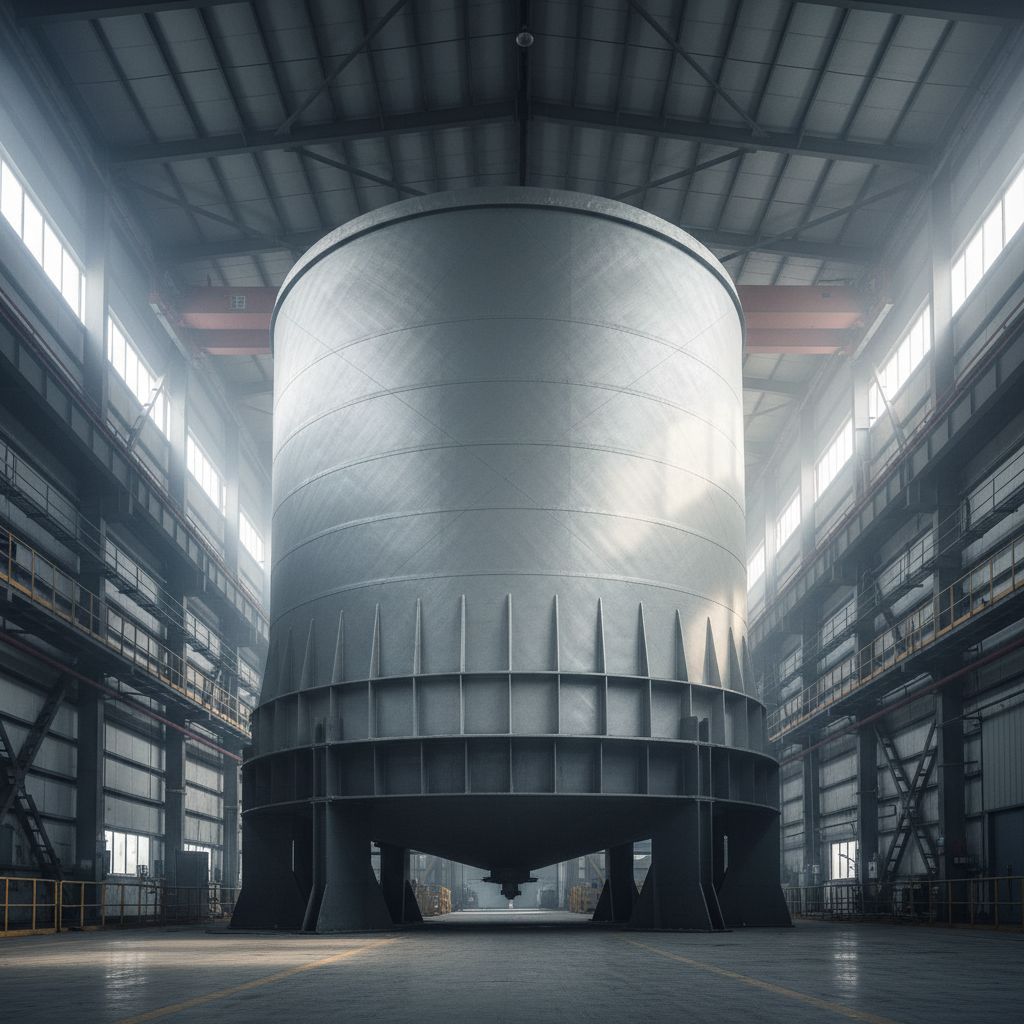
At its core, a double wall fiberglass oil tank is a container designed for storing fuel, built with two separate fiberglass walls with a gap in between. This design provides extra protection by acting as a secondary containment barrier.

Fiberglass, known for its resistance to corrosion and weathering, adds longevity and reduces maintenance headaches, especially in aggressive environments. The outer wall catches leaks from the inner containment before any oil escapes into soil or groundwater.

In humanitarian operations, where fuel is often a lifeline for emergency power generation or heating, these tanks safeguard supplies and help maintain dignity by preventing contamination of local water sources — a connection not always obvious but incredibly important.

Core Aspects That Make These Tanks Stand Out

Durability

Fiberglass’s chemical resistance makes these tanks last longer in harsh weather and corrosive environments. Unlike steel, they won’t easily rust or degrade, ensuring fewer replacements and less downtime.

Secondary Containment

The double wall design is an industry standard for safety, meeting or exceeding regulations like those set by the EPA and ISO. It provides peace of mind knowing that any leak is contained before reaching the environment.

Portability and Installation

Compared to bulky steel tanks, fiberglass variants are lighter and easier to maneuver on-site. This reduces installation time and cost, particularly advantageous in remote or disaster-stricken areas.

Cost Efficiency

While the upfront cost might be higher than traditional tanks, the reduced maintenance, lower spill cleanup risk, and longer lifespan make these tanks economically sensible over time.

Environmental Sustainability

Fiberglass tanks are recyclable and often manufactured with greener processes, contributing to lower carbon footprints. This aligns well with global pushes toward sustainability in oil and gas industries.

Summary:

Overall, the design and materials of double wall fiberglass oil tanks tackle many traditional tank storage problems from durability to environmental safety.

Global Applications & Real-World Use Cases

These tanks aren’t sitting idle in warehouses — they’re working across continents. In Scandinavia, energy companies rely on them for cold-region storage, where steel tanks might crack under temperature swings. In parts of Africa, humanitarian agencies use them to ensure safe fuel storage critical for powering mobile clinics and schools.

Industry-wise, mining and manufacturing sectors in Australia and Canada adopt these tanks for secure fuel storage on sprawling sites. Meanwhile, oil firms in the Gulf invest heavily in fiberglass tanks to improve spill prevention measures in sensitive coastal areas.

Interestingly, local governments also find these tanks useful for emergency stockpiling during hurricane or earthquake season, since rapid deployment and safety are crucial under looming disaster threats.

Advantages & Why They’re Worth the Investment

  • Safety First: Double containment drastically reduces environmental spill risks.
  • Lower Lifetime Costs: Reduced repair costs and downtime add up to savings.
  • Eco-Friendly: They play a role in protecting ecosystems and groundwater quality.
  • Trust & Compliance: Meeting strict regulations builds confidence among stakeholders and regulators.
  • Peace of Mind: Operators feel assured, which in real terms improves focus and productivity.

Product Specification Table

Specification Details
Material High-strength fiberglass reinforced plastic (FRP)
Capacity 500 to 20,000 gallons (custom sizes available)
Double Wall Gap 10-15 cm with leak detection system (optional)
Weight Approx. 30-50% lighter than comparable steel tanks
Compliance EPA SPCC, ISO 22241, UL 142 certified options

Comparing Leading Vendors for Double Wall Fiberglass Oil Tanks

Vendor Capacity Range Certifications Price Range (USD) Lead Time
FibroSafe Tanks Co. 1000 – 15,000 gal UL 142, EPA $8,000–$35,000 4-8 weeks
EnviroTank Solutions 500 – 20,000 gal ISO 22241, EPA $7,500–$40,000 3-6 weeks
GreenFib Tanks 1,200 – 18,000 gal UL 142, ISO $9,000–$38,000 5-9 weeks

The Horizon: Future Innovations in Double Wall Fiberglass Oil Tanks

Moving forward, new trends suggest integration with smart monitoring technologies — sensors embedded in the gap could instantly detect leaks and notify operators remotely, preventing disasters before they start.

Another fascinating trend is the use of even lighter, recycled composite materials to further cut the carbon footprint without compromising strength. The synergy of green energy policies also spurs the development of tanks optimized for bio-oil and alternative fuels.

Ultimately, automation in installation and maintenance might reduce human error and speed up deployment in crisis zones — a combination that could reshape the fuel storage landscape dramatically.

Challenges & How Experts Are Overcoming Them

While double wall fiberglass oil tanks seem nearly ideal, they’re not without challenges. For one, initial costs remain a barrier for smaller businesses or NGOs operating on tight budgets. Also, ensuring proper training for installation and leak detection system management is crucial to avoid failures.

Experts recommend modular designs and leasing options to improve accessibility, along with comprehensive training programs partnered with vendors. Plus, continuous R&D ensures materials keep improving against UV damage and impact resistance.

FAQ: Your Top Questions About Double Wall Fiberglass Oil Tanks

Q1: How is a double wall fiberglass oil tank better than standard single wall steel tanks?

A: The key advantage lies in the double containment, which provides an extra protective barrier against leaks. Fiberglass resists corrosion better and is lighter, making it easier to install and less prone to failure over time compared to steel tanks.

Q2: Can these fiberglass tanks be used in extreme weather conditions?

A: Yes, fiberglass tanks are highly durable and withstand temperature fluctuations, UV exposure, and moisture without degrading. They perform well in cold climates, deserts, and tropical zones — which is why they’re popular worldwide.

Q3: What maintenance do double wall fiberglass tanks require?

A: Maintenance mostly involves routine visual inspections, leak detection system testing, and ensuring vents and seals remain intact. Their resistant materials reduce the risk of corrosion, cutting down on intensive upkeep common in metal tanks.

Q4: Are there options for leak detection systems in these tanks?

A: Yes, many models come with or can be fitted with electronic sensors or manual monitoring ports within the double wall gap to alert operators to any breaches promptly.

Q5: How do I choose the right size and vendor for my needs?

A: Consider your storage volume requirements, installation site conditions, and compliance requirements. Compare vendor certifications and delivery times—explore trusted suppliers like double wall fiberglass oil tank providers to find tailored solutions.

Wrapping Up: Long-Term Benefits That Really Matter

So, after stretching this out, the takeaway seems clear: double wall fiberglass oil tanks offer a smart balance of durability, safety, and sustainability. Investing in them isn’t just about storing oil — it’s about protecting communities, ensuring operational resilience, and aligning with global standards that safeguard our environment.

Looking to upgrade or start a new project? Head over to our website to explore top-quality options, expert advice, and the latest innovations in double wall fiberglass oil tanks.
References

  1. ISO 22241 Standards
  2. United Nations Climate Change
  3. Wikipedia: Oil Storage Tank
Upsell Products
Upsell News
Durable FRP Vessel for Water Treatment and Industrial Filtration
Apr 16,2026
Durable FRP Vessel for Water Treatment and Industrial Filtration
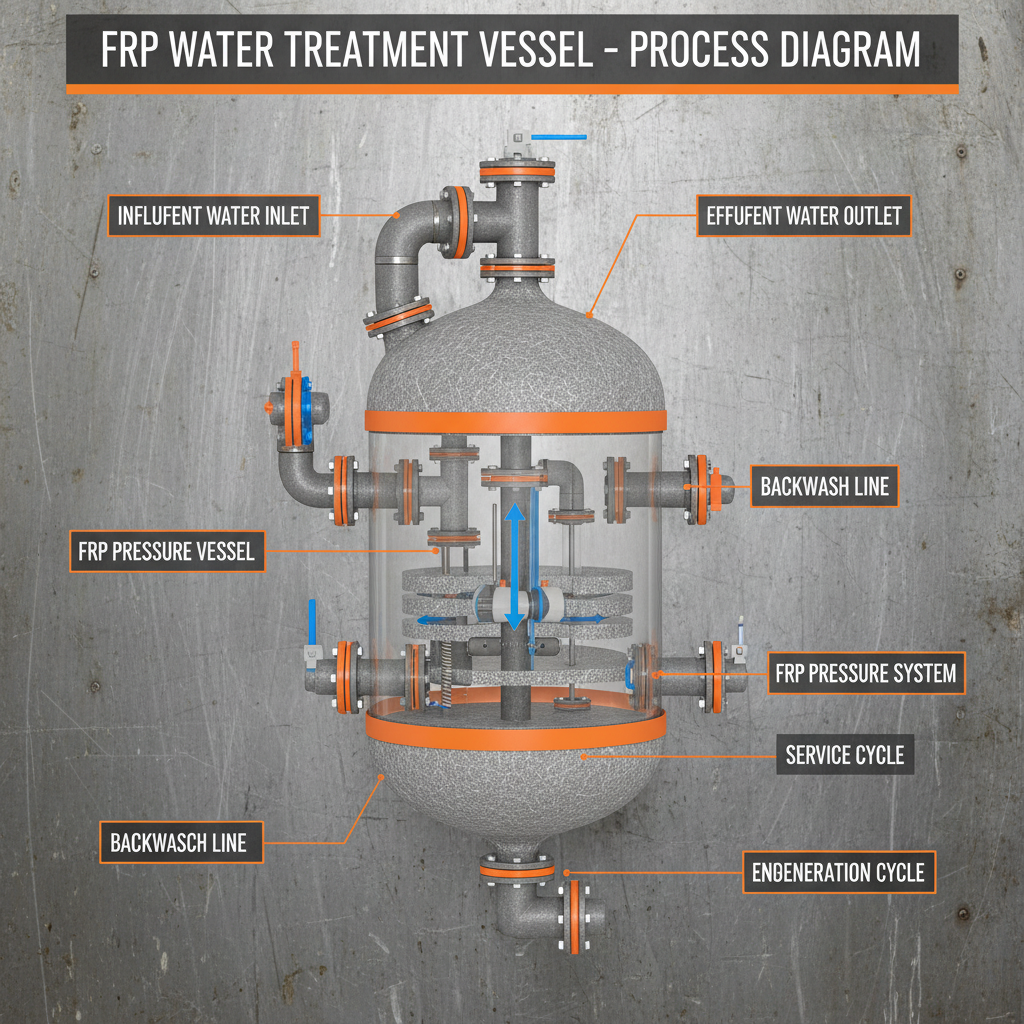
In the modern era of industrial and residential water purification, the choice of containment materials is critical for efficiency and longevity. An frp vessel for water treatment has emerged as the gold standard, replacing traditional steel tanks due to its superior corrosion resistance and lightweight properties. Whether you are dealing with desalination, softening, or filtration, using Fiber Reinforced Plastic (FRP) ensures that your system remains leak-proof and durable against aggressive chemicals. In this comprehensive guide, we will explore why FRP is the preferred choice for water treatment professionals worldwide and how to select the right vessel for your specific application.
Industrial Guide for Choosing the Right FRP Vertical Tank
Apr 09,2026
Industrial Guide for Choosing the Right FRP Vertical Tank
In today's industrial landscape, the storage of corrosive chemicals and aggressive liquids requires materials that can withstand extreme conditions without degrading. The frp vertical tank has emerged as a premier solution, offering an exceptional balance of strength, lightweight properties, and unmatched chemical resistance. Whether you are managing a water treatment plant or a chemical processing facility, understanding the nuances of Fiber Reinforced Plastic (FRP) is essential for ensuring operational safety and longevity. In this comprehensive guide, we will explore why vertical configurations are preferred and how these tanks outperform traditional metal alternatives.
Comprehensive Guide to FRP Underground Water Tank Solutions and Applications
Apr 07,2026
Comprehensive Guide to FRP Underground Water Tank Solutions and Applications
Fiberglass Reinforced Polymer (FRP) underground water tanks are becoming increasingly popular for a wide range of applications, from potable water storage to industrial wastewater containment. Their superior corrosion resistance, lightweight nature, and design flexibility make them an excellent alternative to traditional materials like concrete or steel. This article will delve into the benefits, applications, construction, and considerations for implementing FRP underground water tanks, providing a comprehensive overview for engineers, contractors, and project managers.
Comprehensive Guide to Frp Underground Water Storage Tanks and Their Applications
Apr 04,2026
Comprehensive Guide to Frp Underground Water Storage Tanks and Their Applications
When considering water storage solutions, particularly for industrial, agricultural, or municipal applications, frp underground water storage tanks stand out as a durable, cost-effective, and environmentally friendly option. These tanks are increasingly favored over traditional materials like concrete or steel due to their superior corrosion resistance, lighter weight, and ease of installation. This article delves into the benefits, applications, construction, and considerations when choosing an FRP tank, providing a detailed overview for potential buyers and project planners.
Sulfuric Acid Production Line - Hebei Aoliande|Efficient H2SO4 Plant Technology
Apr 01,2026
Sulfuric Acid Production Line - Hebei Aoliande|Efficient H2SO4 Plant Technology
Discover efficient H2SO4 plant technology and advanced sulfuric acid production solutions. Hebei Aoliande combines energy-saving furnace design and eco-friendly HCl recovery systems for sustainable industrial applications. Explore now: https://www.frpgrpmachine.com/sulfuric-acid-production-line-for-h2so4-plant.html
Sulfuric Acid Production Line - Hebei Aoliande|Efficient H2SO4 Plant Technology
Apr 01,2026
Sulfuric Acid Production Line - Hebei Aoliande|Efficient H2SO4 Plant Technology
Discover efficient H2SO4 plant technology and advanced sulfuric acid production solutions. Hebei Aoliande combines energy-saving furnace design and eco-friendly HCl recovery systems for sustainable industrial applications. Explore now: https://www.frpgrpmachine.com/sulfuric-acid-production-line-for-h2so4-plant.html
Sulfuric Acid Production Line - Hebei Aoliande|Efficient H2SO4 Plant Technology
Apr 01,2026
Sulfuric Acid Production Line - Hebei Aoliande|Efficient H2SO4 Plant Technology
Discover efficient H2SO4 plant technology and advanced sulfuric acid production solutions. Hebei Aoliande combines energy-saving furnace design and eco-friendly HCl recovery systems for sustainable industrial applications. Explore now: https://www.frpgrpmachine.com/sulfuric-acid-production-line-for-h2so4-plant.html
Sulfuric Acid Production Line - Hebei Aoliande|Efficient H2SO4 Plant Technology
Apr 01,2026
Sulfuric Acid Production Line - Hebei Aoliande|Efficient H2SO4 Plant Technology
Discover efficient H2SO4 plant technology and advanced sulfuric acid production solutions. Hebei Aoliande combines energy-saving furnace design and eco-friendly HCl recovery systems for sustainable industrial applications. Explore now: https://www.frpgrpmachine.com/sulfuric-acid-production-line-for-h2so4-plant.html
Sulfuric Acid Production Line - Hebei Aoliande|Efficient H2SO4 Plant Technology
Apr 01,2026
Sulfuric Acid Production Line - Hebei Aoliande|Efficient H2SO4 Plant Technology
Discover efficient H2SO4 plant technology and advanced sulfuric acid production solutions. Hebei Aoliande combines energy-saving furnace design and eco-friendly HCl recovery systems for sustainable industrial applications. Explore now: https://www.frpgrpmachine.com/sulfuric-acid-production-line-for-h2so4-plant.html
Sulfuric Acid Production Line - Hebei Aoliande|Efficient H2SO4 Plant Technology
Apr 01,2026
Sulfuric Acid Production Line - Hebei Aoliande|Efficient H2SO4 Plant Technology
Discover efficient H2SO4 plant technology and advanced sulfuric acid production solutions. Hebei Aoliande combines energy-saving furnace design and eco-friendly HCl recovery systems for sustainable industrial applications. Explore now: https://www.frpgrpmachine.com/sulfuric-acid-production-line-for-h2so4-plant.html
Comprehensive Guide to Frp Underground Storage Tanks for Reliable Storage Solutions
Mar 31,2026
Comprehensive Guide to Frp Underground Storage Tanks for Reliable Storage Solutions
Fiberglass Reinforced Polymer (FRP) underground storage tanks are becoming increasingly popular for a wide range of applications, from fuel storage to wastewater management. Their corrosion resistance, lightweight nature, and durability offer significant advantages over traditional materials like steel. This article will provide an in-depth look at FRP underground storage tanks, covering their benefits, applications, installation, and maintenance. Understanding these aspects is crucial for making informed decisions about long-term storage solutions.
Comprehensive Guide to Selecting the Ideal FRP Tank for Water Storage Solutions
Mar 28,2026
Comprehensive Guide to Selecting the Ideal FRP Tank for Water Storage Solutions
When it comes to reliable and durable water storage, FRP tanks for water are increasingly becoming the preferred solution for a wide range of applications. These tanks, constructed from Fiber Reinforced Polymer (FRP) materials, offer significant advantages over traditional storage options like steel or concrete. This article delves into the benefits, applications, and considerations when selecting an FRP tank for your water storage needs, providing a detailed overview for businesses and individuals alike.
Comprehensive Guide to Frp Tank and Vessel Applications and Manufacturing
Mar 26,2026
Comprehensive Guide to Frp Tank and Vessel Applications and Manufacturing
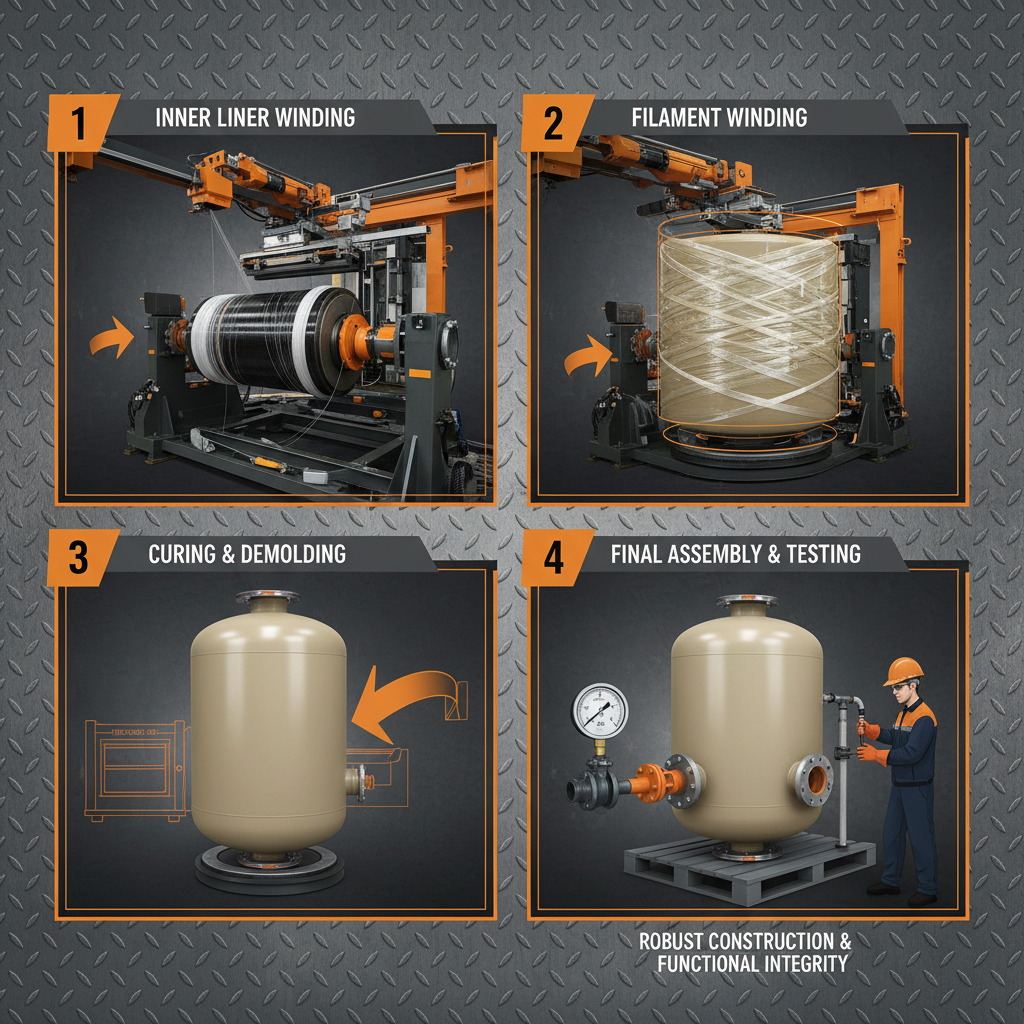
Fiber Reinforced Polymer (FRP) tanks and vessels are increasingly becoming the preferred choice for storage and processing across a multitude of industries. Their lightweight nature, corrosion resistance, and design flexibility offer significant advantages over traditional materials like steel. This article will delve into the intricacies of FRP tanks and vessels, exploring their applications, manufacturing processes, benefits, and considerations for selecting the right solution for your specific needs. We’ll also highlight why FRP tanks are a cost-effective and reliable long-term investment. FRP tanks and vessels are constructed from a combination of reinforcing fibers (such as fiberglass, carbon fiber, or aramid fiber) embedded in a polymer matrix (typically polyester, vinyl ester, or epoxy resin). This combination creates a composite material that boasts high strength-to-weight ratio, exceptional corrosion resistance, and the ability to be molded into complex shapes. They’re designed to safely contain a wide variety of liquids and gases, ranging from corrosive chemicals and water to food products and pharmaceuticals.
Optimizing Water Filtration with Durable FRP Sand Filter Vessels
Mar 24,2026
Optimizing Water Filtration with Durable FRP Sand Filter Vessels
In water treatment and filtration systems, the choice of filter vessel material is paramount. Fiber Reinforced Plastic (FRP), also known as Glass Reinforced Polymer (GRP), sand filter vessels are increasingly popular due to their superior corrosion resistance, lightweight nature, and cost-effectiveness. This article delves into the benefits, applications, design considerations, and factors to consider when selecting an FRP sand filter vessel. Whether you are involved in municipal water treatment, industrial wastewater management, or recreational water filtration, understanding FRP technology is essential for optimizing your filtration process. An FRP sand filter vessel is a containment unit designed to house filtration media, typically sand, gravel, and anthracite. These vessels are integral components in sand filtration systems used for removing suspended solids, turbidity, and other particulate matter from water. FRP construction involves layering glass fibers within a resin matrix (typically polyester or vinyl ester) to create a strong, durable, and chemically resistant shell. The strength and rigidity of the vessel are crucial for withstanding the pressure from the filtration media and the water flow.
Comprehensive Guide to FRP Round Tanks Applications and Benefits
Mar 21,2026
Comprehensive Guide to FRP Round Tanks Applications and Benefits
Fiber Reinforced Polymer (FRP) round tanks are increasingly becoming the preferred choice for storage solutions across a variety of industries. Their lightweight nature, corrosion resistance, and design flexibility offer significant advantages over traditional materials like steel. This article provides an in-depth look at FRP round tanks, exploring their applications, benefits, manufacturing processes, and key considerations when choosing the right tank for your needs. Whether you're in chemical processing, water treatment, or agriculture, understanding FRP round tanks is crucial for optimizing your storage infrastructure. FRP round tanks are constructed from a combination of reinforcing fibers (typically fiberglass, carbon fiber, or a blend) embedded in a polymer matrix (often polyester, vinyl ester, or epoxy resin). The round shape inherently provides excellent structural strength, distributing pressure evenly across the tank’s surface.
Comprehensive Guide to FRP Pressure Tanks Benefits and Applications
Mar 19,2026
Comprehensive Guide to FRP Pressure Tanks Benefits and Applications
Fiber Reinforced Polymer (FRP) pressure tanks are becoming increasingly popular in a wide range of industrial applications, offering a compelling alternative to traditional steel tanks. Known for their lightweight nature, corrosion resistance, and high strength-to-weight ratio, FRP tanks provide efficient and durable solutions for storing liquids and gases under pressure. This article will delve into the benefits, applications, construction, and key considerations when selecting an FRP pressure tank, helping you make an informed decision for your specific needs. Understanding the advantages of FRP technology can lead to significant cost savings and improved operational efficiency. Compared to steel, FRP pressure tanks offer several key advantages. The most significant is their superior corrosion resistance. Unlike steel, which is susceptible to rust and corrosion when exposed to various chemicals, FRP materials are inherently resistant to a wide range of corrosive substances. This translates to a longer lifespan, reduced maintenance costs, and increased safety. Furthermore, FRP is significantly lighter than steel, making installation easier and reducing transportation costs.
For More Details Pls Contact Us
Thank you for your interest in our gloves! We offer high-quality, durable, and comfortable gloves with fast delivery and competitive prices. For any questions or customization, feel free to contact us. We look forward to working with you!

If you are interested in our products, you can choose to leave your information here, and we will be in touch with you shortly.