Comprehensive Guide to Durable Double Wall FRP Tank Solutions for Industries
Understanding Double Wall FRP Tanks: A Comprehensive Guide
Double wall Fiber Reinforced Polymer (FRP) tanks are increasingly becoming the preferred choice for storing a wide range of chemicals and liquids across diverse industries. Offering superior corrosion resistance, durability, and safety compared to traditional materials like steel, these tanks are a valuable asset for any business dealing with potentially hazardous substances. This article will delve into the key features, benefits, applications, and considerations when choosing a double wall FRP tank, providing you with the information needed to make an informed decision. Investing in a reliable storage solution is crucial for operational efficiency and environmental responsibility.
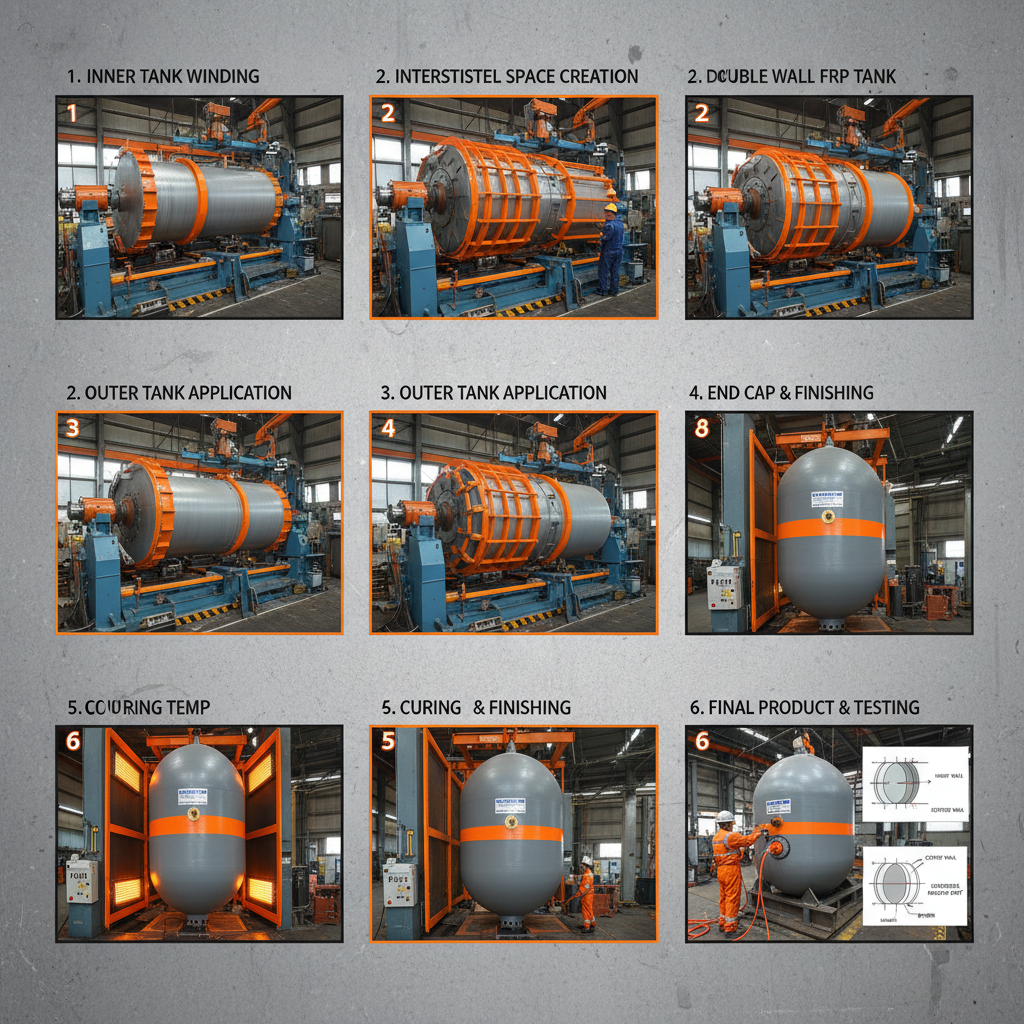
What are Double Wall FRP Tanks?
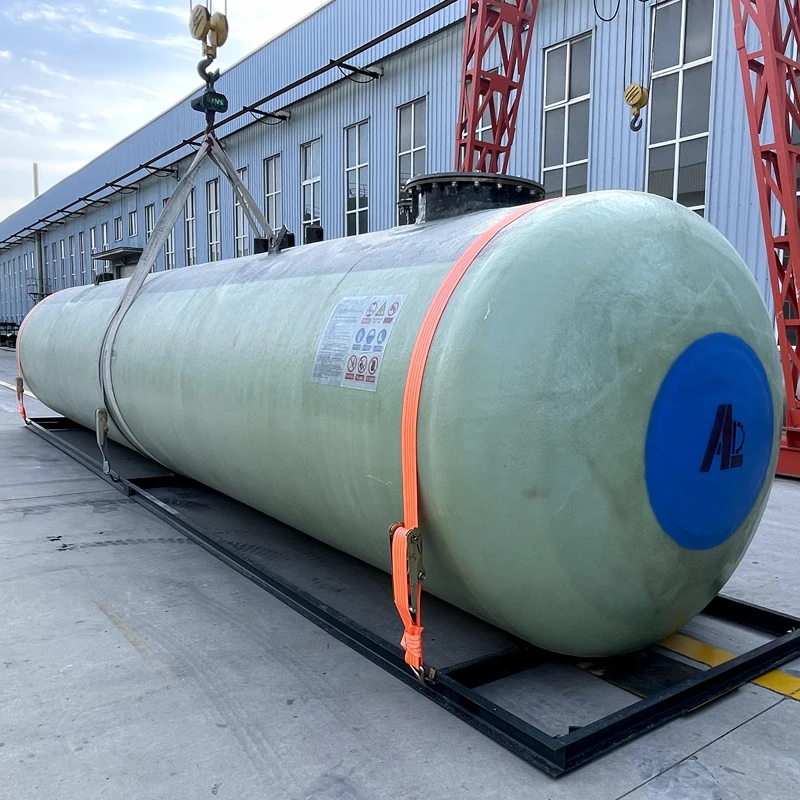
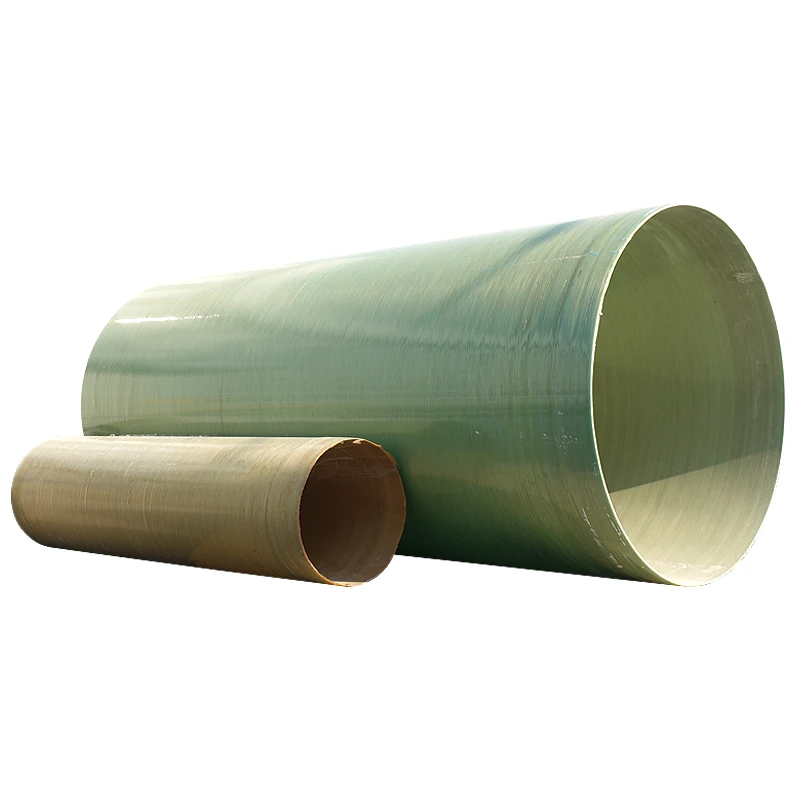
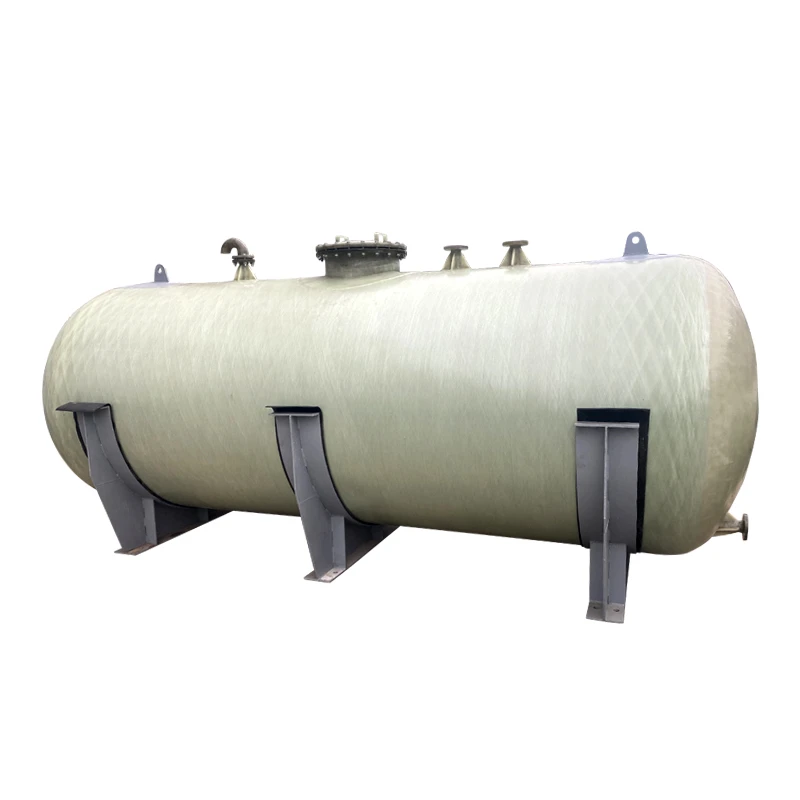
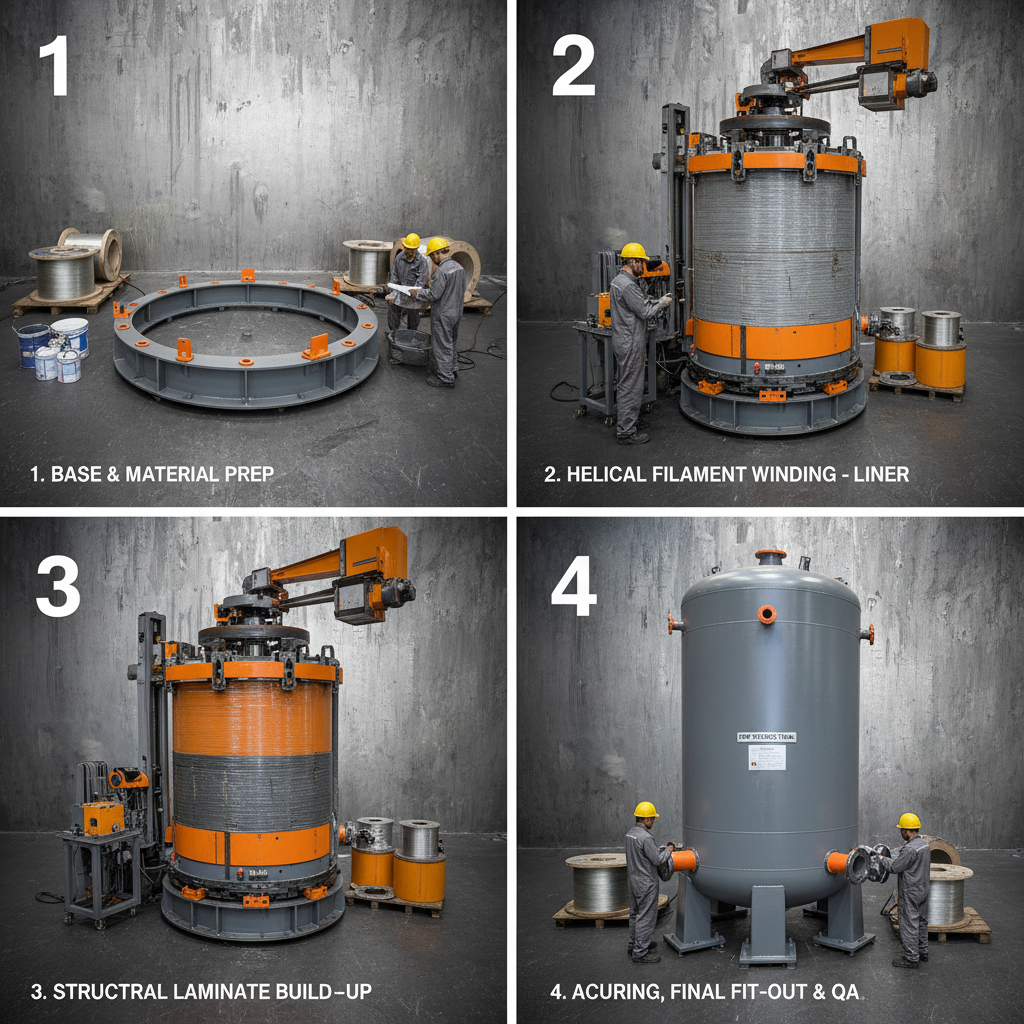
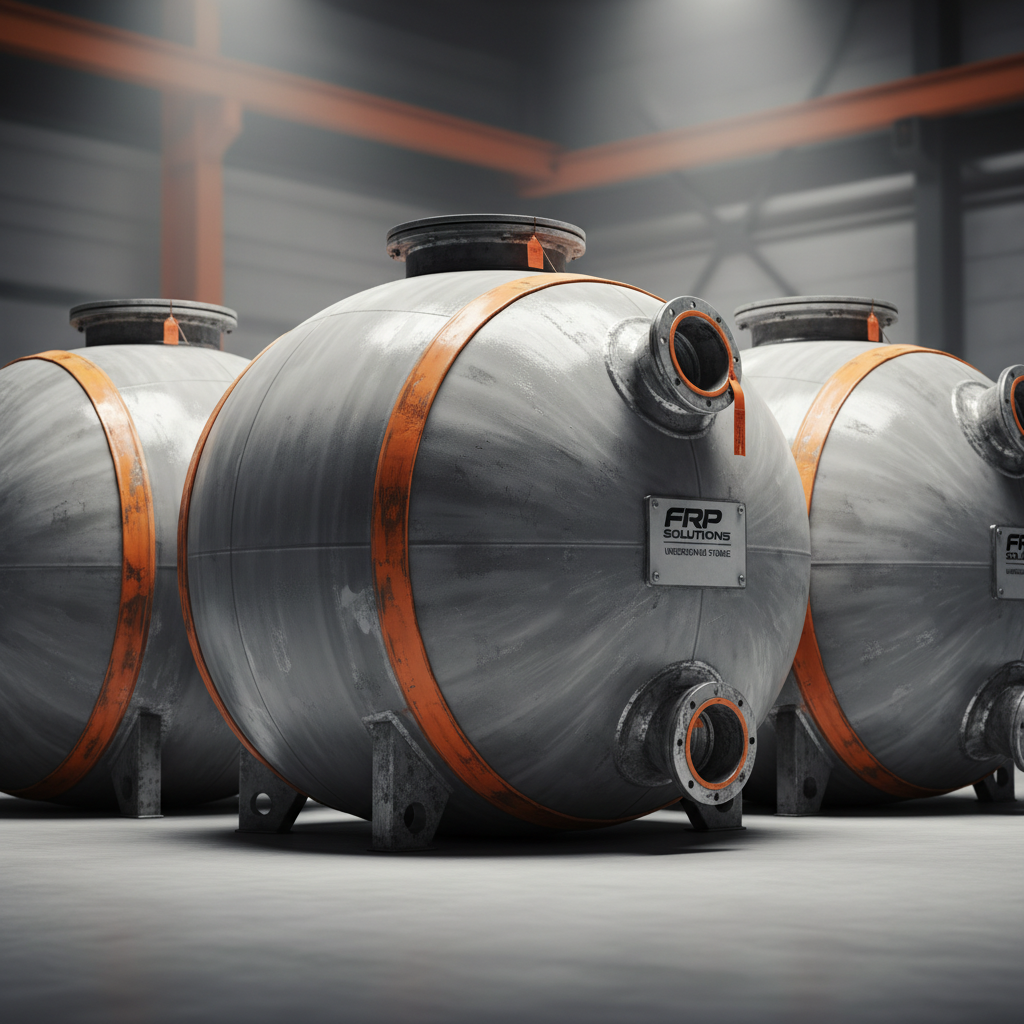
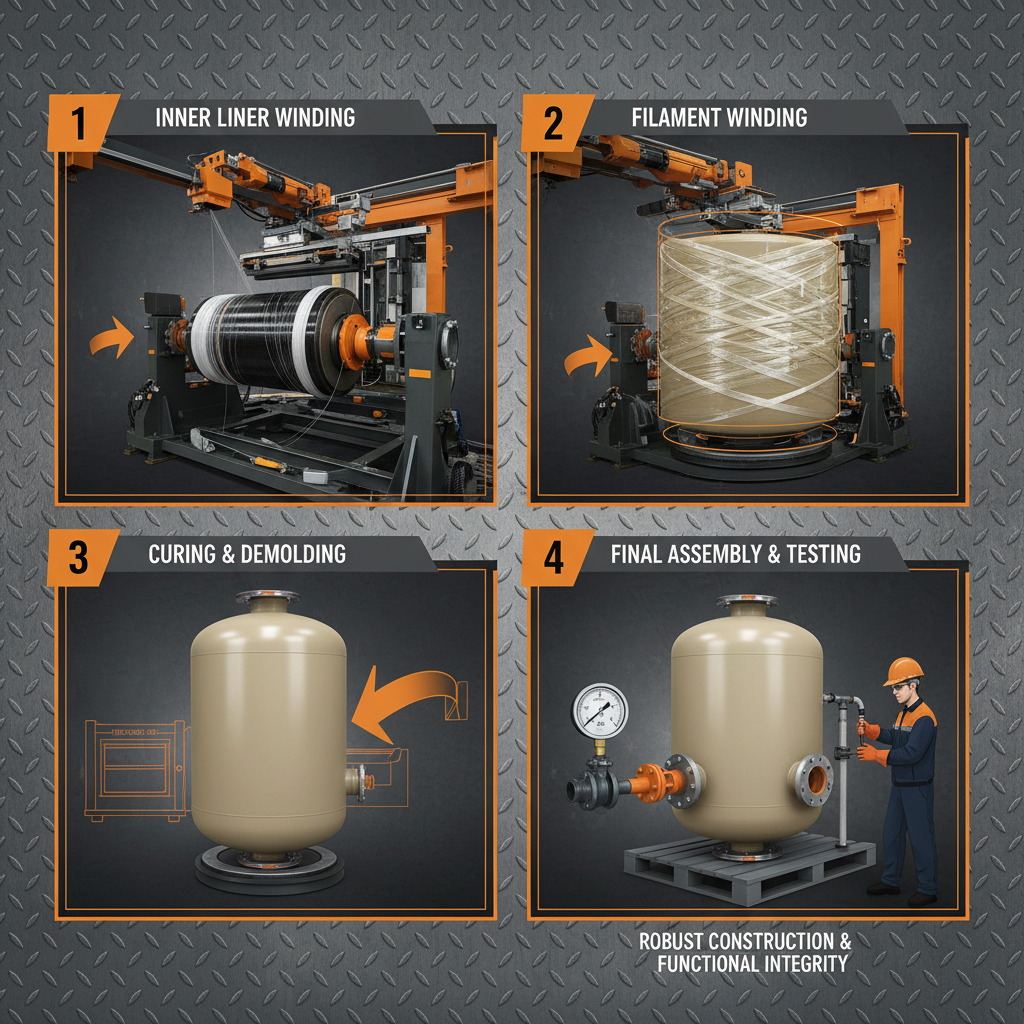
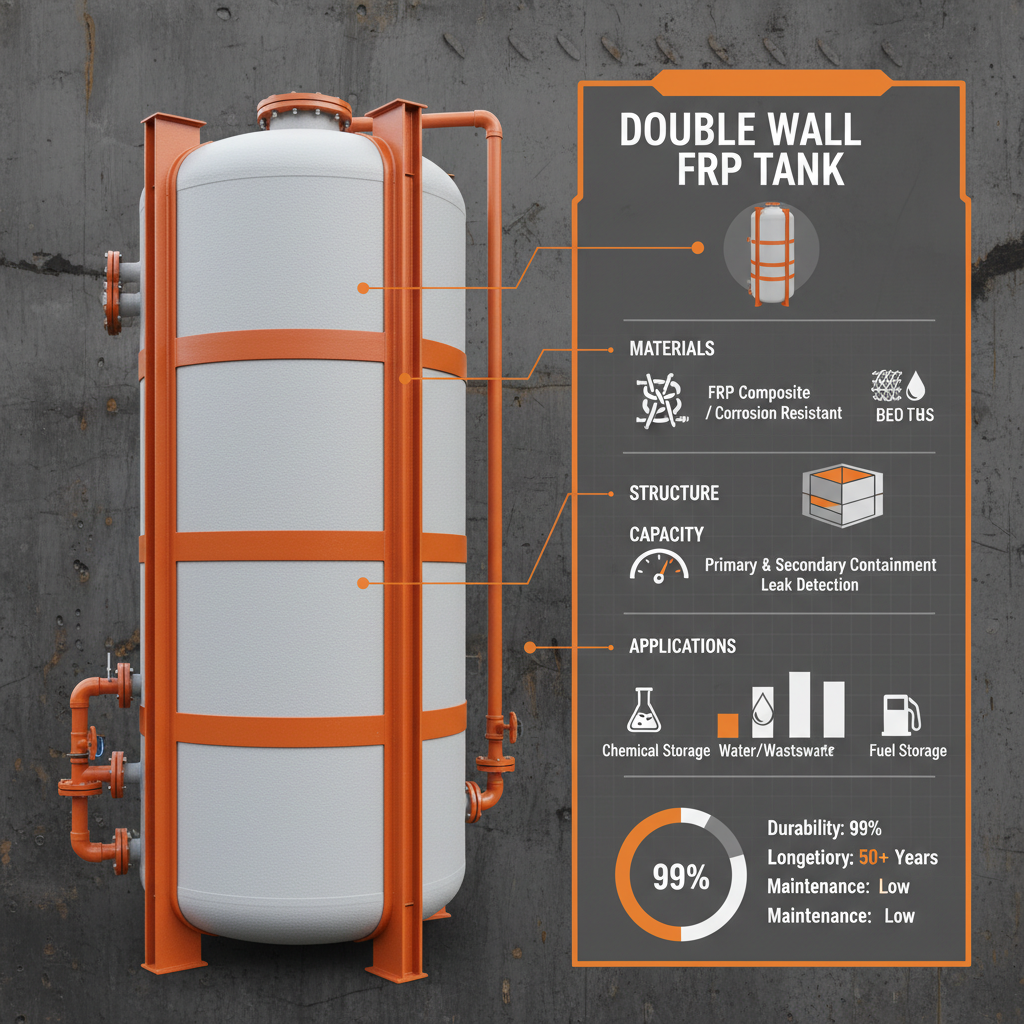
A double wall FRP tank consists of two layers of FRP material separated by a space. This design provides a critical layer of containment in the event of a leak or failure in the inner tank. The space between the walls can be monitored for leaks, allowing for early detection and preventing environmental contamination. The construction typically involves a resin matrix reinforced with fiberglass, offering excellent chemical resistance, and the ability to be customized for specific application requirements. These tanks offer a significantly enhanced safety profile compared to single-wall tanks. FRP tanks are engineered for longevity and minimal maintenance.
Key Benefits: Enhanced safety through secondary containment, superior corrosion resistance, lightweight and durable construction, customizable to specific chemical compatibility needs.
Key Features of Double Wall FRP Tanks
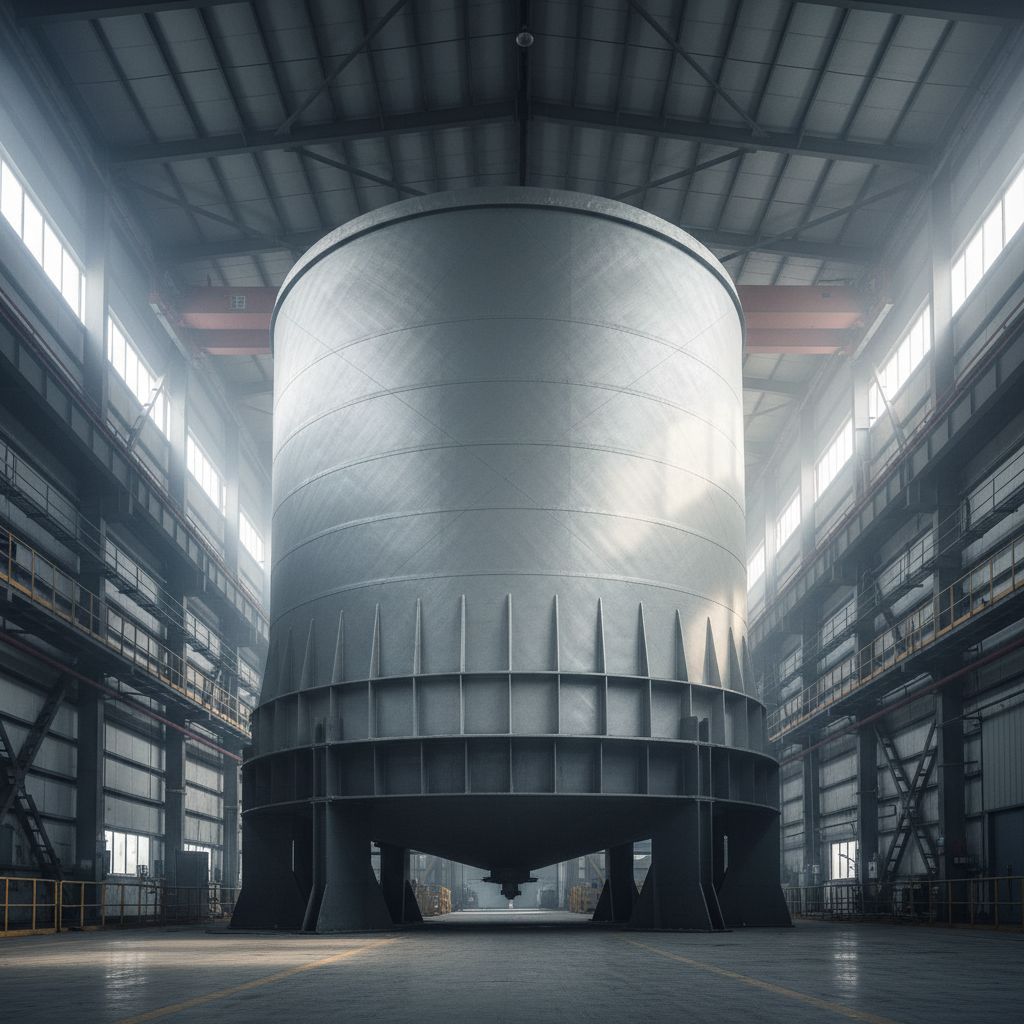
Double wall FRP tanks are engineered with a multitude of features designed for safe and reliable storage. The primary benefit is the secondary containment system, which prevents leaks from reaching the environment. Beyond that, these tanks are lightweight yet incredibly strong, resisting impact and corrosion. They are also non-conductive, making them safe for use with electrically sensitive fluids. Customization is a key advantage, allowing for tailored designs to meet specific volume, pressure, and chemical compatibility requirements.
Key Features:
• Secondary Containment: Prevents leaks and spills.
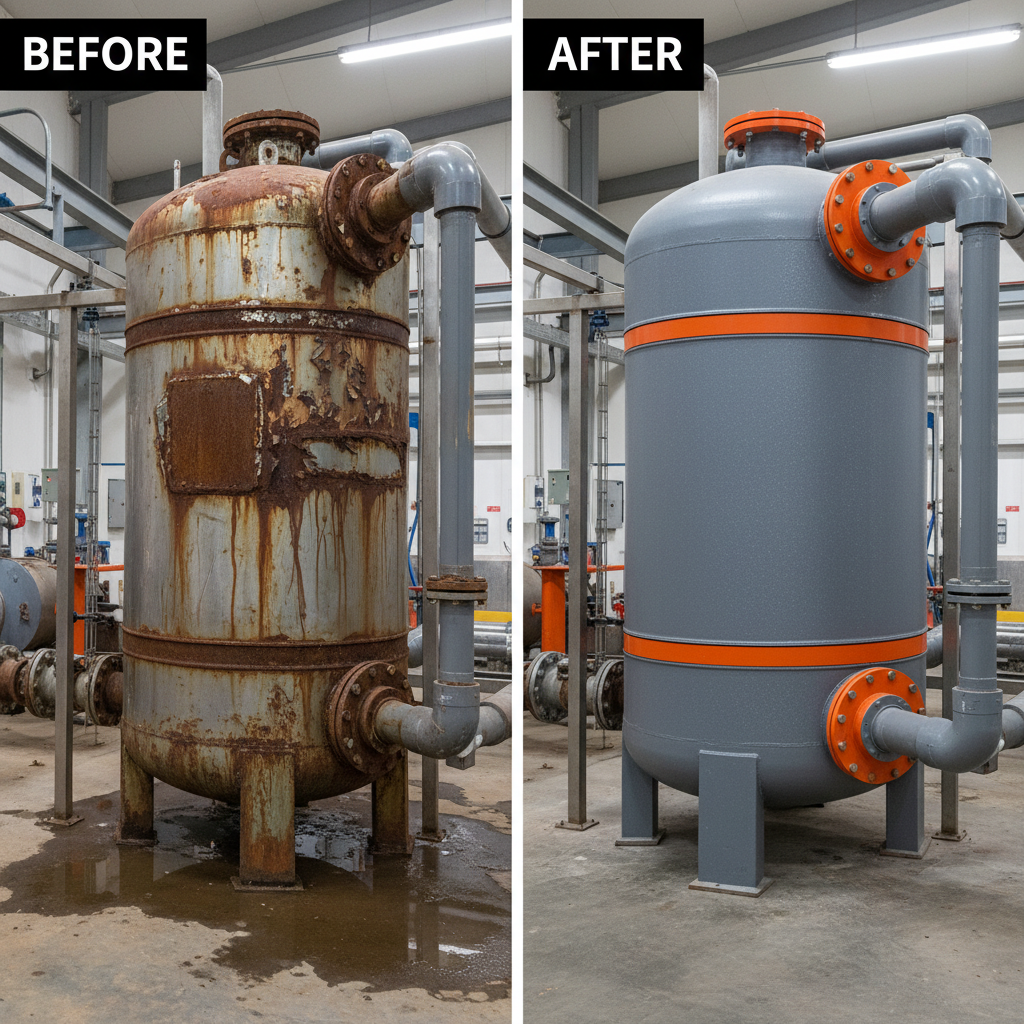
• Corrosion Resistance: Withstands harsh chemicals.
• Lightweight & Durable: Easy to install and long-lasting.
• Customizable Design: Tailored to specific needs.
Double Wall FRP Tank Applications
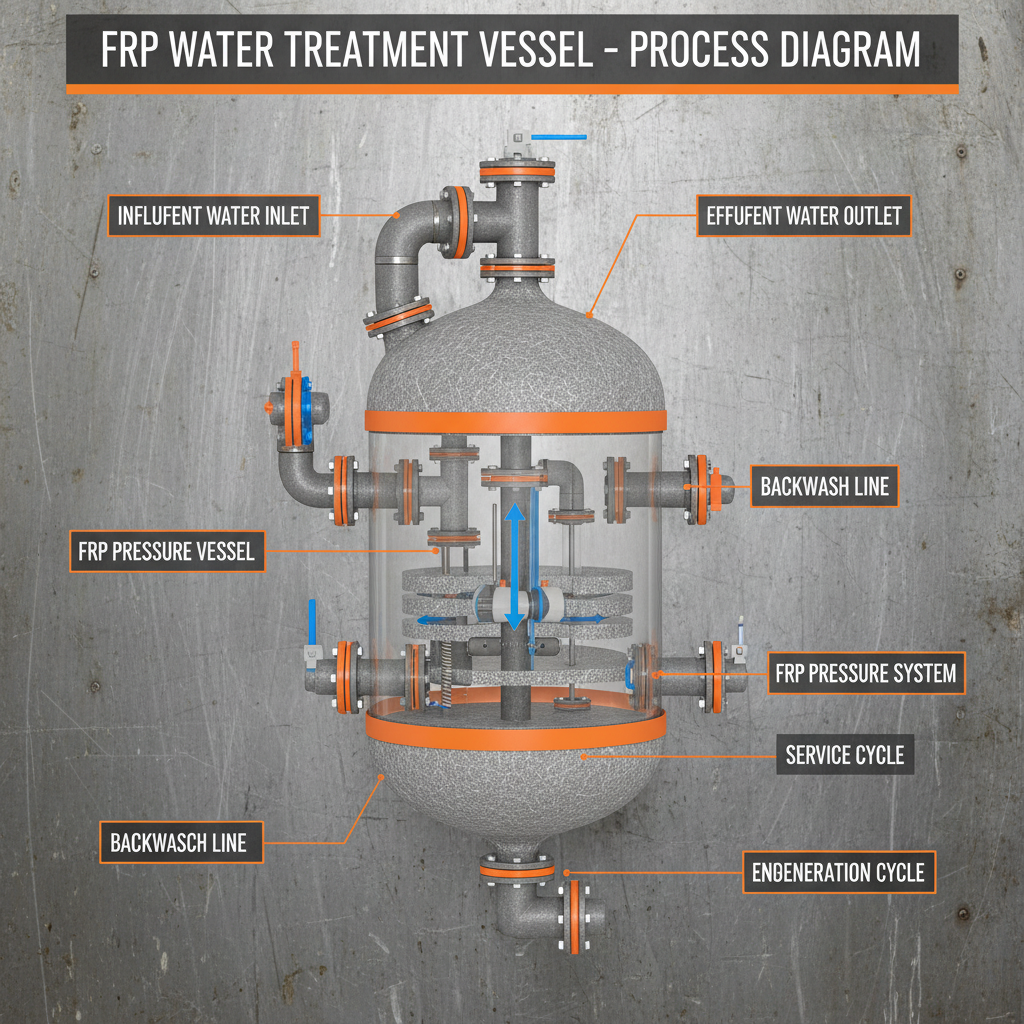
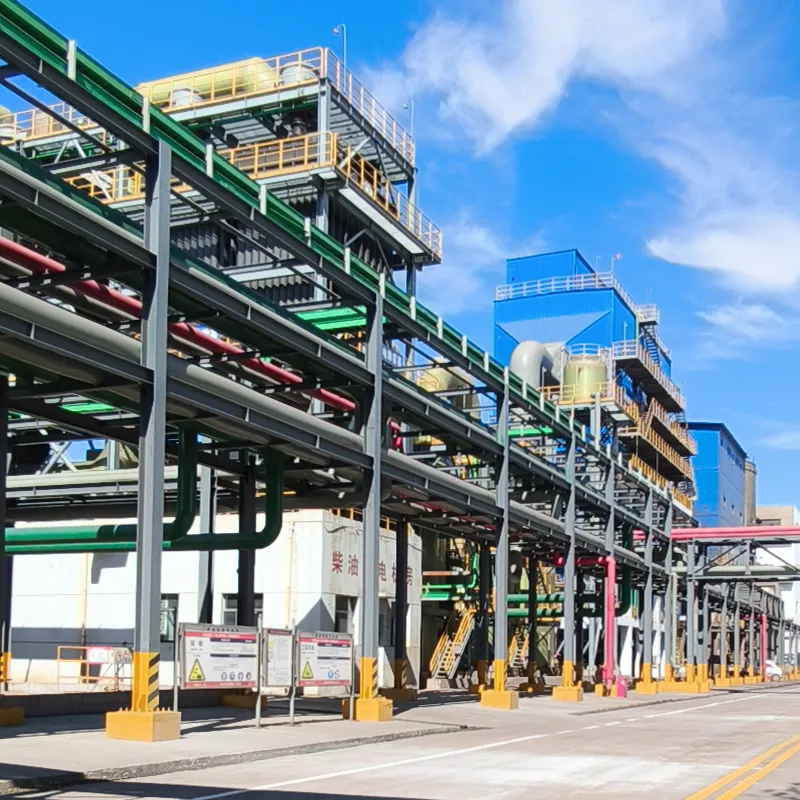
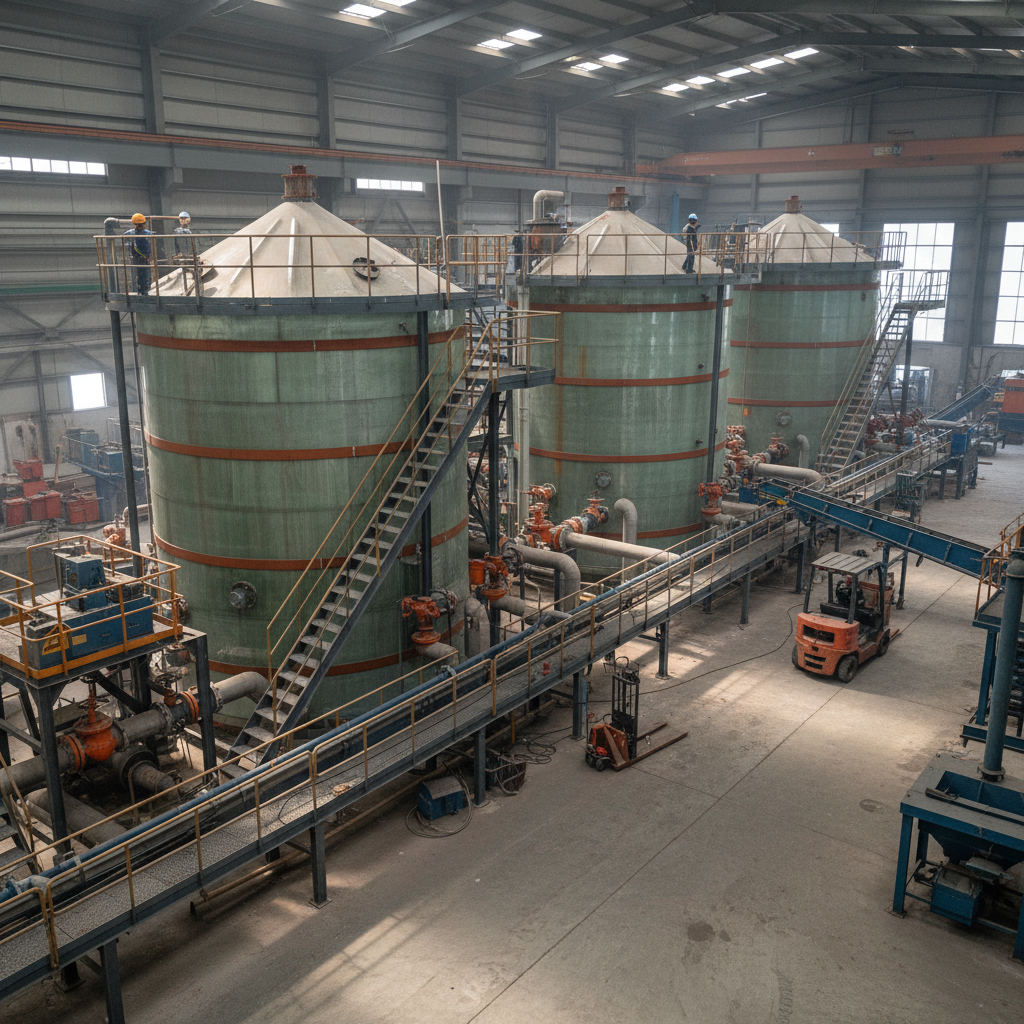
The versatility of double wall FRP tanks makes them suitable for a broad spectrum of applications across numerous industries. These include chemical processing, water and wastewater treatment, pharmaceuticals, food and beverage production, oil and gas, and more. Specifically, they are ideal for storing corrosive chemicals like sulfuric acid, hydrochloric acid, and sodium hydroxide, as well as various solvents, alcohols, and other hazardous liquids. Their robust construction and leak-proof design make them essential for environmentally sensitive applications.
Double Wall FRP Tanks vs. Other Storage Options
When evaluating storage solutions, it’s crucial to compare double wall FRP tanks with alternatives like stainless steel, polyethylene, and single-wall FRP tanks. Stainless steel, while robust, is susceptible to corrosion in certain chemical environments and is significantly more expensive. Polyethylene tanks lack the structural strength and chemical resistance of FRP. Single-wall FRP tanks offer good corrosion resistance but lack the vital secondary containment feature. Double wall FRP tanks provide the optimal balance of safety, durability, and cost-effectiveness, making them a superior choice for long-term storage of hazardous materials.
Choosing the Right Double Wall FRP Tank
Selecting the appropriate double wall FRP tank requires careful consideration of several factors. Chemical compatibility is paramount; the tank’s materials must be resistant to the specific chemicals being stored. Tank size and capacity should be accurately determined based on current and future storage needs. Compliance with relevant industry standards and regulations is also crucial. Partnering with a reputable manufacturer like FRPGRPMachine ensures you receive a high-quality, custom-engineered solution that meets your specific requirements.
Conclusion: Investing in Safe and Reliable Storage
Double wall FRP tanks represent a smart investment for businesses prioritizing safety, environmental responsibility, and long-term reliability. Their superior corrosion resistance, secondary containment, and customizable design make them ideal for a wide range of applications. Choosing a quality tank from a trusted manufacturer like FRPGRPMachine ensures you receive a solution that will protect your assets and the environment for years to come.
Frequently Asked Questions (FAQs)
What is the typical lifespan of a double wall FRP tank?
A properly maintained double wall FRP tank can have a lifespan of 25-50 years or more. This durability stems from the inherent corrosion resistance of the materials and the robust construction. However, the lifespan can vary depending on the chemicals stored, operating temperatures, and environmental conditions. Regular inspections, preventive maintenance, and adherence to manufacturer recommendations are vital for maximizing longevity.
How is the leak detection system in a double wall FRP tank monitored?
The space between the inner and outer walls is typically monitored using a leak detection system. These systems can range from visual inspections to automated electronic sensors. Visual inspections involve periodically checking the space for the presence of liquid. Electronic sensors detect even small leaks and trigger alarms, allowing for immediate action. Regular monitoring is crucial to ensure the integrity of the secondary containment system.
Are double wall FRP tanks suitable for underground installation?
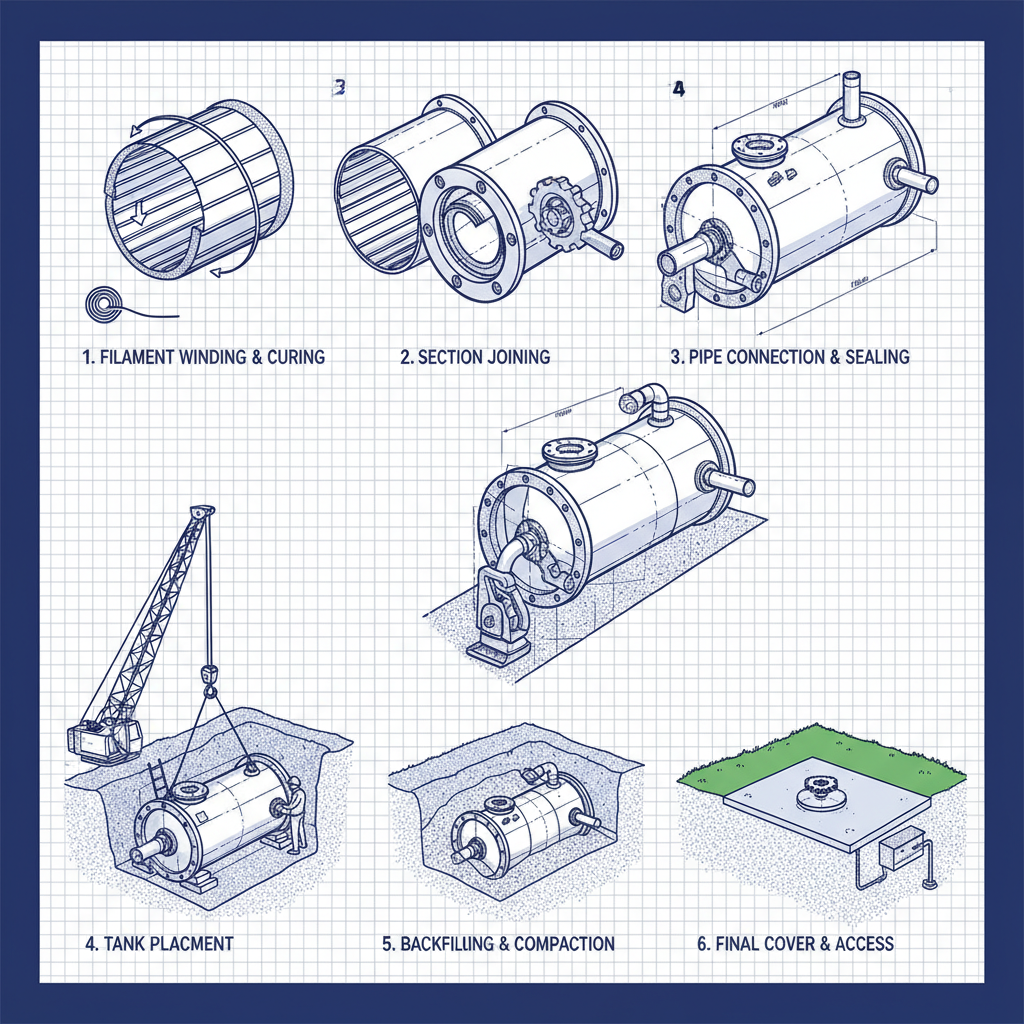
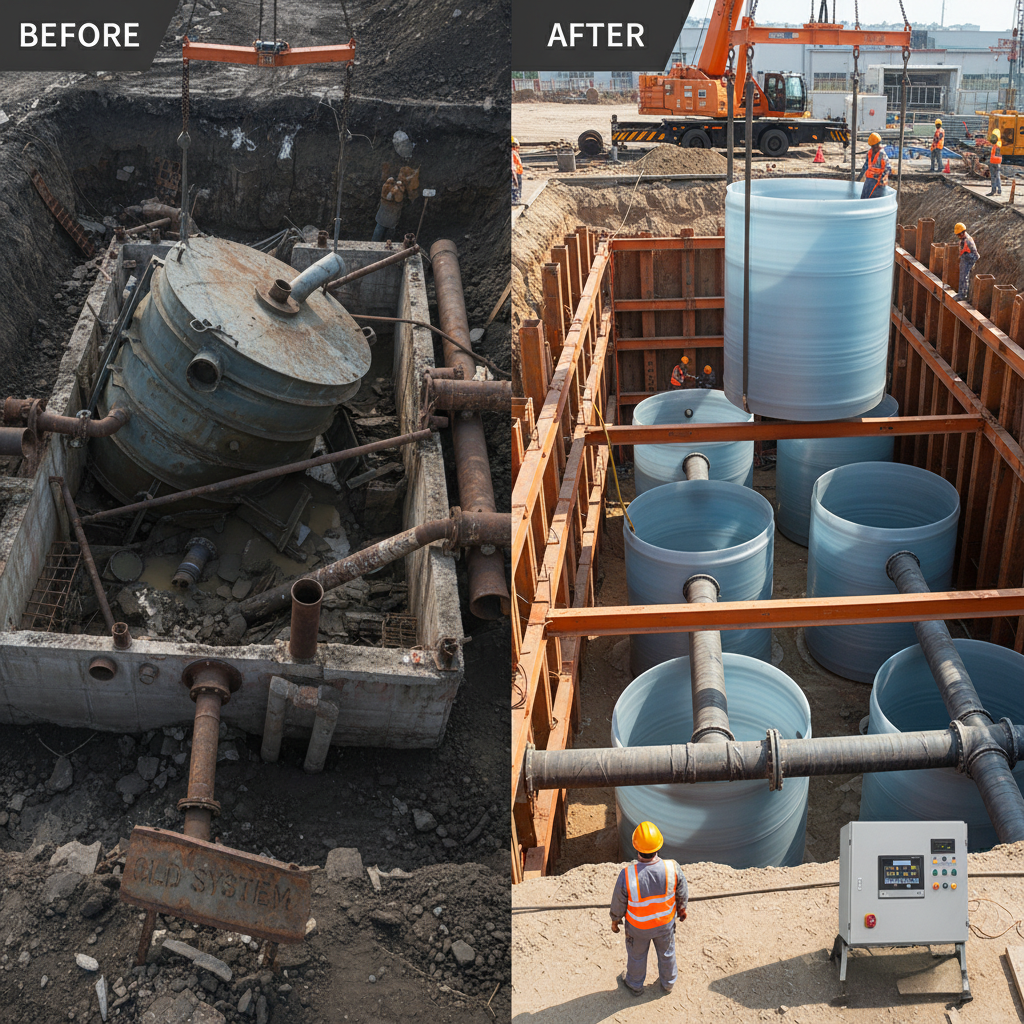
Yes, double wall FRP tanks are often ideal for underground installation due to their corrosion resistance and leak-proof design. However, it’s crucial to ensure the tank meets all relevant local regulations and standards for underground storage. Proper bedding, backfilling, and leak detection systems are essential for safe and compliant underground installations. Contact FRPGRPMachine for guidance on underground installation best practices.
What types of resins are used in the construction of double wall FRP tanks?
Common resins used in double wall FRP tank construction include polyester, vinyl ester, and epoxy resins. Polyester resins are cost-effective and offer good chemical resistance for a wide range of applications. Vinyl ester resins provide superior corrosion resistance, particularly against aggressive chemicals. Epoxy resins offer the highest level of chemical resistance and mechanical strength but are typically more expensive. The choice of resin depends on the specific chemicals being stored and the operating environment.