Dec 08,2025

Comprehensive Guide to FRP I Beam Benefits, Applications, and Trends

Understanding FRP I Beam: The Future Backbone of Lightweight Construction

Fiber Reinforced Polymer (FRP) I beams have quietly become a staple in modern infrastructure and industrial design worldwide. But why should you care? Well, these composite beams blend impressive strength with surprising lightweight properties, offering a sustainable alternative to traditional steel or concrete. Whether it’s for bridges, marine structures, or industrial facilities, understanding FRP I beams can unlock new potentials in durability, cost-efficiency, and environmental impact.

Global Context: Why FRP I Beams Matter on a Large Scale

Globally, infrastructure demands keep growing — in fact, the World Bank estimates that trillions of dollars in investments will be necessary just to maintain and upgrade existing structures in the next decade. The transportation of heavy steel beams, the carbon footprint of manufacturing, and the need for corrosion resistance all create challenges. FRP I beams, manufactured using fiber reinforcements embedded in polymers, answer many of these pain points by being lightweight yet tough. Oddly enough, their applications are now central from North America to Asia, especially in coastal and corrosive environments where steel struggles.

But here’s the kicker: according to ISO standards related to composite materials (ISO 14692), FRP products are becoming recognized for their standardized testing and performance metrics, making them less of a niche material and more of an industrial go-to. This shift is crucial because it helps engineers and designers trust FRP I beams for vertical load-bearing and longevity.

What Is an FRP I Beam Anyway?

Simply put, an FRP I beam is a structural support beam shaped like the letter “I” that’s made by combining fibers — often glass or carbon — with polymer resins. The fibers provide the beam’s strength, while the resin matrix gives it shape, weather resistance, and protects it from damage. Compared to traditional steel beams, FRP I beams resist corrosion, don’t need painting, and are way lighter.

This combination makes them particularly useful in industries where heavy metal beams would be impractical or unsustainable, such as chemical plants, offshore rigs, or hospitals where metal detectors are an issue. It’s not just a construction trend — it’s becoming integral to humanitarian projects, too, helping build durable, affordable infrastructure in disaster-prone or remote regions where shipping steel is costly.

Key Factors That Make FRP I Beams Stand Out

1. Durability

These beams don’t rust or rot, even in saltwater environments. In fact, they stay intact for decades, which beats steel by a long margin in corrosive conditions.

2. Lightweight Nature

An FRP I beam weighs roughly 20-30% of an equivalent steel beam. This reduces transportation costs and eases installation—a practical bonus for hard-to-reach places.

3. Cost Efficiency

While the upfront cost is sometimes higher, the life-cycle costs drop dramatically thanks to minimal maintenance needs and lower labor demands.

4. Flexibility & Customization

They can be molded into precise shapes and sizes, accommodating unique architectural or functional requirements.

5. Resistance to Chemicals & Fire

Excellent in industrial settings where beams may face acids, alkalis, or sudden temperature changes.

Quick Takeaway:

  • FRP I beams combine lightweight with strength and corrosion resistance.
  • They reliably serve heavy load-bearing roles in harsh environments.
  • Though costlier upfront, their longevity saves money over time.

How Are FRP I Beams Changing the World?

Real-world applications are diverse and growing. In coastal regions like Southeast Asia, FRP I beams reinforce bridges that will otherwise decay quickly from salt exposure. In the United States, municipalities use these beams in pedestrian walkways and utility poles for their low maintenance. Disaster relief operations, especially in earthquake-prone areas, favor FRP structures since they’re fast to deploy and less prone to catastrophic failure.

Moreover, heavy industries in chemical plants or offshore oil platforms use FRP I beams to support piping and equipment, where traditional metallic supports would need constant treatment and inspection.

Practical Specs: Typical FRP I Beam Characteristics

Property Typical Range Notes
Density 1.5 - 2.0 g/cm³ Much lighter than steel (~7.85 g/cm³)
Tensile Strength 600 - 1200 MPa Comparable or superior to structural steel
Corrosion Resistance Excellent Ideal for marine and chemical environments
Fire Resistance Depends on resin type Can be enhanced with additives
Typical Beam Lengths Up to 12 meters Custom lengths available

Comparing Leading FRP I Beam Vendors

Vendor Material Type Customization Certifications Typical Markets
FRPGRP Machine Co. Glass & Carbon Fiber High - custom sizing & resin formulation ISO 14692, ASTM Industrial, Infrastructure, Marine
Composite Beam Solutions Glass Fiber only Medium - standard profiles ISO 9001 Pedestrian Bridges, Utility Poles
Advanced Materials Inc. Carbon Fiber Focused Low - off-the-shelf products ASTM High-Tech Industrial Equipment

Why Choose FRP I Beams? The Advantages Shaping Long-Term Impact

  • Lower Lifecycle Costs: Less need for corrosion protection, repainting, and repairs.
  • Environmental Sustainability: Reduced energy usage during fabrication and transport contributes to lowering carbon footprints.
  • Enhanced Safety: Lower weight reduces risks during installation and handling.
  • Design Freedom: Easily molded into customized shapes, fostering innovative architectural solutions.
  • Extended Infrastructure Lifespan: Promotes resilience in harsh climates and disaster zones.

The Future: What’s Next for FRP I Beams?

Exciting advances are underway—bio-based resins that reduce environmental impact, hybrid composites combining carbon and glass fibers for tailored strengths, and digital fabrication methods allowing automated, precise beam production. Additionally, regulations are catching up, with more countries adopting standards that recognize FRP components for critical infrastructure. Online monitoring integration for real-time structural health is also evolving, making maintenance predictive rather than reactive. It is the dawn of smarter, greener, longer-lasting construction materials.

Facing and Overcoming Challenges

No material is perfect, of course. FRP I beams have limitations — notably, higher initial costs and sensitivity to UV degradation if not properly coated. There’s also a learning curve for engineers accustomed to steel calculations. However, collaborations between material scientists, civil engineers, and vendors like frp i beam specialists are ironing out these issues. With proper design adjustments and ongoing research, these hurdles are increasingly manageable.

FAQ: Common Questions About FRP I Beams

What environments are best suited for FRP I beams?
FRP beams excel in corrosive, wet, or chemically aggressive environments, such as marine, industrial, and wastewater treatment plants. Their corrosion resistance outperforms steel especially over long-term exposure.
How do FRP I beams compare to steel in load capacity?
They can match or even exceed steel load capabilities in many cases but at a fraction of the weight. However, design considerations differ, so it's essential to factor in material-specific flexural and shear properties.
Are FRP I beams recyclable or eco-friendly?
While recycling composites remains challenging, advances in thermoplastic-based FRP are improving recyclability. Plus, lower transportation emissions and longer service life contribute positively to overall environmental impact.
Can FRP I beams be manufactured in custom sizes?
Yes, vendors like frp i beam manufacturers offer custom lengths, widths, and fiber/resin combinations to suit unique project needs.
What is the typical lifespan of FRP I beams?
With proper maintenance and UV protection, FRP I beams often last 30-50 years, sometimes longer depending on application and exposure.

Wrapping Up: Why FRP I Beams Are Worth a Closer Look

If you’re involved in construction, engineering, or infrastructure design, FRP I beams deserve your attention. Their combination of low weight, durability, and environmental benefits aligns perfectly with the push toward sustainable development worldwide. They’re not just a passing fancy; they’re shaping the next generation of resilient infrastructure. Curious to see if they fit your next project? Have a look at frp i beam suppliers and explore specifications tailored to your needs.

Oddly enough, embracing FRP might just be the smartest move your project makes in decades.
References

  1. ISO 14692: Petroleum and natural gas industries — Glass-reinforced plastics (GRP) piping
  2. World Bank: Infrastructure Overview
  3. Wikipedia: Fiber-reinforced plastic
Upsell Products
Upsell News
Durable FRP Vessel for Water Treatment and Industrial Filtration
Apr 16,2026
Durable FRP Vessel for Water Treatment and Industrial Filtration
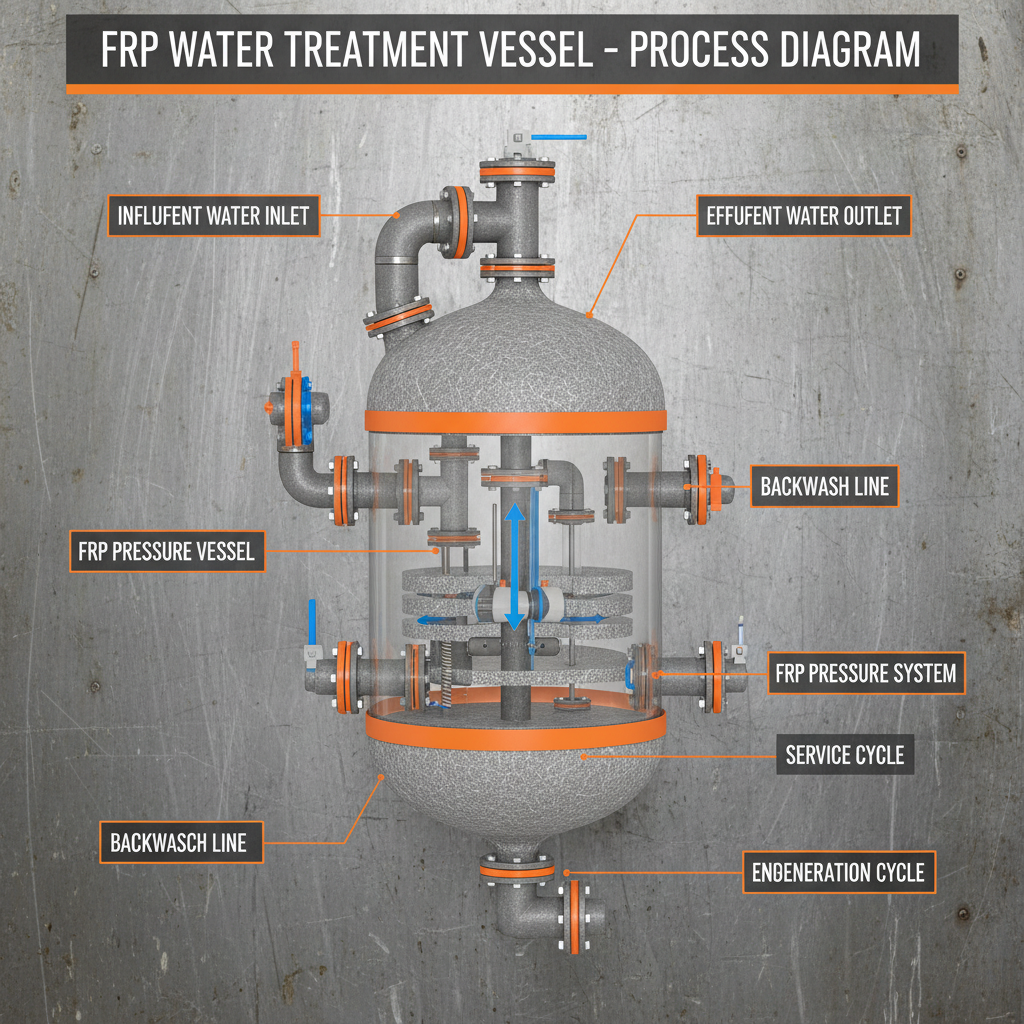
In the modern era of industrial and residential water purification, the choice of containment materials is critical for efficiency and longevity. An frp vessel for water treatment has emerged as the gold standard, replacing traditional steel tanks due to its superior corrosion resistance and lightweight properties. Whether you are dealing with desalination, softening, or filtration, using Fiber Reinforced Plastic (FRP) ensures that your system remains leak-proof and durable against aggressive chemicals. In this comprehensive guide, we will explore why FRP is the preferred choice for water treatment professionals worldwide and how to select the right vessel for your specific application.
Industrial Guide for Choosing the Right FRP Vertical Tank
Apr 09,2026
Industrial Guide for Choosing the Right FRP Vertical Tank
In today's industrial landscape, the storage of corrosive chemicals and aggressive liquids requires materials that can withstand extreme conditions without degrading. The frp vertical tank has emerged as a premier solution, offering an exceptional balance of strength, lightweight properties, and unmatched chemical resistance. Whether you are managing a water treatment plant or a chemical processing facility, understanding the nuances of Fiber Reinforced Plastic (FRP) is essential for ensuring operational safety and longevity. In this comprehensive guide, we will explore why vertical configurations are preferred and how these tanks outperform traditional metal alternatives.
Comprehensive Guide to FRP Underground Water Tank Solutions and Applications
Apr 07,2026
Comprehensive Guide to FRP Underground Water Tank Solutions and Applications
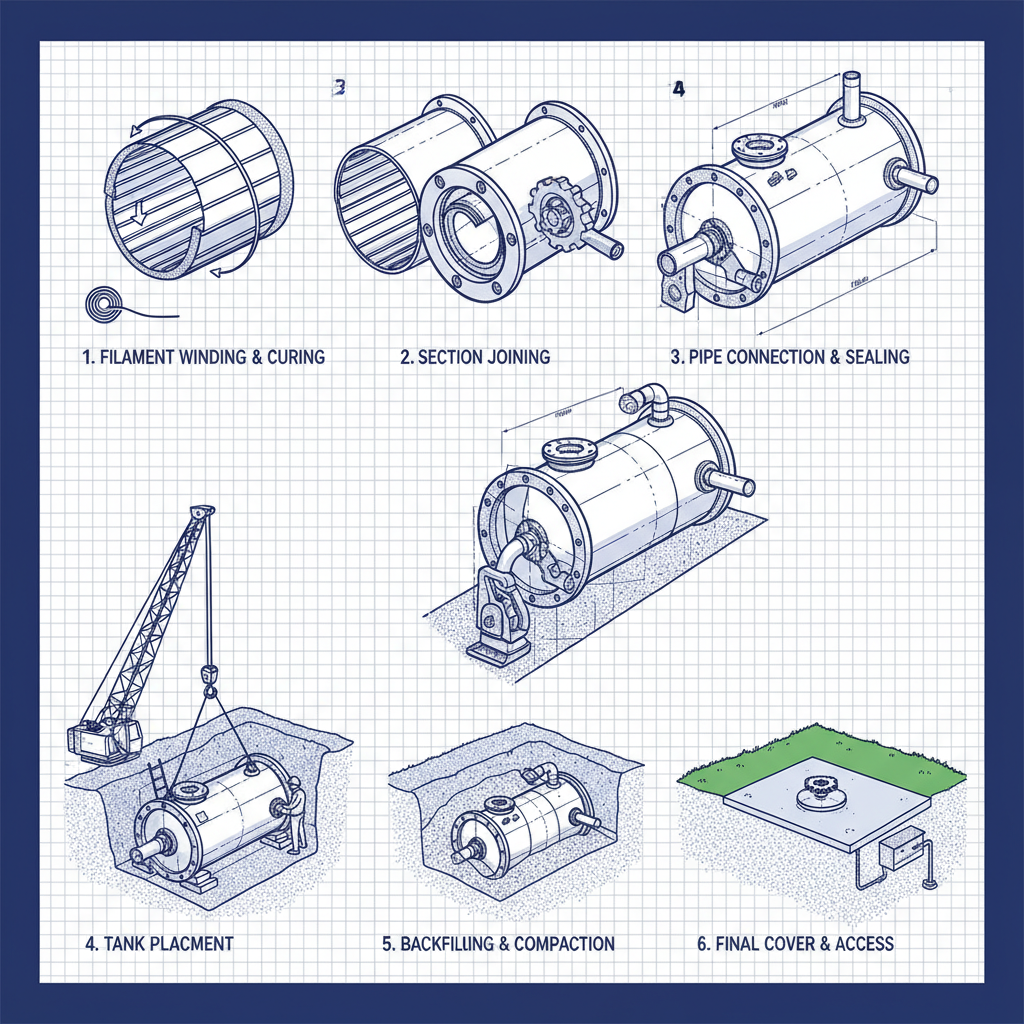
Fiberglass Reinforced Polymer (FRP) underground water tanks are becoming increasingly popular for a wide range of applications, from potable water storage to industrial wastewater containment. Their superior corrosion resistance, lightweight nature, and design flexibility make them an excellent alternative to traditional materials like concrete or steel. This article will delve into the benefits, applications, construction, and considerations for implementing FRP underground water tanks, providing a comprehensive overview for engineers, contractors, and project managers.
Comprehensive Guide to Frp Underground Water Storage Tanks and Their Applications
Apr 04,2026
Comprehensive Guide to Frp Underground Water Storage Tanks and Their Applications
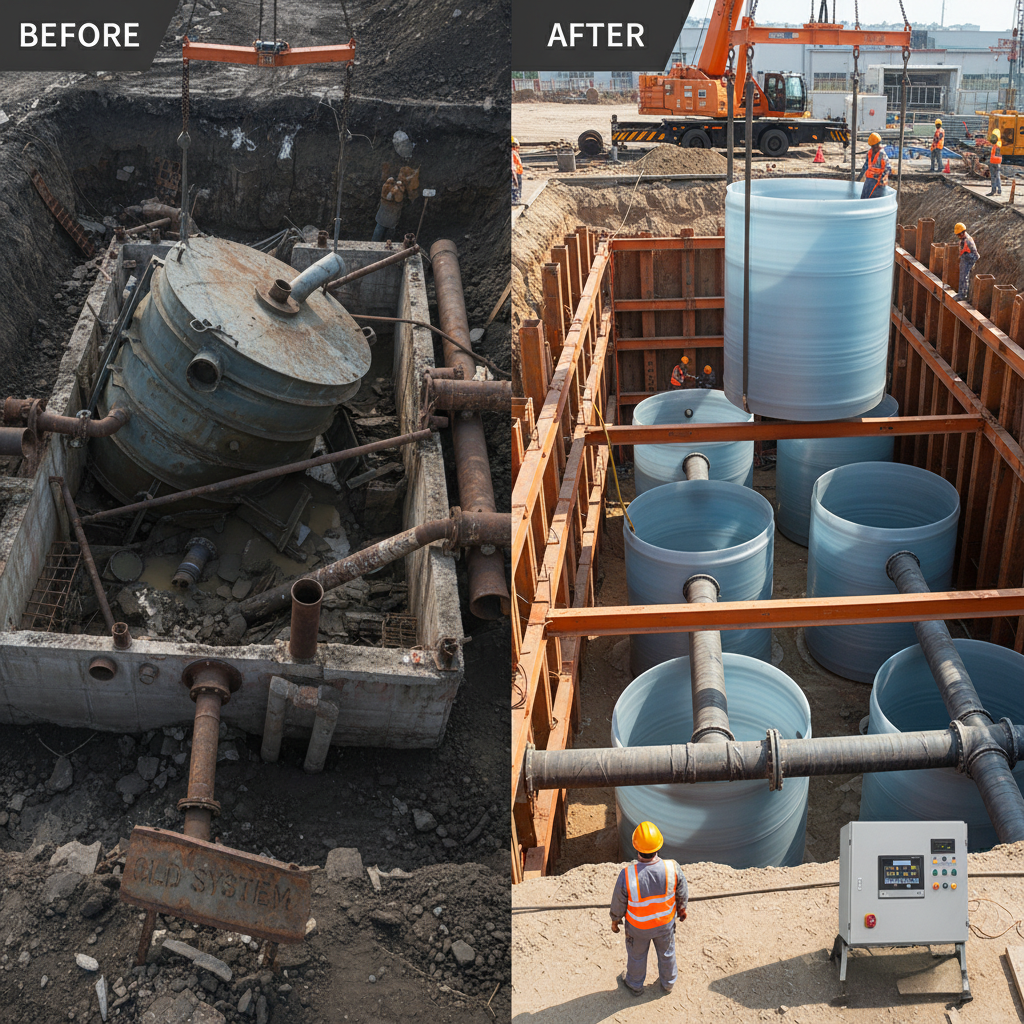
When considering water storage solutions, particularly for industrial, agricultural, or municipal applications, frp underground water storage tanks stand out as a durable, cost-effective, and environmentally friendly option. These tanks are increasingly favored over traditional materials like concrete or steel due to their superior corrosion resistance, lighter weight, and ease of installation. This article delves into the benefits, applications, construction, and considerations when choosing an FRP tank, providing a detailed overview for potential buyers and project planners.
Sulfuric Acid Production Line - Hebei Aoliande|Efficient H2SO4 Plant Technology
Apr 01,2026
Sulfuric Acid Production Line - Hebei Aoliande|Efficient H2SO4 Plant Technology
Discover efficient H2SO4 plant technology and advanced sulfuric acid production solutions. Hebei Aoliande combines energy-saving furnace design and eco-friendly HCl recovery systems for sustainable industrial applications. Explore now: https://www.frpgrpmachine.com/sulfuric-acid-production-line-for-h2so4-plant.html
Sulfuric Acid Production Line - Hebei Aoliande|Efficient H2SO4 Plant Technology
Apr 01,2026
Sulfuric Acid Production Line - Hebei Aoliande|Efficient H2SO4 Plant Technology
Discover efficient H2SO4 plant technology and advanced sulfuric acid production solutions. Hebei Aoliande combines energy-saving furnace design and eco-friendly HCl recovery systems for sustainable industrial applications. Explore now: https://www.frpgrpmachine.com/sulfuric-acid-production-line-for-h2so4-plant.html
Sulfuric Acid Production Line - Hebei Aoliande|Efficient H2SO4 Plant Technology
Apr 01,2026
Sulfuric Acid Production Line - Hebei Aoliande|Efficient H2SO4 Plant Technology
Discover efficient H2SO4 plant technology and advanced sulfuric acid production solutions. Hebei Aoliande combines energy-saving furnace design and eco-friendly HCl recovery systems for sustainable industrial applications. Explore now: https://www.frpgrpmachine.com/sulfuric-acid-production-line-for-h2so4-plant.html
Sulfuric Acid Production Line - Hebei Aoliande|Efficient H2SO4 Plant Technology
Apr 01,2026
Sulfuric Acid Production Line - Hebei Aoliande|Efficient H2SO4 Plant Technology
Discover efficient H2SO4 plant technology and advanced sulfuric acid production solutions. Hebei Aoliande combines energy-saving furnace design and eco-friendly HCl recovery systems for sustainable industrial applications. Explore now: https://www.frpgrpmachine.com/sulfuric-acid-production-line-for-h2so4-plant.html
Sulfuric Acid Production Line - Hebei Aoliande|Efficient H2SO4 Plant Technology
Apr 01,2026
Sulfuric Acid Production Line - Hebei Aoliande|Efficient H2SO4 Plant Technology
Discover efficient H2SO4 plant technology and advanced sulfuric acid production solutions. Hebei Aoliande combines energy-saving furnace design and eco-friendly HCl recovery systems for sustainable industrial applications. Explore now: https://www.frpgrpmachine.com/sulfuric-acid-production-line-for-h2so4-plant.html
Sulfuric Acid Production Line - Hebei Aoliande|Efficient H2SO4 Plant Technology
Apr 01,2026
Sulfuric Acid Production Line - Hebei Aoliande|Efficient H2SO4 Plant Technology
Discover efficient H2SO4 plant technology and advanced sulfuric acid production solutions. Hebei Aoliande combines energy-saving furnace design and eco-friendly HCl recovery systems for sustainable industrial applications. Explore now: https://www.frpgrpmachine.com/sulfuric-acid-production-line-for-h2so4-plant.html
Comprehensive Guide to Frp Underground Storage Tanks for Reliable Storage Solutions
Mar 31,2026
Comprehensive Guide to Frp Underground Storage Tanks for Reliable Storage Solutions
Fiberglass Reinforced Polymer (FRP) underground storage tanks are becoming increasingly popular for a wide range of applications, from fuel storage to wastewater management. Their corrosion resistance, lightweight nature, and durability offer significant advantages over traditional materials like steel. This article will provide an in-depth look at FRP underground storage tanks, covering their benefits, applications, installation, and maintenance. Understanding these aspects is crucial for making informed decisions about long-term storage solutions.
Comprehensive Guide to Selecting the Ideal FRP Tank for Water Storage Solutions
Mar 28,2026
Comprehensive Guide to Selecting the Ideal FRP Tank for Water Storage Solutions
When it comes to reliable and durable water storage, FRP tanks for water are increasingly becoming the preferred solution for a wide range of applications. These tanks, constructed from Fiber Reinforced Polymer (FRP) materials, offer significant advantages over traditional storage options like steel or concrete. This article delves into the benefits, applications, and considerations when selecting an FRP tank for your water storage needs, providing a detailed overview for businesses and individuals alike.
Comprehensive Guide to Frp Tank and Vessel Applications and Manufacturing
Mar 26,2026
Comprehensive Guide to Frp Tank and Vessel Applications and Manufacturing
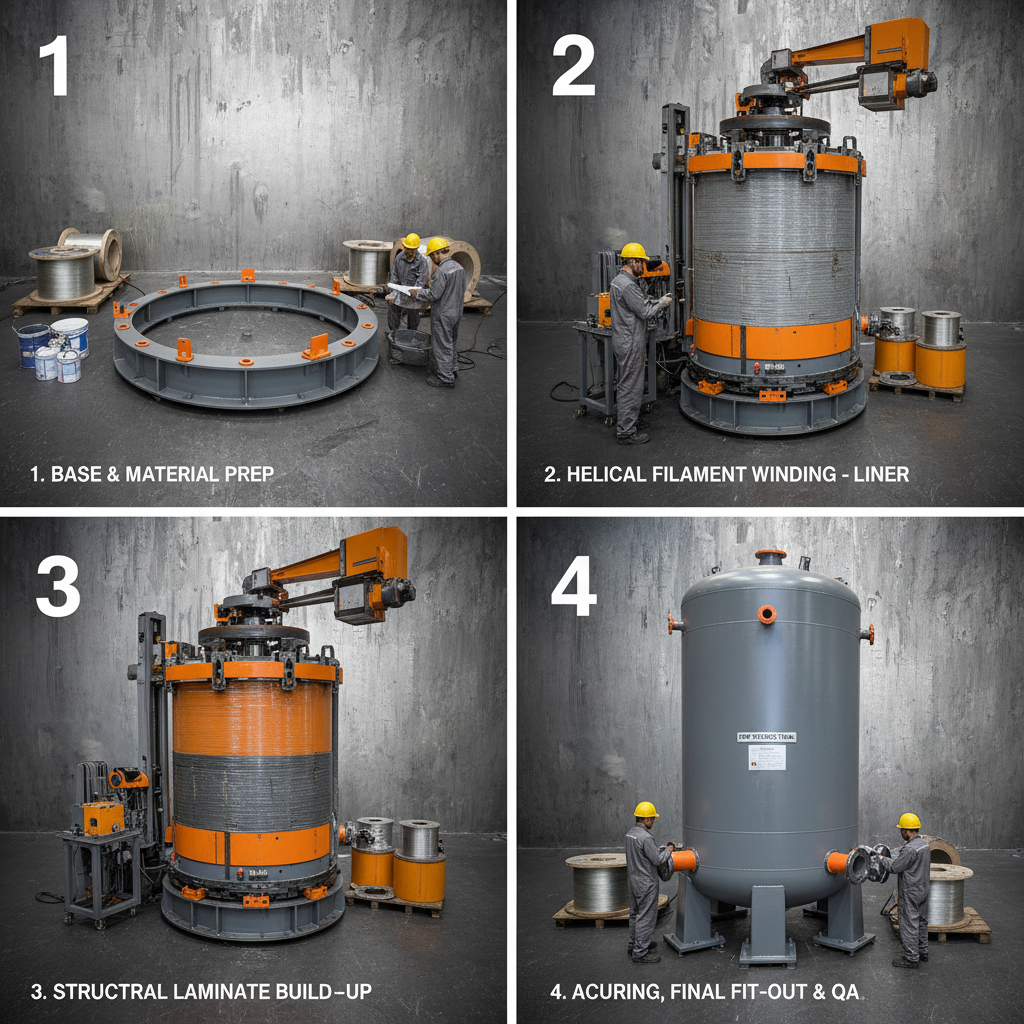
Fiber Reinforced Polymer (FRP) tanks and vessels are increasingly becoming the preferred choice for storage and processing across a multitude of industries. Their lightweight nature, corrosion resistance, and design flexibility offer significant advantages over traditional materials like steel. This article will delve into the intricacies of FRP tanks and vessels, exploring their applications, manufacturing processes, benefits, and considerations for selecting the right solution for your specific needs. We’ll also highlight why FRP tanks are a cost-effective and reliable long-term investment. FRP tanks and vessels are constructed from a combination of reinforcing fibers (such as fiberglass, carbon fiber, or aramid fiber) embedded in a polymer matrix (typically polyester, vinyl ester, or epoxy resin). This combination creates a composite material that boasts high strength-to-weight ratio, exceptional corrosion resistance, and the ability to be molded into complex shapes. They’re designed to safely contain a wide variety of liquids and gases, ranging from corrosive chemicals and water to food products and pharmaceuticals.
Optimizing Water Filtration with Durable FRP Sand Filter Vessels
Mar 24,2026
Optimizing Water Filtration with Durable FRP Sand Filter Vessels
In water treatment and filtration systems, the choice of filter vessel material is paramount. Fiber Reinforced Plastic (FRP), also known as Glass Reinforced Polymer (GRP), sand filter vessels are increasingly popular due to their superior corrosion resistance, lightweight nature, and cost-effectiveness. This article delves into the benefits, applications, design considerations, and factors to consider when selecting an FRP sand filter vessel. Whether you are involved in municipal water treatment, industrial wastewater management, or recreational water filtration, understanding FRP technology is essential for optimizing your filtration process. An FRP sand filter vessel is a containment unit designed to house filtration media, typically sand, gravel, and anthracite. These vessels are integral components in sand filtration systems used for removing suspended solids, turbidity, and other particulate matter from water. FRP construction involves layering glass fibers within a resin matrix (typically polyester or vinyl ester) to create a strong, durable, and chemically resistant shell. The strength and rigidity of the vessel are crucial for withstanding the pressure from the filtration media and the water flow.
Comprehensive Guide to FRP Round Tanks Applications and Benefits
Mar 21,2026
Comprehensive Guide to FRP Round Tanks Applications and Benefits
Fiber Reinforced Polymer (FRP) round tanks are increasingly becoming the preferred choice for storage solutions across a variety of industries. Their lightweight nature, corrosion resistance, and design flexibility offer significant advantages over traditional materials like steel. This article provides an in-depth look at FRP round tanks, exploring their applications, benefits, manufacturing processes, and key considerations when choosing the right tank for your needs. Whether you're in chemical processing, water treatment, or agriculture, understanding FRP round tanks is crucial for optimizing your storage infrastructure. FRP round tanks are constructed from a combination of reinforcing fibers (typically fiberglass, carbon fiber, or a blend) embedded in a polymer matrix (often polyester, vinyl ester, or epoxy resin). The round shape inherently provides excellent structural strength, distributing pressure evenly across the tank’s surface.
Comprehensive Guide to FRP Pressure Tanks Benefits and Applications
Mar 19,2026
Comprehensive Guide to FRP Pressure Tanks Benefits and Applications
Fiber Reinforced Polymer (FRP) pressure tanks are becoming increasingly popular in a wide range of industrial applications, offering a compelling alternative to traditional steel tanks. Known for their lightweight nature, corrosion resistance, and high strength-to-weight ratio, FRP tanks provide efficient and durable solutions for storing liquids and gases under pressure. This article will delve into the benefits, applications, construction, and key considerations when selecting an FRP pressure tank, helping you make an informed decision for your specific needs. Understanding the advantages of FRP technology can lead to significant cost savings and improved operational efficiency. Compared to steel, FRP pressure tanks offer several key advantages. The most significant is their superior corrosion resistance. Unlike steel, which is susceptible to rust and corrosion when exposed to various chemicals, FRP materials are inherently resistant to a wide range of corrosive substances. This translates to a longer lifespan, reduced maintenance costs, and increased safety. Furthermore, FRP is significantly lighter than steel, making installation easier and reducing transportation costs.
For More Details Pls Contact Us
Thank you for your interest in our gloves! We offer high-quality, durable, and comfortable gloves with fast delivery and competitive prices. For any questions or customization, feel free to contact us. We look forward to working with you!

If you are interested in our products, you can choose to leave your information here, and we will be in touch with you shortly.