Dec 08,2025

Comprehensive Guide to FRP Profiles: Definition, Applications & Industry Insights

Understanding FRP Profiles: The Backbone of Modern Structural Solutions

In the realm of modern construction and industrial design, FRP profiles have quietly become indispensable. But what exactly are they, and why has their global demand surged in recent years? Frankly, for anyone involved in engineering, architecture, or disaster relief logistics, understanding FRP profiles is a game-changer. These profiles not only deliver unmatched durability but also address sustainability and cost challenges faced by industries worldwide.

Global Relevance of FRP Profiles

From sprawling megacities in Asia to remote communities in Africa, the adoption of FRP (Fiber Reinforced Polymer) profiles is transcending borders. According to recent data by the International Energy Agency and the United Nations Industrial Development Organization, lightweight, corrosion-resistant materials like FRP are pivotal in sustainable infrastructure development amid accelerating urbanization and climate challenges.1 Oddly enough, while traditional metals suffer from corrosion or weight issues, FRP profiles offer a resilient alternative that responds to both economic and environmental pressures.

However, industries face the challenge of integrating these materials cost-effectively without compromising structural integrity. Here’s where FRP profiles come in to balance performance with affordability.

What Are FRP Profiles?

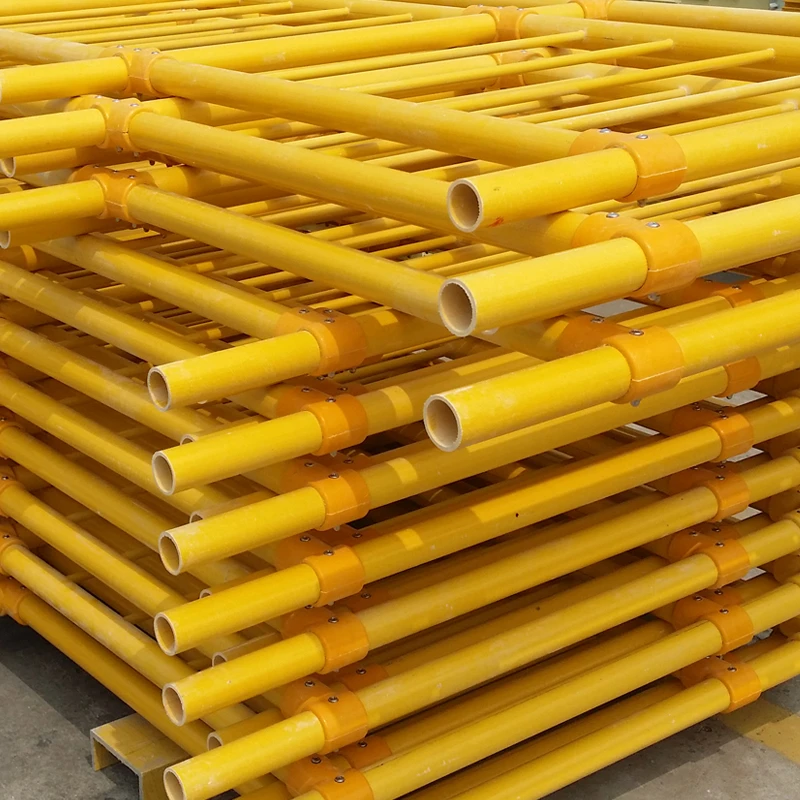
Simply put, FRP profiles are structural shapes made from fiber-reinforced polymers—think glass or carbon fibers embedded within a polymer matrix. These shapes include I-beams, channels, angles, and custom designs commonly used in construction and manufacturing. Their high strength-to-weight ratio means they’re lighter than steel yet incredibly strong and immune to corrosion, making them ideal for harsh environments.

Their relevance extends beyond industry: in humanitarian and post-disaster contexts, quickly deployable, robust frameworks made from FRP profiles can literally save lives and rebuild communities faster. So, in essence, FRP profiles bridge the gap between modern engineering demands and practical humanitarian needs.

Key Aspects of FRP Profiles

1. Durability

Unlike traditional metals, FRP profiles resist corrosion, chemicals, and environmental degradation. This makes them ideal for marine applications, wastewater treatment plants, and outdoor structures in aggressive climates.

2. Lightweight Nature

One remarkable feature is how remarkably lighter these profiles are — often 60% lighter than steel. This reduces transportation costs and simplifies installation, which is crucial in remote or disaster-stricken areas where heavy equipment isn’t available.

3. Cost Efficiency

Though the initial price can be higher than some metals, the long-term savings due to lower maintenance and longer service life provide excellent ROI. Plus, the ease of installation can cut project times significantly.

4. Customizability

FRP profiles can be molded into diverse shapes and tailor-made sizes, uniquely suiting specialized projects. This flexibility in design expands possibilities in architecture and industrial frameworks.

5. Sustainability

The composite nature allows for reduced resource consumption and longer lifespans, aligning with global trends toward greener materials and circular economies.

Typical Specifications of FRP Profiles

Specification Value/Range
Material Type Glass Fiber, Carbon Fiber, Aramid
Tensile Strength 500 - 1500 MPa
Density 1.5 - 2.0 g/cm³
Corrosion Resistance Excellent (Non-metallic)
Typical Applications Construction, Marine, Electrical, Transportation

Global Applications & Use Cases

The robustness and adaptability of FRP profiles have found applications worldwide. In Southeast Asia, where humidity accelerates metal corrosion, FRP structures in bridges and transmission towers are becoming standard. Meanwhile, European renewable energy projects employ FRP profiles in wind turbine blades and solar panel mounts, leveraging their lightness and durability.2

In humanitarian aid, NGOs use FRP profiles for rapid assembly shelters after natural disasters. The profiles’ light weight makes shipping easier, while maintaining the safety and comfort of displaced families. Plus, industries like chemical plants and water treatment increasingly rely on FRP for pipes and frameworks resistant to aggressive agents.

Incidentally, some remote mining outposts in South America have switched to FRP-based structural supports, given the difficulty of importing heavy steel and the need for corrosion resistance underground.

Vendor Comparison: Leading FRP Profiles Suppliers

Vendor Material Types Customization Lead Time Typical Industries
FibraTech Glass & Carbon Fiber High 3-4 weeks Construction, Marine
PolyCore Solutions Glass Fiber Only Medium 2-3 weeks Utilities, Infrastructure
EcoReinforce Aramid & Carbon Fiber High 4-6 weeks Renewables, Aerospace

Advantages & Long Term Benefits

  • Cost Savings: Reduced maintenance and longer lifespans cut total costs over decades.
  • Sustainability: Environmentally friendlier than metals, FRP profiles help reduce carbon footprints.
  • Safety & Reliability: Non-conductive and corrosion-resistant properties promote safer working conditions and infrastructure longevity.
  • Innovation Drive: Their adaptability empowers creative architectural designs and novel industrial solutions.

So, in the long run, investing in FRP profiles isn’t just about materials — it’s about building trust, safety, and a greener future.

Future Trends & Innovations

Experts predict an increased use of nanomaterials to further enhance FRP performance, improving thermal properties and strength-to-weight ratios. Digital manufacturing processes like 3D printing are starting to enable faster, more precise custom profiles. Moreover, sustainability policies worldwide are encouraging the use of composites that are recyclable or made with bio-based polymers.3

Automation in the fabrication process is also cutting costs and lead times, making these profiles accessible for a broader range of projects — which is great news for infrastructure development in emerging markets.

Challenges & Solutions

Despite the many advantages, FRP profiles face challenges such as higher upfront costs compared to traditional materials and limited awareness among some sectors. Also, recycling composites remains a technical hurdle, though advances in chemical recycling methods are on the horizon.

To overcome these, the industry is focusing on education, demonstrating ROI clearly, and pushing for policies encouraging composite adoption. Meanwhile, continuous R&D is improving recyclability and cost-efficiency — so the future looks promising.

Frequently Asked Questions About FRP Profiles

What makes FRP profiles better than traditional steel sections?
FRP profiles offer superior corrosion resistance, lighter weight, and often lower maintenance costs over the structure’s lifetime. This translates into longer service life and easier installation, especially in harsh environments.
How long can FRP profiles last in challenging environments?
Typically, FRP profiles can last 25-50 years, depending on the application and exposure. Their resistance to corrosion and UV degradation enhances longevity significantly compared to metals.
Are FRP profiles environmentally friendly?
Yes, to a degree. They require less energy to transport and maintain, and modern developments are increasing their recyclability. Using bio-based resins further improves their environmental profile.
How can NGOs import FRP profile solutions internationally?
Many suppliers offer global shipping with tailored packaging for easy transport. NGOs should coordinate with vendors to understand customs requirements and choose profiles optimized for rapid assembly in target regions.
Can FRP profiles be customized for special structural needs?
Absolutely. One of the biggest strengths of FRP is its adaptability — it can be molded into almost any shape or size to meet project specifications.

Conclusion

FRP profiles are more than just construction components — they represent a bridge to more sustainable, resilient, and innovative structural solutions worldwide. Whether in bustling cities, renewable energy farms, or disaster recovery zones, these profiles meet pressing challenges with elegance and efficiency. If you’re curious to explore FRP profiles for your project, do visit our website for the latest insights and products.

It’s fascinating to see how such seemingly simple profiles could literally shape the future of infrastructure worldwide — and I suppose we’re just scratching the surface.
References

  1. United Nations Industrial Development Organization (UNIDO), unido.org
  2. International Renewable Energy Agency (IRENA), irena.org
  3. ISO 12006-2:2015 - Building construction — Organization of information about construction works — Part 2: Framework for classification, iso.org
Upsell Products
Upsell News
Durable FRP Vessel for Water Treatment and Industrial Filtration
Apr 16,2026
Durable FRP Vessel for Water Treatment and Industrial Filtration
In the modern era of industrial and residential water purification, the choice of containment materials is critical for efficiency and longevity. An frp vessel for water treatment has emerged as the gold standard, replacing traditional steel tanks due to its superior corrosion resistance and lightweight properties. Whether you are dealing with desalination, softening, or filtration, using Fiber Reinforced Plastic (FRP) ensures that your system remains leak-proof and durable against aggressive chemicals. In this comprehensive guide, we will explore why FRP is the preferred choice for water treatment professionals worldwide and how to select the right vessel for your specific application.
Industrial Guide for Choosing the Right FRP Vertical Tank
Apr 09,2026
Industrial Guide for Choosing the Right FRP Vertical Tank
In today's industrial landscape, the storage of corrosive chemicals and aggressive liquids requires materials that can withstand extreme conditions without degrading. The frp vertical tank has emerged as a premier solution, offering an exceptional balance of strength, lightweight properties, and unmatched chemical resistance. Whether you are managing a water treatment plant or a chemical processing facility, understanding the nuances of Fiber Reinforced Plastic (FRP) is essential for ensuring operational safety and longevity. In this comprehensive guide, we will explore why vertical configurations are preferred and how these tanks outperform traditional metal alternatives.
Comprehensive Guide to FRP Underground Water Tank Solutions and Applications
Apr 07,2026
Comprehensive Guide to FRP Underground Water Tank Solutions and Applications
Fiberglass Reinforced Polymer (FRP) underground water tanks are becoming increasingly popular for a wide range of applications, from potable water storage to industrial wastewater containment. Their superior corrosion resistance, lightweight nature, and design flexibility make them an excellent alternative to traditional materials like concrete or steel. This article will delve into the benefits, applications, construction, and considerations for implementing FRP underground water tanks, providing a comprehensive overview for engineers, contractors, and project managers.
Comprehensive Guide to Frp Underground Water Storage Tanks and Their Applications
Apr 04,2026
Comprehensive Guide to Frp Underground Water Storage Tanks and Their Applications
When considering water storage solutions, particularly for industrial, agricultural, or municipal applications, frp underground water storage tanks stand out as a durable, cost-effective, and environmentally friendly option. These tanks are increasingly favored over traditional materials like concrete or steel due to their superior corrosion resistance, lighter weight, and ease of installation. This article delves into the benefits, applications, construction, and considerations when choosing an FRP tank, providing a detailed overview for potential buyers and project planners.
Sulfuric Acid Production Line - Hebei Aoliande|Efficient H2SO4 Plant Technology
Apr 01,2026
Sulfuric Acid Production Line - Hebei Aoliande|Efficient H2SO4 Plant Technology
Discover efficient H2SO4 plant technology and advanced sulfuric acid production solutions. Hebei Aoliande combines energy-saving furnace design and eco-friendly HCl recovery systems for sustainable industrial applications. Explore now: https://www.frpgrpmachine.com/sulfuric-acid-production-line-for-h2so4-plant.html
Sulfuric Acid Production Line - Hebei Aoliande|Efficient H2SO4 Plant Technology
Apr 01,2026
Sulfuric Acid Production Line - Hebei Aoliande|Efficient H2SO4 Plant Technology
Discover efficient H2SO4 plant technology and advanced sulfuric acid production solutions. Hebei Aoliande combines energy-saving furnace design and eco-friendly HCl recovery systems for sustainable industrial applications. Explore now: https://www.frpgrpmachine.com/sulfuric-acid-production-line-for-h2so4-plant.html
Sulfuric Acid Production Line - Hebei Aoliande|Efficient H2SO4 Plant Technology
Apr 01,2026
Sulfuric Acid Production Line - Hebei Aoliande|Efficient H2SO4 Plant Technology
Discover efficient H2SO4 plant technology and advanced sulfuric acid production solutions. Hebei Aoliande combines energy-saving furnace design and eco-friendly HCl recovery systems for sustainable industrial applications. Explore now: https://www.frpgrpmachine.com/sulfuric-acid-production-line-for-h2so4-plant.html
Sulfuric Acid Production Line - Hebei Aoliande|Efficient H2SO4 Plant Technology
Apr 01,2026
Sulfuric Acid Production Line - Hebei Aoliande|Efficient H2SO4 Plant Technology
Discover efficient H2SO4 plant technology and advanced sulfuric acid production solutions. Hebei Aoliande combines energy-saving furnace design and eco-friendly HCl recovery systems for sustainable industrial applications. Explore now: https://www.frpgrpmachine.com/sulfuric-acid-production-line-for-h2so4-plant.html
Sulfuric Acid Production Line - Hebei Aoliande|Efficient H2SO4 Plant Technology
Apr 01,2026
Sulfuric Acid Production Line - Hebei Aoliande|Efficient H2SO4 Plant Technology
Discover efficient H2SO4 plant technology and advanced sulfuric acid production solutions. Hebei Aoliande combines energy-saving furnace design and eco-friendly HCl recovery systems for sustainable industrial applications. Explore now: https://www.frpgrpmachine.com/sulfuric-acid-production-line-for-h2so4-plant.html
Sulfuric Acid Production Line - Hebei Aoliande|Efficient H2SO4 Plant Technology
Apr 01,2026
Sulfuric Acid Production Line - Hebei Aoliande|Efficient H2SO4 Plant Technology
Discover efficient H2SO4 plant technology and advanced sulfuric acid production solutions. Hebei Aoliande combines energy-saving furnace design and eco-friendly HCl recovery systems for sustainable industrial applications. Explore now: https://www.frpgrpmachine.com/sulfuric-acid-production-line-for-h2so4-plant.html
Comprehensive Guide to Frp Underground Storage Tanks for Reliable Storage Solutions
Mar 31,2026
Comprehensive Guide to Frp Underground Storage Tanks for Reliable Storage Solutions
Fiberglass Reinforced Polymer (FRP) underground storage tanks are becoming increasingly popular for a wide range of applications, from fuel storage to wastewater management. Their corrosion resistance, lightweight nature, and durability offer significant advantages over traditional materials like steel. This article will provide an in-depth look at FRP underground storage tanks, covering their benefits, applications, installation, and maintenance. Understanding these aspects is crucial for making informed decisions about long-term storage solutions.
Comprehensive Guide to Selecting the Ideal FRP Tank for Water Storage Solutions
Mar 28,2026
Comprehensive Guide to Selecting the Ideal FRP Tank for Water Storage Solutions
When it comes to reliable and durable water storage, FRP tanks for water are increasingly becoming the preferred solution for a wide range of applications. These tanks, constructed from Fiber Reinforced Polymer (FRP) materials, offer significant advantages over traditional storage options like steel or concrete. This article delves into the benefits, applications, and considerations when selecting an FRP tank for your water storage needs, providing a detailed overview for businesses and individuals alike.
Comprehensive Guide to Frp Tank and Vessel Applications and Manufacturing
Mar 26,2026
Comprehensive Guide to Frp Tank and Vessel Applications and Manufacturing
Fiber Reinforced Polymer (FRP) tanks and vessels are increasingly becoming the preferred choice for storage and processing across a multitude of industries. Their lightweight nature, corrosion resistance, and design flexibility offer significant advantages over traditional materials like steel. This article will delve into the intricacies of FRP tanks and vessels, exploring their applications, manufacturing processes, benefits, and considerations for selecting the right solution for your specific needs. We’ll also highlight why FRP tanks are a cost-effective and reliable long-term investment. FRP tanks and vessels are constructed from a combination of reinforcing fibers (such as fiberglass, carbon fiber, or aramid fiber) embedded in a polymer matrix (typically polyester, vinyl ester, or epoxy resin). This combination creates a composite material that boasts high strength-to-weight ratio, exceptional corrosion resistance, and the ability to be molded into complex shapes. They’re designed to safely contain a wide variety of liquids and gases, ranging from corrosive chemicals and water to food products and pharmaceuticals.
Optimizing Water Filtration with Durable FRP Sand Filter Vessels
Mar 24,2026
Optimizing Water Filtration with Durable FRP Sand Filter Vessels
In water treatment and filtration systems, the choice of filter vessel material is paramount. Fiber Reinforced Plastic (FRP), also known as Glass Reinforced Polymer (GRP), sand filter vessels are increasingly popular due to their superior corrosion resistance, lightweight nature, and cost-effectiveness. This article delves into the benefits, applications, design considerations, and factors to consider when selecting an FRP sand filter vessel. Whether you are involved in municipal water treatment, industrial wastewater management, or recreational water filtration, understanding FRP technology is essential for optimizing your filtration process. An FRP sand filter vessel is a containment unit designed to house filtration media, typically sand, gravel, and anthracite. These vessels are integral components in sand filtration systems used for removing suspended solids, turbidity, and other particulate matter from water. FRP construction involves layering glass fibers within a resin matrix (typically polyester or vinyl ester) to create a strong, durable, and chemically resistant shell. The strength and rigidity of the vessel are crucial for withstanding the pressure from the filtration media and the water flow.
Comprehensive Guide to FRP Round Tanks Applications and Benefits
Mar 21,2026
Comprehensive Guide to FRP Round Tanks Applications and Benefits
Fiber Reinforced Polymer (FRP) round tanks are increasingly becoming the preferred choice for storage solutions across a variety of industries. Their lightweight nature, corrosion resistance, and design flexibility offer significant advantages over traditional materials like steel. This article provides an in-depth look at FRP round tanks, exploring their applications, benefits, manufacturing processes, and key considerations when choosing the right tank for your needs. Whether you're in chemical processing, water treatment, or agriculture, understanding FRP round tanks is crucial for optimizing your storage infrastructure. FRP round tanks are constructed from a combination of reinforcing fibers (typically fiberglass, carbon fiber, or a blend) embedded in a polymer matrix (often polyester, vinyl ester, or epoxy resin). The round shape inherently provides excellent structural strength, distributing pressure evenly across the tank’s surface.
Comprehensive Guide to FRP Pressure Tanks Benefits and Applications
Mar 19,2026
Comprehensive Guide to FRP Pressure Tanks Benefits and Applications
Fiber Reinforced Polymer (FRP) pressure tanks are becoming increasingly popular in a wide range of industrial applications, offering a compelling alternative to traditional steel tanks. Known for their lightweight nature, corrosion resistance, and high strength-to-weight ratio, FRP tanks provide efficient and durable solutions for storing liquids and gases under pressure. This article will delve into the benefits, applications, construction, and key considerations when selecting an FRP pressure tank, helping you make an informed decision for your specific needs. Understanding the advantages of FRP technology can lead to significant cost savings and improved operational efficiency. Compared to steel, FRP pressure tanks offer several key advantages. The most significant is their superior corrosion resistance. Unlike steel, which is susceptible to rust and corrosion when exposed to various chemicals, FRP materials are inherently resistant to a wide range of corrosive substances. This translates to a longer lifespan, reduced maintenance costs, and increased safety. Furthermore, FRP is significantly lighter than steel, making installation easier and reducing transportation costs.
For More Details Pls Contact Us
Thank you for your interest in our gloves! We offer high-quality, durable, and comfortable gloves with fast delivery and competitive prices. For any questions or customization, feel free to contact us. We look forward to working with you!

If you are interested in our products, you can choose to leave your information here, and we will be in touch with you shortly.