Dec 07,2025

Comprehensive Guide to FRP Pultrusion Products: Applications, Benefits & Trends

Understanding FRP Pultrusion Products: A Global Industrial Perspective

At first glance, “frp pultrusion products” might sound like jargon locked inside a manufacturing plant somewhere. But honestly, it's much more than that. These fiber-reinforced polymer (FRP) components are quietly transforming industries worldwide — from infrastructure to renewable energy. In a world increasingly focused on sustainability and cost efficiency, understanding what these products are and how they’re used isn’t just technical curiosity; it’s a glimpse into how modern society builds smarter, lighter, and more durable.

Global Context: Why FRP Pultrusion Products Matter Today

According to the International Organization for Standardization (ISO), composites like FRP are among the fastest-growing materials globally. The pultrusion process — a continuous manufacturing method creating strong, lightweight composite profiles — answers pressing industrial needs:

  • Growing infrastructure demands: Urbanization rates worldwide are pushing governments to build resilient structures that resist corrosion and reduce maintenance costs.
  • Sustainability goals: Lightweight FRP products lower energy consumption across transport and construction.
  • Harsh environmental conditions: In places like coastal regions or industrial zones, traditional steel struggles, while FRP parts thrive.

Yet, this surge isn’t without challenges: supply chain complexities, standardization issues, and technical misunderstandings still linger. Which is why a clear understanding of frp pultrusion products feels critical — whether you’re a specifier, engineer, or decision-maker.

So, What Exactly Are FRP Pultrusion Products?

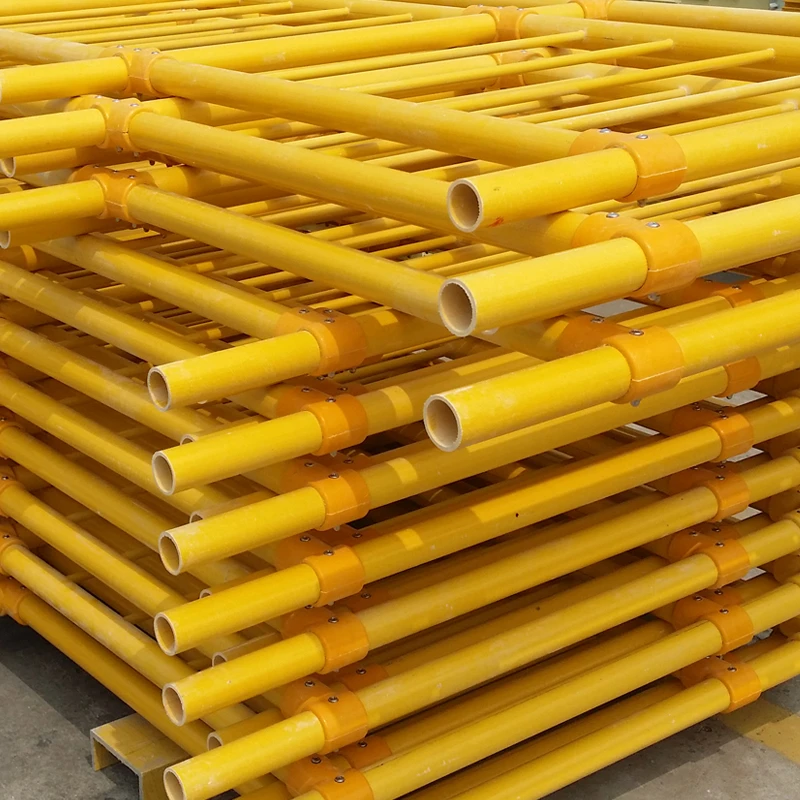
In plain terms, FRP pultrusion products are composite profiles made by pulling continuous fibers (usually glass, carbon, or aramid) saturated with resin through a heated die — giving you consistent cross-sections like rods, tubes, or angles. The result is a lightweight, corrosion-resistant part that outperforms many metals in durability and tailorability.

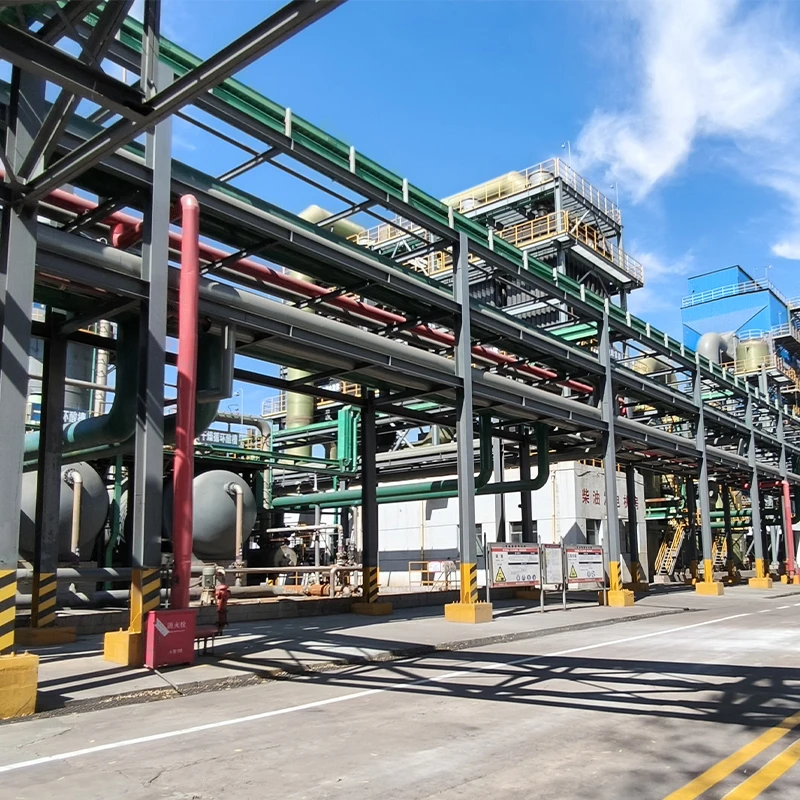
They buzz a lot in industries like telecommunications (think antenna supports), chemical processing (corrosion-resistant pipes), and even disaster relief (framing for rapid shelters). Frankly, their blend of strength and versatility is perfect for modern industrial and humanitarian setups striving to do more with less.

Key Attributes That Drive Demand for FRP Pultrusion Products

1. Durability and Corrosion Resistance

FRP composites do not rust or corrode in moist, chemical-rich, or salty environments. This longevity translates to lower lifecycle costs — engineers especially appreciate avoiding the usual headaches of steel degradation.

2. Lightweight Yet Strong

One of the oddest things about FRP pultruded parts is how “featherweight” they feel compared to metal but still bear heavy loads and stresses. This makes transportation and installation less costly and more flexible.

3. Scalability & Customization

The continuous pultrusion process means manufacturers can efficiently produce long lengths and varied cross-sections — from small rods to large channels — to fit exact project specs.

4. Electrical & Thermal Insulation

Unlike metals, these composites provide great insulation properties, ideal for electrical infrastructure or temperature-sensitive settings.

5. Cost Efficiency Over Time

Though initial prices might be higher than traditional materials, the savings in maintenance, corrosion repairs, and downtime often pay off handsomely over years.

Product Specification Table for Common FRP Pultrusion Profiles

Profile Type Typical Dimensions (mm) Tensile Strength (MPa) Density (g/cm³) Typical Uses
Square Tube 25x25 - 150x150 900 - 1200 1.8 - 2.0 Framework supports, utility poles
Angle 20x20x3 - 100x100x10 800 - 1100 1.7 - 2.1 Structural bracing, ladders
Round Rod 10 - 50 diameter 850 - 1000 1.6 - 1.9 Handles, axles, reinforcing bars

Global Applications and Industry Use Cases

It’s fascinating, really, how these versatile products have spread across varied sectors. For instance:

  • Telecommunications: In Europe and Asia, FRP pultrusions provide antenna masts and cable trays — avoiding metal interference with signals.
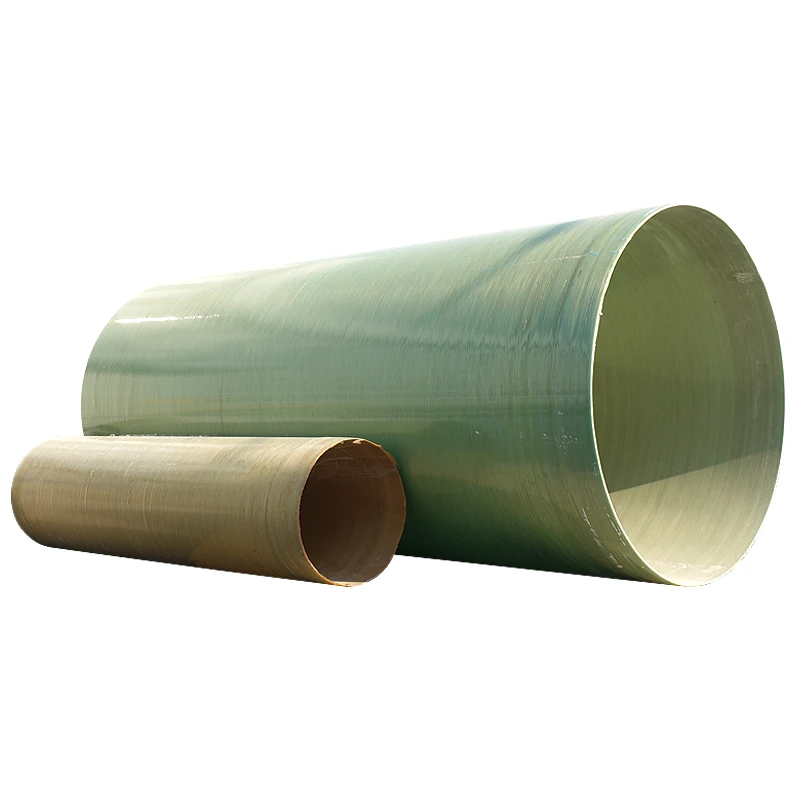
  • Water and Chemical Plants: Facilities in the Middle East rely on corrosion-resistant FRP pipes to transport aggressive fluids safely.
  • Disaster Relief Programs: NGOs sometimes opt for FRP frameworks for rapid-deployed shelters in South Asia, where heavy rains and humidity could wreck steel fast.
  • Renewable Energy: Wind turbine blade supports and solar panel frames use FRP profiles due to their strength-to-weight ratios.

Regions like the Gulf Cooperation Council (GCC) states have embraced these products to combat local climatic challenges. Meanwhile, industrial parks in the US and Canada increasingly specify FRP for its maintenance benefits.

Comparing Leading FRP Pultrusion Manufacturers

Vendor Product Range Customization Lead Time Typical Markets
FiberComp Inc. Tubes, rods, gratings High (color, modulus) 3-4 weeks Oil & gas, telecom
PultruStrip Ltd. Profiles, cable trays Medium 2-3 weeks Water treatment, construction
ResinWorks Asia Railings, electrical insulators Custom colors & sizes 4-6 weeks Infrastructure, power

What Makes FRP Pultrusion Products So Advantageous?

Besides the technical specs, there’s a strong emotional value here. Projects last longer without surprise failures. Workers feel safer because corrosion won’t cause sudden breaks. Designers gain trust knowing the material is tested extensively. This isn’t just about numbers — it’s about providing dependable, innovative solutions that respect budgets and the environment.

Looking Ahead: Trends and Innovations

We’re on the cusp of exciting developments. Bio-based resins are reducing reliance on petrochemicals, making FRP pultruded parts greener. Automation in pultrusion lines promises better consistency and lower costs. Plus, digital twin technology helps engineers simulate performance before cutting any fibers, further improving reliability.

Challenges and How the Industry is Overcoming Them

Yes, FRP does have its quirks: brittle failure modes, recycling hurdles, and surface finish concerns. But manufacturers tackle these with tougher resins, hybrid composites, and improved processes to facilitate recyclability. Client education is vital too — many engineers still hesitate due to unfamiliarity, underscoring the need for transparent data and standards.

FRP Pultrusion Products: FAQs

Q1: How durable are FRP pultruded profiles compared to steel?
FRP profiles resist corrosion and chemical damage far better than steel, often lasting 25+ years in harsh environments without significant maintenance. Tensile strengths are generally lower but compensated by design.
Q2: Can FRP pultrusion products be customized?
Absolutely. You can specify fiber types, resin matrices, colors, and complex cross-section shapes tailored to your project’s needs.
Q3: Are there environmental concerns with FRP?
Traditional FRP recycling is challenging, but advances in bio-resins and improved recovery techniques are making the lifecycle greener.
Q4: What industries benefit most from FRP pultrusion?
Major beneficiaries include telecom, chemical processing, water treatment, renewable energy, and infrastructure sectors.
Q5: How can I source quality frp pultrusion products internationally?
Look for certified manufacturers with transparent specs and proven delivery records. For starters, check out suppliers like frp pultrusion products providers online.

Conclusion: The Long-Term Promise of FRP Pultrusion Products

Summarizing, the global rise of frp pultrusion products reflects a broader trend toward materials that blend performance, sustainability, and cost efficiency. They’re not just futuristic—they’re happening now, quietly building safer bridges, smarter energy grids, and faster disaster responses.

If this has sparked your interest, I’d recommend visiting https://www.frpgrpmachine.com to explore detailed product offerings and how they might fit your projects.

It feels like understanding these composites is becoming almost essential for anyone involved in modern infrastructure or industrial growth — not just to keep up but to innovate responsibly.

Mini takeaway: FRP pultrusion products blend durability, lightweight design, and versatility to solve real-world industrial challenges across the globe, marking a critical evolution in materials engineering.


References:
1. ISO Composite Materials Standards
2. Pultrusion - Wikipedia
3. UN Environment Programme, Global Materials Report 2021
Upsell Products
Upsell News
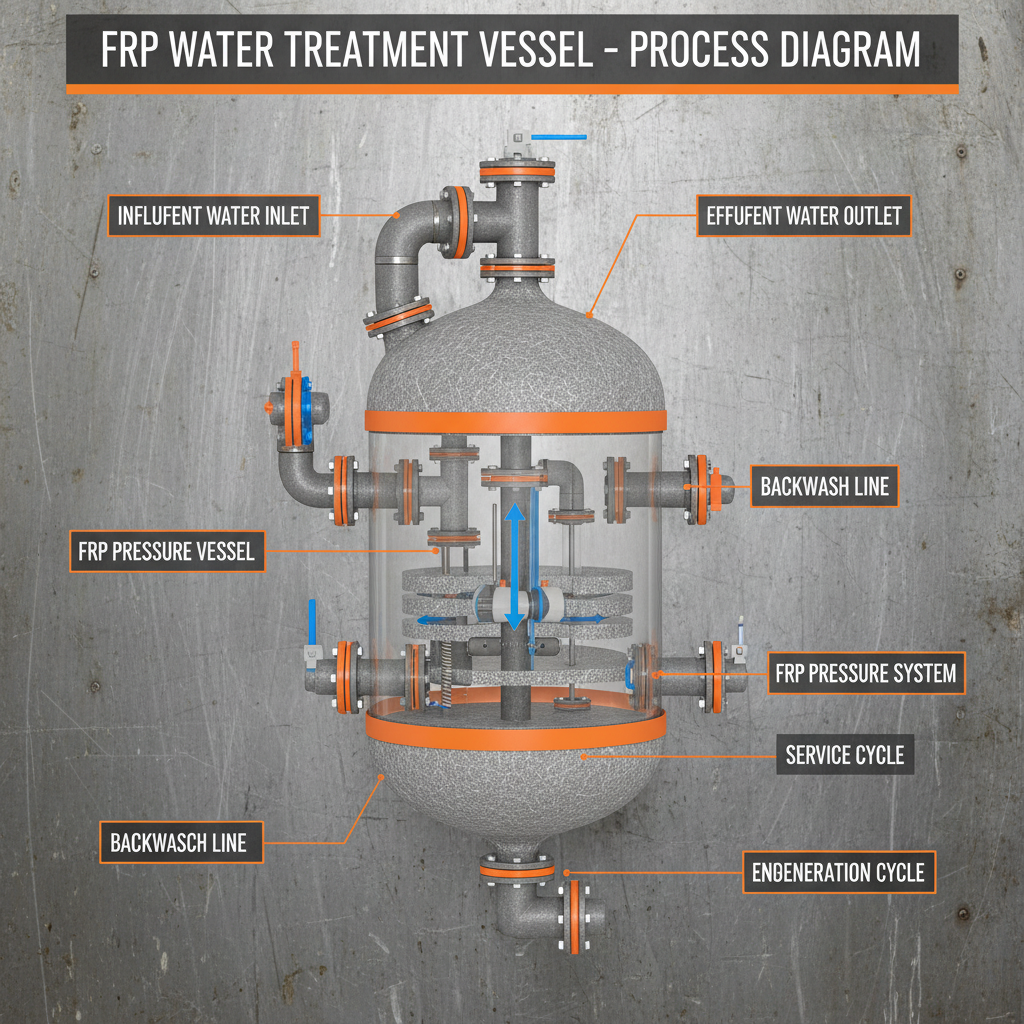
Durable FRP Vessel for Water Treatment and Industrial Filtration
Apr 16,2026
Durable FRP Vessel for Water Treatment and Industrial Filtration
In the modern era of industrial and residential water purification, the choice of containment materials is critical for efficiency and longevity. An frp vessel for water treatment has emerged as the gold standard, replacing traditional steel tanks due to its superior corrosion resistance and lightweight properties. Whether you are dealing with desalination, softening, or filtration, using Fiber Reinforced Plastic (FRP) ensures that your system remains leak-proof and durable against aggressive chemicals. In this comprehensive guide, we will explore why FRP is the preferred choice for water treatment professionals worldwide and how to select the right vessel for your specific application.
Industrial Guide for Choosing the Right FRP Vertical Tank
Apr 09,2026
Industrial Guide for Choosing the Right FRP Vertical Tank
In today's industrial landscape, the storage of corrosive chemicals and aggressive liquids requires materials that can withstand extreme conditions without degrading. The frp vertical tank has emerged as a premier solution, offering an exceptional balance of strength, lightweight properties, and unmatched chemical resistance. Whether you are managing a water treatment plant or a chemical processing facility, understanding the nuances of Fiber Reinforced Plastic (FRP) is essential for ensuring operational safety and longevity. In this comprehensive guide, we will explore why vertical configurations are preferred and how these tanks outperform traditional metal alternatives.
Comprehensive Guide to FRP Underground Water Tank Solutions and Applications
Apr 07,2026
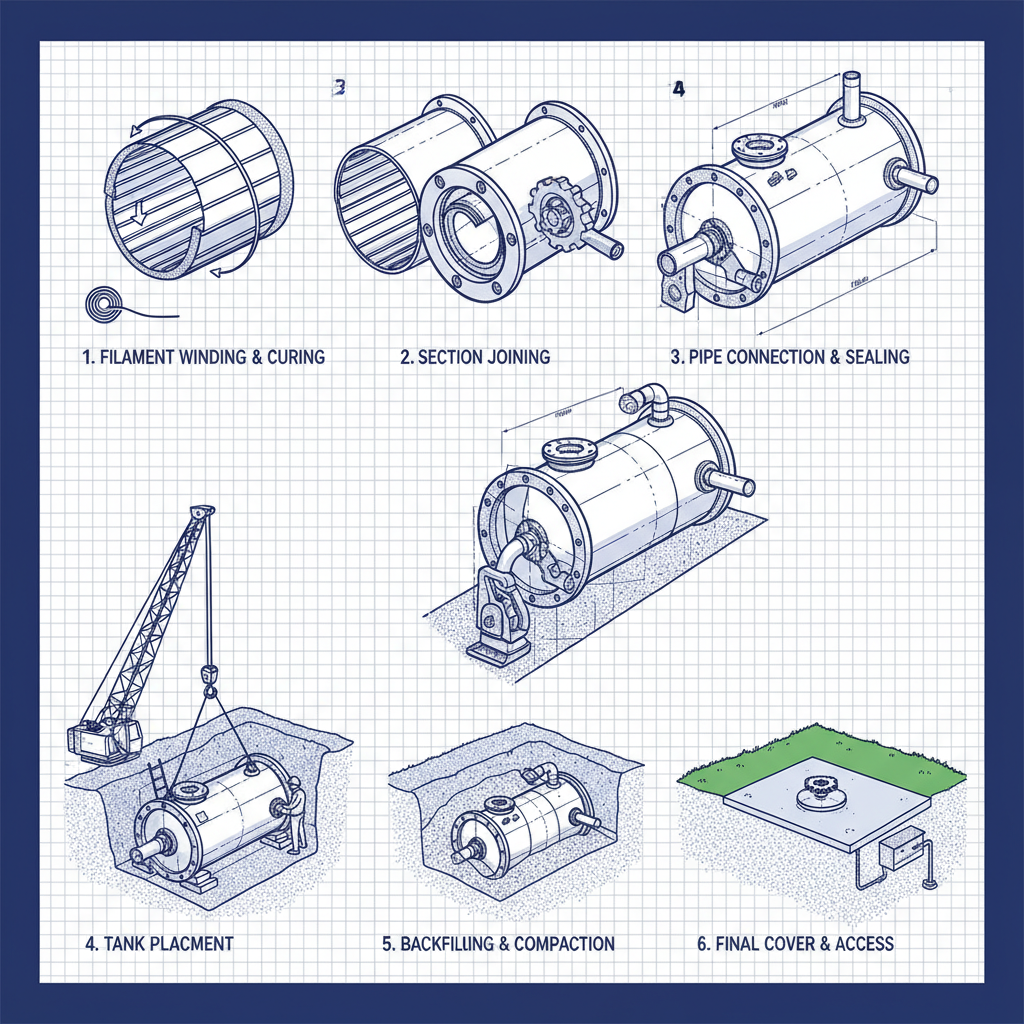
Comprehensive Guide to FRP Underground Water Tank Solutions and Applications
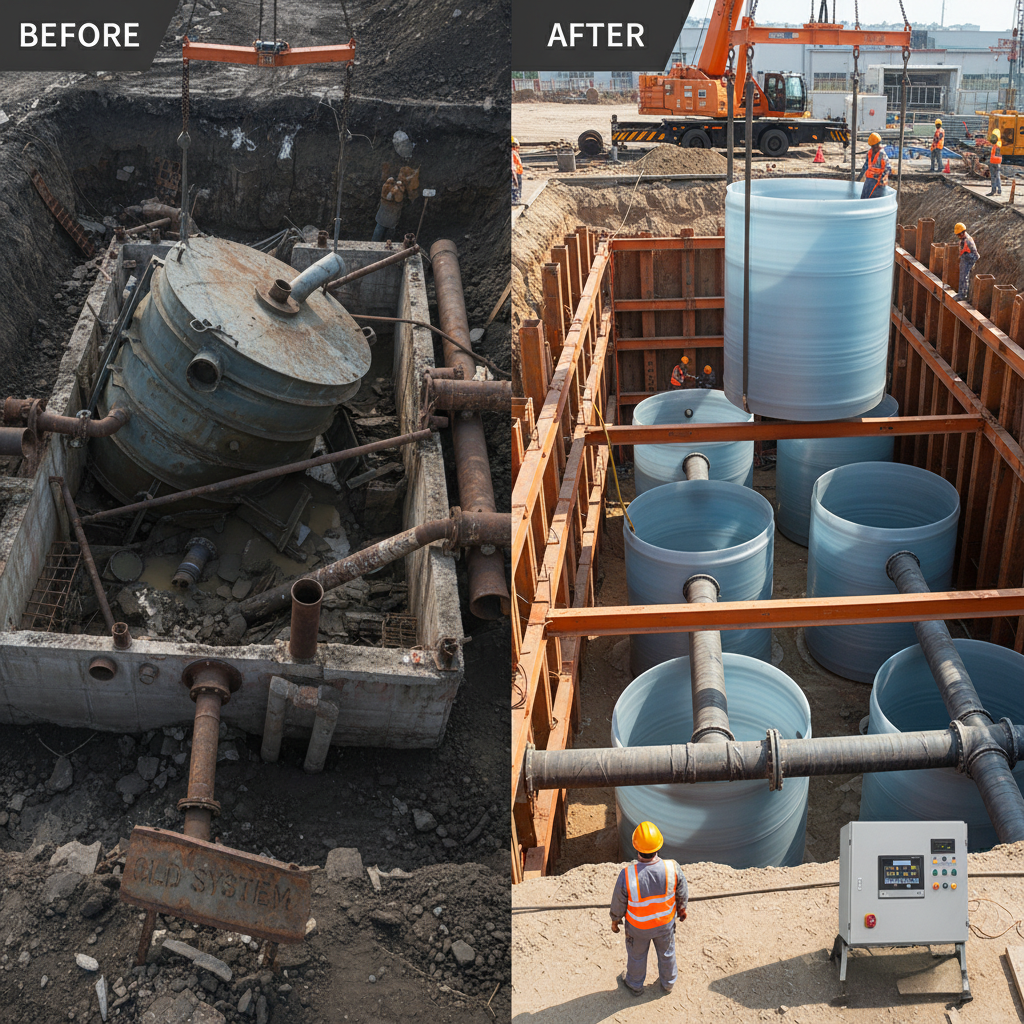
Fiberglass Reinforced Polymer (FRP) underground water tanks are becoming increasingly popular for a wide range of applications, from potable water storage to industrial wastewater containment. Their superior corrosion resistance, lightweight nature, and design flexibility make them an excellent alternative to traditional materials like concrete or steel. This article will delve into the benefits, applications, construction, and considerations for implementing FRP underground water tanks, providing a comprehensive overview for engineers, contractors, and project managers.
Comprehensive Guide to Frp Underground Water Storage Tanks and Their Applications
Apr 04,2026
Comprehensive Guide to Frp Underground Water Storage Tanks and Their Applications
When considering water storage solutions, particularly for industrial, agricultural, or municipal applications, frp underground water storage tanks stand out as a durable, cost-effective, and environmentally friendly option. These tanks are increasingly favored over traditional materials like concrete or steel due to their superior corrosion resistance, lighter weight, and ease of installation. This article delves into the benefits, applications, construction, and considerations when choosing an FRP tank, providing a detailed overview for potential buyers and project planners.
Sulfuric Acid Production Line - Hebei Aoliande|Efficient H2SO4 Plant Technology
Apr 01,2026
Sulfuric Acid Production Line - Hebei Aoliande|Efficient H2SO4 Plant Technology
Discover efficient H2SO4 plant technology and advanced sulfuric acid production solutions. Hebei Aoliande combines energy-saving furnace design and eco-friendly HCl recovery systems for sustainable industrial applications. Explore now: https://www.frpgrpmachine.com/sulfuric-acid-production-line-for-h2so4-plant.html
Sulfuric Acid Production Line - Hebei Aoliande|Efficient H2SO4 Plant Technology
Apr 01,2026
Sulfuric Acid Production Line - Hebei Aoliande|Efficient H2SO4 Plant Technology
Discover efficient H2SO4 plant technology and advanced sulfuric acid production solutions. Hebei Aoliande combines energy-saving furnace design and eco-friendly HCl recovery systems for sustainable industrial applications. Explore now: https://www.frpgrpmachine.com/sulfuric-acid-production-line-for-h2so4-plant.html
Sulfuric Acid Production Line - Hebei Aoliande|Efficient H2SO4 Plant Technology
Apr 01,2026
Sulfuric Acid Production Line - Hebei Aoliande|Efficient H2SO4 Plant Technology
Discover efficient H2SO4 plant technology and advanced sulfuric acid production solutions. Hebei Aoliande combines energy-saving furnace design and eco-friendly HCl recovery systems for sustainable industrial applications. Explore now: https://www.frpgrpmachine.com/sulfuric-acid-production-line-for-h2so4-plant.html
Sulfuric Acid Production Line - Hebei Aoliande|Efficient H2SO4 Plant Technology
Apr 01,2026
Sulfuric Acid Production Line - Hebei Aoliande|Efficient H2SO4 Plant Technology
Discover efficient H2SO4 plant technology and advanced sulfuric acid production solutions. Hebei Aoliande combines energy-saving furnace design and eco-friendly HCl recovery systems for sustainable industrial applications. Explore now: https://www.frpgrpmachine.com/sulfuric-acid-production-line-for-h2so4-plant.html
Sulfuric Acid Production Line - Hebei Aoliande|Efficient H2SO4 Plant Technology
Apr 01,2026
Sulfuric Acid Production Line - Hebei Aoliande|Efficient H2SO4 Plant Technology
Discover efficient H2SO4 plant technology and advanced sulfuric acid production solutions. Hebei Aoliande combines energy-saving furnace design and eco-friendly HCl recovery systems for sustainable industrial applications. Explore now: https://www.frpgrpmachine.com/sulfuric-acid-production-line-for-h2so4-plant.html
Sulfuric Acid Production Line - Hebei Aoliande|Efficient H2SO4 Plant Technology
Apr 01,2026
Sulfuric Acid Production Line - Hebei Aoliande|Efficient H2SO4 Plant Technology
Discover efficient H2SO4 plant technology and advanced sulfuric acid production solutions. Hebei Aoliande combines energy-saving furnace design and eco-friendly HCl recovery systems for sustainable industrial applications. Explore now: https://www.frpgrpmachine.com/sulfuric-acid-production-line-for-h2so4-plant.html
Comprehensive Guide to Frp Underground Storage Tanks for Reliable Storage Solutions
Mar 31,2026
Comprehensive Guide to Frp Underground Storage Tanks for Reliable Storage Solutions
Fiberglass Reinforced Polymer (FRP) underground storage tanks are becoming increasingly popular for a wide range of applications, from fuel storage to wastewater management. Their corrosion resistance, lightweight nature, and durability offer significant advantages over traditional materials like steel. This article will provide an in-depth look at FRP underground storage tanks, covering their benefits, applications, installation, and maintenance. Understanding these aspects is crucial for making informed decisions about long-term storage solutions.
Comprehensive Guide to Selecting the Ideal FRP Tank for Water Storage Solutions
Mar 28,2026
Comprehensive Guide to Selecting the Ideal FRP Tank for Water Storage Solutions
When it comes to reliable and durable water storage, FRP tanks for water are increasingly becoming the preferred solution for a wide range of applications. These tanks, constructed from Fiber Reinforced Polymer (FRP) materials, offer significant advantages over traditional storage options like steel or concrete. This article delves into the benefits, applications, and considerations when selecting an FRP tank for your water storage needs, providing a detailed overview for businesses and individuals alike.
Comprehensive Guide to Frp Tank and Vessel Applications and Manufacturing
Mar 26,2026
Comprehensive Guide to Frp Tank and Vessel Applications and Manufacturing
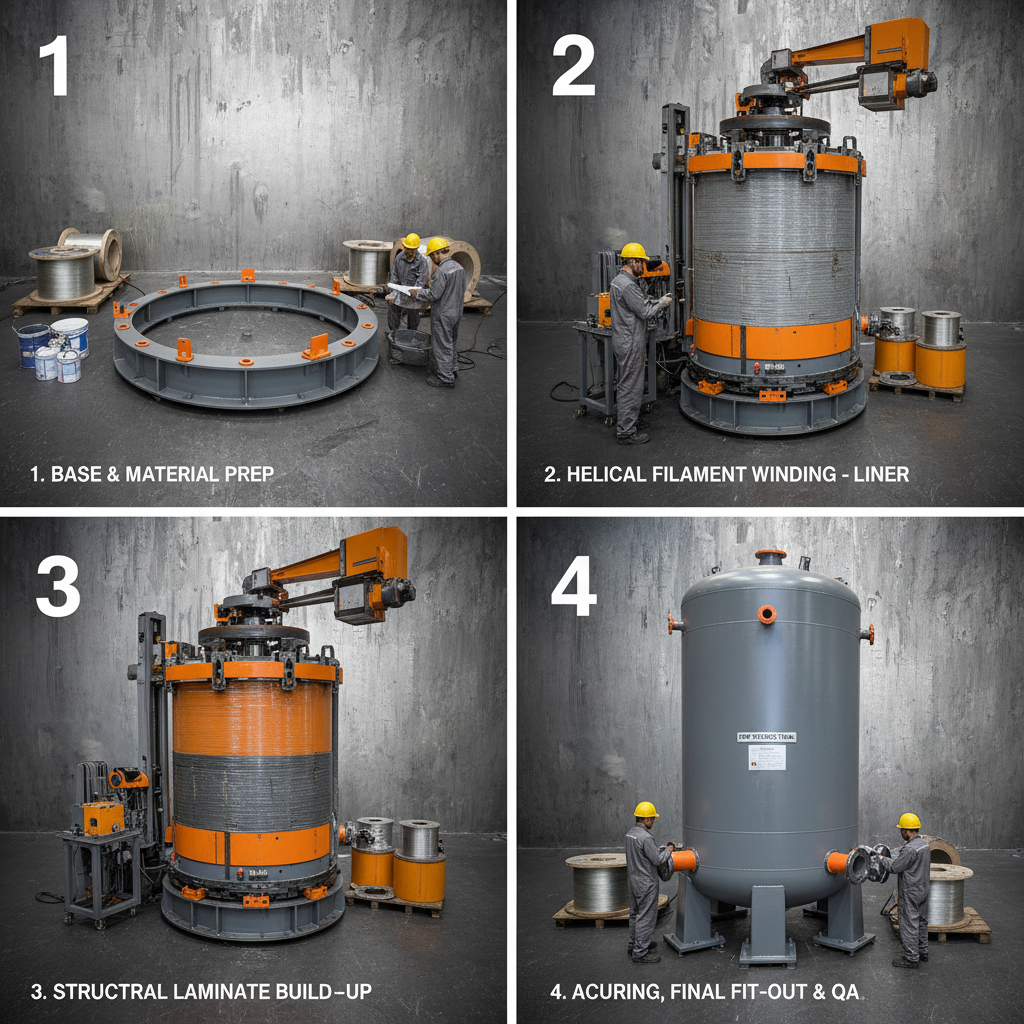
Fiber Reinforced Polymer (FRP) tanks and vessels are increasingly becoming the preferred choice for storage and processing across a multitude of industries. Their lightweight nature, corrosion resistance, and design flexibility offer significant advantages over traditional materials like steel. This article will delve into the intricacies of FRP tanks and vessels, exploring their applications, manufacturing processes, benefits, and considerations for selecting the right solution for your specific needs. We’ll also highlight why FRP tanks are a cost-effective and reliable long-term investment. FRP tanks and vessels are constructed from a combination of reinforcing fibers (such as fiberglass, carbon fiber, or aramid fiber) embedded in a polymer matrix (typically polyester, vinyl ester, or epoxy resin). This combination creates a composite material that boasts high strength-to-weight ratio, exceptional corrosion resistance, and the ability to be molded into complex shapes. They’re designed to safely contain a wide variety of liquids and gases, ranging from corrosive chemicals and water to food products and pharmaceuticals.
Optimizing Water Filtration with Durable FRP Sand Filter Vessels
Mar 24,2026
Optimizing Water Filtration with Durable FRP Sand Filter Vessels
In water treatment and filtration systems, the choice of filter vessel material is paramount. Fiber Reinforced Plastic (FRP), also known as Glass Reinforced Polymer (GRP), sand filter vessels are increasingly popular due to their superior corrosion resistance, lightweight nature, and cost-effectiveness. This article delves into the benefits, applications, design considerations, and factors to consider when selecting an FRP sand filter vessel. Whether you are involved in municipal water treatment, industrial wastewater management, or recreational water filtration, understanding FRP technology is essential for optimizing your filtration process. An FRP sand filter vessel is a containment unit designed to house filtration media, typically sand, gravel, and anthracite. These vessels are integral components in sand filtration systems used for removing suspended solids, turbidity, and other particulate matter from water. FRP construction involves layering glass fibers within a resin matrix (typically polyester or vinyl ester) to create a strong, durable, and chemically resistant shell. The strength and rigidity of the vessel are crucial for withstanding the pressure from the filtration media and the water flow.
Comprehensive Guide to FRP Round Tanks Applications and Benefits
Mar 21,2026
Comprehensive Guide to FRP Round Tanks Applications and Benefits
Fiber Reinforced Polymer (FRP) round tanks are increasingly becoming the preferred choice for storage solutions across a variety of industries. Their lightweight nature, corrosion resistance, and design flexibility offer significant advantages over traditional materials like steel. This article provides an in-depth look at FRP round tanks, exploring their applications, benefits, manufacturing processes, and key considerations when choosing the right tank for your needs. Whether you're in chemical processing, water treatment, or agriculture, understanding FRP round tanks is crucial for optimizing your storage infrastructure. FRP round tanks are constructed from a combination of reinforcing fibers (typically fiberglass, carbon fiber, or a blend) embedded in a polymer matrix (often polyester, vinyl ester, or epoxy resin). The round shape inherently provides excellent structural strength, distributing pressure evenly across the tank’s surface.
Comprehensive Guide to FRP Pressure Tanks Benefits and Applications
Mar 19,2026
Comprehensive Guide to FRP Pressure Tanks Benefits and Applications
Fiber Reinforced Polymer (FRP) pressure tanks are becoming increasingly popular in a wide range of industrial applications, offering a compelling alternative to traditional steel tanks. Known for their lightweight nature, corrosion resistance, and high strength-to-weight ratio, FRP tanks provide efficient and durable solutions for storing liquids and gases under pressure. This article will delve into the benefits, applications, construction, and key considerations when selecting an FRP pressure tank, helping you make an informed decision for your specific needs. Understanding the advantages of FRP technology can lead to significant cost savings and improved operational efficiency. Compared to steel, FRP pressure tanks offer several key advantages. The most significant is their superior corrosion resistance. Unlike steel, which is susceptible to rust and corrosion when exposed to various chemicals, FRP materials are inherently resistant to a wide range of corrosive substances. This translates to a longer lifespan, reduced maintenance costs, and increased safety. Furthermore, FRP is significantly lighter than steel, making installation easier and reducing transportation costs.
For More Details Pls Contact Us
Thank you for your interest in our gloves! We offer high-quality, durable, and comfortable gloves with fast delivery and competitive prices. For any questions or customization, feel free to contact us. We look forward to working with you!

If you are interested in our products, you can choose to leave your information here, and we will be in touch with you shortly.