Dec 07,2025

What Is Pultruded FRP? Global Uses, Benefits, and Future Trends Explained

Understanding Pultruded FRP: A Modern Industrial and Global Game-Changer

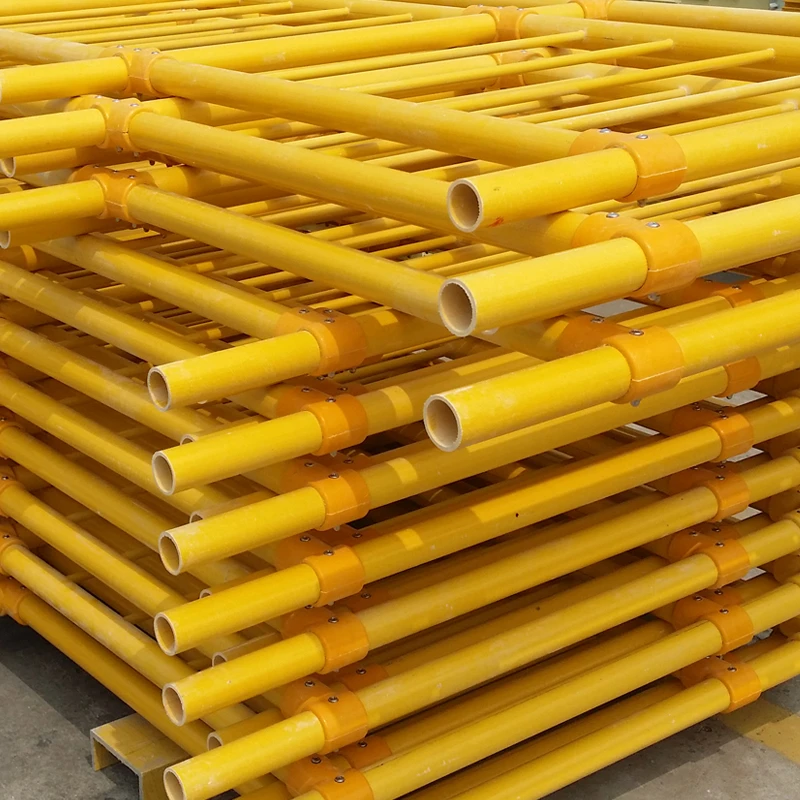
Every so often, a material quietly reshapes the way we build, design, and solve problems—pultruded FRP is one of those unsung heroes. At its core, pultruded fiberglass reinforced polymer (FRP) is a composite material that blends strength, durability, and lightweight characteristics into profiles typically used in industrial, infrastructure, and humanitarian contexts.

Why does it matter globally? Well, according to ISO standards on composite materials and recent industry reports, worldwide infrastructure demands are growing faster than traditional materials can keep up with—especially in challenging environments where corrosion, weight, and installation speed are factors. Pultruded FRP helps fill that gap, offering reliable performance with significant cost and maintenance advantages.

Let’s dig a little deeper into why it’s getting so much attention and how it’s influencing everything from remote industrial installations to emergency housing solutions.

Global Context: Why Pultruded FRP Is on the Rise

Infrastructure development is explosive—especially in regions where saltwater corrosion, humidity, or seismic activity complicate construction. For example, the World Bank reports billions invested annually in infrastructure resilience, but traditional materials like steel come with high maintenance costs in those conditions.

Pultruded FRP is catching momentum because it’s lightweight yet incredibly strong, corrosion-resistant, and can be quickly fabricated to precise shapes. That means less downtime, fewer repairs, and lighter loads on foundations or transport vehicles. Plus, it contributes to sustainability goals by extending asset lifespans and reducing resource use.

Oddly enough, you’ll also find pultruded FRP entering humanitarian arenas where speed, durability, and cost-efficiency are critical—for instance, in disaster relief shelters or modular medical facilities.

What Exactly is Pultruded FRP?

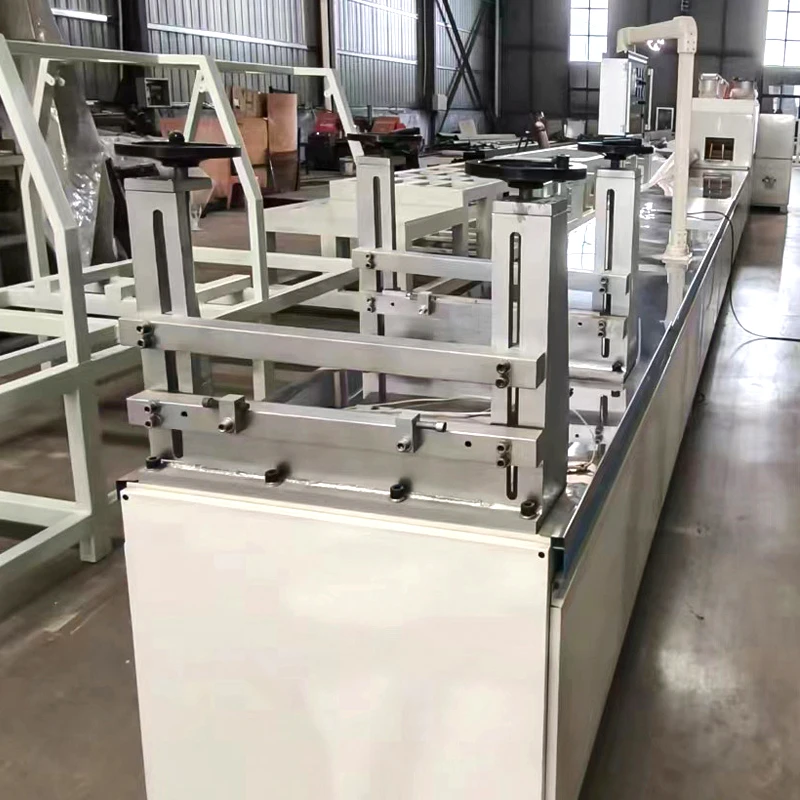
Simply put, it’s a composite material made by pulling continuous fibers—usually fiberglass—through a resin bath and into heated dies that cure them into rigid, custom shapes like beams, channels, or rods. This process, called pultrusion, ensures uniform quality, precise dimensions, and excellent mechanical properties.

Think of pultruded FRP as the perfect blend: fiberglass supplies tensile strength and resistance to corrosion, while polymer resin binds everything tightly, creating a profile that’s lightweight but stable enough for demanding structural needs.

Today, it's an essential part of modern industry’s toolkit, bridging engineering efficiency with needs for resilience and innovation.

Key Aspects of Pultruded FRP

Durability

Pultruded FRP resists corrosion from moisture, chemicals, and UV exposure far better than steel or aluminum. This trait shines in coastal, chemical plants, or underwater applications where traditional metals rust quickly.

Lightweight Strength

With a high strength-to-weight ratio, it reduces stresses on supports and simplifies handling and installation. Lighter materials often translate directly to cost savings.

Cost-Efficiency

Installation is faster and requires less heavy equipment. While the upfront material cost can be higher than steel, lifecycle cost savings—especially in maintenance and repair—are substantial.

Scalability and Customization

Pultrusion allows precisely engineered profiles tailored to project demands with repeatable quality, enabling scalable production for large infrastructure or smaller specialized components.

Environmental Resistance

Resilience against harsh chemicals and temperature variations widens its usability in industrial zones, offshore platforms, and harsh climates.

Sustainability

Longer lifespans reduce replacement waste. Plus, some manufacturing facilities are integrating recycled fibers and low-VOC resins, moving towards greener composites.

Mini takeaway: The combination of strength, corrosion resistance, and design flexibility makes pultruded FRP uniquely suited to challenging engineering problems worldwide.

Specifications: Typical Pultruded FRP Profiles

Property Specification Units
Tensile Strength 850 – 1300 MPa
Flexural Modulus 16 – 25 GPa
Density 1.8 – 2.1 g/cm³
Thermal Expansion 6 – 9 ×10⁻⁶ /°C
Operating Temperature -40 to 120 °C

Global Applications & Use Cases

Pultruded FRP’s flexibility opens doors in various sectors:

  • Infrastructure: Bridges, walkways, and utility poles—especially where exposure to salt air or chemicals would destroy steel.
  • Energy: Offshore wind turbine ladders and platforms, as well as electrical insulators, where insulation and corrosion resistance matter.
  • Industrial Plants: Chemical factories use FRP grating and supports since it doesn't corrode or react.
  • Humanitarian Relief: Rapid deployment housing and modular shelters in disaster zones—where lightweight, durable, fast-install materials are a game changer.

Interestingly, countries with aggressive infrastructure growth but limited heavy manufacturing capacity increasingly turn to these composites. Asia-Pacific and parts of Africa often lead adoption due to rapid urbanization and climate challenges.

Pultruded FRP products have even been integrated into UN humanitarian projects that require fast-to-assemble, corrosion-resistant frames for mobile clinics or school buildings.

Vendor Comparison: Top Pultruded FRP Suppliers

Vendor Range of Profiles Customization Lead Time Sustainability Practices
AlphaComposites Wide (I-beams, Channels, Rods) High 3 weeks Uses recycled fibers, low-VOC resins
FibraPultrude Medium (standard profiles) Medium 4-5 weeks Some product recycling
EcoFrame FRP Niche (lightweight modular parts) Very High 2 weeks Focus on bio-resins, energy-efficient production

Advantages & Long-Term Value

Pultruded FRP isn’t just strong and pretty—it solves persistent problems:

  • Cost Savings: Lower maintenance and longer service life tack billions off total lifecycle costs in infrastructure worldwide.
  • Sustainability: Durable composites reduce resource depletion and waste, aligning with UN sustainable development goals.
  • Safety & Trust: Users often remark on consistent performance in harsh conditions, giving engineers peace of mind.
  • Social Impact: Faster, durable shelters or infrastructure improve quality of life in vulnerable regions.

Many users say it “feels like a smart investment” both now and decades later. Frankly, that’s a rare balance in construction materials.

Future Trends & Innovations

Progress marches on. Developments like incorporating nanomaterials enhance strength even further. Automated fiber placement and digital property testing promise faster, more precise pultrusion. On the sustainability front, bio-based resins and recyclability are gaining ground.

Companies are also exploring hybrid composites combining pultruded FRP with carbon fiber or other advanced materials to push performance boundaries without huge cost jumps.

Given global commitments to green energy, expect pultruded FRP in offshore wind, solar supports, and electric vehicle infrastructure to soar.

Challenges & Solutions

Nothing’s perfect, right? Pultruded FRP still faces hurdles like UV degradation over long periods (though additives help), initial material cost barriers, and sometimes limited awareness among specifiers unfamiliar with composites.

R&D is addressing these limits through better resins, coatings, and education campaigns. Collaborations between manufacturers and specifiers have helped tailor solutions and prove cost-effectiveness in various case studies.

FAQ: Frequently Asked Questions About Pultruded FRP

Q: How does pultruded FRP compare to traditional steel in cost and maintenance?
A: While upfront costs for pultruded FRP are higher, it excels in reducing maintenance, repair, and replacement expenses due to its corrosion resistance and longevity, often resulting in a lower total cost of ownership over time.
Q: Can pultruded FRP be customized to unique structural requirements?
A: Absolutely. The pultrusion process allows precise shaping and tailoring of profiles to meet specific project demands, from standard beams to complex cross-sections.
Q: Is pultruded FRP environmentally sustainable?
A: Compared to metals requiring mining and frequent replacement, pultruded FRP has a smaller environmental footprint due to longevity and possibilities for recycling or using bio-based resins in its manufacture.
Q: How long does pultruded FRP typically last in harsh environments?
A: With proper resins and coatings, pultruded FRP can last 25-30 years or more, even in corrosive marine or chemical settings, outperforming many traditional materials.
Q: What are the key industries currently adopting pultruded FRP?
A: Industries such as energy, construction, chemical processing, transportation, and humanitarian aid are leading the adoption due to the composite’s versatility and durability.

Conclusion: Why Pultruded FRP Deserves Your Attention

In real terms, pultruded FRP combines practical performance with future-facing innovations, making it a sustainable and cost-effective choice across industries. From boosting infrastructure resilience to supporting international relief efforts, its benefits are tangible—and growing.

If you want to dive deeper or explore specific applications, I highly recommend visiting our detailed resource hub at https://www.frpgrpmachine.com. There, you’ll find the latest industry news, tailored solutions, and expert contacts to help guide your next project.

So, whether you’re an engineer wrestling with environmental challenges or a decision-maker aiming for sustainable innovation, pultruded FRP is worth a closer look. It’s quietly shaping the future—one profile at a time.

It’s always exciting to see where materials tech goes next, especially when it aids resilience, sustainability, and practical enterprise. Here’s to more breakthroughs ahead.
References

  1. ISO Standards on Composite Materials
  2. World Bank Infrastructure Reports
  3. Fiberglass – Wikipedia
Upsell Products
Upsell News
Durable FRP Vessel for Water Treatment and Industrial Filtration
Apr 16,2026
Durable FRP Vessel for Water Treatment and Industrial Filtration
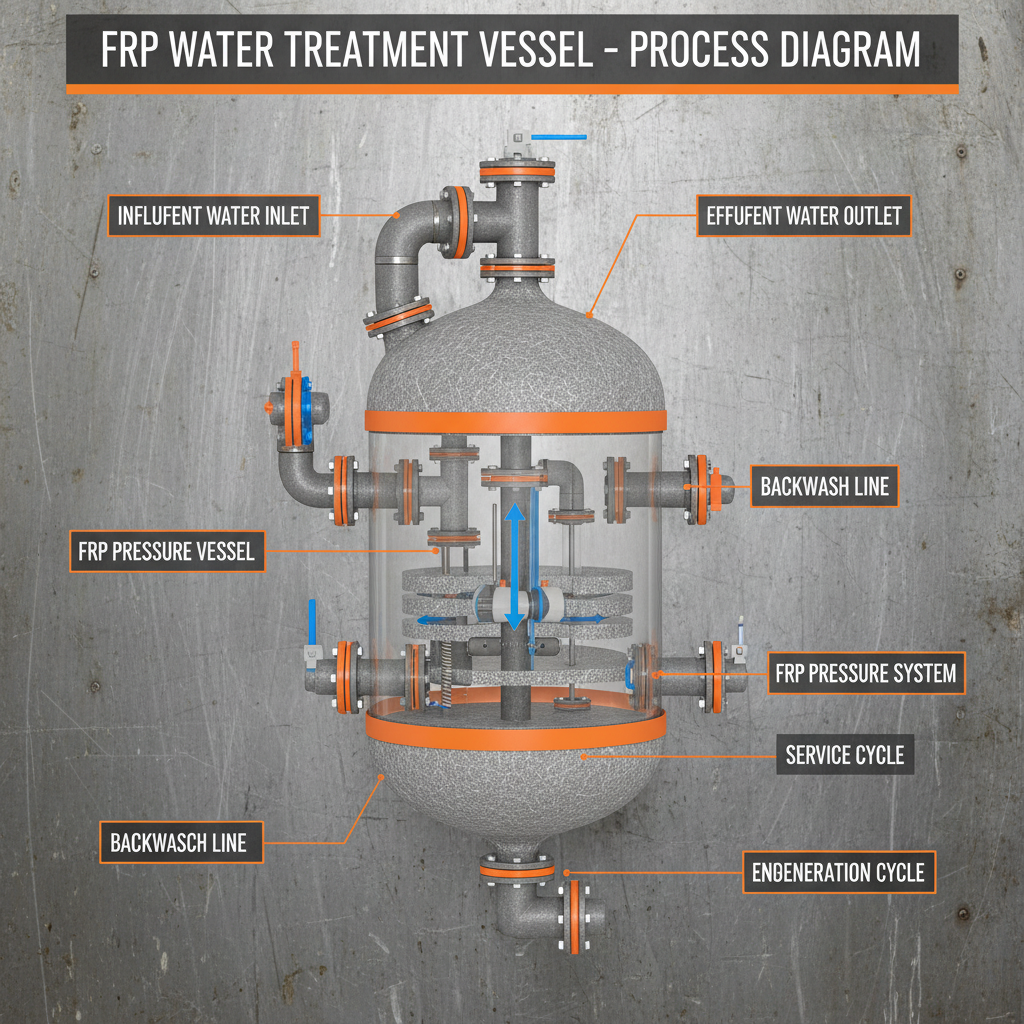
In the modern era of industrial and residential water purification, the choice of containment materials is critical for efficiency and longevity. An frp vessel for water treatment has emerged as the gold standard, replacing traditional steel tanks due to its superior corrosion resistance and lightweight properties. Whether you are dealing with desalination, softening, or filtration, using Fiber Reinforced Plastic (FRP) ensures that your system remains leak-proof and durable against aggressive chemicals. In this comprehensive guide, we will explore why FRP is the preferred choice for water treatment professionals worldwide and how to select the right vessel for your specific application.
Industrial Guide for Choosing the Right FRP Vertical Tank
Apr 09,2026
Industrial Guide for Choosing the Right FRP Vertical Tank
In today's industrial landscape, the storage of corrosive chemicals and aggressive liquids requires materials that can withstand extreme conditions without degrading. The frp vertical tank has emerged as a premier solution, offering an exceptional balance of strength, lightweight properties, and unmatched chemical resistance. Whether you are managing a water treatment plant or a chemical processing facility, understanding the nuances of Fiber Reinforced Plastic (FRP) is essential for ensuring operational safety and longevity. In this comprehensive guide, we will explore why vertical configurations are preferred and how these tanks outperform traditional metal alternatives.
Comprehensive Guide to FRP Underground Water Tank Solutions and Applications
Apr 07,2026
Comprehensive Guide to FRP Underground Water Tank Solutions and Applications
Fiberglass Reinforced Polymer (FRP) underground water tanks are becoming increasingly popular for a wide range of applications, from potable water storage to industrial wastewater containment. Their superior corrosion resistance, lightweight nature, and design flexibility make them an excellent alternative to traditional materials like concrete or steel. This article will delve into the benefits, applications, construction, and considerations for implementing FRP underground water tanks, providing a comprehensive overview for engineers, contractors, and project managers.
Comprehensive Guide to Frp Underground Water Storage Tanks and Their Applications
Apr 04,2026
Comprehensive Guide to Frp Underground Water Storage Tanks and Their Applications
When considering water storage solutions, particularly for industrial, agricultural, or municipal applications, frp underground water storage tanks stand out as a durable, cost-effective, and environmentally friendly option. These tanks are increasingly favored over traditional materials like concrete or steel due to their superior corrosion resistance, lighter weight, and ease of installation. This article delves into the benefits, applications, construction, and considerations when choosing an FRP tank, providing a detailed overview for potential buyers and project planners.
Sulfuric Acid Production Line - Hebei Aoliande|Efficient H2SO4 Plant Technology
Apr 01,2026
Sulfuric Acid Production Line - Hebei Aoliande|Efficient H2SO4 Plant Technology
Discover efficient H2SO4 plant technology and advanced sulfuric acid production solutions. Hebei Aoliande combines energy-saving furnace design and eco-friendly HCl recovery systems for sustainable industrial applications. Explore now: https://www.frpgrpmachine.com/sulfuric-acid-production-line-for-h2so4-plant.html
Sulfuric Acid Production Line - Hebei Aoliande|Efficient H2SO4 Plant Technology
Apr 01,2026
Sulfuric Acid Production Line - Hebei Aoliande|Efficient H2SO4 Plant Technology
Discover efficient H2SO4 plant technology and advanced sulfuric acid production solutions. Hebei Aoliande combines energy-saving furnace design and eco-friendly HCl recovery systems for sustainable industrial applications. Explore now: https://www.frpgrpmachine.com/sulfuric-acid-production-line-for-h2so4-plant.html
Sulfuric Acid Production Line - Hebei Aoliande|Efficient H2SO4 Plant Technology
Apr 01,2026
Sulfuric Acid Production Line - Hebei Aoliande|Efficient H2SO4 Plant Technology
Discover efficient H2SO4 plant technology and advanced sulfuric acid production solutions. Hebei Aoliande combines energy-saving furnace design and eco-friendly HCl recovery systems for sustainable industrial applications. Explore now: https://www.frpgrpmachine.com/sulfuric-acid-production-line-for-h2so4-plant.html
Sulfuric Acid Production Line - Hebei Aoliande|Efficient H2SO4 Plant Technology
Apr 01,2026
Sulfuric Acid Production Line - Hebei Aoliande|Efficient H2SO4 Plant Technology
Discover efficient H2SO4 plant technology and advanced sulfuric acid production solutions. Hebei Aoliande combines energy-saving furnace design and eco-friendly HCl recovery systems for sustainable industrial applications. Explore now: https://www.frpgrpmachine.com/sulfuric-acid-production-line-for-h2so4-plant.html
Sulfuric Acid Production Line - Hebei Aoliande|Efficient H2SO4 Plant Technology
Apr 01,2026
Sulfuric Acid Production Line - Hebei Aoliande|Efficient H2SO4 Plant Technology
Discover efficient H2SO4 plant technology and advanced sulfuric acid production solutions. Hebei Aoliande combines energy-saving furnace design and eco-friendly HCl recovery systems for sustainable industrial applications. Explore now: https://www.frpgrpmachine.com/sulfuric-acid-production-line-for-h2so4-plant.html
Sulfuric Acid Production Line - Hebei Aoliande|Efficient H2SO4 Plant Technology
Apr 01,2026
Sulfuric Acid Production Line - Hebei Aoliande|Efficient H2SO4 Plant Technology
Discover efficient H2SO4 plant technology and advanced sulfuric acid production solutions. Hebei Aoliande combines energy-saving furnace design and eco-friendly HCl recovery systems for sustainable industrial applications. Explore now: https://www.frpgrpmachine.com/sulfuric-acid-production-line-for-h2so4-plant.html
Comprehensive Guide to Frp Underground Storage Tanks for Reliable Storage Solutions
Mar 31,2026
Comprehensive Guide to Frp Underground Storage Tanks for Reliable Storage Solutions
Fiberglass Reinforced Polymer (FRP) underground storage tanks are becoming increasingly popular for a wide range of applications, from fuel storage to wastewater management. Their corrosion resistance, lightweight nature, and durability offer significant advantages over traditional materials like steel. This article will provide an in-depth look at FRP underground storage tanks, covering their benefits, applications, installation, and maintenance. Understanding these aspects is crucial for making informed decisions about long-term storage solutions.
Comprehensive Guide to Selecting the Ideal FRP Tank for Water Storage Solutions
Mar 28,2026
Comprehensive Guide to Selecting the Ideal FRP Tank for Water Storage Solutions
When it comes to reliable and durable water storage, FRP tanks for water are increasingly becoming the preferred solution for a wide range of applications. These tanks, constructed from Fiber Reinforced Polymer (FRP) materials, offer significant advantages over traditional storage options like steel or concrete. This article delves into the benefits, applications, and considerations when selecting an FRP tank for your water storage needs, providing a detailed overview for businesses and individuals alike.
Comprehensive Guide to Frp Tank and Vessel Applications and Manufacturing
Mar 26,2026
Comprehensive Guide to Frp Tank and Vessel Applications and Manufacturing
Fiber Reinforced Polymer (FRP) tanks and vessels are increasingly becoming the preferred choice for storage and processing across a multitude of industries. Their lightweight nature, corrosion resistance, and design flexibility offer significant advantages over traditional materials like steel. This article will delve into the intricacies of FRP tanks and vessels, exploring their applications, manufacturing processes, benefits, and considerations for selecting the right solution for your specific needs. We’ll also highlight why FRP tanks are a cost-effective and reliable long-term investment. FRP tanks and vessels are constructed from a combination of reinforcing fibers (such as fiberglass, carbon fiber, or aramid fiber) embedded in a polymer matrix (typically polyester, vinyl ester, or epoxy resin). This combination creates a composite material that boasts high strength-to-weight ratio, exceptional corrosion resistance, and the ability to be molded into complex shapes. They’re designed to safely contain a wide variety of liquids and gases, ranging from corrosive chemicals and water to food products and pharmaceuticals.
Optimizing Water Filtration with Durable FRP Sand Filter Vessels
Mar 24,2026
Optimizing Water Filtration with Durable FRP Sand Filter Vessels
In water treatment and filtration systems, the choice of filter vessel material is paramount. Fiber Reinforced Plastic (FRP), also known as Glass Reinforced Polymer (GRP), sand filter vessels are increasingly popular due to their superior corrosion resistance, lightweight nature, and cost-effectiveness. This article delves into the benefits, applications, design considerations, and factors to consider when selecting an FRP sand filter vessel. Whether you are involved in municipal water treatment, industrial wastewater management, or recreational water filtration, understanding FRP technology is essential for optimizing your filtration process. An FRP sand filter vessel is a containment unit designed to house filtration media, typically sand, gravel, and anthracite. These vessels are integral components in sand filtration systems used for removing suspended solids, turbidity, and other particulate matter from water. FRP construction involves layering glass fibers within a resin matrix (typically polyester or vinyl ester) to create a strong, durable, and chemically resistant shell. The strength and rigidity of the vessel are crucial for withstanding the pressure from the filtration media and the water flow.
Comprehensive Guide to FRP Round Tanks Applications and Benefits
Mar 21,2026
Comprehensive Guide to FRP Round Tanks Applications and Benefits
Fiber Reinforced Polymer (FRP) round tanks are increasingly becoming the preferred choice for storage solutions across a variety of industries. Their lightweight nature, corrosion resistance, and design flexibility offer significant advantages over traditional materials like steel. This article provides an in-depth look at FRP round tanks, exploring their applications, benefits, manufacturing processes, and key considerations when choosing the right tank for your needs. Whether you're in chemical processing, water treatment, or agriculture, understanding FRP round tanks is crucial for optimizing your storage infrastructure. FRP round tanks are constructed from a combination of reinforcing fibers (typically fiberglass, carbon fiber, or a blend) embedded in a polymer matrix (often polyester, vinyl ester, or epoxy resin). The round shape inherently provides excellent structural strength, distributing pressure evenly across the tank’s surface.
Comprehensive Guide to FRP Pressure Tanks Benefits and Applications
Mar 19,2026
Comprehensive Guide to FRP Pressure Tanks Benefits and Applications
Fiber Reinforced Polymer (FRP) pressure tanks are becoming increasingly popular in a wide range of industrial applications, offering a compelling alternative to traditional steel tanks. Known for their lightweight nature, corrosion resistance, and high strength-to-weight ratio, FRP tanks provide efficient and durable solutions for storing liquids and gases under pressure. This article will delve into the benefits, applications, construction, and key considerations when selecting an FRP pressure tank, helping you make an informed decision for your specific needs. Understanding the advantages of FRP technology can lead to significant cost savings and improved operational efficiency. Compared to steel, FRP pressure tanks offer several key advantages. The most significant is their superior corrosion resistance. Unlike steel, which is susceptible to rust and corrosion when exposed to various chemicals, FRP materials are inherently resistant to a wide range of corrosive substances. This translates to a longer lifespan, reduced maintenance costs, and increased safety. Furthermore, FRP is significantly lighter than steel, making installation easier and reducing transportation costs.
For More Details Pls Contact Us
Thank you for your interest in our gloves! We offer high-quality, durable, and comfortable gloves with fast delivery and competitive prices. For any questions or customization, feel free to contact us. We look forward to working with you!

If you are interested in our products, you can choose to leave your information here, and we will be in touch with you shortly.