Dec 02,2025

Comprehensive Guide to HCL Tank Material: Types, Applications & Benefits

Understanding HCL Tank Material: The Backbone of Corrosion-Resistant Storage Solutions

If you've ever worked with hydrochloric acid (HCL) or similar aggressive chemicals, you probably know how tricky it is to find the right tank material to store it safely. The choice of hcl tank material isn't just about durability—it's about ensuring safety, sustainability, and cost-effectiveness worldwide. This topic matters because hydrochloric acid is used extensively in chemical processing, water treatment, and even steel manufacturing, industries critical to economic growth and public health.

By understanding what makes a good hcl tank material, industries can prevent leaks, reduce environmental damage, and save huge costs on maintenance or replacements. Plus, with more strict regulations popping up globally, compliance becomes easier when the right materials are chosen from the start.

Global Context: Why HCL Tank Material Matters

On a global scale, hydrochloric acid demand is expected to rise steadily—reports from the International Standards Organization highlight its central role in industries across Europe, Asia, and the Americas. According to World Bank data, chemical production is a cornerstone of industrial development, especially in emerging economies. However, storing corrosive substances safely becomes a challenge when infrastructure hasn’t caught up.

Oddly enough, tank failures due to poor material choice can lead to catastrophic leaks, harming the environment and causing costly shutdowns. That’s why choosing the right hcl tank material is a practical problem and a vital safeguard for communities and industries alike.

What is HCL Tank Material?

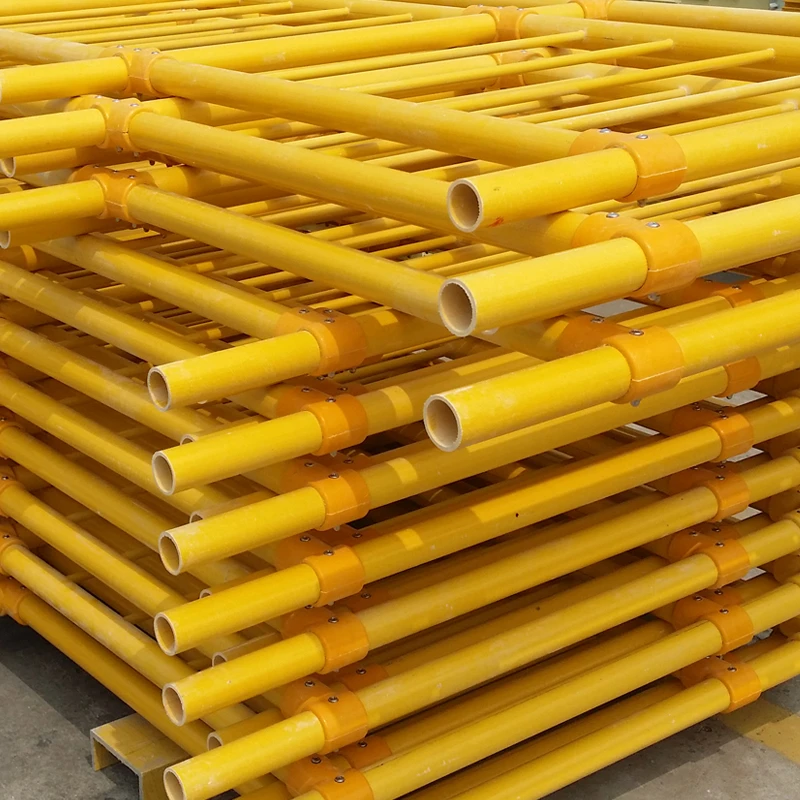
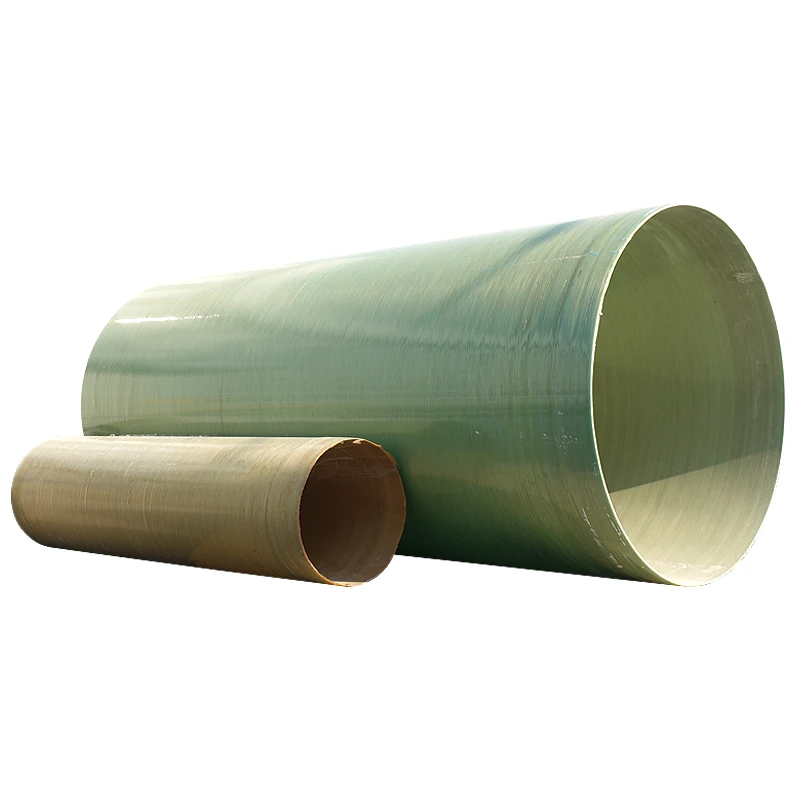
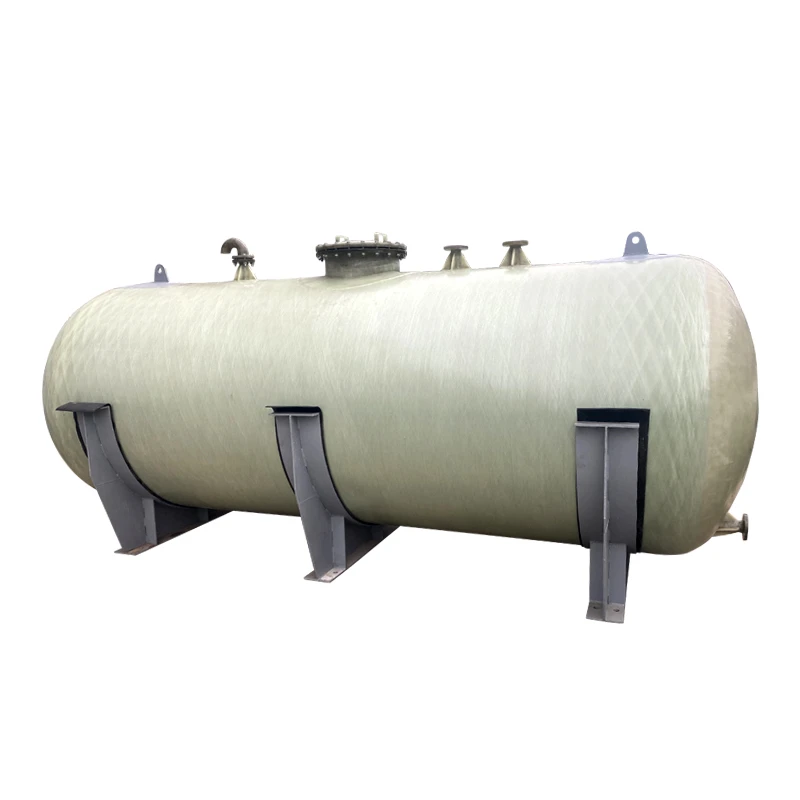
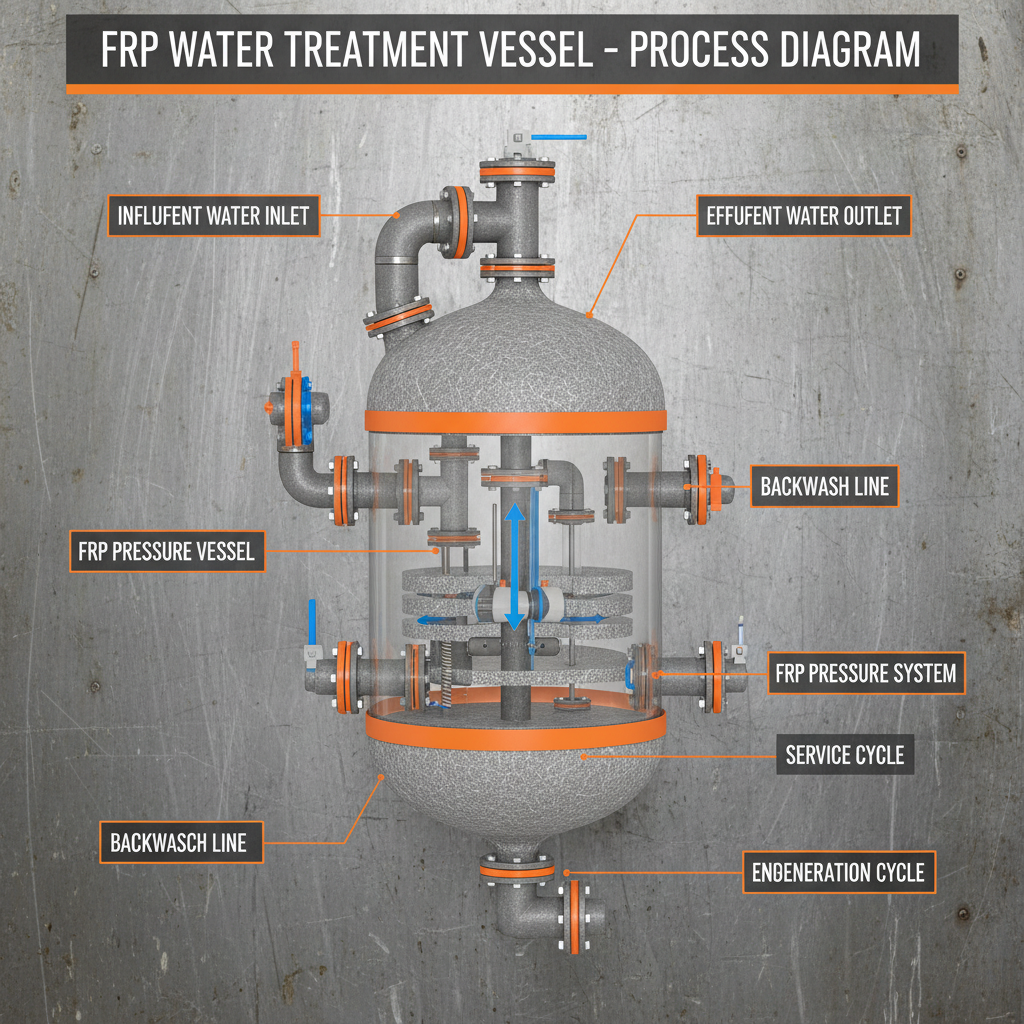
In simple terms, hcl tank material refers to the substances used to construct tanks that store hydrochloric acid safely. These materials must resist corrosion, withstand chemical exposure, and maintain structural integrity over time. Usually, industries turn to specialized plastics, fiberglass-reinforced plastics (FRP), or certain metals with protective linings to meet these demands.

This is deeply connected to modern industry because hydrochloric acid's role is non-negotiable in steel pickling, pH control in water treatment, and even electronic chip manufacturing. If the tanks fail, everything linked to these processes slows down or stops, which no business can afford.

Core Aspects of High-Quality HCL Tank Material

Durability

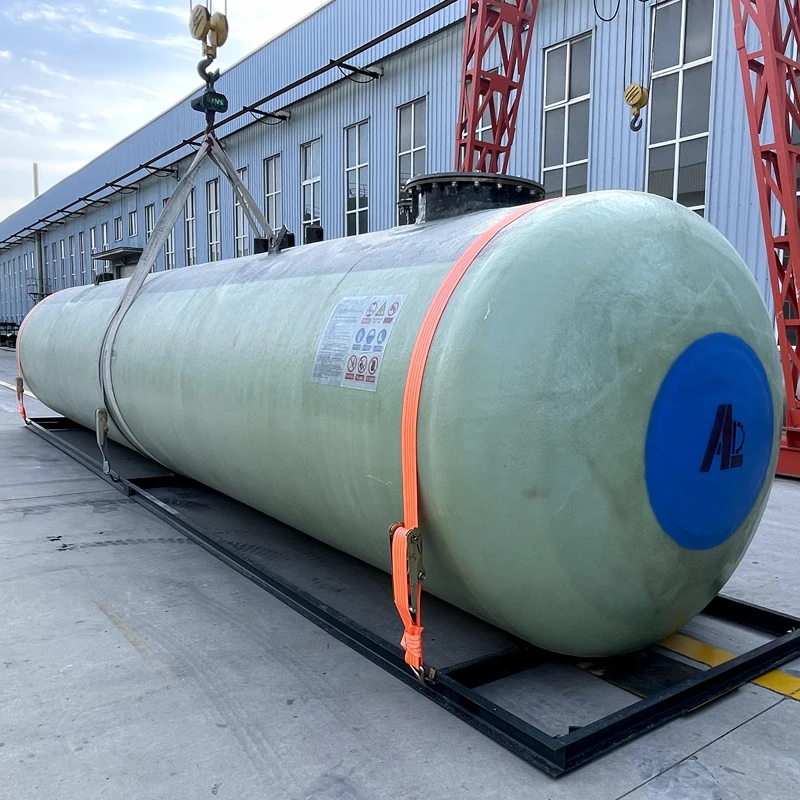
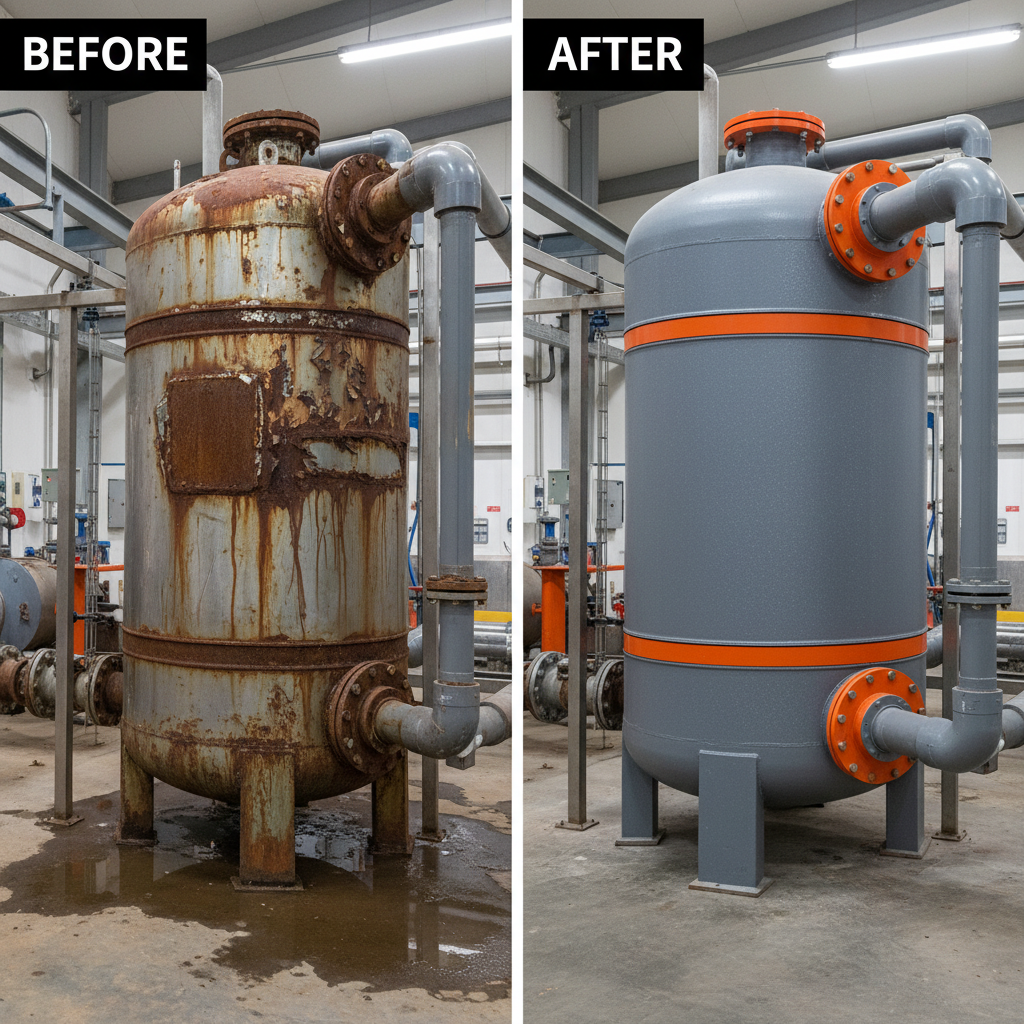
Durability tops the list. Hydrochloric acid is highly corrosive, so the tank material must resist degradation for years under harsh conditions. FRP tanks, for example, often provide a robust barrier, lasting decades if properly maintained.

Chemical Resistance

Not all plastics or metals take acid exposure well. The key is to use materials that don’t react with HCL, avoiding leaks or contamination. High-density polyethylene (HDPE) and chlorinated polyvinyl chloride (CPVC) are often favored.

Cost Efficiency

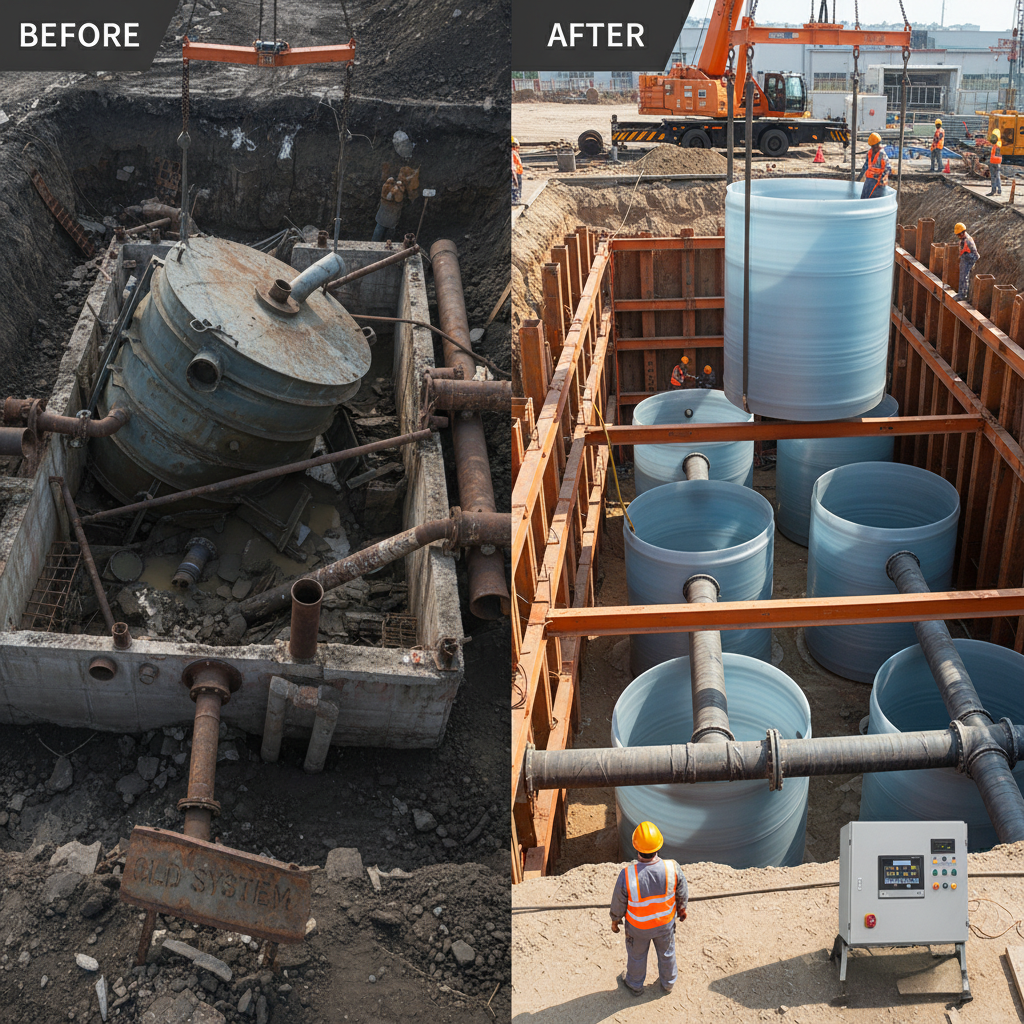
The upfront price isn’t everything. Maintenance costs, expected lifespan, and replacement intervals all factor in. Sometimes a pricier FRP tank means long-term savings versus cheaper steel tanks needing frequent relining.

Ease of Installation and Customization

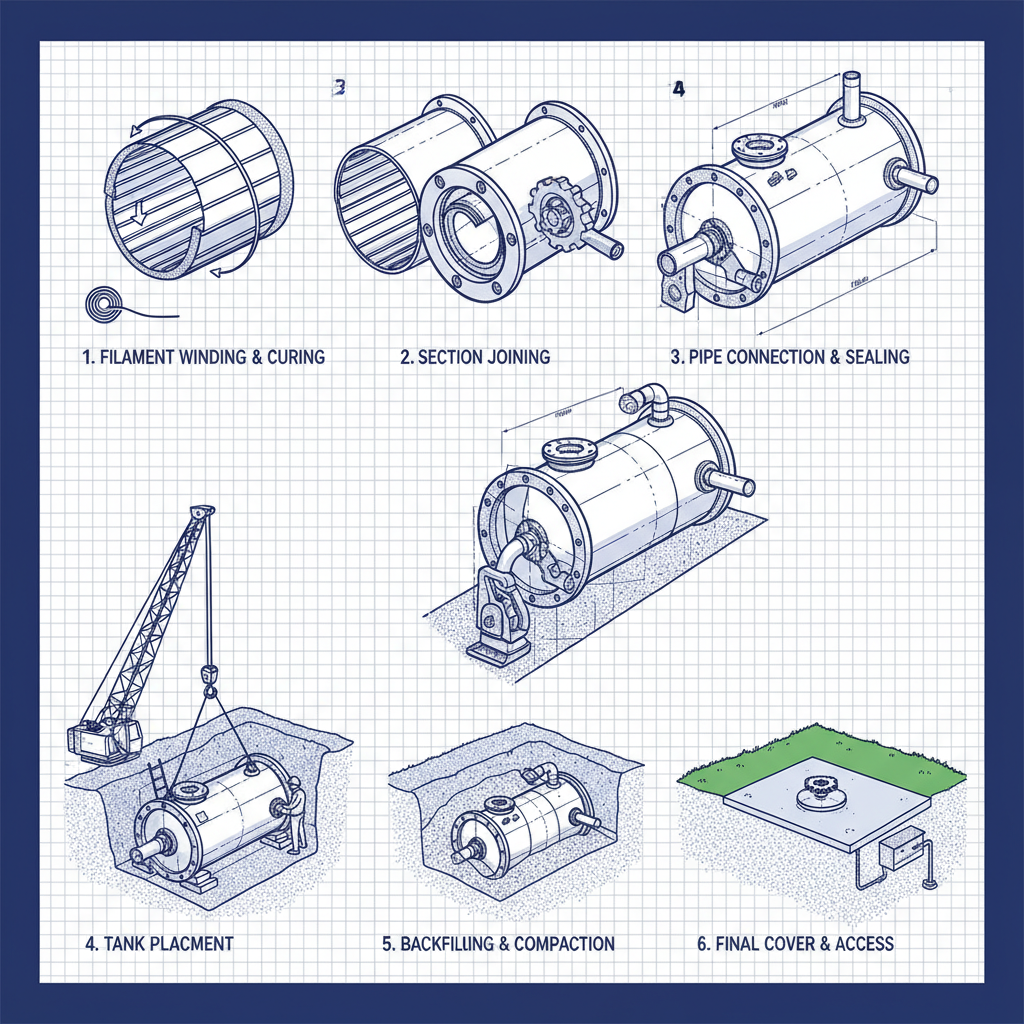
Because hydrochloric acid usage varies, tank dimension flexibility and deployment speed count. Modular designs or prefabricated solutions make installation faster, which is great for industries that can’t afford downtime.

Compliance with Regulations

Global and regional regulations mandate certain standards for chemical storage. Materials must align with ISO or local safety requirements to avoid legal headaches and ensure worker safety.

Product Specification Table: Common HCL Tank Materials

Material Chemical Resistance Typical Lifespan Cost Level
Fiberglass Reinforced Plastic (FRP) Excellent 15-25 years Moderate to High
High-Density Polyethylene (HDPE) Good 10-15 years Low to Moderate
Rubber-Lined Steel Fair (liner can fail) 5-10 years Moderate
Chlorinated Polyvinyl Chloride (CPVC) Good to Excellent 12-18 years Moderate

Global Use Cases of HCL Tank Materials

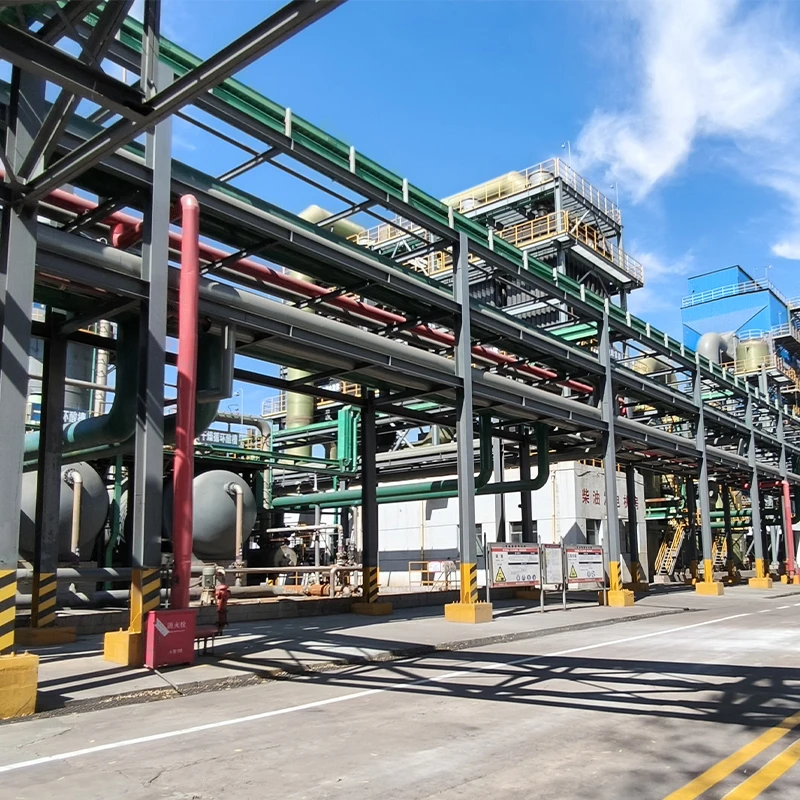
In places like Southeast Asia, where chemical manufacturing is booming, facilities choose FRP tanks for their unbeatable corrosion resistance in humid environments. Meanwhile, European companies often lean towards CPVC for industrial water treatment plants due to strict environmental rules.

Oddly enough, in some North American mining operations, HDPE tanks are preferred because they're lighter and good enough for intermediate storage. Also, NGOs involved in disaster relief sometimes rely on modular chemical storage solutions made from these materials to quickly set up safe water purification systems in remote areas.

Mini takeaway: The right hcl tank material varies greatly depending on the region's industry, climate, and regulations—there’s no one-size-fits-all.

Advantages and Long-Term Value

Choosing the right hcl tank material offers clear financial and social benefits. First, it reduces risk—both environmental and human. Nobody wants a leak contaminating soil or endangering workers. Then there's the sustainability angle: materials like FRP and HDPE can be recycled or have less impact over their lifecycle compared to steel that constantly needs maintenance.

Plus, innovation in materials leads to better reliability, meaning operations can run smoothly without unexpected shutdowns. Trust and safety build confidence with customers and regulators alike, which is priceless.

Emerging Trends & Innovations in HCL Tank Materials

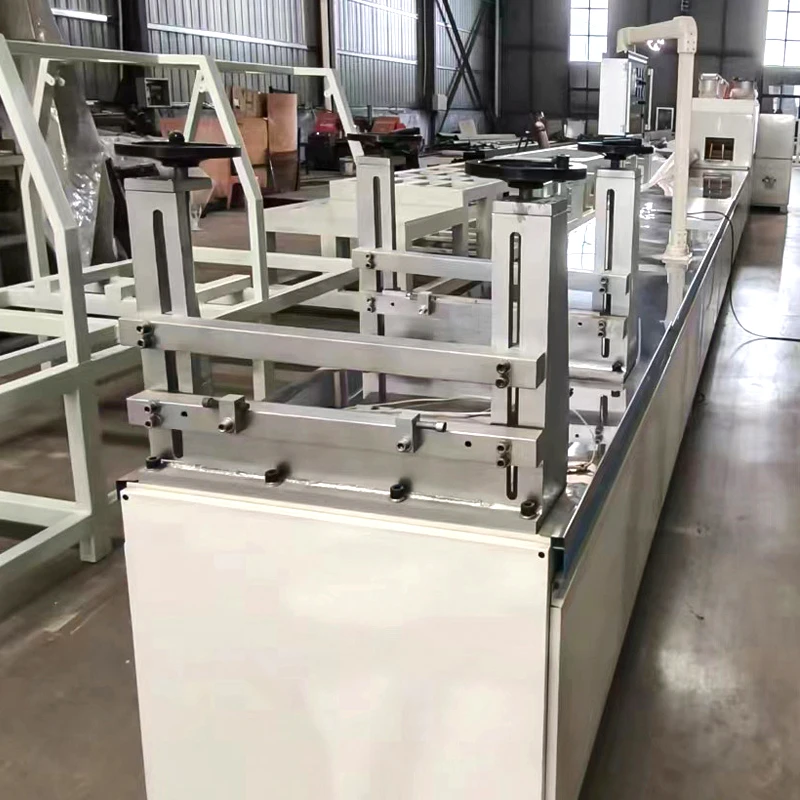
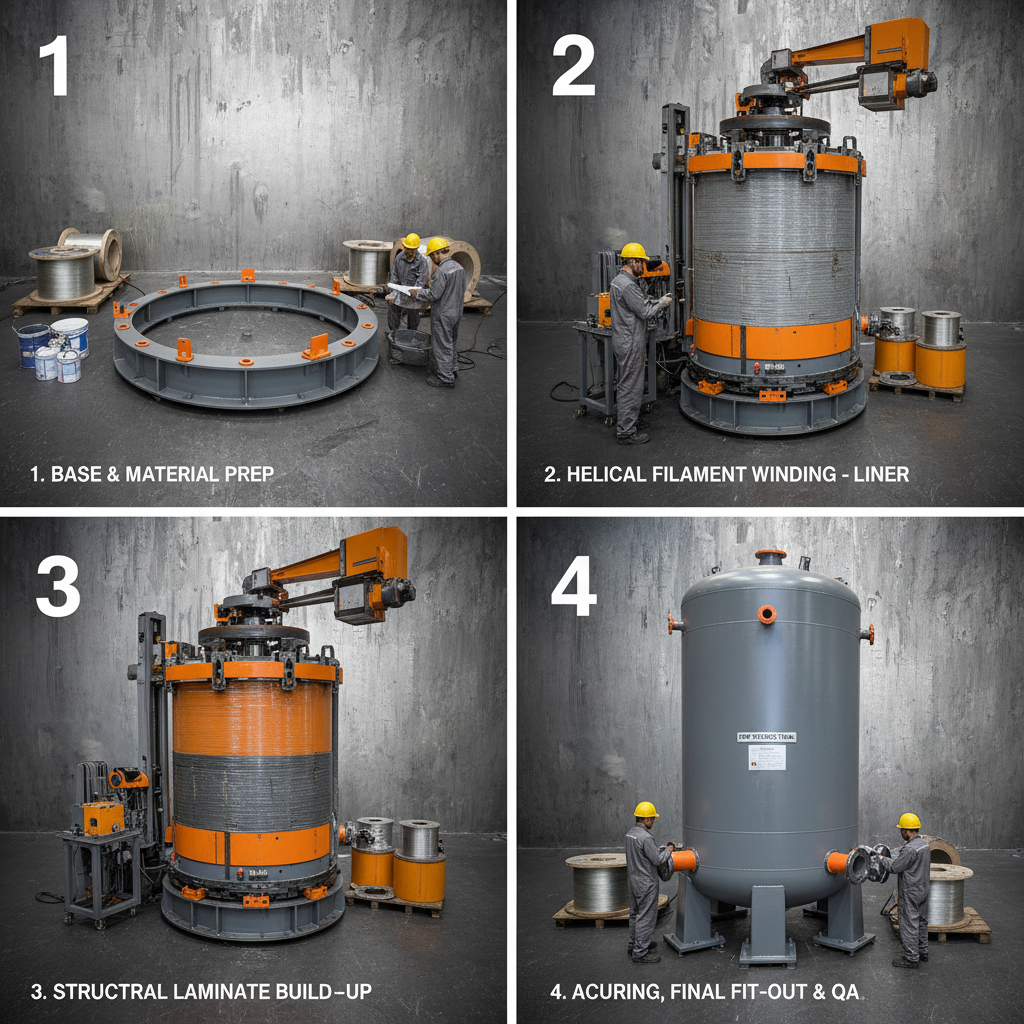
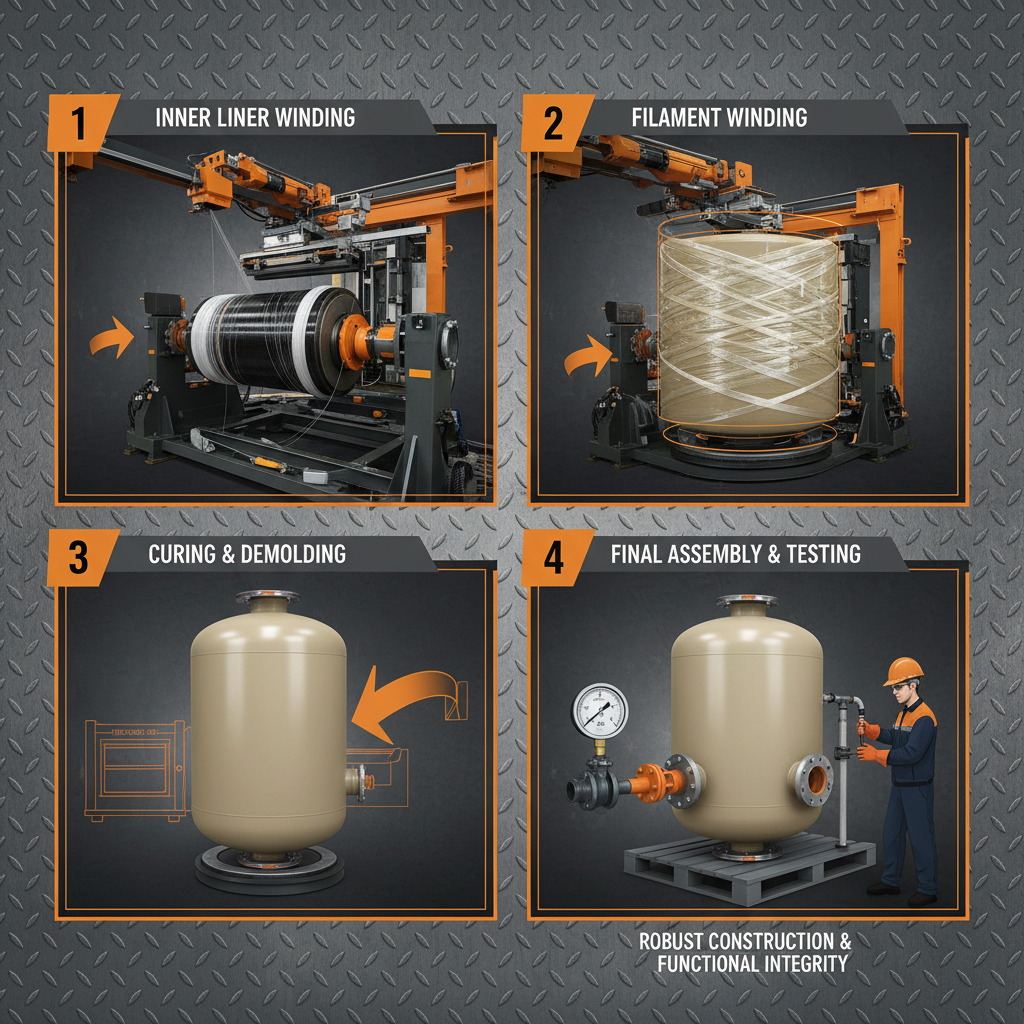
There’s a quiet revolution ongoing. Green chemistry initiatives are pushing tank manufacturers to create bio-based resins for FRP tanks, cutting carbon footprints. Also, automation in tank manufacturing enables precise layering of composites, vastly improving lifespan.

Digital monitoring embedded in tanks—sensors that detect leakage or material degradation—are becoming increasingly common, tapping into Industry 4.0 trends. So tanks aren’t just passive containers anymore but smart components of a chemical storage ecosystem.

Challenges and Current Solutions

Even with all this progress, challenges remain. UV degradation of plastics, thermal expansion, and mechanical impact risks can reduce tank life. Experts recommend combining UV inhibitors with protective coatings and robust designs to offset these issues.

Sometimes, cost pressures push companies to pick cheaper, less durable options—leading to higher long-term expenses. Education and demonstration of total cost of ownership are crucial to shifting mindset toward quality materials.

FAQ: Common Questions About HCL Tank Material

What makes FRP tanks better than traditional steel tanks for hydrochloric acid?
FRP tanks offer superior corrosion resistance without heavy linings, reducing maintenance needs and extending lifespan. Unlike steel, they won’t rust or degrade quickly, making them ideal for long-term HCL storage.
How long can an HDPE hcl tank typically last under continuous use?
HDPE tanks generally last between 10 to 15 years with proper maintenance, but exposure to UV light and temperature fluctuations can shorten this period unless UV protection measures are applied.
Are there eco-friendly options for hcl tank materials?
Yes, recent developments in bio-based FRP resins and recyclable thermoplastics provide greener alternatives that reduce environmental impact without compromising performance.
Can modular hcl tanks be deployed quickly in remote industrial areas?
Absolutely. Modular designs made from lightweight composites are engineered to be shipped and assembled quickly on site, minimizing downtime and logistical complexity.

Vendor Comparison Table: Popular HCL Tank Material Suppliers

Vendor Material Specialty Global Reach Price Range Customization Options
Chemtank Solutions FRP, CPVC Asia, Europe, Americas $$$ Full custom sizes & fittings
PolyChem Storage HDPE, PE North America, Europe $$ Standard modular tanks
Global Corrosion Tech Rubber-lined steel, FRP Global (focused on industrial) $$$ Custom linings & coatings

If you want to explore custom-built solutions that combine durability with cost-efficiency, don’t forget to check out hcl tank material specialists like those featured above.

Final Thoughts

Choosing the right hcl tank material is one of those decisions that feel technical but has huge real-world impact—on safety, budget, and sustainability. It’s a balancing act of durability, resistance, and cost-effectiveness tailored to your unique industrial needs. As green innovations and smart manufacturing progress, the future holds promise for even safer, more sustainable HCL storage.

For anyone in industries handling corrosive chemicals, investing time in understanding your tank material options truly pays off. So, whether you operate in water treatment or chemical manufacturing, it’s worth a second look—and maybe a conversation with an expert.

Remember: The right hcl tank material is foundational to strong, safe, and sustainable industrial operations.

Visit our website for more insights and tailored solutions: https://www.frpgrpmachine.com


1. International Organization for Standardization, ISO Chemical Storage Standards.
2. World Bank Industry Data, Manufacturing Value Added.
3. Wikipedia contributors, "Hydrochloric acid," Wikipedia.
Upsell Products
Upsell News
Durable FRP Vessel for Water Treatment and Industrial Filtration
Apr 16,2026
Durable FRP Vessel for Water Treatment and Industrial Filtration
In the modern era of industrial and residential water purification, the choice of containment materials is critical for efficiency and longevity. An frp vessel for water treatment has emerged as the gold standard, replacing traditional steel tanks due to its superior corrosion resistance and lightweight properties. Whether you are dealing with desalination, softening, or filtration, using Fiber Reinforced Plastic (FRP) ensures that your system remains leak-proof and durable against aggressive chemicals. In this comprehensive guide, we will explore why FRP is the preferred choice for water treatment professionals worldwide and how to select the right vessel for your specific application.
Industrial Guide for Choosing the Right FRP Vertical Tank
Apr 09,2026
Industrial Guide for Choosing the Right FRP Vertical Tank
In today's industrial landscape, the storage of corrosive chemicals and aggressive liquids requires materials that can withstand extreme conditions without degrading. The frp vertical tank has emerged as a premier solution, offering an exceptional balance of strength, lightweight properties, and unmatched chemical resistance. Whether you are managing a water treatment plant or a chemical processing facility, understanding the nuances of Fiber Reinforced Plastic (FRP) is essential for ensuring operational safety and longevity. In this comprehensive guide, we will explore why vertical configurations are preferred and how these tanks outperform traditional metal alternatives.
Comprehensive Guide to FRP Underground Water Tank Solutions and Applications
Apr 07,2026
Comprehensive Guide to FRP Underground Water Tank Solutions and Applications
Fiberglass Reinforced Polymer (FRP) underground water tanks are becoming increasingly popular for a wide range of applications, from potable water storage to industrial wastewater containment. Their superior corrosion resistance, lightweight nature, and design flexibility make them an excellent alternative to traditional materials like concrete or steel. This article will delve into the benefits, applications, construction, and considerations for implementing FRP underground water tanks, providing a comprehensive overview for engineers, contractors, and project managers.
Comprehensive Guide to Frp Underground Water Storage Tanks and Their Applications
Apr 04,2026
Comprehensive Guide to Frp Underground Water Storage Tanks and Their Applications
When considering water storage solutions, particularly for industrial, agricultural, or municipal applications, frp underground water storage tanks stand out as a durable, cost-effective, and environmentally friendly option. These tanks are increasingly favored over traditional materials like concrete or steel due to their superior corrosion resistance, lighter weight, and ease of installation. This article delves into the benefits, applications, construction, and considerations when choosing an FRP tank, providing a detailed overview for potential buyers and project planners.
Sulfuric Acid Production Line - Hebei Aoliande|Efficient H2SO4 Plant Technology
Apr 01,2026
Sulfuric Acid Production Line - Hebei Aoliande|Efficient H2SO4 Plant Technology
Discover efficient H2SO4 plant technology and advanced sulfuric acid production solutions. Hebei Aoliande combines energy-saving furnace design and eco-friendly HCl recovery systems for sustainable industrial applications. Explore now: https://www.frpgrpmachine.com/sulfuric-acid-production-line-for-h2so4-plant.html
Sulfuric Acid Production Line - Hebei Aoliande|Efficient H2SO4 Plant Technology
Apr 01,2026
Sulfuric Acid Production Line - Hebei Aoliande|Efficient H2SO4 Plant Technology
Discover efficient H2SO4 plant technology and advanced sulfuric acid production solutions. Hebei Aoliande combines energy-saving furnace design and eco-friendly HCl recovery systems for sustainable industrial applications. Explore now: https://www.frpgrpmachine.com/sulfuric-acid-production-line-for-h2so4-plant.html
Sulfuric Acid Production Line - Hebei Aoliande|Efficient H2SO4 Plant Technology
Apr 01,2026
Sulfuric Acid Production Line - Hebei Aoliande|Efficient H2SO4 Plant Technology
Discover efficient H2SO4 plant technology and advanced sulfuric acid production solutions. Hebei Aoliande combines energy-saving furnace design and eco-friendly HCl recovery systems for sustainable industrial applications. Explore now: https://www.frpgrpmachine.com/sulfuric-acid-production-line-for-h2so4-plant.html
Sulfuric Acid Production Line - Hebei Aoliande|Efficient H2SO4 Plant Technology
Apr 01,2026
Sulfuric Acid Production Line - Hebei Aoliande|Efficient H2SO4 Plant Technology
Discover efficient H2SO4 plant technology and advanced sulfuric acid production solutions. Hebei Aoliande combines energy-saving furnace design and eco-friendly HCl recovery systems for sustainable industrial applications. Explore now: https://www.frpgrpmachine.com/sulfuric-acid-production-line-for-h2so4-plant.html
Sulfuric Acid Production Line - Hebei Aoliande|Efficient H2SO4 Plant Technology
Apr 01,2026
Sulfuric Acid Production Line - Hebei Aoliande|Efficient H2SO4 Plant Technology
Discover efficient H2SO4 plant technology and advanced sulfuric acid production solutions. Hebei Aoliande combines energy-saving furnace design and eco-friendly HCl recovery systems for sustainable industrial applications. Explore now: https://www.frpgrpmachine.com/sulfuric-acid-production-line-for-h2so4-plant.html
Sulfuric Acid Production Line - Hebei Aoliande|Efficient H2SO4 Plant Technology
Apr 01,2026
Sulfuric Acid Production Line - Hebei Aoliande|Efficient H2SO4 Plant Technology
Discover efficient H2SO4 plant technology and advanced sulfuric acid production solutions. Hebei Aoliande combines energy-saving furnace design and eco-friendly HCl recovery systems for sustainable industrial applications. Explore now: https://www.frpgrpmachine.com/sulfuric-acid-production-line-for-h2so4-plant.html
Comprehensive Guide to Frp Underground Storage Tanks for Reliable Storage Solutions
Mar 31,2026
Comprehensive Guide to Frp Underground Storage Tanks for Reliable Storage Solutions
Fiberglass Reinforced Polymer (FRP) underground storage tanks are becoming increasingly popular for a wide range of applications, from fuel storage to wastewater management. Their corrosion resistance, lightweight nature, and durability offer significant advantages over traditional materials like steel. This article will provide an in-depth look at FRP underground storage tanks, covering their benefits, applications, installation, and maintenance. Understanding these aspects is crucial for making informed decisions about long-term storage solutions.
Comprehensive Guide to Selecting the Ideal FRP Tank for Water Storage Solutions
Mar 28,2026
Comprehensive Guide to Selecting the Ideal FRP Tank for Water Storage Solutions
When it comes to reliable and durable water storage, FRP tanks for water are increasingly becoming the preferred solution for a wide range of applications. These tanks, constructed from Fiber Reinforced Polymer (FRP) materials, offer significant advantages over traditional storage options like steel or concrete. This article delves into the benefits, applications, and considerations when selecting an FRP tank for your water storage needs, providing a detailed overview for businesses and individuals alike.
Comprehensive Guide to Frp Tank and Vessel Applications and Manufacturing
Mar 26,2026
Comprehensive Guide to Frp Tank and Vessel Applications and Manufacturing
Fiber Reinforced Polymer (FRP) tanks and vessels are increasingly becoming the preferred choice for storage and processing across a multitude of industries. Their lightweight nature, corrosion resistance, and design flexibility offer significant advantages over traditional materials like steel. This article will delve into the intricacies of FRP tanks and vessels, exploring their applications, manufacturing processes, benefits, and considerations for selecting the right solution for your specific needs. We’ll also highlight why FRP tanks are a cost-effective and reliable long-term investment. FRP tanks and vessels are constructed from a combination of reinforcing fibers (such as fiberglass, carbon fiber, or aramid fiber) embedded in a polymer matrix (typically polyester, vinyl ester, or epoxy resin). This combination creates a composite material that boasts high strength-to-weight ratio, exceptional corrosion resistance, and the ability to be molded into complex shapes. They’re designed to safely contain a wide variety of liquids and gases, ranging from corrosive chemicals and water to food products and pharmaceuticals.
Optimizing Water Filtration with Durable FRP Sand Filter Vessels
Mar 24,2026
Optimizing Water Filtration with Durable FRP Sand Filter Vessels
In water treatment and filtration systems, the choice of filter vessel material is paramount. Fiber Reinforced Plastic (FRP), also known as Glass Reinforced Polymer (GRP), sand filter vessels are increasingly popular due to their superior corrosion resistance, lightweight nature, and cost-effectiveness. This article delves into the benefits, applications, design considerations, and factors to consider when selecting an FRP sand filter vessel. Whether you are involved in municipal water treatment, industrial wastewater management, or recreational water filtration, understanding FRP technology is essential for optimizing your filtration process. An FRP sand filter vessel is a containment unit designed to house filtration media, typically sand, gravel, and anthracite. These vessels are integral components in sand filtration systems used for removing suspended solids, turbidity, and other particulate matter from water. FRP construction involves layering glass fibers within a resin matrix (typically polyester or vinyl ester) to create a strong, durable, and chemically resistant shell. The strength and rigidity of the vessel are crucial for withstanding the pressure from the filtration media and the water flow.
Comprehensive Guide to FRP Round Tanks Applications and Benefits
Mar 21,2026
Comprehensive Guide to FRP Round Tanks Applications and Benefits
Fiber Reinforced Polymer (FRP) round tanks are increasingly becoming the preferred choice for storage solutions across a variety of industries. Their lightweight nature, corrosion resistance, and design flexibility offer significant advantages over traditional materials like steel. This article provides an in-depth look at FRP round tanks, exploring their applications, benefits, manufacturing processes, and key considerations when choosing the right tank for your needs. Whether you're in chemical processing, water treatment, or agriculture, understanding FRP round tanks is crucial for optimizing your storage infrastructure. FRP round tanks are constructed from a combination of reinforcing fibers (typically fiberglass, carbon fiber, or a blend) embedded in a polymer matrix (often polyester, vinyl ester, or epoxy resin). The round shape inherently provides excellent structural strength, distributing pressure evenly across the tank’s surface.
Comprehensive Guide to FRP Pressure Tanks Benefits and Applications
Mar 19,2026
Comprehensive Guide to FRP Pressure Tanks Benefits and Applications
Fiber Reinforced Polymer (FRP) pressure tanks are becoming increasingly popular in a wide range of industrial applications, offering a compelling alternative to traditional steel tanks. Known for their lightweight nature, corrosion resistance, and high strength-to-weight ratio, FRP tanks provide efficient and durable solutions for storing liquids and gases under pressure. This article will delve into the benefits, applications, construction, and key considerations when selecting an FRP pressure tank, helping you make an informed decision for your specific needs. Understanding the advantages of FRP technology can lead to significant cost savings and improved operational efficiency. Compared to steel, FRP pressure tanks offer several key advantages. The most significant is their superior corrosion resistance. Unlike steel, which is susceptible to rust and corrosion when exposed to various chemicals, FRP materials are inherently resistant to a wide range of corrosive substances. This translates to a longer lifespan, reduced maintenance costs, and increased safety. Furthermore, FRP is significantly lighter than steel, making installation easier and reducing transportation costs.
For More Details Pls Contact Us
Thank you for your interest in our gloves! We offer high-quality, durable, and comfortable gloves with fast delivery and competitive prices. For any questions or customization, feel free to contact us. We look forward to working with you!

If you are interested in our products, you can choose to leave your information here, and we will be in touch with you shortly.