Dec 02,2025

Understanding HCL Storage Tank Material: Key Insights for Industry Safety and Innovation

Understanding HCL Storage Tank Material: What It Is and Why It Matters

When you hear "HCL storage tank material," you might picture some mysterious chemical container, and frankly, that’s not far off. Hydrochloric acid (HCL) is widely used in industries globally, from chemical manufacturing to water treatment, so the way we store it safely is a big deal — not just for industrial efficiency, but for environmental and human safety as well. Choosing the right material for HCL tanks is a technical puzzle that impacts everything from cost and durability to compliance with global standards.

Understanding hcl storage tank material is crucial because it keeps operations running smoothly and hazards at bay around the world. This article will walk you through the essentials, applications, advantages, and future of these materials, so you get why they’re a cornerstone of modern industry.

Global Context: Why HCL Storage Material Is a World Issue

Hydrochloric acid demand has been steadily growing worldwide; the global market was valued at over $4 billion in 2022 and is expected to expand further (source: Statista). This chemical is indispensable in steel pickling, oil refining, and even food production. But HCL’s corrosiveness means storage is no joke — a wrong tank material can cause leaks, contamination, or environmental damage.

International guidelines, including those from the International Organization for Standardization (ISO), emphasize durability and corrosion resistance when storing chemicals like hydrochloric acid. Plus, with rising environmental concerns and stricter safety regulations, industries need materials that meet high standards without breaking the bank.

Oddly enough, one of the biggest challenges is balancing cost efficiency with safety and longevity.

What Exactly Is HCL Storage Tank Material?

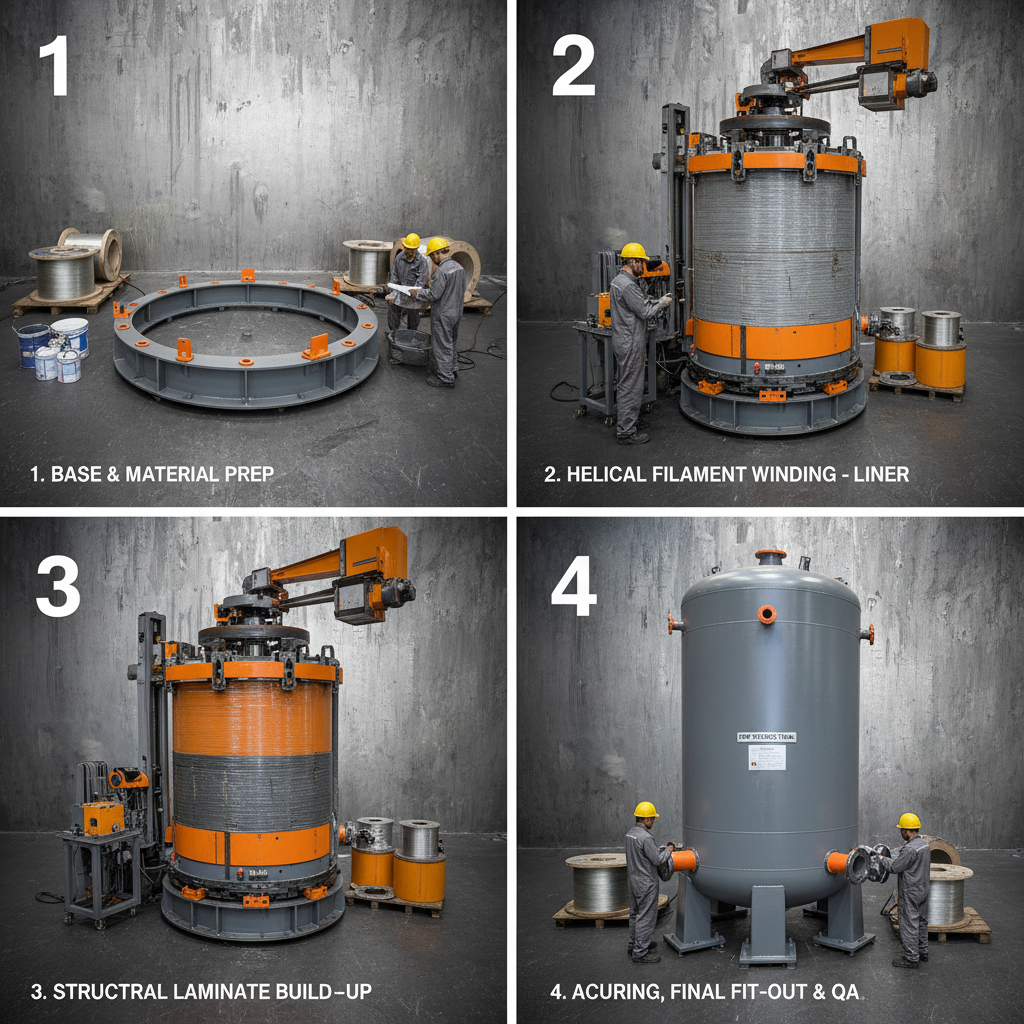
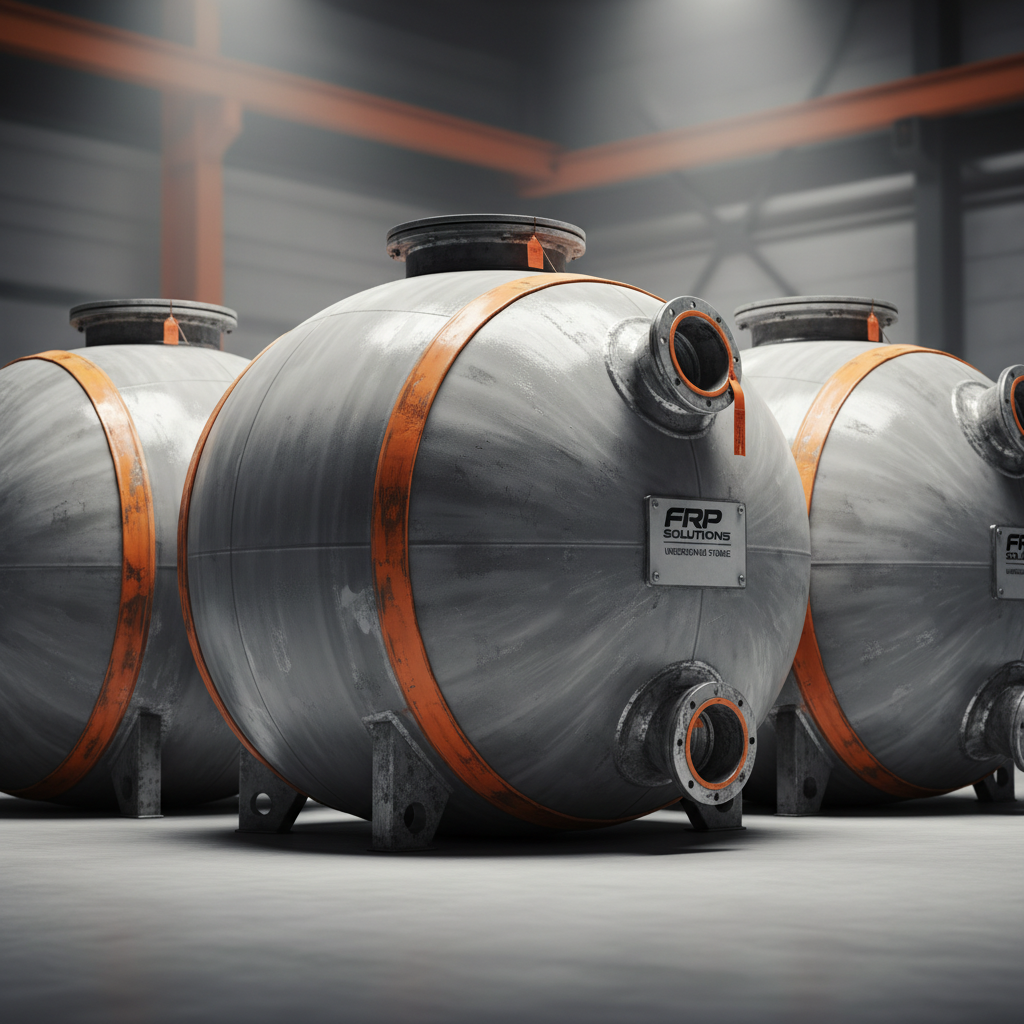
Simply put, "hcl storage tank material" refers to the substances used to manufacture tanks that safely contain hydrochloric acid. These materials must resist hydrochloric acid’s aggressive corrosion while maintaining structural integrity. Common choices include various metals with protective linings, plastics, or composites — each with its own pros and cons.

In many ways, these materials are unsung heroes, silently keeping a corrosive, hazardous chemical contained, enabling everything from the production of everyday consumer goods to pharmaceuticals.

Key Factors in Choosing HCL Storage Tank Material

1. Corrosion Resistance

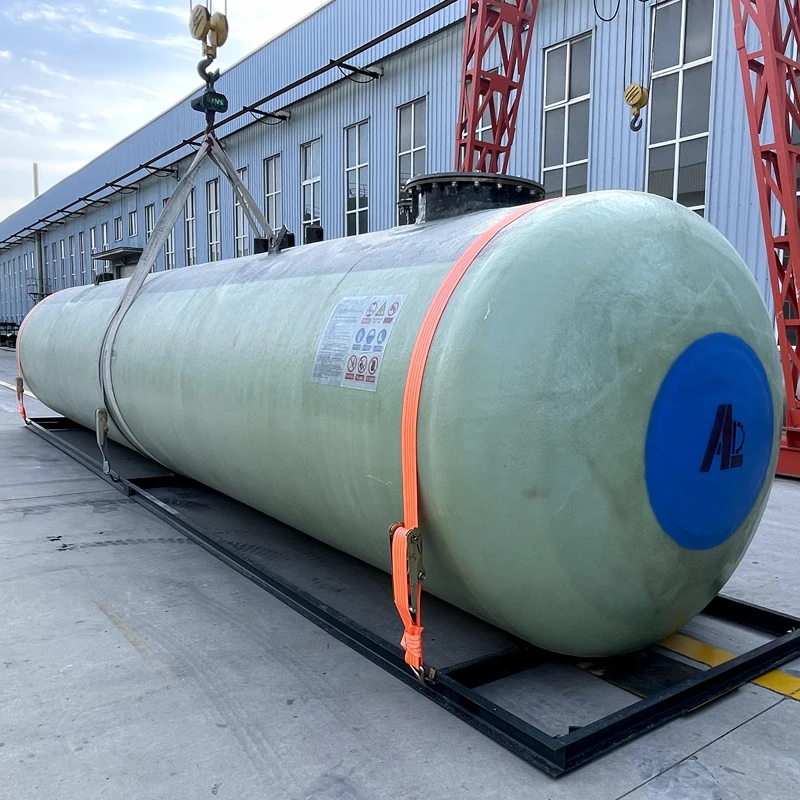
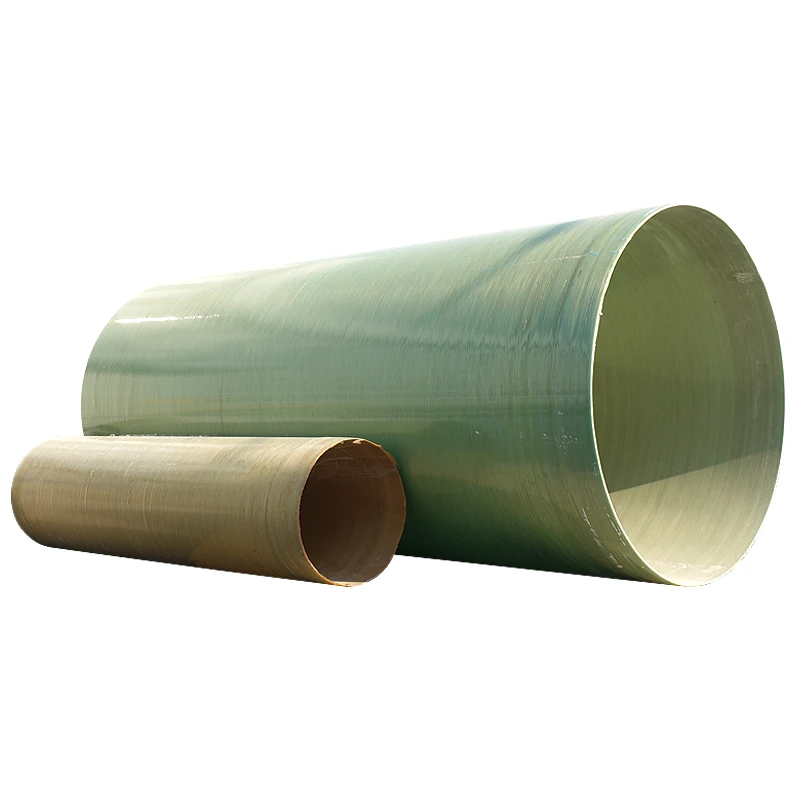
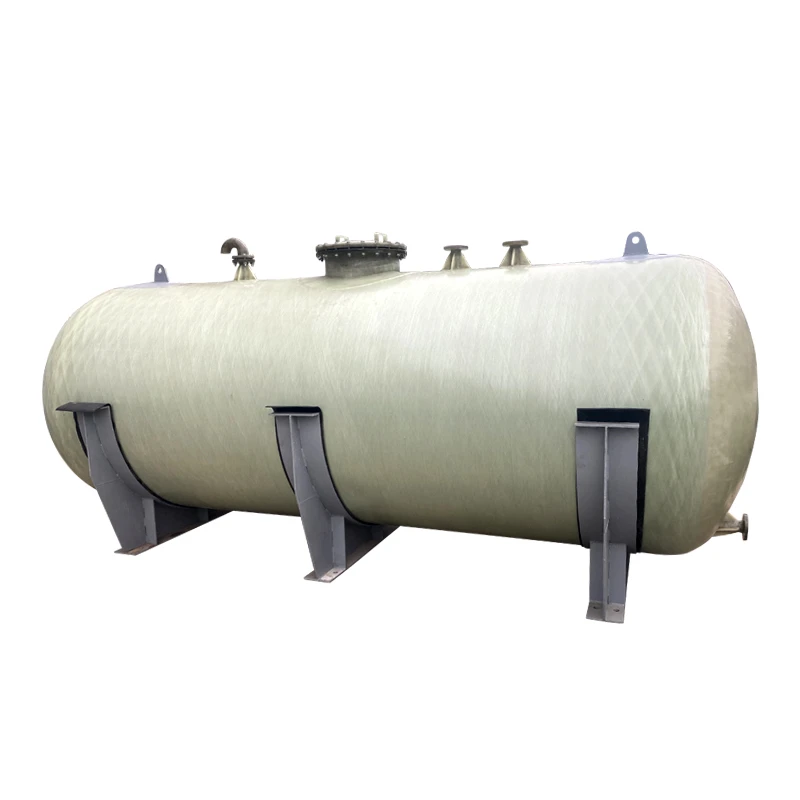
At the heart of storing HCL is fighting corrosion. Materials like high-density polyethylene (HDPE), fiberglass-reinforced plastic (FRP), and specially lined steel tanks offer excellent resistance. Without this, tanks corrode quickly, risking leaks.

2. Durability & Mechanical Strength

Storage tanks need to withstand not just chemical attack but also pressure, temperature fluctuations, and physical impacts. Stainless steel tanks with acid-resistant linings excel here but tend to be pricier.

3. Cost Efficiency

Often, project budgets dictate choice. FRP tanks offer a good balance between initial cost and lifespan, while lined steel tanks may involve higher upfront investment but lower maintenance costs.

4. Scalability & Customization

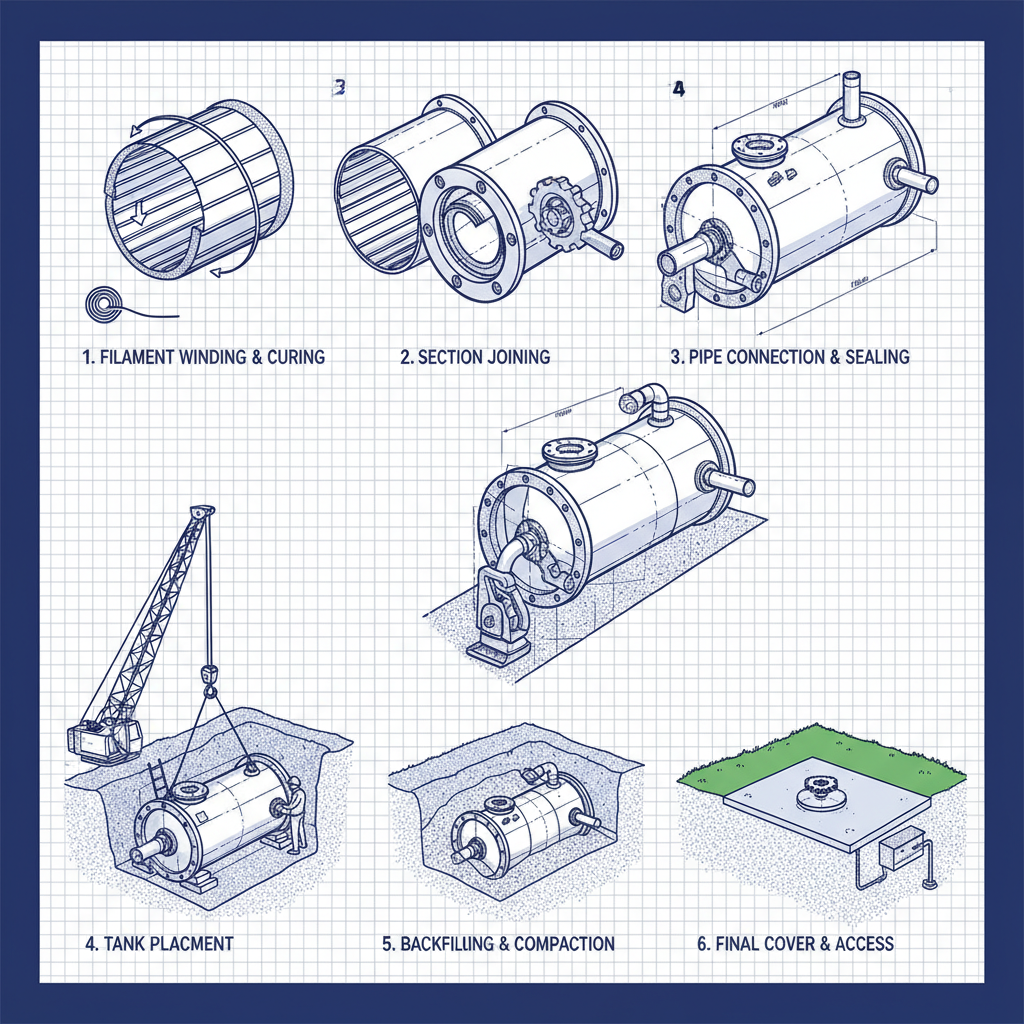
Different industries require different sizes and shapes. Materials that allow custom fabrication (like FRP) provide flexibility for unique specifications.

5. Compliance & Safety Standards

International safety standards, including environmental regulations, must be factored in. Materials meeting ISO and local guidelines ensure adherence without costly retrofits.

6. Environmental Impact

With sustainability pressing on corporate agendas, materials with lower environmental footprints — recyclability, reduced emissions in manufacturing — are gaining favor.

Mini takeaway: Picking HCL storage tank material is a juggling act between corrosion resistance, durability, cost, flexibility, compliance, and environmental concerns.

Global Applications & Real-World Use Cases

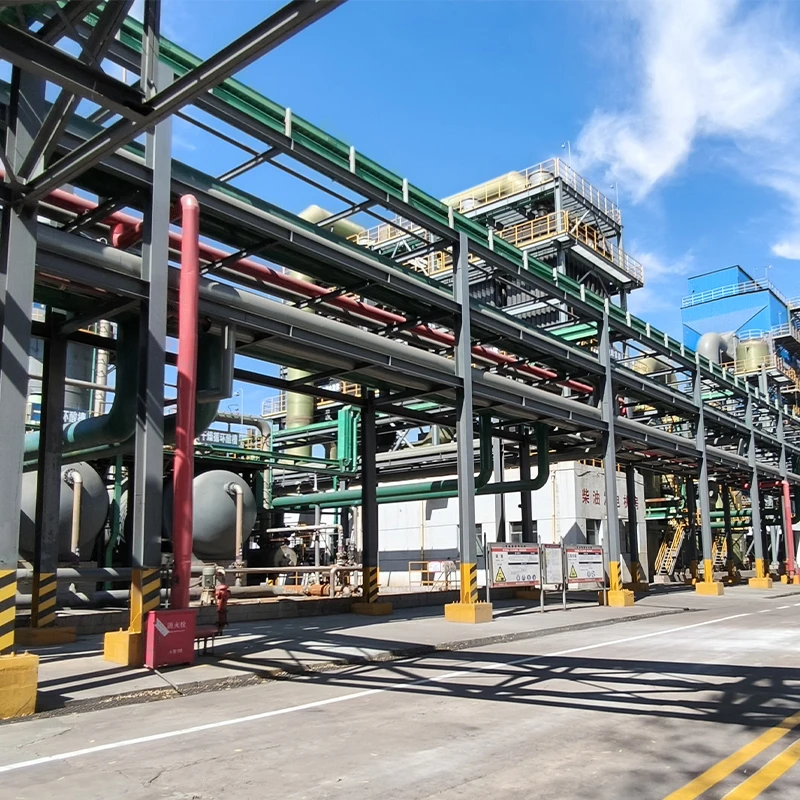
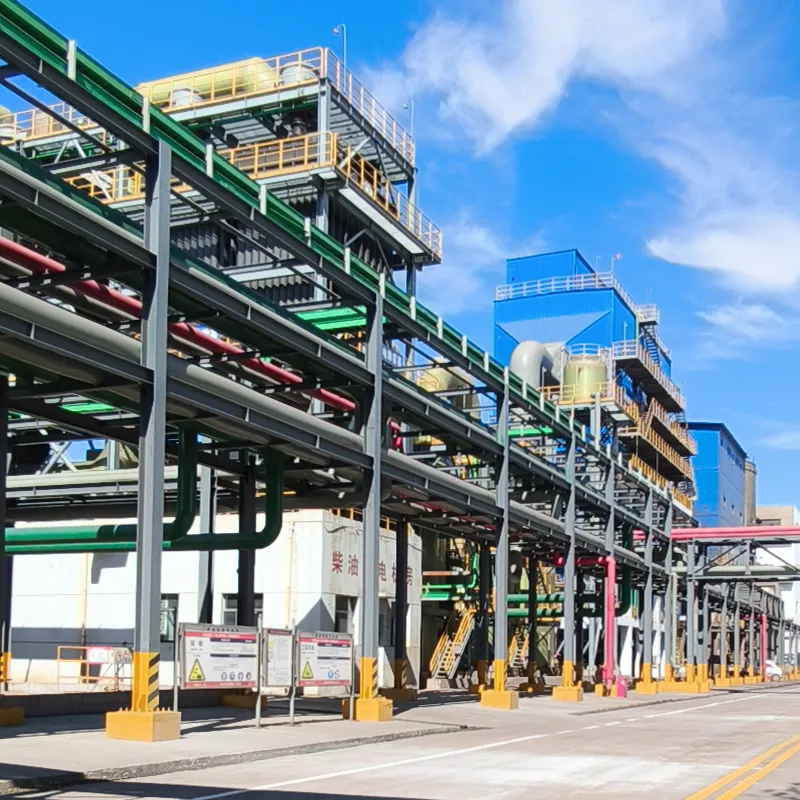
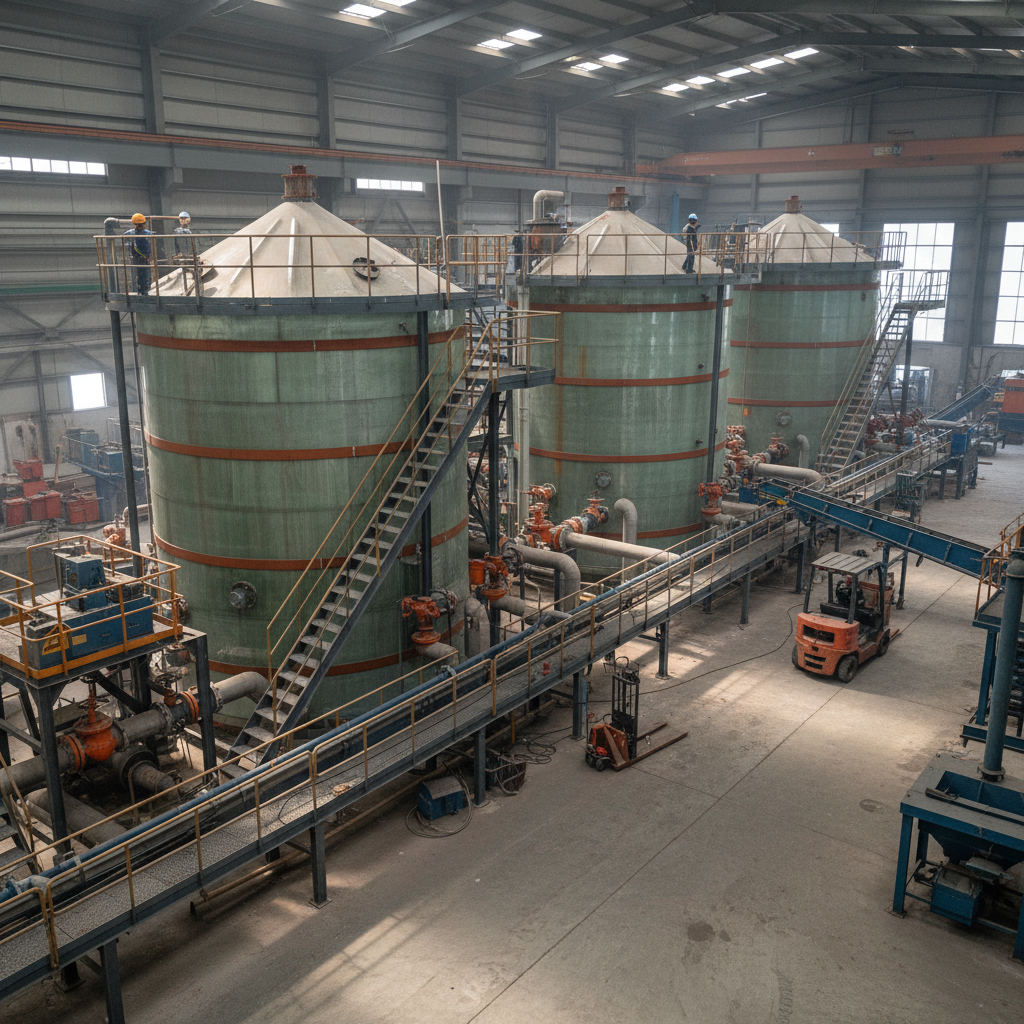
  • Chemical manufacturing hubs in Asia: Large-scale chemical plants rely heavily on lined steel and FRP tanks for safe hydrochloric acid storage.
  • Oil refineries in the Middle East: Steel tanks with advanced coatings serve well in extreme conditions.
  • Water treatment plants worldwide: Polymeric tanks handle acid dosing, crucial to neutralizing contaminants.
  • Post-disaster industrial recovery: In places like Southeast Asia, quick-deploy FRP tanks facilitate restarting operations safely.
  • Remote mining operations: Durable tanks safeguard acids used in ore processing, even under harsh climates.

These scenarios show how essential proper materials are—whether a container is in a sprawling industrial complex or a remote site where replacements are hard to come by.

Advantages & Long-Term Value of Quality Tank Materials

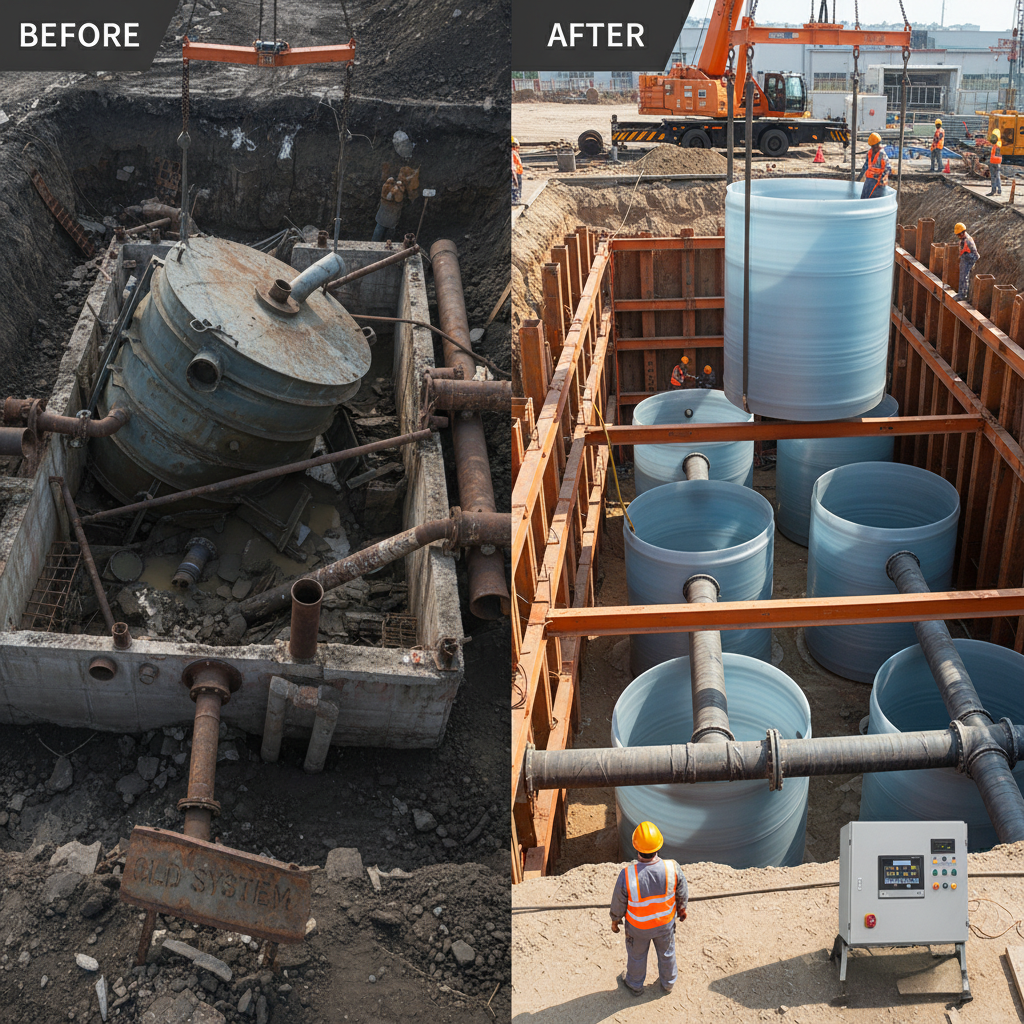
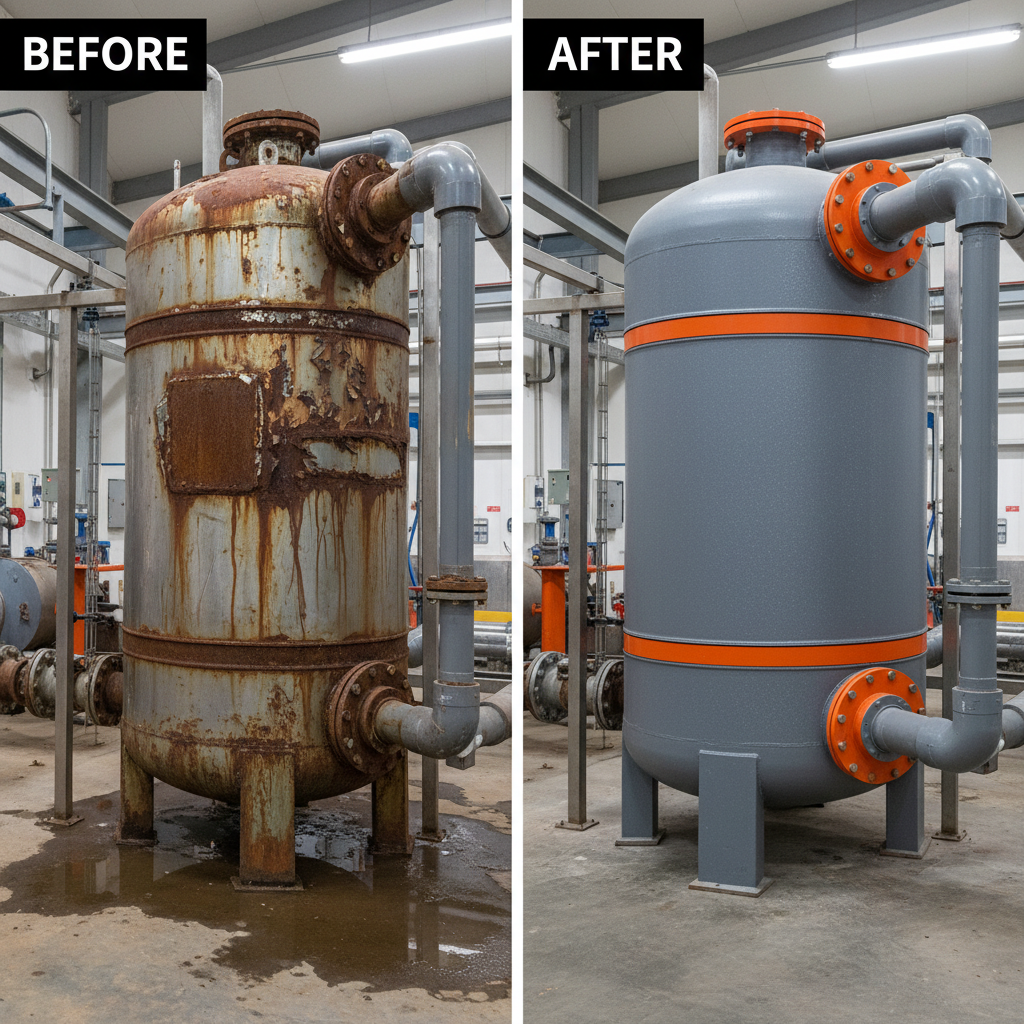
Choosing the right hcl storage tank material means fewer accidents, less downtime, and lower repair costs. That’s a very real bottom line impact. Safety-wise, it protects workers and local ecosystems — which is emotionally reassuring to the people managing these sites. Over time, good materials mean tanks last longer, reducing waste and the need for frequent replacement.

This reliability builds trust with regulators, customers, and partners, feeding innovation and sustainable growth. You could argue that selecting these materials wisely is one of the quietest yet most impactful investments an industrial operation can make.

Future Trends & Innovations in HCL Storage Tank Materials

Green chemistry initiatives are pushing materials scientists to develop bio-based composites that resist corrosion while lowering environmental impact. IoT-enabled smart tanks—equipped with sensors to monitor acid levels, temperature, and potential leaks in real-time—are becoming a reality, improving safety further.

Automation in fabrication techniques allows custom shapes and sizes with precision, optimizing material use and performance. Plus, emerging coatings involving nanotechnology promise to extend tank life beyond what we thought possible.

Challenges & Innovative Solutions

Here’s the rub: even the best materials have limits. Extreme acidity and temperatures create ongoing risks. Additionally, maintenance in remote or hazardous areas can be tough. Experts now advise a layered approach: combining advanced tank materials with routine monitoring, treatment of residual acid vapors, and staff training.

Innovative solutions like modular tanks that can be swapped quickly, or self-healing composite materials—although still experimental—could revolutionize this space soon.

Frequently Asked Questions About HCL Storage Tank Material

What materials are best for long-term HCL storage tanks?
Materials like fiberglass-reinforced plastics, HDPE, or specially lined stainless steels are typically best for longevity due to their corrosion resistance and mechanical strength. The choice depends on the concentration of HCL and storage conditions.
Can HCL tanks be custom made to fit specific industrial needs?
Absolutely. FRP and polymer tanks are often fabricated to precise specifications, allowing industries to tailor size and shape, optimizing storage efficiency and safety.
How do environmental regulations influence tank material selection?
Strict environmental laws require materials that prevent leaks, are fire-resistant, and sometimes recyclable. Tanks must comply with ISO standards and local guidelines, influencing both material and design choices.
What is the typical lifespan of an HCL storage tank?
Depending on material quality, maintenance, and operating conditions, tanks can last from 10 to over 25 years. High-end materials coupled with smart monitoring extend this range.
Are polymer tanks more cost-effective than traditional steel?
In many cases, yes. Although steel tanks might have higher initial durability, polymers often cost less up front and resist corrosion without extensive maintenance, offering lower total cost over time.

Conclusion: Why Understanding HCL Storage Tank Material Pays Off

In the end, the choice of hcl storage tank material isn’t just a technical detail. It’s a key ingredient for operational safety, regulatory compliance, and sustainability in industries worldwide. By carefully weighing corrosion resistance, durability, cost, and innovation, companies protect people, processes, and the planet.

Ready to learn more or find the right tank for your needs? Visit our website: https://www.frpgrpmachine.com

Product Specification Table

Material Corrosion Resistance Typical Lifespan Cost Range Customization Flexibility
Fiberglass Reinforced Plastic (FRP) High 15-25 years Moderate Excellent
HDPE (High-Density Polyethylene) Moderate 10-20 years Low Good
Acid-Resistant Lined Steel Very High 20-30 years High Limited

Vendor Comparison Table

Vendor Material Options Customization Delivery Time Warranty Price Range
FRP Group Inc. FRP, HDPE High 3-5 weeks 5 years Moderate
SteelTanks Ltd. Steel with acid-resistant lining Medium 6-8 weeks 10 years High
PolyChemical Corp. HDPE, other polymers Good 4-6 weeks 3 years Low to Moderate

Ultimately, choosing a vendor combines your need for material expertise, production speed, warranty, and budget—matching your operational goals.


In sum, material choice for HCL storage tanks might not be the flashiest topic, but it’s foundational in keeping industries safe and sustainable worldwide. I suppose it’s one of those unsung technical marvels that quietly shapes modern life.
  1. Hydrochloric Acid - Wikipedia
  2. International Organization for Standardization (ISO)
  3. Global Hydrochloric Acid Market - Statista
Upsell Products
Upsell News
Guide to Fiber Water Tank Price and FRP Storage Costs
Jul 01,2026
Guide to Fiber Water Tank Price and FRP Storage Costs
Understanding Fiber Water Tank Price: A Comprehensive Investment Guide When searching for a reliable liquid storage solution, understanding the factors that influence fiber water tank price is essential for optimizing your operational budget. Fiber-Reinforced Plastic FRP tanks have become the industry standard for water and chemical storage due to their exceptional corrosion resistance and structural integrity. Whether you are managing a municipal water project or an industrial chemical plant, selecting the right tank requires a balance between initial cost and long-term durability. In this guide, we will explore the variables that drive pricing and why FRP remains the most cost-effective choice
Guide to Fibreglass Water Tank Prices and FRP Investment
Jun 29,2026
Guide to Fibreglass Water Tank Prices and FRP Investment
Understanding Fibreglass Water Tank Prices: A Comprehensive Investment Guide When planning water storage for industrial or commercial applications, understanding the factors that influence fibreglass water tank prices is essential for optimizing your budget. Fibreglass Reinforced Plastic FRP tanks offer a superior alternative to steel or concrete due to their corrosion resistance and lightweight nature. Whether you are in the petroleum, chemical, or drainage industry, selecting a tank that balances cost with long-term durability is key. In this guide, we will explore the pricing drivers, technical advantages, and specifications of high-quality FRP storage solutions to help you make an informed purchasing decision.
Industrial Fiberglass Water Tank Price and Buyers Guide
Jun 27,2026
Industrial Fiberglass Water Tank Price and Buyers Guide
Analyzing Fiberglass Water Tank Price: A Comprehensive Buyers Guide When investing in industrial water storage, understanding the fiberglass water tank price is essential for effective budget planning and operational efficiency. Fiberglass Reinforced Plastic FRP tanks have become the gold standard in water quality pollution prevention and chemical storage due to their exceptional corrosion resistance and durability. Whether you are managing a municipal water system or a specialized manufacturing plant, choosing the right tank involves balancing initial costs with long-term lifecycle value. In this guide, we will break down the factors that influence pricing and why FRP is often the most cost-effective choice
Comprehensive Guide to GRP Sectional Water Tanks Prices and Quality
Jun 26,2026
Comprehensive Guide to GRP Sectional Water Tanks Prices and Quality
Selecting the right water storage solution is critical for industrial, commercial, and residential infrastructure. When evaluating grp sectional water tanks prices, it is essential to look beyond the initial sticker price and consider the total cost of ownership, including durability, installation ease, and maintenance. Glass Reinforced Plastic GRP tanks offer a superior alternative to traditional steel or concrete, providing exceptional corrosion resistance and modular flexibility. In this guide, we will explore the factors that influence pricing and why GRP remains the gold standard for modern water management.
Guide to Understanding FRP Tank Cost and Investment Value
Jun 25,2026
Guide to Understanding FRP Tank Cost and Investment Value
Understanding FRP Tank Cost: A Comprehensive Guide to Investment and Value When investing in industrial storage solutions, understanding the frp tank cost is essential for accurate budgeting and long-term operational planning. Fiber Reinforced Plastic FRP tanks offer an exceptional balance of corrosion resistance, structural strength, and longevity, making them the preferred choice for chemical, petroleum, and water treatment industries. While initial pricing can vary based on specifications, the total cost of ownership is often significantly lower than traditional steel tanks due to reduced maintenance. In this guide, we will explore the factors influencing pricing and the advanced machinery used to produce these high-performance vessels.
Best Industrial 500 gallon chemical tank for Storage and Safety
Jun 23,2026
Best Industrial 500 gallon chemical tank for Storage and Safety
Choosing the Best 500 Gallon Chemical Tank for Industrial Storage When managing hazardous materials or industrial fluids, the integrity of your storage system is non-negotiable. A high-quality 500 gallon chemical tank provides the perfect balance between capacity and footprint, making it an ideal choice for mid-sized operations, water treatment facilities, and chemical processing plants. Selecting the right material and design ensures not only the safety of your personnel but also the longevity of your assets. In this guide, we will explore the critical factors you need to consider to optimize your chemical storage efficiency and compliance.
Safe and Efficient Industrial Chemical Storage Tanks Guide
Jun 21,2026
Safe and Efficient Industrial Chemical Storage Tanks Guide
Maximizing Safety and Efficiency with Industrial Chemical Storage Tanks In the modern industrial landscape, the secure management of hazardous materials is not just a regulatory requirement but a critical safety priority. Selecting the right industrial chemical storage tanks is essential for preventing leaks, reducing environmental impact, and ensuring the longevity of your infrastructure. Whether you are dealing with highly corrosive acids or volatile solvents, the material composition and design of your storage system determine your operational risk. This guide explores the technical nuances of chemical storage to help you make an informed investment for your facility.
Best Guide to Choosing a Durable 200 Gallon Chemical Tank
Jun 20,2026
Best Guide to Choosing a Durable 200 Gallon Chemical Tank
The Ultimate Guide to Choosing a 200 Gallon Chemical Tank Finding the right storage solution for hazardous or corrosive substances is critical for industrial safety and operational efficiency. A 200 gallon chemical tank offers a versatile mid-size capacity, ideal for businesses that need a balance between space-saving design and sufficient volume for chemical processing. Whether you are dealing with acids, bases, or specialty solvents, the material composition of your tank determines its lifespan and your facilitys safety. In this guide, we will explore the technical specifications, material options, and best practices for maintaining these essential industrial assets.
Industrial Fiberglass Water Storage Tanks Guide for Efficiency
Jun 18,2026
Industrial Fiberglass Water Storage Tanks Guide for Efficiency
The Ultimate Guide to Fiberglass Water Storage Tanks for Industrial Use Selecting the right containment system is critical for maintaining water purity and operational efficiency. fiberglass water storage tanks have emerged as a superior alternative to traditional steel or concrete reservoirs. Combining high strength-to-weight ratios with exceptional corrosion resistance, these tanks are designed to withstand the harshest environmental conditions while ensuring the longevity of your infrastructure. Whether you are managing a municipal water system or an industrial chemical process, understanding the advantages of FRP Fiber Reinforced Plastic technology is the first step toward a sustainable storage solution.
Industrial Storage Guide for Modular Sectional Water Tanks
Jun 13,2026
Industrial Storage Guide for Modular Sectional Water Tanks
When managing large-scale water storage, efficiency and scalability are non-negotiable. Sectional water tanks offer a versatile and robust solution for industries requiring customized capacities and easy installation in restricted spaces. Unlike monolithic tanks, these systems are engineered from modular panels, allowing for precise sizing and seamless transport to remote sites. Whether it is for fire protection, potable water, or industrial processing, choosing the right tank configuration can significantly impact the longevity and reliability of your water infrastructure. In this guide, we explore why these modular systems are the preferred choice for modern engineering projects worldwide.
Industrial Safety Guide for Double Wall Chemical Tanks
Jun 11,2026
Industrial Safety Guide for Double Wall Chemical Tanks
In the world of industrial chemical storage, containment is not just a preferenceit is a critical safety requirement. double wall chemical tanks provide a sophisticated layer of security, ensuring that hazardous materials are contained even if the primary vessel fails. By utilizing a tank-within-a-tank design, these systems prevent catastrophic leaks, protect the surrounding environment, and ensure compliance with strict regulatory standards. Whether you are managing a water treatment plant or a chemical manufacturing facility, understanding the nuances of secondary containment is essential for operational longevity and risk mitigation.
High Efficiency and Durability of Fiberglass Storage Tanks
Jun 09,2026
High Efficiency and Durability of Fiberglass Storage Tanks
In the world of industrial liquid containment, choosing the right material is critical for safety, longevity, and cost-effectiveness. fiberglass storage tanks , also known as FRP Fiber Reinforced Plastic tanks, have emerged as the gold standard for storing corrosive chemicals, water, and hazardous materials. Unlike traditional metal tanks, fiberglass offers an unparalleled combination of strength and chemical inertness. Whether you are managing a municipal water system or a complex chemical processing plant, understanding the advantages of these advanced composite structures is essential for optimizing your infrastructure and reducing long-term maintenance costs.
Durable FRP Vessel for Water Treatment and Industrial Filtration
Apr 16,2026
Durable FRP Vessel for Water Treatment and Industrial Filtration
In the modern era of industrial and residential water purification, the choice of containment materials is critical for efficiency and longevity. An frp vessel for water treatment has emerged as the gold standard, replacing traditional steel tanks due to its superior corrosion resistance and lightweight properties. Whether you are dealing with desalination, softening, or filtration, using Fiber Reinforced Plastic (FRP) ensures that your system remains leak-proof and durable against aggressive chemicals. In this comprehensive guide, we will explore why FRP is the preferred choice for water treatment professionals worldwide and how to select the right vessel for your specific application.
Industrial Guide for Choosing the Right FRP Vertical Tank
Apr 09,2026
Industrial Guide for Choosing the Right FRP Vertical Tank
In today's industrial landscape, the storage of corrosive chemicals and aggressive liquids requires materials that can withstand extreme conditions without degrading. The frp vertical tank has emerged as a premier solution, offering an exceptional balance of strength, lightweight properties, and unmatched chemical resistance. Whether you are managing a water treatment plant or a chemical processing facility, understanding the nuances of Fiber Reinforced Plastic (FRP) is essential for ensuring operational safety and longevity. In this comprehensive guide, we will explore why vertical configurations are preferred and how these tanks outperform traditional metal alternatives.
Comprehensive Guide to FRP Underground Water Tank Solutions and Applications
Apr 07,2026
Comprehensive Guide to FRP Underground Water Tank Solutions and Applications
Fiberglass Reinforced Polymer (FRP) underground water tanks are becoming increasingly popular for a wide range of applications, from potable water storage to industrial wastewater containment. Their superior corrosion resistance, lightweight nature, and design flexibility make them an excellent alternative to traditional materials like concrete or steel. This article will delve into the benefits, applications, construction, and considerations for implementing FRP underground water tanks, providing a comprehensive overview for engineers, contractors, and project managers.
Comprehensive Guide to Frp Underground Water Storage Tanks and Their Applications
Apr 04,2026
Comprehensive Guide to Frp Underground Water Storage Tanks and Their Applications
When considering water storage solutions, particularly for industrial, agricultural, or municipal applications, frp underground water storage tanks stand out as a durable, cost-effective, and environmentally friendly option. These tanks are increasingly favored over traditional materials like concrete or steel due to their superior corrosion resistance, lighter weight, and ease of installation. This article delves into the benefits, applications, construction, and considerations when choosing an FRP tank, providing a detailed overview for potential buyers and project planners.
For More Details Pls Contact Us
Thank you for your interest in our gloves! We offer high-quality, durable, and comfortable gloves with fast delivery and competitive prices. For any questions or customization, feel free to contact us. We look forward to working with you!

If you are interested in our products, you can choose to leave your information here, and we will be in touch with you shortly.