Comprehensive Guide to Tank FRP Solutions and Their WideRanging Applications
Understanding Tank FRP: A Comprehensive Guide
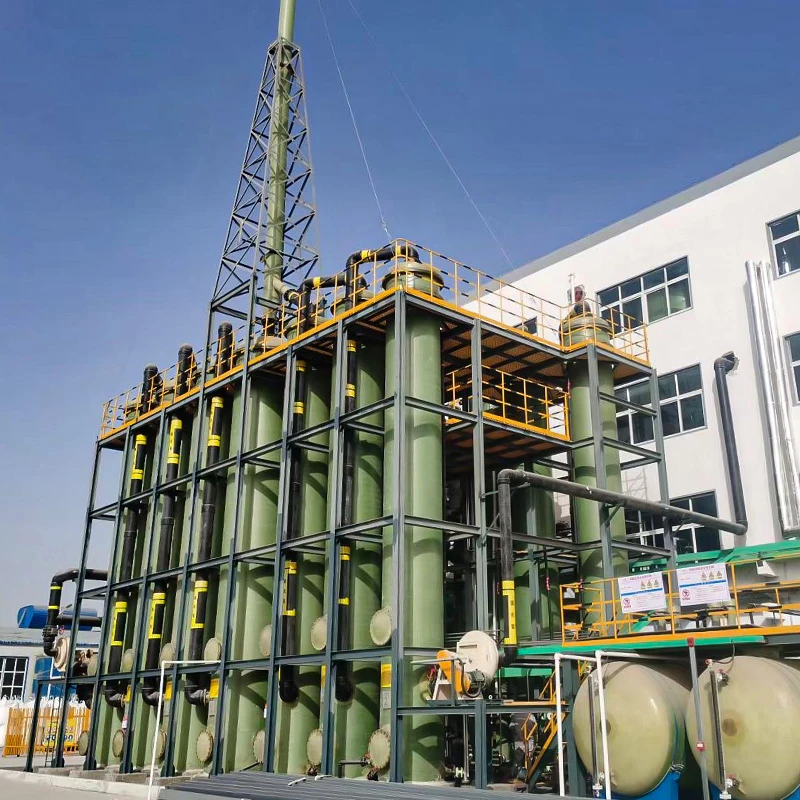
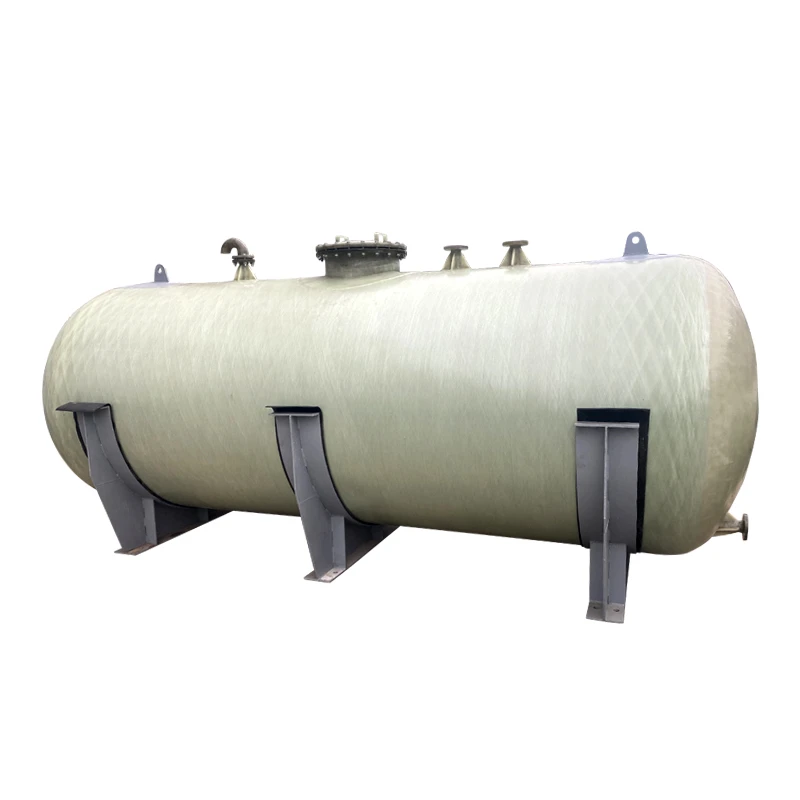
Fiber Reinforced Polymer (FRP) tanks are increasingly becoming the preferred choice for storage and processing across various industries. These tanks offer a compelling alternative to traditional materials like steel, particularly when dealing with corrosive substances. This article dives into the world of tank FRP, exploring its benefits, applications, manufacturing processes, and key considerations when choosing the right tank for your needs. We'll examine why FRP tanks represent a smart, long-term investment for many businesses.
What is Tank FRP and Why Choose It?
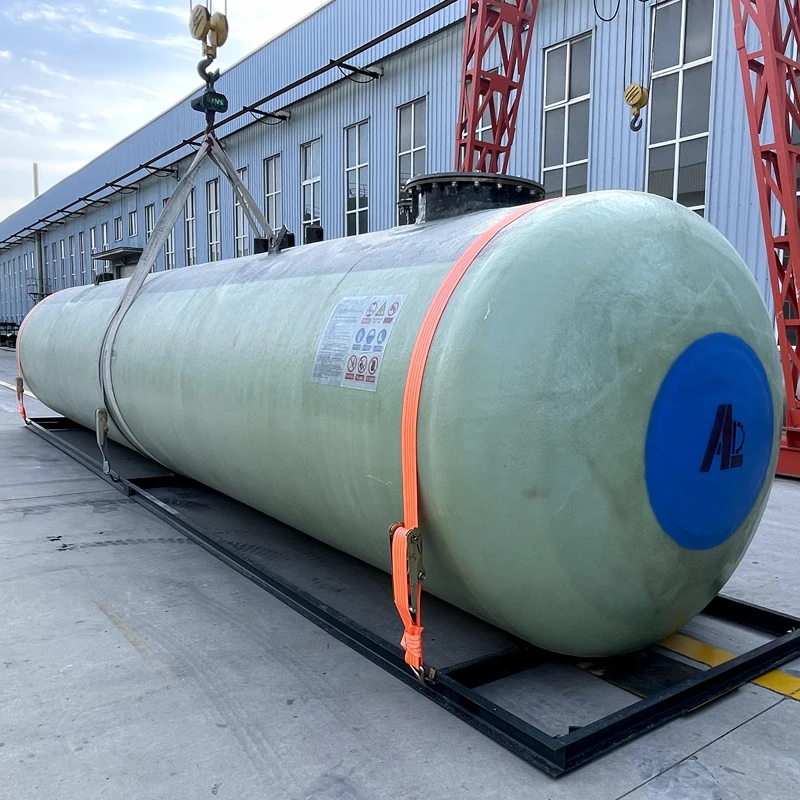
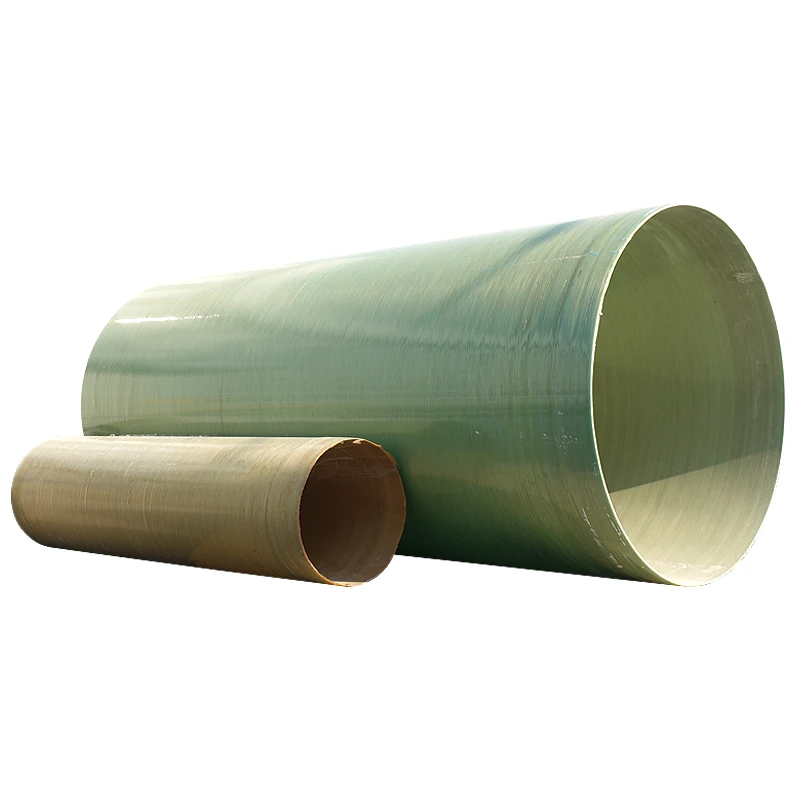
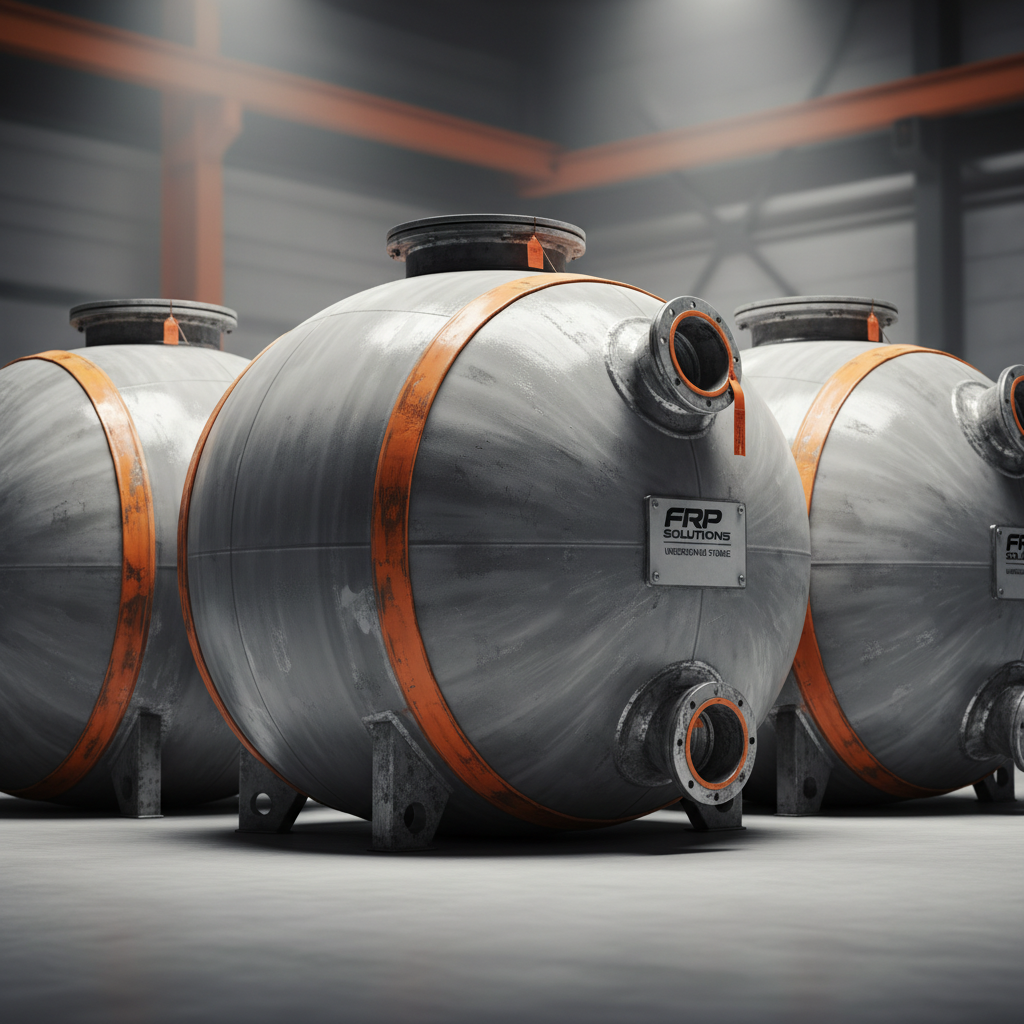
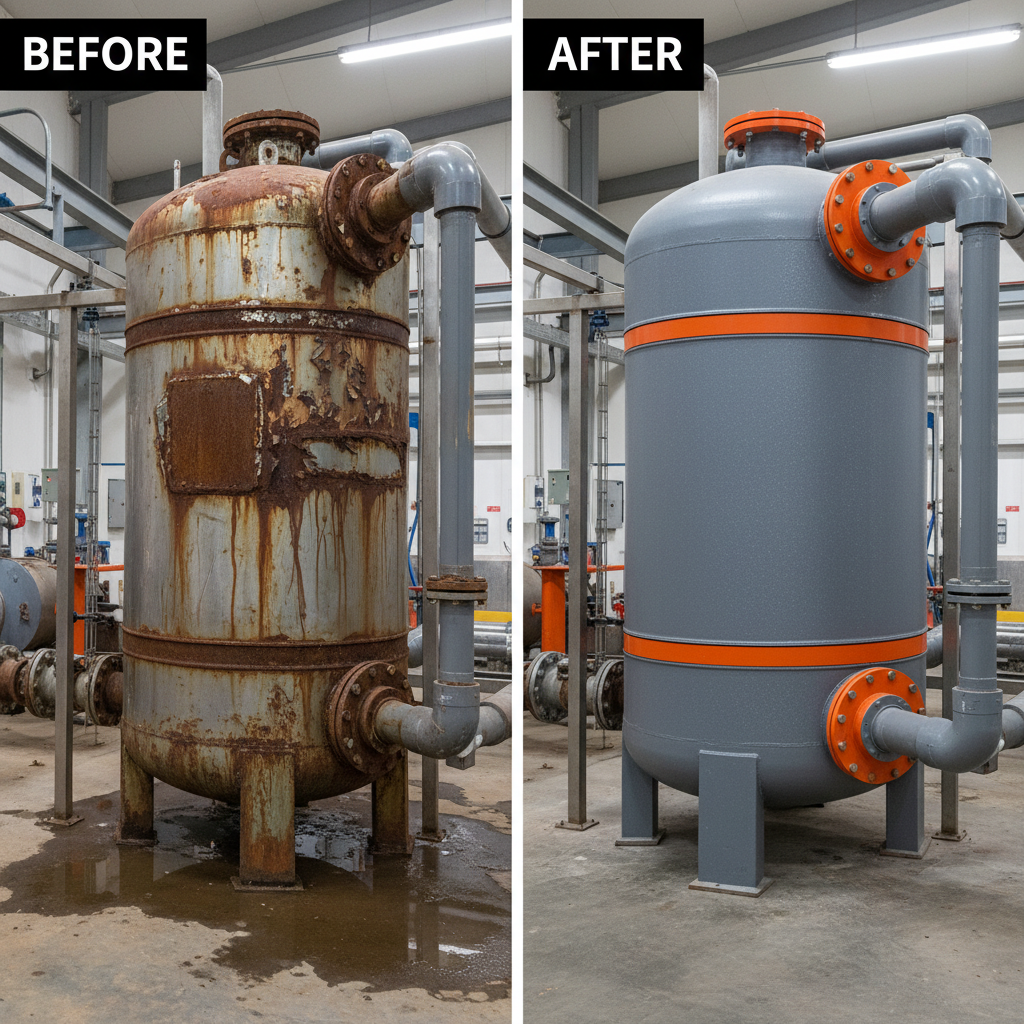
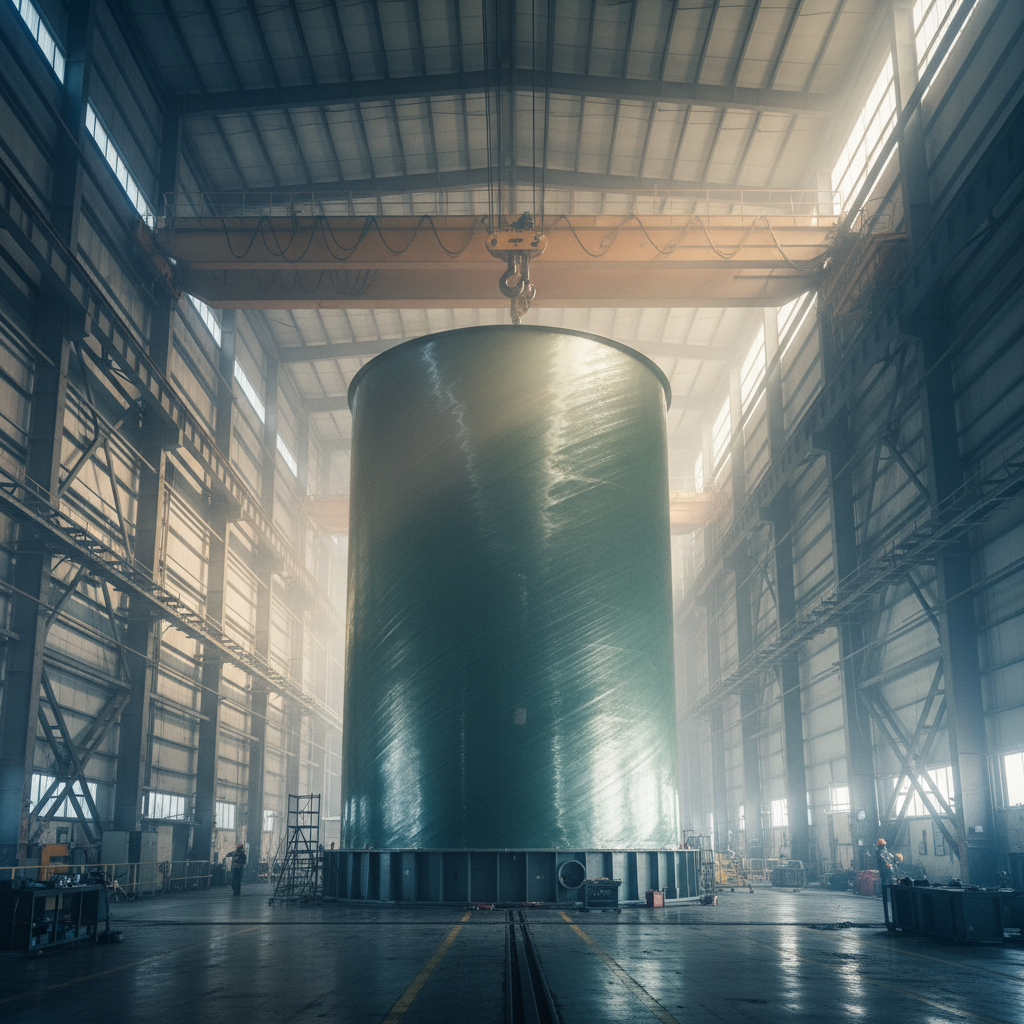
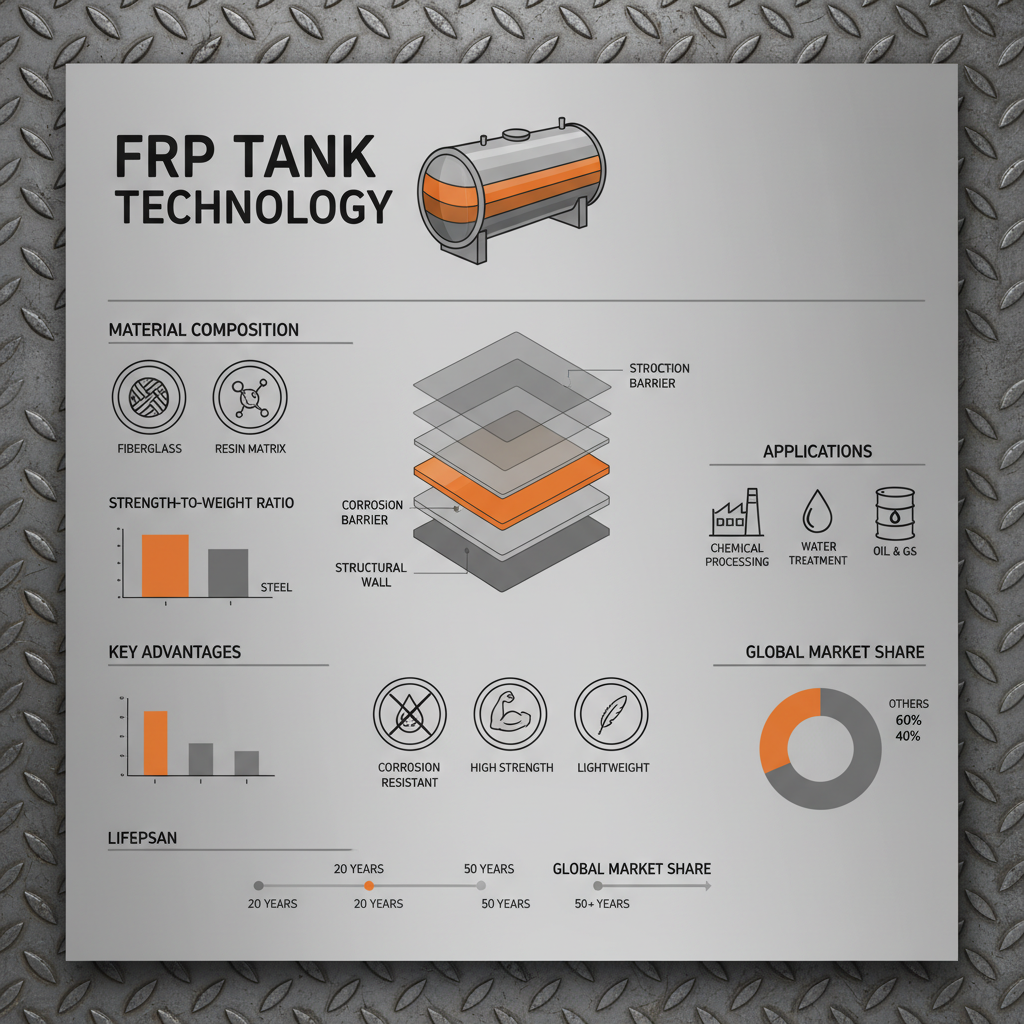
Tank FRP refers to tanks constructed using a composite material – fiberglass (or other fibers) embedded in a polymer matrix, typically polyester, vinyl ester, or epoxy resin. This combination yields a tank that's lightweight, incredibly strong, and remarkably resistant to corrosion. Unlike steel tanks that require costly linings and frequent maintenance to combat rust, FRP tanks provide a long service life with minimal upkeep. They are ideal for storing a wide array of aggressive chemicals, wastewater, and other demanding fluids. Choosing FRP tanks offers significant cost savings over the tank’s lifespan, due to reduced maintenance and replacement frequency.
Key Advantages: Lightweight, corrosion-resistant, high strength-to-weight ratio, long lifespan, low maintenance, design flexibility.
Common Applications of Tank FRP
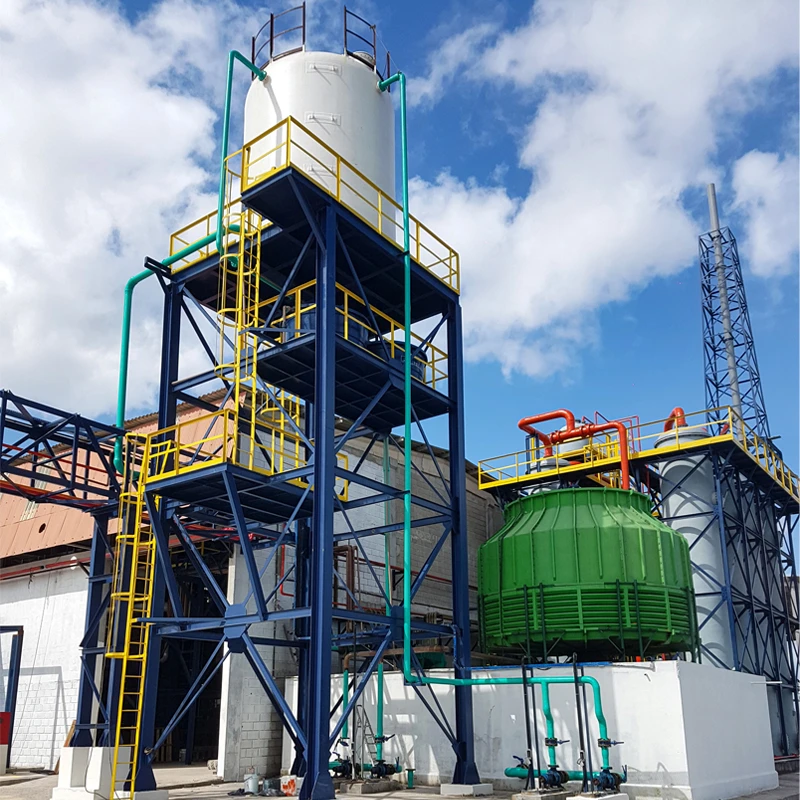
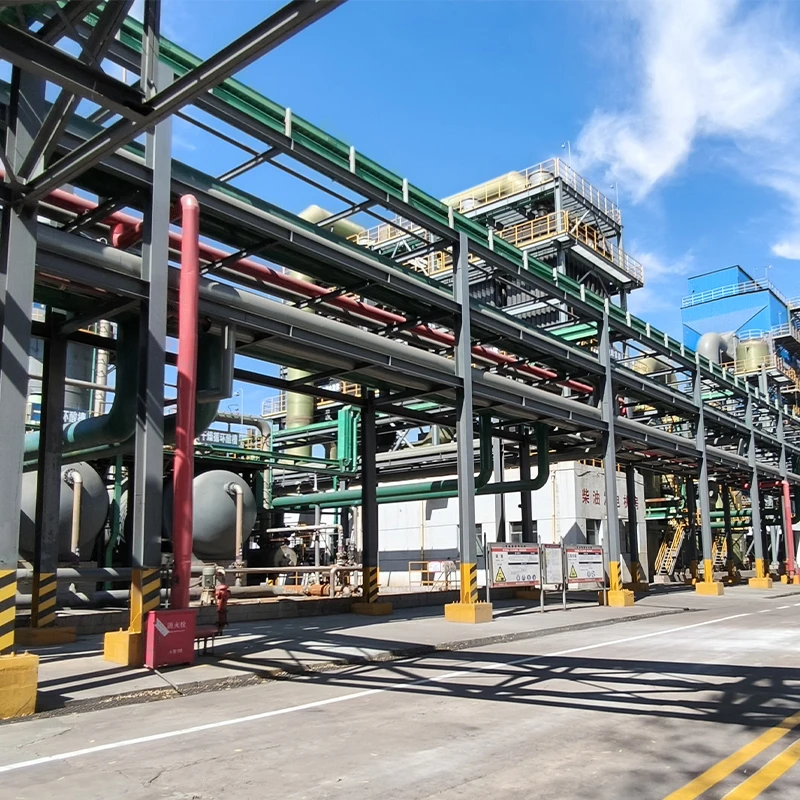
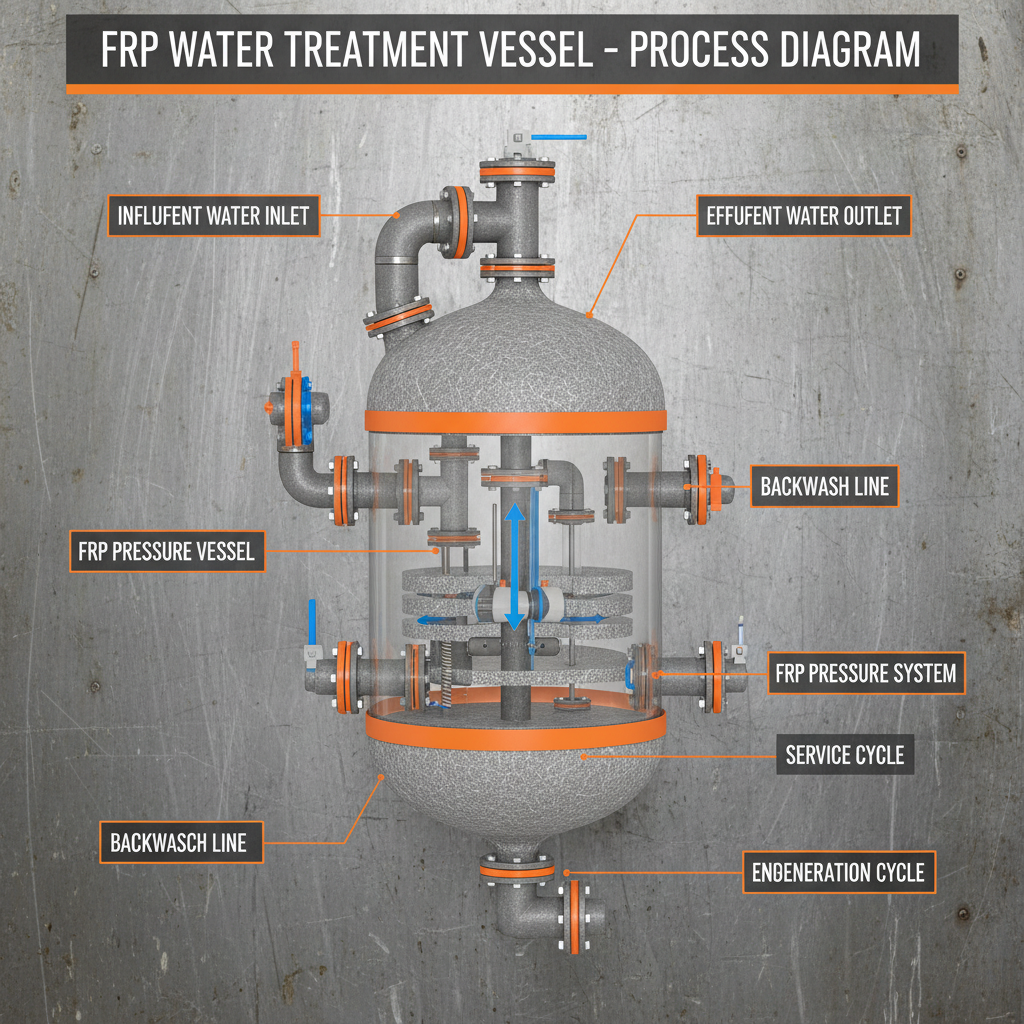
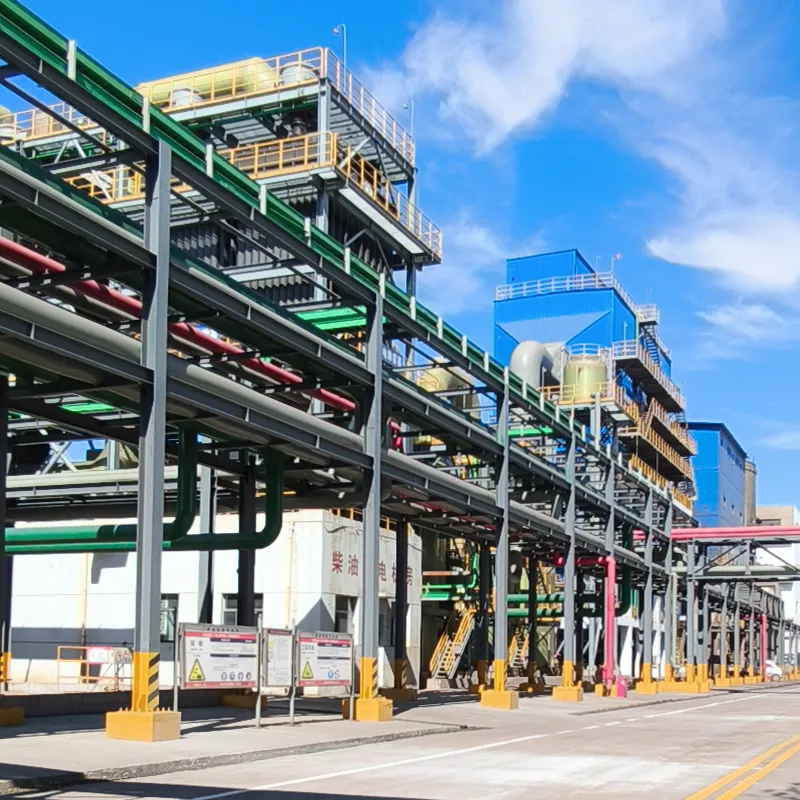
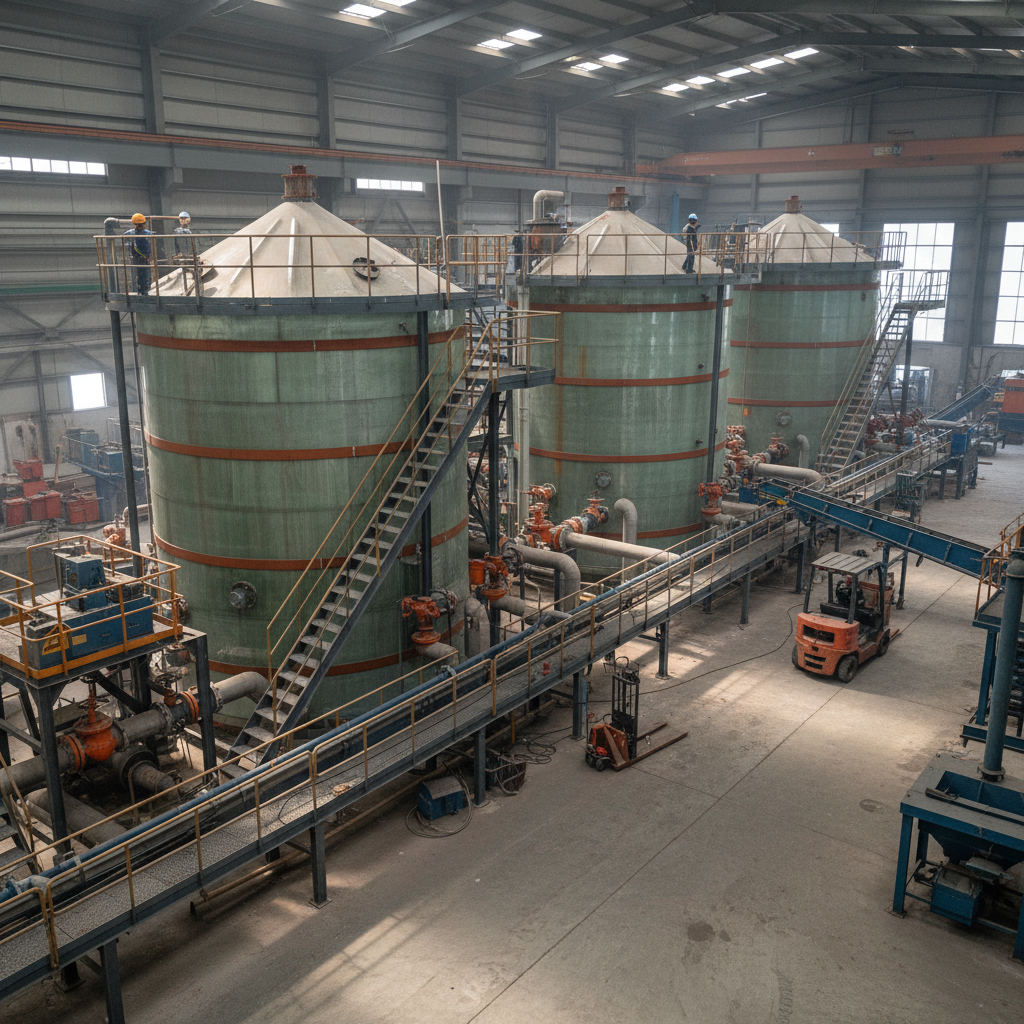
The versatility of tank FRP leads to a broad spectrum of applications. The chemical processing industry relies heavily on them for storing acids, alkalis, and solvents. Wastewater treatment plants utilize FRP tanks for clarification, equalization, and storage of treated effluent. The agriculture sector employs them for fertilizer and pesticide storage. Other common applications include potable water storage, food processing, pharmaceutical manufacturing, and even oil and gas production. Tank FRP solutions are tailor-made to meet the precise requirements of each specific industry.
Industry Applications:
• Chemical Processing
• Wastewater Treatment
• Agriculture
• Potable Water Storage
Tank FRP vs. Steel Tanks: A Detailed Comparison
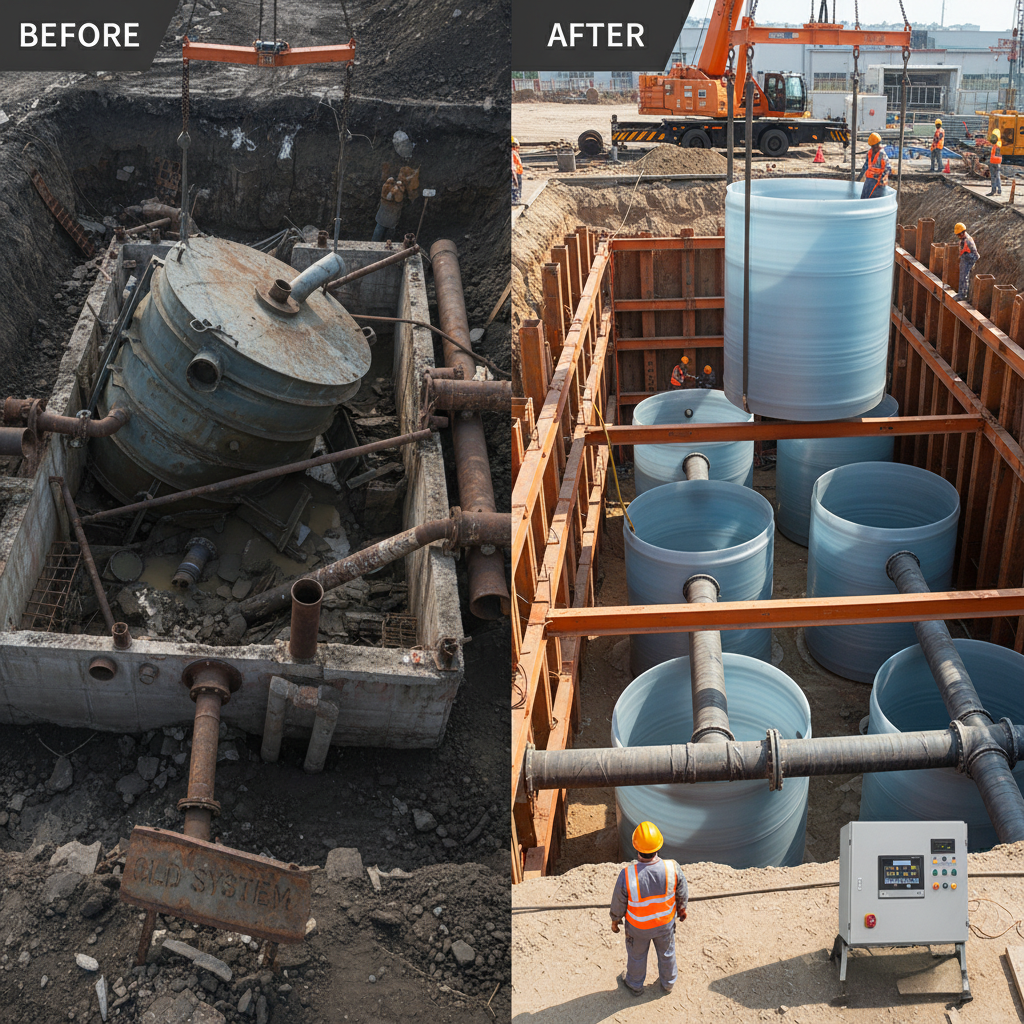
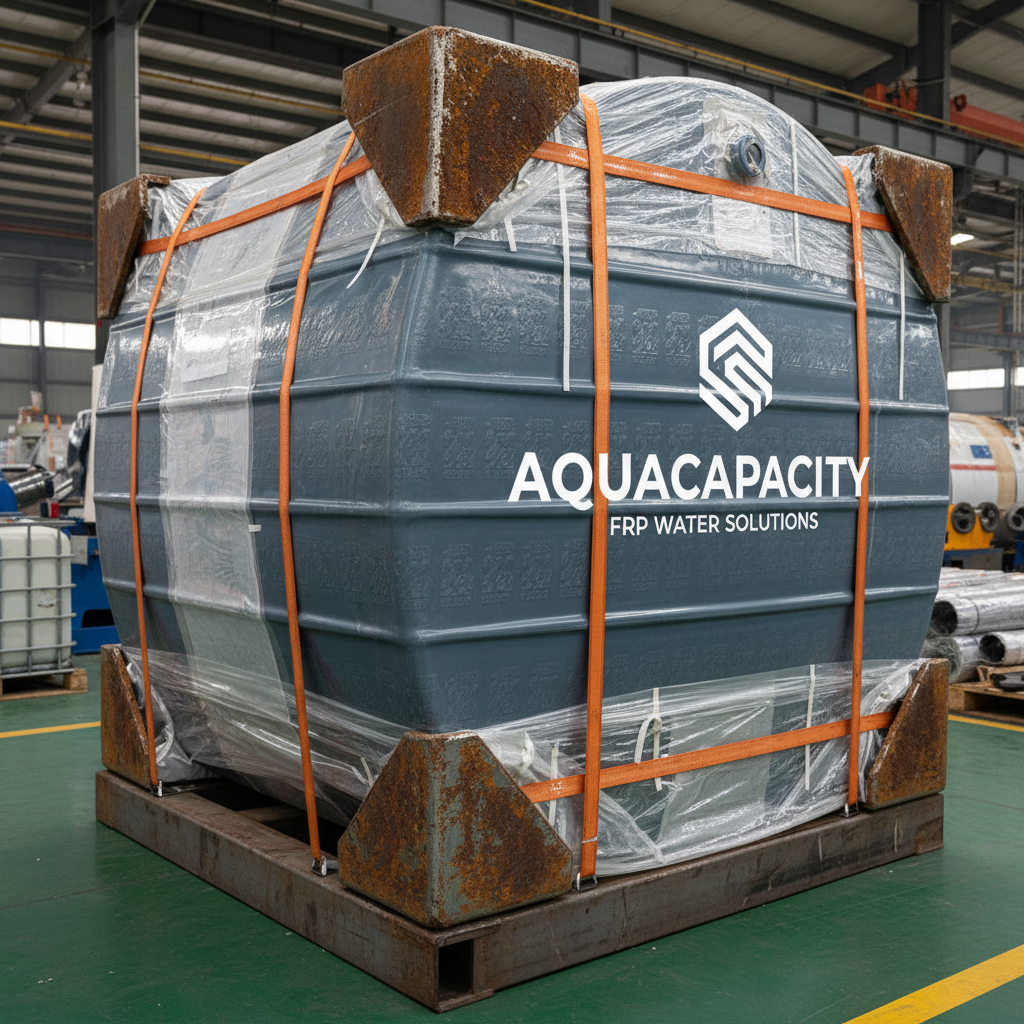
While steel tanks have been the traditional standard, tank FRP offers distinct advantages. Steel is susceptible to corrosion, requiring protective coatings and ongoing maintenance. FRP tanks inherently resist corrosion, reducing lifecycle costs. Steel is also heavier than FRP, leading to higher installation expenses and structural support requirements. FRP's lighter weight simplifies transportation and installation. Furthermore, FRP tanks can be custom-molded to specific shapes and sizes, offering greater design flexibility.
Manufacturing Processes for Tank FRP
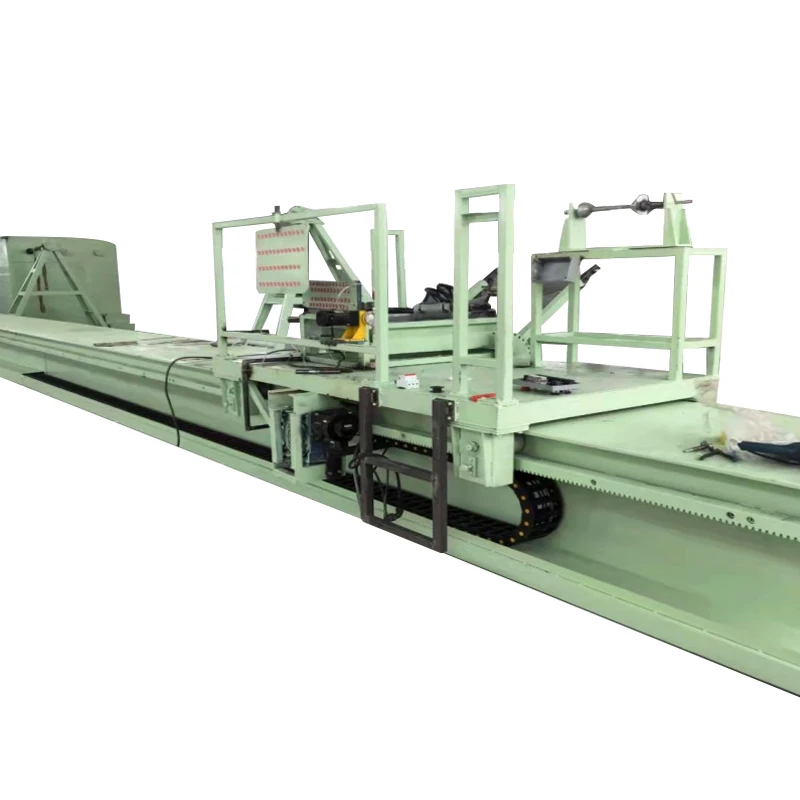
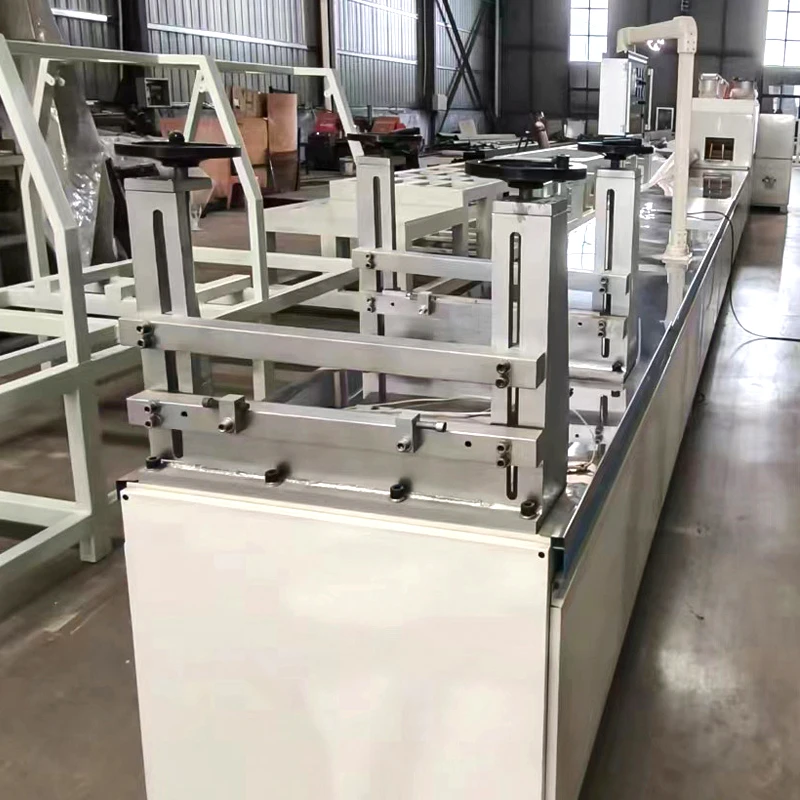
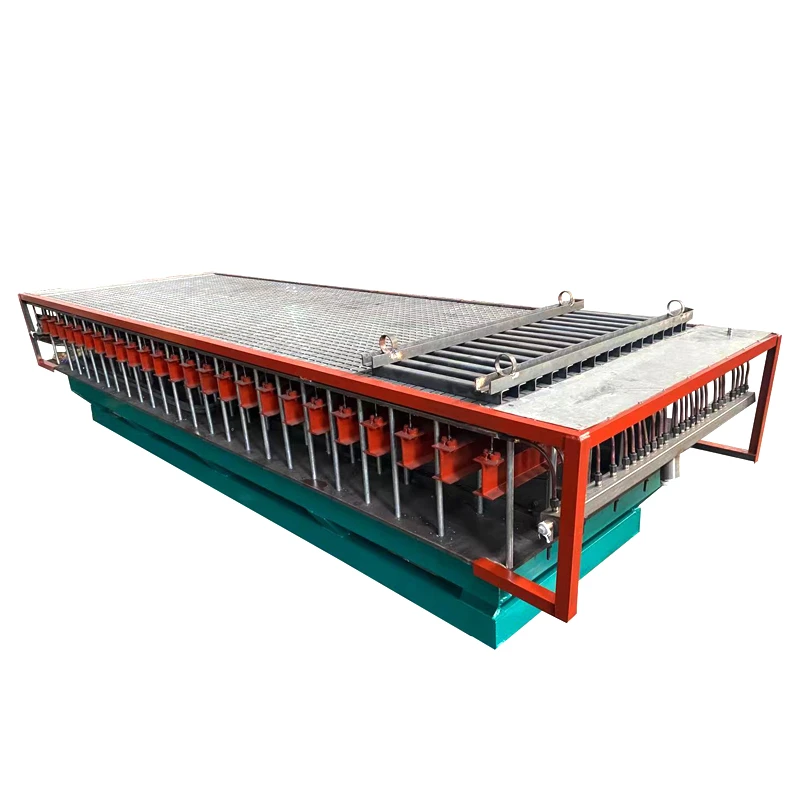
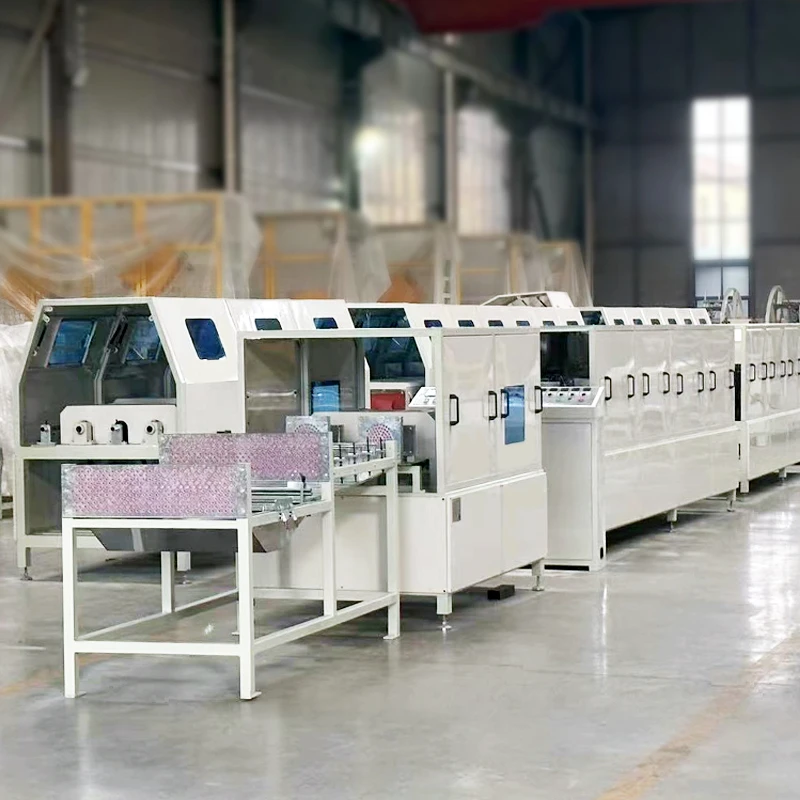
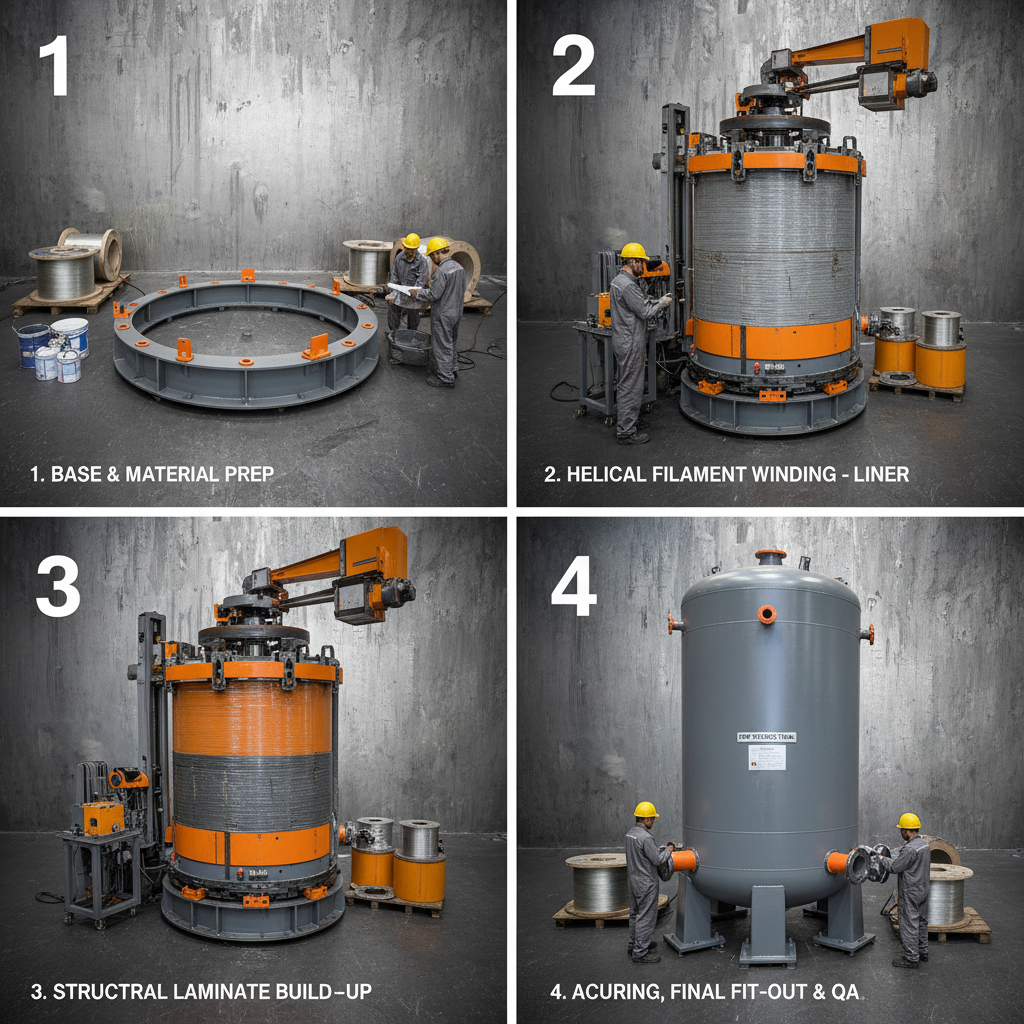
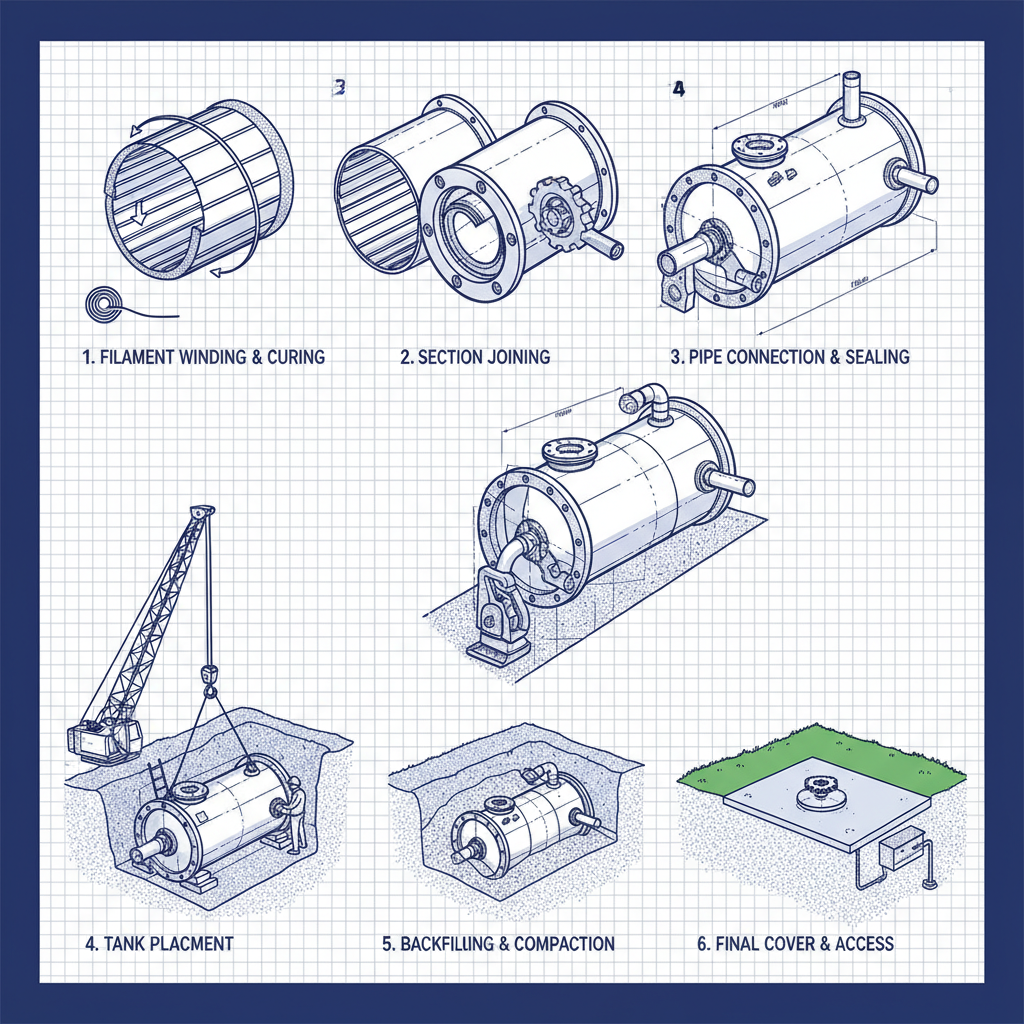
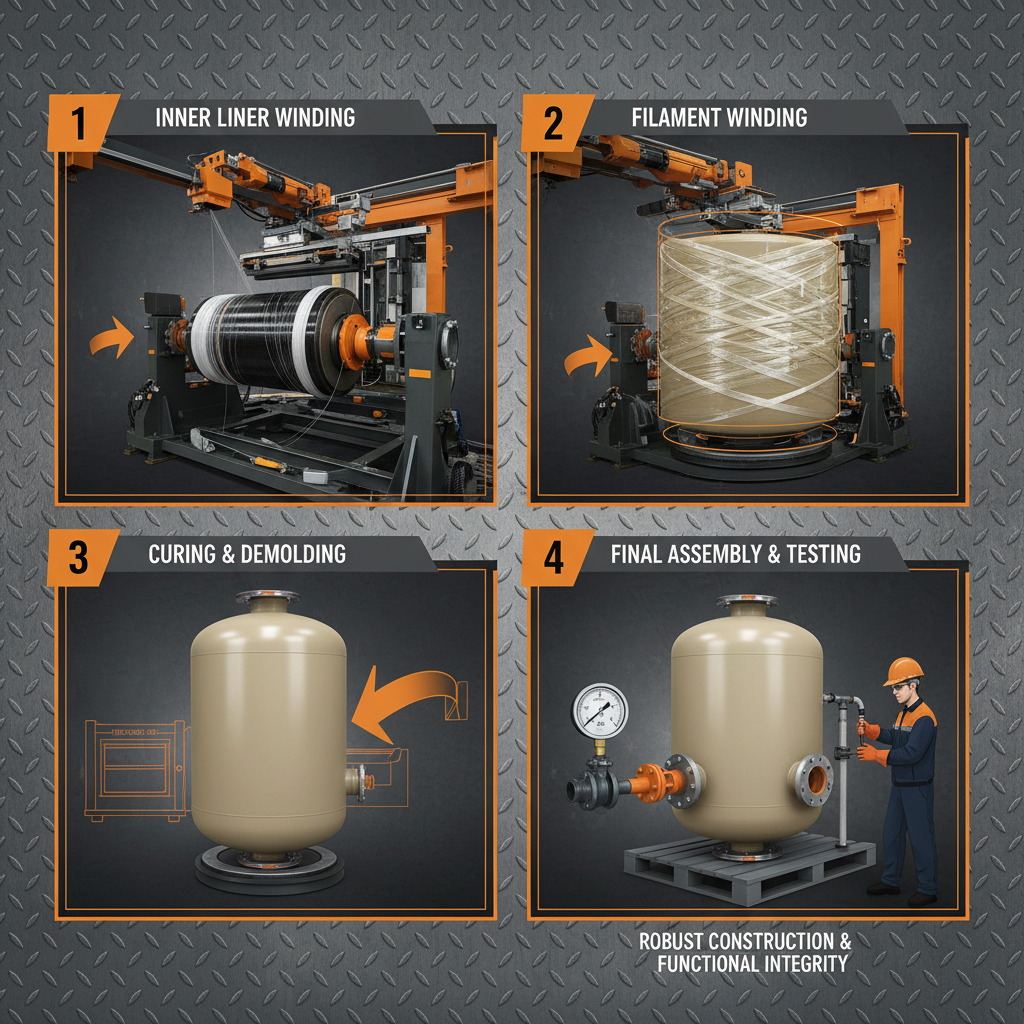
Several manufacturing processes are employed to create tank FRP, each with its own advantages. Filament winding is a common technique where continuous strands of fiber are wound around a mandrel (a mold). Hand lay-up involves manually applying resin and fiber layers to the mold. Spray-up uses a chopper gun to simultaneously spray resin and chopped fibers. The specific method chosen depends on the tank's size, shape, and application requirements. Our team at FRPGRPMACHINE specializes in delivering tanks built with advanced manufacturing techniques.
Key Considerations When Selecting a Tank FRP
Choosing the right tank FRP requires careful consideration of several factors. First, determine the chemical compatibility of the materials with the stored substance. The type of resin – polyester, vinyl ester, or epoxy – will influence the tank’s resistance to specific chemicals. Second, consider the operating temperature and pressure. Third, define the required tank volume and dimensions. Finally, assess the installation site and any relevant regulatory requirements. Working with an experienced supplier like FRPGRPMACHINE ensures you get a tank tailored to your exact specifications.
Conclusion: Investing in Durable and Reliable Tank FRP Solutions
Tank FRP represents a superior solution for storage and processing needs across numerous industries. Its exceptional corrosion resistance, lightweight nature, and long service life translate to significant cost savings and operational efficiency. FRPGRPMACHINE is dedicated to providing high-quality tank FRP solutions tailored to meet your unique requirements. Invest in the future of your operations with tank FRP.
Frequently Asked Questions (FAQs)
What is the typical lifespan of a tank FRP?
A well-maintained tank FRP can have a lifespan of 25-50 years, significantly exceeding that of steel tanks. The actual lifespan depends on factors such as the chemical environment, operating temperature, and quality of materials and construction. Regular inspections are crucial to identify and address any potential issues proactively. Utilizing high-quality resins and manufacturing processes, as offered by FRPGRPMACHINE, maximizes the tank’s longevity.
Can tank FRP be used for potable water storage?
Yes, tank FRP can be safely used for potable water storage, but it’s essential to choose a tank specifically manufactured for this purpose. These tanks utilize resins certified to NSF/ANSI Standard 61, ensuring they meet stringent requirements for drinking water safety. It's critical to verify the resin and liner materials are approved for contact with potable water. We at FRPGRPMACHINE offer potable water-certified tanks to ensure compliance.
What size tank FRP can be manufactured?
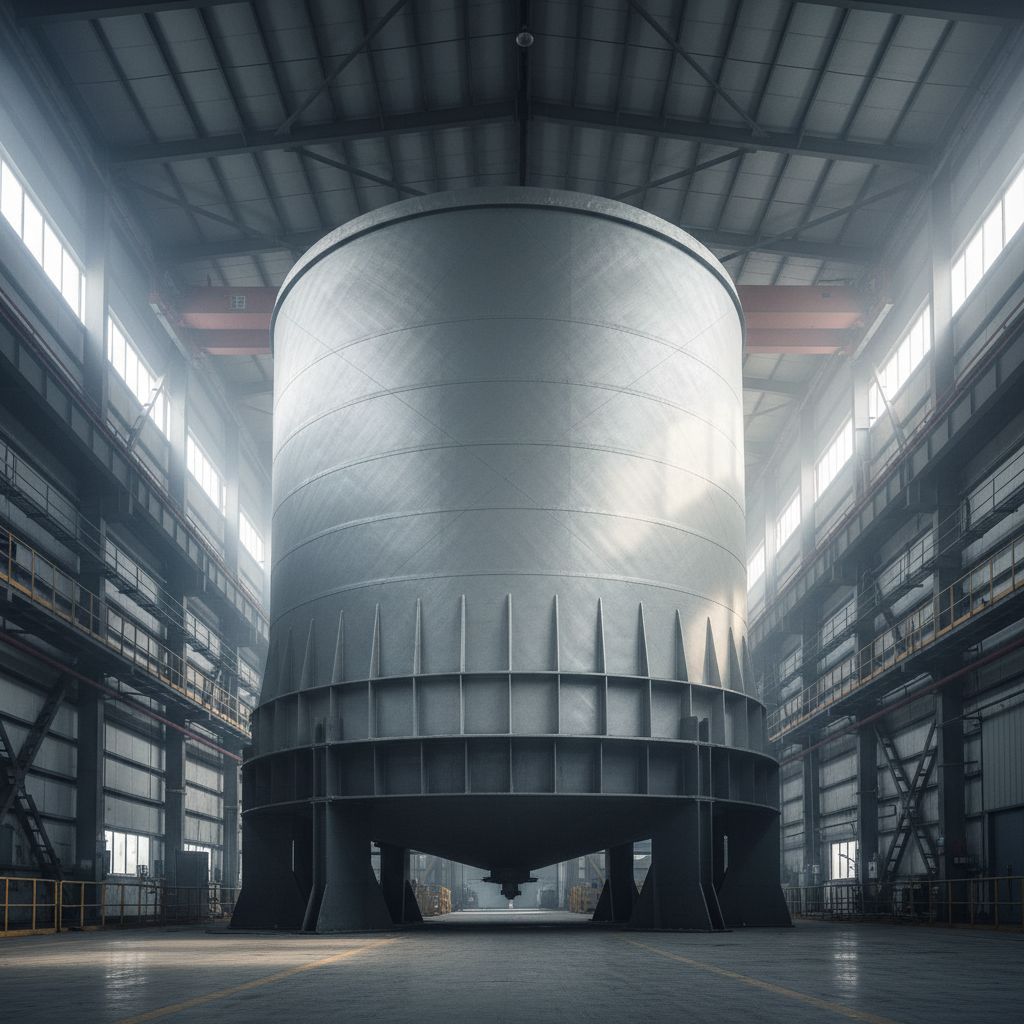
Tank FRP can be manufactured in a wide range of sizes, from small tanks holding a few gallons to very large tanks with capacities exceeding 100,000 gallons. The size is largely determined by the manufacturing process and the specific application. FRPGRPMACHINE has the capabilities to custom-manufacture tanks to meet even the most demanding size and volume requirements.
What type of maintenance is required for a tank FRP?
Tank FRP requires minimal maintenance compared to traditional materials. Regular visual inspections are recommended to check for any signs of damage, such as cracks or blisters. Periodic cleaning may be required depending on the stored substance. Avoid abrasive cleaning methods that could damage the resin. Properly maintained, a tank FRP can provide decades of reliable service with very little intervention.