Comprehensive Guide to Choosing the Right Water Tank FRP for Your Needs
Choosing the Right Water Tank FRP: A Comprehensive Guide
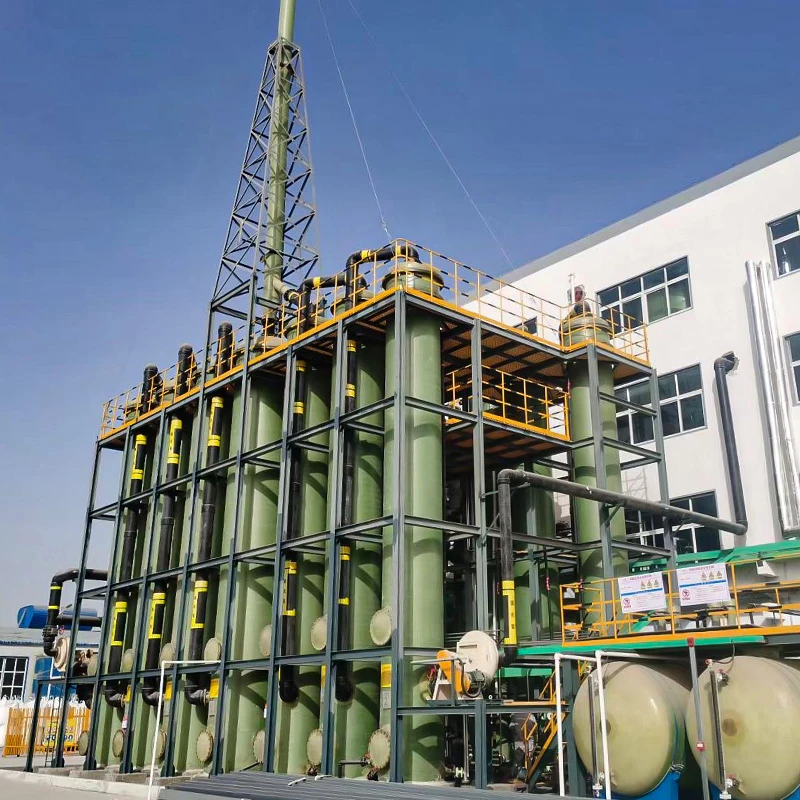
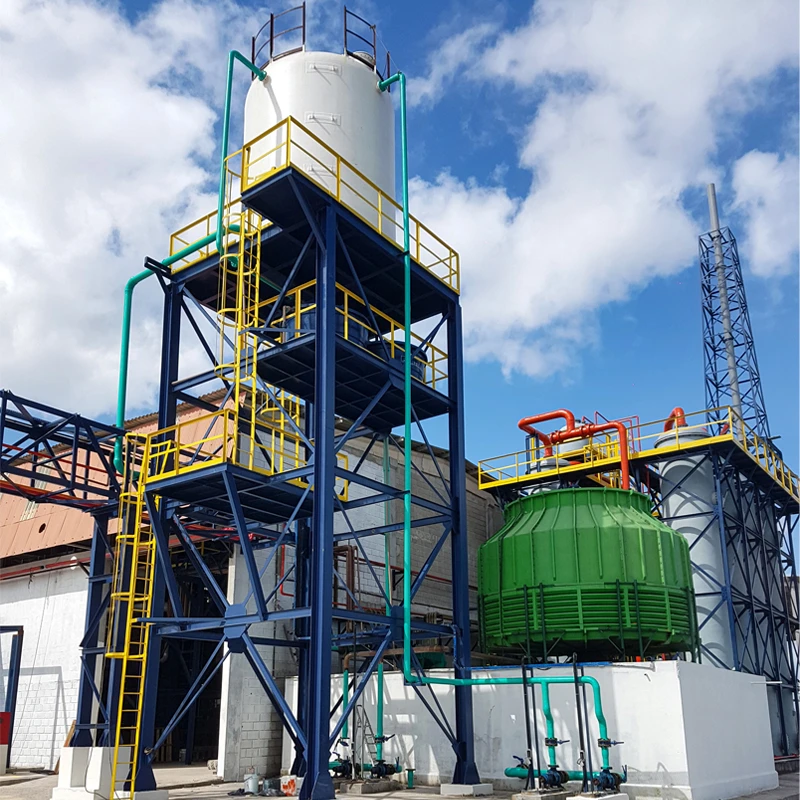
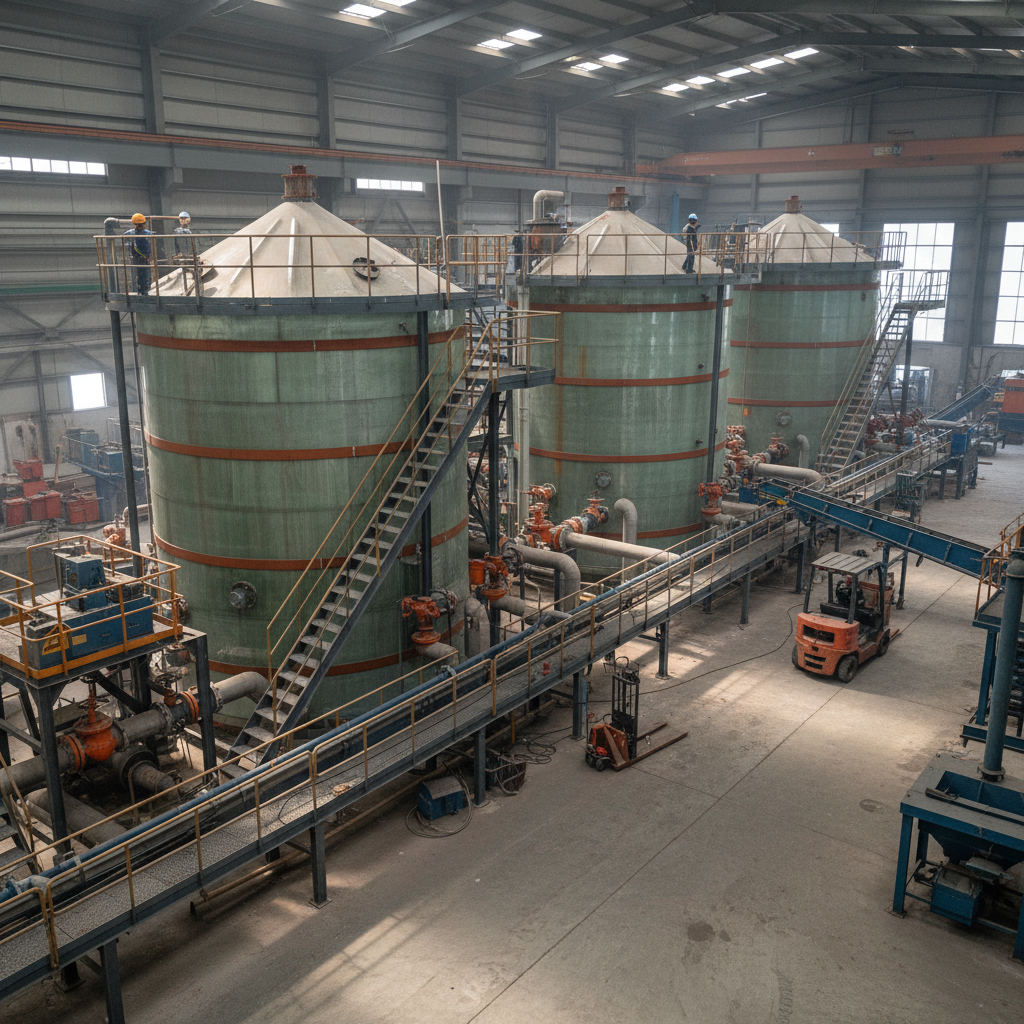
Fiber Reinforced Plastic (FRP) water tanks are becoming increasingly popular for a wide range of applications, from agricultural irrigation to industrial water storage. Their durability, corrosion resistance, and lightweight nature offer significant advantages over traditional materials like steel or concrete. This article will explore the benefits of FRP water tanks, their various types, key considerations when choosing one, and the advantages of sourcing from a reputable manufacturer like FRPGRP Machine. Investing in a quality FRP water tank ensures long-term reliability and cost-effectiveness.
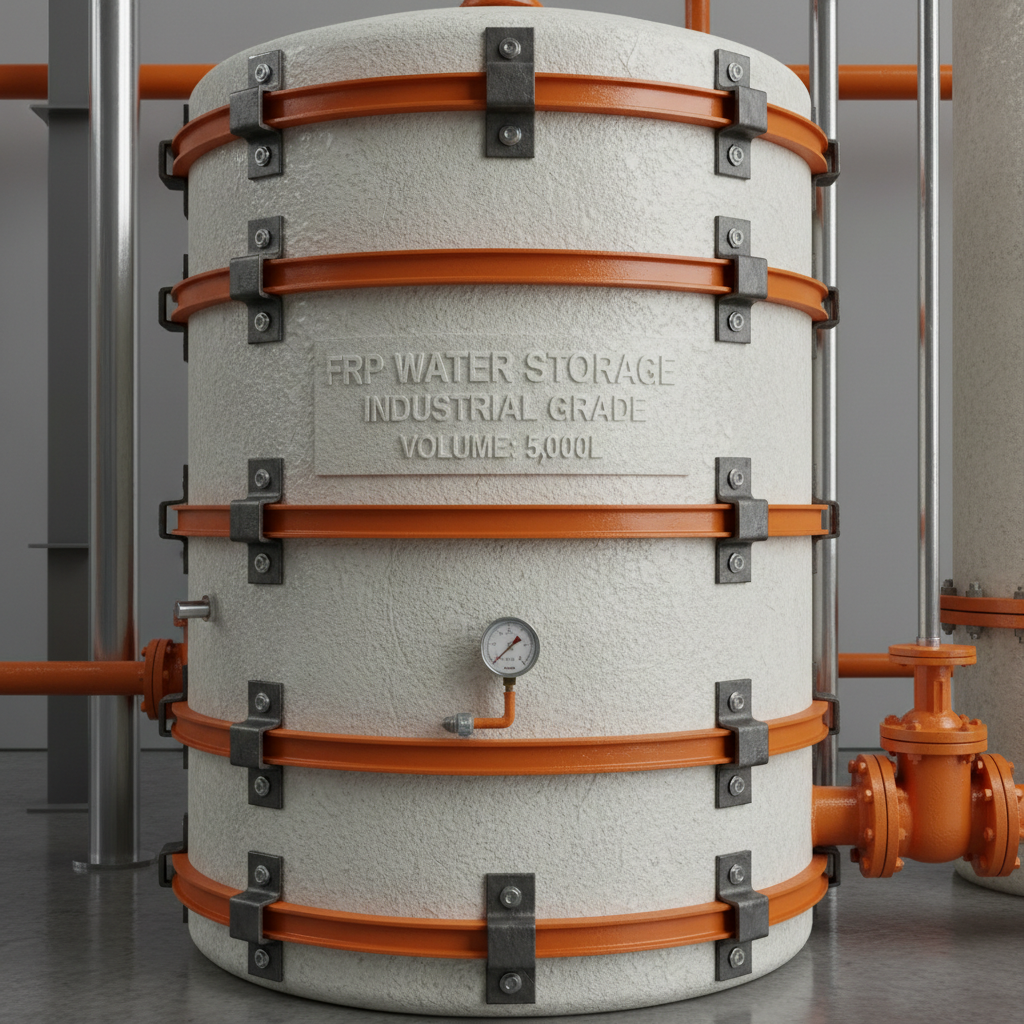
What are FRP Water Tanks and Why Choose Them?
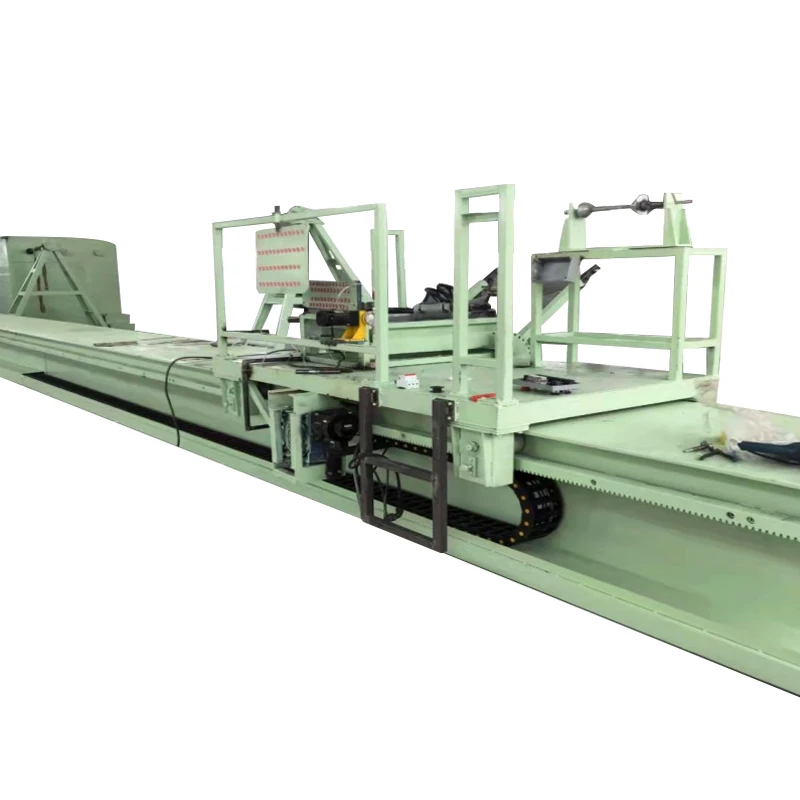
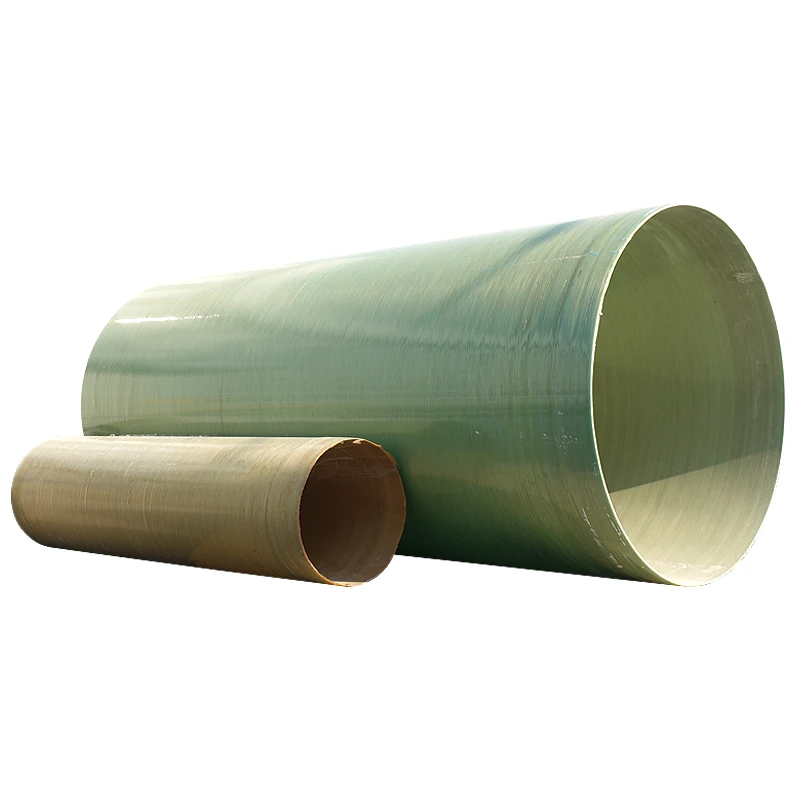
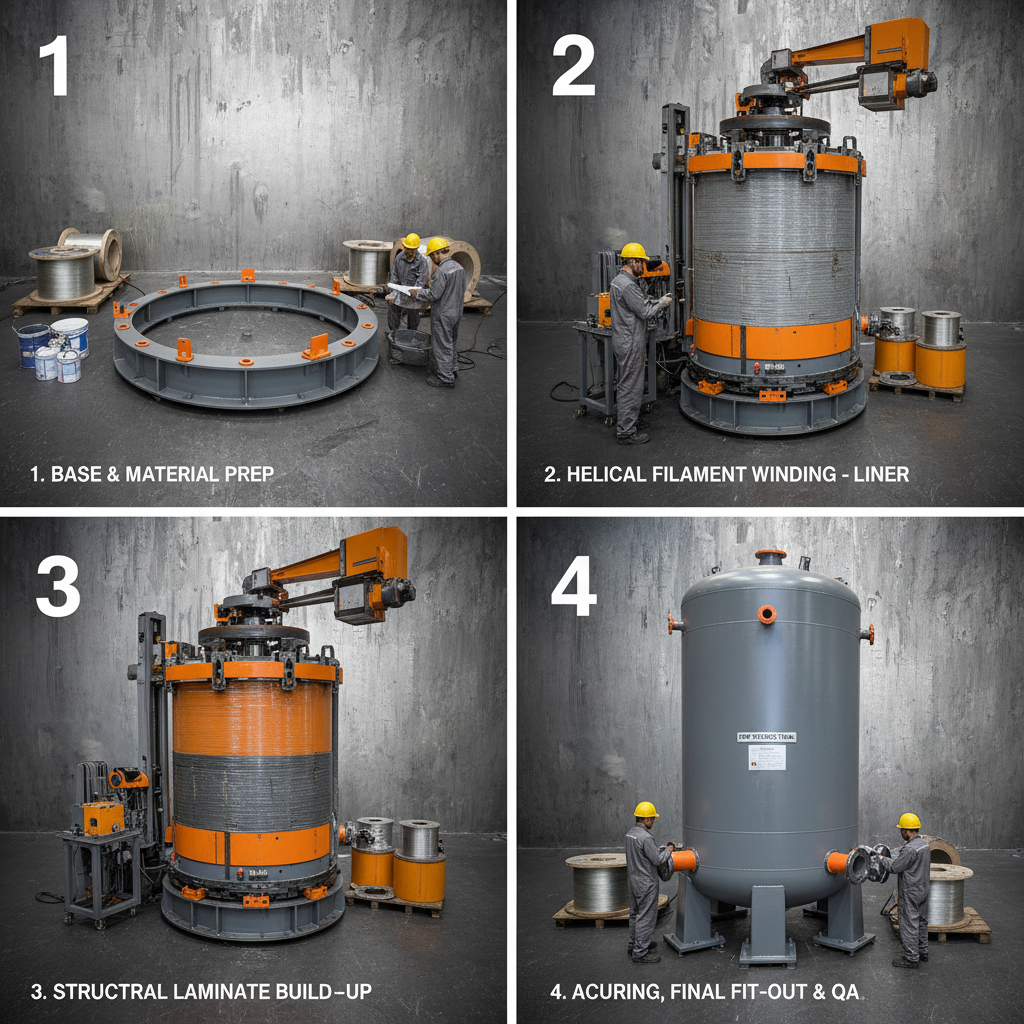
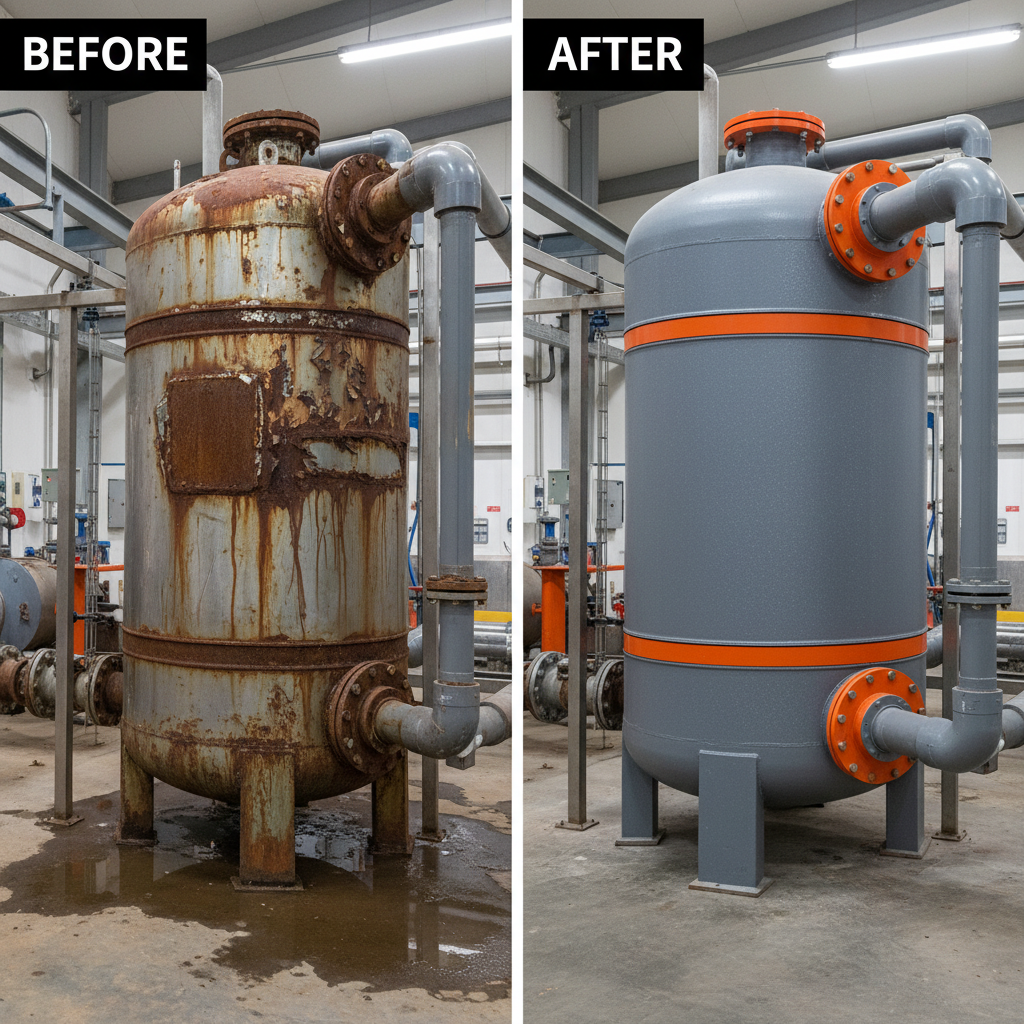
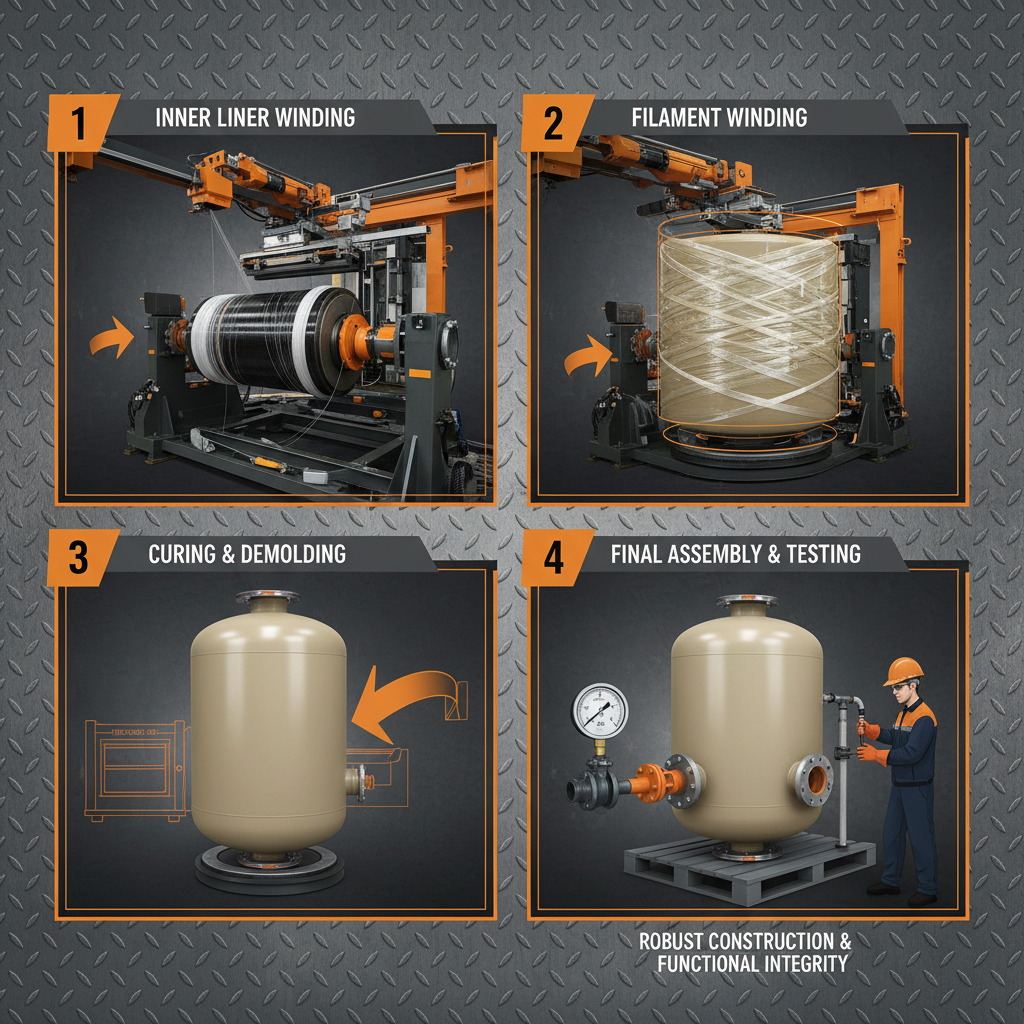
FRP water tanks are constructed using a combination of synthetic resin matrices – typically polyester, vinyl ester, or epoxy – reinforced with fibers like fiberglass. This composite material yields a tank that is remarkably strong yet surprisingly lightweight. Compared to steel, FRP tanks don’t rust or corrode, significantly reducing maintenance costs and extending their lifespan. They’re also easier to install, requiring less heavy machinery, and can be molded into various shapes and sizes to suit specific project needs. The advantages translate to a substantial return on investment over the long term. Choosing FRP water tanks ensures a durable and cost-effective storage solution.
Key Benefits: Corrosion resistance, lightweight, long lifespan, low maintenance, customizable shapes and sizes.
Types of Water Tank FRP
There are several types of FRP water tanks available, each suited for different applications. The most common include:
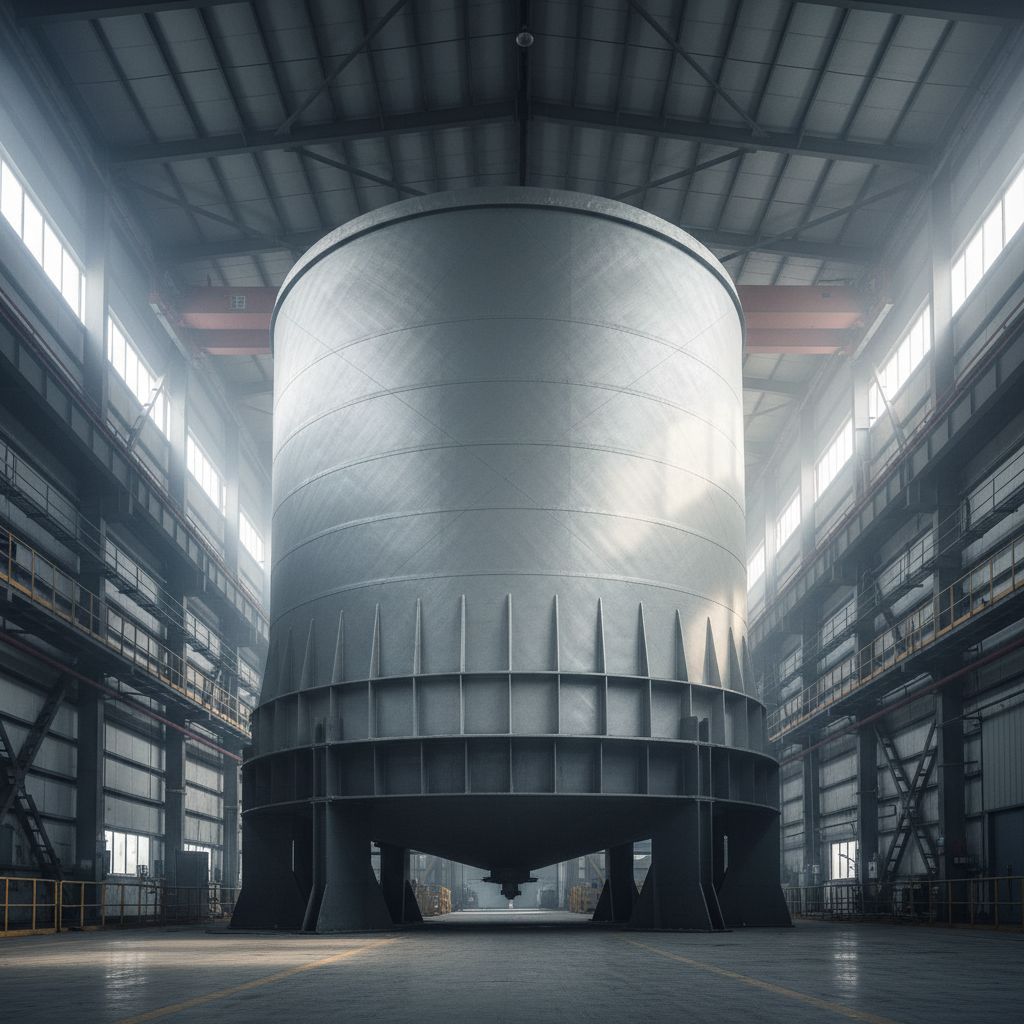
- Vertical Tanks: Ideal for applications where space is limited and height is available.
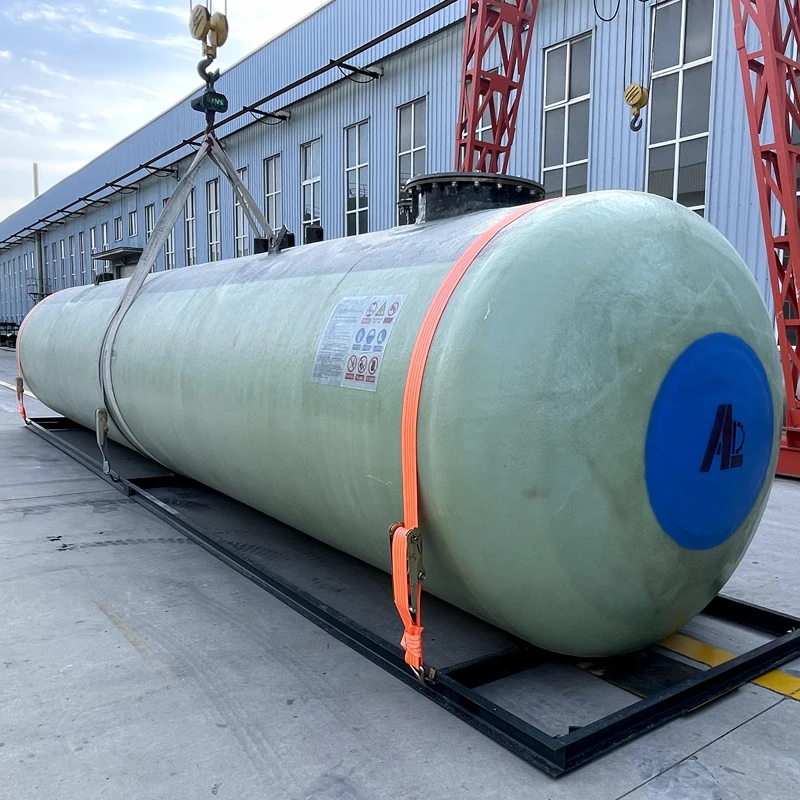
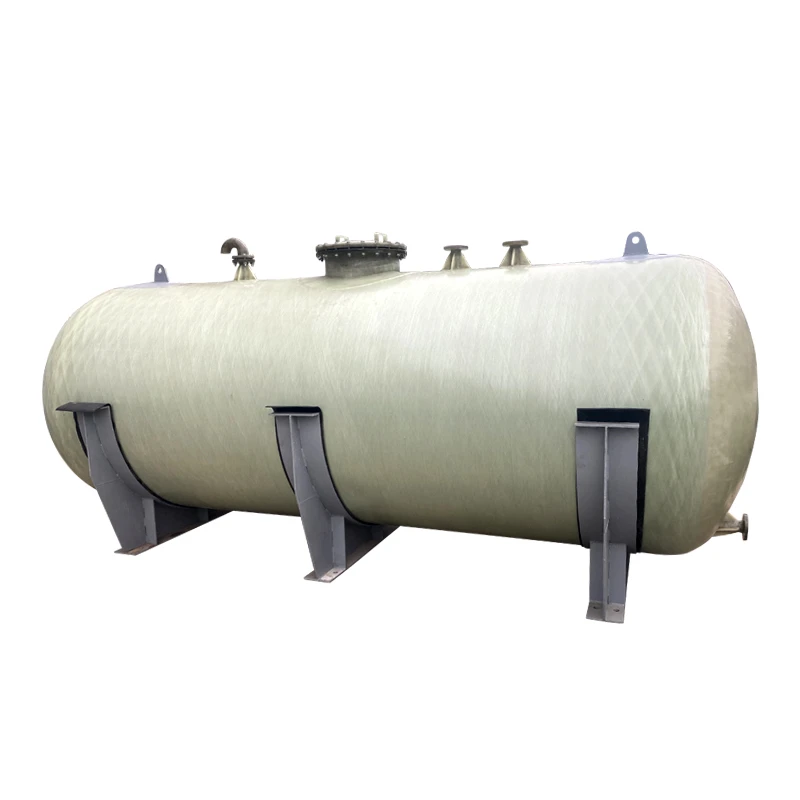
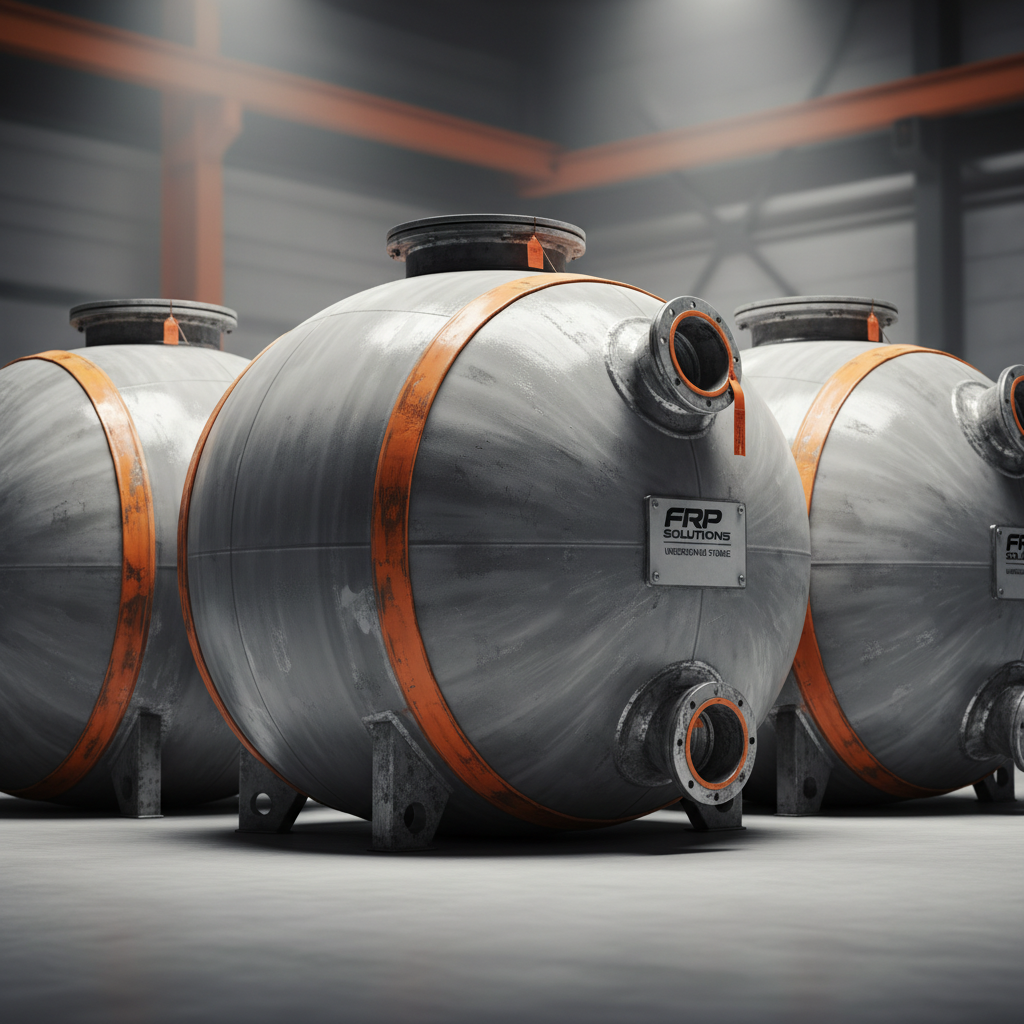
- Horizontal Tanks: Often used for low-profile installations and underground storage.
- Open-Top Tanks: Suitable for applications where atmospheric venting is required.
- Closed-Top Tanks: Designed for applications requiring complete containment and pressure control.
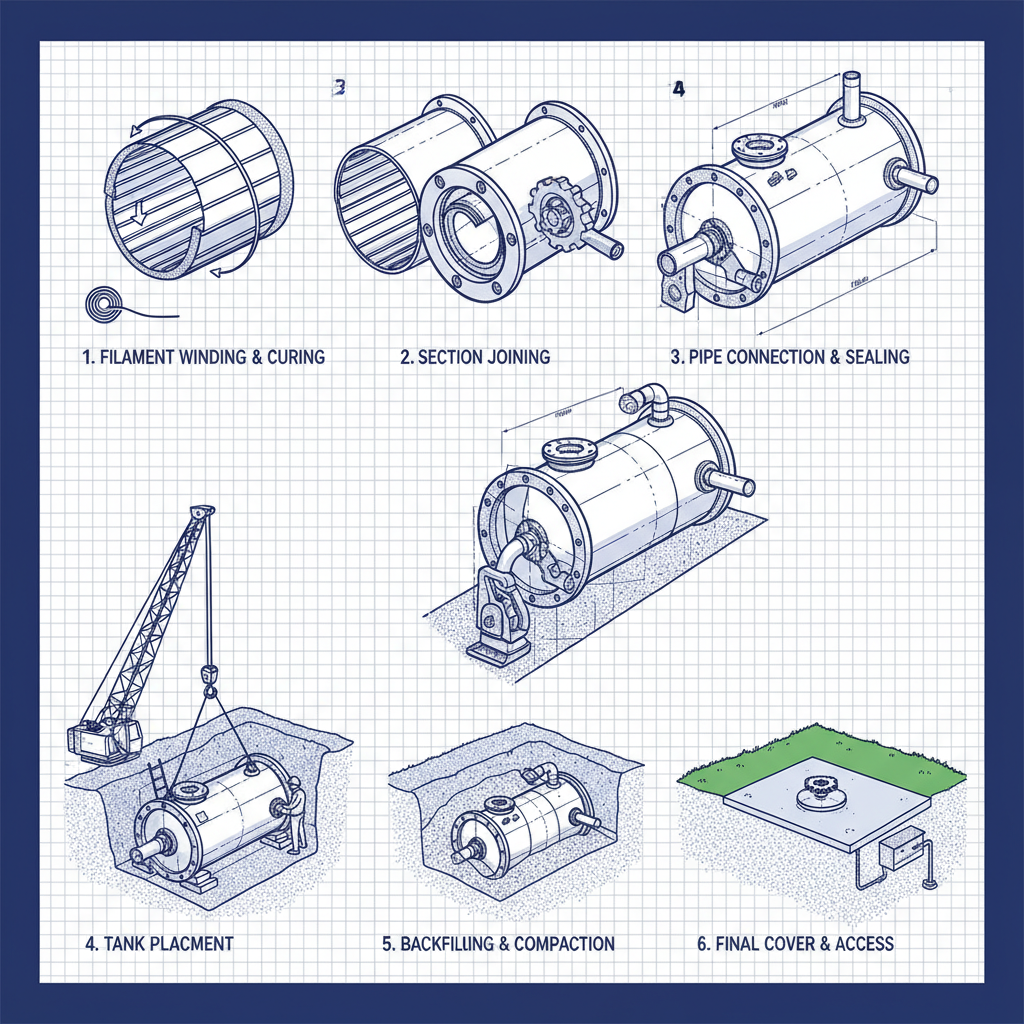
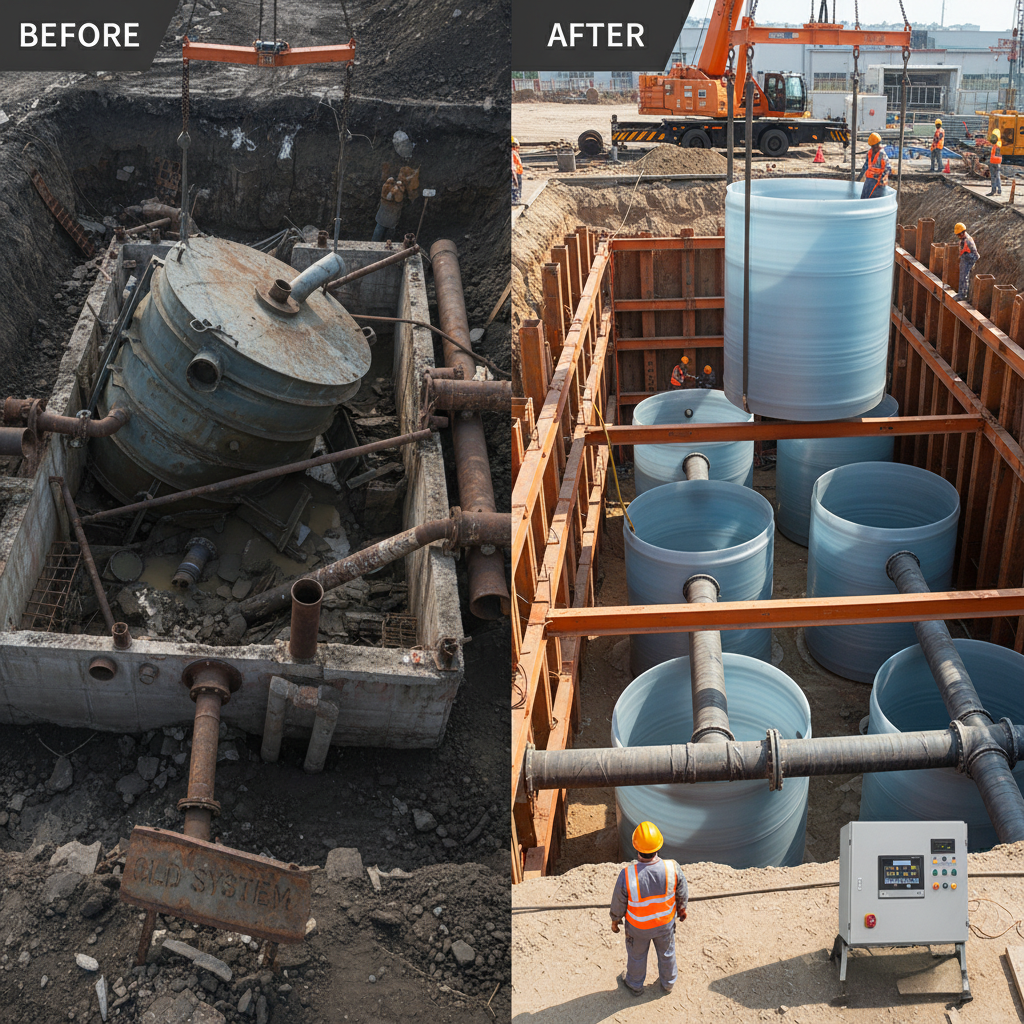
- Underground Tanks: Offer protection from the elements and are often used for water harvesting and emergency storage.
The specific type you choose will depend on your storage volume requirements, space constraints, and the intended application. FRPGRP Machine can help you determine the most appropriate tank type for your needs.
Choosing the Right Tank Type:
• Consider storage volume and space availability.
• Determine if open or closed-top is required.
• Assess environmental factors and potential for underground installation.
Water Tank FRP: Material Comparison
When considering water storage solutions, it’s crucial to compare FRP to other materials. Here’s a quick overview:
Key Considerations When Choosing a Water Tank FRP
Selecting the right water tank FRP involves careful consideration of several factors, including:
- Tank Volume: Accurately determine the required storage capacity.
- Water Quality: Consider the chemical composition of the water being stored.
- Operating Pressure: Ensure the tank can withstand the expected pressure.
- Temperature: Select a tank material suitable for the operating temperature range.
- Installation Location: Above ground, underground, or indoor installation will influence tank selection.
Partnering with an experienced manufacturer like FRPGRP Machine can streamline this process and ensure you get the optimal solution for your needs.
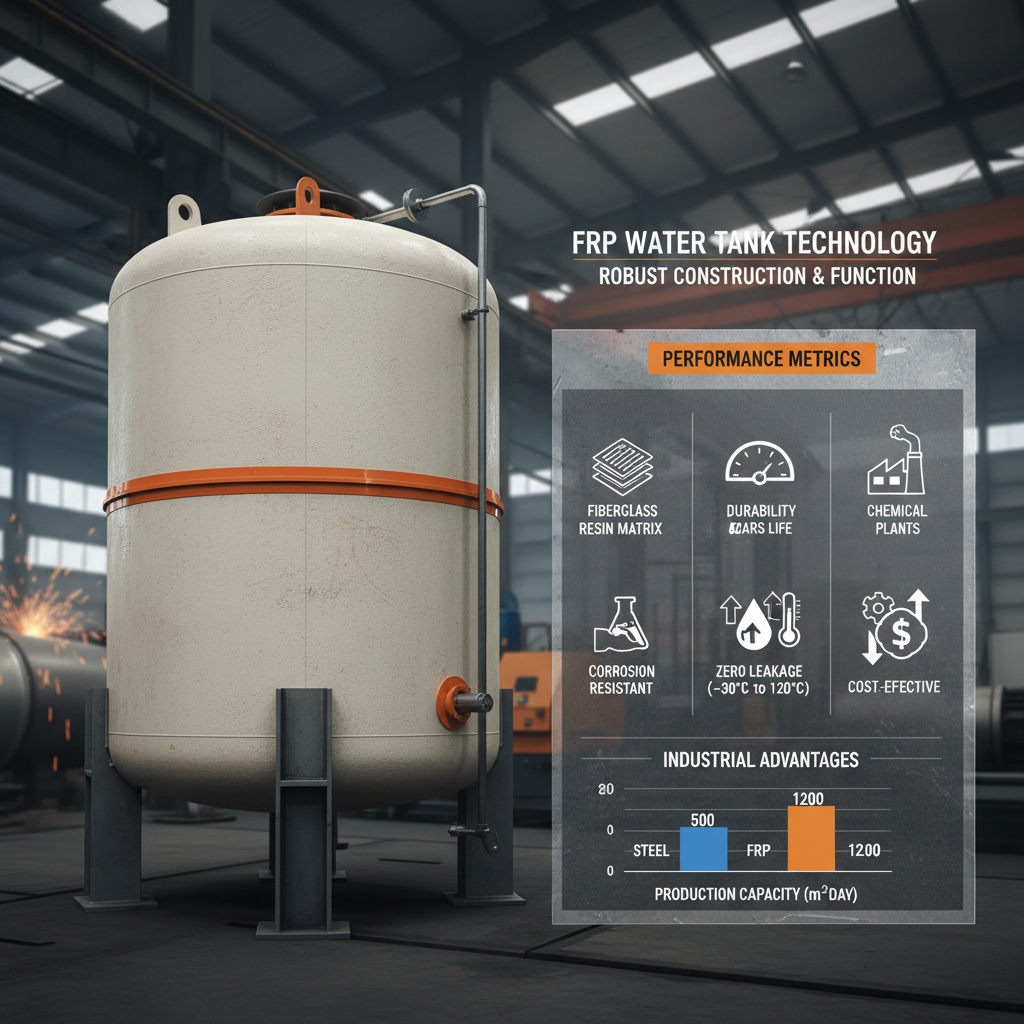
Why Choose FRPGRP Machine for Your Water Tank Needs?
FRPGRP Machine is a leading manufacturer of high-quality FRP products, including water tanks. We offer:
- Customization: We can tailor tanks to meet your specific requirements.
- Quality Materials: We use only the highest-grade resins and fibers.
- Expert Engineering: Our team provides expert design and engineering support.
- Competitive Pricing: We offer competitive pricing without compromising on quality.
- Reliable Delivery: We ensure timely delivery of your products.
Conclusion: Invest in Durable and Reliable FRP Water Tanks
Choosing the right water tank is a critical decision for any operation. FRP water tanks offer a superior combination of durability, cost-effectiveness, and corrosion resistance. FRPGRP Machine is your trusted partner for all your FRP water tank needs.
Frequently Asked Questions (FAQs)
What is the typical lifespan of an FRP water tank?
FRP water tanks generally have a lifespan of 50 years or more, making them a long-term investment. The actual lifespan can vary depending on factors such as water quality, operating conditions, and maintenance practices. Regular inspections and proper maintenance will help maximize the tank's lifespan. Factors such as UV exposure and chemical concentrations within the stored liquid can also influence longevity.
Can FRP water tanks be used for potable water storage?
Yes, FRP water tanks can be safely used for potable (drinking) water storage, provided they are manufactured using FDA-approved resins and materials. It's crucial to ensure the tank liner is non-toxic and doesn't leach any harmful substances into the water. FRPGRP Machine offers tanks specifically designed for potable water applications, meeting all relevant safety standards.
Are FRP water tanks resistant to UV exposure?
FRP materials are generally resistant to UV exposure, but prolonged exposure can cause some degradation over time. To mitigate this, many FRP tanks are manufactured with UV inhibitors or a protective coating to enhance their resistance. For tanks that will be consistently exposed to sunlight, it's recommended to choose a tank with a UV-resistant coating or consider providing additional shading.