Dec 01,2025

Discover Durable Fiberglass Reservoirs for Reliable Water and Chemical Storage

The Rising Importance of Fiberglass Reservoirs in a Changing World

When you first hear the term fiberglass reservoir, you might picture something technical, maybe a bland industrial container. But here’s the thing: these structures are quietly revolutionizing how communities and industries store water, chemicals, and even fuels all over the globe. Why does this matter? Because water security and efficient storage are increasingly crucial — especially as climate change, population growth, and industrial demands keep pressing harder.

Understanding fiberglass reservoirs isn’t just for engineers or industrial designers; it touches everything from rural water supply to complex manufacturing processes. Put simply, getting to grips with their benefits and global applications sheds light on sustainable infrastructure solutions now and in the future.

Mini takeaway: Fiberglass reservoirs play a surprisingly vital role worldwide, ensuring safer, more durable storage solutions amid evolving environmental and industrial challenges.

Why Fiberglass Reservoirs Are Gaining Global Attention

Across continents, the demand for reliable, corrosion-resistant storage tanks is growing fast. The United Nations has repeatedly flagged water infrastructure as a global priority, citing that nearly 2 billion people lack access to safely managed drinking water services (UN, 2023). Meanwhile, industries — from agriculture to petrochemicals — require tanks that can handle various liquids without leaching or contamination.

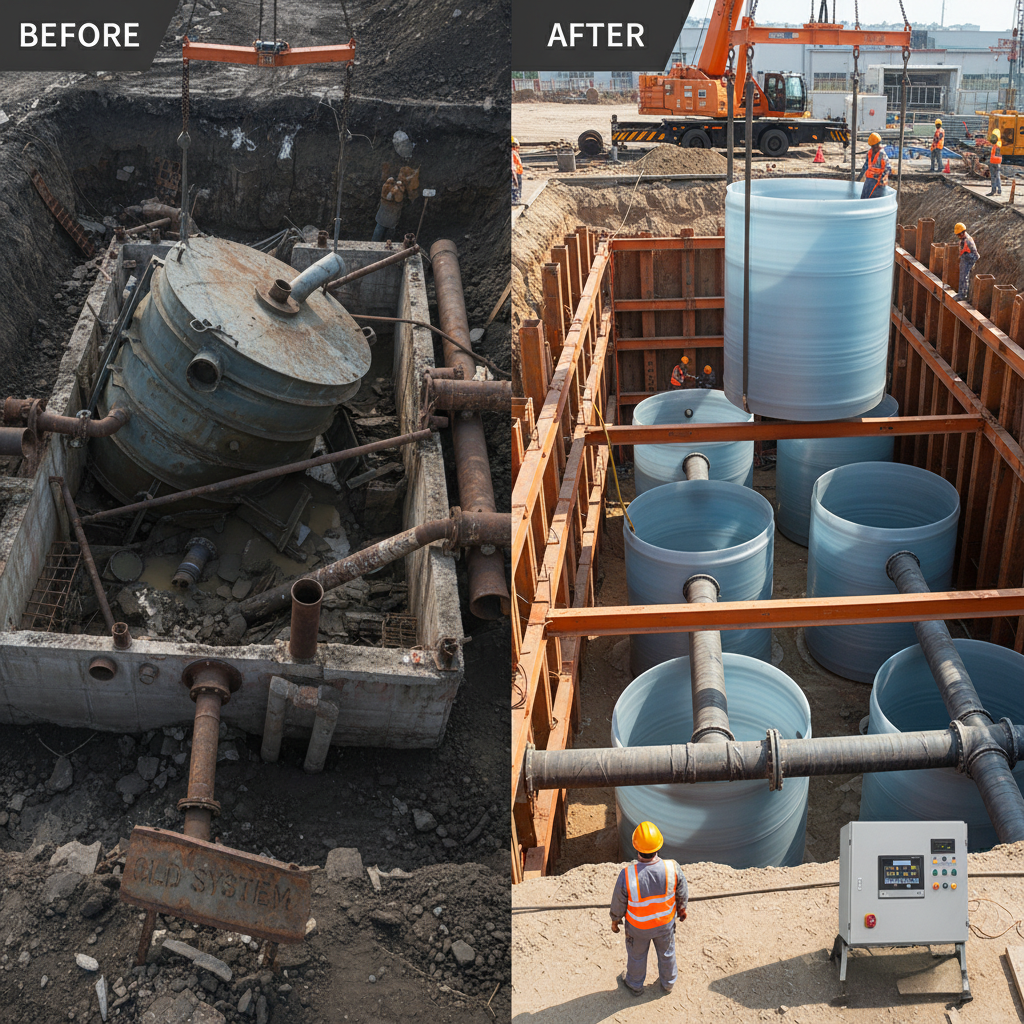
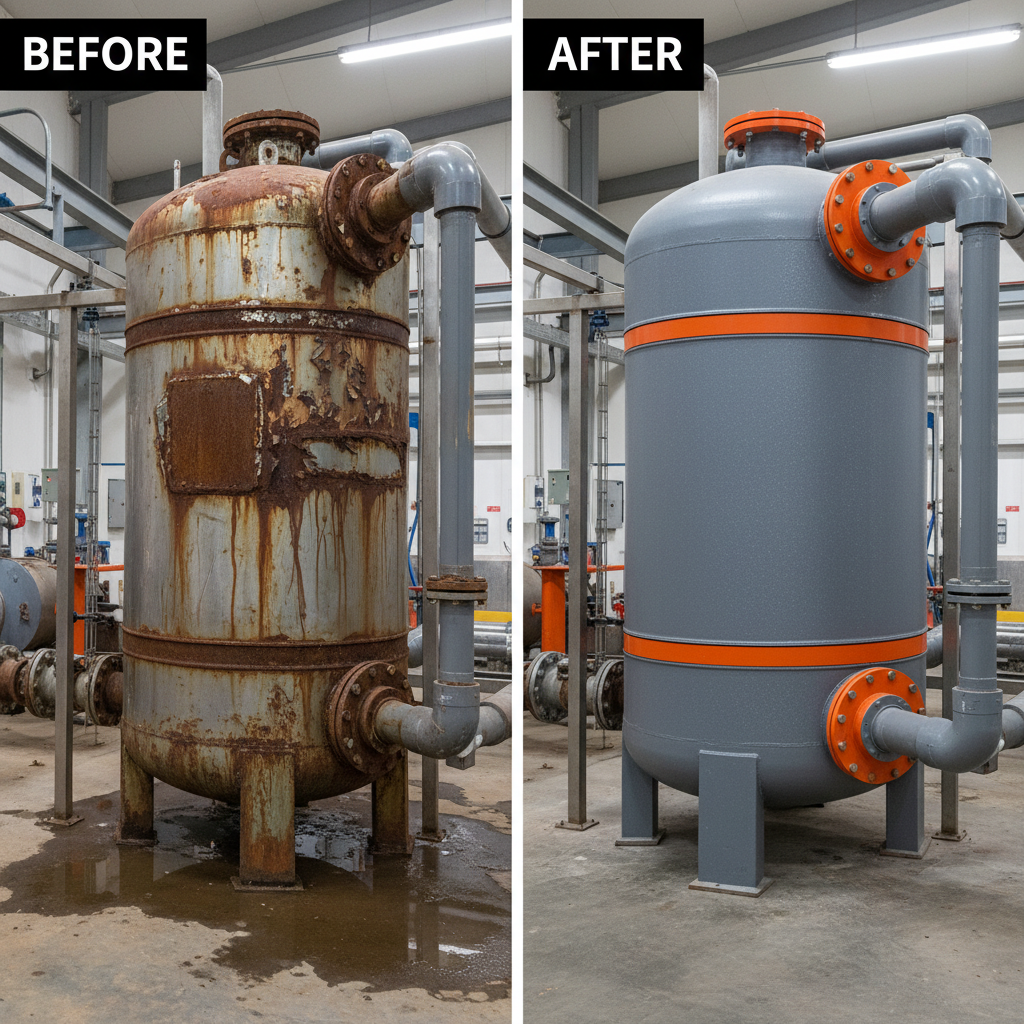
Traditional metal or concrete reservoirs often suffer from rust, chemical degradation, or cracking, leading to costly repairs and environmental risks. Fiberglass reservoirs, by contrast, promise corrosion resistance, light weight, and quick installation. This combination addresses logistical and environmental challenges that many regions, especially remote or disaster-prone areas, face daily.

Mini takeaway: Fiberglass reservoirs offer a practical solution that meets international calls for resilient and safe storage infrastructure.

What Exactly Is a Fiberglass Reservoir?

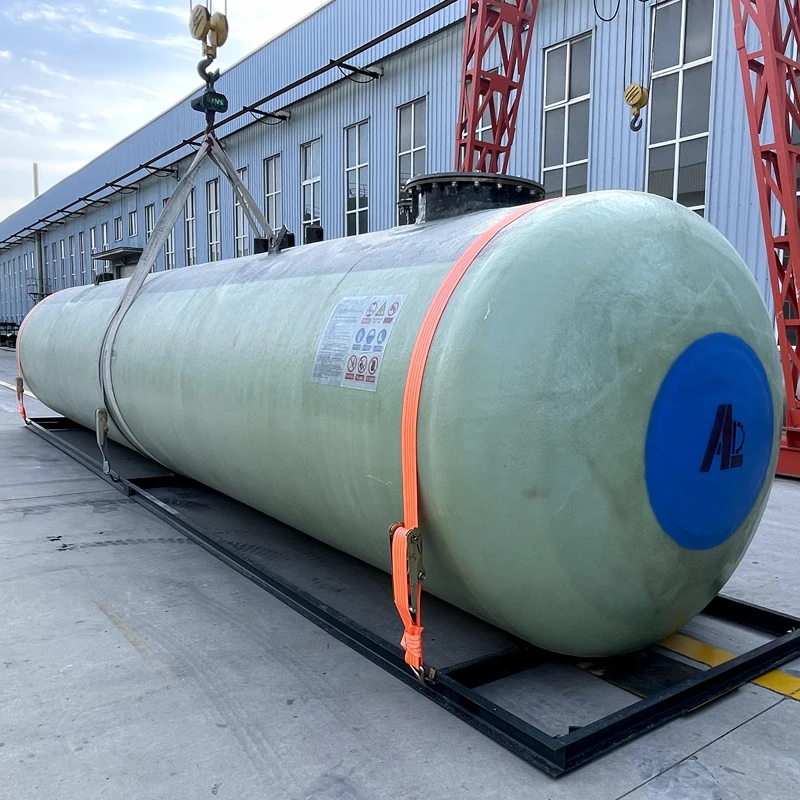
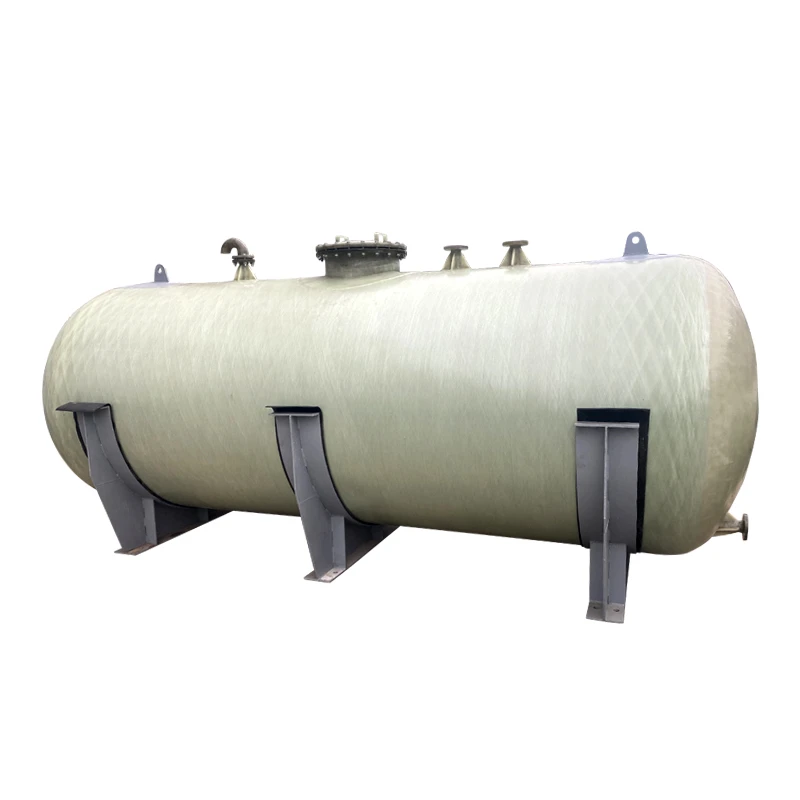
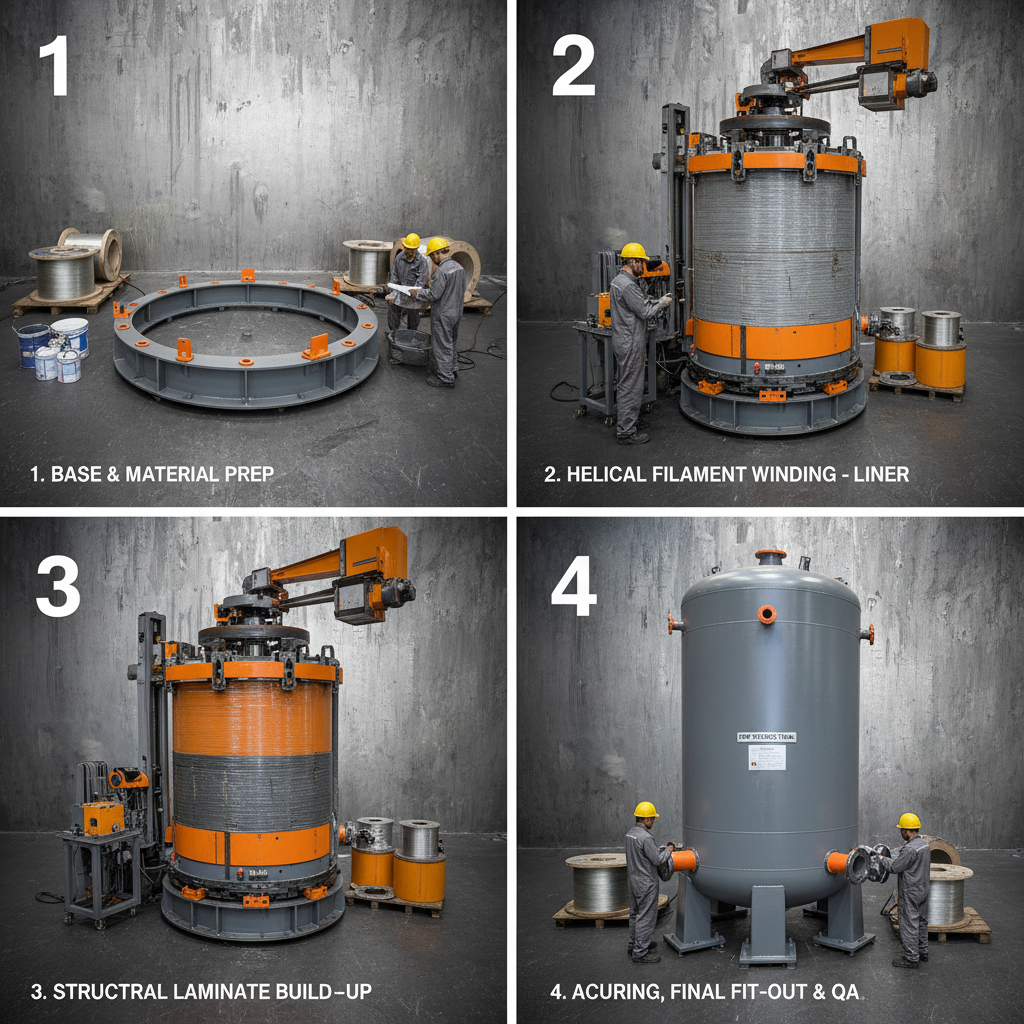
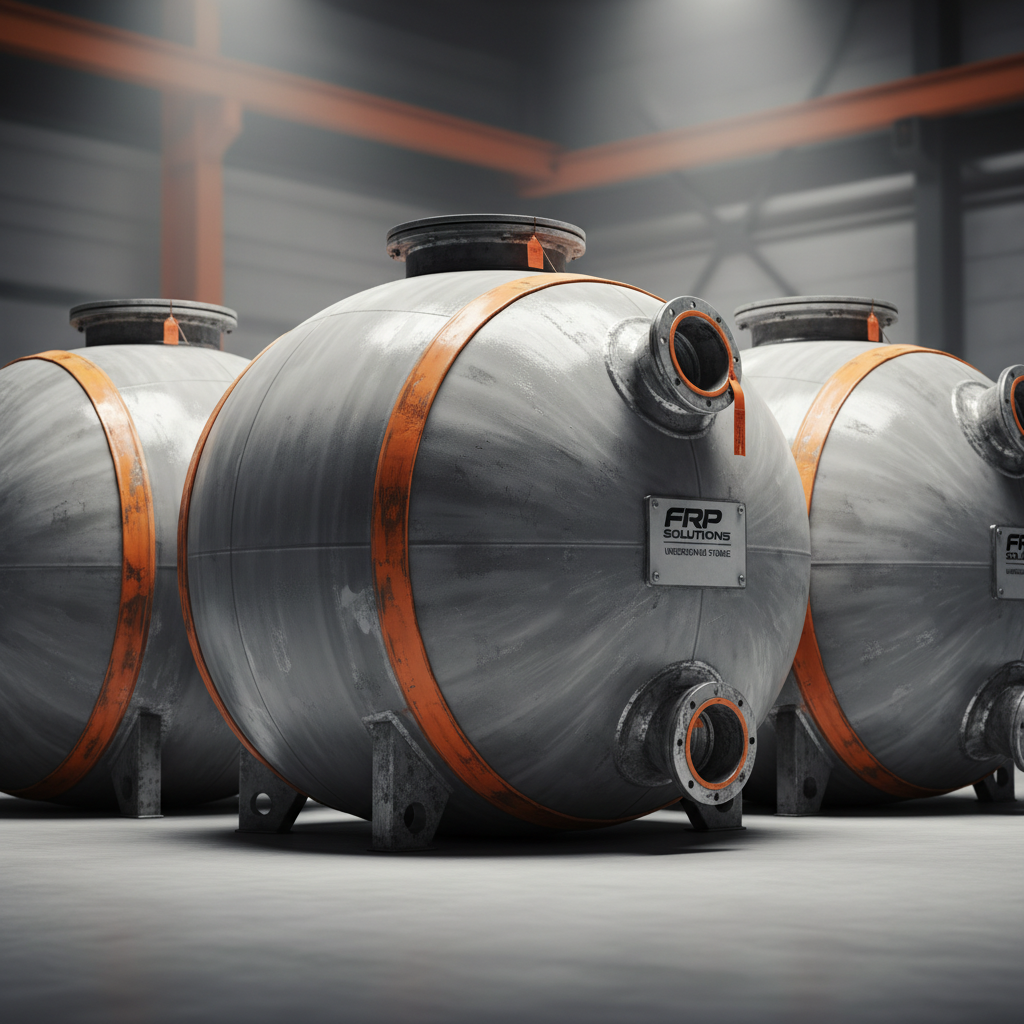
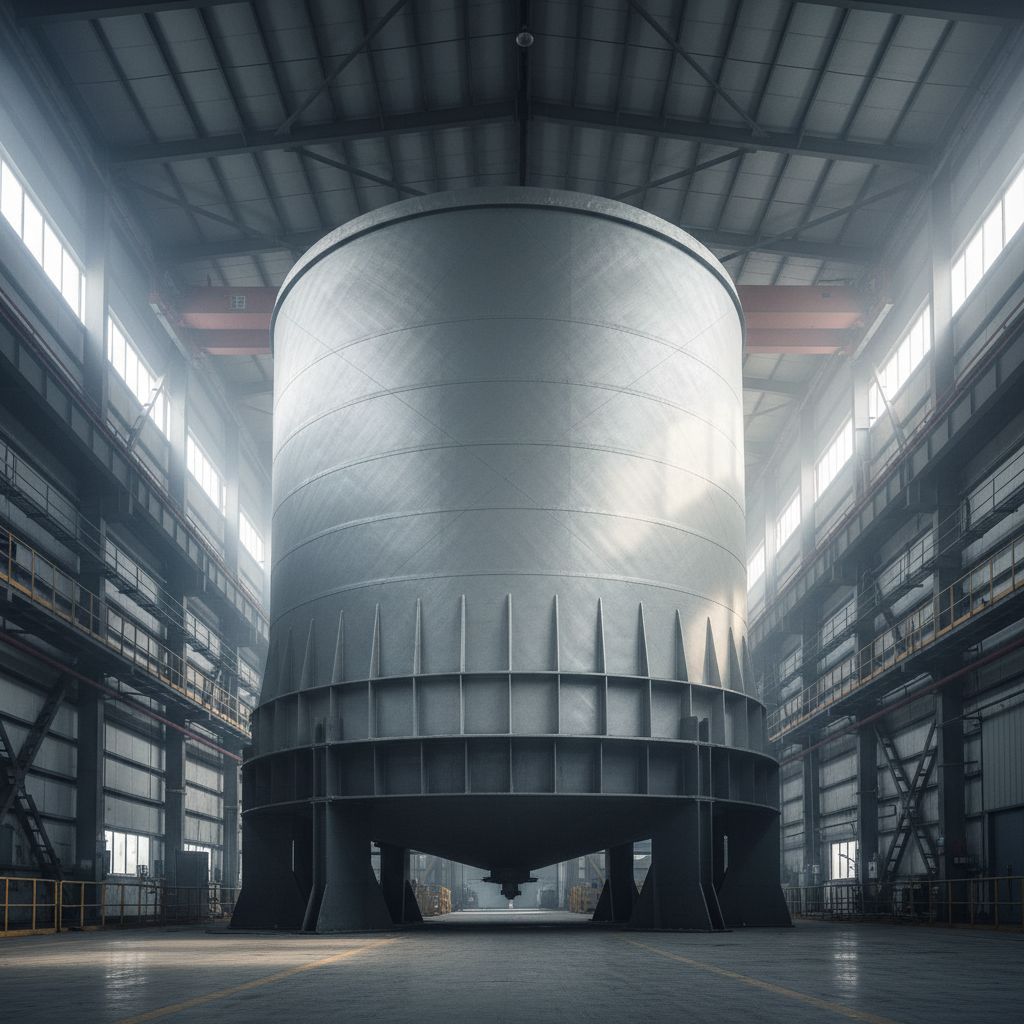
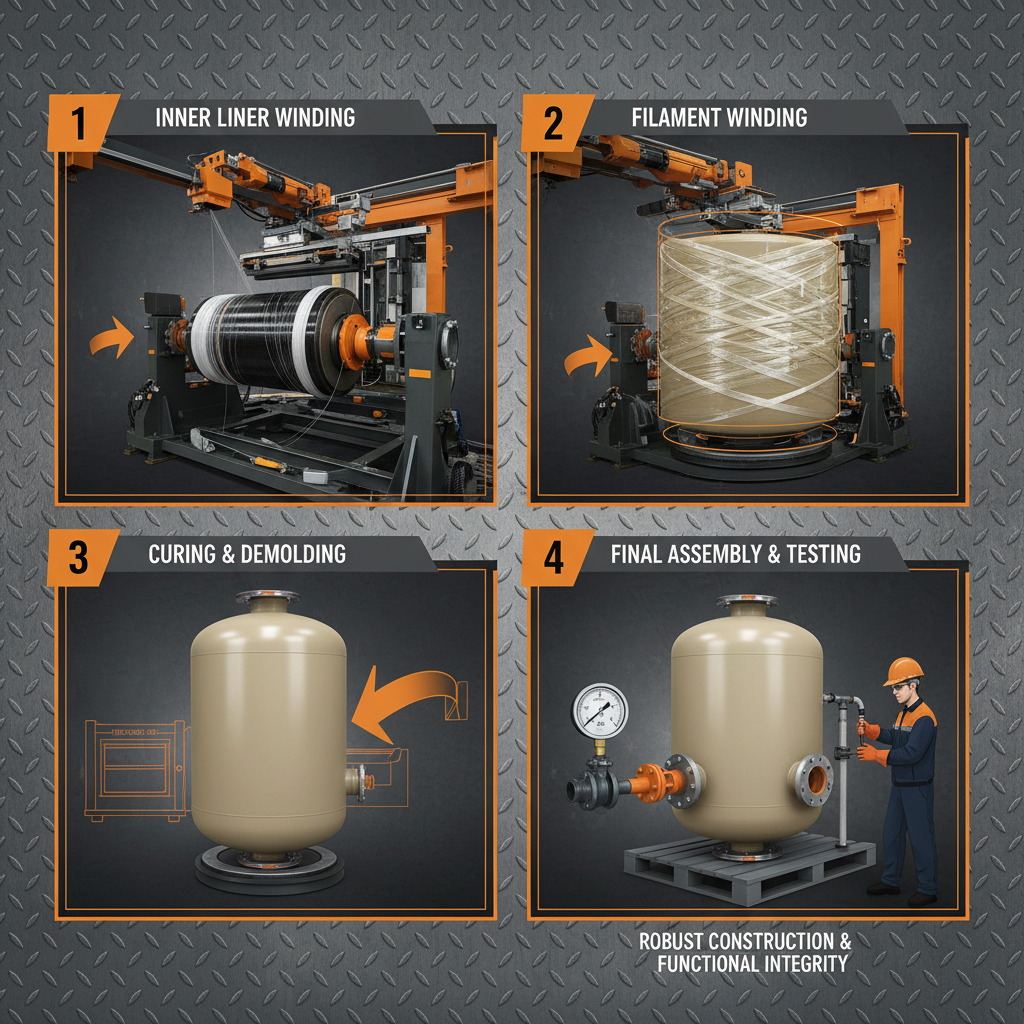
Simply put, a fiberglass reservoir is a storage tank constructed from fiberglass-reinforced plastic (FRP). Think of it as a hybrid of glass fibers embedded in a resin matrix, creating a material that’s both tough and lightweight. Unlike steel, it doesn’t corrode; unlike concrete, it won’t crack from thermal stress.

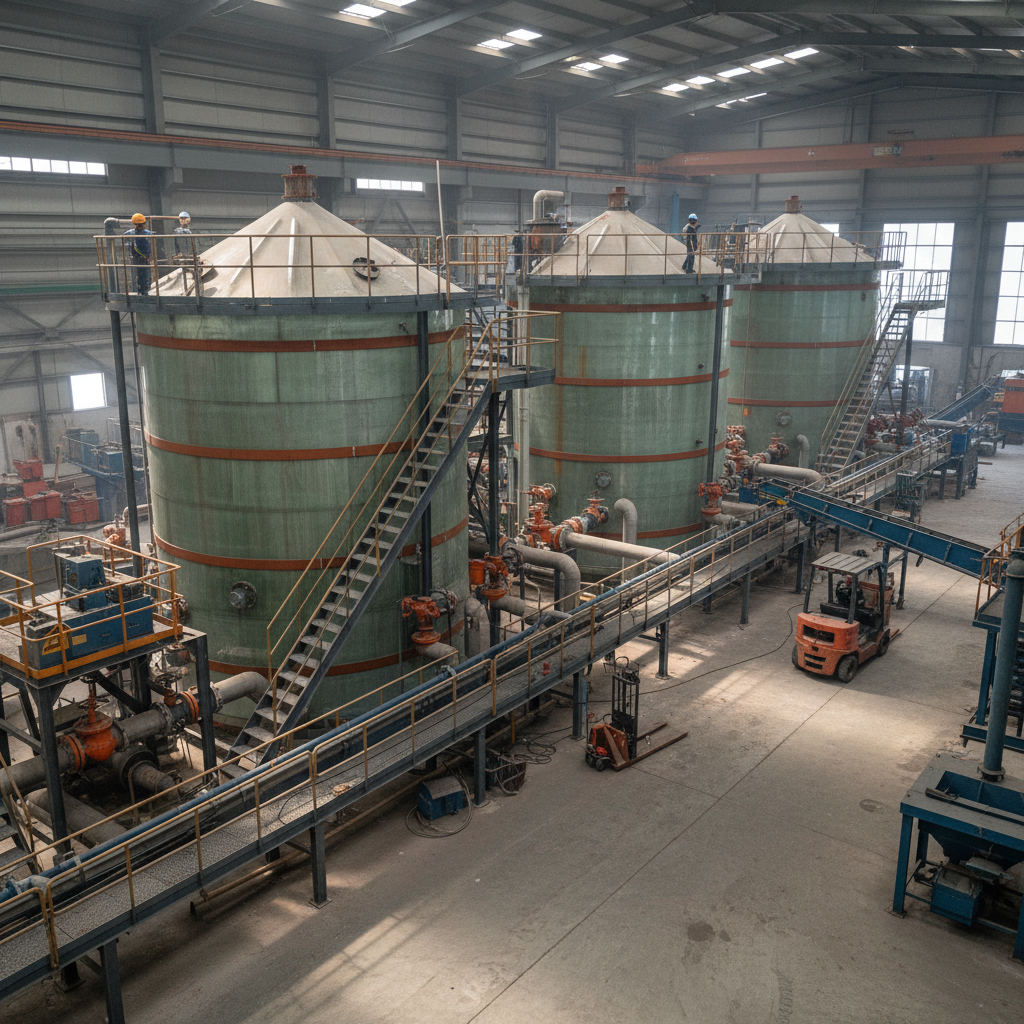
Used widely in modern industry — from water treatment facilities to fuel depots — these reservoirs ensure the safe containment of liquids. Humanitarian organizations use them too, where quickly deployable, durable water storage is mission-critical.

Fiberglass reservoirs often come in modular sizes and are customizable to fit local needs.

Key Factors That Make Fiberglass Reservoirs Stand Out

Durability & Corrosion Resistance

You rarely hear about fiberglass tanks rusting away, and that’s because they don’t have metal components vulnerable to oxidation. The fiberglass matrix resists chemicals, moisture, and UV light, making it ideal for harsh environments.

Lightweight Construction & Ease of Installation

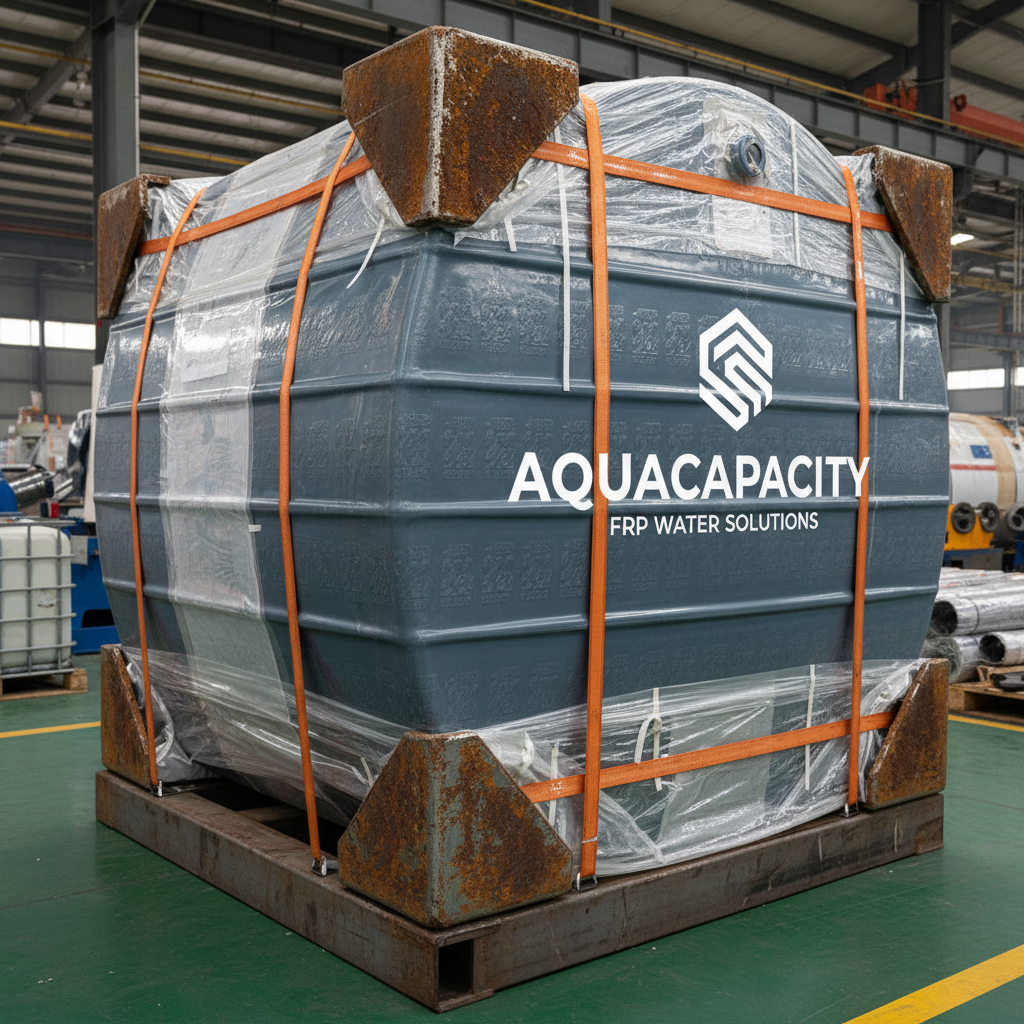
Compared to steel or concrete, fiberglass reservoirs are significantly lighter, saving on transportation and installation costs. This also means they’re easier to retrofit in existing sites or rapidly deploy where time is of the essence.

Scalability & Customization

Whether you need a small holding tank for a village or a massive industrial reservoir, fiberglass construction is versatile. Changes in diameter, height, and shape are possible, often made to spec.

Cost Efficiency Over Lifecycle

While initial purchase prices may be comparable or slightly higher than metal tanks, the lack of maintenance and extended lifespan often yield better value over years of service.

Environmental Sustainability

Many manufacturers now emphasize environmentally friendly resins and recycling-friendly designs, trimming the environmental footprint.

Mini takeaway: The blend of durability, lightweight design, and adaptability makes fiberglass reservoirs a smart, future-focused choice.

How Fiberglass Reservoirs Are Used Worldwide

Pragmatically, these reservoirs appear in a mix of regions and industries:

  • Post-disaster relief operations: Agencies install rapid-deploying fiberglass reservoirs to provide safe drinking water when infrastructure is down.
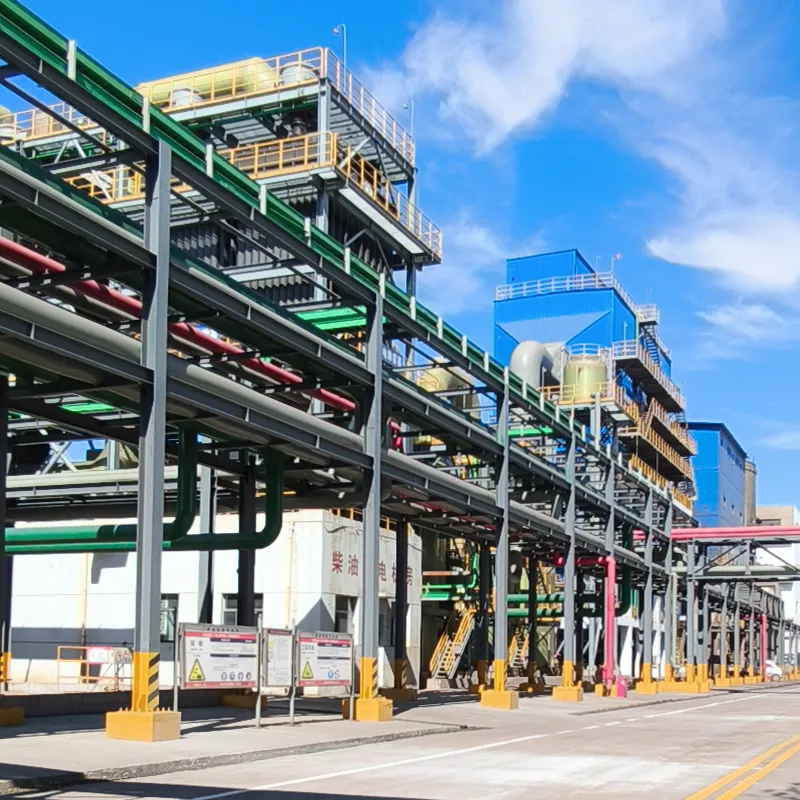
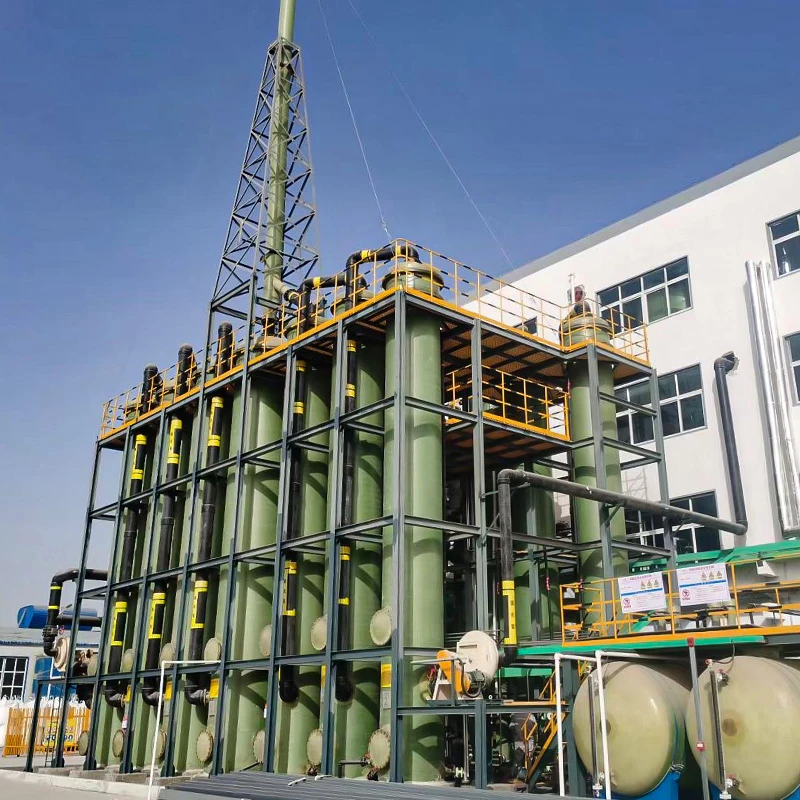
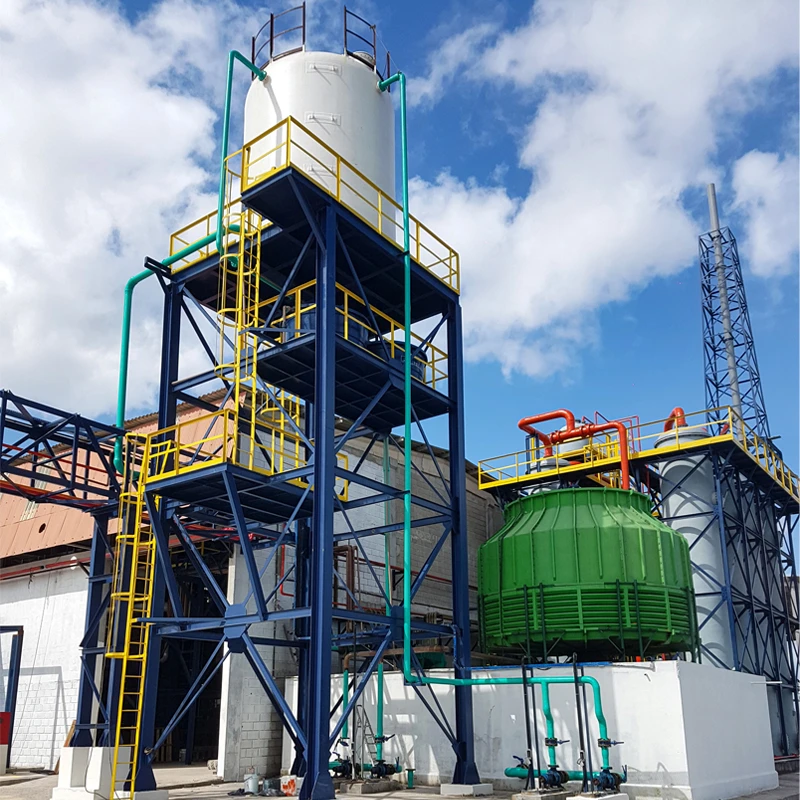
  • Remote industrial zones: Mining sites, oil fields, and agricultural hubs require corrosion-resistant storage where heavy metals or soil acidity challenge traditional tanks.
  • Municipal water management: Urban areas looking to upgrade aging infrastructure leverage fiberglass for reliable, leak-resistant water storage.
  • Chemical and fuel storage: Petrochemical plants depend on fiberglass tanks to safely hold aggressive chemicals without contamination.

For example, in Australia’s arid regions, farmers increasingly use fiberglass reservoirs for rainwater harvesting paired with drip irrigation systems — a practical marriage of technology and sustainability.

Specification Table: Typical Fiberglass Reservoir Features

Specification Details
Material Fiberglass Reinforced Plastic (FRP)
Capacity Range 500 liters to 500,000 liters (custom sizes available)
Corrosion Resistance High resistance to chemicals, UV rays, and moisture
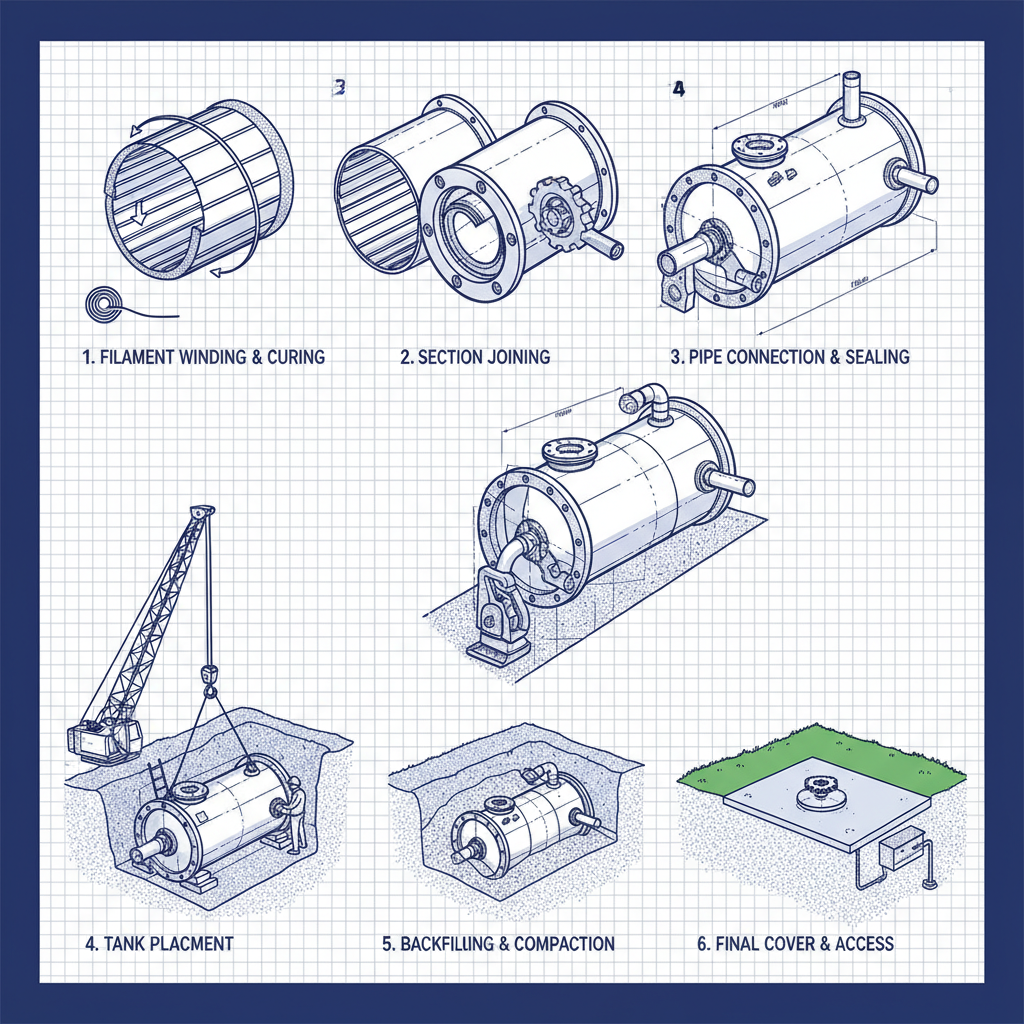
Installation Modular, lightweight panels assembled on-site or pre-assembled
Lifespan 20–40 years depending on environment and maintenance
Typical Uses Water storage, chemical containment, fuel tanks, rainwater harvesting

Comparing Leading Fiberglass Reservoir Manufacturers

Vendor Capacity Range Customization Options Lead Time Price Range
AquaSafe Tanks 700L - 200,000L Color, fittings, insulation 3-6 weeks $$ - $$$
FibroStor Corp 500L - 500,000L Modular sizes, advanced resin options 4-8 weeks $$$
ClearView Tanks 1000L - 100,000L Transparent panels, UV protection 2-5 weeks $ - $$

Advantages and Long-Term Value of Fiberglass Reservoirs

Beyond specs and numbers, what’s the real-world impact? For one, these reservoirs reduce maintenance cycles dramatically — meaning lower operational headaches and budget surprises. Communities that use them for water storage often cite improved water quality, fewer leaks, and enhanced safety, cultivating trust in local infrastructure.

On an emotional level, think about the dignity restored to a village when fresh, safe water is reliably stored and accessible. Industries, too, appreciate the innovation that fiberglass reservoirs represent: fewer downtime interruptions, better environmental compliance, and the freedom to tailor storage solutions.

Mini takeaway: Fiberglass reservoirs blend practical savings with enhanced community well-being and environmental responsibility.

What the Future Holds: Innovations in Fiberglass Reservoir Technology

The story doesn’t stop here. Green energy integration, like solar-powered water heating paired with fiberglass tanks, is becoming more common. Digital sensors for real-time monitoring of water levels or chemical contamination are being embedded, making reservoirs smarter.

Plus, emerging bio-based resins and recyclable fiberglass composites hint at improved sustainability. What’s intriguing is the push for modular automation — tanks that can self-assemble or be robotically installed. It sounds like sci-fi, but many engineers say it’s just a matter of time.

Challenges and How Industry Experts Are Tackling Them

Of course, not all is perfect. Fiberglass can be susceptible to impact damage or delamination if mishandled during transport or installation. Also, disposal at end-of-life remains a puzzle, given resin cross-linking limits easy recycling.

Experts recommend rigorous quality control and careful site handling procedures to minimize damage. On the sustainability front, research into chemical recycling and biodegradation is promising. Some vendors also offer refurbishment programs extending reservoir life spans further.

Frequently Asked Questions About Fiberglass Reservoirs

Are fiberglass reservoirs safe for storing drinking water?
Yes. When manufactured to relevant standards and with food-grade resins, fiberglass reservoirs are safe and widely used for potable water storage.
How long does a typical fiberglass reservoir last?
Depending on environmental exposure and maintenance, their lifespan ranges from 20 to 40 years, often longer with proper care.
Can these reservoirs be customized for chemicals with different properties?
Absolutely. Fiberglass materials can be tailored with specific resin formulations to resist a variety of acids, bases, or fuels.
Is installation complicated or costly?
Thanks to their lightweight and modular nature, installation is generally quicker and less expensive than traditional tanks, especially in remote or difficult locations.

In Conclusion: Why Fiberglass Reservoirs Are a Smart Investment

Looking at the long game, fiberglass reservoirs offer a compelling mix of resilience, adaptability, and cost savings. For anyone involved in water management, chemical storage, or infrastructure development, they’re worth a close look. And hey, if you’re curious to explore specific products or want tailored solutions, make a point to visit our website.

There’s a quiet revolution here — a practical innovation that’s meeting pressing global challenges with surprising grace.
References

  1. UN-Water: Water Scarcity Facts
  2. ISO 14692 - Design and manufacture of FRP tanks
  3. Wikipedia: Fiberglass
Upsell Products
Upsell News
Durable FRP Vessel for Water Treatment and Industrial Filtration
Apr 16,2026
Durable FRP Vessel for Water Treatment and Industrial Filtration
In the modern era of industrial and residential water purification, the choice of containment materials is critical for efficiency and longevity. An frp vessel for water treatment has emerged as the gold standard, replacing traditional steel tanks due to its superior corrosion resistance and lightweight properties. Whether you are dealing with desalination, softening, or filtration, using Fiber Reinforced Plastic (FRP) ensures that your system remains leak-proof and durable against aggressive chemicals. In this comprehensive guide, we will explore why FRP is the preferred choice for water treatment professionals worldwide and how to select the right vessel for your specific application.
Industrial Guide for Choosing the Right FRP Vertical Tank
Apr 09,2026
Industrial Guide for Choosing the Right FRP Vertical Tank
In today's industrial landscape, the storage of corrosive chemicals and aggressive liquids requires materials that can withstand extreme conditions without degrading. The frp vertical tank has emerged as a premier solution, offering an exceptional balance of strength, lightweight properties, and unmatched chemical resistance. Whether you are managing a water treatment plant or a chemical processing facility, understanding the nuances of Fiber Reinforced Plastic (FRP) is essential for ensuring operational safety and longevity. In this comprehensive guide, we will explore why vertical configurations are preferred and how these tanks outperform traditional metal alternatives.
Comprehensive Guide to FRP Underground Water Tank Solutions and Applications
Apr 07,2026
Comprehensive Guide to FRP Underground Water Tank Solutions and Applications
Fiberglass Reinforced Polymer (FRP) underground water tanks are becoming increasingly popular for a wide range of applications, from potable water storage to industrial wastewater containment. Their superior corrosion resistance, lightweight nature, and design flexibility make them an excellent alternative to traditional materials like concrete or steel. This article will delve into the benefits, applications, construction, and considerations for implementing FRP underground water tanks, providing a comprehensive overview for engineers, contractors, and project managers.
Comprehensive Guide to Frp Underground Water Storage Tanks and Their Applications
Apr 04,2026
Comprehensive Guide to Frp Underground Water Storage Tanks and Their Applications
When considering water storage solutions, particularly for industrial, agricultural, or municipal applications, frp underground water storage tanks stand out as a durable, cost-effective, and environmentally friendly option. These tanks are increasingly favored over traditional materials like concrete or steel due to their superior corrosion resistance, lighter weight, and ease of installation. This article delves into the benefits, applications, construction, and considerations when choosing an FRP tank, providing a detailed overview for potential buyers and project planners.
Sulfuric Acid Production Line - Hebei Aoliande|Efficient H2SO4 Plant Technology
Apr 01,2026
Sulfuric Acid Production Line - Hebei Aoliande|Efficient H2SO4 Plant Technology
Discover efficient H2SO4 plant technology and advanced sulfuric acid production solutions. Hebei Aoliande combines energy-saving furnace design and eco-friendly HCl recovery systems for sustainable industrial applications. Explore now: https://www.frpgrpmachine.com/sulfuric-acid-production-line-for-h2so4-plant.html
Sulfuric Acid Production Line - Hebei Aoliande|Efficient H2SO4 Plant Technology
Apr 01,2026
Sulfuric Acid Production Line - Hebei Aoliande|Efficient H2SO4 Plant Technology
Discover efficient H2SO4 plant technology and advanced sulfuric acid production solutions. Hebei Aoliande combines energy-saving furnace design and eco-friendly HCl recovery systems for sustainable industrial applications. Explore now: https://www.frpgrpmachine.com/sulfuric-acid-production-line-for-h2so4-plant.html
Sulfuric Acid Production Line - Hebei Aoliande|Efficient H2SO4 Plant Technology
Apr 01,2026
Sulfuric Acid Production Line - Hebei Aoliande|Efficient H2SO4 Plant Technology
Discover efficient H2SO4 plant technology and advanced sulfuric acid production solutions. Hebei Aoliande combines energy-saving furnace design and eco-friendly HCl recovery systems for sustainable industrial applications. Explore now: https://www.frpgrpmachine.com/sulfuric-acid-production-line-for-h2so4-plant.html
Sulfuric Acid Production Line - Hebei Aoliande|Efficient H2SO4 Plant Technology
Apr 01,2026
Sulfuric Acid Production Line - Hebei Aoliande|Efficient H2SO4 Plant Technology
Discover efficient H2SO4 plant technology and advanced sulfuric acid production solutions. Hebei Aoliande combines energy-saving furnace design and eco-friendly HCl recovery systems for sustainable industrial applications. Explore now: https://www.frpgrpmachine.com/sulfuric-acid-production-line-for-h2so4-plant.html
Sulfuric Acid Production Line - Hebei Aoliande|Efficient H2SO4 Plant Technology
Apr 01,2026
Sulfuric Acid Production Line - Hebei Aoliande|Efficient H2SO4 Plant Technology
Discover efficient H2SO4 plant technology and advanced sulfuric acid production solutions. Hebei Aoliande combines energy-saving furnace design and eco-friendly HCl recovery systems for sustainable industrial applications. Explore now: https://www.frpgrpmachine.com/sulfuric-acid-production-line-for-h2so4-plant.html
Sulfuric Acid Production Line - Hebei Aoliande|Efficient H2SO4 Plant Technology
Apr 01,2026
Sulfuric Acid Production Line - Hebei Aoliande|Efficient H2SO4 Plant Technology
Discover efficient H2SO4 plant technology and advanced sulfuric acid production solutions. Hebei Aoliande combines energy-saving furnace design and eco-friendly HCl recovery systems for sustainable industrial applications. Explore now: https://www.frpgrpmachine.com/sulfuric-acid-production-line-for-h2so4-plant.html
Comprehensive Guide to Frp Underground Storage Tanks for Reliable Storage Solutions
Mar 31,2026
Comprehensive Guide to Frp Underground Storage Tanks for Reliable Storage Solutions
Fiberglass Reinforced Polymer (FRP) underground storage tanks are becoming increasingly popular for a wide range of applications, from fuel storage to wastewater management. Their corrosion resistance, lightweight nature, and durability offer significant advantages over traditional materials like steel. This article will provide an in-depth look at FRP underground storage tanks, covering their benefits, applications, installation, and maintenance. Understanding these aspects is crucial for making informed decisions about long-term storage solutions.
Comprehensive Guide to Selecting the Ideal FRP Tank for Water Storage Solutions
Mar 28,2026
Comprehensive Guide to Selecting the Ideal FRP Tank for Water Storage Solutions
When it comes to reliable and durable water storage, FRP tanks for water are increasingly becoming the preferred solution for a wide range of applications. These tanks, constructed from Fiber Reinforced Polymer (FRP) materials, offer significant advantages over traditional storage options like steel or concrete. This article delves into the benefits, applications, and considerations when selecting an FRP tank for your water storage needs, providing a detailed overview for businesses and individuals alike.
Comprehensive Guide to Frp Tank and Vessel Applications and Manufacturing
Mar 26,2026
Comprehensive Guide to Frp Tank and Vessel Applications and Manufacturing
Fiber Reinforced Polymer (FRP) tanks and vessels are increasingly becoming the preferred choice for storage and processing across a multitude of industries. Their lightweight nature, corrosion resistance, and design flexibility offer significant advantages over traditional materials like steel. This article will delve into the intricacies of FRP tanks and vessels, exploring their applications, manufacturing processes, benefits, and considerations for selecting the right solution for your specific needs. We’ll also highlight why FRP tanks are a cost-effective and reliable long-term investment. FRP tanks and vessels are constructed from a combination of reinforcing fibers (such as fiberglass, carbon fiber, or aramid fiber) embedded in a polymer matrix (typically polyester, vinyl ester, or epoxy resin). This combination creates a composite material that boasts high strength-to-weight ratio, exceptional corrosion resistance, and the ability to be molded into complex shapes. They’re designed to safely contain a wide variety of liquids and gases, ranging from corrosive chemicals and water to food products and pharmaceuticals.
Optimizing Water Filtration with Durable FRP Sand Filter Vessels
Mar 24,2026
Optimizing Water Filtration with Durable FRP Sand Filter Vessels
In water treatment and filtration systems, the choice of filter vessel material is paramount. Fiber Reinforced Plastic (FRP), also known as Glass Reinforced Polymer (GRP), sand filter vessels are increasingly popular due to their superior corrosion resistance, lightweight nature, and cost-effectiveness. This article delves into the benefits, applications, design considerations, and factors to consider when selecting an FRP sand filter vessel. Whether you are involved in municipal water treatment, industrial wastewater management, or recreational water filtration, understanding FRP technology is essential for optimizing your filtration process. An FRP sand filter vessel is a containment unit designed to house filtration media, typically sand, gravel, and anthracite. These vessels are integral components in sand filtration systems used for removing suspended solids, turbidity, and other particulate matter from water. FRP construction involves layering glass fibers within a resin matrix (typically polyester or vinyl ester) to create a strong, durable, and chemically resistant shell. The strength and rigidity of the vessel are crucial for withstanding the pressure from the filtration media and the water flow.
Comprehensive Guide to FRP Round Tanks Applications and Benefits
Mar 21,2026
Comprehensive Guide to FRP Round Tanks Applications and Benefits
Fiber Reinforced Polymer (FRP) round tanks are increasingly becoming the preferred choice for storage solutions across a variety of industries. Their lightweight nature, corrosion resistance, and design flexibility offer significant advantages over traditional materials like steel. This article provides an in-depth look at FRP round tanks, exploring their applications, benefits, manufacturing processes, and key considerations when choosing the right tank for your needs. Whether you're in chemical processing, water treatment, or agriculture, understanding FRP round tanks is crucial for optimizing your storage infrastructure. FRP round tanks are constructed from a combination of reinforcing fibers (typically fiberglass, carbon fiber, or a blend) embedded in a polymer matrix (often polyester, vinyl ester, or epoxy resin). The round shape inherently provides excellent structural strength, distributing pressure evenly across the tank’s surface.
Comprehensive Guide to FRP Pressure Tanks Benefits and Applications
Mar 19,2026
Comprehensive Guide to FRP Pressure Tanks Benefits and Applications
Fiber Reinforced Polymer (FRP) pressure tanks are becoming increasingly popular in a wide range of industrial applications, offering a compelling alternative to traditional steel tanks. Known for their lightweight nature, corrosion resistance, and high strength-to-weight ratio, FRP tanks provide efficient and durable solutions for storing liquids and gases under pressure. This article will delve into the benefits, applications, construction, and key considerations when selecting an FRP pressure tank, helping you make an informed decision for your specific needs. Understanding the advantages of FRP technology can lead to significant cost savings and improved operational efficiency. Compared to steel, FRP pressure tanks offer several key advantages. The most significant is their superior corrosion resistance. Unlike steel, which is susceptible to rust and corrosion when exposed to various chemicals, FRP materials are inherently resistant to a wide range of corrosive substances. This translates to a longer lifespan, reduced maintenance costs, and increased safety. Furthermore, FRP is significantly lighter than steel, making installation easier and reducing transportation costs.
For More Details Pls Contact Us
Thank you for your interest in our gloves! We offer high-quality, durable, and comfortable gloves with fast delivery and competitive prices. For any questions or customization, feel free to contact us. We look forward to working with you!

If you are interested in our products, you can choose to leave your information here, and we will be in touch with you shortly.