Dec 01,2025

Durable & Lightweight Fiberglass Spray Tanks for Industry & Relief

Understanding Fiberglass Spray Tanks: Why They Matter Today

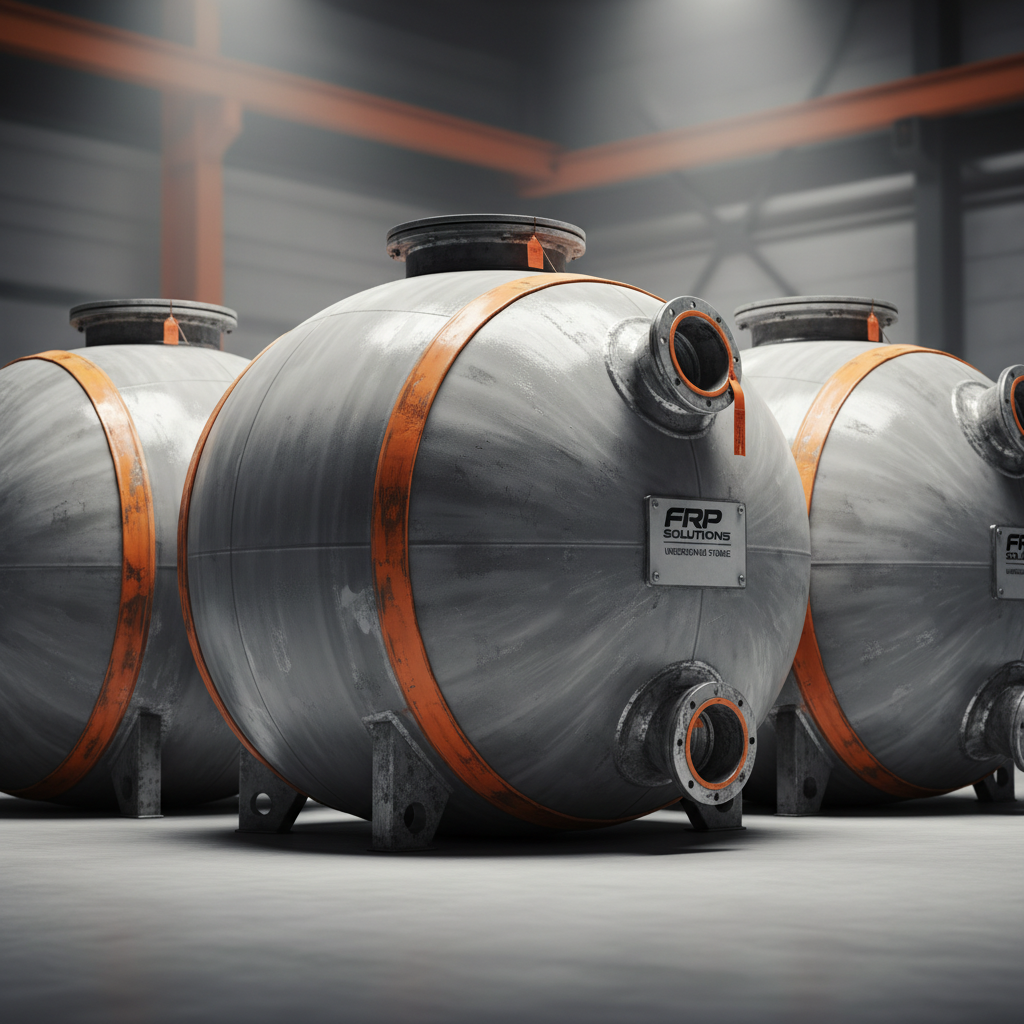
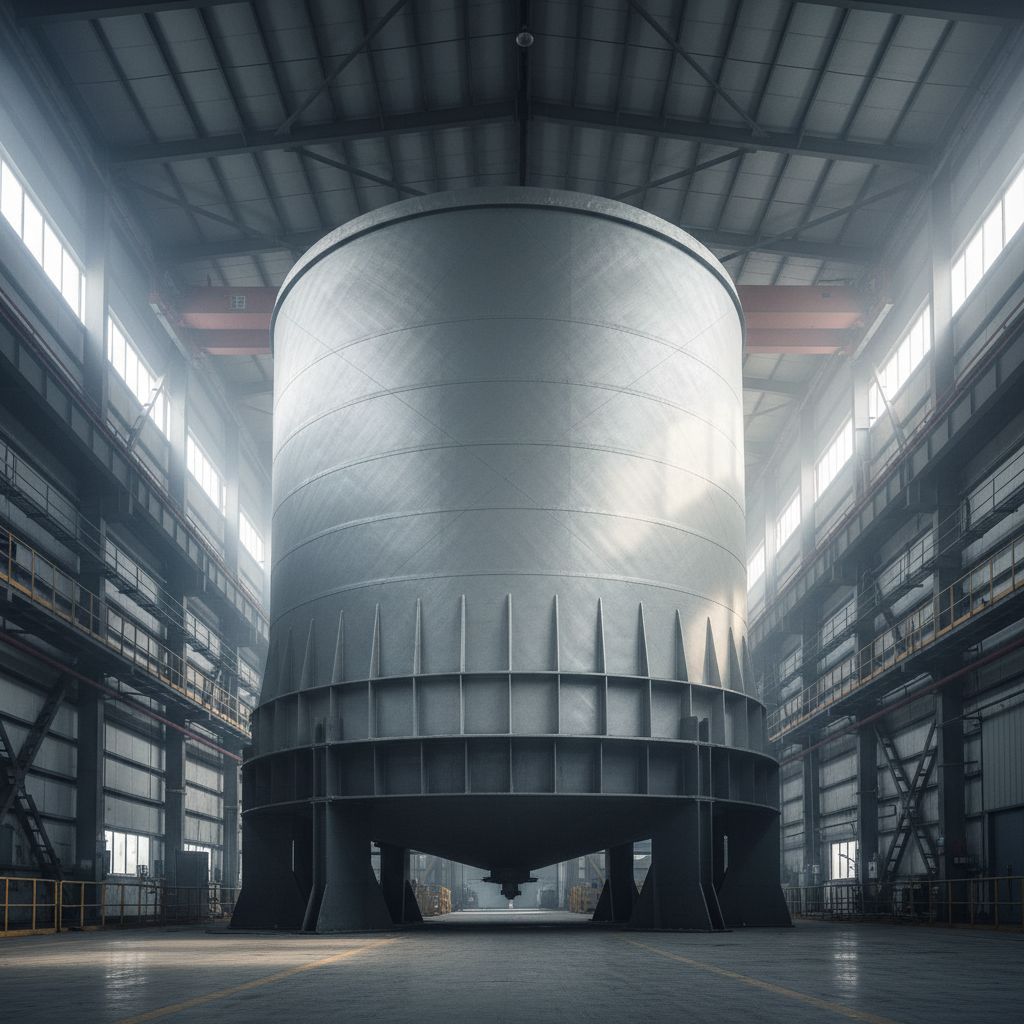
Fiberglass spray tanks might not be the flashiest topic in industrial circles, but their impact stretches across myriad sectors worldwide. At its core, a fiberglass spray tank is a specialized container made from reinforced fiberglass, designed primarily to hold and spray liquids safely and efficiently. You might ask, why should anyone care beyond the product specs? Well, these tanks solve some pretty universal challenges in water storage, chemical processing, agriculture, and disaster relief—places where durability, corrosion resistance, and portability aren't just nice-to-haves but essentials.

In a world grappling with water scarcity, environmental regulations, and increasing demand for tough, lightweight industrial solutions, understanding fiberglass spray tanks gives you a glimpse into how modern engineering quietly supports critical infrastructure. Plus, knowing their strengths and limits can guide smart procurement, engineering designs, or even policy making. So, let’s dive deeper into the what’s, why’s, and how’s of fiberglass spray tanks.

Global Context: Why Fiberglass Spray Tanks Are Gaining Ground

Globally, the industrial and humanitarian sectors are increasingly turning to fiberglass spray tanks because of their unique advantages amidst resource constraints. According to reports by the UN Environment Programme, corrosion of metal storage infrastructure contributes to massive losses — roughly 3–4% of GDP in some regions — not to mention environmental hazards from leaks. Fiberglass spray tanks help curb this by providing corrosion-resistant, lightweight alternatives.

Industries ranging from agriculture (especially in developing countries) to petrochemicals rely on these tanks to transport and apply fertilizers, pesticides, and chemicals under often harsh conditions. Likewise, emergency relief organizations deploy portable fiberglass tanks for clean water distribution in post-disaster zones, acknowledging their robustness and ease of setup when infrastructure is compromised.

However, the challenge remains: traditional steel tanks are still widely used because of cost or familiarity, creating a barrier to wider adoption. But with rising costs of maintenance and environmental regulations tightening, fiberglass spray tanks are increasingly seen as viable long-term solutions.

What Exactly Are Fiberglass Spray Tanks?

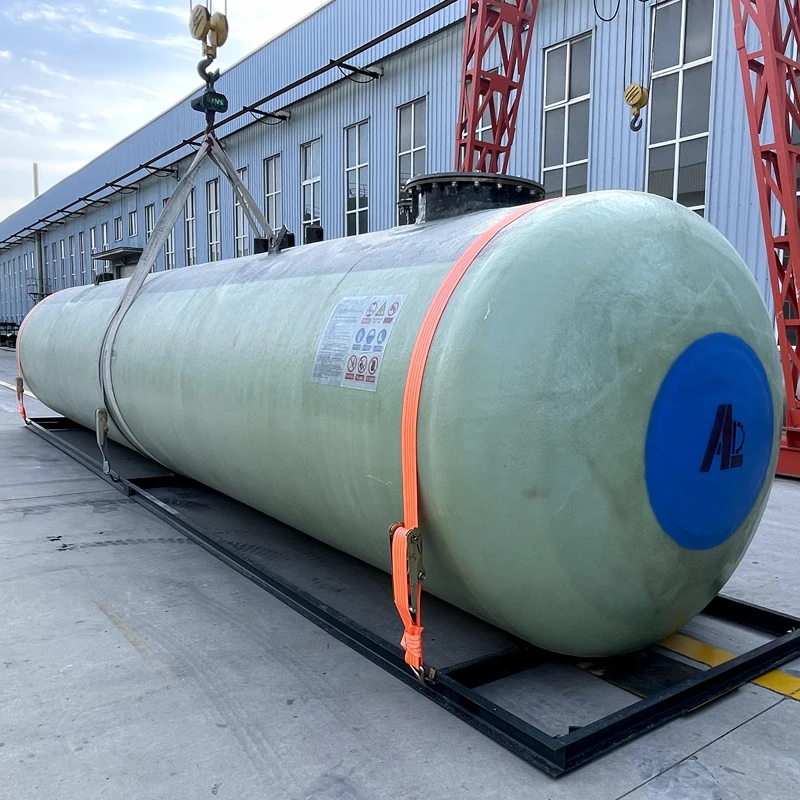
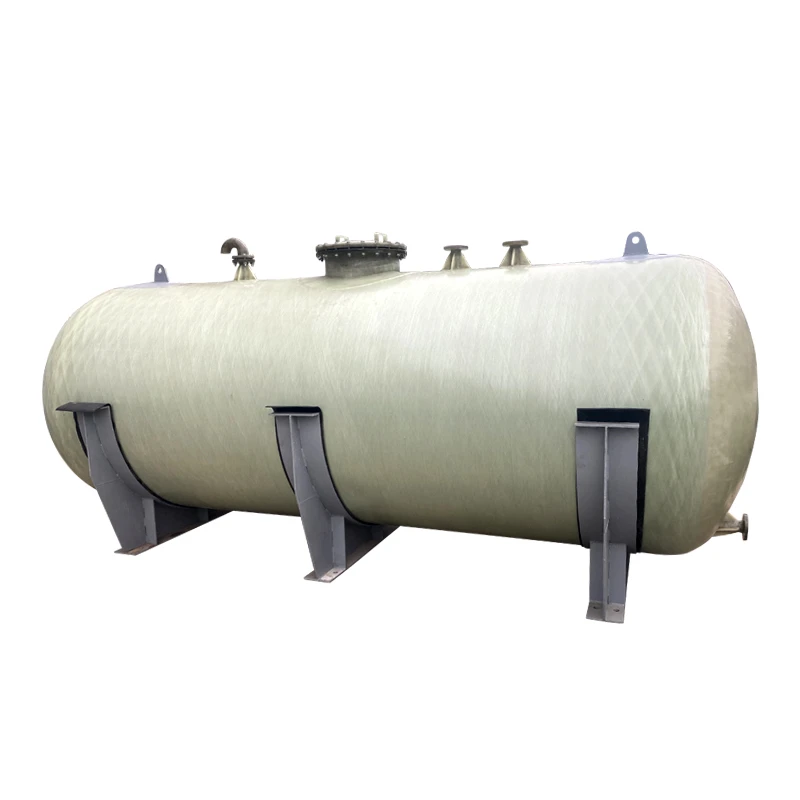
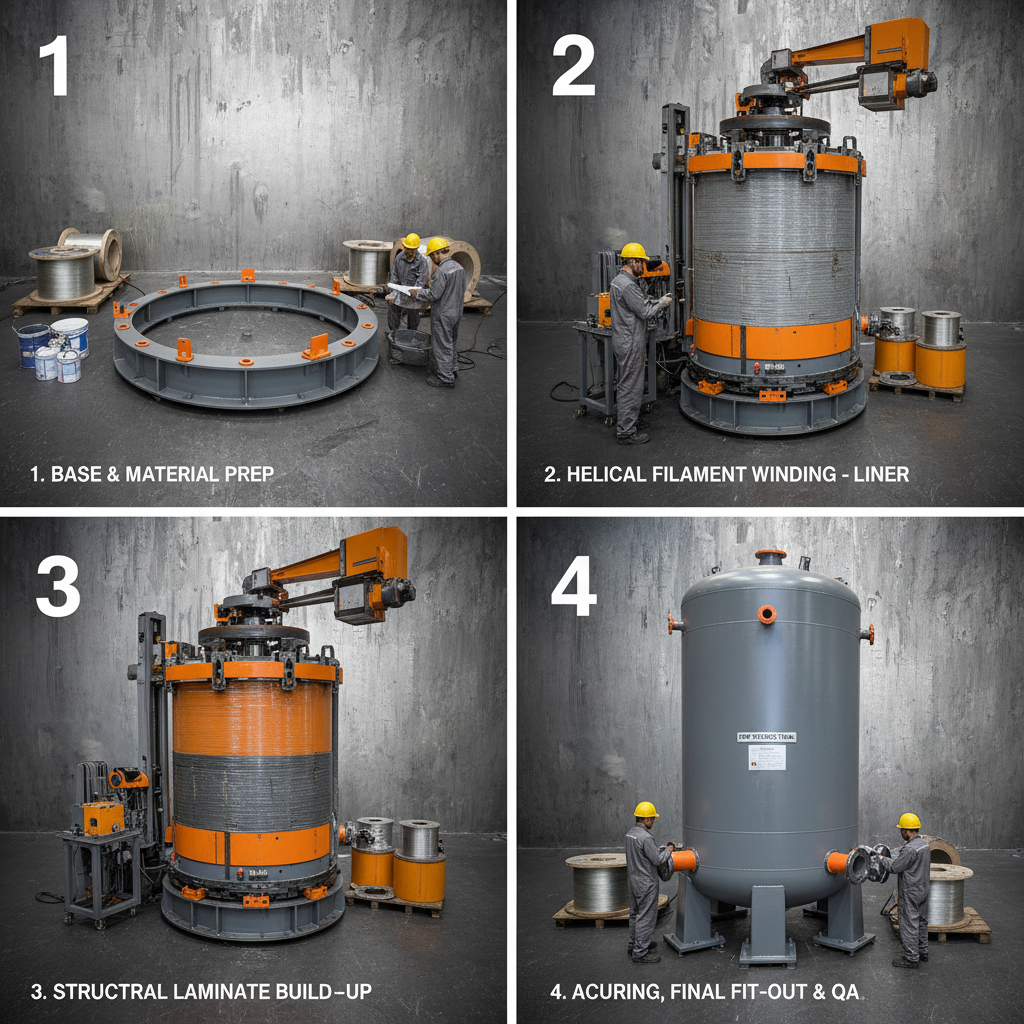
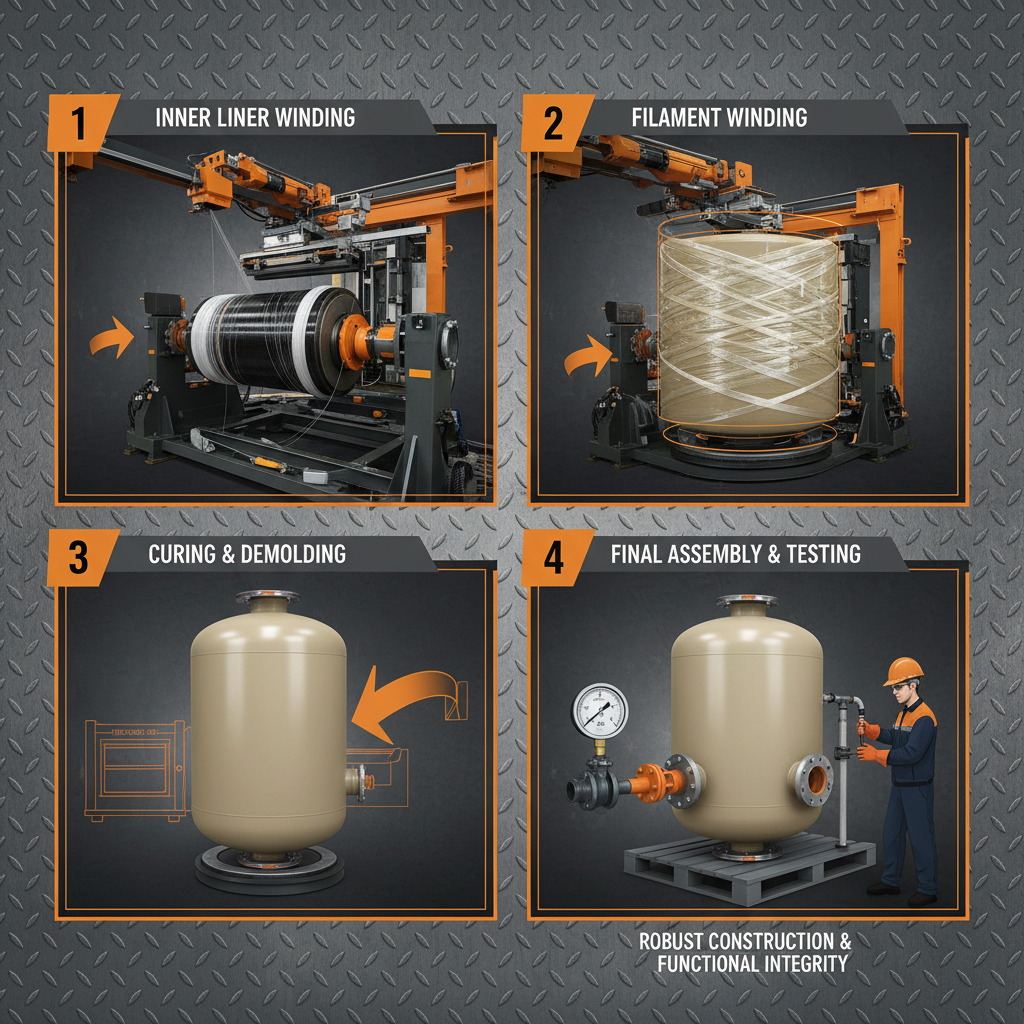
Put simply, fiberglass spray tanks are containers fabricated by layering fiberglass-reinforced plastic (FRP) with resin, allowing the production of custom-sized tanks that withstand chemicals, UV exposure, and corrosion — far better than traditional materials in many environments.

The design generally features an integrated spray or dispensing mechanism powered either mechanically or hydraulically, depending on the application. This way, stored liquids—everything from water to agricultural spray mix—can be applied evenly and efficiently over large fields, industrial sites, or emergency areas. They're essentially customized storage solutions with a functional twist tailored for fluid dispersal.

What’s intriguing is how these tanks bridge industrial standards and humanitarian needs. Their adaptability means that whether it’s a remote mining operation in Australia or a flood relief site in Southeast Asia, fiberglass tanks are quietly delivering essential services.

Key Factors That Make Fiberglass Spray Tanks Essential

Durability and Corrosion Resistance

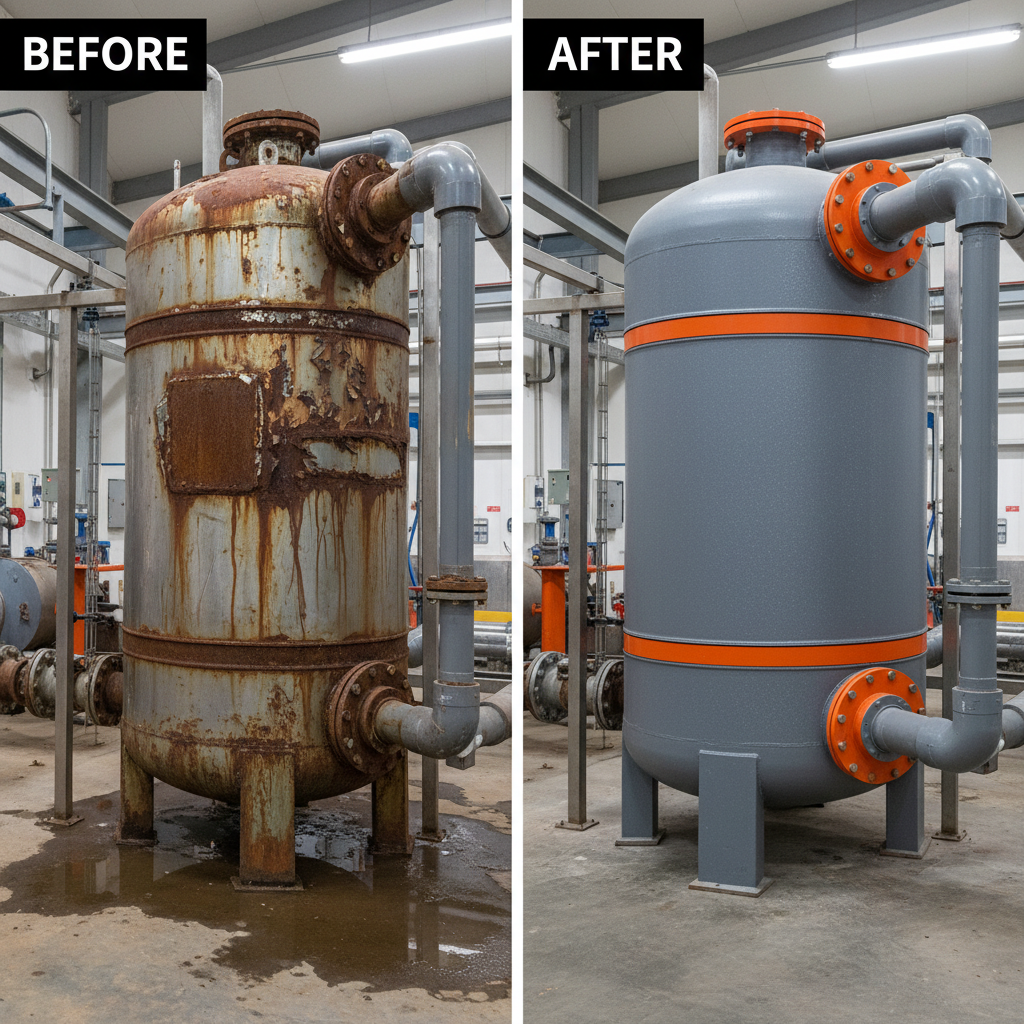
Most engineers agree: fiberglass’s inherent resistance to rust and chemical degradation is a massive selling point. Unlike metal tanks battered by acids or saline water, these tanks retain structural integrity for years, even in demanding environments.

Lightweight and Portability

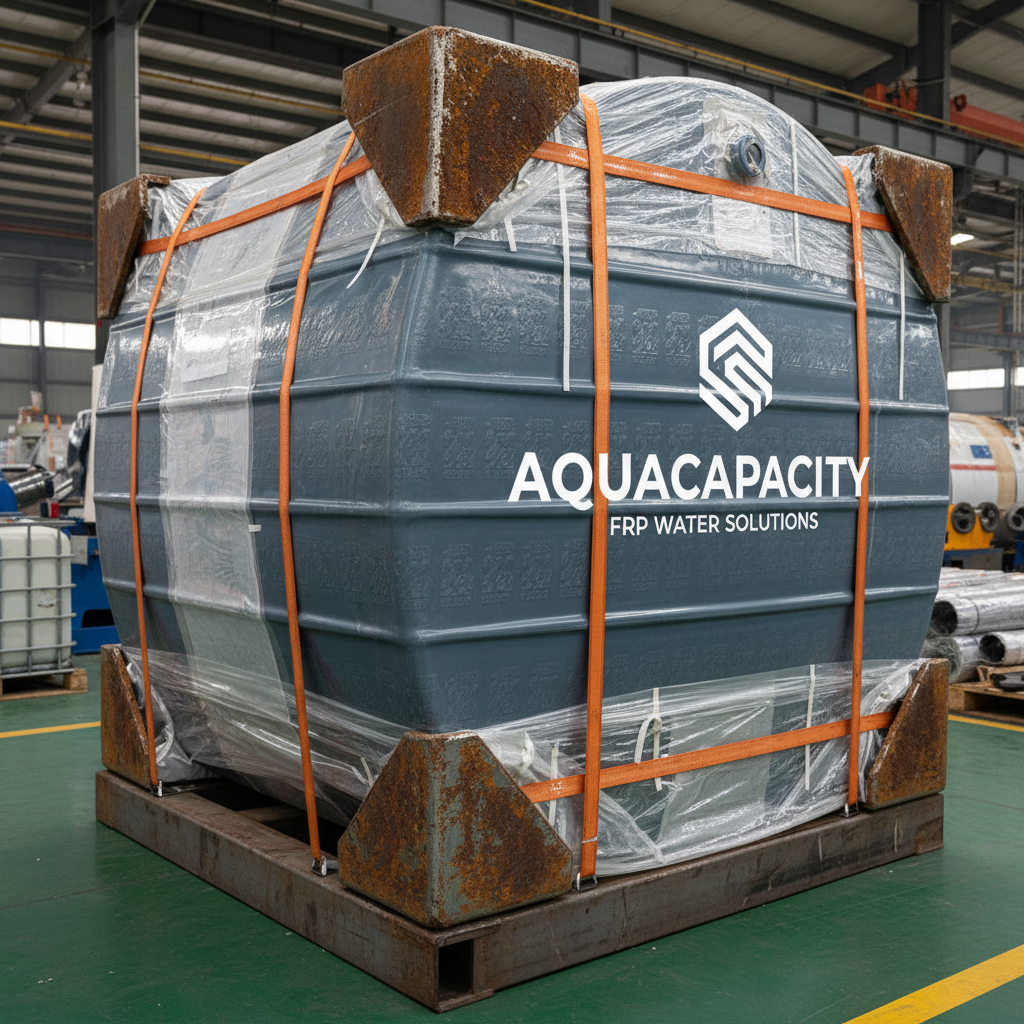
They’re roughly 40–50% lighter than comparable steel options, which translates to easier transport and setup — a real boon for field workers and emergency responders.

Cost Efficiency Over Lifecycle

Sure, initial costs can be a bit higher. However, lower maintenance, reduced corrosion-related losses, and longer service life often make fiberglass tanks more affordable in the bigger picture.

Customization and Scalability

Fiberglass can be molded into a variety of shapes and sizes, easily scaled according to the job. This flexibility is especially useful in agriculture, where tanks need to fit onto specialized spraying rigs or trailers.

UV and Weather Resistance

For outdoor applications, UV-resistant coatings on fiberglass keep tanks from cracking or degrading under strong sunlight, extending their usable life — no small matter in arid, sunny climates.

Product Specification Table: Typical Fiberglass Spray Tank Model

Specification Details
Material Fiberglass Reinforced Plastic with Gel Coat Finish
Capacity 500 to 2000 Liters (custom sizes available)
Weight (empty) 150–300 kg depending on size
Corrosion Resistance Excellent (acidic and alkaline tolerance)
UV Protection Gel coat UV stabilized
Typical Spray Mechanism Hydraulic Pump with Adjustable Nozzles

Where Are Fiberglass Spray Tanks Making a Real Difference?

The versatility of fiberglass spray tanks means they're increasingly found in places and projects with high stakes:

  • Agricultural sectors worldwide rely on them for fertilizer and pesticide spraying, especially in regions like Latin America, India, and Sub-Saharan Africa where traditional metal tanks corrode too quickly.
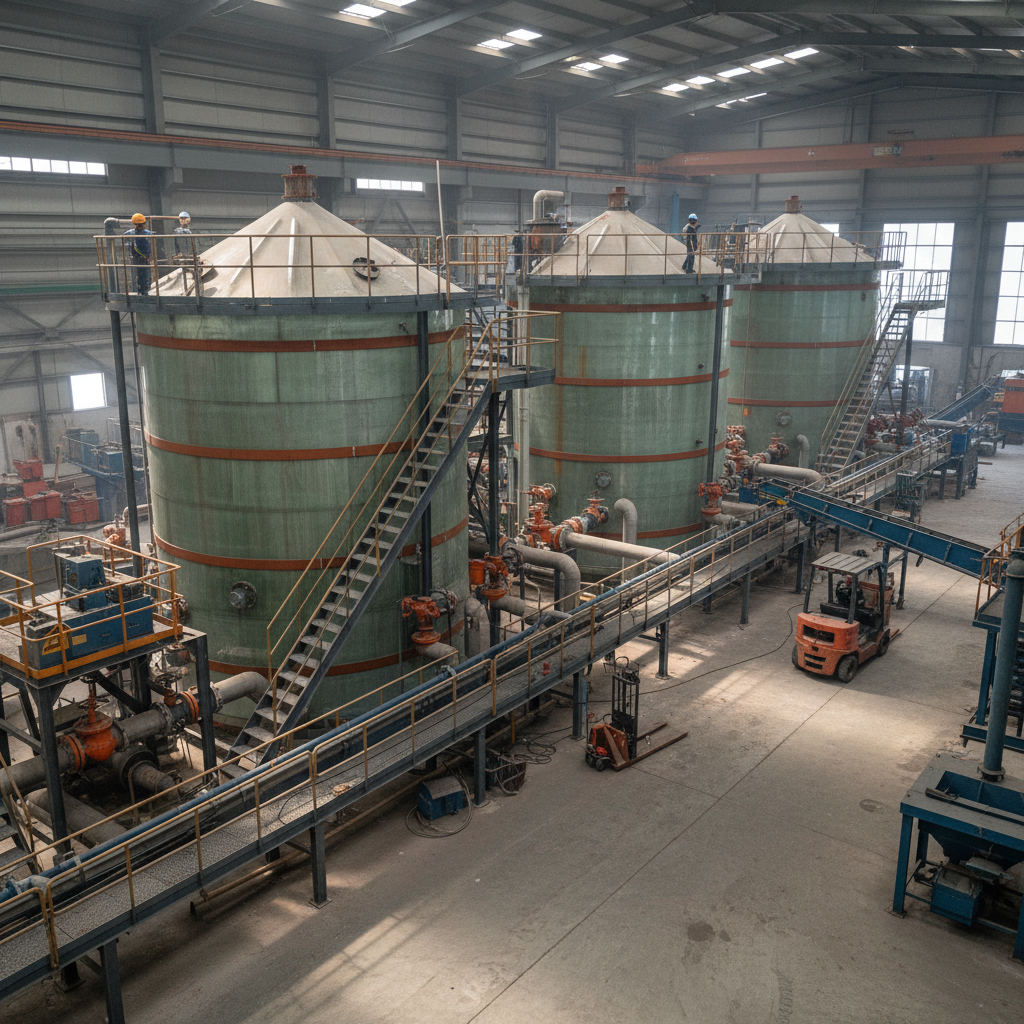
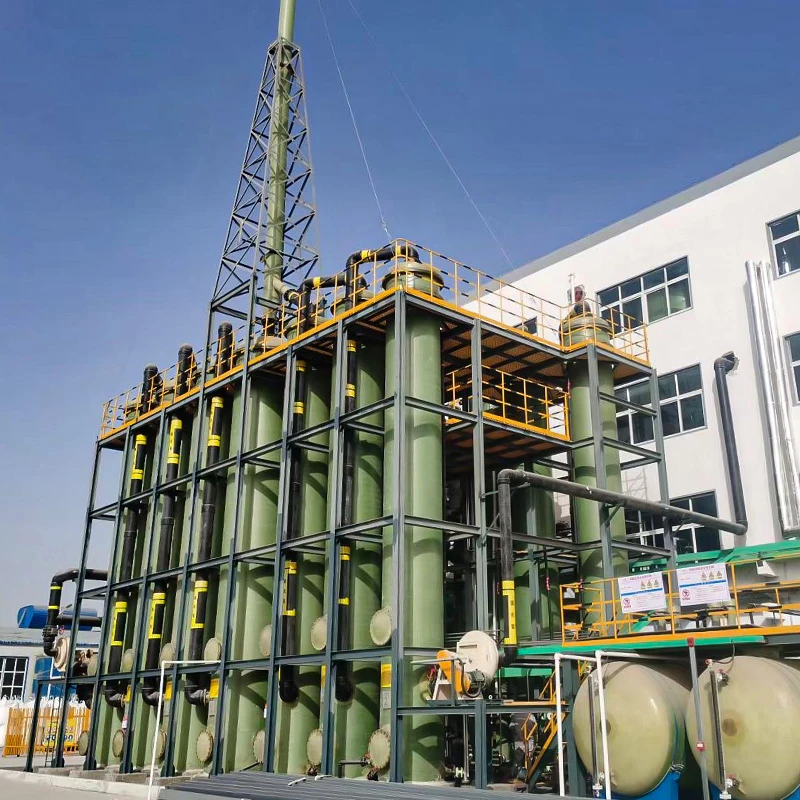
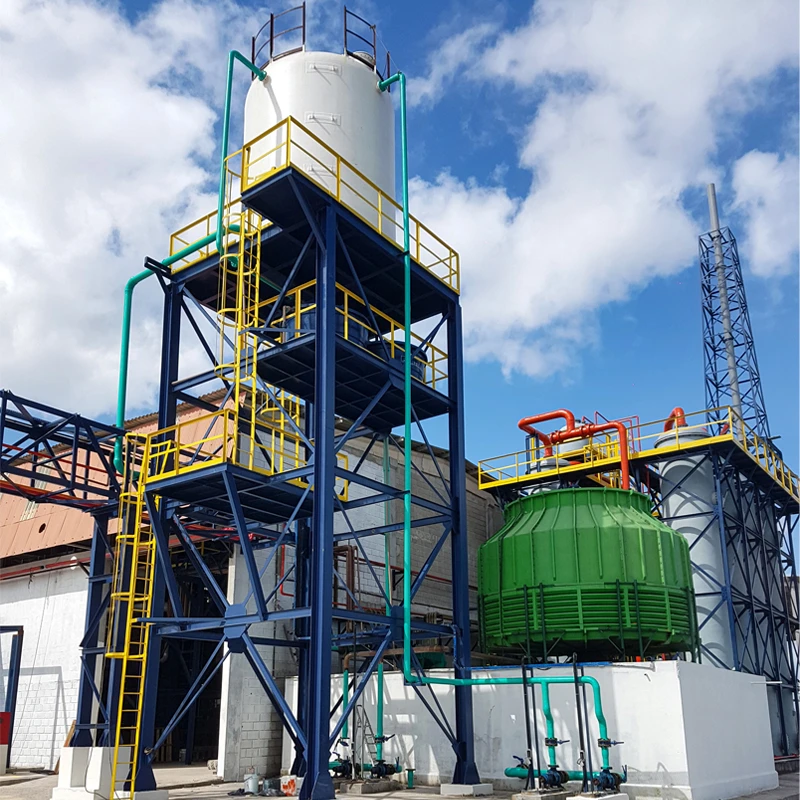
  • Industrial zones including chemical plants and mining operations, where safe and robust chemical handling is critical.
  • Post-disaster relief scenarios, where rapid deployment of portable water distribution and sanitation systems can mean life or death. Organizations like the Red Cross often prefer these tanks for relief camps.
  • Remote industrial sites such as oil fields or construction projects where logistics demands lightweight, durable equipment.

One example from recent years: A Southeast Asian NGO deployed fiberglass spray tanks after severe floods disrupted water access, setting up temporary sanitation stations that dramatically cut waterborne disease outbreaks. Cases like this underscore the larger social impact beyond mere industrial functionality.

Vendor Comparison: Leading Fiberglass Spray Tank Manufacturers

Vendor Capacity Range (Liters) Price Range (USD) Lead Time Customization
FRP Group Machine 100–2500 $1,200–$6,500 3–4 weeks High customization available
Clear Water Solutions 500–1800 $1,000–$5,800 4–6 weeks Limited customization
AquaFibers Inc. 250–2000 $1,500–$6,000 2–3 weeks Medium customization

Why You Should Consider Fiberglass Spray Tanks

From both an engineering standpoint and a practical application perspective, these tanks offer a blend of durability, portability, and sustainability that's tough to beat. Logically, you save on maintenance; emotionally, you gain trust in equipment that's reliable day in and day out under tough conditions.

They also contribute toward greener solutions — fewer replacements equal less waste, and lightweight materials reduce fuel consumption during transport. And in a world that increasingly values sustainability and resilience, these factors add up.

Emerging Trends: What’s Next for Fiberglass Spray Tanks?

Like any industrial product in the 2020s, innovation is ongoing. Some key trends include:

  • Integration with smart sensors for monitoring liquid levels, temperature, and spray pressure in real time.
  • Use of bio-based resins and recycling initiatives making the fiberglass matrix more eco-friendly.
  • Automation in spraying mechanisms coupled with GPS and variable-rate technology for precision agriculture.
  • Modular designs enabling easier scaling up or repairing by swapping out sections rather than full replacements.

So, in short, fiberglass spray tanks aren't just relics of old-school FRP tech; they’re evolving in line with broader trends in Industry 4.0 and sustainability.

Challenges and Practical Solutions

It's not all perfect: fiberglass tanks can be vulnerable to impact damage if mishandled, and their initial costs sometimes shock budget-conscious buyers. Plus, repairs require specialized skills — you can’t just slap on a patch like steel.

But the industry is tackling this by developing hybrid composites that add impact resistance, providing better after-sale support, and educating customers on proper handling. Some vendors even offer on-site repair kits. Ultimately, the ROI often outweighs these initial hurdles if you factor in performance benefits.

FAQ: What People Ask Most About Fiberglass Spray Tanks

Q1: How long do fiberglass spray tanks typically last in the field?

A: With proper maintenance, most fiberglass tanks last 10–15 years, sometimes longer. Their corrosion resistance ensures long life even in harsh chemical or saline environments.

Q2: Are fiberglass spray tanks suitable for all types of chemicals?

A: While they handle most agricultural and industrial chemicals well, some strong solvents or hydrocarbon fuels might require specific resin formulations or protective liners. Always check vendor specs for compatibility.

Q3: Can fiberglass spray tanks be customized for unusual shapes or volumes?

A: Absolutely. One of fiberglass’s key advantages is the ability to mold tanks to precise specifications to fit specialized applications or limited spaces.

Q4: How portable are these tanks for field operations?

A: Their light weight compared to metal makes them ideal for transportation on trailers or by hand for smaller sizes. Many designs also incorporate handles or mounting frames for easy movement.

Q5: Is it difficult to maintain or repair these tanks onsite?

A: Maintenance is straightforward, mostly involving inspections and cleaning. Repairs can require specialized resin kits, but vendors often supply these with instructions, making minor patching manageable in the field.

Final Thoughts and Call to Action

In the grand scheme, fiberglass spray tanks epitomize the kind of industrial innovation that often flies under the radar but keeps vital systems running smoothly. They combine strength, adaptability, and thoughtful design in a package that supports agriculture, industry, and humanitarian efforts alike.

If you’re considering upgrading or specifying new spraying equipment, these tanks deserve a serious look — both for their tangible benefits and the emerging tech trends shaping their future. For more detailed product info, customization options, and guidance, head over to fiberglass spray tanks — your next reliable partner in robust fluid management.


Quick Takeaways:

  • Fiberglass spray tanks are durable, corrosion-resistant, and lightweight alternatives critical in industries and disaster relief.
  • Their customization flexibility means tailored solutions for varied applications worldwide.
  • Initial higher costs pay off over lifecycle with less maintenance and environmental benefits.
  • Emerging trends like smart monitoring and green resins promise even greater efficiency and sustainability.
References

  1. United Nations Environment Programme (UNEP)
  2. International Organization for Standardization (ISO)
  3. Fiberglass | Wikipedia
Upsell Products
Upsell News
Durable FRP Vessel for Water Treatment and Industrial Filtration
Apr 16,2026
Durable FRP Vessel for Water Treatment and Industrial Filtration
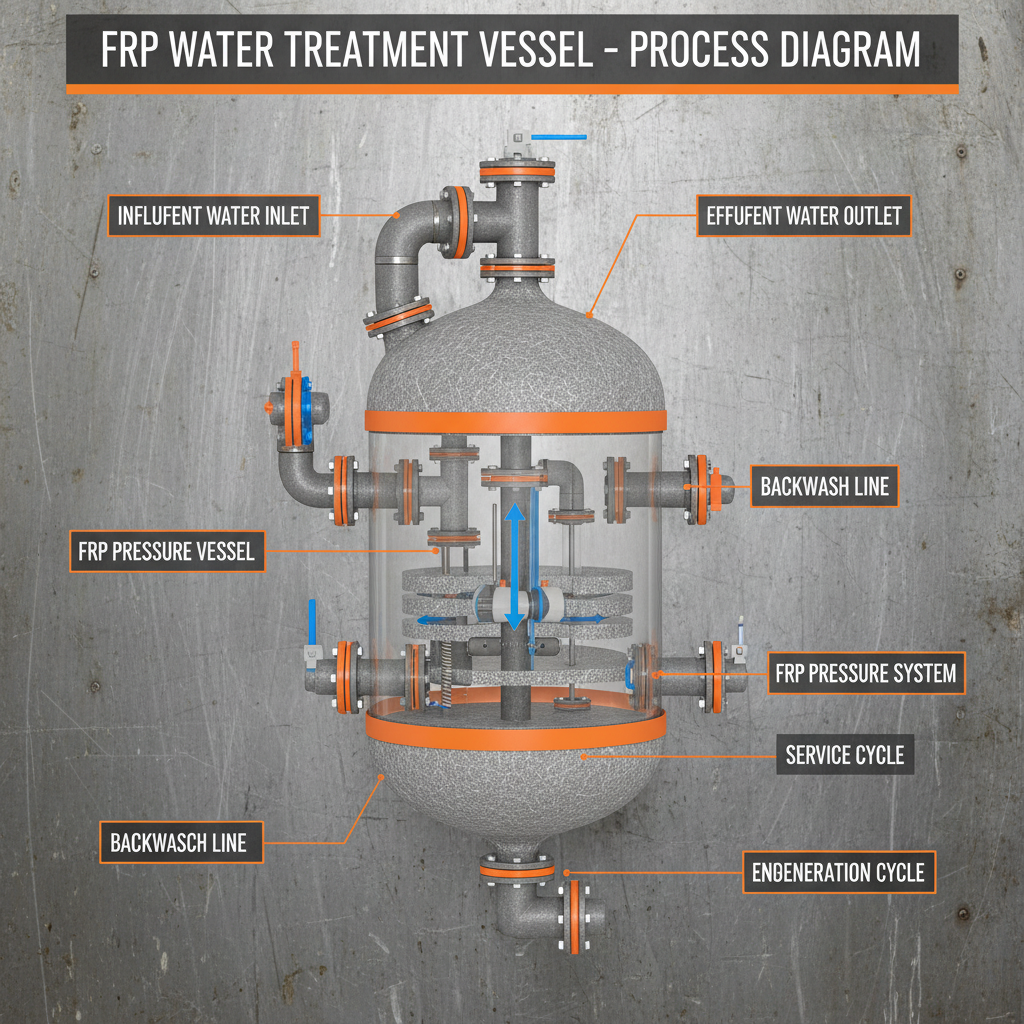
In the modern era of industrial and residential water purification, the choice of containment materials is critical for efficiency and longevity. An frp vessel for water treatment has emerged as the gold standard, replacing traditional steel tanks due to its superior corrosion resistance and lightweight properties. Whether you are dealing with desalination, softening, or filtration, using Fiber Reinforced Plastic (FRP) ensures that your system remains leak-proof and durable against aggressive chemicals. In this comprehensive guide, we will explore why FRP is the preferred choice for water treatment professionals worldwide and how to select the right vessel for your specific application.
Industrial Guide for Choosing the Right FRP Vertical Tank
Apr 09,2026
Industrial Guide for Choosing the Right FRP Vertical Tank
In today's industrial landscape, the storage of corrosive chemicals and aggressive liquids requires materials that can withstand extreme conditions without degrading. The frp vertical tank has emerged as a premier solution, offering an exceptional balance of strength, lightweight properties, and unmatched chemical resistance. Whether you are managing a water treatment plant or a chemical processing facility, understanding the nuances of Fiber Reinforced Plastic (FRP) is essential for ensuring operational safety and longevity. In this comprehensive guide, we will explore why vertical configurations are preferred and how these tanks outperform traditional metal alternatives.
Comprehensive Guide to FRP Underground Water Tank Solutions and Applications
Apr 07,2026
Comprehensive Guide to FRP Underground Water Tank Solutions and Applications
Fiberglass Reinforced Polymer (FRP) underground water tanks are becoming increasingly popular for a wide range of applications, from potable water storage to industrial wastewater containment. Their superior corrosion resistance, lightweight nature, and design flexibility make them an excellent alternative to traditional materials like concrete or steel. This article will delve into the benefits, applications, construction, and considerations for implementing FRP underground water tanks, providing a comprehensive overview for engineers, contractors, and project managers.
Comprehensive Guide to Frp Underground Water Storage Tanks and Their Applications
Apr 04,2026
Comprehensive Guide to Frp Underground Water Storage Tanks and Their Applications
When considering water storage solutions, particularly for industrial, agricultural, or municipal applications, frp underground water storage tanks stand out as a durable, cost-effective, and environmentally friendly option. These tanks are increasingly favored over traditional materials like concrete or steel due to their superior corrosion resistance, lighter weight, and ease of installation. This article delves into the benefits, applications, construction, and considerations when choosing an FRP tank, providing a detailed overview for potential buyers and project planners.
Sulfuric Acid Production Line - Hebei Aoliande|Efficient H2SO4 Plant Technology
Apr 01,2026
Sulfuric Acid Production Line - Hebei Aoliande|Efficient H2SO4 Plant Technology
Discover efficient H2SO4 plant technology and advanced sulfuric acid production solutions. Hebei Aoliande combines energy-saving furnace design and eco-friendly HCl recovery systems for sustainable industrial applications. Explore now: https://www.frpgrpmachine.com/sulfuric-acid-production-line-for-h2so4-plant.html
Sulfuric Acid Production Line - Hebei Aoliande|Efficient H2SO4 Plant Technology
Apr 01,2026
Sulfuric Acid Production Line - Hebei Aoliande|Efficient H2SO4 Plant Technology
Discover efficient H2SO4 plant technology and advanced sulfuric acid production solutions. Hebei Aoliande combines energy-saving furnace design and eco-friendly HCl recovery systems for sustainable industrial applications. Explore now: https://www.frpgrpmachine.com/sulfuric-acid-production-line-for-h2so4-plant.html
Sulfuric Acid Production Line - Hebei Aoliande|Efficient H2SO4 Plant Technology
Apr 01,2026
Sulfuric Acid Production Line - Hebei Aoliande|Efficient H2SO4 Plant Technology
Discover efficient H2SO4 plant technology and advanced sulfuric acid production solutions. Hebei Aoliande combines energy-saving furnace design and eco-friendly HCl recovery systems for sustainable industrial applications. Explore now: https://www.frpgrpmachine.com/sulfuric-acid-production-line-for-h2so4-plant.html
Sulfuric Acid Production Line - Hebei Aoliande|Efficient H2SO4 Plant Technology
Apr 01,2026
Sulfuric Acid Production Line - Hebei Aoliande|Efficient H2SO4 Plant Technology
Discover efficient H2SO4 plant technology and advanced sulfuric acid production solutions. Hebei Aoliande combines energy-saving furnace design and eco-friendly HCl recovery systems for sustainable industrial applications. Explore now: https://www.frpgrpmachine.com/sulfuric-acid-production-line-for-h2so4-plant.html
Sulfuric Acid Production Line - Hebei Aoliande|Efficient H2SO4 Plant Technology
Apr 01,2026
Sulfuric Acid Production Line - Hebei Aoliande|Efficient H2SO4 Plant Technology
Discover efficient H2SO4 plant technology and advanced sulfuric acid production solutions. Hebei Aoliande combines energy-saving furnace design and eco-friendly HCl recovery systems for sustainable industrial applications. Explore now: https://www.frpgrpmachine.com/sulfuric-acid-production-line-for-h2so4-plant.html
Sulfuric Acid Production Line - Hebei Aoliande|Efficient H2SO4 Plant Technology
Apr 01,2026
Sulfuric Acid Production Line - Hebei Aoliande|Efficient H2SO4 Plant Technology
Discover efficient H2SO4 plant technology and advanced sulfuric acid production solutions. Hebei Aoliande combines energy-saving furnace design and eco-friendly HCl recovery systems for sustainable industrial applications. Explore now: https://www.frpgrpmachine.com/sulfuric-acid-production-line-for-h2so4-plant.html
Comprehensive Guide to Frp Underground Storage Tanks for Reliable Storage Solutions
Mar 31,2026
Comprehensive Guide to Frp Underground Storage Tanks for Reliable Storage Solutions
Fiberglass Reinforced Polymer (FRP) underground storage tanks are becoming increasingly popular for a wide range of applications, from fuel storage to wastewater management. Their corrosion resistance, lightweight nature, and durability offer significant advantages over traditional materials like steel. This article will provide an in-depth look at FRP underground storage tanks, covering their benefits, applications, installation, and maintenance. Understanding these aspects is crucial for making informed decisions about long-term storage solutions.
Comprehensive Guide to Selecting the Ideal FRP Tank for Water Storage Solutions
Mar 28,2026
Comprehensive Guide to Selecting the Ideal FRP Tank for Water Storage Solutions
When it comes to reliable and durable water storage, FRP tanks for water are increasingly becoming the preferred solution for a wide range of applications. These tanks, constructed from Fiber Reinforced Polymer (FRP) materials, offer significant advantages over traditional storage options like steel or concrete. This article delves into the benefits, applications, and considerations when selecting an FRP tank for your water storage needs, providing a detailed overview for businesses and individuals alike.
Comprehensive Guide to Frp Tank and Vessel Applications and Manufacturing
Mar 26,2026
Comprehensive Guide to Frp Tank and Vessel Applications and Manufacturing
Fiber Reinforced Polymer (FRP) tanks and vessels are increasingly becoming the preferred choice for storage and processing across a multitude of industries. Their lightweight nature, corrosion resistance, and design flexibility offer significant advantages over traditional materials like steel. This article will delve into the intricacies of FRP tanks and vessels, exploring their applications, manufacturing processes, benefits, and considerations for selecting the right solution for your specific needs. We’ll also highlight why FRP tanks are a cost-effective and reliable long-term investment. FRP tanks and vessels are constructed from a combination of reinforcing fibers (such as fiberglass, carbon fiber, or aramid fiber) embedded in a polymer matrix (typically polyester, vinyl ester, or epoxy resin). This combination creates a composite material that boasts high strength-to-weight ratio, exceptional corrosion resistance, and the ability to be molded into complex shapes. They’re designed to safely contain a wide variety of liquids and gases, ranging from corrosive chemicals and water to food products and pharmaceuticals.
Optimizing Water Filtration with Durable FRP Sand Filter Vessels
Mar 24,2026
Optimizing Water Filtration with Durable FRP Sand Filter Vessels
In water treatment and filtration systems, the choice of filter vessel material is paramount. Fiber Reinforced Plastic (FRP), also known as Glass Reinforced Polymer (GRP), sand filter vessels are increasingly popular due to their superior corrosion resistance, lightweight nature, and cost-effectiveness. This article delves into the benefits, applications, design considerations, and factors to consider when selecting an FRP sand filter vessel. Whether you are involved in municipal water treatment, industrial wastewater management, or recreational water filtration, understanding FRP technology is essential for optimizing your filtration process. An FRP sand filter vessel is a containment unit designed to house filtration media, typically sand, gravel, and anthracite. These vessels are integral components in sand filtration systems used for removing suspended solids, turbidity, and other particulate matter from water. FRP construction involves layering glass fibers within a resin matrix (typically polyester or vinyl ester) to create a strong, durable, and chemically resistant shell. The strength and rigidity of the vessel are crucial for withstanding the pressure from the filtration media and the water flow.
Comprehensive Guide to FRP Round Tanks Applications and Benefits
Mar 21,2026
Comprehensive Guide to FRP Round Tanks Applications and Benefits
Fiber Reinforced Polymer (FRP) round tanks are increasingly becoming the preferred choice for storage solutions across a variety of industries. Their lightweight nature, corrosion resistance, and design flexibility offer significant advantages over traditional materials like steel. This article provides an in-depth look at FRP round tanks, exploring their applications, benefits, manufacturing processes, and key considerations when choosing the right tank for your needs. Whether you're in chemical processing, water treatment, or agriculture, understanding FRP round tanks is crucial for optimizing your storage infrastructure. FRP round tanks are constructed from a combination of reinforcing fibers (typically fiberglass, carbon fiber, or a blend) embedded in a polymer matrix (often polyester, vinyl ester, or epoxy resin). The round shape inherently provides excellent structural strength, distributing pressure evenly across the tank’s surface.
Comprehensive Guide to FRP Pressure Tanks Benefits and Applications
Mar 19,2026
Comprehensive Guide to FRP Pressure Tanks Benefits and Applications
Fiber Reinforced Polymer (FRP) pressure tanks are becoming increasingly popular in a wide range of industrial applications, offering a compelling alternative to traditional steel tanks. Known for their lightweight nature, corrosion resistance, and high strength-to-weight ratio, FRP tanks provide efficient and durable solutions for storing liquids and gases under pressure. This article will delve into the benefits, applications, construction, and key considerations when selecting an FRP pressure tank, helping you make an informed decision for your specific needs. Understanding the advantages of FRP technology can lead to significant cost savings and improved operational efficiency. Compared to steel, FRP pressure tanks offer several key advantages. The most significant is their superior corrosion resistance. Unlike steel, which is susceptible to rust and corrosion when exposed to various chemicals, FRP materials are inherently resistant to a wide range of corrosive substances. This translates to a longer lifespan, reduced maintenance costs, and increased safety. Furthermore, FRP is significantly lighter than steel, making installation easier and reducing transportation costs.
For More Details Pls Contact Us
Thank you for your interest in our gloves! We offer high-quality, durable, and comfortable gloves with fast delivery and competitive prices. For any questions or customization, feel free to contact us. We look forward to working with you!

If you are interested in our products, you can choose to leave your information here, and we will be in touch with you shortly.