Nov 28,2025

Durable and Cost-Effective Fiberglass Chemical Storage Tanks for Industry and Relief

What Makes Fiberglass Chemical Storage Tanks a Global Game-Changer?

If you hadn’t given much thought to fiberglass chemical storage tanks before, don’t worry—most people haven’t. But here’s the thing: these tanks quietly underpin a huge chunk of industrial, environmental, and humanitarian efforts worldwide. From safely holding corrosive chemicals to storing essential liquids in harsh environments, understanding these tanks is more critical than you’d expect.

Globally, industries are pushing harder for safer, more durable, and sustainable storage solutions. Fiberglass chemical storage tanks address challenges that steel or concrete tanks often stumble over—like corrosion resistance and ease of deployment. As chemical production is projected to grow by roughly 4% annually through 2030 (according to the International Energy Agency), the role of these tanks only becomes more vital.

Fiberglass Chemical Storage Tanks in the Global Context

Out in the world, chemical storage needs are enormous—and not just in big factories. According to a 2023 World Bank report, over 30% of chemical accidents happen due to inadequate storage, often in developing regions. That sobering statistic pushes the case for safer designs worldwide.

Fiberglass tanks, made mostly from glass-reinforced plastics (GRP), solve many issues with traditional storage methods. Corrosion-resistant and lightweight, they’re transportable and easier to maintain. Considering the industry’s carbon footprint, these tanks often carry a smaller environmental impact than metal or concrete alternatives. It’s no surprise ISO 28765:2019 now includes GRP tanks in their chemical storage standards.

What Exactly Are Fiberglass Chemical Storage Tanks?

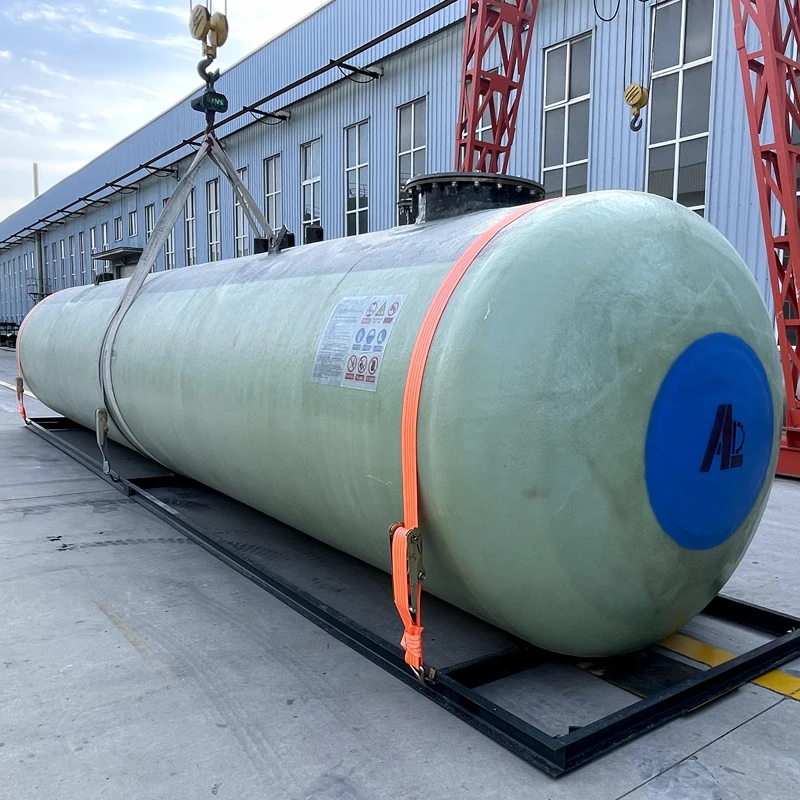
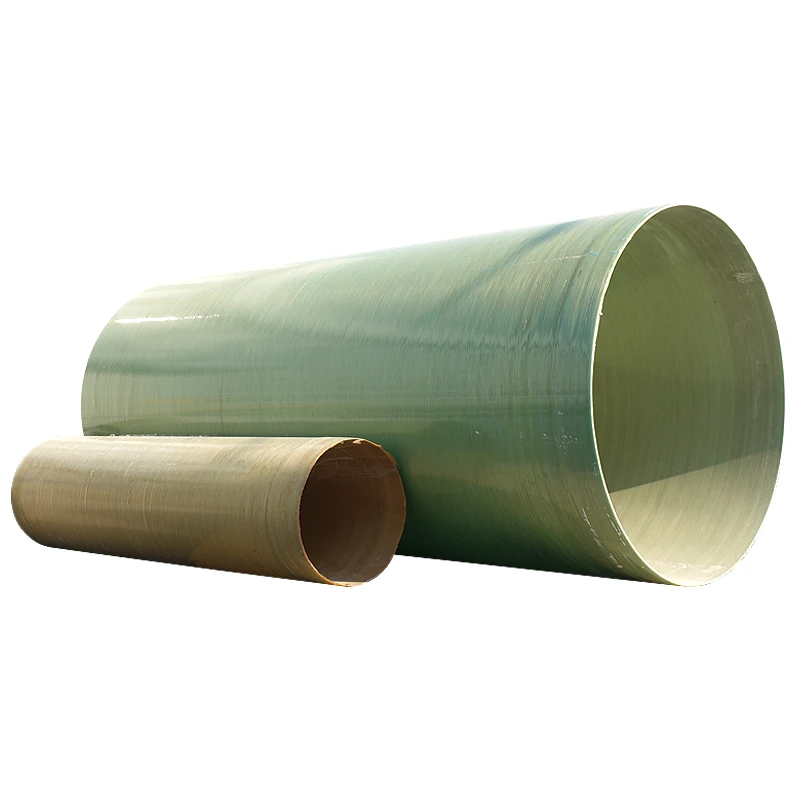
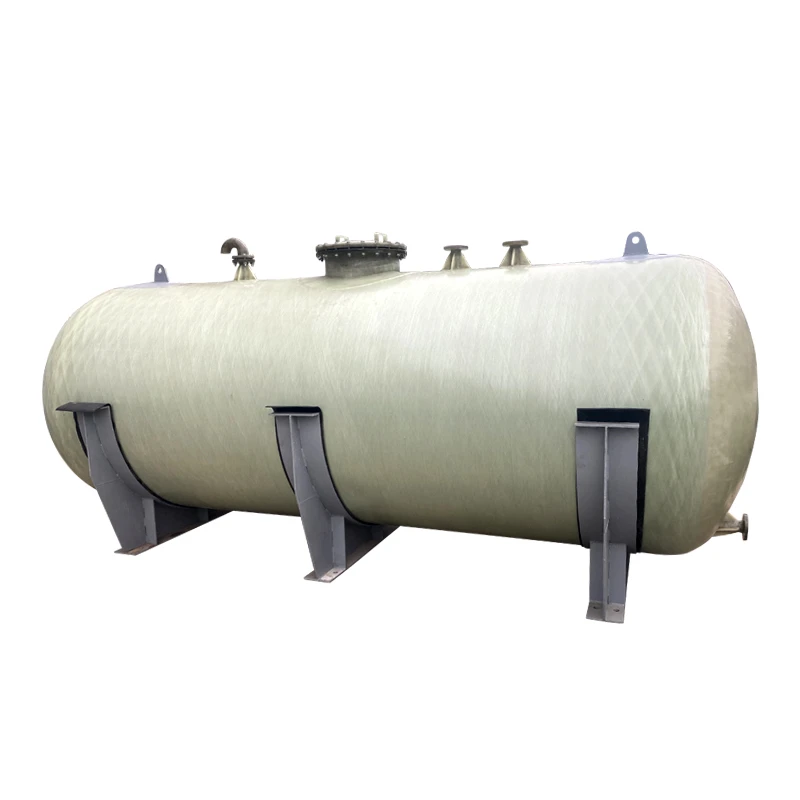
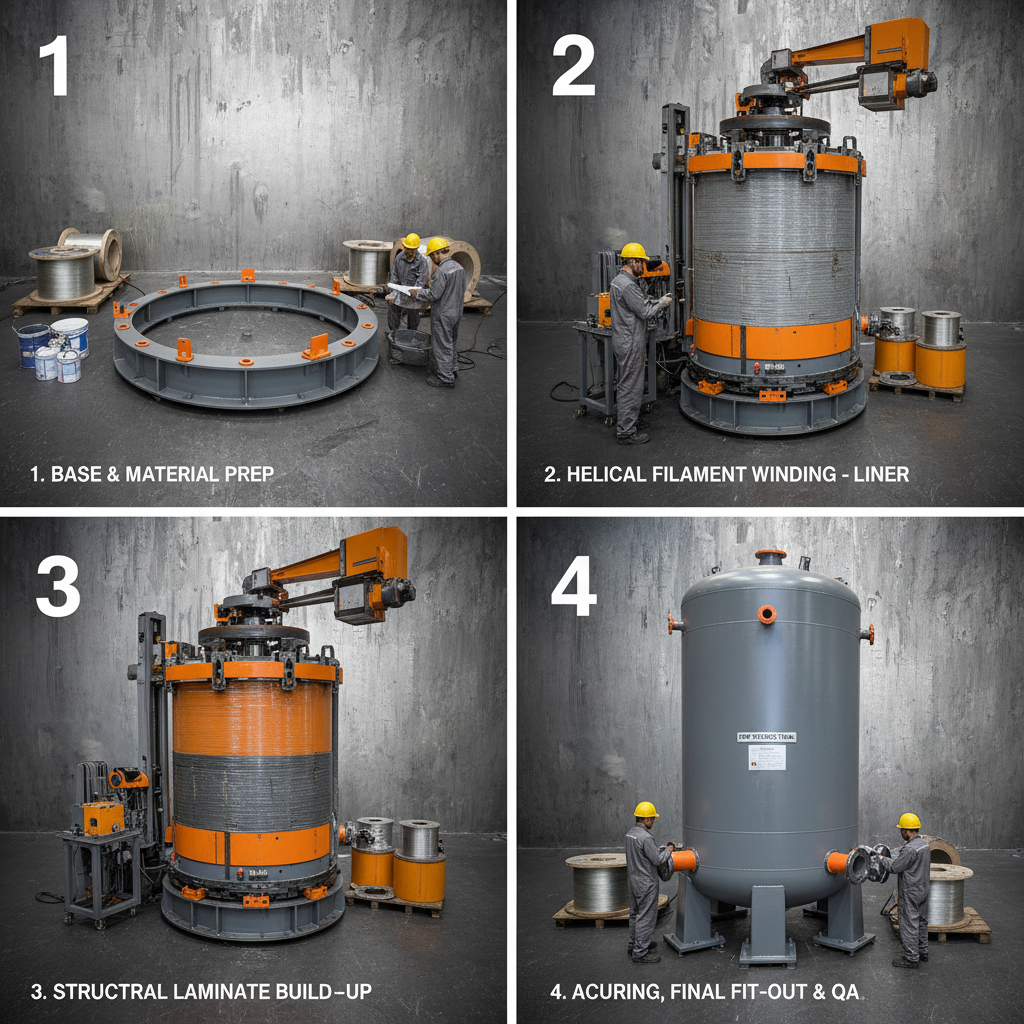
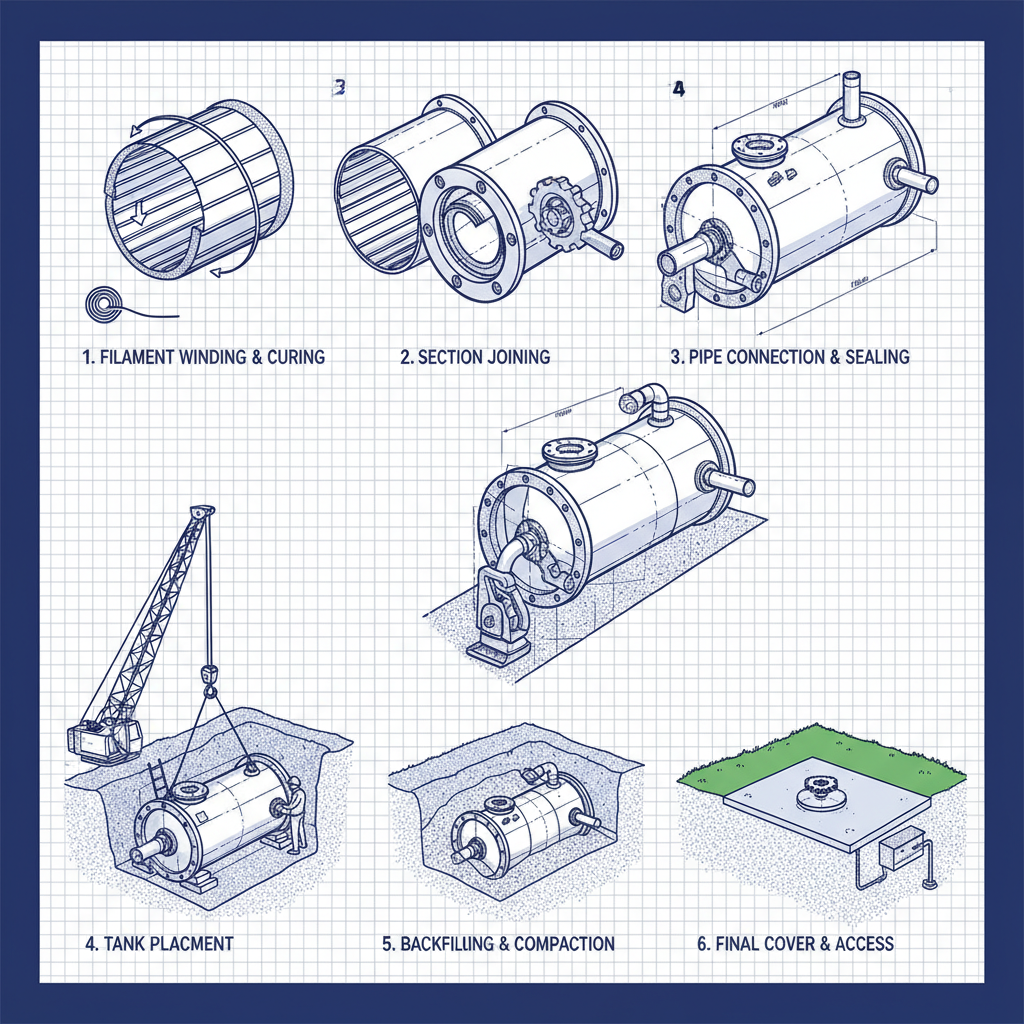
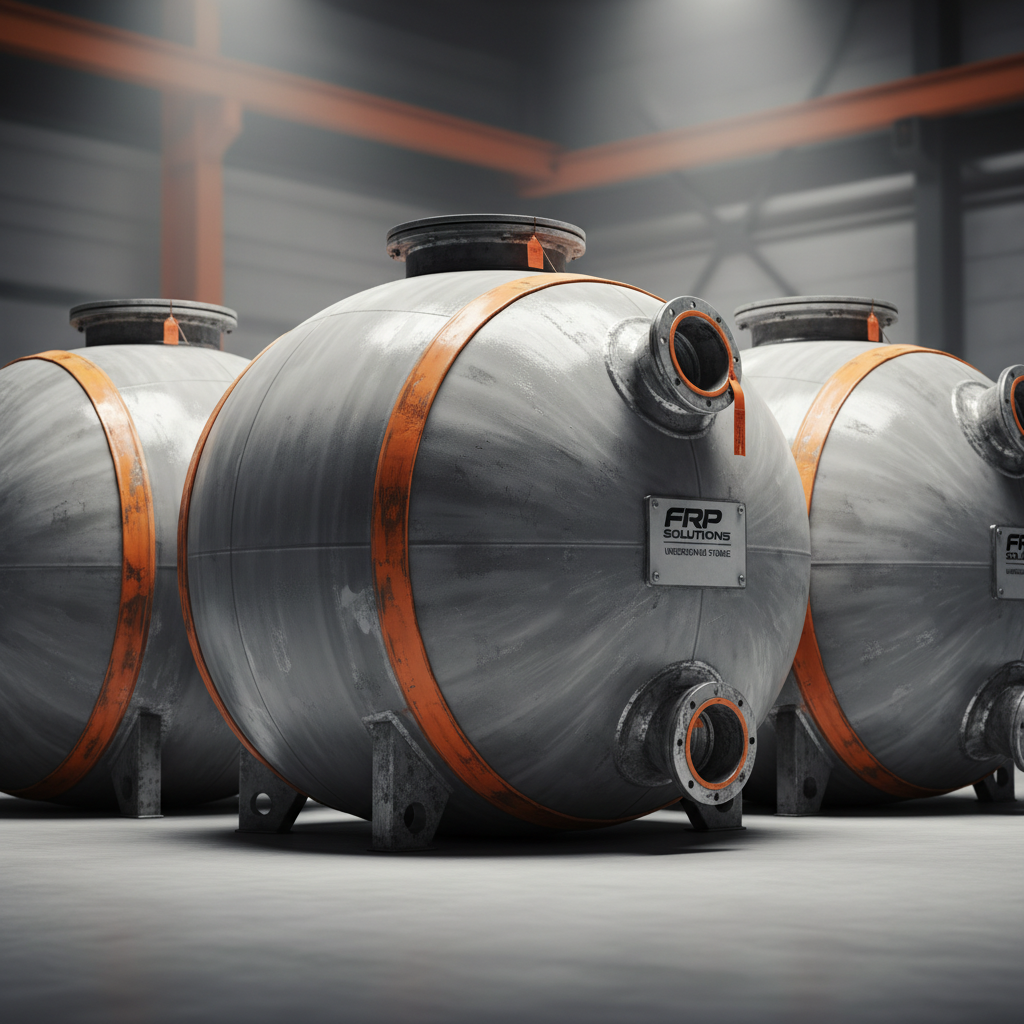
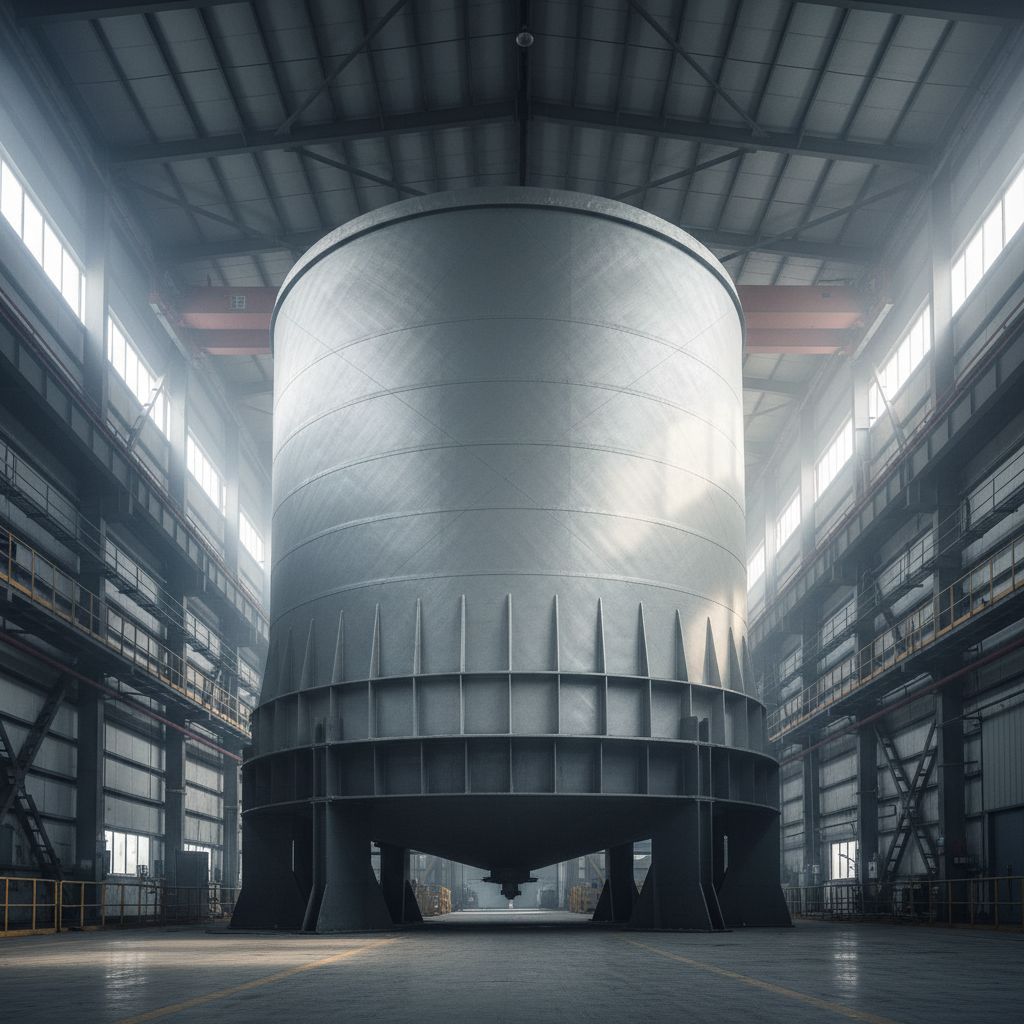
Simply put, these tanks combine layers of glass fibers embedded in resin to create a strong but lightweight structure. The result is a corrosion-resistant tank designed to store hazardous or reactive liquids safely. Think of them as the modern twist on traditional tanks but with a flexibility that suits everything from remote chemical plants to humanitarian relief stockpiles.

They link directly to modern industry’s twin needs: durability and rapid deployment. Imagine a remote mining operation or a disaster relief site needing fast, reliable chemical containment without the hassle and weight of steel.

Key Factors Shaping Fiberglass Chemical Storage Tanks

Durability

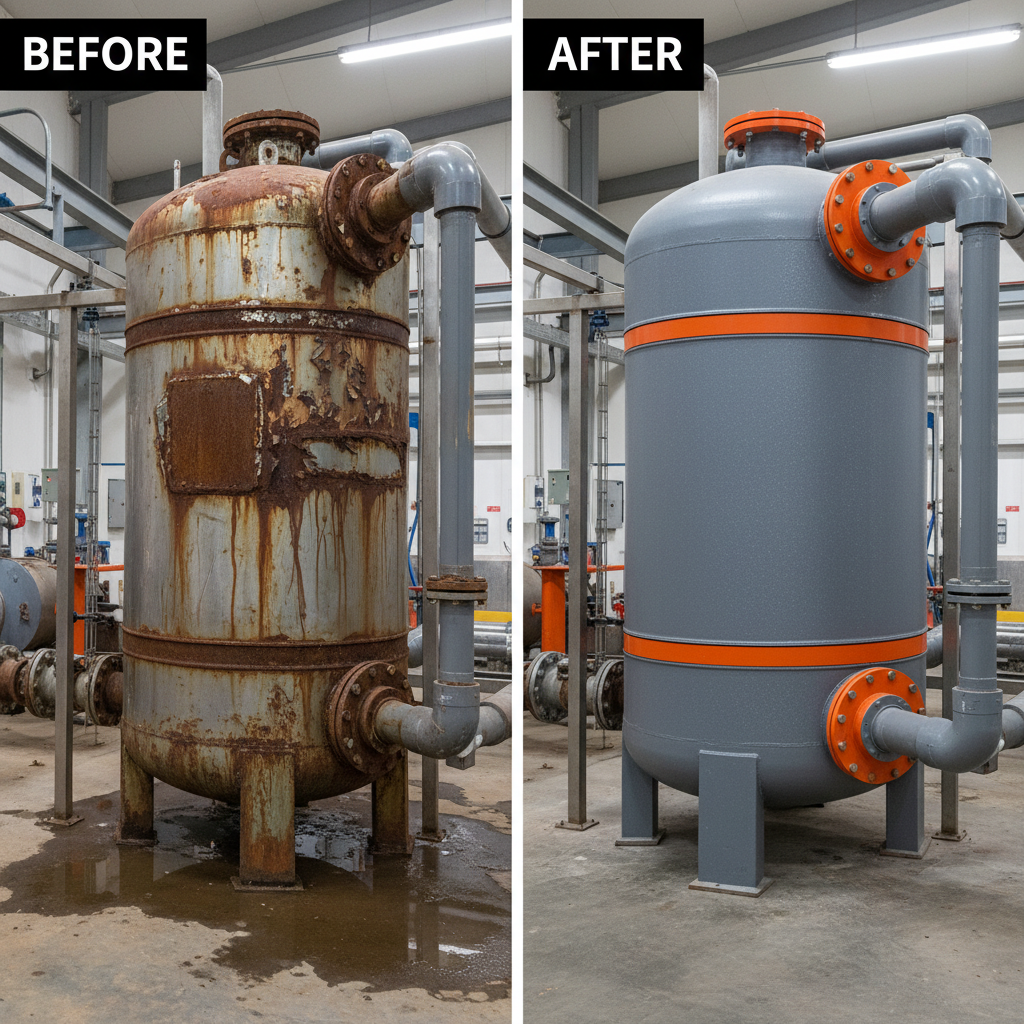
One of fiberglass’s winning factors is relentless resistance to corrosion. Whether it’s acids, bases, or even saltwater exposure, fiberglass stands tall where steel rusts away. Many engineers note that these tanks often last 20–30 years with proper upkeep—far less hassle and downtime for replacements.

Scalability & Customization

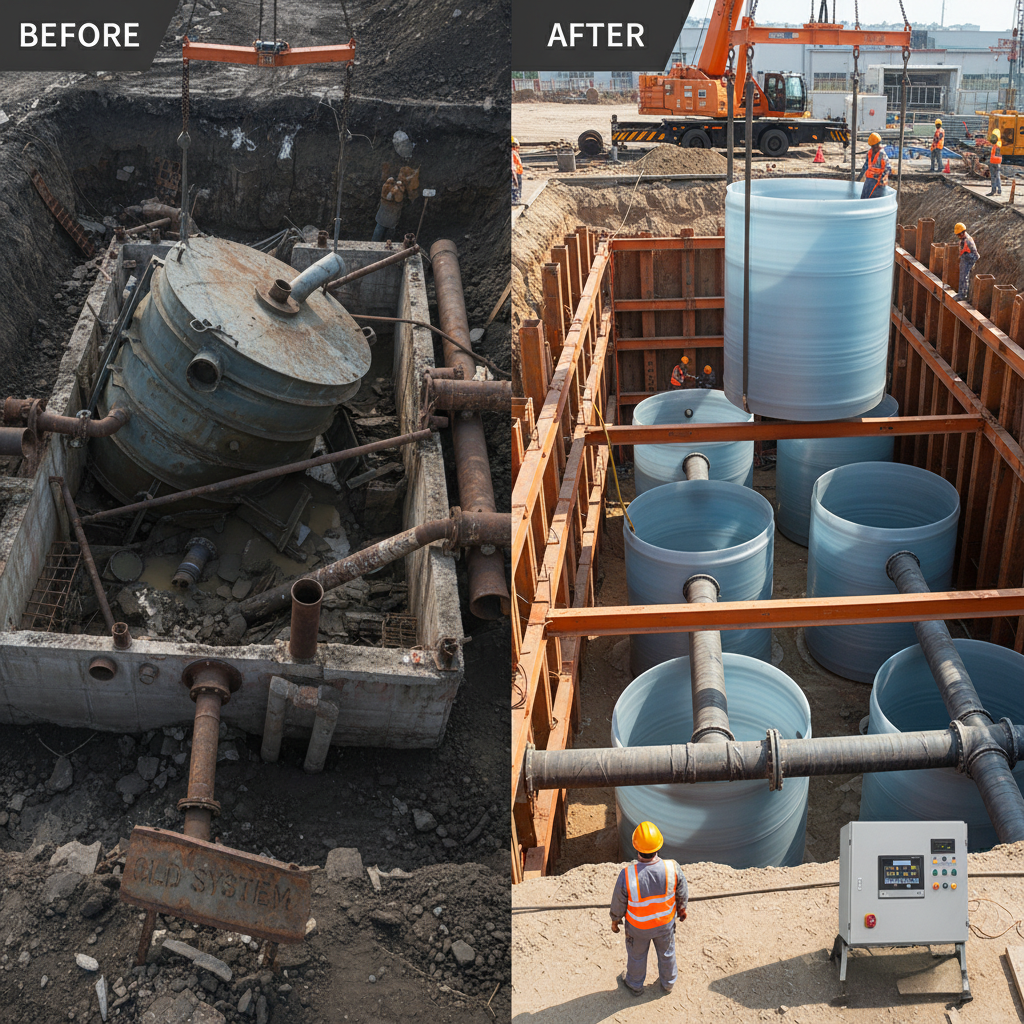
Another cool thing: these tanks come in many sizes—anything from a few hundred gallons for small labs to 50,000-gallon giants for industrial complexes. Vendors tailor designs quite a bit, adding features like reinforced bases or specialized liners to handle unique chemical mixes. Actually, I saw a setup recently where modular fiberglass tanks snapped together in the field to create a larger storage array without heavy equipment.

Cost Efficiency

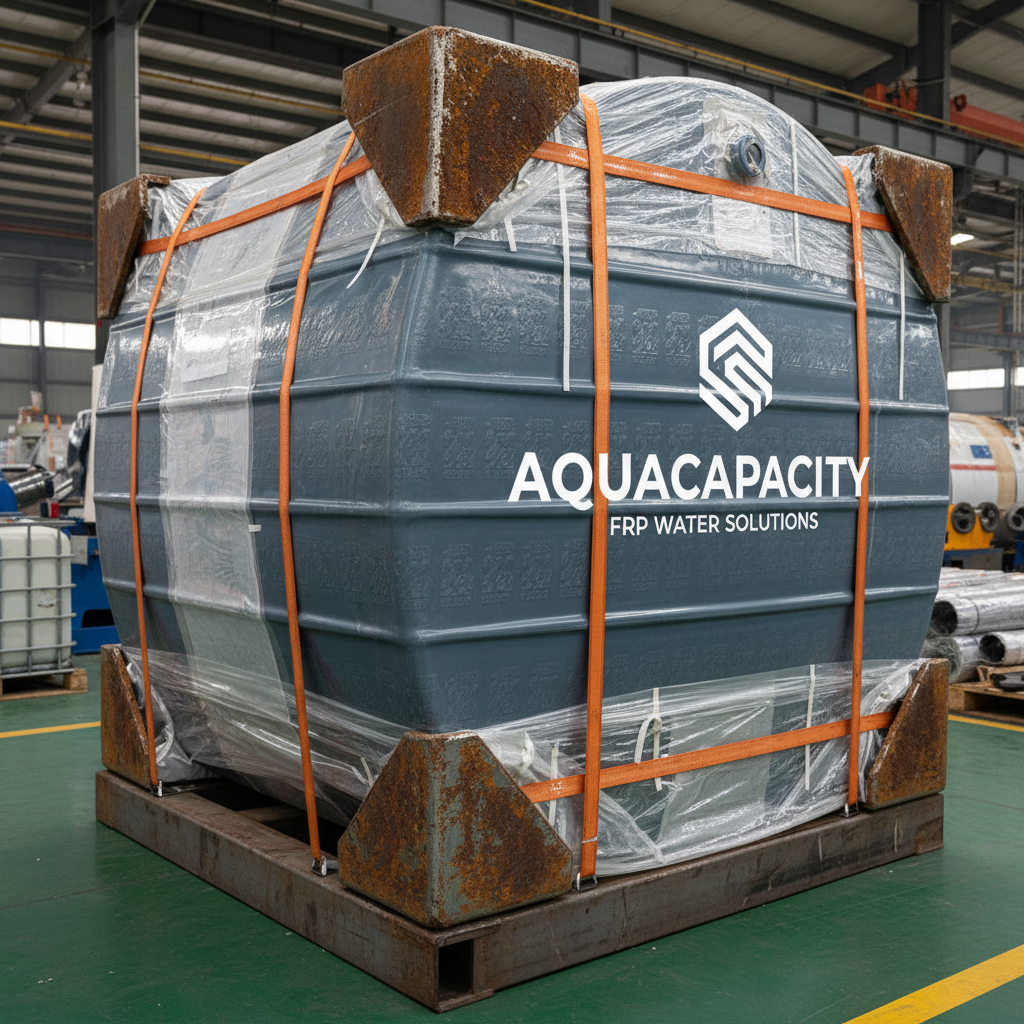
You might guess fiberglass costs more upfront; sometimes it does, but long-term? It wins easily because it slashes maintenance and cleanup. Lower corrosion means lower risk of leaks, which keeps insurance premiums down. Plus, transporting fiberglass tanks costs less—lighter weight means less fuel.

Environmental Impact

Fiberglass tanks can be recyclable or repurposed at end-of-life in many cases. The industry is pushing greener resin formulations too, which may reduce VOC emissions during manufacturing. Sustainability matters, because the safer our storage, the less chance of environmental contamination—big peace of mind for communities near chemical sites.

Compliance and Safety Certifications

Many tanks meet or exceed safety standards like those from NFPA, EPA, and ISO. This compliance isn't just red tape; it's a lifesaver in preventing chemical accidents, protecting workers, and ensuring smooth regulatory approval.

Where in the World Do Fiberglass Chemical Storage Tanks Shine?

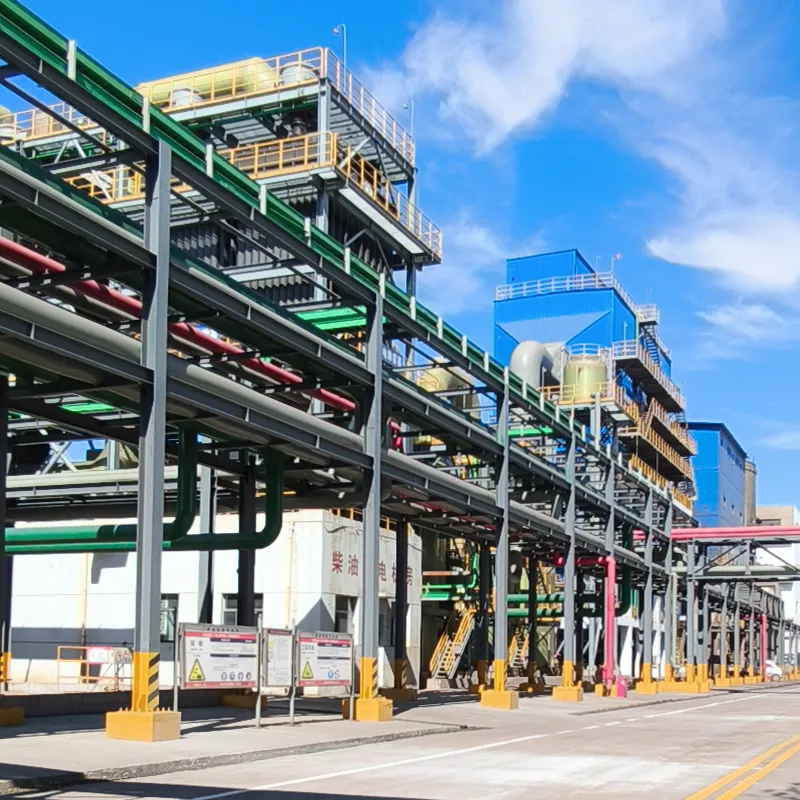
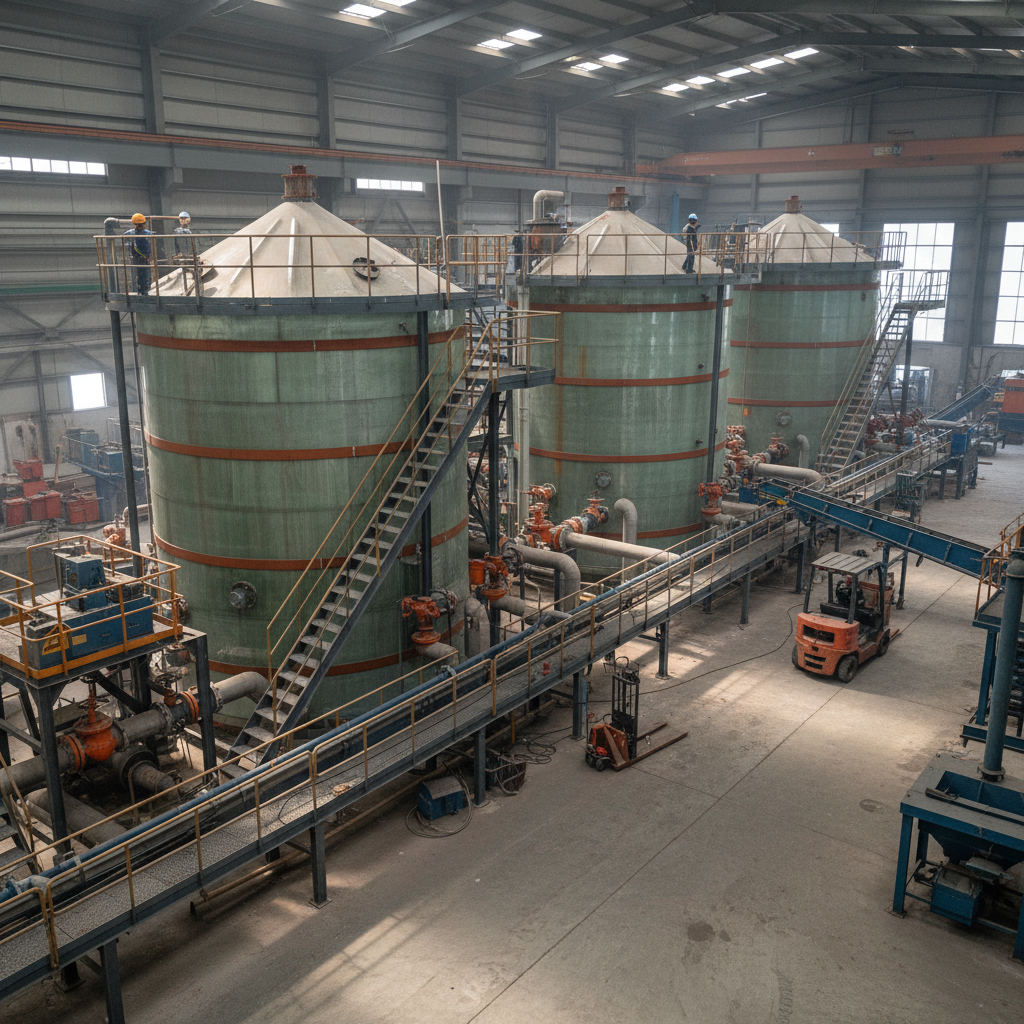
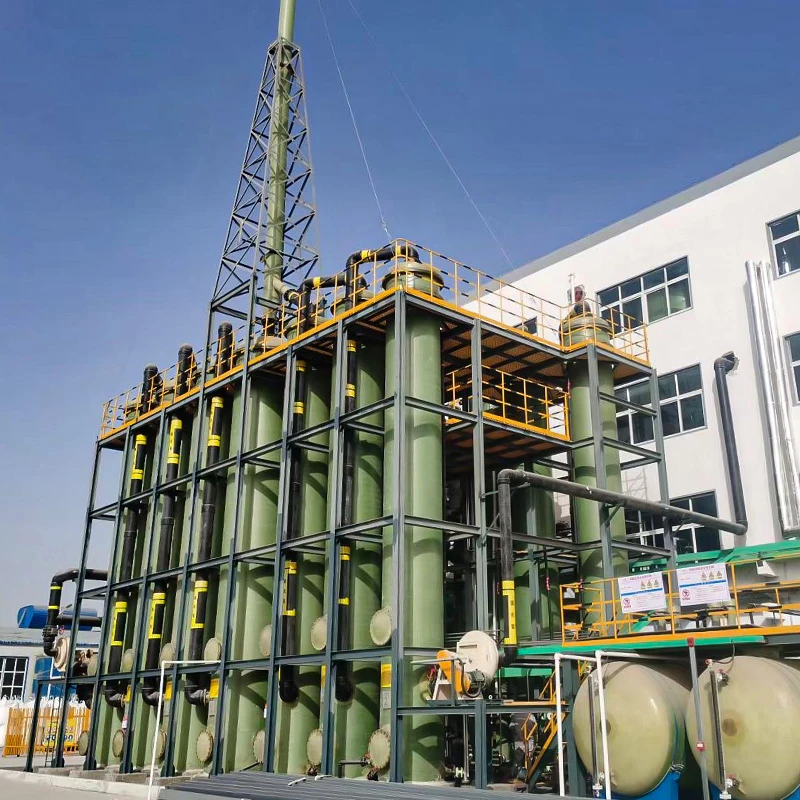
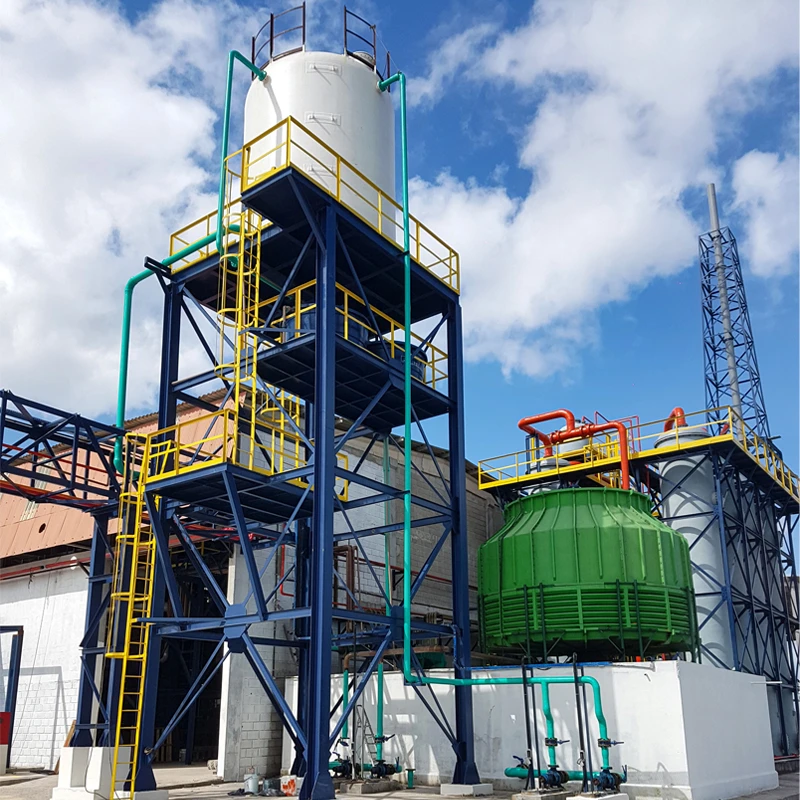
Industrially, fiberglass tanks are popular in mining regions of Australia and South America, where harsh conditions and remote locations demand low-maintenance solutions. In East Asia’s booming chemical sector, companies use them extensively for corrosive acids and bases.

Humanitarian organizations have also turned to these tanks in post-disaster relief. For example, after the 2022 floods in Southeast Asia, NGOs used fiberglass tanks to quickly set up chemical storage for water purification agents safely—something metal tanks couldn't accomplish fast enough due to assembly challenges and corrosion risks.

In real terms, these tanks are enabling safer chemical management in emerging markets, where infrastructure may lag behind industry needs—averting accidents, enhancing productivity, and preserving ecosystems.

Advantages & Long-Term Value for Users

  • Economic Savings: Reduced maintenance and longer service life pay off big.
  • Safety: Corrosion resistance lowers leak incidents, protecting workers and the environment.
  • Environmental Responsibility: Lower carbon footprint in production and use; less hazardous waste.
  • Adaptability: Easily customized and scalable for diverse chemical profiles and volumes.
  • Trust & Peace of Mind: Compliance with stringent standards reassures stakeholders.

Frankly, for those managing chemical storage, these advantages aren’t just “nice to have”—they’re about sustainability, innovation, and even corporate responsibility. It feels like the industry’s slowly learning that smart design and materials make all the difference.

Fiberglass Chemical Storage Tanks: Future Outlook

Looking forward, the game is shifting toward “smart tanks.” Imagine fiberglass tanks equipped with sensors that monitor chemical levels, temperature, and tank integrity in real-time—feeding data to cloud platforms to enable predictive maintenance and prevent disasters. Some vendors already prototype these “digital twins” for industrial clients.

Also, greener resins made from bio-based polymers are increasingly tested, aiming to reduce environmental impact even further. Policy moves in the EU and US are nudging chemical storage toward stricter sustainability targets, which fiberglass tanks are well positioned to meet.

Common Challenges and Expert Fixes

Of course, nothing’s perfect. One issue folks often raise is UV degradation—fiberglass resin can weaken if exposed to intense sunlight long-term without protective coatings. The solution? UV-resistant gel coats and routine inspection protocols.

Also, while fiberglass is tough chemically, certain strong solvents or extreme pH values require custom resin formulations—sometimes bumping up costs.

Experts recommend working closely with vendors early on, running thorough chemical compatibility tests. Sometimes, a hybrid approach mixing fiberglass tanks with liners or secondary containment is the best bet.

Frequently Asked Questions About Fiberglass Chemical Storage Tanks

How do fiberglass tanks compare to steel tanks in chemical storage?
Fiberglass tanks generally outperform steel in corrosion resistance, especially with acids or salty environments. They’re lighter and easier to install, but steel can handle higher pressures. It all depends on your specific chemical and site needs.
Can fiberglass tanks be repaired if damaged?
Yes, fiberglass tanks can often be patched or relined effectively, which extends their life and lowers replacement costs—though the damage type determines repair feasibility.
Are fiberglass tanks suitable for outdoor installation?
Absolutely. When finished with UV-resistant coatings, they handle outdoor exposure well. Still, routine checks are important to catch any surface wear or weathering.
What chemicals can be safely stored in fiberglass tanks?
These tanks handle most acids, alkalis, and salt solutions, but for certain solvents or highly aggressive chemicals, resin selection and testing are key to ensure compatibility.
How flexible are fiberglass tanks for expansion or relocation?
Fiberglass tanks score well here—they’re lighter and easier to move than metal tanks. Modular setups make expansions practical without large capital investments.

Product Specification Table

Specification Typical Range/Value
Material Glass Reinforced Plastic (GRP) with polyester or vinyl ester resin
Capacity 500 - 50,000 gallons
Operating Temperature -40°C to 120°C (-40°F to 248°F)
Chemical Compatibility Acids, alkalis, salts; solvent compatibility varies by resin
Lifespan 20-30 years with proper maintenance
UV Protection Gel coat or protective paint required

Vendor Comparison: Leading Fiberglass Tank Suppliers

Vendor Capacity Range Customization Price Range Key Differentiator
FRP Storage Corp. 1,000 - 50,000 gal High (multi-layer resins, liners) $$$ Proprietary UV coating technology
ChemSafe Tanks 500 - 20,000 gal Medium (standard molds with options) $$ Fast delivery & installation
EcoGRP Tanks 750 - 30,000 gal High (bio-based resins) $$$ Focus on sustainability

If you want a deep dive into options available or need tailor-made solutions, take a moment to explore fiberglass chemical storage tanks suppliers who can customize and support your project from start to finish.

In Closing: Why Fiberglass Tanks Deserve Your Attention

It’s tempting to overlook chemical storage tanks as just “another piece of equipment,” but fiberglass tanks quietly pack long-term value. They blend engineering resilience with smart environmental stewardship and practical cost savings. If your operation deals with chemicals—and most industries do—investing in durable fiberglass chemical storage tanks isn’t just smart; it’s essential.

Want to learn more or get started? Visit our website at https://www.frpgrpmachine.com and see how modern storage solutions can transform your chemical management for decades to come.

Mini Takeaway:

Fiberglass chemical storage tanks offer a balanced win: longevity, safety, and environmental gains that rightly place them center stage in modern industrial and relief applications.
References:

  1. ISO 28765:2019 – Fiberglass Chemical Storage Standards
  2. World Bank Environmental Reports
  3. Fiberglass - Wikipedia
Upsell Products
Upsell News
Durable FRP Vessel for Water Treatment and Industrial Filtration
Apr 16,2026
Durable FRP Vessel for Water Treatment and Industrial Filtration
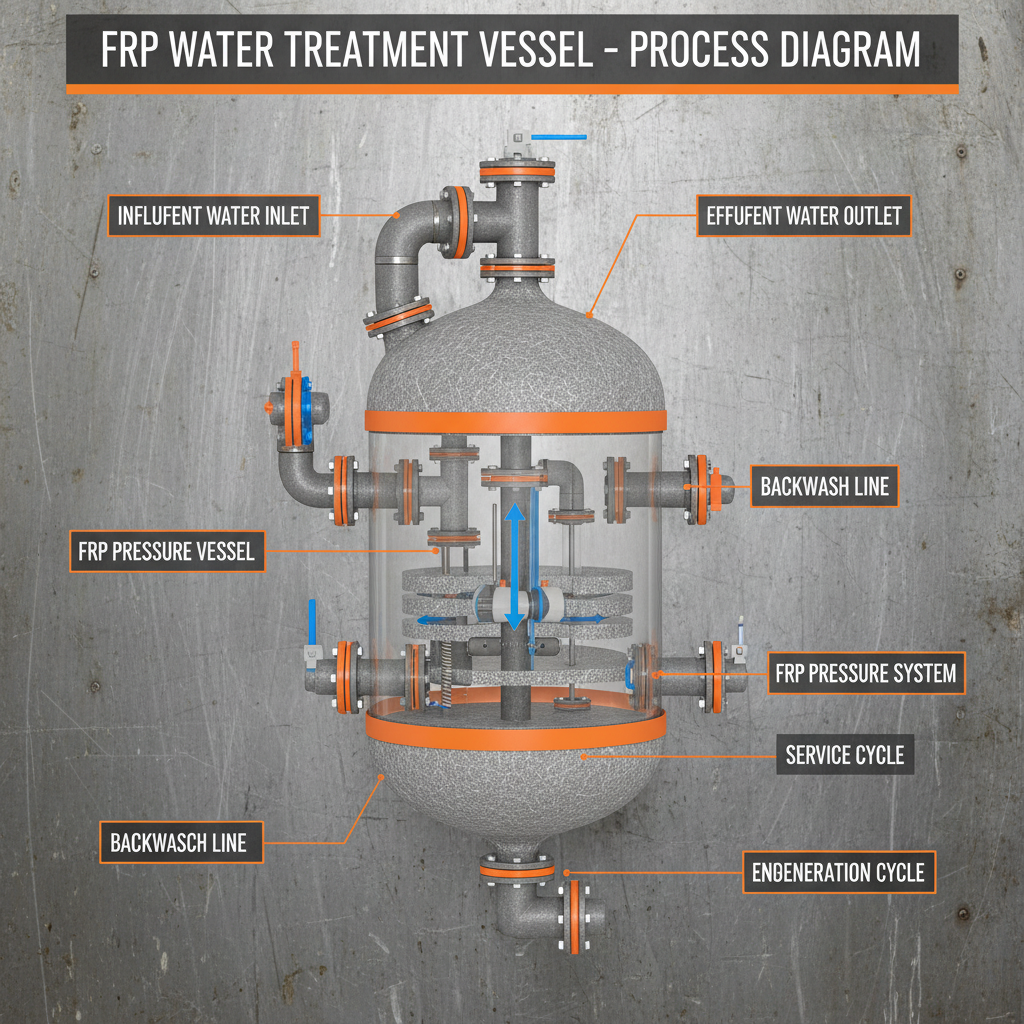
In the modern era of industrial and residential water purification, the choice of containment materials is critical for efficiency and longevity. An frp vessel for water treatment has emerged as the gold standard, replacing traditional steel tanks due to its superior corrosion resistance and lightweight properties. Whether you are dealing with desalination, softening, or filtration, using Fiber Reinforced Plastic (FRP) ensures that your system remains leak-proof and durable against aggressive chemicals. In this comprehensive guide, we will explore why FRP is the preferred choice for water treatment professionals worldwide and how to select the right vessel for your specific application.
Industrial Guide for Choosing the Right FRP Vertical Tank
Apr 09,2026
Industrial Guide for Choosing the Right FRP Vertical Tank
In today's industrial landscape, the storage of corrosive chemicals and aggressive liquids requires materials that can withstand extreme conditions without degrading. The frp vertical tank has emerged as a premier solution, offering an exceptional balance of strength, lightweight properties, and unmatched chemical resistance. Whether you are managing a water treatment plant or a chemical processing facility, understanding the nuances of Fiber Reinforced Plastic (FRP) is essential for ensuring operational safety and longevity. In this comprehensive guide, we will explore why vertical configurations are preferred and how these tanks outperform traditional metal alternatives.
Comprehensive Guide to FRP Underground Water Tank Solutions and Applications
Apr 07,2026
Comprehensive Guide to FRP Underground Water Tank Solutions and Applications
Fiberglass Reinforced Polymer (FRP) underground water tanks are becoming increasingly popular for a wide range of applications, from potable water storage to industrial wastewater containment. Their superior corrosion resistance, lightweight nature, and design flexibility make them an excellent alternative to traditional materials like concrete or steel. This article will delve into the benefits, applications, construction, and considerations for implementing FRP underground water tanks, providing a comprehensive overview for engineers, contractors, and project managers.
Comprehensive Guide to Frp Underground Water Storage Tanks and Their Applications
Apr 04,2026
Comprehensive Guide to Frp Underground Water Storage Tanks and Their Applications
When considering water storage solutions, particularly for industrial, agricultural, or municipal applications, frp underground water storage tanks stand out as a durable, cost-effective, and environmentally friendly option. These tanks are increasingly favored over traditional materials like concrete or steel due to their superior corrosion resistance, lighter weight, and ease of installation. This article delves into the benefits, applications, construction, and considerations when choosing an FRP tank, providing a detailed overview for potential buyers and project planners.
Sulfuric Acid Production Line - Hebei Aoliande|Efficient H2SO4 Plant Technology
Apr 01,2026
Sulfuric Acid Production Line - Hebei Aoliande|Efficient H2SO4 Plant Technology
Discover efficient H2SO4 plant technology and advanced sulfuric acid production solutions. Hebei Aoliande combines energy-saving furnace design and eco-friendly HCl recovery systems for sustainable industrial applications. Explore now: https://www.frpgrpmachine.com/sulfuric-acid-production-line-for-h2so4-plant.html
Sulfuric Acid Production Line - Hebei Aoliande|Efficient H2SO4 Plant Technology
Apr 01,2026
Sulfuric Acid Production Line - Hebei Aoliande|Efficient H2SO4 Plant Technology
Discover efficient H2SO4 plant technology and advanced sulfuric acid production solutions. Hebei Aoliande combines energy-saving furnace design and eco-friendly HCl recovery systems for sustainable industrial applications. Explore now: https://www.frpgrpmachine.com/sulfuric-acid-production-line-for-h2so4-plant.html
Sulfuric Acid Production Line - Hebei Aoliande|Efficient H2SO4 Plant Technology
Apr 01,2026
Sulfuric Acid Production Line - Hebei Aoliande|Efficient H2SO4 Plant Technology
Discover efficient H2SO4 plant technology and advanced sulfuric acid production solutions. Hebei Aoliande combines energy-saving furnace design and eco-friendly HCl recovery systems for sustainable industrial applications. Explore now: https://www.frpgrpmachine.com/sulfuric-acid-production-line-for-h2so4-plant.html
Sulfuric Acid Production Line - Hebei Aoliande|Efficient H2SO4 Plant Technology
Apr 01,2026
Sulfuric Acid Production Line - Hebei Aoliande|Efficient H2SO4 Plant Technology
Discover efficient H2SO4 plant technology and advanced sulfuric acid production solutions. Hebei Aoliande combines energy-saving furnace design and eco-friendly HCl recovery systems for sustainable industrial applications. Explore now: https://www.frpgrpmachine.com/sulfuric-acid-production-line-for-h2so4-plant.html
Sulfuric Acid Production Line - Hebei Aoliande|Efficient H2SO4 Plant Technology
Apr 01,2026
Sulfuric Acid Production Line - Hebei Aoliande|Efficient H2SO4 Plant Technology
Discover efficient H2SO4 plant technology and advanced sulfuric acid production solutions. Hebei Aoliande combines energy-saving furnace design and eco-friendly HCl recovery systems for sustainable industrial applications. Explore now: https://www.frpgrpmachine.com/sulfuric-acid-production-line-for-h2so4-plant.html
Sulfuric Acid Production Line - Hebei Aoliande|Efficient H2SO4 Plant Technology
Apr 01,2026
Sulfuric Acid Production Line - Hebei Aoliande|Efficient H2SO4 Plant Technology
Discover efficient H2SO4 plant technology and advanced sulfuric acid production solutions. Hebei Aoliande combines energy-saving furnace design and eco-friendly HCl recovery systems for sustainable industrial applications. Explore now: https://www.frpgrpmachine.com/sulfuric-acid-production-line-for-h2so4-plant.html
Comprehensive Guide to Frp Underground Storage Tanks for Reliable Storage Solutions
Mar 31,2026
Comprehensive Guide to Frp Underground Storage Tanks for Reliable Storage Solutions
Fiberglass Reinforced Polymer (FRP) underground storage tanks are becoming increasingly popular for a wide range of applications, from fuel storage to wastewater management. Their corrosion resistance, lightweight nature, and durability offer significant advantages over traditional materials like steel. This article will provide an in-depth look at FRP underground storage tanks, covering their benefits, applications, installation, and maintenance. Understanding these aspects is crucial for making informed decisions about long-term storage solutions.
Comprehensive Guide to Selecting the Ideal FRP Tank for Water Storage Solutions
Mar 28,2026
Comprehensive Guide to Selecting the Ideal FRP Tank for Water Storage Solutions
When it comes to reliable and durable water storage, FRP tanks for water are increasingly becoming the preferred solution for a wide range of applications. These tanks, constructed from Fiber Reinforced Polymer (FRP) materials, offer significant advantages over traditional storage options like steel or concrete. This article delves into the benefits, applications, and considerations when selecting an FRP tank for your water storage needs, providing a detailed overview for businesses and individuals alike.
Comprehensive Guide to Frp Tank and Vessel Applications and Manufacturing
Mar 26,2026
Comprehensive Guide to Frp Tank and Vessel Applications and Manufacturing
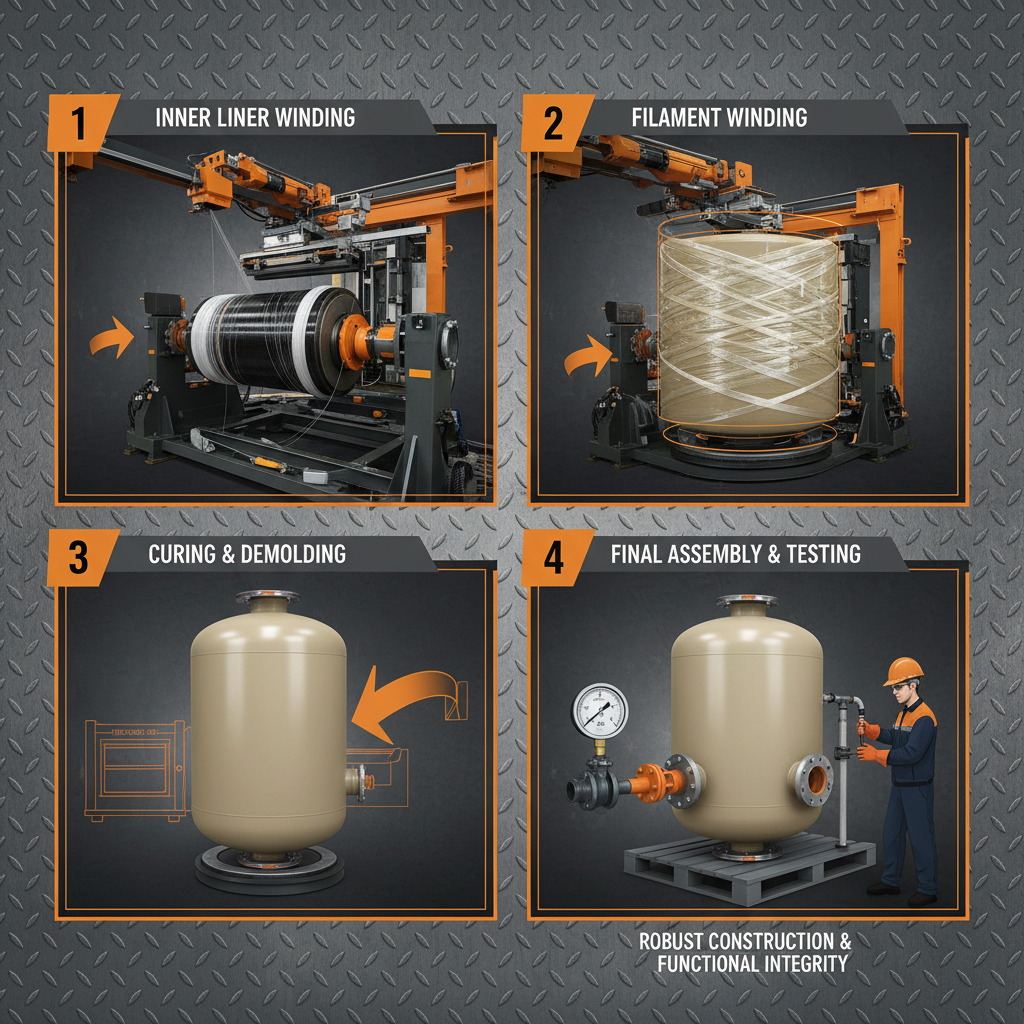
Fiber Reinforced Polymer (FRP) tanks and vessels are increasingly becoming the preferred choice for storage and processing across a multitude of industries. Their lightweight nature, corrosion resistance, and design flexibility offer significant advantages over traditional materials like steel. This article will delve into the intricacies of FRP tanks and vessels, exploring their applications, manufacturing processes, benefits, and considerations for selecting the right solution for your specific needs. We’ll also highlight why FRP tanks are a cost-effective and reliable long-term investment. FRP tanks and vessels are constructed from a combination of reinforcing fibers (such as fiberglass, carbon fiber, or aramid fiber) embedded in a polymer matrix (typically polyester, vinyl ester, or epoxy resin). This combination creates a composite material that boasts high strength-to-weight ratio, exceptional corrosion resistance, and the ability to be molded into complex shapes. They’re designed to safely contain a wide variety of liquids and gases, ranging from corrosive chemicals and water to food products and pharmaceuticals.
Optimizing Water Filtration with Durable FRP Sand Filter Vessels
Mar 24,2026
Optimizing Water Filtration with Durable FRP Sand Filter Vessels
In water treatment and filtration systems, the choice of filter vessel material is paramount. Fiber Reinforced Plastic (FRP), also known as Glass Reinforced Polymer (GRP), sand filter vessels are increasingly popular due to their superior corrosion resistance, lightweight nature, and cost-effectiveness. This article delves into the benefits, applications, design considerations, and factors to consider when selecting an FRP sand filter vessel. Whether you are involved in municipal water treatment, industrial wastewater management, or recreational water filtration, understanding FRP technology is essential for optimizing your filtration process. An FRP sand filter vessel is a containment unit designed to house filtration media, typically sand, gravel, and anthracite. These vessels are integral components in sand filtration systems used for removing suspended solids, turbidity, and other particulate matter from water. FRP construction involves layering glass fibers within a resin matrix (typically polyester or vinyl ester) to create a strong, durable, and chemically resistant shell. The strength and rigidity of the vessel are crucial for withstanding the pressure from the filtration media and the water flow.
Comprehensive Guide to FRP Round Tanks Applications and Benefits
Mar 21,2026
Comprehensive Guide to FRP Round Tanks Applications and Benefits
Fiber Reinforced Polymer (FRP) round tanks are increasingly becoming the preferred choice for storage solutions across a variety of industries. Their lightweight nature, corrosion resistance, and design flexibility offer significant advantages over traditional materials like steel. This article provides an in-depth look at FRP round tanks, exploring their applications, benefits, manufacturing processes, and key considerations when choosing the right tank for your needs. Whether you're in chemical processing, water treatment, or agriculture, understanding FRP round tanks is crucial for optimizing your storage infrastructure. FRP round tanks are constructed from a combination of reinforcing fibers (typically fiberglass, carbon fiber, or a blend) embedded in a polymer matrix (often polyester, vinyl ester, or epoxy resin). The round shape inherently provides excellent structural strength, distributing pressure evenly across the tank’s surface.
Comprehensive Guide to FRP Pressure Tanks Benefits and Applications
Mar 19,2026
Comprehensive Guide to FRP Pressure Tanks Benefits and Applications
Fiber Reinforced Polymer (FRP) pressure tanks are becoming increasingly popular in a wide range of industrial applications, offering a compelling alternative to traditional steel tanks. Known for their lightweight nature, corrosion resistance, and high strength-to-weight ratio, FRP tanks provide efficient and durable solutions for storing liquids and gases under pressure. This article will delve into the benefits, applications, construction, and key considerations when selecting an FRP pressure tank, helping you make an informed decision for your specific needs. Understanding the advantages of FRP technology can lead to significant cost savings and improved operational efficiency. Compared to steel, FRP pressure tanks offer several key advantages. The most significant is their superior corrosion resistance. Unlike steel, which is susceptible to rust and corrosion when exposed to various chemicals, FRP materials are inherently resistant to a wide range of corrosive substances. This translates to a longer lifespan, reduced maintenance costs, and increased safety. Furthermore, FRP is significantly lighter than steel, making installation easier and reducing transportation costs.
For More Details Pls Contact Us
Thank you for your interest in our gloves! We offer high-quality, durable, and comfortable gloves with fast delivery and competitive prices. For any questions or customization, feel free to contact us. We look forward to working with you!

If you are interested in our products, you can choose to leave your information here, and we will be in touch with you shortly.