Nov 29,2025

Durable and Efficient Fiberglass Cone Bottom Tanks for Industrial & Humanitarian Use

What Are Fiberglass Cone Bottom Tanks and Why Do They Matter?

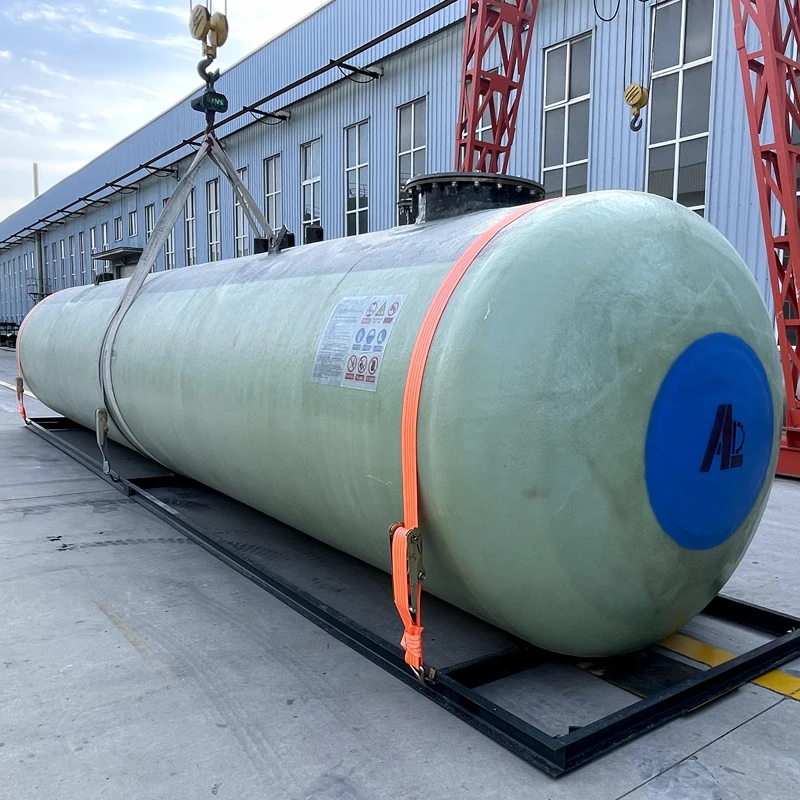
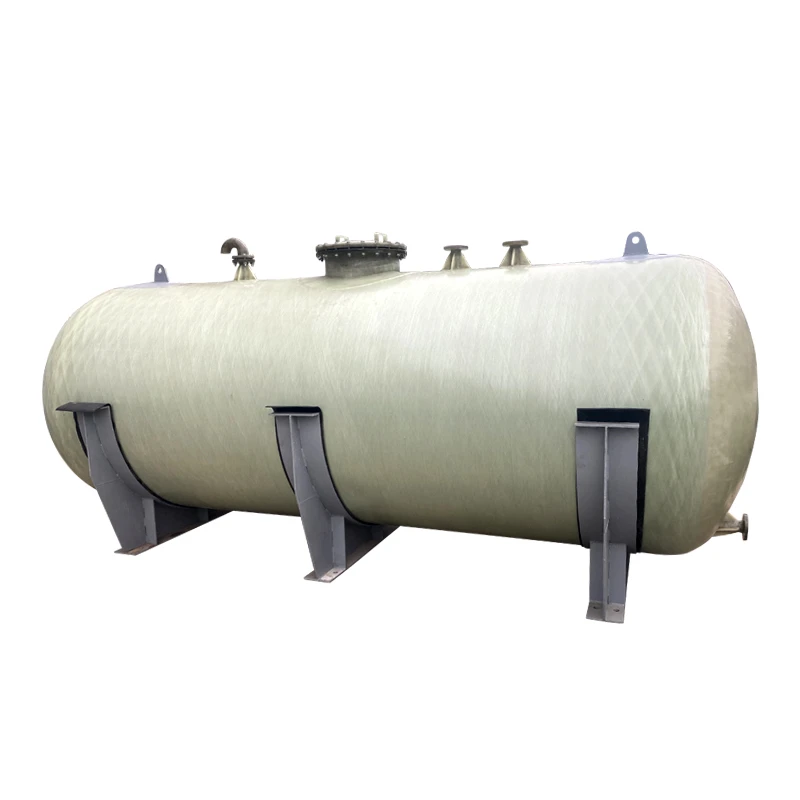
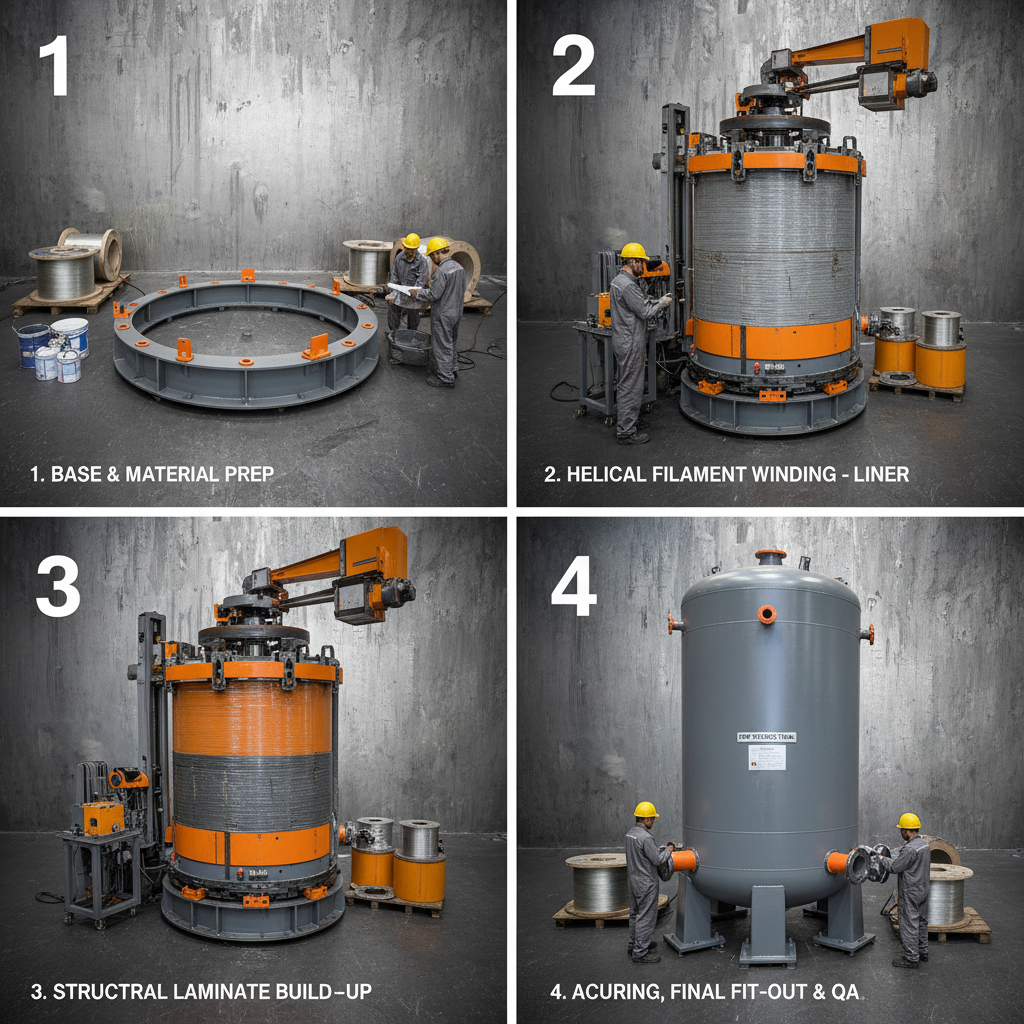
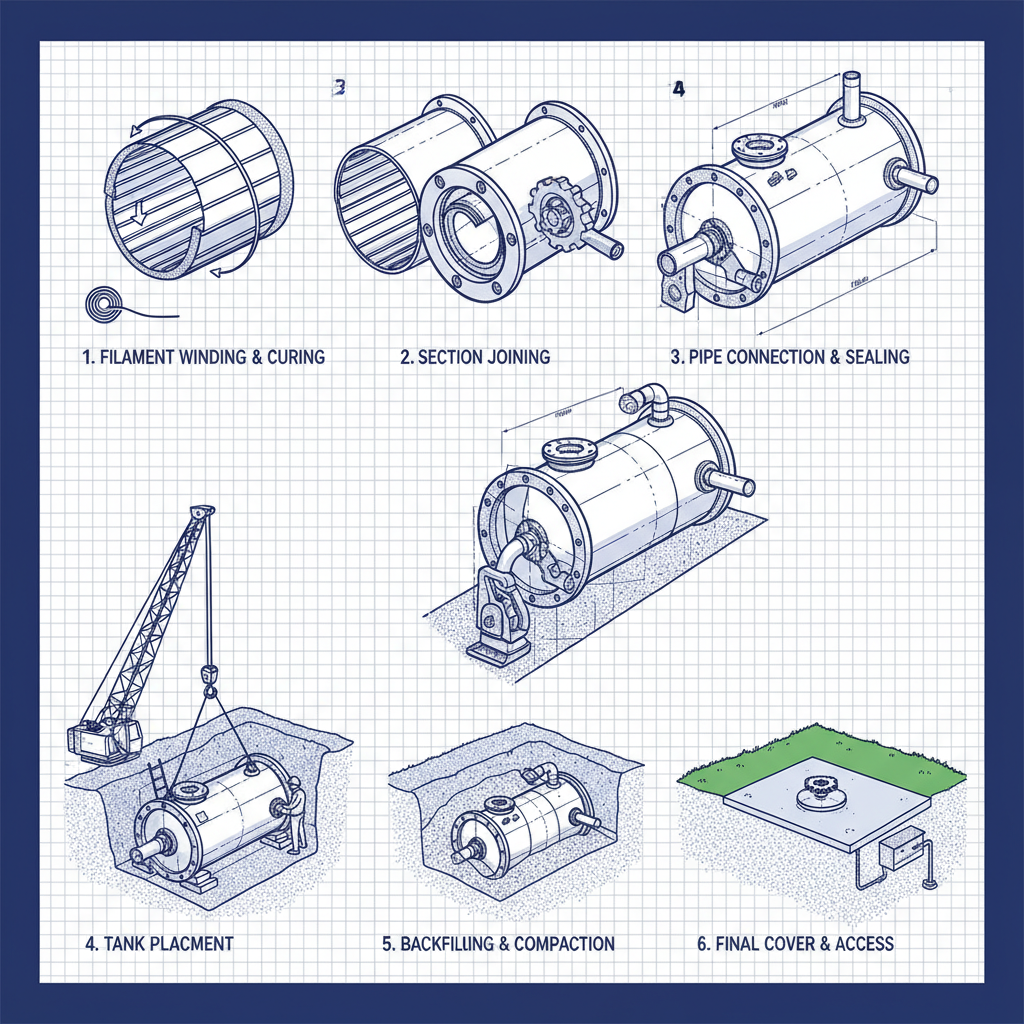
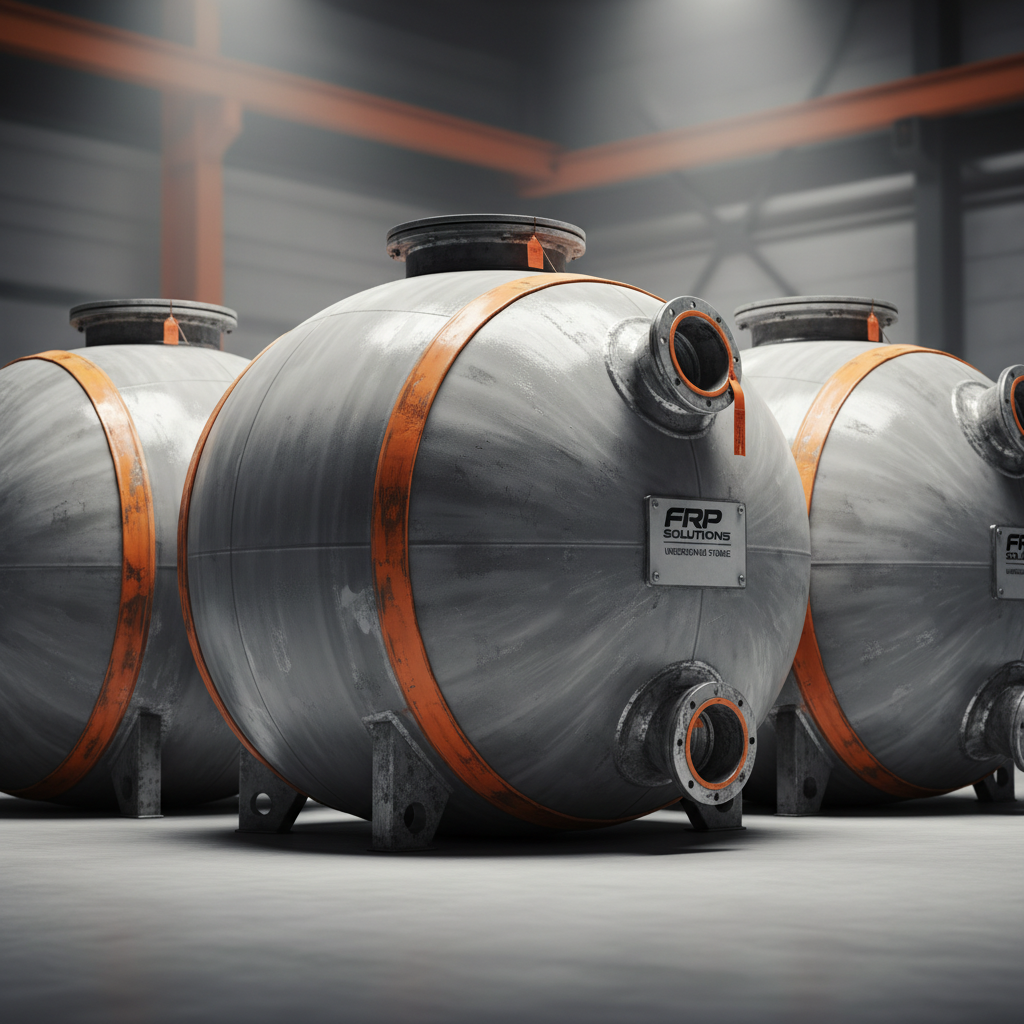
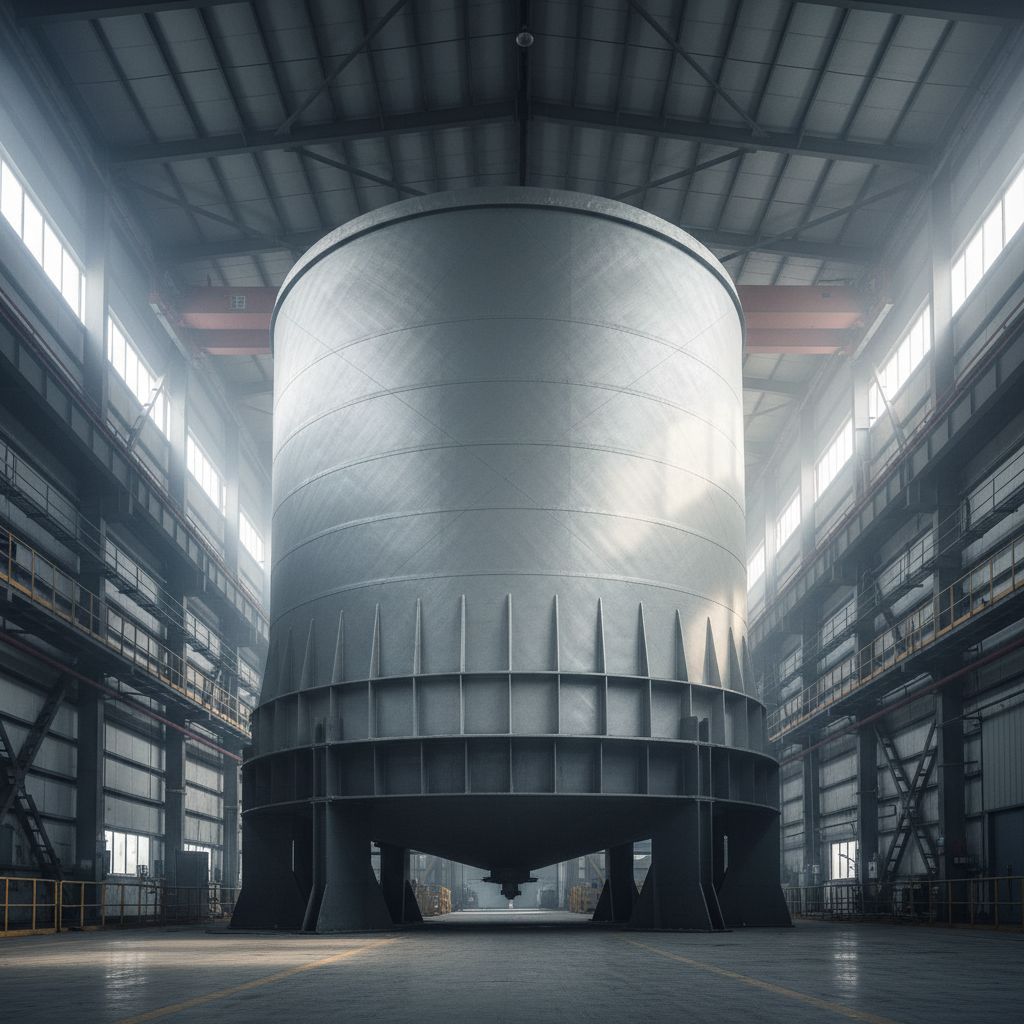
Fiberglass cone bottom tanks have quietly become a pivotal asset across industries worldwide—from industrial chemical processing to humanitarian water storage projects in remote regions. But what exactly are these tanks, and why is everyone paying attention? Simply put, fiberglass cone bottom tanks are storage containers made from reinforced fiberglass with a distinct cone-shaped base. This design is anything but arbitrary: it ensures efficient gravity-assisted draining, minimizes residue, and improves maintenance workflows. Globally, understanding these tanks is increasingly vital—not only because of their growing use but due to the scalability they offer in water, chemical, and food industries, especially where durability and containment reliability cannot be compromised. They address pressing challenges like hazardous material storage safety and efficient liquid waste disposal, significantly contributing to sustainability efforts and cost savings on a large scale. ---

Introduction: The Global Context of Fiberglass Cone Bottom Tanks

In recent years, industries worldwide have faced mounting pressure to modernize storage solutions while cutting environmental footprints. The global fiberglass market alone is expected to surpass USD 12 billion by 2025, partly due to applications like cone bottom tanks that deliver durability and corrosion resistance in one package (source: Allied Market Research). Challenges like chemical leak prevention, potable water sanitation, and residue management in food processing plants have drawn attention to these specialized tanks. Particularly in developing countries and disaster-recovery zones, the deployment of fiberglass cone bottom tanks alleviates critical issues related to water scarcity or chemical containment. Traditional metal or plastic tanks often succumb to corrosion or contamination, causing expensive downtime and health risks. Fiberglass tanks step in as a sustainable alternative, with maintenance periods stretching longer, plus better chemical resistance. So, kind of a quiet but key player in global industrial and humanitarian logistics. ---

Defining Fiberglass Cone Bottom Tanks

In no uncertain terms, these tanks combine fiberglass-reinforced plastic (FRP) construction with a cone-shaped bottom. The cone bottom serves as a natural funnel, making it easier to drain liquids completely without manual scraping or tedious rinsing. Ideal for viscous fluids or chemicals prone to settling, the shape ensures minimal waste and rapid cleaning. Depending on industry needs, the fiberglass composite is tailored to handle a range of temperatures, chemical exposures, and mechanical stresses, making these tanks a versatile solution. They’re not just static containers—think of them as the unsung workhorses of modern storage systems, adapting to everything from industrial plant floors to mobile humanitarian relief sites. ---

Key Factors Behind the Success of Fiberglass Cone Bottom Tanks

Durability and Chemical Resistance

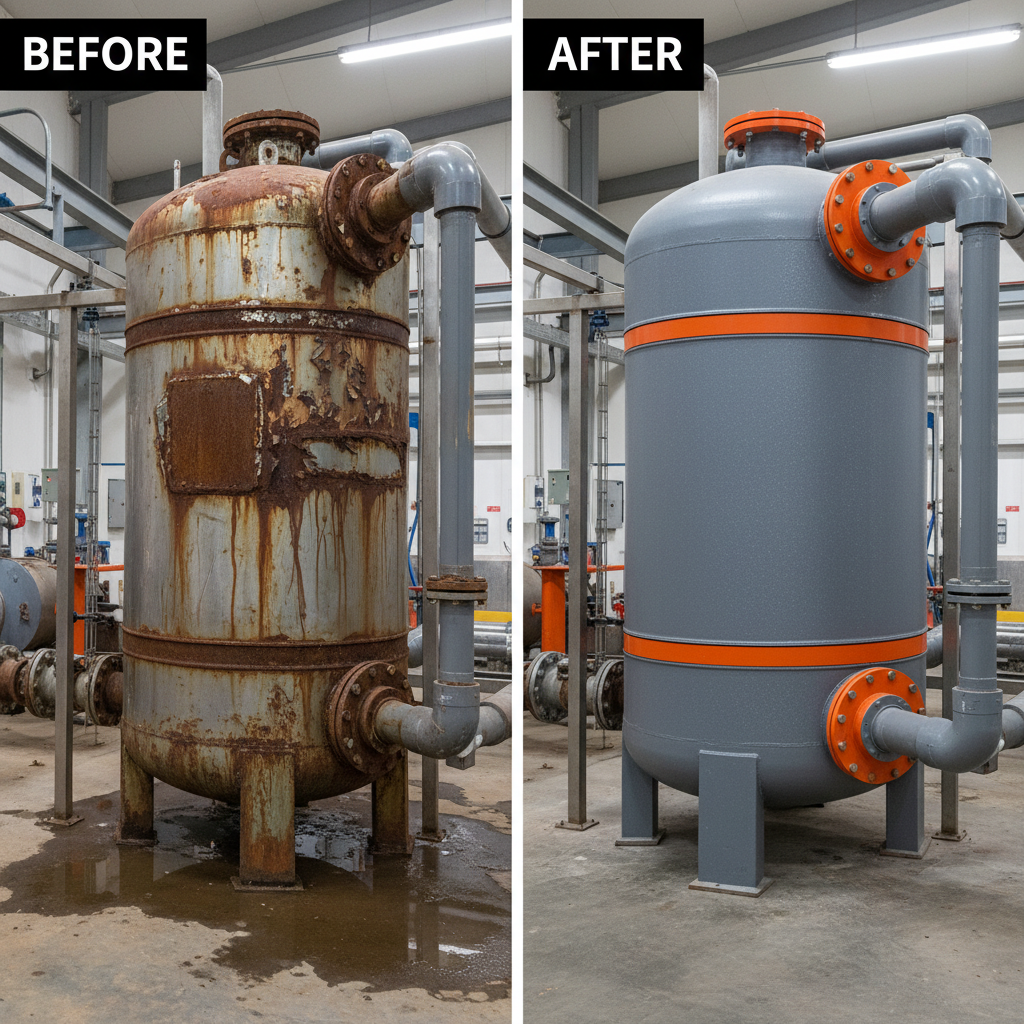
Fiberglass excels where metals falter. It resists corrosion from acids, alkalis, and salts, which otherwise cause rust and structural failures. This durability means fewer replacements and far less downtime.

Scalability and Custom Sizes

One of the neatest things? Manufacturers can tailor fiberglass cone bottom tanks in various capacities—ranging from a few hundred liters to tens of thousands—while maintaining consistent strength. Quick customization means industries can scale operations without major infrastructural overhauls.

Cost Efficiency Over the Long Run

While initial costs sometimes appear higher than metal tanks, fiberglass tanks quickly pay off via lower maintenance, reduced leakage risks, and longer life cycles. Plus, their lightweight nature often cuts transportation and installation costs.

Easy Cleaning and Maintenance

The cone bottom eliminates “dead spots” where sludge or sediment accumulates. That saves hours of manual cleaning and lowers operational risks tied to contamination or chemical reactions caused by residues.

Sustainability and Environmental Safety

Fiberglass tanks don’t need toxic coatings or liners, which reduces chemical leaching risks into stored products or the environment. Their long lifespans reduce landfill waste—a small but meaningful contribution toward sustainability benchmarks (see ISO 14001 for environmental management). ---

Global Applications & Real-world Use Cases

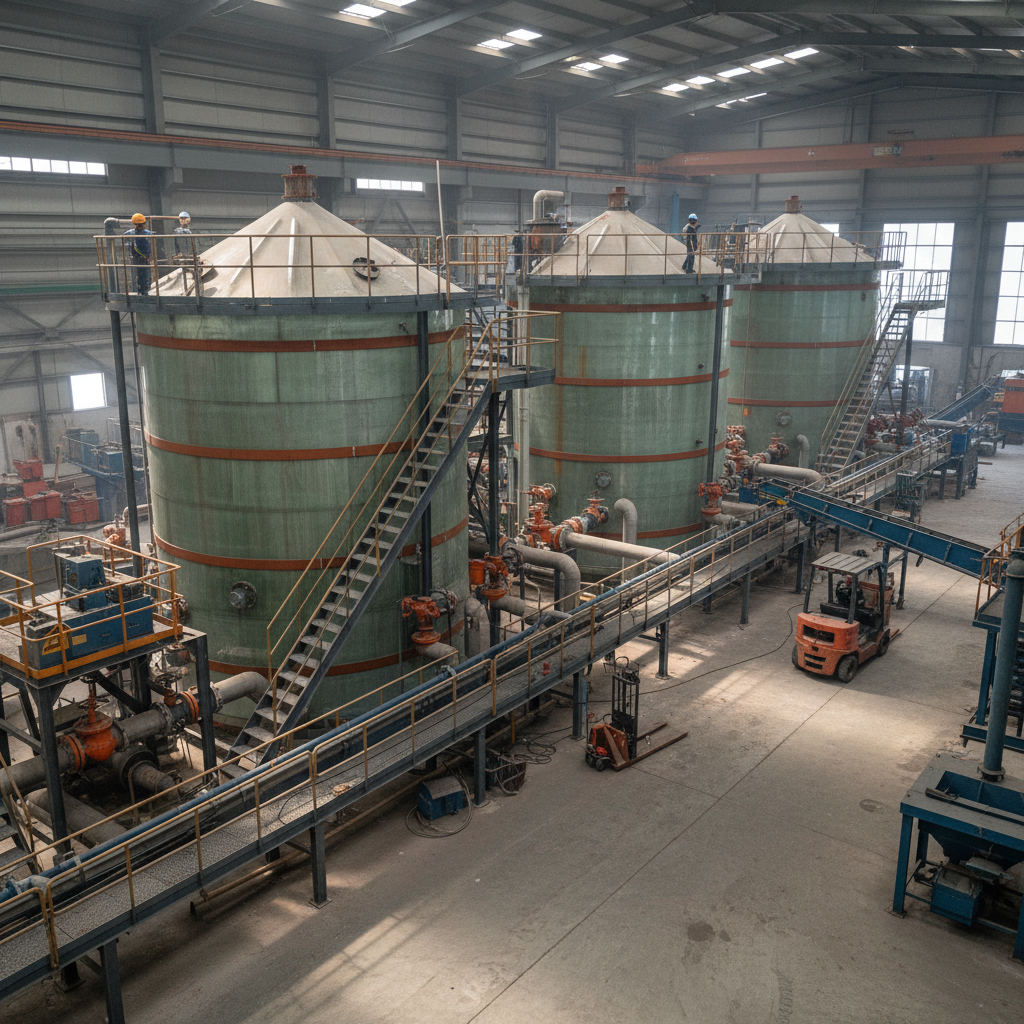
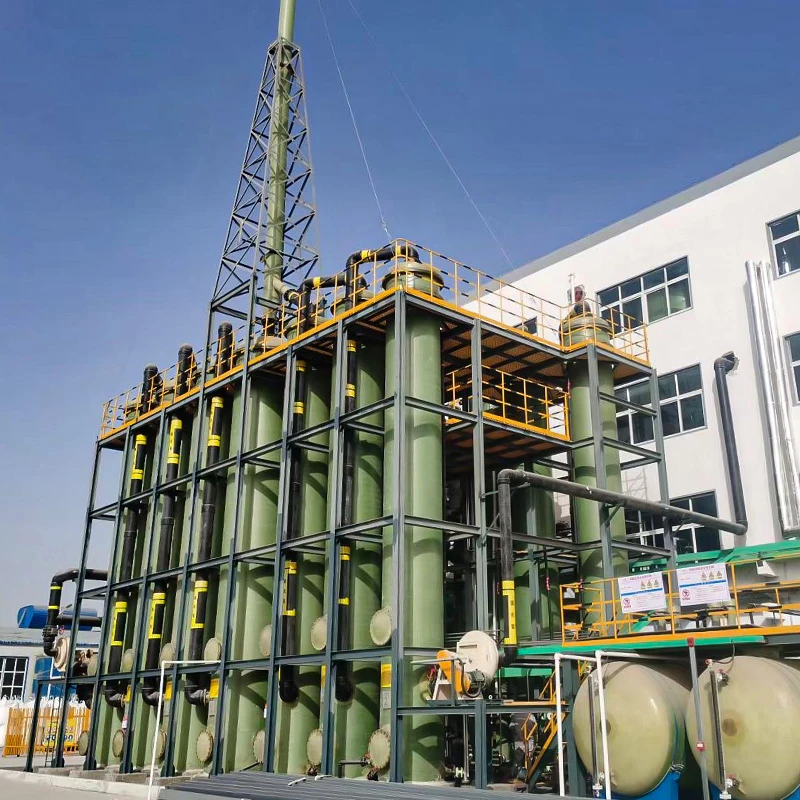
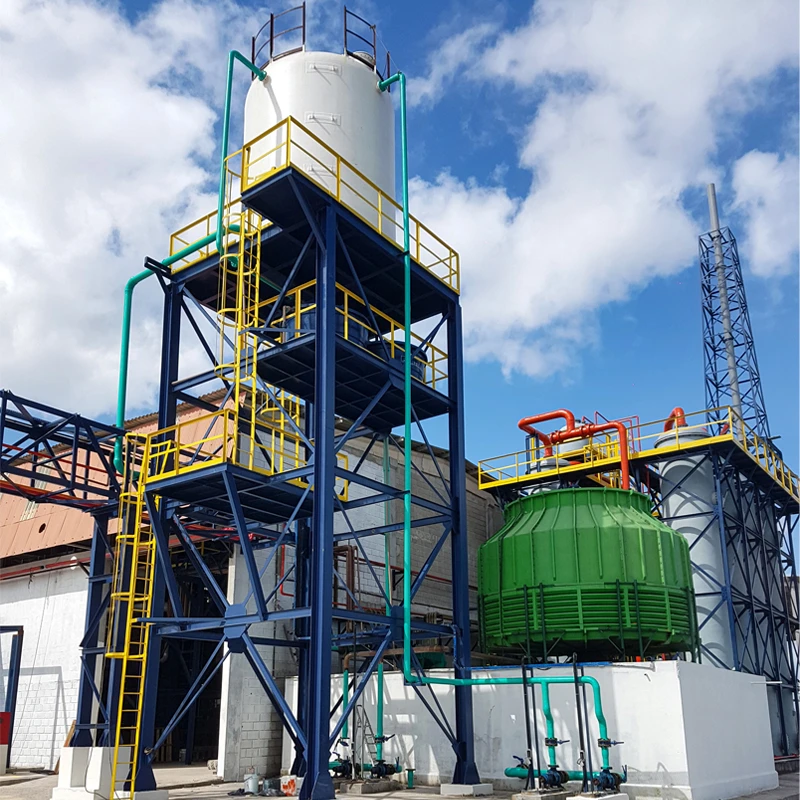
If you look across continents, fiberglass cone bottom tanks quietly fulfill roles in: - Water Treatment Plants (Europe & Asia): These tanks store treated water with minimal contamination risk, crucial for municipal supply reliability. - Chemical Industries (North America & Middle East): Storage of corrosive chemicals is safer, reducing workplace hazards and environmental risks. - Food and Beverage Processing (South America & Africa): Their hygienic design prevents cross-contamination, enhancing product quality. - Disaster Relief and Remote Communities: NGOs rapidly deploy lightweight fiberglass tanks to store potable water in harsh environments, often replacing metal tanks vulnerable to rust. One concrete example is an NGO project in East Africa, where lightweight, corrosion-resistant fiberglass tanks provided safe drinking water storage during drought relief operations. Those tanks lasted years in scorching sun and dusty conditions without leaching toxic residues. That stability saved lives and ensured better trust in aid logistics. ---

Advantages and Long-Term Value of Fiberglass Cone Bottom Tanks

The tangible benefits are multi-layered: - Cost Savings: Reduced cleaning time and longer replacement periods. - Safety: No rust equals fewer pipeline leaks or contamination events. - Sustainability: Less waste and more chemical resistant materials reduce environmental impact. - Trust & Innovation: Industry leaders lean on these tanks to uphold safety and quality standards, fostering customer confidence. Emotionally speaking, knowing your liquid storage won’t leak harmful substances or degrade prematurely gives engineers and managers a relief that’s hard to quantify but easy to appreciate. ---

Future Trends and Innovations to Watch

The industry doesn’t stand still. Upcoming fiberglass tank technologies include: - Nano-Enhanced Resins: These add antimicrobial properties, reducing biofilm formation inside tanks. - Smart Sensors: Embedded IoT devices can track chemical levels, temperature, and even detect leaks early. - Green Materials: Researchers are experimenting with bio-based fiberglass composites that shrink carbon footprints. - Automation-Friendly Designs: Tanks with integrated valves and control systems that seamlessly interact with production line software. These trends hint at a near future where storage tanks are smart, sustainable, and seamlessly integrated into digital operation frameworks. ---

Challenges and Solutions in Deploying Fiberglass Cone Bottom Tanks

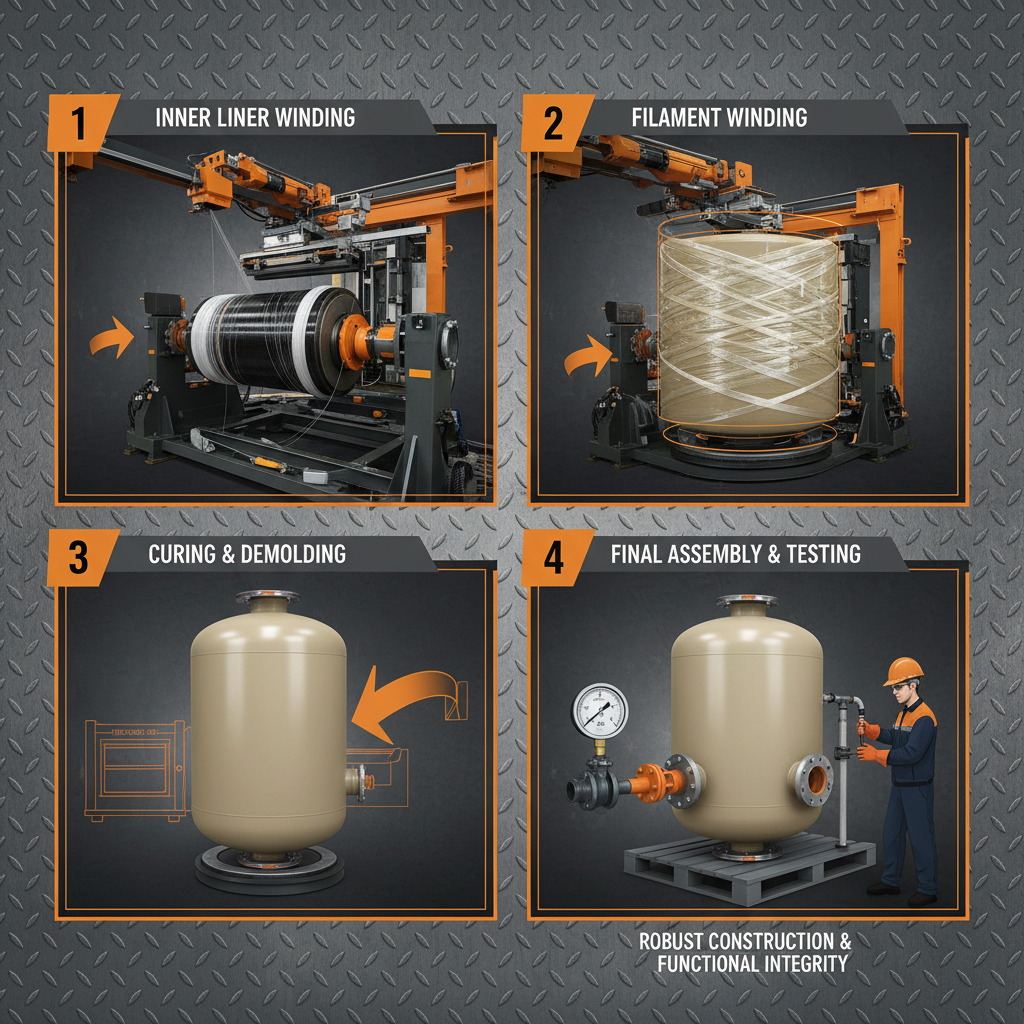
No solution is perfect, and fiberglass tanks aren’t immune to: - UV Degradation: Prolonged sun exposure can weaken tanks if not properly coated. - Impact Sensitivity: Although tough, heavy impacts can cause cracks. - Manufacturing Variability: Quality control is essential to avoid structural weaknesses. To combat these, many vendors now apply advanced UV-protective coatings, use multi-layered laminates, and deploy rigorous factory testing protocols including hydrostatic pressure tests and thermal cycling. ---

Product Specifications of Typical Fiberglass Cone Bottom Tanks

Specification Value Notes
Capacity 1,000 to 50,000 liters Customizable
Material Fiberglass Reinforced Plastic (FRP) UV resistant coatings optional
Temperature Range -20°C to 90°C (standard) Higher ranges available
Bottom Style Cone bottom, 45° - 60° slope Ensures full gravity drainage
Pressure Rating Atmospheric or low pressure Not for high-pressure applications
---

Vendor Comparison: Leading Providers of Fiberglass Cone Bottom Tanks

Vendor Lead Time Customization Options Warranty Typical Industries Served
FibraCorp 4-8 weeks Full customization 5 years Chemical, Food, Water Treatment
TankTech Solutions 6-10 weeks Limited sizes, add-ons 3 years Industrial, Municipal
ResinStor Inc. 3-6 weeks Standard models only 2 years Agriculture, Small Industry
---

Frequently Asked Questions About Fiberglass Cone Bottom Tanks

Q1: How do fiberglass cone bottom tanks compare to stainless steel tanks in chemical resistance?
A1: Fiberglass tanks generally outperform stainless steel in resistance to a wide range of acids and alkalis, especially where corrosion is a key concern. They don’t rust and often last longer with less maintenance, making them ideal for harsh chemical environments. Q2: Can fiberglass cone bottom tanks be used for potable water storage?
A2: Absolutely. Featuring smooth internal surfaces and inert materials, these tanks are often certified for potable water storage. Their design reduces contamination risks, but always verify certifications and cleaning protocols to meet local regulations. Q3: What factors influence the cost of fiberglass cone bottom tanks?
A3: Key cost drivers include capacity, resin type, reinforcement layers, and customization complexity. Additional features like UV protection or embedded sensors raise the price. However, long-term savings on maintenance and installation usually offset upfront investments. Q4: How easy is it to transport and install these tanks on-site?
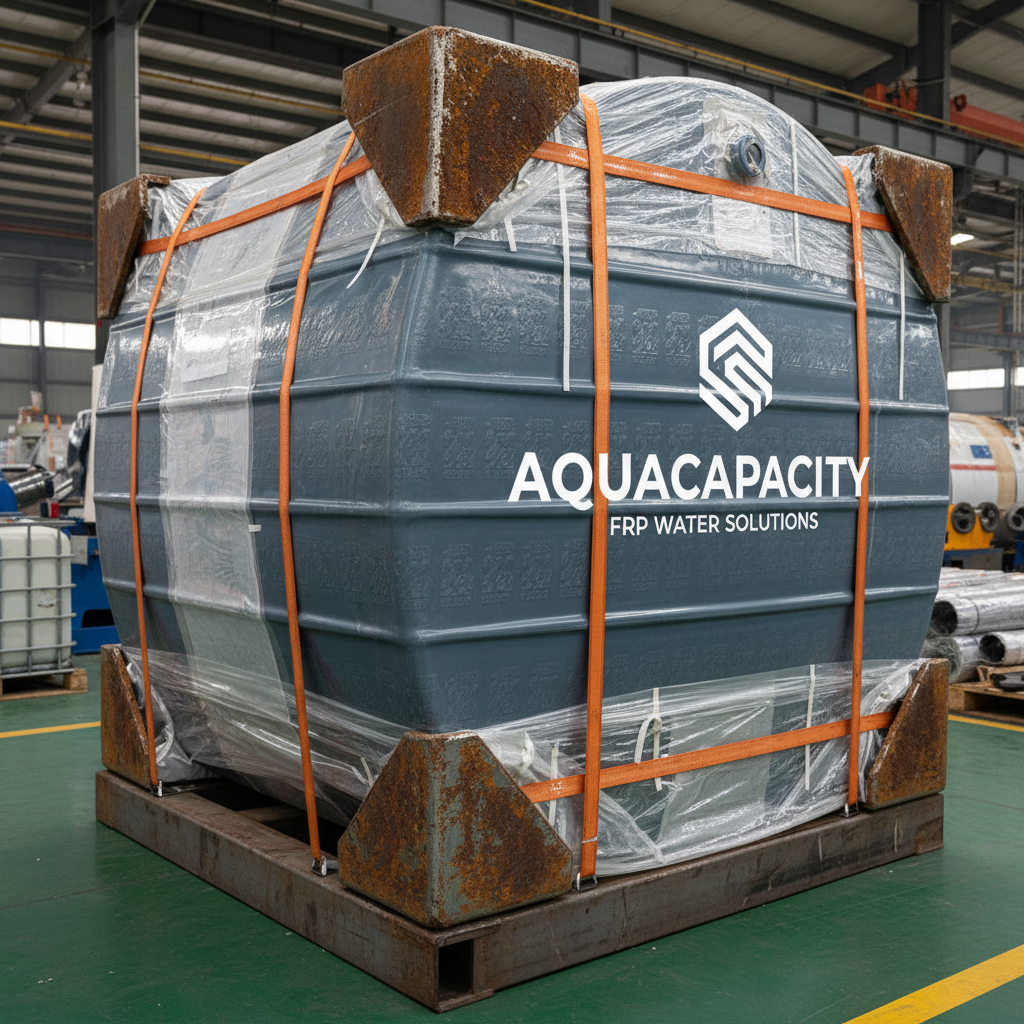
A4: Fiberglass is lightweight compared to metal tanks, which simplifies transportation and installation. Many tanks come in modular designs or sizes compatible with standard shipping, reducing logistical headaches, especially in remote or disaster-prone areas. Q5: Are there environmental concerns when disposing of old fiberglass tanks?
A5: Fiberglass isn’t biodegradable, so disposal requires special handling. Fortunately, recycling technologies and regulations around FRP waste are improving. Reuse or repurposing is encouraged to limit landfill burden. ---
Conclusion: Why Fiberglass Cone Bottom Tanks Are a Smart Investment

In real terms, fiberglass cone bottom tanks offer a unique confluence of durability, efficiency, and sustainability—qualities that resonate across industries and geographies. While not without challenges, ongoing innovations ensure their future remains bright. Whether scaling an industrial plant or delivering clean water in tough environments, these tanks hold steady as a trusted solution. For more technical details and to explore customized options, visit our website: fiberglass cone bottom tanks. It might just be the upgrade your project didn’t know it needed. --- ### Mini Takeaways: - Fiberglass cone bottom tanks optimize liquid storage with durability and easy drainage. - They play critical roles globally, especially in chemical, food, and humanitarian sectors. - Innovations like IoT integration and bio-based resins point to a smart, sustainable future. - Choosing the right vendor affects lead time, customization, and long-term value. --- ### References: 1. Allied Market Research, “Global Fiberglass Market Outlook”, 2023 2. ISO 14001 Environmental Management Standards 3. UN Water Supply and Sanitation statistics
Upsell Products
Upsell News
Durable FRP Vessel for Water Treatment and Industrial Filtration
Apr 16,2026
Durable FRP Vessel for Water Treatment and Industrial Filtration
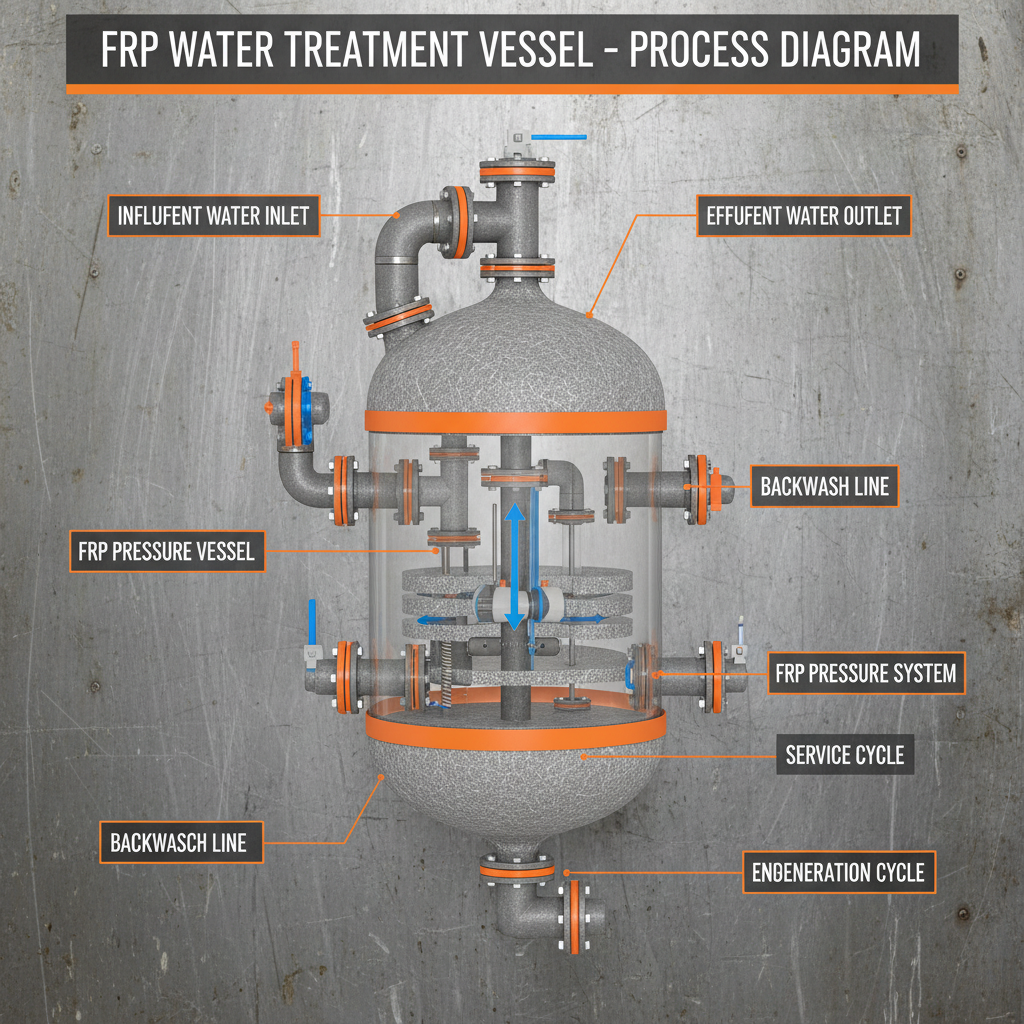
In the modern era of industrial and residential water purification, the choice of containment materials is critical for efficiency and longevity. An frp vessel for water treatment has emerged as the gold standard, replacing traditional steel tanks due to its superior corrosion resistance and lightweight properties. Whether you are dealing with desalination, softening, or filtration, using Fiber Reinforced Plastic (FRP) ensures that your system remains leak-proof and durable against aggressive chemicals. In this comprehensive guide, we will explore why FRP is the preferred choice for water treatment professionals worldwide and how to select the right vessel for your specific application.
Industrial Guide for Choosing the Right FRP Vertical Tank
Apr 09,2026
Industrial Guide for Choosing the Right FRP Vertical Tank
In today's industrial landscape, the storage of corrosive chemicals and aggressive liquids requires materials that can withstand extreme conditions without degrading. The frp vertical tank has emerged as a premier solution, offering an exceptional balance of strength, lightweight properties, and unmatched chemical resistance. Whether you are managing a water treatment plant or a chemical processing facility, understanding the nuances of Fiber Reinforced Plastic (FRP) is essential for ensuring operational safety and longevity. In this comprehensive guide, we will explore why vertical configurations are preferred and how these tanks outperform traditional metal alternatives.
Comprehensive Guide to FRP Underground Water Tank Solutions and Applications
Apr 07,2026
Comprehensive Guide to FRP Underground Water Tank Solutions and Applications
Fiberglass Reinforced Polymer (FRP) underground water tanks are becoming increasingly popular for a wide range of applications, from potable water storage to industrial wastewater containment. Their superior corrosion resistance, lightweight nature, and design flexibility make them an excellent alternative to traditional materials like concrete or steel. This article will delve into the benefits, applications, construction, and considerations for implementing FRP underground water tanks, providing a comprehensive overview for engineers, contractors, and project managers.
Comprehensive Guide to Frp Underground Water Storage Tanks and Their Applications
Apr 04,2026
Comprehensive Guide to Frp Underground Water Storage Tanks and Their Applications
When considering water storage solutions, particularly for industrial, agricultural, or municipal applications, frp underground water storage tanks stand out as a durable, cost-effective, and environmentally friendly option. These tanks are increasingly favored over traditional materials like concrete or steel due to their superior corrosion resistance, lighter weight, and ease of installation. This article delves into the benefits, applications, construction, and considerations when choosing an FRP tank, providing a detailed overview for potential buyers and project planners.
Sulfuric Acid Production Line - Hebei Aoliande|Efficient H2SO4 Plant Technology
Apr 01,2026
Sulfuric Acid Production Line - Hebei Aoliande|Efficient H2SO4 Plant Technology
Discover efficient H2SO4 plant technology and advanced sulfuric acid production solutions. Hebei Aoliande combines energy-saving furnace design and eco-friendly HCl recovery systems for sustainable industrial applications. Explore now: https://www.frpgrpmachine.com/sulfuric-acid-production-line-for-h2so4-plant.html
Sulfuric Acid Production Line - Hebei Aoliande|Efficient H2SO4 Plant Technology
Apr 01,2026
Sulfuric Acid Production Line - Hebei Aoliande|Efficient H2SO4 Plant Technology
Discover efficient H2SO4 plant technology and advanced sulfuric acid production solutions. Hebei Aoliande combines energy-saving furnace design and eco-friendly HCl recovery systems for sustainable industrial applications. Explore now: https://www.frpgrpmachine.com/sulfuric-acid-production-line-for-h2so4-plant.html
Sulfuric Acid Production Line - Hebei Aoliande|Efficient H2SO4 Plant Technology
Apr 01,2026
Sulfuric Acid Production Line - Hebei Aoliande|Efficient H2SO4 Plant Technology
Discover efficient H2SO4 plant technology and advanced sulfuric acid production solutions. Hebei Aoliande combines energy-saving furnace design and eco-friendly HCl recovery systems for sustainable industrial applications. Explore now: https://www.frpgrpmachine.com/sulfuric-acid-production-line-for-h2so4-plant.html
Sulfuric Acid Production Line - Hebei Aoliande|Efficient H2SO4 Plant Technology
Apr 01,2026
Sulfuric Acid Production Line - Hebei Aoliande|Efficient H2SO4 Plant Technology
Discover efficient H2SO4 plant technology and advanced sulfuric acid production solutions. Hebei Aoliande combines energy-saving furnace design and eco-friendly HCl recovery systems for sustainable industrial applications. Explore now: https://www.frpgrpmachine.com/sulfuric-acid-production-line-for-h2so4-plant.html
Sulfuric Acid Production Line - Hebei Aoliande|Efficient H2SO4 Plant Technology
Apr 01,2026
Sulfuric Acid Production Line - Hebei Aoliande|Efficient H2SO4 Plant Technology
Discover efficient H2SO4 plant technology and advanced sulfuric acid production solutions. Hebei Aoliande combines energy-saving furnace design and eco-friendly HCl recovery systems for sustainable industrial applications. Explore now: https://www.frpgrpmachine.com/sulfuric-acid-production-line-for-h2so4-plant.html
Sulfuric Acid Production Line - Hebei Aoliande|Efficient H2SO4 Plant Technology
Apr 01,2026
Sulfuric Acid Production Line - Hebei Aoliande|Efficient H2SO4 Plant Technology
Discover efficient H2SO4 plant technology and advanced sulfuric acid production solutions. Hebei Aoliande combines energy-saving furnace design and eco-friendly HCl recovery systems for sustainable industrial applications. Explore now: https://www.frpgrpmachine.com/sulfuric-acid-production-line-for-h2so4-plant.html
Comprehensive Guide to Frp Underground Storage Tanks for Reliable Storage Solutions
Mar 31,2026
Comprehensive Guide to Frp Underground Storage Tanks for Reliable Storage Solutions
Fiberglass Reinforced Polymer (FRP) underground storage tanks are becoming increasingly popular for a wide range of applications, from fuel storage to wastewater management. Their corrosion resistance, lightweight nature, and durability offer significant advantages over traditional materials like steel. This article will provide an in-depth look at FRP underground storage tanks, covering their benefits, applications, installation, and maintenance. Understanding these aspects is crucial for making informed decisions about long-term storage solutions.
Comprehensive Guide to Selecting the Ideal FRP Tank for Water Storage Solutions
Mar 28,2026
Comprehensive Guide to Selecting the Ideal FRP Tank for Water Storage Solutions
When it comes to reliable and durable water storage, FRP tanks for water are increasingly becoming the preferred solution for a wide range of applications. These tanks, constructed from Fiber Reinforced Polymer (FRP) materials, offer significant advantages over traditional storage options like steel or concrete. This article delves into the benefits, applications, and considerations when selecting an FRP tank for your water storage needs, providing a detailed overview for businesses and individuals alike.
Comprehensive Guide to Frp Tank and Vessel Applications and Manufacturing
Mar 26,2026
Comprehensive Guide to Frp Tank and Vessel Applications and Manufacturing
Fiber Reinforced Polymer (FRP) tanks and vessels are increasingly becoming the preferred choice for storage and processing across a multitude of industries. Their lightweight nature, corrosion resistance, and design flexibility offer significant advantages over traditional materials like steel. This article will delve into the intricacies of FRP tanks and vessels, exploring their applications, manufacturing processes, benefits, and considerations for selecting the right solution for your specific needs. We’ll also highlight why FRP tanks are a cost-effective and reliable long-term investment. FRP tanks and vessels are constructed from a combination of reinforcing fibers (such as fiberglass, carbon fiber, or aramid fiber) embedded in a polymer matrix (typically polyester, vinyl ester, or epoxy resin). This combination creates a composite material that boasts high strength-to-weight ratio, exceptional corrosion resistance, and the ability to be molded into complex shapes. They’re designed to safely contain a wide variety of liquids and gases, ranging from corrosive chemicals and water to food products and pharmaceuticals.
Optimizing Water Filtration with Durable FRP Sand Filter Vessels
Mar 24,2026
Optimizing Water Filtration with Durable FRP Sand Filter Vessels
In water treatment and filtration systems, the choice of filter vessel material is paramount. Fiber Reinforced Plastic (FRP), also known as Glass Reinforced Polymer (GRP), sand filter vessels are increasingly popular due to their superior corrosion resistance, lightweight nature, and cost-effectiveness. This article delves into the benefits, applications, design considerations, and factors to consider when selecting an FRP sand filter vessel. Whether you are involved in municipal water treatment, industrial wastewater management, or recreational water filtration, understanding FRP technology is essential for optimizing your filtration process. An FRP sand filter vessel is a containment unit designed to house filtration media, typically sand, gravel, and anthracite. These vessels are integral components in sand filtration systems used for removing suspended solids, turbidity, and other particulate matter from water. FRP construction involves layering glass fibers within a resin matrix (typically polyester or vinyl ester) to create a strong, durable, and chemically resistant shell. The strength and rigidity of the vessel are crucial for withstanding the pressure from the filtration media and the water flow.
Comprehensive Guide to FRP Round Tanks Applications and Benefits
Mar 21,2026
Comprehensive Guide to FRP Round Tanks Applications and Benefits
Fiber Reinforced Polymer (FRP) round tanks are increasingly becoming the preferred choice for storage solutions across a variety of industries. Their lightweight nature, corrosion resistance, and design flexibility offer significant advantages over traditional materials like steel. This article provides an in-depth look at FRP round tanks, exploring their applications, benefits, manufacturing processes, and key considerations when choosing the right tank for your needs. Whether you're in chemical processing, water treatment, or agriculture, understanding FRP round tanks is crucial for optimizing your storage infrastructure. FRP round tanks are constructed from a combination of reinforcing fibers (typically fiberglass, carbon fiber, or a blend) embedded in a polymer matrix (often polyester, vinyl ester, or epoxy resin). The round shape inherently provides excellent structural strength, distributing pressure evenly across the tank’s surface.
Comprehensive Guide to FRP Pressure Tanks Benefits and Applications
Mar 19,2026
Comprehensive Guide to FRP Pressure Tanks Benefits and Applications
Fiber Reinforced Polymer (FRP) pressure tanks are becoming increasingly popular in a wide range of industrial applications, offering a compelling alternative to traditional steel tanks. Known for their lightweight nature, corrosion resistance, and high strength-to-weight ratio, FRP tanks provide efficient and durable solutions for storing liquids and gases under pressure. This article will delve into the benefits, applications, construction, and key considerations when selecting an FRP pressure tank, helping you make an informed decision for your specific needs. Understanding the advantages of FRP technology can lead to significant cost savings and improved operational efficiency. Compared to steel, FRP pressure tanks offer several key advantages. The most significant is their superior corrosion resistance. Unlike steel, which is susceptible to rust and corrosion when exposed to various chemicals, FRP materials are inherently resistant to a wide range of corrosive substances. This translates to a longer lifespan, reduced maintenance costs, and increased safety. Furthermore, FRP is significantly lighter than steel, making installation easier and reducing transportation costs.
For More Details Pls Contact Us
Thank you for your interest in our gloves! We offer high-quality, durable, and comfortable gloves with fast delivery and competitive prices. For any questions or customization, feel free to contact us. We look forward to working with you!

If you are interested in our products, you can choose to leave your information here, and we will be in touch with you shortly.