Dec 01,2025

Durable and Cost-Effective Fiberglass Filter Tanks for Modern Water Treatment

Understanding Fiberglass Filter Tanks: A Global Outlook

If you’ve ever wondered how clean water systems stay reliable in tough environments, the fiberglass filter tank quietly plays a central role. It’s one of those unsung heroes in water treatment that’s popping up more frequently worldwide—whether in bustling cities, remote industrial setups, or post-disaster relief zones. Its growing popularity isn’t an accident. As the global population races toward 9 billion and clean water demand skyrockets (hi, United Nations Water Scarcity Report), technologies like fiberglass filter tanks become not just useful but critical.

Why does understanding this matter globally? Well, beyond simply filtering water, fiberglass filter tanks represent a leap in durability, environmental safety, and cost-effectiveness. For industries, municipalities, and NGOs alike, they offer a resilient solution against water contamination—an issue that currently affects over 2 billion people around the world (WHO).

The Global Context: Why Fiberglass Filter Tanks Are Taking Center Stage

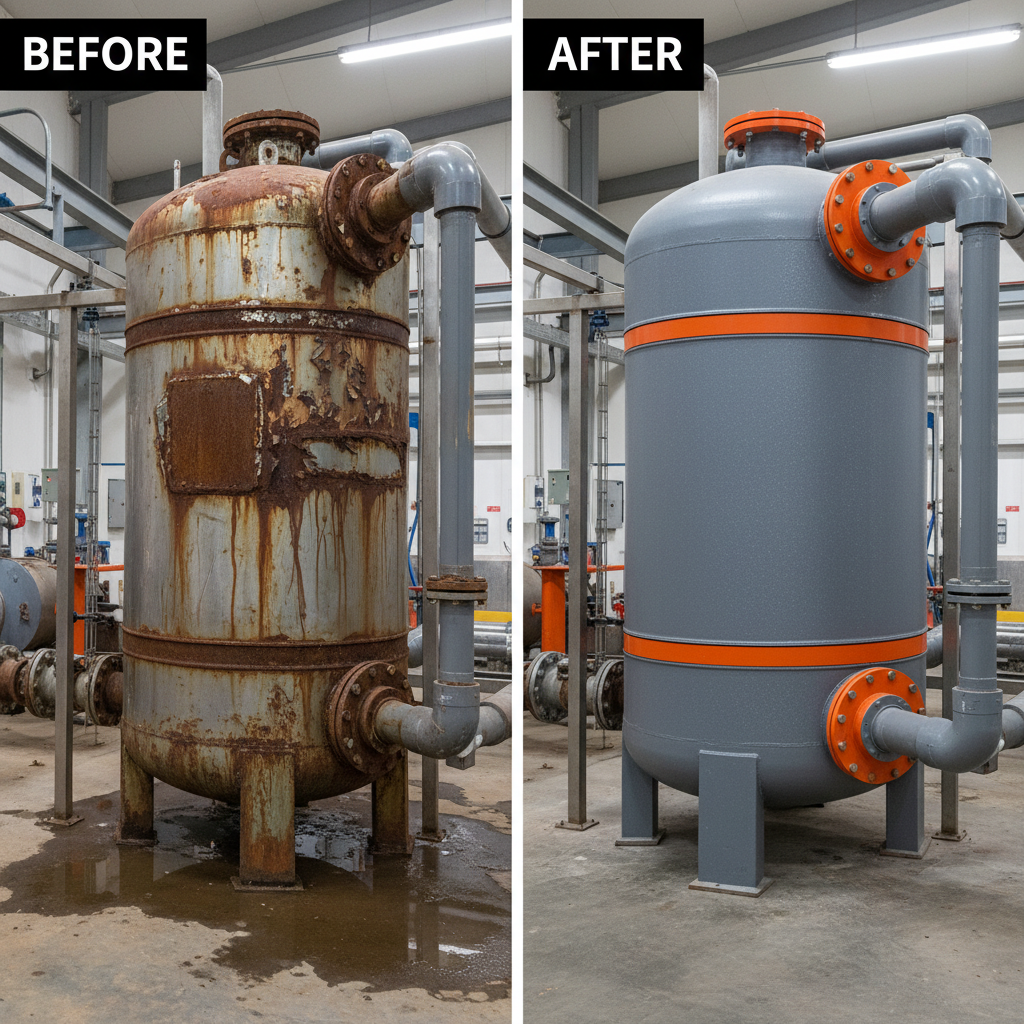
Across continents, the water treatment sector is grappling with two massive challenges: upgrading aging infrastructure and meeting increasingly stringent environmental standards. According to ISO standards on water treatment materials and the World Bank’s water sector outlook, the push towards more sustainable, corrosion-resistant, and easy-to-maintain solutions is stronger than ever. Traditional steel tanks, while proven, often succumb quickly to corrosion—especially in coastal or industrial areas—leading to high maintenance costs and potential contamination risks.

Enter fiberglass filter tanks, a fusion of engineering finesse and chemical resistance. These tanks offer a lighter, more resilient alternative that resists the kinds of wear and tear steel simply can’t endure without expensive coatings or replacement.

Mini takeaway:

Fiberglass filter tanks are not merely an upgrade—they respond directly to global water scarcity and infrastructure sustainability challenges.

What Exactly Is a Fiberglass Filter Tank?

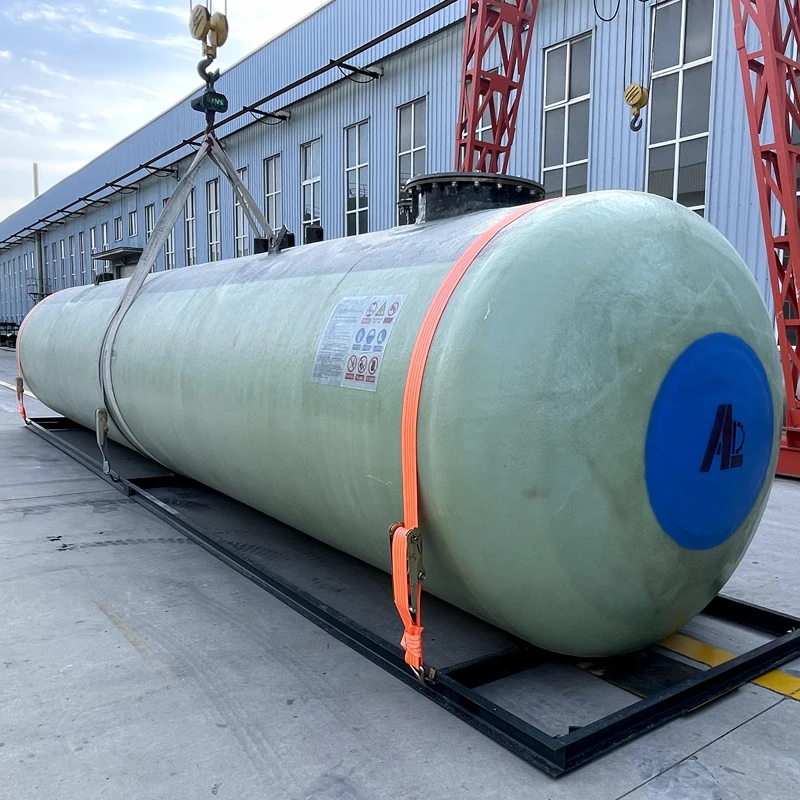
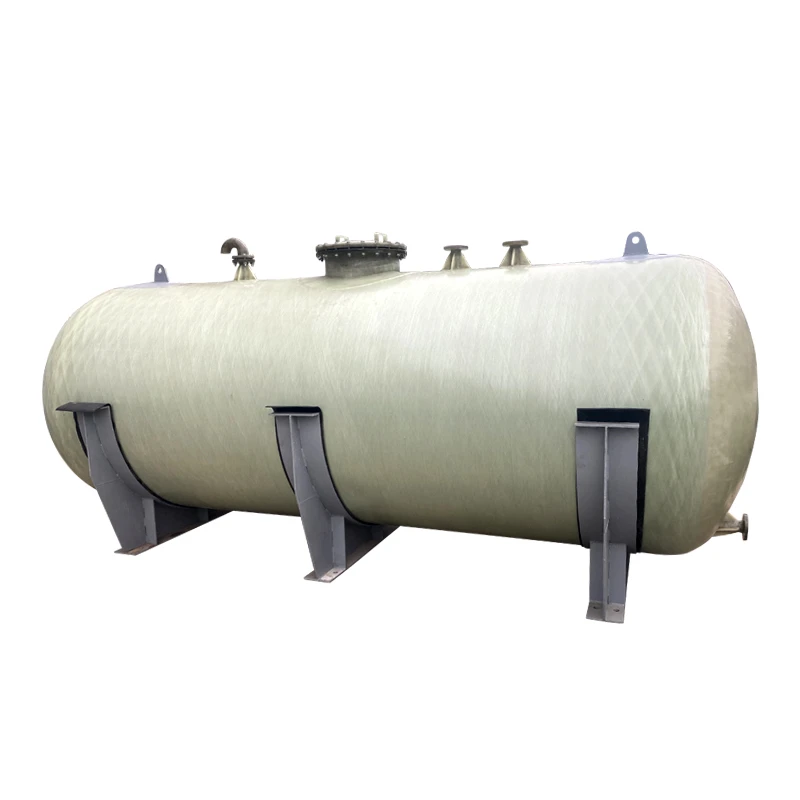
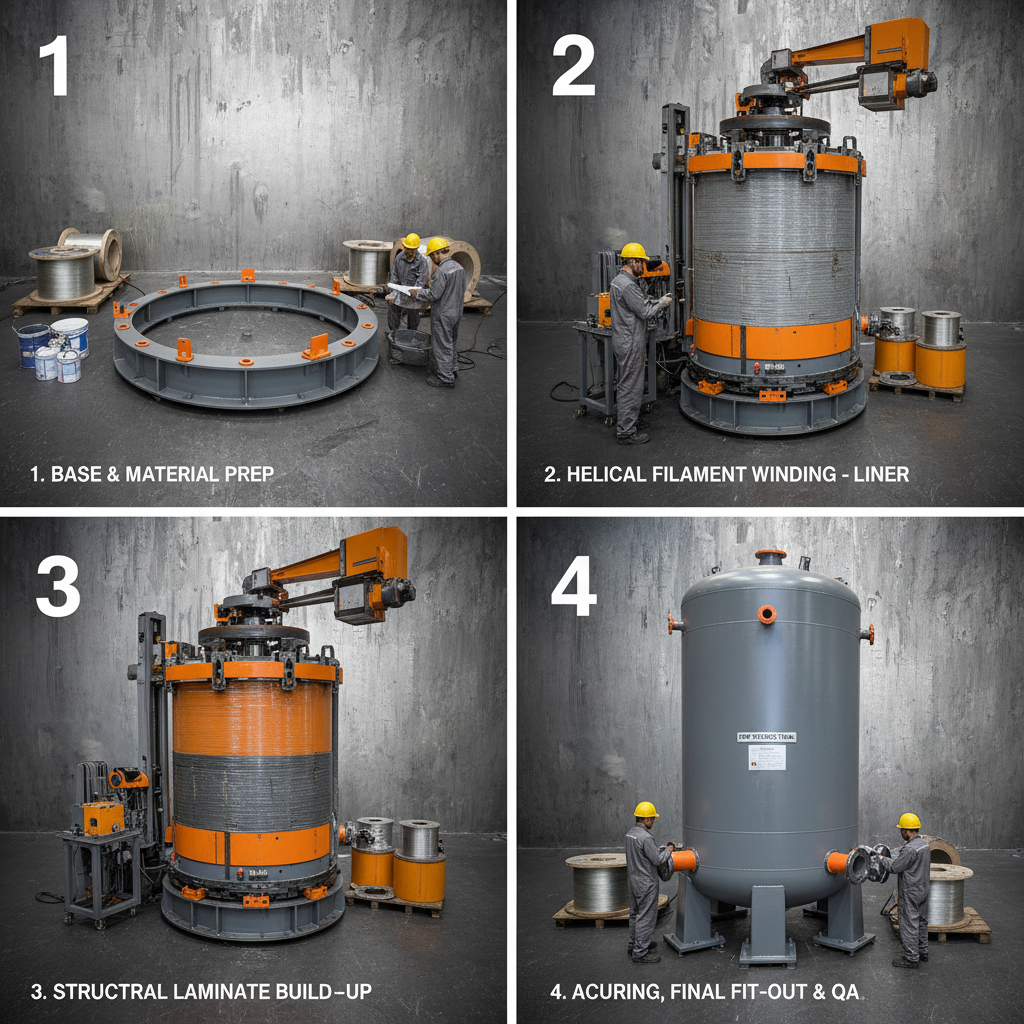
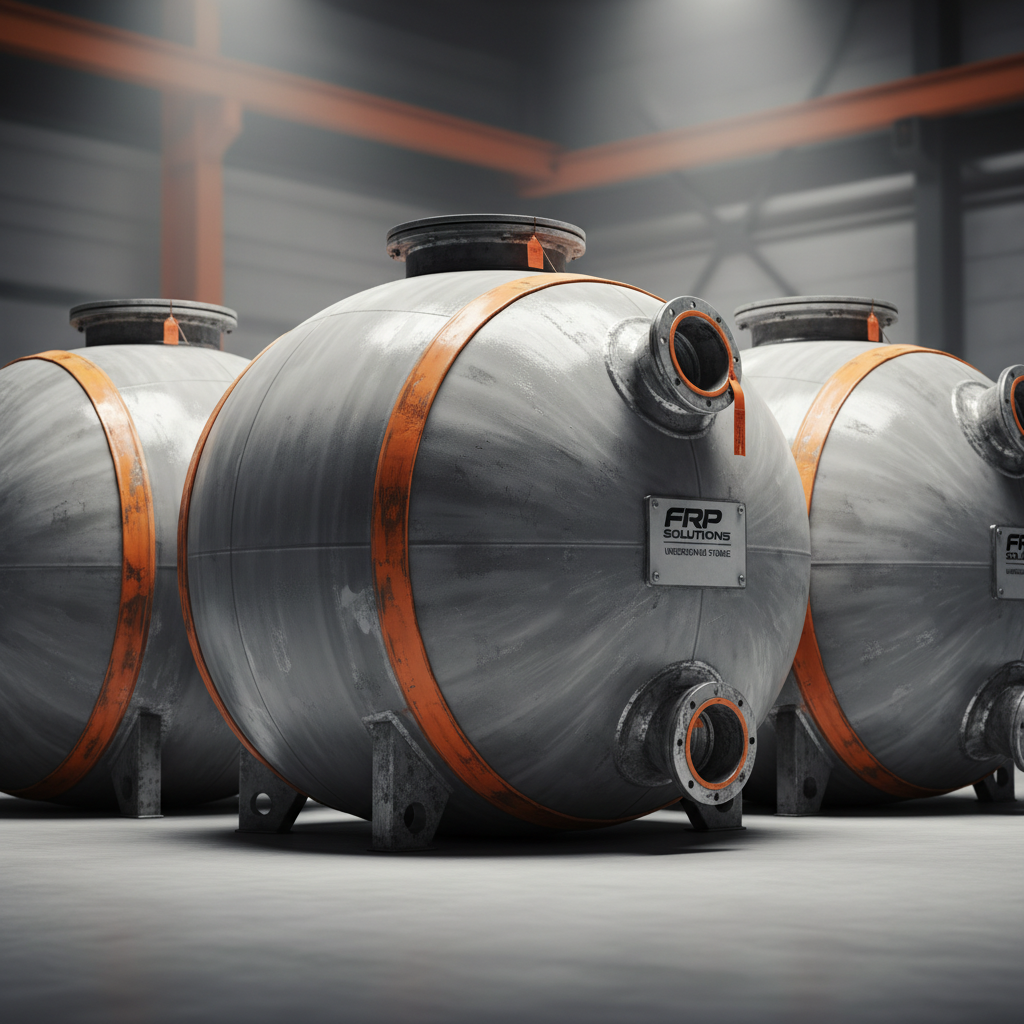
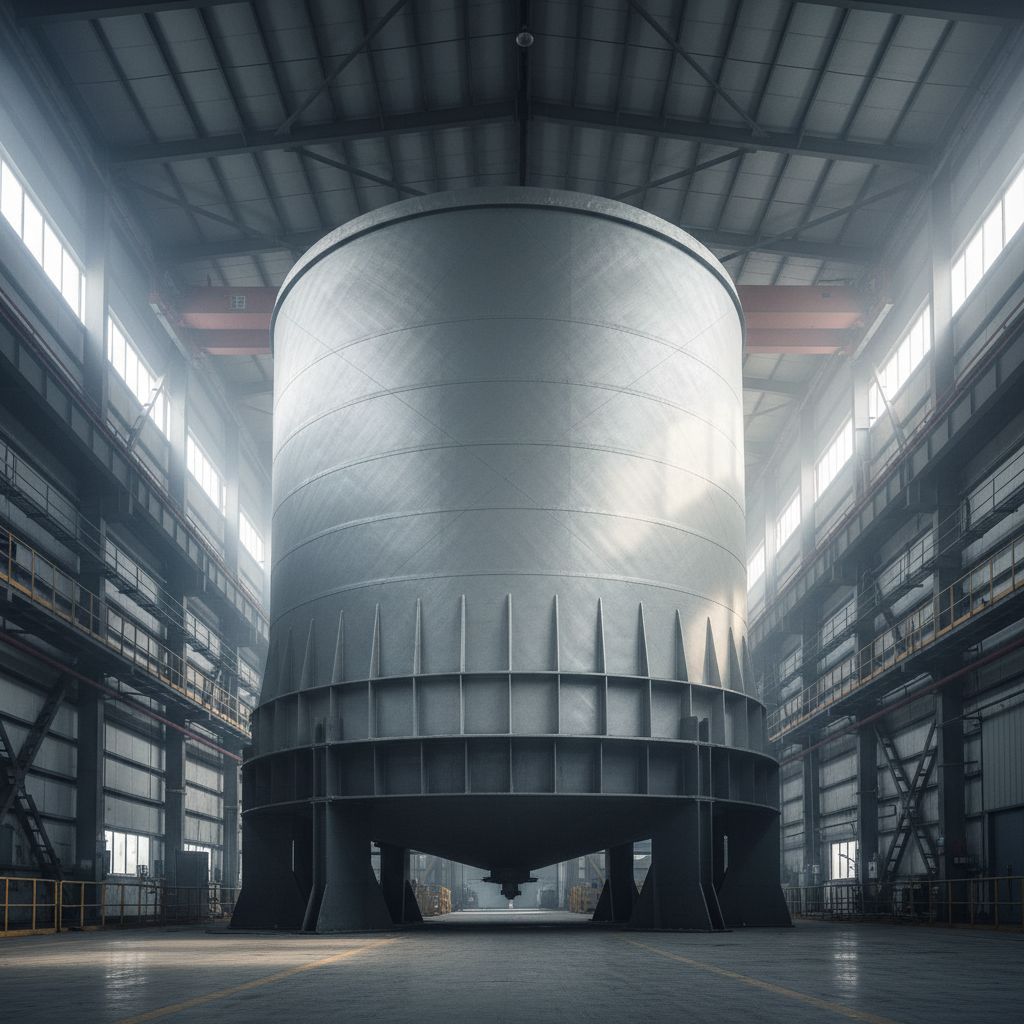
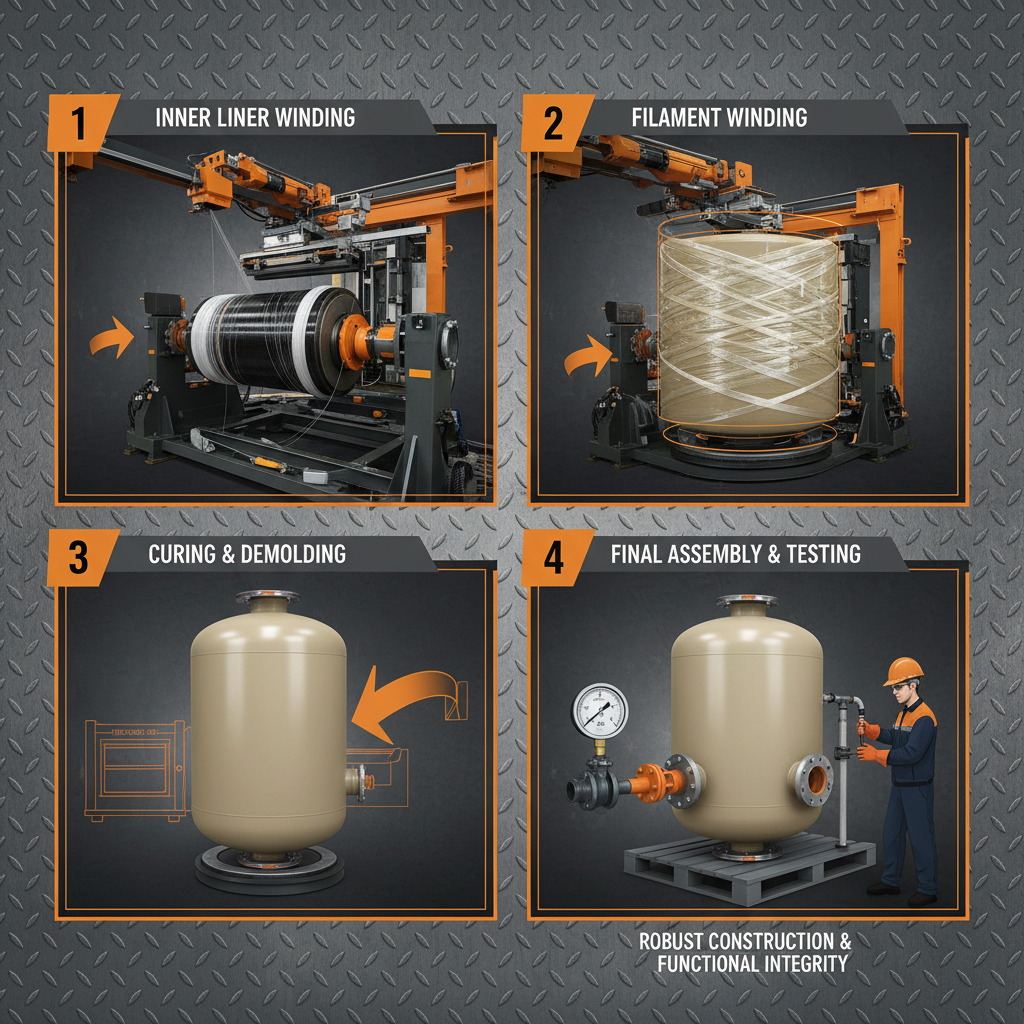
Put simply, a fiberglass filter tank is a container made from fiber-reinforced plastic (commonly glass fibers embedded in a resin matrix) designed specifically to house filtration media. It’s a key component for filtering impurities, sediments, and chemicals out of water. Unlike metal tanks, these are lightweight, corrosion-resistant, and can be manufactured into customized shapes and sizes. They’re used in industrial plants, municipal water systems, swimming pools, and anywhere water filtration is critical.

Beyond industry, they connect deeply to humanitarian needs by enabling clean water access in disaster zones or remote communities—places where traditional infrastructure is either damaged or non-existent.

Core Features That Set Fiberglass Filter Tanks Apart

Durability and Corrosion Resistance

The most celebrated trait—fiberglass tanks shrug off corrosion from chlorinated or salty water where steel tanks rapidly degrade. That means fewer replacements and lower maintenance headaches, even in aggressive environments.

Lightweight Yet Strong

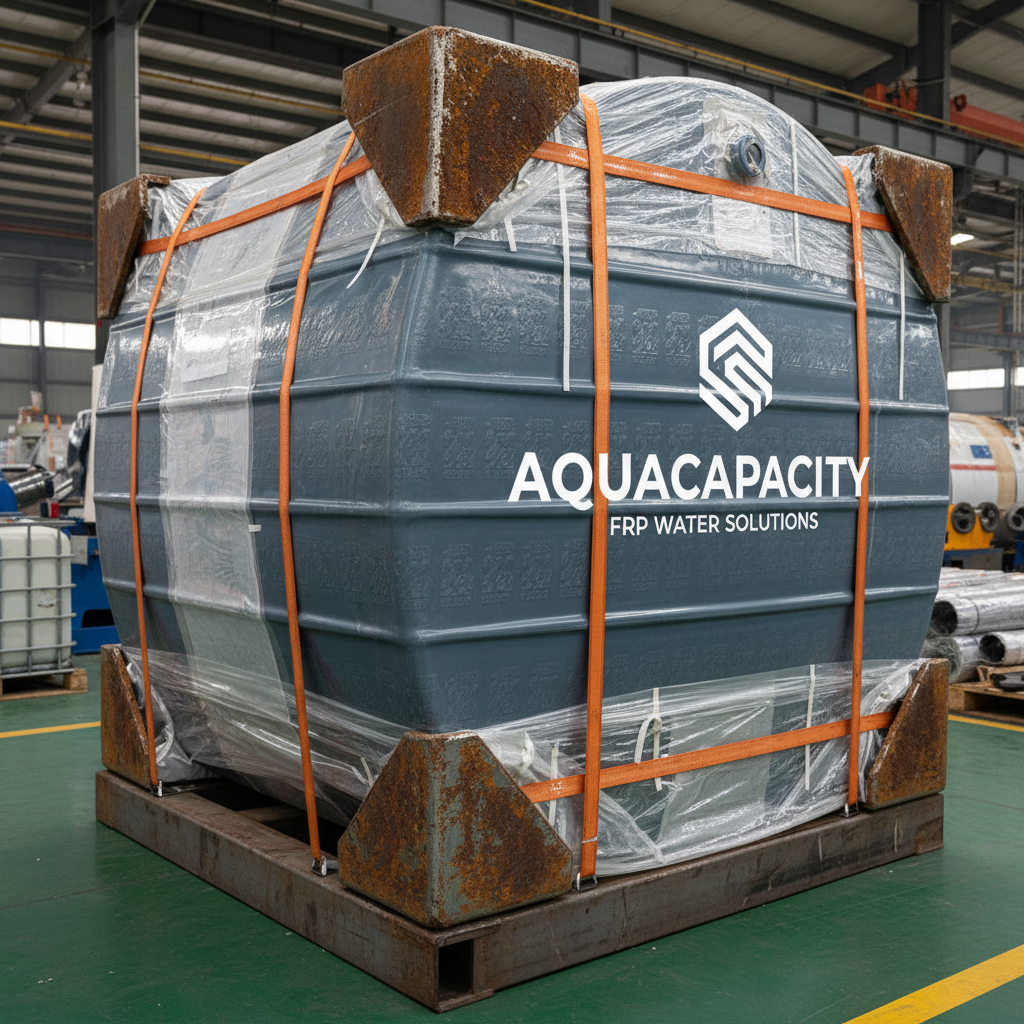
You might be surprised at how tough these tanks are given their relatively light weight. This translates to easier transport and installation, especially in challenging terrains where heavy equipment can’t reach easily.

Customization and Scalability

Fiberglass’s versatile manufacturing process means tanks can be molded into a variety of sizes and shapes. Whether a small pool filter or a large municipal system is required, there’s flexibility to scale as needed.

Cost-Effectiveness Over Time

True, the upfront cost sometimes seems higher than traditional steel tanks, but when you factor in the lower maintenance and longer lifespan—plus fewer chemicals needed for corrosion control—it quickly balances out.

Sustainability

Fiberglass tanks have an edge by reducing environmental impact. They require fewer coatings or treatments and contribute less waste since they don’t corrode into the water system.

Table: Fiberglass Filter Tank Basic Specifications

Specification Typical Range Remarks
Material Fiberglass Reinforced Plastic (FRP) Corrosion-resistant resin and glass fibers
Typical Diameter 0.6 m – 3 m Custom sizes available
Pressure Rating 150 – 300 psi Varies by design and wall thickness
Lifespan 15 – 25 years Depends on usage and maintenance
Weight Up to 60% lighter than steel Facilitates easier installation

Where Are Fiberglass Filter Tanks Making a Difference?

Oddly enough, these tanks seem to pop up everywhere — from massive chemical plants in Europe to tiny water purification units in Southeast Asia. Here are a few standout cases:

  • Disaster relief operations: When floods or earthquakes knock out municipal water, rapidly deployable fiberglass tanks provide a quick, safe filtration method.
  • Remote industrial zones: Mining and oil extraction operations use these tanks where corrosion from harsh chemicals would destroy steel alternatives fast.
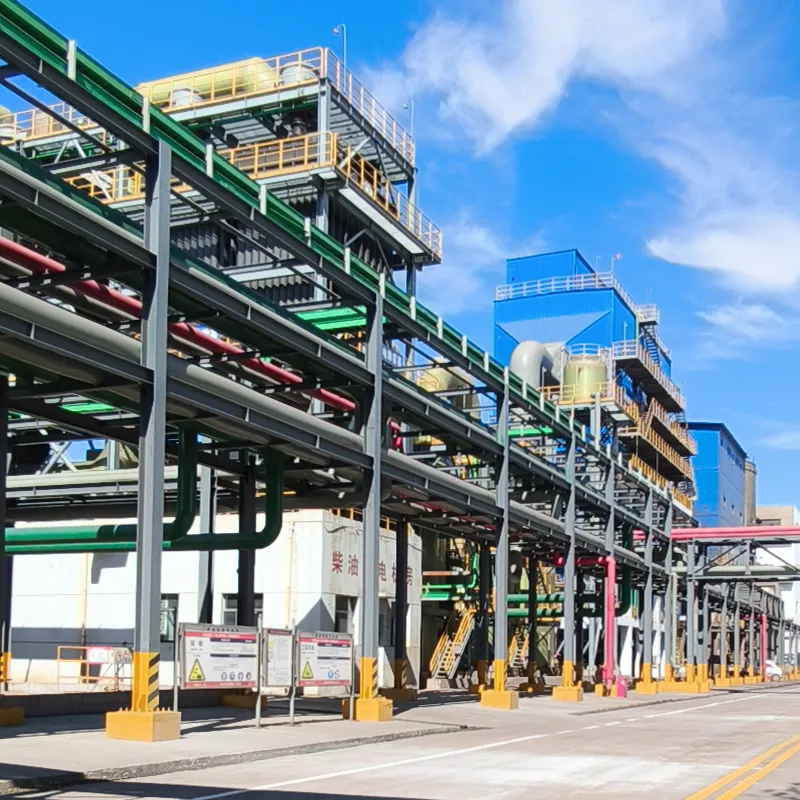
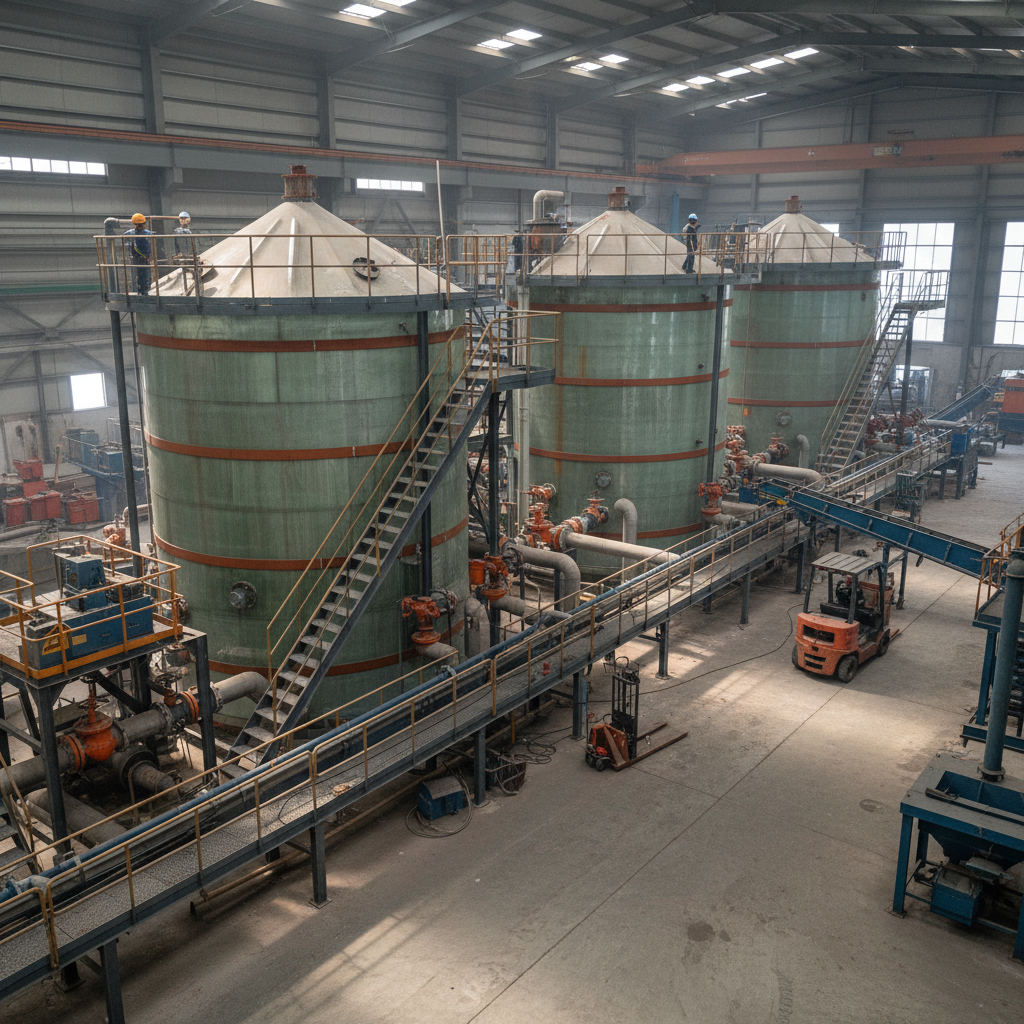
  • Municipal water treatment: Cities looking to modernize infrastructure often switch to fiberglass tanks to reduce lifetime costs and comply with environmental regulations.

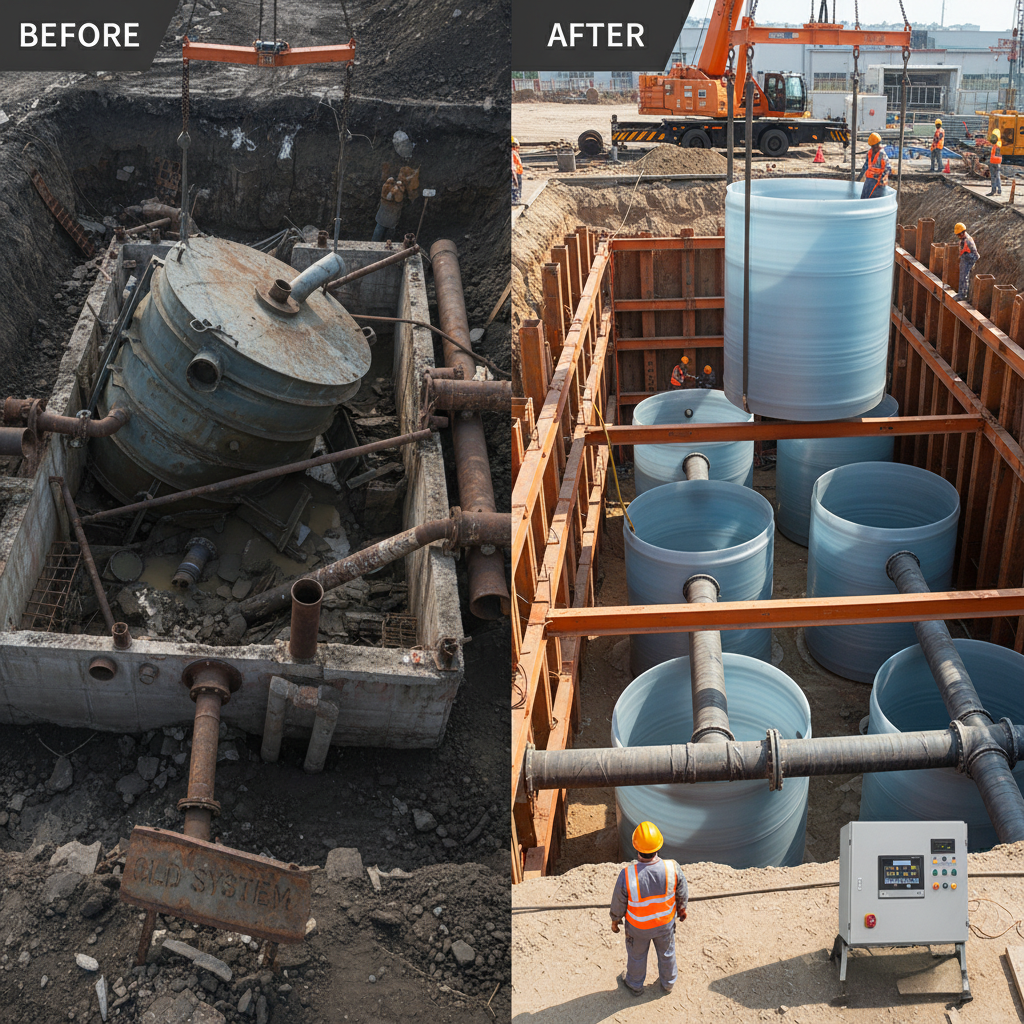
One memorable story comes from a South Asian NGO that replaced rusting steel tanks with fiberglass units in remote villages. They reported lowered maintenance calls by 70% over two years — quite a relief when technicians are three hours away by dirt road.

Mini takeaway:

The versatility and longevity of fiberglass tanks mean they’re an investment that pays off in harsh and diverse environments.

Advantages and Why They Matter Long-Term

Some advantages are obvious, but the emotional and societal impact often flies under the radar. For instance, a factory manager I spoke with noted that switching to fiberglass tanks "felt like switching from a cranky old car to a luxury ride" — smoother operations, less worry about downtime, and safer water output.

  • Cost savings through fewer replacements and less corrosion control.
  • Environmental wins thanks to fewer chemical treatments needed for steel upkeep.
  • Social benefits by reliably ensuring clean water, enhancing public health and dignity.
  • Trustworthiness that comes from durable equipment reducing emergency repairs or contamination events.

Innovations Shaping the Future of Fiberglass Filter Tanks

Technology marches on. Lately, we’re seeing upgraded resin formulas that increase UV resistance—critical for tanks stored outdoors—and integration with smart sensors that monitor water flow and filter status remotely. Some manufacturers are exploring more sustainable fiber sources or even recycling used tanks into new composites.

There’s also a niche but growing trend linking these tanks with green energy projects—solar-powered filtration systems in remote areas that can’t tap into a grid. The fiberglass tank’s reliability under off-grid conditions makes it an ideal partner for that vision.

Overcoming the Challenges

Sure, nothing’s perfect. Fiberglass filter tanks can have a higher initial price tag and require skilled fabrication to maintain consistent quality. Transportation for very large units remains a logistical hurdle—though still easier than steel counterparts in many cases.

Innovative insurers and NGOs now combine modular designs with local assembly training programs, which slashes costs and empowers communities. Industry experts suggest this decentralization is the key to unleashing their true potential worldwide.

Vendor Comparison: A Quick Look at Leading Fiberglass Filter Tank Providers

Feature Vendor A Vendor B Vendor C
Price Range $$ $$$ $
Lead Time 3-4 weeks 6-8 weeks 2-3 weeks
Customization High Medium Low
Warranty 10 years 7 years 5 years
Global Reach Yes Limited Yes

FAQ: Your Questions About Fiberglass Filter Tanks Answered

Q1: How long do fiberglass filter tanks typically last compared to steel tanks?

A: Fiberglass filter tanks generally last 15 to 25 years, depending on use and maintenance. In contrast, steel tanks often require replacement or significant upkeep after 8 to 12 years, especially in corrosive environments.

Q2: Are fiberglass filter tanks difficult to install?

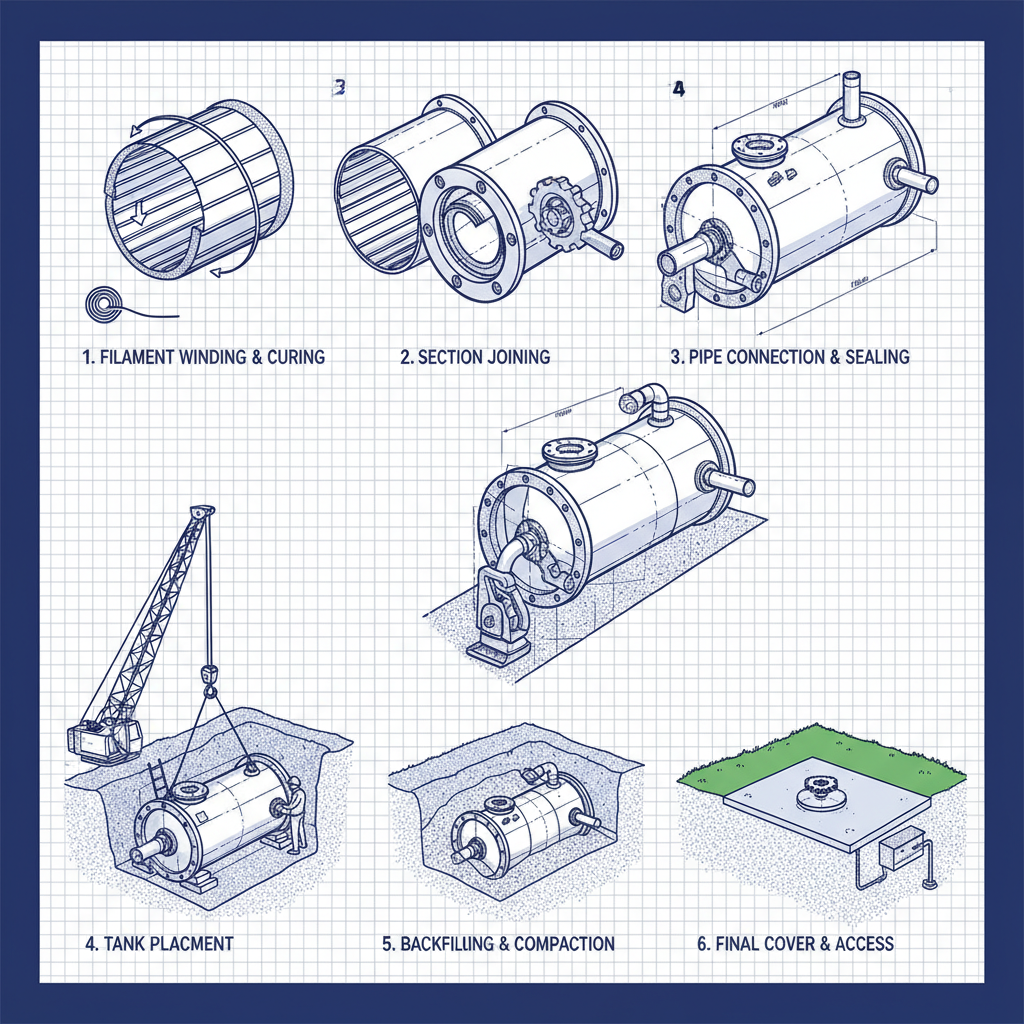
A: Not really. Because they’re lighter than steel, installation tends to be faster and easier. However, large tanks may still require cranes or special equipment, but overall site prep and handling are simpler.

Q3: Can fiberglass tanks be used for high-pressure filtration systems?

A: Absolutely. Many fiberglass tanks are rated for pressures up to 300 psi, suitable for a variety of industrial and municipal filtration systems. It’s important to specify your system requirements when ordering.

Q4: How eco-friendly are fiberglass filter tanks?

A: While the manufacturing involves synthetic materials, their long lifespan and corrosion resistance reduce waste and chemical treatments compared to alternatives, making them a greener option overall.

Q5: Where can I purchase quality fiberglass filter tanks?

A: There are multiple vendors worldwide, but it’s best to look for companies that offer customization, warranties, and support for your region. For trusted options, check out industry leaders or visit our suggested supplier page at fiberglass filter tank.

In Conclusion: Why the Future Looks Bright for Fiberglass Filter Tanks

Looking at the bigger picture, fiberglass filter tanks aren’t just a niche product—they’re part of a much larger movement toward sustainable, reliable, and efficient water treatment solutions. Whether you’re an engineer grappling with tough on-site conditions or a city planner wrestling with budgets and regulations, these tanks offer a compelling combination of qualities that can really move the needle.

Curious to explore options or need technical specs? Visit our website: fiberglass filter tank for more detailed product info and expert guidance.

Final reflection:

While fiberglass filter tanks may seem technical and specific, their impact touches millions of lives around the globe — from cleaner drinking water to lower operational headaches. Sometimes it’s the quiet tech working behind the scenes that makes the biggest difference.


References:
1. UN Water Scarcity Report
2. World Health Organization - Drinking Water
3. International Organization for Standardization (ISO), Water Quality Standards (https://www.iso.org/committee/54906.html)
Upsell Products
Upsell News
Durable FRP Vessel for Water Treatment and Industrial Filtration
Apr 16,2026
Durable FRP Vessel for Water Treatment and Industrial Filtration
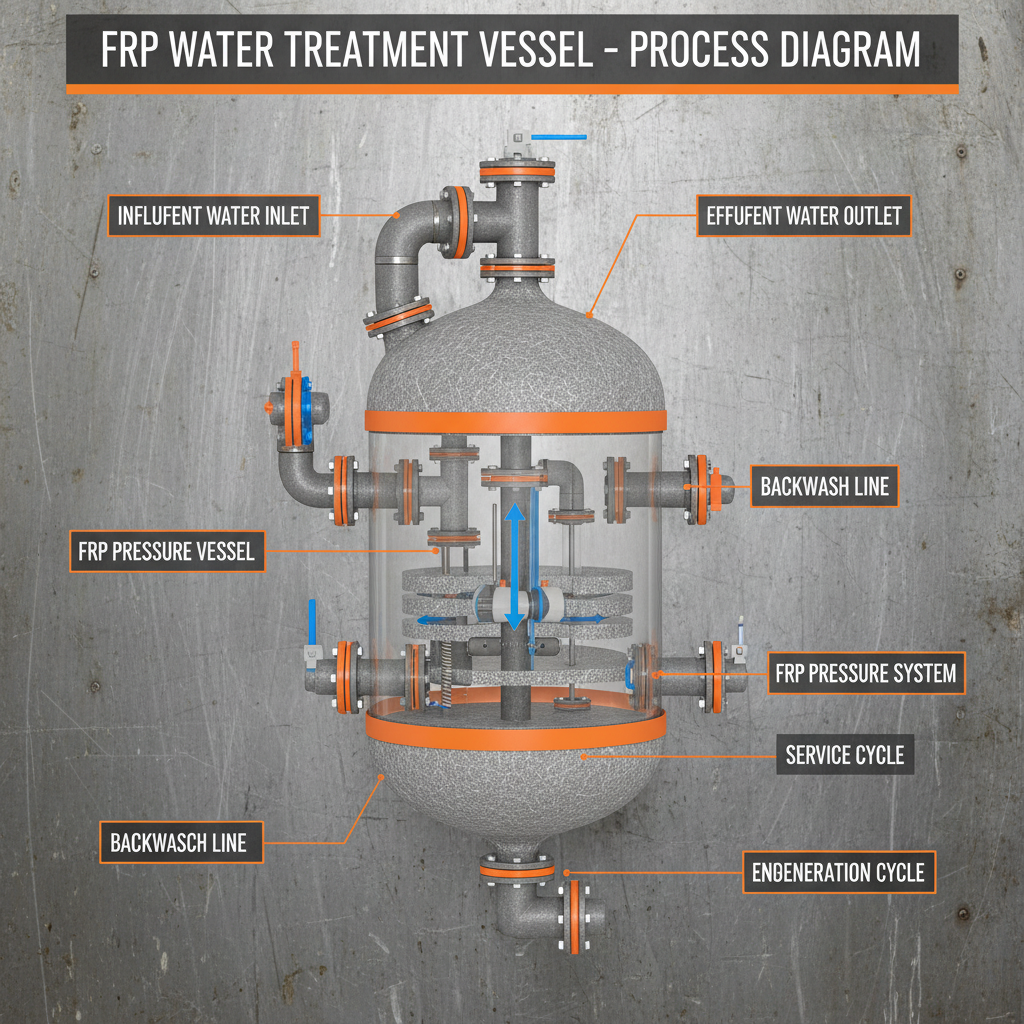
In the modern era of industrial and residential water purification, the choice of containment materials is critical for efficiency and longevity. An frp vessel for water treatment has emerged as the gold standard, replacing traditional steel tanks due to its superior corrosion resistance and lightweight properties. Whether you are dealing with desalination, softening, or filtration, using Fiber Reinforced Plastic (FRP) ensures that your system remains leak-proof and durable against aggressive chemicals. In this comprehensive guide, we will explore why FRP is the preferred choice for water treatment professionals worldwide and how to select the right vessel for your specific application.
Industrial Guide for Choosing the Right FRP Vertical Tank
Apr 09,2026
Industrial Guide for Choosing the Right FRP Vertical Tank
In today's industrial landscape, the storage of corrosive chemicals and aggressive liquids requires materials that can withstand extreme conditions without degrading. The frp vertical tank has emerged as a premier solution, offering an exceptional balance of strength, lightweight properties, and unmatched chemical resistance. Whether you are managing a water treatment plant or a chemical processing facility, understanding the nuances of Fiber Reinforced Plastic (FRP) is essential for ensuring operational safety and longevity. In this comprehensive guide, we will explore why vertical configurations are preferred and how these tanks outperform traditional metal alternatives.
Comprehensive Guide to FRP Underground Water Tank Solutions and Applications
Apr 07,2026
Comprehensive Guide to FRP Underground Water Tank Solutions and Applications
Fiberglass Reinforced Polymer (FRP) underground water tanks are becoming increasingly popular for a wide range of applications, from potable water storage to industrial wastewater containment. Their superior corrosion resistance, lightweight nature, and design flexibility make them an excellent alternative to traditional materials like concrete or steel. This article will delve into the benefits, applications, construction, and considerations for implementing FRP underground water tanks, providing a comprehensive overview for engineers, contractors, and project managers.
Comprehensive Guide to Frp Underground Water Storage Tanks and Their Applications
Apr 04,2026
Comprehensive Guide to Frp Underground Water Storage Tanks and Their Applications
When considering water storage solutions, particularly for industrial, agricultural, or municipal applications, frp underground water storage tanks stand out as a durable, cost-effective, and environmentally friendly option. These tanks are increasingly favored over traditional materials like concrete or steel due to their superior corrosion resistance, lighter weight, and ease of installation. This article delves into the benefits, applications, construction, and considerations when choosing an FRP tank, providing a detailed overview for potential buyers and project planners.
Sulfuric Acid Production Line - Hebei Aoliande|Efficient H2SO4 Plant Technology
Apr 01,2026
Sulfuric Acid Production Line - Hebei Aoliande|Efficient H2SO4 Plant Technology
Discover efficient H2SO4 plant technology and advanced sulfuric acid production solutions. Hebei Aoliande combines energy-saving furnace design and eco-friendly HCl recovery systems for sustainable industrial applications. Explore now: https://www.frpgrpmachine.com/sulfuric-acid-production-line-for-h2so4-plant.html
Sulfuric Acid Production Line - Hebei Aoliande|Efficient H2SO4 Plant Technology
Apr 01,2026
Sulfuric Acid Production Line - Hebei Aoliande|Efficient H2SO4 Plant Technology
Discover efficient H2SO4 plant technology and advanced sulfuric acid production solutions. Hebei Aoliande combines energy-saving furnace design and eco-friendly HCl recovery systems for sustainable industrial applications. Explore now: https://www.frpgrpmachine.com/sulfuric-acid-production-line-for-h2so4-plant.html
Sulfuric Acid Production Line - Hebei Aoliande|Efficient H2SO4 Plant Technology
Apr 01,2026
Sulfuric Acid Production Line - Hebei Aoliande|Efficient H2SO4 Plant Technology
Discover efficient H2SO4 plant technology and advanced sulfuric acid production solutions. Hebei Aoliande combines energy-saving furnace design and eco-friendly HCl recovery systems for sustainable industrial applications. Explore now: https://www.frpgrpmachine.com/sulfuric-acid-production-line-for-h2so4-plant.html
Sulfuric Acid Production Line - Hebei Aoliande|Efficient H2SO4 Plant Technology
Apr 01,2026
Sulfuric Acid Production Line - Hebei Aoliande|Efficient H2SO4 Plant Technology
Discover efficient H2SO4 plant technology and advanced sulfuric acid production solutions. Hebei Aoliande combines energy-saving furnace design and eco-friendly HCl recovery systems for sustainable industrial applications. Explore now: https://www.frpgrpmachine.com/sulfuric-acid-production-line-for-h2so4-plant.html
Sulfuric Acid Production Line - Hebei Aoliande|Efficient H2SO4 Plant Technology
Apr 01,2026
Sulfuric Acid Production Line - Hebei Aoliande|Efficient H2SO4 Plant Technology
Discover efficient H2SO4 plant technology and advanced sulfuric acid production solutions. Hebei Aoliande combines energy-saving furnace design and eco-friendly HCl recovery systems for sustainable industrial applications. Explore now: https://www.frpgrpmachine.com/sulfuric-acid-production-line-for-h2so4-plant.html
Sulfuric Acid Production Line - Hebei Aoliande|Efficient H2SO4 Plant Technology
Apr 01,2026
Sulfuric Acid Production Line - Hebei Aoliande|Efficient H2SO4 Plant Technology
Discover efficient H2SO4 plant technology and advanced sulfuric acid production solutions. Hebei Aoliande combines energy-saving furnace design and eco-friendly HCl recovery systems for sustainable industrial applications. Explore now: https://www.frpgrpmachine.com/sulfuric-acid-production-line-for-h2so4-plant.html
Comprehensive Guide to Frp Underground Storage Tanks for Reliable Storage Solutions
Mar 31,2026
Comprehensive Guide to Frp Underground Storage Tanks for Reliable Storage Solutions
Fiberglass Reinforced Polymer (FRP) underground storage tanks are becoming increasingly popular for a wide range of applications, from fuel storage to wastewater management. Their corrosion resistance, lightweight nature, and durability offer significant advantages over traditional materials like steel. This article will provide an in-depth look at FRP underground storage tanks, covering their benefits, applications, installation, and maintenance. Understanding these aspects is crucial for making informed decisions about long-term storage solutions.
Comprehensive Guide to Selecting the Ideal FRP Tank for Water Storage Solutions
Mar 28,2026
Comprehensive Guide to Selecting the Ideal FRP Tank for Water Storage Solutions
When it comes to reliable and durable water storage, FRP tanks for water are increasingly becoming the preferred solution for a wide range of applications. These tanks, constructed from Fiber Reinforced Polymer (FRP) materials, offer significant advantages over traditional storage options like steel or concrete. This article delves into the benefits, applications, and considerations when selecting an FRP tank for your water storage needs, providing a detailed overview for businesses and individuals alike.
Comprehensive Guide to Frp Tank and Vessel Applications and Manufacturing
Mar 26,2026
Comprehensive Guide to Frp Tank and Vessel Applications and Manufacturing
Fiber Reinforced Polymer (FRP) tanks and vessels are increasingly becoming the preferred choice for storage and processing across a multitude of industries. Their lightweight nature, corrosion resistance, and design flexibility offer significant advantages over traditional materials like steel. This article will delve into the intricacies of FRP tanks and vessels, exploring their applications, manufacturing processes, benefits, and considerations for selecting the right solution for your specific needs. We’ll also highlight why FRP tanks are a cost-effective and reliable long-term investment. FRP tanks and vessels are constructed from a combination of reinforcing fibers (such as fiberglass, carbon fiber, or aramid fiber) embedded in a polymer matrix (typically polyester, vinyl ester, or epoxy resin). This combination creates a composite material that boasts high strength-to-weight ratio, exceptional corrosion resistance, and the ability to be molded into complex shapes. They’re designed to safely contain a wide variety of liquids and gases, ranging from corrosive chemicals and water to food products and pharmaceuticals.
Optimizing Water Filtration with Durable FRP Sand Filter Vessels
Mar 24,2026
Optimizing Water Filtration with Durable FRP Sand Filter Vessels
In water treatment and filtration systems, the choice of filter vessel material is paramount. Fiber Reinforced Plastic (FRP), also known as Glass Reinforced Polymer (GRP), sand filter vessels are increasingly popular due to their superior corrosion resistance, lightweight nature, and cost-effectiveness. This article delves into the benefits, applications, design considerations, and factors to consider when selecting an FRP sand filter vessel. Whether you are involved in municipal water treatment, industrial wastewater management, or recreational water filtration, understanding FRP technology is essential for optimizing your filtration process. An FRP sand filter vessel is a containment unit designed to house filtration media, typically sand, gravel, and anthracite. These vessels are integral components in sand filtration systems used for removing suspended solids, turbidity, and other particulate matter from water. FRP construction involves layering glass fibers within a resin matrix (typically polyester or vinyl ester) to create a strong, durable, and chemically resistant shell. The strength and rigidity of the vessel are crucial for withstanding the pressure from the filtration media and the water flow.
Comprehensive Guide to FRP Round Tanks Applications and Benefits
Mar 21,2026
Comprehensive Guide to FRP Round Tanks Applications and Benefits
Fiber Reinforced Polymer (FRP) round tanks are increasingly becoming the preferred choice for storage solutions across a variety of industries. Their lightweight nature, corrosion resistance, and design flexibility offer significant advantages over traditional materials like steel. This article provides an in-depth look at FRP round tanks, exploring their applications, benefits, manufacturing processes, and key considerations when choosing the right tank for your needs. Whether you're in chemical processing, water treatment, or agriculture, understanding FRP round tanks is crucial for optimizing your storage infrastructure. FRP round tanks are constructed from a combination of reinforcing fibers (typically fiberglass, carbon fiber, or a blend) embedded in a polymer matrix (often polyester, vinyl ester, or epoxy resin). The round shape inherently provides excellent structural strength, distributing pressure evenly across the tank’s surface.
Comprehensive Guide to FRP Pressure Tanks Benefits and Applications
Mar 19,2026
Comprehensive Guide to FRP Pressure Tanks Benefits and Applications
Fiber Reinforced Polymer (FRP) pressure tanks are becoming increasingly popular in a wide range of industrial applications, offering a compelling alternative to traditional steel tanks. Known for their lightweight nature, corrosion resistance, and high strength-to-weight ratio, FRP tanks provide efficient and durable solutions for storing liquids and gases under pressure. This article will delve into the benefits, applications, construction, and key considerations when selecting an FRP pressure tank, helping you make an informed decision for your specific needs. Understanding the advantages of FRP technology can lead to significant cost savings and improved operational efficiency. Compared to steel, FRP pressure tanks offer several key advantages. The most significant is their superior corrosion resistance. Unlike steel, which is susceptible to rust and corrosion when exposed to various chemicals, FRP materials are inherently resistant to a wide range of corrosive substances. This translates to a longer lifespan, reduced maintenance costs, and increased safety. Furthermore, FRP is significantly lighter than steel, making installation easier and reducing transportation costs.
For More Details Pls Contact Us
Thank you for your interest in our gloves! We offer high-quality, durable, and comfortable gloves with fast delivery and competitive prices. For any questions or customization, feel free to contact us. We look forward to working with you!

If you are interested in our products, you can choose to leave your information here, and we will be in touch with you shortly.