Dec 01,2025

Fiberglass Compressed Air Tanks: Durable, Lightweight Air Storage Solutions for Global Industries

Understanding the Rising Role of Fiberglass Compressed Air Tanks Worldwide

At first glance, a fiberglass compressed air tank might seem like a niche industrial product, tucked away in factories or engineering diagrams. But in reality, this compact piece of technology plays a surprisingly pivotal role across a range of sectors, from manufacturing plants to disaster relief operations. Globally, the rise in demand for lightweight, durable, and corrosion-resistant air storage solutions underscores why it’s worth knowing about these tanks — their efficiency may literally power industry and innovation in unexpected ways.

Introduction: Why Fiberglass Compressed Air Tanks Matter on a Global Scale

Compressed air is the lifeblood of many industries worldwide. According to the International Organization for Standardization (ISO), compressed air systems account for roughly 10% of global industrial electricity consumption. Naturally, how we store and manage this air impacts sustainability, cost efficiency, and operational safety. Enter the fiberglass compressed air tank: a modern take on storing pressurized air that overcomes challenges traditional steel tanks often struggle with—namely, corrosion and weight.

Countries with heavy industrialization, such as China and Germany, have shown increasing use of fiberglass tanks due to their low maintenance and high strength-to-weight ratio. Meanwhile, humanitarian organizations have found them invaluable in remote or disaster-prone regions where ease of transport and long-term durability are critical.

Mini takeaway: Fiberglass tanks are becoming a global solution for cleaner, safer, and more efficient compressed air storage.

What Exactly is a Fiberglass Compressed Air Tank?

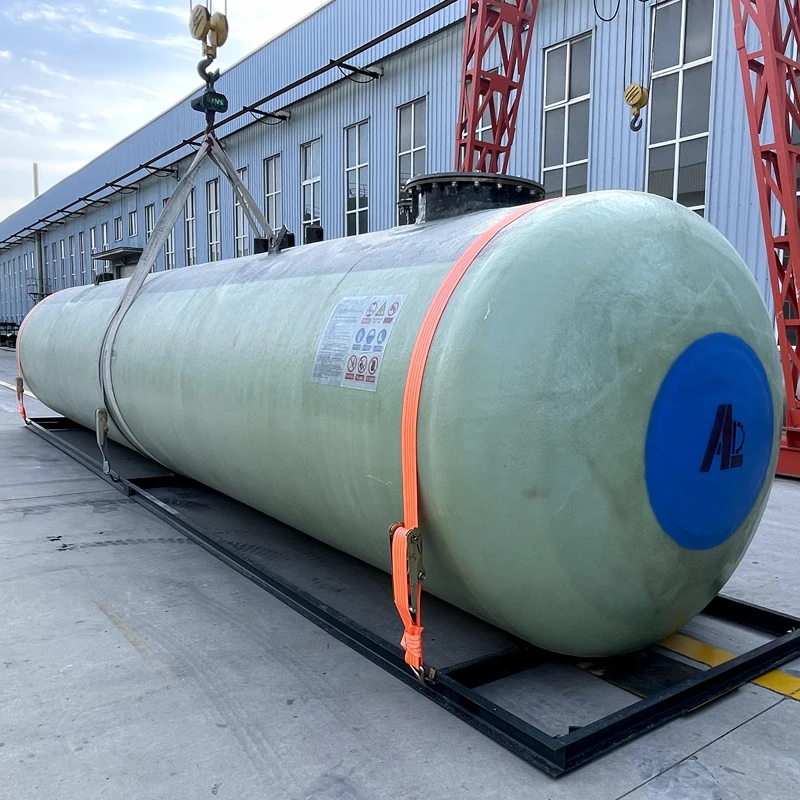
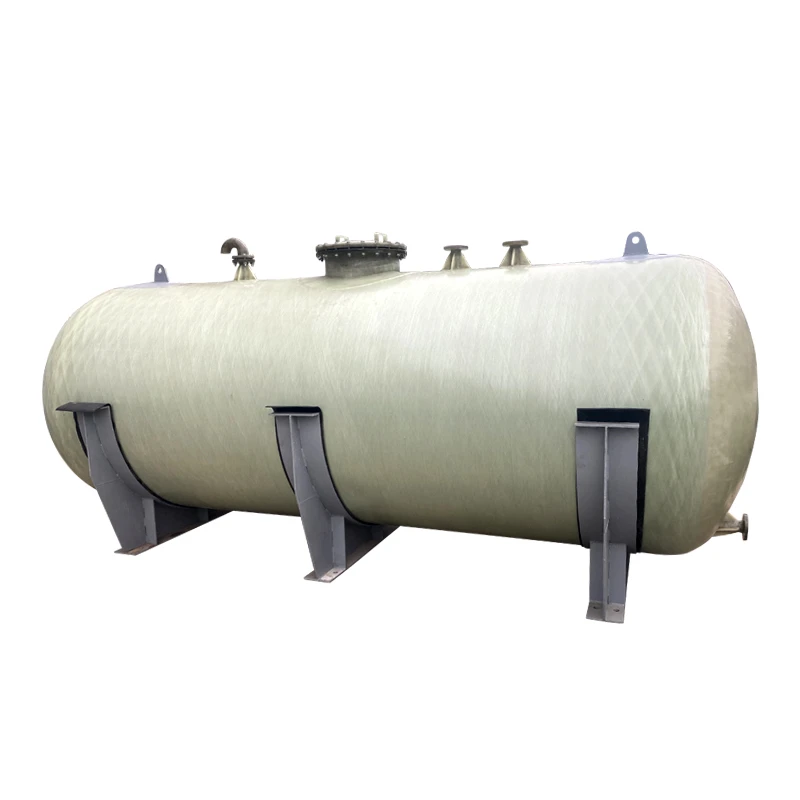
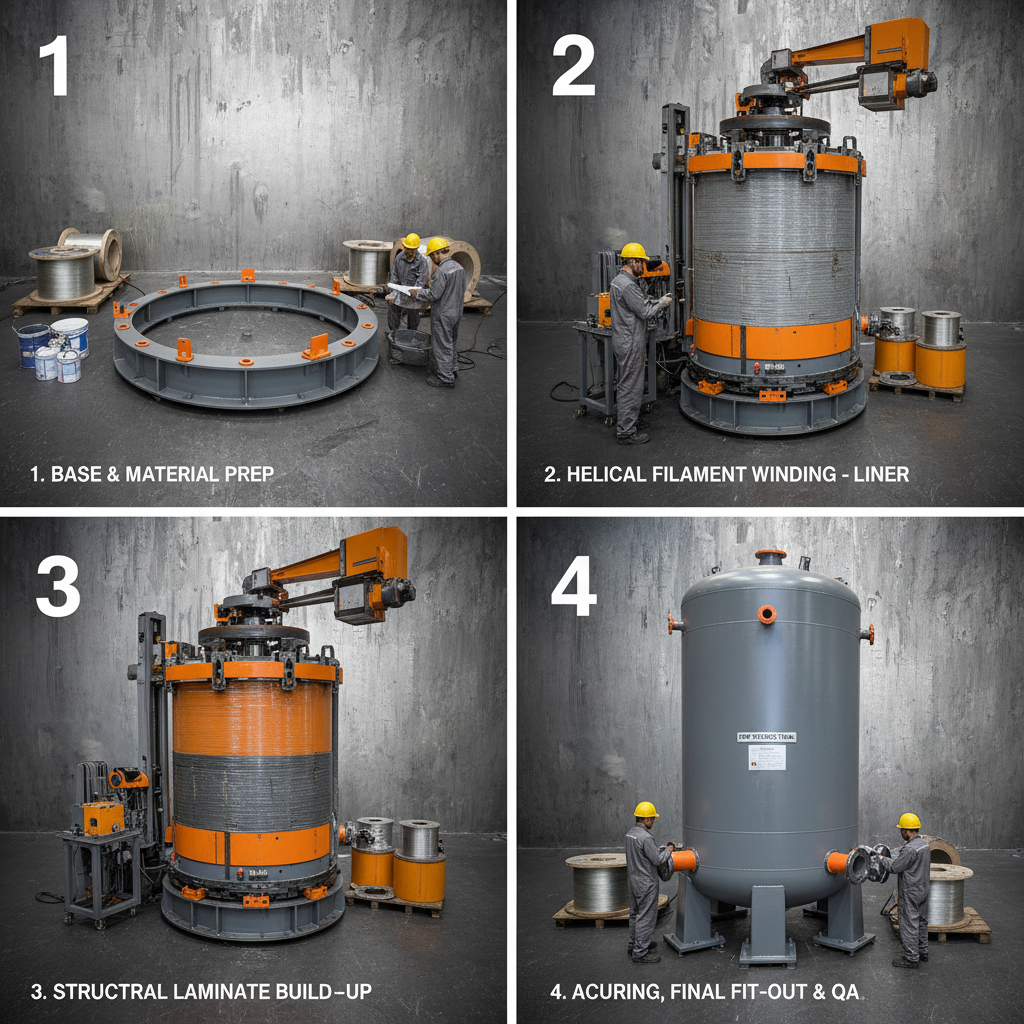
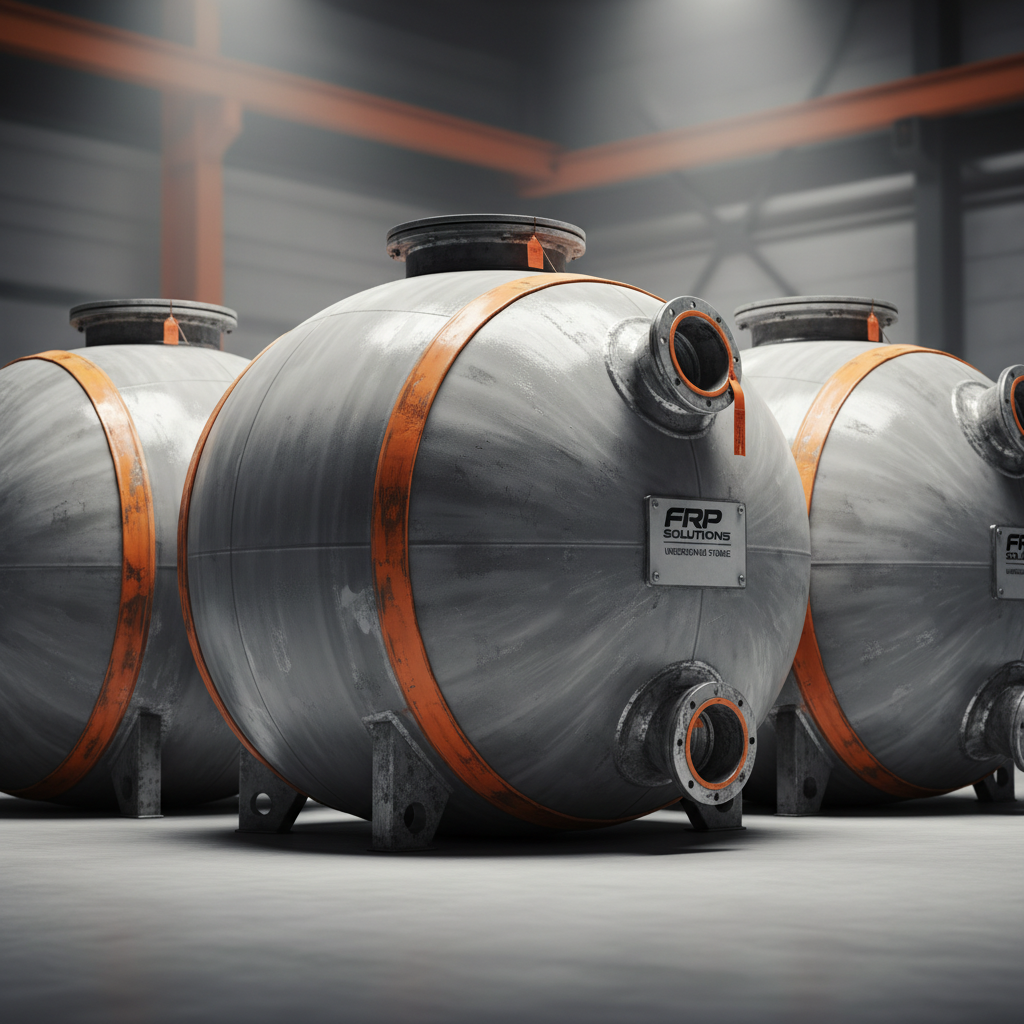
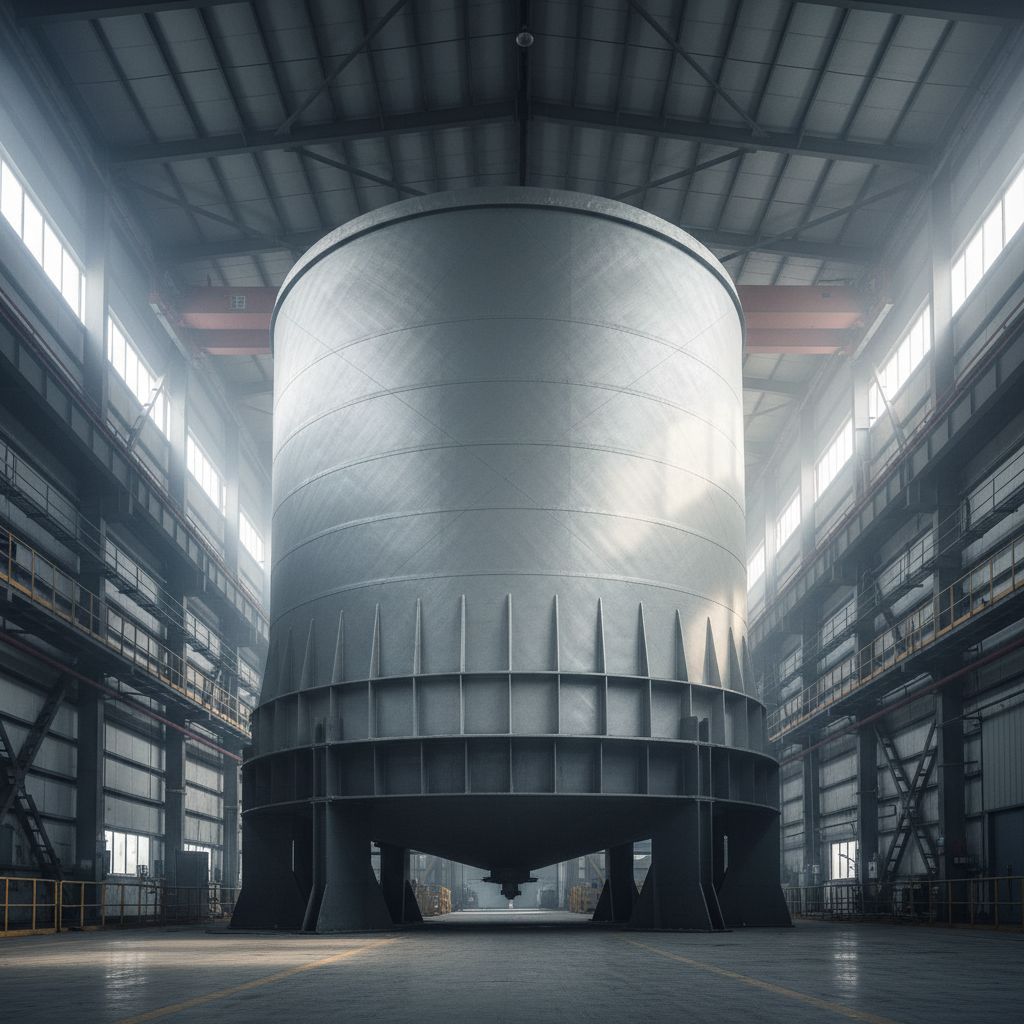
Simply put, a fiberglass compressed air tank is a pressure vessel made primarily from composite materials—most notably fiberglass reinforced plastic (FRP)—used to store compressed air safely at high pressures. Unlike conventional steel tanks, these utilize glass fibers embedded in a resin matrix to create a lightweight but incredibly strong container.

This design leverages the best of both worlds: fiberglass provides high corrosion resistance to withstand water vapor in compressed air, while the composite construction reduces the overall weight, making transport and installation easier. In fields like construction, mining, and even space exploration, such tanks offer performance and longevity traditional metals can’t easily match.

Key Features That Define Fiberglass Compressed Air Tanks

Durability & Corrosion Resistance

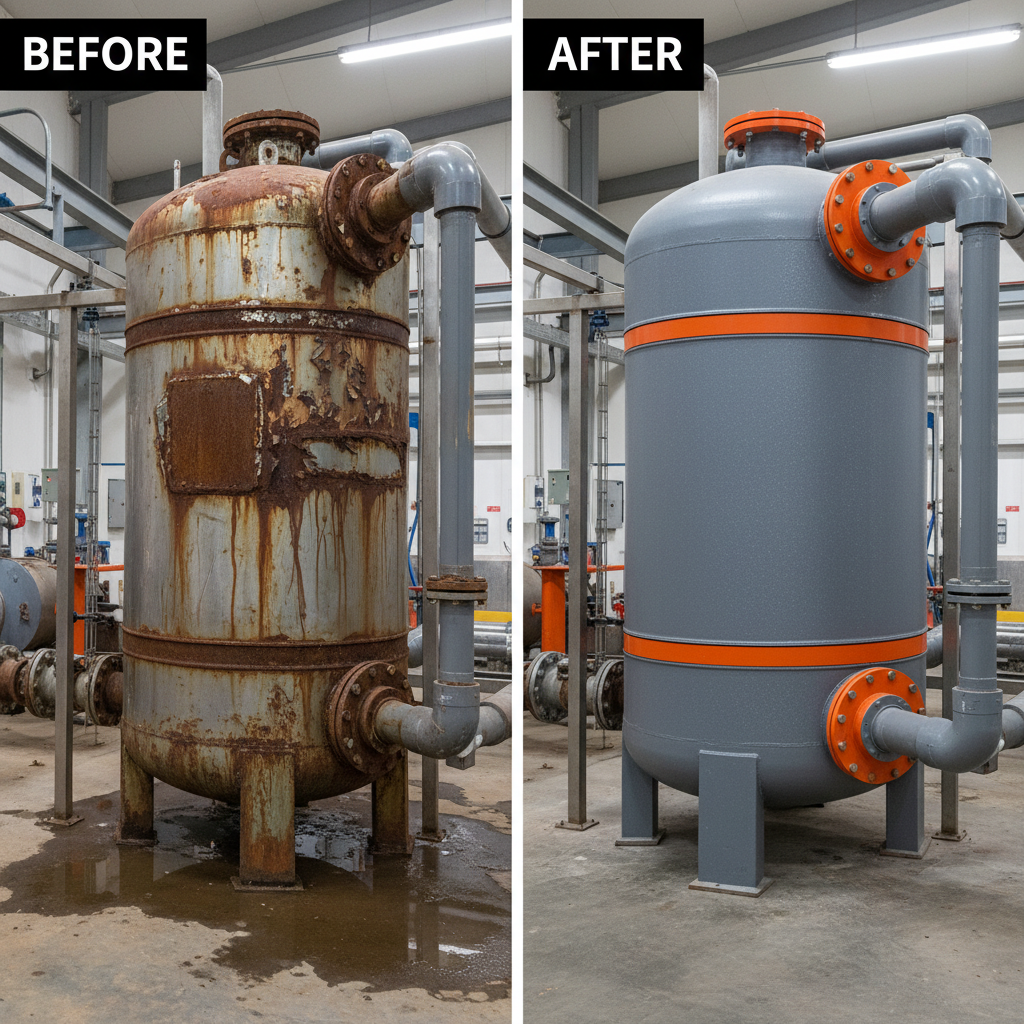
The most significant advantage many users notice is that fiberglass tanks don’t rust. Steel tanks can degrade quickly when exposed to moisture, especially in humid environments or when dealing with condensates in compressed air. The composite nature of fiberglass offers immunity to corrosion, greatly extending tank life.

Lightweight & Portable

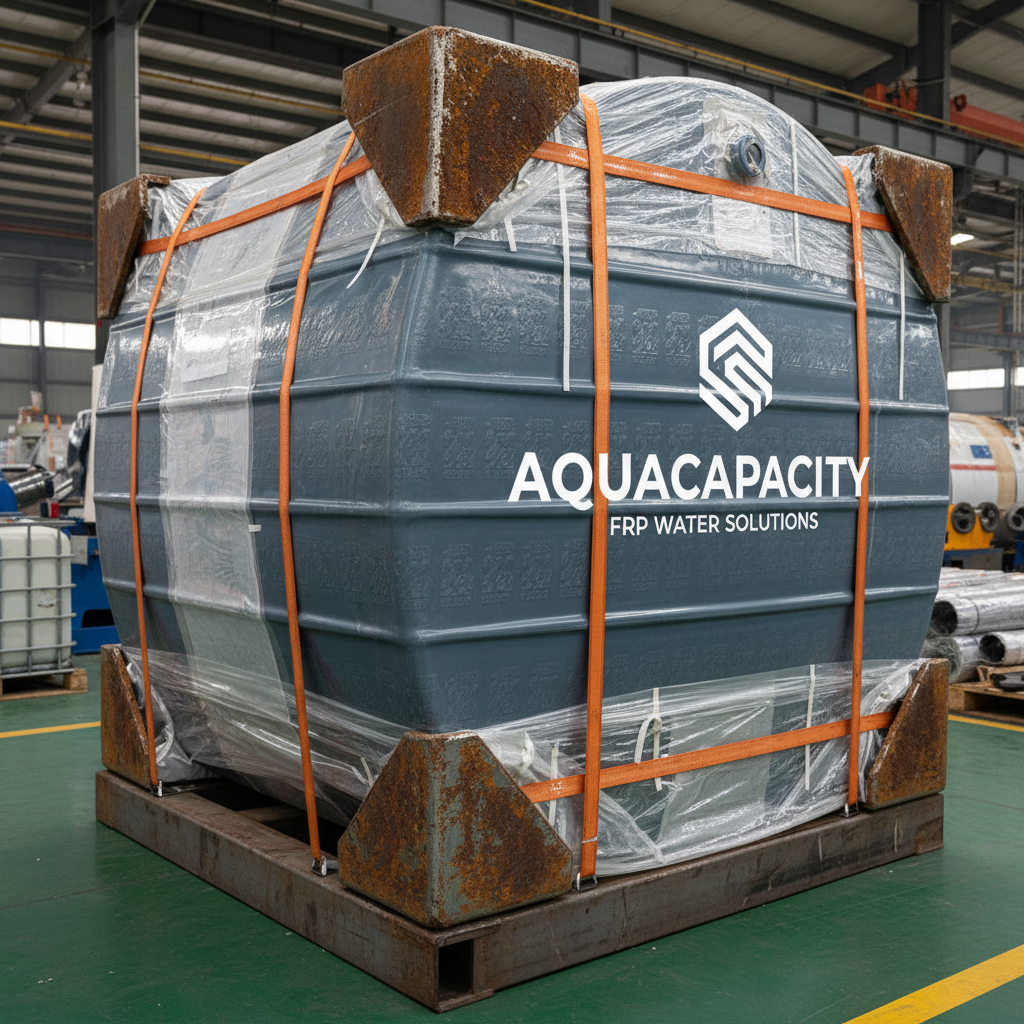
One of the main reasons industries shift to fiberglass is weight. Many engineers I’ve chatted with say lifting and installing steel tanks can be a pain. Meanwhile, fiberglass variants often weigh 40-60% less, which means easier transport, reduced labor costs, and safer handling overall.

Cost Efficiency Over Time

Even if the upfront cost of a fiberglass tank is slightly higher, you gain value over years of maintenance savings, reduced downtime, and longer service life. It’s a classic example of spending a little more now to save a lot later.

Pressure & Capacity Flexibility

Fiberglass tanks come in various volumes and pressure ratings, ranging mostly between 150 psi and 450 psi. This makes them adaptable — whether it’s a small workshop requiring a compact tank or an industrial plant demanding larger storage solutions.

Environmentally Friendly Profile

Since fiberglass tanks resist corrosion, they eliminate the need for frequent replacement and disposal associated with steel tanks, minimizing waste and ecological impact.

Easy to Customize

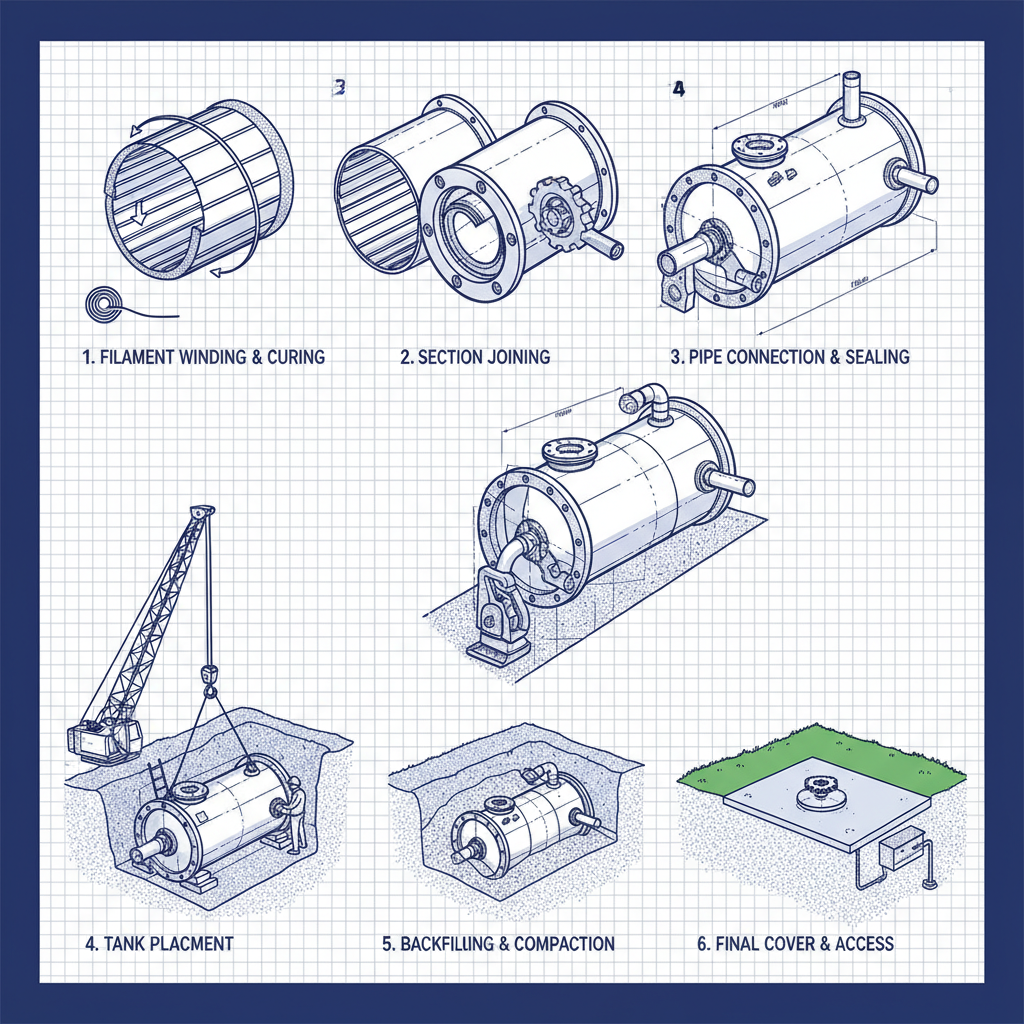
The manufacturing process allows for customization in shape and size, accommodating unique industrial or field requirements.

Mini takeaway:

Durability, weight savings, and adaptability position fiberglass tanks as an increasingly preferred alternative to steel across multiple industries.

Typical Specifications of Fiberglass Compressed Air Tanks

Specification Common Range Notes
Pressure Rating 150–450 psi Varies by design and application
Capacity 50–2000 liters From portable to industrial-scale
Material Fiberglass Reinforced Plastic (FRP) Composite resin + glass fibers
Weight Approx. 40-60% lighter than steel Depends on size
Lifespan 15+ years (typical) With proper maintenance

Where Are Fiberglass Compressed Air Tanks Changing the Game?

The global applicability of these tanks is impressive, and the diversity of industries is enough to make any manufacturer eyebrow-raise. You find them in:

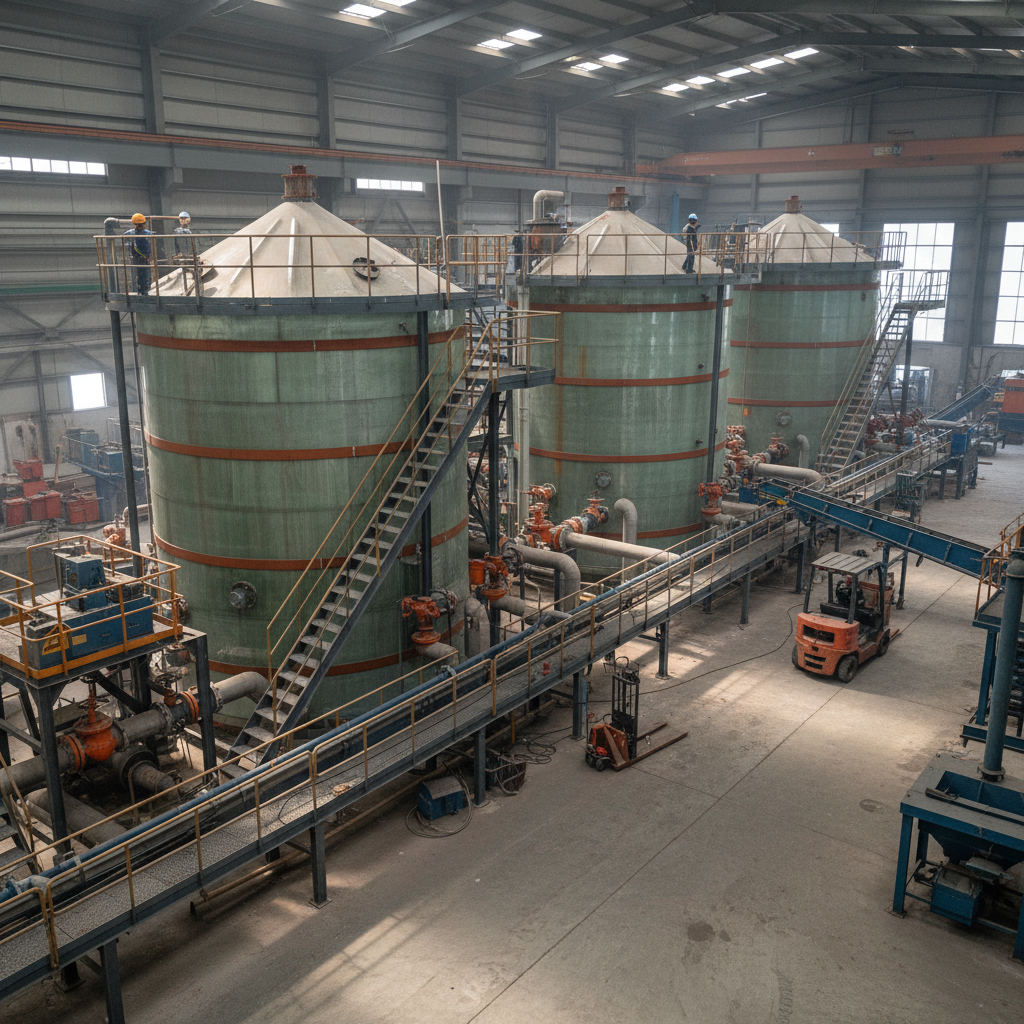
  • Industrial Manufacturing: Factories that use pneumatic tools and machines enjoy reliable air storage without constant corrosion worries.
  • Remote Mining Operations: Lightweight tanks reduce transportation load to difficult terrains where refueling or resupplying is a hassle.
  • Construction Sites: Portability means tanks can be moved between locations without hiring cranes or special equipment.
  • Disaster Relief & Humanitarian Missions: NGOs use them to power compressed air systems that serve tents, water filtration, or medical equipment in remote zones.
  • Renewable Energy: Some wind and solar farms use compressed air for energy storage and load balancing, where fiberglass tanks offer a sustainable solution.

For instance, a notable case was after the 2020 floods in Southeast Asia, where relief teams deployed fiberglass compressed air tanks to operate pneumatic medical devices in temporary field hospitals — equipment critical to saving lives traveled faster and was easier to set up thanks to these lighter tanks.

How Fiberglass Compressed Air Tanks Outperform Traditional Alternatives

It’s tempting to view this as just technical specs and numbers, but the advantages of fiberglass tanks ripple out into real-world benefits:

  • Cost Savings: Lower maintenance and longer lifespans reduce replacement expenses.
  • Sustainability: Less corrosion means fewer tanks disposed of yearly, helping reduce industrial waste.
  • Safety & Trust: Fiberglass tanks can offer better fatigue resistance, lowering rupture risks — and peace of mind matters especially when working under pressure.
  • Innovation: Custom designs enable integration into specialized systems, from mobile workshops to advanced energy grids.

Emerging Trends Shaping the Future of Fiberglass Compressed Air Tanks

The industry isn’t standing still. Frankly, the pace of innovation in composites and digital monitoring brings exciting possibilities:

  • Smart Sensors Integration: Embedded IoT sensors monitor tank pressure, temperature, and wear in real-time, enhancing safety and predictive maintenance.
  • Eco-Resins: New resin systems sourced from bio-based materials aim to improve environmental footprints further.
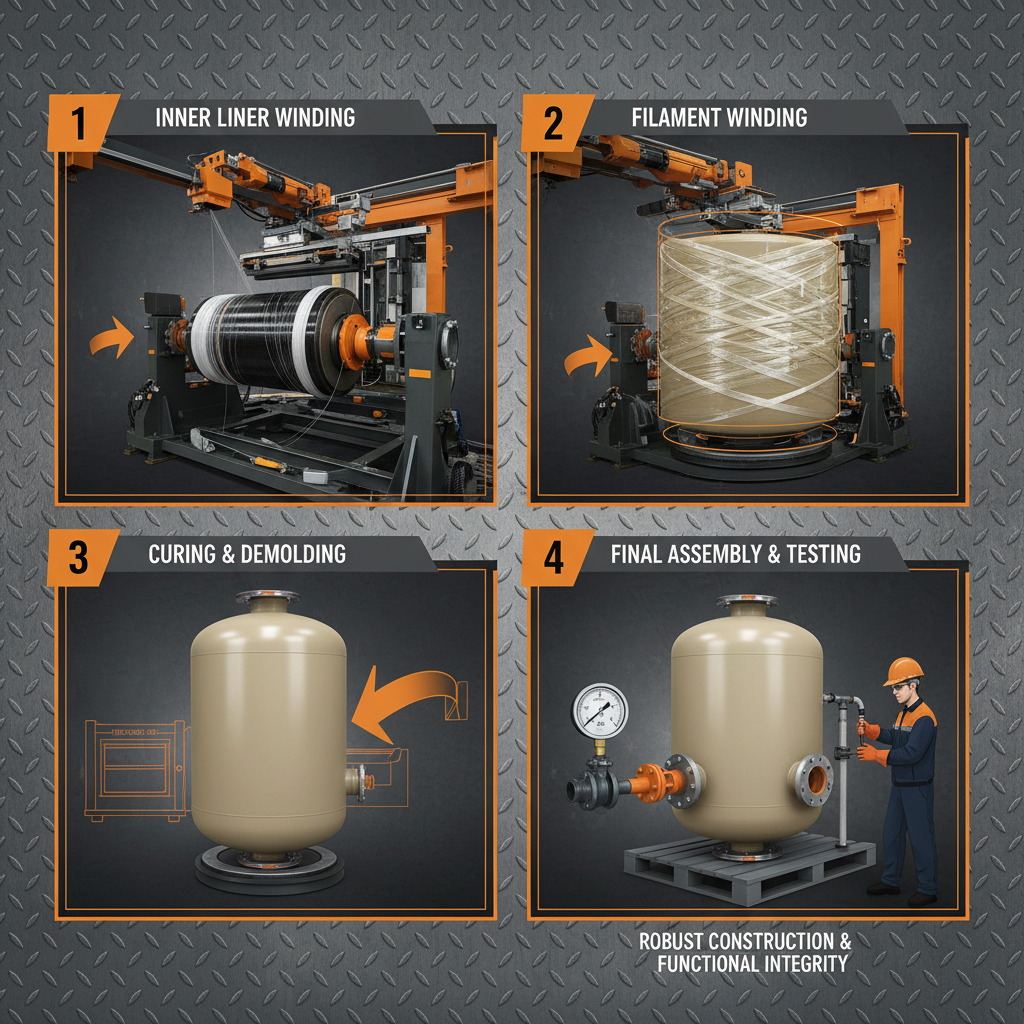
  • Automation in Manufacturing: Precision winding and robotics enable more consistent quality and bespoke tank shapes faster than before.
  • Energy Storage Innovation: “Compressed air energy storage” (CAES) projects look to these tanks for better grid balancing and renewable integration.

Common Challenges and How the Industry is Tackling Them

Of course, fiberglass tanks aren’t perfect:

  • Initial Cost: They cost more upfront than steel, which can deter some customers — plans for leasing or financing are growing to ease this.
  • Damage Susceptibility: Fiberglass can be vulnerable to impact damage if mishandled; stricter handling protocols and protective coatings help mitigate this.
  • Recycling Complexity: Composite materials are harder to recycle currently—research into recyclable composites is underway.

As with many technologies, embracing the strengths while addressing shortcomings creates a more balanced perspective and better solutions.

Practical FAQs About Fiberglass Compressed Air Tanks

How long do fiberglass compressed air tanks typically last?
With proper installation and regular maintenance, fiberglass tanks can easily last 15 years or more, often outliving steel alternatives due to their corrosion resistance.
Are fiberglass tanks safe for high-pressure industrial use?
Yes, many fiberglass compressed air tanks are rated up to 450 psi or higher and conform to international safety standards such as ISO 9001 and ASME codes.
Can these tanks be repaired if damaged?
Minor surface damage can sometimes be repaired with specialized composite patches, but major structural damage typically requires replacement for safety.
Where can I buy reliable fiberglass compressed air tanks?
Many reputable manufacturers exist worldwide; it’s best to compare specs, certifications, and customer reviews. For instance, check fiberglass compressed air tank vendors for quality options.
How do fiberglass tanks compare environmentally to steel?
Because fiberglass tanks don’t rust, they reduce landfill waste from frequent tank replacements, though their recycling remains a developing area.

Vendor Comparison: Top Fiberglass Compressed Air Tank Manufacturers

Manufacturer Pressure Range (psi) Capacity (Liters) Customization Warranty
FibroTech Inc. 150–400 100–1500 High 10 years
Global Composites 200–450 50–2000 Medium 8 years
AirSafe Tanks 175–375 200–1200 Custom customizations on request 12 years

Wrapping It Up: Why Fiberglass Compressed Air Tanks Are Worth Your Attention

Over the years, it’s clear that fiberglass compressed air tanks aren’t just industrial curiosities — they’re solutions to real, pressing challenges in the way industries store and use compressed air. Offering a blend of durability, lightweight ease, and adaptable design, they serve sectors around the globe with increasing impact, whether in the gritty world of manufacturing or the urgent needs of disaster zones.

As environmental considerations grow alongside energy efficiency requirements, the tech and materials behind these tanks will only advance, shaping a safer and more sustainable tomorrow. If you’re looking for reliable, efficient compressed air storage or just curious about alternatives to traditional steel, fiberglass options deserve your attention. For details and reliable procurement, visit fiberglass compressed air tank suppliers.

Mini takeaway: Lightweight, corrosion-resistant, and increasingly smart — fiberglass compressed air tanks represent a meaningful industrial leap forward.
References

  1. ISO 8573-1:2010 Air quality standards
  2. Compressed Air - Wikipedia
  3. World Bank Energy Sector Overview
Upsell Products
Upsell News
Durable FRP Vessel for Water Treatment and Industrial Filtration
Apr 16,2026
Durable FRP Vessel for Water Treatment and Industrial Filtration
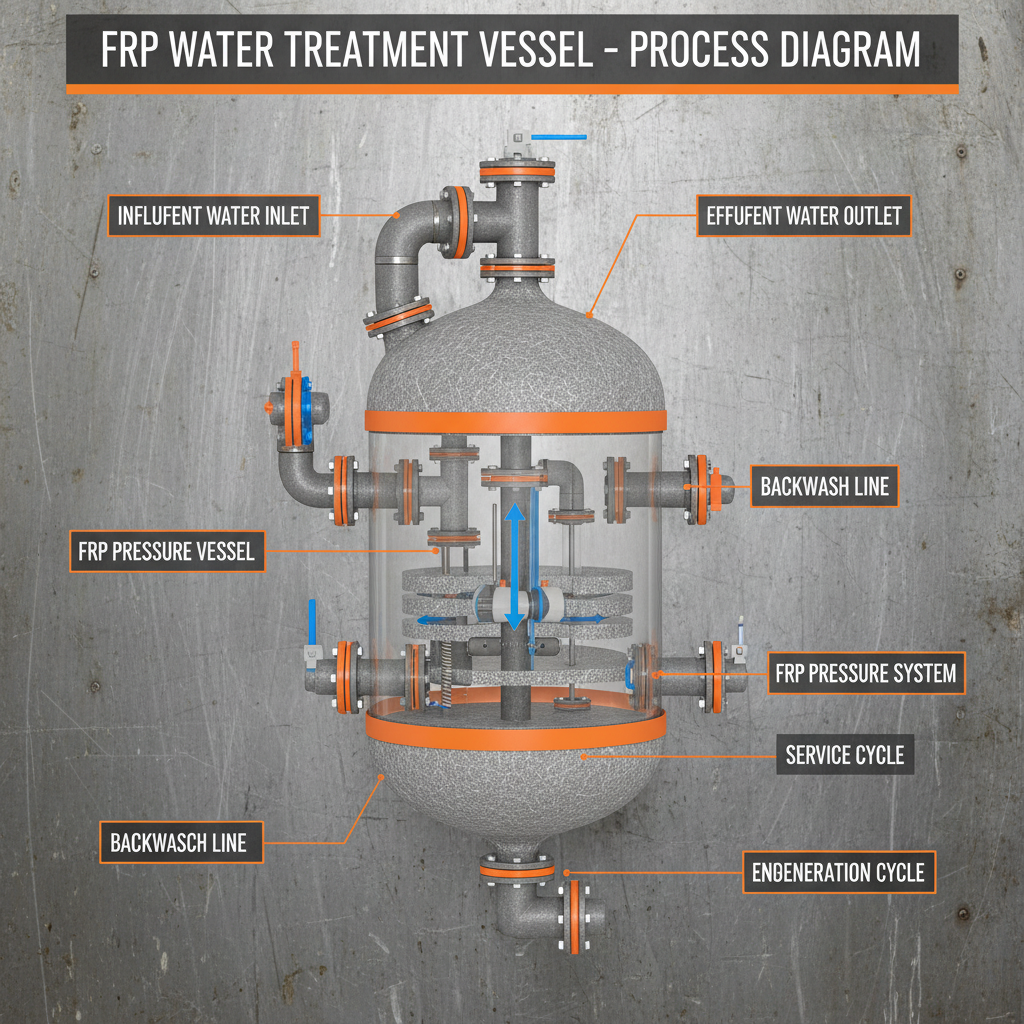
In the modern era of industrial and residential water purification, the choice of containment materials is critical for efficiency and longevity. An frp vessel for water treatment has emerged as the gold standard, replacing traditional steel tanks due to its superior corrosion resistance and lightweight properties. Whether you are dealing with desalination, softening, or filtration, using Fiber Reinforced Plastic (FRP) ensures that your system remains leak-proof and durable against aggressive chemicals. In this comprehensive guide, we will explore why FRP is the preferred choice for water treatment professionals worldwide and how to select the right vessel for your specific application.
Industrial Guide for Choosing the Right FRP Vertical Tank
Apr 09,2026
Industrial Guide for Choosing the Right FRP Vertical Tank
In today's industrial landscape, the storage of corrosive chemicals and aggressive liquids requires materials that can withstand extreme conditions without degrading. The frp vertical tank has emerged as a premier solution, offering an exceptional balance of strength, lightweight properties, and unmatched chemical resistance. Whether you are managing a water treatment plant or a chemical processing facility, understanding the nuances of Fiber Reinforced Plastic (FRP) is essential for ensuring operational safety and longevity. In this comprehensive guide, we will explore why vertical configurations are preferred and how these tanks outperform traditional metal alternatives.
Comprehensive Guide to FRP Underground Water Tank Solutions and Applications
Apr 07,2026
Comprehensive Guide to FRP Underground Water Tank Solutions and Applications
Fiberglass Reinforced Polymer (FRP) underground water tanks are becoming increasingly popular for a wide range of applications, from potable water storage to industrial wastewater containment. Their superior corrosion resistance, lightweight nature, and design flexibility make them an excellent alternative to traditional materials like concrete or steel. This article will delve into the benefits, applications, construction, and considerations for implementing FRP underground water tanks, providing a comprehensive overview for engineers, contractors, and project managers.
Comprehensive Guide to Frp Underground Water Storage Tanks and Their Applications
Apr 04,2026
Comprehensive Guide to Frp Underground Water Storage Tanks and Their Applications
When considering water storage solutions, particularly for industrial, agricultural, or municipal applications, frp underground water storage tanks stand out as a durable, cost-effective, and environmentally friendly option. These tanks are increasingly favored over traditional materials like concrete or steel due to their superior corrosion resistance, lighter weight, and ease of installation. This article delves into the benefits, applications, construction, and considerations when choosing an FRP tank, providing a detailed overview for potential buyers and project planners.
Sulfuric Acid Production Line - Hebei Aoliande|Efficient H2SO4 Plant Technology
Apr 01,2026
Sulfuric Acid Production Line - Hebei Aoliande|Efficient H2SO4 Plant Technology
Discover efficient H2SO4 plant technology and advanced sulfuric acid production solutions. Hebei Aoliande combines energy-saving furnace design and eco-friendly HCl recovery systems for sustainable industrial applications. Explore now: https://www.frpgrpmachine.com/sulfuric-acid-production-line-for-h2so4-plant.html
Sulfuric Acid Production Line - Hebei Aoliande|Efficient H2SO4 Plant Technology
Apr 01,2026
Sulfuric Acid Production Line - Hebei Aoliande|Efficient H2SO4 Plant Technology
Discover efficient H2SO4 plant technology and advanced sulfuric acid production solutions. Hebei Aoliande combines energy-saving furnace design and eco-friendly HCl recovery systems for sustainable industrial applications. Explore now: https://www.frpgrpmachine.com/sulfuric-acid-production-line-for-h2so4-plant.html
Sulfuric Acid Production Line - Hebei Aoliande|Efficient H2SO4 Plant Technology
Apr 01,2026
Sulfuric Acid Production Line - Hebei Aoliande|Efficient H2SO4 Plant Technology
Discover efficient H2SO4 plant technology and advanced sulfuric acid production solutions. Hebei Aoliande combines energy-saving furnace design and eco-friendly HCl recovery systems for sustainable industrial applications. Explore now: https://www.frpgrpmachine.com/sulfuric-acid-production-line-for-h2so4-plant.html
Sulfuric Acid Production Line - Hebei Aoliande|Efficient H2SO4 Plant Technology
Apr 01,2026
Sulfuric Acid Production Line - Hebei Aoliande|Efficient H2SO4 Plant Technology
Discover efficient H2SO4 plant technology and advanced sulfuric acid production solutions. Hebei Aoliande combines energy-saving furnace design and eco-friendly HCl recovery systems for sustainable industrial applications. Explore now: https://www.frpgrpmachine.com/sulfuric-acid-production-line-for-h2so4-plant.html
Sulfuric Acid Production Line - Hebei Aoliande|Efficient H2SO4 Plant Technology
Apr 01,2026
Sulfuric Acid Production Line - Hebei Aoliande|Efficient H2SO4 Plant Technology
Discover efficient H2SO4 plant technology and advanced sulfuric acid production solutions. Hebei Aoliande combines energy-saving furnace design and eco-friendly HCl recovery systems for sustainable industrial applications. Explore now: https://www.frpgrpmachine.com/sulfuric-acid-production-line-for-h2so4-plant.html
Sulfuric Acid Production Line - Hebei Aoliande|Efficient H2SO4 Plant Technology
Apr 01,2026
Sulfuric Acid Production Line - Hebei Aoliande|Efficient H2SO4 Plant Technology
Discover efficient H2SO4 plant technology and advanced sulfuric acid production solutions. Hebei Aoliande combines energy-saving furnace design and eco-friendly HCl recovery systems for sustainable industrial applications. Explore now: https://www.frpgrpmachine.com/sulfuric-acid-production-line-for-h2so4-plant.html
Comprehensive Guide to Frp Underground Storage Tanks for Reliable Storage Solutions
Mar 31,2026
Comprehensive Guide to Frp Underground Storage Tanks for Reliable Storage Solutions
Fiberglass Reinforced Polymer (FRP) underground storage tanks are becoming increasingly popular for a wide range of applications, from fuel storage to wastewater management. Their corrosion resistance, lightweight nature, and durability offer significant advantages over traditional materials like steel. This article will provide an in-depth look at FRP underground storage tanks, covering their benefits, applications, installation, and maintenance. Understanding these aspects is crucial for making informed decisions about long-term storage solutions.
Comprehensive Guide to Selecting the Ideal FRP Tank for Water Storage Solutions
Mar 28,2026
Comprehensive Guide to Selecting the Ideal FRP Tank for Water Storage Solutions
When it comes to reliable and durable water storage, FRP tanks for water are increasingly becoming the preferred solution for a wide range of applications. These tanks, constructed from Fiber Reinforced Polymer (FRP) materials, offer significant advantages over traditional storage options like steel or concrete. This article delves into the benefits, applications, and considerations when selecting an FRP tank for your water storage needs, providing a detailed overview for businesses and individuals alike.
Comprehensive Guide to Frp Tank and Vessel Applications and Manufacturing
Mar 26,2026
Comprehensive Guide to Frp Tank and Vessel Applications and Manufacturing
Fiber Reinforced Polymer (FRP) tanks and vessels are increasingly becoming the preferred choice for storage and processing across a multitude of industries. Their lightweight nature, corrosion resistance, and design flexibility offer significant advantages over traditional materials like steel. This article will delve into the intricacies of FRP tanks and vessels, exploring their applications, manufacturing processes, benefits, and considerations for selecting the right solution for your specific needs. We’ll also highlight why FRP tanks are a cost-effective and reliable long-term investment. FRP tanks and vessels are constructed from a combination of reinforcing fibers (such as fiberglass, carbon fiber, or aramid fiber) embedded in a polymer matrix (typically polyester, vinyl ester, or epoxy resin). This combination creates a composite material that boasts high strength-to-weight ratio, exceptional corrosion resistance, and the ability to be molded into complex shapes. They’re designed to safely contain a wide variety of liquids and gases, ranging from corrosive chemicals and water to food products and pharmaceuticals.
Optimizing Water Filtration with Durable FRP Sand Filter Vessels
Mar 24,2026
Optimizing Water Filtration with Durable FRP Sand Filter Vessels
In water treatment and filtration systems, the choice of filter vessel material is paramount. Fiber Reinforced Plastic (FRP), also known as Glass Reinforced Polymer (GRP), sand filter vessels are increasingly popular due to their superior corrosion resistance, lightweight nature, and cost-effectiveness. This article delves into the benefits, applications, design considerations, and factors to consider when selecting an FRP sand filter vessel. Whether you are involved in municipal water treatment, industrial wastewater management, or recreational water filtration, understanding FRP technology is essential for optimizing your filtration process. An FRP sand filter vessel is a containment unit designed to house filtration media, typically sand, gravel, and anthracite. These vessels are integral components in sand filtration systems used for removing suspended solids, turbidity, and other particulate matter from water. FRP construction involves layering glass fibers within a resin matrix (typically polyester or vinyl ester) to create a strong, durable, and chemically resistant shell. The strength and rigidity of the vessel are crucial for withstanding the pressure from the filtration media and the water flow.
Comprehensive Guide to FRP Round Tanks Applications and Benefits
Mar 21,2026
Comprehensive Guide to FRP Round Tanks Applications and Benefits
Fiber Reinforced Polymer (FRP) round tanks are increasingly becoming the preferred choice for storage solutions across a variety of industries. Their lightweight nature, corrosion resistance, and design flexibility offer significant advantages over traditional materials like steel. This article provides an in-depth look at FRP round tanks, exploring their applications, benefits, manufacturing processes, and key considerations when choosing the right tank for your needs. Whether you're in chemical processing, water treatment, or agriculture, understanding FRP round tanks is crucial for optimizing your storage infrastructure. FRP round tanks are constructed from a combination of reinforcing fibers (typically fiberglass, carbon fiber, or a blend) embedded in a polymer matrix (often polyester, vinyl ester, or epoxy resin). The round shape inherently provides excellent structural strength, distributing pressure evenly across the tank’s surface.
Comprehensive Guide to FRP Pressure Tanks Benefits and Applications
Mar 19,2026
Comprehensive Guide to FRP Pressure Tanks Benefits and Applications
Fiber Reinforced Polymer (FRP) pressure tanks are becoming increasingly popular in a wide range of industrial applications, offering a compelling alternative to traditional steel tanks. Known for their lightweight nature, corrosion resistance, and high strength-to-weight ratio, FRP tanks provide efficient and durable solutions for storing liquids and gases under pressure. This article will delve into the benefits, applications, construction, and key considerations when selecting an FRP pressure tank, helping you make an informed decision for your specific needs. Understanding the advantages of FRP technology can lead to significant cost savings and improved operational efficiency. Compared to steel, FRP pressure tanks offer several key advantages. The most significant is their superior corrosion resistance. Unlike steel, which is susceptible to rust and corrosion when exposed to various chemicals, FRP materials are inherently resistant to a wide range of corrosive substances. This translates to a longer lifespan, reduced maintenance costs, and increased safety. Furthermore, FRP is significantly lighter than steel, making installation easier and reducing transportation costs.
For More Details Pls Contact Us
Thank you for your interest in our gloves! We offer high-quality, durable, and comfortable gloves with fast delivery and competitive prices. For any questions or customization, feel free to contact us. We look forward to working with you!

If you are interested in our products, you can choose to leave your information here, and we will be in touch with you shortly.