Nov 22,2025

Durable and Lightweight 80 Gallon Fiberglass Pressure Tanks for Sustainable Water Systems

The 80 Gallon Fiberglass Pressure Tank: Why It Matters Globally

If you’ve ever wondered how industries from agriculture to municipal water systems keep their fluid pressure steady and reliable, chances are a fiberglass pressure tank has something to do with it — especially one that holds around 80 gallons. This specific size strikes a balance between capacity and agility, making it a popular choice worldwide. But why should you care? Well, these tanks don’t just store water or liquids; they play a critical role in improving water efficiency, preventing pump damage, and supporting sustainable infrastructure projects across the globe. Understanding their design, use cases, and future trends can help engineers, contractors, and facility managers make smarter choices and anticipate innovations.

Introduction: A Global Look at the Role of 80 Gallon Fiberglass Pressure Tanks

Globally, water management remains an urgent challenge. According to the United Nations (UN Water, 2023), nearly 2 billion people lack safely managed drinking water, and infrastructures in many regions struggle with efficiency and durability. It’s in this context that the 80 gallon fiberglass pressure tank stands out. Its lightweight nature and corrosion resistance make it ideal for contexts where metal tanks fall short — think remote villages in Southeast Asia or drought-stricken areas of Africa where delivering reliable, clean water is paramount.

At the same time, countries with advanced industries, such as Germany and the U.S., utilize these tanks to optimize pump cycles in HVAC systems or irrigation networks, cutting down energy consumption and maintenance costs. There’s a problem these tanks quietly solve: uneven pressure spikes and pump over-cycling that can damage critical equipment and waste resources. So, the better we understand how these tanks work, the more strategic and sustainable water systems become.

What Exactly Is an 80 Gallon Fiberglass Pressure Tank?

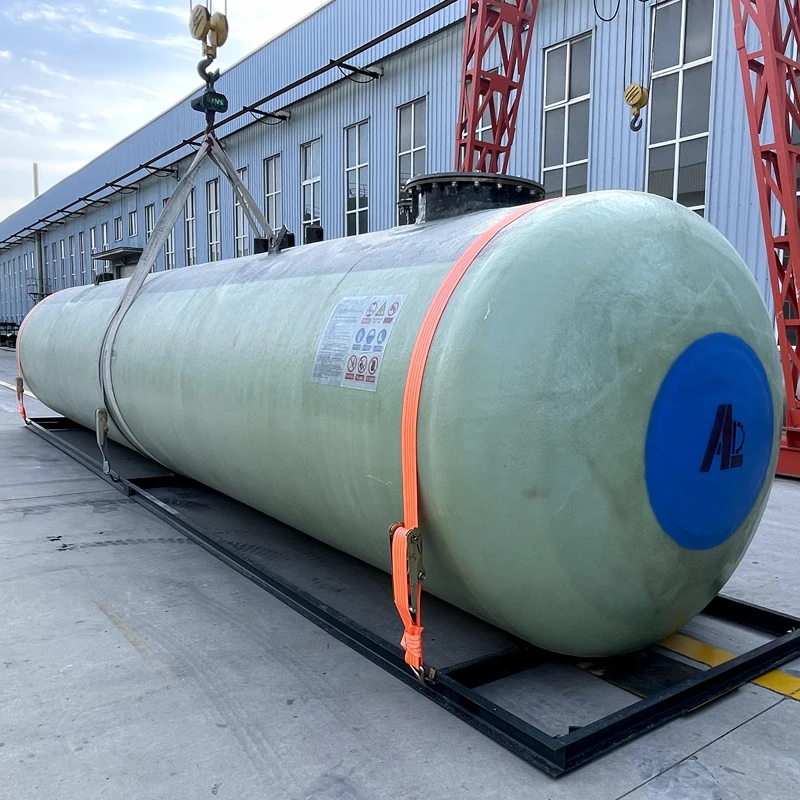
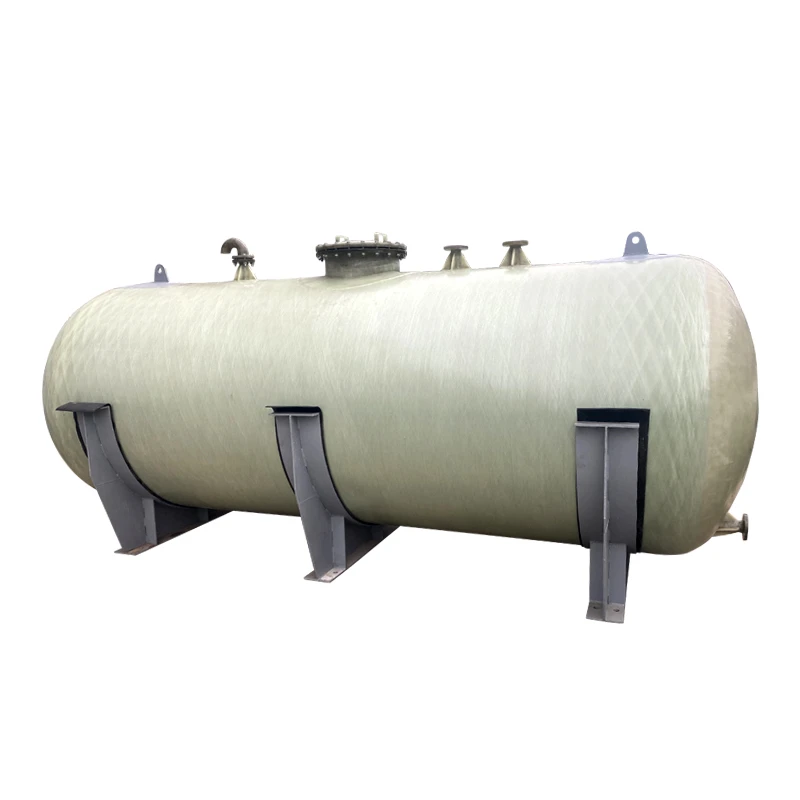
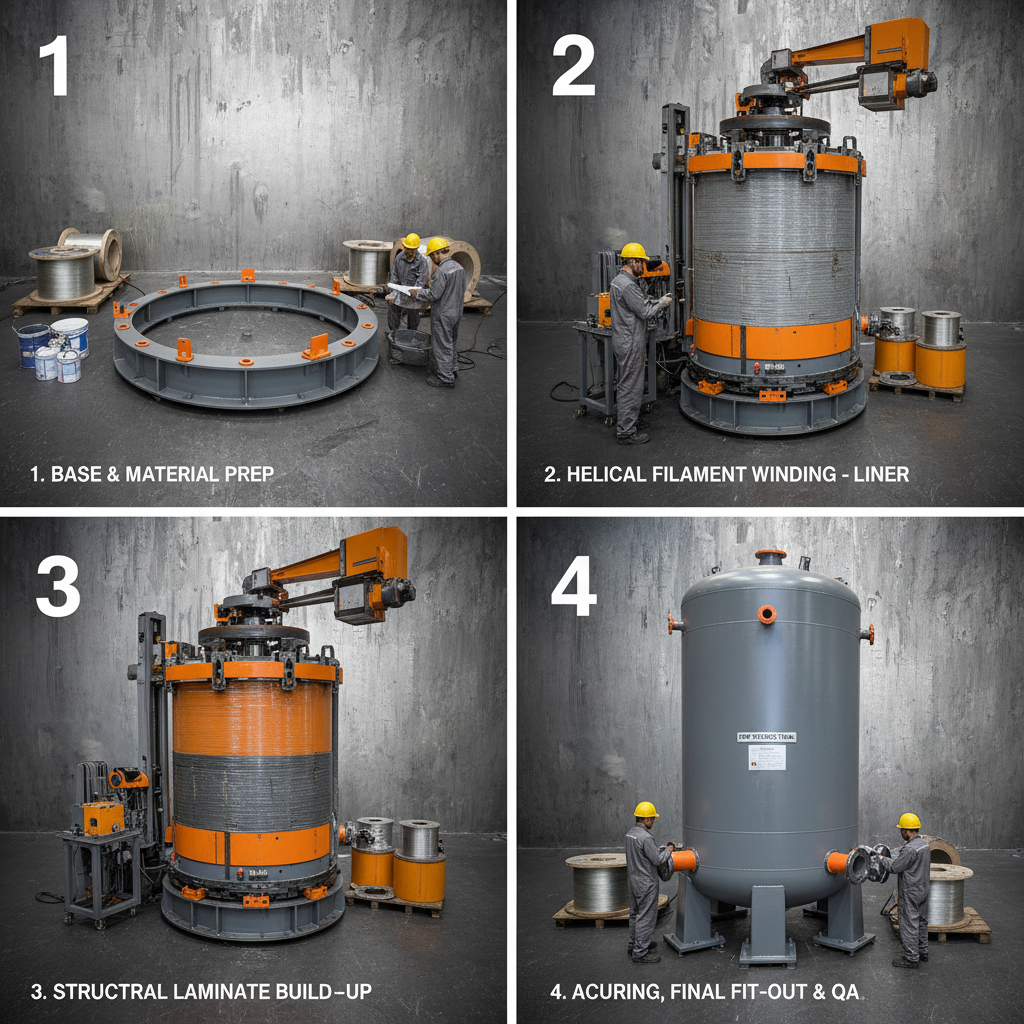
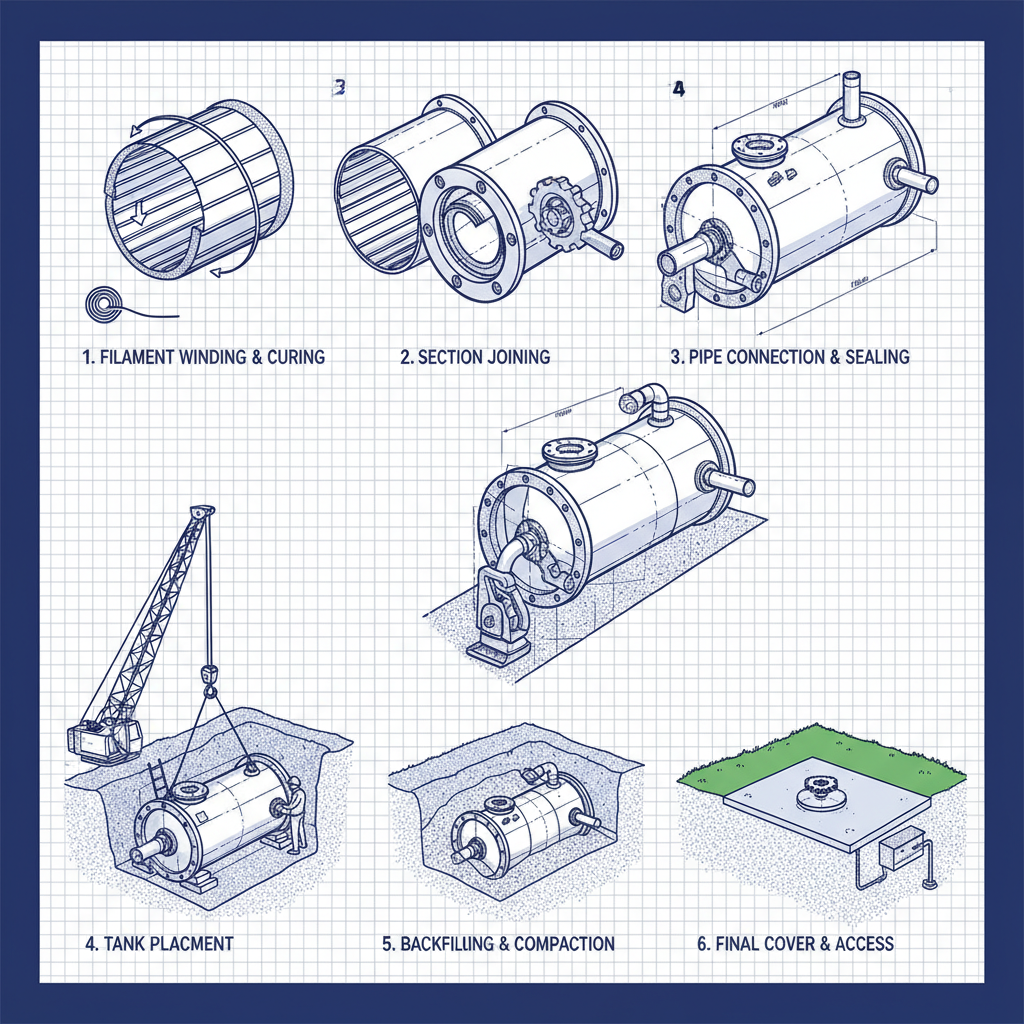
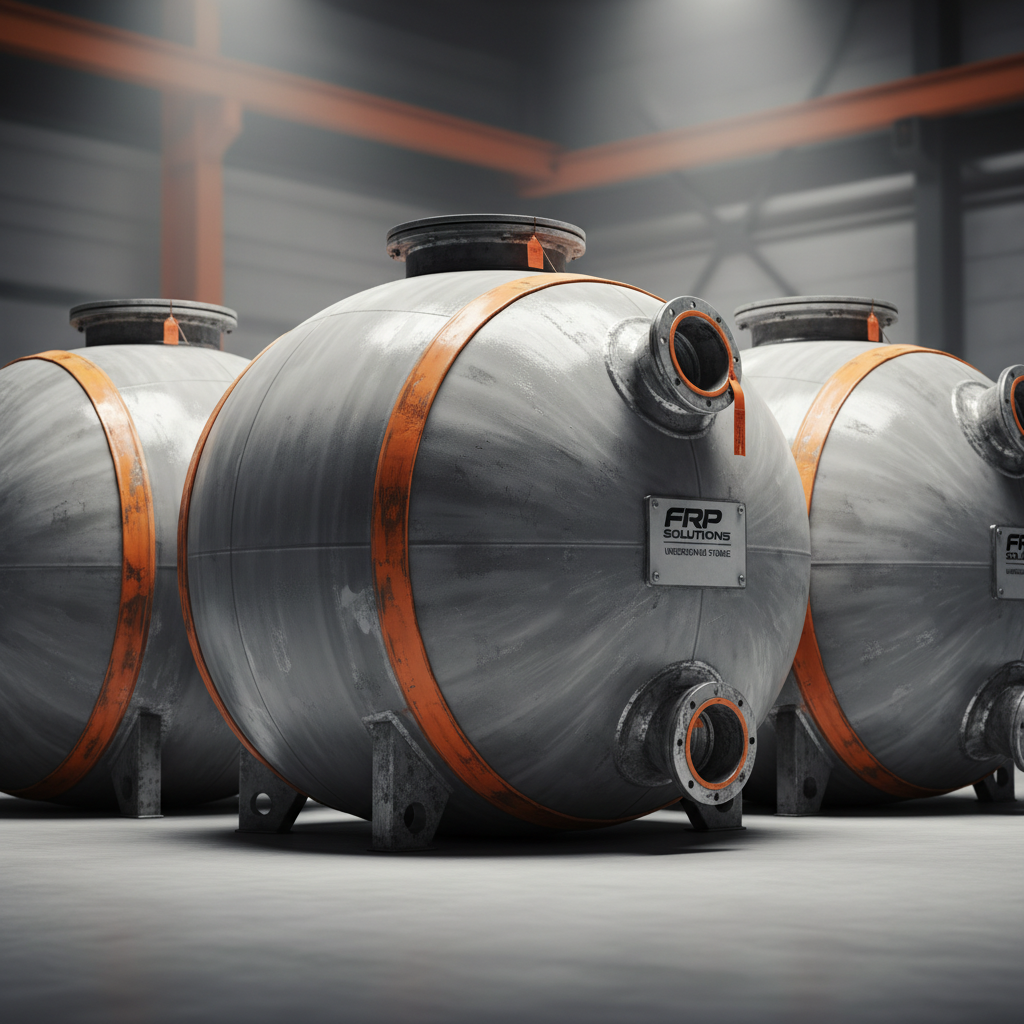
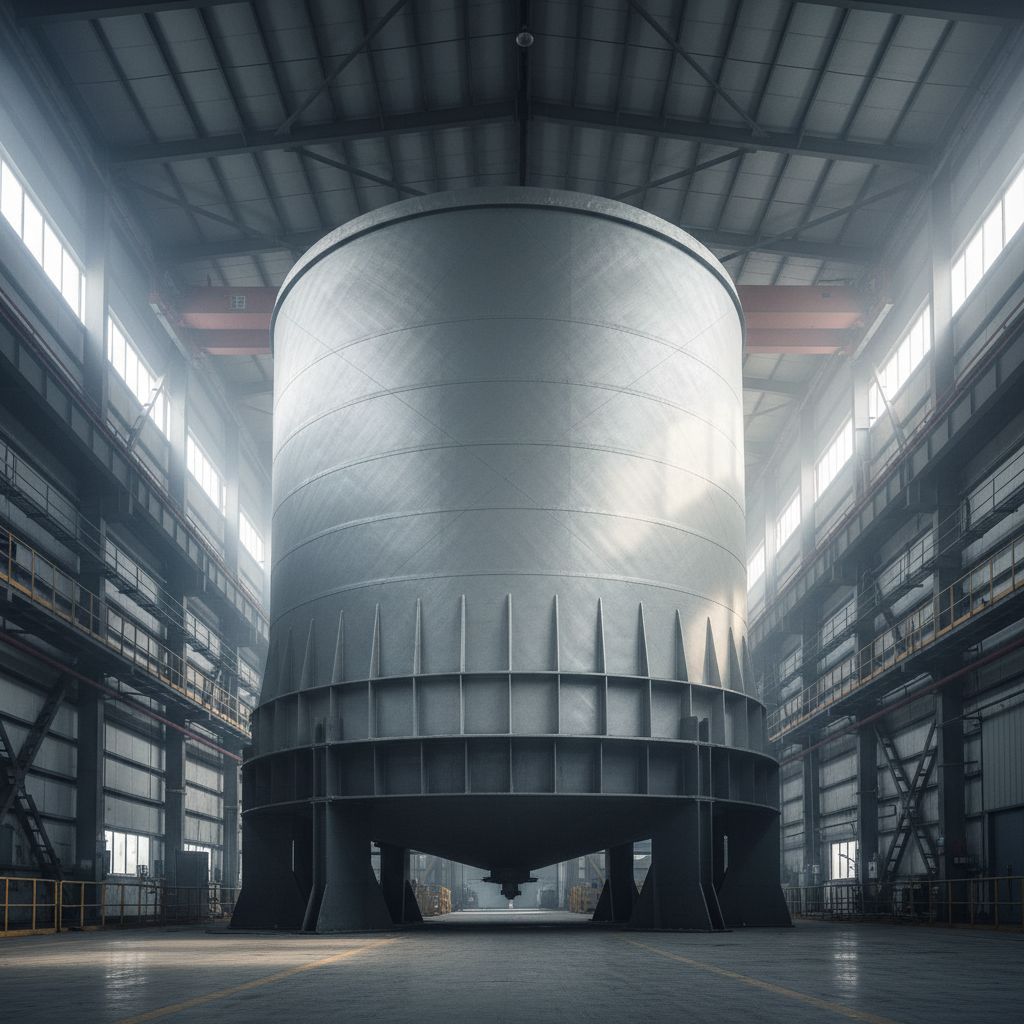
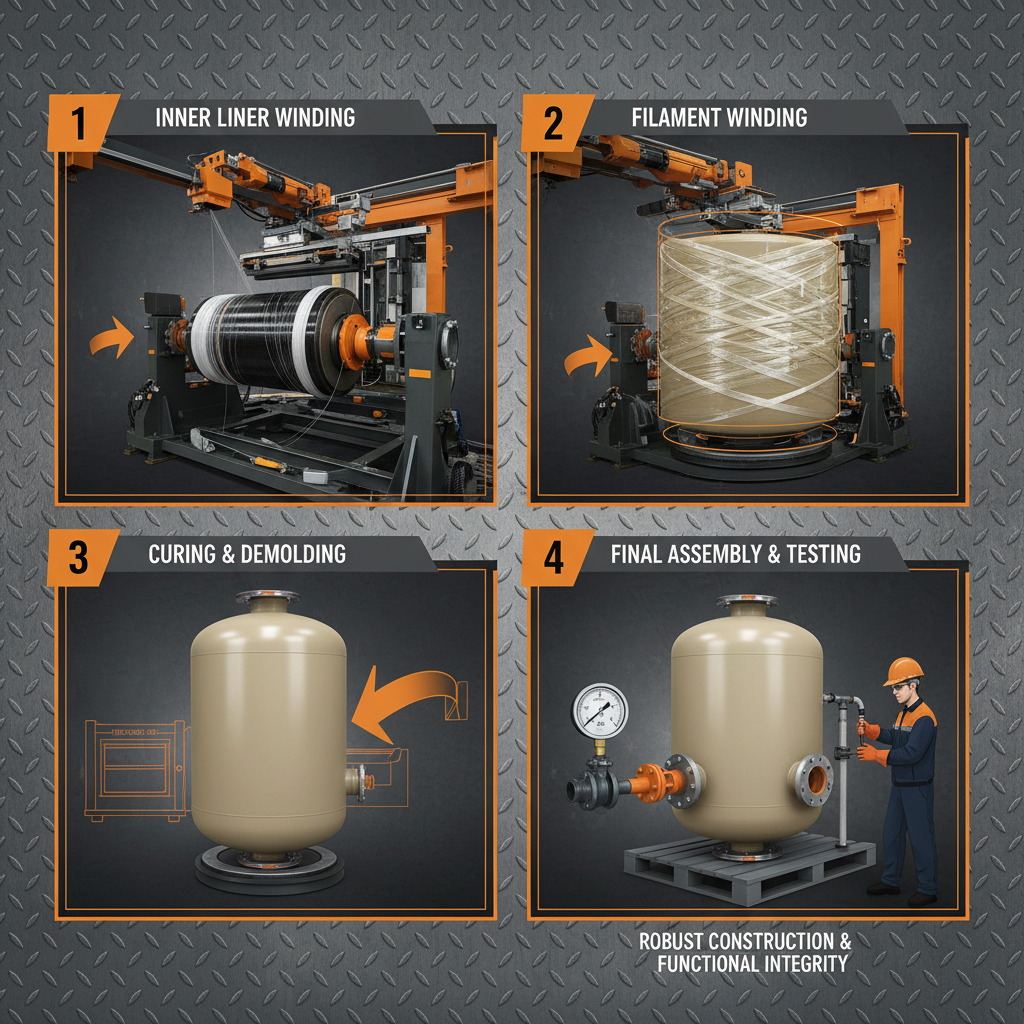
In simple terms, it’s a vessel designed to hold pressurized liquids — typically water — that cushions the water system from pressure fluctuations. Made primarily from fiberglass-reinforced plastic (FRP), these tanks combine a tough outer shell with non-corrosive properties. Imagine a giant thermos that keeps the pressure steady, but instead of coffee, it’s water or other fluids vital for industries or households.

This tank size— about 80 gallons (roughly 300 liters) — hits a sweet spot for many mid-sized applications. It’s large enough to support steady operation cycles, yet not so massive it’s unwieldy or requires heavy infrastructure. From disaster relief efforts to municipal water upgrades, it’s a quiet workhorse behind the scenes.

Key Factors That Define the 80 Gallon Fiberglass Pressure Tank

Durability vs. Weight

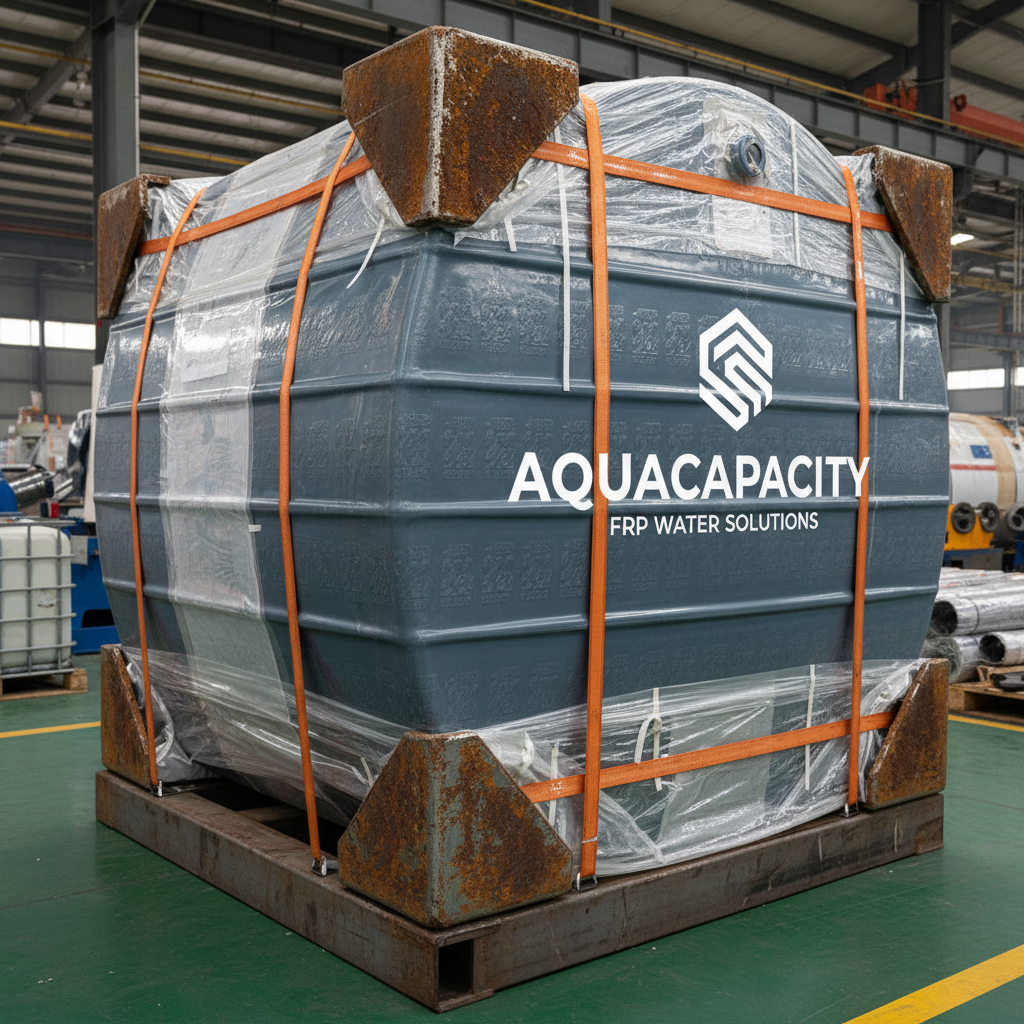
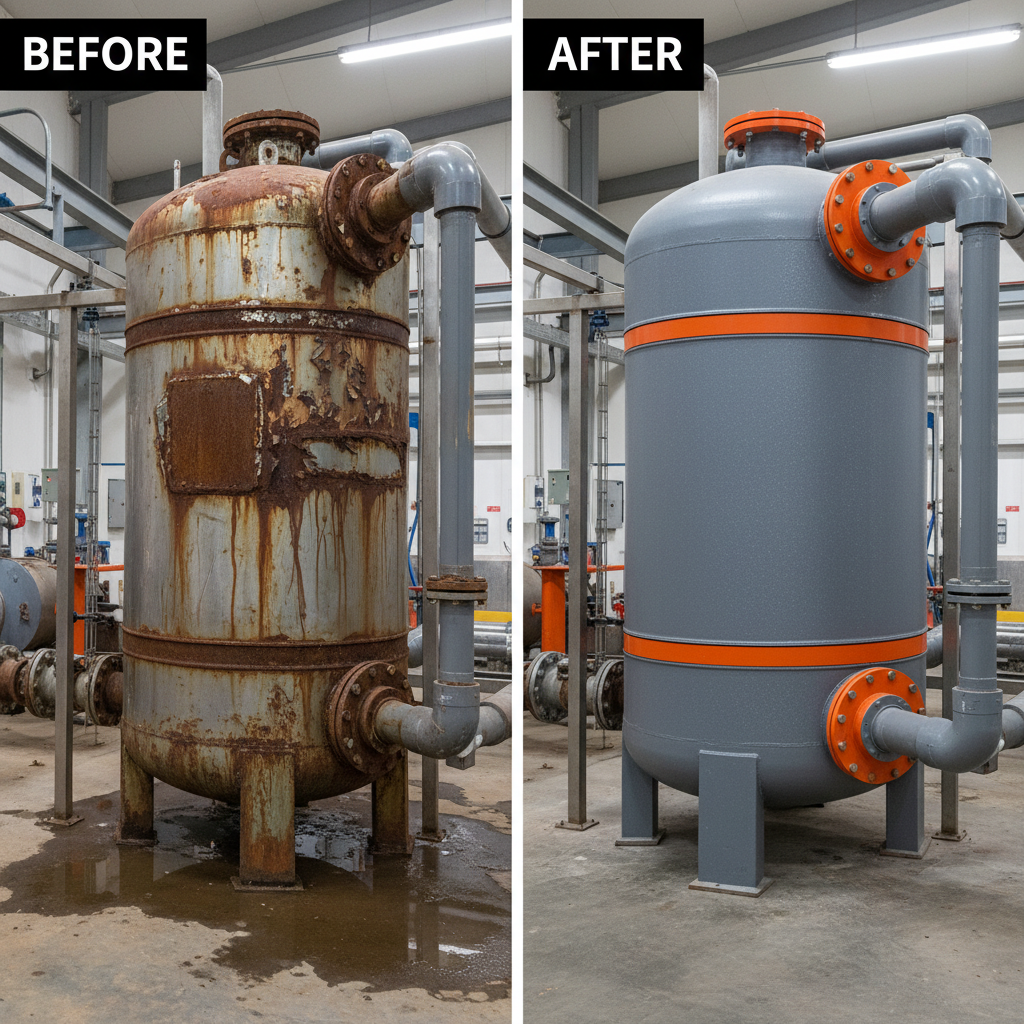
Fiberglass offers a rare combo: it outlasts steel in corrosive environments but weighs a fraction of it. This means easier transportation— critical for remote or difficult-to-access sites — and reduced installation costs. Engineers often note that a fiberglass tank’s lifetime can be 30% longer under salty or chemically aggressive conditions.

Pressure Capacity and Safety

Typically engineered to handle pressures from 100 to 125 psi, these tanks serve as both storage and buffer, preventing damaging surges. Many models include built-in safety valves and pressure gauges to monitor system performance—a nod to today’s growing emphasis on smart, safer infrastructure.

Scalability & Customization

It’s not one-size-fits-all. Manufacturers offer customization in dimensions, inlet/outlet configurations, and resin types. This flexibility means tanks can be tailored for agricultural irrigation, fire protection, or chemical processing— wherever steady fluid pressure is non-negotiable.

Cost Efficiency Over Time

While initial prices may be slightly more than steel or polyethylene options, the lower maintenance, longer service life, and energy savings make fiberglass tanks a wise investment in the long haul. As one water system technician put it, "It feels like buying reliability upfront — and not paying for downtime later."

Environmentally Friendly Materials

Fiberglass tanks are often recyclable and contain fewer harmful substances compared to metal coatings that can leach contaminants. This advantage aligns with ISO’s growing standards on sustainable water handling equipment (ISO 24510).

A Closer Look at Specifications

Specification Details
Capacity 80 gallons (approx. 300 liters)
Material Fiberglass-Reinforced Plastic (FRP)
Max Working Pressure 125 psi (860 kPa)
Operating Temperature Range -20°C to 65°C (-4°F to 150°F)
Warranty 5 years limited

Global Applications & Use Cases That Show Why Fiberglass Tanks Make A Difference

  • Post-disaster relief: After floods or earthquakes, portable water systems with fiberglass pressure tanks provide stable pressure to temporary water distribution networks, helping communities regain normalcy quickly.
  • Agricultural irrigation: In arid regions of Australia and the Middle East, these tanks deliver consistent pressure for drip irrigation, improving crop yield while conserving water.
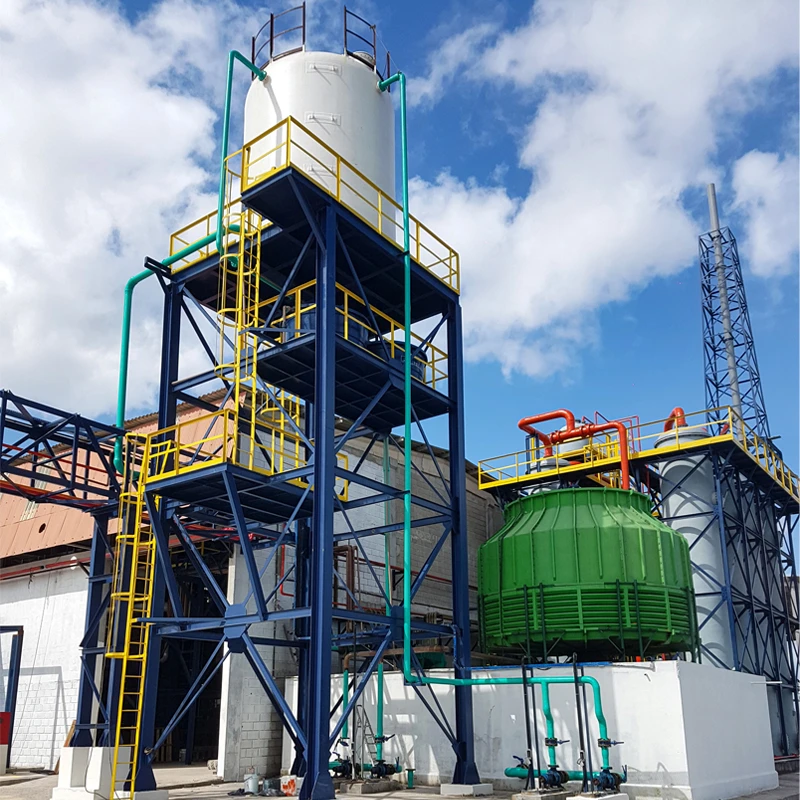
  • Urban water supply: European cities use fiberglass tanks to optimize booster pump systems in apartment complexes, reducing noise and energy consumption.
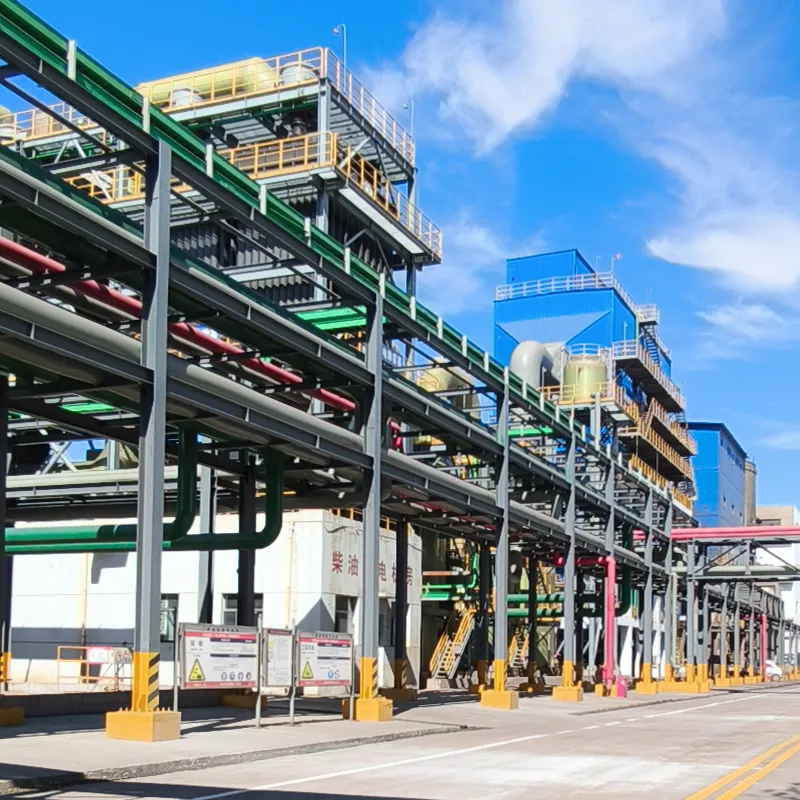
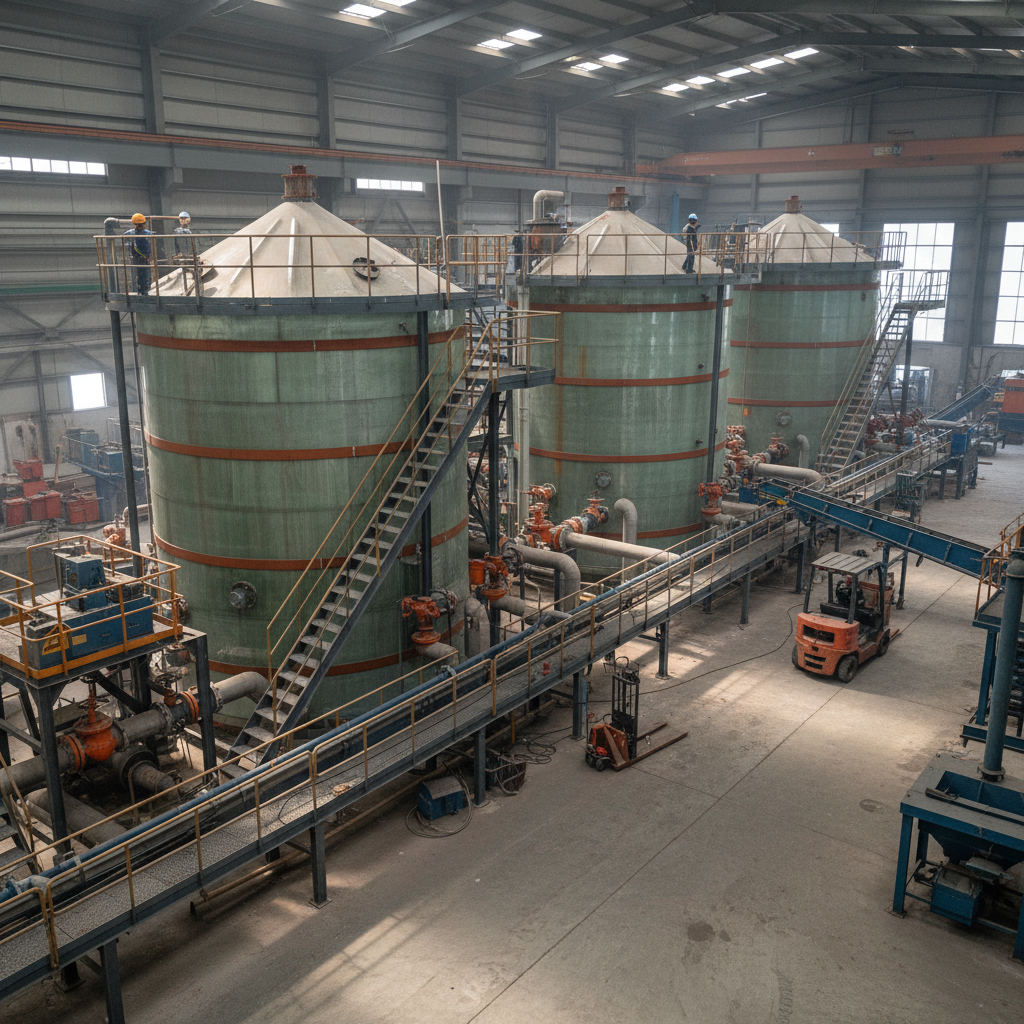
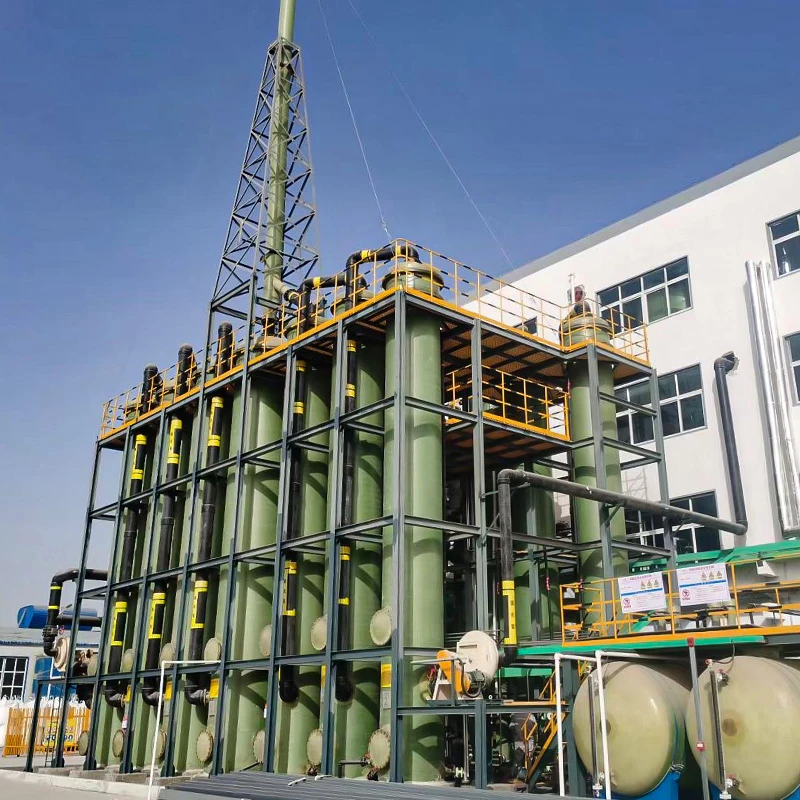
  • Industrial chemical processing: Fiberglass’s corrosion resistance ensures longevity in factories treating aggressive liquids — a benefit industries in South America particularly appreciate.

Mini takeaway: These tanks are quiet heroes behind water access and sustainability in diverse contexts worldwide.

The Advantages & Long-Term Value of Choosing Fiberglass Tanks

In real terms, opting for an 80 gallon fiberglass pressure tank means choosing reliability that pays back. Water systems suffer fewer breakdowns, maintenance budgets shrink, and environmental impact lessens. For families relying on safe water or companies aiming for certification like ISO 9001 in quality management, this consistency matters deeply.

On a more human note, water pressure stability means people regain a sense of dignity — consistent water for bathing, cooking, or farming without unpredictable shortages. There’s something quietly reassuring about a system that “just works.” Many engineers say this tank size hits a near-perfect balance: big enough to serve, small enough to be nimble.

Looking Ahead: Innovations on the Horizon

Fiberglass pressure tanks aren’t static tech. We’re seeing advances like nanomaterial coatings to further improve corrosion resistance, integrated IoT sensors for real-time pressure monitoring, and more eco-friendly resin blends reducing carbon footprint. Digital transformation trends in water management are beginning to embrace automation alongside smart tanks. Imagine remote diagnostics that alert technicians before a problem escalates.

Policy-wise, stricter global sustainability goals are pushing manufacturers to rethink materials and energy efficiency. It’s an exciting time where tradition and innovation merge.

Challenges & How the Industry Is Overcoming Them

Despite the benefits, these tanks are not without challenges. Installation in extremely cold climates requires insulation to avoid frost damage. Also, fiberglass can be vulnerable to UV degradation if unprotected outdoors over long periods. There's the cost barrier: upfront investment can be intimidating for small-scale users or NGOs operating on shoestring budgets.

Innovative solutions include UV-resistant coatings, modular tank setups for easier transport, and financial models like leasing or microfinancing. Industry collaboration and government incentives further smooth adoption in underserved markets.

FAQ: Common Questions About 80 Gallon Fiberglass Pressure Tanks

  • Q: How long does an 80 gallon fiberglass pressure tank typically last?
    A: With proper maintenance and in non-extreme conditions, these tanks often last 15–20 years. Their fiberglass composition resists rust and corrosion better than metal, extending service life.
  • Q: Can these tanks be used for liquids other than water?
    A: Yes, fiberglass pressure tanks can handle a range of non-flammable liquids, including some chemicals. However, compatibility should be confirmed with manufacturers to ensure material integrity.
  • Q: Are fiberglass tanks difficult to install compared to steel?
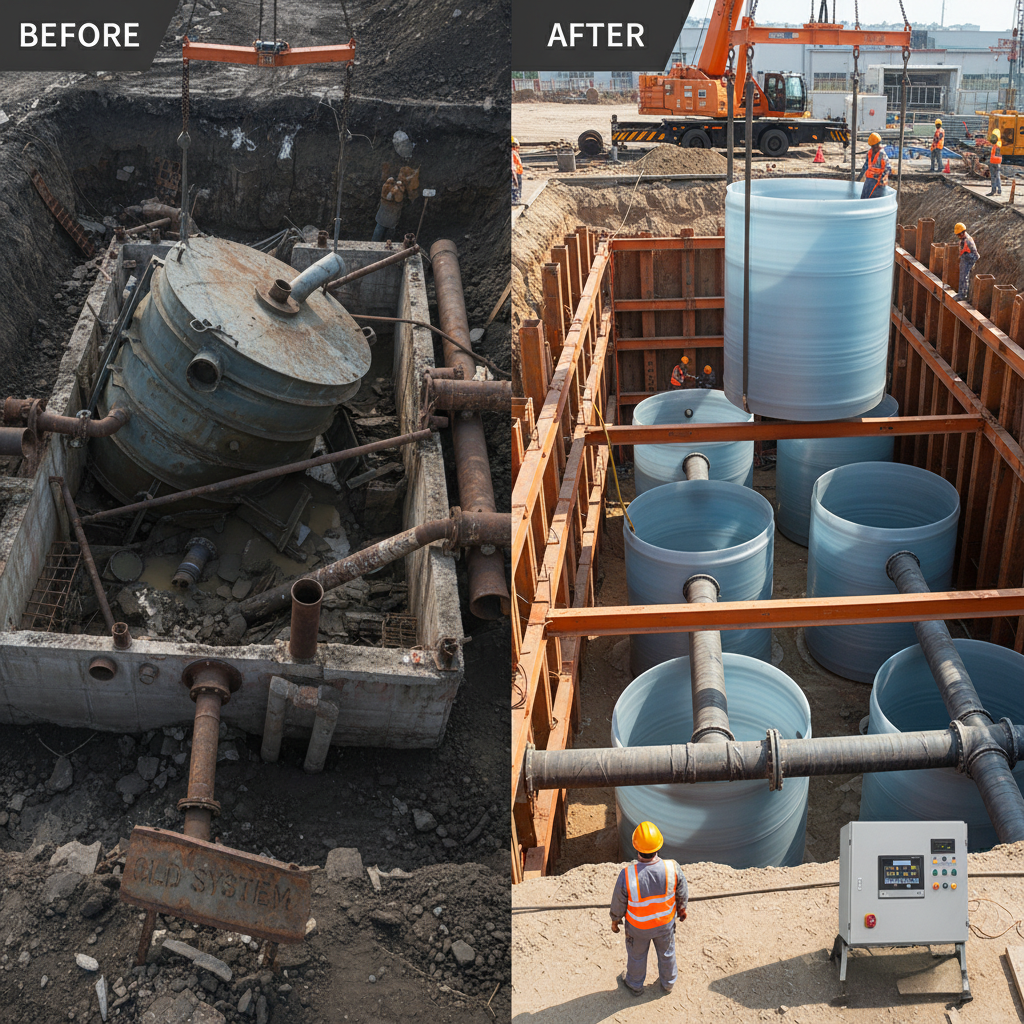
    A: Not at all. Their lighter weight usually means simpler handling and less specialized equipment needed, often reducing installation time and labor costs.
  • Q: How can NGOs import these tanks efficiently?
    A: Many suppliers provide customized shipment options and documentation assistance. Partnering with experienced vendors who understand international logistics is key to smooth import.

Conclusion – Why the 80 Gallon Fiberglass Pressure Tank Deserves Your Attention

At this point, it’s clear that the 80 gallon fiberglass pressure tank is more than just a container. It’s a vital player in sustainable water management, industrial efficiency, and humanitarian aid worldwide. Its unique blend of durability, flexibility, and eco-conscious design helps solve pressing problems—from reducing energy waste to improving water access in vulnerable regions.

If you’re looking to upgrade your system, or simply want to explore reliable, long-term solutions, consider visiting https://www.frpgrpmachine.com for detailed product lines and expert advice.

Vendor Comparison: Leading Suppliers of 80 Gallon Fiberglass Pressure Tanks

Vendor Price Range Warranty Customization Options Geographical Reach
FRP Global Machines $650 - $1,200 5 years limited Yes (dimensions, fittings, coatings) Worldwide
AquaPress Inc. $700 - $1,100 3 years Limited (standard fittings only) North America, Europe
FibraTech Solutions $600 - $1,000 4 years Yes (resin types, sizes) Asia, Australia

It feels like the right time to appreciate how a humble 80 gallon fiberglass pressure tank quietly supports our water needs around the world — a detail that’s easy to overlook until you realize how much is riding on it.
References

  1. UN Water - Water Scarcity
  2. ISO 24510 - Water supply and sanitation
  3. Wikipedia - Pressure Tank
Upsell Products
Upsell News
Guide to Fiber Water Tank Price and FRP Storage Costs
Jul 01,2026
Guide to Fiber Water Tank Price and FRP Storage Costs
Understanding Fiber Water Tank Price: A Comprehensive Investment Guide When searching for a reliable liquid storage solution, understanding the factors that influence fiber water tank price is essential for optimizing your operational budget. Fiber-Reinforced Plastic FRP tanks have become the industry standard for water and chemical storage due to their exceptional corrosion resistance and structural integrity. Whether you are managing a municipal water project or an industrial chemical plant, selecting the right tank requires a balance between initial cost and long-term durability. In this guide, we will explore the variables that drive pricing and why FRP remains the most cost-effective choice
Guide to Fibreglass Water Tank Prices and FRP Investment
Jun 29,2026
Guide to Fibreglass Water Tank Prices and FRP Investment
Understanding Fibreglass Water Tank Prices: A Comprehensive Investment Guide When planning water storage for industrial or commercial applications, understanding the factors that influence fibreglass water tank prices is essential for optimizing your budget. Fibreglass Reinforced Plastic FRP tanks offer a superior alternative to steel or concrete due to their corrosion resistance and lightweight nature. Whether you are in the petroleum, chemical, or drainage industry, selecting a tank that balances cost with long-term durability is key. In this guide, we will explore the pricing drivers, technical advantages, and specifications of high-quality FRP storage solutions to help you make an informed purchasing decision.
Industrial Fiberglass Water Tank Price and Buyers Guide
Jun 27,2026
Industrial Fiberglass Water Tank Price and Buyers Guide
Analyzing Fiberglass Water Tank Price: A Comprehensive Buyers Guide When investing in industrial water storage, understanding the fiberglass water tank price is essential for effective budget planning and operational efficiency. Fiberglass Reinforced Plastic FRP tanks have become the gold standard in water quality pollution prevention and chemical storage due to their exceptional corrosion resistance and durability. Whether you are managing a municipal water system or a specialized manufacturing plant, choosing the right tank involves balancing initial costs with long-term lifecycle value. In this guide, we will break down the factors that influence pricing and why FRP is often the most cost-effective choice
Comprehensive Guide to GRP Sectional Water Tanks Prices and Quality
Jun 26,2026
Comprehensive Guide to GRP Sectional Water Tanks Prices and Quality
Selecting the right water storage solution is critical for industrial, commercial, and residential infrastructure. When evaluating grp sectional water tanks prices, it is essential to look beyond the initial sticker price and consider the total cost of ownership, including durability, installation ease, and maintenance. Glass Reinforced Plastic GRP tanks offer a superior alternative to traditional steel or concrete, providing exceptional corrosion resistance and modular flexibility. In this guide, we will explore the factors that influence pricing and why GRP remains the gold standard for modern water management.
Guide to Understanding FRP Tank Cost and Investment Value
Jun 25,2026
Guide to Understanding FRP Tank Cost and Investment Value
Understanding FRP Tank Cost: A Comprehensive Guide to Investment and Value When investing in industrial storage solutions, understanding the frp tank cost is essential for accurate budgeting and long-term operational planning. Fiber Reinforced Plastic FRP tanks offer an exceptional balance of corrosion resistance, structural strength, and longevity, making them the preferred choice for chemical, petroleum, and water treatment industries. While initial pricing can vary based on specifications, the total cost of ownership is often significantly lower than traditional steel tanks due to reduced maintenance. In this guide, we will explore the factors influencing pricing and the advanced machinery used to produce these high-performance vessels.
Best Industrial 500 gallon chemical tank for Storage and Safety
Jun 23,2026
Best Industrial 500 gallon chemical tank for Storage and Safety
Choosing the Best 500 Gallon Chemical Tank for Industrial Storage When managing hazardous materials or industrial fluids, the integrity of your storage system is non-negotiable. A high-quality 500 gallon chemical tank provides the perfect balance between capacity and footprint, making it an ideal choice for mid-sized operations, water treatment facilities, and chemical processing plants. Selecting the right material and design ensures not only the safety of your personnel but also the longevity of your assets. In this guide, we will explore the critical factors you need to consider to optimize your chemical storage efficiency and compliance.
Safe and Efficient Industrial Chemical Storage Tanks Guide
Jun 21,2026
Safe and Efficient Industrial Chemical Storage Tanks Guide
Maximizing Safety and Efficiency with Industrial Chemical Storage Tanks In the modern industrial landscape, the secure management of hazardous materials is not just a regulatory requirement but a critical safety priority. Selecting the right industrial chemical storage tanks is essential for preventing leaks, reducing environmental impact, and ensuring the longevity of your infrastructure. Whether you are dealing with highly corrosive acids or volatile solvents, the material composition and design of your storage system determine your operational risk. This guide explores the technical nuances of chemical storage to help you make an informed investment for your facility.
Best Guide to Choosing a Durable 200 Gallon Chemical Tank
Jun 20,2026
Best Guide to Choosing a Durable 200 Gallon Chemical Tank
The Ultimate Guide to Choosing a 200 Gallon Chemical Tank Finding the right storage solution for hazardous or corrosive substances is critical for industrial safety and operational efficiency. A 200 gallon chemical tank offers a versatile mid-size capacity, ideal for businesses that need a balance between space-saving design and sufficient volume for chemical processing. Whether you are dealing with acids, bases, or specialty solvents, the material composition of your tank determines its lifespan and your facilitys safety. In this guide, we will explore the technical specifications, material options, and best practices for maintaining these essential industrial assets.
Industrial Fiberglass Water Storage Tanks Guide for Efficiency
Jun 18,2026
Industrial Fiberglass Water Storage Tanks Guide for Efficiency
The Ultimate Guide to Fiberglass Water Storage Tanks for Industrial Use Selecting the right containment system is critical for maintaining water purity and operational efficiency. fiberglass water storage tanks have emerged as a superior alternative to traditional steel or concrete reservoirs. Combining high strength-to-weight ratios with exceptional corrosion resistance, these tanks are designed to withstand the harshest environmental conditions while ensuring the longevity of your infrastructure. Whether you are managing a municipal water system or an industrial chemical process, understanding the advantages of FRP Fiber Reinforced Plastic technology is the first step toward a sustainable storage solution.
Industrial Storage Guide for Modular Sectional Water Tanks
Jun 13,2026
Industrial Storage Guide for Modular Sectional Water Tanks
When managing large-scale water storage, efficiency and scalability are non-negotiable. Sectional water tanks offer a versatile and robust solution for industries requiring customized capacities and easy installation in restricted spaces. Unlike monolithic tanks, these systems are engineered from modular panels, allowing for precise sizing and seamless transport to remote sites. Whether it is for fire protection, potable water, or industrial processing, choosing the right tank configuration can significantly impact the longevity and reliability of your water infrastructure. In this guide, we explore why these modular systems are the preferred choice for modern engineering projects worldwide.
Industrial Safety Guide for Double Wall Chemical Tanks
Jun 11,2026
Industrial Safety Guide for Double Wall Chemical Tanks
In the world of industrial chemical storage, containment is not just a preferenceit is a critical safety requirement. double wall chemical tanks provide a sophisticated layer of security, ensuring that hazardous materials are contained even if the primary vessel fails. By utilizing a tank-within-a-tank design, these systems prevent catastrophic leaks, protect the surrounding environment, and ensure compliance with strict regulatory standards. Whether you are managing a water treatment plant or a chemical manufacturing facility, understanding the nuances of secondary containment is essential for operational longevity and risk mitigation.
High Efficiency and Durability of Fiberglass Storage Tanks
Jun 09,2026
High Efficiency and Durability of Fiberglass Storage Tanks
In the world of industrial liquid containment, choosing the right material is critical for safety, longevity, and cost-effectiveness. fiberglass storage tanks , also known as FRP Fiber Reinforced Plastic tanks, have emerged as the gold standard for storing corrosive chemicals, water, and hazardous materials. Unlike traditional metal tanks, fiberglass offers an unparalleled combination of strength and chemical inertness. Whether you are managing a municipal water system or a complex chemical processing plant, understanding the advantages of these advanced composite structures is essential for optimizing your infrastructure and reducing long-term maintenance costs.
Durable FRP Vessel for Water Treatment and Industrial Filtration
Apr 16,2026
Durable FRP Vessel for Water Treatment and Industrial Filtration
In the modern era of industrial and residential water purification, the choice of containment materials is critical for efficiency and longevity. An frp vessel for water treatment has emerged as the gold standard, replacing traditional steel tanks due to its superior corrosion resistance and lightweight properties. Whether you are dealing with desalination, softening, or filtration, using Fiber Reinforced Plastic (FRP) ensures that your system remains leak-proof and durable against aggressive chemicals. In this comprehensive guide, we will explore why FRP is the preferred choice for water treatment professionals worldwide and how to select the right vessel for your specific application.
Industrial Guide for Choosing the Right FRP Vertical Tank
Apr 09,2026
Industrial Guide for Choosing the Right FRP Vertical Tank
In today's industrial landscape, the storage of corrosive chemicals and aggressive liquids requires materials that can withstand extreme conditions without degrading. The frp vertical tank has emerged as a premier solution, offering an exceptional balance of strength, lightweight properties, and unmatched chemical resistance. Whether you are managing a water treatment plant or a chemical processing facility, understanding the nuances of Fiber Reinforced Plastic (FRP) is essential for ensuring operational safety and longevity. In this comprehensive guide, we will explore why vertical configurations are preferred and how these tanks outperform traditional metal alternatives.
Comprehensive Guide to FRP Underground Water Tank Solutions and Applications
Apr 07,2026
Comprehensive Guide to FRP Underground Water Tank Solutions and Applications
Fiberglass Reinforced Polymer (FRP) underground water tanks are becoming increasingly popular for a wide range of applications, from potable water storage to industrial wastewater containment. Their superior corrosion resistance, lightweight nature, and design flexibility make them an excellent alternative to traditional materials like concrete or steel. This article will delve into the benefits, applications, construction, and considerations for implementing FRP underground water tanks, providing a comprehensive overview for engineers, contractors, and project managers.
Comprehensive Guide to Frp Underground Water Storage Tanks and Their Applications
Apr 04,2026
Comprehensive Guide to Frp Underground Water Storage Tanks and Their Applications
When considering water storage solutions, particularly for industrial, agricultural, or municipal applications, frp underground water storage tanks stand out as a durable, cost-effective, and environmentally friendly option. These tanks are increasingly favored over traditional materials like concrete or steel due to their superior corrosion resistance, lighter weight, and ease of installation. This article delves into the benefits, applications, construction, and considerations when choosing an FRP tank, providing a detailed overview for potential buyers and project planners.
For More Details Pls Contact Us
Thank you for your interest in our gloves! We offer high-quality, durable, and comfortable gloves with fast delivery and competitive prices. For any questions or customization, feel free to contact us. We look forward to working with you!

If you are interested in our products, you can choose to leave your information here, and we will be in touch with you shortly.