Nov 22,2025

Durable and Sustainable Underground Fiberglass Storage Tanks for Global Industrial Use

Underground Fiberglass Storage Tanks: A Quiet Revolution Beneath Our Feet

At first glance, underground fiberglass storage tanks might seem like just another industrial container—buried out of sight and out of mind. But if you pause for a moment, the global impact of these storage solutions becomes abundantly clear. Whether in water treatment, chemical storage, or fuel containment, their role in safeguarding resources and the environment is growing by leaps and bounds.

Why does this matter on a global scale? As populations surge and industries push boundaries, efficient and safe storage solutions are critical. These tanks, made from advanced fiberglass materials, offer a winning combination of durability, corrosion resistance, and cost-effectiveness. Understanding their function isn’t just for engineers anymore—it’s essential for policymakers, environmentalists, and logistics planners worldwide. So, let's dig deeper—quite literally—into this fascinating topic.

Why Underground Fiberglass Storage Tanks Have Global Significance

From bustling urban centers to remote industrial outposts, underground fiberglass storage tanks serve a surprisingly wide span of applications. Globally, the storage tank market is expected to soar, with the fiberglass segment experiencing significant growth (according to a 2023 ISO report on storage systems). The reason is pretty straightforward: these tanks provide corrosion resistance far superior to traditional steel or concrete tanks, especially for storing water, fuels, and chemicals.

Consider that roughly 30% of industrial spills worldwide stem from faulty storage solutions—a figure the UN Environment Programme flags as a persistent environmental hazard. Underground fiberglass tanks offer a safer, more sustainable alternative to help curb such risks. Problems like groundwater contamination and costly maintenance are reduced, a win-win for both businesses and ecosystems.

Mini Takeaway:

These tanks matter because they combine durability with protection—not just for stored materials but for the environment at large. Their rising use signals a shift toward smarter storage worldwide.

Defining Underground Fiberglass Storage Tanks

So what exactly are underground fiberglass storage tanks?
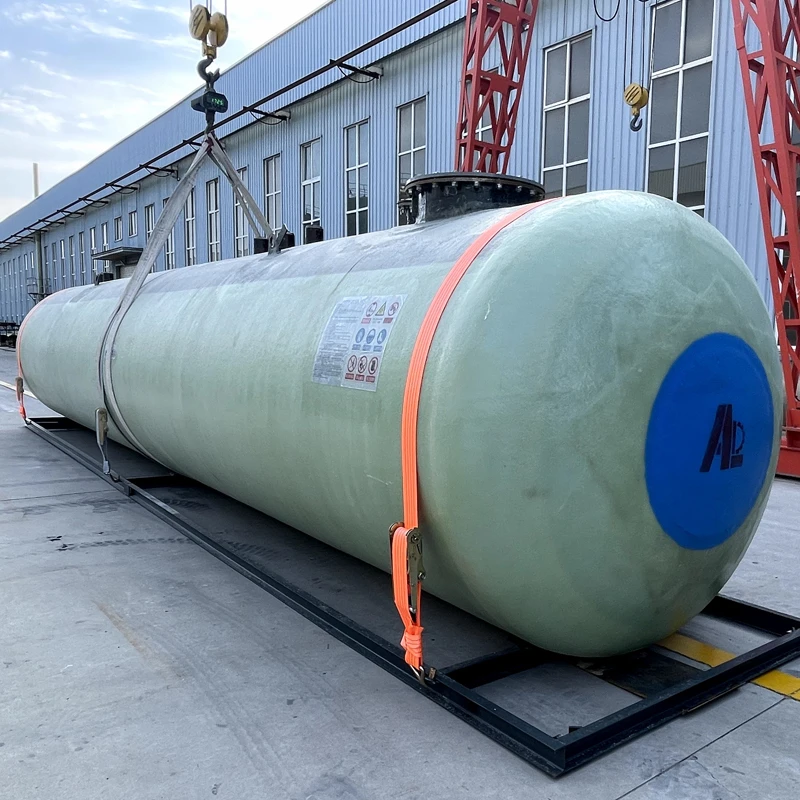
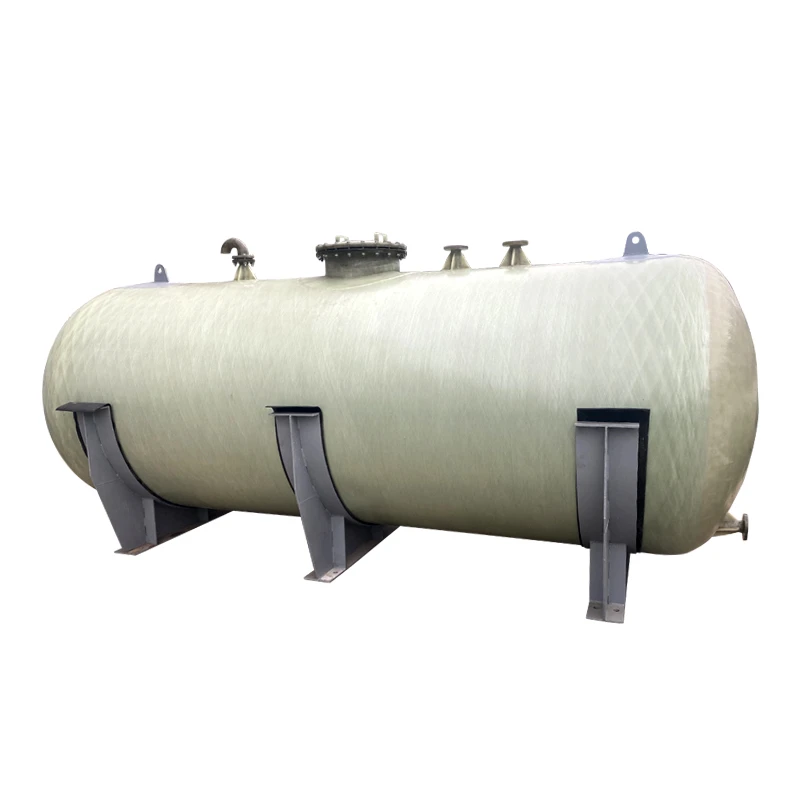
In simplest terms, they’re containers manufactured primarily from fiberglass reinforced plastic (FRP), designed to be buried below ground. The fiberglass matrix offers exceptional resistance against chemicals, UV rays, and corrosion. These tanks often have additional coatings tailored for specific storage needs.

Crucially, being underground means they save above-ground space and reduce theft or accidental damage. Industries spanning from municipal water utilities to oil refineries rely on these tanks for secure, long-term storage. In humanitarian crises, they also serve as secure reservoirs for clean water, critical for disaster relief and community health.

Mini Takeaway:

Think of them as high-tech storage vaults hidden beneath the surface—compact, tough, and environmentally friendly.

Core Features of Underground Fiberglass Storage Tanks

1. Durability

Fiberglass composites withstand harsh soil conditions and resist cracking. This durability extends tank lifespan substantially compared to metal alternatives.

2. Chemical Resistance

They endure exposure to a wide variety of chemicals — acids, bases, fuels, and even saltwater — without degrading or leaching unwanted substances.

3. Lightweight & Easier Installation

Compared to steel or concrete counterparts, fiberglass tanks are much lighter, reducing transportation and installation challenges. This can be especially handy in remote or disaster-affected areas.

4. Scalability & Customization

Available in various sizes and shapes, these tanks easily scale according to storage demands. Plus, manufacturers often offer bespoke features like manholes, baffles, or linings.

5. Environmental Safety

Fiberglass tanks are leak-resistant and often comply with stringent environmental standards, helping prevent contamination.

Mini Takeaway:

Durability, chemical resistance, and a lightweight design make these tanks the unsung heroes in tough industrial and ecological settings.

Product Specification Table: Typical Underground Fiberglass Storage Tanks

Specification Details
Material Fiberglass Reinforced Plastic (FRP) with corrosion-resistant resin
Capacity Ranges from 5,000 to 100,000 gallons (custom sizes available)
Installation Depth Typically buried 1 - 4 meters underground
Lifespan 20-40+ years (with proper maintenance)
Standards Compliance ISO 14692, ASTM D3299, EPA guidelines
Common Stored Liquids Potable water, fuels, acids, wastewater

Global Applications and Real-World Use Cases

These underground fiberglass tanks are far from niche. You’ll find them everywhere:

  • Municipal water systems: Cities in Europe and Asia routinely use them for potable water storage due to their sanitary advantages.
  • Oil & gas industry: In the Gulf region and North America, huge quantities of fuel are stored in such tanks to meet strategic reserves and daily demands.
  • Disaster relief efforts: NGOs operating in flood-prone Southeast Asia have deployed mobile fiberglass tanks to ensure safe water access during emergency interventions.
  • Mining and remote sites: In Australia and parts of Africa, these durable tanks store hazardous chemicals and water where infrastructure is limited.

It’s fascinating, frankly—when you think about it, these silent workhorses support everything from urban life to last-mile aid delivery.

Mini Takeaway:

The adaptability and reliability of these tanks enable vital operations worldwide, from mega cities to the most rugged terrains.

Advantages & Long-Term Value of Choosing Fiberglass Tanks

So why do so many engineers and planners swear by underground fiberglass tanks?

  • Cost efficiency: Lower installation and maintenance costs over decades compared with steel or concrete.
  • Environmental stewardship: Reduced risks of leaks protect soil and groundwater.
  • Safety and trust: Owners gain peace of mind knowing their stored liquids are secure. This builds reputations and trust, which are priceless.
  • Longevity: A one-time investment that provides durable service for 20–40 years or more.

On a personal note, many operators mention how less worry about corrosion literally frees up time to focus on innovation instead of firefighting maintenance issues. It’s a reminder that good infrastructure quietly improves lives.

Looking Ahead: Innovations and Future Trends

In recent years, the fiberglass tank industry has embraced exciting new tech:

  • Green materials: Biobased resins to reduce carbon footprints.
  • Digital integration: Sensors embedded for real-time leak detection and monitoring, part of “smart” underground storage.
  • Modular designs: Tanks that can be combined or moved more easily, supporting rapid deployment.
  • Regulatory pushes: Stricter global standards driving safer and more sustainable designs.

The shift aligns perfectly with a world eager to embrace both innovation and responsibility.

Common Challenges and How Experts Overcome Them

It's not all smooth sailing, though:

  • Soil pressure and settling: Some tanks face deformation underground if the soil isn't properly prepared. Geotechnical surveys ahead of installation are now routine.
  • Initial cost premium: Fiberglass can be pricier upfront than cheaper steel. However, lifecycle savings and risk reductions offset this.
  • Limited repair avenues: Repairs underground are tricky. Designing redundancies and routine remote monitoring help mitigate surprise failures.

In sum, the key is combining smart engineering with ongoing vigilance. Industry veterans recommend choosing experienced suppliers and investing in training for site personnel.

Vendor Comparison Table: Leading Underground Fiberglass Storage Tanks Suppliers

Supplier Product Range Lead Time Customization Price Range
Global FRP Solutions 5,000 - 50,000 gal 4-6 weeks High (manholes, sensor integration) $$$
EcoTank Innovators 10,000 - 100,000 gal 6-8 weeks Medium (standard options) $$
AquaSecure Tanks 3,000 - 30,000 gal 3-5 weeks Low (mostly standard) $

FAQ: Frequently Asked Questions About Underground Fiberglass Storage Tanks

Q1: How long do underground fiberglass storage tanks typically last?

A: With proper installation and regular maintenance, these tanks can last anywhere between 20 to 40 years or longer. Their corrosion-resistant fiberglass construction significantly extends lifespan compared to steel.

Q2: Are fiberglass tanks safe for storing potable water?

A: Absolutely. Many fiberglass storage tanks meet strict EPA and ISO standards for potable water storage, ensuring materials don’t contaminate the water. They’re increasingly preferred for municipal systems.

Q3: What factors affect the installation cost of underground fiberglass storage tanks?

A: Several things influence cost, including tank capacity, soil conditions, depth of burial, customization options (e.g., access points or sensors), and regional labor rates. Though fiberglass can be pricier initially, lifecycle savings usually justify the investment.

Q4: Can these tanks be relocated if needed?

A: Since they’re designed for underground placement, relocation isn’t straightforward. However, their relatively lightweight nature compared to steel tanks makes removal and reinstallation easier with proper equipment.

Q5: How do underground fiberglass storage tanks reduce environmental risks?

A: Their advanced composite materials resist leaks and corrosion, minimizing soil and groundwater contamination. Coupled with proper installation and remote monitoring, they reduce chances of spills significantly.

Wrapping Up: The Subterranean Superstars of Storage

Underground fiberglass storage tanks stand out as a clever, resilient solution in a world thirsty for reliable storage options that don’t compromise safety or the environment. Their combination of durability, adaptability, and relative ease of use is transforming storage practices globally. Whether you’re in urban utilities, industrial sites, or emergency relief, these tanks offer long-term value that often reveals itself years after they quietly get buried underground.

For anyone looking to invest in dependable, sustainable storage, underground fiberglass storage tanks are well worth considering. Dive further into their specs and supply options on our site and discover how they can support your projects today.
References

  1. ISO 14692: Glass-reinforced plastics (GRP) piping
  2. United Nations Environment Programme – Industrial Pollution
  3. Fiberglass - Wikipedia
Upsell Products
Upsell News
How to choose an FRP GRP pipe for industrial fluid service
Nov 02,2026
How to choose an FRP GRP pipe for industrial fluid service
Choose an FRP GRP pipe by media, pressure, diameter, stiffness, length, hydraulic needs, and installation conditions for petroleum, chemical, and drainage systems.
Calcium Chloride Production Line FAQ: Specifications, Ordering and Support Questions
Oct 29,2026
Calcium Chloride Production Line FAQ: Specifications, Ordering and Support Questions
Find direct answers to common questions about the calcium chloride production line from Hebei Aoliande Chemical Equipment Co., Ltd. — covering the Mannheim process, technical parameters, HCl recovery, PLC automation, and ordering.
Vinyl Ester Resin Monolithic Casting FRP Electrolytic Cells Best Price: Application Fit and Specification Checks
Oct 27,2026
Vinyl Ester Resin Monolithic Casting FRP Electrolytic Cells Best Price: Application Fit and Specification Checks
Buyer's guide to evaluating Vinyl Ester Resin Monolithic Casting FRP Electrolytic Cells Best Price: covers three-layer composite construction, metal compatibility, seismic and thermal requirements, optional features, and the specification checks to complete before ordering.
Choosing an FRP Tank and Vessel for Chemical Industry: Grade, Form and Application Requirements
Oct 27,2026
Choosing an FRP Tank and Vessel for Chemical Industry: Grade, Form and Application Requirements
A practical buyer's guide to selecting FRP tank and vessel products for chemical industry use — covering resin grade, vessel geometry, structural layers, thermal properties and application sector fit, based on confirmed product specifications.
Potassium Sulfate Fertilizer Production Line Price Comparison
Oct 23,2026
Potassium Sulfate Fertilizer Production Line Price Comparison
Examine potassium sulfate fertilizer production line price comparison methods using exact documentation limits and structured purchasing checklists without assumptions.
Guide to Fiber Water Tank Price and FRP Storage Costs
Jul 01,2026
Guide to Fiber Water Tank Price and FRP Storage Costs
Understanding Fiber Water Tank Price: A Comprehensive Investment Guide When searching for a reliable liquid storage solution, understanding the factors that influence fiber water tank price is essential for optimizing your operational budget. Fiber-Reinforced Plastic FRP tanks have become the industry standard for water and chemical storage due to their exceptional corrosion resistance and structural integrity. Whether you are managing a municipal water project or an industrial chemical plant, selecting the right tank requires a balance between initial cost and long-term durability. In this guide, we will explore the variables that drive pricing and why FRP remains the most cost-effective choice
Guide to Fibreglass Water Tank Prices and FRP Investment
Jun 29,2026
Guide to Fibreglass Water Tank Prices and FRP Investment
Understanding Fibreglass Water Tank Prices: A Comprehensive Investment Guide When planning water storage for industrial or commercial applications, understanding the factors that influence fibreglass water tank prices is essential for optimizing your budget. Fibreglass Reinforced Plastic FRP tanks offer a superior alternative to steel or concrete due to their corrosion resistance and lightweight nature. Whether you are in the petroleum, chemical, or drainage industry, selecting a tank that balances cost with long-term durability is key. In this guide, we will explore the pricing drivers, technical advantages, and specifications of high-quality FRP storage solutions to help you make an informed purchasing decision.
Industrial Fiberglass Water Tank Price and Buyers Guide
Jun 27,2026
Industrial Fiberglass Water Tank Price and Buyers Guide
Analyzing Fiberglass Water Tank Price: A Comprehensive Buyers Guide When investing in industrial water storage, understanding the fiberglass water tank price is essential for effective budget planning and operational efficiency. Fiberglass Reinforced Plastic FRP tanks have become the gold standard in water quality pollution prevention and chemical storage due to their exceptional corrosion resistance and durability. Whether you are managing a municipal water system or a specialized manufacturing plant, choosing the right tank involves balancing initial costs with long-term lifecycle value. In this guide, we will break down the factors that influence pricing and why FRP is often the most cost-effective choice
Comprehensive Guide to GRP Sectional Water Tanks Prices and Quality
Jun 26,2026
Comprehensive Guide to GRP Sectional Water Tanks Prices and Quality
Selecting the right water storage solution is critical for industrial, commercial, and residential infrastructure. When evaluating grp sectional water tanks prices, it is essential to look beyond the initial sticker price and consider the total cost of ownership, including durability, installation ease, and maintenance. Glass Reinforced Plastic GRP tanks offer a superior alternative to traditional steel or concrete, providing exceptional corrosion resistance and modular flexibility. In this guide, we will explore the factors that influence pricing and why GRP remains the gold standard for modern water management.
Guide to Understanding FRP Tank Cost and Investment Value
Jun 25,2026
Guide to Understanding FRP Tank Cost and Investment Value
Understanding FRP Tank Cost: A Comprehensive Guide to Investment and Value When investing in industrial storage solutions, understanding the frp tank cost is essential for accurate budgeting and long-term operational planning. Fiber Reinforced Plastic FRP tanks offer an exceptional balance of corrosion resistance, structural strength, and longevity, making them the preferred choice for chemical, petroleum, and water treatment industries. While initial pricing can vary based on specifications, the total cost of ownership is often significantly lower than traditional steel tanks due to reduced maintenance. In this guide, we will explore the factors influencing pricing and the advanced machinery used to produce these high-performance vessels.
Best Industrial 500 gallon chemical tank for Storage and Safety
Jun 23,2026
Best Industrial 500 gallon chemical tank for Storage and Safety
Choosing the Best 500 Gallon Chemical Tank for Industrial Storage When managing hazardous materials or industrial fluids, the integrity of your storage system is non-negotiable. A high-quality 500 gallon chemical tank provides the perfect balance between capacity and footprint, making it an ideal choice for mid-sized operations, water treatment facilities, and chemical processing plants. Selecting the right material and design ensures not only the safety of your personnel but also the longevity of your assets. In this guide, we will explore the critical factors you need to consider to optimize your chemical storage efficiency and compliance.
Safe and Efficient Industrial Chemical Storage Tanks Guide
Jun 21,2026
Safe and Efficient Industrial Chemical Storage Tanks Guide
Maximizing Safety and Efficiency with Industrial Chemical Storage Tanks In the modern industrial landscape, the secure management of hazardous materials is not just a regulatory requirement but a critical safety priority. Selecting the right industrial chemical storage tanks is essential for preventing leaks, reducing environmental impact, and ensuring the longevity of your infrastructure. Whether you are dealing with highly corrosive acids or volatile solvents, the material composition and design of your storage system determine your operational risk. This guide explores the technical nuances of chemical storage to help you make an informed investment for your facility.
Best Guide to Choosing a Durable 200 Gallon Chemical Tank
Jun 20,2026
Best Guide to Choosing a Durable 200 Gallon Chemical Tank
The Ultimate Guide to Choosing a 200 Gallon Chemical Tank Finding the right storage solution for hazardous or corrosive substances is critical for industrial safety and operational efficiency. A 200 gallon chemical tank offers a versatile mid-size capacity, ideal for businesses that need a balance between space-saving design and sufficient volume for chemical processing. Whether you are dealing with acids, bases, or specialty solvents, the material composition of your tank determines its lifespan and your facilitys safety. In this guide, we will explore the technical specifications, material options, and best practices for maintaining these essential industrial assets.
Industrial Fiberglass Water Storage Tanks Guide for Efficiency
Jun 18,2026
Industrial Fiberglass Water Storage Tanks Guide for Efficiency
The Ultimate Guide to Fiberglass Water Storage Tanks for Industrial Use Selecting the right containment system is critical for maintaining water purity and operational efficiency. fiberglass water storage tanks have emerged as a superior alternative to traditional steel or concrete reservoirs. Combining high strength-to-weight ratios with exceptional corrosion resistance, these tanks are designed to withstand the harshest environmental conditions while ensuring the longevity of your infrastructure. Whether you are managing a municipal water system or an industrial chemical process, understanding the advantages of FRP Fiber Reinforced Plastic technology is the first step toward a sustainable storage solution.
Industrial Storage Guide for Modular Sectional Water Tanks
Jun 13,2026
Industrial Storage Guide for Modular Sectional Water Tanks
When managing large-scale water storage, efficiency and scalability are non-negotiable. Sectional water tanks offer a versatile and robust solution for industries requiring customized capacities and easy installation in restricted spaces. Unlike monolithic tanks, these systems are engineered from modular panels, allowing for precise sizing and seamless transport to remote sites. Whether it is for fire protection, potable water, or industrial processing, choosing the right tank configuration can significantly impact the longevity and reliability of your water infrastructure. In this guide, we explore why these modular systems are the preferred choice for modern engineering projects worldwide.
Industrial Safety Guide for Double Wall Chemical Tanks
Jun 11,2026
Industrial Safety Guide for Double Wall Chemical Tanks
In the world of industrial chemical storage, containment is not just a preferenceit is a critical safety requirement. double wall chemical tanks provide a sophisticated layer of security, ensuring that hazardous materials are contained even if the primary vessel fails. By utilizing a tank-within-a-tank design, these systems prevent catastrophic leaks, protect the surrounding environment, and ensure compliance with strict regulatory standards. Whether you are managing a water treatment plant or a chemical manufacturing facility, understanding the nuances of secondary containment is essential for operational longevity and risk mitigation.
For More Details Pls Contact Us
Thank you for your interest in our gloves! We offer high-quality, durable, and comfortable gloves with fast delivery and competitive prices. For any questions or customization, feel free to contact us. We look forward to working with you!

If you are interested in our products, you can choose to leave your information here, and we will be in touch with you shortly.