Nov 27,2025

Durable and Safe Fiberglass Fuel Tanks for Gas Stations | Global Solutions

Understanding Fiberglass Fuel Tanks for Gas Stations: A Global Perspective

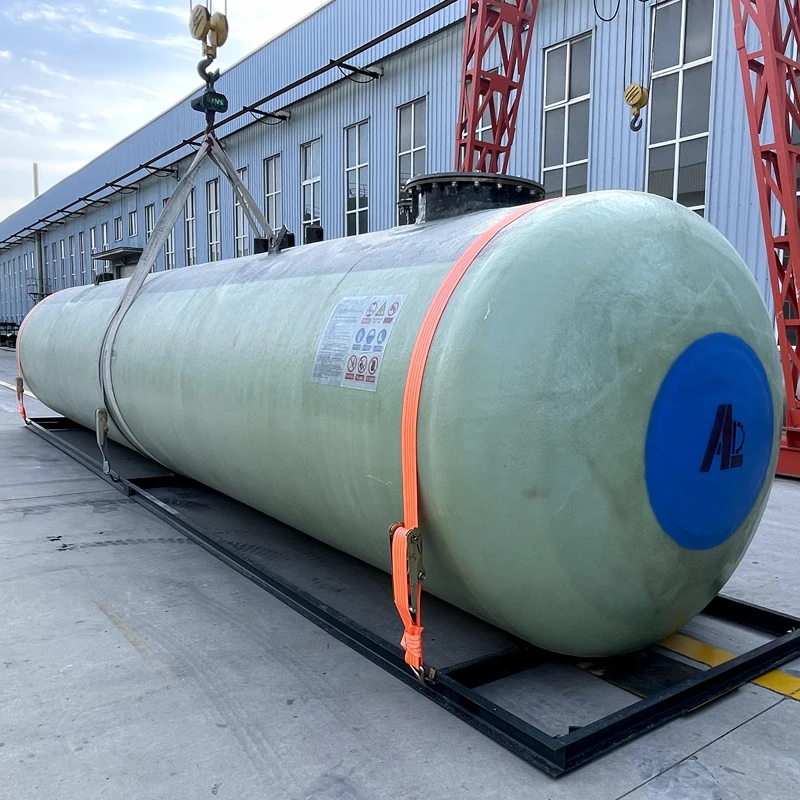
If you’ve ever paused next to a gas station, maybe you didn’t think much about what’s happening beneath your feet — the huge storage tanks that keep our vehicles fueled and bustling. Among these, the fiberglass fuel tank for gas station stands out as a modern key player in meeting today’s demanding safety, environmental, and operational needs. Why does it matter? Well, as we grapple with stricter environmental regulations and the drive for durable, long-lasting infrastructure worldwide, these tanks are quietly becoming the unsung heroes beneath our fuel pumps.

Understanding them isn’t just technical jargon for engineers. It’s about smarter, safer communities, better industrial resilience, and a smoother energy supply chain worldwide.

Global Context: Why Fiberglass Fuel Tanks for Gas Stations Are Gaining Ground

With the global demand for fuel storage infrastructure continuing to rise, we’re witnessing a clear shift. According to the International Energy Agency (IEA), fuel storage demand has increased by roughly 3% annually over the last decade. Naturally, this growth brings with it challenges like underground leaks, corrosion, and costly maintenance. The United Nations Environment Programme (UNEP) highlights fuel leaks as a leading cause of soil and groundwater contamination, especially in developing regions.

Fiberglass-reinforced plastic (FRP) tanks are emerging as a smart countermeasure. Their corrosion resistance and lightweight nature reduce installation complexity and have already made waves in places like Southeast Asia, the Middle East, and parts of Africa. Oddly enough, what started as a niche innovation is now becoming mainstream, as policymakers and gas station owners seek better safeguards against leaks and structural failures. The fact that they’re approved under ISO 28765 for composite fuel storage only cements their global relevance.

Defining the Fiberglass Fuel Tank for Gas Station

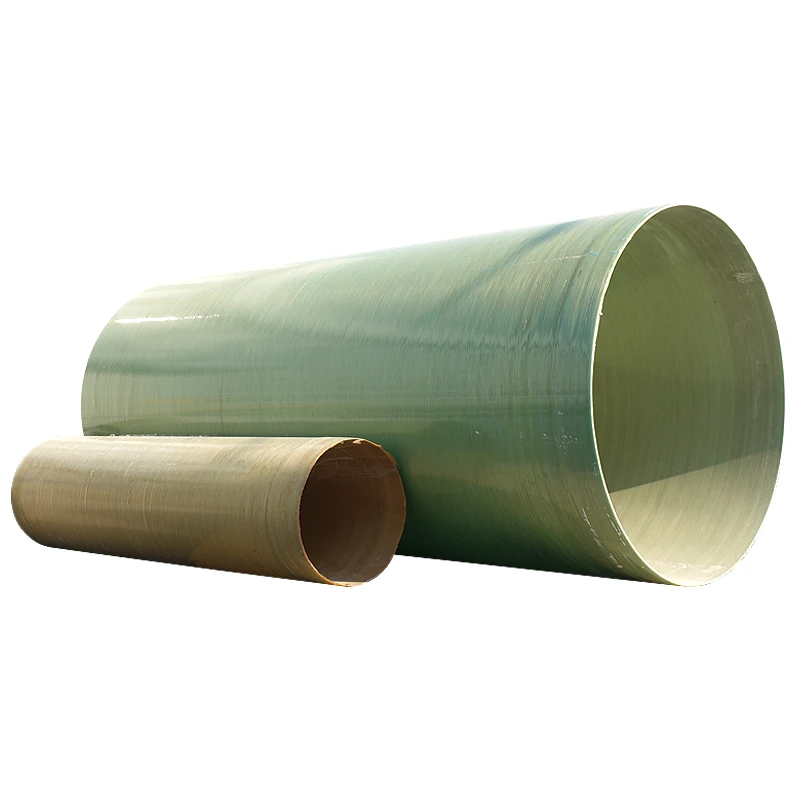
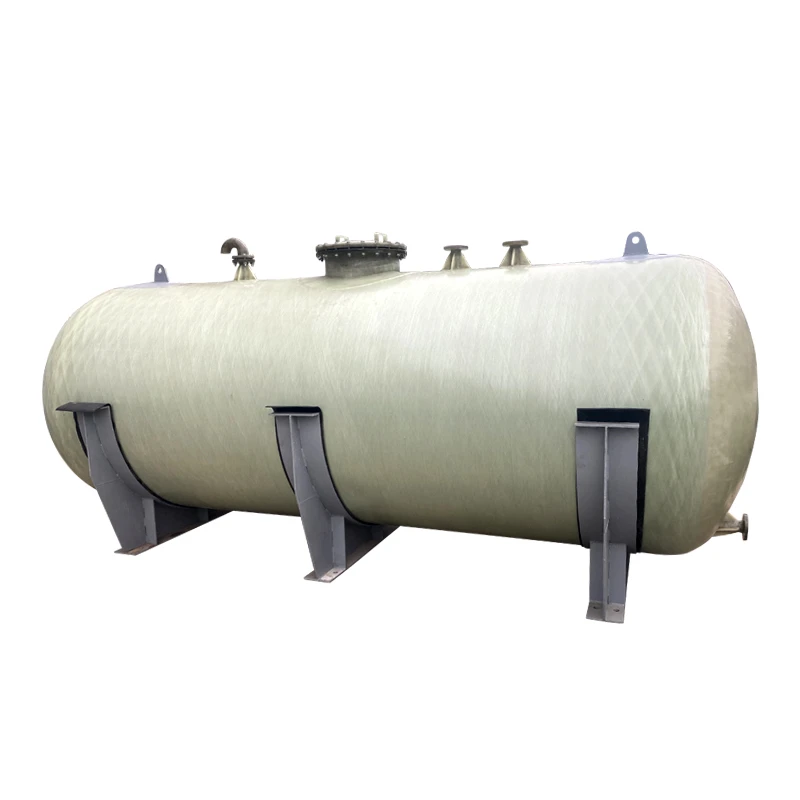
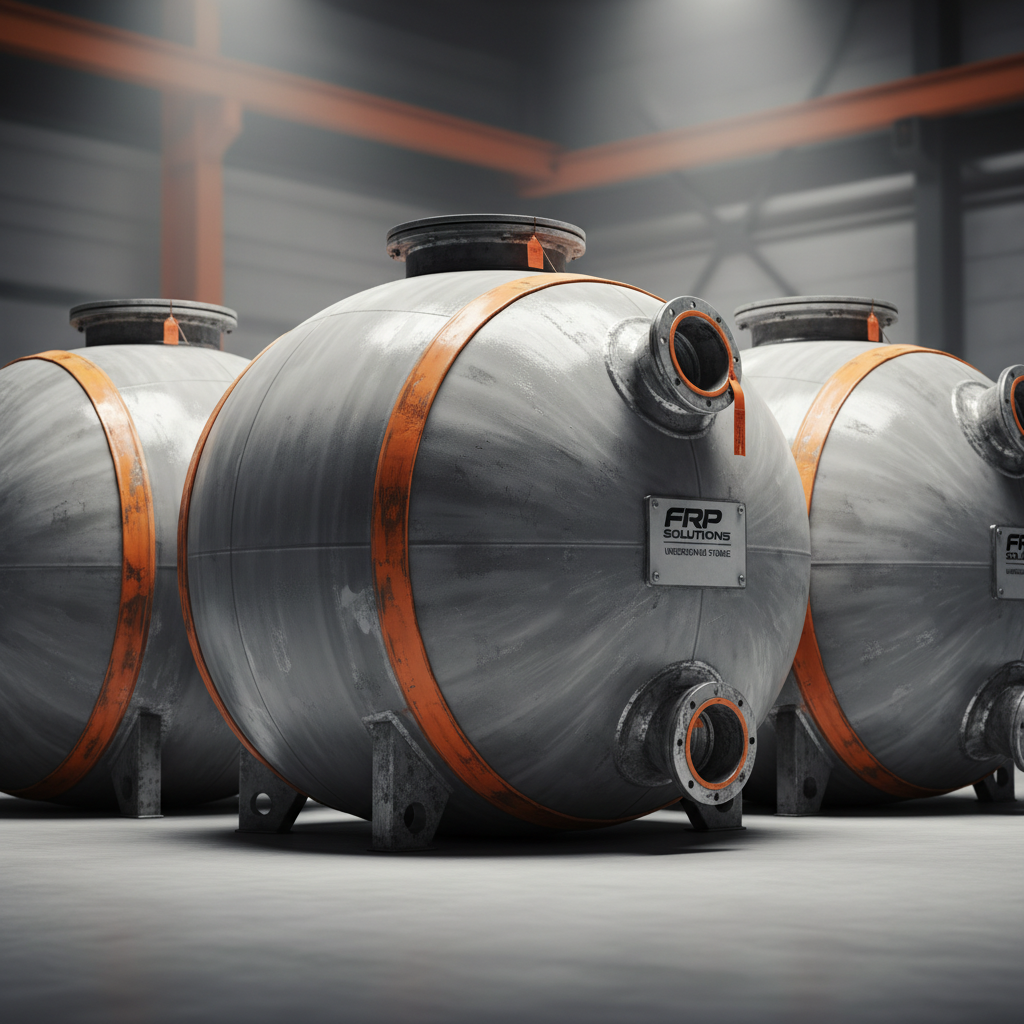
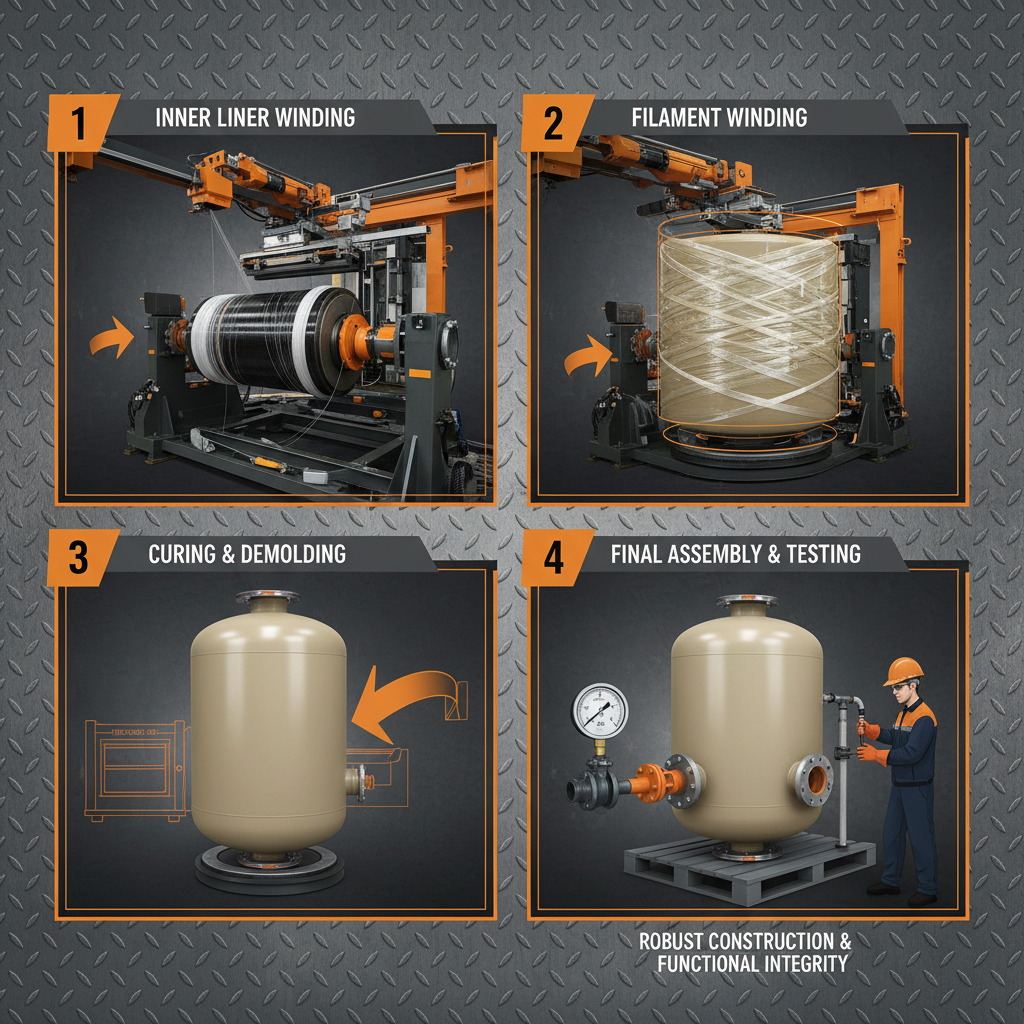
Simply put, a fiberglass fuel tank is a storage vessel made primarily from fiberglass-reinforced plastic composites designed to safely hold fuels at gas stations — think gasoline, diesel, or even biofuels. Unlike traditional steel tanks, these use layers of woven fiberglass fibers embedded in a resin matrix. This combination delivers strength akin to metal but with much better resistance to corrosion and chemical degradation.

In modern industry, especially oil and gas, these tanks bridge the gap between durability and environmental stewardship. Especially in remote or disaster-prone areas, their lighter weight and modular installation can be a game-changer for humanitarian fuel distribution, too.

Core Features That Define Fiberglass Fuel Tanks

Durability — Withstood the Test of Time and Chemicals

Fiberglass resists rust and chemical attacks much better than steel, cutting maintenance cycles significantly. In my experience reading field reports, many tanks last 30+ years without major repairs — roughly double what steel promises.

Installation Flexibility and Scalability

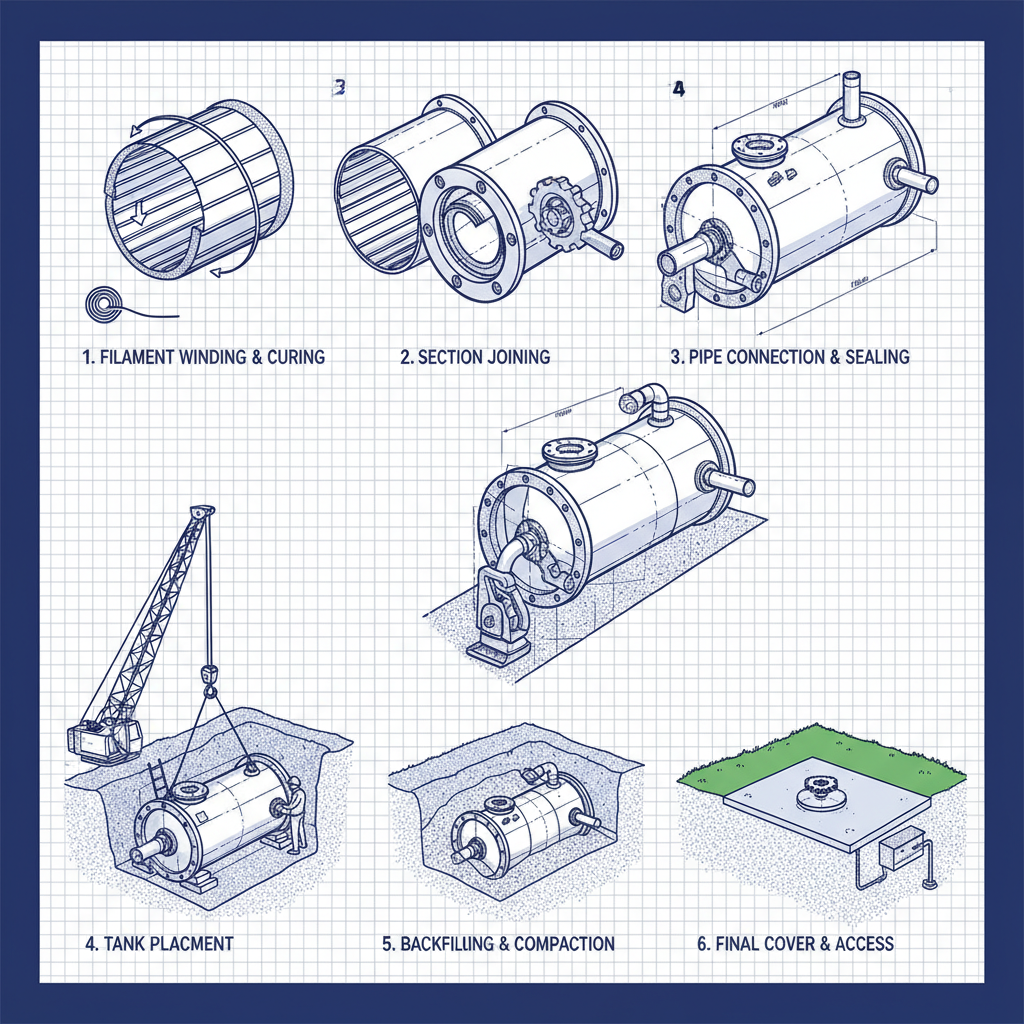
These tanks are lighter and can be manufactured in modular sizes, making transport and on-site assembly easier. This scalability is invaluable, especially in tight urban sites and up-and-coming regions.

Cost Efficiency Over Lifetime

While fiberglass tanks might have a slightly higher initial cost compared to some steel variants, their reduced maintenance, fewer leak-related liabilities, and longevity balance that out. Many operators say the “payback period” is often under five years.

Environmental Safety and Compliance

With tighter regulations worldwide—think EPA rules in the USA or EU directives—fiberglass tanks often exceed leak prevention and environmental safety benchmarks. This means fewer fines and better community trust.

Customizable Designs

Fiberglass tanks can be tailored into complex shapes or sizes, including multi-compartment options, integrated piping channels, and built-in sensors for monitoring. The ability to customize can’t be overstated when dealing with unique site constraints.

Real-World Applications: Where Fiberglass Fuel Tanks Shine

Across Southeast Asia, energy companies have deployed fiberglass fuel tanks to reduce environmental contamination in flood-prone areas. In Australia, mining operations in remote locations appreciate their corrosion resistance and ease of transport. Even NGOs involved in post-disaster relief operations, like those responding to cyclones in the Caribbean, have turned to these tanks to deliver fuel safely to off-grid communities.

In growing urban centers where space and safety concerns are paramount, these tanks provide a reliable alternative to bulky steel tanks — and seldom invite complaints from nearby residents due to safety risks or smells. For instance, in Japan, where land is tight and earthquakes are a risk, these lightweight, flexible tanks are preferred for their resilience under seismic stress.

Mini Takeaway:

  • Fiberglass fuel tanks bring measurable benefits everywhere from dense cities to far-flung industrial outposts.
  • Their adaptability and durability increase safety and operational reliability in diverse geographic and economic contexts.

Why Choose Fiberglass Fuel Tanks for Gas Stations? The Long-Term Value

  • Safety: Less corrosion means fewer leaks, meaning less risk of soil contamination and fires.
  • Sustainability: Fewer replacements and less waste support environmentally conscious operations.
  • Cost Savings: Lower upkeep and longer lifespan translate into notable financial advantage.
  • Community Trust: Gas stations equipped with modern tanks enjoy better reputations and regulatory goodwill.

Combining these, it’s clear that fiberglass fuel tanks aren’t merely a product upgrade — they’re a smart investment in the future. They protect both the operator’s bottom line and the ecosystem around the station.

Specifications: A Typical Fiberglass Fuel Tank for Gas Station

Specification Details
Material Fiberglass Reinforced Plastic (FRP)
Typical Capacity 10,000 to 50,000 liters (varies per model)
Corrosion Resistance Excellent (compared to steel)
Compliance Standards ISO 28765, EPA guidelines, UL 1316
Installation Time 1-3 days (depends on site)
Weight About 50% lighter than steel tanks

Comparing Fiberglass Fuel Tank Vendors: What to Look For

Vendor Experience (Years) Customization Options Certifications Average Lead Time
FRP Solutions Inc. 18 High (custom diameters, compartments) ISO 28765, UL 1316 3-5 weeks
Global Tankworks 25 Medium (standard sizes, optional coatings) EPA, ISO certified 4-6 weeks
FiberTech Tanks 12 High (bespoke projects for remote sites) UL listed, ISO 28765 2-4 weeks

Looking Ahead: Innovations and Future Trends

The future feels quite exciting. There’s growing progress integrating digital monitoring systems directly into tank walls — think IoT-enabled sensors that detect leaks or fuel levels in real-time without manual checks. This kind of automation drastically reduces risk and maintenance costs.

From a materials science angle, new bio-based resins are being tested to reduce the environmental footprint of manufacturing. And, of course, with the rise of green fuels like ethanol blends or biodiesel, tanks are evolving to handle more diverse chemical profiles safely.

Challenges and How the Industry Is Tackling Them

Despite their clear benefits, fiberglass fuel tanks face some hurdles. For example, they may be susceptible to UV degradation if exposed, so protective coatings and underground installation remain essential. Also, repair procedures can be specialized — not every technician is trained in FRP-specific fixes.

But innovative repair kits and better training programs are coming on strong. Plus, ongoing R&D around more UV-resistant resins and modular replacement components is promising.

FAQs: What People Really Want to Know

Are fiberglass tanks safe for storing all types of fuels?
Yes, most fiberglass tanks are designed to safely store gasoline, diesel, and many biofuel blends. However, it’s essential to check manufacturer specs for compatibility with newer green fuels as chemical properties differ.
How long does a typical fiberglass fuel tank last?
With proper installation and maintenance, these tanks can last 30–40 years, often outliving steel tanks by a significant margin due to their corrosion resistance.
Is the installation process disruptive at an existing gas station?
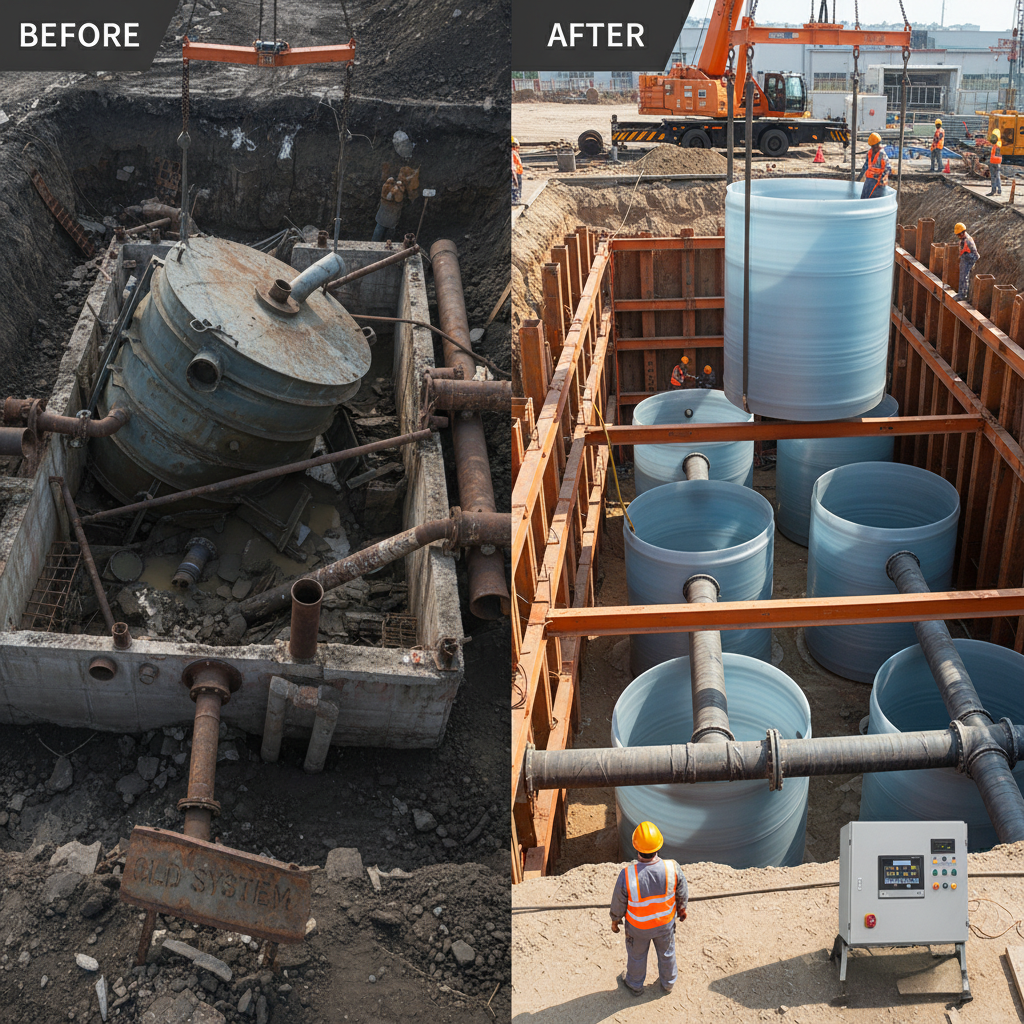
Not necessarily. Due to their modular, lighter design, fiberglass tanks can often be installed faster and with less heavy equipment, reducing downtime compared to steel tank replacements.
Can fiberglass fuel tanks be repaired onsite if damaged?
Minor damages can typically be repaired using specialized FRP patches and resin materials onsite. More serious damage might require professional intervention, but ongoing training is expanding field repair capabilities.
Are fiberglass tanks more expensive than traditional steel tanks?
Upfront costs may be 10–20% higher, but lower maintenance and a longer lifespan usually lead to lower total cost of ownership over time.

In Conclusion: Why Investing in Fiberglass Fuel Tanks Makes Sense

It’s clear that fiberglass fuel tanks for gas stations offer a well-rounded solution — they marry durability, adaptability, safety, and cost efficiency in a way that aligns with today’s environmental and industrial demands. If you’re in the market for fuel storage, giving these tanks a serious look feels like the logical next step.

Curious to explore options or see real products? I’d recommend checking out fiberglass fuel tank for gas station manufacturers to get a sense of models, specs, and innovations straight from industry leaders.

Mini Takeaway:

  • Fiberglass tanks reduce environmental risks while saving money long-term.
  • Future tech integration means smarter, safer fuel storage ahead.
  • Global applications — from city gas stations to relief zones — show their versatility.

Sometimes the quiet, less-visible parts of infrastructure are the true game-changers. With fiberglass fuel tanks, the future of fuel storage seems safer, cleaner, and yes — brighter.
References & Additional Reading

  1. Fiberglass - Wikipedia
  2. ISO 28765: Composite tanks for fuel storage
  3. UNEP - Environmental Impact of Fuel Storage
Upsell Products
Upsell News
Durable FRP Vessel for Water Treatment and Industrial Filtration
Apr 16,2026
Durable FRP Vessel for Water Treatment and Industrial Filtration
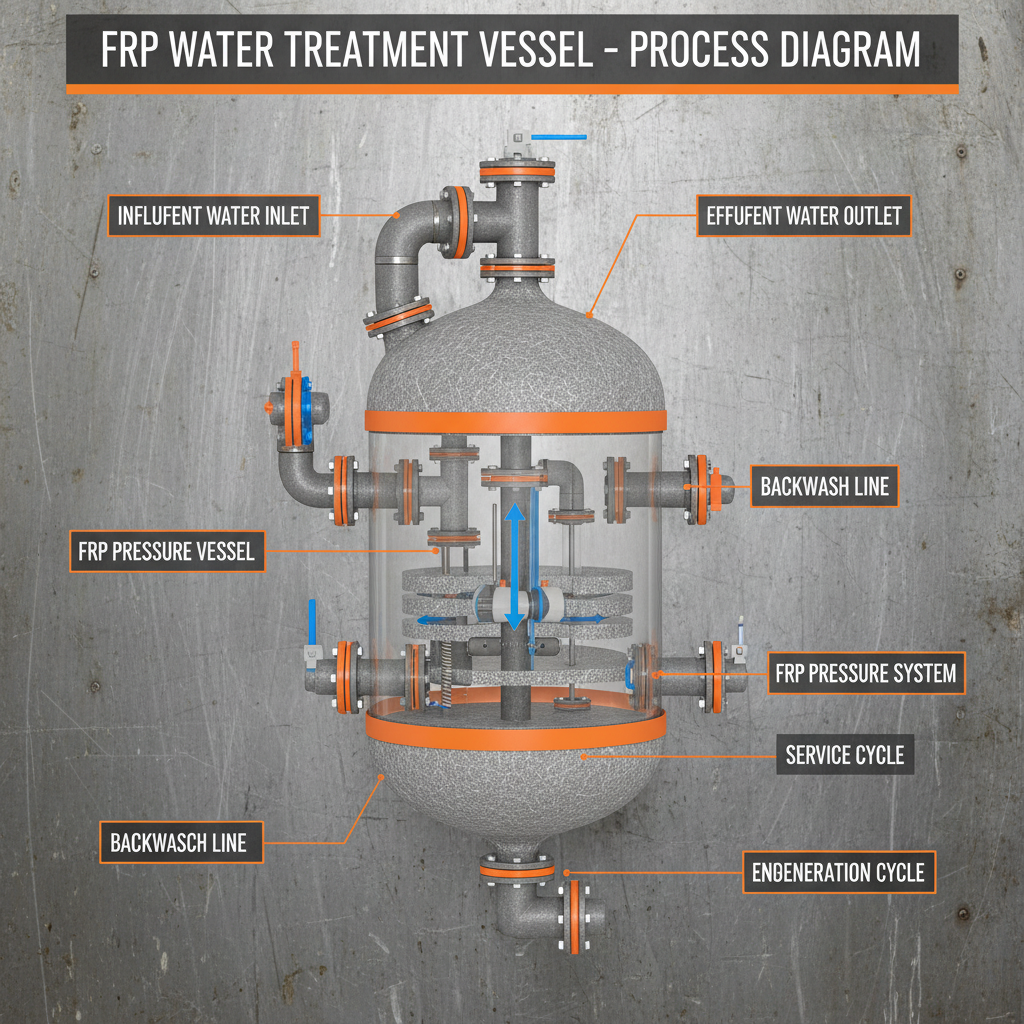
In the modern era of industrial and residential water purification, the choice of containment materials is critical for efficiency and longevity. An frp vessel for water treatment has emerged as the gold standard, replacing traditional steel tanks due to its superior corrosion resistance and lightweight properties. Whether you are dealing with desalination, softening, or filtration, using Fiber Reinforced Plastic (FRP) ensures that your system remains leak-proof and durable against aggressive chemicals. In this comprehensive guide, we will explore why FRP is the preferred choice for water treatment professionals worldwide and how to select the right vessel for your specific application.
Industrial Guide for Choosing the Right FRP Vertical Tank
Apr 09,2026
Industrial Guide for Choosing the Right FRP Vertical Tank
In today's industrial landscape, the storage of corrosive chemicals and aggressive liquids requires materials that can withstand extreme conditions without degrading. The frp vertical tank has emerged as a premier solution, offering an exceptional balance of strength, lightweight properties, and unmatched chemical resistance. Whether you are managing a water treatment plant or a chemical processing facility, understanding the nuances of Fiber Reinforced Plastic (FRP) is essential for ensuring operational safety and longevity. In this comprehensive guide, we will explore why vertical configurations are preferred and how these tanks outperform traditional metal alternatives.
Comprehensive Guide to FRP Underground Water Tank Solutions and Applications
Apr 07,2026
Comprehensive Guide to FRP Underground Water Tank Solutions and Applications
Fiberglass Reinforced Polymer (FRP) underground water tanks are becoming increasingly popular for a wide range of applications, from potable water storage to industrial wastewater containment. Their superior corrosion resistance, lightweight nature, and design flexibility make them an excellent alternative to traditional materials like concrete or steel. This article will delve into the benefits, applications, construction, and considerations for implementing FRP underground water tanks, providing a comprehensive overview for engineers, contractors, and project managers.
Comprehensive Guide to Frp Underground Water Storage Tanks and Their Applications
Apr 04,2026
Comprehensive Guide to Frp Underground Water Storage Tanks and Their Applications
When considering water storage solutions, particularly for industrial, agricultural, or municipal applications, frp underground water storage tanks stand out as a durable, cost-effective, and environmentally friendly option. These tanks are increasingly favored over traditional materials like concrete or steel due to their superior corrosion resistance, lighter weight, and ease of installation. This article delves into the benefits, applications, construction, and considerations when choosing an FRP tank, providing a detailed overview for potential buyers and project planners.
Sulfuric Acid Production Line - Hebei Aoliande|Efficient H2SO4 Plant Technology
Apr 01,2026
Sulfuric Acid Production Line - Hebei Aoliande|Efficient H2SO4 Plant Technology
Discover efficient H2SO4 plant technology and advanced sulfuric acid production solutions. Hebei Aoliande combines energy-saving furnace design and eco-friendly HCl recovery systems for sustainable industrial applications. Explore now: https://www.frpgrpmachine.com/sulfuric-acid-production-line-for-h2so4-plant.html
Sulfuric Acid Production Line - Hebei Aoliande|Efficient H2SO4 Plant Technology
Apr 01,2026
Sulfuric Acid Production Line - Hebei Aoliande|Efficient H2SO4 Plant Technology
Discover efficient H2SO4 plant technology and advanced sulfuric acid production solutions. Hebei Aoliande combines energy-saving furnace design and eco-friendly HCl recovery systems for sustainable industrial applications. Explore now: https://www.frpgrpmachine.com/sulfuric-acid-production-line-for-h2so4-plant.html
Sulfuric Acid Production Line - Hebei Aoliande|Efficient H2SO4 Plant Technology
Apr 01,2026
Sulfuric Acid Production Line - Hebei Aoliande|Efficient H2SO4 Plant Technology
Discover efficient H2SO4 plant technology and advanced sulfuric acid production solutions. Hebei Aoliande combines energy-saving furnace design and eco-friendly HCl recovery systems for sustainable industrial applications. Explore now: https://www.frpgrpmachine.com/sulfuric-acid-production-line-for-h2so4-plant.html
Sulfuric Acid Production Line - Hebei Aoliande|Efficient H2SO4 Plant Technology
Apr 01,2026
Sulfuric Acid Production Line - Hebei Aoliande|Efficient H2SO4 Plant Technology
Discover efficient H2SO4 plant technology and advanced sulfuric acid production solutions. Hebei Aoliande combines energy-saving furnace design and eco-friendly HCl recovery systems for sustainable industrial applications. Explore now: https://www.frpgrpmachine.com/sulfuric-acid-production-line-for-h2so4-plant.html
Sulfuric Acid Production Line - Hebei Aoliande|Efficient H2SO4 Plant Technology
Apr 01,2026
Sulfuric Acid Production Line - Hebei Aoliande|Efficient H2SO4 Plant Technology
Discover efficient H2SO4 plant technology and advanced sulfuric acid production solutions. Hebei Aoliande combines energy-saving furnace design and eco-friendly HCl recovery systems for sustainable industrial applications. Explore now: https://www.frpgrpmachine.com/sulfuric-acid-production-line-for-h2so4-plant.html
Sulfuric Acid Production Line - Hebei Aoliande|Efficient H2SO4 Plant Technology
Apr 01,2026
Sulfuric Acid Production Line - Hebei Aoliande|Efficient H2SO4 Plant Technology
Discover efficient H2SO4 plant technology and advanced sulfuric acid production solutions. Hebei Aoliande combines energy-saving furnace design and eco-friendly HCl recovery systems for sustainable industrial applications. Explore now: https://www.frpgrpmachine.com/sulfuric-acid-production-line-for-h2so4-plant.html
Comprehensive Guide to Frp Underground Storage Tanks for Reliable Storage Solutions
Mar 31,2026
Comprehensive Guide to Frp Underground Storage Tanks for Reliable Storage Solutions
Fiberglass Reinforced Polymer (FRP) underground storage tanks are becoming increasingly popular for a wide range of applications, from fuel storage to wastewater management. Their corrosion resistance, lightweight nature, and durability offer significant advantages over traditional materials like steel. This article will provide an in-depth look at FRP underground storage tanks, covering their benefits, applications, installation, and maintenance. Understanding these aspects is crucial for making informed decisions about long-term storage solutions.
Comprehensive Guide to Selecting the Ideal FRP Tank for Water Storage Solutions
Mar 28,2026
Comprehensive Guide to Selecting the Ideal FRP Tank for Water Storage Solutions
When it comes to reliable and durable water storage, FRP tanks for water are increasingly becoming the preferred solution for a wide range of applications. These tanks, constructed from Fiber Reinforced Polymer (FRP) materials, offer significant advantages over traditional storage options like steel or concrete. This article delves into the benefits, applications, and considerations when selecting an FRP tank for your water storage needs, providing a detailed overview for businesses and individuals alike.
Comprehensive Guide to Frp Tank and Vessel Applications and Manufacturing
Mar 26,2026
Comprehensive Guide to Frp Tank and Vessel Applications and Manufacturing
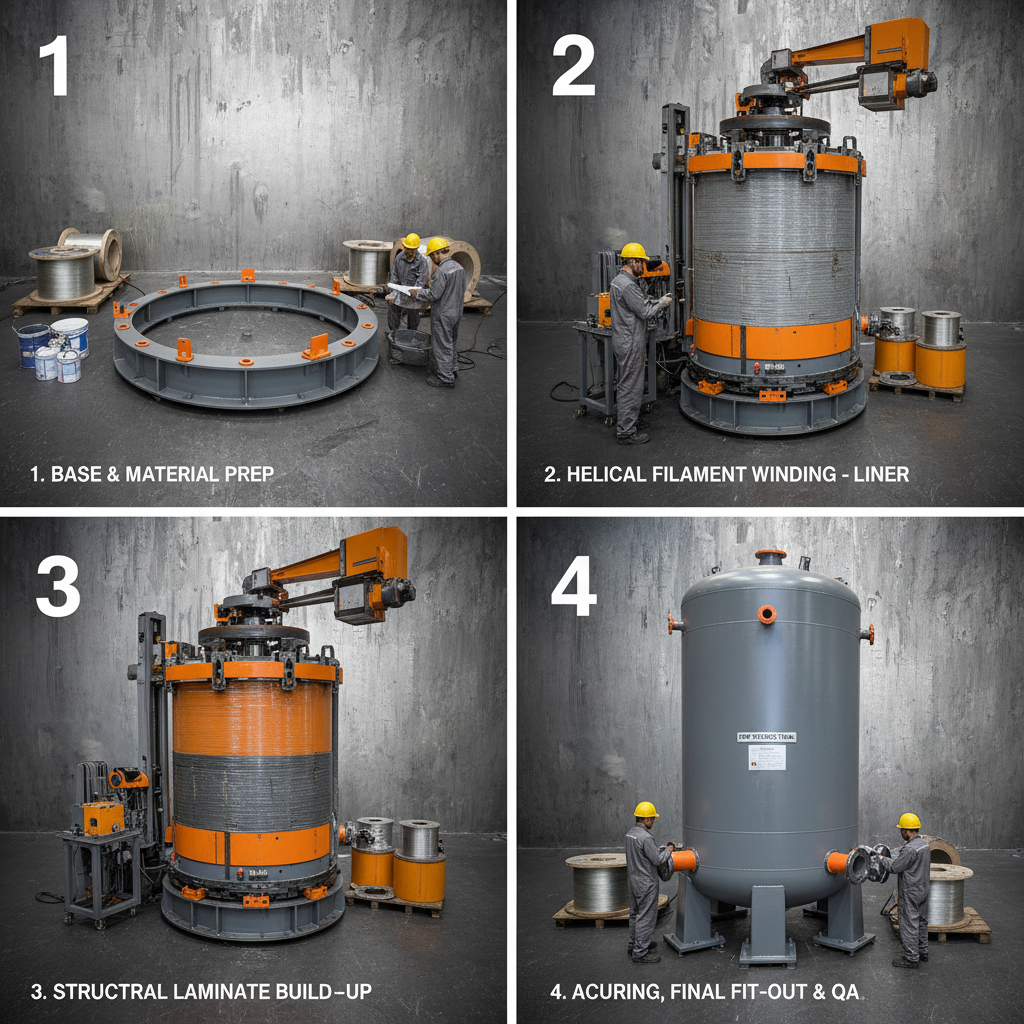
Fiber Reinforced Polymer (FRP) tanks and vessels are increasingly becoming the preferred choice for storage and processing across a multitude of industries. Their lightweight nature, corrosion resistance, and design flexibility offer significant advantages over traditional materials like steel. This article will delve into the intricacies of FRP tanks and vessels, exploring their applications, manufacturing processes, benefits, and considerations for selecting the right solution for your specific needs. We’ll also highlight why FRP tanks are a cost-effective and reliable long-term investment. FRP tanks and vessels are constructed from a combination of reinforcing fibers (such as fiberglass, carbon fiber, or aramid fiber) embedded in a polymer matrix (typically polyester, vinyl ester, or epoxy resin). This combination creates a composite material that boasts high strength-to-weight ratio, exceptional corrosion resistance, and the ability to be molded into complex shapes. They’re designed to safely contain a wide variety of liquids and gases, ranging from corrosive chemicals and water to food products and pharmaceuticals.
Optimizing Water Filtration with Durable FRP Sand Filter Vessels
Mar 24,2026
Optimizing Water Filtration with Durable FRP Sand Filter Vessels
In water treatment and filtration systems, the choice of filter vessel material is paramount. Fiber Reinforced Plastic (FRP), also known as Glass Reinforced Polymer (GRP), sand filter vessels are increasingly popular due to their superior corrosion resistance, lightweight nature, and cost-effectiveness. This article delves into the benefits, applications, design considerations, and factors to consider when selecting an FRP sand filter vessel. Whether you are involved in municipal water treatment, industrial wastewater management, or recreational water filtration, understanding FRP technology is essential for optimizing your filtration process. An FRP sand filter vessel is a containment unit designed to house filtration media, typically sand, gravel, and anthracite. These vessels are integral components in sand filtration systems used for removing suspended solids, turbidity, and other particulate matter from water. FRP construction involves layering glass fibers within a resin matrix (typically polyester or vinyl ester) to create a strong, durable, and chemically resistant shell. The strength and rigidity of the vessel are crucial for withstanding the pressure from the filtration media and the water flow.
Comprehensive Guide to FRP Round Tanks Applications and Benefits
Mar 21,2026
Comprehensive Guide to FRP Round Tanks Applications and Benefits
Fiber Reinforced Polymer (FRP) round tanks are increasingly becoming the preferred choice for storage solutions across a variety of industries. Their lightweight nature, corrosion resistance, and design flexibility offer significant advantages over traditional materials like steel. This article provides an in-depth look at FRP round tanks, exploring their applications, benefits, manufacturing processes, and key considerations when choosing the right tank for your needs. Whether you're in chemical processing, water treatment, or agriculture, understanding FRP round tanks is crucial for optimizing your storage infrastructure. FRP round tanks are constructed from a combination of reinforcing fibers (typically fiberglass, carbon fiber, or a blend) embedded in a polymer matrix (often polyester, vinyl ester, or epoxy resin). The round shape inherently provides excellent structural strength, distributing pressure evenly across the tank’s surface.
Comprehensive Guide to FRP Pressure Tanks Benefits and Applications
Mar 19,2026
Comprehensive Guide to FRP Pressure Tanks Benefits and Applications
Fiber Reinforced Polymer (FRP) pressure tanks are becoming increasingly popular in a wide range of industrial applications, offering a compelling alternative to traditional steel tanks. Known for their lightweight nature, corrosion resistance, and high strength-to-weight ratio, FRP tanks provide efficient and durable solutions for storing liquids and gases under pressure. This article will delve into the benefits, applications, construction, and key considerations when selecting an FRP pressure tank, helping you make an informed decision for your specific needs. Understanding the advantages of FRP technology can lead to significant cost savings and improved operational efficiency. Compared to steel, FRP pressure tanks offer several key advantages. The most significant is their superior corrosion resistance. Unlike steel, which is susceptible to rust and corrosion when exposed to various chemicals, FRP materials are inherently resistant to a wide range of corrosive substances. This translates to a longer lifespan, reduced maintenance costs, and increased safety. Furthermore, FRP is significantly lighter than steel, making installation easier and reducing transportation costs.
For More Details Pls Contact Us
Thank you for your interest in our gloves! We offer high-quality, durable, and comfortable gloves with fast delivery and competitive prices. For any questions or customization, feel free to contact us. We look forward to working with you!

If you are interested in our products, you can choose to leave your information here, and we will be in touch with you shortly.