Nov 27,2025

Fiberglass Chemical Tanks – Durable & Sustainable Chemical Storage Solutions

Fiberglass Chemical Tanks: Durable Storage Solutions for a Demanding World

If you've ever paused to think about what holds the essential chemicals behind everything from water treatment to manufacturing, fiberglass chemical tanks probably don't jump to mind. Yet, they're everywhere — quietly ensuring safety, durability, and efficiency in countless industries worldwide. Understanding these tanks means recognizing how modern materials and engineering combine to solve global challenges in chemical storage and handling. So what exactly makes fiberglass tanks so vital, and why is the world leaning on them increasingly?

Global Context: Why Fiberglass Chemical Tanks Matter

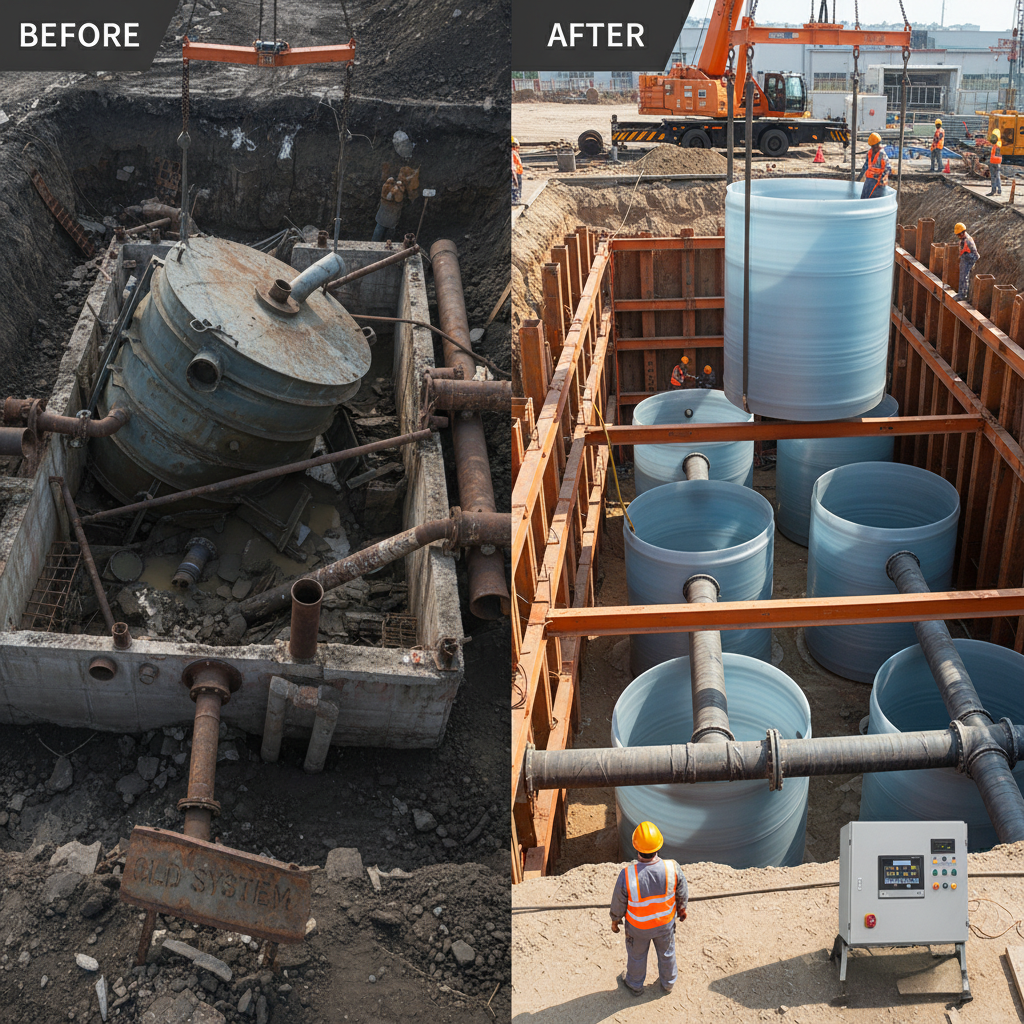
Chemical storage is a global concern touching industries as varied as agriculture, pharmaceuticals, and municipal water treatment. The United Nations and the International Organization for Standardization (ISO) underline the need for safe, sustainable containment methods to prevent leaks, contamination, and accidents, especially in an era of tighter environmental regulations (1). Worldwide chemical production surpassed 4.5 trillion USD in 2022, translating to a heated demand for better tanks. Traditional materials like steel, while strong, suffer corrosion issues, often increasing risks. Fiberglass chemical tanks answer a growing call to combine corrosion resistance with lightweight strength, making them critical assets for safe chemical handling — both in dense industrial hubs and remote areas.

Interestingly, many manufacturers have started adopting these tanks to comply with stricter ISO 9001 quality management standards and local environmental laws. As industrial sectors expand quickly in Asia-Pacific and Latin America, the need for resilient, easy-to-transport chemical tanks only intensifies. But before diving into what makes fiberglass tanks special, let's clarify what we're talking about.

What Are Fiberglass Chemical Tanks?

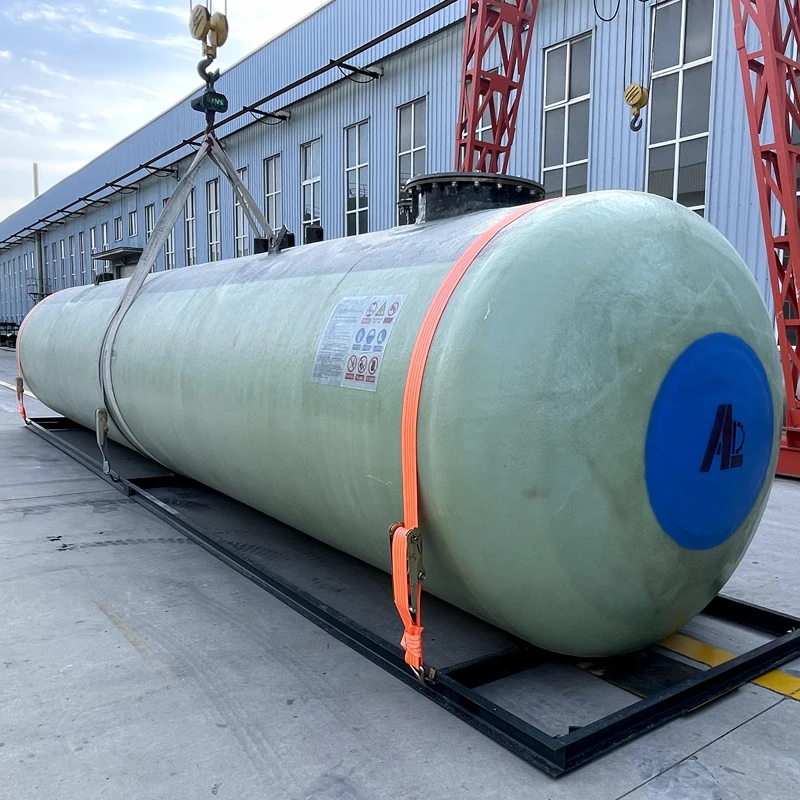
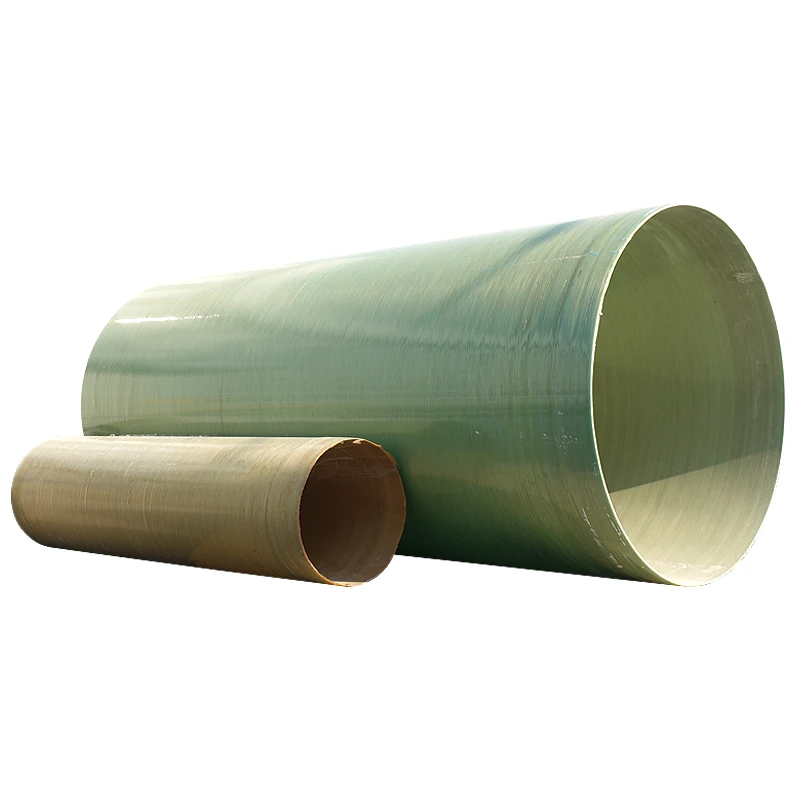
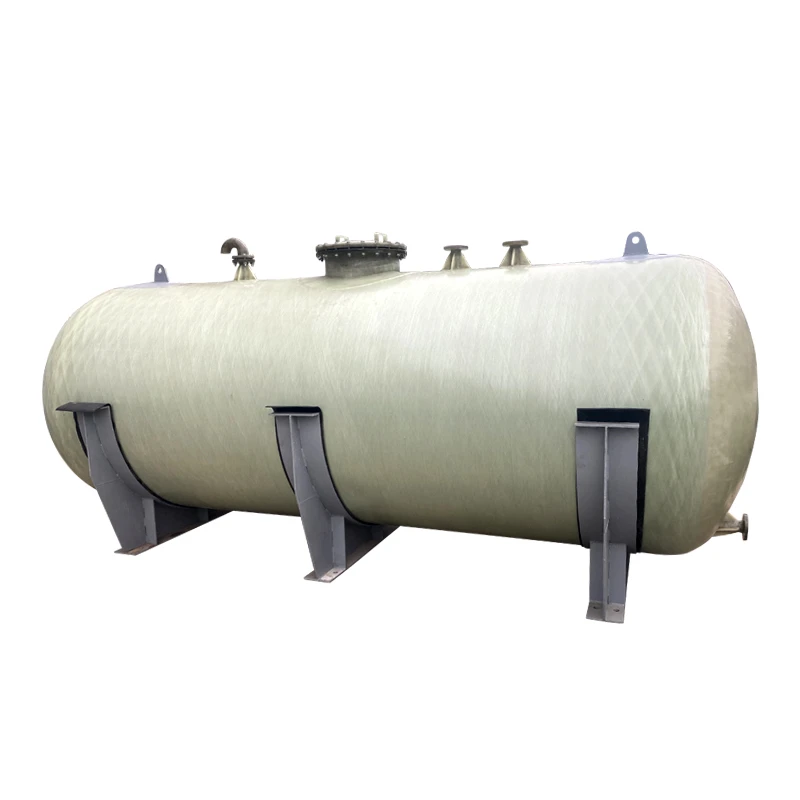
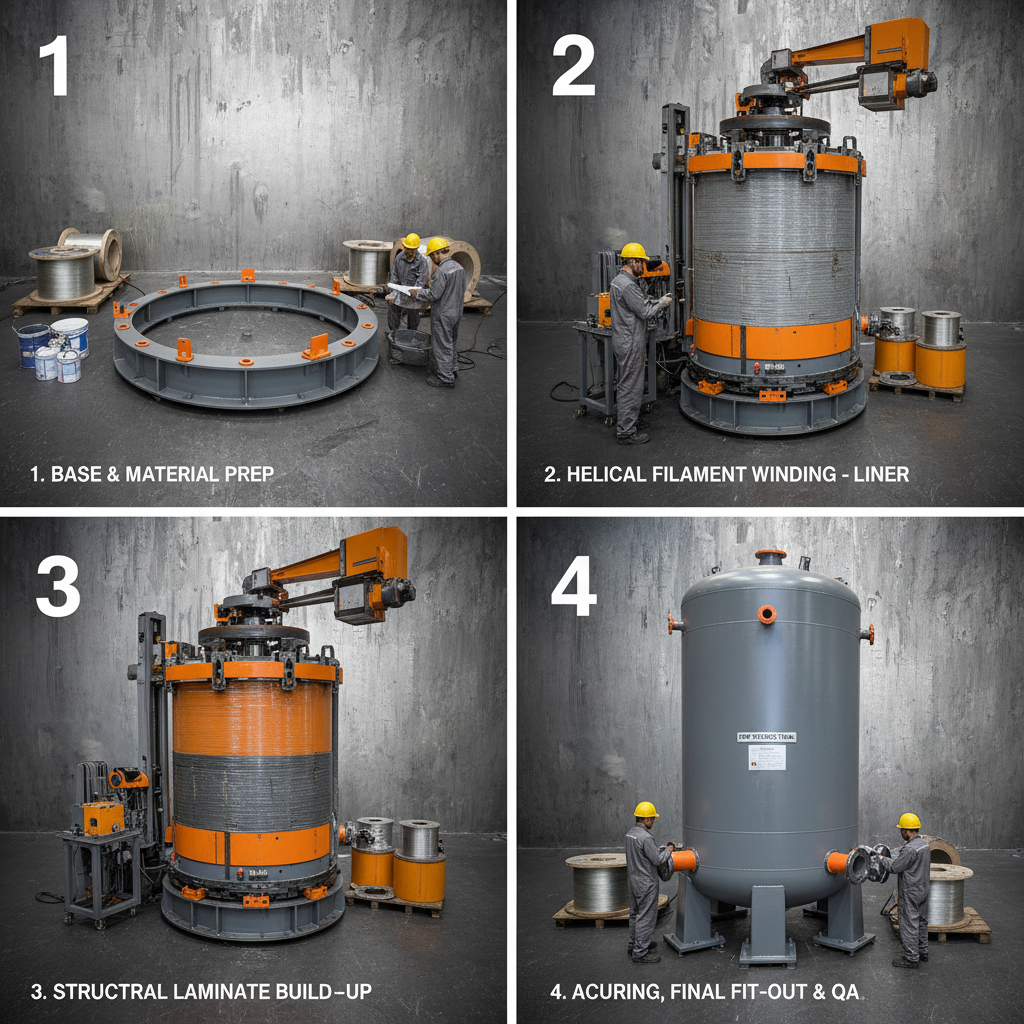
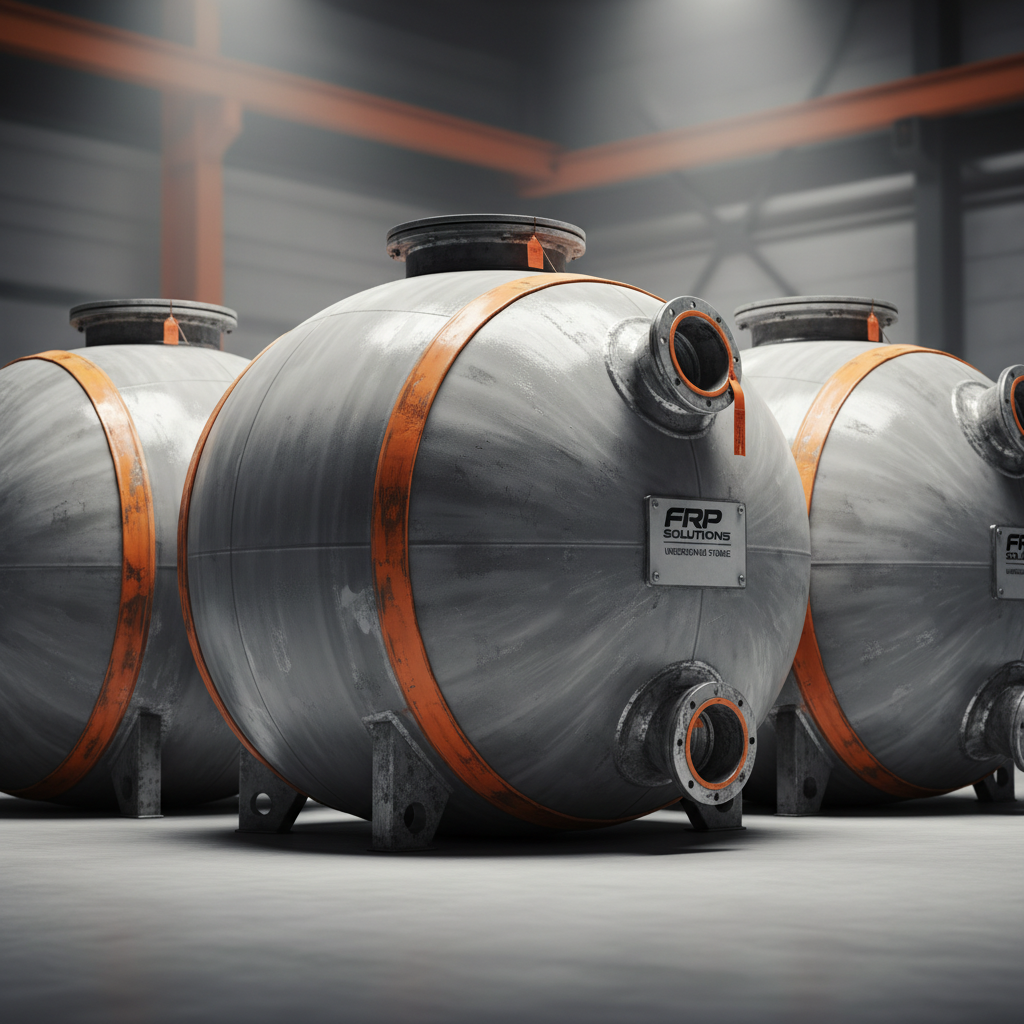
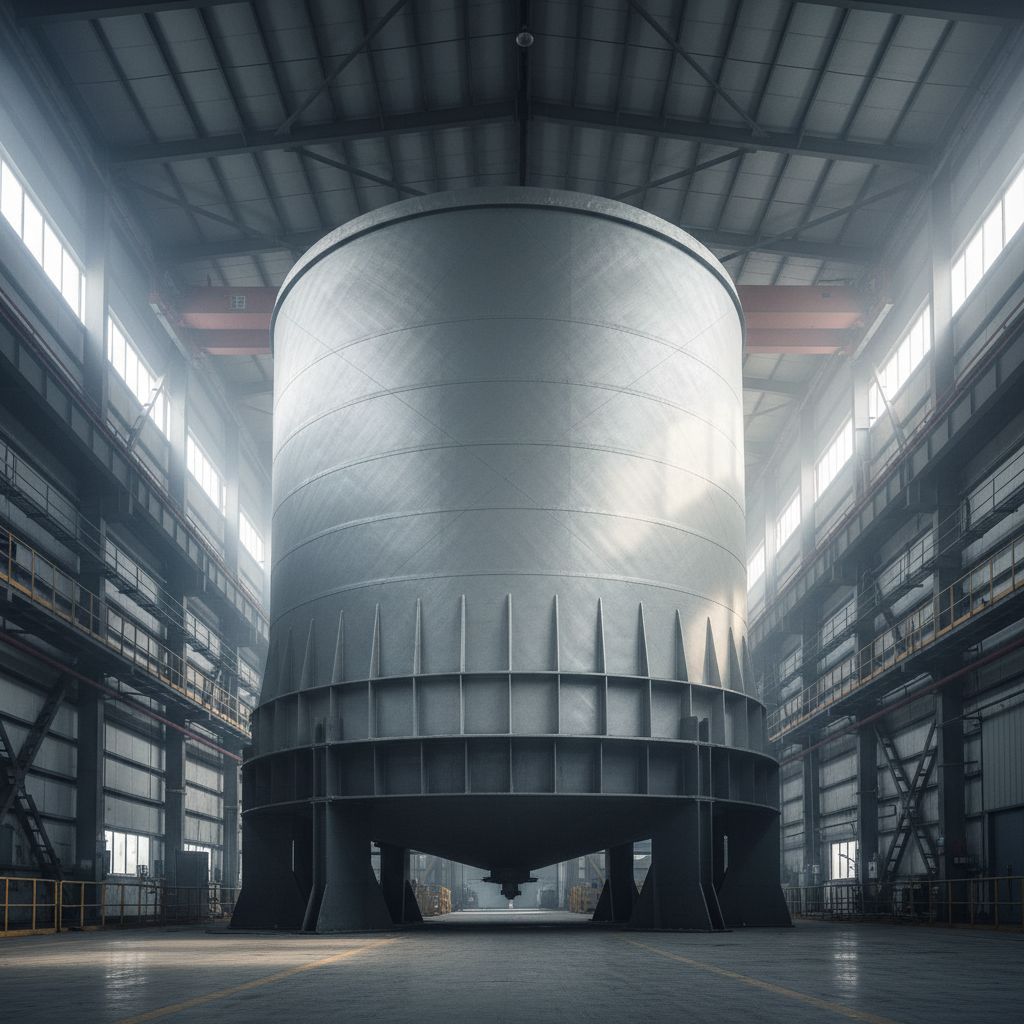
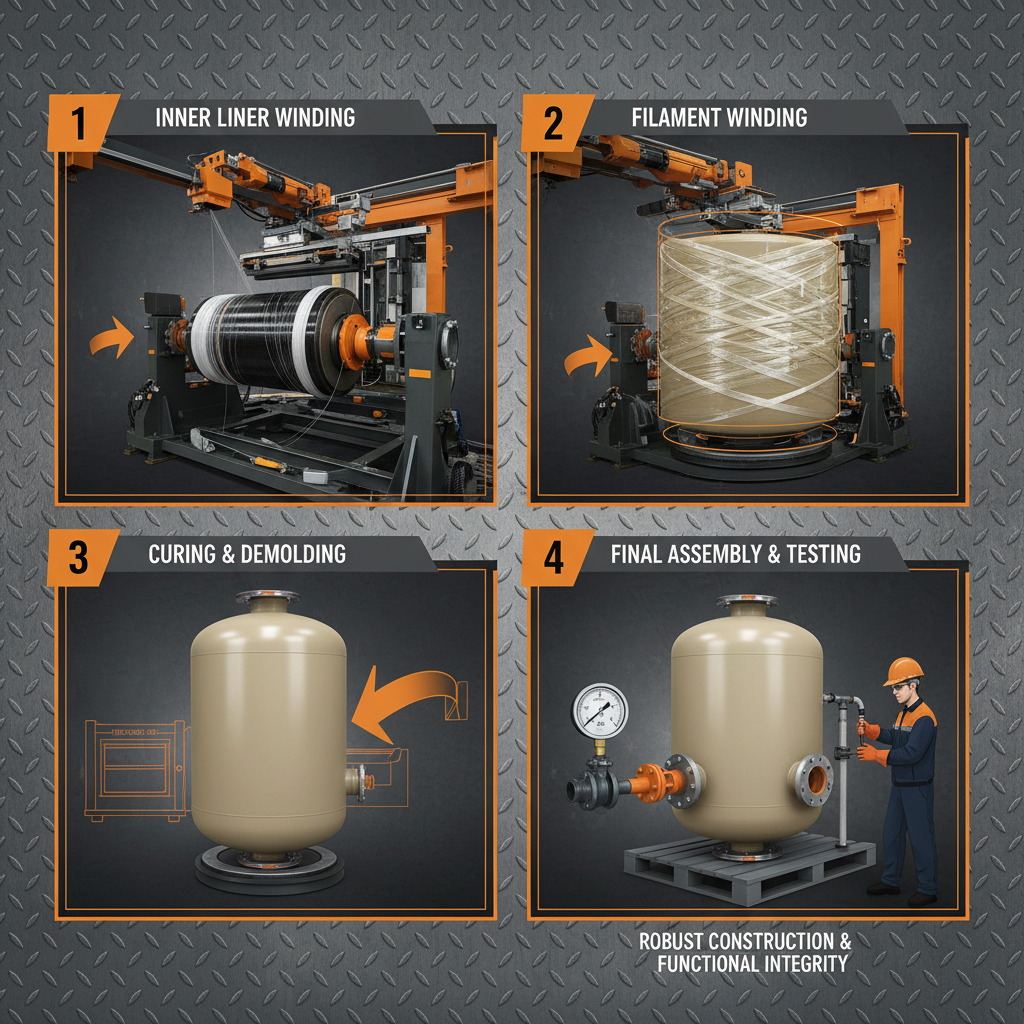
Simply put, fiberglass chemical tanks are storage containers made of fiberglass-reinforced plastic (FRP). This composite material combines plastic resin with glass fibers, creating a container that’s lightweight yet remarkably strong. Unlike metal tanks, these don't rust or wear down when exposed to harsh chemicals. So they’re especially valuable when holding acids, bases, or solvents that would corrode traditional steel vessels over time.

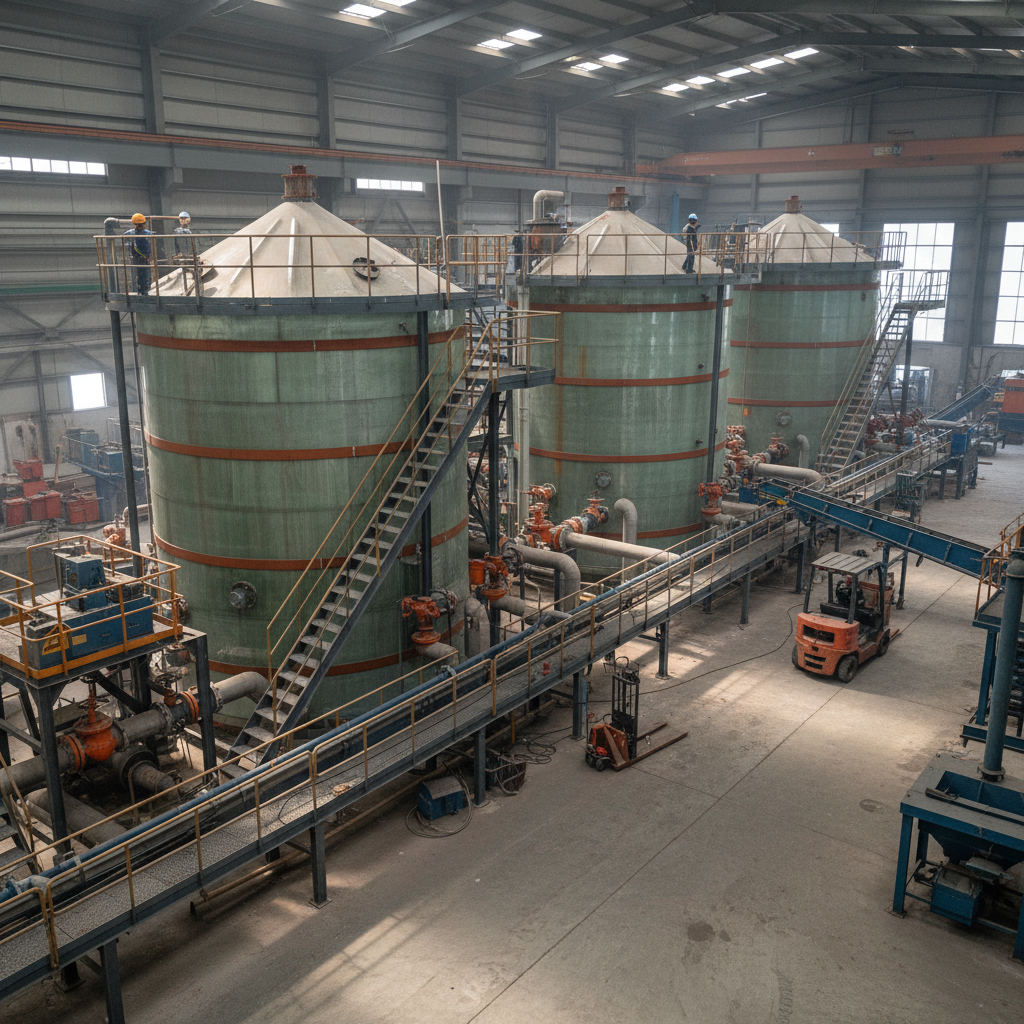
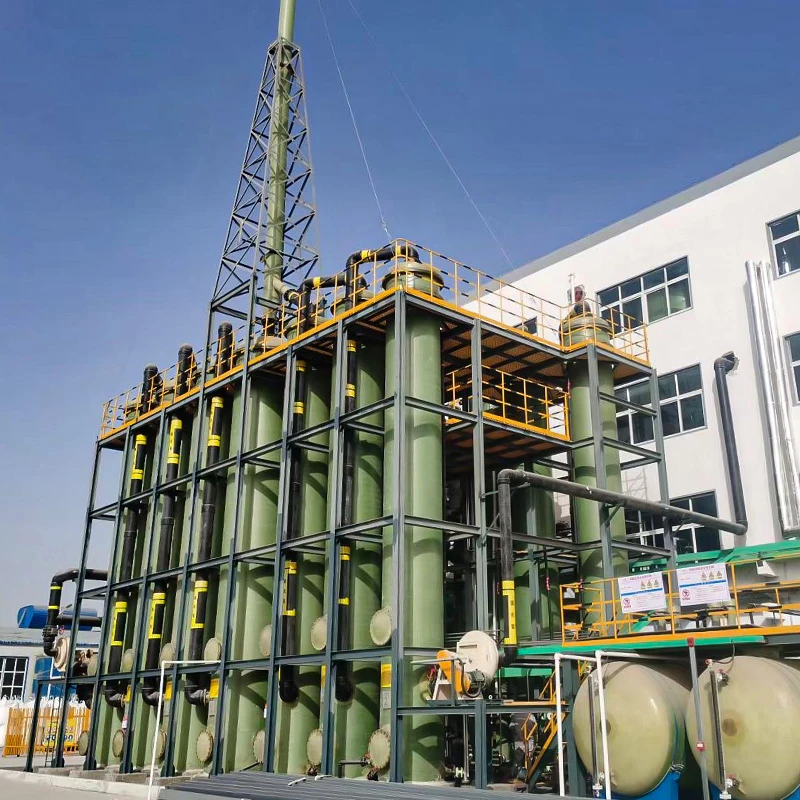
They’re used extensively in industries needing safe chemical containment — from wastewater treatment plants to fertilizer manufacturing and even food-processing sectors that require certified chemical-grade tanks. Beyond industry, organizations conducting relief operations in disaster-stricken or remote locations use fiberglass tanks due to their portability and durability under difficult conditions.

Key Features of Fiberglass Chemical Tanks

1. Durability & Chemical Resistance

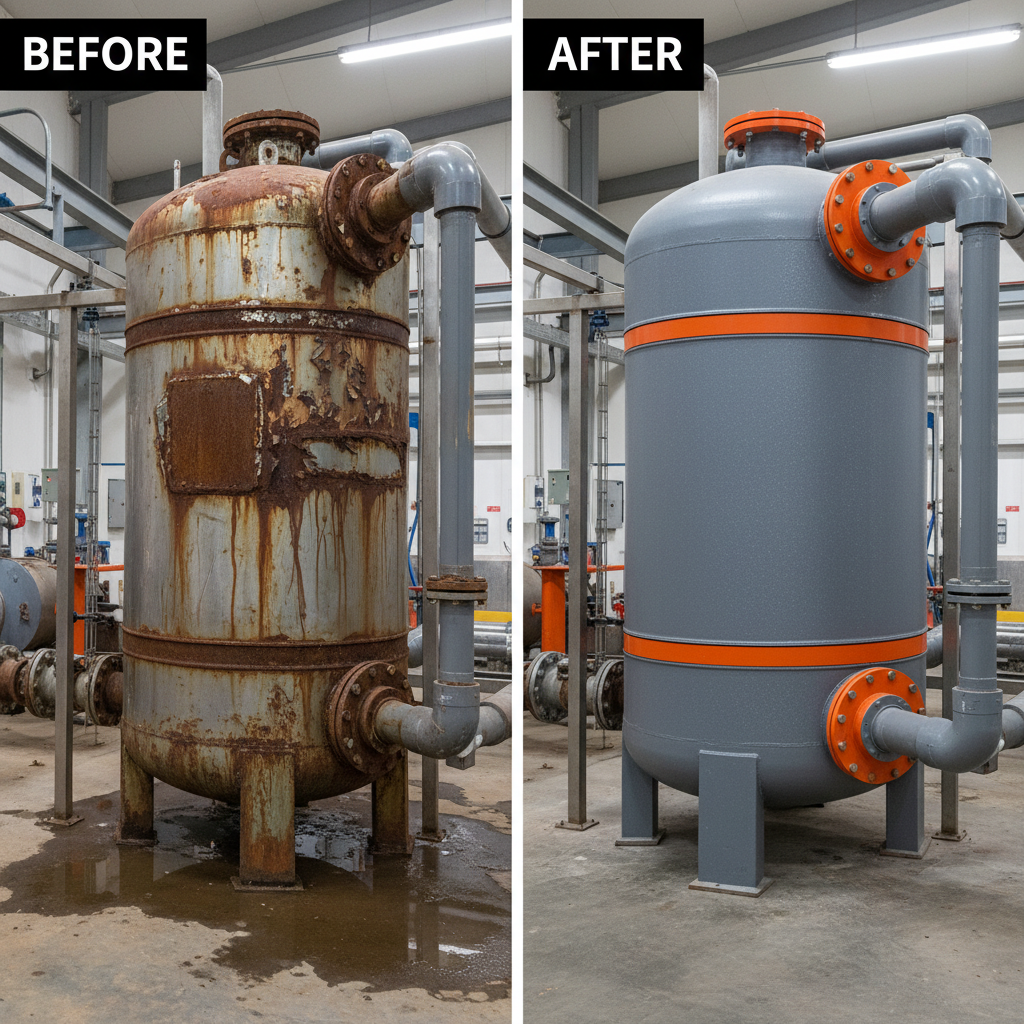
The core appeal of these tanks lies in their superb resistance to corrosion from acids, alkalis, and more. Steel tanks often need expensive coatings, but fiberglass vessels naturally resist chemical attack, allowing for longer service life and fewer maintenance headaches.

2. Lightweight Yet Strong

Despite their robustness, fiberglass tanks weigh a fraction of steel tanks of comparable volume. This makes transportation and installation easier and less costly. Many engineers I’ve spoken to highlight this as a real game-changer when tanks need relocating or quick deployment.

3. Scalability and Customization

From small batch chemical processors needing simple tanks to large industrial complexes requiring giant custom shapes, fiberglass can be molded into virtually any size or design. This flexibility includes adding reinforcements for underground tanks or special fittings for aggressive chemicals.

4. Cost Efficiency Over Time

Upfront costs might be a bit higher than some plastic tanks or bare steel options, but their longevity and low maintenance often make fiberglass the smarter investment. Avoiding frequent replacements or repair keeps total costs down.

5. Environmental Benefits

Fiberglass composite tanks help reduce environmental hazards by minimizing leaks and chemical contamination. Additionally, advances in recyclable resins may soon make these tanks more circular economy-friendly.

Practical Applications Across the Globe

Fiberglass chemical tanks have carved niches in diverse industries and regions:

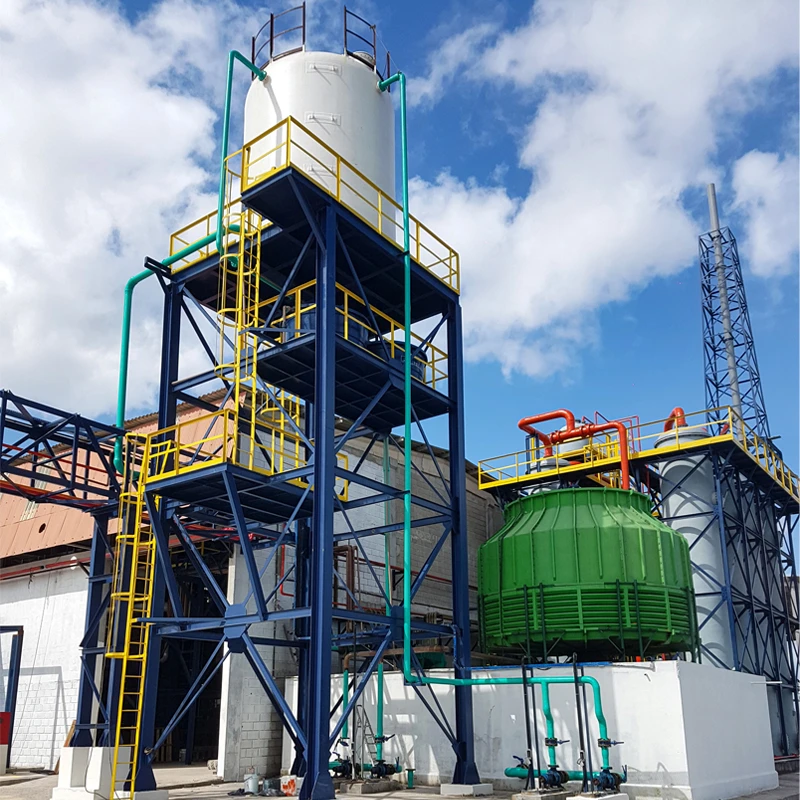
  • Water Treatment Plants: Municipalities worldwide — from Europe to Latin America — depend on these tanks to safely store treatment chemicals like chlorine or flocculants.
  • Agricultural Sector: Storing fertilizers and pesticides safely is critical in countries like India and Brazil, where heavy farm chemical usage requires reliable containment.
  • Remote Industrial Zones: In mining operations in Africa or oil extraction in the Middle East, their lightweight nature supports quick setup and transport in difficult terrain.
  • Disaster Relief Efforts: NGOs use fiberglass tanks to provide safe potable water storage in areas struck by floods or earthquakes, where steel tanks might rust or break down too fast.

Mini takeaway: fiberglass chemical tanks aren’t just industrial fashion—they’re a practical solution that touches every corner of the globe, adapting to both everyday needs and crisis situations.

Advantages & Long-Term Value of Fiberglass Tanks

Let’s be frank: chemical storage tanks have to prove themselves year after year. Fiberglass tanks deliver consistent advantages:

  • Cost Effectiveness: Reduced maintenance and fewer replacements save money over decades.
  • Safety & Reliability: Enhanced corrosion resistance minimizes risk of leaks or accidents, protecting people and ecosystems.
  • Sustainability: Lower transport emissions due to reduced weight and improving recyclability add an eco-friendly edge.
  • Innovation & Trust: Growing adoption worldwide feeds ongoing R&D and higher standards, which in turn builds trust across sectors.

Fiberglass Chemical Tank Product Specifications

Feature Specification
Material Fiberglass Reinforced Plastic (FRP)
Capacity Range 500 - 50,000 gallons
Temperature Range -40°C to 120°C (-40°F to 248°F)
Chemical Resistance Acids, Alkalis, Solvents, Salts
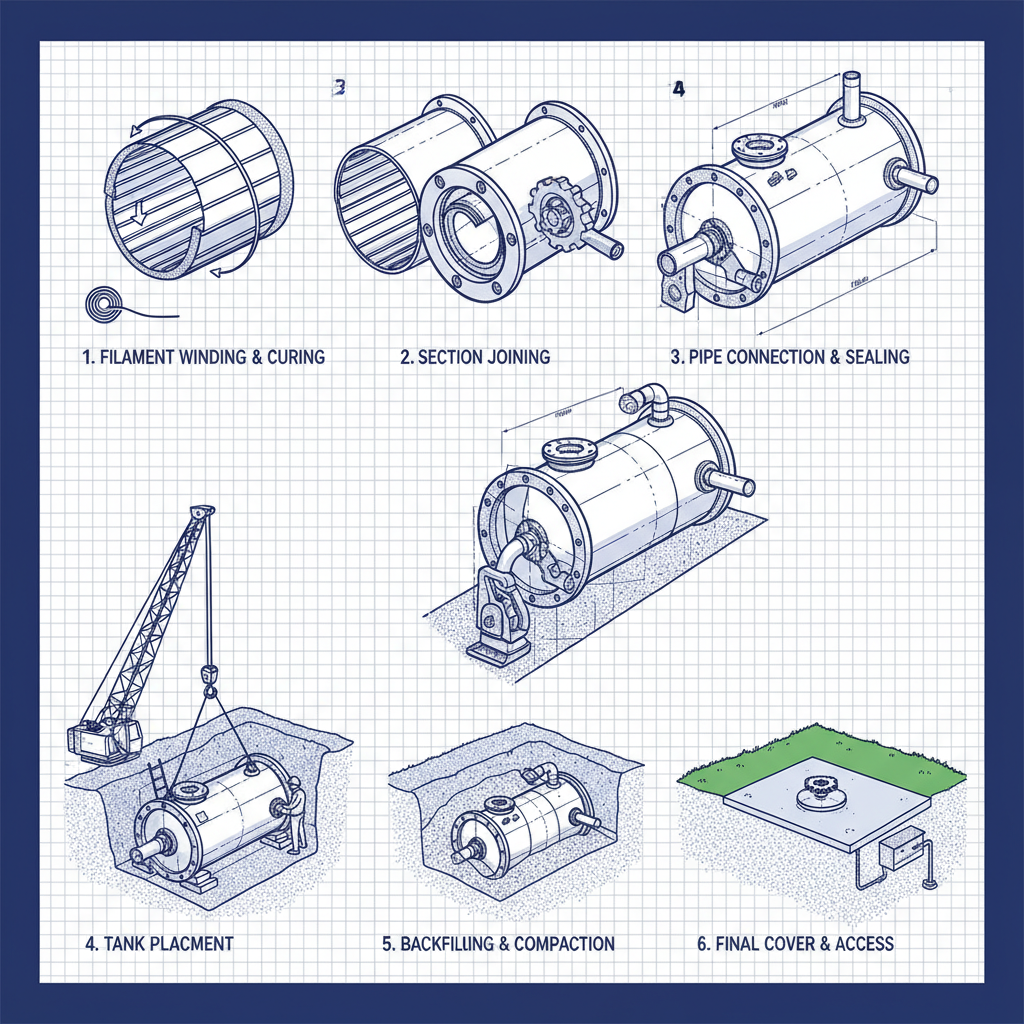
Installation Aboveground, Underground (custom built)
Warranty 5-15 years depending on use case

Comparing Leading Fiberglass Chemical Tank Vendors

Vendor Customization Delivery Time Price Range Geographic Reach
Alpha FRP Solutions High 4-6 weeks $$$ North America, Europe
Global Chemical Tanks Inc. Medium 3-5 weeks $$ Asia-Pacific, Africa
EcoTank Systems High 6-8 weeks $$$ Global

Future Trends & Innovations

Looking ahead, fiberglass chemical tanks are evolving with innovations in material science, sustainable practices, and smart technologies. Researchers are exploring bio-based resins to replace petrochemical plastics, potentially making tanks fully recyclable. Automated monitoring systems with embedded sensors for leak detection and temperature control are becoming more common — kind of like having a tank with a built-in safety watchdog.

Digital twins and IoT integrations might soon allow operators to simulate chemical interactions inside tanks, optimizing usage and preventive maintenance. As green energy grows, tanks may be designed specifically for novel biofuels or hydrogen storage in more resilient FRP-based containers, bridging industry with climate goals.

Challenges & Practical Solutions

Fiberglass chemical tanks aren’t all sunshine and rainbows. Challenges include damage from UV exposure over time, potential brittleness in extremely cold climates, and somewhat higher initial costs compared to plastic or metal alternatives. Logistics can be tricky too — large tanks require specialized transport and handling equipment.

Manufacturers now combat these issues by advancing UV-resistant coatings, improving resin formulations for cold weather, and adopting modular tank designs for easier shipment. Partnering with local experts to customize tanks to regional climate and chemical specifics also helps. I’d say it all boils down to choosing the right tank for your specific environment and operational demands.

FAQ: Fiberglass Chemical Tanks

Q: How long can fiberglass chemical tanks last in typical industrial settings?
A: With proper maintenance and environmental considerations, fiberglass tanks often function reliably for 15-25 years. Their corrosion resistance significantly extends their lifespan compared to steel.
Q: Are fiberglass tanks safe for food-grade chemical storage?
A: Yes, many fiberglass tanks are manufactured with FDA-compliant resins and coatings, making them suitable for certain food-grade chemical applications. Always confirm with suppliers.
Q: Can fiberglass tanks be installed underground?
A: Absolutely. Specialized fiberglass tanks designed for underground installation come with reinforced walls and corrosion protection to withstand soil pressures and moisture.
Q: How do I transport large fiberglass chemical tanks internationally?
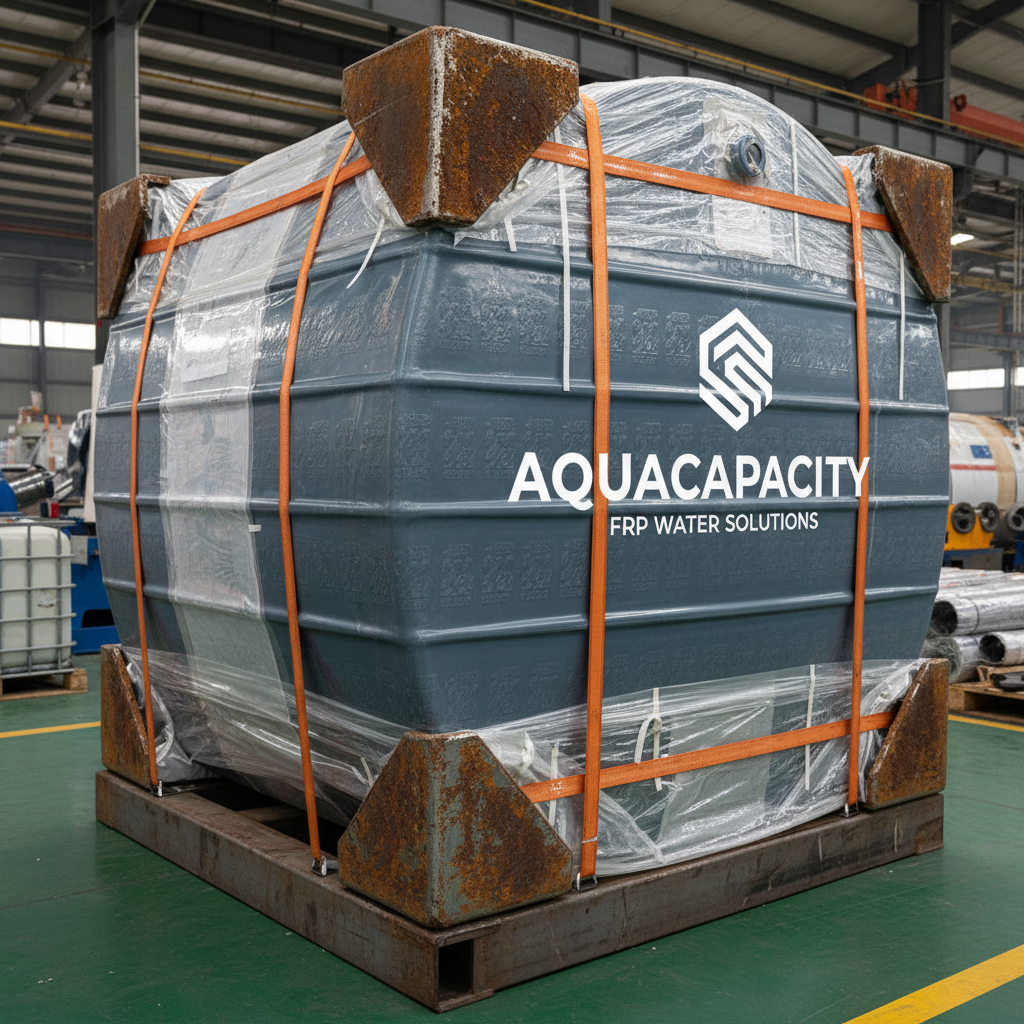
A: Tanks may be shipped fully assembled or in modular sections, depending on size and transport constraints. Working with vendors experienced in export logistics helps navigate customs and shipping regulations.
Q: What chemical types should not be stored in fiberglass tanks?
A: While fiberglass is compatible with many chemicals, certain solvents or highly oxidizing agents may require special resin formulations or alternative materials. Always consult material compatibility charts.

Conclusion: Safe, Reliable, and Forward Looking

Reflecting on the global need for efficient chemical storage, fiberglass chemical tanks emerge as an indispensable solution that blends strength, versatility, and sustainability. They protect workers, communities, and the environment by reducing spill risks while offering flexible deployment options even in the harshest conditions. I encourage anyone tasked with fluid chemical containment to explore fiberglass tanks — they’re no longer niche but a frontline player in modern infrastructure.

Curious to learn more? Visit our site at fiberglass chemical tanks for detailed info and expert guidance.
References

  1. ISO 9001 Quality Management
  2. UNCTAD Chemicals Industry Overview
  3. Fiberglass - Wikipedia
Upsell Products
Upsell News
Durable FRP Vessel for Water Treatment and Industrial Filtration
Apr 16,2026
Durable FRP Vessel for Water Treatment and Industrial Filtration
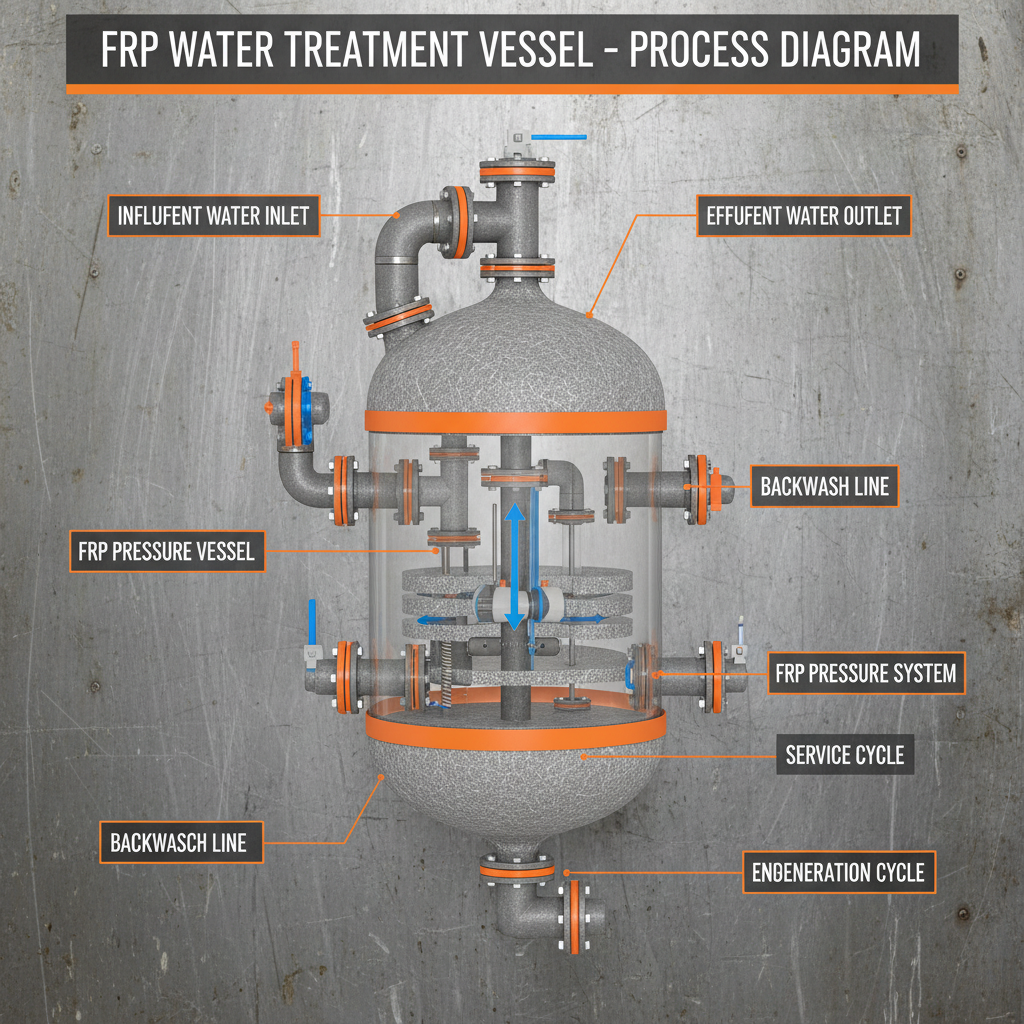
In the modern era of industrial and residential water purification, the choice of containment materials is critical for efficiency and longevity. An frp vessel for water treatment has emerged as the gold standard, replacing traditional steel tanks due to its superior corrosion resistance and lightweight properties. Whether you are dealing with desalination, softening, or filtration, using Fiber Reinforced Plastic (FRP) ensures that your system remains leak-proof and durable against aggressive chemicals. In this comprehensive guide, we will explore why FRP is the preferred choice for water treatment professionals worldwide and how to select the right vessel for your specific application.
Industrial Guide for Choosing the Right FRP Vertical Tank
Apr 09,2026
Industrial Guide for Choosing the Right FRP Vertical Tank
In today's industrial landscape, the storage of corrosive chemicals and aggressive liquids requires materials that can withstand extreme conditions without degrading. The frp vertical tank has emerged as a premier solution, offering an exceptional balance of strength, lightweight properties, and unmatched chemical resistance. Whether you are managing a water treatment plant or a chemical processing facility, understanding the nuances of Fiber Reinforced Plastic (FRP) is essential for ensuring operational safety and longevity. In this comprehensive guide, we will explore why vertical configurations are preferred and how these tanks outperform traditional metal alternatives.
Comprehensive Guide to FRP Underground Water Tank Solutions and Applications
Apr 07,2026
Comprehensive Guide to FRP Underground Water Tank Solutions and Applications
Fiberglass Reinforced Polymer (FRP) underground water tanks are becoming increasingly popular for a wide range of applications, from potable water storage to industrial wastewater containment. Their superior corrosion resistance, lightweight nature, and design flexibility make them an excellent alternative to traditional materials like concrete or steel. This article will delve into the benefits, applications, construction, and considerations for implementing FRP underground water tanks, providing a comprehensive overview for engineers, contractors, and project managers.
Comprehensive Guide to Frp Underground Water Storage Tanks and Their Applications
Apr 04,2026
Comprehensive Guide to Frp Underground Water Storage Tanks and Their Applications
When considering water storage solutions, particularly for industrial, agricultural, or municipal applications, frp underground water storage tanks stand out as a durable, cost-effective, and environmentally friendly option. These tanks are increasingly favored over traditional materials like concrete or steel due to their superior corrosion resistance, lighter weight, and ease of installation. This article delves into the benefits, applications, construction, and considerations when choosing an FRP tank, providing a detailed overview for potential buyers and project planners.
Sulfuric Acid Production Line - Hebei Aoliande|Efficient H2SO4 Plant Technology
Apr 01,2026
Sulfuric Acid Production Line - Hebei Aoliande|Efficient H2SO4 Plant Technology
Discover efficient H2SO4 plant technology and advanced sulfuric acid production solutions. Hebei Aoliande combines energy-saving furnace design and eco-friendly HCl recovery systems for sustainable industrial applications. Explore now: https://www.frpgrpmachine.com/sulfuric-acid-production-line-for-h2so4-plant.html
Sulfuric Acid Production Line - Hebei Aoliande|Efficient H2SO4 Plant Technology
Apr 01,2026
Sulfuric Acid Production Line - Hebei Aoliande|Efficient H2SO4 Plant Technology
Discover efficient H2SO4 plant technology and advanced sulfuric acid production solutions. Hebei Aoliande combines energy-saving furnace design and eco-friendly HCl recovery systems for sustainable industrial applications. Explore now: https://www.frpgrpmachine.com/sulfuric-acid-production-line-for-h2so4-plant.html
Sulfuric Acid Production Line - Hebei Aoliande|Efficient H2SO4 Plant Technology
Apr 01,2026
Sulfuric Acid Production Line - Hebei Aoliande|Efficient H2SO4 Plant Technology
Discover efficient H2SO4 plant technology and advanced sulfuric acid production solutions. Hebei Aoliande combines energy-saving furnace design and eco-friendly HCl recovery systems for sustainable industrial applications. Explore now: https://www.frpgrpmachine.com/sulfuric-acid-production-line-for-h2so4-plant.html
Sulfuric Acid Production Line - Hebei Aoliande|Efficient H2SO4 Plant Technology
Apr 01,2026
Sulfuric Acid Production Line - Hebei Aoliande|Efficient H2SO4 Plant Technology
Discover efficient H2SO4 plant technology and advanced sulfuric acid production solutions. Hebei Aoliande combines energy-saving furnace design and eco-friendly HCl recovery systems for sustainable industrial applications. Explore now: https://www.frpgrpmachine.com/sulfuric-acid-production-line-for-h2so4-plant.html
Sulfuric Acid Production Line - Hebei Aoliande|Efficient H2SO4 Plant Technology
Apr 01,2026
Sulfuric Acid Production Line - Hebei Aoliande|Efficient H2SO4 Plant Technology
Discover efficient H2SO4 plant technology and advanced sulfuric acid production solutions. Hebei Aoliande combines energy-saving furnace design and eco-friendly HCl recovery systems for sustainable industrial applications. Explore now: https://www.frpgrpmachine.com/sulfuric-acid-production-line-for-h2so4-plant.html
Sulfuric Acid Production Line - Hebei Aoliande|Efficient H2SO4 Plant Technology
Apr 01,2026
Sulfuric Acid Production Line - Hebei Aoliande|Efficient H2SO4 Plant Technology
Discover efficient H2SO4 plant technology and advanced sulfuric acid production solutions. Hebei Aoliande combines energy-saving furnace design and eco-friendly HCl recovery systems for sustainable industrial applications. Explore now: https://www.frpgrpmachine.com/sulfuric-acid-production-line-for-h2so4-plant.html
Comprehensive Guide to Frp Underground Storage Tanks for Reliable Storage Solutions
Mar 31,2026
Comprehensive Guide to Frp Underground Storage Tanks for Reliable Storage Solutions
Fiberglass Reinforced Polymer (FRP) underground storage tanks are becoming increasingly popular for a wide range of applications, from fuel storage to wastewater management. Their corrosion resistance, lightweight nature, and durability offer significant advantages over traditional materials like steel. This article will provide an in-depth look at FRP underground storage tanks, covering their benefits, applications, installation, and maintenance. Understanding these aspects is crucial for making informed decisions about long-term storage solutions.
Comprehensive Guide to Selecting the Ideal FRP Tank for Water Storage Solutions
Mar 28,2026
Comprehensive Guide to Selecting the Ideal FRP Tank for Water Storage Solutions
When it comes to reliable and durable water storage, FRP tanks for water are increasingly becoming the preferred solution for a wide range of applications. These tanks, constructed from Fiber Reinforced Polymer (FRP) materials, offer significant advantages over traditional storage options like steel or concrete. This article delves into the benefits, applications, and considerations when selecting an FRP tank for your water storage needs, providing a detailed overview for businesses and individuals alike.
Comprehensive Guide to Frp Tank and Vessel Applications and Manufacturing
Mar 26,2026
Comprehensive Guide to Frp Tank and Vessel Applications and Manufacturing
Fiber Reinforced Polymer (FRP) tanks and vessels are increasingly becoming the preferred choice for storage and processing across a multitude of industries. Their lightweight nature, corrosion resistance, and design flexibility offer significant advantages over traditional materials like steel. This article will delve into the intricacies of FRP tanks and vessels, exploring their applications, manufacturing processes, benefits, and considerations for selecting the right solution for your specific needs. We’ll also highlight why FRP tanks are a cost-effective and reliable long-term investment. FRP tanks and vessels are constructed from a combination of reinforcing fibers (such as fiberglass, carbon fiber, or aramid fiber) embedded in a polymer matrix (typically polyester, vinyl ester, or epoxy resin). This combination creates a composite material that boasts high strength-to-weight ratio, exceptional corrosion resistance, and the ability to be molded into complex shapes. They’re designed to safely contain a wide variety of liquids and gases, ranging from corrosive chemicals and water to food products and pharmaceuticals.
Optimizing Water Filtration with Durable FRP Sand Filter Vessels
Mar 24,2026
Optimizing Water Filtration with Durable FRP Sand Filter Vessels
In water treatment and filtration systems, the choice of filter vessel material is paramount. Fiber Reinforced Plastic (FRP), also known as Glass Reinforced Polymer (GRP), sand filter vessels are increasingly popular due to their superior corrosion resistance, lightweight nature, and cost-effectiveness. This article delves into the benefits, applications, design considerations, and factors to consider when selecting an FRP sand filter vessel. Whether you are involved in municipal water treatment, industrial wastewater management, or recreational water filtration, understanding FRP technology is essential for optimizing your filtration process. An FRP sand filter vessel is a containment unit designed to house filtration media, typically sand, gravel, and anthracite. These vessels are integral components in sand filtration systems used for removing suspended solids, turbidity, and other particulate matter from water. FRP construction involves layering glass fibers within a resin matrix (typically polyester or vinyl ester) to create a strong, durable, and chemically resistant shell. The strength and rigidity of the vessel are crucial for withstanding the pressure from the filtration media and the water flow.
Comprehensive Guide to FRP Round Tanks Applications and Benefits
Mar 21,2026
Comprehensive Guide to FRP Round Tanks Applications and Benefits
Fiber Reinforced Polymer (FRP) round tanks are increasingly becoming the preferred choice for storage solutions across a variety of industries. Their lightweight nature, corrosion resistance, and design flexibility offer significant advantages over traditional materials like steel. This article provides an in-depth look at FRP round tanks, exploring their applications, benefits, manufacturing processes, and key considerations when choosing the right tank for your needs. Whether you're in chemical processing, water treatment, or agriculture, understanding FRP round tanks is crucial for optimizing your storage infrastructure. FRP round tanks are constructed from a combination of reinforcing fibers (typically fiberglass, carbon fiber, or a blend) embedded in a polymer matrix (often polyester, vinyl ester, or epoxy resin). The round shape inherently provides excellent structural strength, distributing pressure evenly across the tank’s surface.
Comprehensive Guide to FRP Pressure Tanks Benefits and Applications
Mar 19,2026
Comprehensive Guide to FRP Pressure Tanks Benefits and Applications
Fiber Reinforced Polymer (FRP) pressure tanks are becoming increasingly popular in a wide range of industrial applications, offering a compelling alternative to traditional steel tanks. Known for their lightweight nature, corrosion resistance, and high strength-to-weight ratio, FRP tanks provide efficient and durable solutions for storing liquids and gases under pressure. This article will delve into the benefits, applications, construction, and key considerations when selecting an FRP pressure tank, helping you make an informed decision for your specific needs. Understanding the advantages of FRP technology can lead to significant cost savings and improved operational efficiency. Compared to steel, FRP pressure tanks offer several key advantages. The most significant is their superior corrosion resistance. Unlike steel, which is susceptible to rust and corrosion when exposed to various chemicals, FRP materials are inherently resistant to a wide range of corrosive substances. This translates to a longer lifespan, reduced maintenance costs, and increased safety. Furthermore, FRP is significantly lighter than steel, making installation easier and reducing transportation costs.
For More Details Pls Contact Us
Thank you for your interest in our gloves! We offer high-quality, durable, and comfortable gloves with fast delivery and competitive prices. For any questions or customization, feel free to contact us. We look forward to working with you!

If you are interested in our products, you can choose to leave your information here, and we will be in touch with you shortly.