Dec 01,2025

Durable Fiberglass Brine Tanks for Efficient Chemical & Water Storage | Trusted FRP Solutions

Understanding Fiberglass Brine Tanks: Global Importance and Practical Benefits

Fiberglass brine tanks – they might sound niche, but if your work or interest touches water treatment, desalination, or chemical storage, getting to know them is worthwhile. These tanks have quietly become crucial worldwide for managing salt solutions efficiently, safely, and sustainably. From municipal water plants to remote industrial sites, their unique construction offers key advantages. But why does this matter globally? Well, clean water access, industrial chemical handling, and infrastructure durability are pressing issues across continents. Grasping fiberglass brine tanks’ role can unlock smarter resource management and long-term savings in many sectors.

The Global Context: Why Fiberglass Brine Tanks Matter Today

Globally, water scarcity affects over 2 billion people, and the demand for effective water softening and desalination is surging. According to the United Nations World Water Development Report (2023), sustainable water treatment solutions are urgent for both urban and rural areas. Fiberglass brine tanks are becoming a preferred choice because traditional steel or concrete tanks face corrosion or leakage risks from high-salinity solutions.

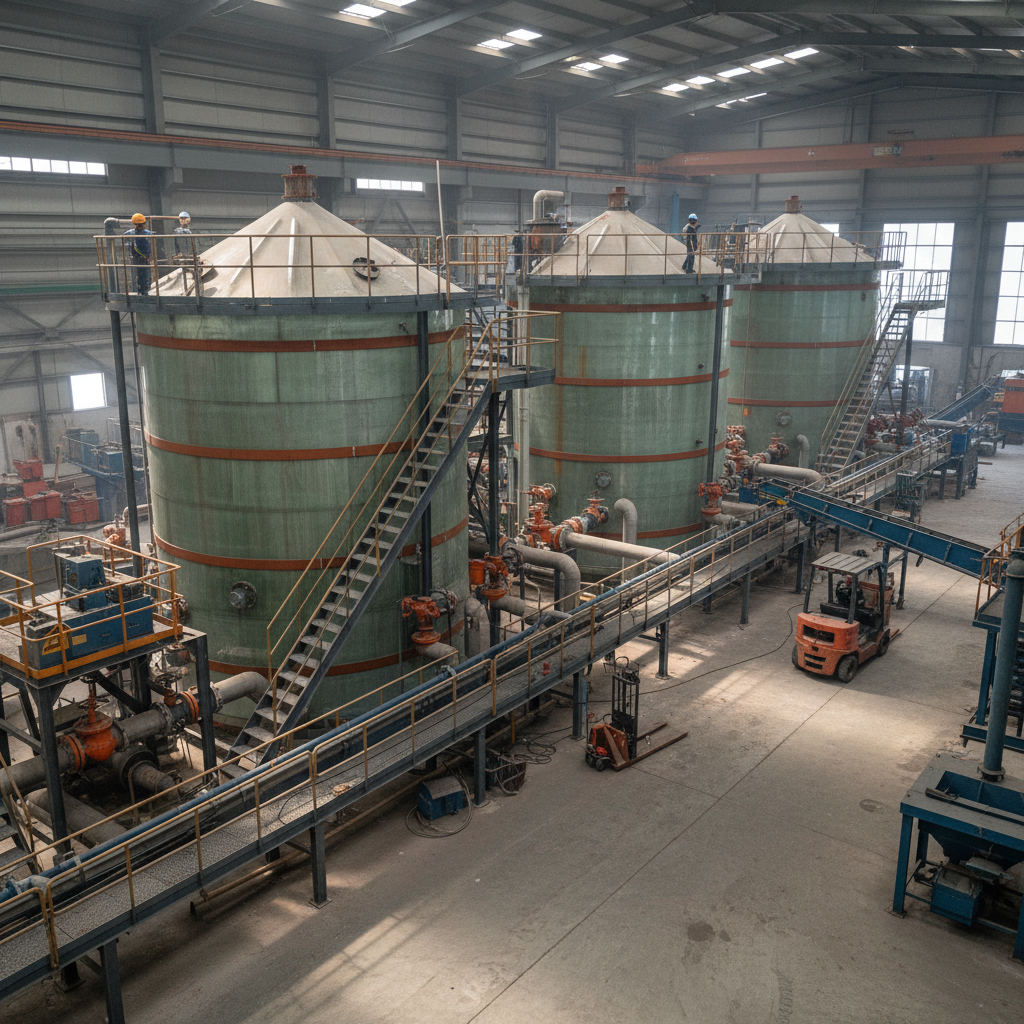
Industrial water softening plants, municipal wastewater treatment, and even mining operations grapple with storing brine safely. The tanks provide a scalable, resilient option that addresses these challenges. Plus, modern environmental standards and industry protocols from bodies like ISO 9001 call for reliable materials that reduce contamination risks and extend equipment life. So, when we talk about fiberglass brine tanks, we're diving into a key player in a global effort toward cleaner, safer water handling.

What Exactly Are Fiberglass Brine Tanks?

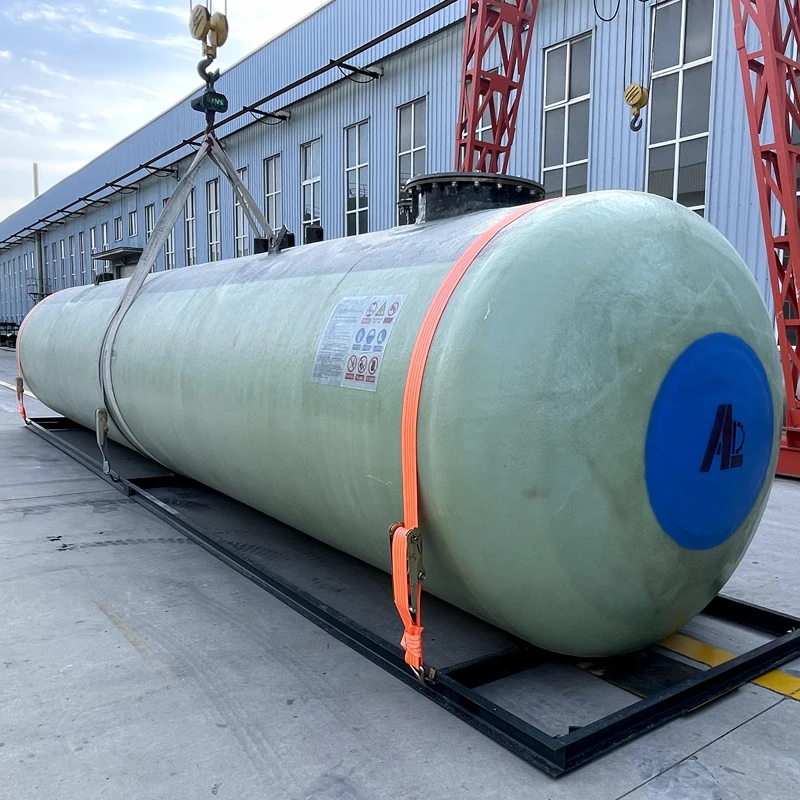
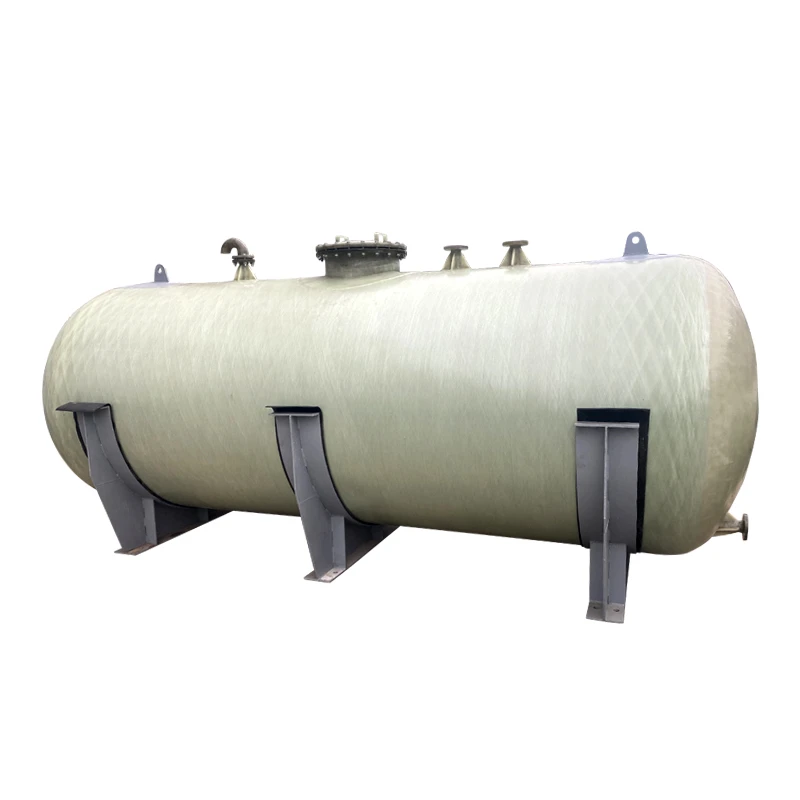
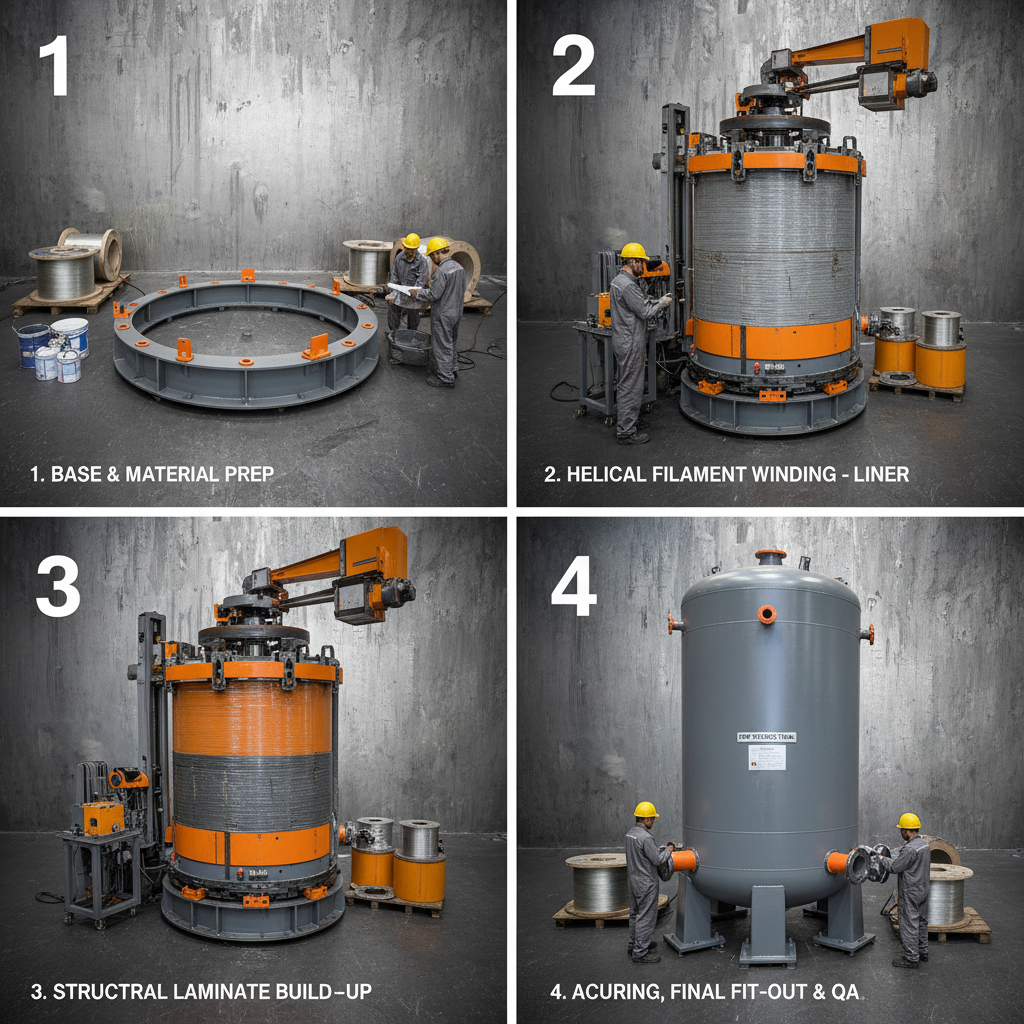
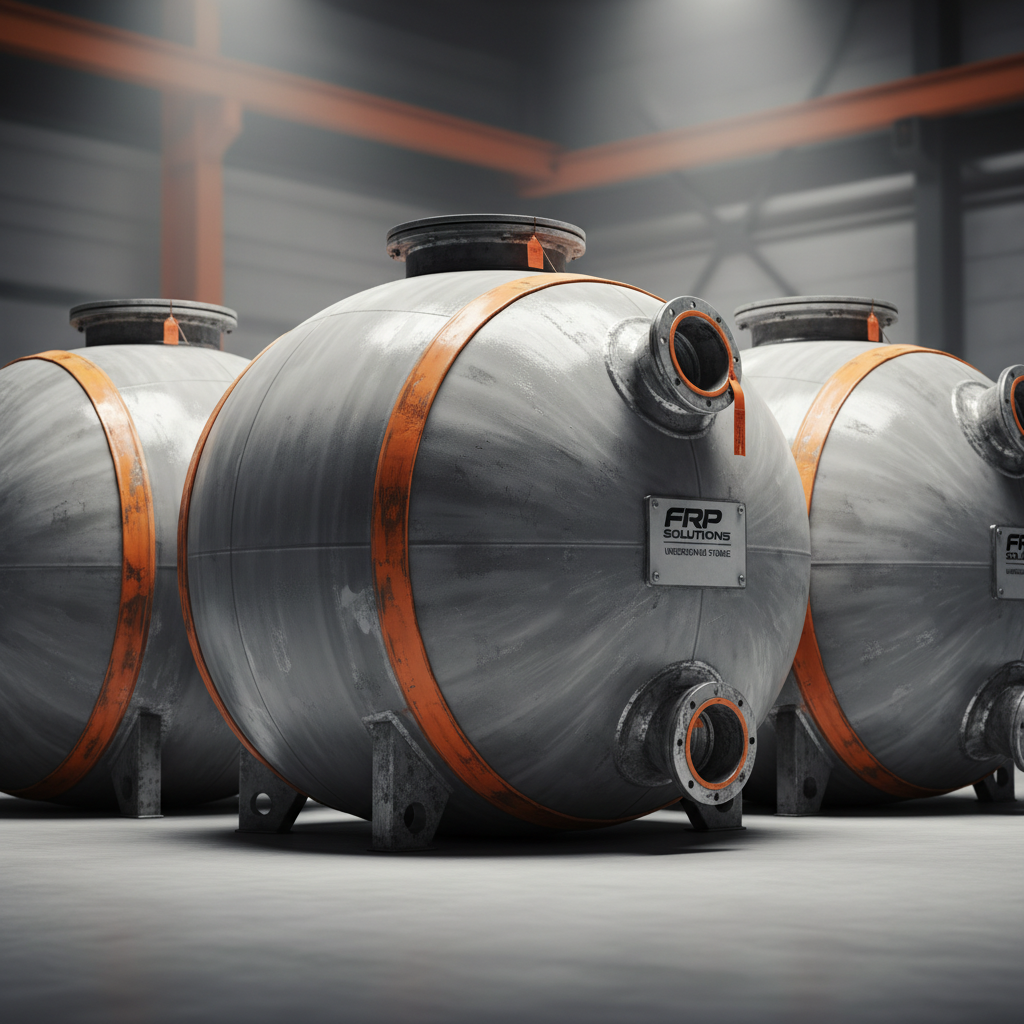
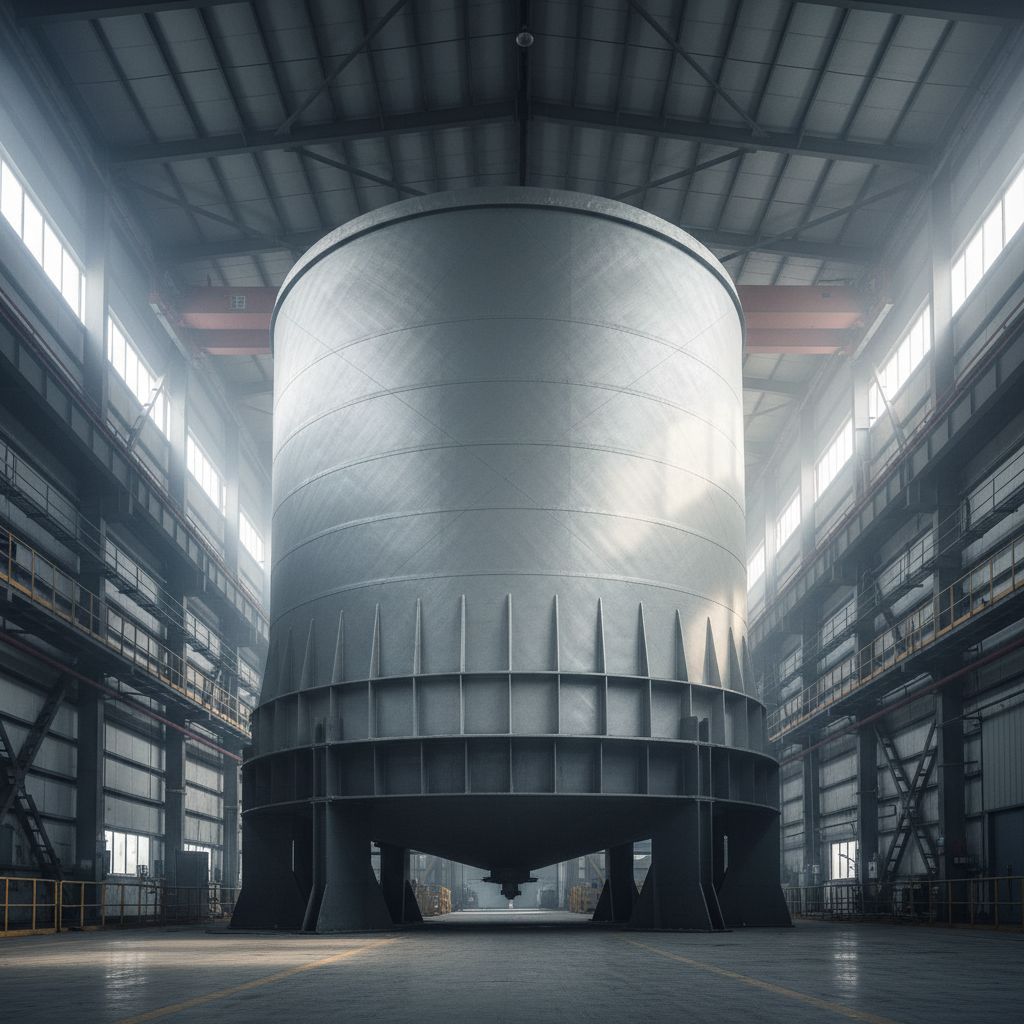
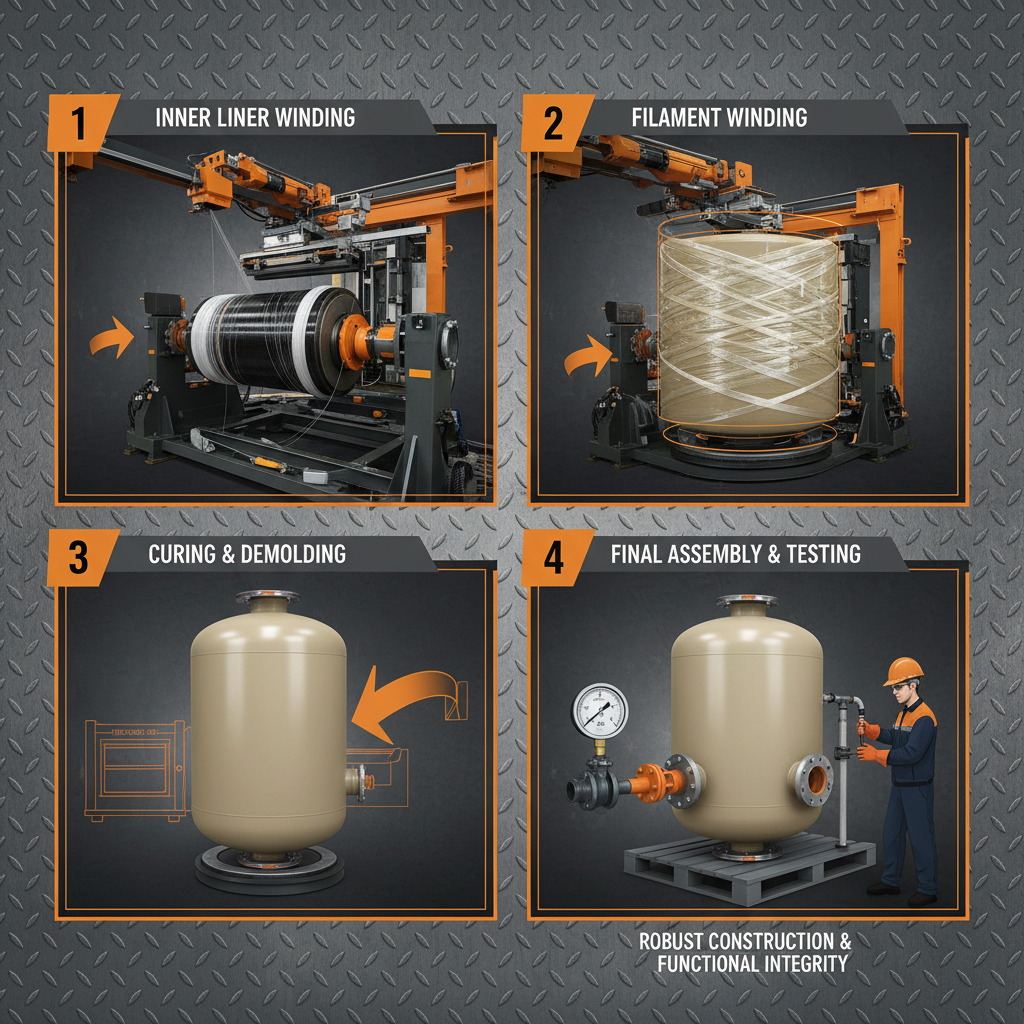
In simple terms, fiberglass brine tanks are containers made from fiberglass-reinforced plastic (FRP) designed specifically to store high-concentration saltwater solutions, known as brine. They offer superior corrosion resistance compared to metal tanks, are lightweight yet strong, and often feature molded or layered construction for durability.

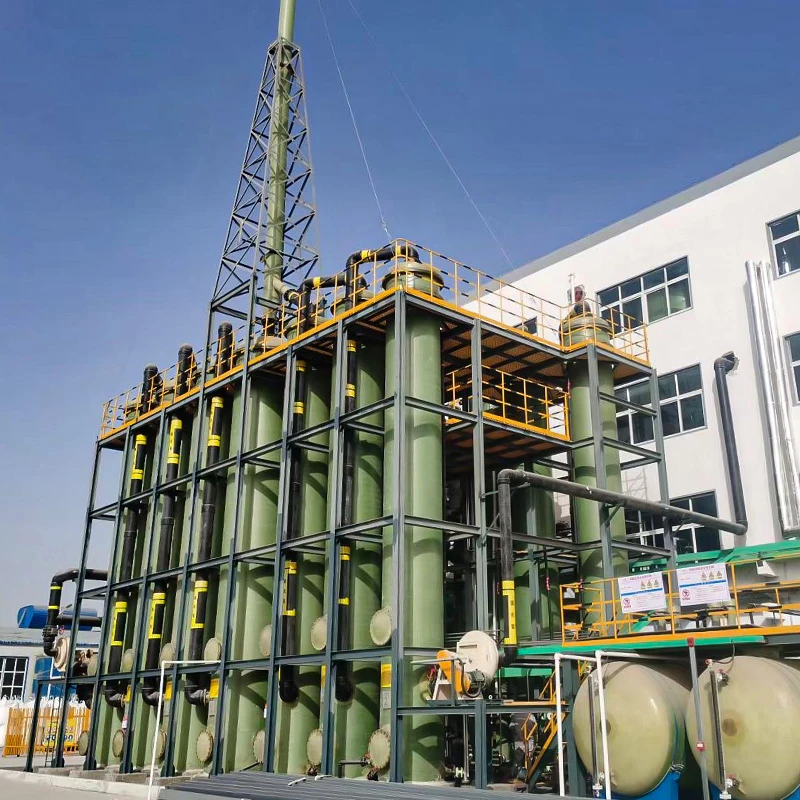
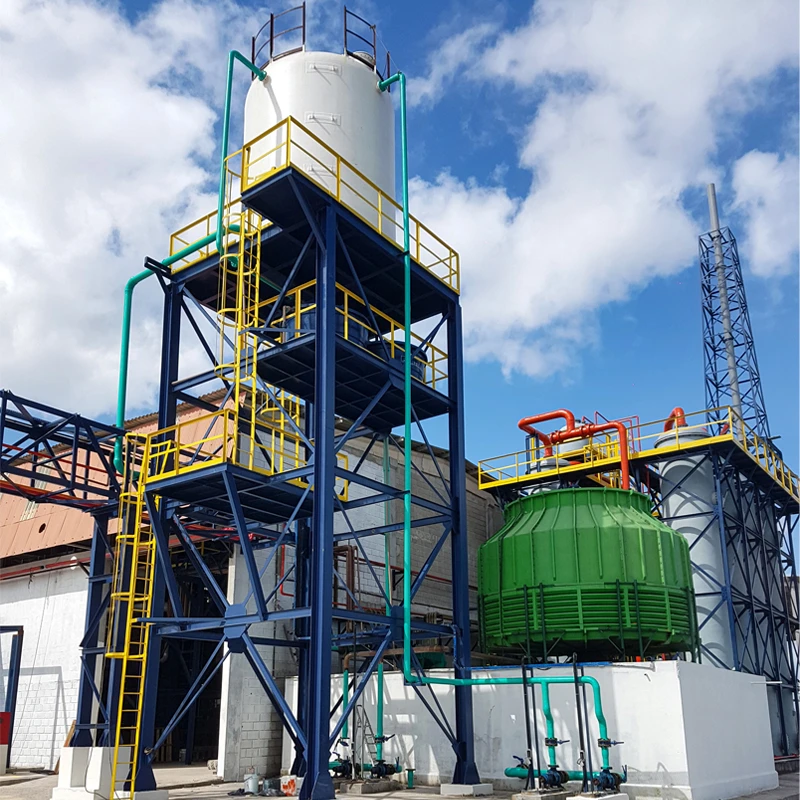
These tanks connect directly with modern water treatment systems, particularly where brine byproducts need storage or controlled release. Moreover, they’re used in industries requiring chemical storage where corrosion is a big concern – think municipal water plants, offshore platforms, or even agricultural fertilizer application.

Core Components and Essential Features of Fiberglass Brine Tanks

Durability Against Corrosion

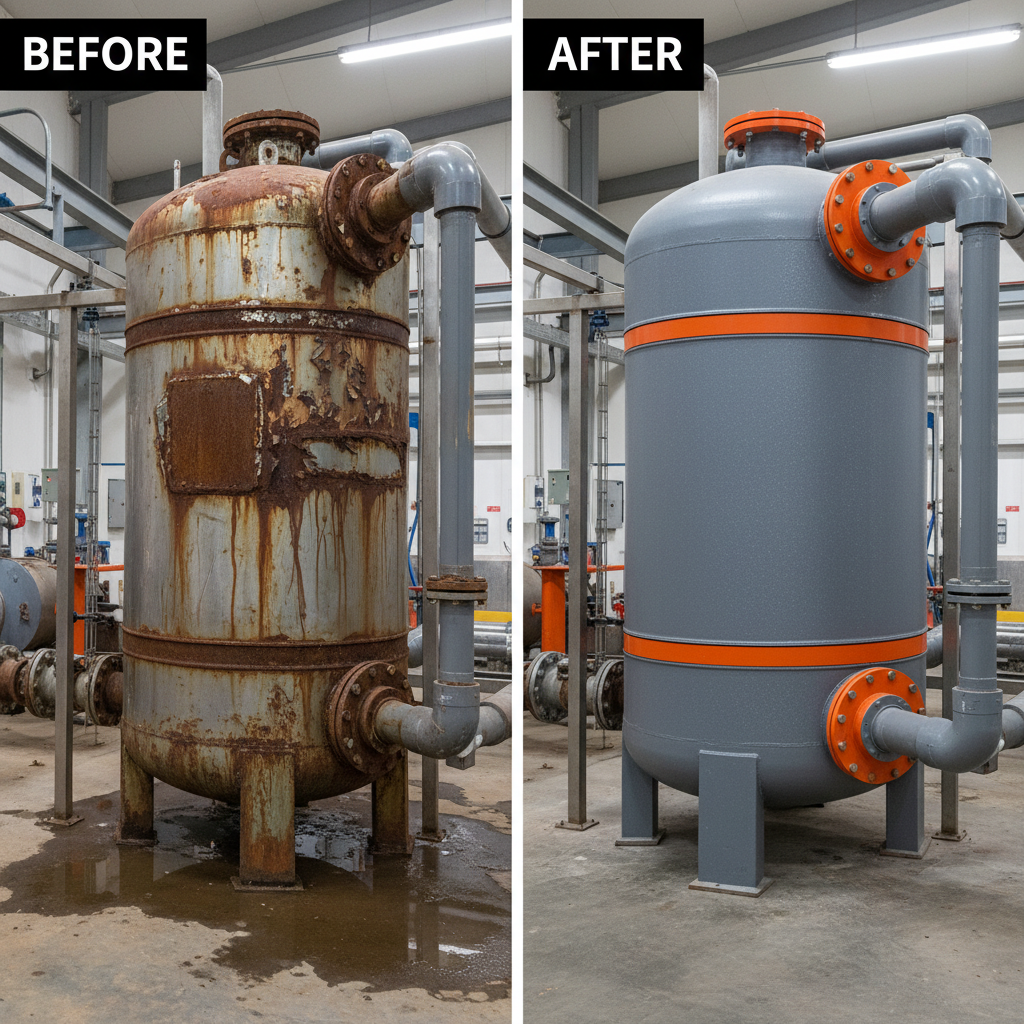
Saltwater is notoriously harsh, quickly rusting metals. Fiberglass excels here, resisting chemical attack and extending service life. Many engineers say this resistance reduces maintenance frequency, saving plenty down the line.

Lightweight & Ease of Installation

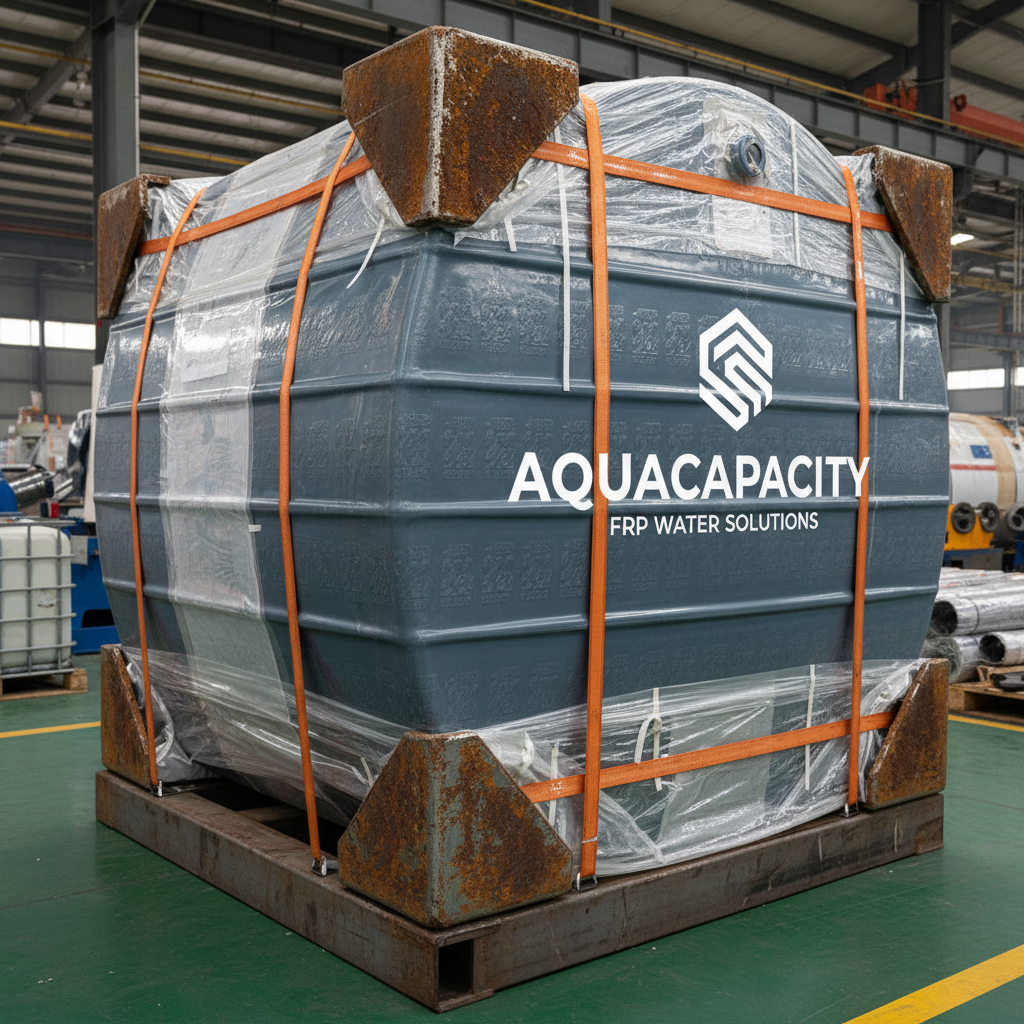
Despite their strength, fiberglass tanks are lighter than steel or concrete counterparts. This makes transport and installation simpler—no heavy cranes required, which is a boon especially in remote areas.

Customizable Size and Capacity

Whether you need a small, portable tank or an industrial-scale unit, fiberglass tanks can be molded to size, shape, and thickness specs. This flexibility suits a variety of industrial applications and spatial constraints.

Heat and UV Resistance

Many tanks incorporate UV inhibitors, letting them withstand direct sunlight without degrading. Plus, they tolerate temperature variations – important if the tank will face outdoor elements or fluctuating climates.

Leak-Proof Design

Fiberglass tanks often come with molded integral lids and seamless joints, which reduce chances of leaks and contamination, a top priority when handling brine or hazardous liquids.

Mini Takeaway:

Fiberglass brine tanks combine lightweight design, chemical resistance, and durability—making them smart, practical solutions for modern industries.

Global Applications: Where Fiberglass Brine Tanks Shine

  • Municipal Water Treatment: Cities across Europe and Asia depend on these tanks for brine storage from water softening systems. They help manage salt discharge safely.
  • Mining Industry: In South America and Australia, mining operations use brine tanks to hold salty process waters, protecting fragile ecosystems.
  • Post-disaster Relief: Fiberglass containers are favored in disaster zones that require rapid deployment of clean water infrastructure without heavy equipment.
  • Agriculture & Fertilizer Storage: Large farms in North America utilize these tanks to store saline solutions used in certain crop treatments.

In real terms, these tanks are quietly enabling sustainable management across sectors where corrosive liquids are part of everyday operations. For example, during recent relief efforts in Southeast Asia, lightweight fiberglass brine tanks expedited setup time and ensured durability in humid environments.

Advantages and Long-Term Value of Fiberglass Brine Tanks

It’s not just about function — there’s substantial return on investment. The upfront cost may be higher than plastic alternatives, but longevity and reduced maintenance usually tip the scales. Environmentally, they contribute to sustainability by lowering waste from tank replacements and preventing leaks that could damage ecosystems.

On an emotional level, employees and operators often report peace of mind using corrosion-resistant tanks—less worry about sudden failures that might cause spills or hazards. Plus, the sleek, modern look aligns with contemporary “green” operational philosophies.

Looking Ahead: Trends and Innovations in Fiberglass Brine Tanks

New developments are surfacing constantly. For starters, manufacturers are integrating digital sensors into tanks (IoT-enabled monitoring) that track salt concentration, temperature, and integrity — remotely and in real time. This reduces unexpected downtime.

There’s growing demand for greener resins that lower environmental footprint during fabrication. Some companies experiment with bio-based composites aiming to replace petroleum-based materials. Automation in manufacturing is also boosting consistency and scalability.

Sustainability isn’t just a buzzword here—it’s reshaping design and production, promising smarter, more eco-friendly solutions down the line.

Common Challenges and How Experts Tackle Them

Of course, not everything is smooth sailing. A common complaint is the risk of damage from physical impact due to the lightweight nature of fiberglass. Some tanks require protective barriers or strategic placement.

Another issue is UV degradation if tanks use inferior resins or lack proper coatings. Suppliers now emphasize certified UV inhibition, and regular inspections help address wear before problems escalate.

For cold climates, brittleness can be a concern — reinforced layers and additives help maintain toughness even in freezing environments. Experts also advise integrating sensor tech for early detection of weaknesses.

Product Specification Table: Typical Fiberglass Brine Tanks

Specification Details
Material Fiberglass Reinforced Plastic (FRP) with corrosion-resistant resin
Capacity Range 500 to 50,000 gallons (custom sizes available)
Temperature Range -40°C to 70°C (-40°F to 158°F)
UV Protection Standard UV inhibitor coatings included
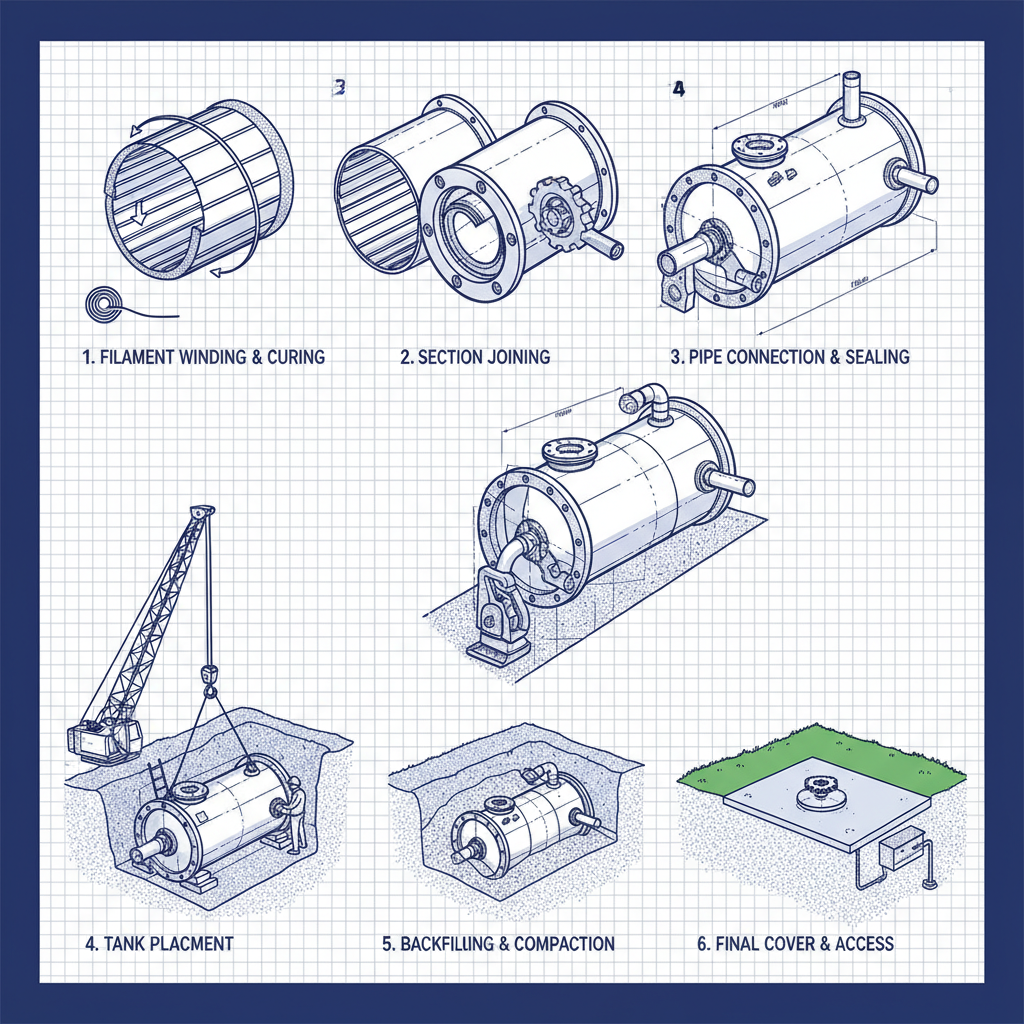
Installation Above-ground or partially buried
Lifespan 15-25+ years depending on conditions

Vendor Comparison: Major Suppliers of Fiberglass Brine Tanks

Vendor Material Quality Customization Options Lead Time (Typical) Average Price
FRP Solutions Inc. High-grade resin with UV inhibitors Full size and design customization 4-6 weeks $$$
Global Tanks Ltd. Standard FRP with optional upgrades Moderate (capacity and fittings) 3-5 weeks $$
ChemStorage Co. Chemical-resistant specialty blends Limited standard sizes 2-4 weeks $$$

FAQ: Common Questions About Fiberglass Brine Tanks

Q: How long do fiberglass brine tanks typically last?

A: With proper maintenance and installation, these tanks often last 15-25 years. Their corrosion-resistant construction significantly extends durability compared to metal tanks.

Q: Can fiberglass brine tanks be installed underground?

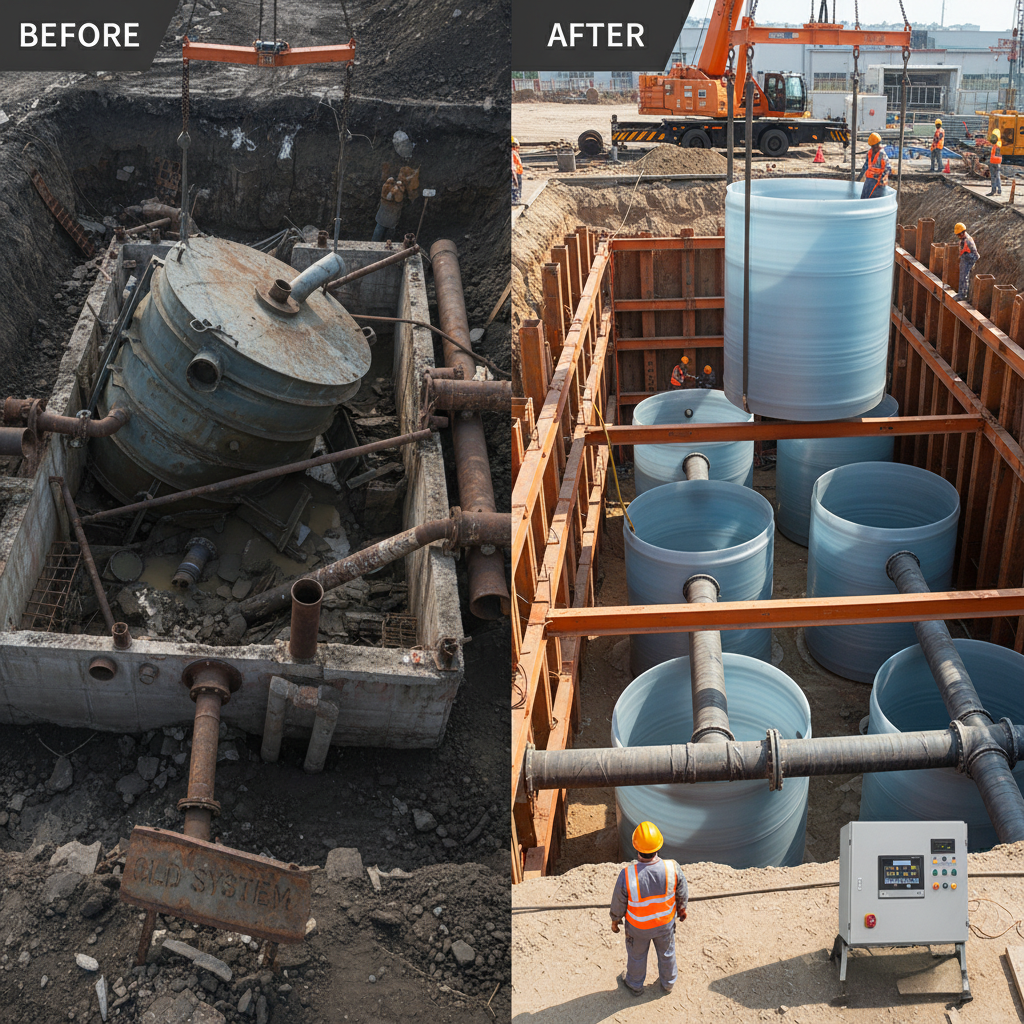
A: They are usually designed for above-ground or partially buried installation due to structural load considerations. For full underground use, special designs and reinforcements are recommended.

Q: Are fiberglass brine tanks safe for storing chemicals other than saltwater?

Yes, many tanks are engineered to handle a variety of chemical solutions. However, compatibility depends on the exact chemical properties; always consult with vendors on specific use cases.

Q: How does fiberglass compare to plastic or steel tanks in maintenance?

Fiberglass generally requires less maintenance due to its resistance to corrosion and UV damage. Plastic tanks may degrade under sunlight, and steel tanks risk rust, thus needing more upkeep.

Wrapping It Up: Why Fiberglass Brine Tanks Are a Smart Choice

To sum it up, fiberglass brine tanks offer a compelling blend of durability, ease of use, and eco-friendliness. They help industries worldwide tackle corrosive storage challenges, serve growing water treatment needs, and support sustainability goals—without giant upfront headaches. If you’re searching for a reliable, versatile tank solution, this material might well be your best bet. Don’t hesitate to explore options or contact manufacturers specializing in fiberglass brine tanks.

Curious to learn more or ready to take the next step? Visit our website: fiberglass brine tanks and find solutions tailored to your project’s needs.
Quick references:

  1. Wikipedia - Brine
  2. UN Water Development Report 2023
  3. ISO 9001 Quality Management
Upsell Products
Upsell News
Durable FRP Vessel for Water Treatment and Industrial Filtration
Apr 16,2026
Durable FRP Vessel for Water Treatment and Industrial Filtration
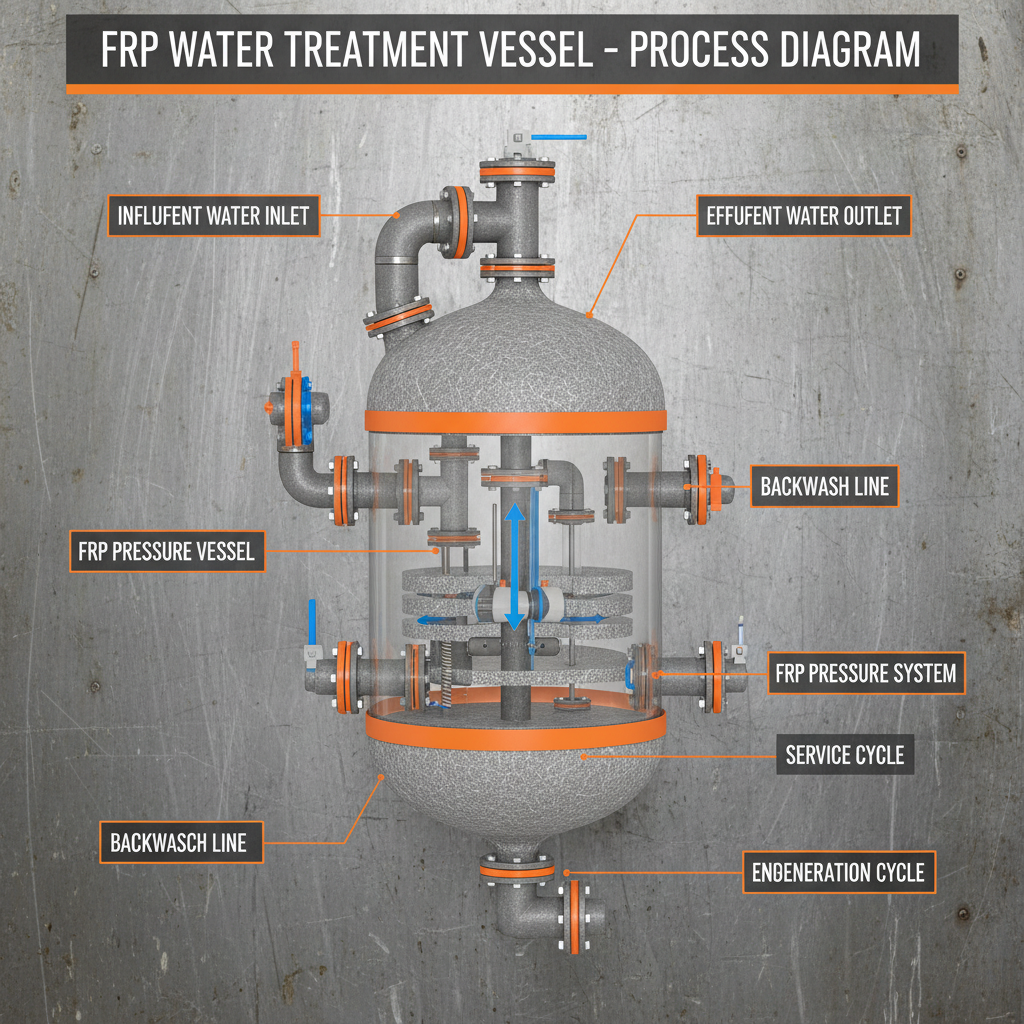
In the modern era of industrial and residential water purification, the choice of containment materials is critical for efficiency and longevity. An frp vessel for water treatment has emerged as the gold standard, replacing traditional steel tanks due to its superior corrosion resistance and lightweight properties. Whether you are dealing with desalination, softening, or filtration, using Fiber Reinforced Plastic (FRP) ensures that your system remains leak-proof and durable against aggressive chemicals. In this comprehensive guide, we will explore why FRP is the preferred choice for water treatment professionals worldwide and how to select the right vessel for your specific application.
Industrial Guide for Choosing the Right FRP Vertical Tank
Apr 09,2026
Industrial Guide for Choosing the Right FRP Vertical Tank
In today's industrial landscape, the storage of corrosive chemicals and aggressive liquids requires materials that can withstand extreme conditions without degrading. The frp vertical tank has emerged as a premier solution, offering an exceptional balance of strength, lightweight properties, and unmatched chemical resistance. Whether you are managing a water treatment plant or a chemical processing facility, understanding the nuances of Fiber Reinforced Plastic (FRP) is essential for ensuring operational safety and longevity. In this comprehensive guide, we will explore why vertical configurations are preferred and how these tanks outperform traditional metal alternatives.
Comprehensive Guide to FRP Underground Water Tank Solutions and Applications
Apr 07,2026
Comprehensive Guide to FRP Underground Water Tank Solutions and Applications
Fiberglass Reinforced Polymer (FRP) underground water tanks are becoming increasingly popular for a wide range of applications, from potable water storage to industrial wastewater containment. Their superior corrosion resistance, lightweight nature, and design flexibility make them an excellent alternative to traditional materials like concrete or steel. This article will delve into the benefits, applications, construction, and considerations for implementing FRP underground water tanks, providing a comprehensive overview for engineers, contractors, and project managers.
Comprehensive Guide to Frp Underground Water Storage Tanks and Their Applications
Apr 04,2026
Comprehensive Guide to Frp Underground Water Storage Tanks and Their Applications
When considering water storage solutions, particularly for industrial, agricultural, or municipal applications, frp underground water storage tanks stand out as a durable, cost-effective, and environmentally friendly option. These tanks are increasingly favored over traditional materials like concrete or steel due to their superior corrosion resistance, lighter weight, and ease of installation. This article delves into the benefits, applications, construction, and considerations when choosing an FRP tank, providing a detailed overview for potential buyers and project planners.
Sulfuric Acid Production Line - Hebei Aoliande|Efficient H2SO4 Plant Technology
Apr 01,2026
Sulfuric Acid Production Line - Hebei Aoliande|Efficient H2SO4 Plant Technology
Discover efficient H2SO4 plant technology and advanced sulfuric acid production solutions. Hebei Aoliande combines energy-saving furnace design and eco-friendly HCl recovery systems for sustainable industrial applications. Explore now: https://www.frpgrpmachine.com/sulfuric-acid-production-line-for-h2so4-plant.html
Sulfuric Acid Production Line - Hebei Aoliande|Efficient H2SO4 Plant Technology
Apr 01,2026
Sulfuric Acid Production Line - Hebei Aoliande|Efficient H2SO4 Plant Technology
Discover efficient H2SO4 plant technology and advanced sulfuric acid production solutions. Hebei Aoliande combines energy-saving furnace design and eco-friendly HCl recovery systems for sustainable industrial applications. Explore now: https://www.frpgrpmachine.com/sulfuric-acid-production-line-for-h2so4-plant.html
Sulfuric Acid Production Line - Hebei Aoliande|Efficient H2SO4 Plant Technology
Apr 01,2026
Sulfuric Acid Production Line - Hebei Aoliande|Efficient H2SO4 Plant Technology
Discover efficient H2SO4 plant technology and advanced sulfuric acid production solutions. Hebei Aoliande combines energy-saving furnace design and eco-friendly HCl recovery systems for sustainable industrial applications. Explore now: https://www.frpgrpmachine.com/sulfuric-acid-production-line-for-h2so4-plant.html
Sulfuric Acid Production Line - Hebei Aoliande|Efficient H2SO4 Plant Technology
Apr 01,2026
Sulfuric Acid Production Line - Hebei Aoliande|Efficient H2SO4 Plant Technology
Discover efficient H2SO4 plant technology and advanced sulfuric acid production solutions. Hebei Aoliande combines energy-saving furnace design and eco-friendly HCl recovery systems for sustainable industrial applications. Explore now: https://www.frpgrpmachine.com/sulfuric-acid-production-line-for-h2so4-plant.html
Sulfuric Acid Production Line - Hebei Aoliande|Efficient H2SO4 Plant Technology
Apr 01,2026
Sulfuric Acid Production Line - Hebei Aoliande|Efficient H2SO4 Plant Technology
Discover efficient H2SO4 plant technology and advanced sulfuric acid production solutions. Hebei Aoliande combines energy-saving furnace design and eco-friendly HCl recovery systems for sustainable industrial applications. Explore now: https://www.frpgrpmachine.com/sulfuric-acid-production-line-for-h2so4-plant.html
Sulfuric Acid Production Line - Hebei Aoliande|Efficient H2SO4 Plant Technology
Apr 01,2026
Sulfuric Acid Production Line - Hebei Aoliande|Efficient H2SO4 Plant Technology
Discover efficient H2SO4 plant technology and advanced sulfuric acid production solutions. Hebei Aoliande combines energy-saving furnace design and eco-friendly HCl recovery systems for sustainable industrial applications. Explore now: https://www.frpgrpmachine.com/sulfuric-acid-production-line-for-h2so4-plant.html
Comprehensive Guide to Frp Underground Storage Tanks for Reliable Storage Solutions
Mar 31,2026
Comprehensive Guide to Frp Underground Storage Tanks for Reliable Storage Solutions
Fiberglass Reinforced Polymer (FRP) underground storage tanks are becoming increasingly popular for a wide range of applications, from fuel storage to wastewater management. Their corrosion resistance, lightweight nature, and durability offer significant advantages over traditional materials like steel. This article will provide an in-depth look at FRP underground storage tanks, covering their benefits, applications, installation, and maintenance. Understanding these aspects is crucial for making informed decisions about long-term storage solutions.
Comprehensive Guide to Selecting the Ideal FRP Tank for Water Storage Solutions
Mar 28,2026
Comprehensive Guide to Selecting the Ideal FRP Tank for Water Storage Solutions
When it comes to reliable and durable water storage, FRP tanks for water are increasingly becoming the preferred solution for a wide range of applications. These tanks, constructed from Fiber Reinforced Polymer (FRP) materials, offer significant advantages over traditional storage options like steel or concrete. This article delves into the benefits, applications, and considerations when selecting an FRP tank for your water storage needs, providing a detailed overview for businesses and individuals alike.
Comprehensive Guide to Frp Tank and Vessel Applications and Manufacturing
Mar 26,2026
Comprehensive Guide to Frp Tank and Vessel Applications and Manufacturing
Fiber Reinforced Polymer (FRP) tanks and vessels are increasingly becoming the preferred choice for storage and processing across a multitude of industries. Their lightweight nature, corrosion resistance, and design flexibility offer significant advantages over traditional materials like steel. This article will delve into the intricacies of FRP tanks and vessels, exploring their applications, manufacturing processes, benefits, and considerations for selecting the right solution for your specific needs. We’ll also highlight why FRP tanks are a cost-effective and reliable long-term investment. FRP tanks and vessels are constructed from a combination of reinforcing fibers (such as fiberglass, carbon fiber, or aramid fiber) embedded in a polymer matrix (typically polyester, vinyl ester, or epoxy resin). This combination creates a composite material that boasts high strength-to-weight ratio, exceptional corrosion resistance, and the ability to be molded into complex shapes. They’re designed to safely contain a wide variety of liquids and gases, ranging from corrosive chemicals and water to food products and pharmaceuticals.
Optimizing Water Filtration with Durable FRP Sand Filter Vessels
Mar 24,2026
Optimizing Water Filtration with Durable FRP Sand Filter Vessels
In water treatment and filtration systems, the choice of filter vessel material is paramount. Fiber Reinforced Plastic (FRP), also known as Glass Reinforced Polymer (GRP), sand filter vessels are increasingly popular due to their superior corrosion resistance, lightweight nature, and cost-effectiveness. This article delves into the benefits, applications, design considerations, and factors to consider when selecting an FRP sand filter vessel. Whether you are involved in municipal water treatment, industrial wastewater management, or recreational water filtration, understanding FRP technology is essential for optimizing your filtration process. An FRP sand filter vessel is a containment unit designed to house filtration media, typically sand, gravel, and anthracite. These vessels are integral components in sand filtration systems used for removing suspended solids, turbidity, and other particulate matter from water. FRP construction involves layering glass fibers within a resin matrix (typically polyester or vinyl ester) to create a strong, durable, and chemically resistant shell. The strength and rigidity of the vessel are crucial for withstanding the pressure from the filtration media and the water flow.
Comprehensive Guide to FRP Round Tanks Applications and Benefits
Mar 21,2026
Comprehensive Guide to FRP Round Tanks Applications and Benefits
Fiber Reinforced Polymer (FRP) round tanks are increasingly becoming the preferred choice for storage solutions across a variety of industries. Their lightweight nature, corrosion resistance, and design flexibility offer significant advantages over traditional materials like steel. This article provides an in-depth look at FRP round tanks, exploring their applications, benefits, manufacturing processes, and key considerations when choosing the right tank for your needs. Whether you're in chemical processing, water treatment, or agriculture, understanding FRP round tanks is crucial for optimizing your storage infrastructure. FRP round tanks are constructed from a combination of reinforcing fibers (typically fiberglass, carbon fiber, or a blend) embedded in a polymer matrix (often polyester, vinyl ester, or epoxy resin). The round shape inherently provides excellent structural strength, distributing pressure evenly across the tank’s surface.
Comprehensive Guide to FRP Pressure Tanks Benefits and Applications
Mar 19,2026
Comprehensive Guide to FRP Pressure Tanks Benefits and Applications
Fiber Reinforced Polymer (FRP) pressure tanks are becoming increasingly popular in a wide range of industrial applications, offering a compelling alternative to traditional steel tanks. Known for their lightweight nature, corrosion resistance, and high strength-to-weight ratio, FRP tanks provide efficient and durable solutions for storing liquids and gases under pressure. This article will delve into the benefits, applications, construction, and key considerations when selecting an FRP pressure tank, helping you make an informed decision for your specific needs. Understanding the advantages of FRP technology can lead to significant cost savings and improved operational efficiency. Compared to steel, FRP pressure tanks offer several key advantages. The most significant is their superior corrosion resistance. Unlike steel, which is susceptible to rust and corrosion when exposed to various chemicals, FRP materials are inherently resistant to a wide range of corrosive substances. This translates to a longer lifespan, reduced maintenance costs, and increased safety. Furthermore, FRP is significantly lighter than steel, making installation easier and reducing transportation costs.
For More Details Pls Contact Us
Thank you for your interest in our gloves! We offer high-quality, durable, and comfortable gloves with fast delivery and competitive prices. For any questions or customization, feel free to contact us. We look forward to working with you!

If you are interested in our products, you can choose to leave your information here, and we will be in touch with you shortly.