Dec 01,2025

Fiberglass Cattle Water Tanks – Durable & Sustainable Livestock Solutions

Fiberglass Cattle Water Tanks: Why They’re Gaining Global Attention

If you’ve ever wondered how farmers keep their herds hydrated across ever-expanding pastures — especially in the tougher corners of the world — then fiberglass cattle water tanks have probably crossed your mind or, at the very least, should have. As global agriculture faces mounting challenges from climate change, water scarcity, and infrastructure limitations, having reliable water storage that can withstand harsh environments is becoming a real game changer.

These tanks aren’t just containers; they’re critical assets ensuring animal welfare, boosting productivity, and protecting livelihoods. Understanding why these tanks matter globally — beyond just the rural farm in your hometown — can shed light on broader issues of sustainable agriculture, resource management, and even humanitarian aid.

Why Fiberglass Cattle Water Tanks Matter in a Global Context

Agriculture accounts for approximately 70% of global freshwater use (UN FAO), and livestock is a significant chunk of that demand. In drought-prone regions — say sub-Saharan Africa or parts of Australia — the challenge is how to store and access water resiliently. Factoring in climate unpredictability, aging infrastructure, and financial constraints, it's clear why innovative solutions are in demand.

Fiberglass cattle water tanks have surged in global markets partly because they address these pain points directly. Unlike traditional metal or concrete tanks prone to rusting, cracking, or hefty transport costs, fiberglass tanks offer durability and portability. According to ISO standards, materials like fiberglass meet tough industrial criteria for longevity and safety.

Still, the problem many rural communities face isn’t just sourcing water — it’s storing it efficiently for cattle consumption during dry spells. That’s where these tanks come in, minimizing evaporation and contamination risks.

Mini takeaway:

In the grand scheme, these tanks stand at the intersection of sustainable water management and livestock health, a subtle but vital piece in feeding the world.

So, What Exactly Are Fiberglass Cattle Water Tanks?

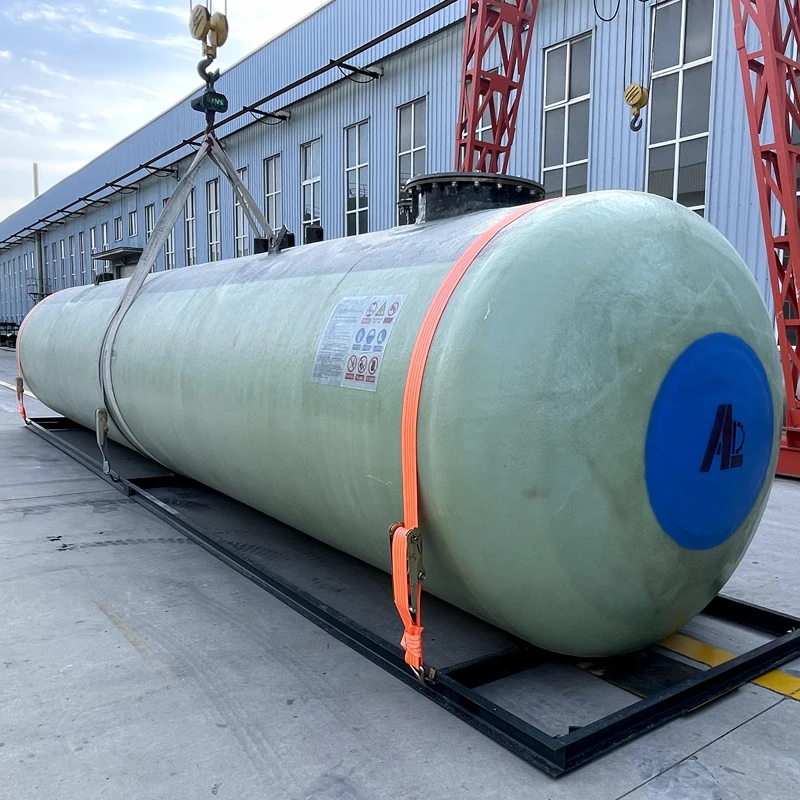
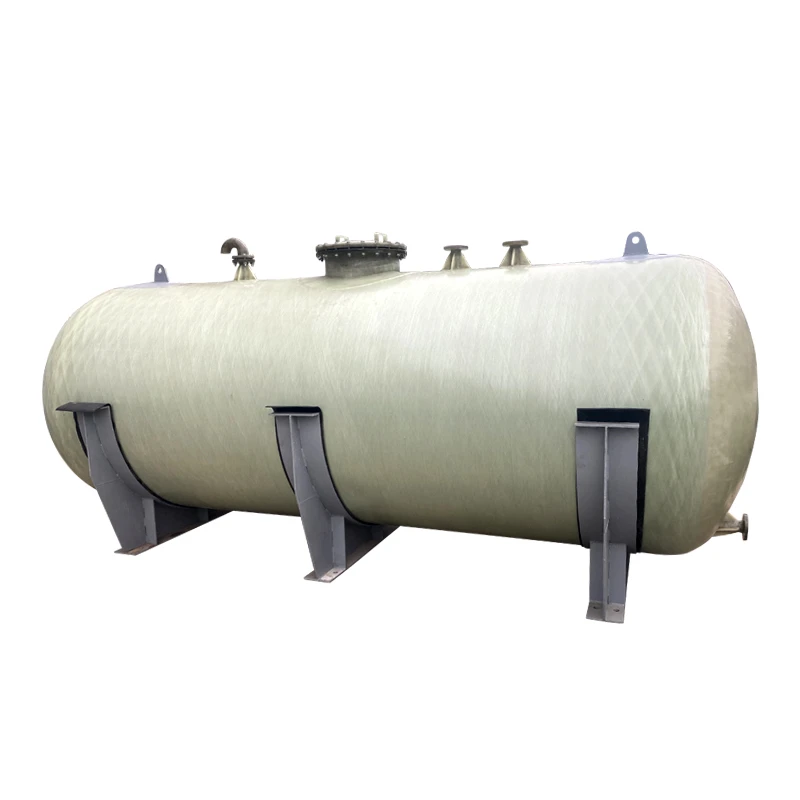
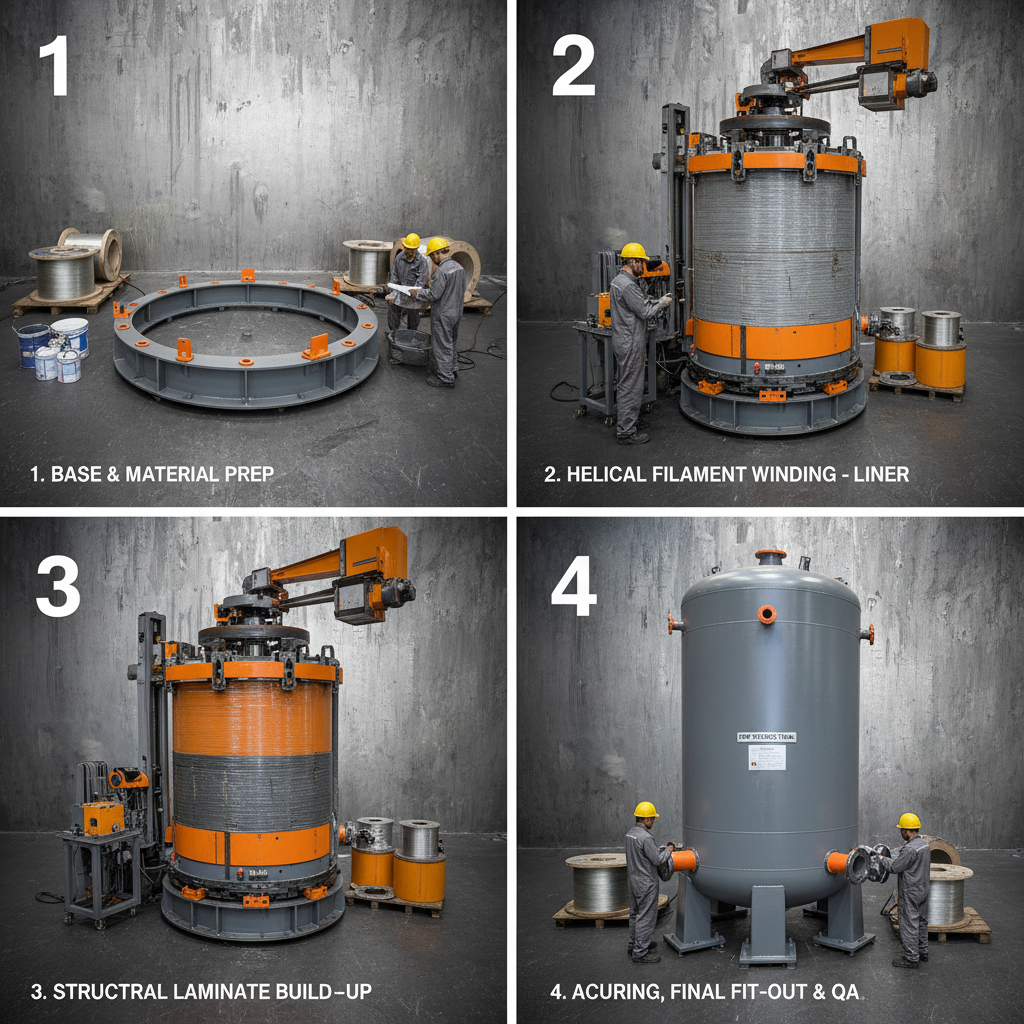
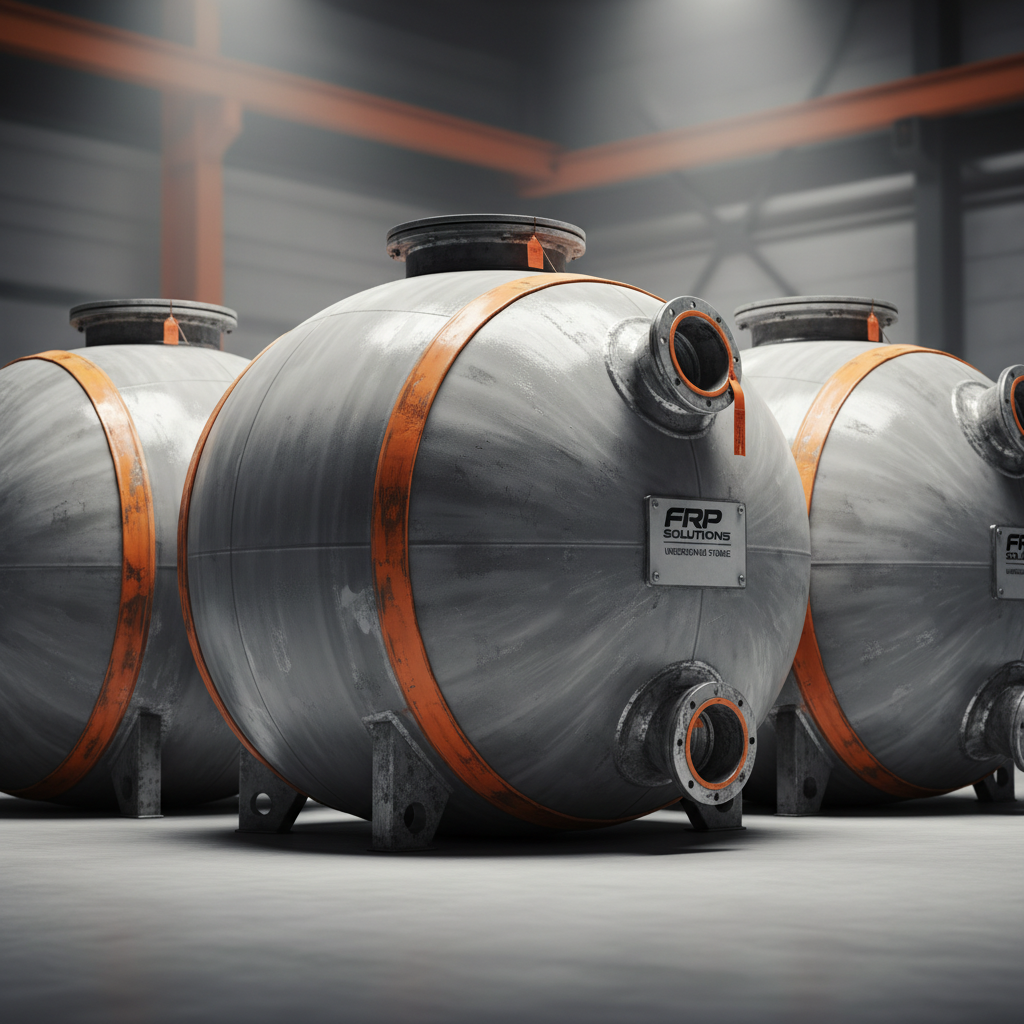
Put simply, fiberglass cattle water tanks are storage containers specifically crafted from fiberglass-reinforced plastic (FRP), designed to hold and dispense water for livestock consumption. The fiberglass construction means they’re lightweight, corrosion-resistant, and easy to install in remote areas.

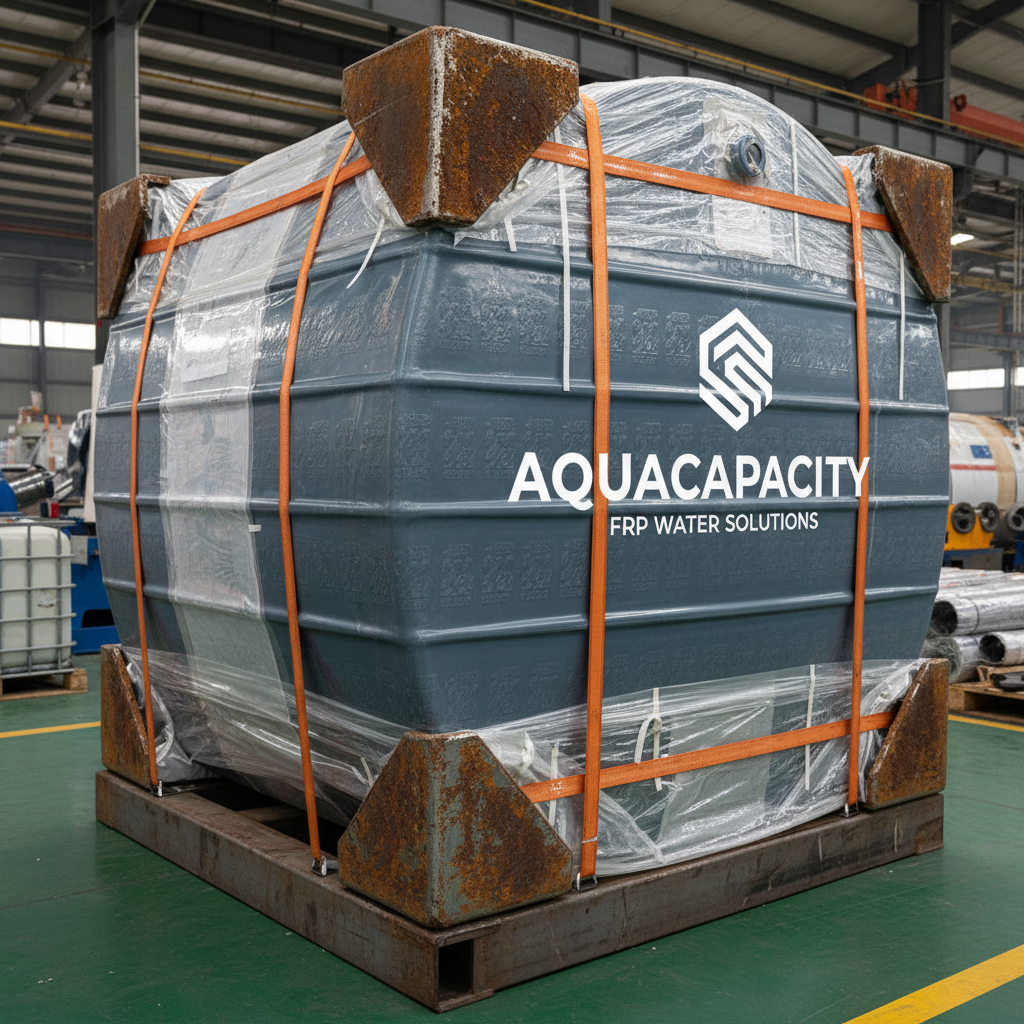
Modern farming and ranching increasingly rely on transportation-friendly and durable infrastructure. Fiberglass tanks fit right into this trend — offering a reliable alternative to traditional tanks that might crack after a winter freeze or rust badly in humid climates. Humanitarian groups sometimes also use them in disaster relief settings where quick, robust water solutions are vital.

Mini takeaway:

They’re more than just tanks — fiberglass cattle water tanks are practical answers shaped by decades of material science and field experience.

Key Factors That Make These Tanks Tick

Durability and Weather Resistance

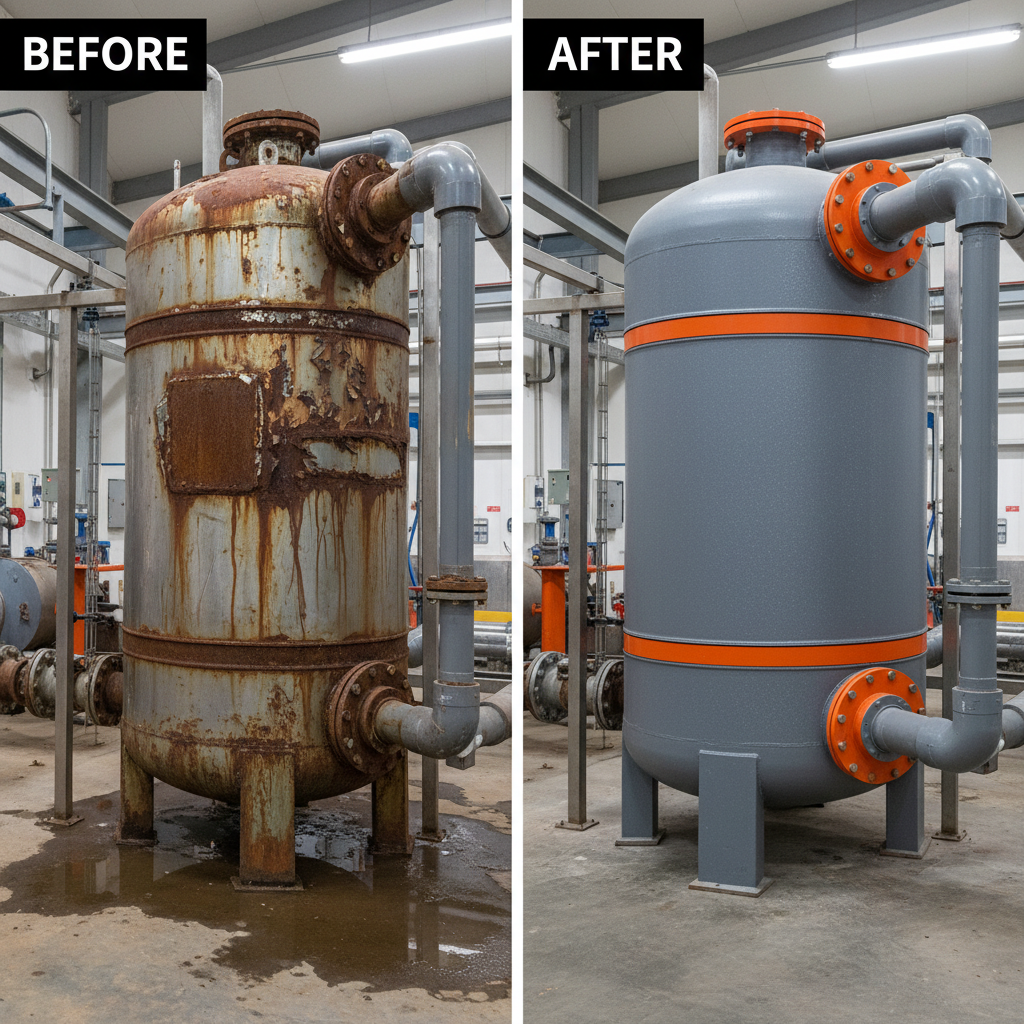
This can’t be overstated: fiberglass tanks shrug off UV rays, chemical exposure, and extreme temperatures significantly better than metal or plastic. They don’t rust, rot, or degrade easily — which is exactly what you want out on the prairie or desert where maintenance options are limited.

Lightweight but Strong

Oddly enough, despite being so tough, fiberglass tanks are noticeably lighter than steel alternatives. That makes transport and installation faster and more cost-efficient, which counts in remote zones that lack heavy machinery or paved roads.

Cost Efficiency over Time

While upfront they might have a slightly higher price tag than simple plastic tanks, their longevity and minimal upkeep usually translate into lower total cost of ownership. It feels kind of like buying quality shoes: initially pricier, but saves money (and hassle) in the long haul.

Customization and Scalability

Fiberglass tanks can be molded in various shapes and sizes. This allows farmers or organizations to tailor capacity depending on herd size or water availability, instead of a one-size-fits-all approach.

Specification Detail
Material Fiberglass Reinforced Plastic (FRP)
Capacity 500 - 10,000 gallons (customizable)
Weight (empty) Approx. 200 - 1,500 lbs
Installation Ground-mounted or elevated stands
Lifespan 20+ years with minimal maintenance
UV Resistance Yes, protective coatings applied

Mini takeaway:

Their combination of resilience, weight, and variety is why fiberglass tanks stand out in the livestock watering niche.

How These Tanks Get Used Around the World

In arid regions like parts of the American Southwest and Australia, farmers rely heavily on fiberglass cattle water tanks to safeguard their herds during dry spells that can last months. These tanks help keep watering points operational without constant maintenance.

Humanitarian organizations, like the UN’s Food and Agriculture Organization (FAO), sometimes incorporate fiberglass tanks in remote relief efforts or rebuilding after natural disasters. Reliable water access for livestock can often mean the difference between food security or scarcity.

Industrial farms in places such as South America and Eastern Europe also embrace fiberglass tanks. The reason? They suit automated watering systems well due to the uniformity and adaptability of tank sizes.

Mini takeaway:

From family farms to multinational aid efforts, these tanks perform in myriad challenging environments.

Advantages and the Long-Term Value of Fiberglass Tanks

  • Cost savings: Reduced repairs, less water loss, and easy installation shrink operational budgets.
  • Animal health & welfare: Clean, contaminant-free water means healthier cattle — hence better growth and productivity.
  • Sustainability: Longer lifespan with recyclable materials that reduce landfill waste.
  • Emotional & social impact: Reliable water sources support farmers’ peace of mind and contribute to rural stability.

You can almost feel the trust farmers place in these tanks as they watch their thirsty cattle drink on dry days — a small but profoundly grounding detail of everyday life.

Where Fiberglass Cattle Water Tanks Are Headed Next

The future? It’s roughly shaped by innovations like enhanced resin composites that improve tank strength while lowering weight even further. Some companies are experimenting with solar-powered water level sensors integrated into the tank walls, making remote monitoring feasible even in the outback.

Sustainability continues to be a big driver. Using bio-based resins or recycled fiberglass materials is creeping up in product lines. Policies encouraging better water use and livestock welfare may also spur adoption — particularly if subsidies become available for green technology in agriculture.

Common Challenges—and How They’re Tackled

Naturally, no product is perfect. High upfront costs can be a barrier to small-scale farms, even if the investment pays off later. Transportation to very remote areas, despite the lightweight design, can still pose challenges — especially where extreme terrain or security issues prevail.

Experts suggest bulk ordering, community-based tank sharing programs, and integration with local manufacturing initiatives to cut costs. Innovations such as modular design that snap together on-site also ease transport headaches.

Frequently Asked Questions About Fiberglass Cattle Water Tanks

What maintenance do fiberglass cattle water tanks require?
Generally minimal. Routine cleaning to prevent algae buildup and occasional inspection for cracks or damage is sufficient. The resilient material greatly reduces corrosion concerns common in other tanks.
Can these tanks be used for other types of livestock?
Absolutely. Although optimized for cattle, fiberglass water tanks suit sheep, goats, and even horses, with appropriate capacity adjustments and access designs.
How long does installation typically take?
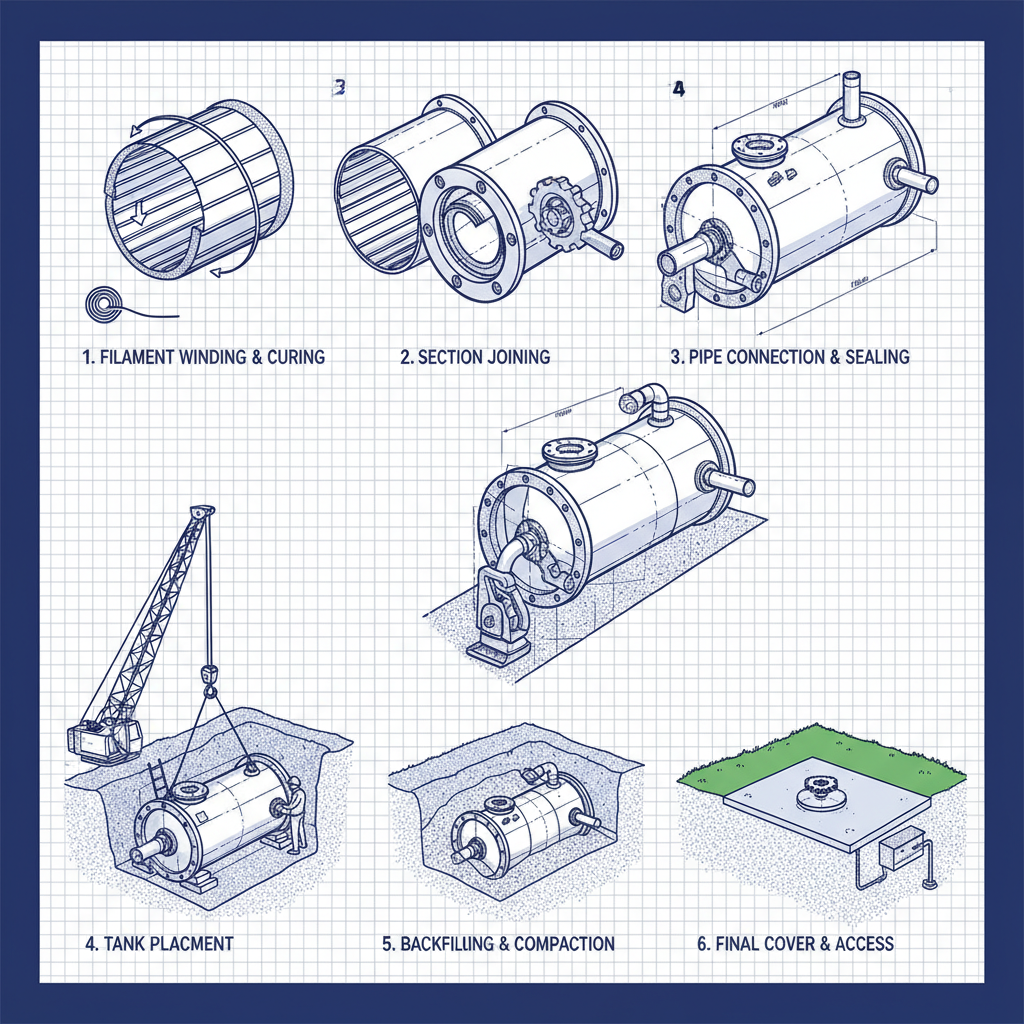
Quite fast compared to concrete or metal tanks—often just a few hours once the site is prepared, thanks to the tanks’ lightweight and modular nature.
Are fiberglass tanks environmentally friendly?
While fiberglass is not biodegradable, its durability means fewer replacements and less waste over time. Additionally, advances in recyclable composites are making them greener each year.
Where can I buy quality fiberglass cattle water tanks?
Reliable vendors often provide customizable options with post-sale support. Visit trusted suppliers such as fiberglass cattle water tanks manufacturers for detailed specs and sales.

Comparing Leading Fiberglass Cattle Water Tank Vendors

Vendor Materials Used Customization Warranty Pricing (Approx.)
FRP Global High-grade polyester resin, UV-stabilized Yes, sizes & fittings 10 years $$$
AquaLivestock Vinyl ester resins with antimicrobial coating Limited 7 years $$
Green Ranch Supplies Bio-resin composites Yes, eco-friendly designs 8 years $$$

Wrapping it Up — Why Fiberglass Cattle Water Tanks Deserve a Spot on Your Farm

So there you have it. These tanks aren’t just another piece of farm equipment; they represent thoughtful engineering tailored to solve some of agriculture’s thornier water challenges. Their durability, adaptability, and longevity are helping farmers worldwide secure water for their cattle in a way that’s efficient, sustainable, and kind of inspiring when you think about what it all means for global food security.

Curious to learn more or you think your operation might benefit? Check out fiberglass cattle water tanks online for specifications, customer stories, and expert advice. It’s a small step that might save a whole herd.
References

  1. FAO Water Use in Agriculture Report
  2. ISO 9001 - Quality Management Systems
  3. Fiberglass - Wikipedia
Upsell Products
Upsell News
Guide to Fiber Water Tank Price and FRP Storage Costs
Jul 01,2026
Guide to Fiber Water Tank Price and FRP Storage Costs
Understanding Fiber Water Tank Price: A Comprehensive Investment Guide When searching for a reliable liquid storage solution, understanding the factors that influence fiber water tank price is essential for optimizing your operational budget. Fiber-Reinforced Plastic FRP tanks have become the industry standard for water and chemical storage due to their exceptional corrosion resistance and structural integrity. Whether you are managing a municipal water project or an industrial chemical plant, selecting the right tank requires a balance between initial cost and long-term durability. In this guide, we will explore the variables that drive pricing and why FRP remains the most cost-effective choice
Guide to Fibreglass Water Tank Prices and FRP Investment
Jun 29,2026
Guide to Fibreglass Water Tank Prices and FRP Investment
Understanding Fibreglass Water Tank Prices: A Comprehensive Investment Guide When planning water storage for industrial or commercial applications, understanding the factors that influence fibreglass water tank prices is essential for optimizing your budget. Fibreglass Reinforced Plastic FRP tanks offer a superior alternative to steel or concrete due to their corrosion resistance and lightweight nature. Whether you are in the petroleum, chemical, or drainage industry, selecting a tank that balances cost with long-term durability is key. In this guide, we will explore the pricing drivers, technical advantages, and specifications of high-quality FRP storage solutions to help you make an informed purchasing decision.
Industrial Fiberglass Water Tank Price and Buyers Guide
Jun 27,2026
Industrial Fiberglass Water Tank Price and Buyers Guide
Analyzing Fiberglass Water Tank Price: A Comprehensive Buyers Guide When investing in industrial water storage, understanding the fiberglass water tank price is essential for effective budget planning and operational efficiency. Fiberglass Reinforced Plastic FRP tanks have become the gold standard in water quality pollution prevention and chemical storage due to their exceptional corrosion resistance and durability. Whether you are managing a municipal water system or a specialized manufacturing plant, choosing the right tank involves balancing initial costs with long-term lifecycle value. In this guide, we will break down the factors that influence pricing and why FRP is often the most cost-effective choice
Comprehensive Guide to GRP Sectional Water Tanks Prices and Quality
Jun 26,2026
Comprehensive Guide to GRP Sectional Water Tanks Prices and Quality
Selecting the right water storage solution is critical for industrial, commercial, and residential infrastructure. When evaluating grp sectional water tanks prices, it is essential to look beyond the initial sticker price and consider the total cost of ownership, including durability, installation ease, and maintenance. Glass Reinforced Plastic GRP tanks offer a superior alternative to traditional steel or concrete, providing exceptional corrosion resistance and modular flexibility. In this guide, we will explore the factors that influence pricing and why GRP remains the gold standard for modern water management.
Guide to Understanding FRP Tank Cost and Investment Value
Jun 25,2026
Guide to Understanding FRP Tank Cost and Investment Value
Understanding FRP Tank Cost: A Comprehensive Guide to Investment and Value When investing in industrial storage solutions, understanding the frp tank cost is essential for accurate budgeting and long-term operational planning. Fiber Reinforced Plastic FRP tanks offer an exceptional balance of corrosion resistance, structural strength, and longevity, making them the preferred choice for chemical, petroleum, and water treatment industries. While initial pricing can vary based on specifications, the total cost of ownership is often significantly lower than traditional steel tanks due to reduced maintenance. In this guide, we will explore the factors influencing pricing and the advanced machinery used to produce these high-performance vessels.
Best Industrial 500 gallon chemical tank for Storage and Safety
Jun 23,2026
Best Industrial 500 gallon chemical tank for Storage and Safety
Choosing the Best 500 Gallon Chemical Tank for Industrial Storage When managing hazardous materials or industrial fluids, the integrity of your storage system is non-negotiable. A high-quality 500 gallon chemical tank provides the perfect balance between capacity and footprint, making it an ideal choice for mid-sized operations, water treatment facilities, and chemical processing plants. Selecting the right material and design ensures not only the safety of your personnel but also the longevity of your assets. In this guide, we will explore the critical factors you need to consider to optimize your chemical storage efficiency and compliance.
Safe and Efficient Industrial Chemical Storage Tanks Guide
Jun 21,2026
Safe and Efficient Industrial Chemical Storage Tanks Guide
Maximizing Safety and Efficiency with Industrial Chemical Storage Tanks In the modern industrial landscape, the secure management of hazardous materials is not just a regulatory requirement but a critical safety priority. Selecting the right industrial chemical storage tanks is essential for preventing leaks, reducing environmental impact, and ensuring the longevity of your infrastructure. Whether you are dealing with highly corrosive acids or volatile solvents, the material composition and design of your storage system determine your operational risk. This guide explores the technical nuances of chemical storage to help you make an informed investment for your facility.
Best Guide to Choosing a Durable 200 Gallon Chemical Tank
Jun 20,2026
Best Guide to Choosing a Durable 200 Gallon Chemical Tank
The Ultimate Guide to Choosing a 200 Gallon Chemical Tank Finding the right storage solution for hazardous or corrosive substances is critical for industrial safety and operational efficiency. A 200 gallon chemical tank offers a versatile mid-size capacity, ideal for businesses that need a balance between space-saving design and sufficient volume for chemical processing. Whether you are dealing with acids, bases, or specialty solvents, the material composition of your tank determines its lifespan and your facilitys safety. In this guide, we will explore the technical specifications, material options, and best practices for maintaining these essential industrial assets.
Industrial Fiberglass Water Storage Tanks Guide for Efficiency
Jun 18,2026
Industrial Fiberglass Water Storage Tanks Guide for Efficiency
The Ultimate Guide to Fiberglass Water Storage Tanks for Industrial Use Selecting the right containment system is critical for maintaining water purity and operational efficiency. fiberglass water storage tanks have emerged as a superior alternative to traditional steel or concrete reservoirs. Combining high strength-to-weight ratios with exceptional corrosion resistance, these tanks are designed to withstand the harshest environmental conditions while ensuring the longevity of your infrastructure. Whether you are managing a municipal water system or an industrial chemical process, understanding the advantages of FRP Fiber Reinforced Plastic technology is the first step toward a sustainable storage solution.
Industrial Storage Guide for Modular Sectional Water Tanks
Jun 13,2026
Industrial Storage Guide for Modular Sectional Water Tanks
When managing large-scale water storage, efficiency and scalability are non-negotiable. Sectional water tanks offer a versatile and robust solution for industries requiring customized capacities and easy installation in restricted spaces. Unlike monolithic tanks, these systems are engineered from modular panels, allowing for precise sizing and seamless transport to remote sites. Whether it is for fire protection, potable water, or industrial processing, choosing the right tank configuration can significantly impact the longevity and reliability of your water infrastructure. In this guide, we explore why these modular systems are the preferred choice for modern engineering projects worldwide.
Industrial Safety Guide for Double Wall Chemical Tanks
Jun 11,2026
Industrial Safety Guide for Double Wall Chemical Tanks
In the world of industrial chemical storage, containment is not just a preferenceit is a critical safety requirement. double wall chemical tanks provide a sophisticated layer of security, ensuring that hazardous materials are contained even if the primary vessel fails. By utilizing a tank-within-a-tank design, these systems prevent catastrophic leaks, protect the surrounding environment, and ensure compliance with strict regulatory standards. Whether you are managing a water treatment plant or a chemical manufacturing facility, understanding the nuances of secondary containment is essential for operational longevity and risk mitigation.
High Efficiency and Durability of Fiberglass Storage Tanks
Jun 09,2026
High Efficiency and Durability of Fiberglass Storage Tanks
In the world of industrial liquid containment, choosing the right material is critical for safety, longevity, and cost-effectiveness. fiberglass storage tanks , also known as FRP Fiber Reinforced Plastic tanks, have emerged as the gold standard for storing corrosive chemicals, water, and hazardous materials. Unlike traditional metal tanks, fiberglass offers an unparalleled combination of strength and chemical inertness. Whether you are managing a municipal water system or a complex chemical processing plant, understanding the advantages of these advanced composite structures is essential for optimizing your infrastructure and reducing long-term maintenance costs.
Durable FRP Vessel for Water Treatment and Industrial Filtration
Apr 16,2026
Durable FRP Vessel for Water Treatment and Industrial Filtration
In the modern era of industrial and residential water purification, the choice of containment materials is critical for efficiency and longevity. An frp vessel for water treatment has emerged as the gold standard, replacing traditional steel tanks due to its superior corrosion resistance and lightweight properties. Whether you are dealing with desalination, softening, or filtration, using Fiber Reinforced Plastic (FRP) ensures that your system remains leak-proof and durable against aggressive chemicals. In this comprehensive guide, we will explore why FRP is the preferred choice for water treatment professionals worldwide and how to select the right vessel for your specific application.
Industrial Guide for Choosing the Right FRP Vertical Tank
Apr 09,2026
Industrial Guide for Choosing the Right FRP Vertical Tank
In today's industrial landscape, the storage of corrosive chemicals and aggressive liquids requires materials that can withstand extreme conditions without degrading. The frp vertical tank has emerged as a premier solution, offering an exceptional balance of strength, lightweight properties, and unmatched chemical resistance. Whether you are managing a water treatment plant or a chemical processing facility, understanding the nuances of Fiber Reinforced Plastic (FRP) is essential for ensuring operational safety and longevity. In this comprehensive guide, we will explore why vertical configurations are preferred and how these tanks outperform traditional metal alternatives.
Comprehensive Guide to FRP Underground Water Tank Solutions and Applications
Apr 07,2026
Comprehensive Guide to FRP Underground Water Tank Solutions and Applications
Fiberglass Reinforced Polymer (FRP) underground water tanks are becoming increasingly popular for a wide range of applications, from potable water storage to industrial wastewater containment. Their superior corrosion resistance, lightweight nature, and design flexibility make them an excellent alternative to traditional materials like concrete or steel. This article will delve into the benefits, applications, construction, and considerations for implementing FRP underground water tanks, providing a comprehensive overview for engineers, contractors, and project managers.
Comprehensive Guide to Frp Underground Water Storage Tanks and Their Applications
Apr 04,2026
Comprehensive Guide to Frp Underground Water Storage Tanks and Their Applications
When considering water storage solutions, particularly for industrial, agricultural, or municipal applications, frp underground water storage tanks stand out as a durable, cost-effective, and environmentally friendly option. These tanks are increasingly favored over traditional materials like concrete or steel due to their superior corrosion resistance, lighter weight, and ease of installation. This article delves into the benefits, applications, construction, and considerations when choosing an FRP tank, providing a detailed overview for potential buyers and project planners.
For More Details Pls Contact Us
Thank you for your interest in our gloves! We offer high-quality, durable, and comfortable gloves with fast delivery and competitive prices. For any questions or customization, feel free to contact us. We look forward to working with you!

If you are interested in our products, you can choose to leave your information here, and we will be in touch with you shortly.