Nov 15,2025

Durable & Safe 5000 Gallon Chemical Storage Tanks | Industrial & Relief Use

Understanding the 5000 Gallon Chemical Storage Tank: Why It Matters Globally

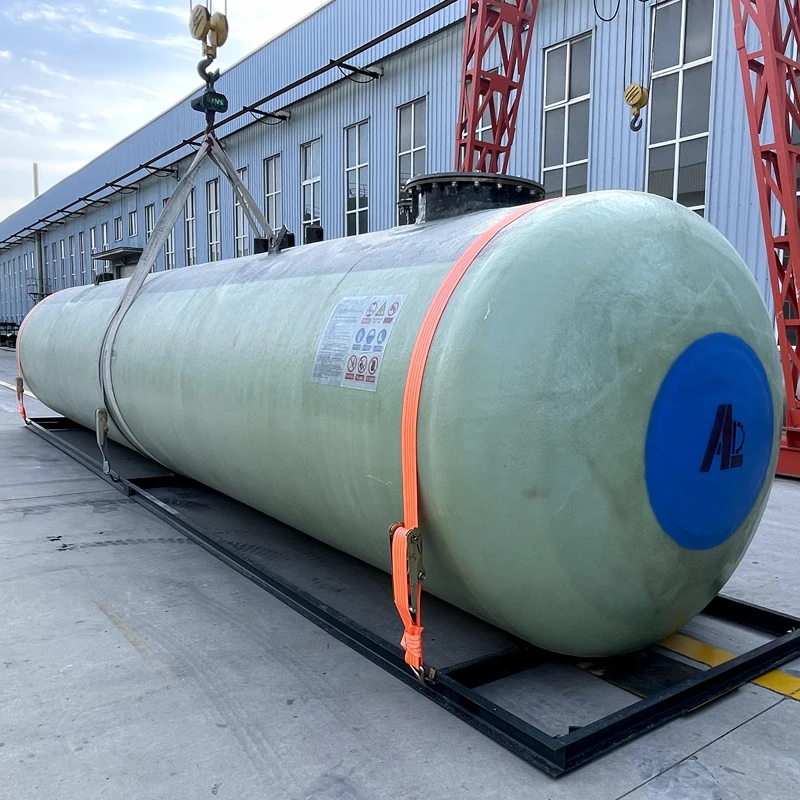
At its core, a 5000 gallon chemical storage tank is more than just a bulky container holding liquid chemicals. It’s a key piece of industrial infrastructure that supports manufacturing, environmental safety, and even humanitarian relief efforts worldwide. Why focus on this particular size? Well, the 5000 gallon capacity strikes a balance—big enough for meaningful volume, small enough for manageable transport and installation. If you work in industries ranging from chemical manufacturing to water treatment, or even emergency response, understanding these tanks isn’t just useful—it’s critical.

Globally, the chemical sector represents a multi-trillion-dollar industry with billions of gallons of hazardous and non-hazardous substances stored and transported annually. According to ISO standards, tanks like these must meet stringent safety and durability criteria given the risks associated with leaks or contamination. That’s a tall order, especially in developing regions or remote industrial zones where infrastructure falters.

This article peels back the layers of this “giant jug” as some engineers jokingly call it, exploring what makes a 5000 gallon chemical storage tank tick, why it’s so valuable, and how it’s evolving in a rapidly changing world.

The 5000 Gallon Chemical Storage Tank: What Is It Exactly?

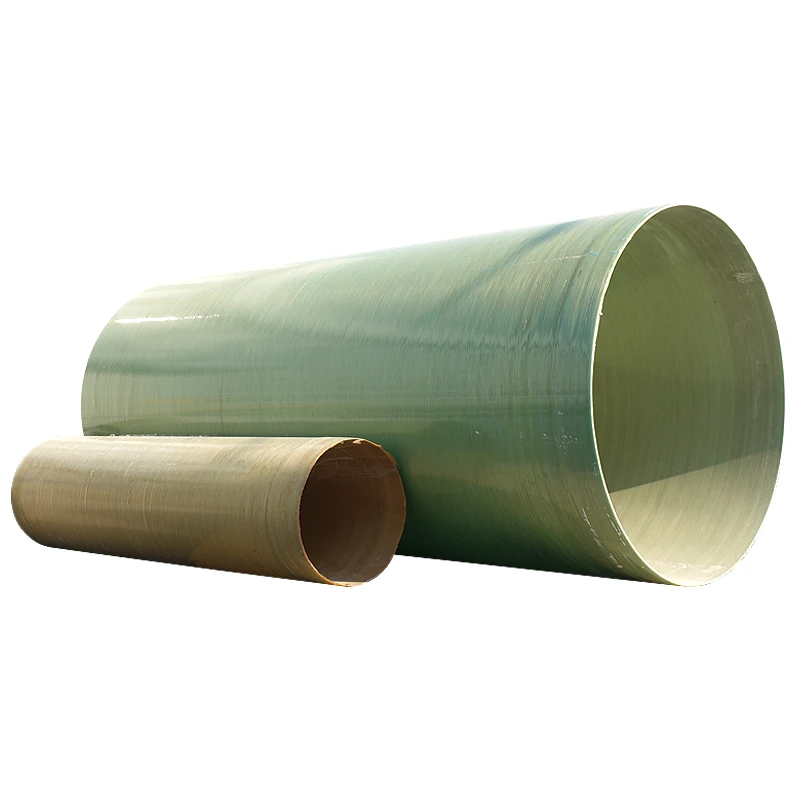
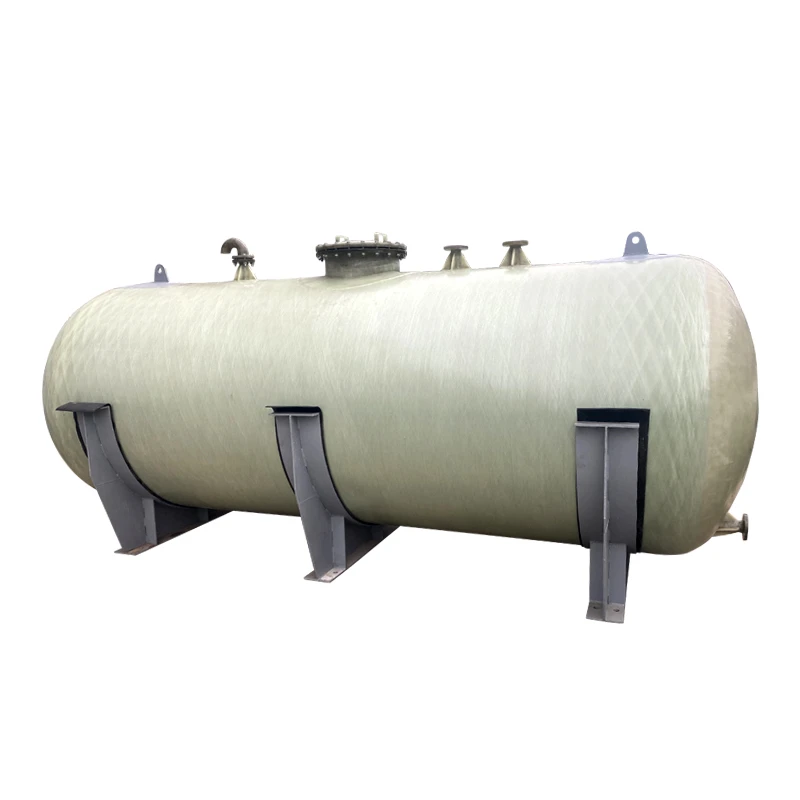
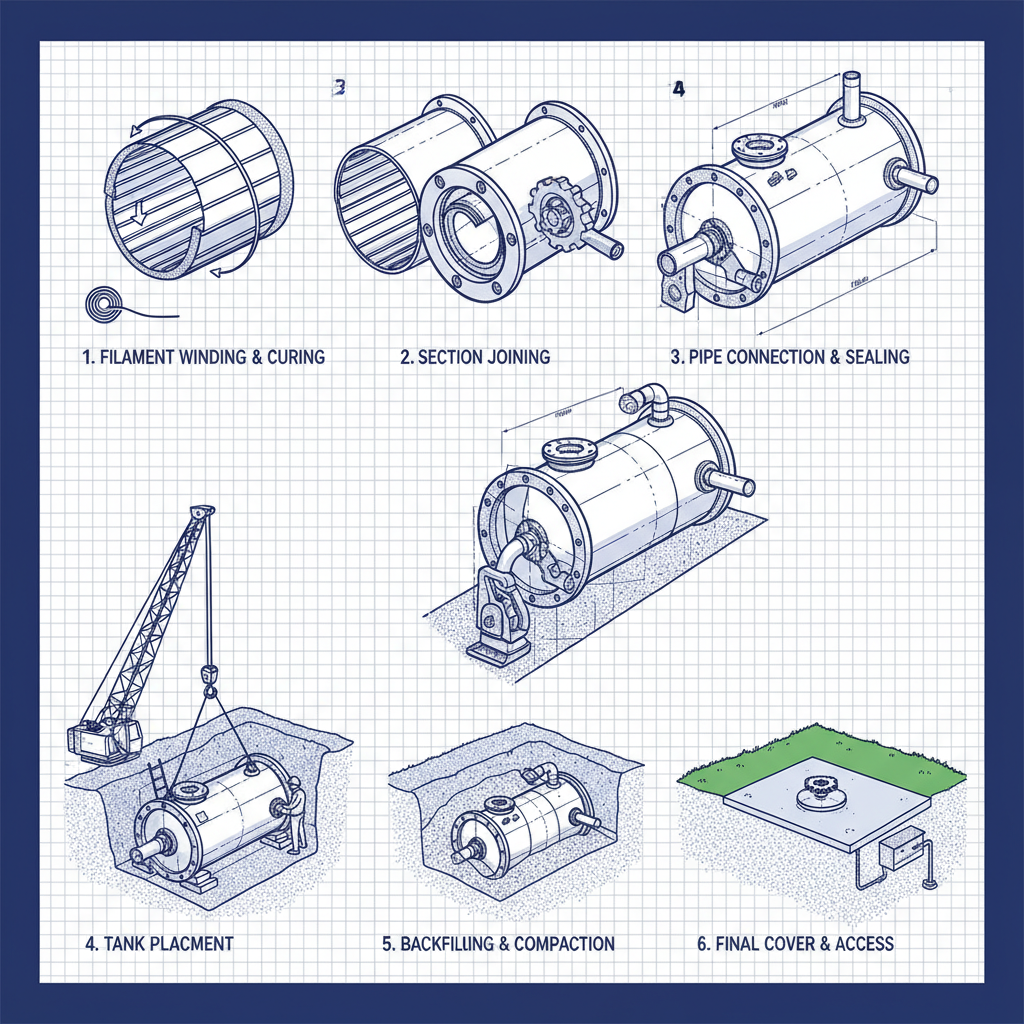
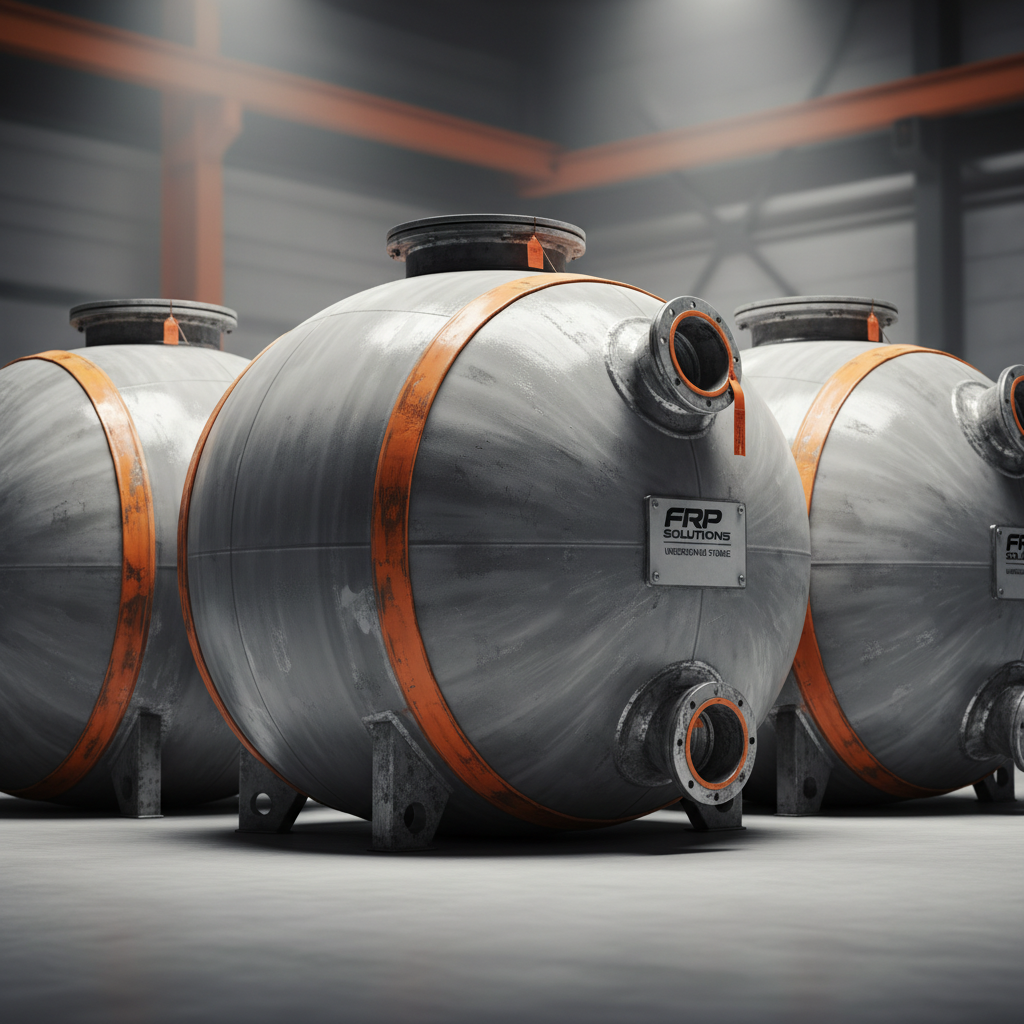
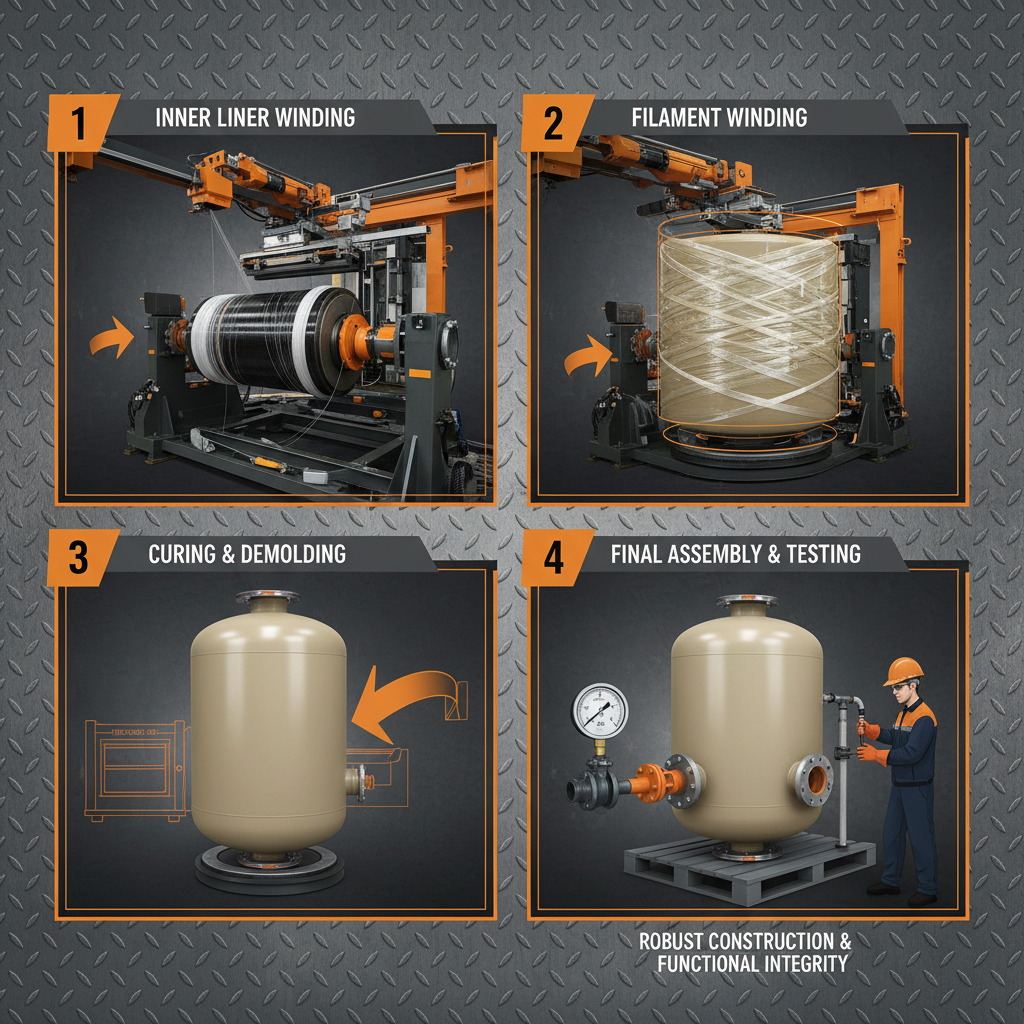
Simply put, a 5000 gallon chemical storage tank is a large vessel designed to safely hold and sometimes process a significant volume of chemicals. Filled with corrosive acids, flammable solvents, or water treatment agents, these tanks must be rugged and reliable. Constructed from materials like fiberglass-reinforced plastic (FRP), stainless steel, or high-density polyethylene (HDPE), the choice depends on the chemical's nature and operating conditions.

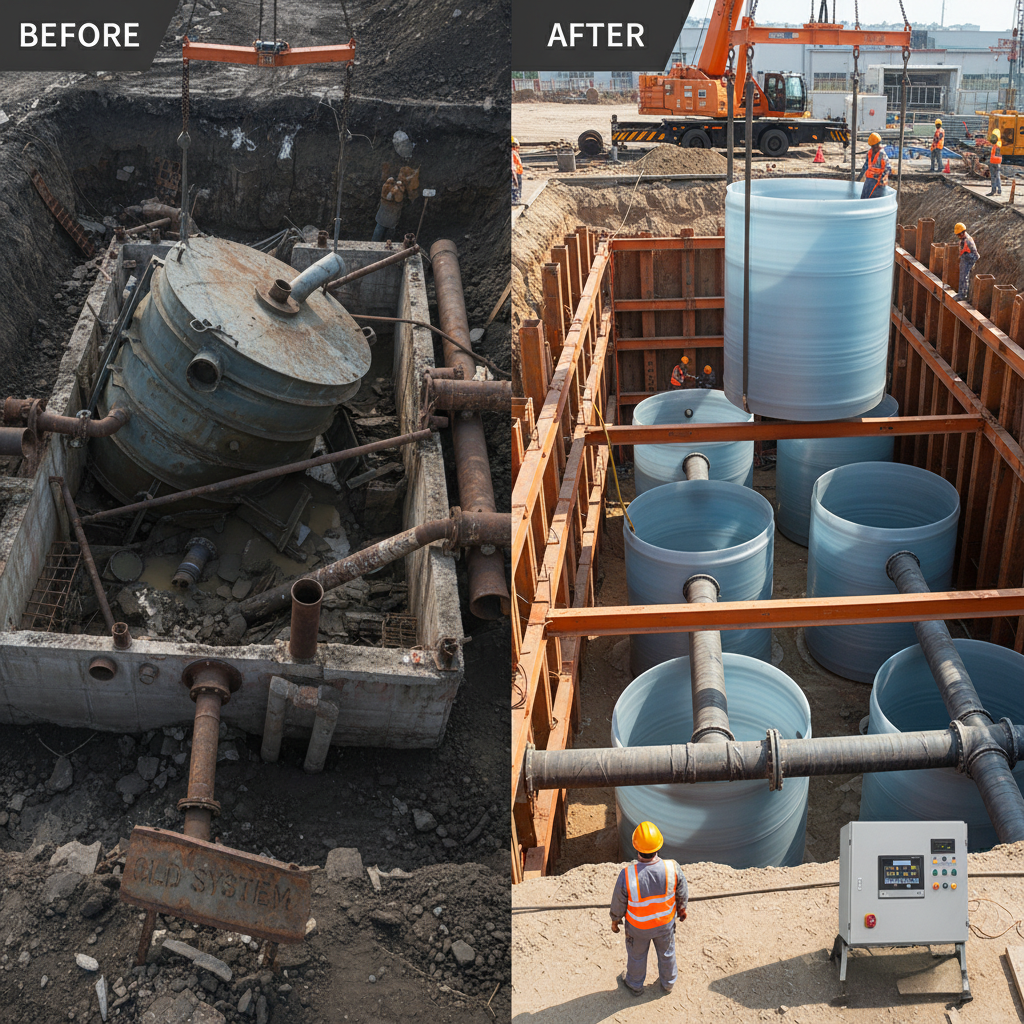
But beyond the chemistry, these tanks serve a vital purpose. Modern industries rely on them to stockpile raw materials, hold byproducts, and ensure smooth production flows. Even in humanitarian contexts — say, supplying safe water or disinfectants after natural disasters — having such storage capacity ready to deploy can save lives.

Key Factors Behind the Design and Use of 5000 Gallon Storage Tanks

Durability and Chemical Resistance

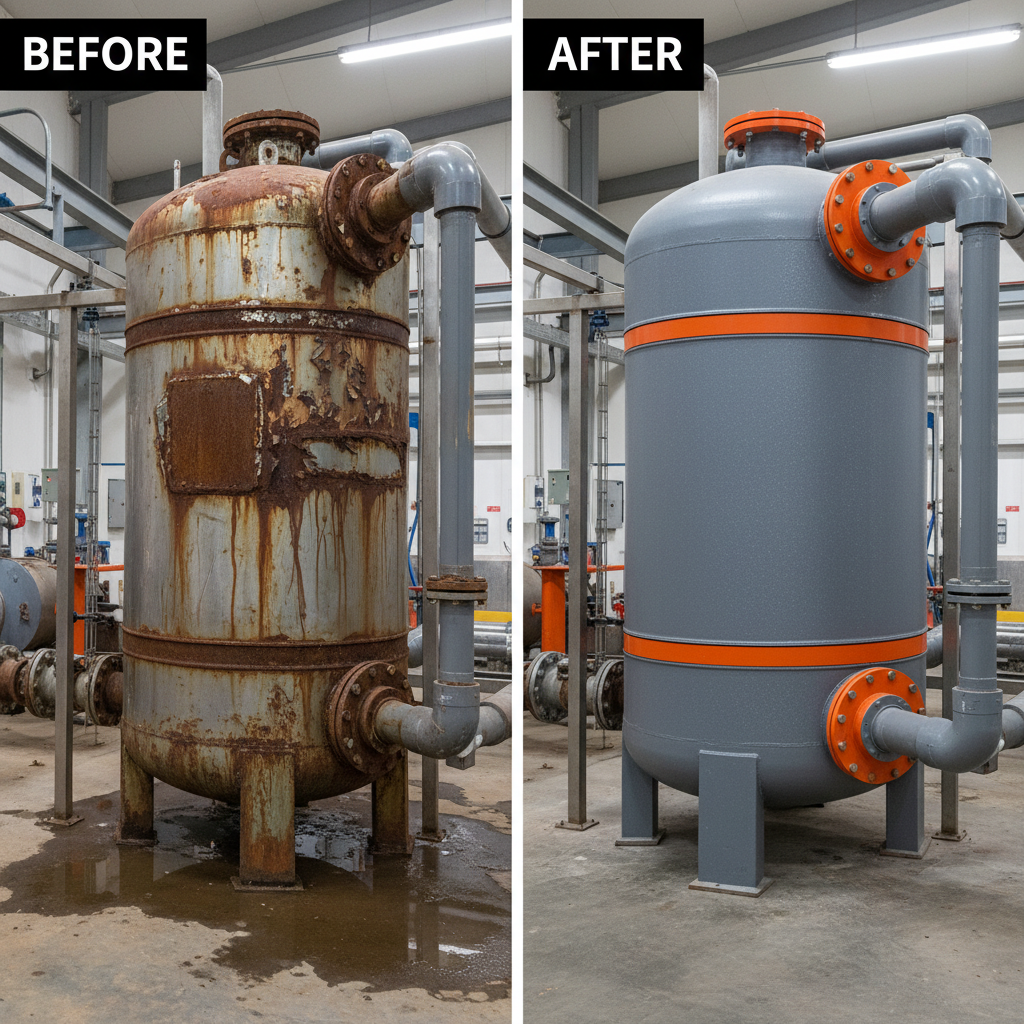
Obviously, a chemical tank must withstand whatever corrosive or reactive fluids it holds without degrading. FRP tanks, for example, provide strong resistance to acids and alkalis while enduring tough environmental conditions. That durability also extends tank life—keeping maintenance costs down and preventing hazardous leaks.

Scalability and Transportability

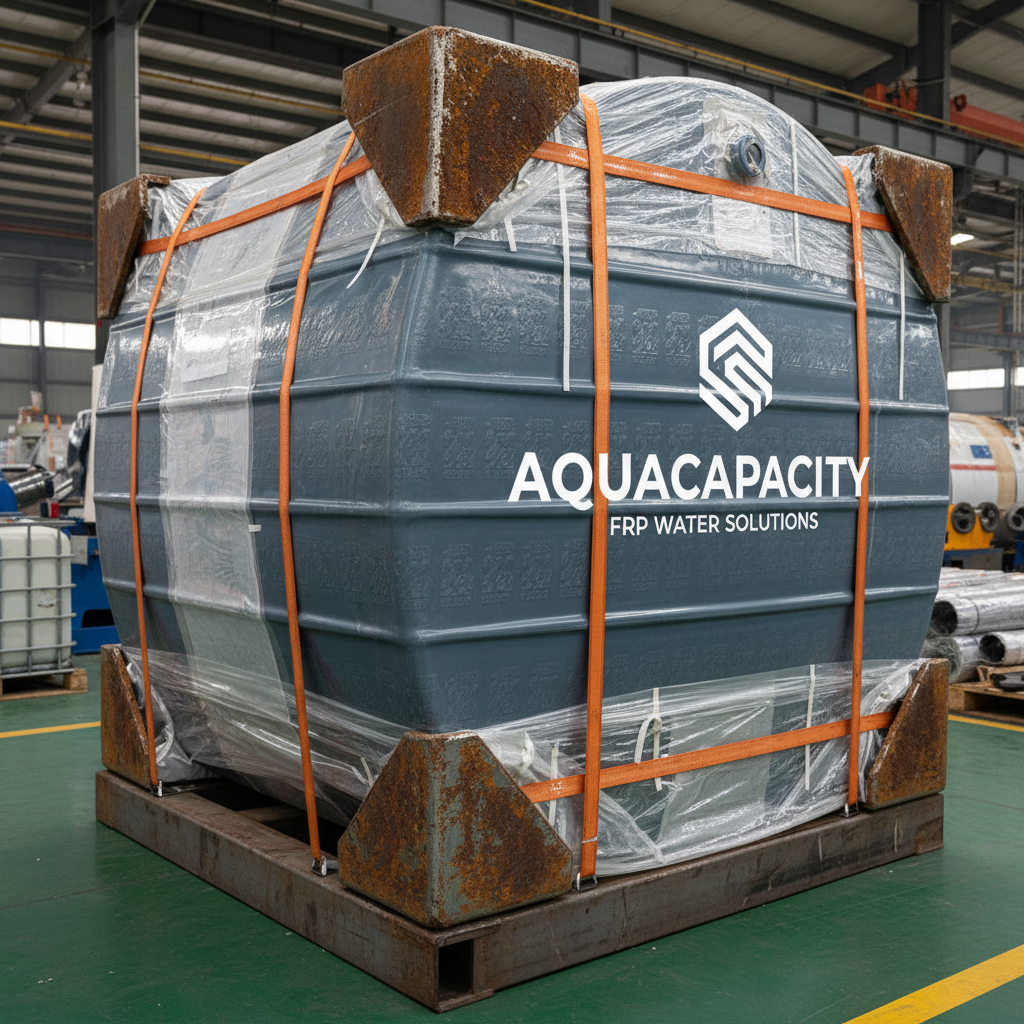
A 5000 gallon tank fits a sweet spot for scalability. It’s large enough for significant industrial or municipal uses but still sized so it can be transported on standard flatbed trucks. This mobility is critical when moving tanks to remote sites or disaster zones where infrastructure is lacking.

Cost Efficiency

Frankly, bigger isn’t always better given budget constraints. This size often offers optimal balance between upfront investment and operational efficiency. Material choice, fabrication method, and design all impact costs—and savvy operators know how to customize without going overboard.

Customization and Safety Features

Modern tanks might include anti-corrosion linings, leak detection systems, and compatible fittings or valves customized to specific operational needs. Safety standards (like those from EPA or OSHA) drive the incorporation of secondary containment systems and emergency venting.

Regulatory Compliance and Environmental Impact

The regulatory landscape around chemical storage is complex. Tanks must comply with national and international guidelines to prevent environmental contamination. Increasingly, manufacturers adopt green materials and production methods to minimize carbon footprint.

Typical Applications of 5000 Gallon Chemical Storage Tanks Around the World

This capacity tank sees heavy use in:

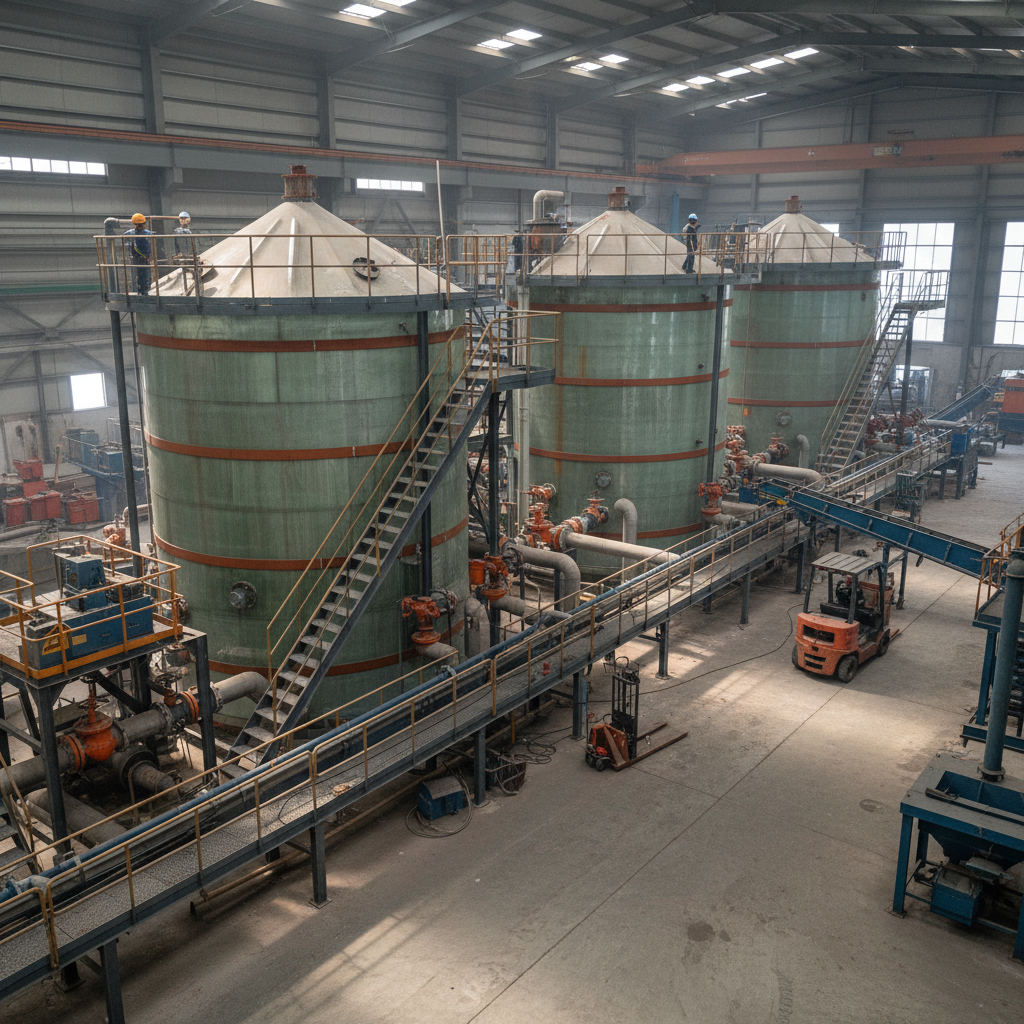
  • Industrial chemical plants: Storing raw solvents or intermediate products before shipping or further processing.
  • Water treatment facilities: Holding chlorine or other disinfectants for municipal water supplies.
  • Agriculture: Storing fertilizers and pesticides under safe conditions.
  • Disaster relief operations: Providing temporary chemical storage for sanitation solutions in remote or damaged areas.
  • Remote mining or oil sites: Storing fuels and additives where logistical challenges rule out bulk storage options.

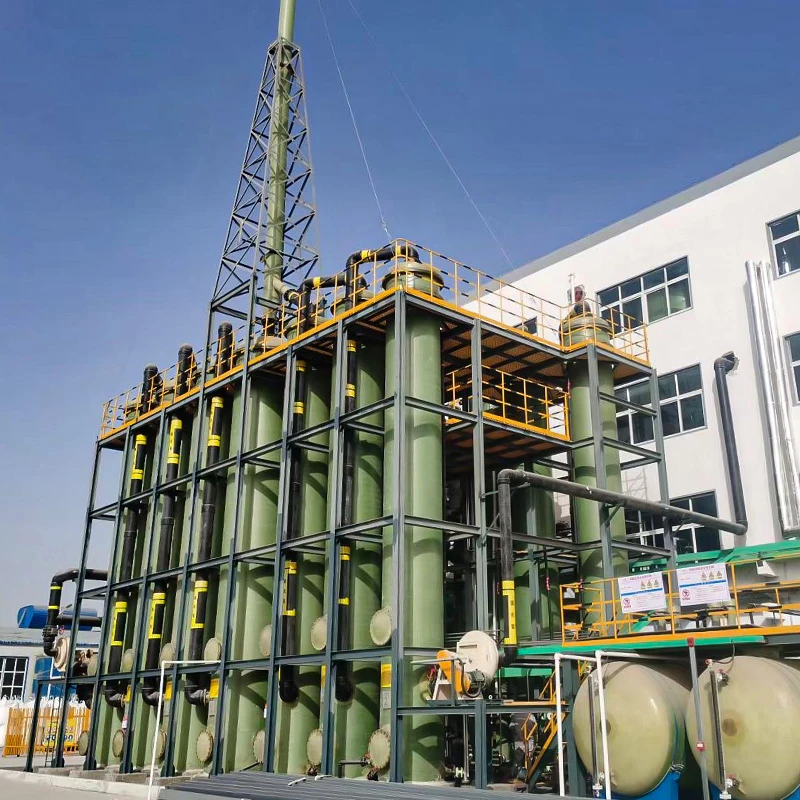
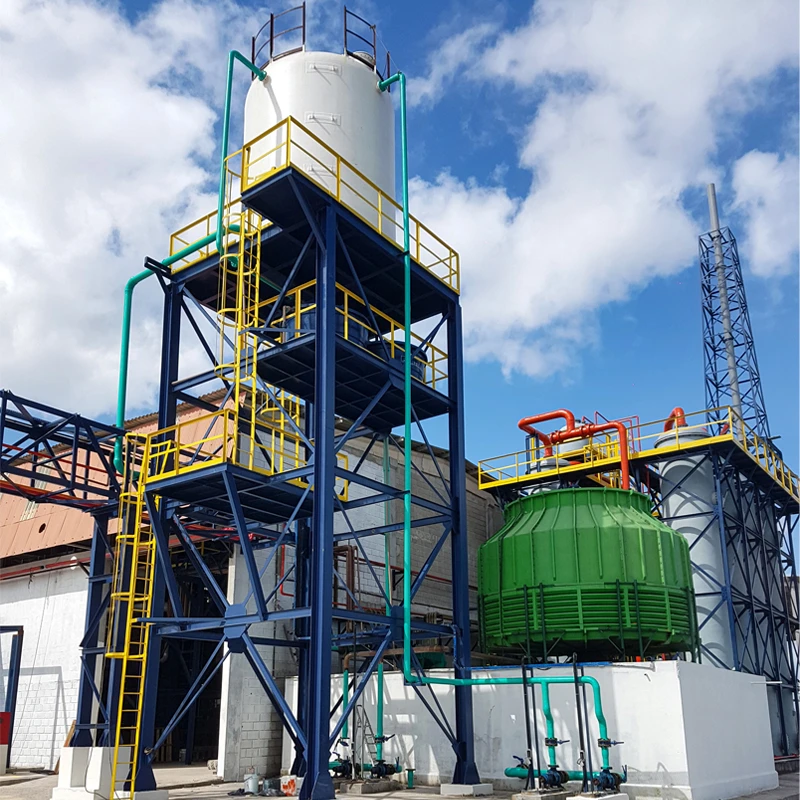
Regions like Southeast Asia, the Middle East, and parts of Africa see significant deployment of these tanks, especially as local industries grow and environmental regulations tighten. Oddly enough, many engineers I’ve talked to point out how these tanks also indirectly fuel humanitarian work — by making it easier to manage safe chemical storage in places where resources are tight.

Mini takeaway:

The 5000 gallon chemical storage tank sits at an intersection of industry need and global safety imperatives. Its robustness and versatility enable many sectors to function better and safer.

5000 Gallon Chemical Storage Tank Specifications: A Typical Example

Specification Detail
Material Fiberglass Reinforced Plastic (FRP)
Capacity 5000 gallons (approx. 18,927 liters)
Dimensions (L x W x H) 14 ft x 6 ft x 8 ft (approx.)
Operating Temperature -20°C to 120°C (-4°F to 248°F)
Chemical Resistance Acids, Alkalis, Solvents
Certifications ISO 9001, EPA Compliant

Vendor Comparison: Top Manufacturers of 5000 Gallon Chemical Storage Tanks

Vendor Material Options Customization Lead Time Warranty
Global Tank Solutions FRP, HDPE, Steel High (custom linings, fittings) 4-6 weeks 5 years
AquaStor Tech FRP, Polyethylene Medium (standard valves, sizes) 3-5 weeks 3 years
Reliant Containers Steel (coated), FRP Low (standard designs) 6-8 weeks 7 years

The Advantages and Long-Term Value of Using 5000 Gallon Chemical Storage Tanks

There’s no shortage of benefits that make these tanks a smart investment.

  • Cost savings: Durable materials reduce repairs and downtime, which pays off over years of operation.
  • Environmental safety: Modern designs minimize leaks, protecting ecosystems and communities nearby.
  • Operational reliability: Predictable storage volume and secure containment ease chemical handling.
  • Flexibility: Scalable to various industries and regional needs—whether urban water plants or remote mines.
  • Emotional peace-of-mind: Knowing hazardous chemicals are safely stored supports worker well-being and corporate responsibility.

Future Trends: What’s Next for Chemical Storage Tanks?

The storage tank world isn’t exactly flashy, but it’s quietly evolving. New trends include:

  • Advanced composite materials: Lighter, stronger, and more resistant materials cut transport costs and increase tank life.
  • Smart sensors and IoT integration: Digital monitoring detects leaks instantly, tracks chemical levels, and predicts maintenance needs.
  • Eco-friendly production: Emphasis on recyclable plastics and reduced emissions during manufacturing.
  • Modular designs: Easier assembly on-site for rapid deployment, especially in emergency situations.

Common Challenges and How to Overcome Them

It’s not all smooth sailing. Challenges such as chemical compatibility issues, transportation constraints, and strict regulatory requirements often crop up. However, ongoing innovation helps mitigate these problems:

  • Using custom linings or coatings to match specific chemicals.
  • Modular and sectional tanks ease transportation hurdles.
  • Close collaboration with regulatory bodies ensures compliance and smoother approvals.

FAQ: Questions About 5000 Gallon Chemical Storage Tanks

1. What materials are best suited for a 5000 gallon chemical storage tank?

The ideal material depends on the chemical stored. FRP is popular due to its durability and chemical resistance. For highly corrosive chemicals, specific linings or HDPE tanks might be preferred. Steel tanks with special coatings work well for fuels or hydrocarbons.

2. How long does a 5000 gallon chemical tank typically last?

With proper maintenance, these tanks can last 15 to 25 years or more. Material choice, environmental conditions, and usage intensity influence lifespan significantly.

3. Are these tanks suitable for outdoor installation?

Yes, most are designed for outdoor use with UV resistance and weatherproofing. However, site-specific conditions such as extreme temperatures or seismic activity require additional design considerations.

4. Can these tanks be customized for automated monitoring?

Absolutely. Many vendors offer options to install sensors that monitor fluid levels, temperature, and even detect leaks—feeding data to centralized control systems.

5. How can NGOs access 5000 gallon chemical storage tanks for emergency relief?

Many manufacturers provide rapid deployment solutions and offer rentals or donations. Partnering with organizations specializing in humanitarian logistics also helps streamline procurement.

Conclusion: The Lasting Importance of 5000 Gallon Chemical Storage Tanks

When all’s said and done, these tanks quietly shoulder a lot of the world’s chemical storage needs. Their role in blending safety, scalability, and cost efficiency cannot be overstated. Whether in bustling urban plants or far-flung disaster zones, the 5000 gallon chemical storage tank proves its value continuously.

If you’re looking for reliable chemical storage solutions, consider exploring options at 5000 gallon chemical storage tank providers who combine innovation with proven expertise.

Key Takeaway

This tank size represents a practical fusion of capacity, safety, and adaptability—meeting evolving industrial and humanitarian challenges head-on.
References

  1. ISO 20815: Petroleum, petrochemical and natural gas industries — Production assurance and reliability management
  2. Wikipedia - Chemical storage
  3. United Nations Environment Programme
Upsell Products
Upsell News
Durable FRP Vessel for Water Treatment and Industrial Filtration
Apr 16,2026
Durable FRP Vessel for Water Treatment and Industrial Filtration
In the modern era of industrial and residential water purification, the choice of containment materials is critical for efficiency and longevity. An frp vessel for water treatment has emerged as the gold standard, replacing traditional steel tanks due to its superior corrosion resistance and lightweight properties. Whether you are dealing with desalination, softening, or filtration, using Fiber Reinforced Plastic (FRP) ensures that your system remains leak-proof and durable against aggressive chemicals. In this comprehensive guide, we will explore why FRP is the preferred choice for water treatment professionals worldwide and how to select the right vessel for your specific application.
Industrial Guide for Choosing the Right FRP Vertical Tank
Apr 09,2026
Industrial Guide for Choosing the Right FRP Vertical Tank
In today's industrial landscape, the storage of corrosive chemicals and aggressive liquids requires materials that can withstand extreme conditions without degrading. The frp vertical tank has emerged as a premier solution, offering an exceptional balance of strength, lightweight properties, and unmatched chemical resistance. Whether you are managing a water treatment plant or a chemical processing facility, understanding the nuances of Fiber Reinforced Plastic (FRP) is essential for ensuring operational safety and longevity. In this comprehensive guide, we will explore why vertical configurations are preferred and how these tanks outperform traditional metal alternatives.
Comprehensive Guide to FRP Underground Water Tank Solutions and Applications
Apr 07,2026
Comprehensive Guide to FRP Underground Water Tank Solutions and Applications
Fiberglass Reinforced Polymer (FRP) underground water tanks are becoming increasingly popular for a wide range of applications, from potable water storage to industrial wastewater containment. Their superior corrosion resistance, lightweight nature, and design flexibility make them an excellent alternative to traditional materials like concrete or steel. This article will delve into the benefits, applications, construction, and considerations for implementing FRP underground water tanks, providing a comprehensive overview for engineers, contractors, and project managers.
Comprehensive Guide to Frp Underground Water Storage Tanks and Their Applications
Apr 04,2026
Comprehensive Guide to Frp Underground Water Storage Tanks and Their Applications
When considering water storage solutions, particularly for industrial, agricultural, or municipal applications, frp underground water storage tanks stand out as a durable, cost-effective, and environmentally friendly option. These tanks are increasingly favored over traditional materials like concrete or steel due to their superior corrosion resistance, lighter weight, and ease of installation. This article delves into the benefits, applications, construction, and considerations when choosing an FRP tank, providing a detailed overview for potential buyers and project planners.
Sulfuric Acid Production Line - Hebei Aoliande|Efficient H2SO4 Plant Technology
Apr 01,2026
Sulfuric Acid Production Line - Hebei Aoliande|Efficient H2SO4 Plant Technology
Discover efficient H2SO4 plant technology and advanced sulfuric acid production solutions. Hebei Aoliande combines energy-saving furnace design and eco-friendly HCl recovery systems for sustainable industrial applications. Explore now: https://www.frpgrpmachine.com/sulfuric-acid-production-line-for-h2so4-plant.html
Sulfuric Acid Production Line - Hebei Aoliande|Efficient H2SO4 Plant Technology
Apr 01,2026
Sulfuric Acid Production Line - Hebei Aoliande|Efficient H2SO4 Plant Technology
Discover efficient H2SO4 plant technology and advanced sulfuric acid production solutions. Hebei Aoliande combines energy-saving furnace design and eco-friendly HCl recovery systems for sustainable industrial applications. Explore now: https://www.frpgrpmachine.com/sulfuric-acid-production-line-for-h2so4-plant.html
Sulfuric Acid Production Line - Hebei Aoliande|Efficient H2SO4 Plant Technology
Apr 01,2026
Sulfuric Acid Production Line - Hebei Aoliande|Efficient H2SO4 Plant Technology
Discover efficient H2SO4 plant technology and advanced sulfuric acid production solutions. Hebei Aoliande combines energy-saving furnace design and eco-friendly HCl recovery systems for sustainable industrial applications. Explore now: https://www.frpgrpmachine.com/sulfuric-acid-production-line-for-h2so4-plant.html
Sulfuric Acid Production Line - Hebei Aoliande|Efficient H2SO4 Plant Technology
Apr 01,2026
Sulfuric Acid Production Line - Hebei Aoliande|Efficient H2SO4 Plant Technology
Discover efficient H2SO4 plant technology and advanced sulfuric acid production solutions. Hebei Aoliande combines energy-saving furnace design and eco-friendly HCl recovery systems for sustainable industrial applications. Explore now: https://www.frpgrpmachine.com/sulfuric-acid-production-line-for-h2so4-plant.html
Sulfuric Acid Production Line - Hebei Aoliande|Efficient H2SO4 Plant Technology
Apr 01,2026
Sulfuric Acid Production Line - Hebei Aoliande|Efficient H2SO4 Plant Technology
Discover efficient H2SO4 plant technology and advanced sulfuric acid production solutions. Hebei Aoliande combines energy-saving furnace design and eco-friendly HCl recovery systems for sustainable industrial applications. Explore now: https://www.frpgrpmachine.com/sulfuric-acid-production-line-for-h2so4-plant.html
Sulfuric Acid Production Line - Hebei Aoliande|Efficient H2SO4 Plant Technology
Apr 01,2026
Sulfuric Acid Production Line - Hebei Aoliande|Efficient H2SO4 Plant Technology
Discover efficient H2SO4 plant technology and advanced sulfuric acid production solutions. Hebei Aoliande combines energy-saving furnace design and eco-friendly HCl recovery systems for sustainable industrial applications. Explore now: https://www.frpgrpmachine.com/sulfuric-acid-production-line-for-h2so4-plant.html
Comprehensive Guide to Frp Underground Storage Tanks for Reliable Storage Solutions
Mar 31,2026
Comprehensive Guide to Frp Underground Storage Tanks for Reliable Storage Solutions
Fiberglass Reinforced Polymer (FRP) underground storage tanks are becoming increasingly popular for a wide range of applications, from fuel storage to wastewater management. Their corrosion resistance, lightweight nature, and durability offer significant advantages over traditional materials like steel. This article will provide an in-depth look at FRP underground storage tanks, covering their benefits, applications, installation, and maintenance. Understanding these aspects is crucial for making informed decisions about long-term storage solutions.
Comprehensive Guide to Selecting the Ideal FRP Tank for Water Storage Solutions
Mar 28,2026
Comprehensive Guide to Selecting the Ideal FRP Tank for Water Storage Solutions
When it comes to reliable and durable water storage, FRP tanks for water are increasingly becoming the preferred solution for a wide range of applications. These tanks, constructed from Fiber Reinforced Polymer (FRP) materials, offer significant advantages over traditional storage options like steel or concrete. This article delves into the benefits, applications, and considerations when selecting an FRP tank for your water storage needs, providing a detailed overview for businesses and individuals alike.
Comprehensive Guide to Frp Tank and Vessel Applications and Manufacturing
Mar 26,2026
Comprehensive Guide to Frp Tank and Vessel Applications and Manufacturing
Fiber Reinforced Polymer (FRP) tanks and vessels are increasingly becoming the preferred choice for storage and processing across a multitude of industries. Their lightweight nature, corrosion resistance, and design flexibility offer significant advantages over traditional materials like steel. This article will delve into the intricacies of FRP tanks and vessels, exploring their applications, manufacturing processes, benefits, and considerations for selecting the right solution for your specific needs. We’ll also highlight why FRP tanks are a cost-effective and reliable long-term investment. FRP tanks and vessels are constructed from a combination of reinforcing fibers (such as fiberglass, carbon fiber, or aramid fiber) embedded in a polymer matrix (typically polyester, vinyl ester, or epoxy resin). This combination creates a composite material that boasts high strength-to-weight ratio, exceptional corrosion resistance, and the ability to be molded into complex shapes. They’re designed to safely contain a wide variety of liquids and gases, ranging from corrosive chemicals and water to food products and pharmaceuticals.
Optimizing Water Filtration with Durable FRP Sand Filter Vessels
Mar 24,2026
Optimizing Water Filtration with Durable FRP Sand Filter Vessels
In water treatment and filtration systems, the choice of filter vessel material is paramount. Fiber Reinforced Plastic (FRP), also known as Glass Reinforced Polymer (GRP), sand filter vessels are increasingly popular due to their superior corrosion resistance, lightweight nature, and cost-effectiveness. This article delves into the benefits, applications, design considerations, and factors to consider when selecting an FRP sand filter vessel. Whether you are involved in municipal water treatment, industrial wastewater management, or recreational water filtration, understanding FRP technology is essential for optimizing your filtration process. An FRP sand filter vessel is a containment unit designed to house filtration media, typically sand, gravel, and anthracite. These vessels are integral components in sand filtration systems used for removing suspended solids, turbidity, and other particulate matter from water. FRP construction involves layering glass fibers within a resin matrix (typically polyester or vinyl ester) to create a strong, durable, and chemically resistant shell. The strength and rigidity of the vessel are crucial for withstanding the pressure from the filtration media and the water flow.
Comprehensive Guide to FRP Round Tanks Applications and Benefits
Mar 21,2026
Comprehensive Guide to FRP Round Tanks Applications and Benefits
Fiber Reinforced Polymer (FRP) round tanks are increasingly becoming the preferred choice for storage solutions across a variety of industries. Their lightweight nature, corrosion resistance, and design flexibility offer significant advantages over traditional materials like steel. This article provides an in-depth look at FRP round tanks, exploring their applications, benefits, manufacturing processes, and key considerations when choosing the right tank for your needs. Whether you're in chemical processing, water treatment, or agriculture, understanding FRP round tanks is crucial for optimizing your storage infrastructure. FRP round tanks are constructed from a combination of reinforcing fibers (typically fiberglass, carbon fiber, or a blend) embedded in a polymer matrix (often polyester, vinyl ester, or epoxy resin). The round shape inherently provides excellent structural strength, distributing pressure evenly across the tank’s surface.
Comprehensive Guide to FRP Pressure Tanks Benefits and Applications
Mar 19,2026
Comprehensive Guide to FRP Pressure Tanks Benefits and Applications
Fiber Reinforced Polymer (FRP) pressure tanks are becoming increasingly popular in a wide range of industrial applications, offering a compelling alternative to traditional steel tanks. Known for their lightweight nature, corrosion resistance, and high strength-to-weight ratio, FRP tanks provide efficient and durable solutions for storing liquids and gases under pressure. This article will delve into the benefits, applications, construction, and key considerations when selecting an FRP pressure tank, helping you make an informed decision for your specific needs. Understanding the advantages of FRP technology can lead to significant cost savings and improved operational efficiency. Compared to steel, FRP pressure tanks offer several key advantages. The most significant is their superior corrosion resistance. Unlike steel, which is susceptible to rust and corrosion when exposed to various chemicals, FRP materials are inherently resistant to a wide range of corrosive substances. This translates to a longer lifespan, reduced maintenance costs, and increased safety. Furthermore, FRP is significantly lighter than steel, making installation easier and reducing transportation costs.
For More Details Pls Contact Us
Thank you for your interest in our gloves! We offer high-quality, durable, and comfortable gloves with fast delivery and competitive prices. For any questions or customization, feel free to contact us. We look forward to working with you!

If you are interested in our products, you can choose to leave your information here, and we will be in touch with you shortly.