Nov 15,2025

Durable 5000 Gallon Fiberglass Tanks for Water and Chemical Storage

What’s the big deal with a 5000 gallon fiberglass tank?

If you work in water storage, chemical processing, agriculture, or waste management, chances are you’ve heard the term “5000 gallon fiberglass tank” thrown around. But why does it matter beyond those industries? Put simply, these tanks are big, durable containers designed for storing liquids safely, efficiently, and with minimal environmental fuss. On a global scale, they support everything from clean water initiatives to chemical manufacturing — essential components of infrastructure, humanitarian aid, and sustainable industrial workflows. Understanding these tanks is more than just logistics; it’s about grasping how industries move and store vital resources responsibly. With more frequent climate-related disasters, decades-long infrastructure needs, and stricter sustainability goals, knowing what a 5000 gallon fiberglass tank brings to the table is increasingly valuable. ---

The global stage: Why 5000 gallon fiberglass tanks are no small potatoes

To appreciate the relevance of a 5000 gallon fiberglass tank, consider some numbers from credible sources: The UN estimates that over 2 billion people currently lack safe drinking water access worldwide. Meanwhile, the global chemical industry, according to the International Organization for Standardization (ISO), generates trillions in revenue annually — with every drop securely stored somewhere. In all these sectors, storage tanks must be reliable, non-corrosive, and cost-effective. That presents a challenge: traditional steel tanks rust, plastic tanks can warp, and concrete tanks can crack. Enter fiberglass tanks — lightweight but tough, resistant to corrosion, and far less prone to contamination. They address lasting issues of durability and maintenance costs across water projects, industrial processes, and emergency response. ---

What exactly is a 5000 gallon fiberglass tank?

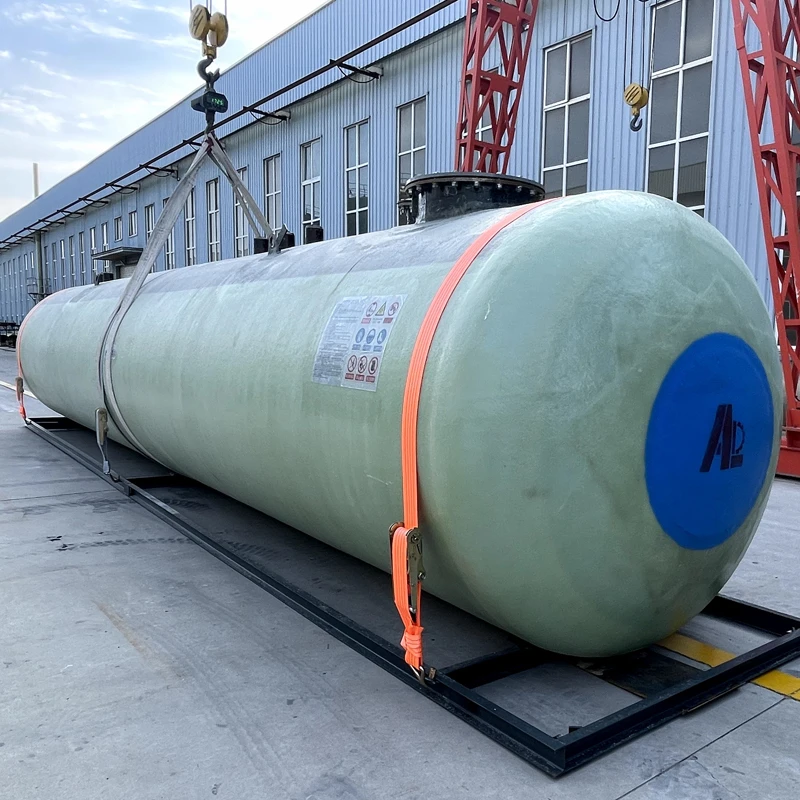
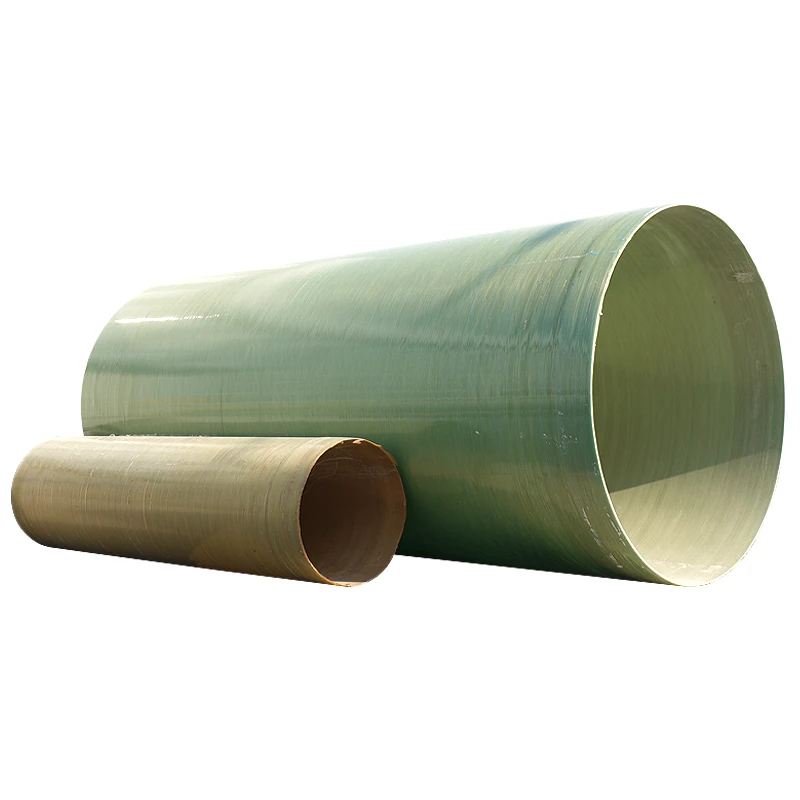
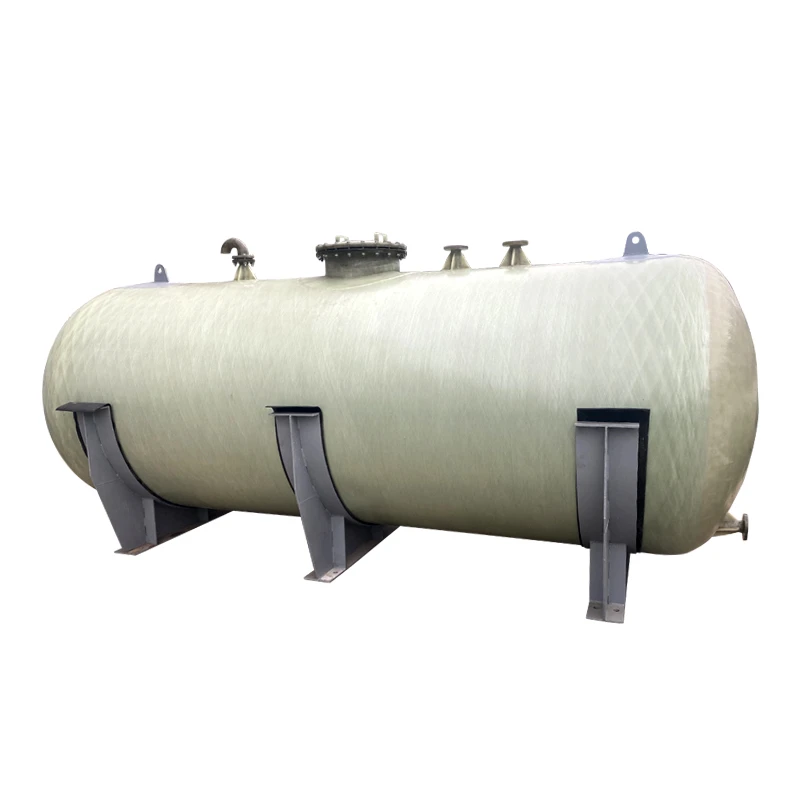
Simply put, a 5000 gallon fiberglass tank is a large storage container made primarily from reinforced fiberglass materials, designed to hold liquids with a volume of around 5000 gallons (about 18,900 liters). Fiberglass, a composite material made of glass fibers embedded in resin, offers a fantastic strength-to-weight ratio plus corrosion resistance. In modern industry, these tanks find roles ranging from storing potable water and wastewater to chemicals and agricultural liquids. Humanitarian groups also rely on them for clean water distribution in disaster zones, thanks to their portability and endurance. ---

Key factors that make fiberglass tanks stand out

Durability that outlasts expectations

A 5000 gallon fiberglass tank resists rust, pitting, and cracking under UV exposure or harsh chemicals. Many engineers say fiberglass tanks can easily last 20+ years, especially with proper maintenance — which is far beyond most plastic alternatives.

Portability and ease of installation

While not exactly “lightweight” at 5000 gallons, fiberglass tanks weigh far less than equivalent steel tanks of the same size. This makes them easier to transport and install in remote locations or areas with limited crane access.

Cost efficiency over the long haul

Initial costs might look comparable with steel, but when factoring in maintenance and corrosion control, fiberglass tanks often prove more economical. Fewer repairs and longer service intervals mean lower lifetime expenditure.

Customizability for specific needs

Fiberglass tanks can be molded into complex shapes and customized for inlet/outlet configurations, insulation, or lining with UV inhibitors — adapting to almost any liquid storage requirement.

Environmental sustainability

Fiberglass production consumes less energy than steel manufacturing, and the tanks’ long life reduces waste. Plus, their corrosion resistance minimizes the risk of liquid leaks — hugely important for chemical storage. ---

Where are these tanks actually used?

The applications spread wide. In North America, water treatment plants and mining operations use 5000 gallon fiberglass tanks to hold potable water or slurry. In Asia-Pacific, they frequently support agricultural irrigation systems, storing fertilizer mixtures safely. Disaster relief organizations deploy these tanks in remote post-hurricane areas to temporarily store and distribute clean water. Oddly enough, they’ve even become popular in breweries and food processing plants — places where contamination risk is no joke. 5000 gallon fiberglass tank users include governments investing in rural water infrastructure, NGOs working in refugee camps, and industrial firms meeting environmental regulations. It’s a versatile tool crossing borders and sectors. ---

Advantages that really add up over time

- Safety & Trust: Fiberglass doesn’t corrode or leach harmful substances, helping maintain water purity and chemical stability. - Cost savings: Reduced maintenance and longer lifespan translate into better budgets. - Sustainability: Lower environmental footprint in manufacturing and operation. - Innovation support: Compatible with sensors and automated monitoring, aligning with digital transformation trends. There’s a certain peace of mind that comes from knowing you’ve invested in equipment you won’t need to babysit constantly. That’s invaluable for industries where downtime can cost thousands per hour. ---

What’s coming next? Emerging trends in fiberglass tank tech

The future points toward smarter tanks. Embedded IoT sensors can monitor fluid levels, temperature, and structural integrity — giving operators proactive maintenance alerts. Research into bio-based resins aims to further reduce environmental footprint. On the regulatory front, more stringent water quality standards and hazardous material handling codes push manufacturers to refine materials and designs continually. Some companies explore modular fiberglass tanks that can be linked together for scalable storage solutions, blending flexibility with durability. ---

Common hurdles and how experts overcome them

The chief complaint often is mechanical impact vulnerability — fiberglass can be brittle under force, meaning mishandling during transport or installation risks cracking. To address this, protective coatings and external metal frames are being used more frequently. Another challenge is UV degradation in outdoor settings. Additives and specialized paint layers counteract sunlight damage but add to cost. Balancing affordability with longevity remains a fine art. Finally, the sometimes uneven quality from different manufacturers means buyer diligence is critical — which leads us naturally into a vendor comparison. ---

Technical specs for a common 5000 gallon fiberglass tank

Specification Details
Capacity 5000 gallons (18,927 liters)
Material Gel-coated fiberglass reinforced plastic (FRP)
Dimensions Approx. 8 ft diameter × 12 ft height
Weight ~700 lbs (318 kg) empty
Max Operating Temperature 140°F (60°C)
Lifespan 20+ years with maintenance
---

How do vendors stack up? Comparing popular 5000 gallon fiberglass tank manufacturers

Brand Price Range Customization Options Warranty Lead Time
FibroTank Co. $4,500–$6,000 High: fittings, colors, sizes 10 years 6–8 weeks
AquaFiberglass Ltd. $4,000–$5,500 Moderate: standard sizes & colors 8 years 4–6 weeks
Global FRP Solutions $5,000–$6,500 Extensive: fully custom tanks 12 years 8–10 weeks
---

FAQ: What you really want to know about 5000 gallon fiberglass tanks

Q: How long does a 5000 gallon fiberglass tank typically last?
A: With proper maintenance, these tanks can last 20 years or more. Factors like exposure to UV, chemical type, and physical handling play roles, but fiberglass’s corrosion resistance significantly extends lifespan over steel or plastic options.
Q: Can these tanks be used for drinking water storage?
A: Absolutely. Fiberglass tanks with food-grade gel coats are safe for potable water. Many water districts and NGOs prefer them for clean water distribution due to their cleanliness and non-toxicity.
Q: Are fiberglass tanks suitable for extreme temperatures?
A: Most 5000 gallon fiberglass tanks can handle temperatures up to about 140°F (60°C). For hotter liquids, specialized resins or insulation may be required.
Q: What maintenance do fiberglass tanks need?
Cleaning periodically, checking fittings, and inspecting for surface damage or gel coat wear constitute typical maintenance. Repair kits and professional services are available if cracks or delamination occur.
Q: How quickly can these tanks be delivered and installed?
Depending on manufacturer and customization, lead times range from 4 to 10 weeks. Installation time varies by site but is generally faster than steel tanks due to lighter weight and fewer components.
---

Wrapping it all up: Why 5000 gallon fiberglass tanks still make sense

Over time, the 5000 gallon fiberglass tank has proven its worth as a robust, adaptable, and cost-effective solution for liquid storage worldwide. Whether you’re outfitting a new rural water system, managing chemical process plants, or responding to emergencies, its benefits—from durability to ease of use—shine through complex logistical challenges. For those interested in exploring tailored solutions, 5000 gallon fiberglass tank options are just a click away. Honestly, investing in reliable storage tanks means fewer headaches later — and that’s always music to an engineer’s ears, isn’t it? ---

Quick takeaways:

  • Fiberglass tanks blend strength, corrosion resistance, and longevity.
  • They serve vital roles globally — from agriculture to disaster relief.
  • Customization and future tech adoption make them ready for decades ahead.
  • Choosing the right vendor is key to quality and warranties.
---

References:

  1. Fiberglass — Wikipedia
  2. UN Water for Life Decade
  3. ISO Technical Committee on Tanks and Containers
Upsell Products
Upsell News
Guide to Fiber Water Tank Price and FRP Storage Costs
Jul 01,2026
Guide to Fiber Water Tank Price and FRP Storage Costs
Understanding Fiber Water Tank Price: A Comprehensive Investment Guide When searching for a reliable liquid storage solution, understanding the factors that influence fiber water tank price is essential for optimizing your operational budget. Fiber-Reinforced Plastic FRP tanks have become the industry standard for water and chemical storage due to their exceptional corrosion resistance and structural integrity. Whether you are managing a municipal water project or an industrial chemical plant, selecting the right tank requires a balance between initial cost and long-term durability. In this guide, we will explore the variables that drive pricing and why FRP remains the most cost-effective choice
Guide to Fibreglass Water Tank Prices and FRP Investment
Jun 29,2026
Guide to Fibreglass Water Tank Prices and FRP Investment
Understanding Fibreglass Water Tank Prices: A Comprehensive Investment Guide When planning water storage for industrial or commercial applications, understanding the factors that influence fibreglass water tank prices is essential for optimizing your budget. Fibreglass Reinforced Plastic FRP tanks offer a superior alternative to steel or concrete due to their corrosion resistance and lightweight nature. Whether you are in the petroleum, chemical, or drainage industry, selecting a tank that balances cost with long-term durability is key. In this guide, we will explore the pricing drivers, technical advantages, and specifications of high-quality FRP storage solutions to help you make an informed purchasing decision.
Industrial Fiberglass Water Tank Price and Buyers Guide
Jun 27,2026
Industrial Fiberglass Water Tank Price and Buyers Guide
Analyzing Fiberglass Water Tank Price: A Comprehensive Buyers Guide When investing in industrial water storage, understanding the fiberglass water tank price is essential for effective budget planning and operational efficiency. Fiberglass Reinforced Plastic FRP tanks have become the gold standard in water quality pollution prevention and chemical storage due to their exceptional corrosion resistance and durability. Whether you are managing a municipal water system or a specialized manufacturing plant, choosing the right tank involves balancing initial costs with long-term lifecycle value. In this guide, we will break down the factors that influence pricing and why FRP is often the most cost-effective choice
Comprehensive Guide to GRP Sectional Water Tanks Prices and Quality
Jun 26,2026
Comprehensive Guide to GRP Sectional Water Tanks Prices and Quality
Selecting the right water storage solution is critical for industrial, commercial, and residential infrastructure. When evaluating grp sectional water tanks prices, it is essential to look beyond the initial sticker price and consider the total cost of ownership, including durability, installation ease, and maintenance. Glass Reinforced Plastic GRP tanks offer a superior alternative to traditional steel or concrete, providing exceptional corrosion resistance and modular flexibility. In this guide, we will explore the factors that influence pricing and why GRP remains the gold standard for modern water management.
Guide to Understanding FRP Tank Cost and Investment Value
Jun 25,2026
Guide to Understanding FRP Tank Cost and Investment Value
Understanding FRP Tank Cost: A Comprehensive Guide to Investment and Value When investing in industrial storage solutions, understanding the frp tank cost is essential for accurate budgeting and long-term operational planning. Fiber Reinforced Plastic FRP tanks offer an exceptional balance of corrosion resistance, structural strength, and longevity, making them the preferred choice for chemical, petroleum, and water treatment industries. While initial pricing can vary based on specifications, the total cost of ownership is often significantly lower than traditional steel tanks due to reduced maintenance. In this guide, we will explore the factors influencing pricing and the advanced machinery used to produce these high-performance vessels.
Best Industrial 500 gallon chemical tank for Storage and Safety
Jun 23,2026
Best Industrial 500 gallon chemical tank for Storage and Safety
Choosing the Best 500 Gallon Chemical Tank for Industrial Storage When managing hazardous materials or industrial fluids, the integrity of your storage system is non-negotiable. A high-quality 500 gallon chemical tank provides the perfect balance between capacity and footprint, making it an ideal choice for mid-sized operations, water treatment facilities, and chemical processing plants. Selecting the right material and design ensures not only the safety of your personnel but also the longevity of your assets. In this guide, we will explore the critical factors you need to consider to optimize your chemical storage efficiency and compliance.
Safe and Efficient Industrial Chemical Storage Tanks Guide
Jun 21,2026
Safe and Efficient Industrial Chemical Storage Tanks Guide
Maximizing Safety and Efficiency with Industrial Chemical Storage Tanks In the modern industrial landscape, the secure management of hazardous materials is not just a regulatory requirement but a critical safety priority. Selecting the right industrial chemical storage tanks is essential for preventing leaks, reducing environmental impact, and ensuring the longevity of your infrastructure. Whether you are dealing with highly corrosive acids or volatile solvents, the material composition and design of your storage system determine your operational risk. This guide explores the technical nuances of chemical storage to help you make an informed investment for your facility.
Best Guide to Choosing a Durable 200 Gallon Chemical Tank
Jun 20,2026
Best Guide to Choosing a Durable 200 Gallon Chemical Tank
The Ultimate Guide to Choosing a 200 Gallon Chemical Tank Finding the right storage solution for hazardous or corrosive substances is critical for industrial safety and operational efficiency. A 200 gallon chemical tank offers a versatile mid-size capacity, ideal for businesses that need a balance between space-saving design and sufficient volume for chemical processing. Whether you are dealing with acids, bases, or specialty solvents, the material composition of your tank determines its lifespan and your facilitys safety. In this guide, we will explore the technical specifications, material options, and best practices for maintaining these essential industrial assets.
Industrial Fiberglass Water Storage Tanks Guide for Efficiency
Jun 18,2026
Industrial Fiberglass Water Storage Tanks Guide for Efficiency
The Ultimate Guide to Fiberglass Water Storage Tanks for Industrial Use Selecting the right containment system is critical for maintaining water purity and operational efficiency. fiberglass water storage tanks have emerged as a superior alternative to traditional steel or concrete reservoirs. Combining high strength-to-weight ratios with exceptional corrosion resistance, these tanks are designed to withstand the harshest environmental conditions while ensuring the longevity of your infrastructure. Whether you are managing a municipal water system or an industrial chemical process, understanding the advantages of FRP Fiber Reinforced Plastic technology is the first step toward a sustainable storage solution.
Industrial Storage Guide for Modular Sectional Water Tanks
Jun 13,2026
Industrial Storage Guide for Modular Sectional Water Tanks
When managing large-scale water storage, efficiency and scalability are non-negotiable. Sectional water tanks offer a versatile and robust solution for industries requiring customized capacities and easy installation in restricted spaces. Unlike monolithic tanks, these systems are engineered from modular panels, allowing for precise sizing and seamless transport to remote sites. Whether it is for fire protection, potable water, or industrial processing, choosing the right tank configuration can significantly impact the longevity and reliability of your water infrastructure. In this guide, we explore why these modular systems are the preferred choice for modern engineering projects worldwide.
Industrial Safety Guide for Double Wall Chemical Tanks
Jun 11,2026
Industrial Safety Guide for Double Wall Chemical Tanks
In the world of industrial chemical storage, containment is not just a preferenceit is a critical safety requirement. double wall chemical tanks provide a sophisticated layer of security, ensuring that hazardous materials are contained even if the primary vessel fails. By utilizing a tank-within-a-tank design, these systems prevent catastrophic leaks, protect the surrounding environment, and ensure compliance with strict regulatory standards. Whether you are managing a water treatment plant or a chemical manufacturing facility, understanding the nuances of secondary containment is essential for operational longevity and risk mitigation.
High Efficiency and Durability of Fiberglass Storage Tanks
Jun 09,2026
High Efficiency and Durability of Fiberglass Storage Tanks
In the world of industrial liquid containment, choosing the right material is critical for safety, longevity, and cost-effectiveness. fiberglass storage tanks , also known as FRP Fiber Reinforced Plastic tanks, have emerged as the gold standard for storing corrosive chemicals, water, and hazardous materials. Unlike traditional metal tanks, fiberglass offers an unparalleled combination of strength and chemical inertness. Whether you are managing a municipal water system or a complex chemical processing plant, understanding the advantages of these advanced composite structures is essential for optimizing your infrastructure and reducing long-term maintenance costs.
Durable FRP Vessel for Water Treatment and Industrial Filtration
Apr 16,2026
Durable FRP Vessel for Water Treatment and Industrial Filtration
In the modern era of industrial and residential water purification, the choice of containment materials is critical for efficiency and longevity. An frp vessel for water treatment has emerged as the gold standard, replacing traditional steel tanks due to its superior corrosion resistance and lightweight properties. Whether you are dealing with desalination, softening, or filtration, using Fiber Reinforced Plastic (FRP) ensures that your system remains leak-proof and durable against aggressive chemicals. In this comprehensive guide, we will explore why FRP is the preferred choice for water treatment professionals worldwide and how to select the right vessel for your specific application.
Industrial Guide for Choosing the Right FRP Vertical Tank
Apr 09,2026
Industrial Guide for Choosing the Right FRP Vertical Tank
In today's industrial landscape, the storage of corrosive chemicals and aggressive liquids requires materials that can withstand extreme conditions without degrading. The frp vertical tank has emerged as a premier solution, offering an exceptional balance of strength, lightweight properties, and unmatched chemical resistance. Whether you are managing a water treatment plant or a chemical processing facility, understanding the nuances of Fiber Reinforced Plastic (FRP) is essential for ensuring operational safety and longevity. In this comprehensive guide, we will explore why vertical configurations are preferred and how these tanks outperform traditional metal alternatives.
Comprehensive Guide to FRP Underground Water Tank Solutions and Applications
Apr 07,2026
Comprehensive Guide to FRP Underground Water Tank Solutions and Applications
Fiberglass Reinforced Polymer (FRP) underground water tanks are becoming increasingly popular for a wide range of applications, from potable water storage to industrial wastewater containment. Their superior corrosion resistance, lightweight nature, and design flexibility make them an excellent alternative to traditional materials like concrete or steel. This article will delve into the benefits, applications, construction, and considerations for implementing FRP underground water tanks, providing a comprehensive overview for engineers, contractors, and project managers.
Comprehensive Guide to Frp Underground Water Storage Tanks and Their Applications
Apr 04,2026
Comprehensive Guide to Frp Underground Water Storage Tanks and Their Applications
When considering water storage solutions, particularly for industrial, agricultural, or municipal applications, frp underground water storage tanks stand out as a durable, cost-effective, and environmentally friendly option. These tanks are increasingly favored over traditional materials like concrete or steel due to their superior corrosion resistance, lighter weight, and ease of installation. This article delves into the benefits, applications, construction, and considerations when choosing an FRP tank, providing a detailed overview for potential buyers and project planners.
For More Details Pls Contact Us
Thank you for your interest in our gloves! We offer high-quality, durable, and comfortable gloves with fast delivery and competitive prices. For any questions or customization, feel free to contact us. We look forward to working with you!

If you are interested in our products, you can choose to leave your information here, and we will be in touch with you shortly.