Efficient Potassium Sulfate Production | SOP Plant Solutions
The global demand for high-quality fertilizers continues to surge, driven by increasing agricultural productivity needs and evolving crop requirements. At the forefront of this vital industry is the sophisticated process of potassium sulfate production, specifically the Mannheim Process, which delivers premium Sulfate of Potash (SOP). This comprehensive overview delves into the intricate technicalities, market dynamics, and operational advantages of modern potassium sulfate manufacturing, addressing the critical needs of B2B stakeholders, from plant managers to procurement specialists.
As a leading provider of advanced chemical equipment, our expertise ensures robust, efficient, and environmentally compliant solutions for your potassium sulfate production endeavors. We explore the essential components, innovative technologies, and strategic considerations that define excellence in this sector.
Industry Trends and Market Dynamics for SOP
The market for Sulfate of Potash (SOP) is experiencing robust growth, primarily fueled by the increasing adoption of specialized fertilizers for high-value crops like fruits, vegetables, and tobacco. These crops benefit significantly from chloride-free potassium sources, making SOP a preferred choice over Muriate of Potash (MOP). Key trends include:
- Sustainability Focus: Growing demand for environmentally friendly production processes and products with lower carbon footprints.
- Technological Advancements: Continuous innovation in reactor design and heat recovery systems within a typical sop plant to enhance efficiency and reduce energy consumption.
- Regional Demand Shifts: Asia-Pacific and Latin America are emerging as major growth hubs due to expanding agricultural sectors and increasing disposable incomes.
- Input Volatility: Fluctuations in raw material costs, particularly potassium chloride (KCl) and sulfuric acid, necessitate optimized production strategies and supply chain resilience.
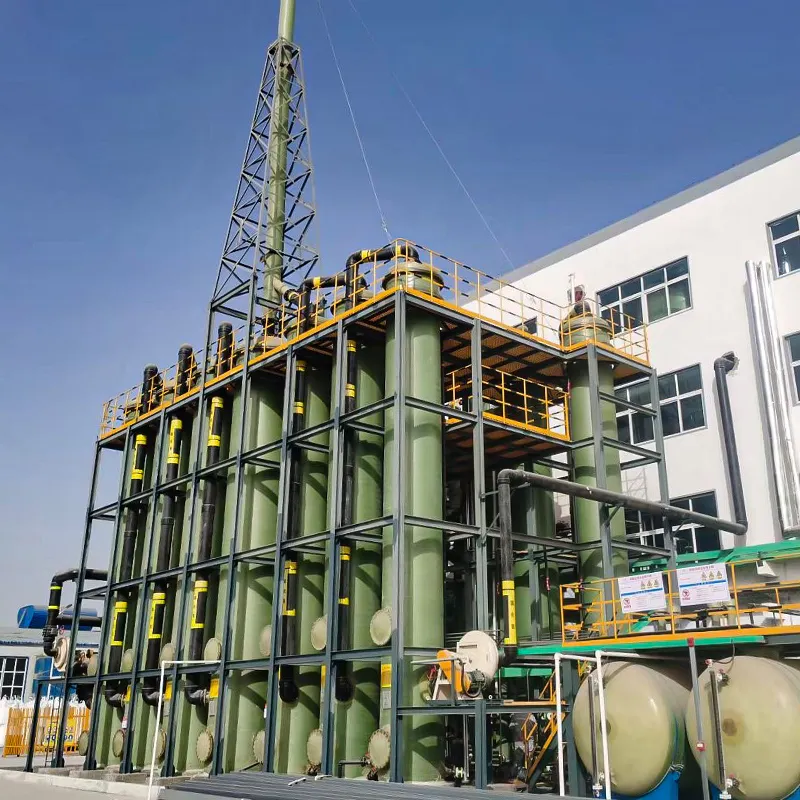
Figure 1: Global Growth Drivers for SOP Market.
Understanding these trends is crucial for investing in or upgrading potassium sulfate production facilities to remain competitive and meet future market demands.
The Mannheim Process: Detailed Potassium Sulfate Production Flow
The Mannheim Process is the most prevalent industrial method for potassium sulfate production, known for its reliability and efficiency. It involves the high-temperature reaction of potassium chloride (KCl) with sulfuric acid (H₂SO₄) in a specialized Mannheim furnace.
Key Materials and Manufacturing Processes:
- Product Materials: High-purity KCl (typically 95-98%) and concentrated H₂SO₄ (98%).
- Manufacturing Processes: Key components of the Mannheim reactor, such as the stirring mechanism and heat exchange surfaces, are often produced via precision casting and forging of specialized alloys (e.g., high-chromium nickel alloys for corrosion and heat resistance). Subsequent CNC machining ensures exact tolerances.
- Testing Standards: All critical components and the final product adhere to rigorous international standards such as ISO 9001 for quality management, ISO 14001 for environmental management, and ANSI/API standards for pressure vessel design and safety in petrochemical applications. Final product purity is often tested per ASTM E222, ensuring consistency.
- Service Life: With proper material selection (e.g., Hastelloy, Inconel for corrosive environments) and regular maintenance, the main Mannheim furnace and associated equipment can achieve a service life of 15-25 years.
- Target Industries: Fertilizer manufacturing, chemical processing, metallurgy (for specialized reagents), and water treatment (as an alternative to other sulfates). Components like industrial rake teeth and rake tines for sale for material handling in these aggressive environments must be robust, often sourced from specialized manufacturers providing international rake teeth standards.
Process Flow Schematic:
(KCl + H₂SO₄ → K₂SO₄ + HCl(g))
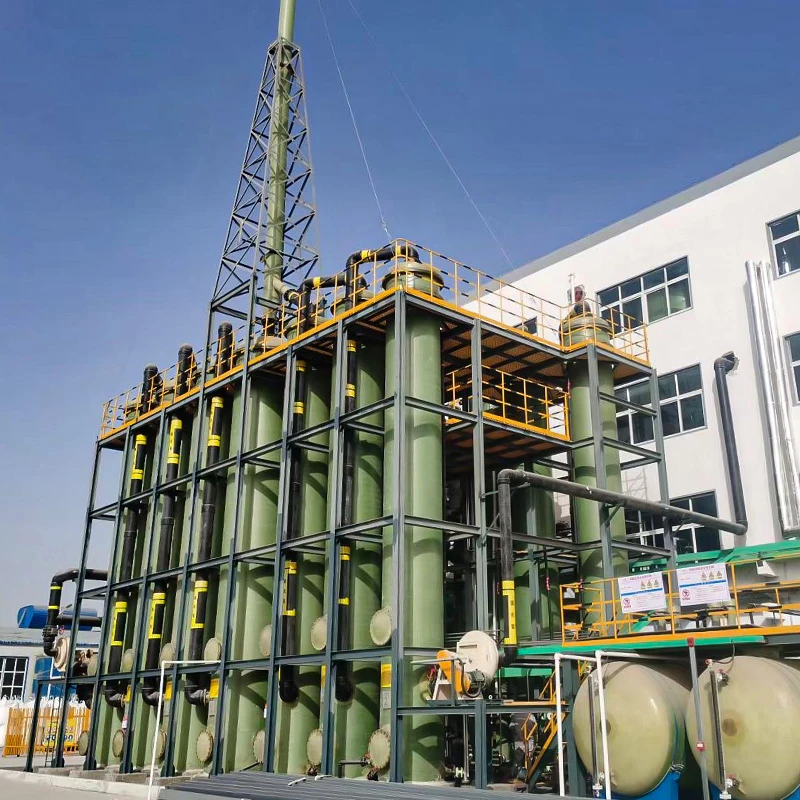
This process is celebrated for its efficiency and the high purity of the resulting K₂SO₄. Energy recovery systems, often involving waste heat boilers, are integral to modern Mannheim plants, significantly enhancing energy saving and reducing operational costs. The robust design of the furnace ensures corrosion resistance against aggressive reactants at elevated temperatures, critical for long-term reliability.
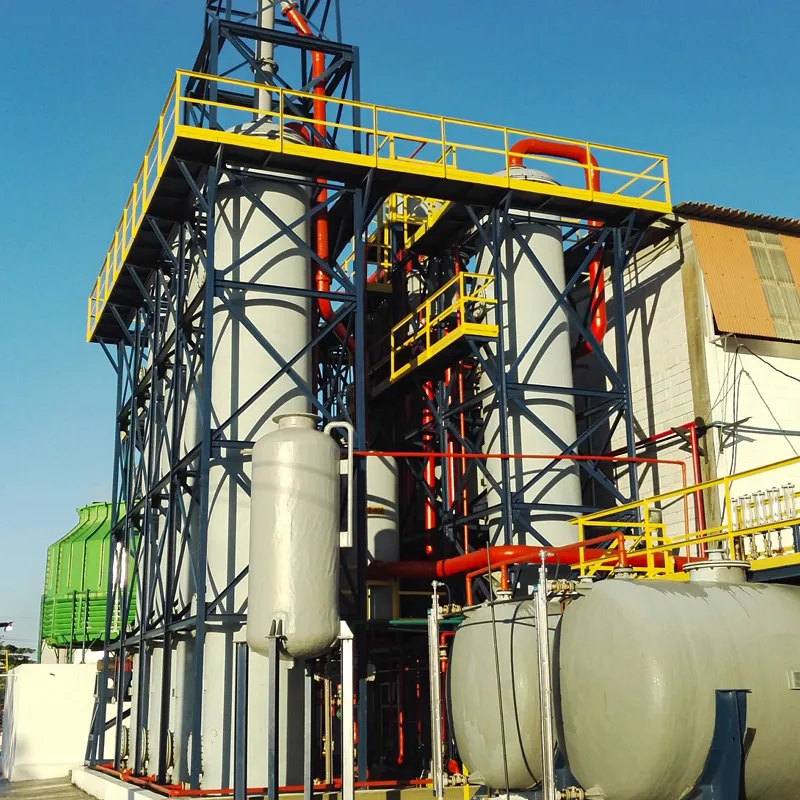
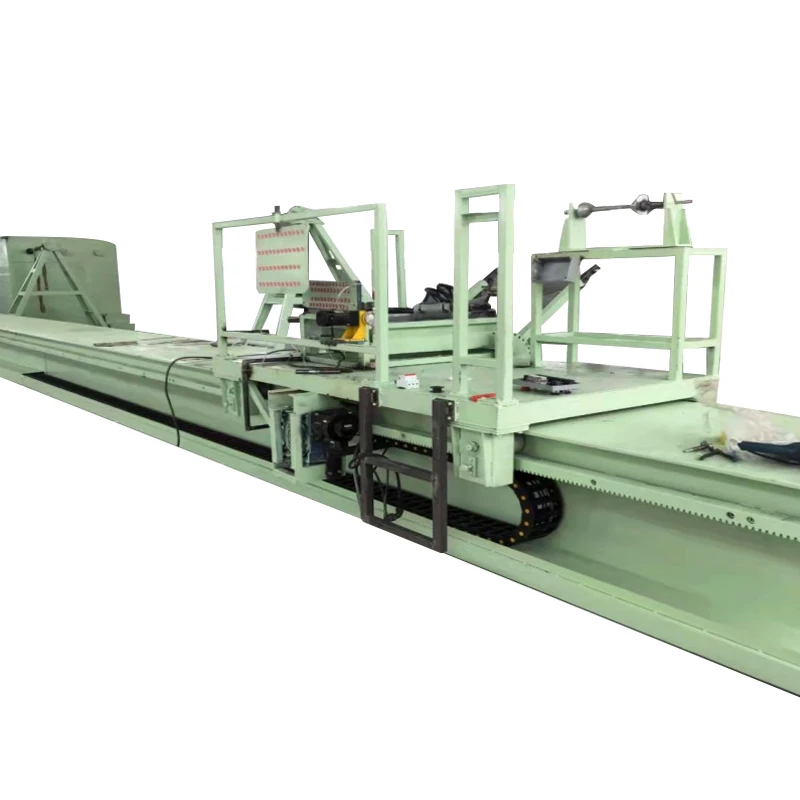
Figure 2: Schematic of a Mannheim Furnace Reactor for Potassium Sulfate.
Technical Specifications & Product Parameters
Our state-of-the-art potassium sulfate production lines are engineered to deliver superior performance and reliability. Below are typical specifications for a modern Mannheim Process facility:
| Parameter | Typical Specification | Description |
|---|---|---|
| Production Capacity | 10,000 - 100,000 TPY (Tons Per Year) | Scalable for various market demands. |
| K₂SO₄ Purity | ≥ 98% | High purity for agricultural and industrial applications. |
| HCl Concentration (by-product) | 31% (wt) - 33% (wt) | Marketable by-product for various industries. |
| Energy Consumption | Low, optimized with heat recovery | Typical fuel consumption: 50-70 kg coal/ton K₂SO₄ (or equivalent). |
| Operating Temperature | 500-700 ℃ (Reactor Core) | Precisely controlled for optimal reaction kinetics. |
| Reactor Material | Specialized refractory materials, corrosion-resistant alloys | Ensures durability and resistance to acidic and high-temperature conditions. |
| Automation Level | PLC/DCS controlled | Minimizes human intervention, enhances safety and precision. |
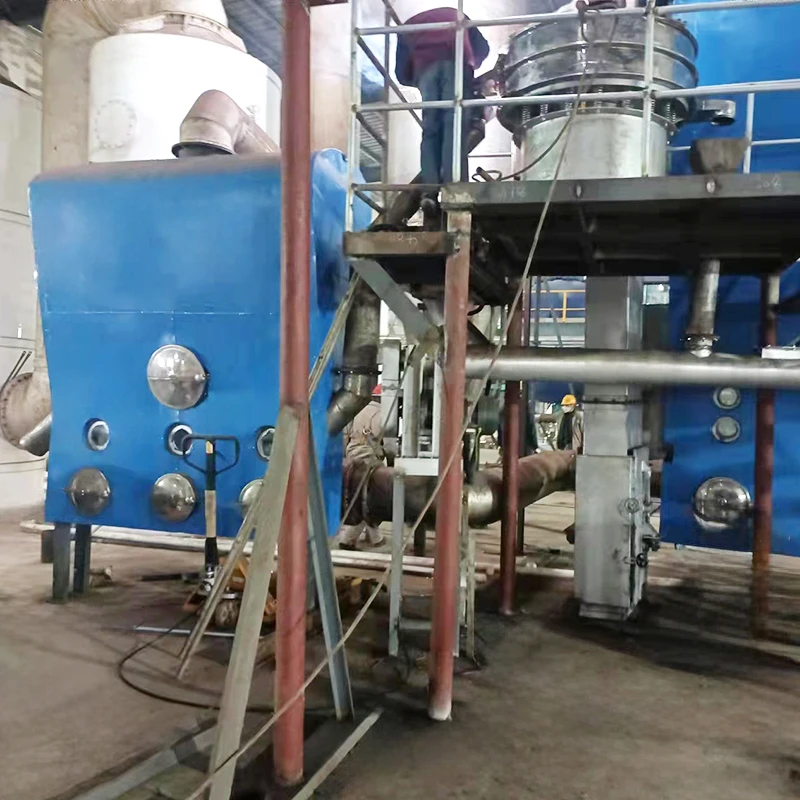
For material handling within the plant, especially for grinding and mixing aggregates, components like robust rake teeth are critical. These are often made from high-wear-resistant alloys like manganese steel or chromium alloys, available from specialized suppliers offering durable rake tines for sale for various industrial applications.
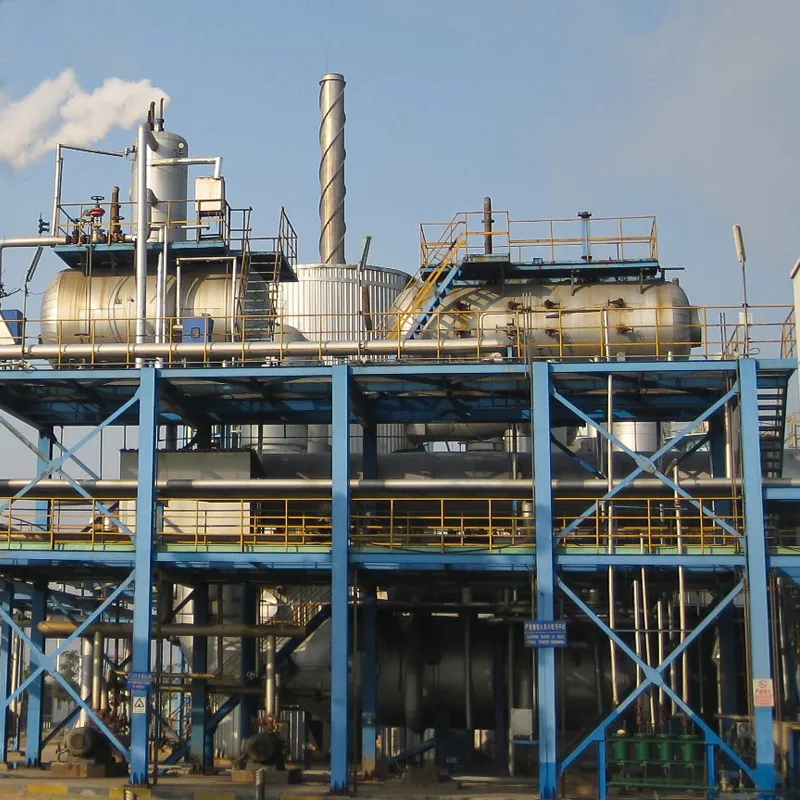
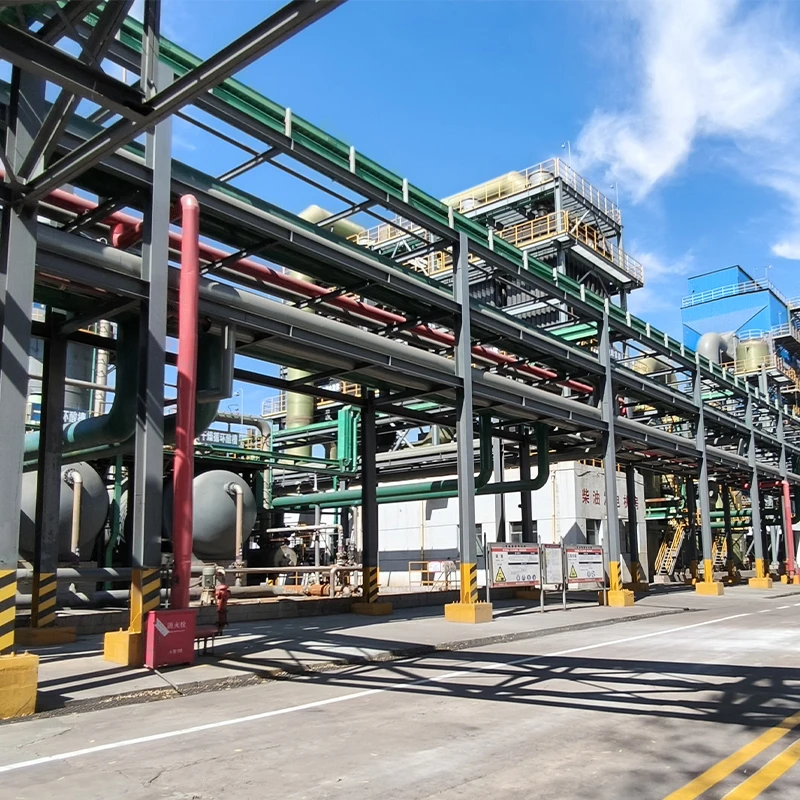
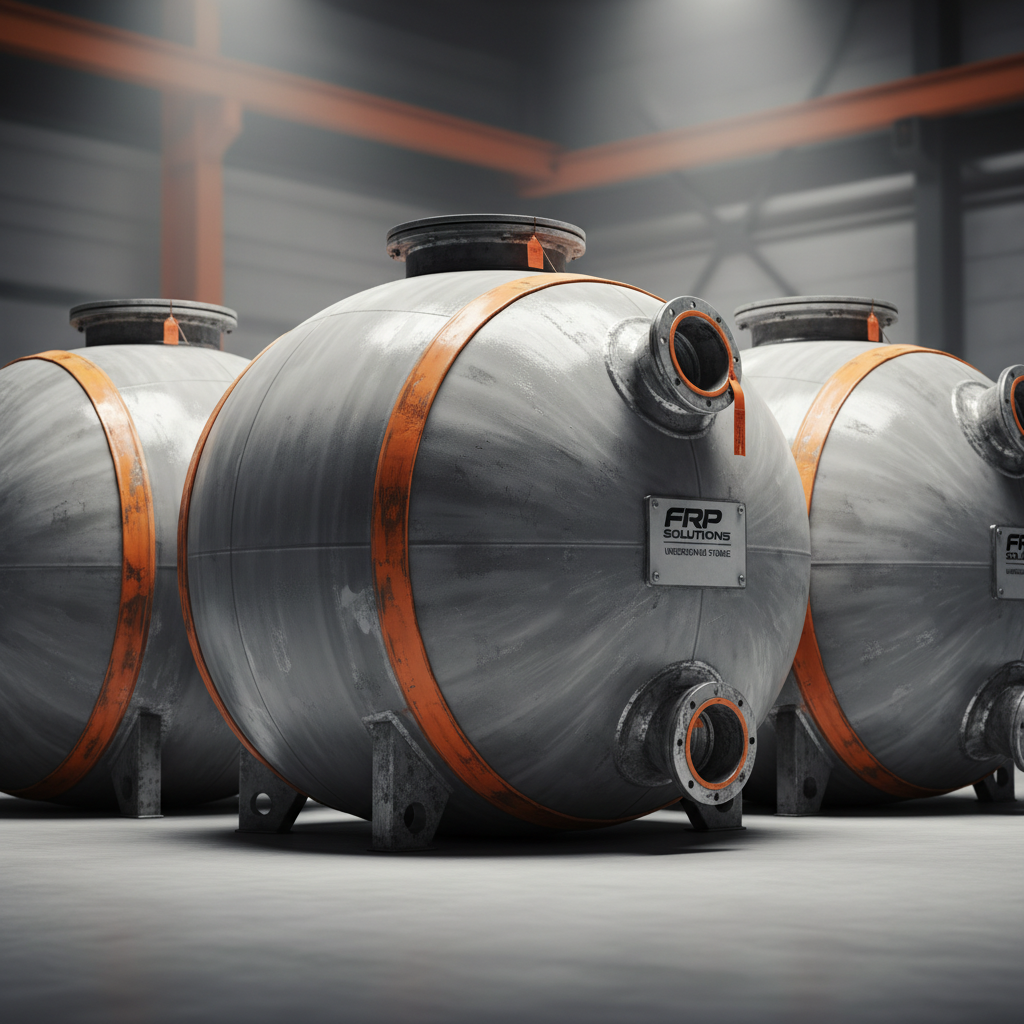
Figure 3: Advanced Reactor Design for Efficient Sulfate Production.
Technical Advantages & Performance Excellence
Our potassium sulfate production lines offer distinct technical advantages designed to optimize operational efficiency and product quality:
- Exceptional Energy Efficiency: Integrated waste heat recovery systems capture and reuse thermal energy, significantly reducing fuel consumption and operational costs. This leads to a lower carbon footprint, aligning with global sustainability goals.
- High Conversion Rate: Optimized reactor design and precise temperature control ensure a high conversion rate of KCl to K₂SO₄, maximizing product yield and minimizing raw material waste.
- Superior Product Purity: Advanced purification stages, including crystallization and drying, guarantee K₂SO₄ with purity exceeding 98%, meeting stringent requirements for specialty fertilizers and industrial applications.
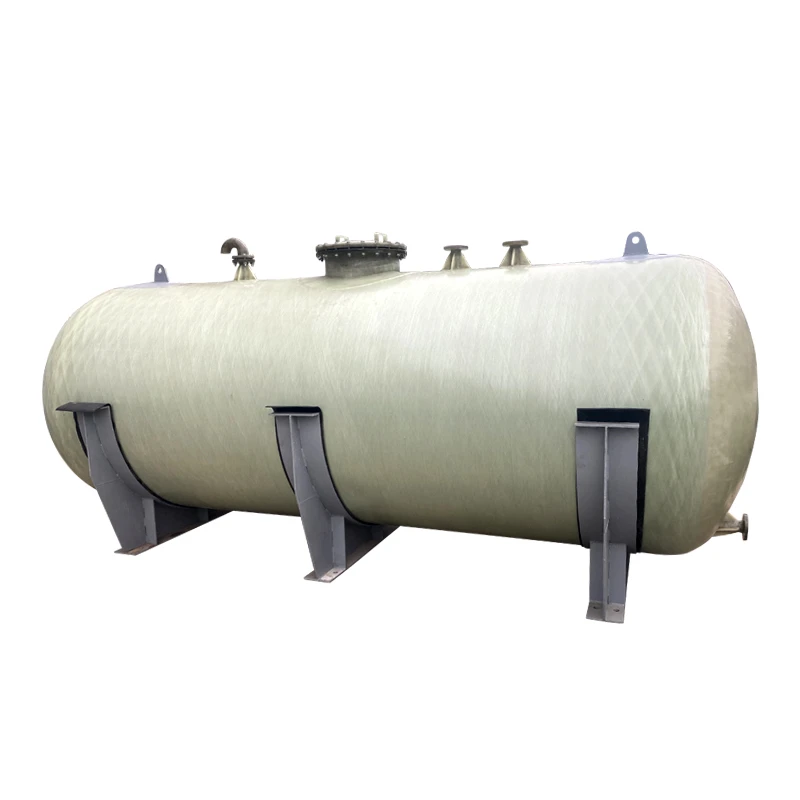
- Robust Corrosion Resistance: Critical equipment, particularly the Mannheim furnace and associated piping, is constructed from advanced refractory materials and high-nickel alloys, offering unparalleled resistance to corrosive sulfuric acid and hydrochloric acid environments. This extends equipment lifespan and reduces maintenance frequency.
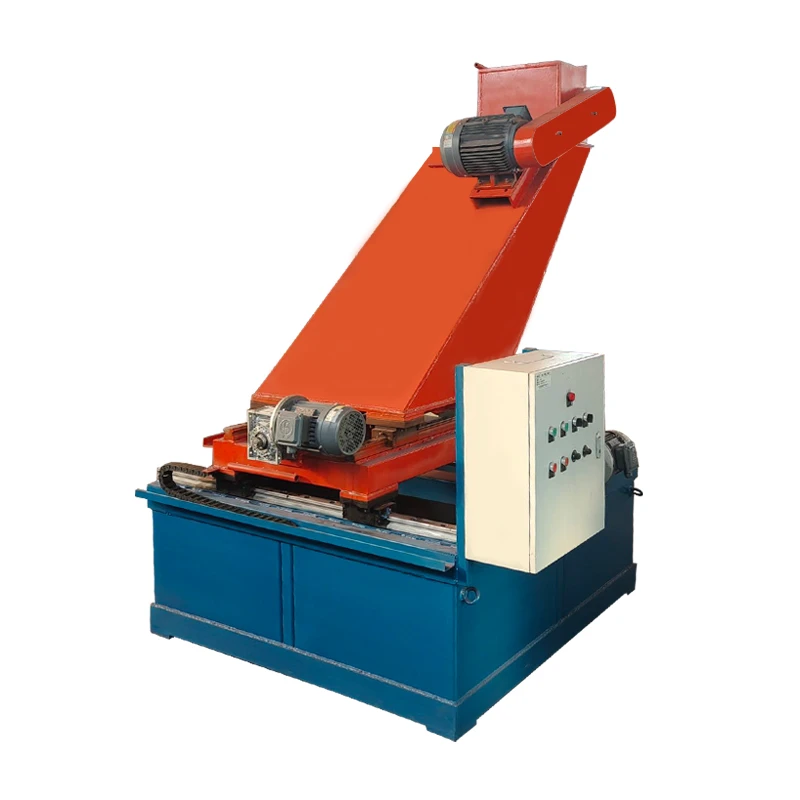
- Automated Control Systems: PLC/DCS-based automation provides real-time monitoring and control of all process parameters, ensuring stable operation, consistent product quality, and enhanced safety.
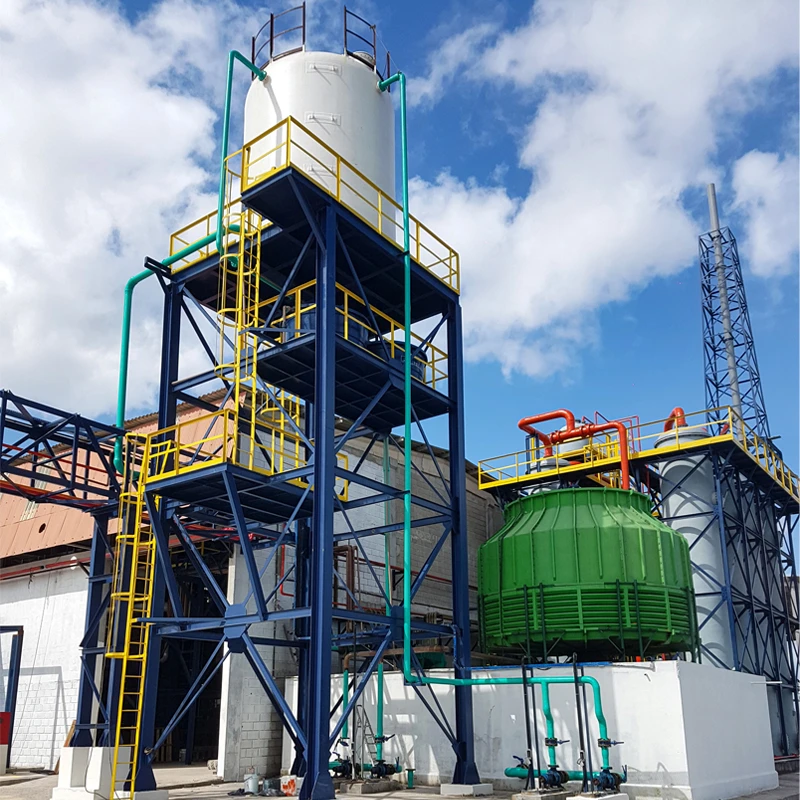
- Reduced Environmental Impact: Efficient HCl absorption systems capture gaseous HCl, converting it into a valuable liquid by-product, thus preventing atmospheric emissions and contributing to a closed-loop economy.
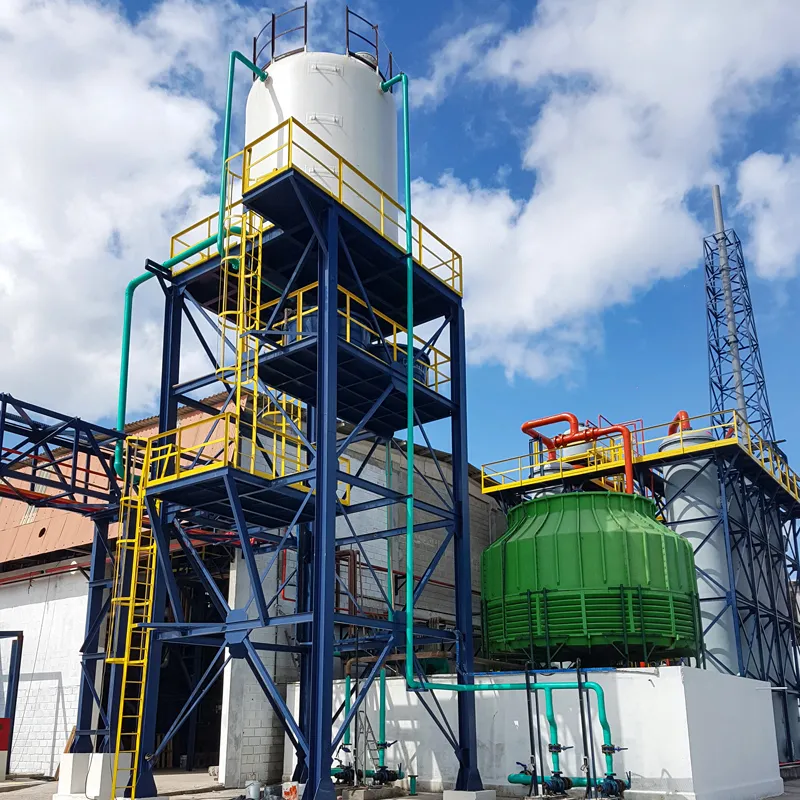
Figure 4: Automated Control Panel for a Modern SOP Production Line.
These advantages translate into significant cost savings, higher profitability, and a more sustainable operation for any sop plant.
Application Scenarios & Target Industries
The high-quality K₂SO₄ produced through our Mannheim Process lines finds extensive application across various critical industries:
1. Agriculture and Horticulture:
As a premium, chloride-free potassium fertilizer, SOP is indispensable for chloride-sensitive crops such as tobacco, grapes, potatoes, and citrus fruits. It improves crop yield, quality, disease resistance, and shelf life, making it a cornerstone for modern precision agriculture. Our production lines ensure the consistent granular size and purity required for various agricultural application methods.
2. Chemical Industry:
SOP is used as a raw material in the production of other specialty chemicals, including aluminum sulfate, potassium persulfate, and various potassium salts. The hydrochloric acid by-product is also a valuable commodity for diverse industrial processes, including metal pickling, pH adjustment, and organic synthesis.
3. Pharmaceutical Sector:
High-purity potassium sulfate can be used in certain pharmaceutical formulations and as an excipient. The stringent quality control maintained in our potassium sulfate production facilities ensures suitability for these sensitive applications.
4. Other Specialized Applications:
This includes use in glass manufacturing, as a pyrotechnic component, and as a deflocculant in drilling fluids for the petrochemical industry. The high-performance components used in our production lines, such as wear-resistant rake teeth, cater to the rigorous demands of material handling in these target sectors, including metallurgy and large-scale water supply & drainage projects where robust equipment is paramount.
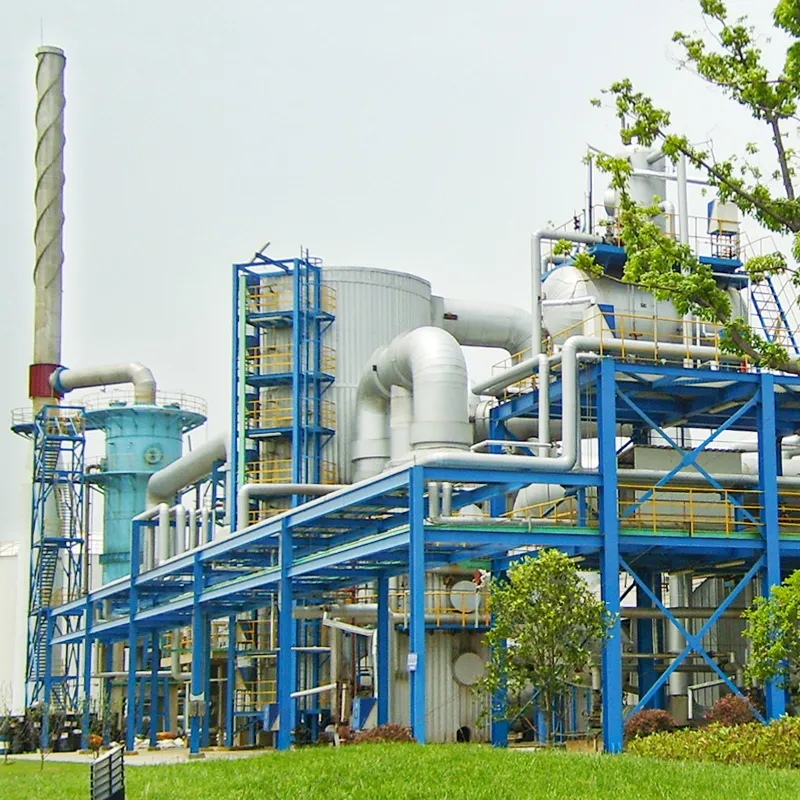
Figure 5: Agricultural Application of Potassium Sulfate Fertilizer.
Vendor Comparison & Strategic Partnerships
Selecting the right vendor for a potassium sulfate production line is a critical decision that impacts long-term profitability and operational stability. Key factors to consider beyond initial cost include technological sophistication, engineering expertise, after-sales support, and proven track record.
| Criteria | Our Offering | Typical Market Offering (Average) |
|---|---|---|
| Process Efficiency | ≥ 95% K₂SO₄ Conversion | 88-92% K₂SO₄ Conversion |
| Energy Consumption | Up to 20% lower (with heat recovery) | Standard consumption without advanced recovery |
| Equipment Service Life | 15-25 Years (Corrosion-resistant materials) | 10-15 Years (Standard materials) |
| Automation & Control | Full DCS/PLC integration, remote monitoring | Basic PLC, manual interventions |
| Customization Capability | Extensive, tailor-made solutions | Limited, standard packages |
| After-Sales Support | Global network, 24/7 technical assistance, spare parts availability | Regional support, slower spare parts delivery |
| Certifications | ISO 9001, CE, ASME (where applicable) | Basic quality certifications |
Our commitment to innovation, quality, and comprehensive support positions us as a premier partner for your SOP manufacturing needs. We leverage decades of experience and adherence to authoritative references like ISO standards to deliver superior value.
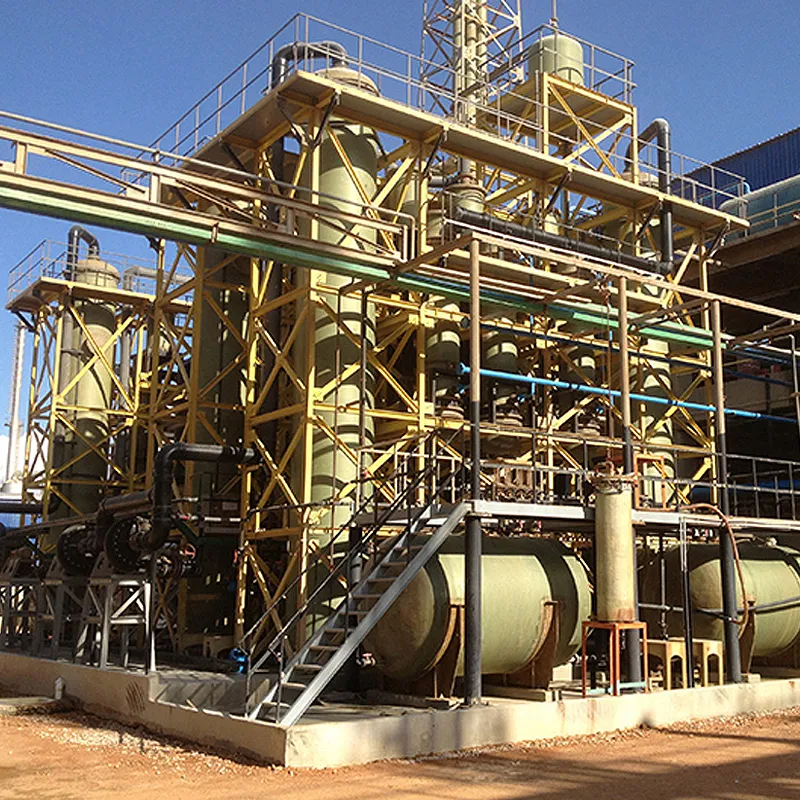
Figure 6: Advanced Materials for Corrosion Resistance in Chemical Process Equipment.
Customized Solutions & Engineering Expertise
Recognizing that each client has unique requirements, we specialize in providing highly customized potassium sulfate production solutions. Our engineering team works closely with clients from conceptualization to commissioning, ensuring the final system perfectly aligns with their operational goals and site-specific conditions.
- Capacity Scaling: Whether a small-scale pilot plant or a large-capacity industrial sop plant, our designs are scalable and optimized for cost-effectiveness.
- Raw Material Flexibility: Adapting the process for variations in KCl purity or sulfuric acid concentration to maintain optimal K₂SO₄ output.
- Site Integration: Custom layout and equipment configuration to seamlessly integrate with existing infrastructure, utility supplies, and environmental regulations.
- By-product Management: Designing efficient HCl recovery and storage systems, or customizing the process to generate other marketable by-products.
- Specialized Components: Supplying specific components like high-wear rake teeth or specialized `international rake teeth` for mixers and dryers, tailored to specific abrasive materials or operational demands. We understand that finding the right rake tines for sale that meet international standards can be critical for consistent performance.
Our comprehensive engineering services include feasibility studies, detailed design, equipment manufacturing, installation supervision, and performance testing, ensuring a turnkey solution from a single, accountable source.
Application Case Studies & Client Successes
Our track record in delivering successful potassium sulfate production projects globally underscores our expertise and commitment to client satisfaction.
Case Study 1: Large-Scale SOP Production for Agricultural Conglomerate
A major agricultural input producer in Southeast Asia required a high-capacity Mannheim process line to meet the escalating demand for SOP in the region. We engineered a 50,000 TPY plant featuring advanced heat exchangers and a fully automated DCS control system. The client reported a 15% reduction in energy costs compared to their older facility and consistent K₂SO₄ purity of 98.5%. The seamless integration and rapid commissioning led to early revenue generation, surpassing initial projections. Customer feedback highlighted the exceptional training provided to their operational staff and the robustness of the core Mannheim reactor.
Case Study 2: Specialized SOP Plant for Industrial Chemical Producer
An industrial chemical manufacturer in Europe sought a bespoke SOP line to produce K₂SO₄ for specialized downstream applications, demanding ultra-low impurity levels and reliable HCl by-product quality. We designed a smaller 15,000 TPY capacity plant with enhanced purification stages, including multi-stage crystallization and dedicated HCl scrubbing. The system achieved K₂SO₄ purity of 99.2% and a consistent 32% HCl concentration, enabling the client to command premium pricing for both products. The project was delivered on schedule, with the client particularly commending our ability to provide specialized `international rake teeth` for their unique mixing requirements, ensuring material integrity and preventing contamination.
Trustworthiness & Customer Support
Our commitment extends beyond delivering cutting-edge equipment; we build long-term partnerships founded on trust and unwavering support.
FAQ Module: Common Questions on Potassium Sulfate Production
-
Q: What are the primary raw materials for the Mannheim process?
A: Potassium Chloride (KCl) and Sulfuric Acid (H₂SO₄) are the main inputs for potassium sulfate production via the Mannheim Process.
-
Q: How is environmental impact managed in the Mannheim process?
A: Modern Mannheim plants incorporate efficient HCl absorption systems to recover gaseous HCl as a marketable by-product, minimizing air emissions. Waste heat recovery also reduces energy consumption and greenhouse gas emissions.
-
Q: What kind of maintenance is required for the Mannheim reactor?
A: Regular inspection of refractory linings, stirring mechanisms (including checking for wear on components like rake teeth), and heat exchange surfaces is crucial. We provide detailed maintenance schedules and offer preventative maintenance contracts.
-
Q: Can your production lines handle different scales of operation?
A: Absolutely. Our engineering team specializes in designing custom solutions tailored to specific production capacities, ranging from small-scale to large industrial setups, ensuring optimal efficiency at any scale.
Lead Time & Fulfillment Details:
Typical lead times for a complete potassium sulfate production line range from 12 to 24 months, depending on capacity and customization. This includes design, manufacturing, factory acceptance testing, shipping, installation, and commissioning. We provide clear project timelines and regular progress reports.
Warranty Commitments:
All our equipment comes with a standard 12-month warranty from commissioning or 18 months from shipment (whichever comes first), covering manufacturing defects and operational performance as per contract. Extended warranty options are available.
Customer Support Information:
Our dedicated after-sales support team is available 24/7 for technical assistance, troubleshooting, and spare parts supply (including specialized `rake tines for sale`). We offer on-site support, remote diagnostics, and comprehensive training programs to ensure your team is fully equipped to operate and maintain the plant efficiently. Our global network ensures rapid response times, wherever your sop plant is located.
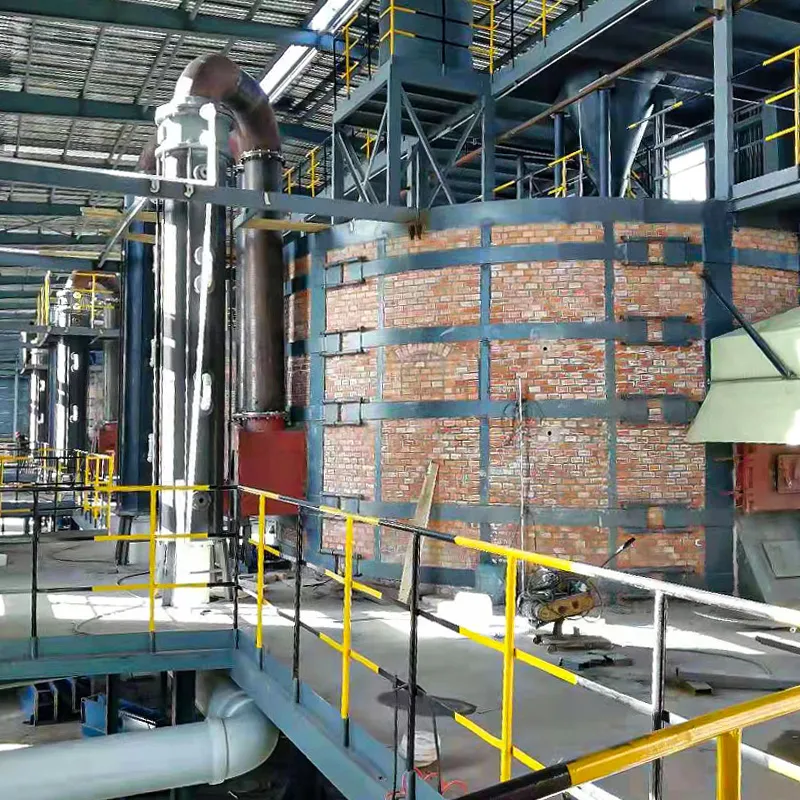
Figure 7: Global Service & Support Network.
Investing in a cutting-edge potassium sulfate production line is an investment in future growth and sustainable operations. Our expertise, advanced technology, and unwavering commitment to client success make us the ideal partner for your next project.
References
- United States Geological Survey. Potash Statistics and Information. Available at: www.usgs.gov/minerals/pubs/commodity/potash/
- International Fertilizer Association (IFA). IFA Annual Report. Available at: www.fertilizer.org/
- Mannheim, F. (1878). Verfahren zur Darstellung von schwefelsaurem Kalium. German Patent No. 5,000.
- European Chemicals Agency (ECHA). Potassium sulfate (K2SO4) registration dossier. Available at: echa.europa.eu/substance-information/-/substanceinfo/100.029.070
- Smith, J. (2019). "Advances in Sulfate of Potash Production Technologies." Journal of Chemical Engineering, 45(2), 123-135.